Origins and backstories
I know exactly how I stumbled upon 28mm as my preferred focal length and it starts, as most things do, at the beginning.
As a young and impressionable child in the glamorous 1990's, Kodak disposable cameras were just about everywhere. They were at the pharmacy, the grocery store, the airport, the convenience store... you name it and it sold disposable cameras. And so it was that I often asked my parents to buy me a Kodak FunSaver almost every time I saw one. What happened to the mountain of negatives that we got back from the lab, I'll never know - and I do know that they were developed because I remember usually being disappointed and excited all at the same time as I held those prints in my hands - but it remains that how I first came into photography was with these little toys. And wouldn't you know it, but Kodak outfits these cameras with wide angle, 30mm lenses.
28mm and 30mm are not the same on a technical level. But in reality, this likely equates to half a step forwards or backwards to gain identical composition. And they are certainly close enough in field of view to make any differences just about negligible. The point here being, if there is a point to make, that if I had to pinpoint the exact reason why I prefer wide angle lenses it would have to do with the fact that they are fun. Because if I had narrow it down to why I so loved those Kodak FunSavers, beyond the sound of the plastic shutter or the cheap crank of the film advance wheel, it would be that I loved the idea of capturing a moment. Oh, I'm sure I took my fair share of portraits - more than likely of my younger sister crying or of my mother's goofy faces - but what I was usually pointing that little plastic lens at was a city street filled with people, a toy store with kids crowding around the newest Kenner release (remember when toys had their own stores?), or a lonely cow at the fence of a pasture. And this is exactly how I make photographs today.
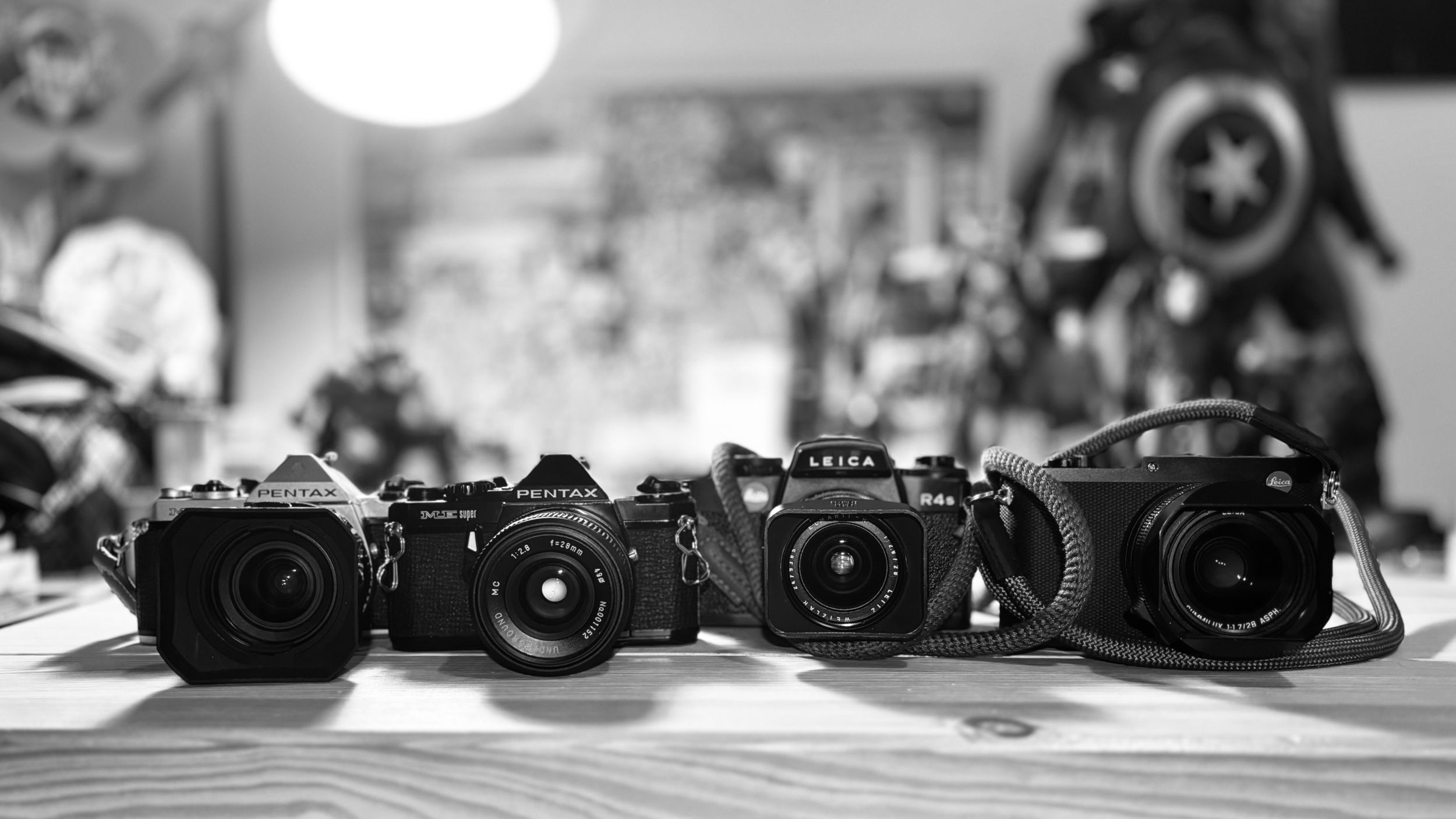
When I got back into photography during the COVID lockdowns of 2020, I did so because the two ways I had become most dependent upon for artistic expression weren't what I needed at that time. I'm a musician and playing music is fantastic, but requires others to really jam. I'm also a writer and writing is also great, but it was going to keep me locked in my house. Getting back into photography was a great way to keep my distance from others while out of the house and exercise some artistic expression. But I knew virtually nothing of photography outside of 1) point lens here, and 2) push shutter release there. So when I got myself a Pentax ME Super with a SMC Pentax-A 50mm f1.7 lens, I was finding it difficult to make the sort of photographs I wanted. This was ameliorated quite a bit when I got a very old, but very capable Leica V-Lux 1, equipped with a zoom that was 420mm on the telephoto end and 35mm on the wide end. Now I was getting somewhere. And so many of the photos I took with that camera are right at the widest 35mm focal length. This helped me discover that I definitely preferred wide angle to standard or telephoto lenses.
That is how I came upon the Leica Q. After playing around with a Fujica 35 Auto-M and realizing a rangefinder was not for me, but wanting to really use Leica lenses, the Q made the most sense for me. It provided an even wider 28mm lens which could be cropped to 35mm inside the camera and would seemingly give me everything I needed or even wanted in my camera. It took me three years of making photos with my other cameras to come up with this hypothesis, but I believed it to be correct. So, I sold some vintage comic books and collectibles and invested in 28mm.
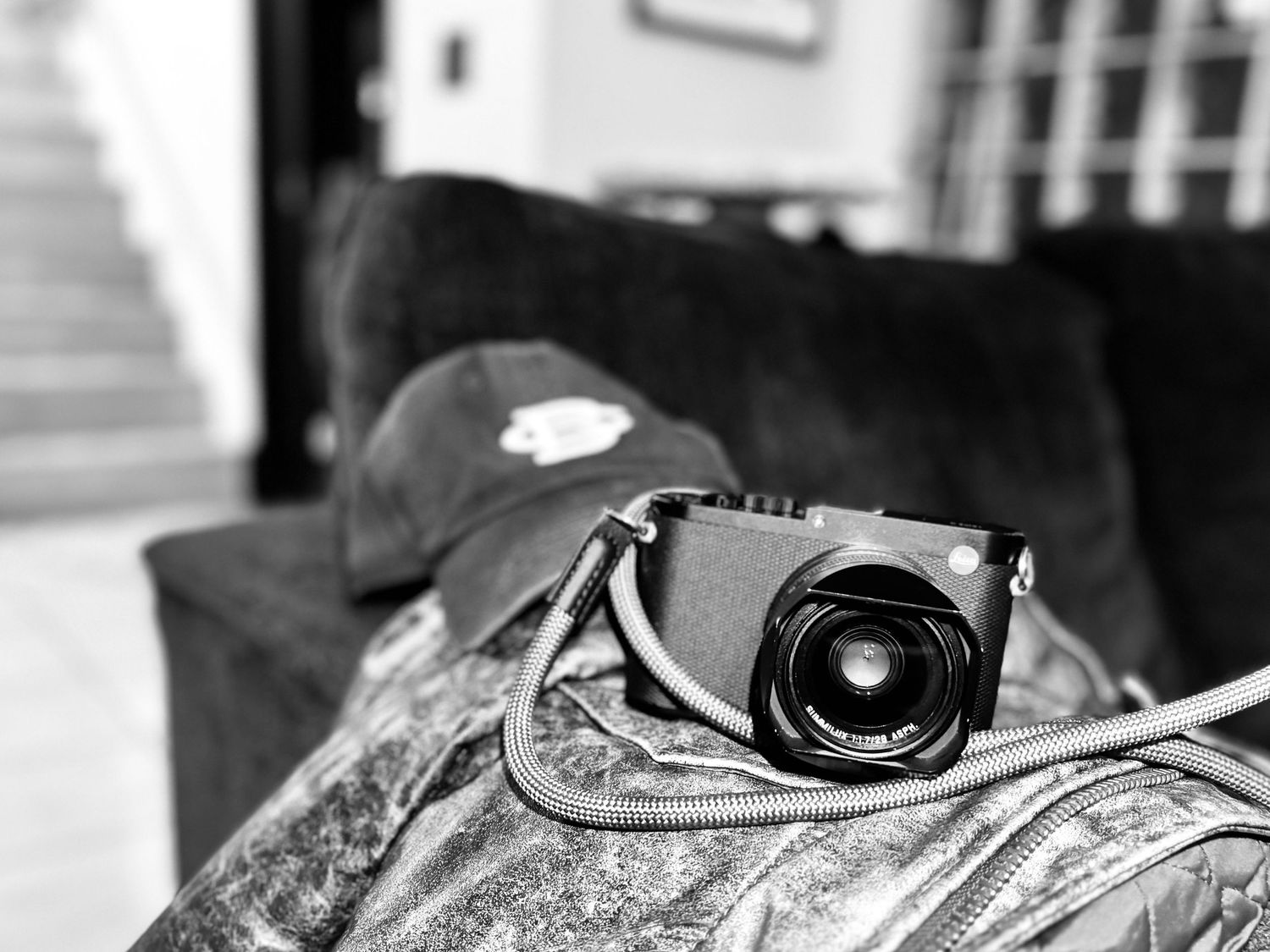
Bet it all on 28
The very first photograph I made in 28mm was of my oldest son as we walked our favorite trail near our home. This is a trail that we walk often (any time that isn't summer because Miami summers are brutal) and I had made photos like this countless times before. But as soon as I peered through the viewfinder and found this composition, I knew that there was something different about 28mm. This was how I saw the world. And I saw the story being told in the frame. With Link looking back and smiling, but the path continuing ahead of him it was clear that this was a story of a boy who was excited to be out of the house and exploring this trail. I thought about this as I wondered why this portrait spoke to me in a way that none of the previous portraits I had taken had managed to do. Surely, 35mm is wide enough, isn't it? It certainly can be, but I found it often too restricting for the composition I saw before me.
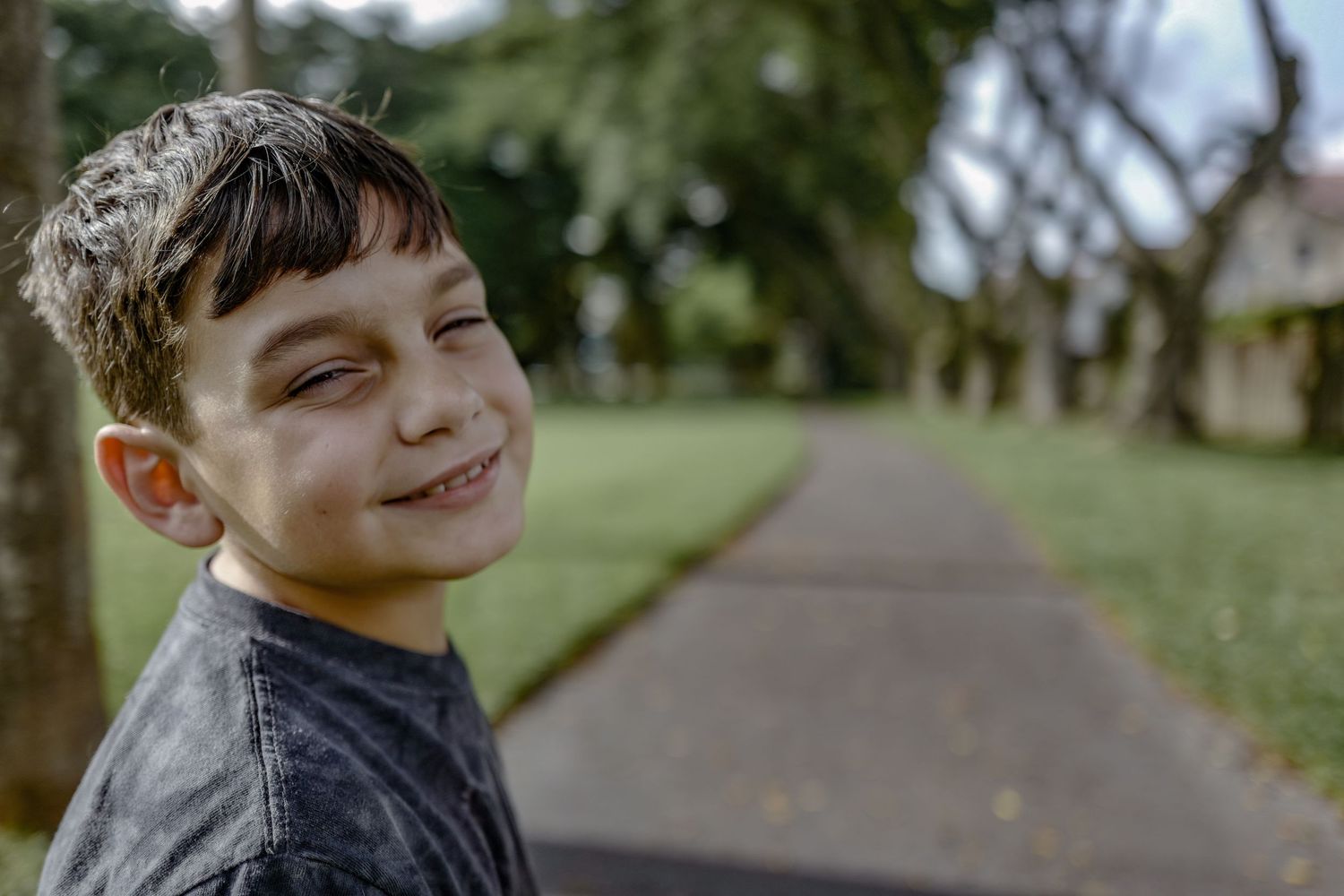
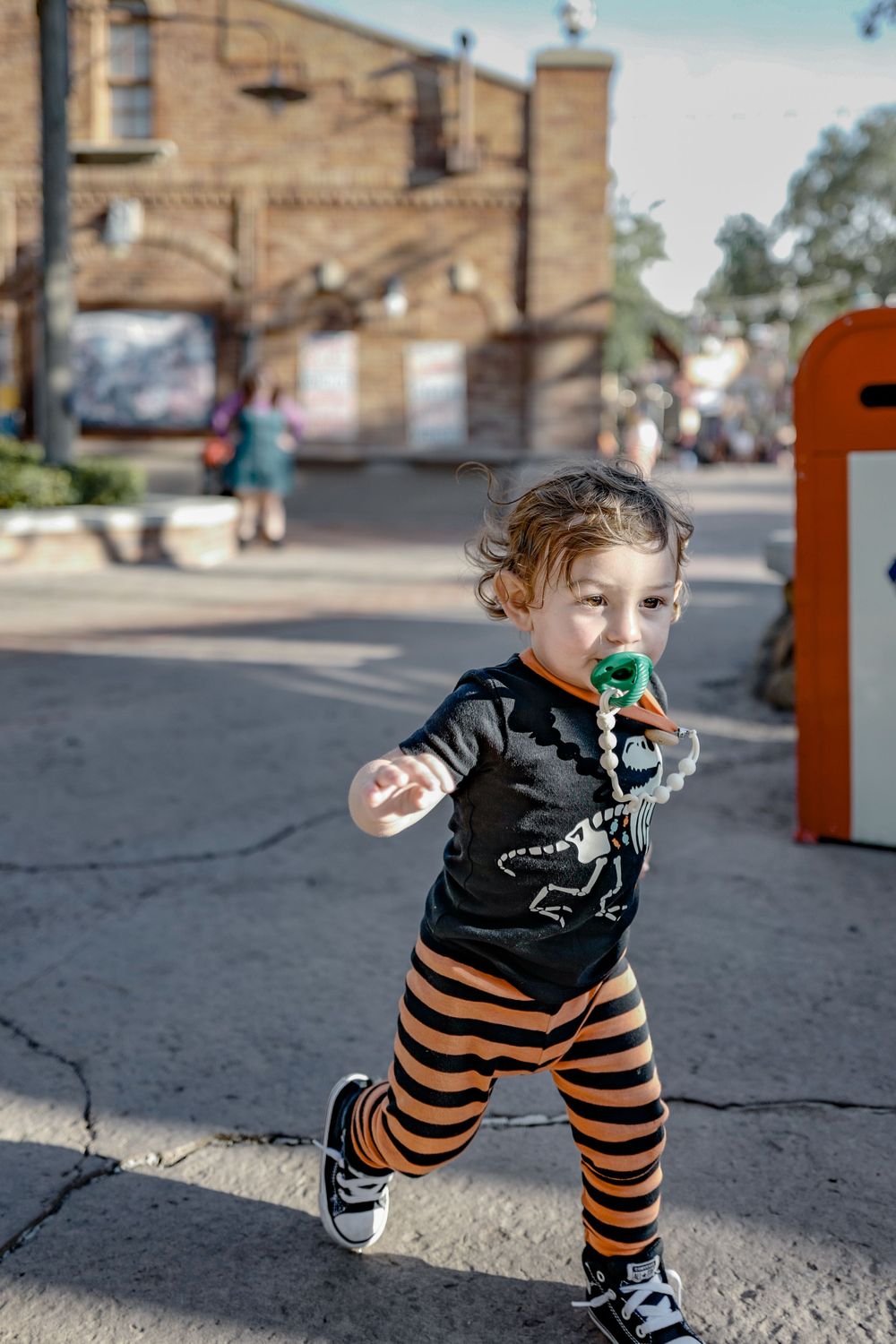
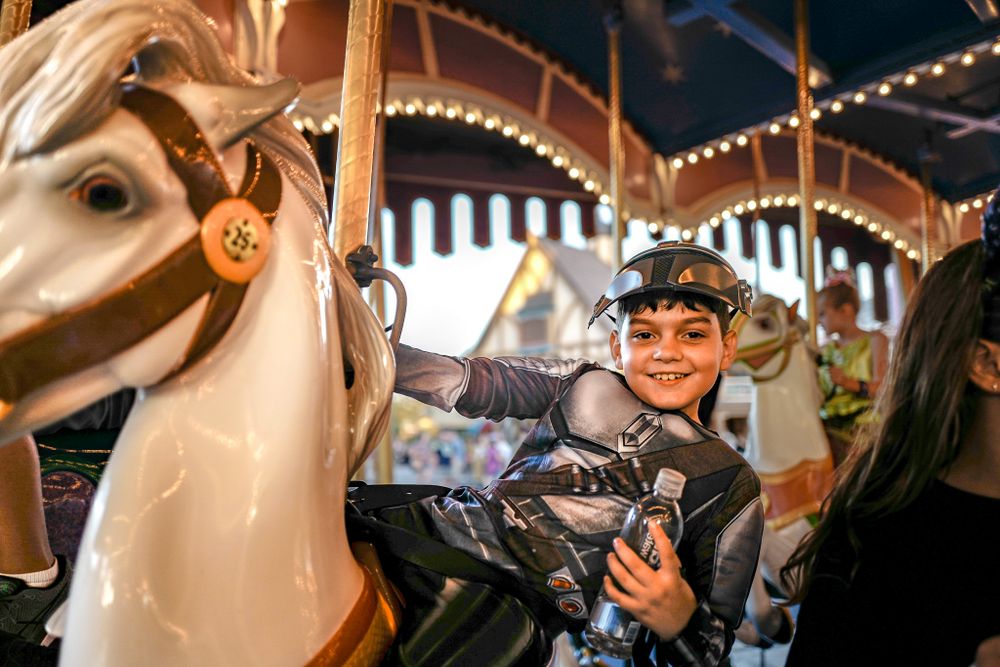
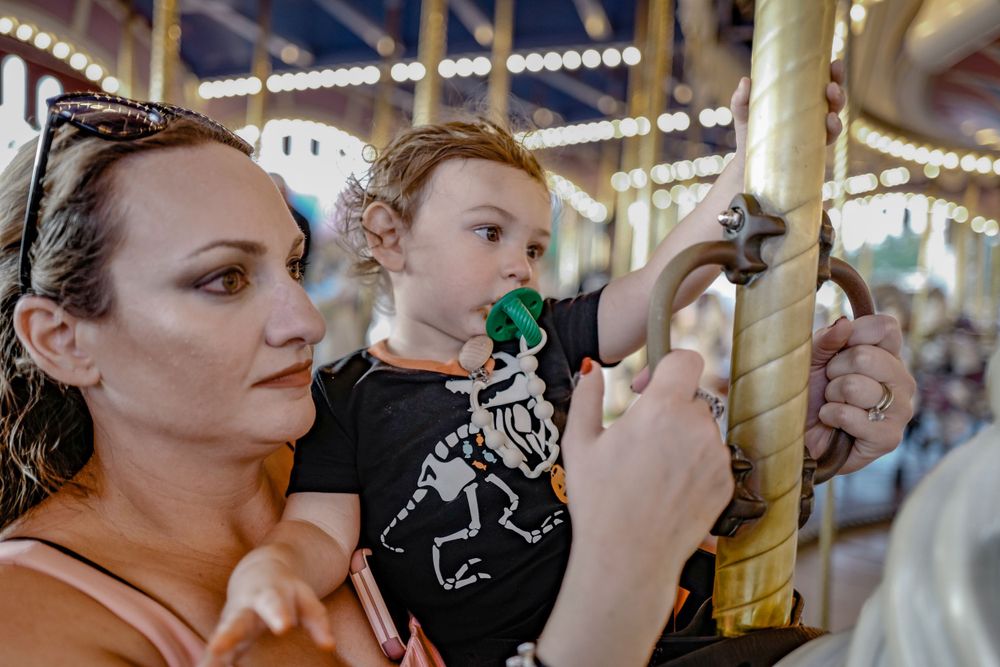
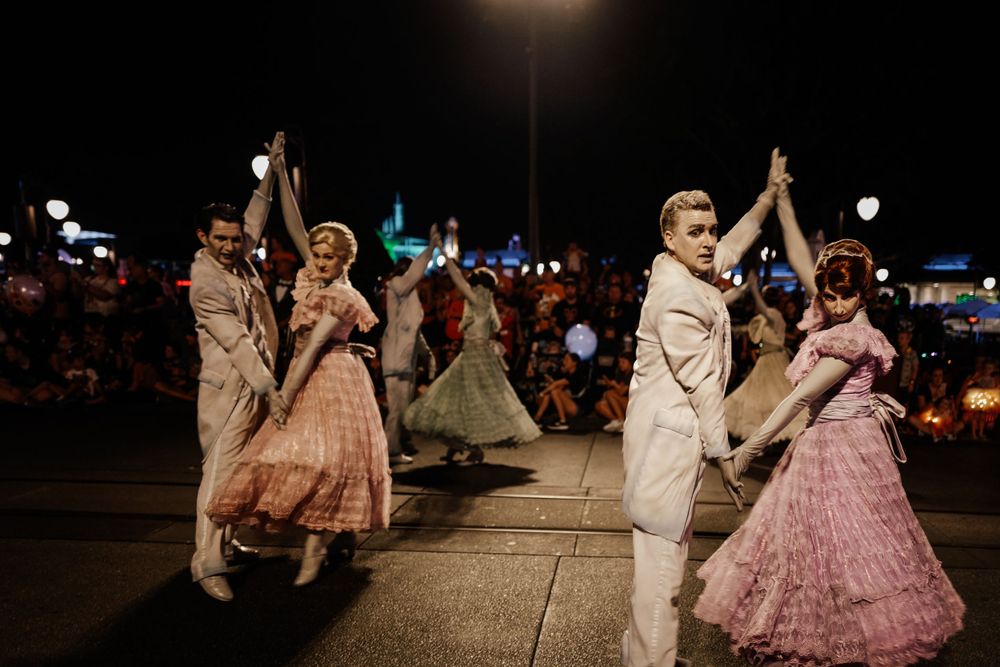
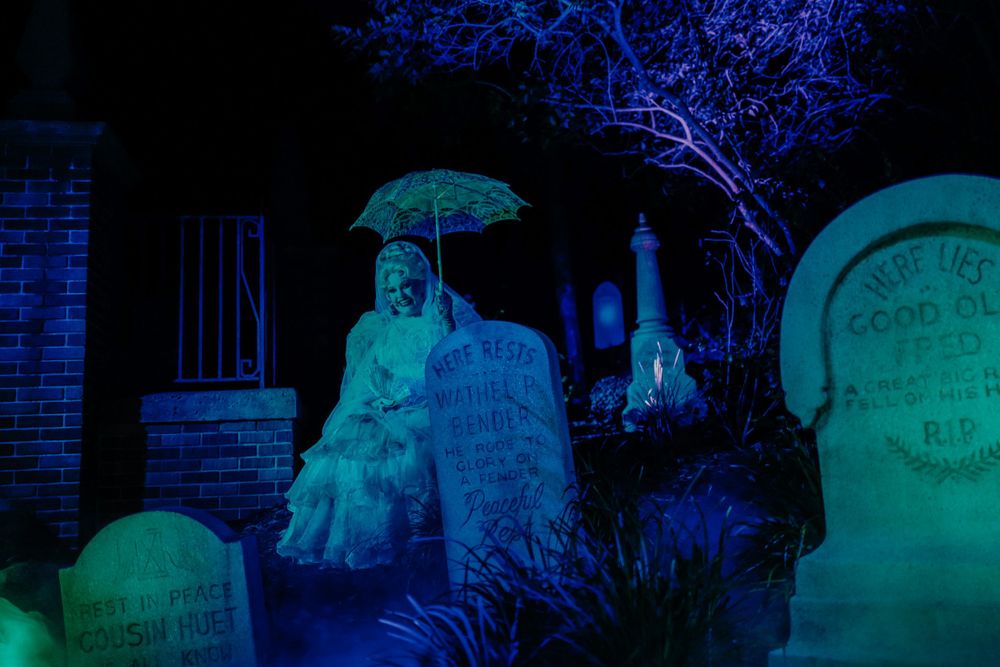
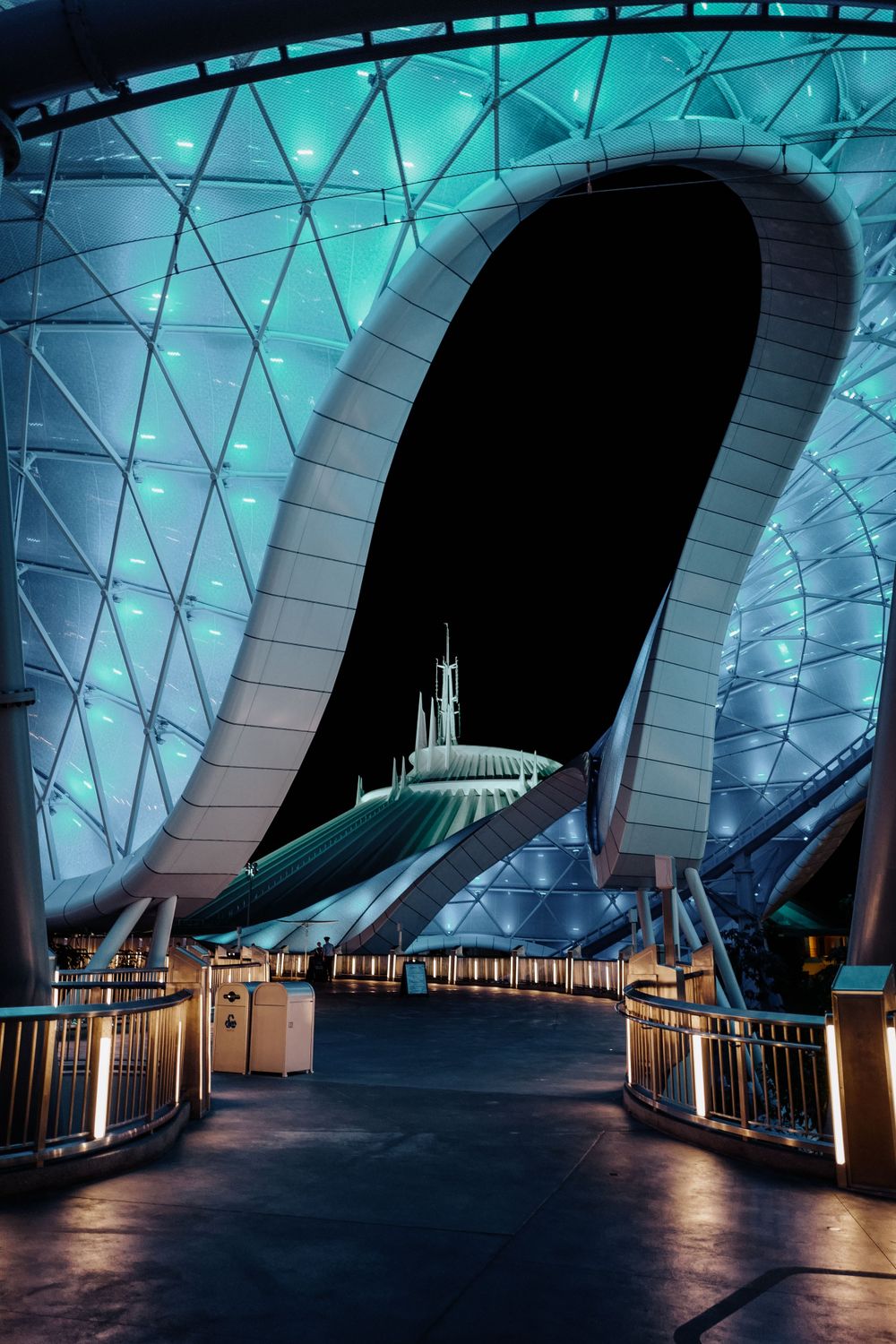
What I landed on was that 28mm was more freeing, allowing me enough space to tell the story I wanted to tell with my camera. We took off to Orlando five days later. We were taking the kids to Mickey's Not So Scary Halloween and I packed my Leica Q, with a few spare batteries to make sure I would be able to photograph all day.
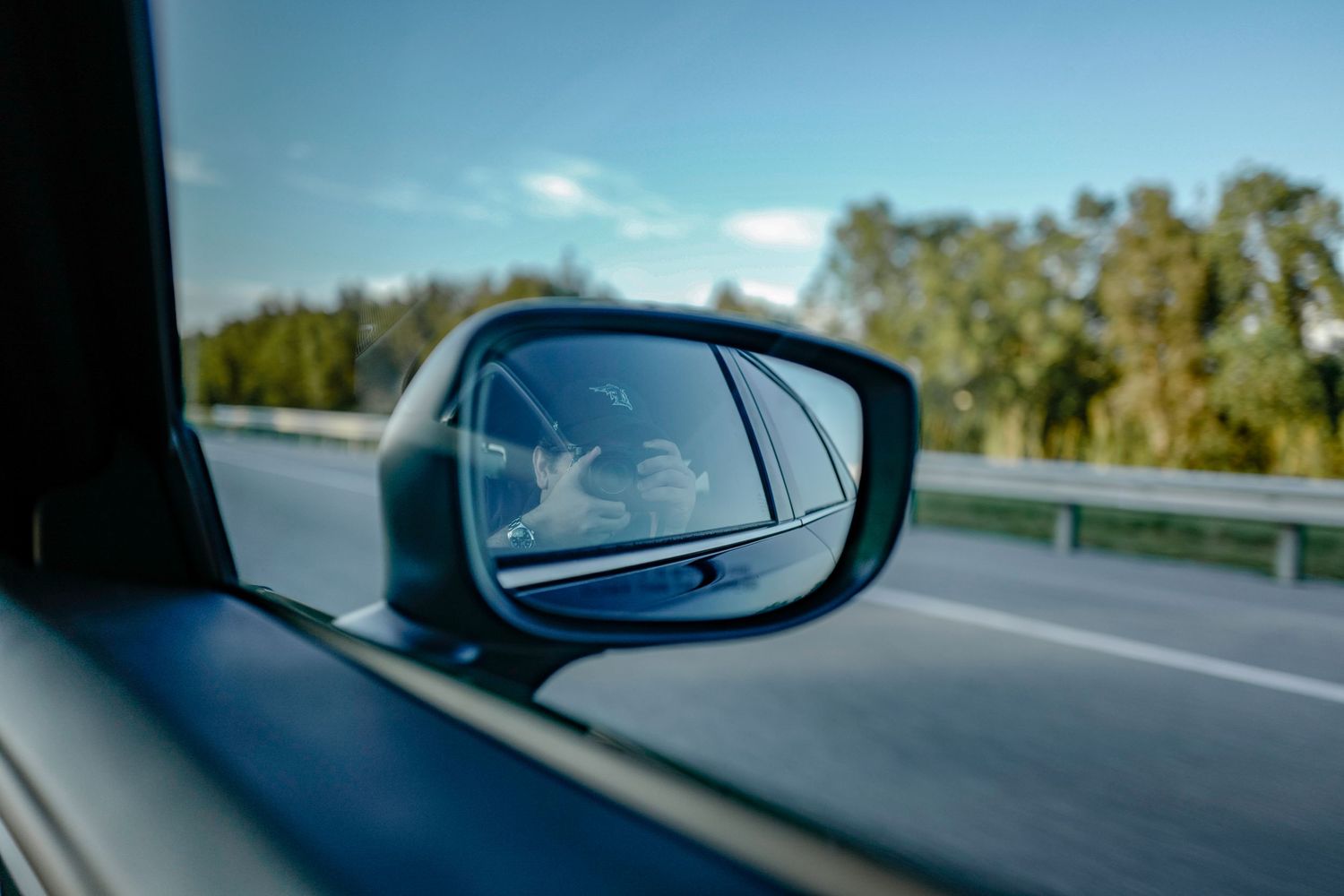
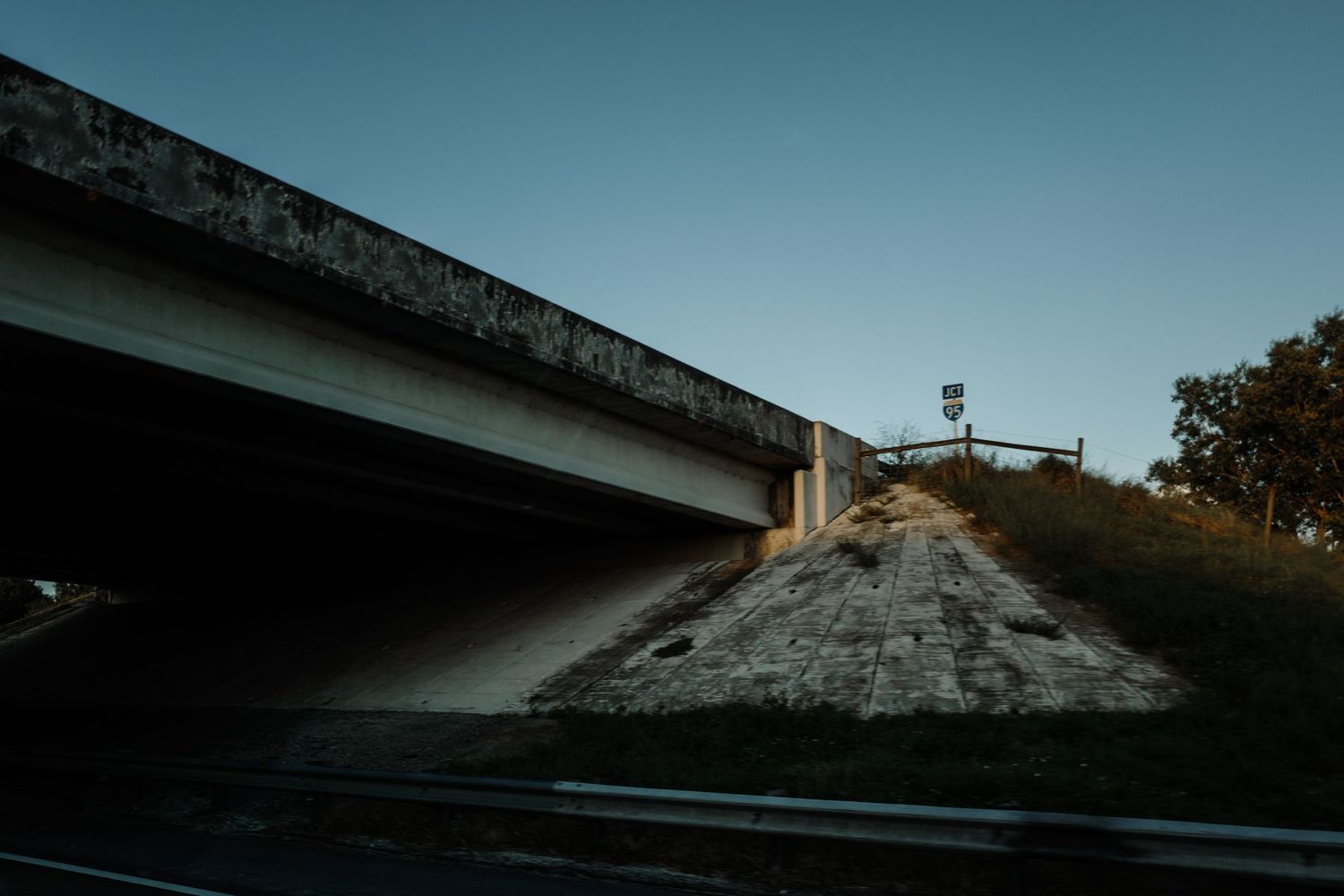
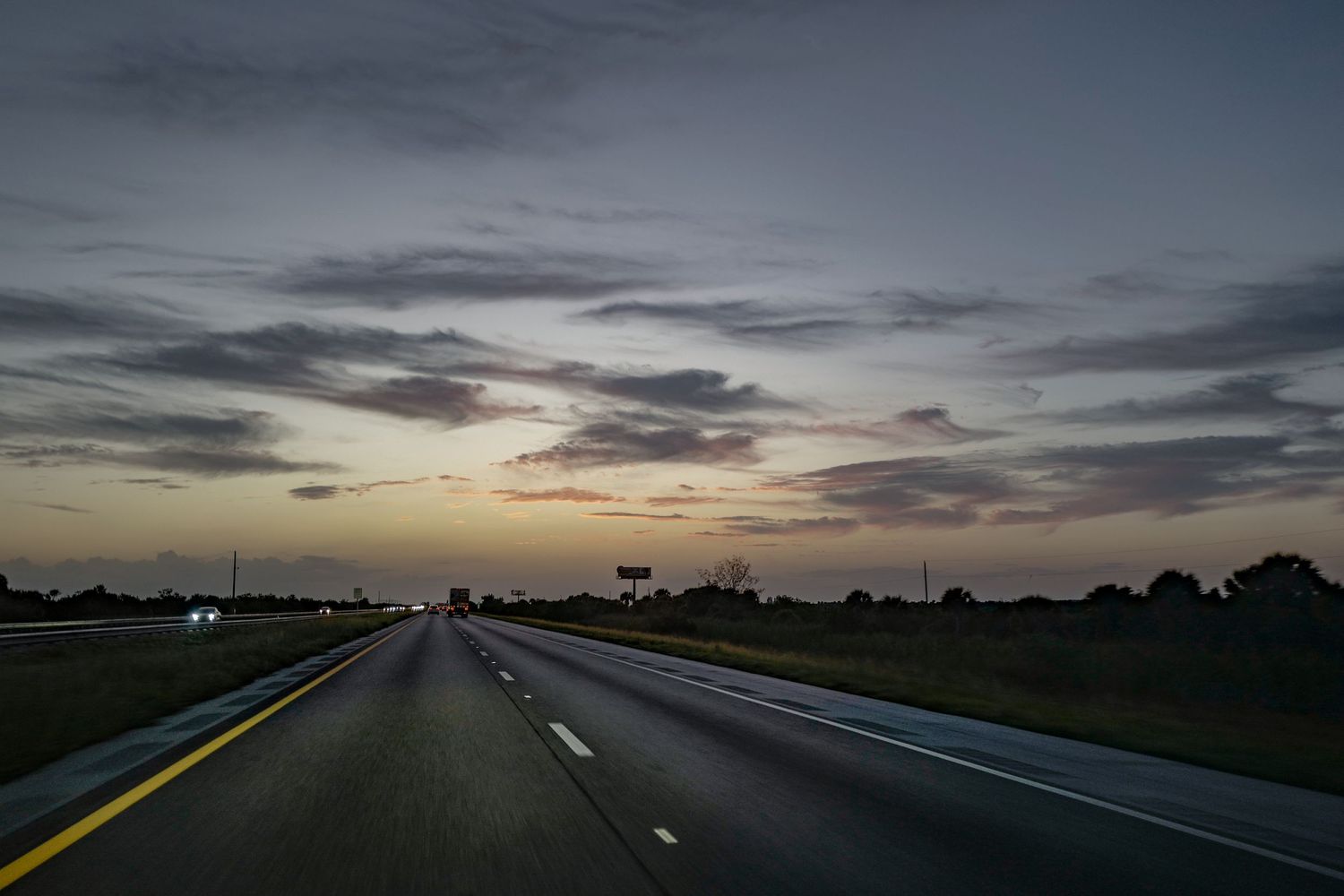
They say that we all see the world in different focal lengths. Stephen Spielberg has famously said that he sees the world in 21mm, which is why he uses that focal length so often. It would seem, then, that I see the world in 28mm, because I was seeing compositions everywhere. This had not happened to me before with narrower fields of view. I would hunt for compositions, take a few steps back and try again. But the stories I saw before me were so clear with 28mm.
I cannot say I didn't feel like a photographer before this. I think I certainly made some nice photographs before coming upon the 28mm lens. But now it felt intuitive. I wasn't so much looking for compositions as I was simply seeing compositions. And this isn't to say that I don't fall back on 35mm, 50mm, or 90mm from time to time. We can't use a wide angle for everything, of course. But I finally started to feel like the reason I make photographs in the first place, going back to the reason I asked my parents for all those Kodak FunSavers so long ago, well that was coming back to me.
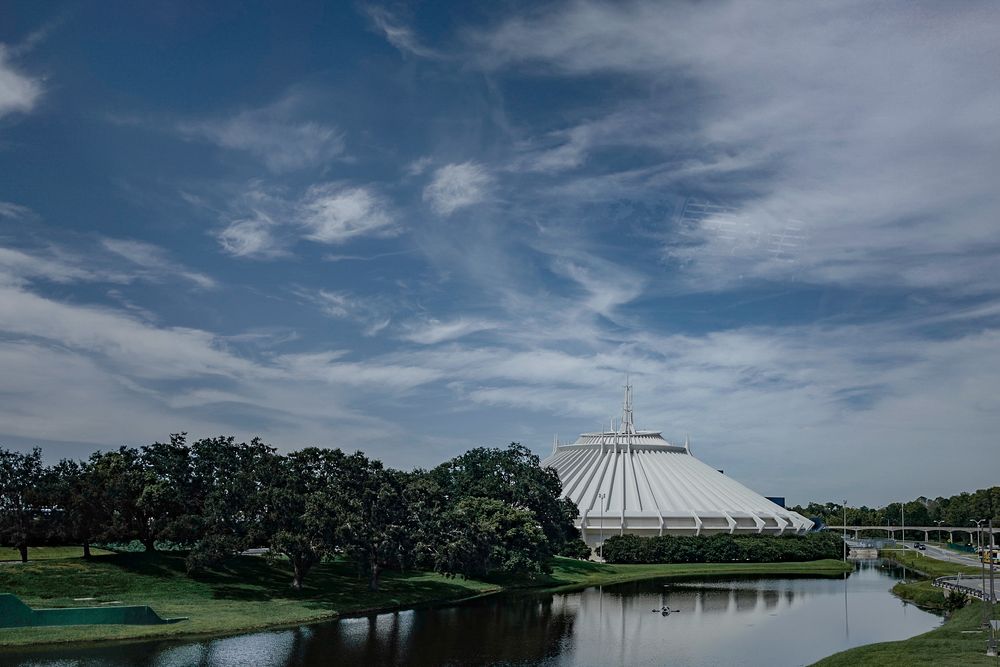
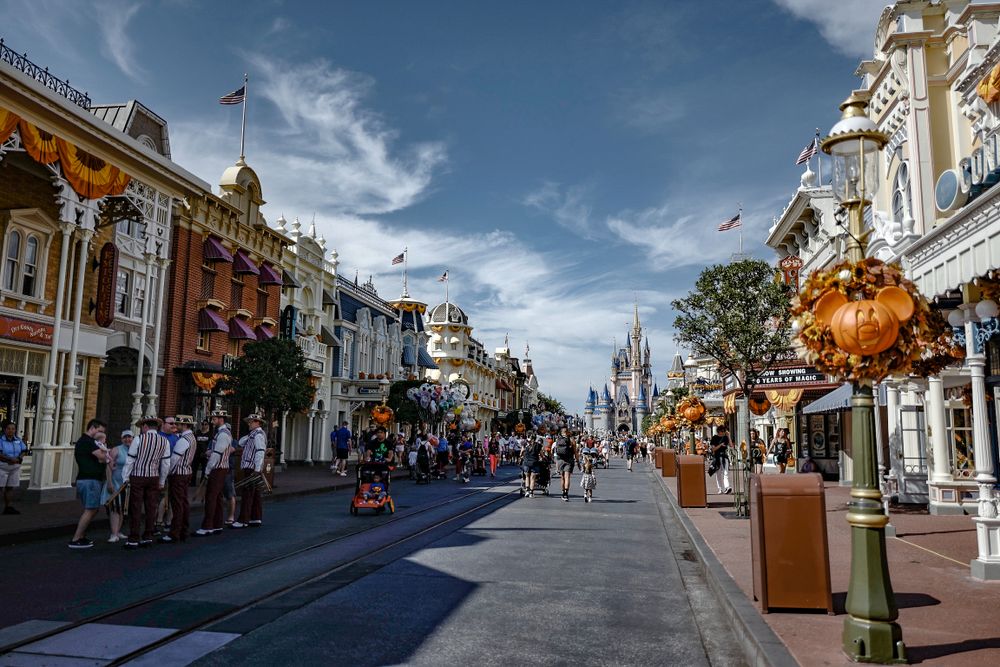
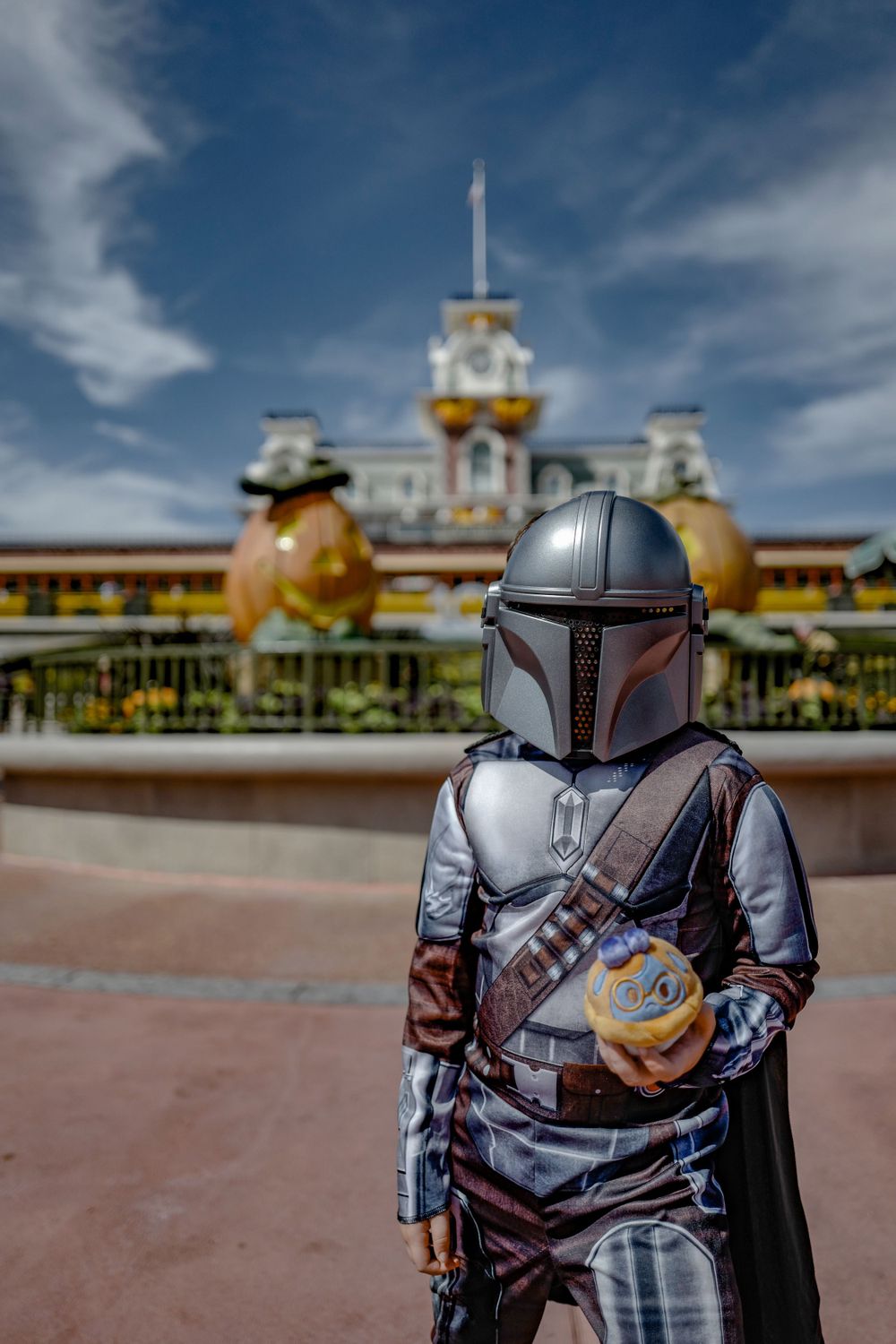
Film and back again
From that point on, I knew I truly favored the 28mm focal length. Because for the first time I felt like I wasn't limited by my lens. Now I wanted to keep a camera with me at all times. It was no longer a matter of me making a decision to document the story I see unfolding before me, rather it was my eyes guiding my lens to the story that was in progress. Not finding. Seeing. This drove me to come back to film and begin using the 28mm focal length on my Pentax cameras. With expedience and purpose I hunted for a few Pentax K mount lenses in 28mm. I came across two and purchased them as quickly as I could. Again I found that this was the secret ingredient to make this recipe most flavorful for me. And it was successful at reigniting my passion for film.
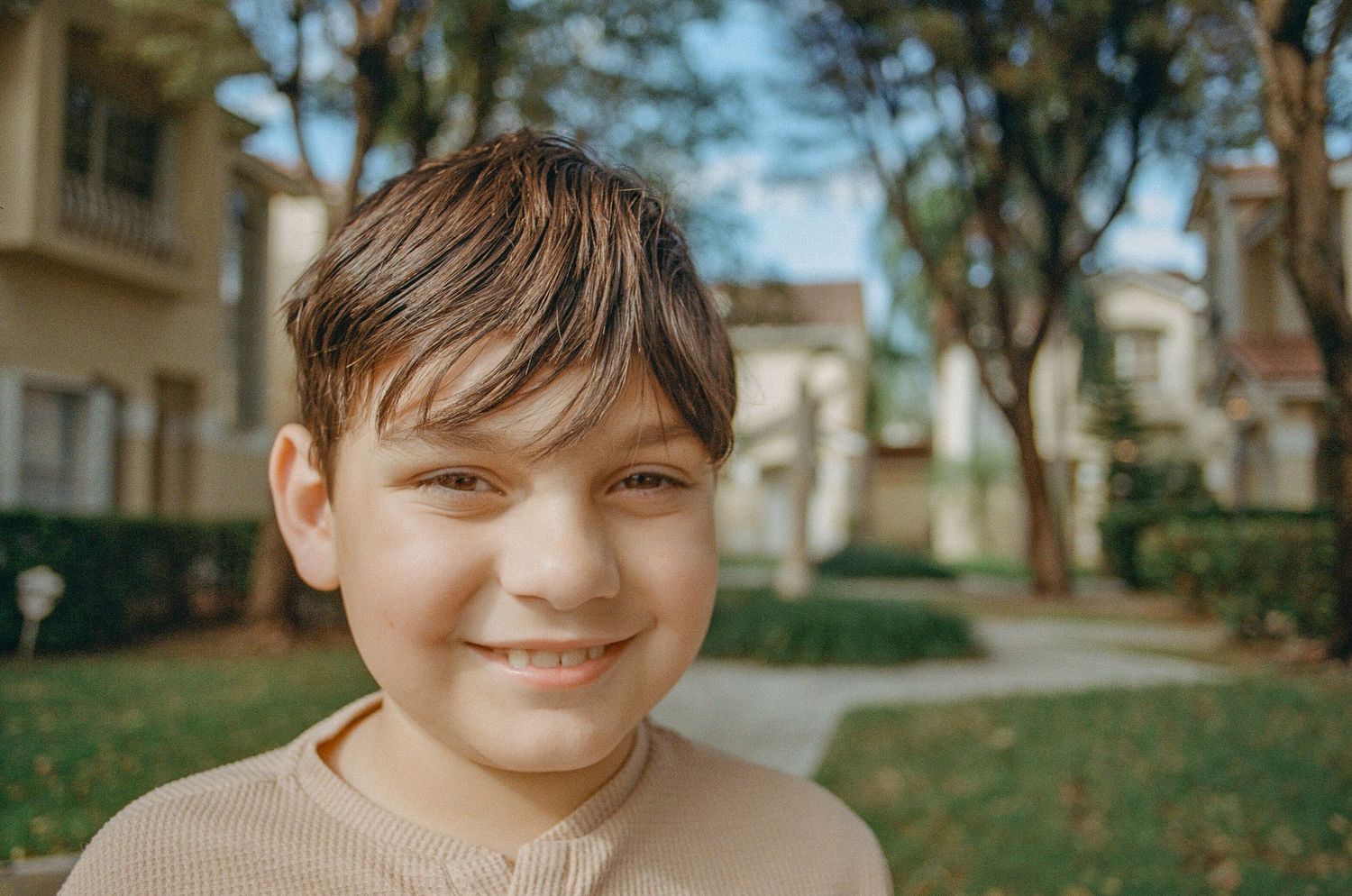
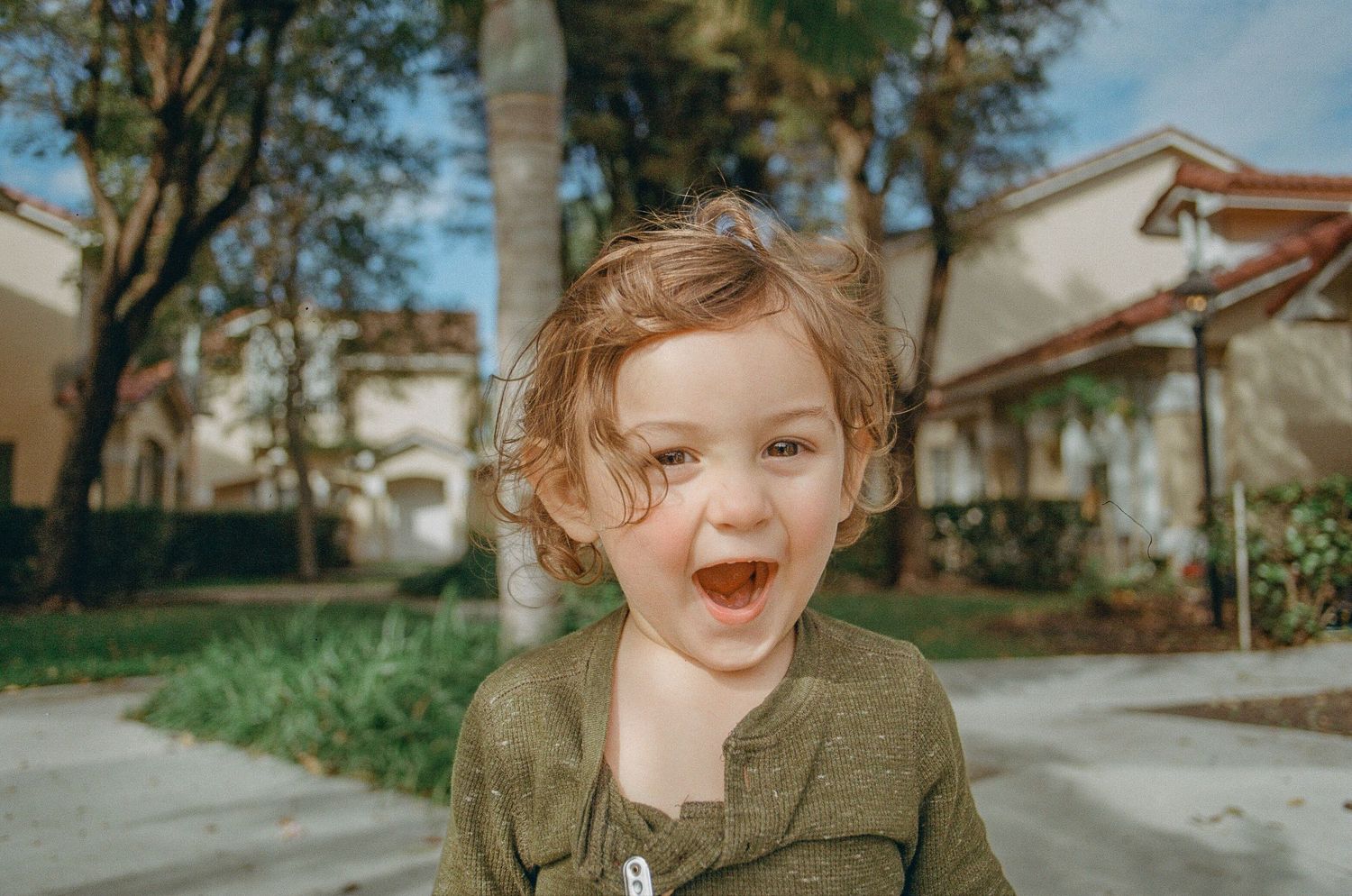
These two portraits were made as we were about to leave on a short walk. I had with me a recently purchased Leica R4s mounted with a Leica Elmarit 28mm f2.8 lens. It was wide open at f2.8 when our two-year old, Wes, came running at me full bore, smile from ear to ear. I was pretty close to the minimum focus distance and just judged where he should be to hit focus and slammed down on the shutter release. Somehow, using zone focusing at f2.8, pretty close to minimum focus distance of 0.3 meters, I managed to snap what I think is my favorite photo of my Wes. As he barreled into me, I stood up to see Link running towards us and snapped that one as well. FujiColor 200 is a beautiful film stock that makes just about anything look great, but what I love most about these two portraits is how much context is given. I will always know that these were taken in our neighborhood, that we were leaving our home for a walk, and even if the casual viewer will not know exactly that, they will gather enough from the story presented: two children playing outside their home. *EDIT - The portrait of Wes would go on to win an LFI Leica Master Shot award
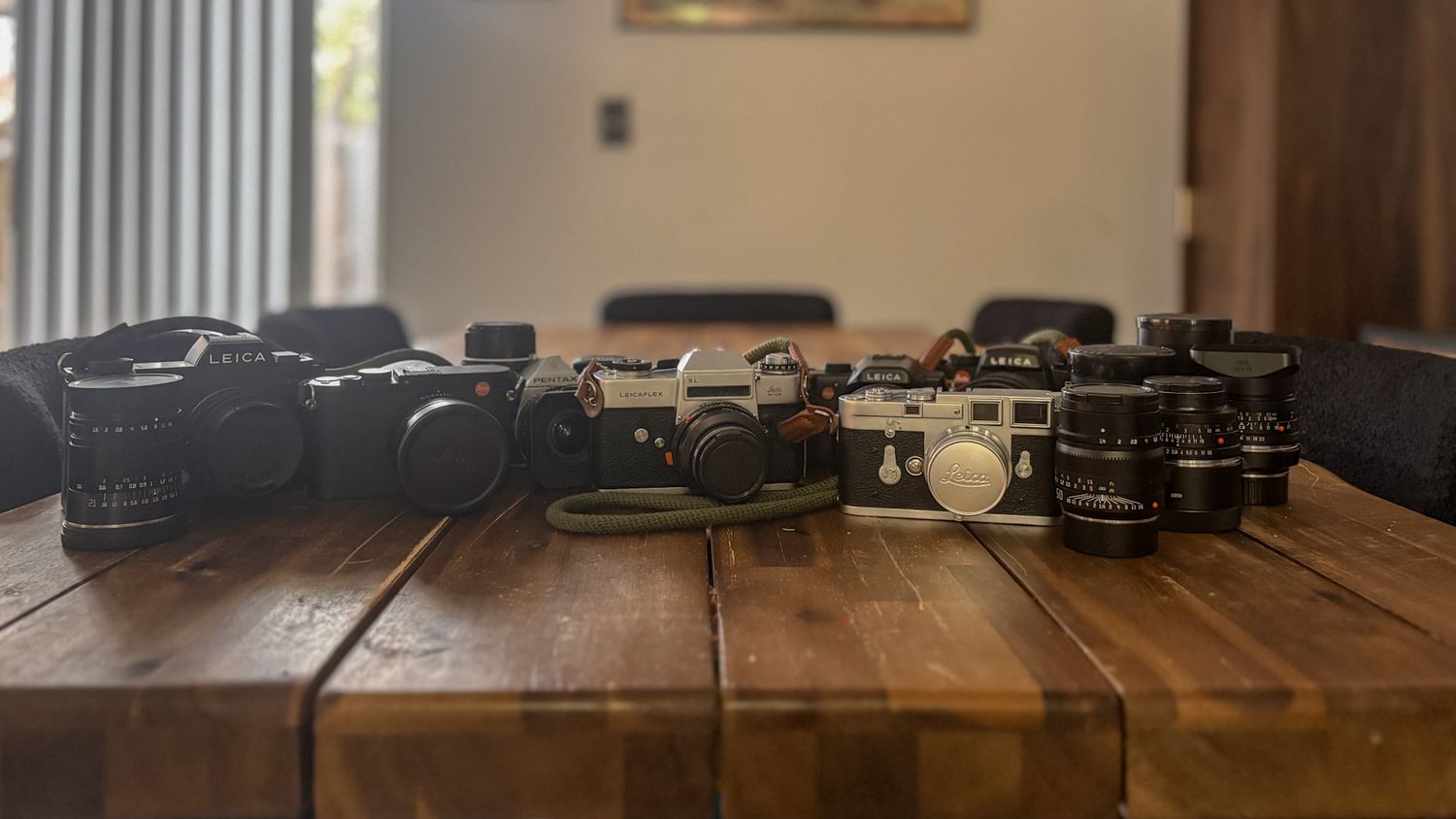
These two portraits are the reasons I dove deeper into film and got myself an army of R lenses. I now have many different lenses for the Leica R system, but the one I continually reach for is the 28mm.
Adapting lenses
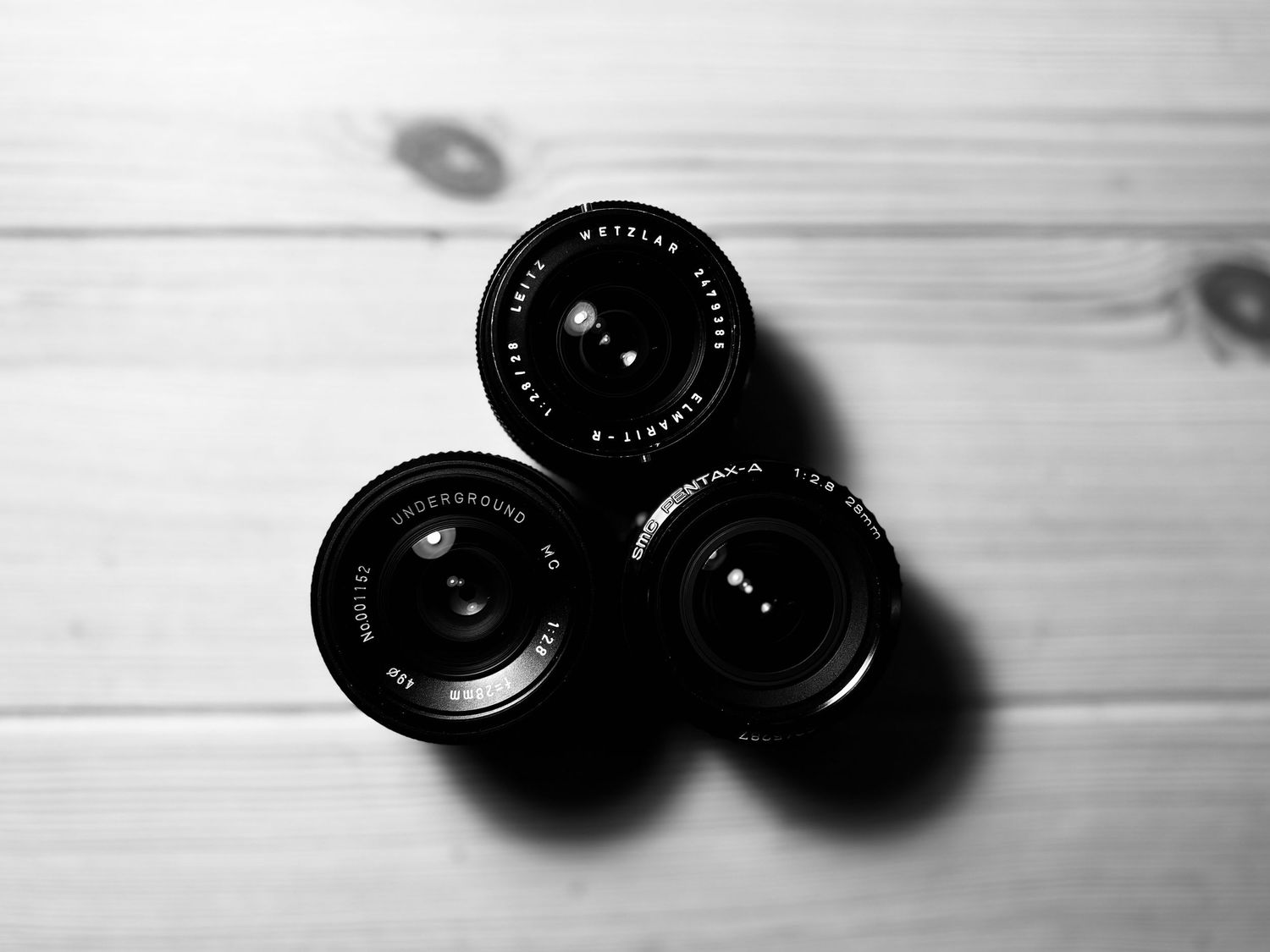
When I discovered that vintage, film era lenses - what many now refer to as legacy lenses - could be adapted to modern mirrorless cameras, I was giddy. I began adapting my Pentax lenses to a Fujifilm X-T2, but quickly became frustrated with the fact that the APS-C sensor in the camera was cropping in on my photos. So, my 28mm lenses were giving me an effective field of view of approximately 45mm. And while I came to appreciate that field of view (so much that I now use a modern Sigma 45mm f2.8 with my Leica SL very often), I wanted a true 28mm experience with older lenses on a digital camera. This is why I sold the X-T2 and bought a Leica SL.
I immediately got the same feel back. And while I love the Leica Q and could live only with that Summilux 28mm for rest of eternity, I love playing around with old lenses. Yes, the manual focusing on the Q is the best that any digital camera with autofocus can give you, but there is something about old lenses that makes me feel like I've been wrapped in my favorite quilt and nestled in with a bucket of popcorn for a movie marathon (you can pick the marathon, but I'll go with James Bond any time).
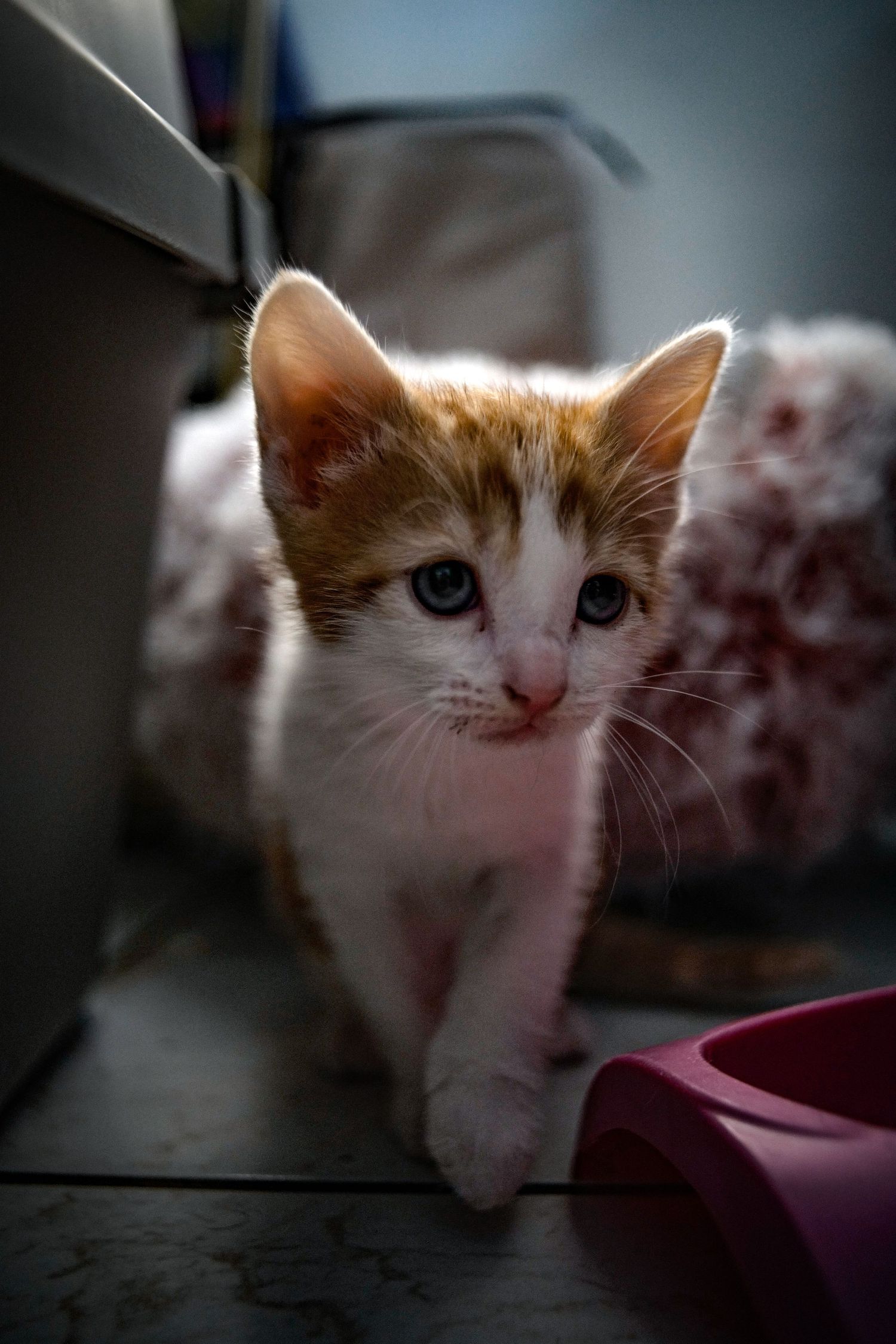
Shooting the SL with the veritable armada of vintage lenses that I have amassed has been, I think, some of the most fun I've had with photography. In this way I've been able to discover, in as unscientific a way possible, what I love about each lens. The photo shown here, of our cat only a day after we adopted him, is a great example of why I enjoy this so much. A longer lens may have focused more on the cat itself, but I managed to capture his little nook in all its fuzzy, kitty glory: an empty bowl because Gatico is always hungry, a fluffy bed that is always ignored in favor of someone's lap, and a litter box that Link almost certainly will not clean and whose cleaning will come down to Steph or me. This story, to me, is more powerful than a photograph of a cat, background obliterated by bokeh balls and providing no context for the greater story.
And while my favorite 28mm lens will likely always be the Q's Summilux, variety is the spice of life. I'm always on the hunt for more 28mm lenses. For now, I'll continue to make photos with 28mm lenses because when I look back on the photos I've taken, the memories are powerful and sometimes overwhelming. And for a person with memory issues like me, that is something I don't think I'll ever overlook.
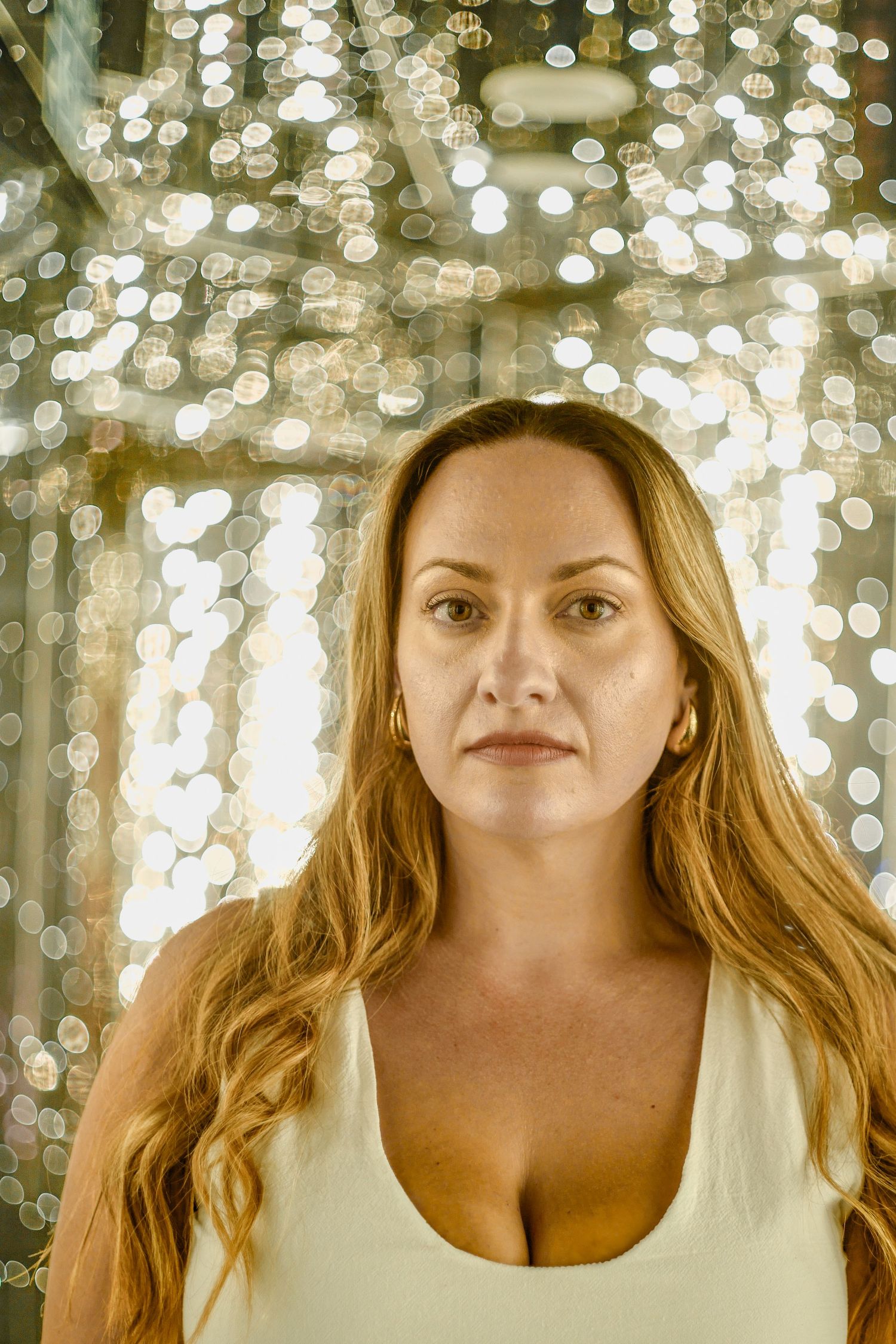
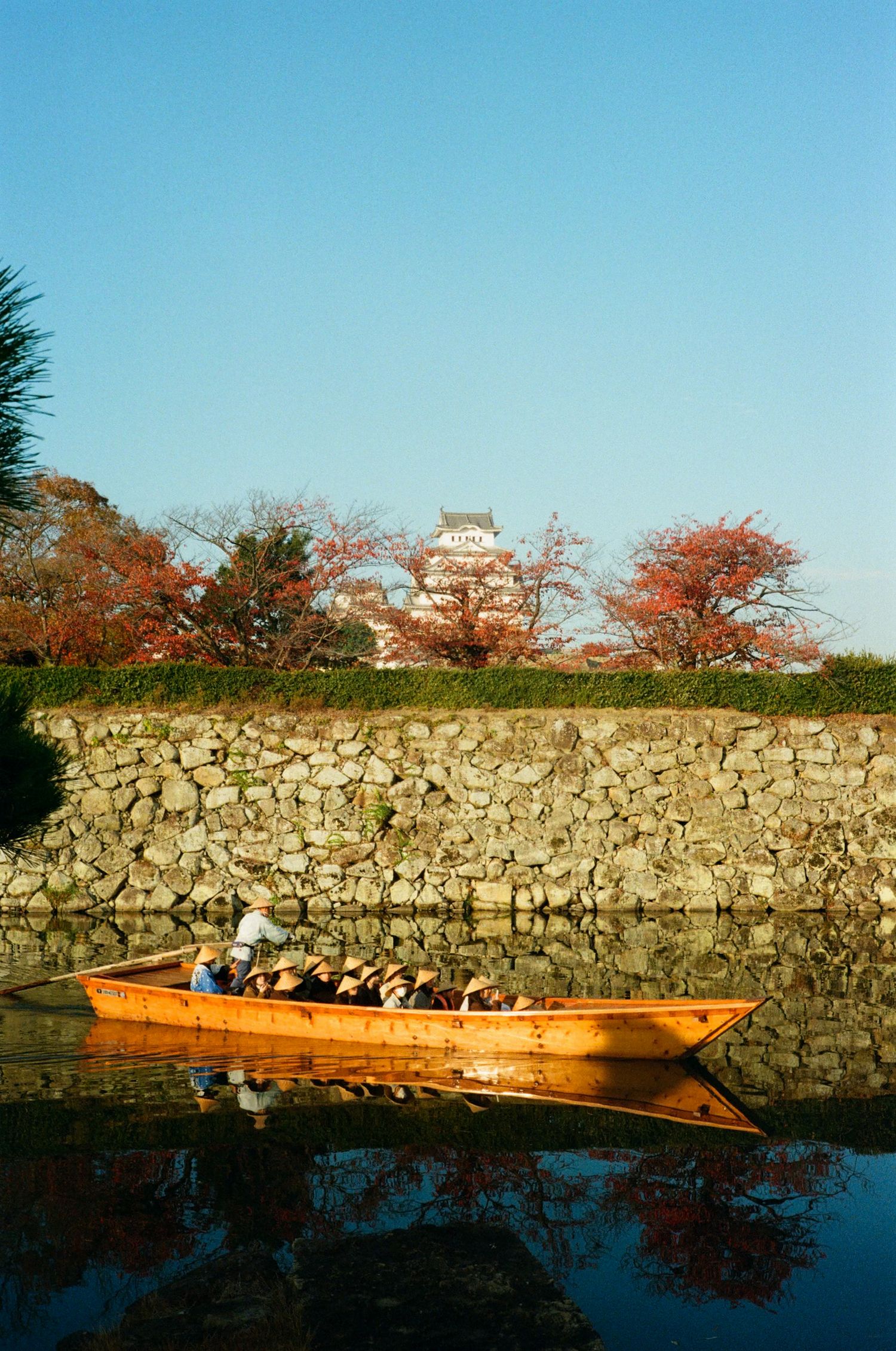
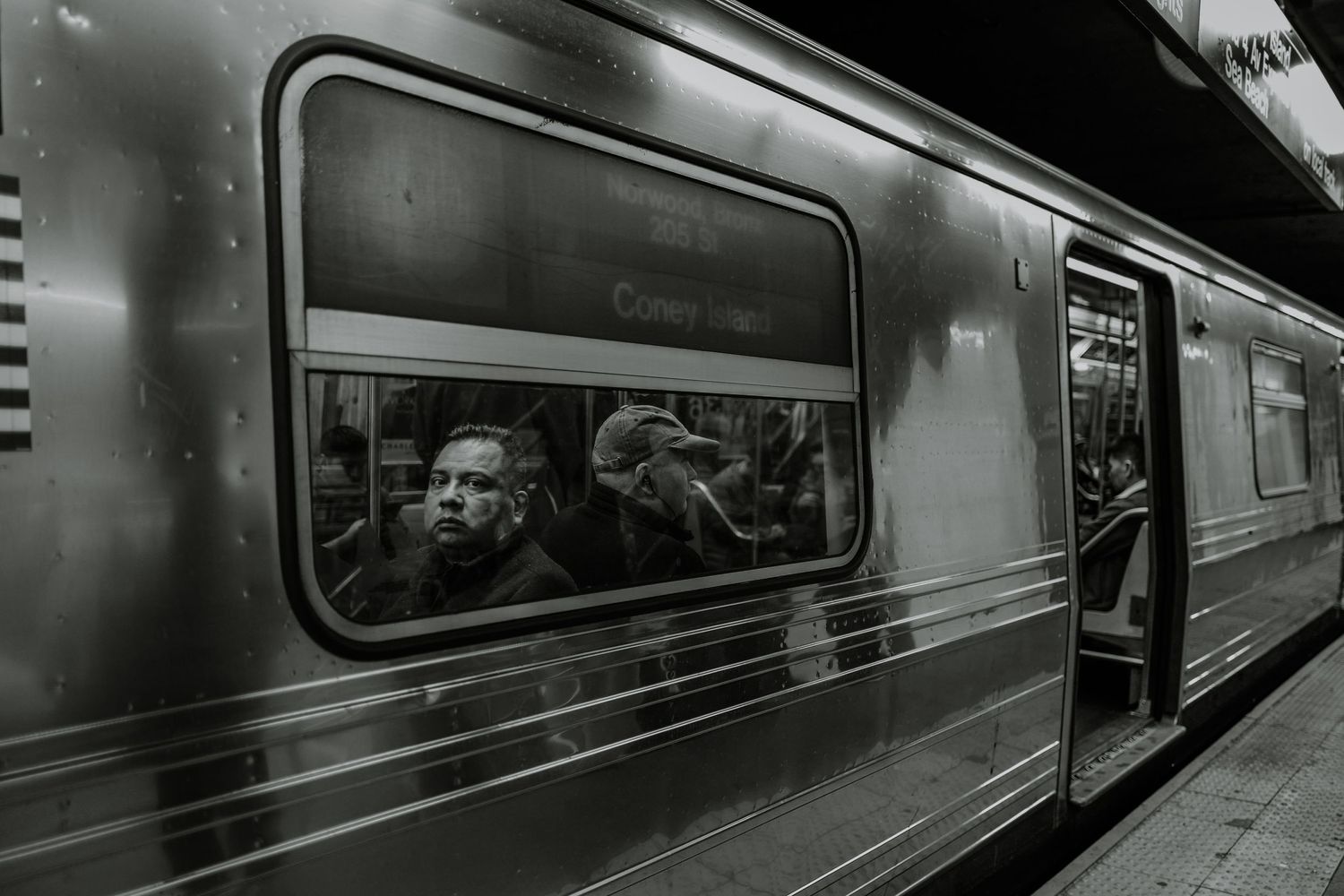
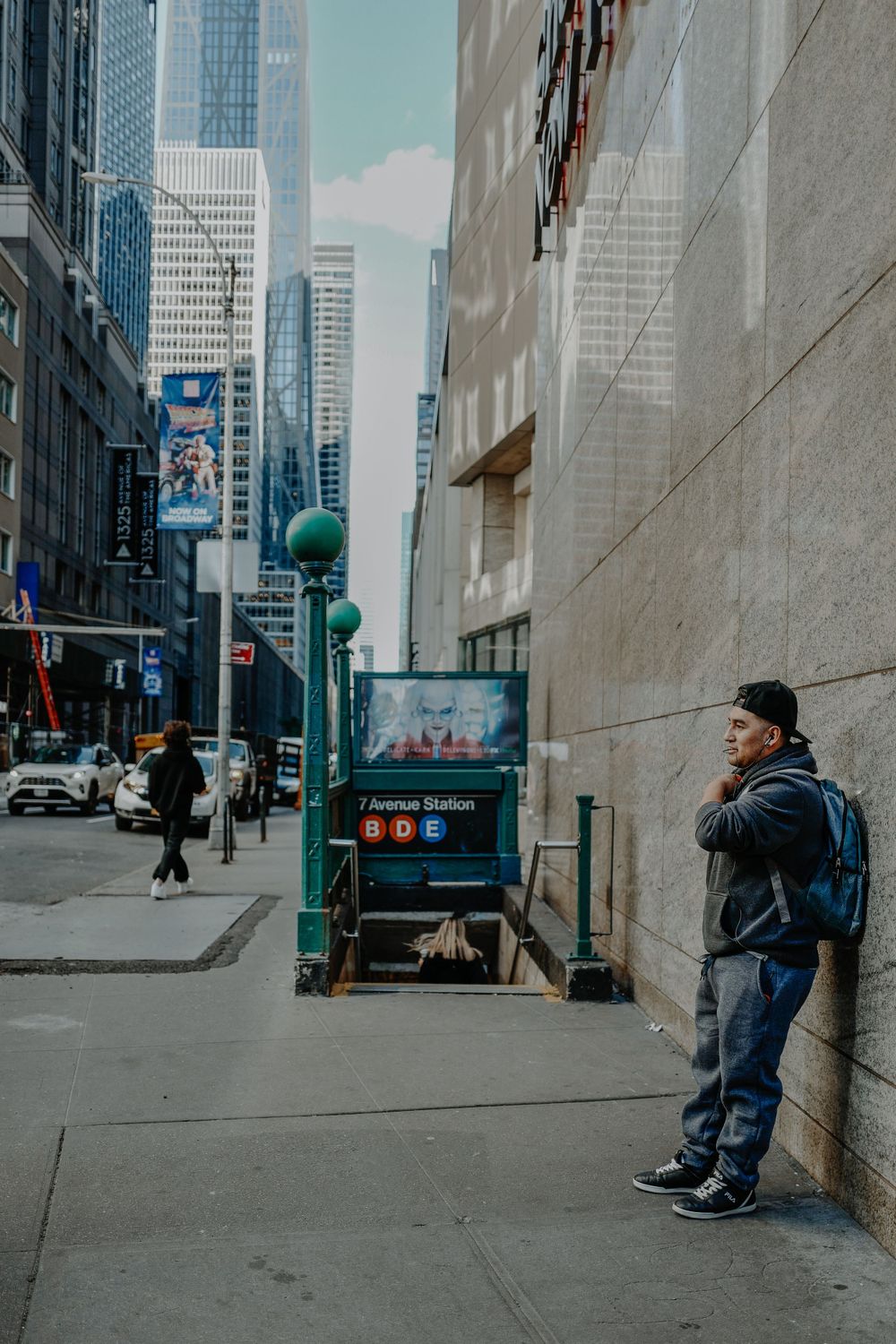
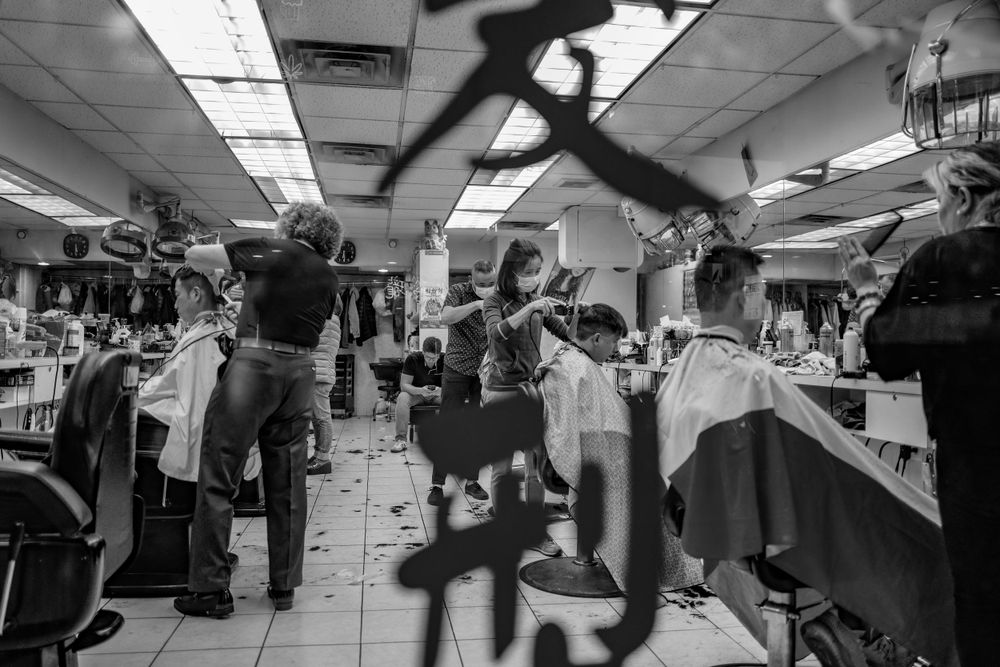
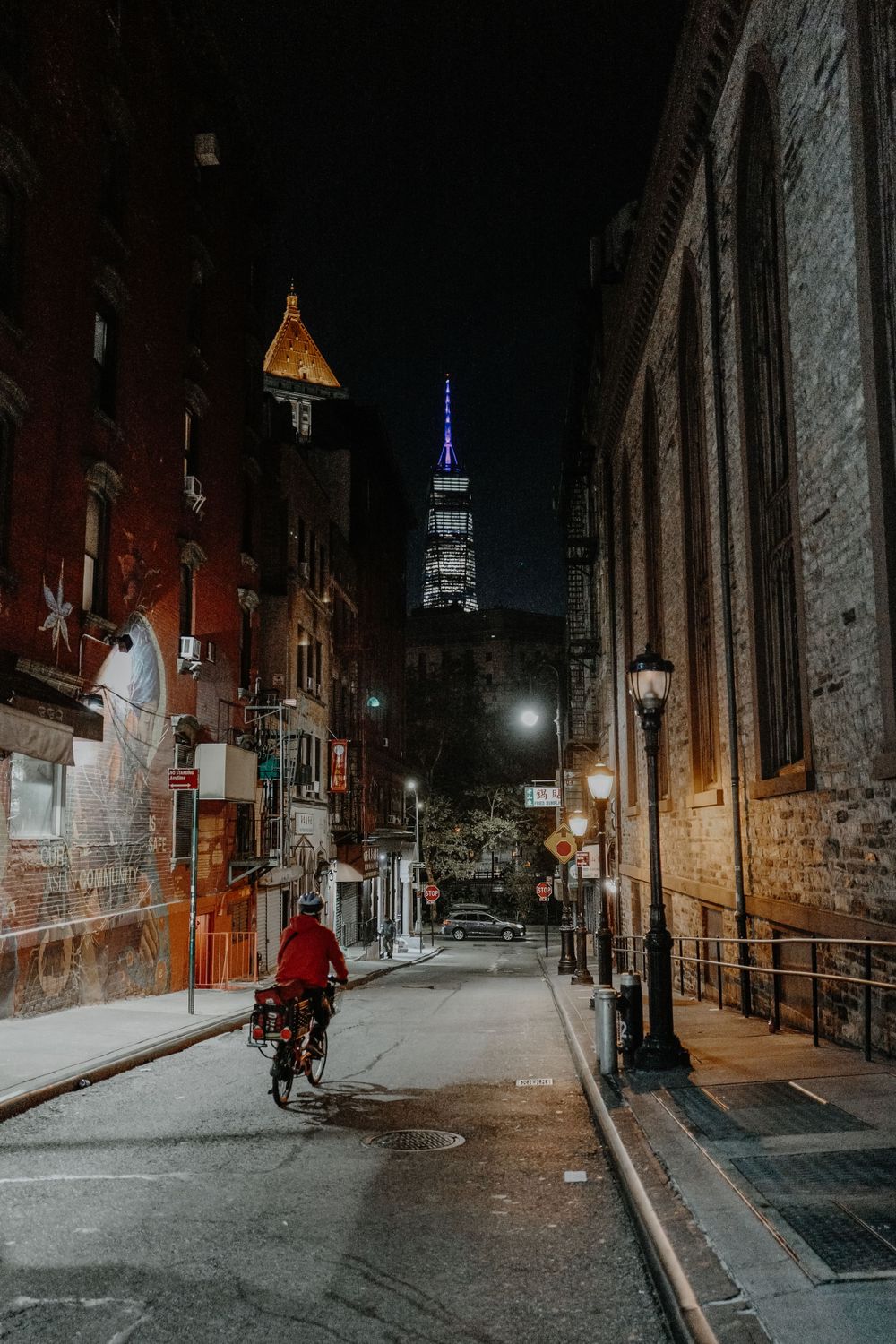
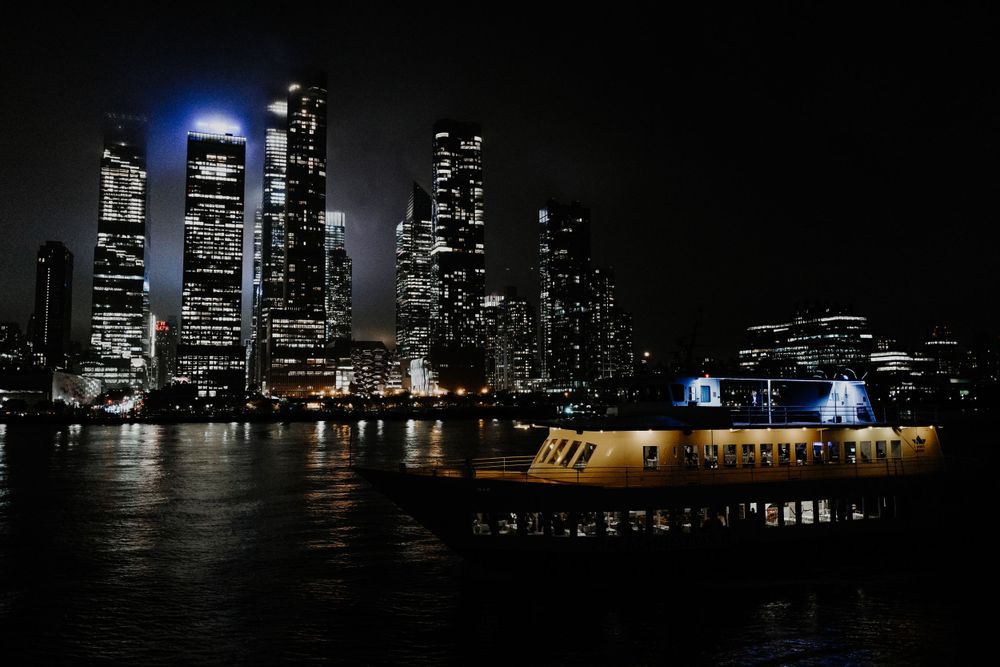
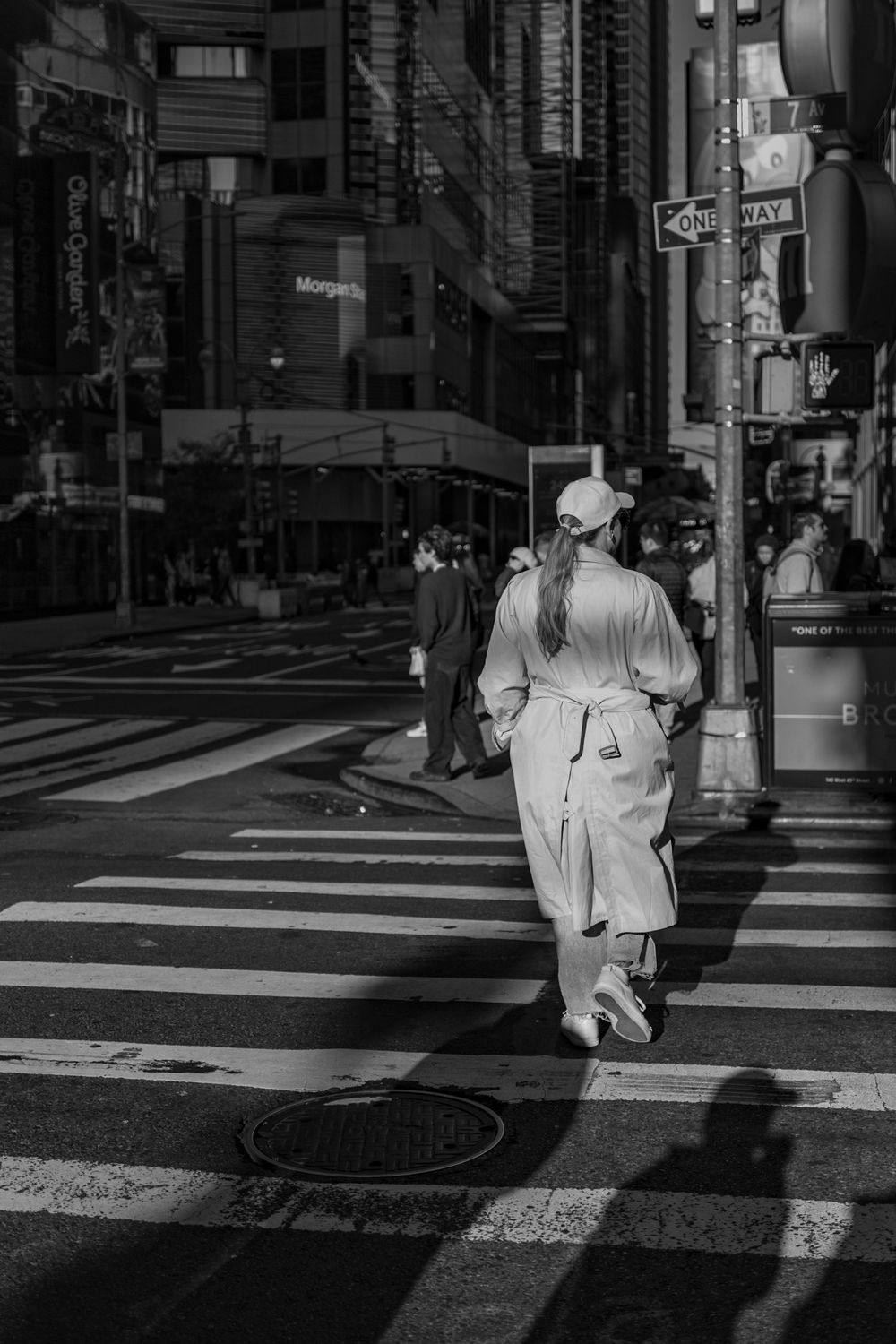
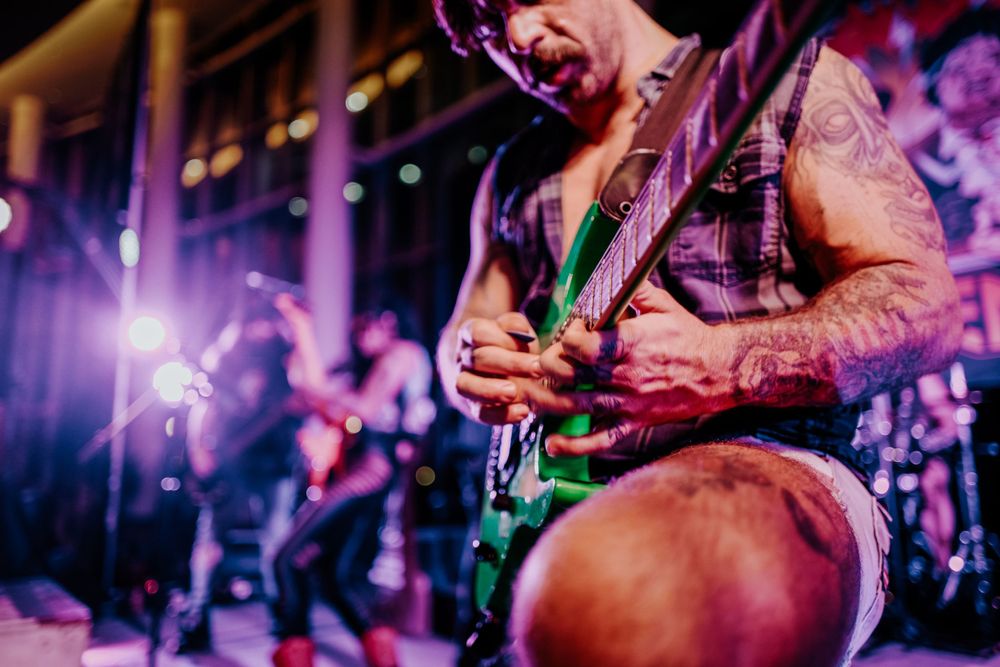
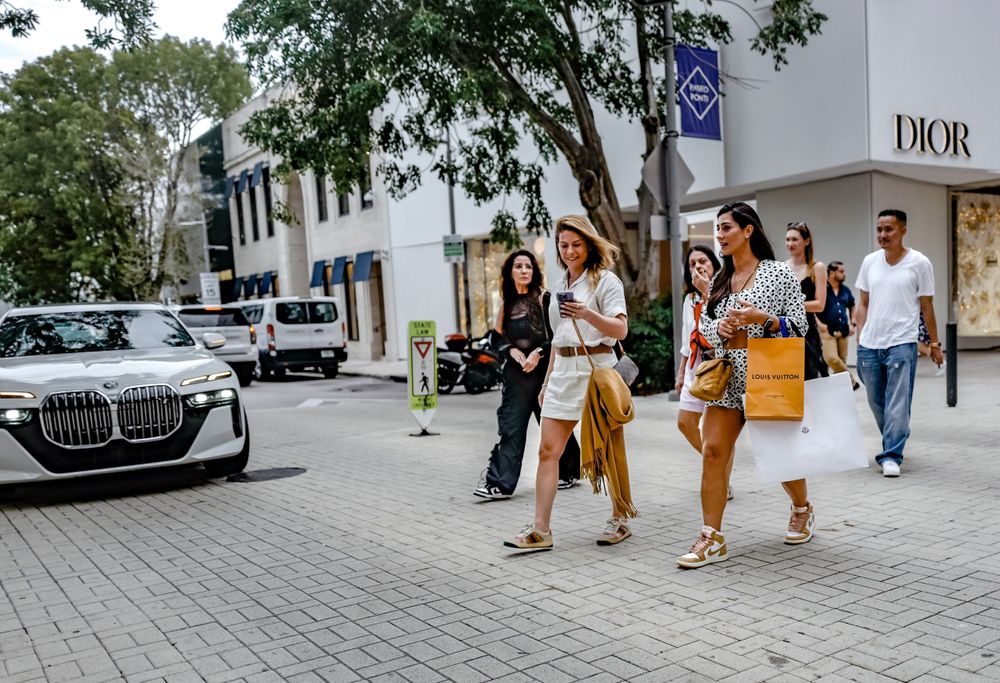
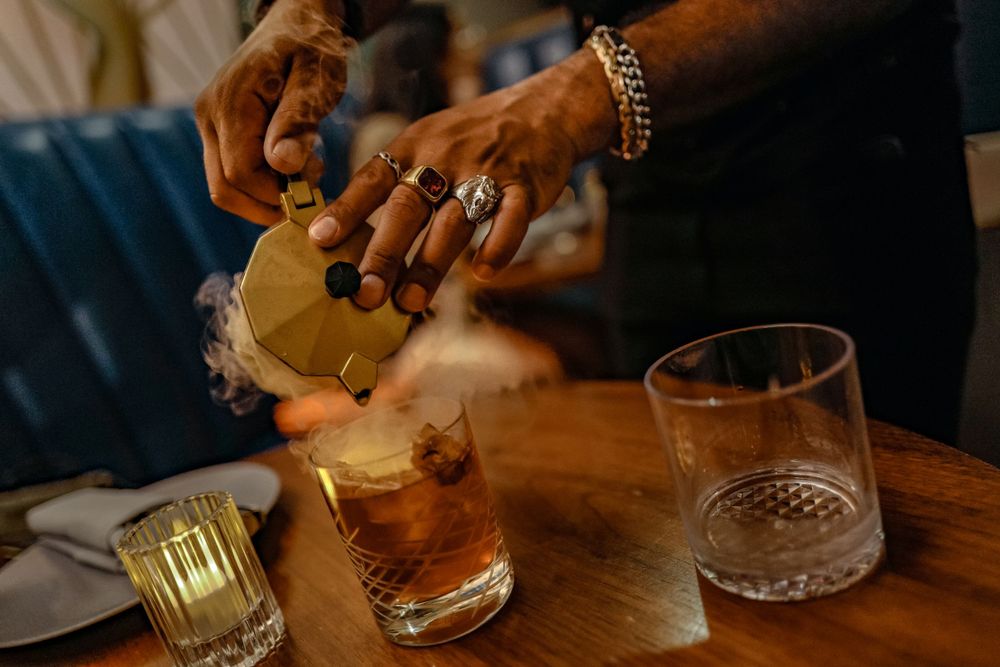
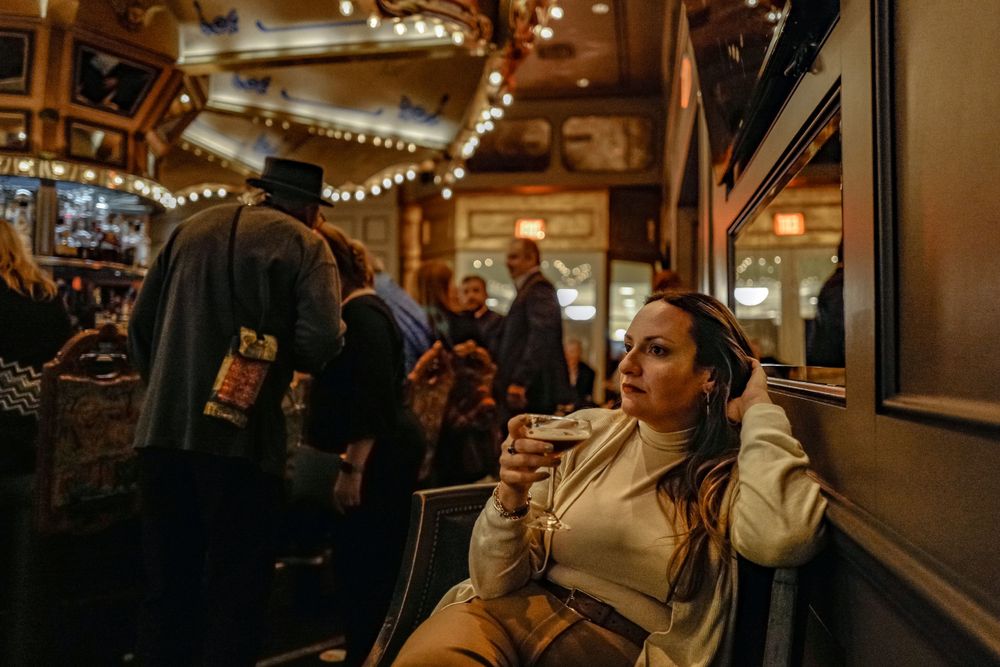
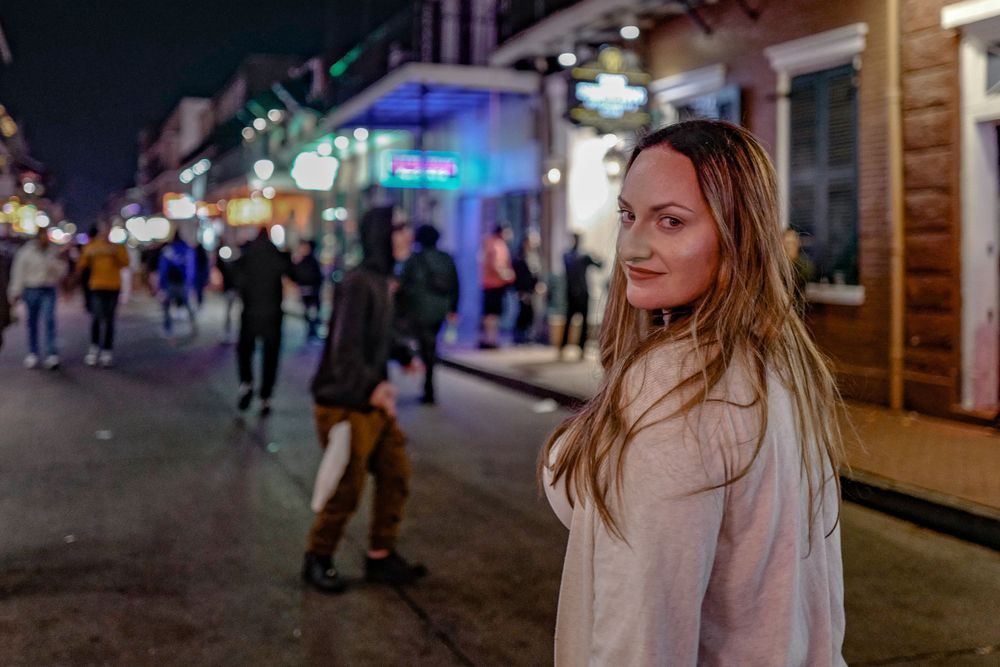
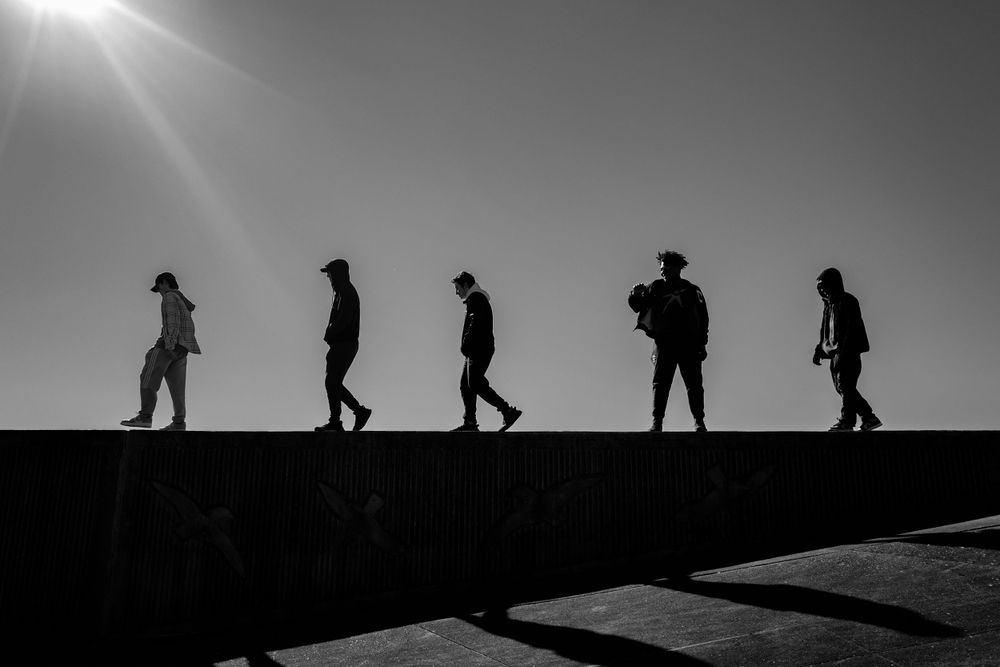
Some of my favorite photographs made with 28mm lenses
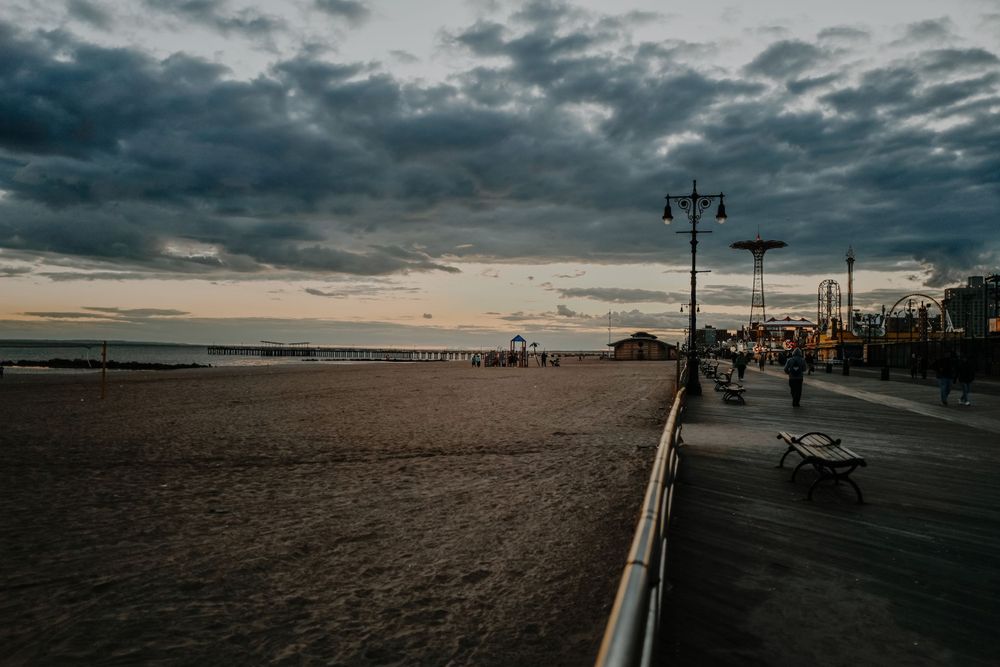
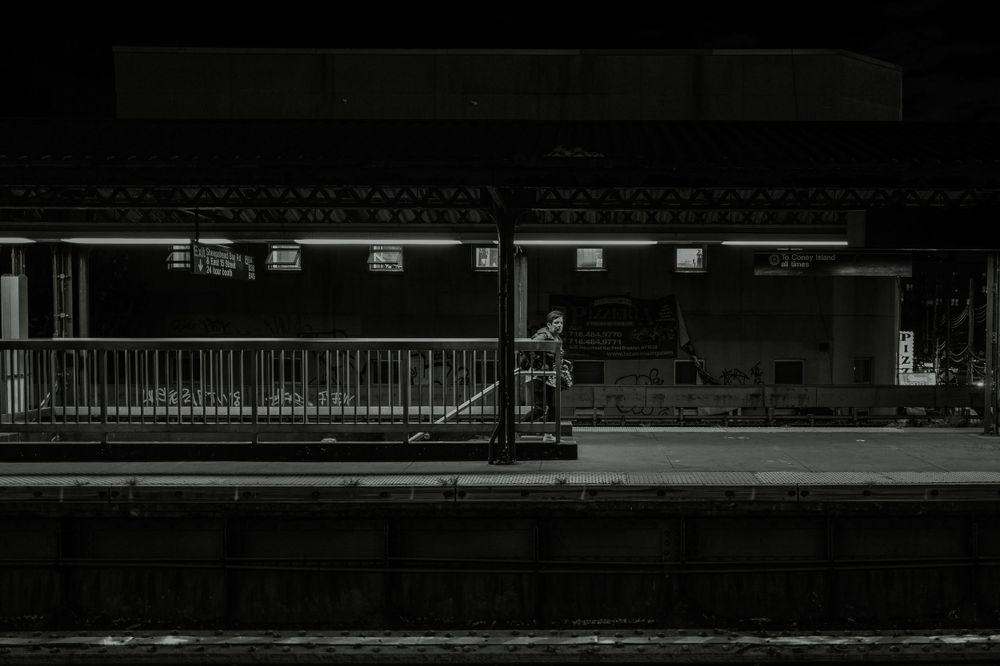
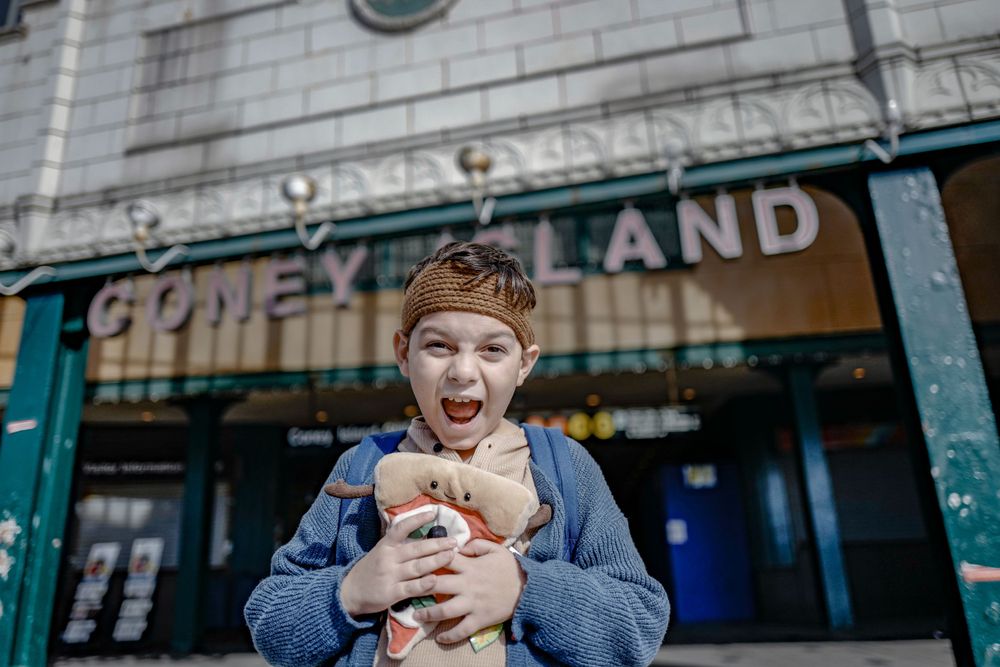
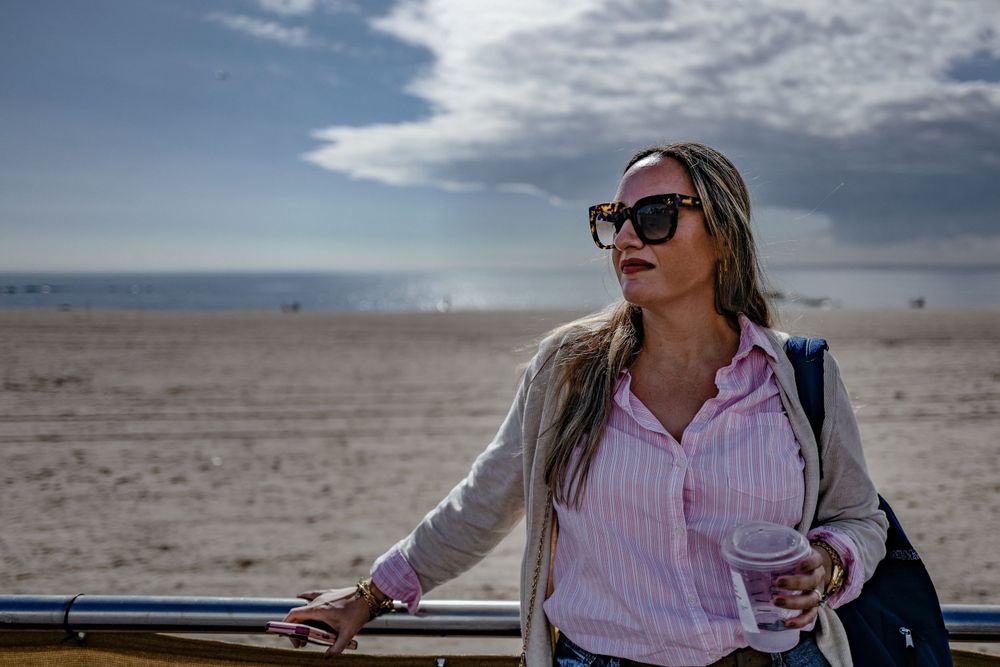
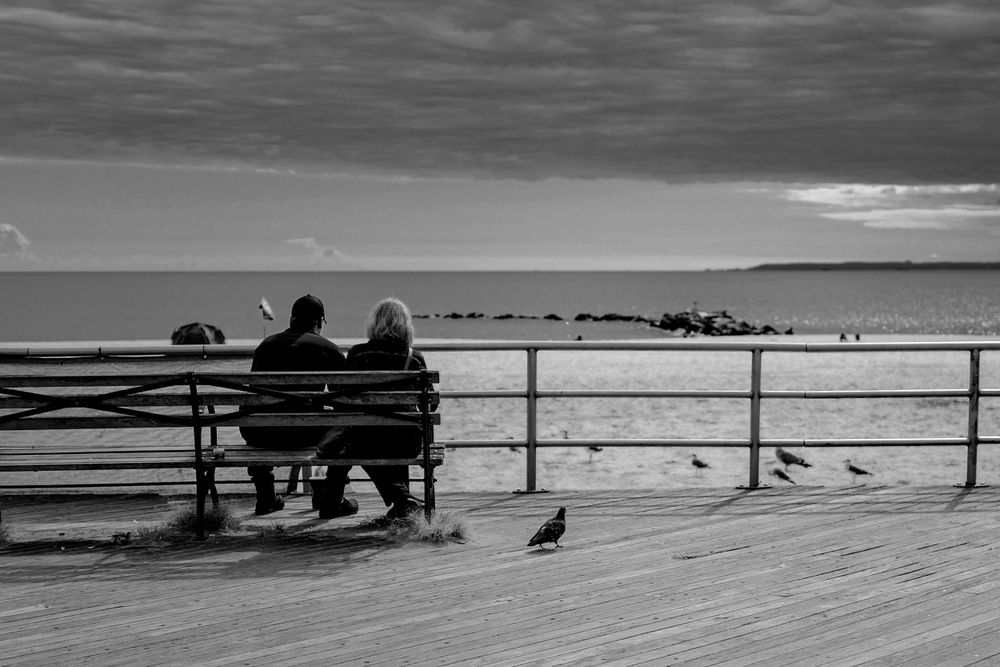
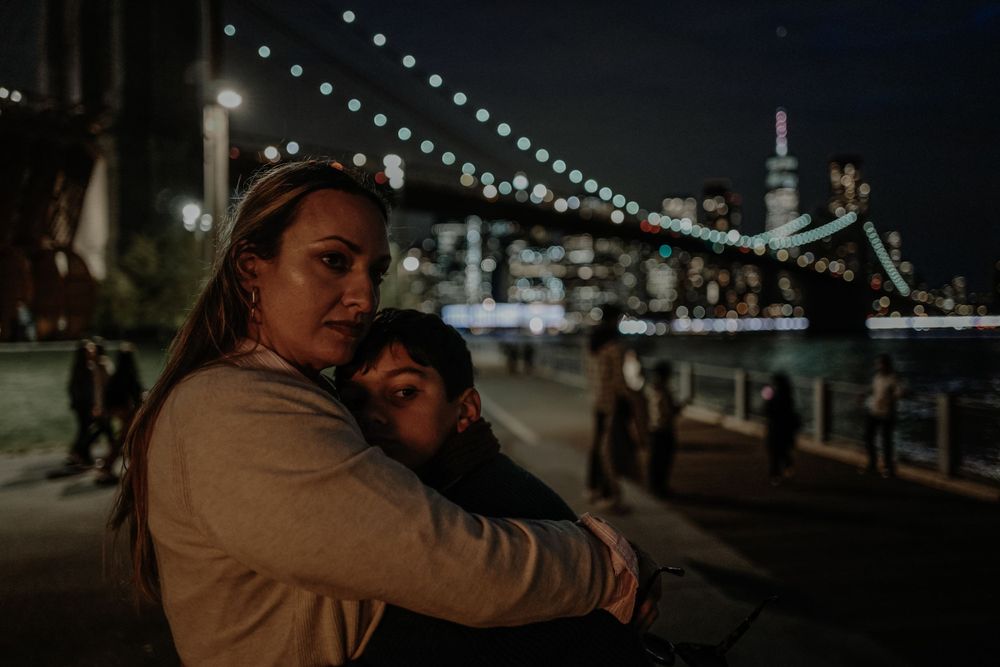
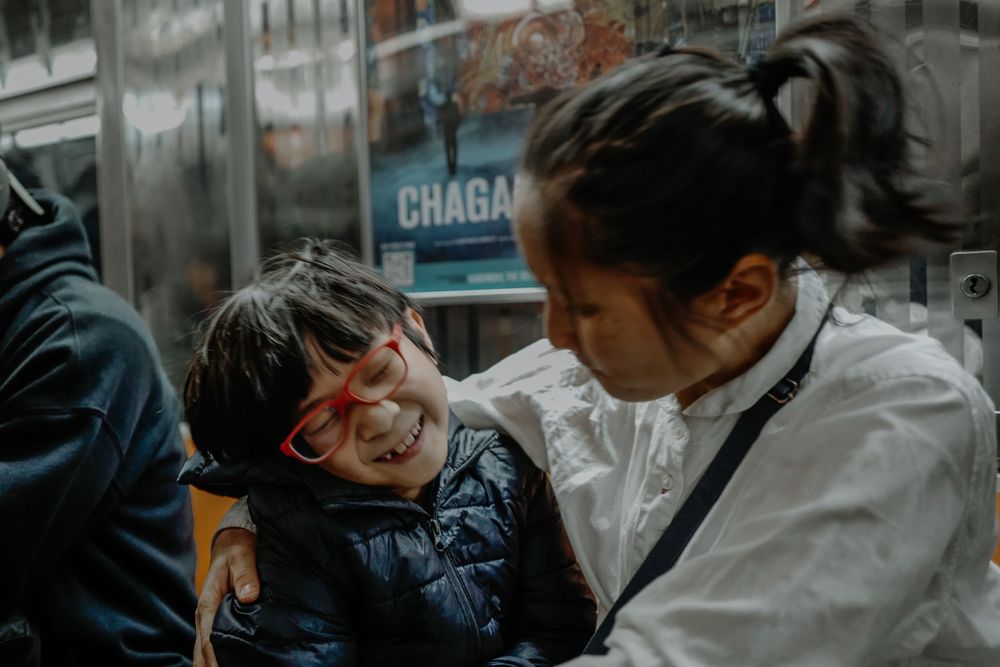
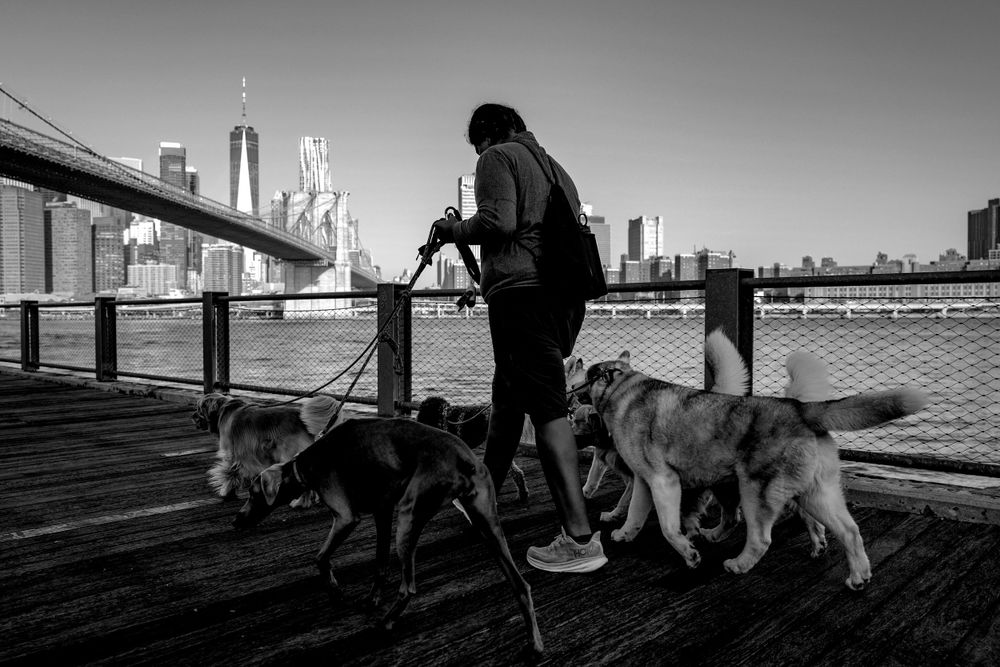
All images © 2020-2024 David Ulloa Studio. All rights reserved.