Land of Denim
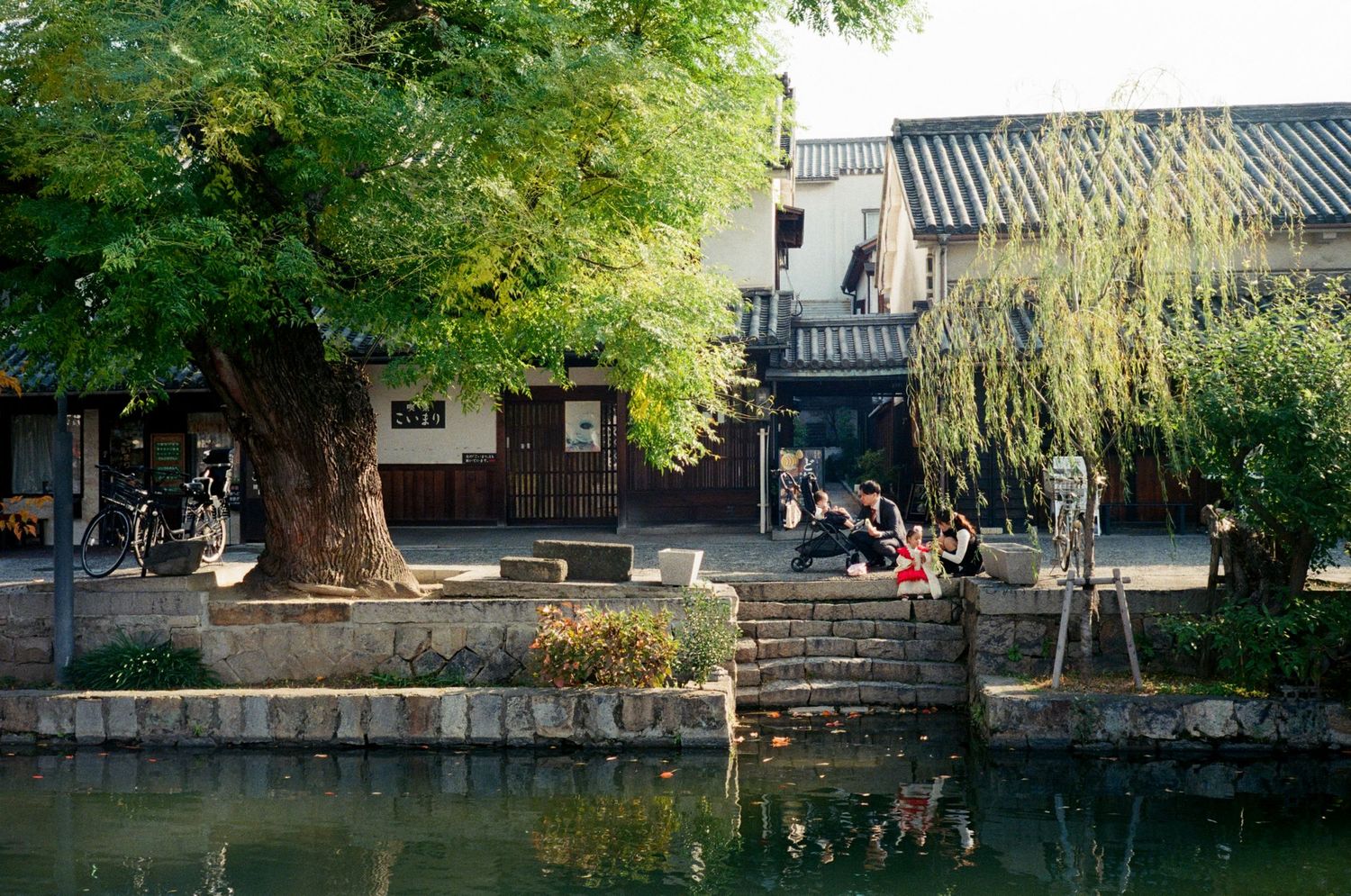
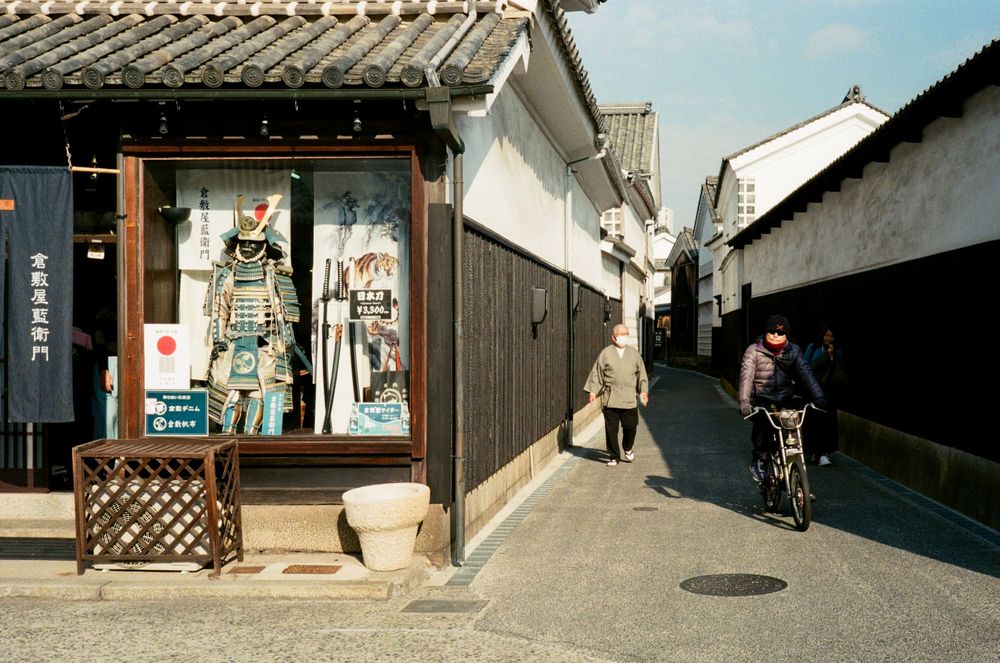
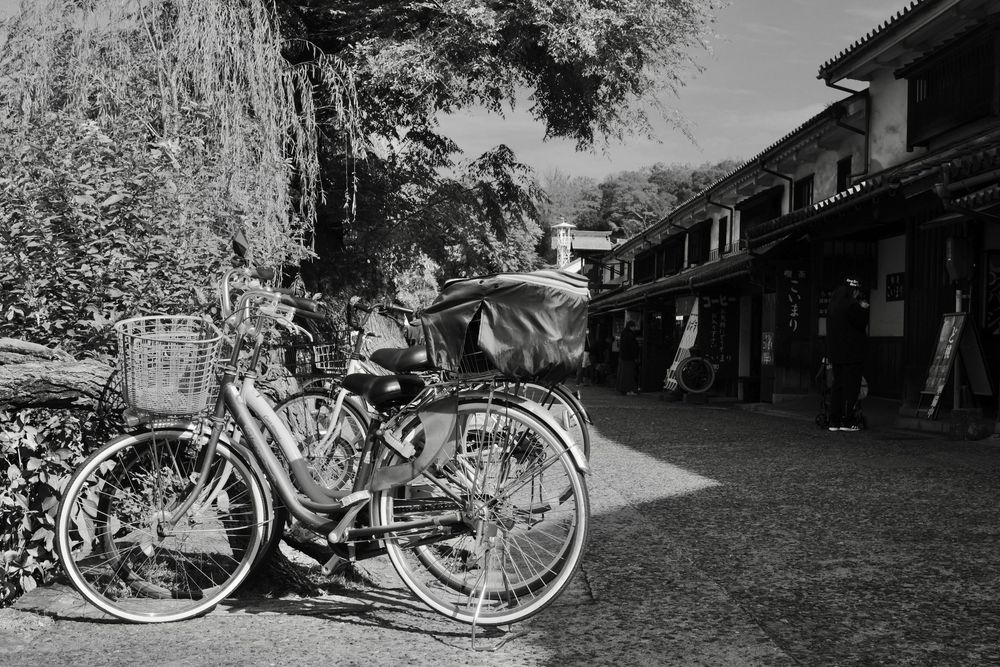
We left Hiroshima the next morning and found ourselves in the town of Kurashiki, known for popularizing denim. The historic Bikan District reminded me of the ancient and luxurious Bath, England. The canal that bisects this part of Kurashiki creates a picturesque vista that easily transports one to the Edo period. The shops and museums that line the canal induce a feeling of nostalgia for a time period I never experienced. Alleys jut out after every couple of store fronts, creating an intricate web of streets that is easy to get lost in.
Denim Street featured a number of denim vendors, apparently operated by the same families that have owned these stores for generations. I didn't bother fact checking this. You're welcome to fact check that claim, but I fell in love with the story of a quaint little town with a specialized industry whose operations have been handed from generation to generation.
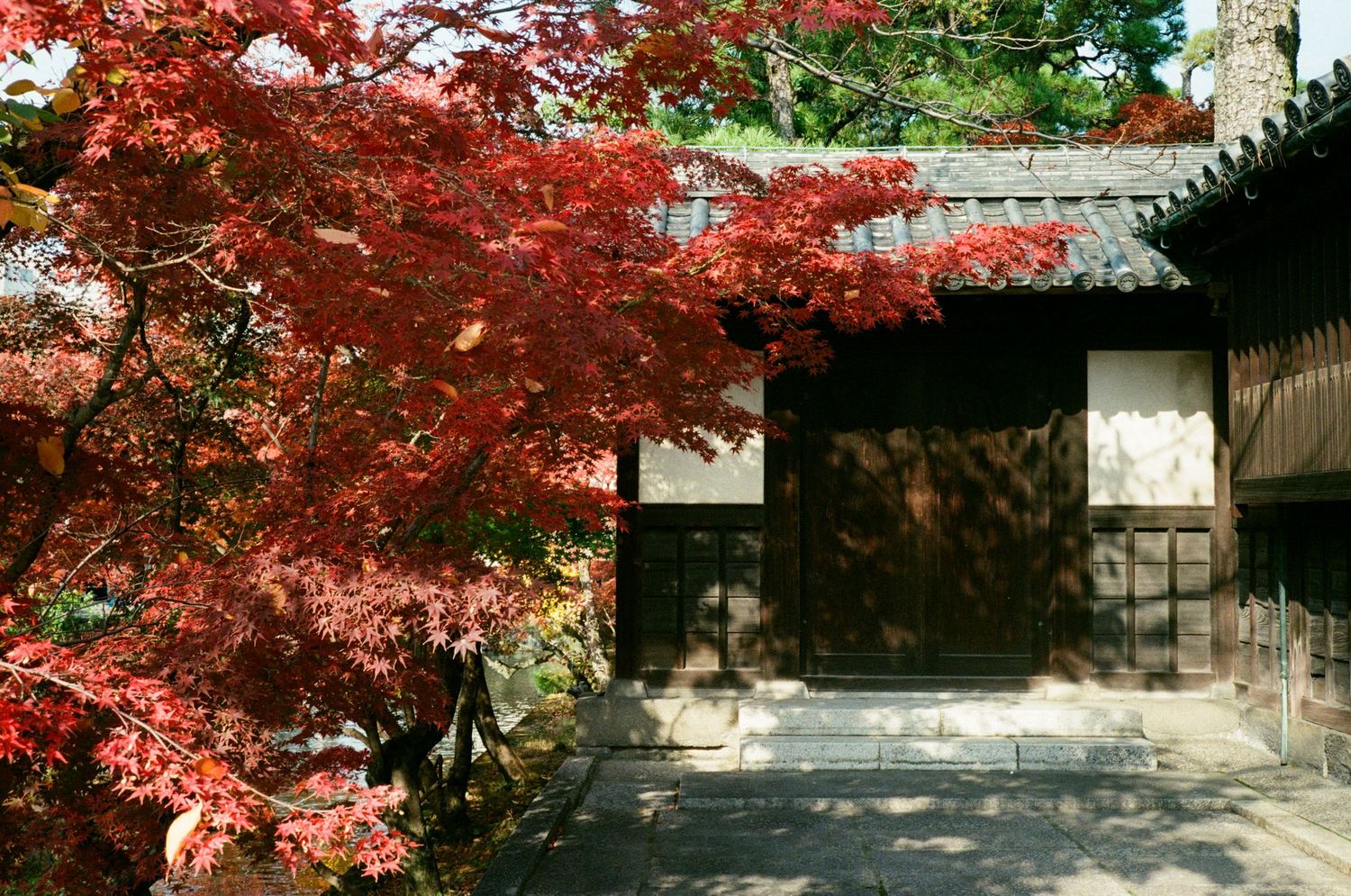
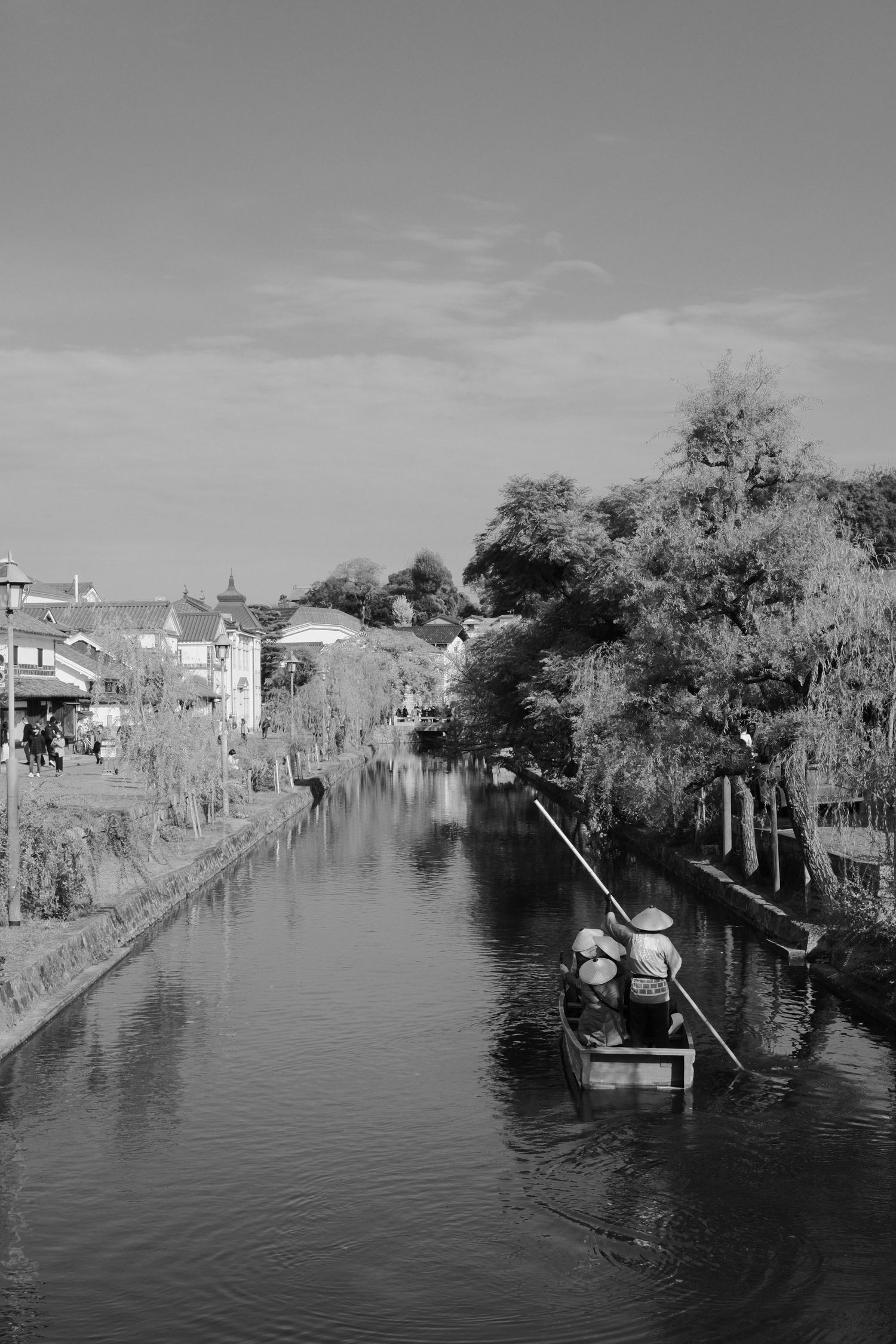
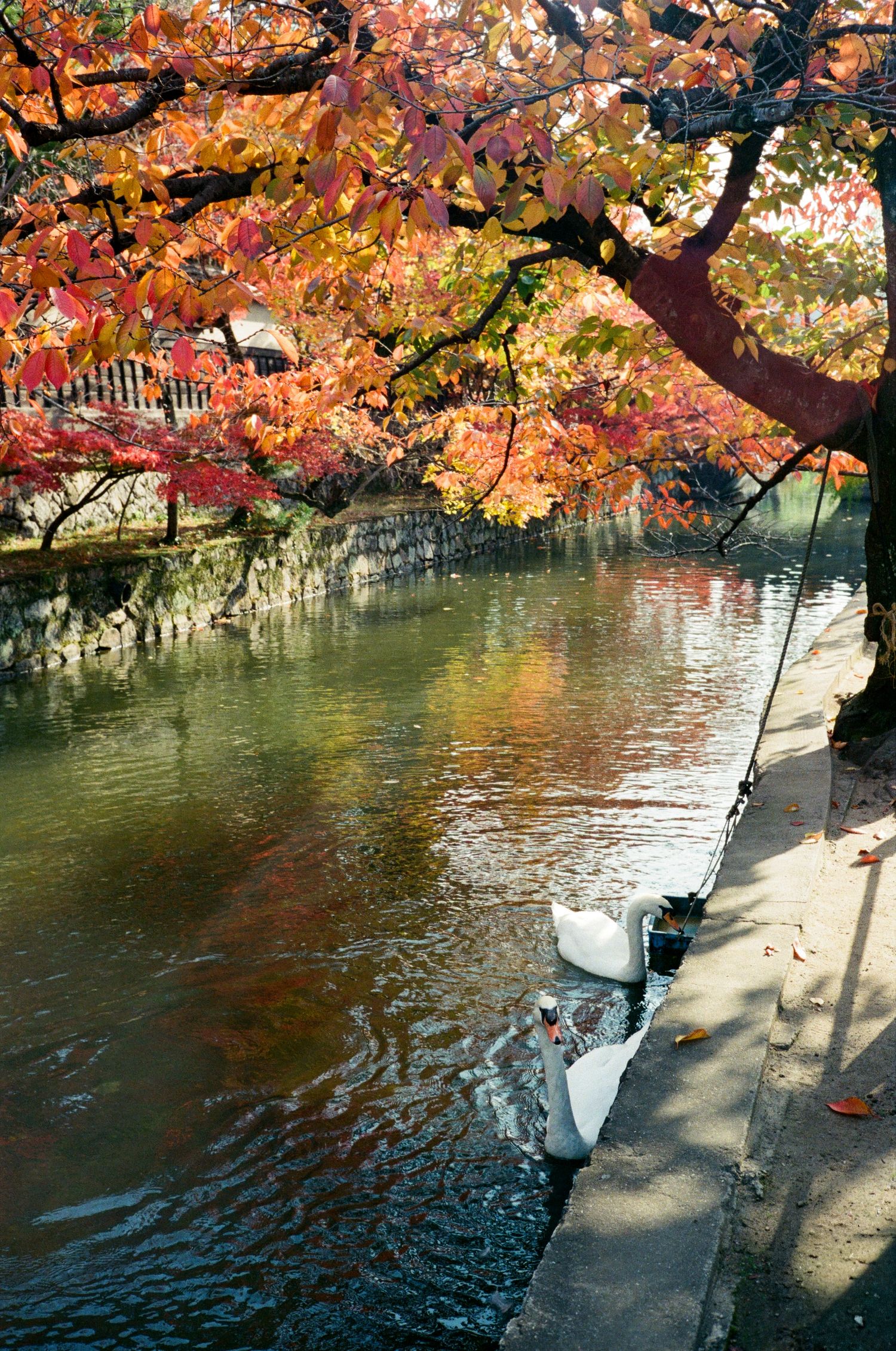
We didn't stay in Kurashiki for very long. I spent most of my time shopping for my family and eating delicious sushi. Oh and lots and lots of matcha.
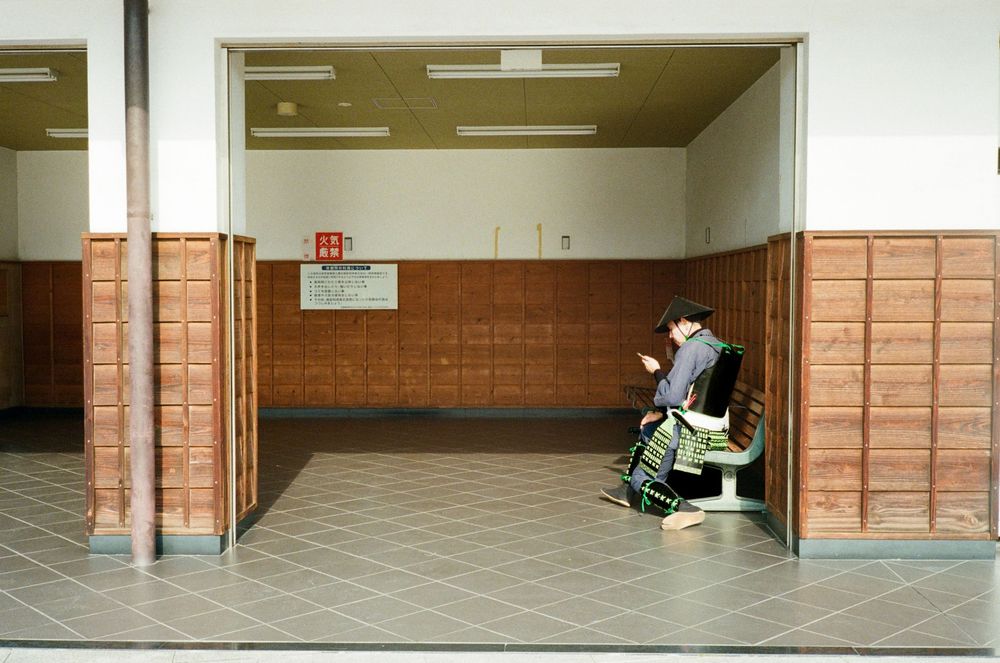
Something that struck me in the short time I spent in Kurashiki, however, was how many people came in traditional clothing for the express purpose of having portraits taken. All over Kurashiki were beautiful people in beautiful clothes having their portraits taken by professional photographers.
And this was something else I noticed in those first few days in Japan: the professional and prosumer camera market is not as dead as we are led to believe in the States. Everywhere I looked there were people with Nikons, Fujifilms, and Leicas. Photography is alive and well in Japan.
On Top of the World
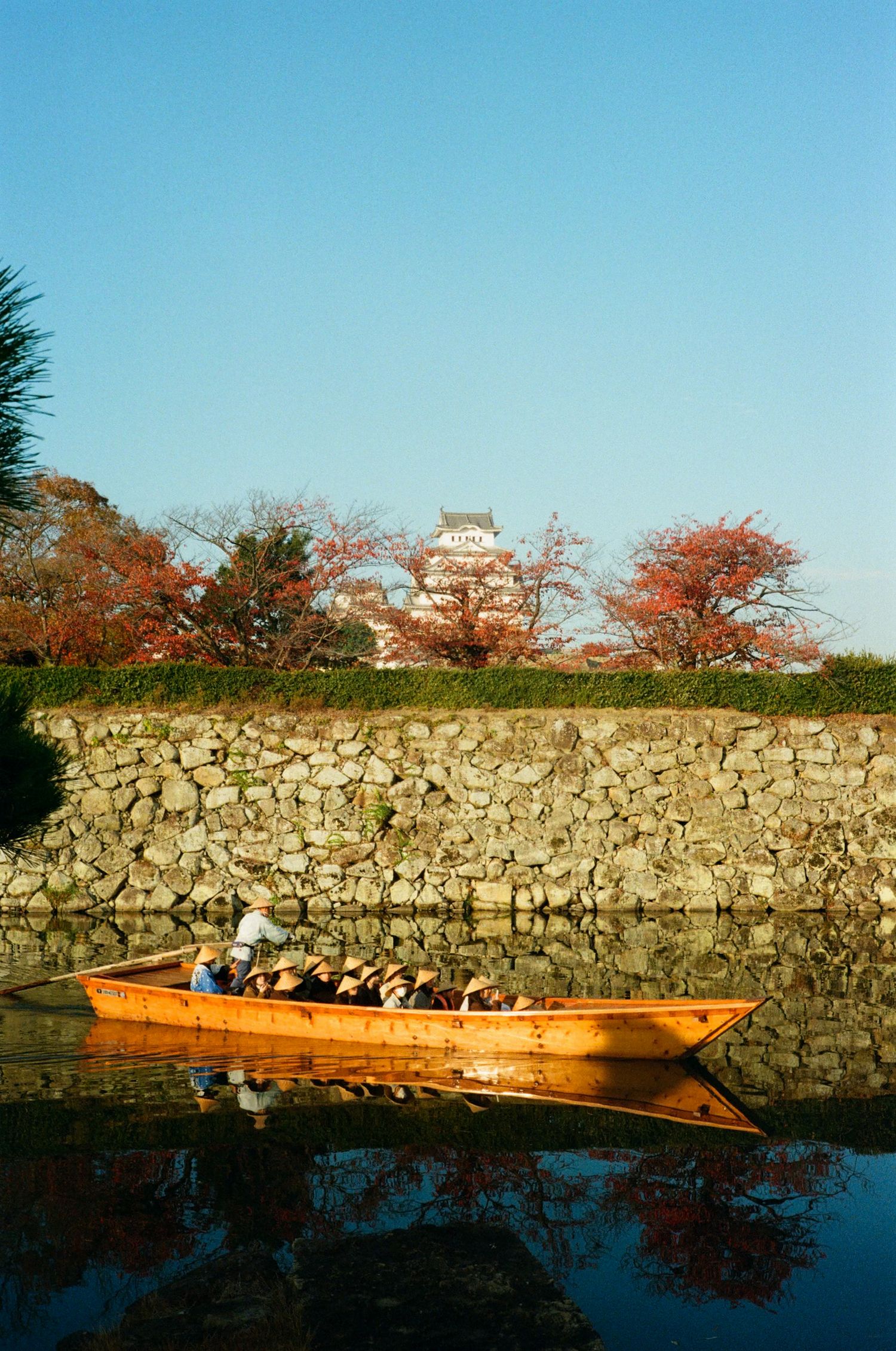
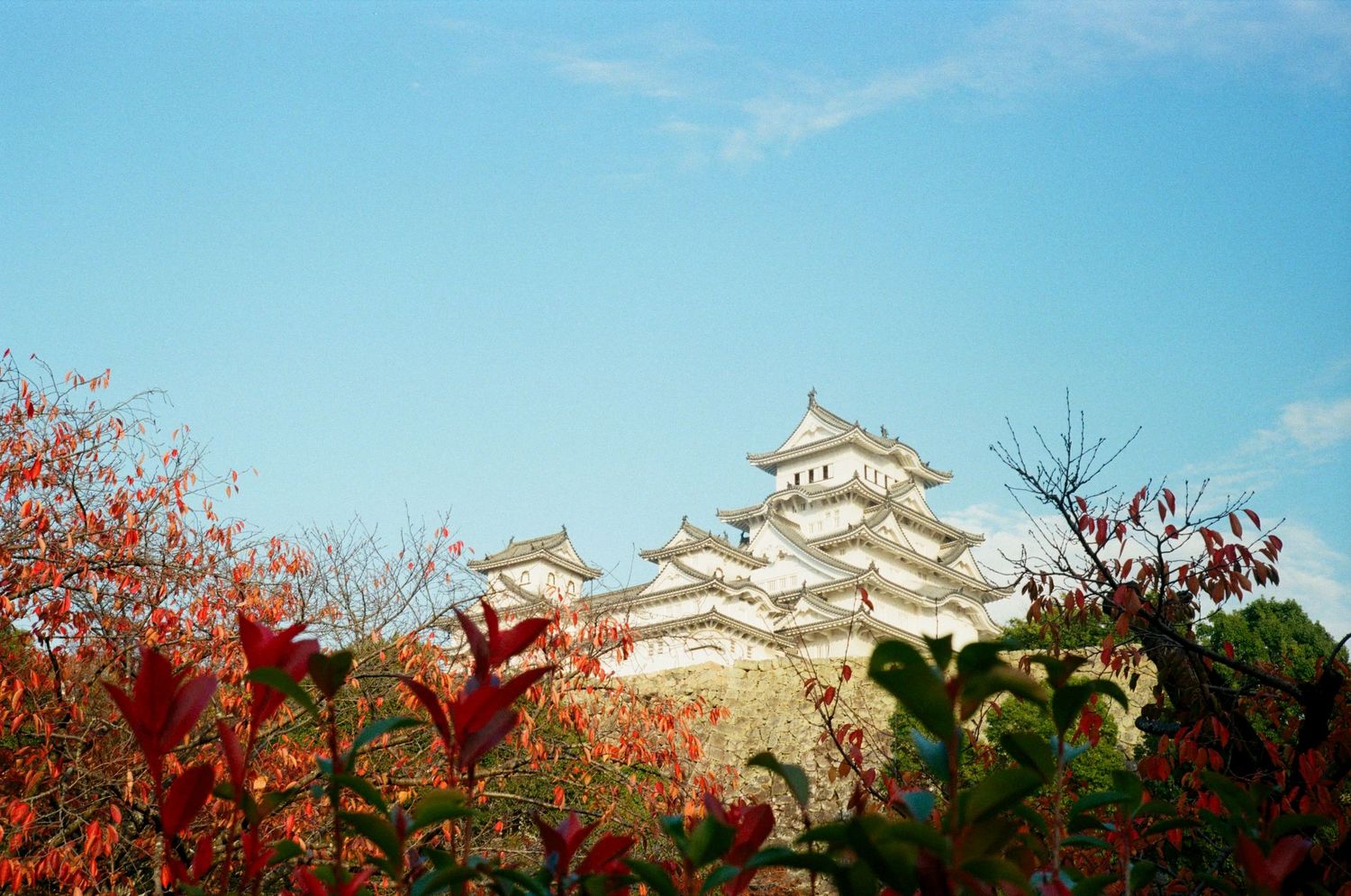
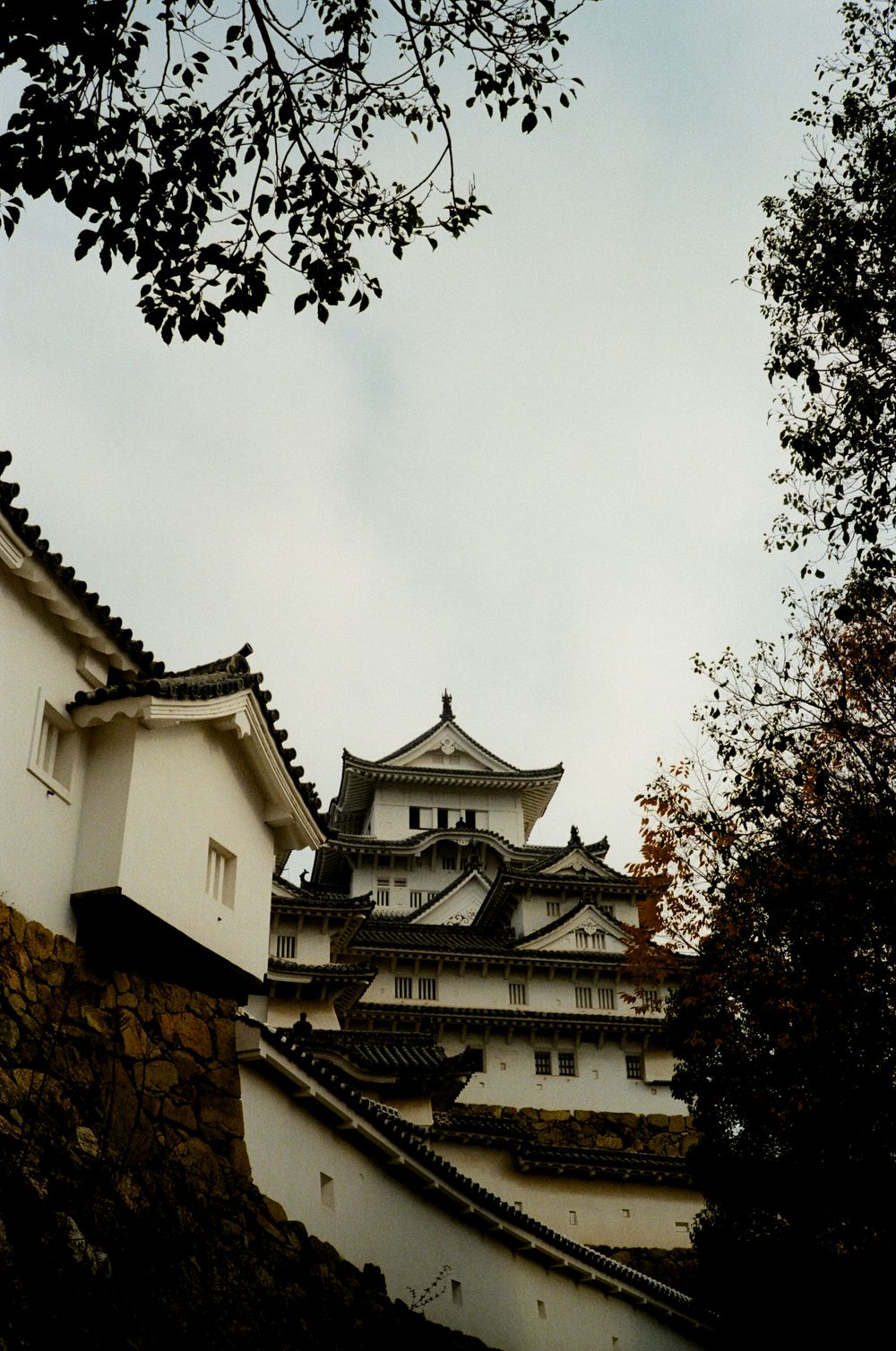
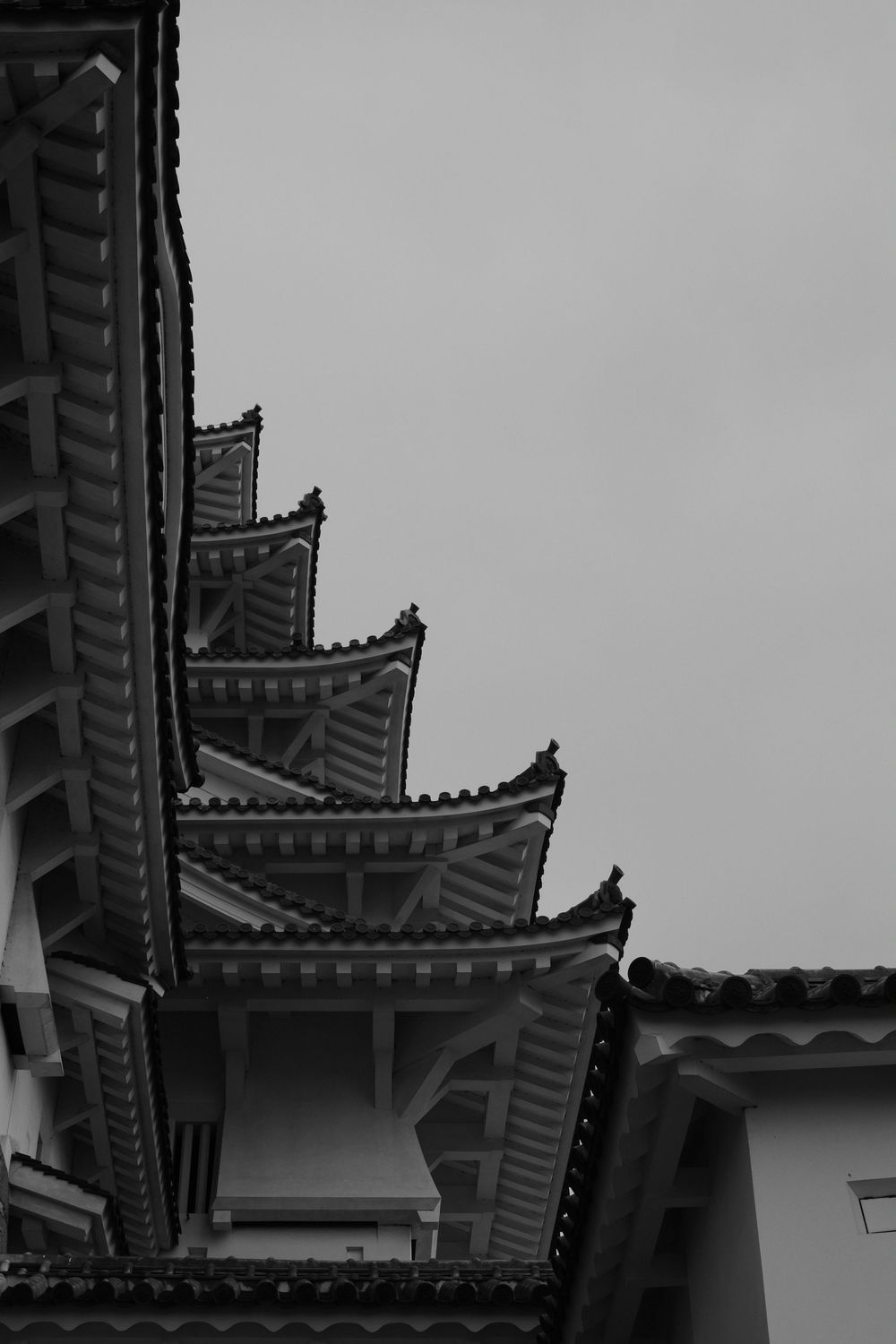
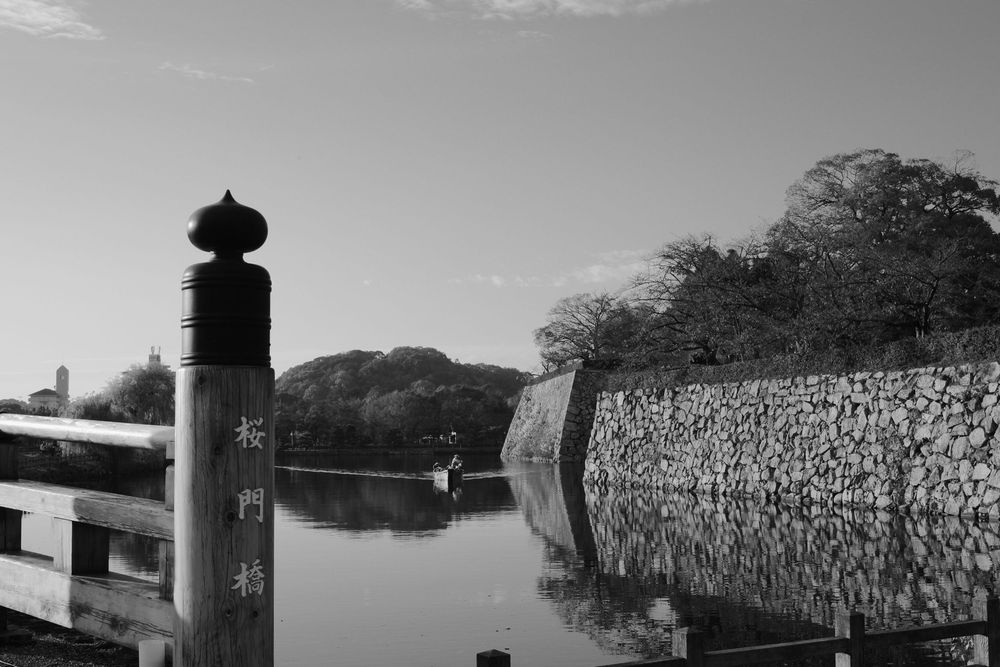
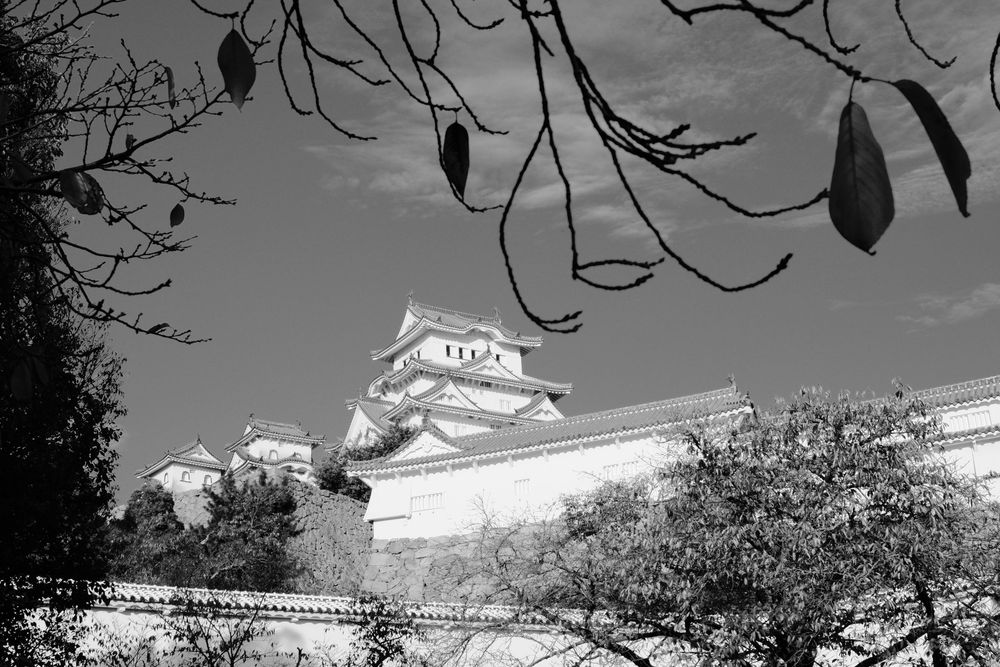
Our next stop was Himeji, made famous for its castle which dates back to the Feudal Period. While Himeji Castle town is worth exploring in its own right - particularly its food, as I had one of the most exquisite mackerel dishes I've ever eaten - the castle is where I spent most of my time here.
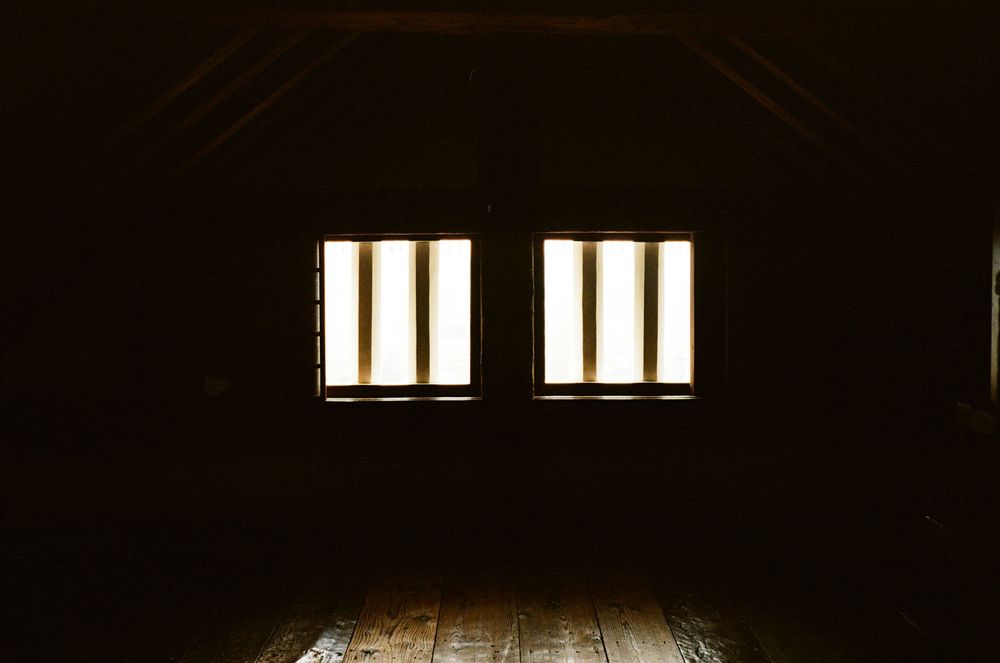
With dozens of rooms that spiral ever higher, the history on display here is impressive. One unexpected benefit of being on the shorter side: I fit quite nicely in all these ancient Japanese structures! I barely had to duck to clear the doorways and stairways that by today's standards could only be described as diminutive.
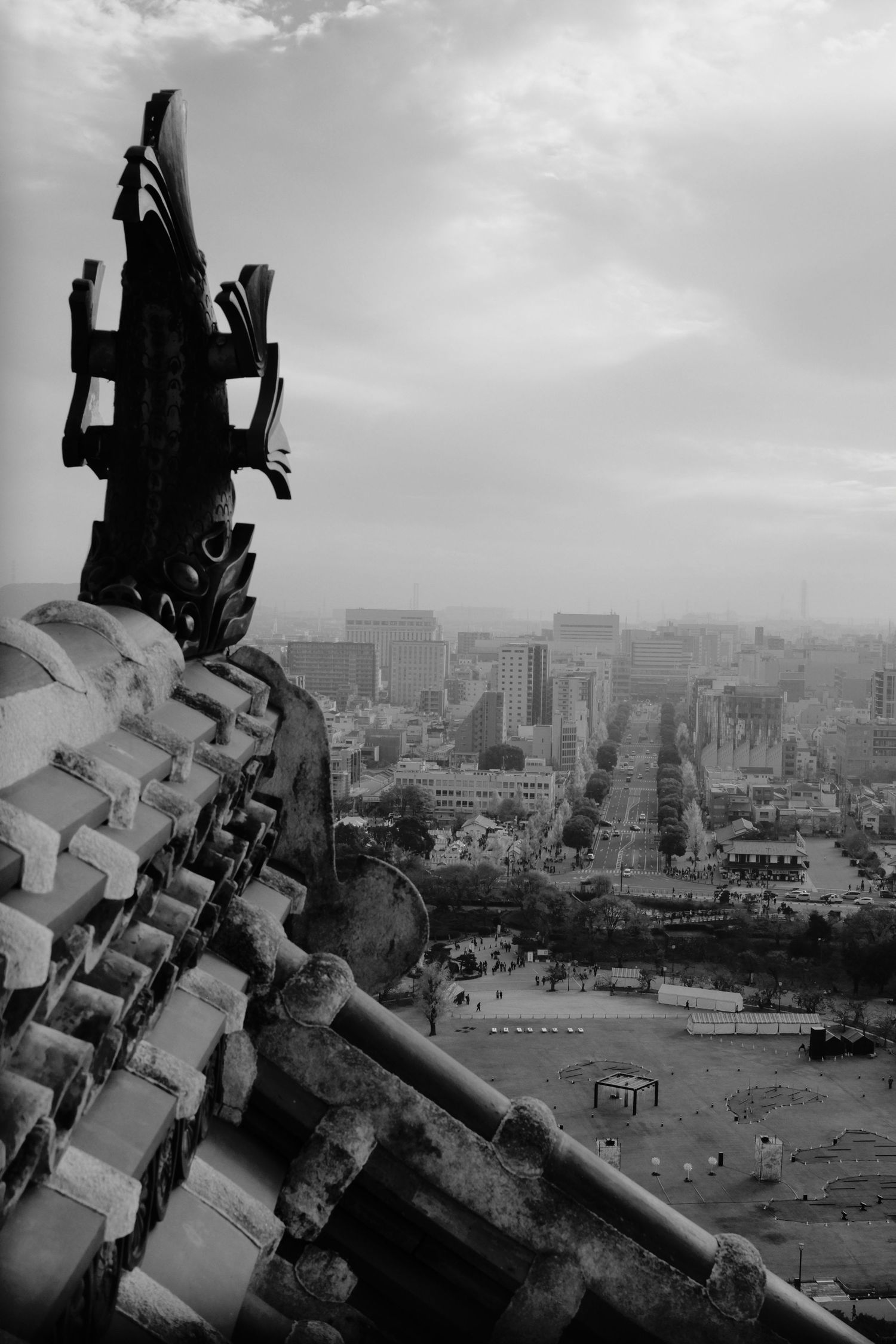
After what seemed like an endless number of floors and rooms, I made it to the top of the castle's keep.
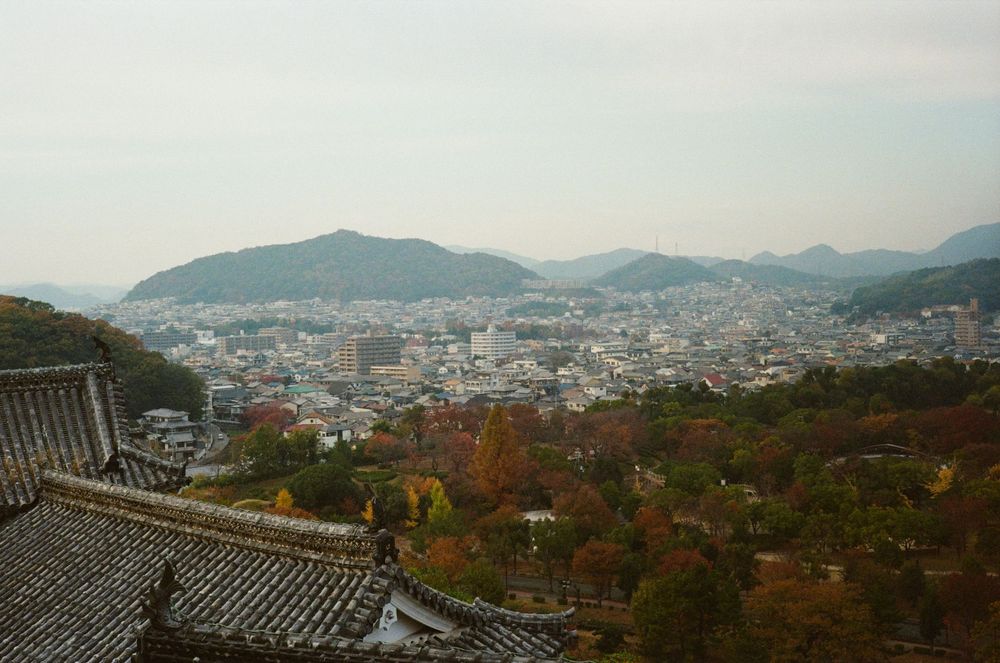
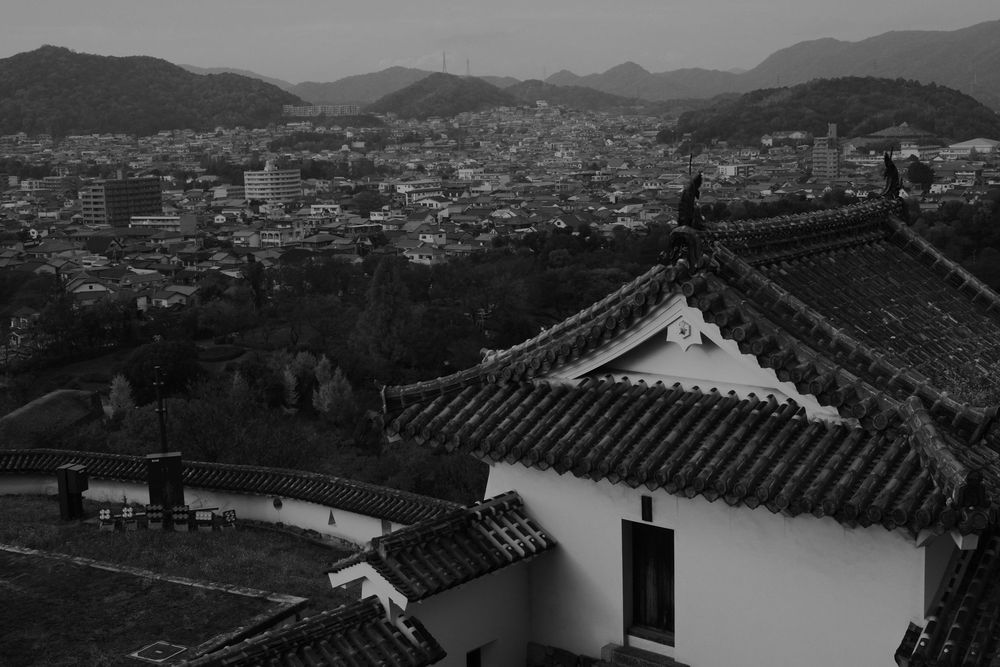
The view from the keep was not necessarily unique. I've been to the top of One World Trade Center and it's certainly an impressive view of New York City and beyond. But this was different. The ancient nature of Himeji and everything I'd seen in Japan at that point made this feel like a bigger feat. I imagined myself standing at that very same spot overlooking Himeji some seven hundred years ago and was enthralled with the power a shogun may have felt taking it all in.
The view is totally unobstructed. The buildings in Himeji have not bloated to the size that those in Tokyo have. So much more of the world is visible. In fact, while the day was gorgeous, with very few clouds in the skies, the world still receded from view in a fog as it curved away from us. You can't find a view exactly like this in New York! No, sir!
I could have stayed there forever, taking gulping breaths of the air intoxicatingly, but I was keenly aware of the fact that I had cued up to get there and there were plenty of people still behind me. Begrudgingly, I told myself I had to move on.
I'd made it through the entire castle with my friend Fernando, who teaches art history. We spent so much of this time in conversation. We were hungry again by the time we got back into Himeji Castle town, so we went for oysters.
Japan has no shortage of amazing food options. Being pescatarian, I found the seafood to be immaculate and always exactly what I needed at that moment. While Miami also has an amazing seafood scene, I found that the oysters in Japan were leaps and bounds better than the oysters we get here in Florida.
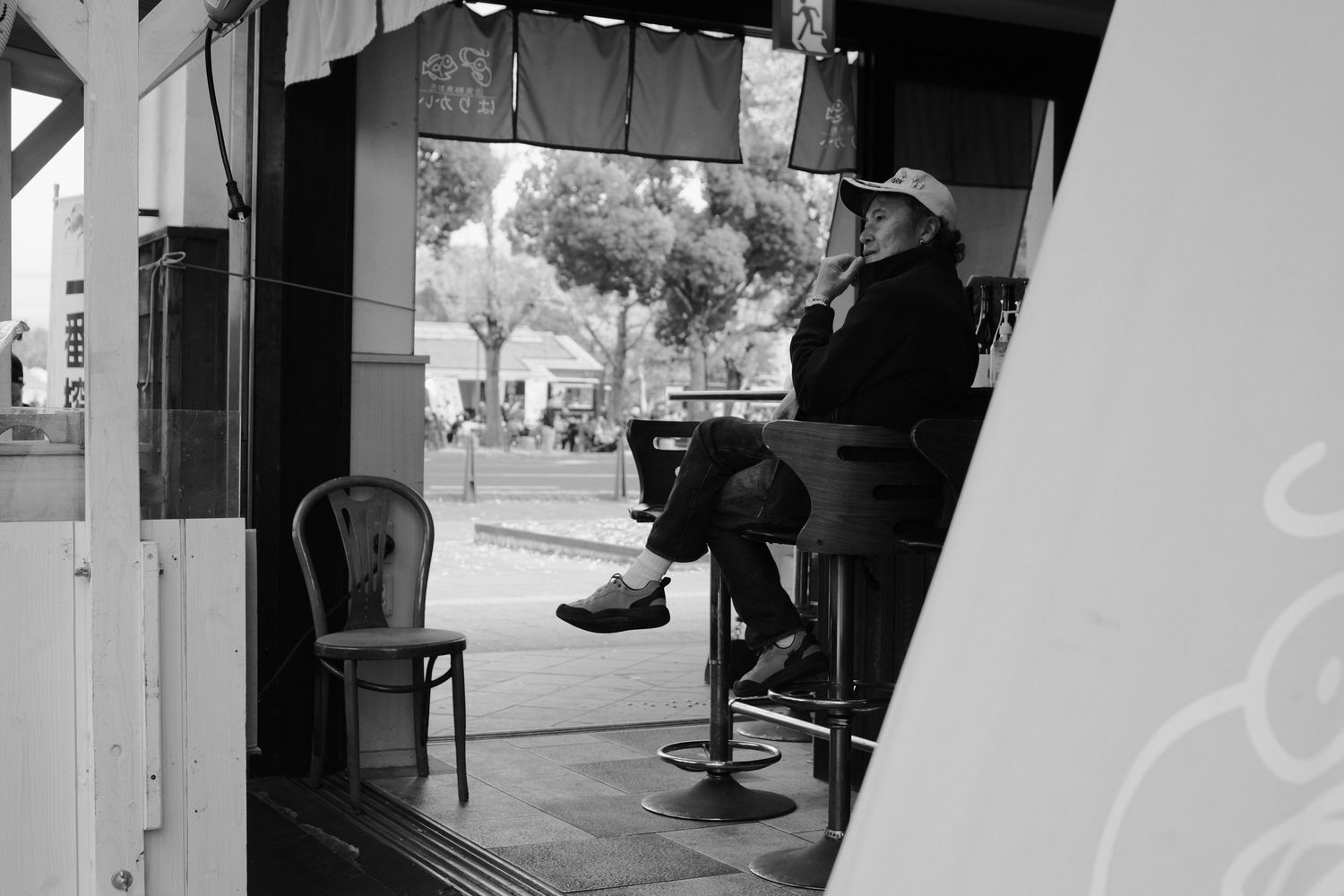
We visited one oyster vendor that advertised grilled oysters on the half shell. Why, yes, we will take two orders, thank you!
I made this last exposure of a rather dapper looking gentleman at that oyster bar as we wrapped up and headed for our final destination that day: Kobe.
More Than Just Steaks
We got into Kobe late. Dinner was in a restaurant that featured traditional low-table seating on a tatami. Everyone was exceedingly tired from the travel two days prior, the adventure in Hiroshima the day before, and the day exploring Kurashiki and Himeji. So we ate slowly and peacefully, before heading back to the hotel. Not before a quick stop at Don Quijote, which is to say it was a long stop as there is no such thing as a quick stop at Don Quijote.
I was, however, unwilling to let my one night in Kobe end with such a whimper. So I loaded up another roll of CineStill 800T in my M3, like I had done the night before, and hit the streets on my own.
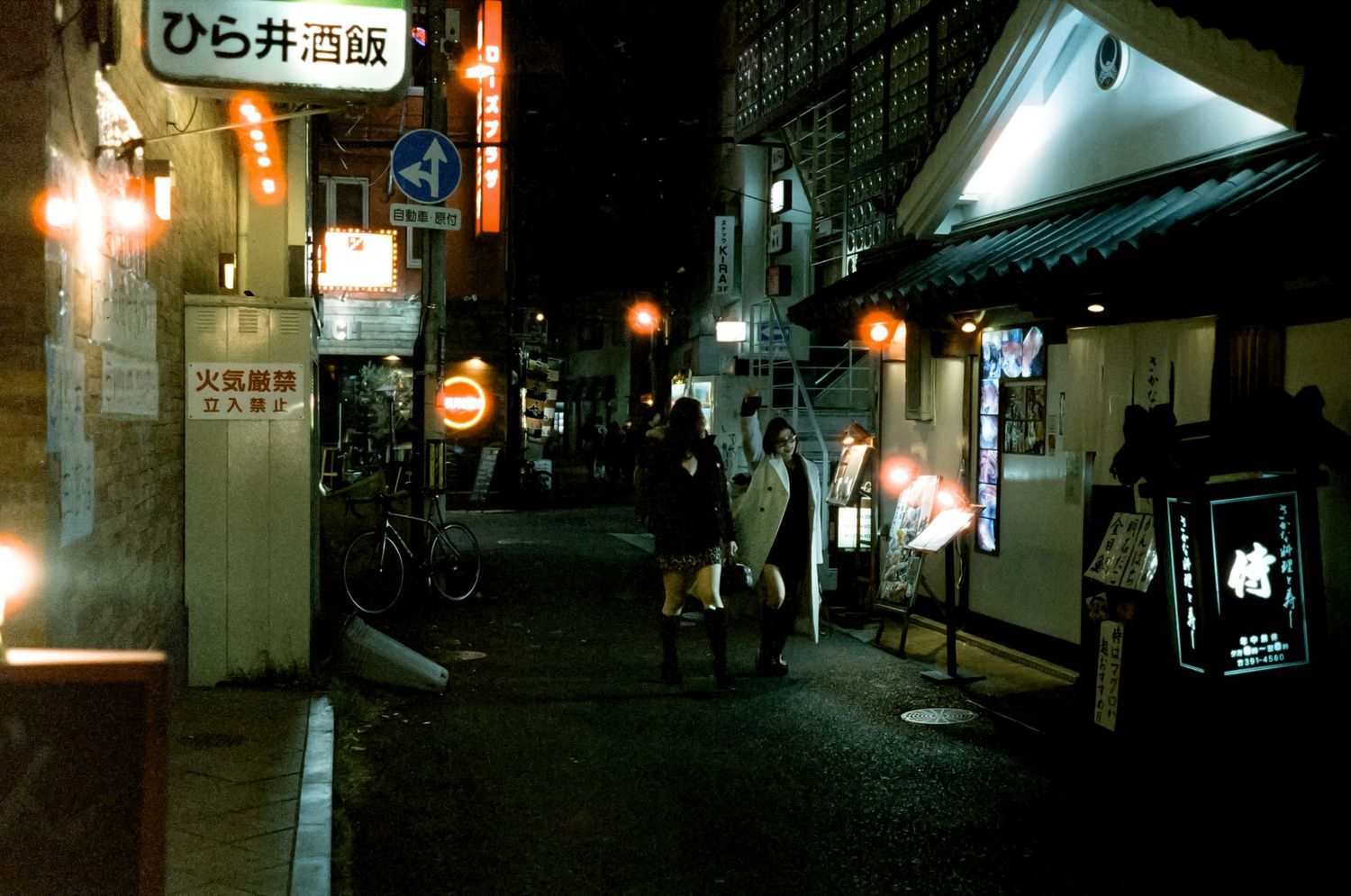
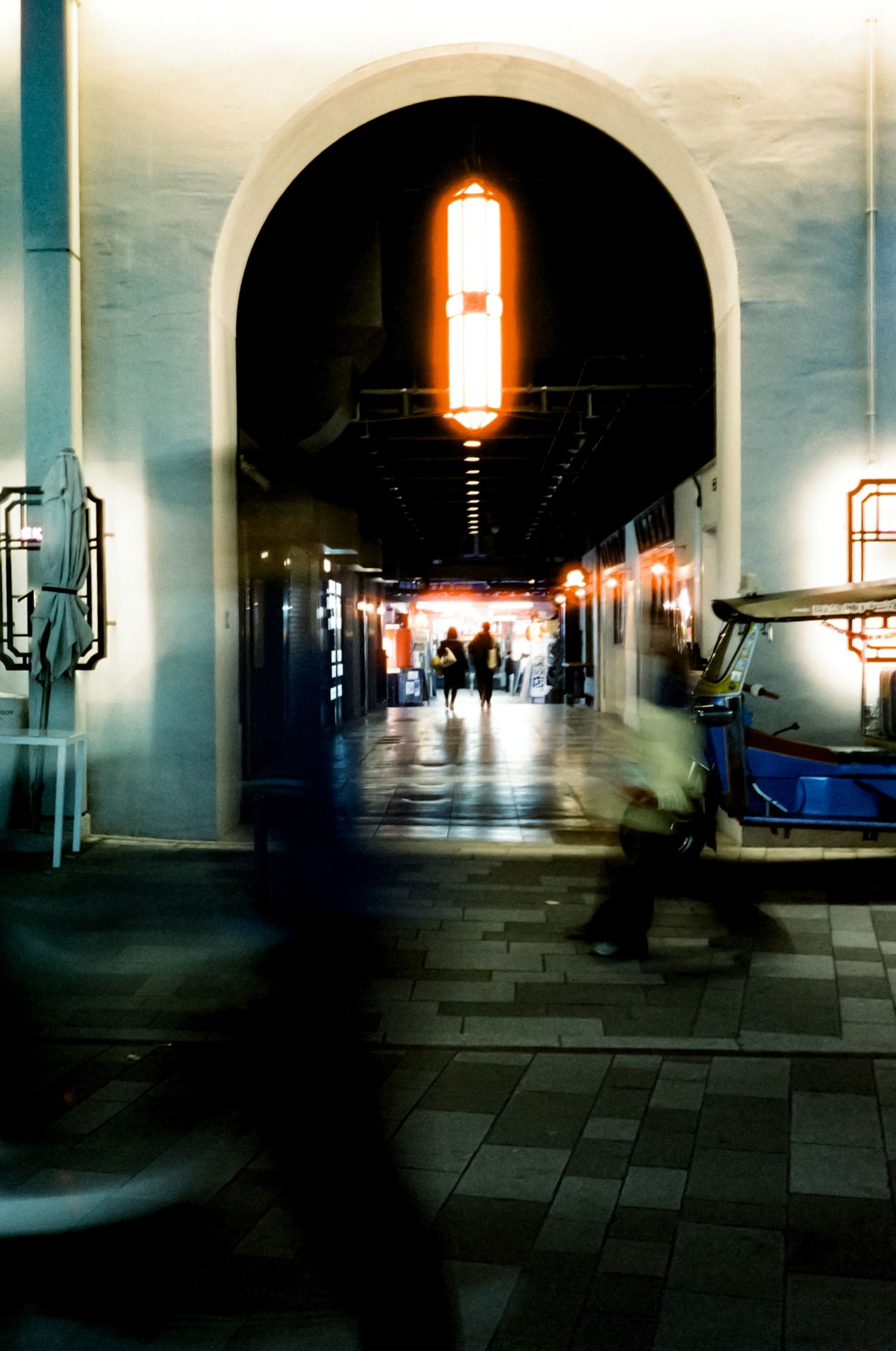
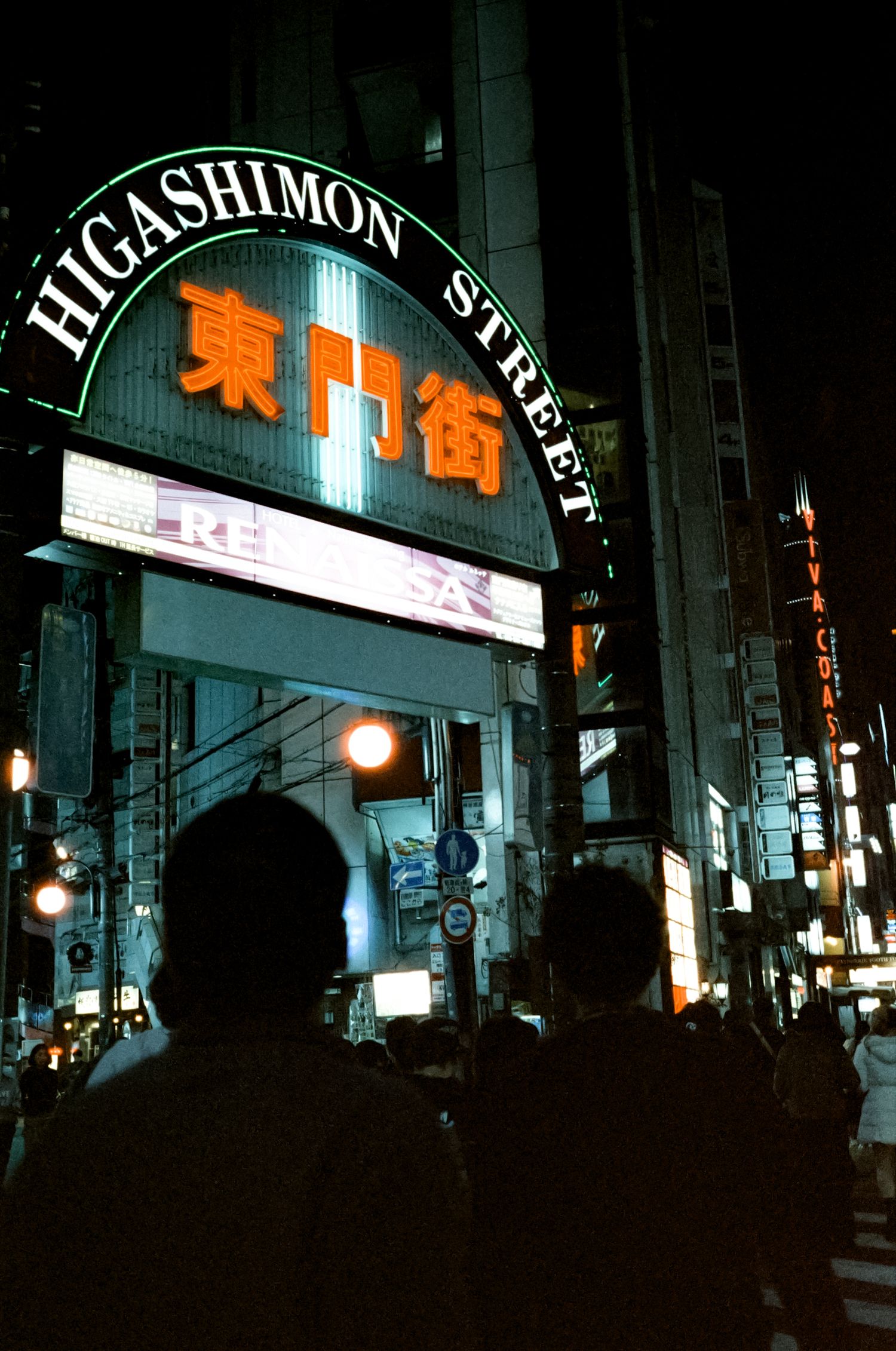
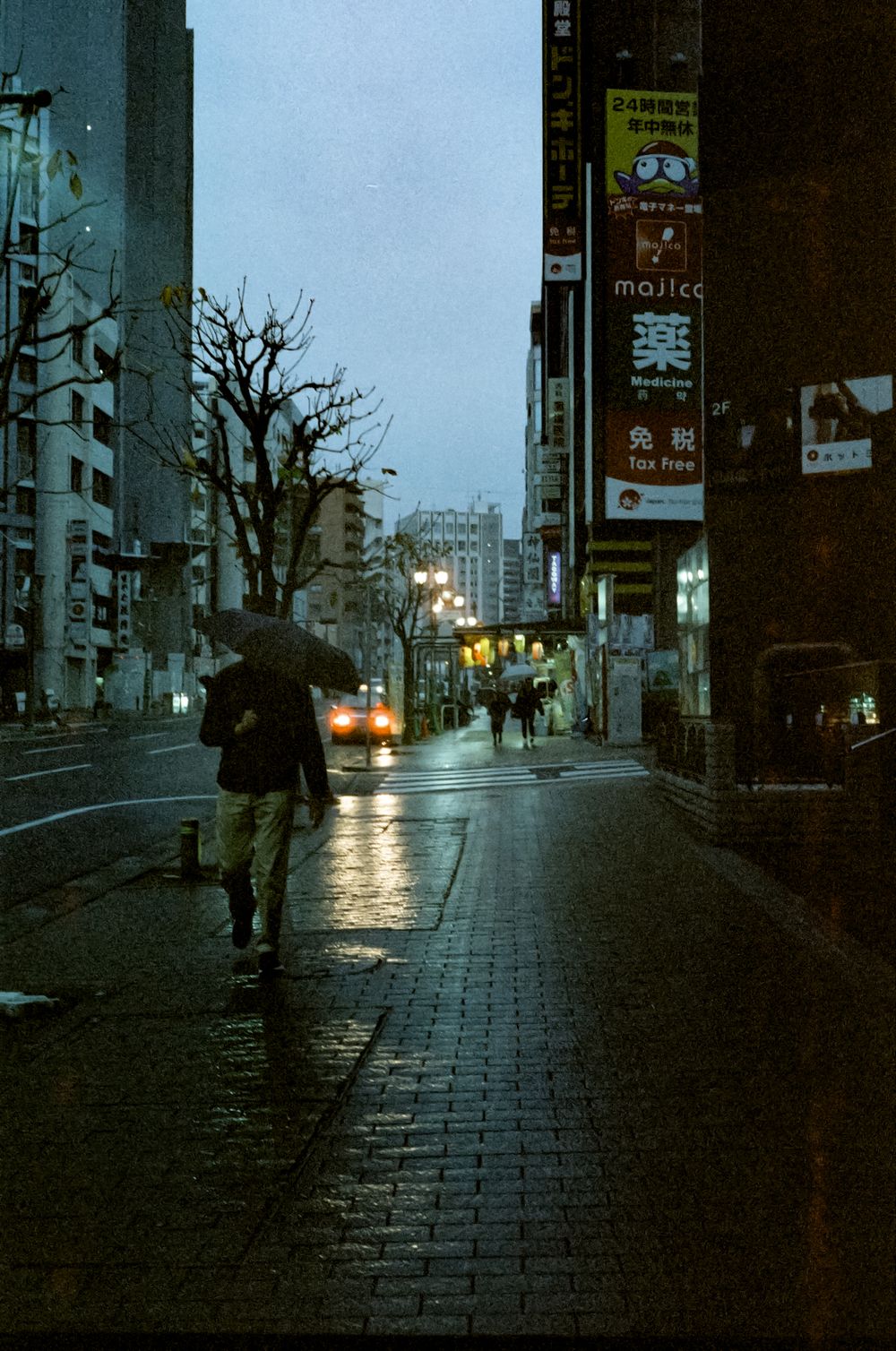
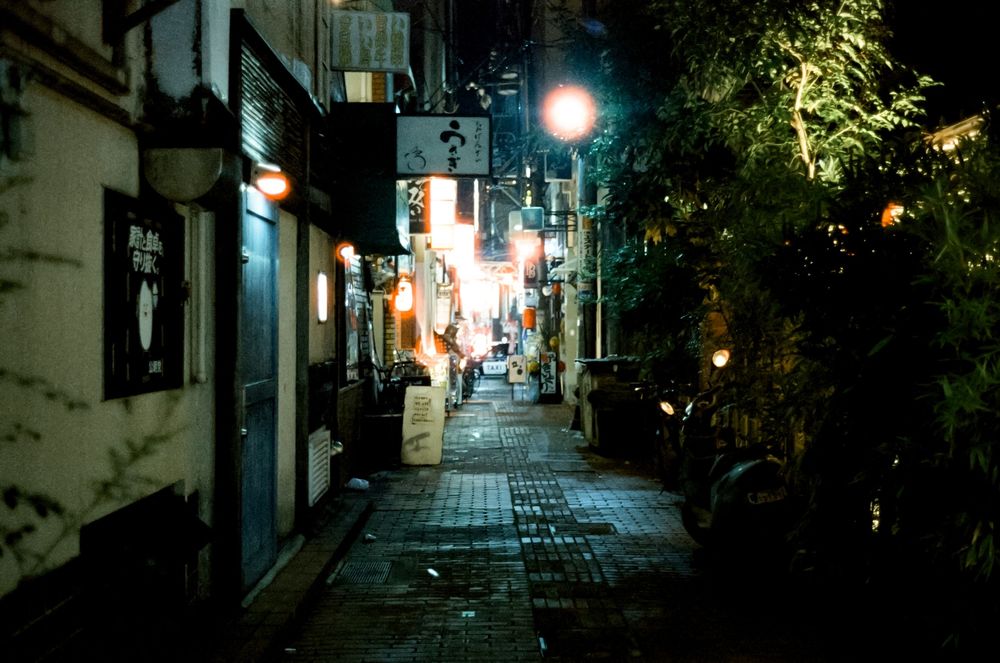
Roaming the streets of Kobe at night by myself was amazing. I am, at my core, a creature of night. From my days playing seedy nightclubs and bars in punk bands, to nights out with Steph, I thrive on rain soaked, moonlit streets. Kobe provided this in spades.
I would schlep down one street, fall in love with a scene, and wait for subjects to enter themselves into my M3's frame. From girl's night partiers to bar crawl stalwarts, Kobe was bonkers after nightfall. It was moody, gritty, and dirty in the best way possible. With every street and alley I found myself diving deeper into a kanji filled neo-noir.
I ended up at a bar called Much, filled with friendly folks who loved that I was an American with even a modicum of Japanese words and phrases memorized. I had made a great effort to learn enough to get by in the event that I ever found myself in a situation in which I was roaming the streets of Japan by myself at night.
This night gave me more than just a great time. It gave me the confidence to slink onto the Japanese pavement and explore without fear. I no longer felt like Heinlein's proverbial stranger in strange land. I had been accepted by the locals. We drank together, laughed together, and learned from each other. I could get used to this. I could live here.
To be continued in Adventure in Japan, Part III.
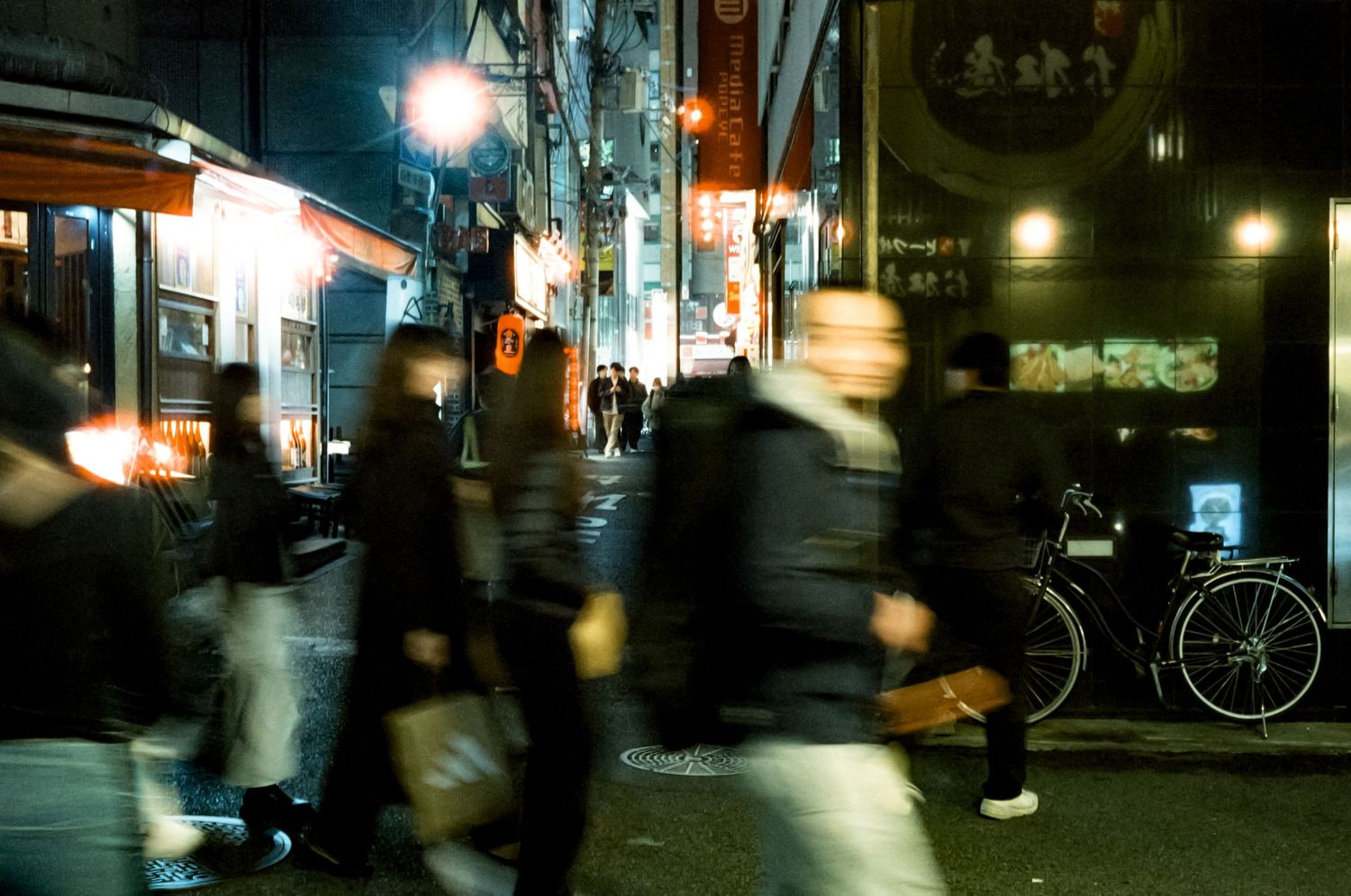
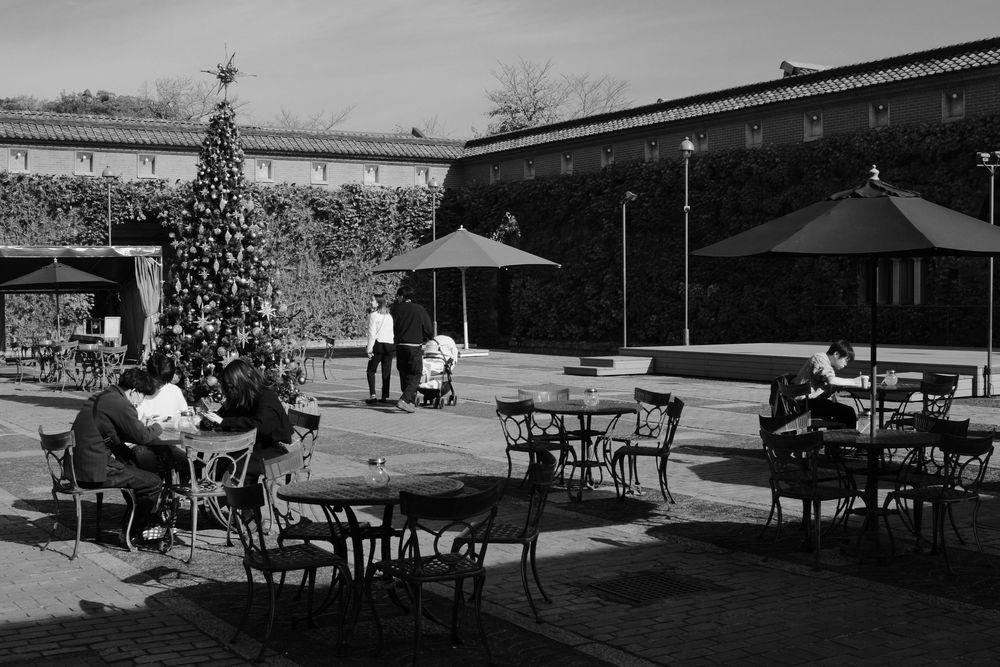
More photos from Kurashiki, Himeji, and Kobe
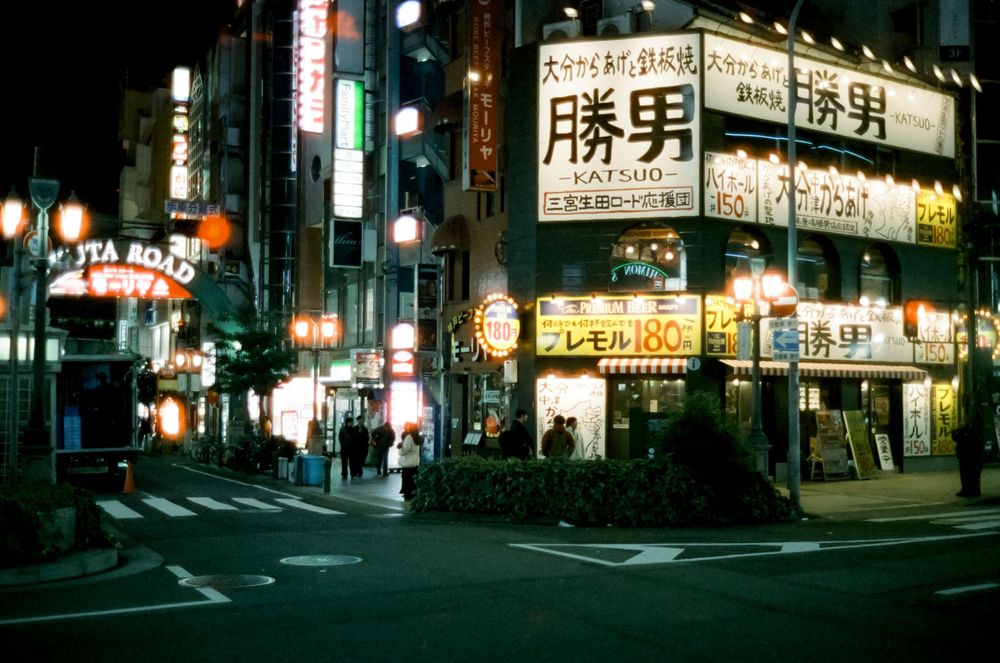
All images © 2020-2025 David Ulloa Studio. All rights reserved.