The Muse, Defined
In theory, the muse is simply defined: the person or thing that inspires your artistic work is your muse. In application, however, I have found the muse is a complex concept. To study a person, a place, an idea is to reciprocally make yourselves vulnerable. There is an intimacy involved in the process and intimacy is complex in itself. You study the features, the angles, the way light and shadow accentuates and plays with the subject and in the process make yourself known to the subject as well.
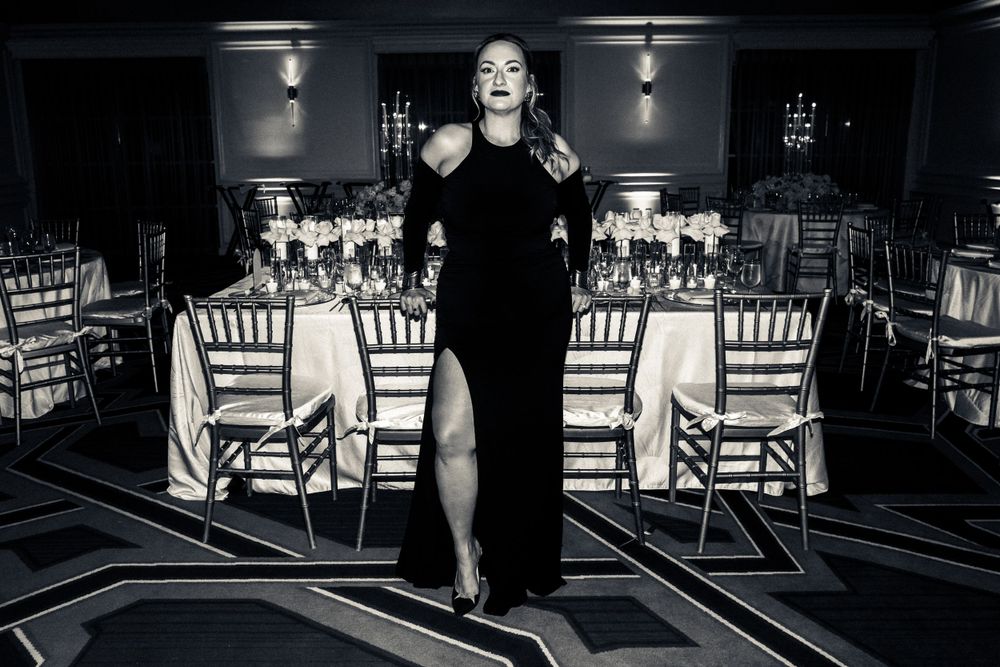
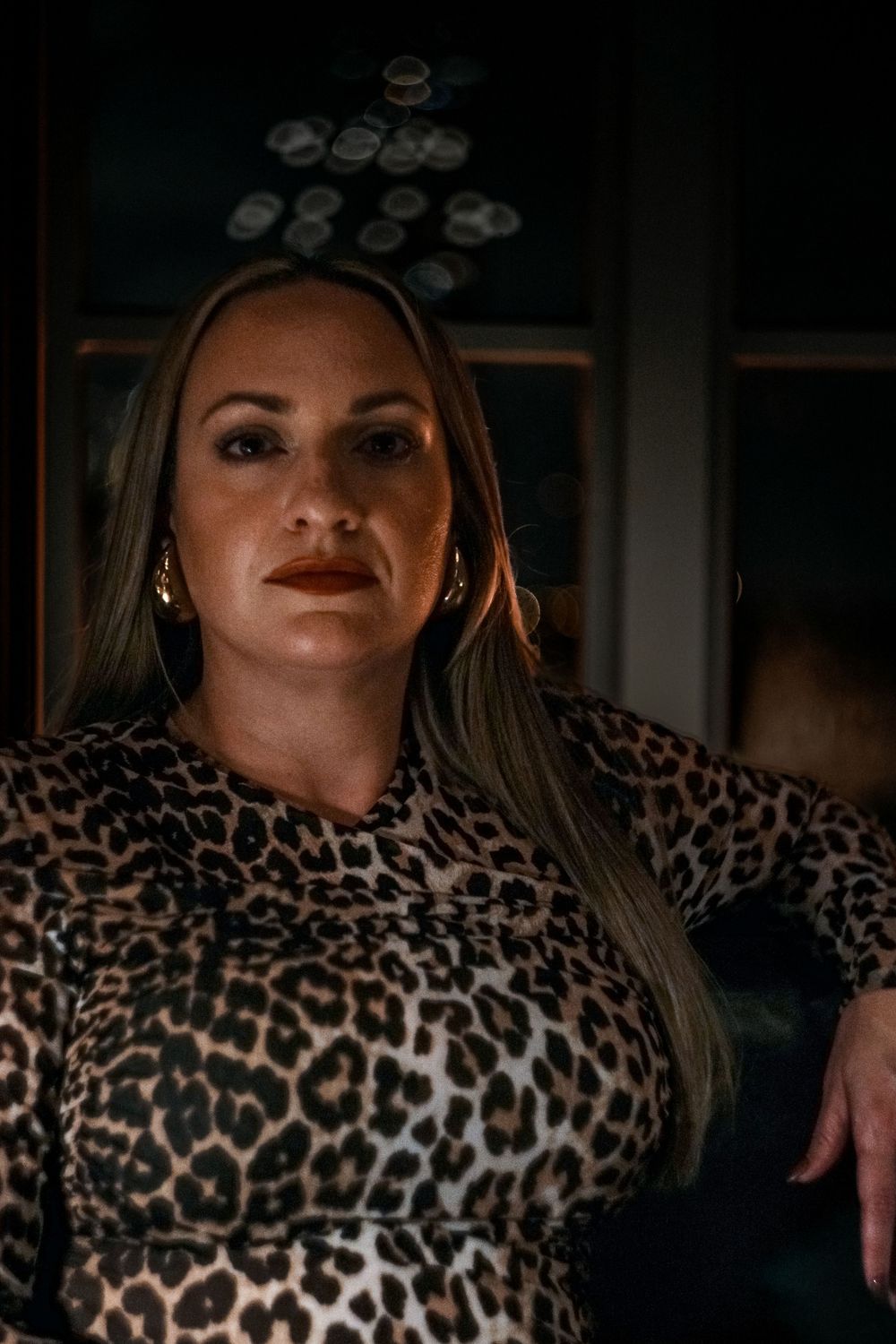
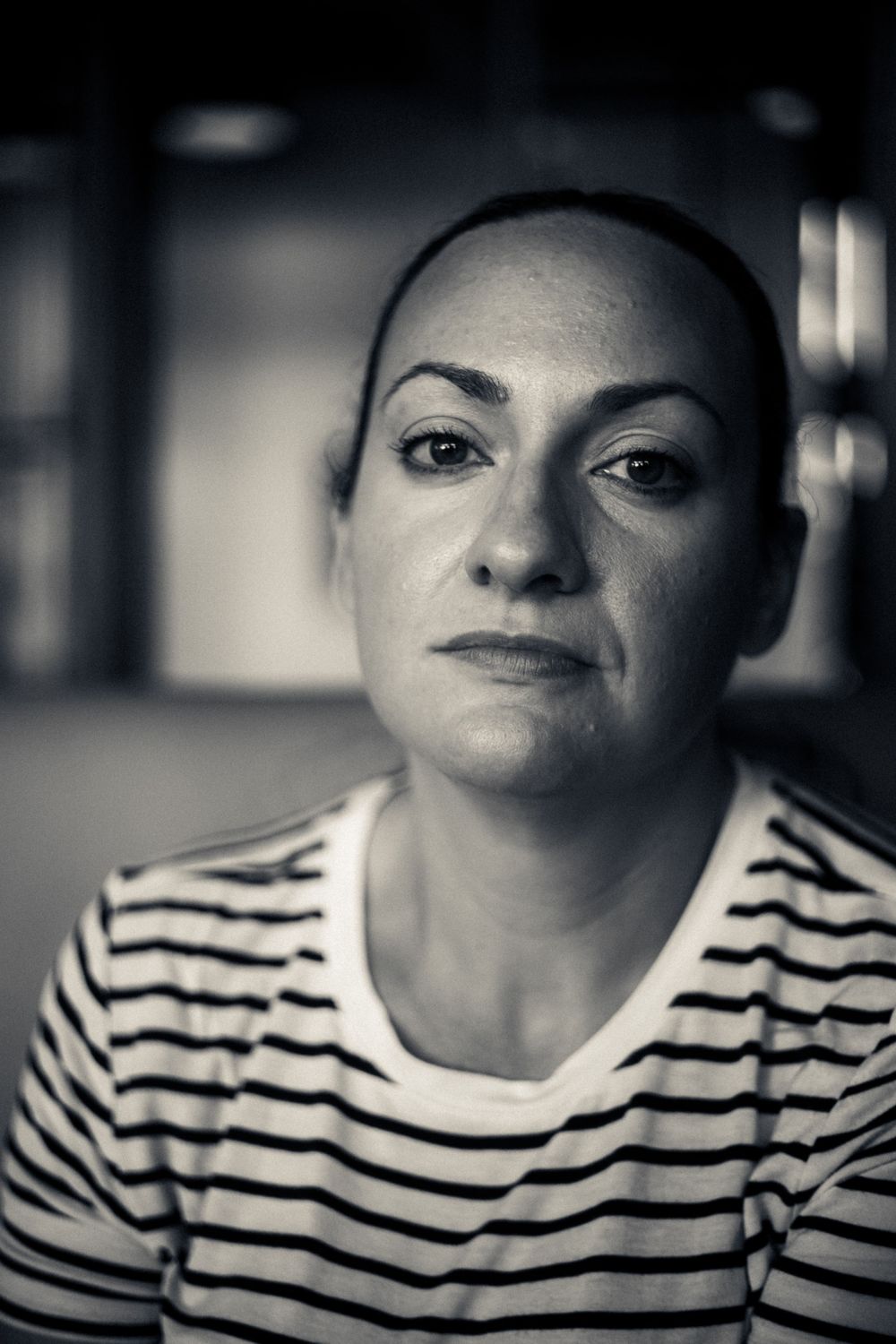
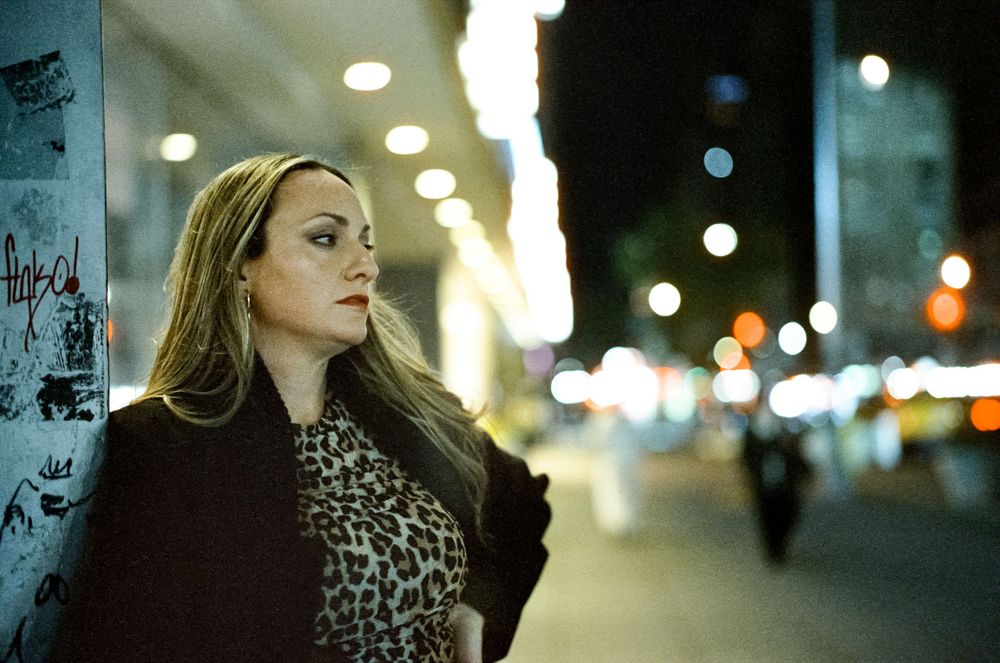
I have many subjects in which I perpetually go back to for inspiration. For setting, the lake around which my childhood home is located is definitely a well from whose water I constantly draw from. I have made photographs of sunsets on that lake since as far back as I can remember. My children are also sources of inspiration for me. But the photographs I make with them are usually candid and almost always playful in nature. But my wife, Stephanie, she is my muse. The photos I make with her are as close to art as I think I come. I'll attempt to reflect on this muse/photographer relationship in the hopes that I can glean some new knowledge and provide claims for what works.
Truth of the Moment
Inspiration is, in my mind, the component to finding a muse that is most immediate. You see something that inspires you and you use it to create. When that inspiration comes repeatedly from the same source, that source is well on its way to becoming your muse.
Inspiration, to me, has something to do with the visual and aesthetic, but so much more to do with the emotionality of the moment. There must be a connection to that moment, for me anyway, to be inspired to point the lens and shoot. And what inspires is usually very different, but the source from which that inspiration comes is very often the same one for me. Put another way, Steph inspires me to make photographs more than anyone else.
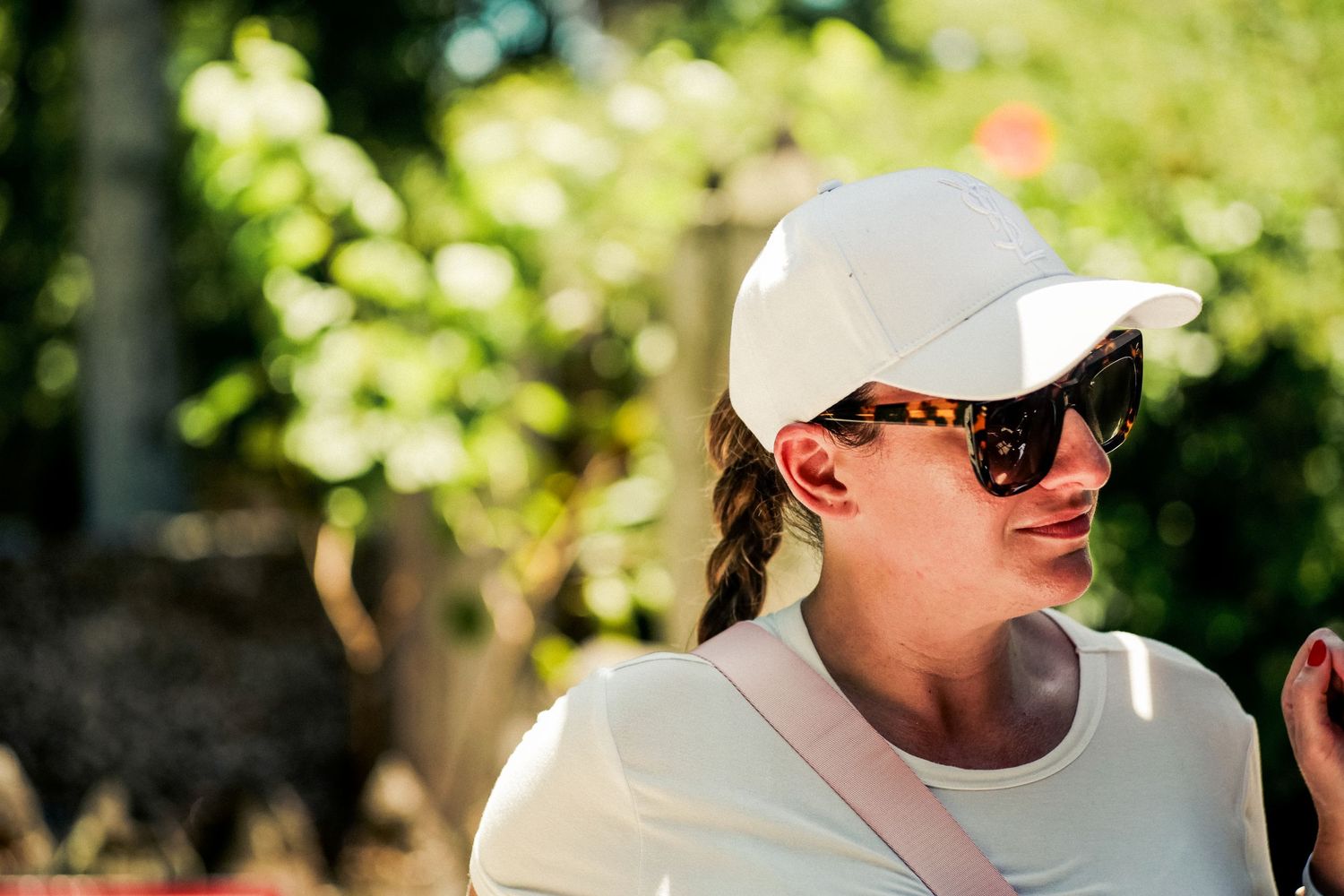
Part of that inspiration is, as mentioned, visual. I find Steph to be physically beautiful. There is a classical beauty about her that is almost renaissance in nature. Yes, there is an attraction to the eye for me, but there's more to it than that. Because I've made lots of photographs of beautiful people that did not inspire me to keep photographing them.
Much of the inspiration comes from the way she seems to view the world around her. She has an expressive face and cannot hide her emotions. When she is happy, she smiles without holding it back. When she is intrigued, she bites her lip and stares with intent. When she is frustrated, she furrows her brow and locks eyes with the subject of her ire. This inability to hide what she is feeling is of extreme interest to me and, you guessed it, inspiring.

I'll then, have my camera drawn and ready to shoot when I see a moment of inspiration coming on. If the kids are acting particularly cute, I'll make sure to photograph them in their cuteness, but keep my periphery homed in on what Steph is doing. If there is salacious conversation happening, as in this photograph here, I participate with intent, but become hyper aware of the pitch of her voice and wait for the moment in which she is most excited to release the shutter.
This sometimes means that premeditation is necessary. I'll prefocus so that a quick composition in the blink of an eye can capture the truth of the moment - I am a lover of cinéma vérité - and then slam down on the shutter release button, smiling quietly to myself for having captured the moment of inspiration.
It is therefore my first claim that a muse must inspire one to photograph the truth of their moment.
Collaboration
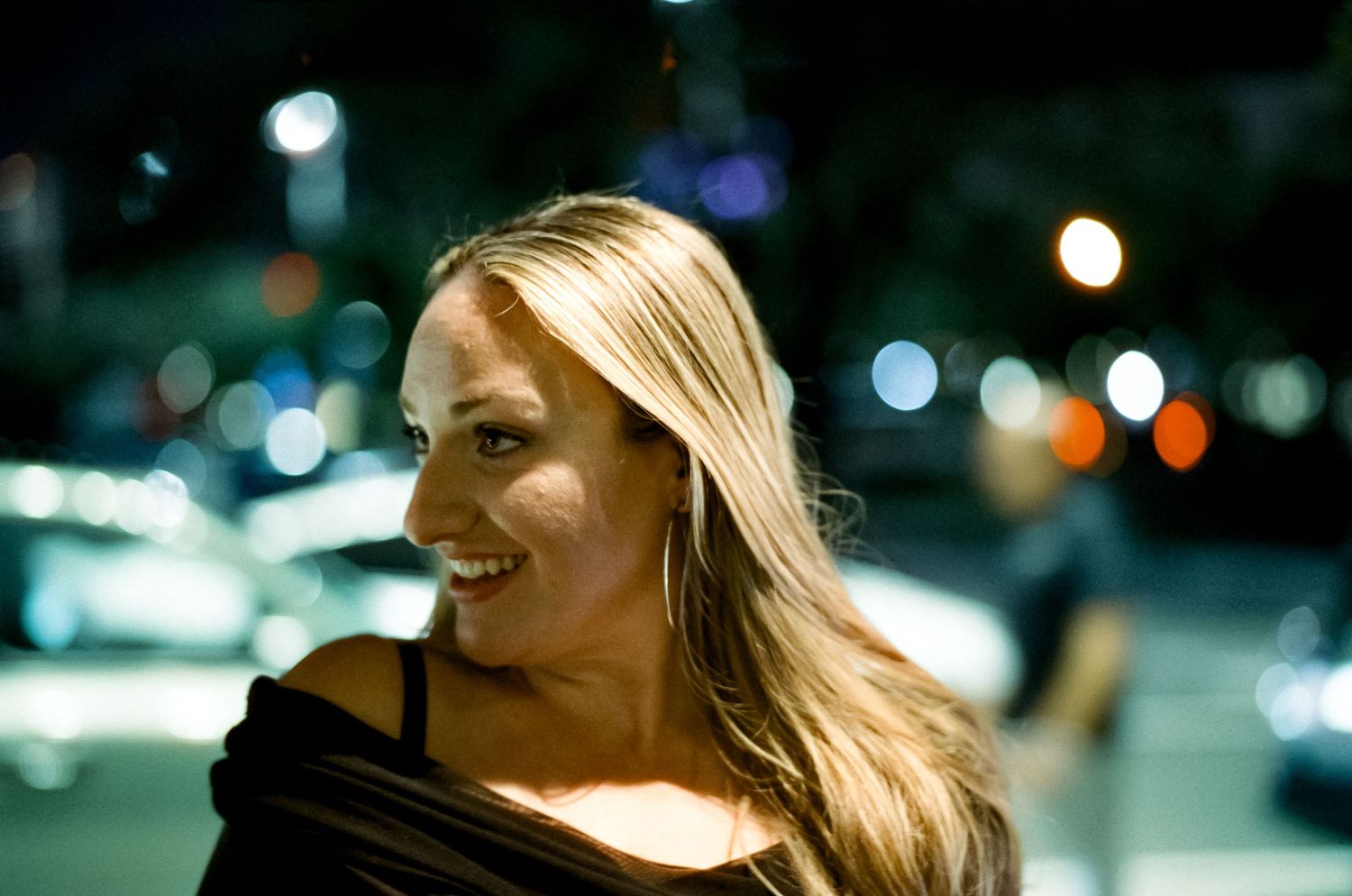
Inspiration doesn't come in one way only. Just as often as finding the truth of the moment, seeing the photograph in the mind is a vital part of the inspiration. Whether it is due to an action or a setting or even an errant thought, the inspiration to direct a subject is an integral part of the artistic process. But not all subjects are keen on the direction.
Photography is an art that involves two-way trust. The photographer must trust that the subject will work with them, just as the subject must trust that the photographer will capture them authentically. This trust is built over time. Even for a husband and wife, this sort of trust may be something new. It took time to develop this, but it has been a collaborative spirit that has paid dividends for the photographs that we make together.
And it is important that it is viewed as working together, collaborating. Feeling the vibe, working with that, directing that, it all is part and parcel of the process.
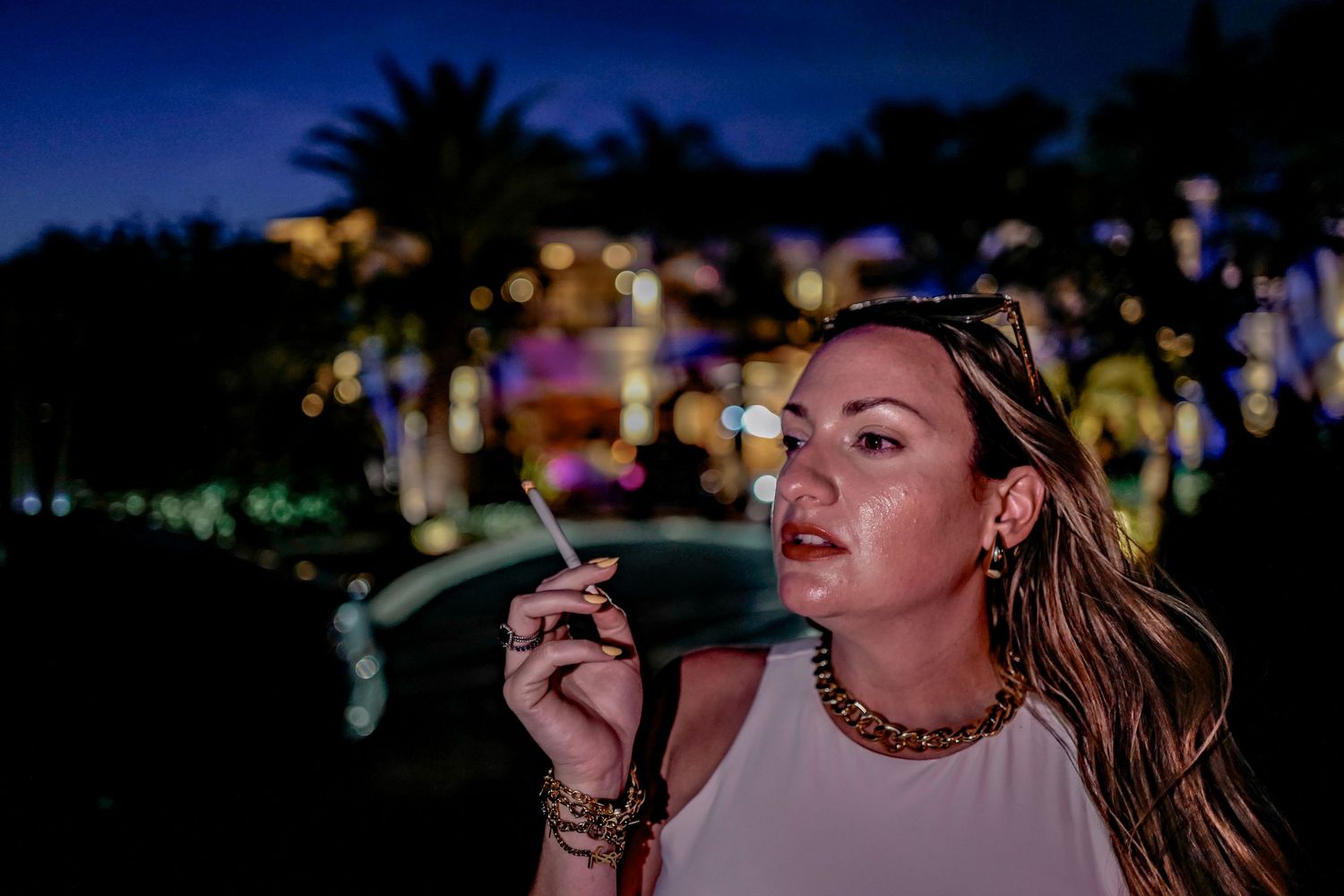
The photograph of Stephanie smoking a cigarette was directed. It was made after a long night in which I photographed an event that she planned. We were both tired, but we needed a moment to relax before hitting the road and going home. We lit up a couple of cigarettes and enjoyed the cool breeze coming in from the bay. I noticed the way her hair was catching the wind and decided it would be a great time to direct her. She was feeling it as well and worked with my direction to make this portrait. The power and presence of a woman commanding the wind is palpable. Just as this photo of Steph in bed conveys a totally different kind of emotion.
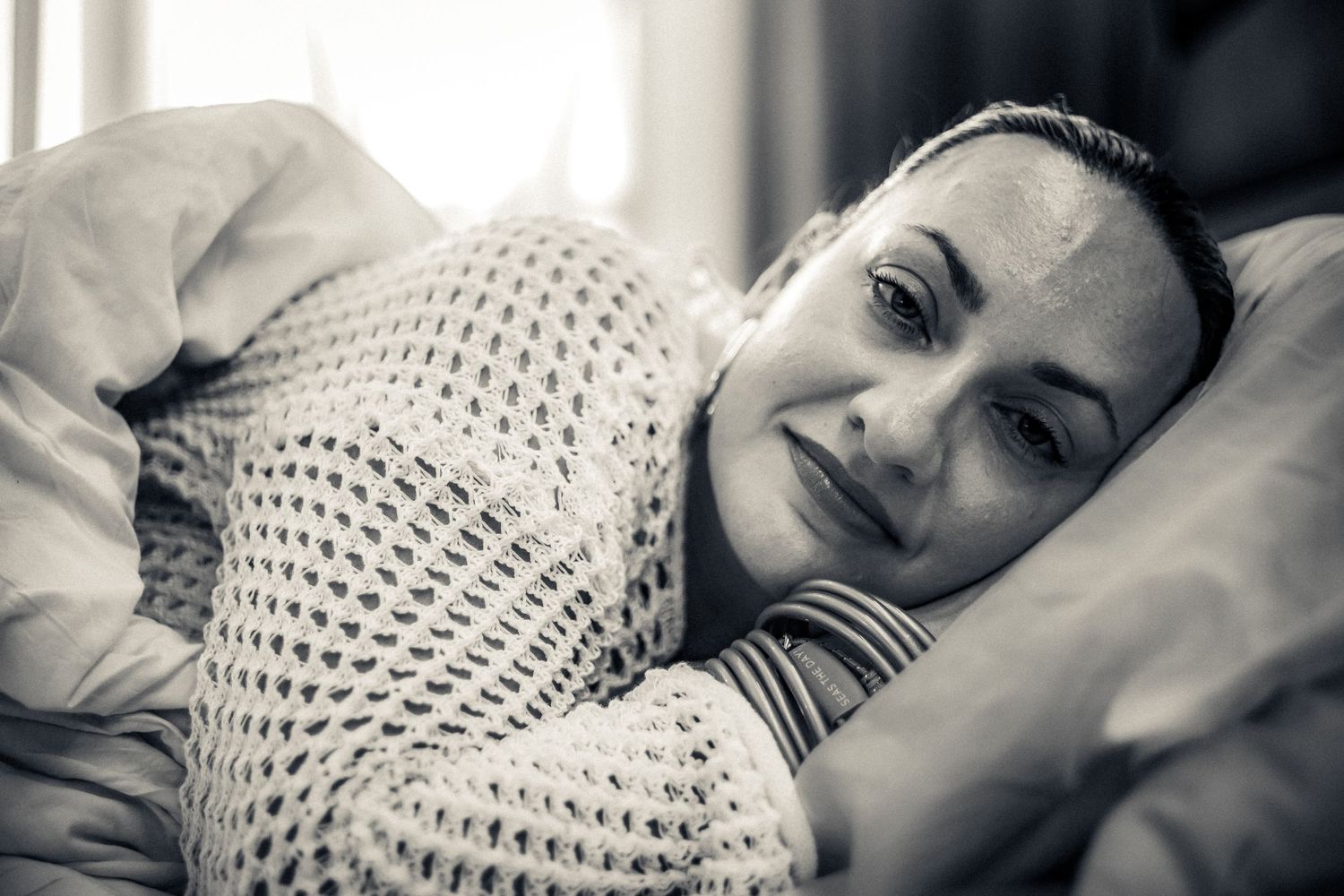
We were on a cruise to celebrate our anniversary and had just come back from a morning of poolside mimosas and sunbathing. We were preparing for a nap. Steph was in bed and I sat in a chair finishing a Bloody Mary. The whole scene happened so fast. I saw the portrait before it happened. I asked Steph if she was willing to make a portrait, and when she agreed I reached over to the desk and grabbed my camera. I asked her to pose in a way that seemed warm and inviting, without seeming seductive. In my mind, this was a scene out of a dream, hazy and beautiful. She immediately fell into the look, giving the loving and longing that I saw in my mind.
And then sometimes direction comes in the form of stopping the action.
The words, "wait' and "don't move" are powerful and just as useful as explicit instructions when used appropriately. Blending the documentary style of my first claim, with this second style of directing the subject, action can be stopped when inspiration strikes. It is a recognition of composition and lighting and how it relates to the muse.
This portrait, featuring a Mona Lisa-esque smile gave me my third LFI Leica Mastershot. And it was not by accident. We were at St. Augustine Beach and were watching our kids play in the sand (in fact you can see a reflection in Steph's glasses of our youngest running into my arms as I made this exposure). As soon as she raised that hand to rest her head and look approvingly at what our kids were doing, I saw the composition and said it, "WAIT! DON'T MOVE!"
It is therefore my second claim that a muse must inspire collaboration between the artist and subject.

Discovery
There is certainly some subjectivity to all of these claims. I am, after all, describing an artistic process, which is inherently subjective. But this one may be the most subjective of all.
The act of discovery is integral to the muse/photographer relationship. What is being discovered? Well, that is more objective, in my opinion.
The discovery seems to occur in two components and both ends of the camera. One component is the perpetual rediscovery of the self. For the muse, tapping into the various personality and character traits that they believe should be represented is integral. It cannot happen without the muse making themselves vulnerable. This is intimacy. Shredding away the facade and leaving only the self to be photographed, captured forever in a drawing of light. Drawing again and again from that well requires one to rediscover the self or the act goes stale.
The second component in front of the lens is discovering and rediscovering trust in the photographer. Trust that the photographer will capture you in a compelling and authentic, but flattering way is necessary. This is, again, intimacy. It takes times to build this level of trust and discovery of the muse/photographer relationship is a big part of it. Discovering how to play to the photographer's strengths while accentuating your own is not an easy process. But the reexamination and rediscovery helps create gorgeous art.
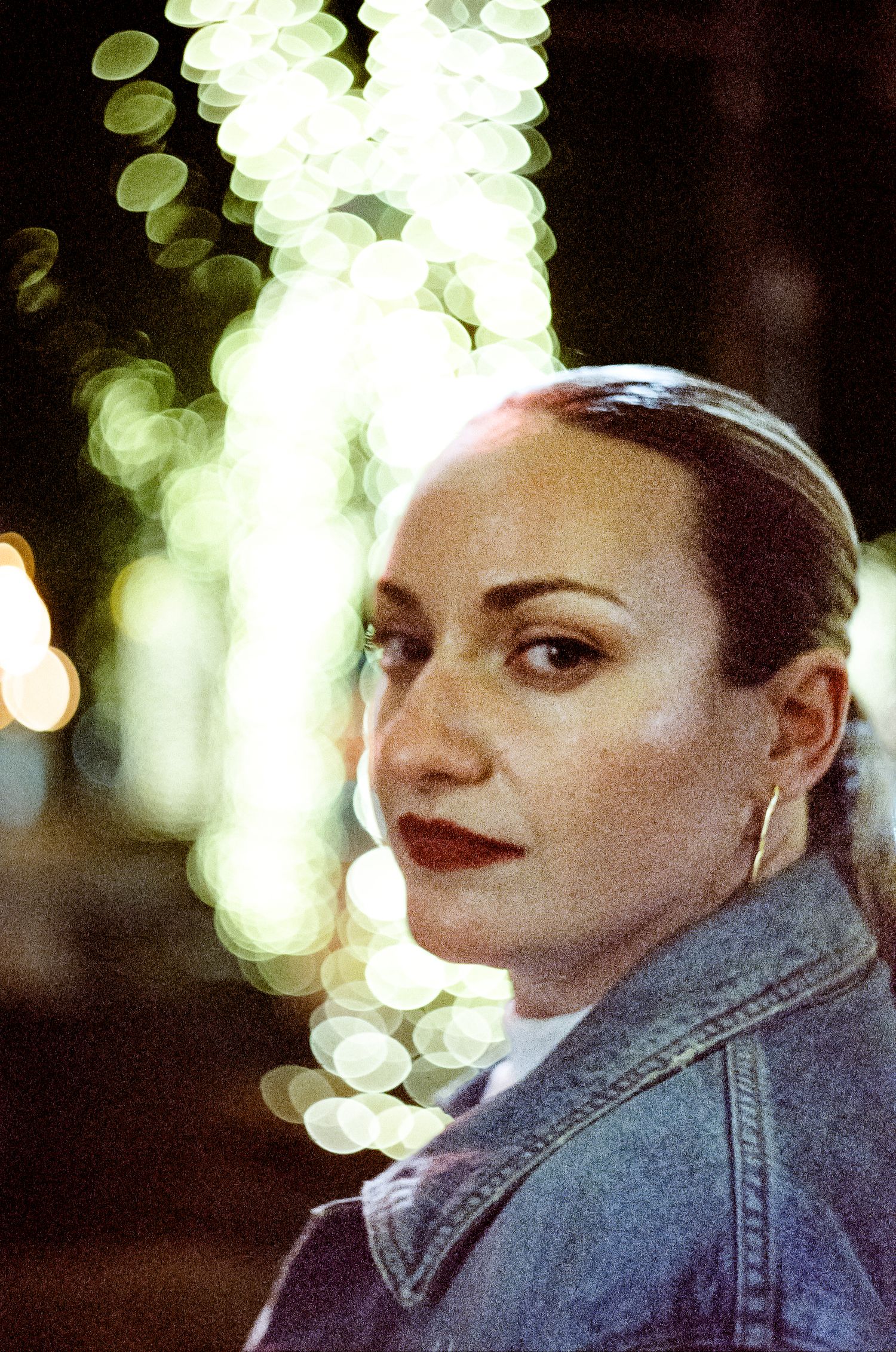
On the other end of the camera, discovery also occurs with two components. As a photographer, I am discovering and rediscovering my muse constantly. This study of a singular subject has created a bond that I cannot replicate with any other subject. Steph and I enjoyed a long and intimate relationship before I started making photographs as an amateur, much less professionally. So, there was already a sense a trust there. However, this was, at some point, new to us. Making photos with each other, that is. There was a sense of awkwardness and goofiness at first. But as I discovered her strengths as a photographic subject, that relationship developed. Finding how best to use light and shadow to accent the features that she liked as well as finding ways of putting her at ease in not showcasing the features she didn't love. The trust is important, but so is the discovery of all the facets of the muse and how light and shadow play with these facets.
Likewise the discovery is also in myself. Through the discovery and rediscovery of Steph as my muse, I have discovered quite a bit about myself. How I make portraits with others has changed to mimic some of the techniques that I have developed by making photographs with Steph. Because the discovery is beyond the physical. Yes, I find her physically beautiful, but what is just as beautiful is the mystery of how she views the world, what piques her interest, and what gives her the ick. Some of these I've discovered simply by being her partner, but others through making myself vulnerable in directing and collaborating with her on these photographs. I discover why I love her, why she inspires me, and how much more I want to discover in that mystery of the whole person of Stephanie.
It is therefore my third claim that a muse must inspire discovery in the self and the other.
Recursion
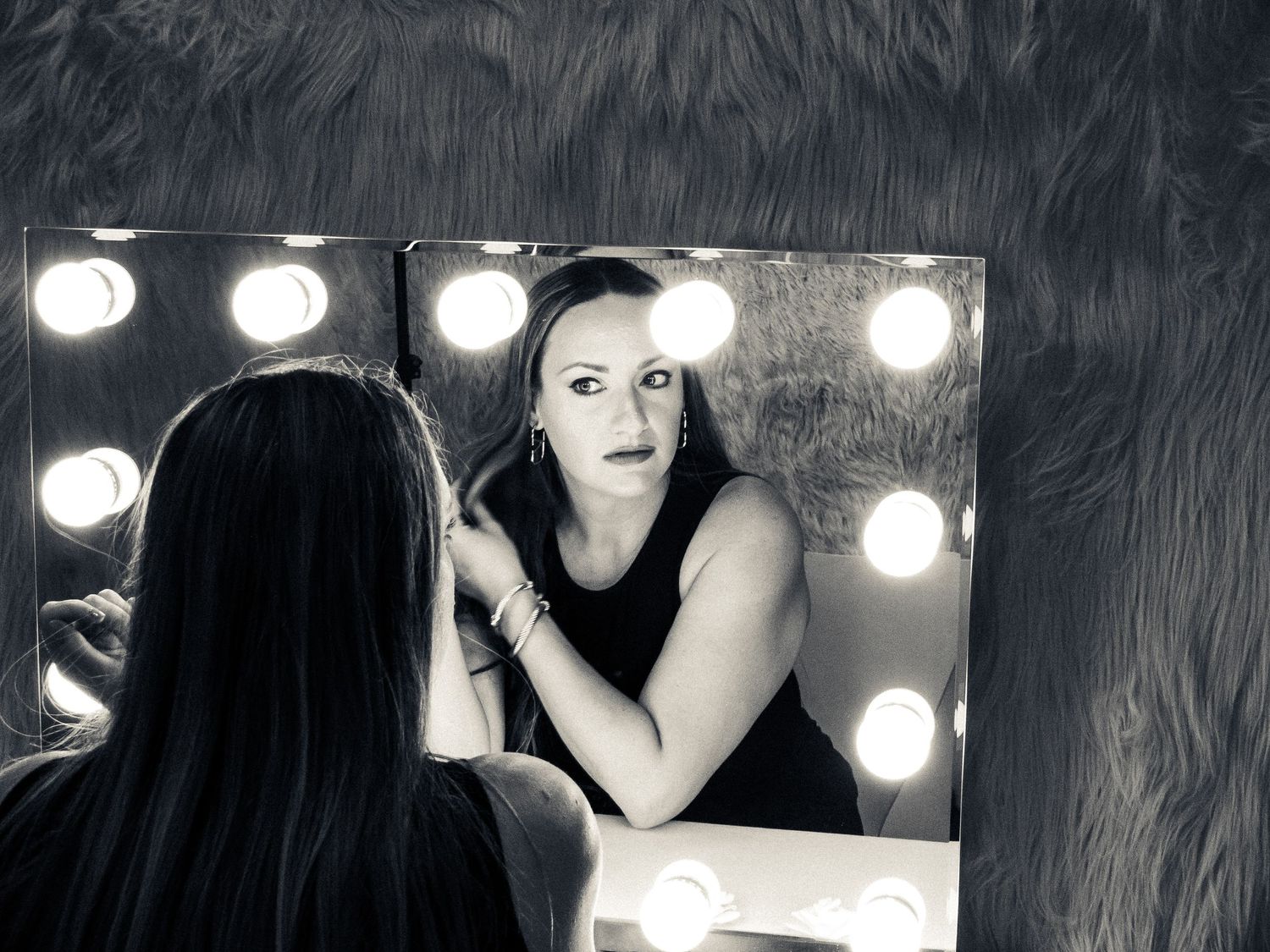
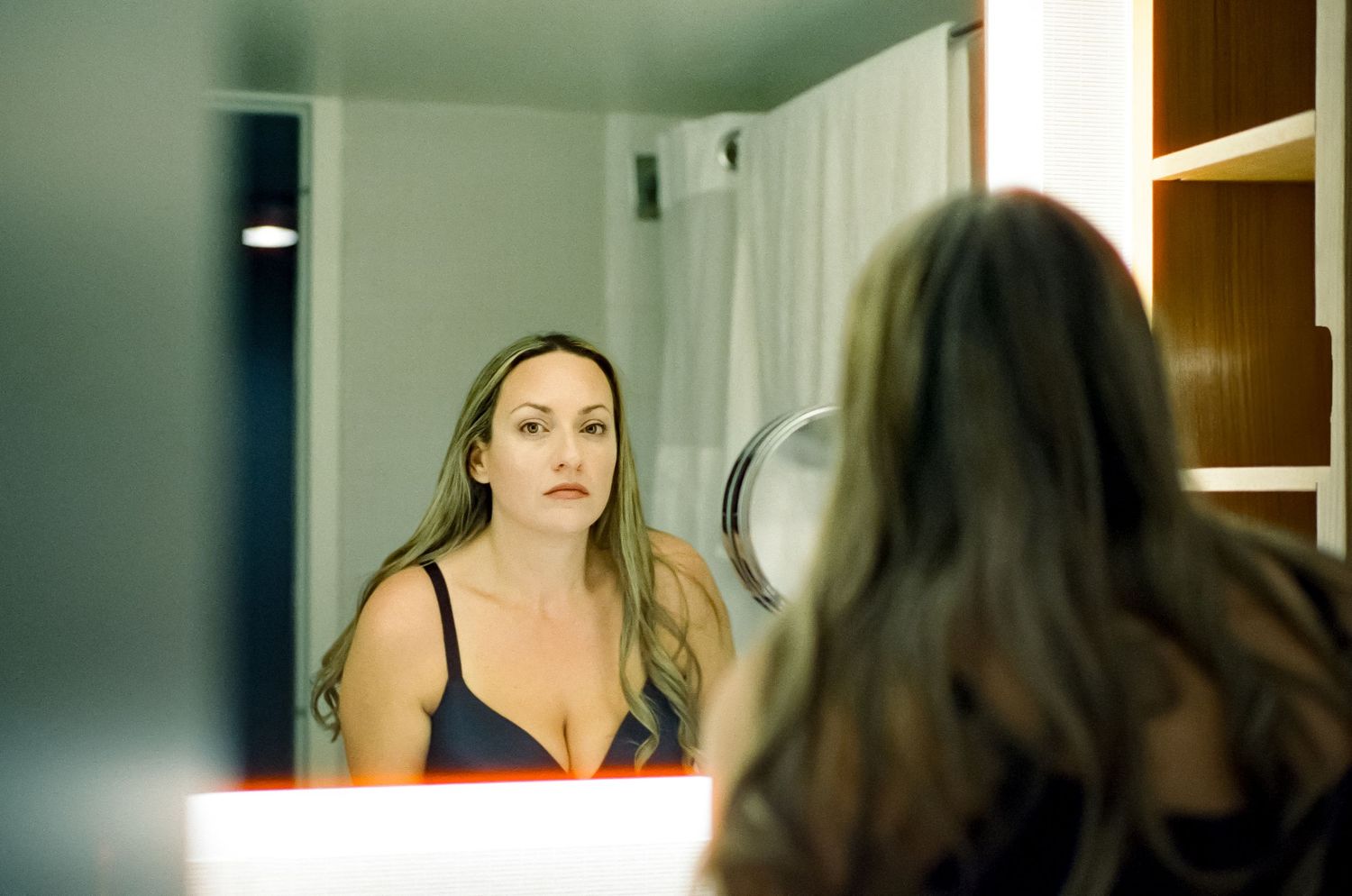
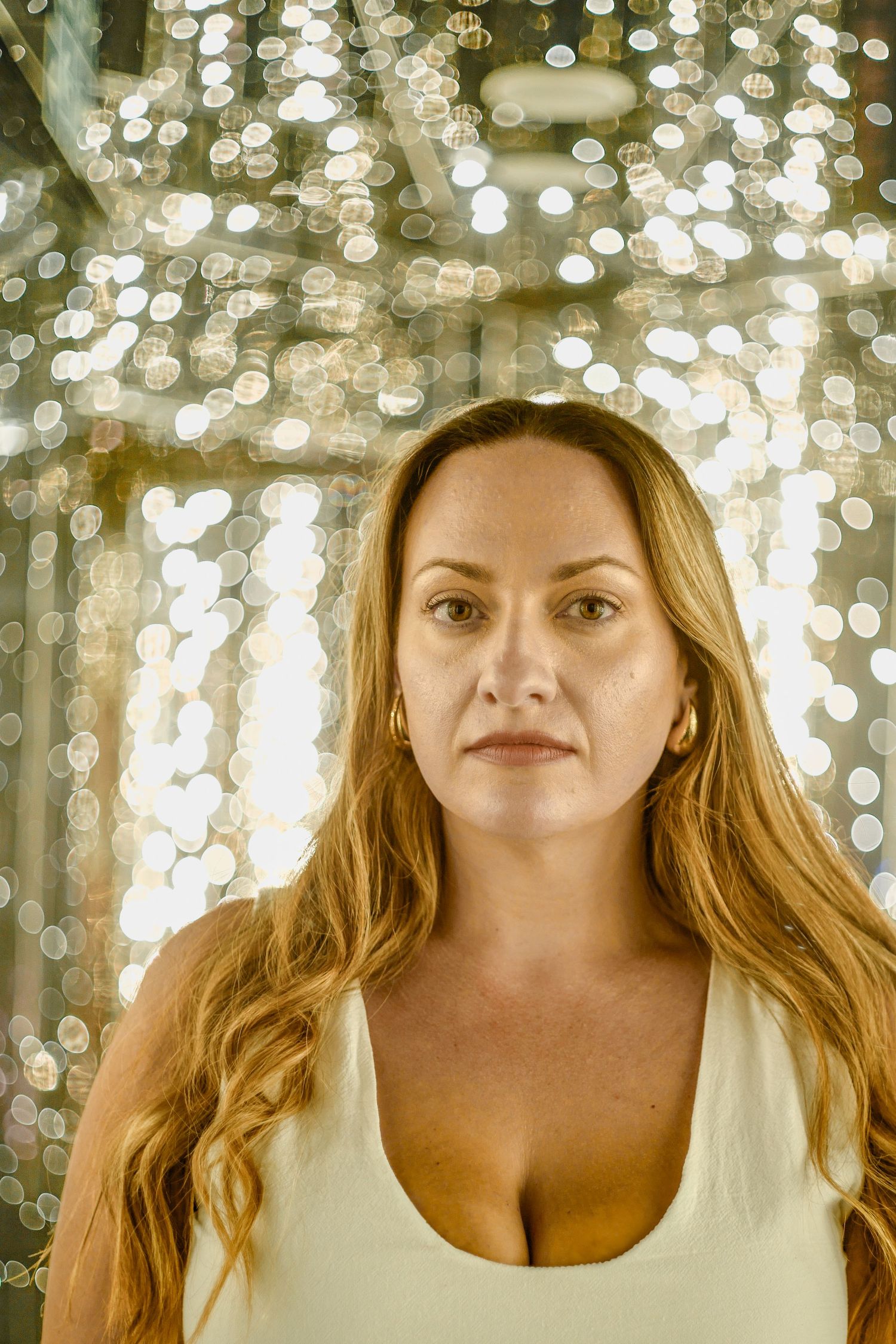
Recursion occurs when a process depends upon the previous iterations to continue growing. The recursive process ensures growth based on what came before. They say practice makes perfect; well, I happen to believe that. This triptych of mirror portraits is a perfect example. They progress from oldest to latest. This is a photograph that I love making with Stephanie. I think that it says something. She is a person that is concerned with how she presents herself. This isn't meant to be commentary on whether that is a good or a bad thing, it simply is. I believe each of these gets better compositionally and narratively. The first does not provide much context, which the second allows the viewer to peek into the moment and see what is happening around Steph. But it still feels voyeuristic. She is focused on herself in the mirror and the viewer is left feeling a little dirty for intruding on the moment. By examining why I had this feeling in both of these photos, I redesigned this shot and attempted it again recently. The final iteration, done in color (love those CineStill colors!) feels more intimate. Because Steph is looking right at the viewer it feels much less like we are spying on her and more like we are in the moment with her. Her cold and matter of fact expression is neither warm nor cold, rather simply being. This neutral expression draws the viewer in. Is she inviting you to watch her or scaring you away?


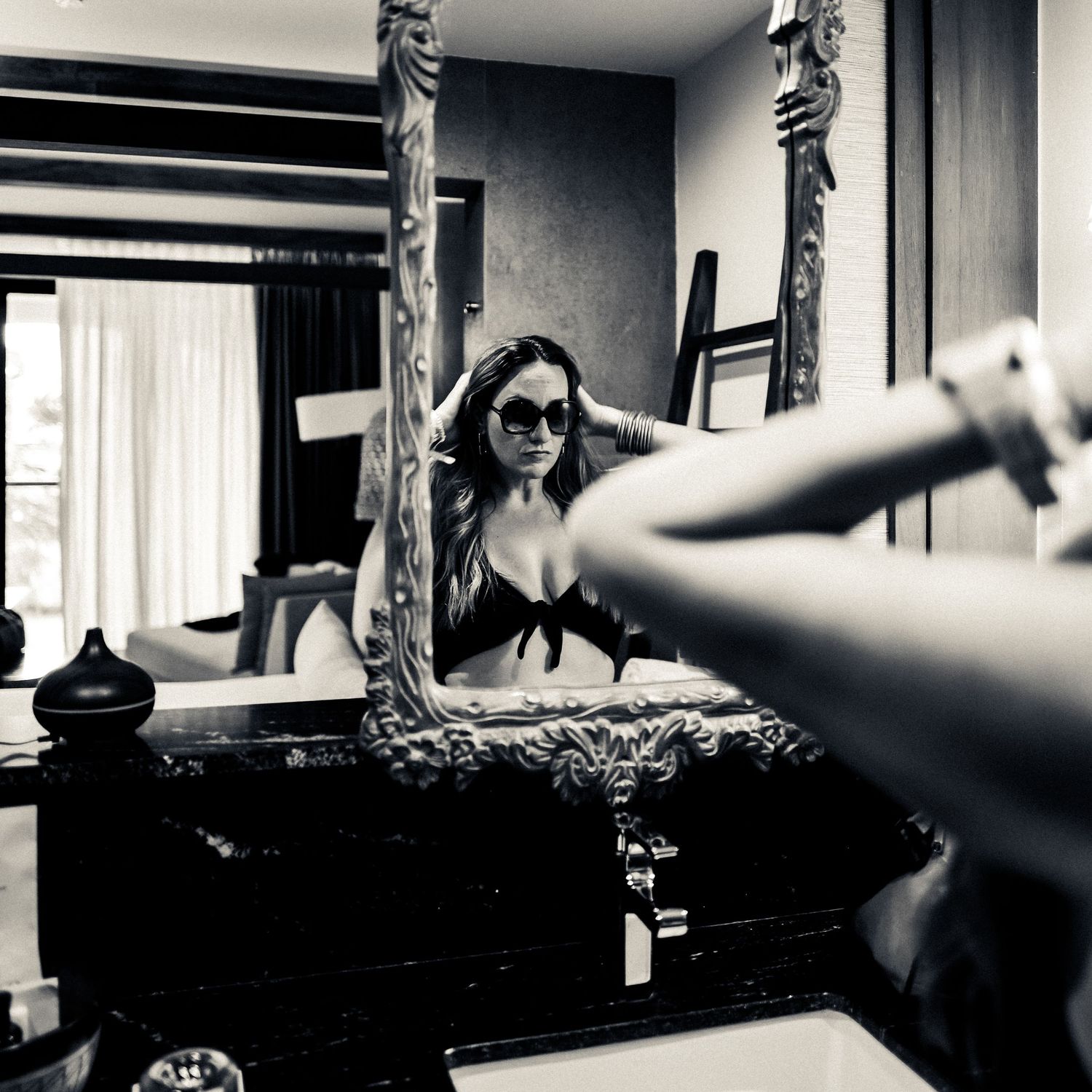
Likewise, these two frames are separated by a few months. I was not entirely happy with the first of these, the black and white photo. I initially thought that by composing with her in the center of the frame that it would be stronger for drawing the eye to her. I was correct, but think it works too well. Her chest dominates the photo in a way I hadn't intended. I still like this photo and it feels very glamorous to me, but it made me consider how I might try an aquatic shot again in the future. I got the chance again when we took a trip to Mexico a few months later. I was very purposeful with my direction here, having her sit and hold certain poses specifically to flatter her physique, but careful not to make her chest the focal point. The balancing of the negative space and the inclusion of color helps make this a more immersive photo. Again recursion comes through to inspire growth.
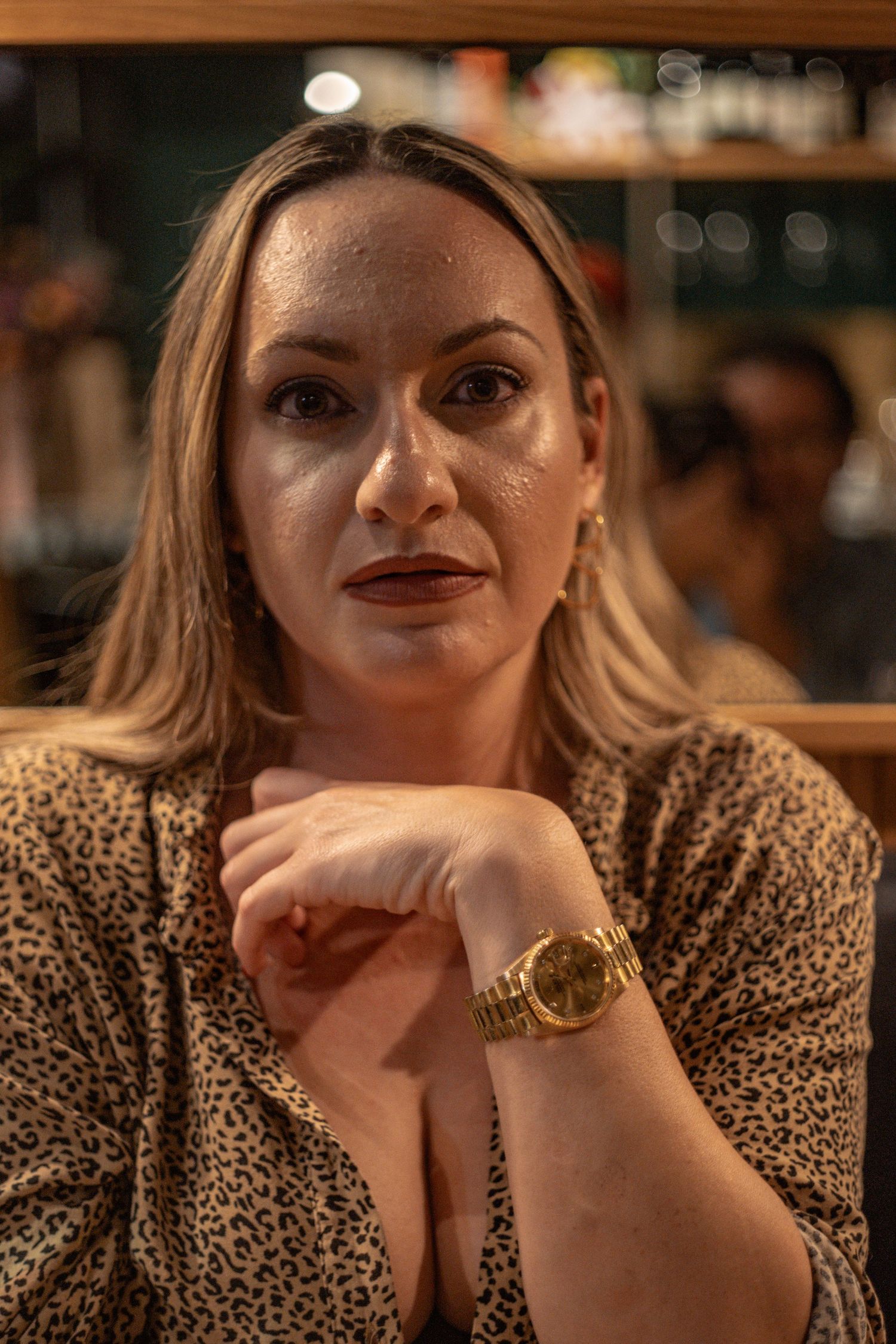
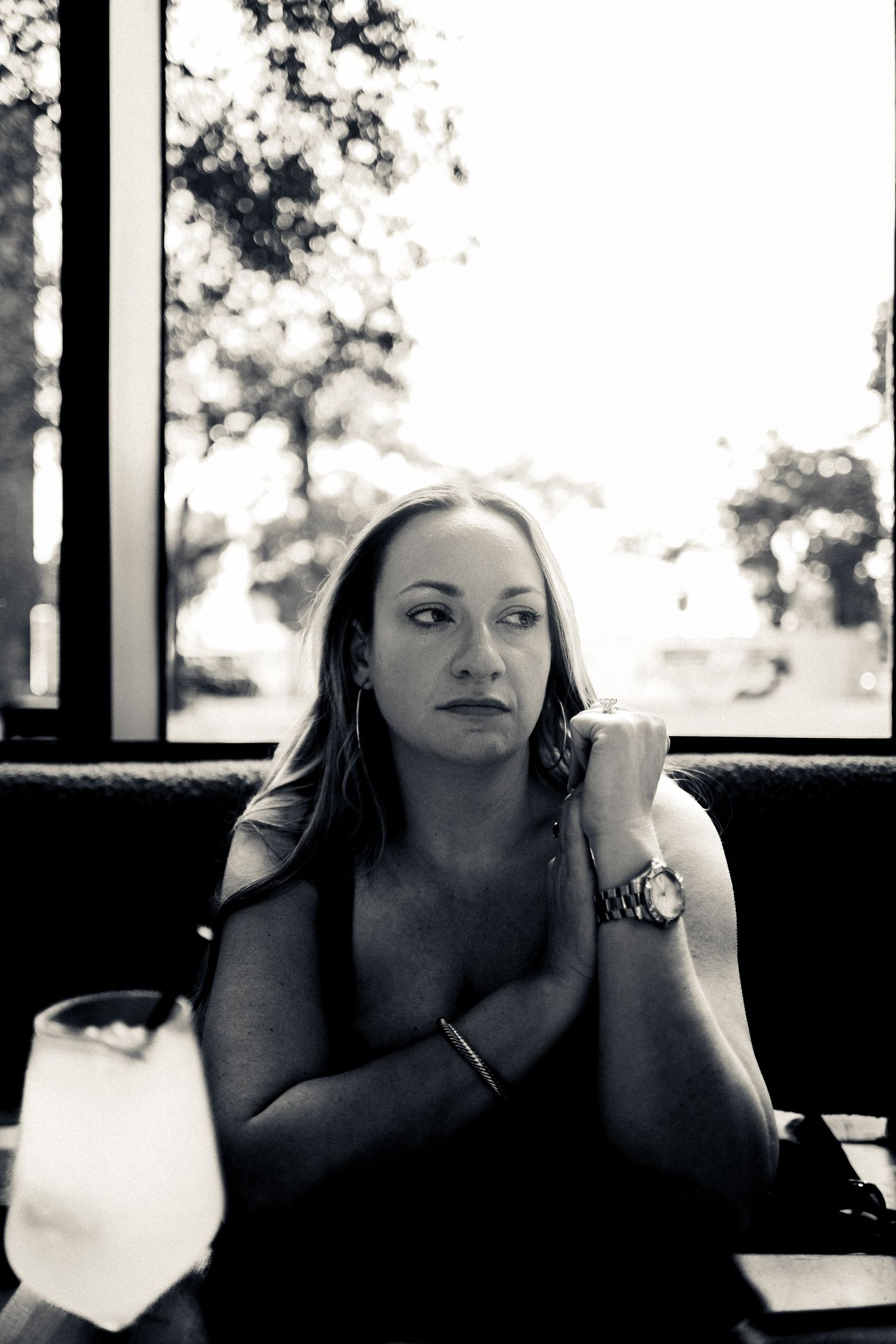
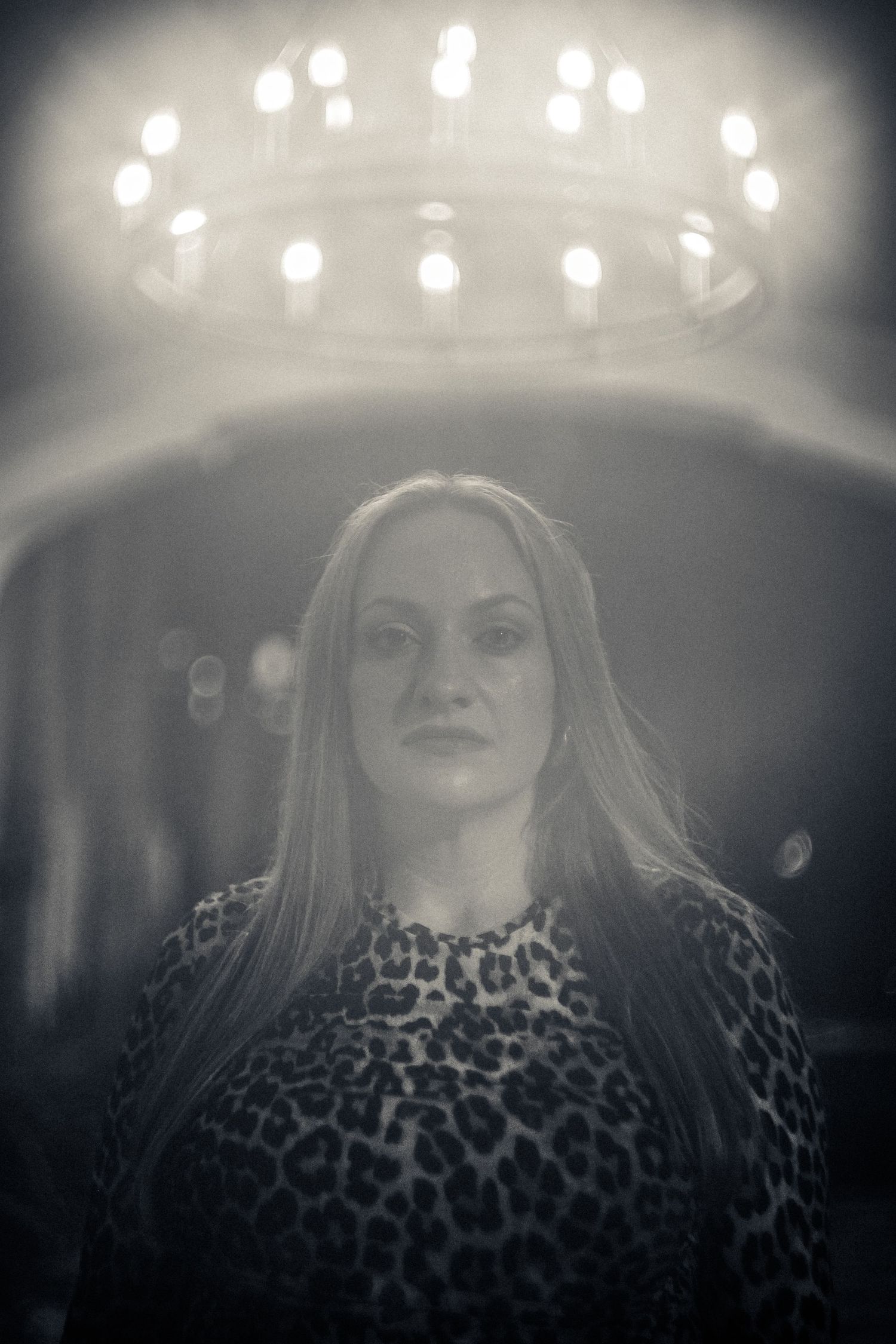
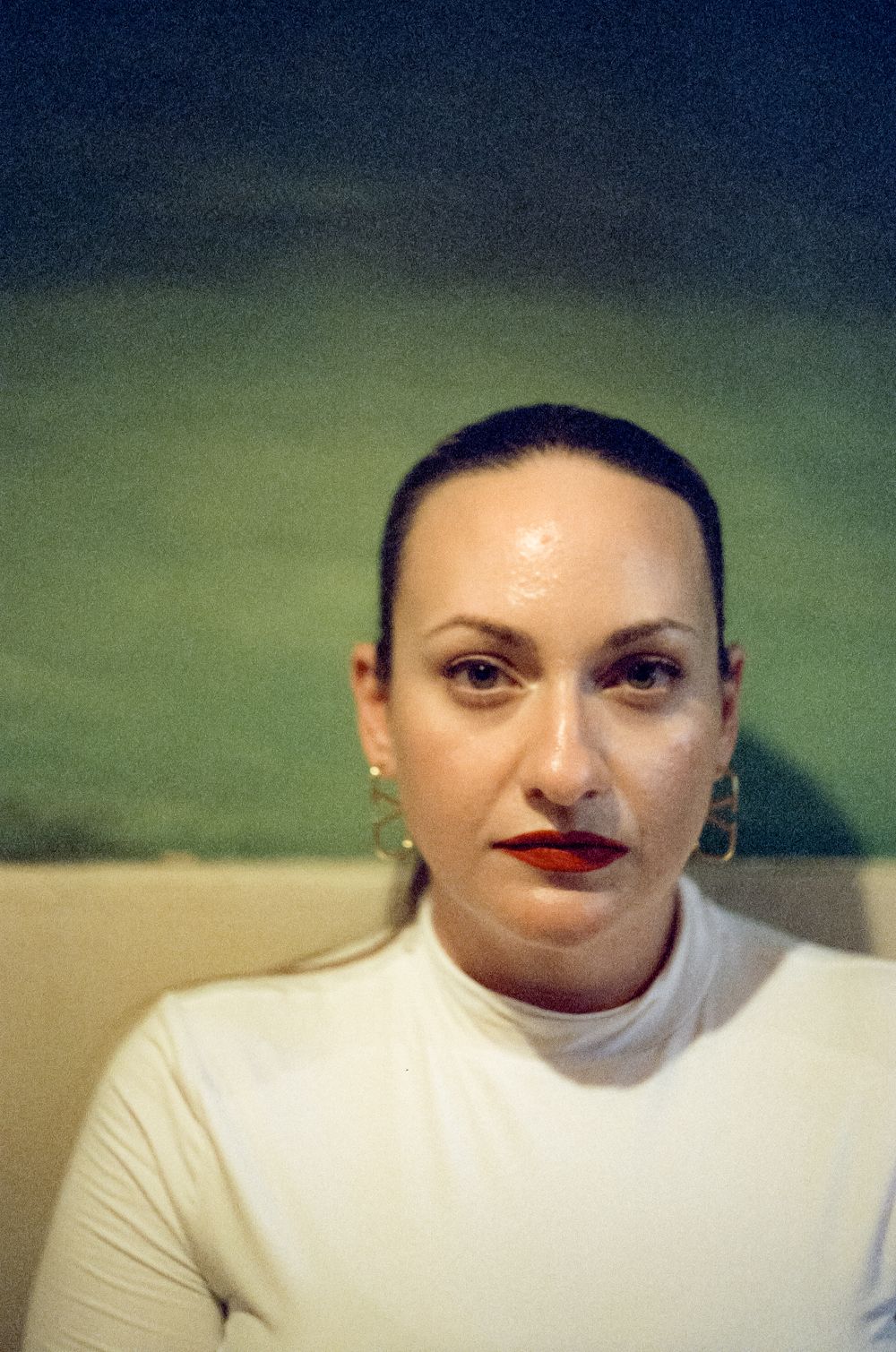
Recursion also allows me to try similar portraits with different moods. The first one of these is darker and moodier, yet Steph's eyes are warmer and is that the start of a smirk I see? Meanwhile the second of these is definitely brighter, with blooming highlights, yet Steph seems detached and pensive. This sort of dislocation is something I enjoy exploring. Almost like an upbeat dance song that is about a breakup, the idea of coexisting ideologies in one frame is interesting to me. Recursion allows me to explore these themes in various ways and discover something about Steph and myself in the process.
It is therefore my fourth claim that a muse must inspire the repeated practice of photograph-making.
Final Focus
These four claims are, of course, my opinion. This is weak empirical evidence, but it is what I have found to be true for my muse and myself. Over the last few years, as I have gone from an amateur to professional - still wild to think that folks pay for me to make photos and videos of them - Steph and I have been able to make truer, more intimate, and ultimately better art together. Even if it is for ourselves, these represent a growth as a photographer that I am proud of. She has been paramount in that process as my muse.
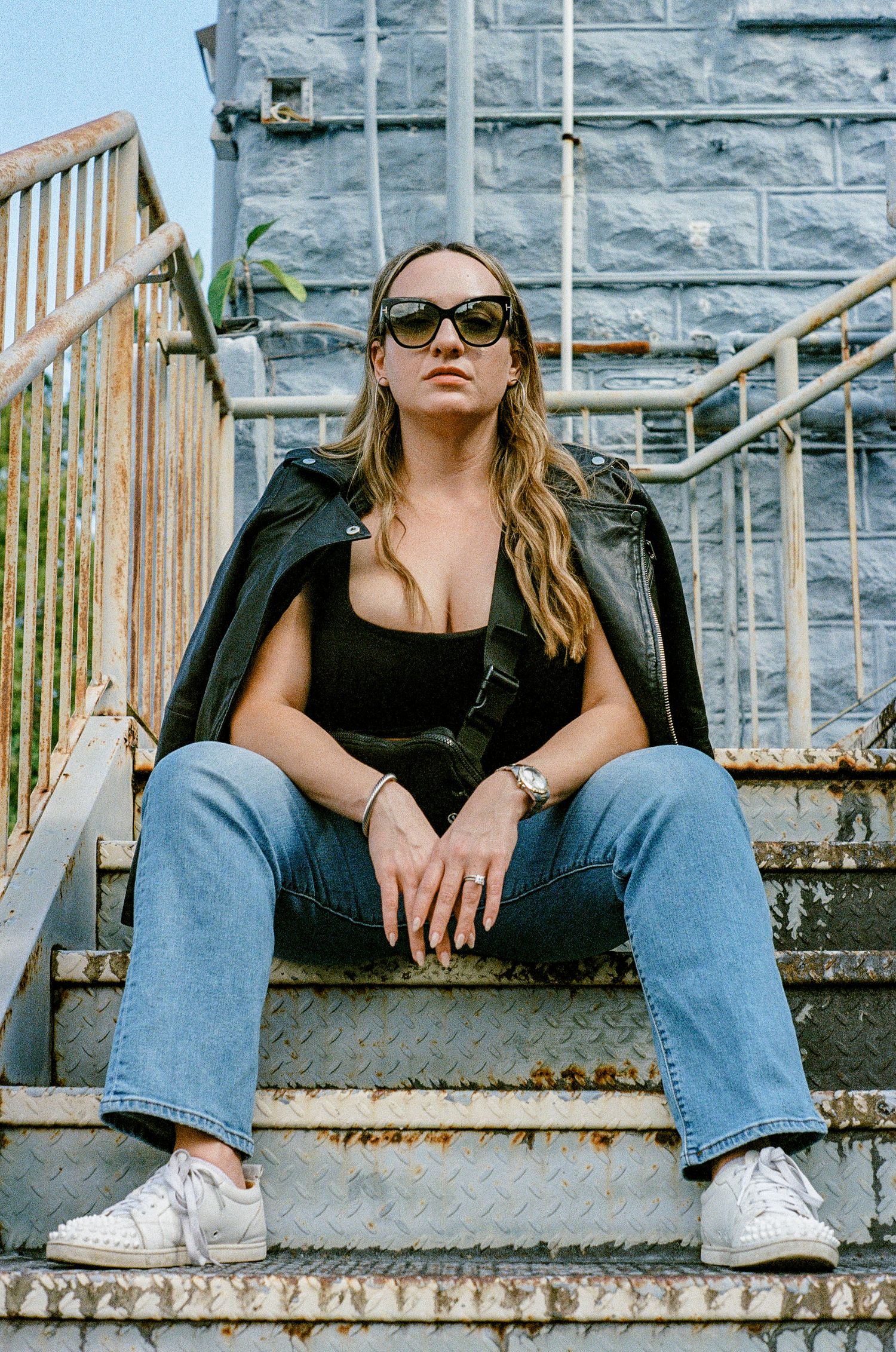
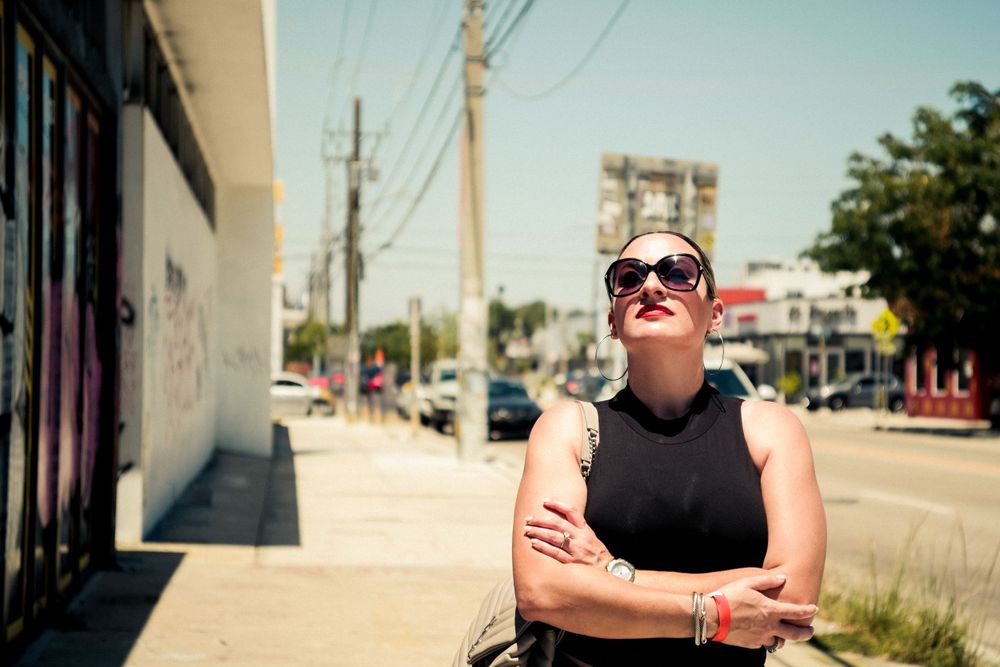
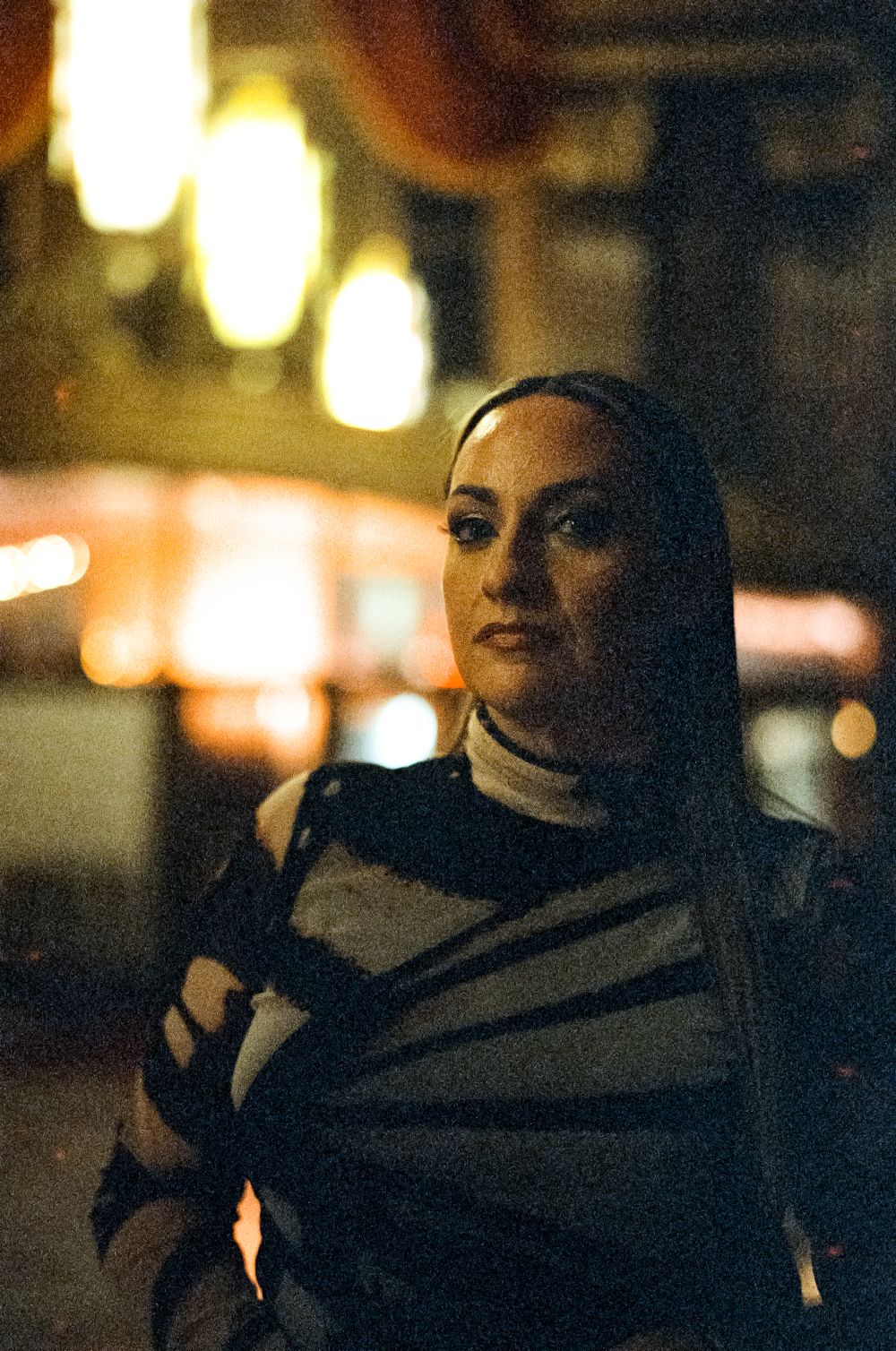
I recently made this street portrait of Steph. I think it is the closest I have come to date to capture her essence and mine together in one frame of celluloid. We had gone out for brunch and the light was kind of perfect. She happened to be dressed very punk that day. I made a few portraits behind the iconic Coconut Grove Playhouse theater, but I knew when I released the shutter for this one that it would end up being my favorite.
When I got the scan back I was in love. She was powerful and commanding, playful and aggressive, beautiful and deadly. This is how I see her, but I think this is also how she sees herself.
I'm sure in a few weeks or months, I'll make another that outdoes this one, and that is the goal. The muse should inspire. My muse certainly does.
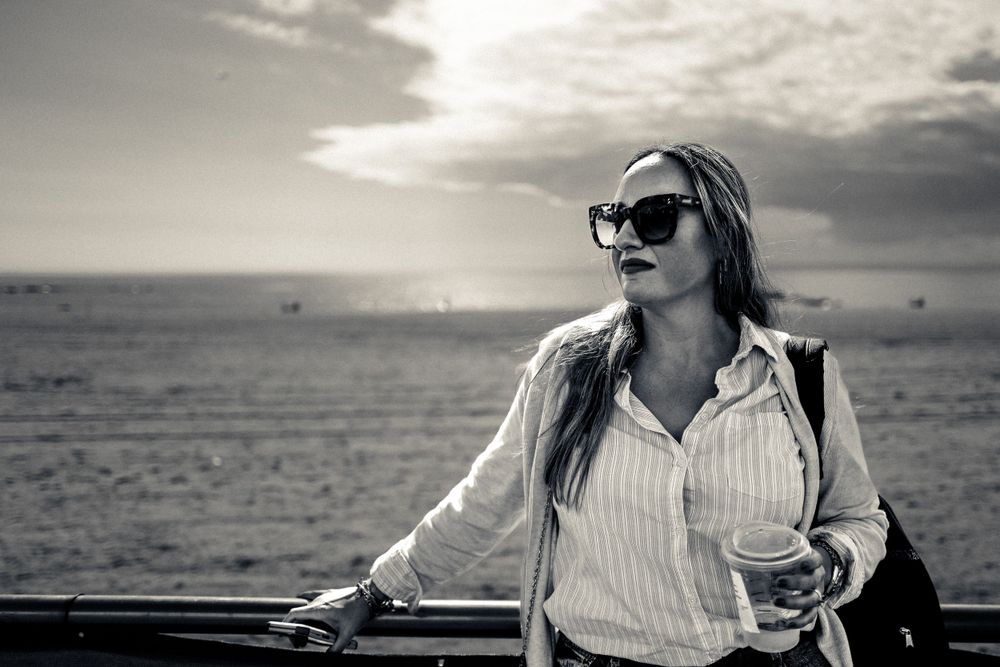
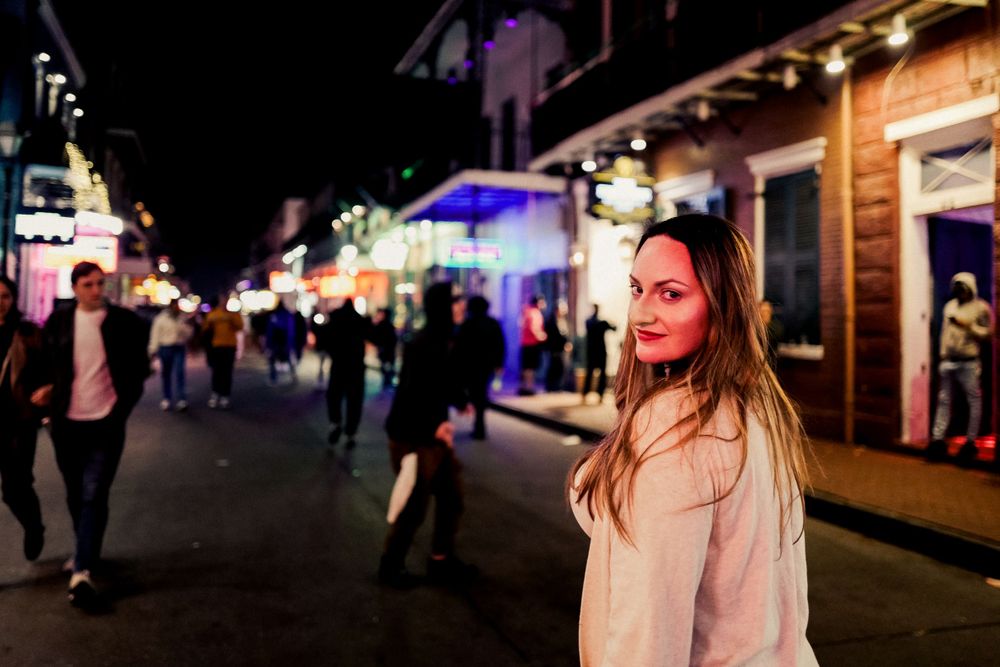
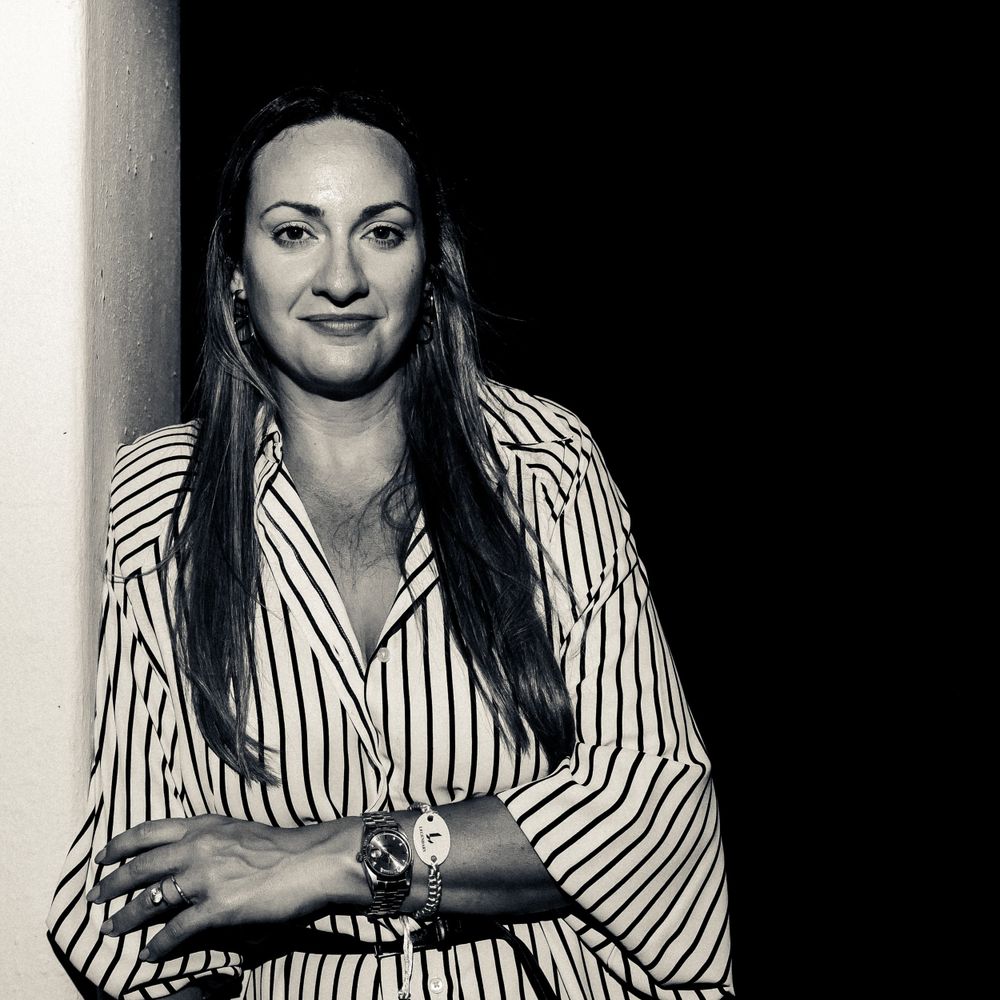
More Muse Photographs





All images © 2020-2025 David Ulloa Studio. All rights reserved.