
Normal, or something like it
I had no idea how important a decision I had made when I bought the Sigma 45mm f/2.8 for my Leica SL 601 a few years ago. I just wanted some weather sealing so I could shoot in the often unfavorable conditions found in England for a two-week long trip I was taking there. But I ended up falling in love with that angle of view. I then picked up the legendary Pentax 43mm f/1.9 Limited lens, which I've shot extensively on both film and digital cameras. I was after a similar experience with my Leica M3.
The M3 is my desert island camera. And up until the last few months, there was one lens that virtually lived on it, the Summitar 50mm f/2. But in wanting the Pentax 43mm angle of view on the M3, I had a few options. Pentax actually made an LTM version of the lens that could easily be mounted on the M3, but I figured why buy the same lens twice? When I want the Pentax 43 I can shoot it the way it was intended, on a Pentax SLR.

That left me with three serious contenders: the Leica Summicron-C 40mm f/2, the Minolta M-Rokkor 40mm f/2, and the Voigtlander 40mm (there are f/1.2, f/1.4, and f/2.8 options from them). I am by no means a Leica purist. In addition to my Leica glass, I have lenses from Pentax, Nikon, Fuji, Helios, Sigma, even Sears! A good lens is a good lens. And from what I've seen from Voigtlander, they make amazing lenses. But their options were either too large or not fast enough for me. I wanted a compact setup on my M3. After all, I had been enjoying it almost exclusively with a collapsible lens! And as I often travel only with the M3, I needed f/2 at a minimum to ensure I could keep shooting at night while pushing film.
This left me with the Leica and Minolta lenses. I initially was leaning towards the Minolta M-Rokkor 40mm as these two are reportedly identical lenses. However, I found that the prices were nearly identical too. So I decided I'd go with the best deal I could find. The Leica came out on top.

From Digital to Film
Having taken photography seriously for many years now, I knew what I wanted out of a lens. I like vintage rendering. I like high micro-contrast, but moderate color saturation. I like ghosting and flaring when shooting into bright light sources. The Leica Summicron-C 40 ticked all these boxes and was teeny-tiny. Perfect!
I received it as many out of town family members were flying into Miami to celebrate my grandfather's 90th birthday in early June. My go-to test for new lenses is to begin by adapting them to digital and "figuring them out." So, I took the Summicron 40 with me on the Leica SL to celebrate my grandfather's birthday. I fell in love right away.
Over the next week or so I took this same set up with me out on photos walks and really bonded with the lens. I was learning its little quirks and its strengths. It was, however, too small to keep using comfortably on my SL. Focusing with it on that big chunky camera felt...awkward? I guess that's the best way to describe it, really. I powered through it to learn how the lens behaved, but I don't see myself adapting it to the SL often. It works beautifully. The photos this combination produces are gorgeous. But the practicality of use is just not my favorite.
But that didn't matter, because I didn't buy this lens to adapt to my SL. And it was finally time to mount it on my M3 and shoot a test roll!
I loaded up a roll of Film Photography Project's Dracula 64 and shot around a very rainy afternoon in Coconut Grove. I was concerned with the light as ISO 64 film requires some seriously sunny conditions. But even with that slow film I was able to open wide enough to make some nice exposures. And, of course, the light during these times is always soft and pleasant for photos.


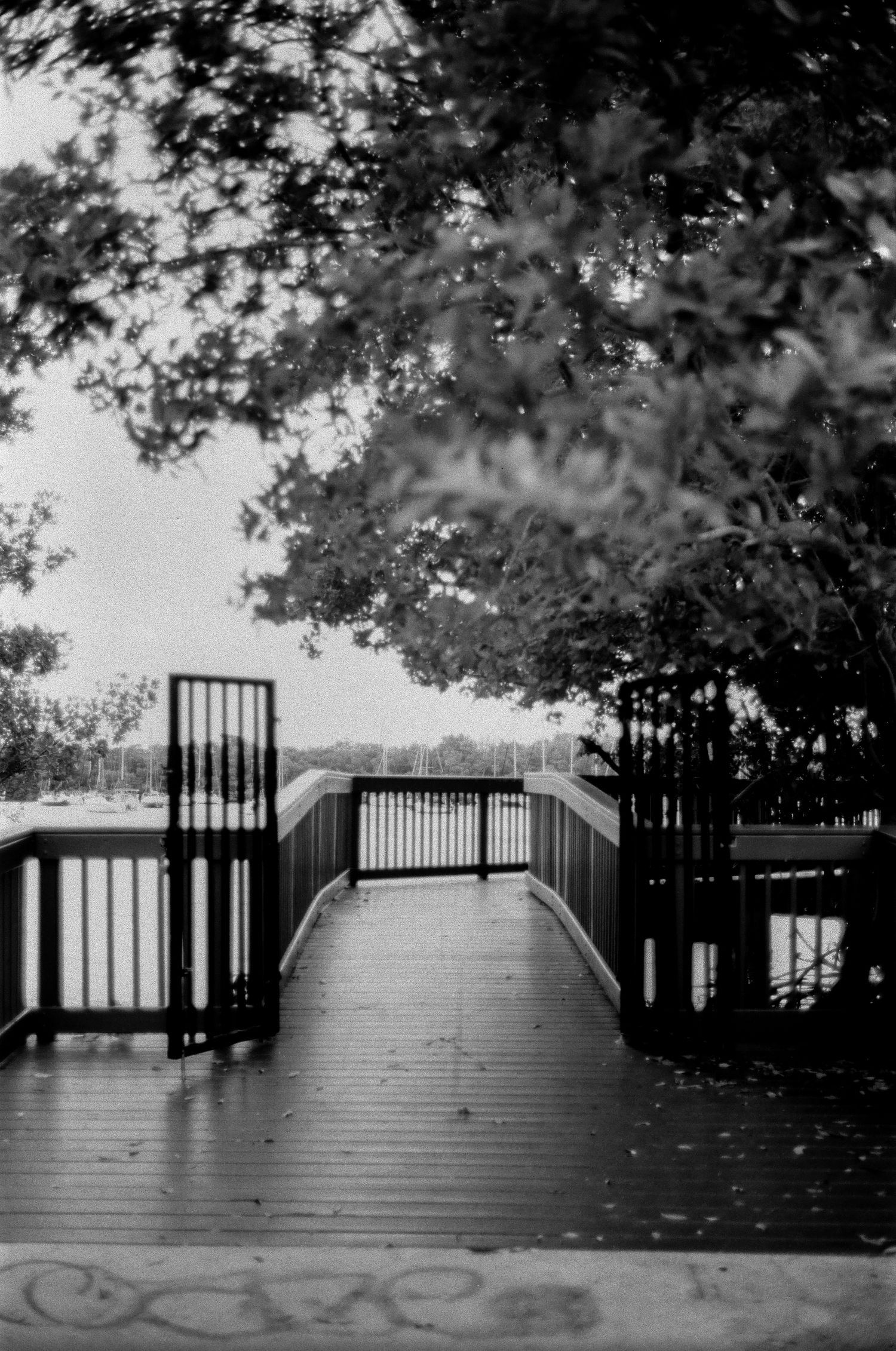
When I got the scans back from Palm Film Lab, I was thrilled. The contrast and sharpness when wide open was gorgeous. Stopped down even slightly, the contrast and sharpness went way up. It was like having two different lenses in one. It reminded me very much of the kind of performance I get from my Summitar 50mm f/2. My Pentax-M 50mm f/1.7 behaves similarly. With some slow film, the glow and bloom that can be achieved outdoors is fantastic.
Travel
I could go on and on about how this lens renders. But truthfully, I consumed so much great content about this lens that it seems unnecessary to continue to comment on that. So, I'm going to write about how I've used the lens and how it has worked out. I'm not going to bury the lede on this: its great at everything it should be great at.
I left for a humanitarian aid trip in the Dominican Republic the first week of July. I wanted very much to take the M3/Summicron 40, but I was pretty sure the conditions would be much less than favorable and didn't want to risk damaging them. So I took a more sensible set up of Pentax MX and 50mm f/1.7. Three days after getting back home we left on vacation. Hooray!

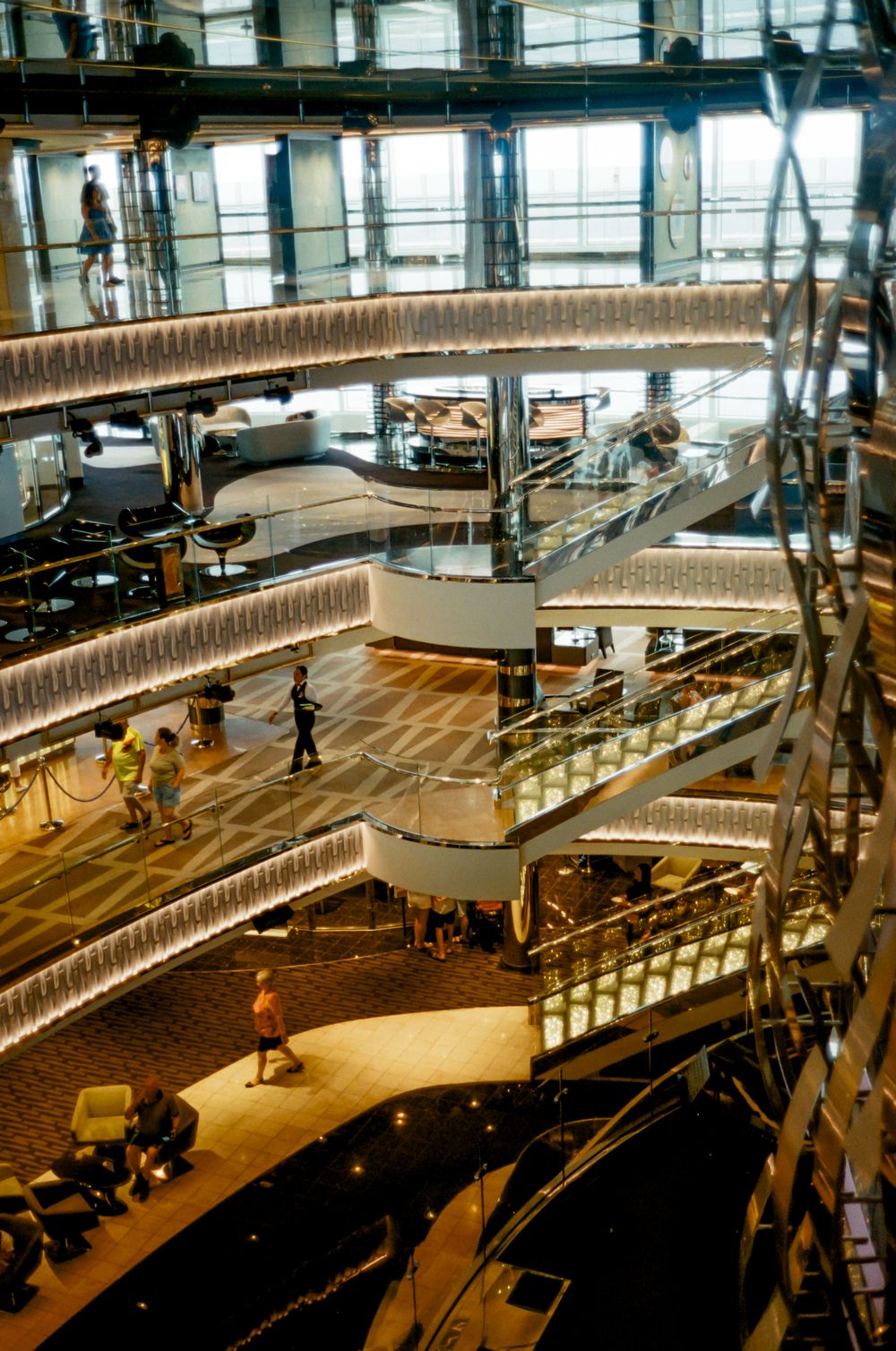
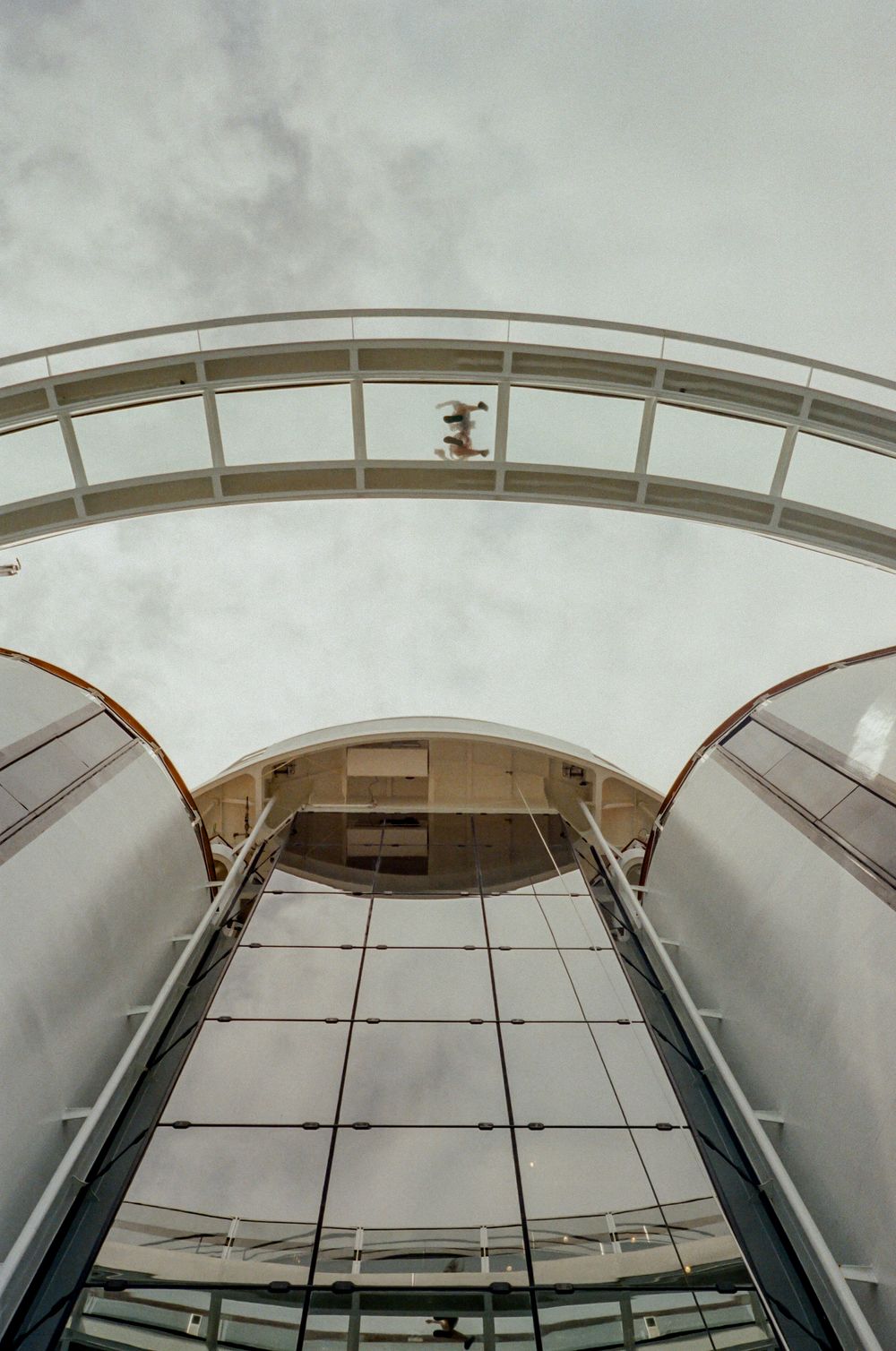
All throughout the Caribbean I made photos with the M3 and Summicron-C 40mm. It's a set up that is so easy to travel with. The size of the lens is a major part of this. Being such a small lens, it packs wonderfully and means that when it is strapped around your neck it has a very low profile. The chances of bumping into something or swinging wildly is virtually nonexistent. I'm sure for the exceedingly clumsy this is still possible. But the point remains: this is such a compact lens that it almost doesn't make sense to ever not pack it.
Its focal length is another reason why I enjoyed the Summicron-C 40mm so much. While 50mm is often considered "normal" by most, there is an actual "normal" focal length, and it ain't 50mm. It's actually 43mm, which is the diagonal average of the 35mm film frame, same on full frame digital. This means that this slightly "wider than standard" and slightly "tighter than wide" field of view is, at least academically, significant.

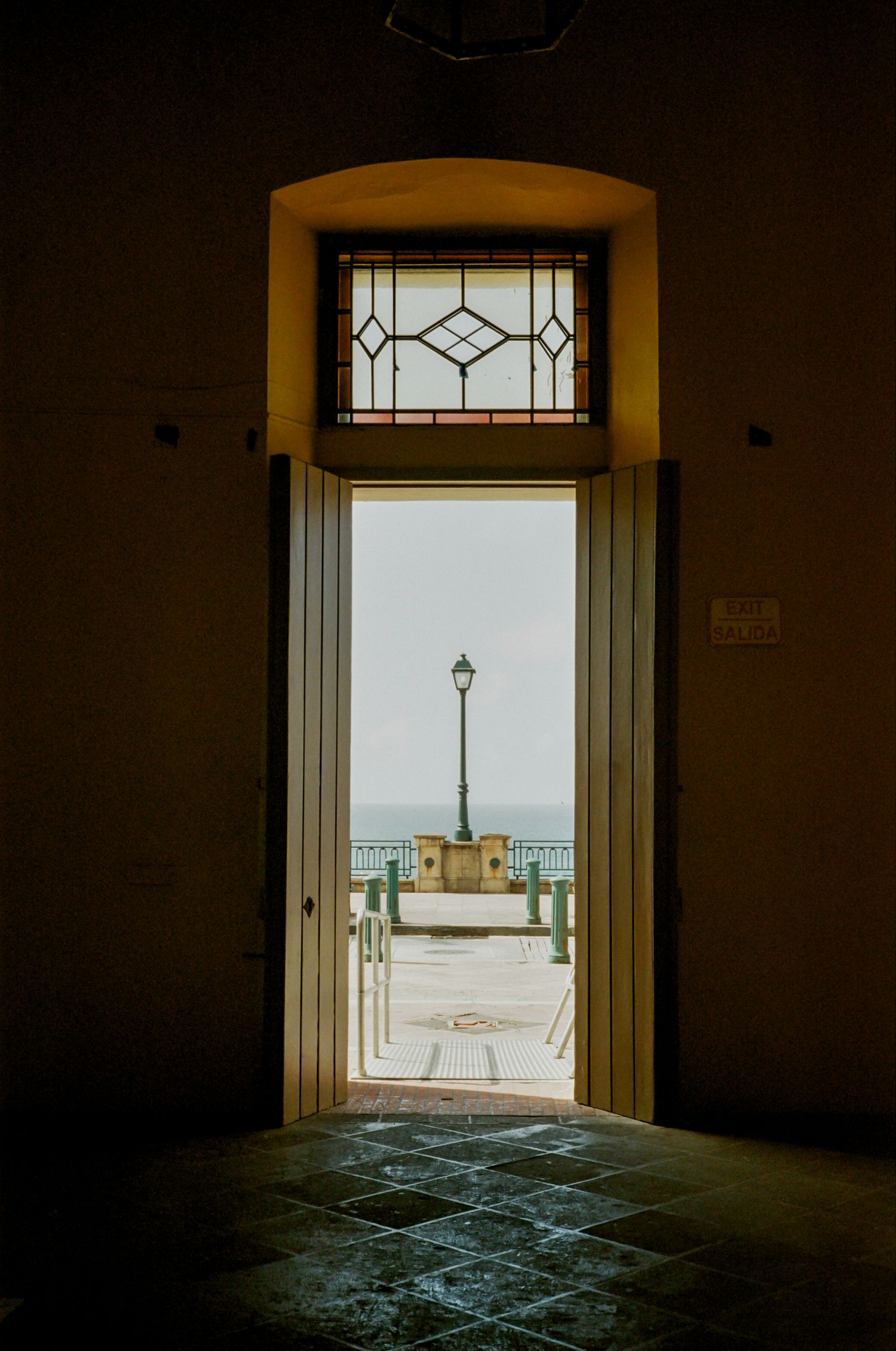
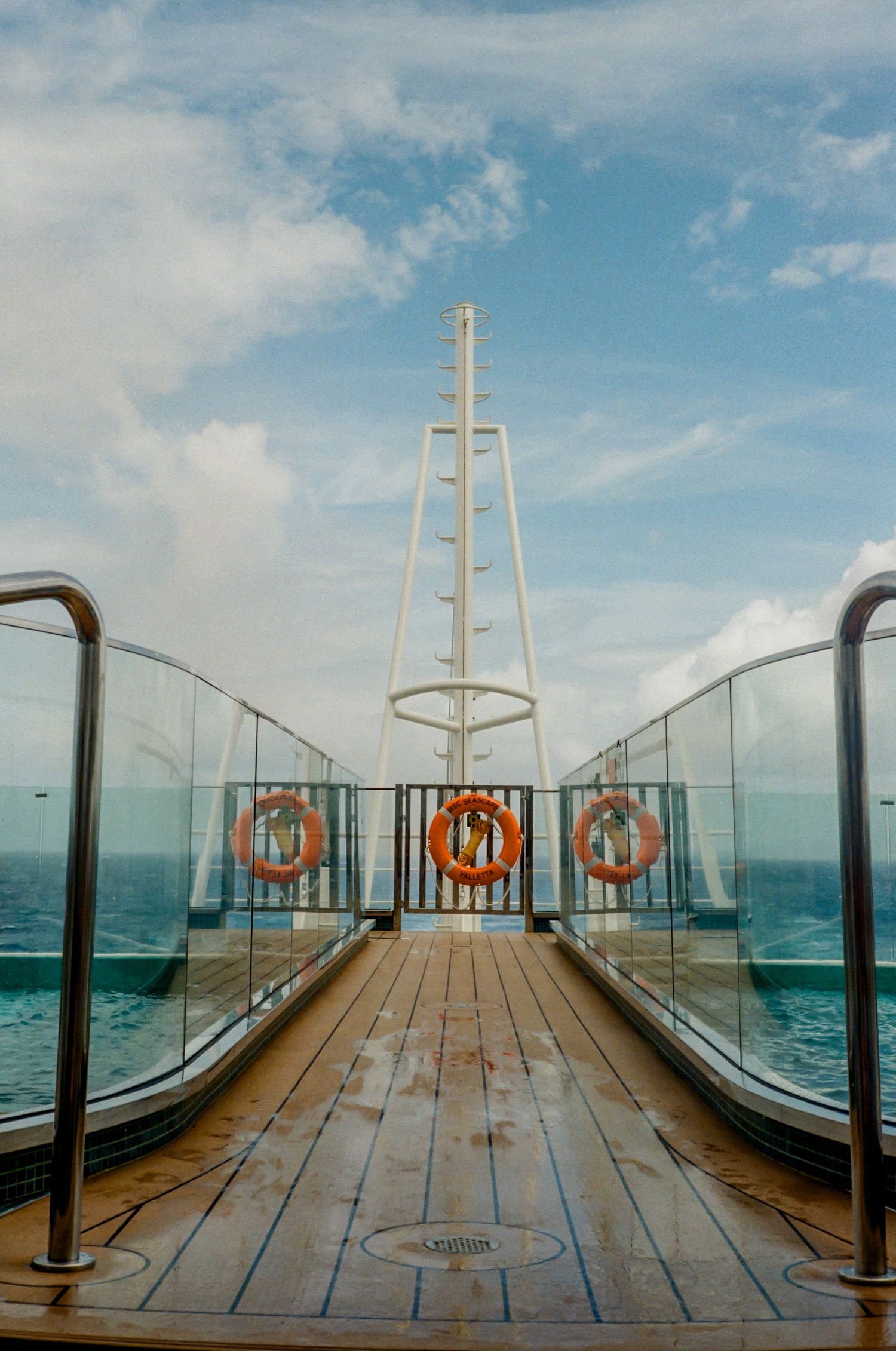
What this means is that whenever I point the camera at something, composing within my frame goes exactly the way I want it to. While traveling I may be making a landscape one frame, a portrait the next, and a minimalist detail after that. There are such a variety of shots that I make when traveling, but 40mm is about as perfect as it comes for just about every situation. When you need a telephoto or wide angle, obviously 40mm won't suffice. But I've been surprised by how often I just take a step or two forward or backward and get the shot I want. And I'm even more surprised by how often I never have to take a step forward or backward at all.
There's another major component that makes this a great travel lens. Focusing!
Stop me if you've experienced this before: You're with family or friends and see a great photo op. You ask everyone to stop and direct them to compose the picture so it's just right. You then struggle to get precise focus and by the time you're ready everyone is annoyed and just wants to get it over with.
This can't be a unique experience for me. And when so often the people I'm photographing when I'm traveling are my wife and kids, the last thing I want to do is annoy them. Well, with the Summicron-C 40mm that's never an issue.
"Why?" you may be asking. The answer is simple...focus throw.
The Summicron-C 40mm has a very short, but no less precise focus throw. Stopped down, achieving precise focus with the hyper-focal distance scale is a breeze. But even when using precise focus through the rangefinder, the act of focusing is so fast and easy that you'll get the shot quickly and never wonder whether it was in focus or not.
That means your portraits will be nice and sharp and will be made quickly, before anyone starts wondering if you don't know what you're doing. You'll never leave a situation frustrated that you didn't get the shot because you missed the opportunity. And, of course, when you're shooting with film, having confidence in getting that shot is equally as important.
Everyday Carry
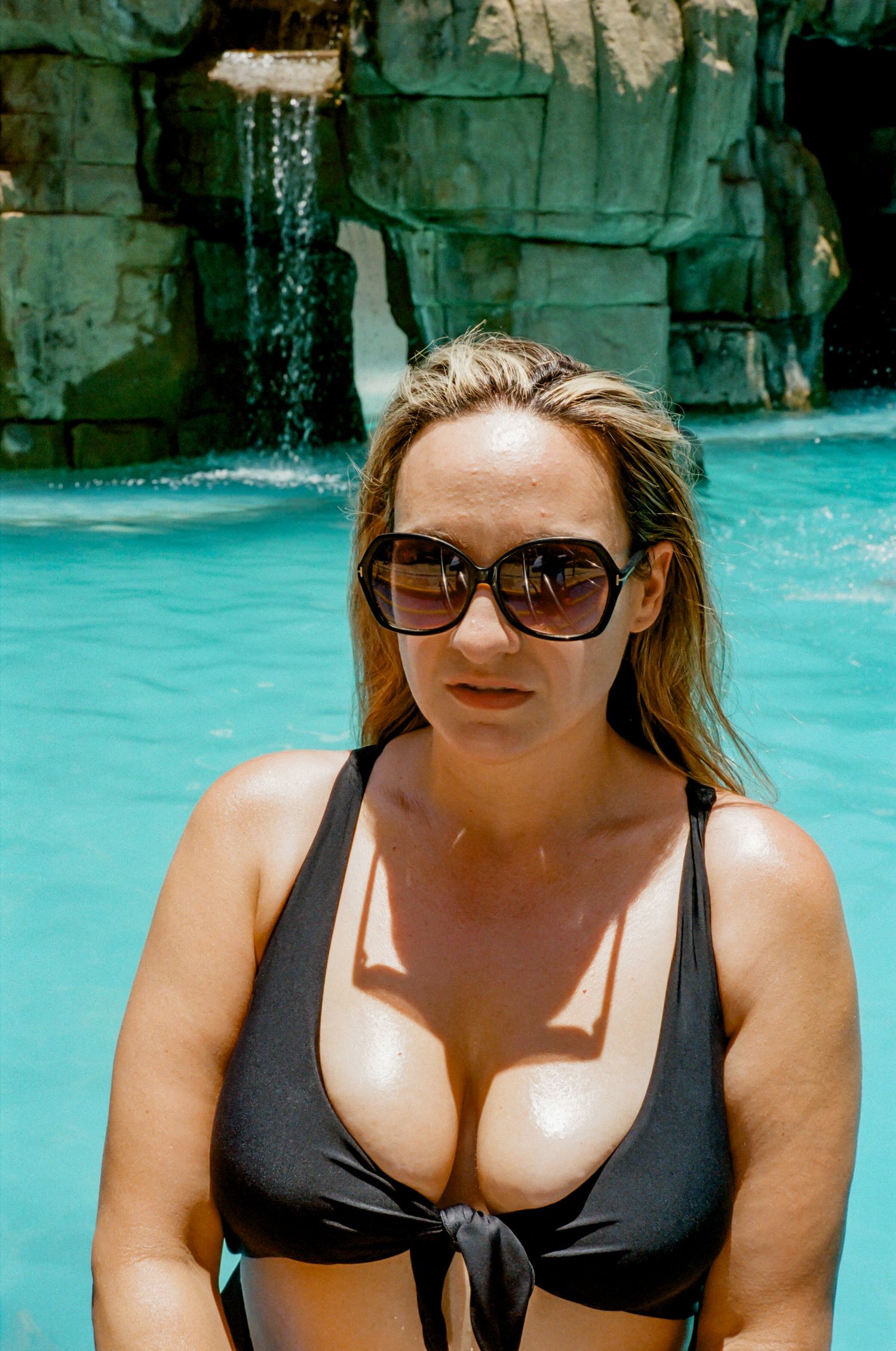
For just about all the same reasons as travel, using the M3 and Summicron-C 40mm as an everyday carry photo setup is about as perfect as it comes. The only other kit I have that is about this size is the Pentax MX and 43mm f/1.9 setup. This means that if I want an SLR focusing experience I can reach for that. But if I want a rangefinder focusing experience, I can reach for this!
Steph and I love having fun with the family. We like being home, and sometimes thats all that will satisfy. But more often than not, when we have an opportunity to get out and do something fun, we will! The Summicron-C 40mm makes it possible to make beautiful photos of everyday things by simple virtue of its size. A camera that CAN be carried anywhere WILL be carried anywhere.

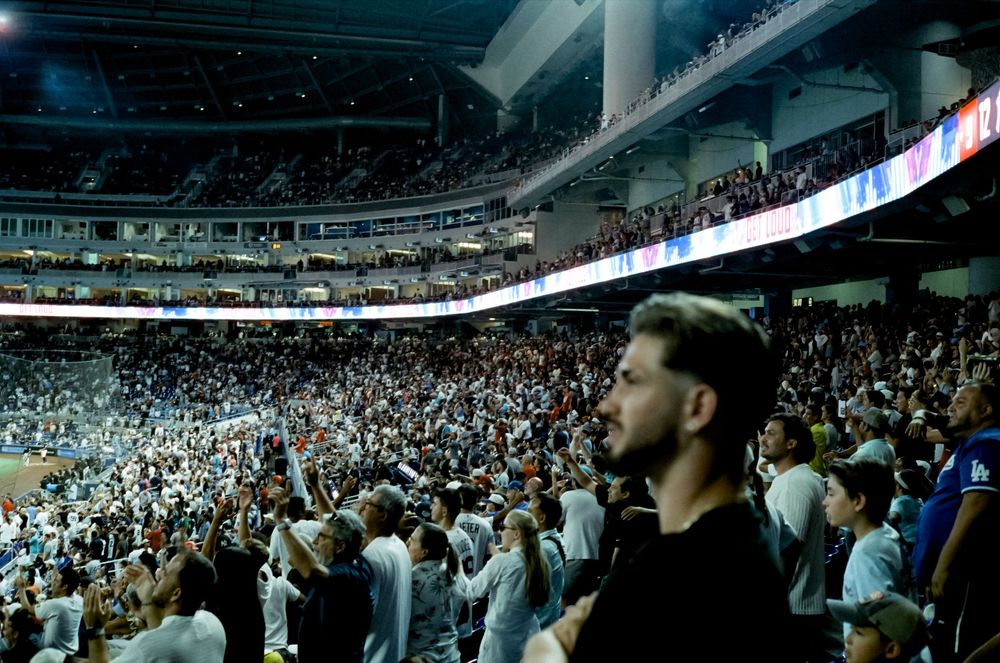
We are baseball fans. And while being a Marlins fan is closer to torture than anything else I can think of, we still try to get to at least a few Marlins games every season.
This summer we finally took Wes to his first ballgame. It was an incredible game against the Yankees that saw the Marlins win it in extra innings. Quite a great game to call his first. But knowing that sports venues have some pretty strict rules for cameras can make capturing these moments difficult...unless you've got something like a Summicron-C 40mm on an M3, that is.
No one is looking at an ancient looking camera and non-threatening lens and thinking that it shouldn't be allowed into the stadium.
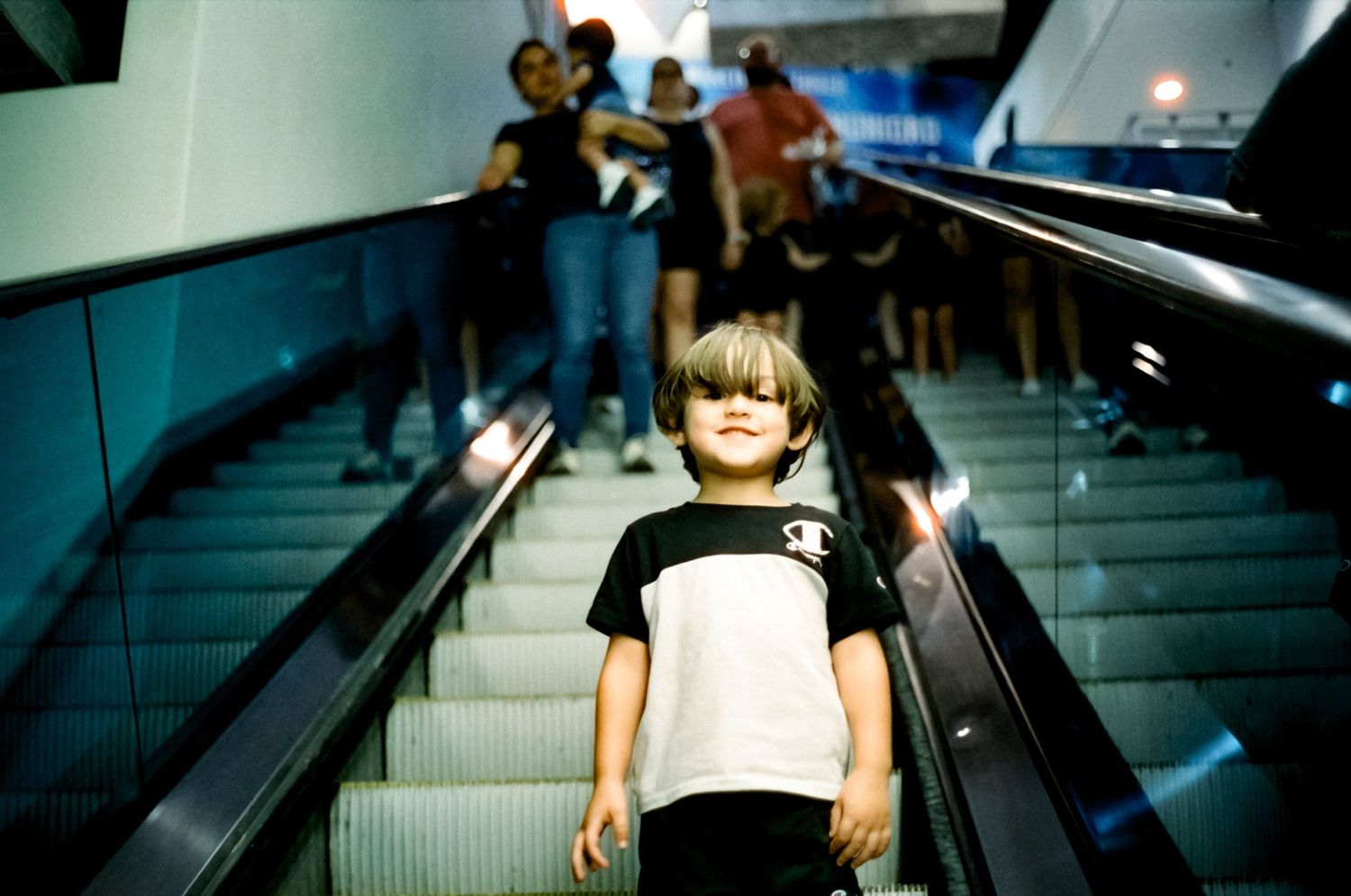

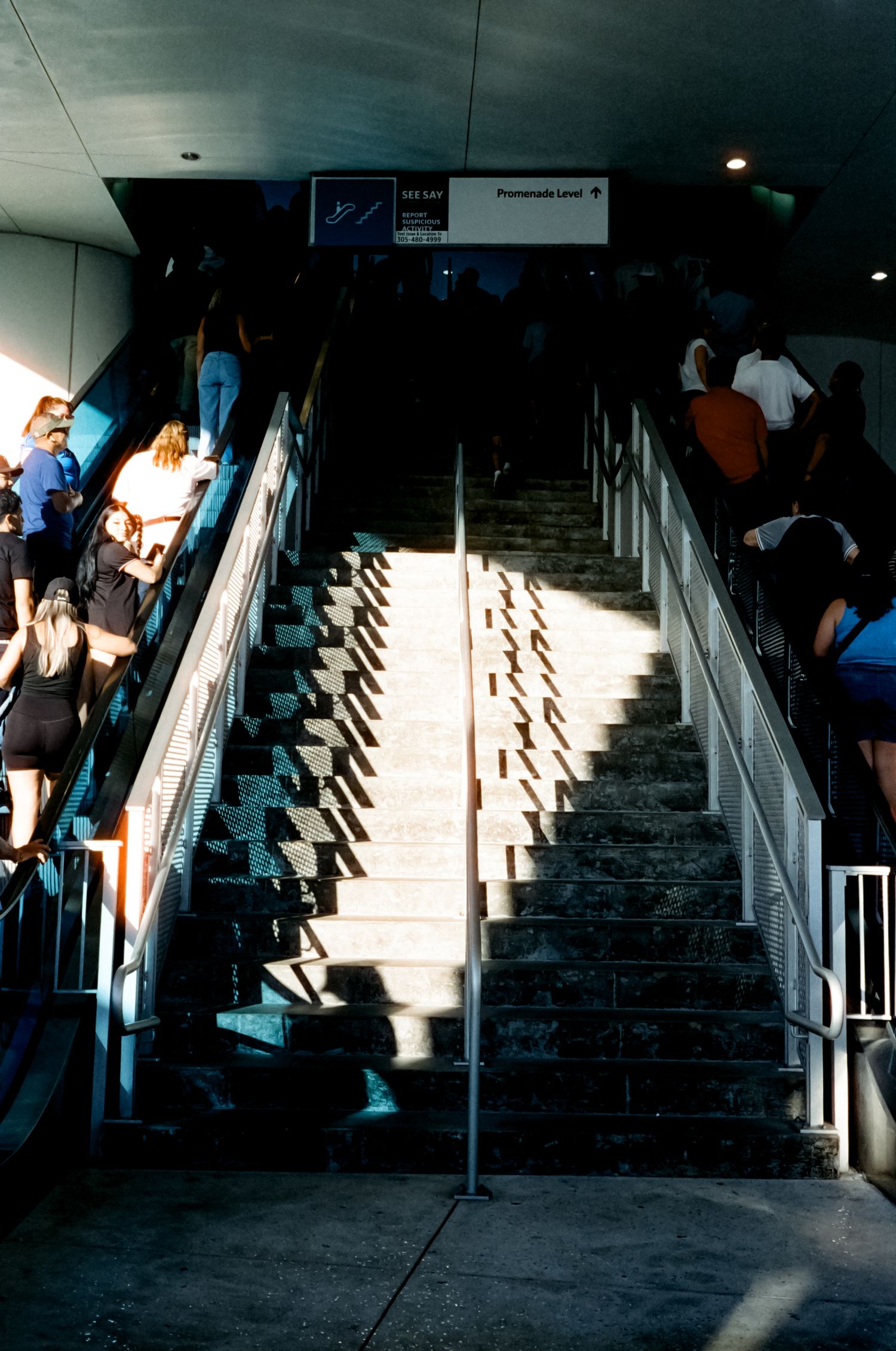
Whether it be a baseball game, a fun dinner, or any occasion at all, the Summicron-C 40mm makes it possible to make photos because you simply have it on you. It fits in the palm of your hand, in your bag, and depending on your clothing, even a pocket! No one will care that you have this trinket around your neck, and you'll get to make some amazing photos.
Professional Use
The last way I've found myself using the Summicron-C 40mm is professionally. When I shoot film professionally, be it a portrait session, engagement shoot, wedding, or anything in between, I often rely on one of two cameras - and occasionally both - and those are my trusty M3 and Leicaflex SL. I prefer to shoot with the M3, but I really enjoy how nice 90mm looks through the Leicaflex SL's viewfinder. In the past I used my M3 exclusively with the Summitar 50mm f/2 for professional work. But why not try it out with the Summicron-C 40mm at an engagement shoot, I thought?
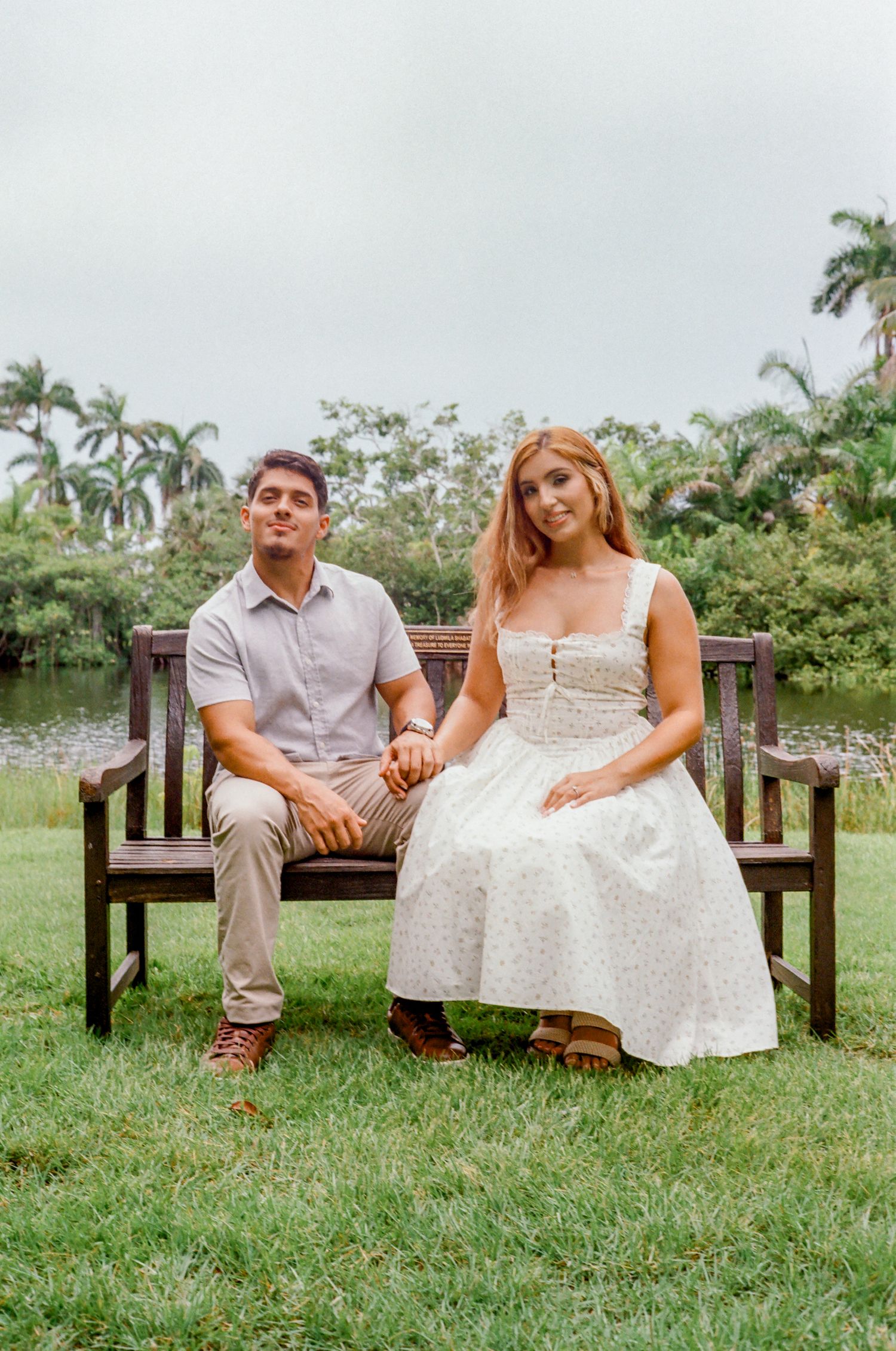
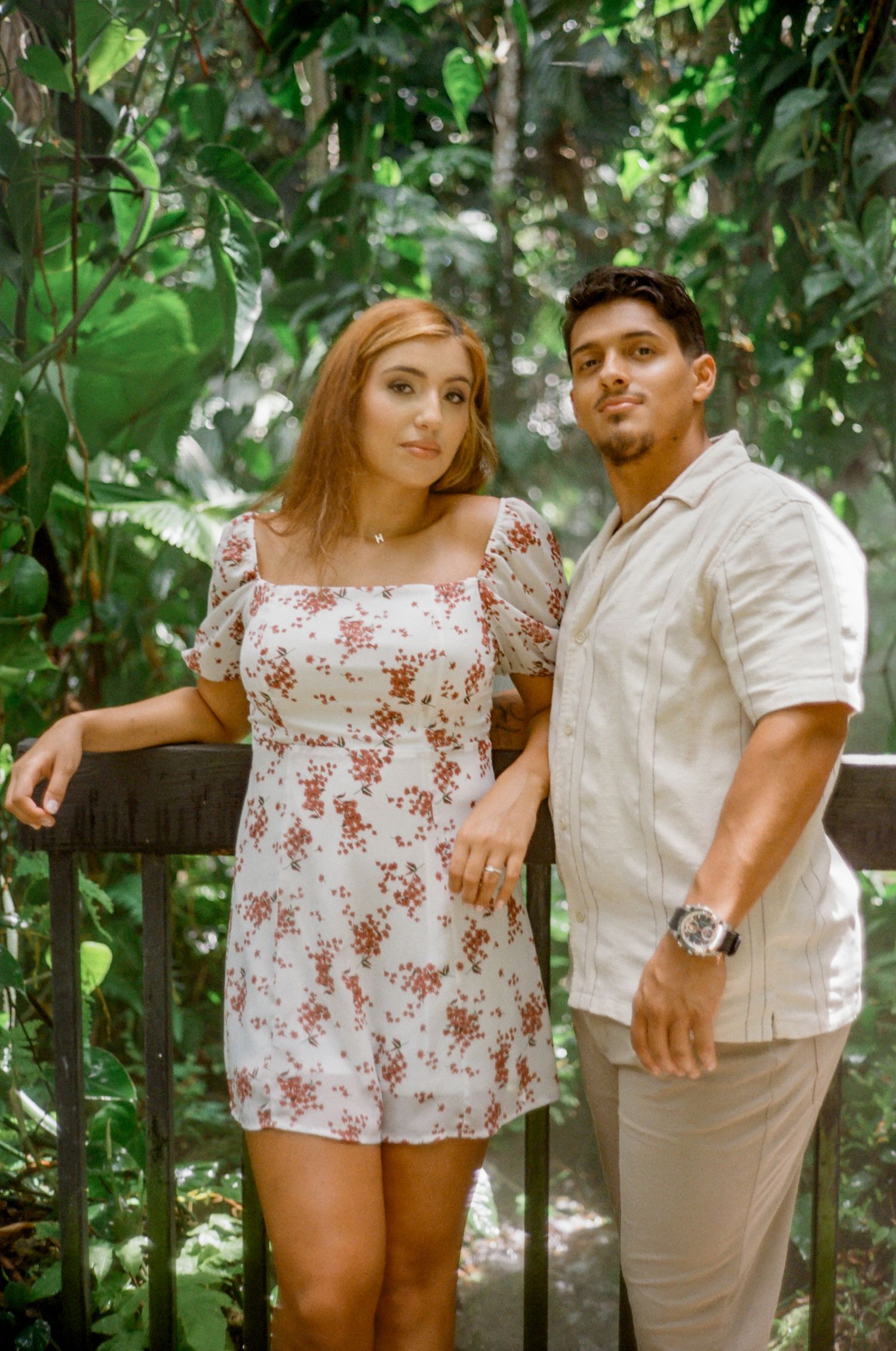
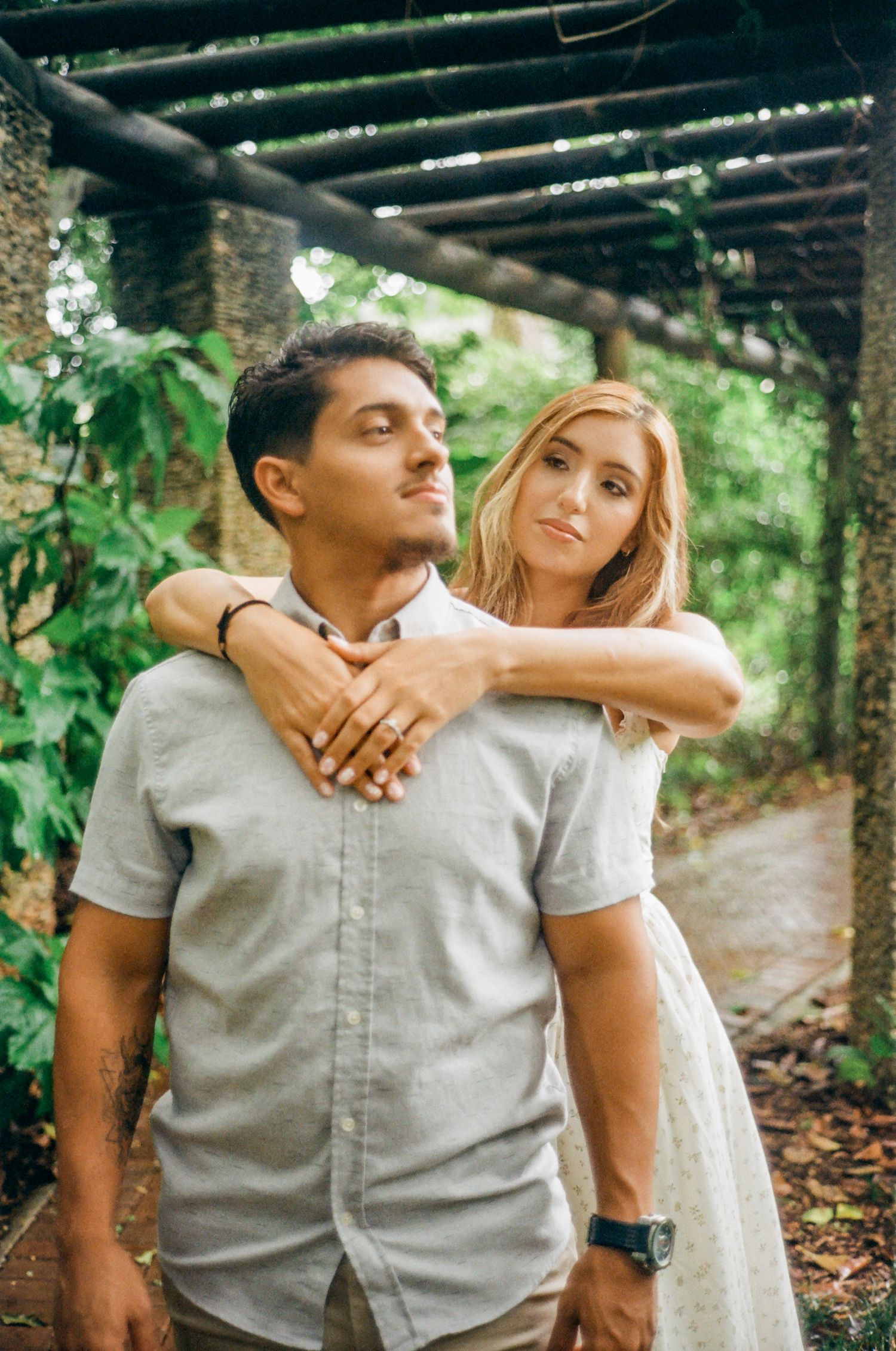
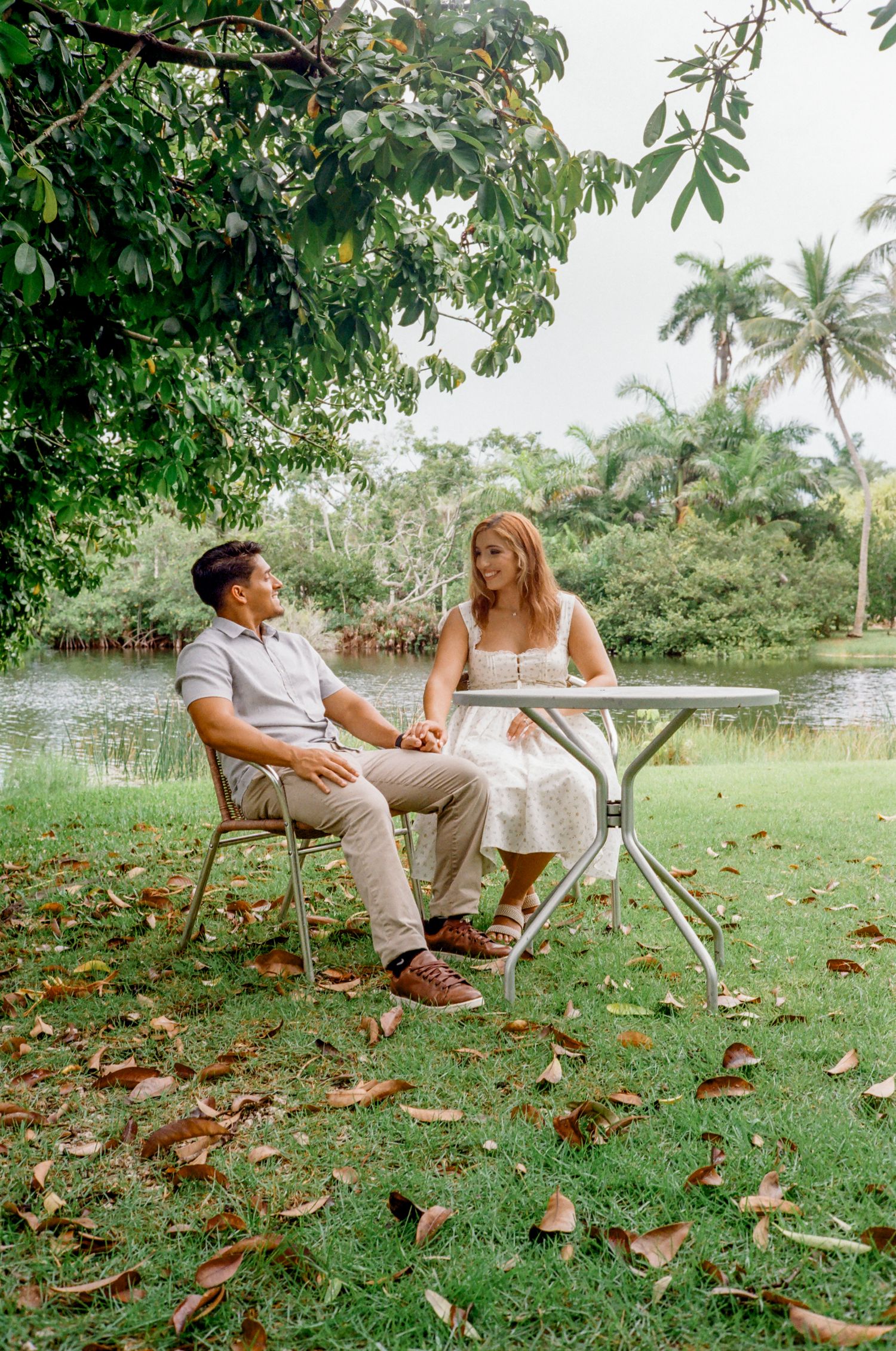
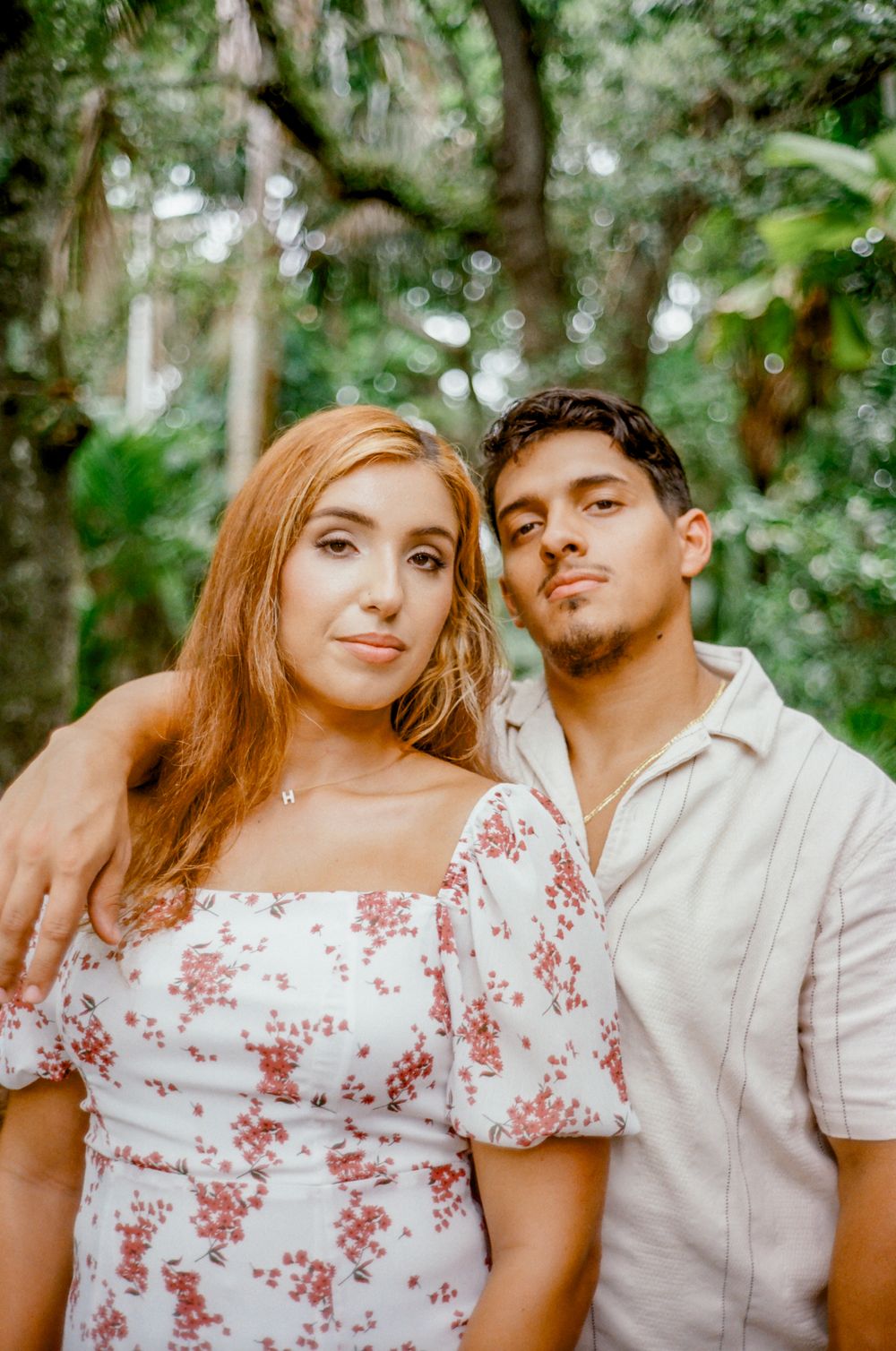
Hannah and Chris were the first couple I used this lens with. We did their engagement session at Fairchild Tropical Garden. Most of their session was done digitally with a 28mm and 45mm two camera set up. But I had my M3 and Summicron-C 40mm loaded with Kodak ColorPlus. I had shot it in Bath, England and really loved the way it rendered colors subtly. I felt like it would be a nice look for their green-heavy shoot.
Boy, was I glad that I went this route. As much as I love their digital photos, my favorites were the film shots. In every situation that we found ourselves in, I could always rely on the Summicron-C 40mm to give me exactly what I wanted. Often, this meant making a digital photo with the SL and Sigma 45mm, and then taking a step closer and doing the same shot with the M3 and Summicron-C 40mm.
In fact there isn't a single photo that I made with the Summicron-C 40mm that I don't prefer to either the Leica Q's 28mm or the Sigma 45mm shots. It simply renders in a magical way.
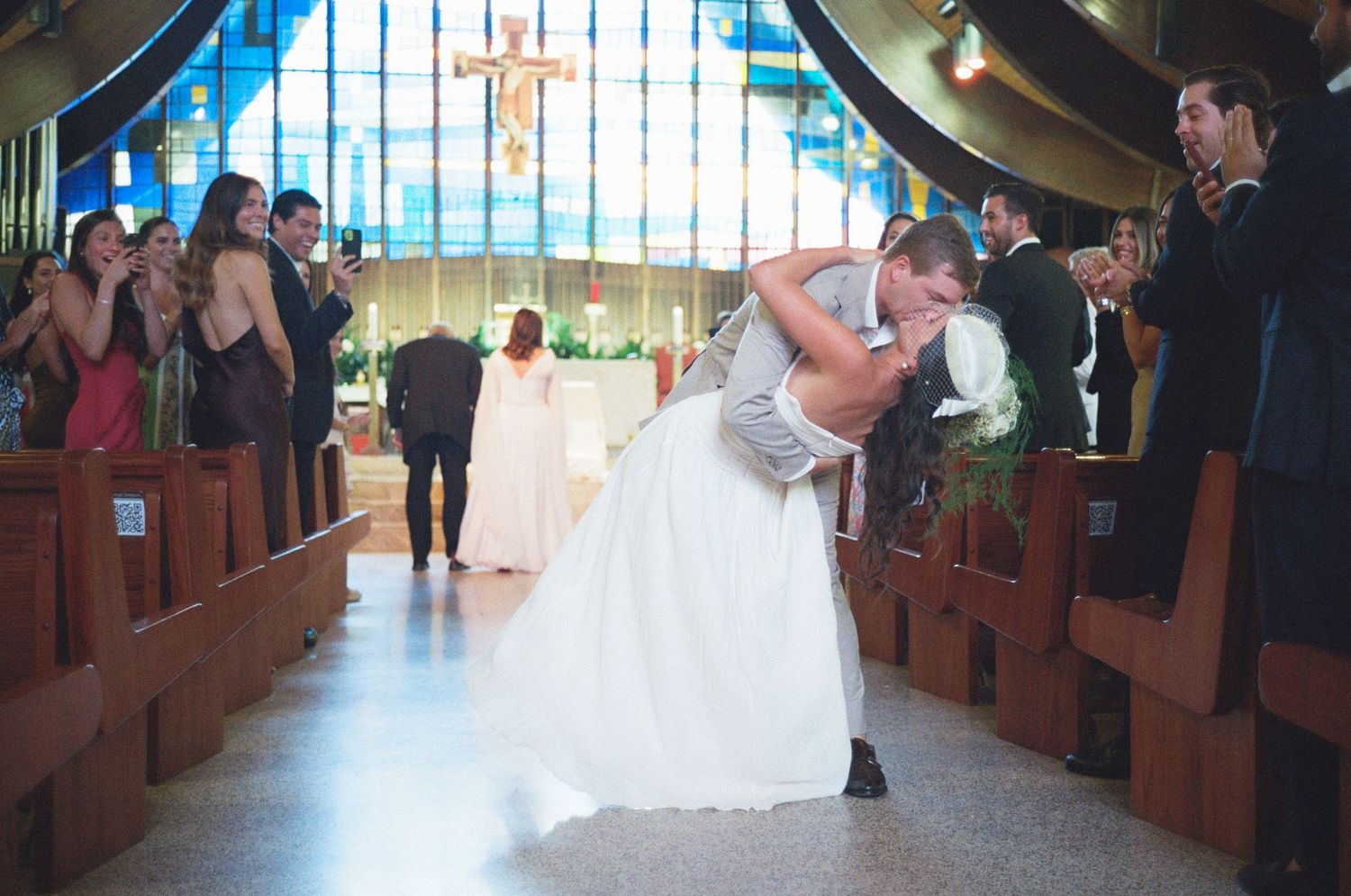
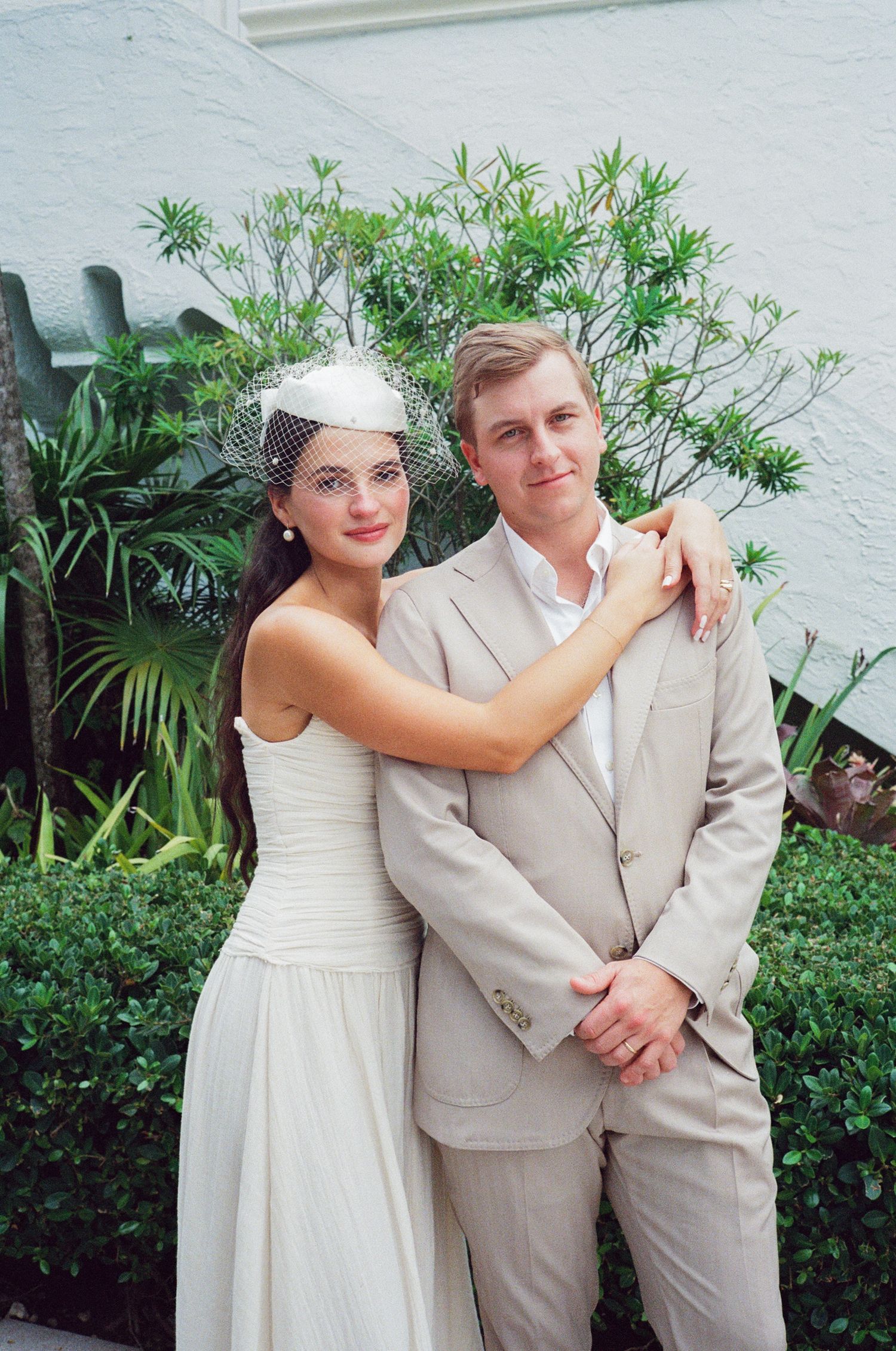
I used it again at a wedding I shot for Gypsy Lemon. I chronicled my love of shooting with Kayla here. It's always a great time. But this time, after having shot with the Summicron-C 40mm so much in the days and weeks leading up to it, I decided I would use it on my M3. I rocked the Elmarit 90mm f/2.8 on my Leicaflex SL for the tight shots and had my Leica R4s with the Summicron-R 50mm f/2 for any time I ran out of film in either camera and couldn't afford the time to reload at the moment.
I found this setup to be a really solid one that worked amazingly for me. I relied heavily on the Summicron-C 40mm. And, as discussed before, for quick and precise focus, even wide open, this lens is a dream.

I know what you're thinking..."but how do you compose for 40mm field of view without those frame lines?" Well, I've developed something of a system that works for me. Since adopting this system, I have not been unhappy with my framing and composition.
I use the 50mm frame lines on the M3 as a guide for where to place my subjects and points of interest. Somewhere near the four corners? Well, that's just about rule of thirds. Rangefinder patch? That's dead center, but it always is, isn't it! So for wider scenes, as long as I keep my action within those frame lines, I nail it. Everything my eye can see in the viewfinder, but falls outside of the frame lines is the context in the extreme corners of the frame. For preciseness, when needed, I wiggle my eye around a bit to make sure I've got a certain item in frame. But rangefinders weren't meant for that in the first place.
For the most precision, any 50mm is likely the smarter choice. I love my Summitar 50mm f/2 and would tap it again for precise work if needed. But this system is working for me. It was how I composed all summer with the Summicron-C 40mm and it never let me down. I never saw a scan and thought, "well, that's not how I thought this would turn out!" Granted, my experience with it so far is not more than a couple of dozen rolls between professional and personal shoots, but I have no reason to believe it will suddenly stop functioning as I've described. So, to be able to compose with a field of view that I love and feels natural, and do so with a lens that renders the world in a way I find beautiful? I'll never pass that up.
Final Focus
This is only the third lens I dedicate an entire blog to in the time I've had this website. So, it isn't often I write something akin to a review. Even so, this is more about my experience than the lens itself. And very often on these blogs what I focus on is the emotional connections and relationships involved with photography. For me, that's what motivates me to continue making pictures.
There are few cameras and lenses I gelled with quite this quickly. The Leica M3, for sure. That camera is just perfect. The Pentax MX is not far behind it. Likewise, the Pentax-FA 43mm f/1.9 is a lens that just clicked with me the moment I looked through it.
The Summicron-C 40mm f/2 is on that level. Something about it is just magic. I'm sure I'm honeymooning, but the great thing about honeymoons is that they can lead to wonderful marriages.

More Summicron-C 40mm Summer Photos











All images © 2020-2025 David Ulloa Studio. All rights reserved.