Preface
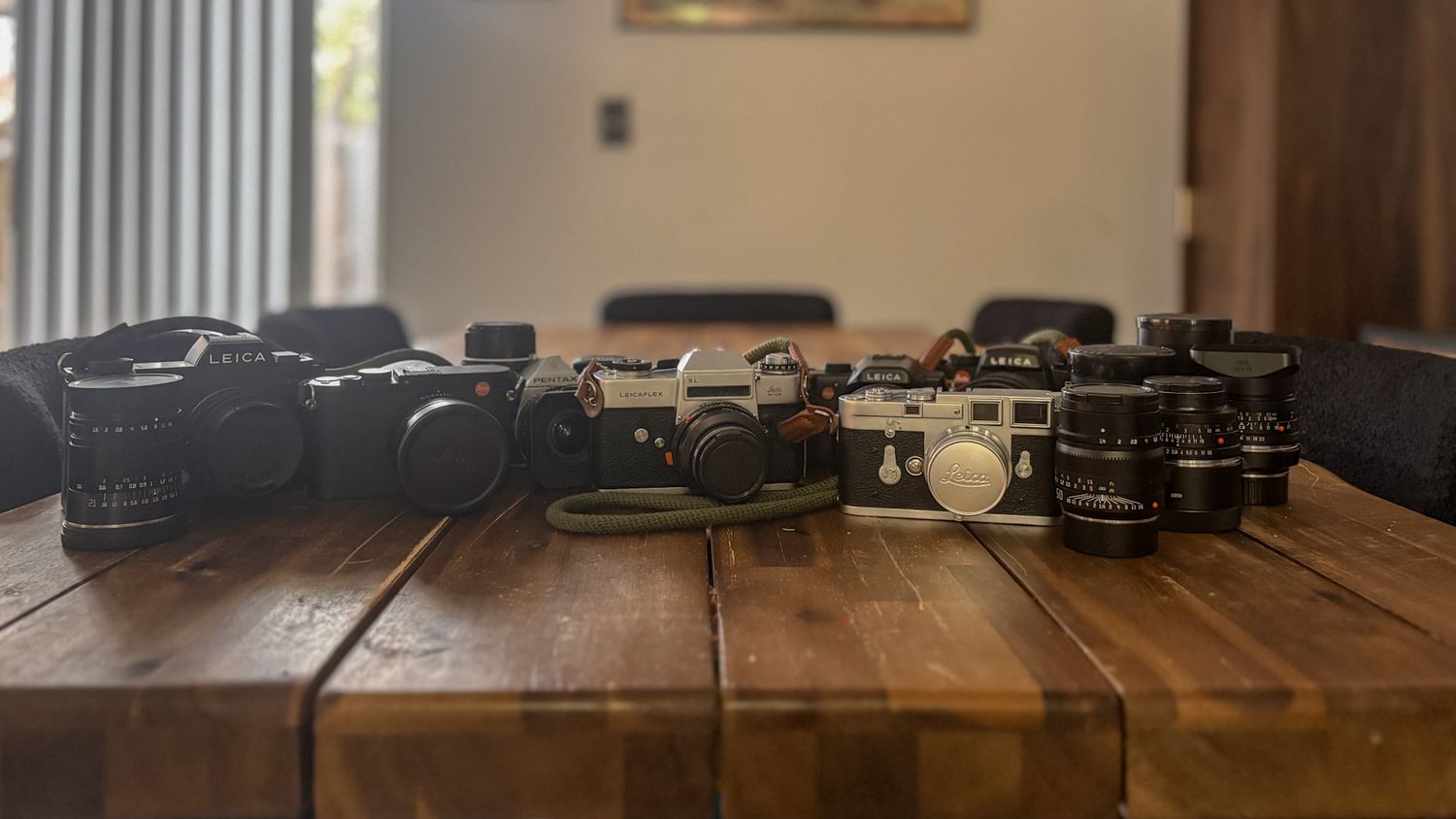
I had a Pentax ME that was just sitting there. There were a few Pentax lenses in my collection, but I had gotten into Leica and had built a nice set of Leica R lenses that I was adapting to a Fujifilm X-T2. I was curious how they'd look with film, so I got myself the cheapest Leica SLR I could find, the R4s, and started shooting. Initially I used the Elmarit-R 28 as I had been really comfortable with my Leica Q and its 28mm field of view. But I quickly started using other focal lengths. This all started in March of 2024 and as March of 2025 comes to a close, I thought it was a great time to reflect on this experience.
Getting Started - March 2024
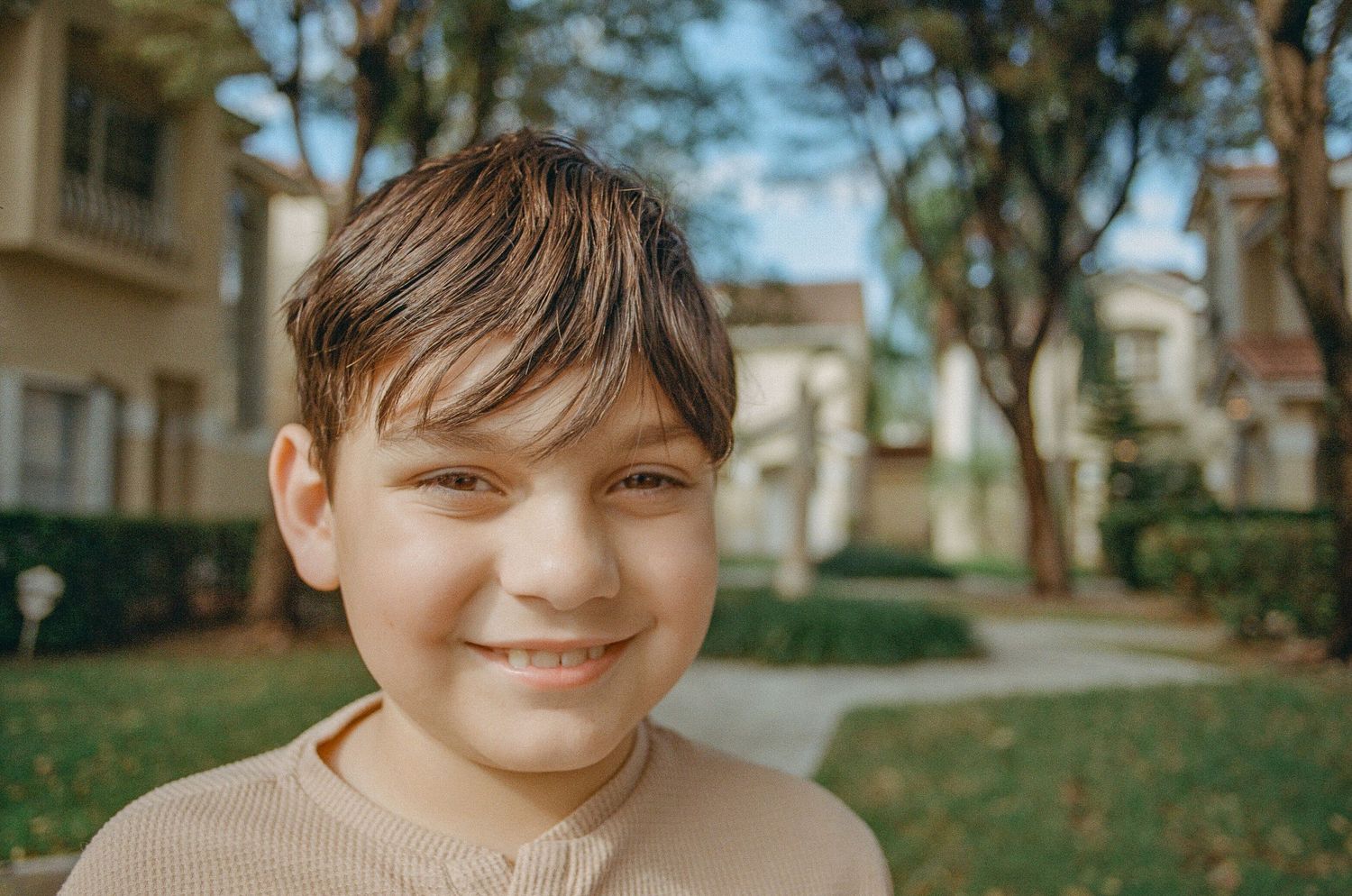
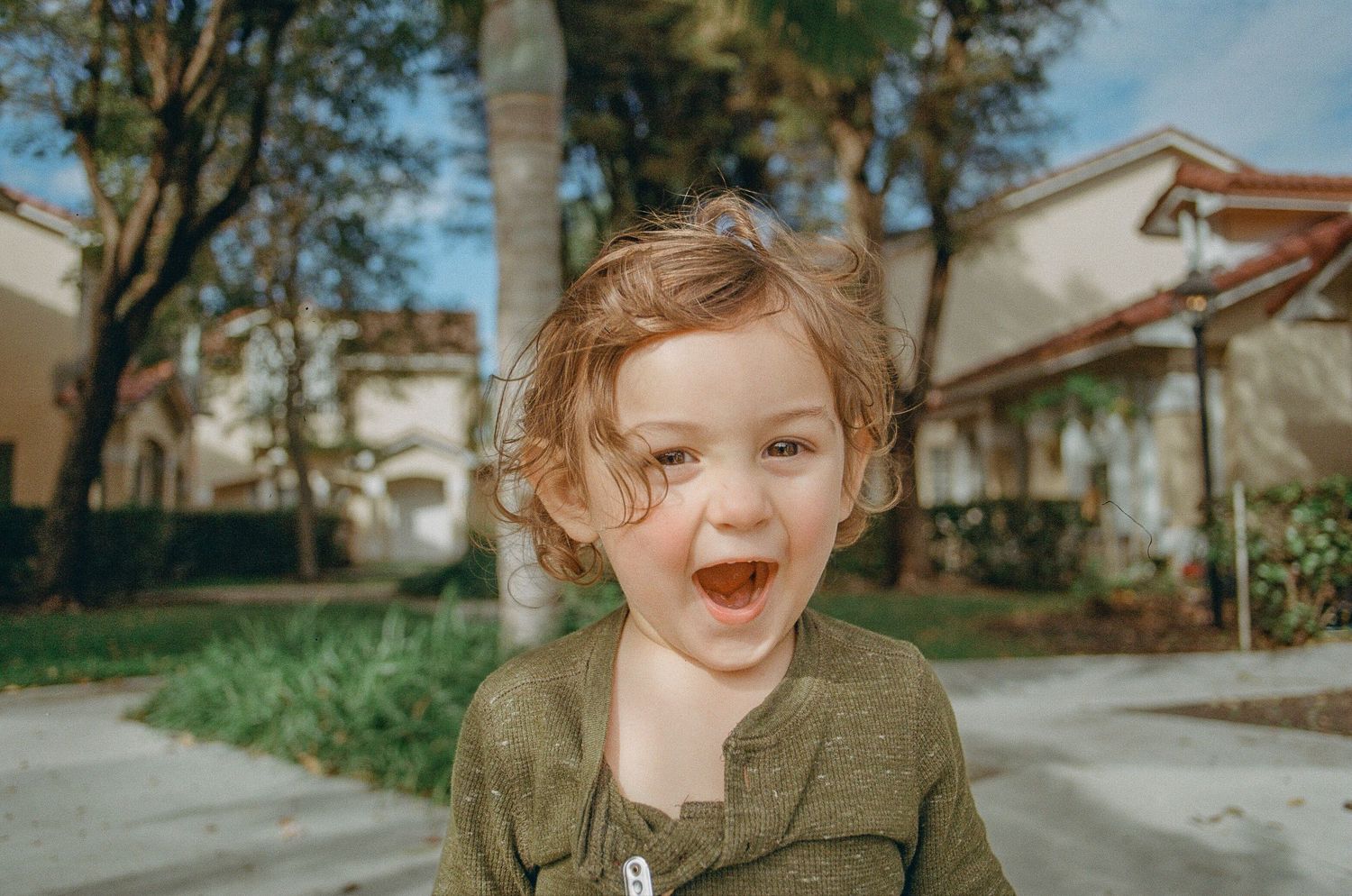
The first two rolls I put through my R4s in March of last year are to blame for my current obsession with film. Something unfortunate (for my wallet) happened...I made two absolutely beautiful portraits of my sons. And if that hadn't done it on its own, one of them was given a Mastershot award by LFI. I never stood a chance.My photography is linked directly to the emotional response that I get from building memories. And as my wife often points out about me and my astrological sign (cancer), I am definitely a sappy dude. So these two portraits, sold me. I had used the cheapest color film I could find, FujiColor 200. I've come to discover that these were likely the Kodak produced emulsions, making this repackaged Gold 200. But I didn't care about any of the technical aspects of that (I do still have the negatives and can check whenever I get bored or have the time; I'm not and I don't, so...). I wanted to recreate the way these photos made me feel.
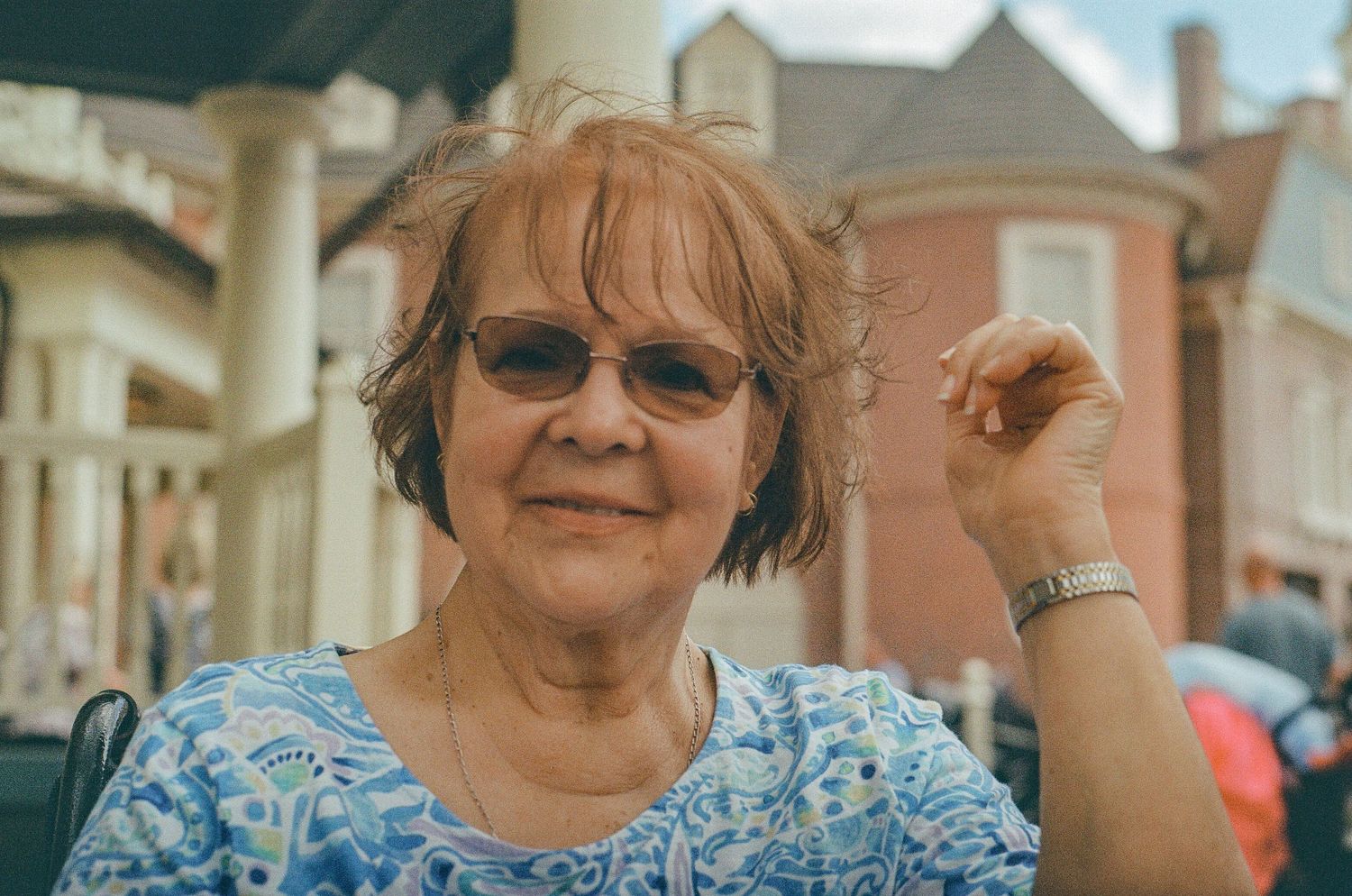
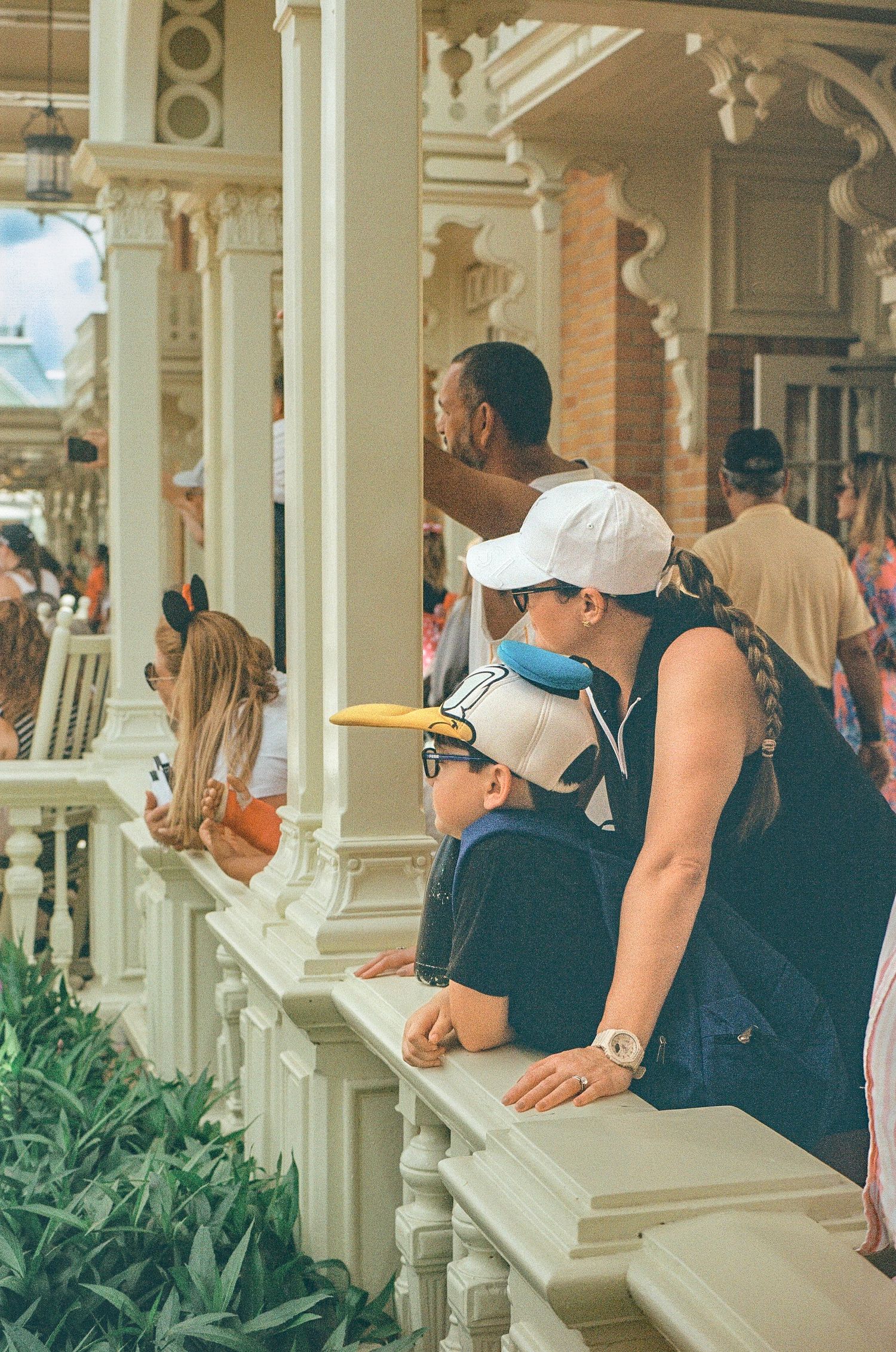
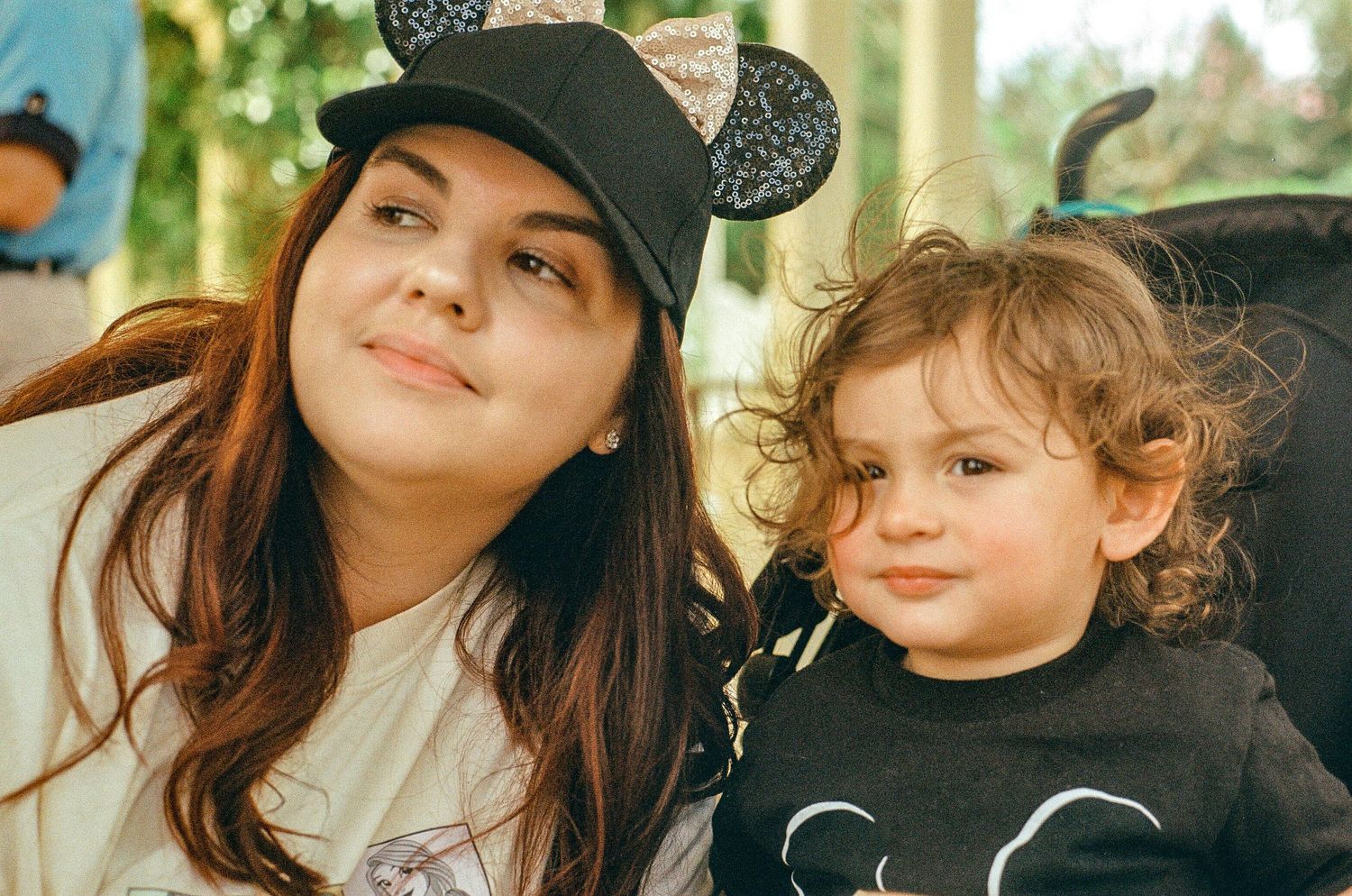
Later that month we took my grandmother to Walt Disney World. My siblings all came with us and it turned into a great, old-school family vacation. I decided that the emotional response I got from those first two rolls merited some film be taken on this Disney trip. So, I took my digital camera and my R4s and experimented with the Summicron-R 50. Again, the way these photos made me feel was incredible. For many of these I managed to also get digital versions and I always preferred the film. This was all the proof I needed. I was looking at these photos side-by-side and knew that I had to keep shooting film. At this point I was still using FujiColor 200 for my daytime shooting and was finding that at night I simply couldn't get enough light. So I got a few rolls of CineStill 800T.
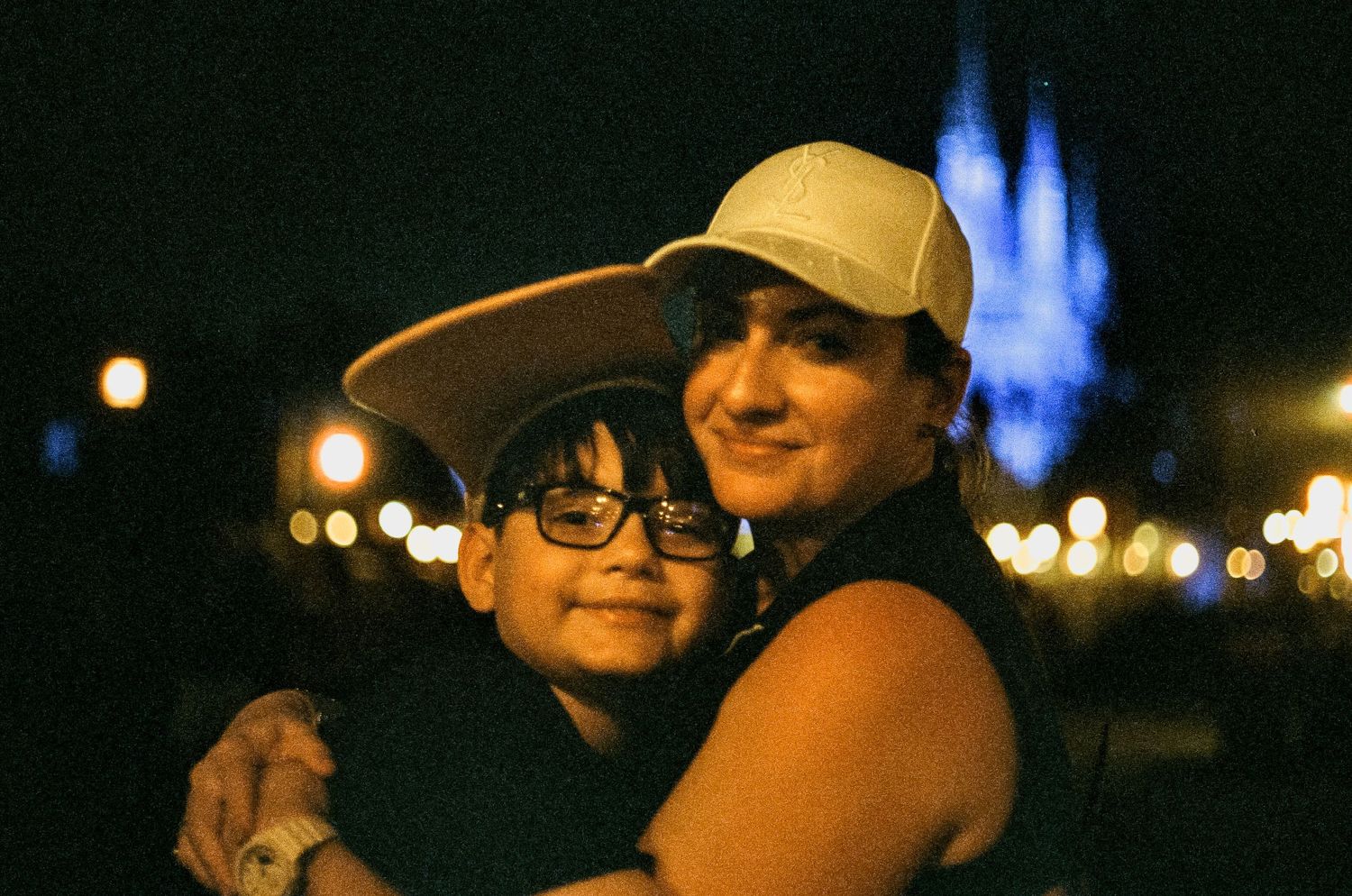
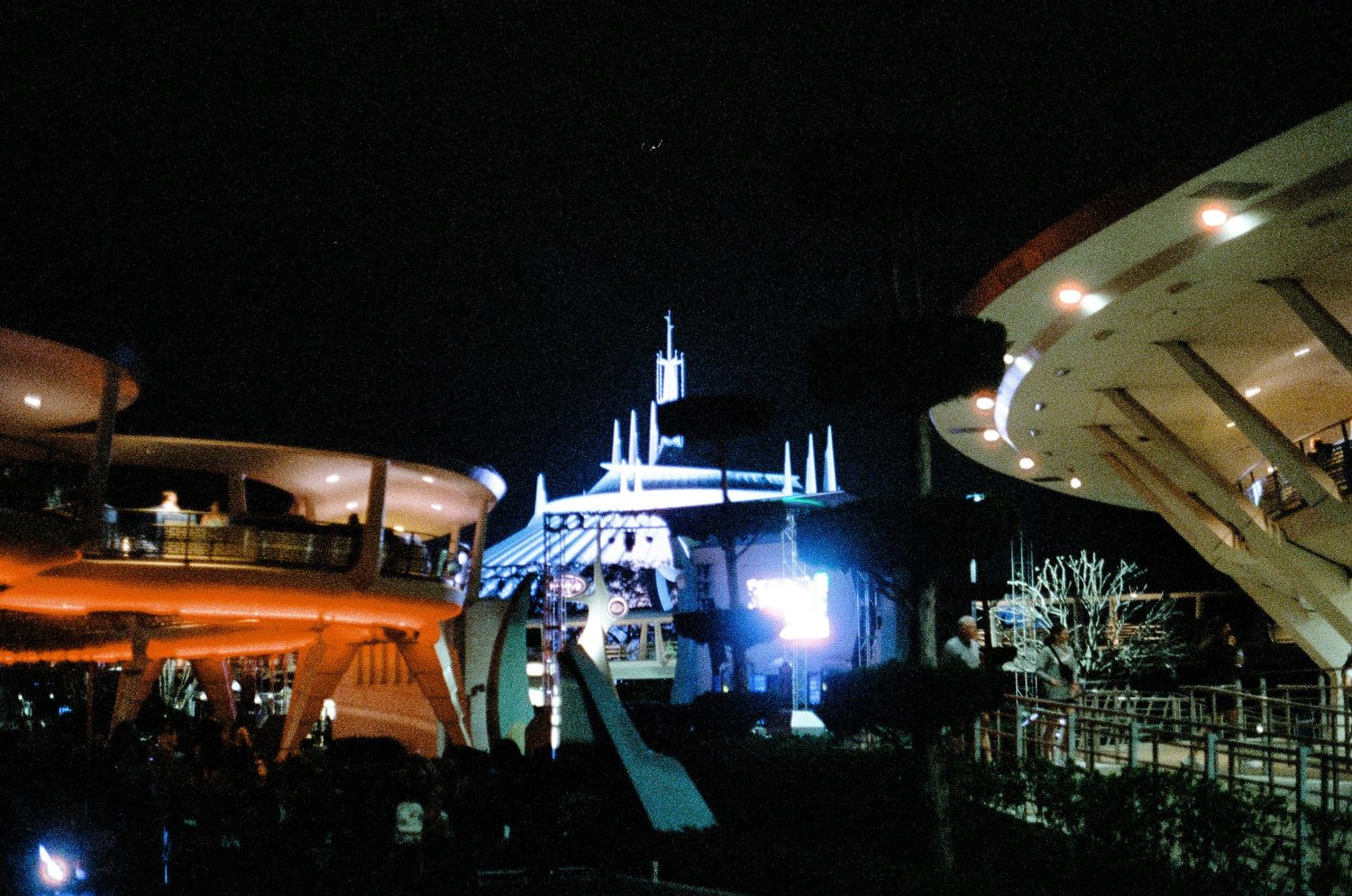
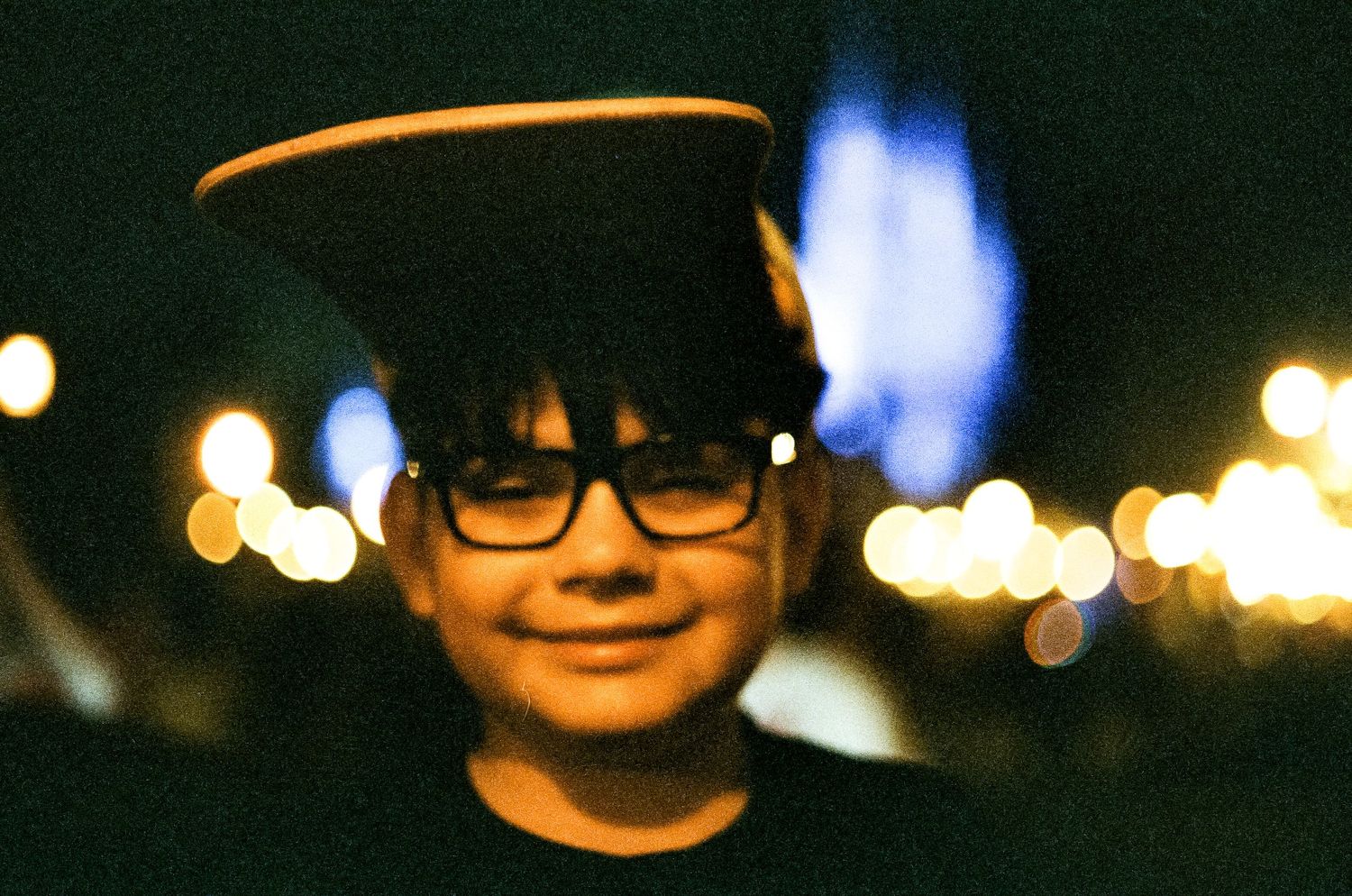
I didn't love shooting with CineStill 800T. I felt like I was still limited to very slow shutter speeds. But when I did find enough light, boy did I love it. These are a few of the examples from those two rolls that I liked. In the end, I felt like digital for nighttime was likely the way to go. At the end of this first month I was left feeling like I needed to shoot more film, but hadn't cracked that nighttime film shooting yet. Oh, well. We push on!
Emulsion Explosion - April, May, and June
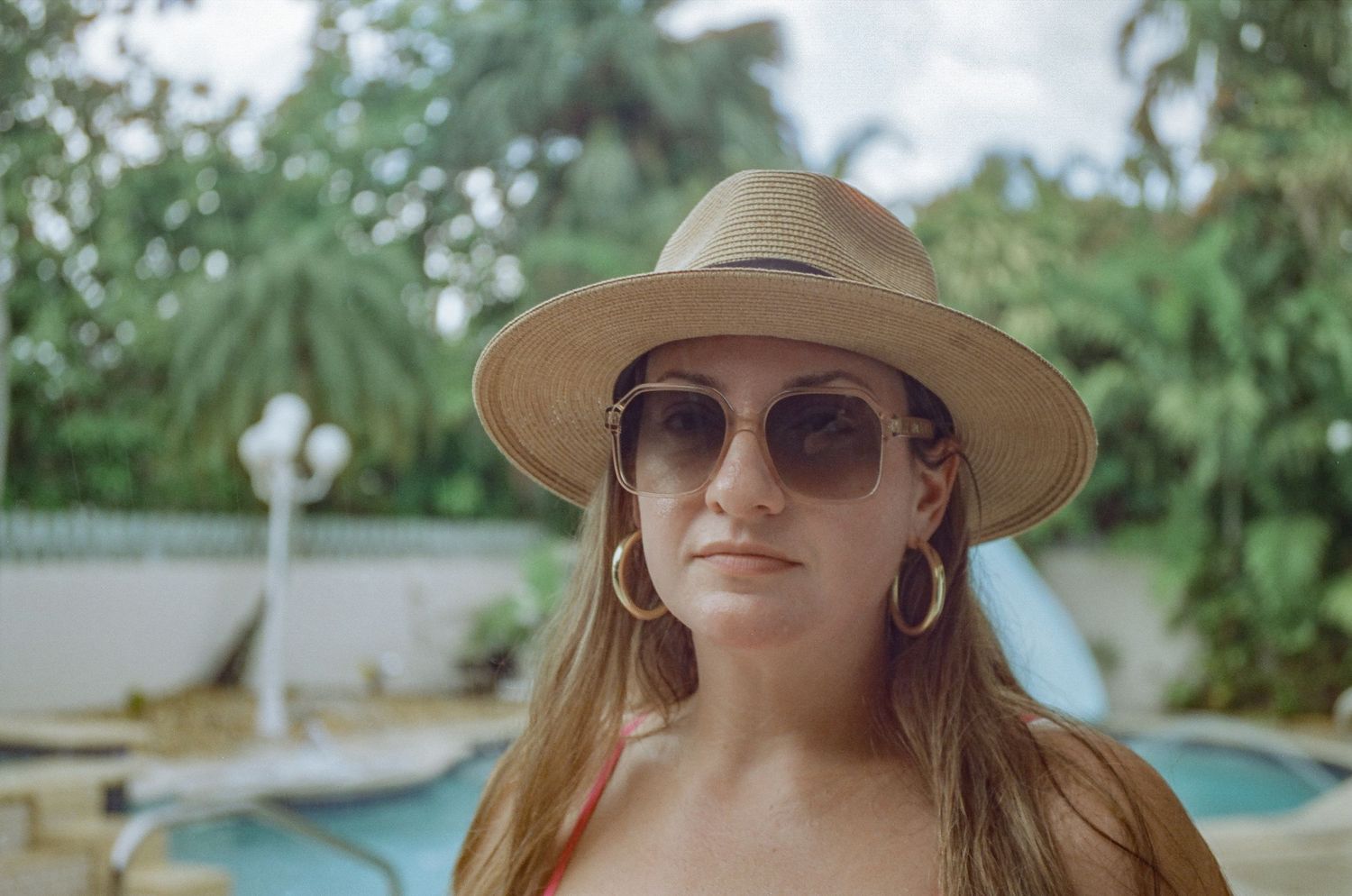
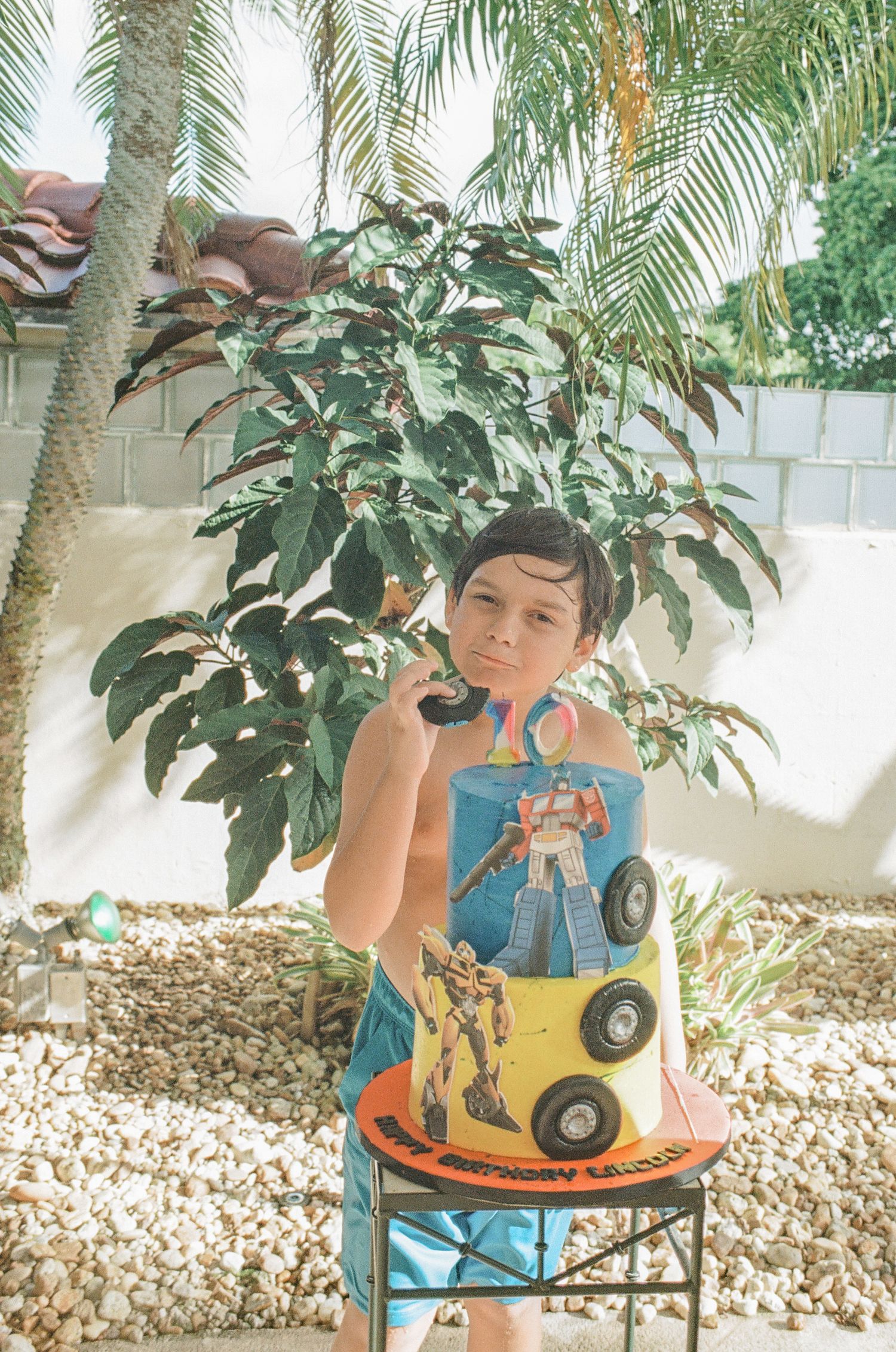
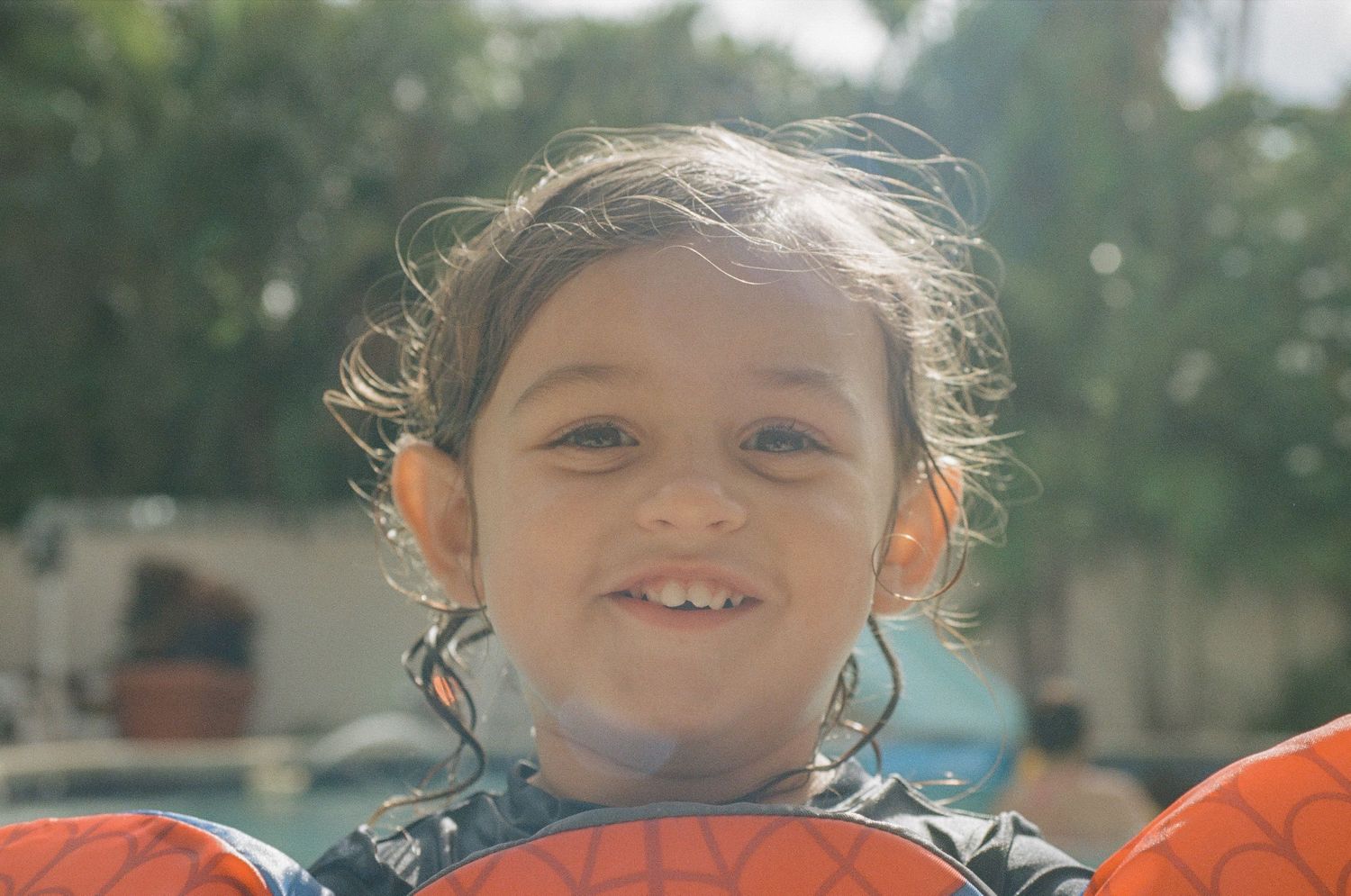
After that first month of shooting film, I started experimenting with other emulsions. While I wasn't entirely happy with the CineStill 800T rolls, I also recognized that it was on me and not the film. I really loved the colors I got from it. So I quickly purchased some CineStill 50D. I fell in love with the coloring of this emulsion and bought some more almost right away. I also began experimenting with Kodak films. I got some Portra 160 and used that to photograph Link and Wes' birthday parties. I wasn't into how pastel the colors were - I like a bit of pastel coloring, but felt it was occasionally too much - but I did like the latitude these emulsions provided. I found that CineStill 50D gave me my favorite colors, but still defaulted to FujiColor 200 for its price.
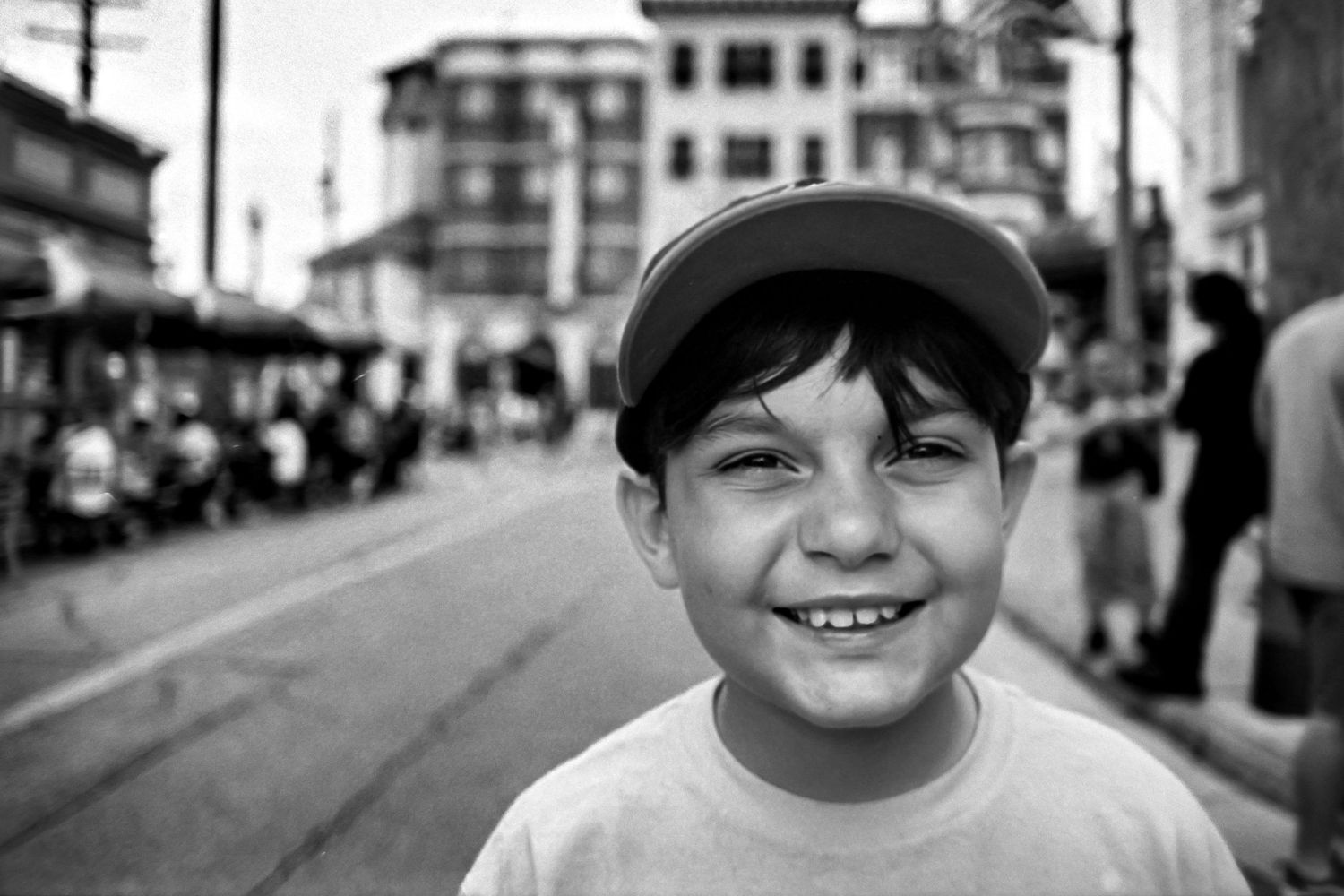
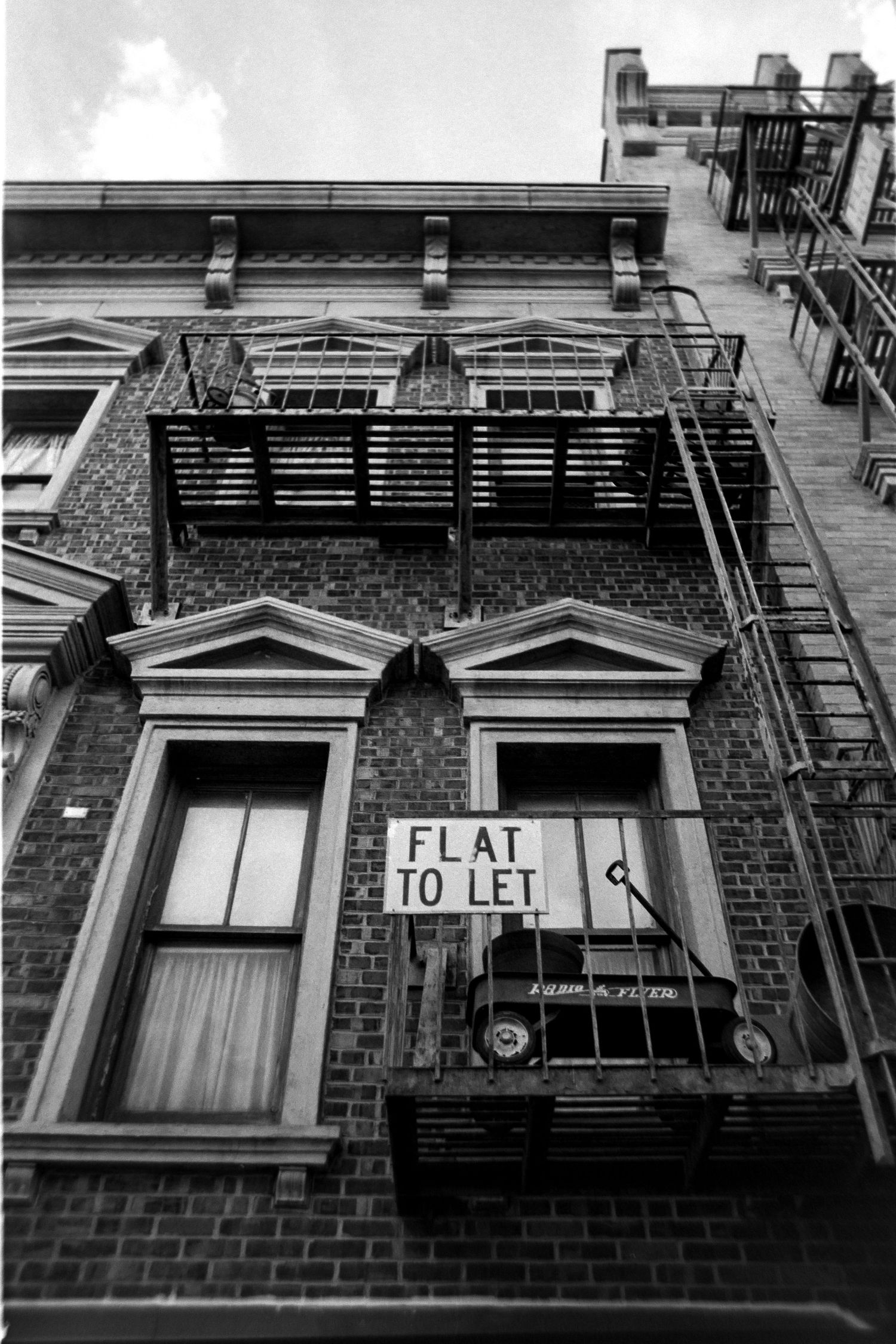
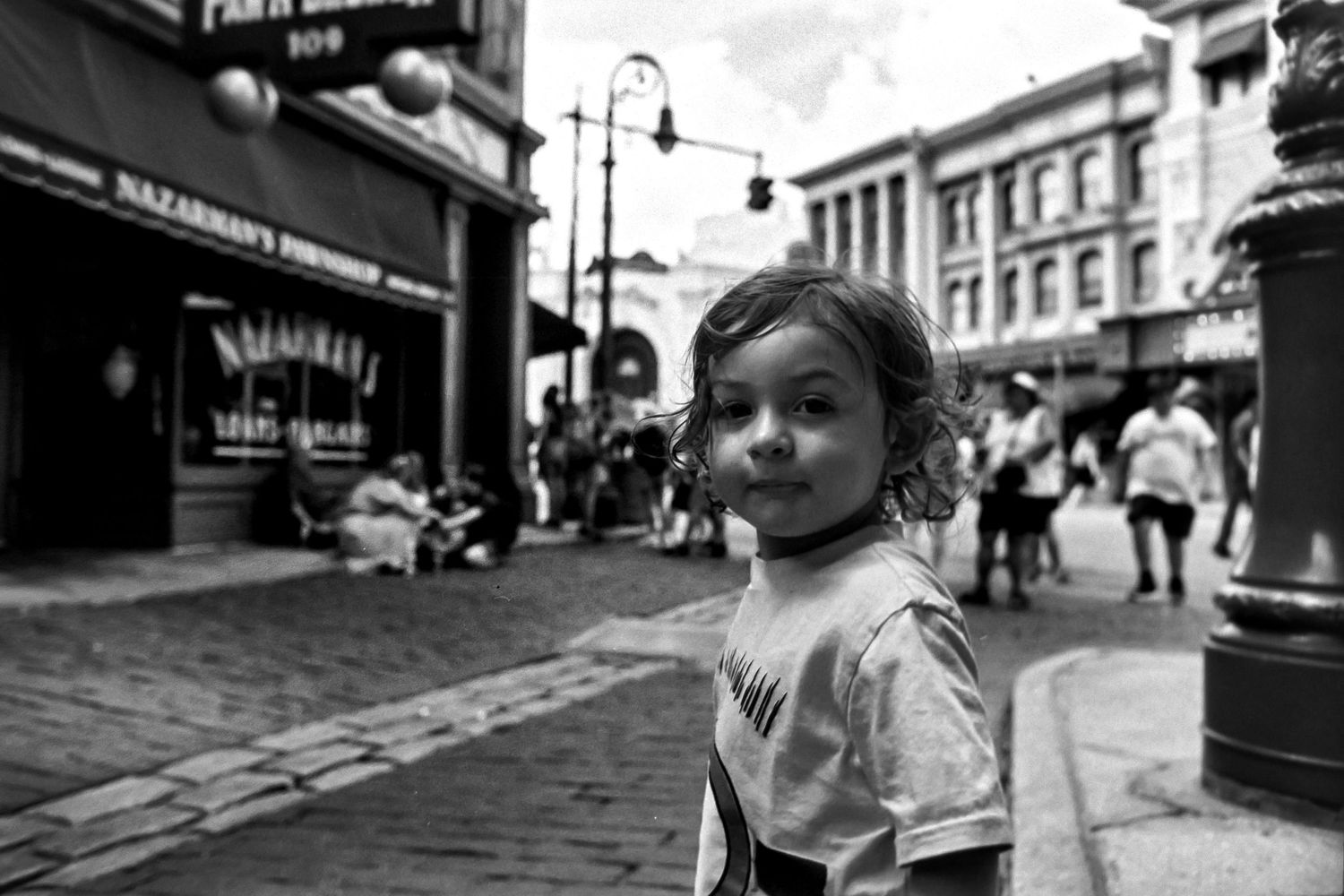
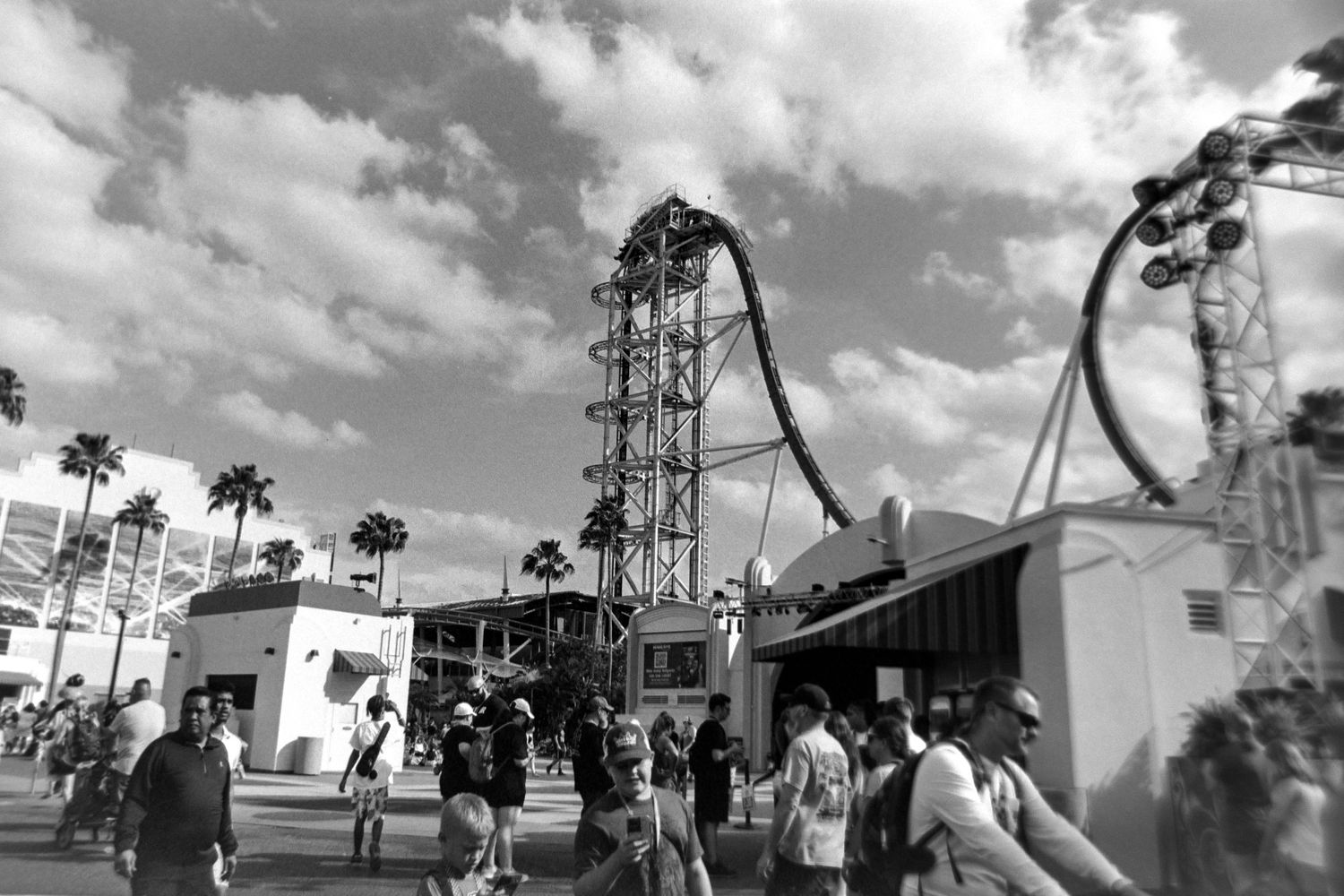
I began looking to black and white more often as well. I hadn't settled on a black and white look yet, but I really liked what I got out of the Film Photography Project monster films. Link and I thought it would be a neat idea to take the Frankenstein and Dracula emulsions to Universal Studios and shoot around with that. It was a blast and helped me figure out what I wanted out of my black and white film. I definitely wanted heavy contrast and didn't mind heavy grain either. But with these rolls started a very brief, but illuminating period in which I attempted to scan my own negatives. These black and white photographs were scanned by me. I had sold my Fujifilm and bought a Leica SL. Together with a macro adapter and my Elmarit-R 35 I got amazing detail out of these scans. I thought this might be something I could do. I didn't love the process, but if it could save me some money, well, that's not a bad thing. And then...
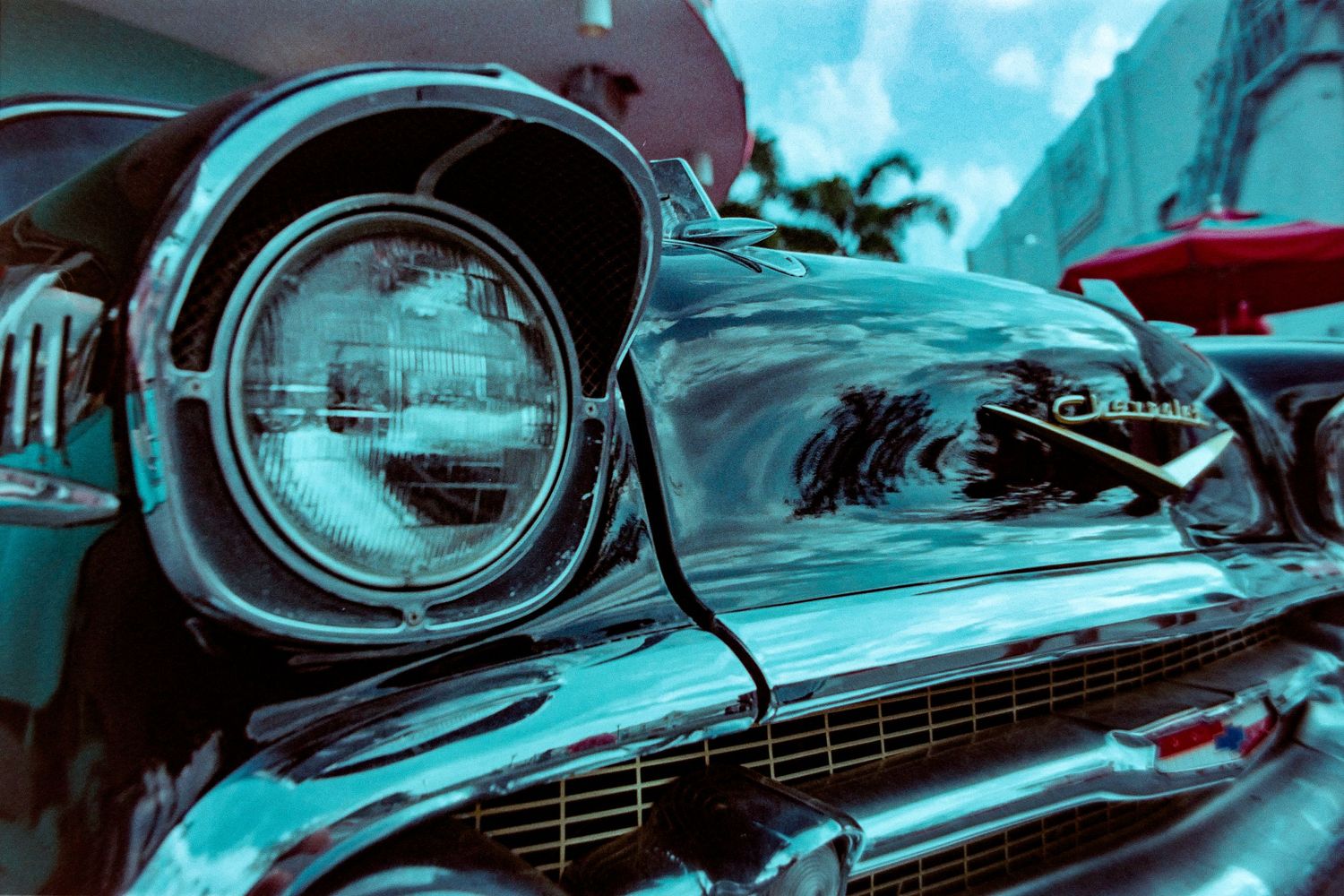
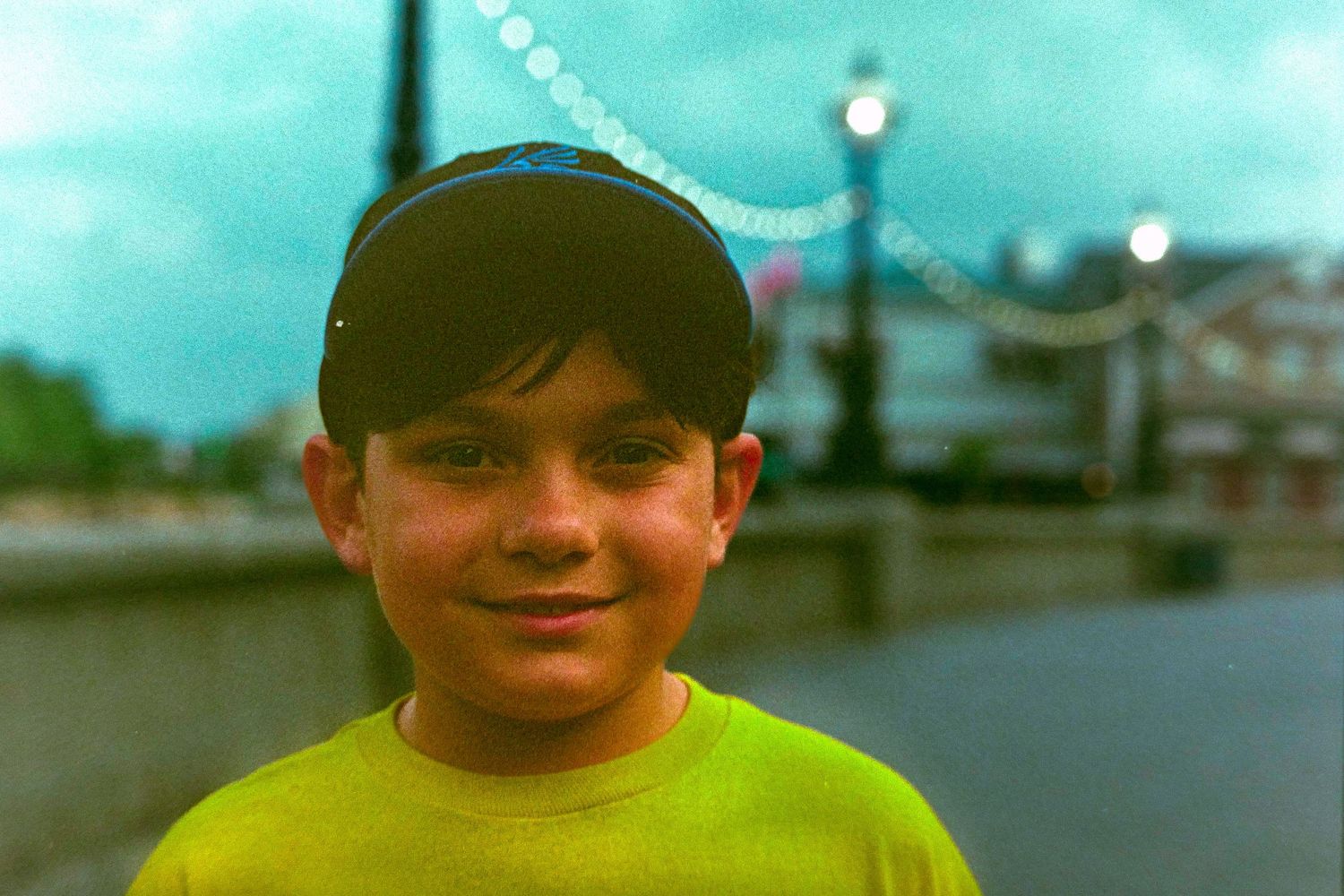
Scanning color is a whole other animal. These four were scanned by me and I was...let's say unhappy...with the results. I already wasn't enjoying scanning, but then I was really not enjoying editing the color scans. I could never get the colors right! I'm sure that with enough time I can get it. But I don't want to do that! I want to shoot. Thankfully I found a lab that develops and scans for reasonable prices. Palm Film Lab came in at just the right moment. I was about to give up on film because it was so expensive to develop and scan with my previous lab. And scanning myself just wasn't working out. Palm Film Lab helped reinvigorate my passion and dedication to film simply by making it financially possible for me to do so. This is when I really started favoring film over digital. And just in time for the summer!
Summer Fling - July and August
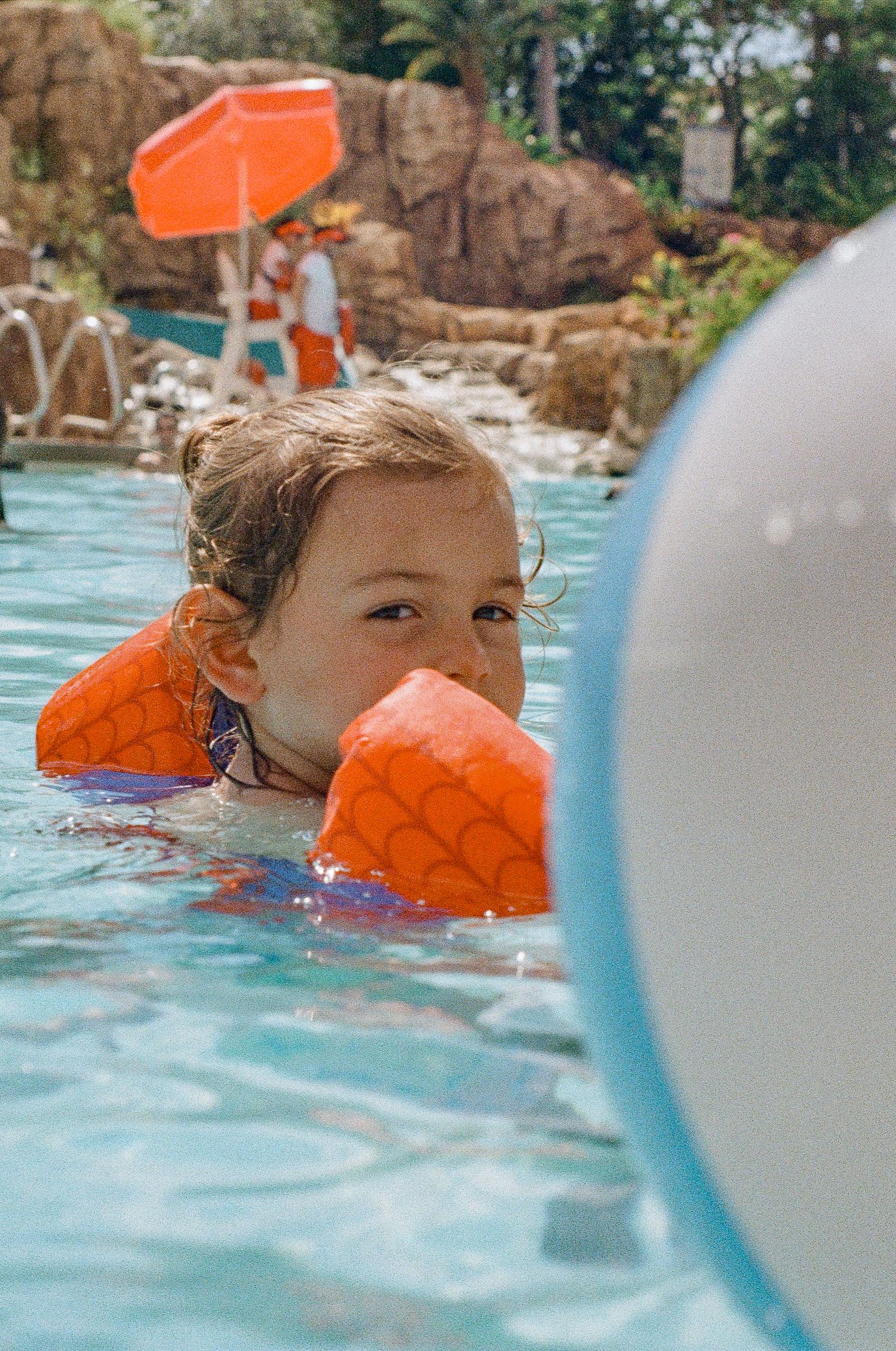
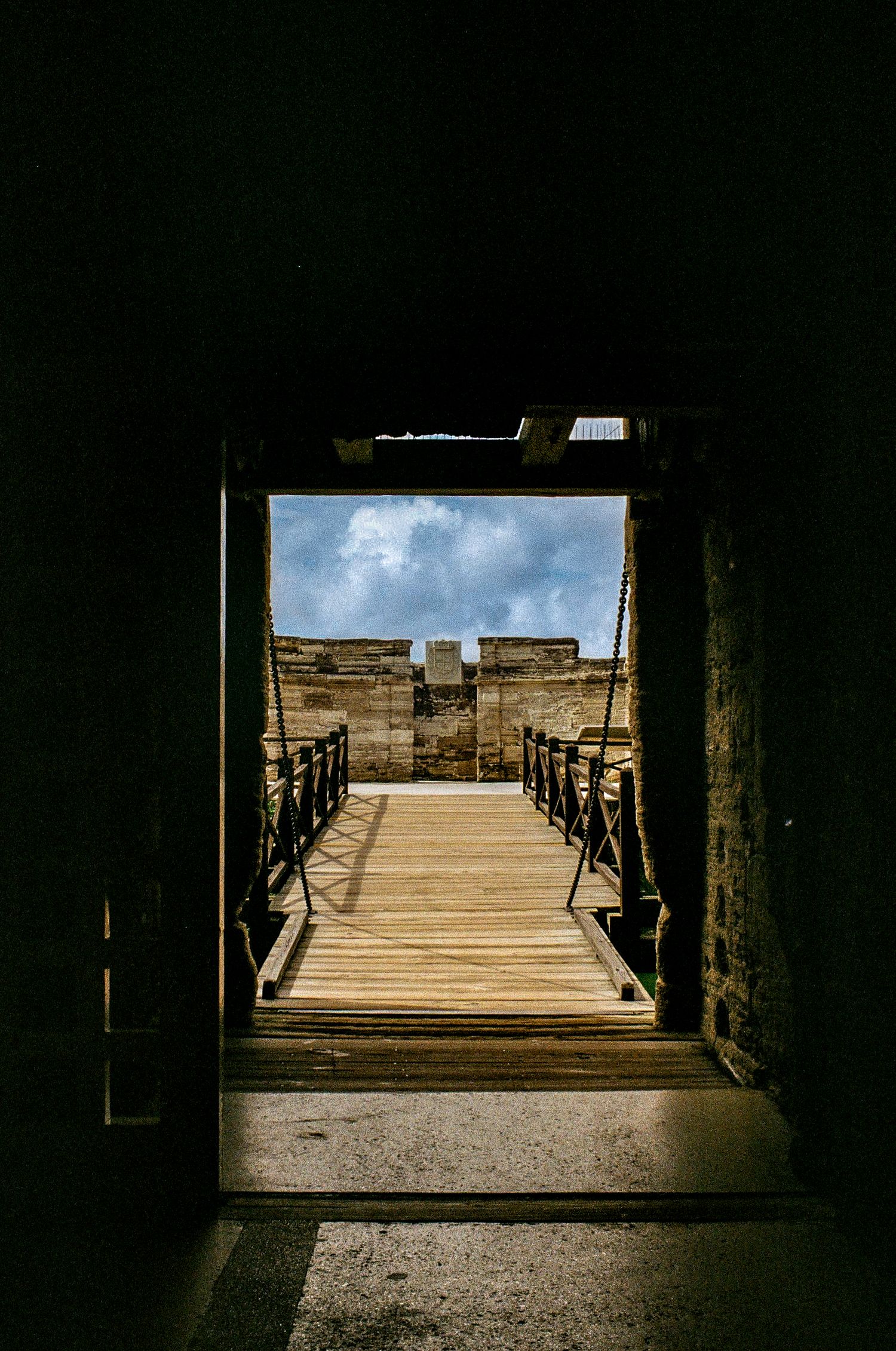
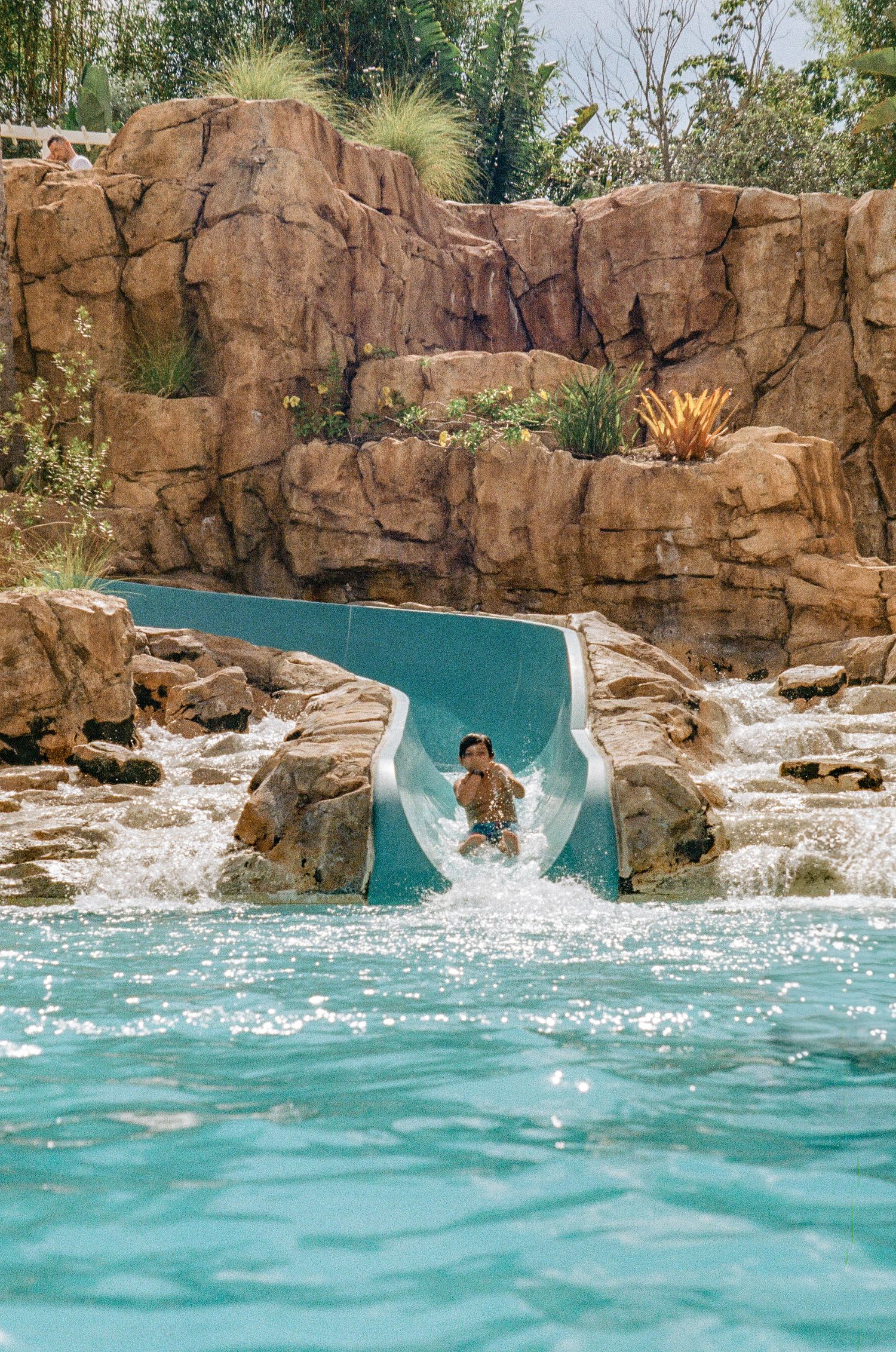
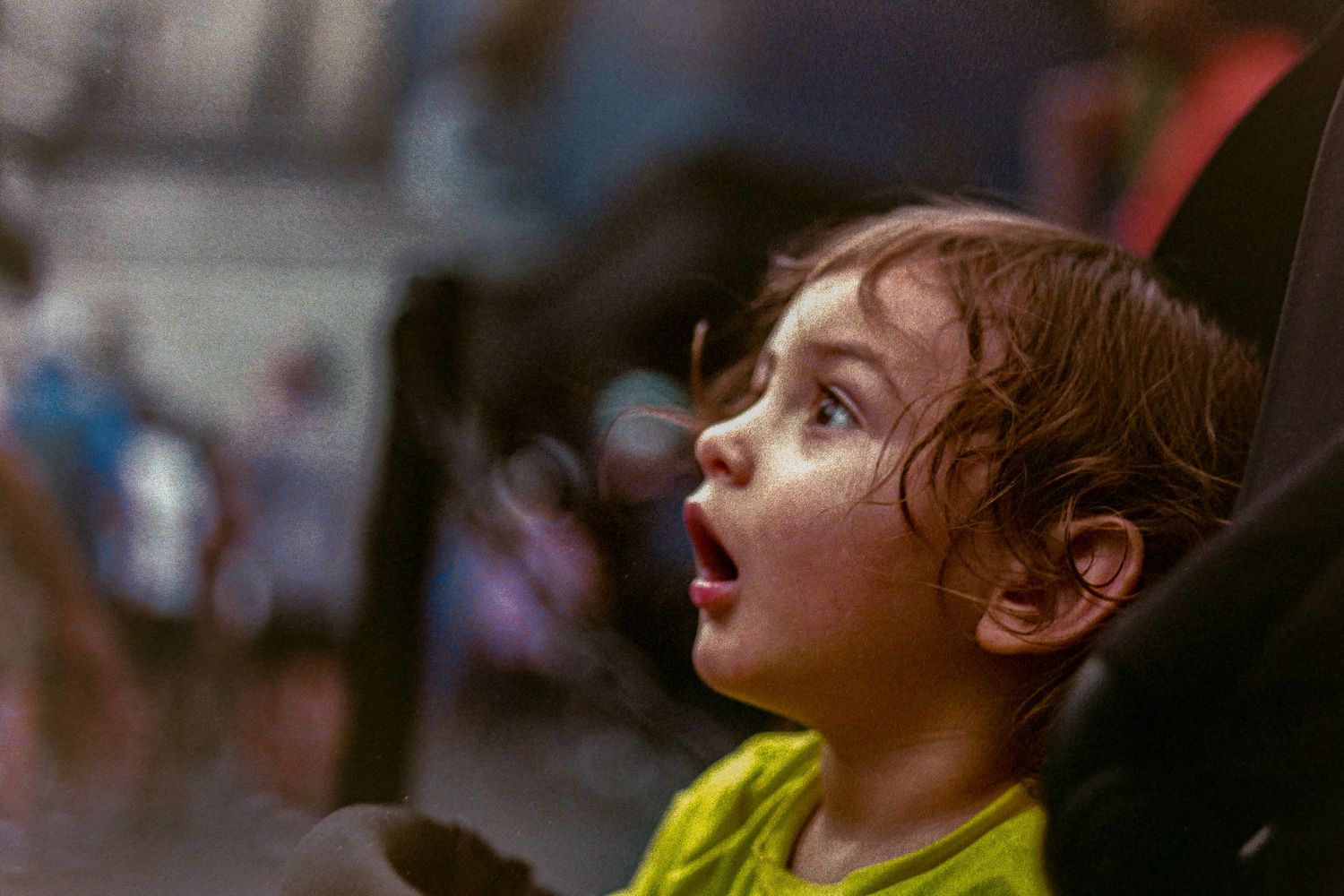
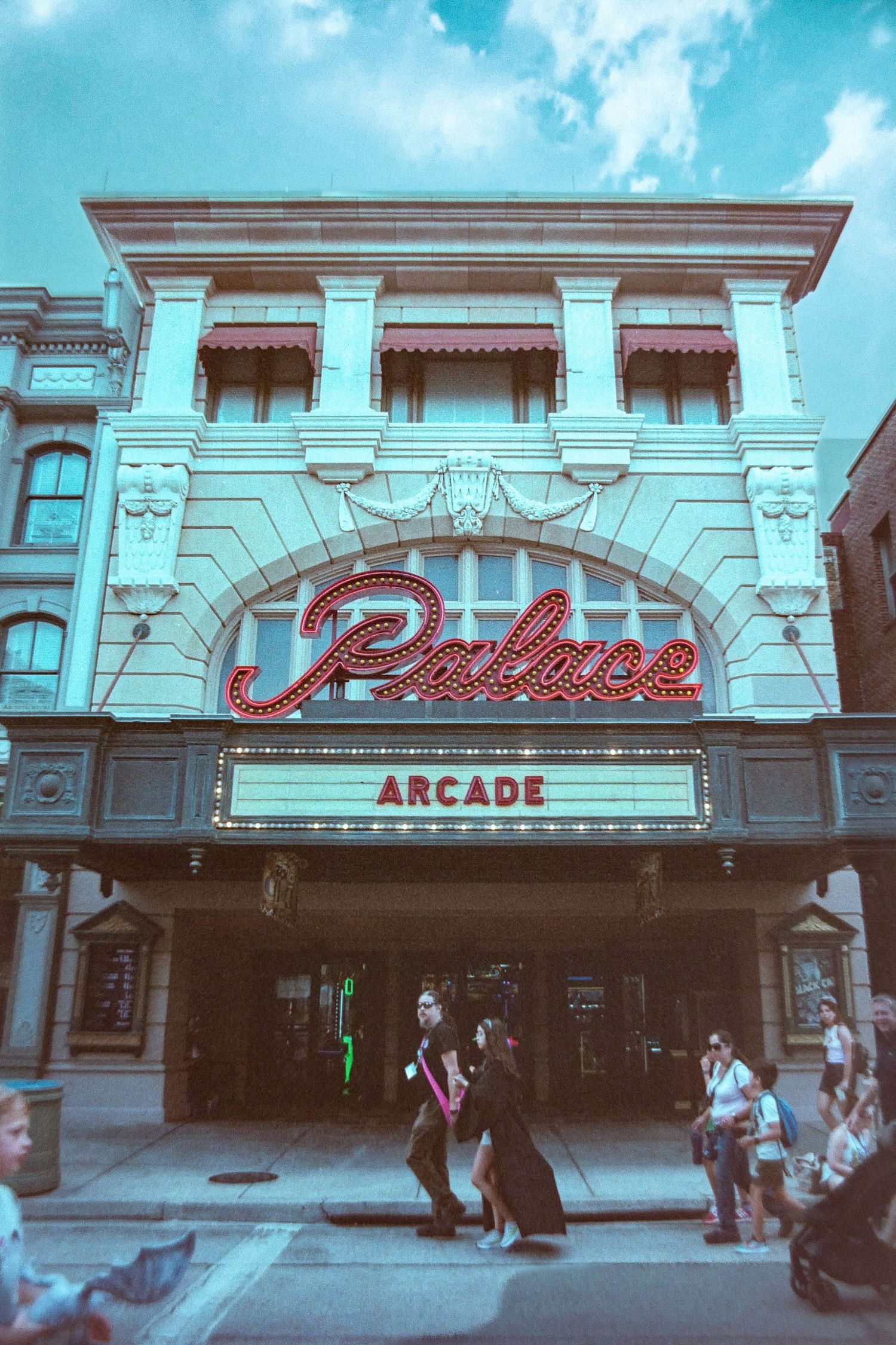
We took off for a week long vacation in early July. We hit up St. Augustine, which Steph and I had not been to in many years, followed by a stay at Universal Orlando. This was the first time that I considered giving equal time to my film and digital photos. I two-strapped it with my Leica SL and R4s both slung around my neck at the same time. Adapting the R lenses to the SL made it really easy to just swap lenses whenever I felt I needed them. But usually I just kept the Vario Elmar-R 28-70 on my R4s and swapped between the Elmarit-R 28 and Summicron-R 50 on the SL. After getting the scans back from Palm Film Lab, I found that I preferred the film shots over the digital and it wasn't even close. It was by a huge margin. And in the situations in which I didn't bother with digital? Those shots were golden! And the shots where I had leaned in on digital instead? I wished I had done them with film. Learning, adapting, and changing were necessary.
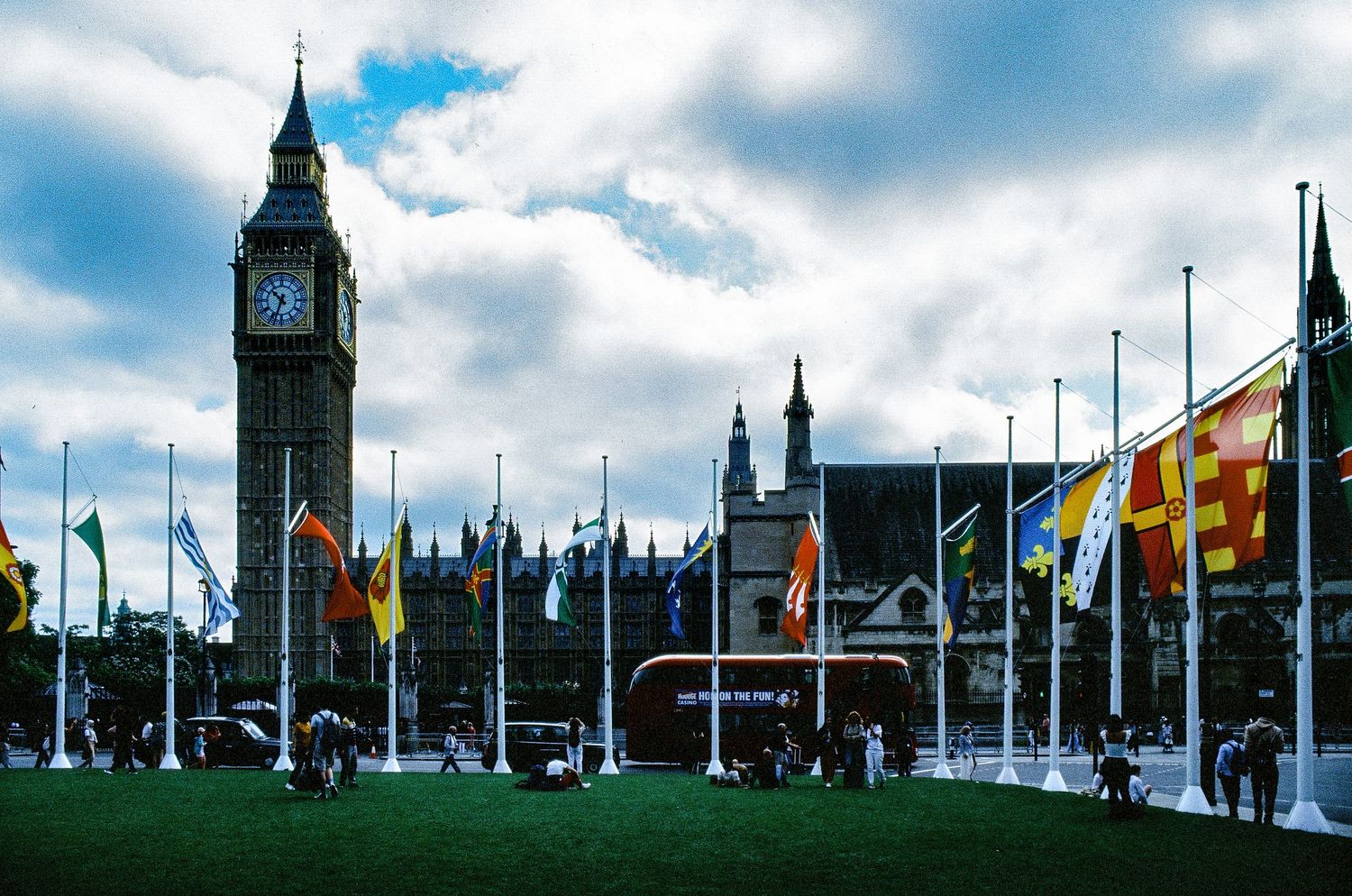
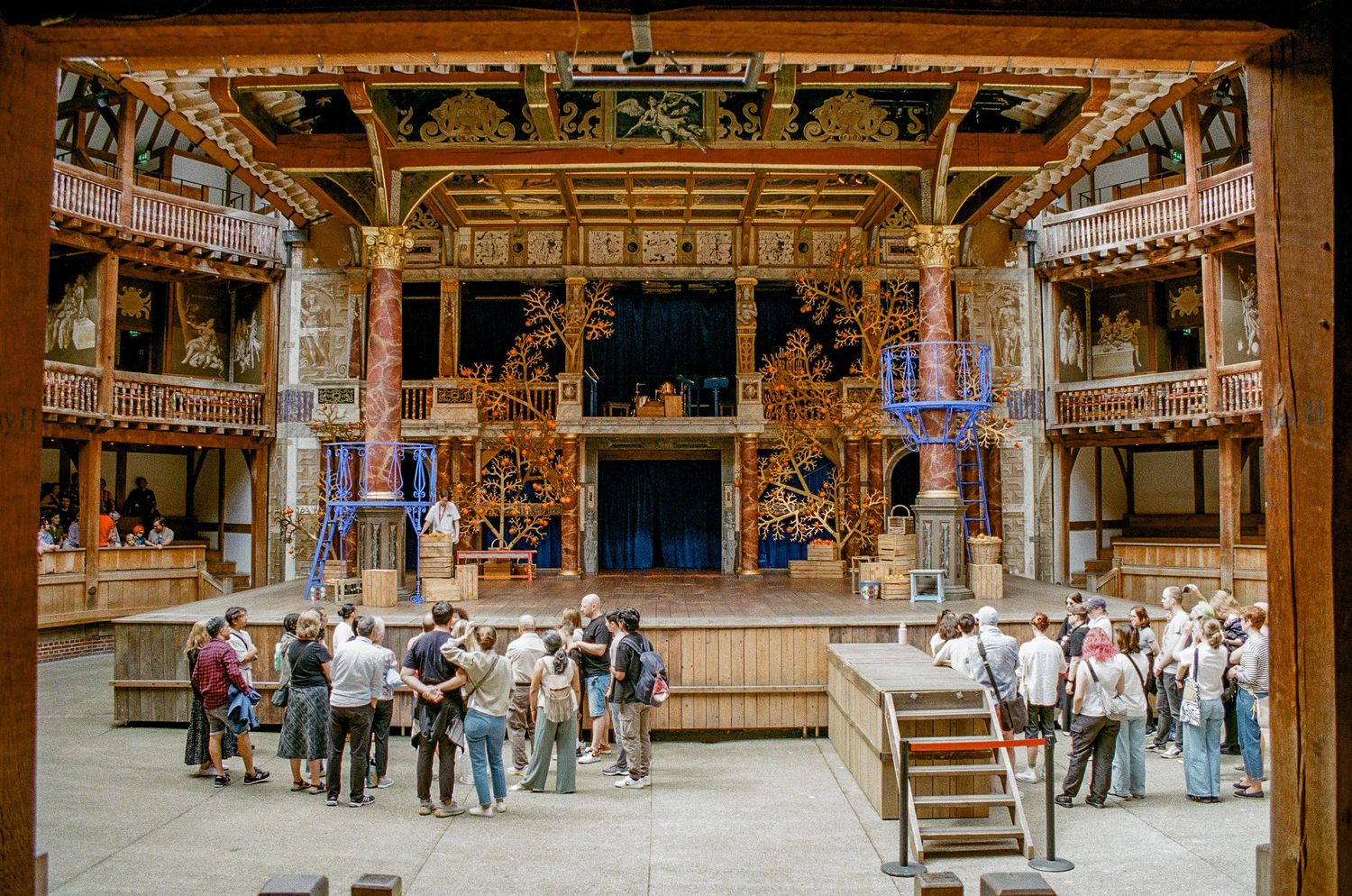
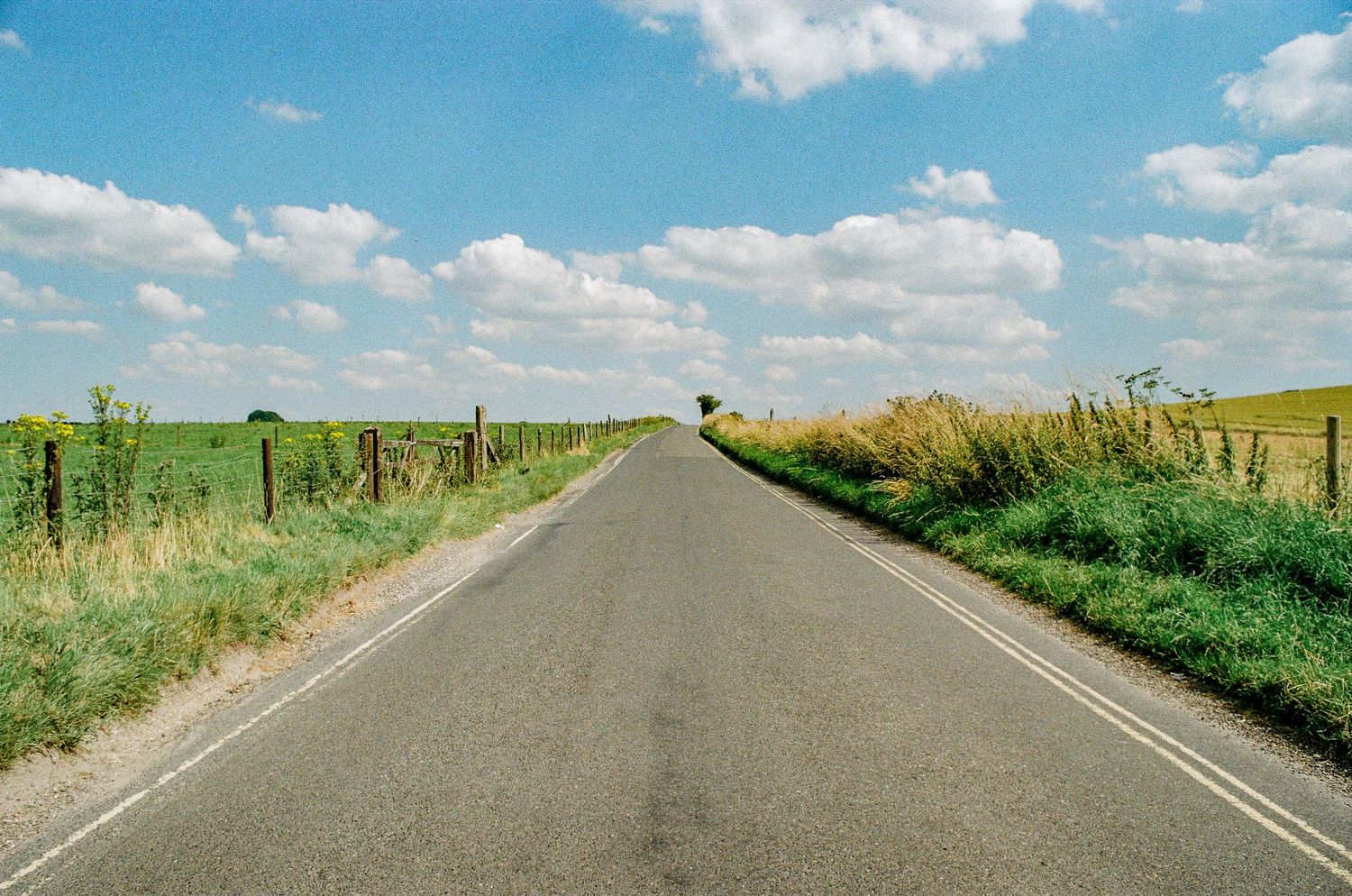
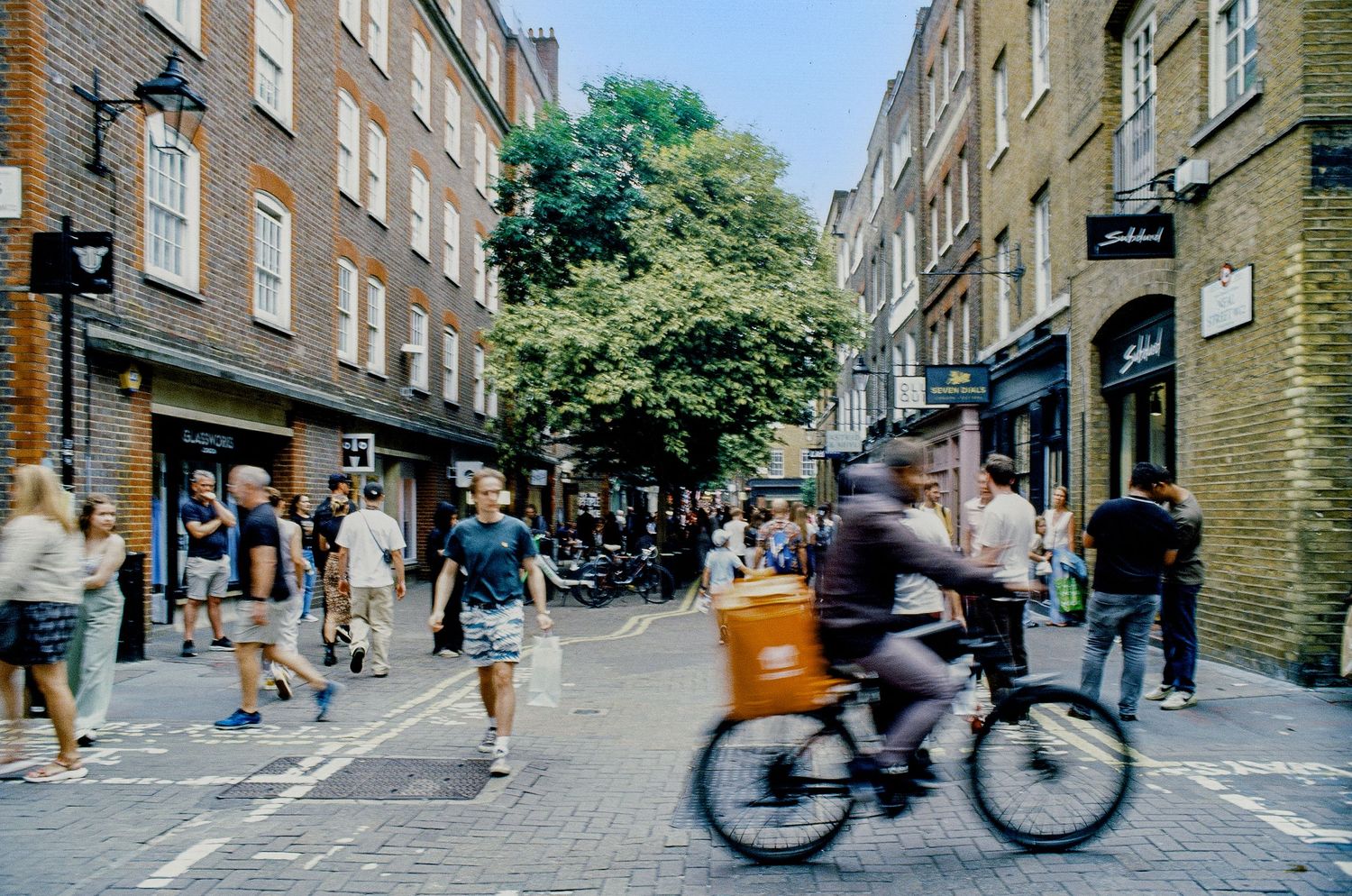
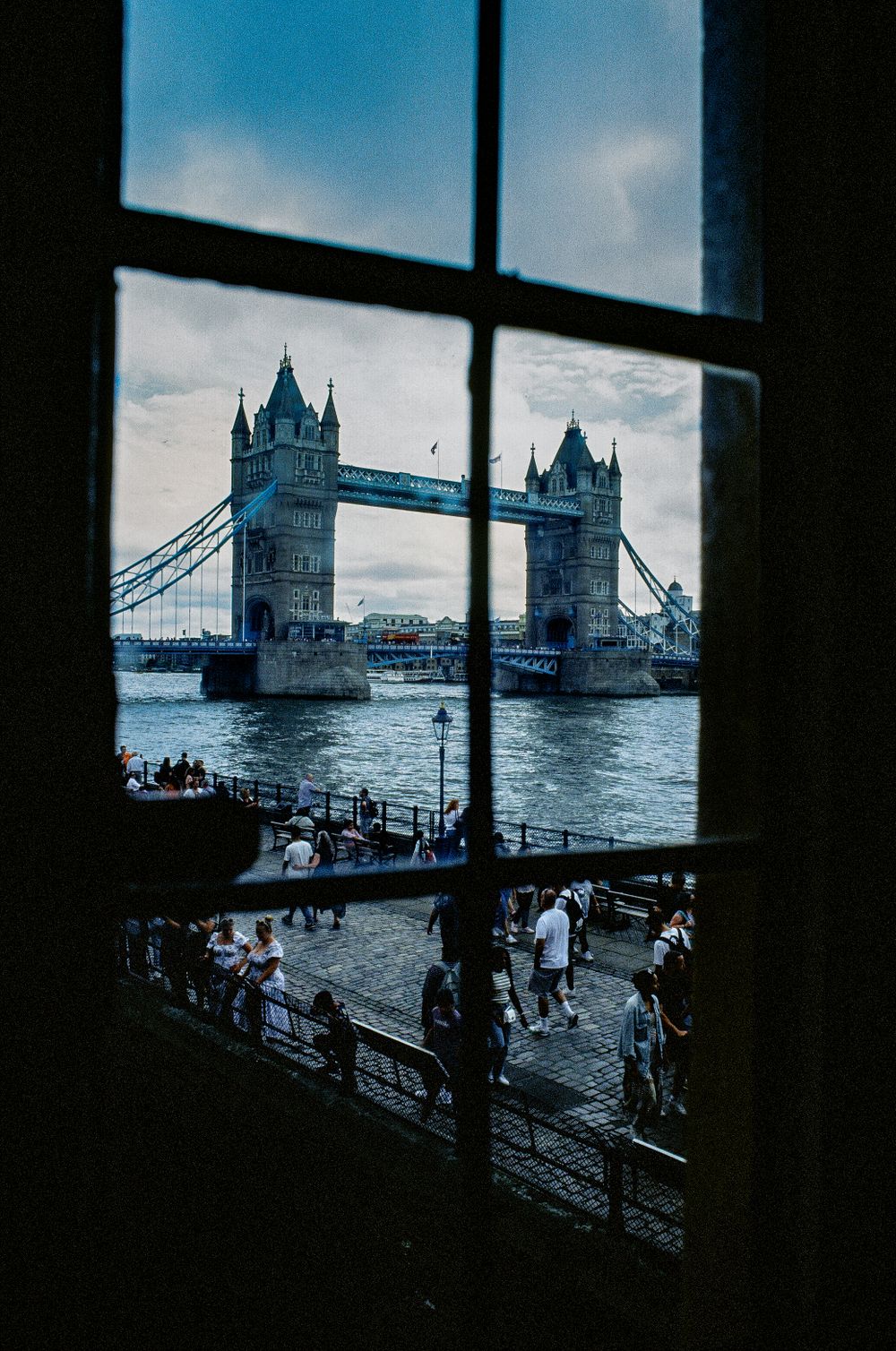
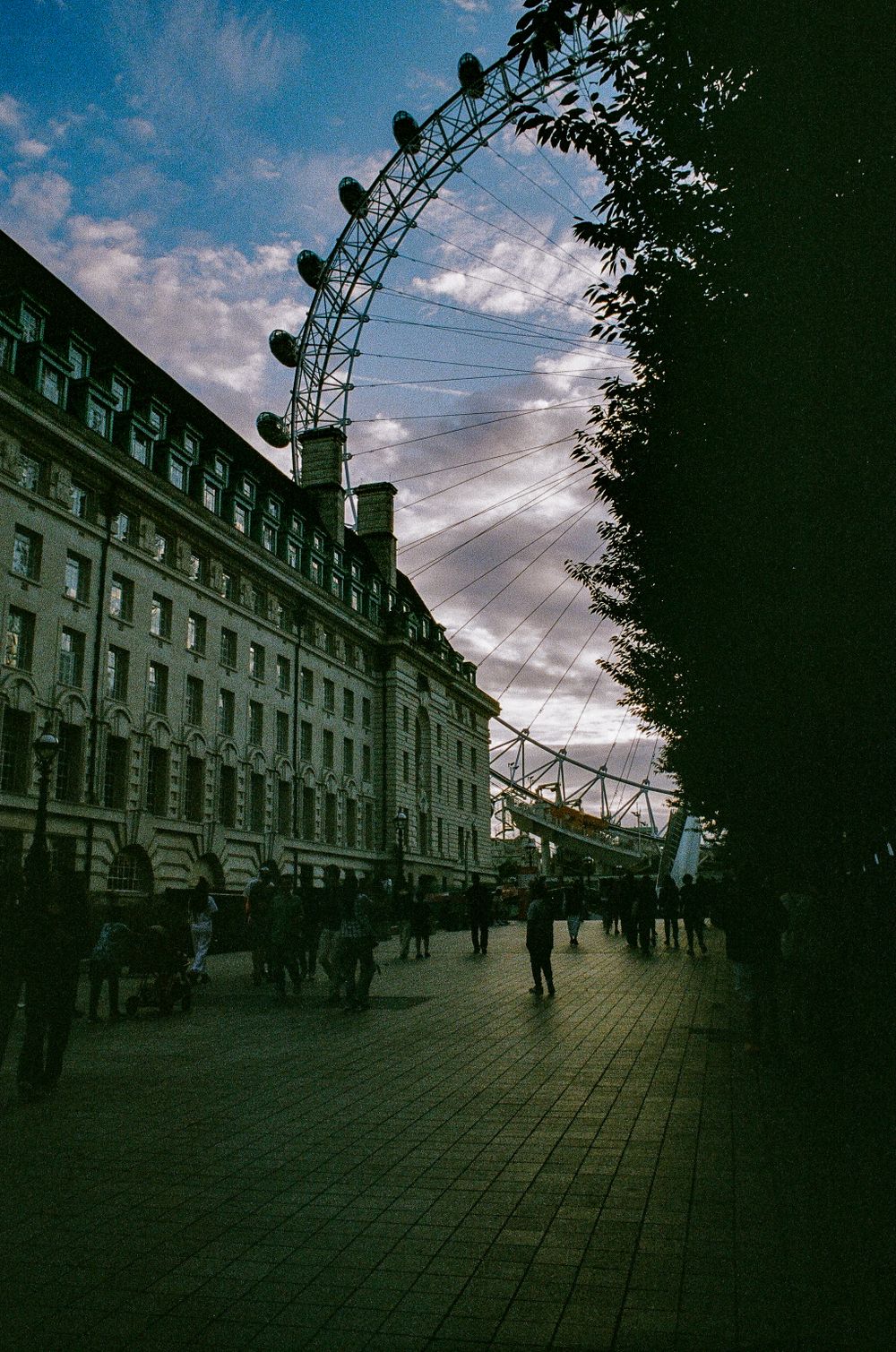
A week after that vacation I was in England. I took the two weeks I spent overseas as an opportunity to really experiment. I started using higher speed films in daytime. I took a bunch of Fuji Superia 400, expecting cloudier environs than I was used to in Florida. And while the weather was surprisingly nice, I found that the 400 speed film was much more flexible. I would definitely not forget this when I got back home!. But the best experiment was with Ektachrome, Kodak's last color reversal or slide film. I was very nervous as I chose to test this out in London. But I found that it was not only easier to meter for this film than I originally thought (it being notoriously finicky in high contrast situations), but I LOVED the colors. The results were my favorite from the trip. The photo of Big Ben and the street scene in Soho with the cyclist were both made with Ektachrome. I would definitely be using this some more once I got back.
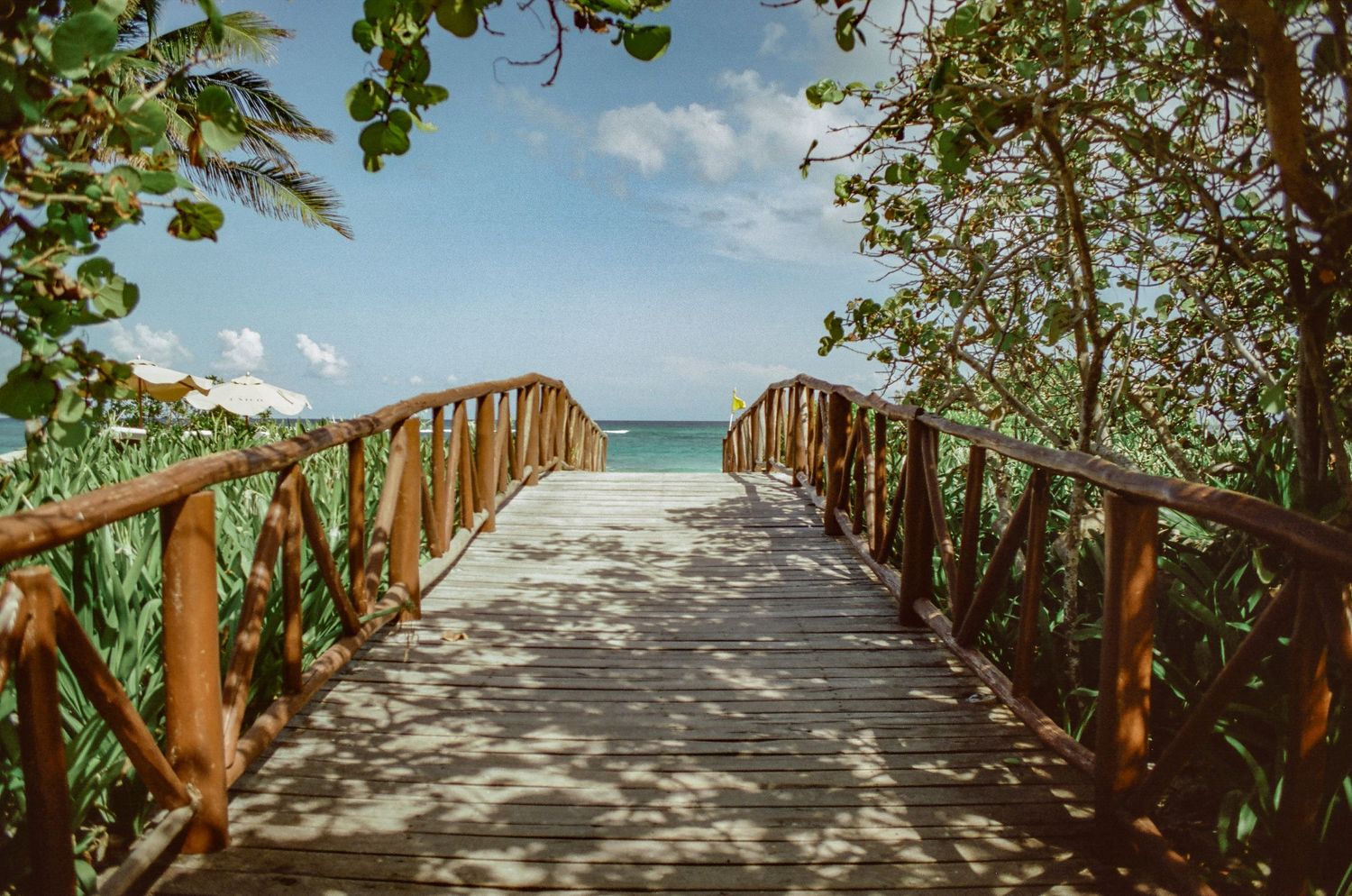
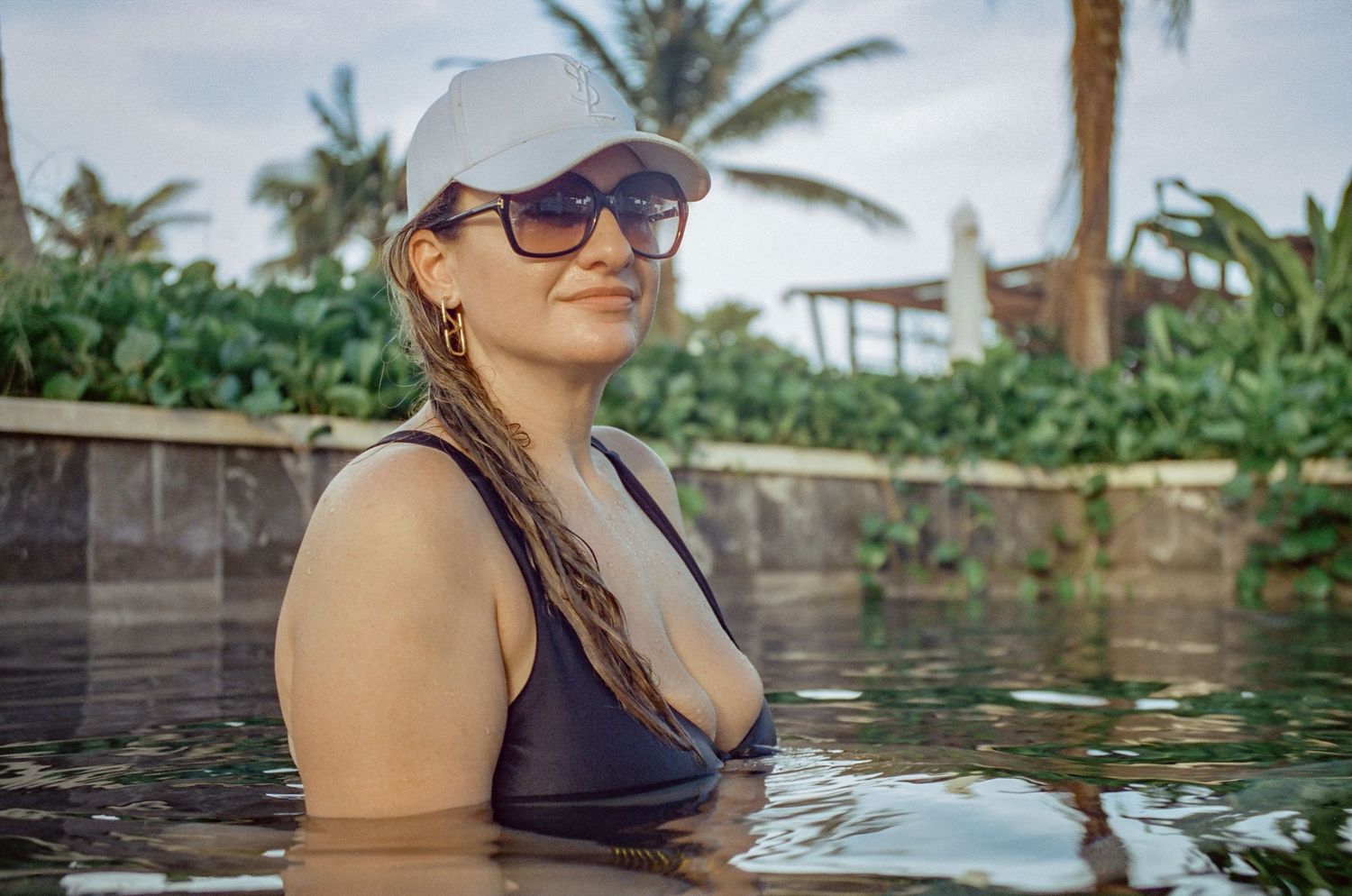
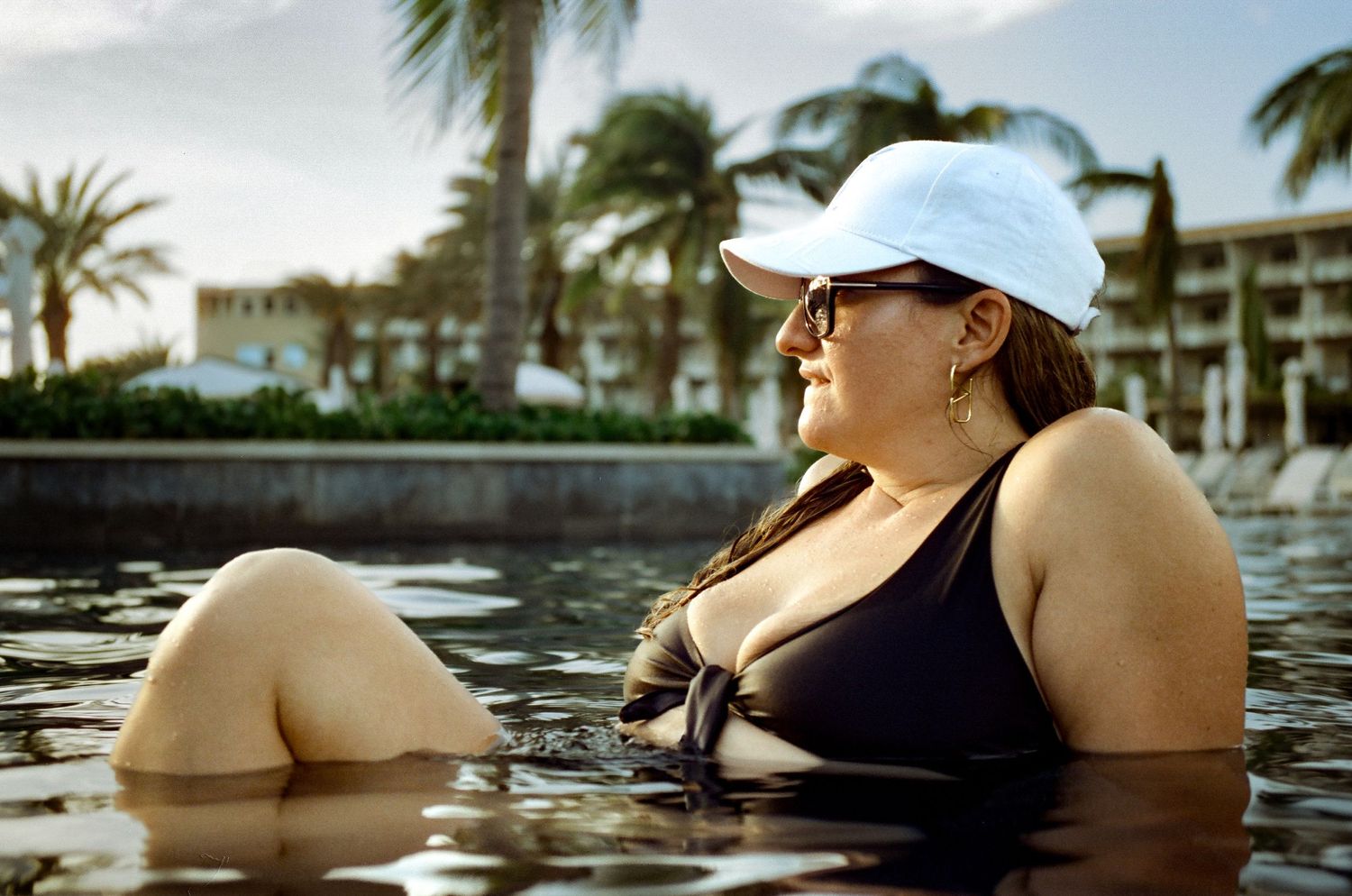
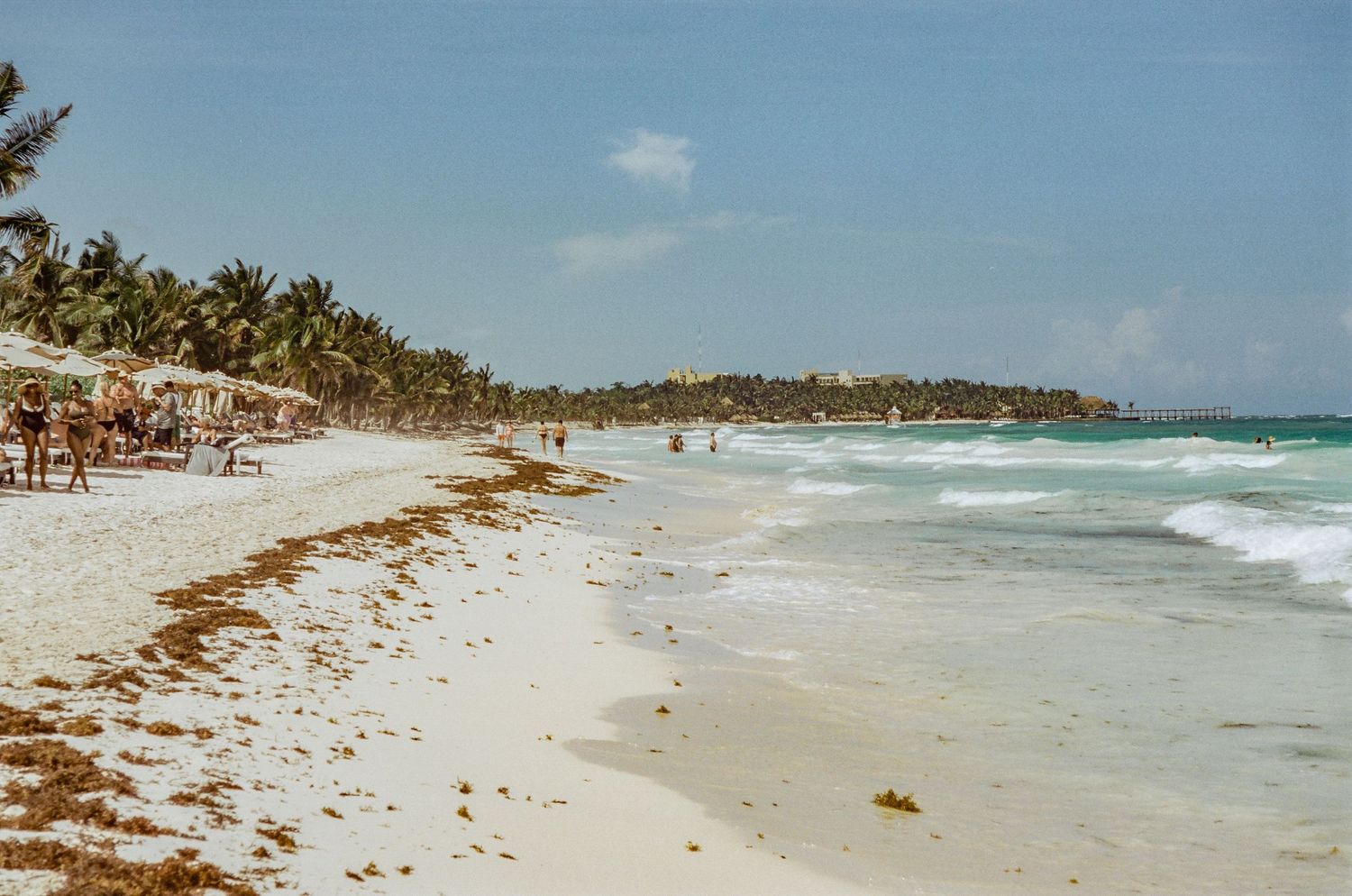
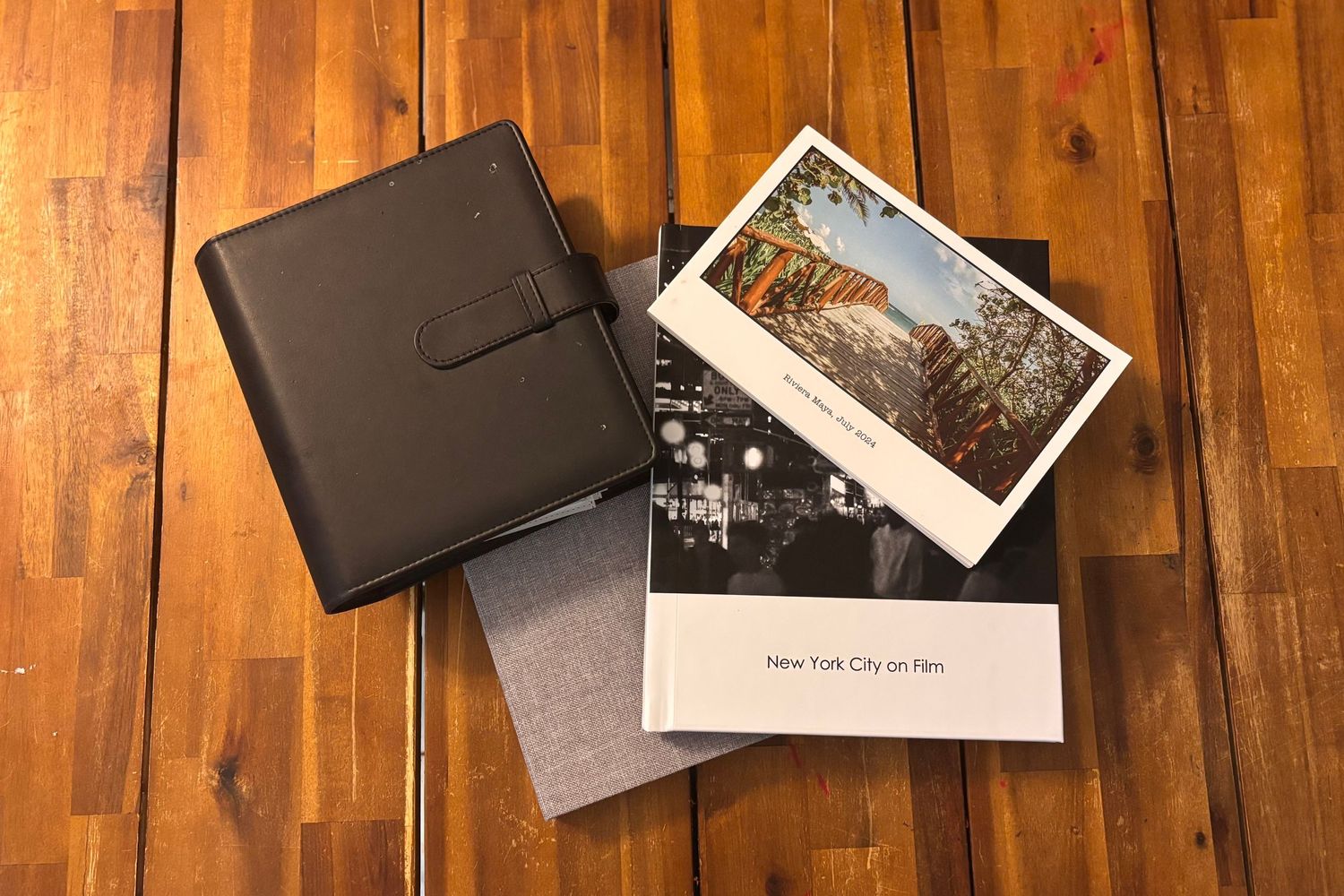
Two days after I was back from England, Steph and I took off for Mexico. We spent about a week in Riviera Maya lounging about, drinking margaritas, and reconnecting. The laid-back environment made it really easy to make photos. After so much thinking about what I should or shouldn't be doing in England, I wanted to do as little thinking as possible. I took my Leica Q for digital photos and my R4s with one lens, the 28-70 zoom (so it was kind of like having a 28, 35, 50, and 70). But I found that I set the zoom to 35mm and kind of just lived there. And the digital camera? It stayed in the hotel room just about the entire time. This was really the start of me giving more importance to film than digital. I was still 50/50 in England. But I could feel the change coming. I was preferring the film experience and was ready to commit. And once I got the scans back from the lab? Well, you can imagine how I felt. I had made the right call. I had never felt this way about photos made with my Q, nor my SL with the film era lenses. This was something else. I was ready to put a ring on it.
Falling into Film - September, October, November
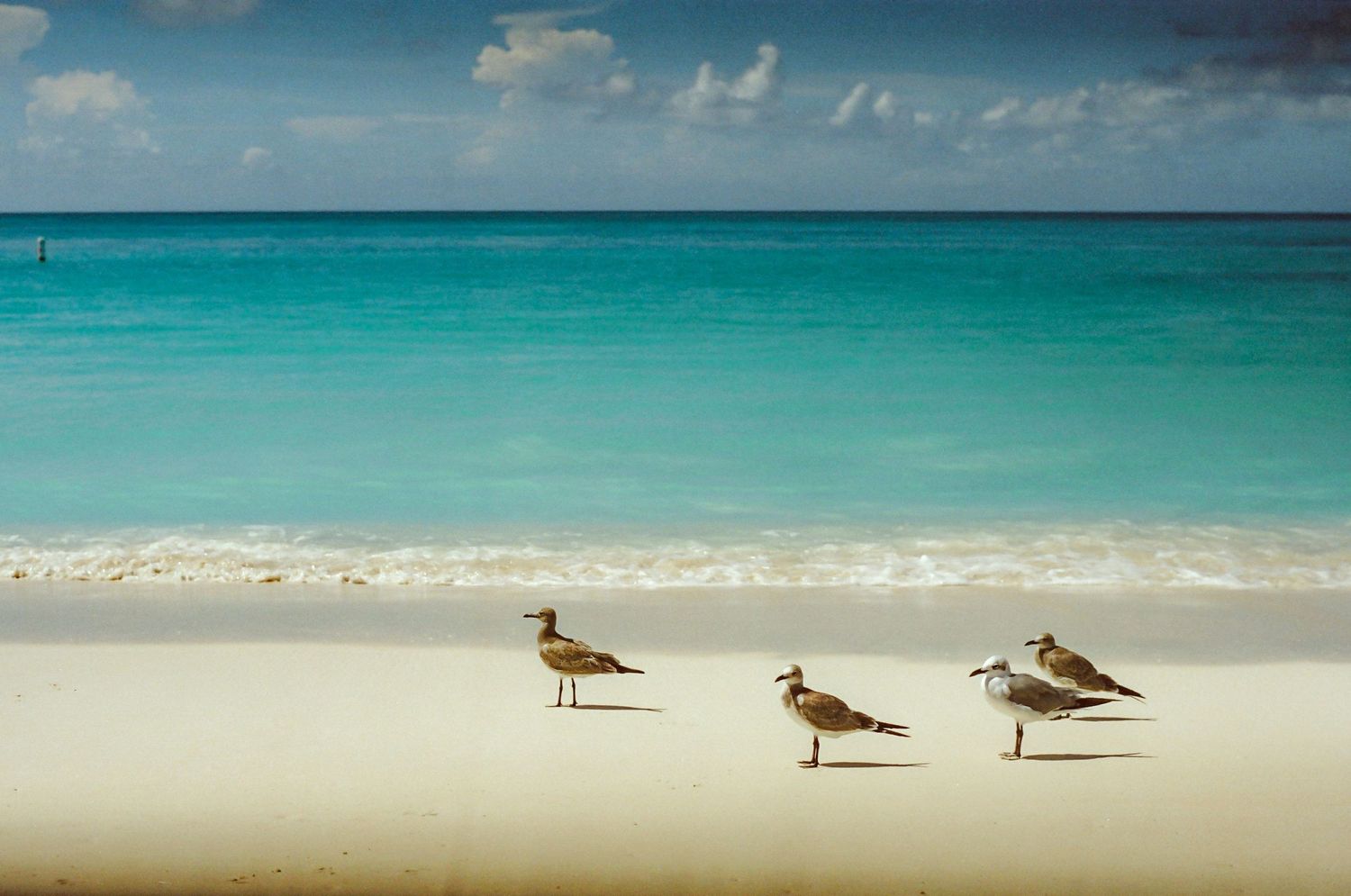
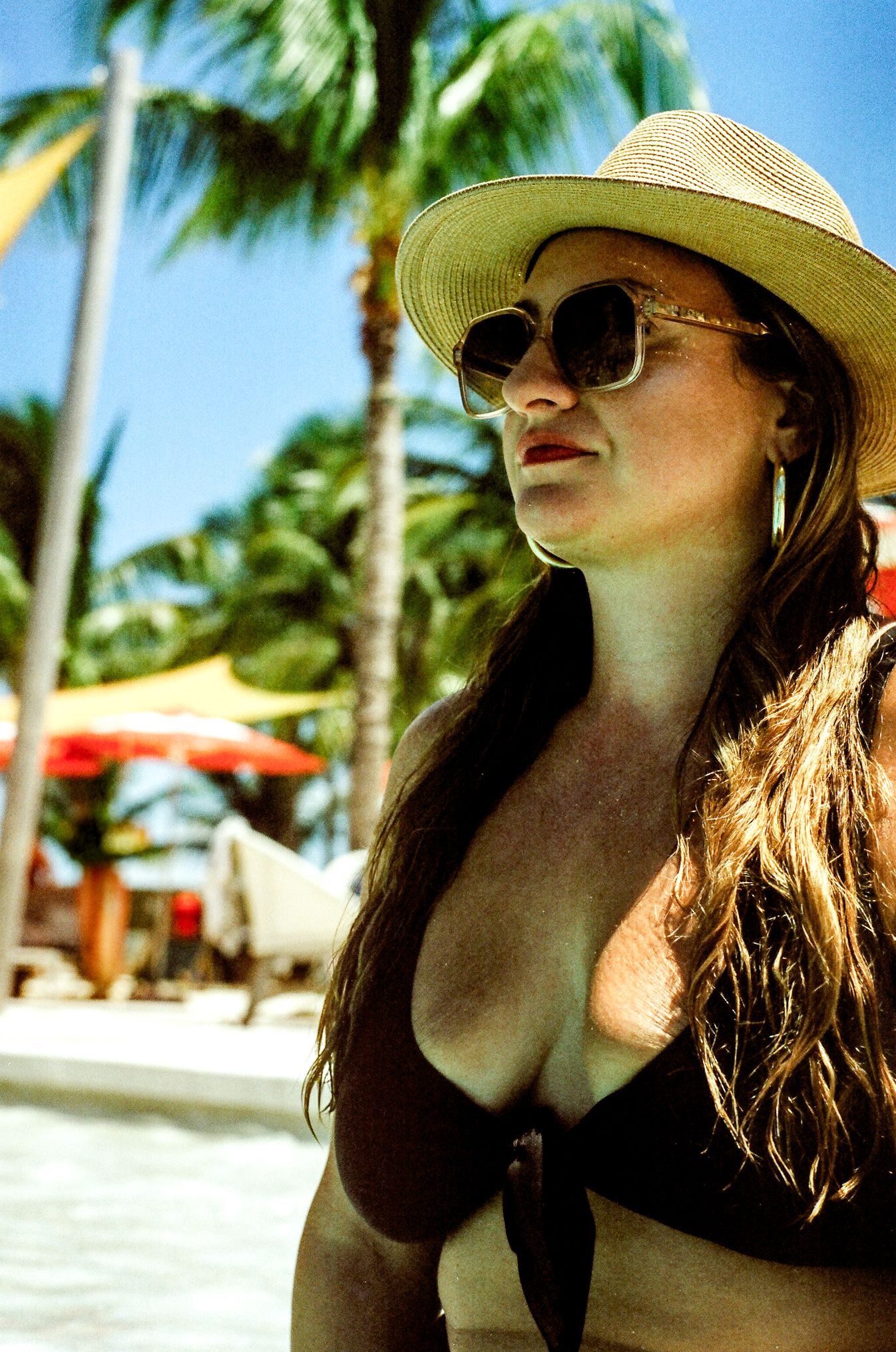
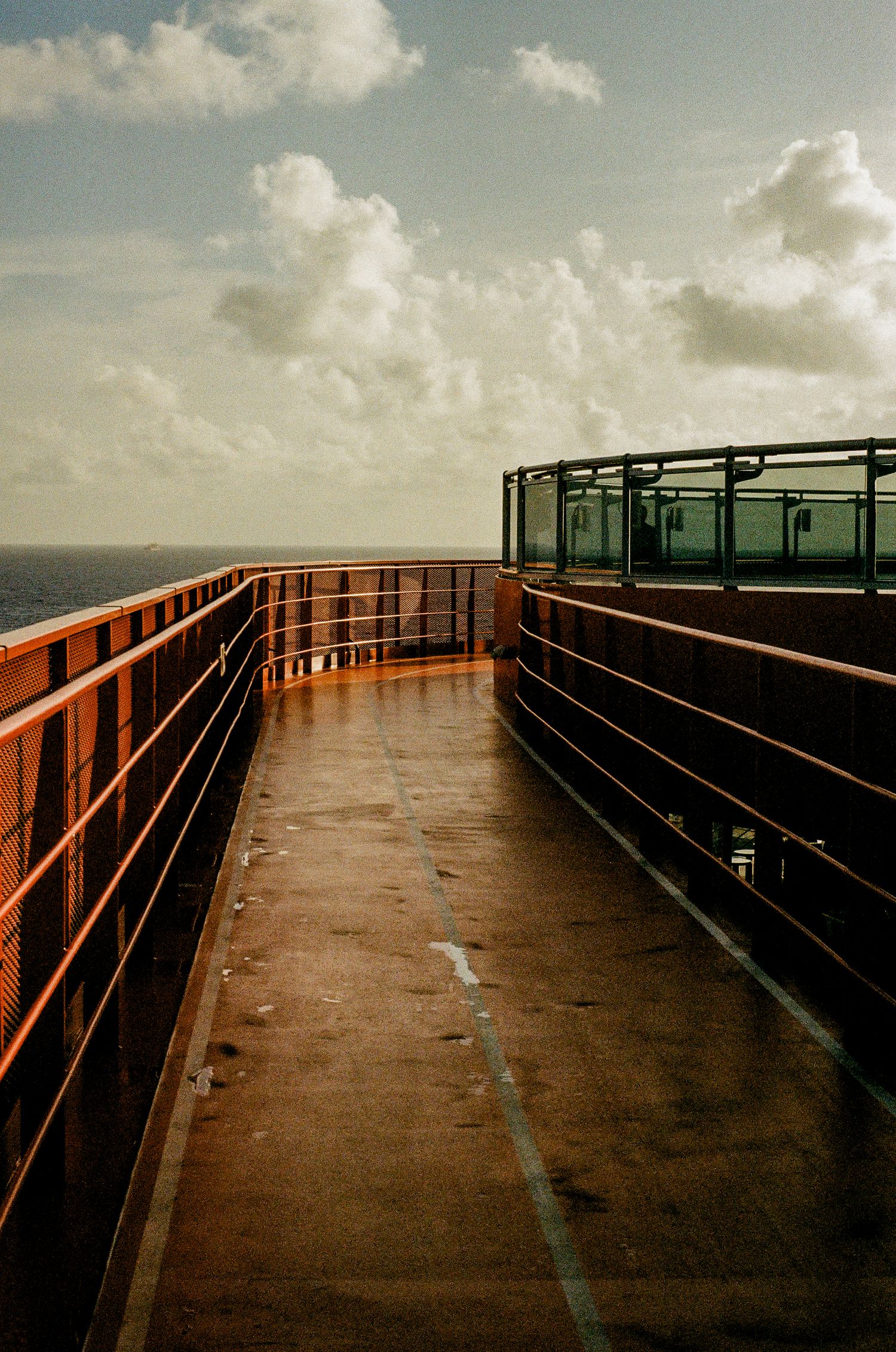
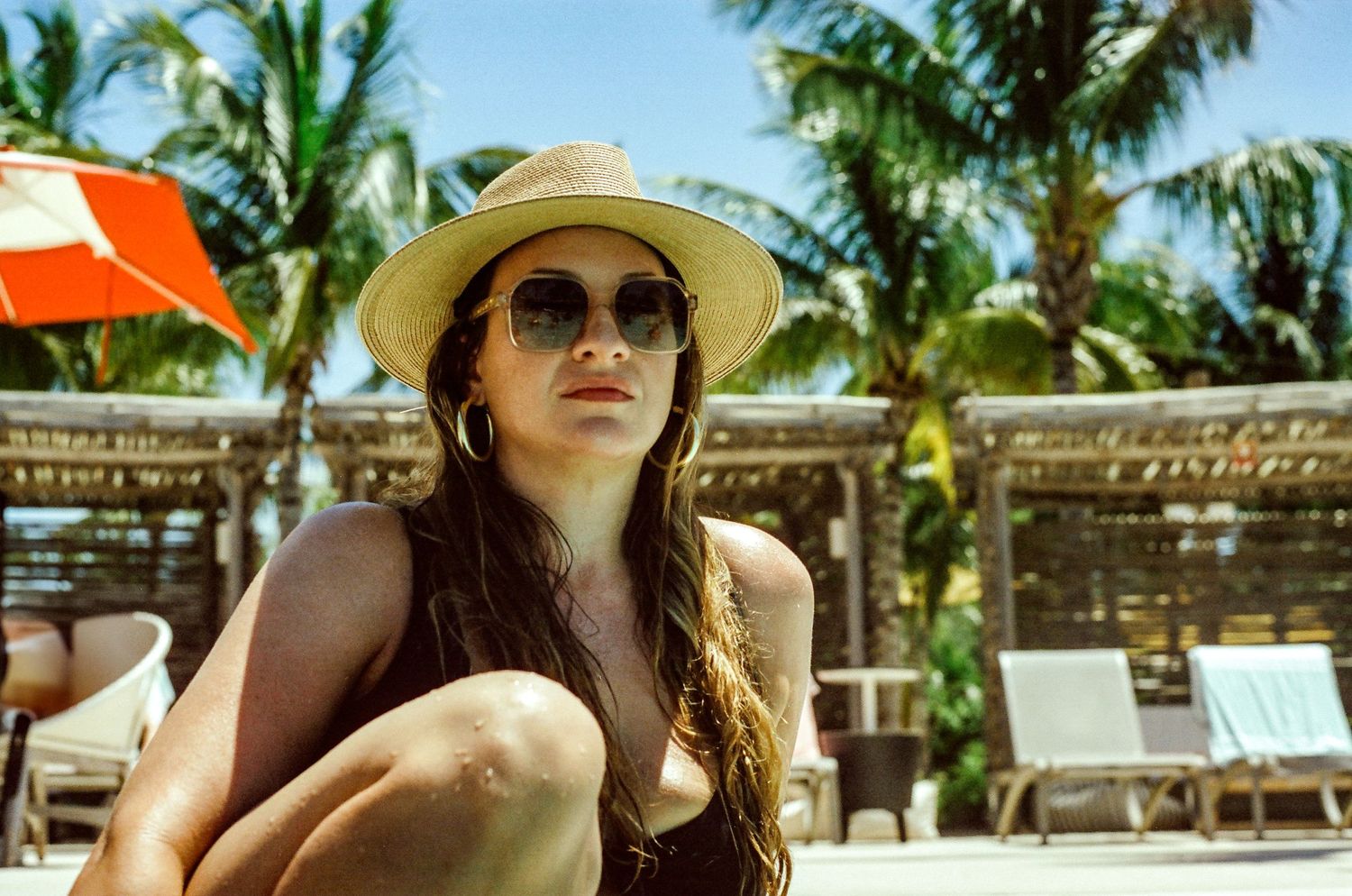
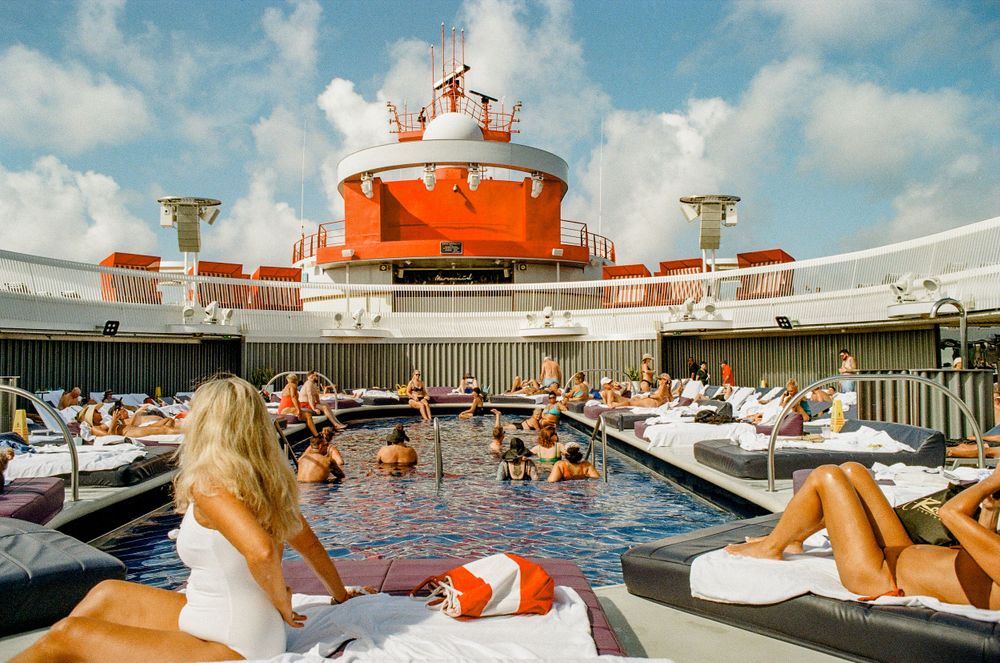
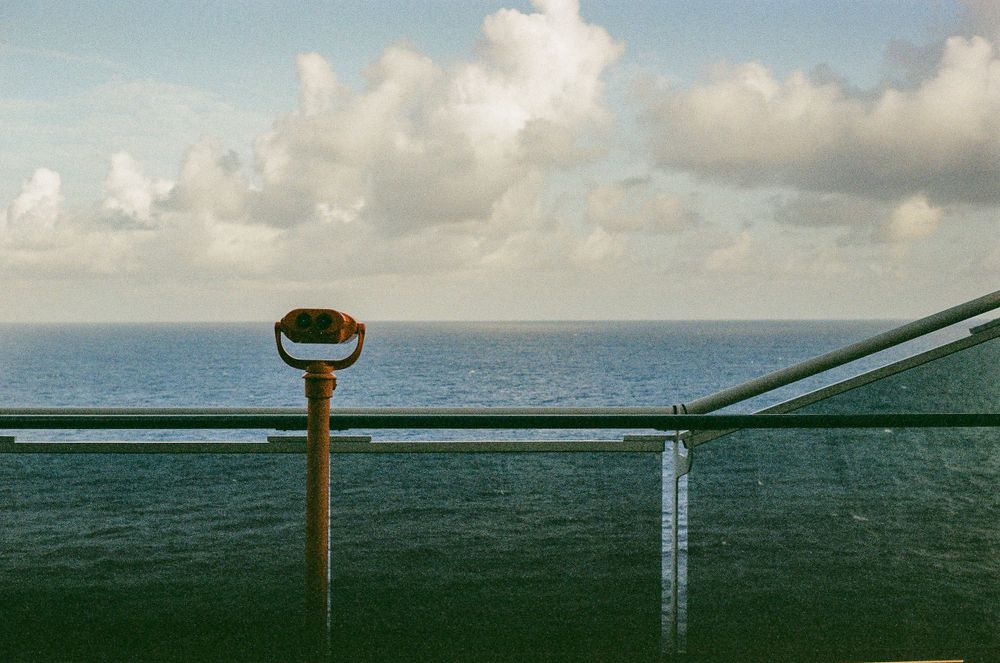
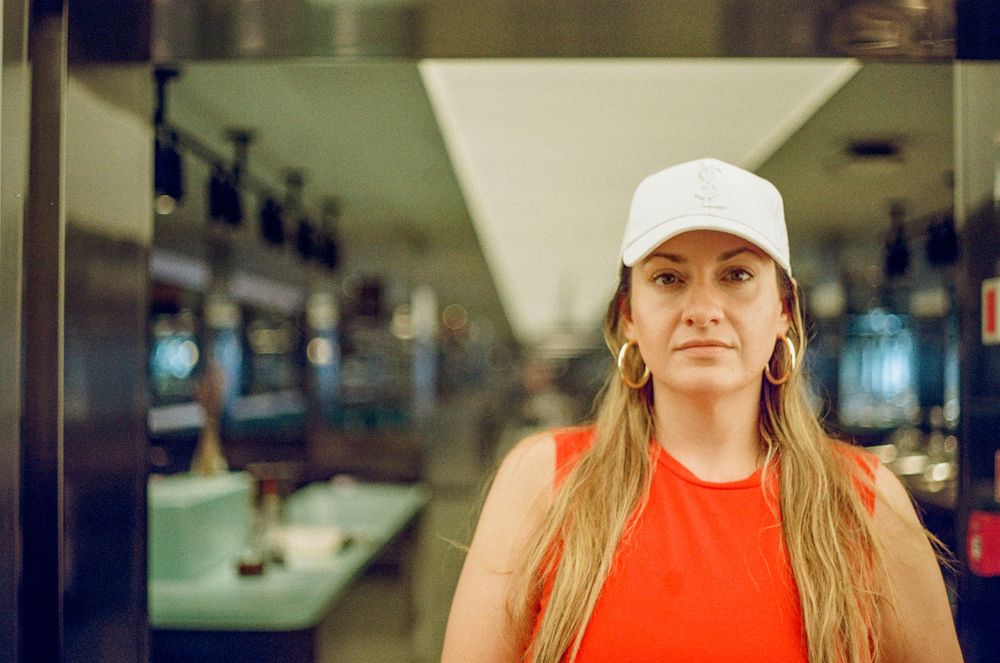
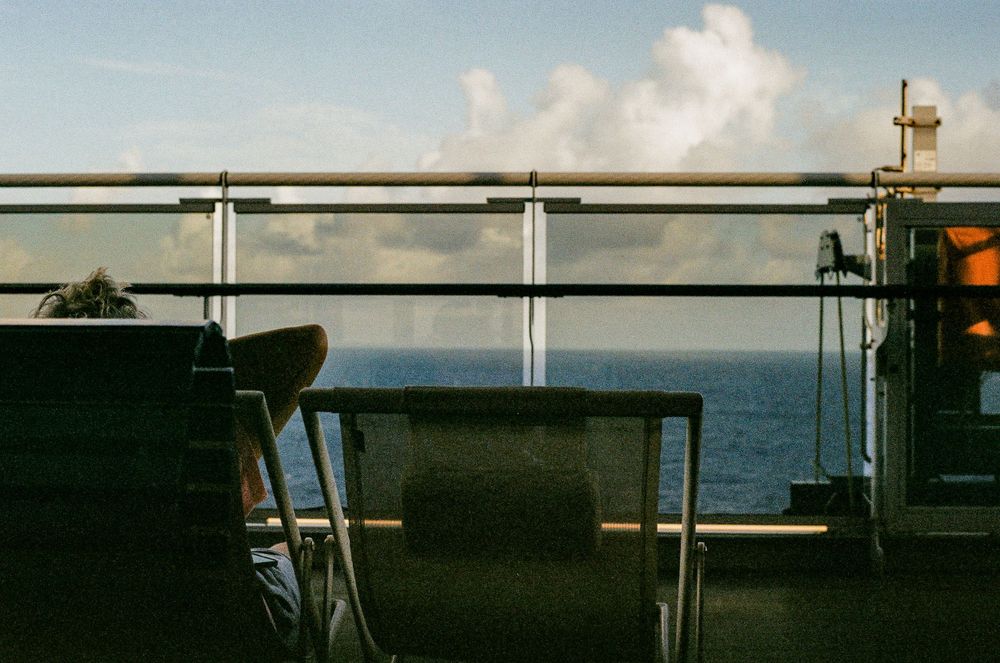
In September, Steph and I celebrated our 15th wedding anniversary with a cruise on the Virgin Valiant Lady. I was doing a few things that I wasn't used to here. I took more than one roll of film for every day and while there decided that I wanted to use my 50mm for just about everything. This was brought about because it was the fastest lens I had and allowed me to keep shooting well into the night. But I really liked the feel of it. And what's more, I was finding that it helped me enjoy minimalist compositions and still life. I used my SL each evening after the sun fell, but only for those situations. And I found that I disliked having to do that. I made a decision after seeing these scans. I would buy a second Leica R body and use one for daytime speed films (which in my mind was anything up to ISO 400) and use the other for nighttime speed films (anything higher than that). And I would finally learn how to push film so I could make the most of CineStill 800T.
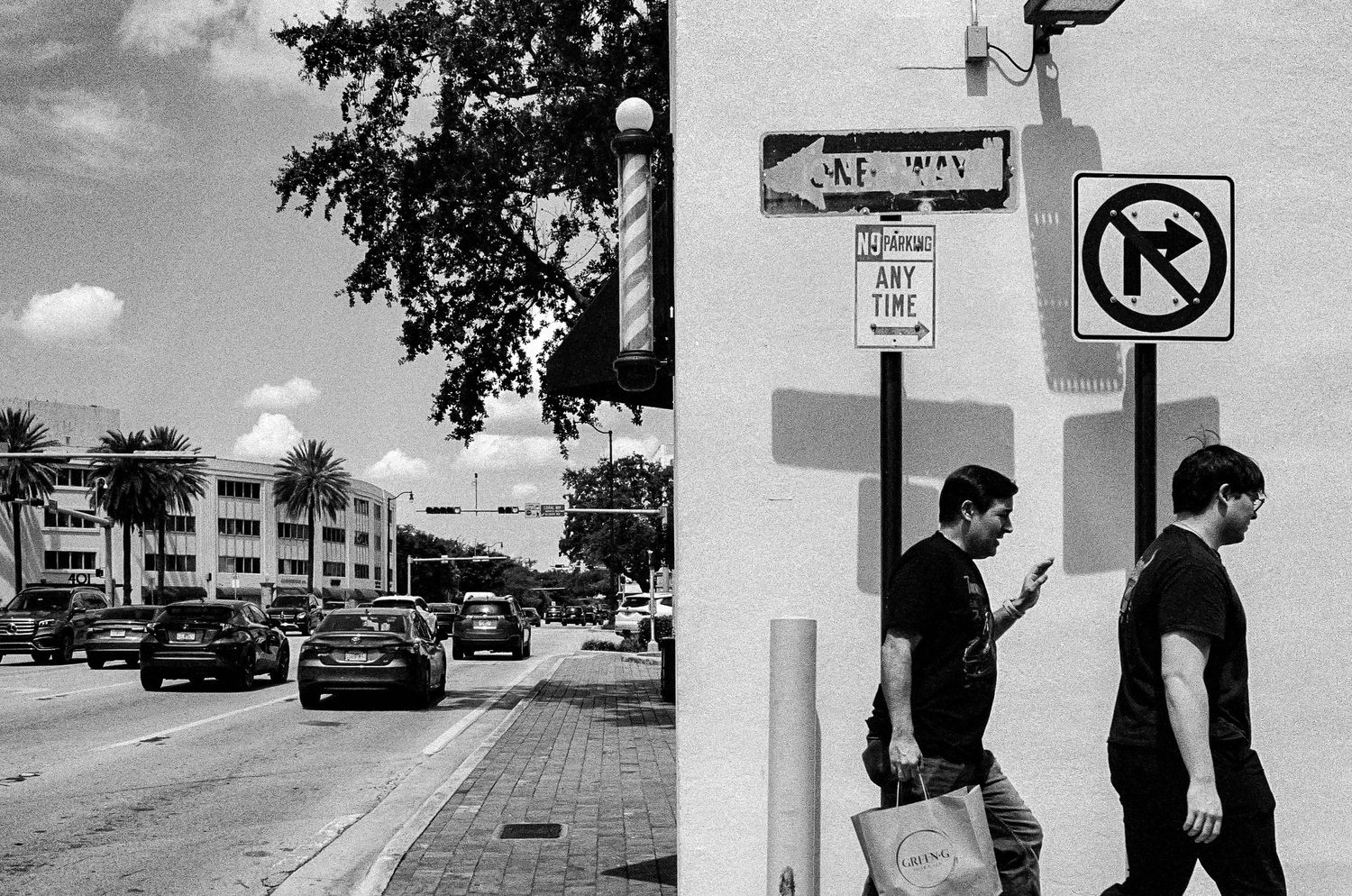
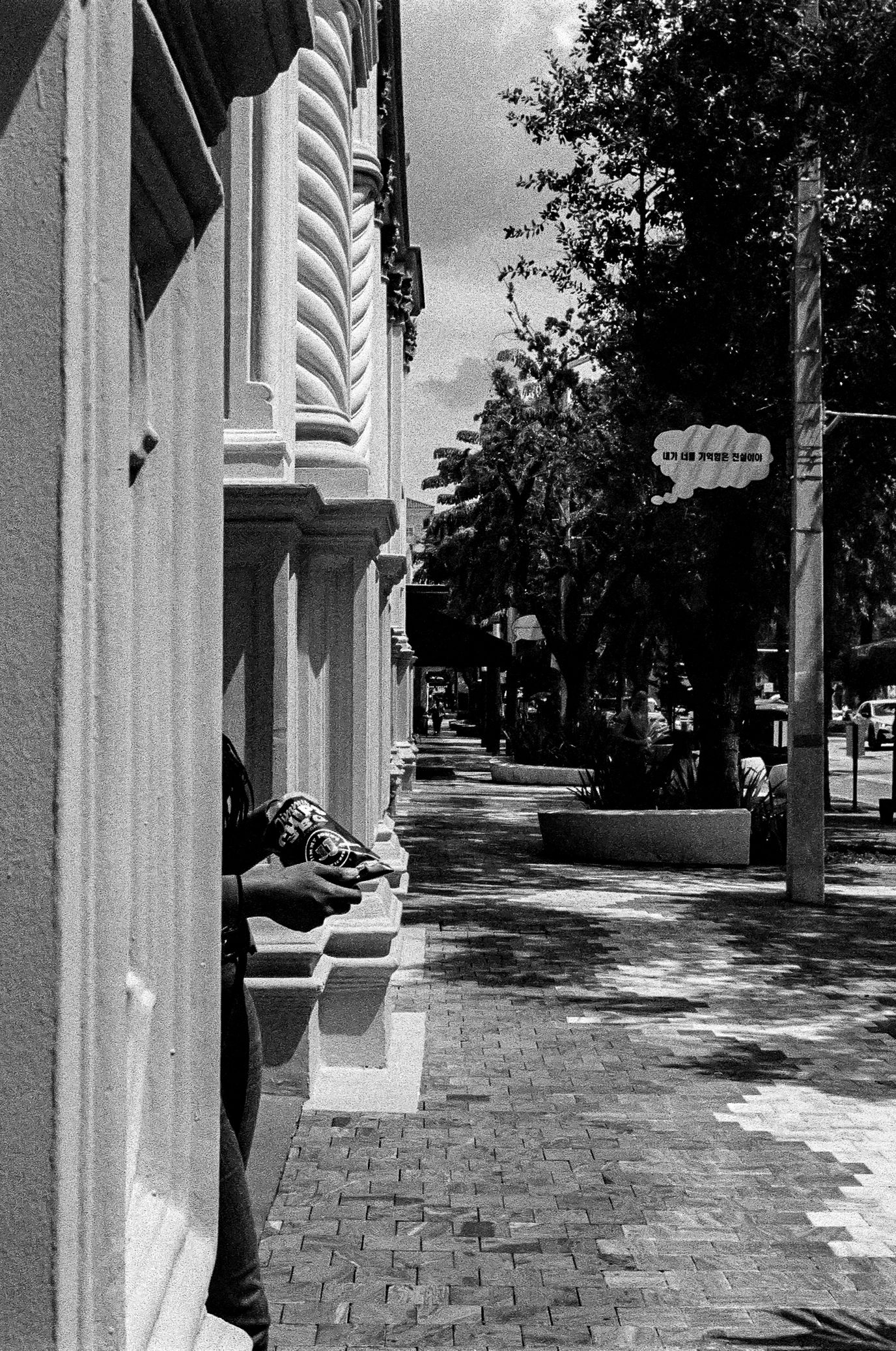
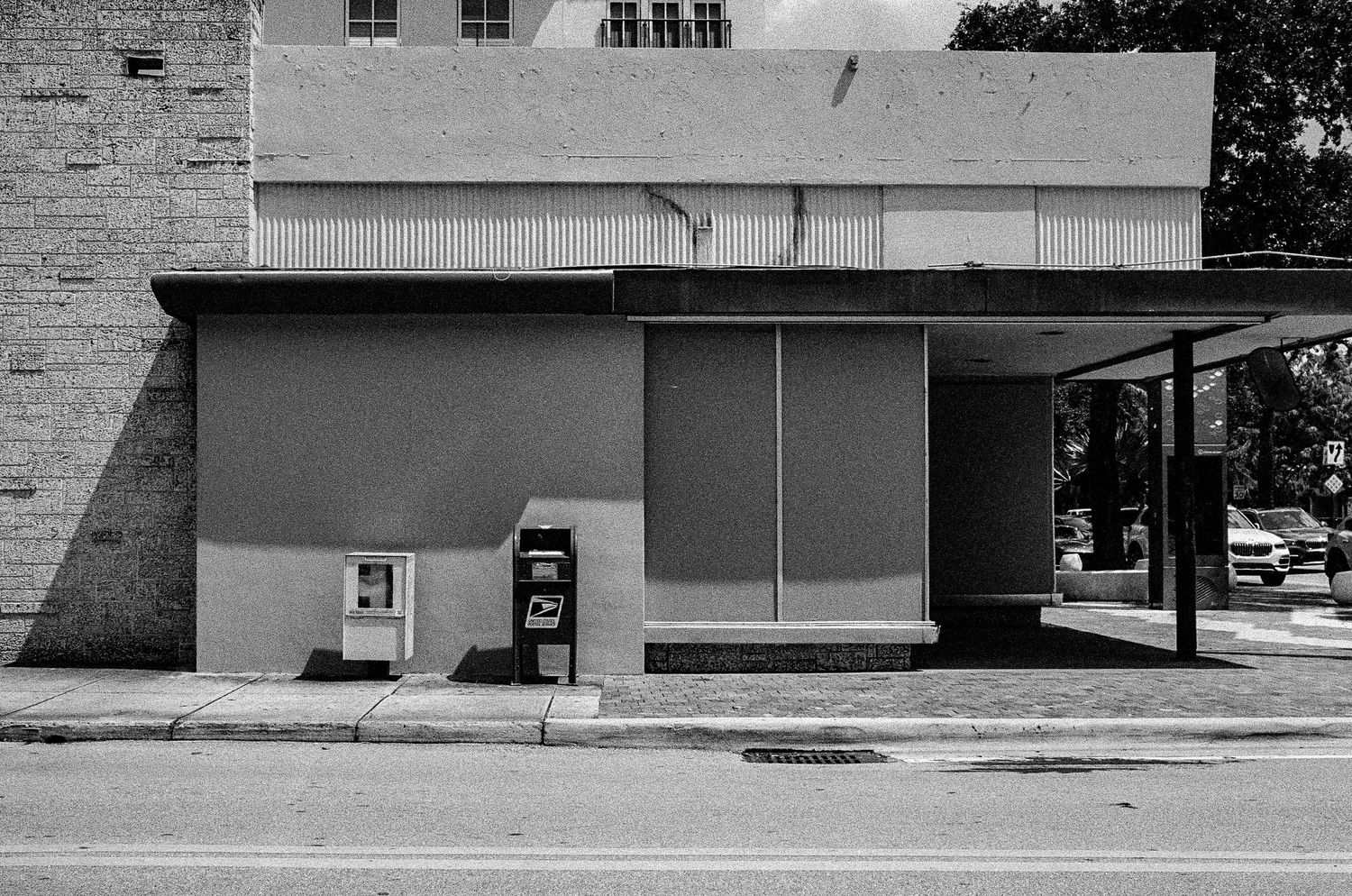
I initially thought to stay in the 1980s Leica R series, with something like the R6, but after some research decided that going older, to the 1960's was the right call. I picked up a Leicaflex SL and this was an important decision. It had a working light meter, but due to the meter requiring mercury batteries that are no longer available, I decided not to use adapters and instead shoot without a meter. Going back to my roots and using the Sunny 16 rule was liberating. And when I got my scans back from a test roll of Tri-X I put through the camera, I was in love. Not only that, I had found 35mm preferential for composing wide angle street shots. What the hell was going on with me?!
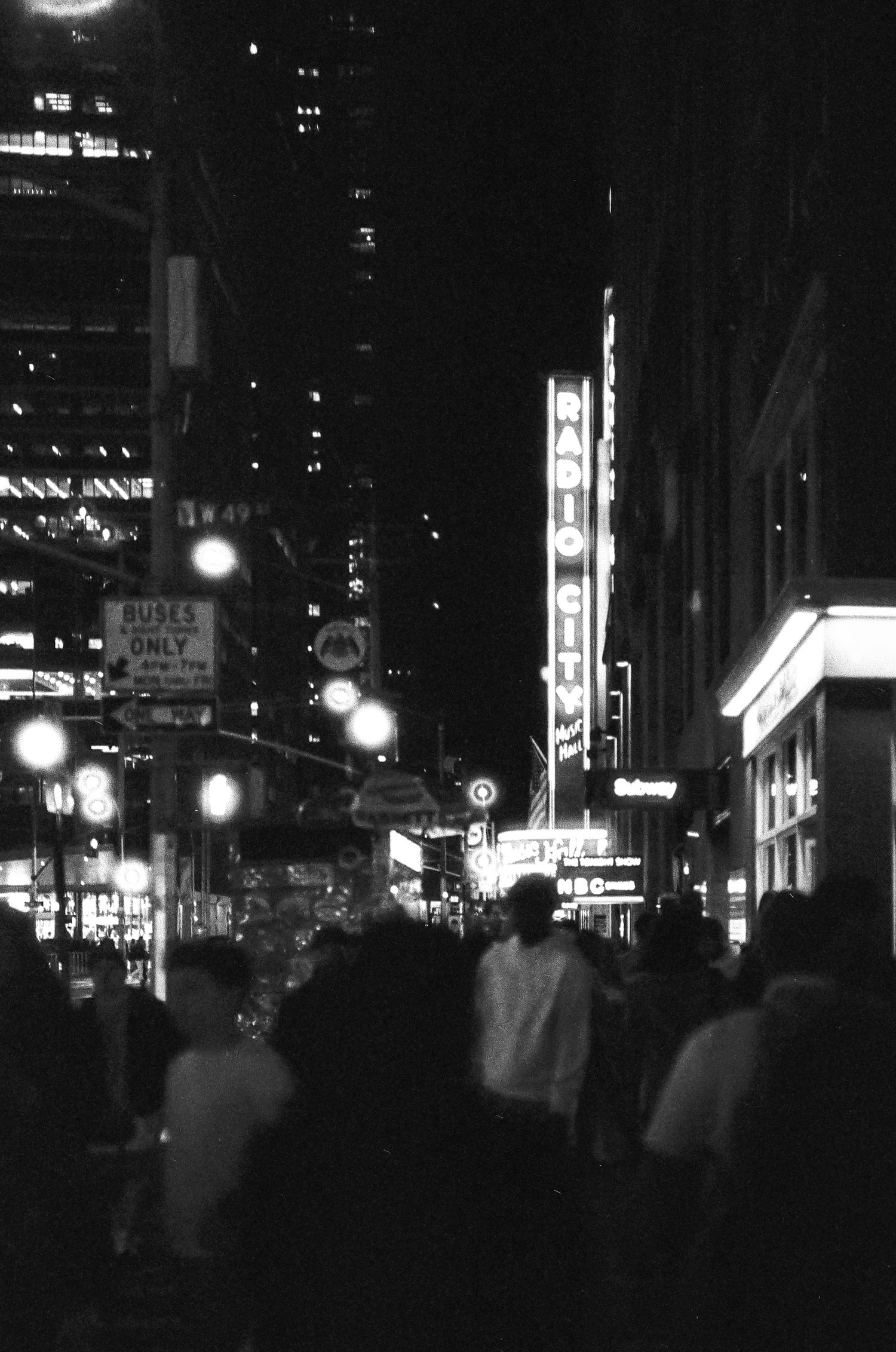
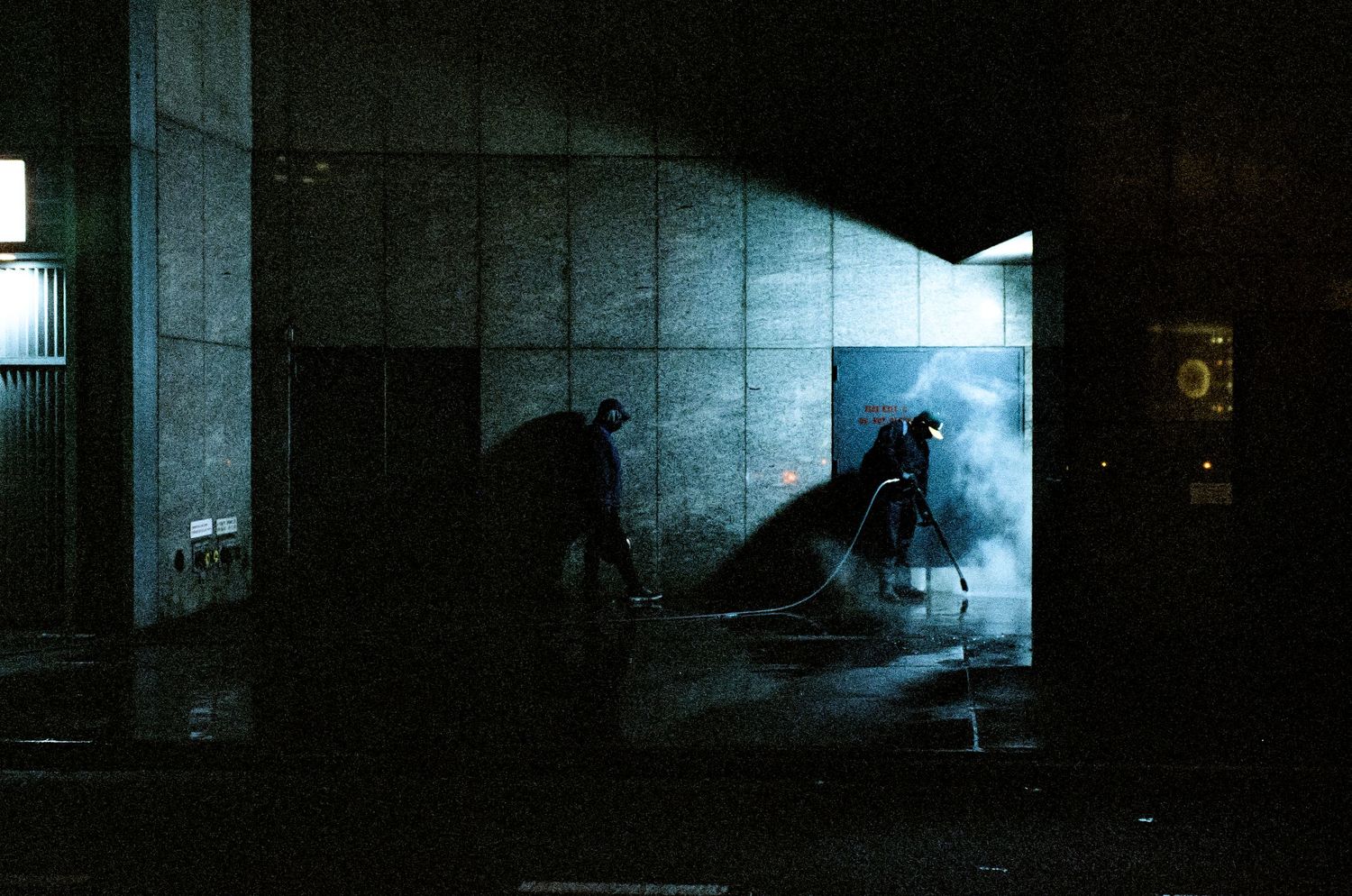
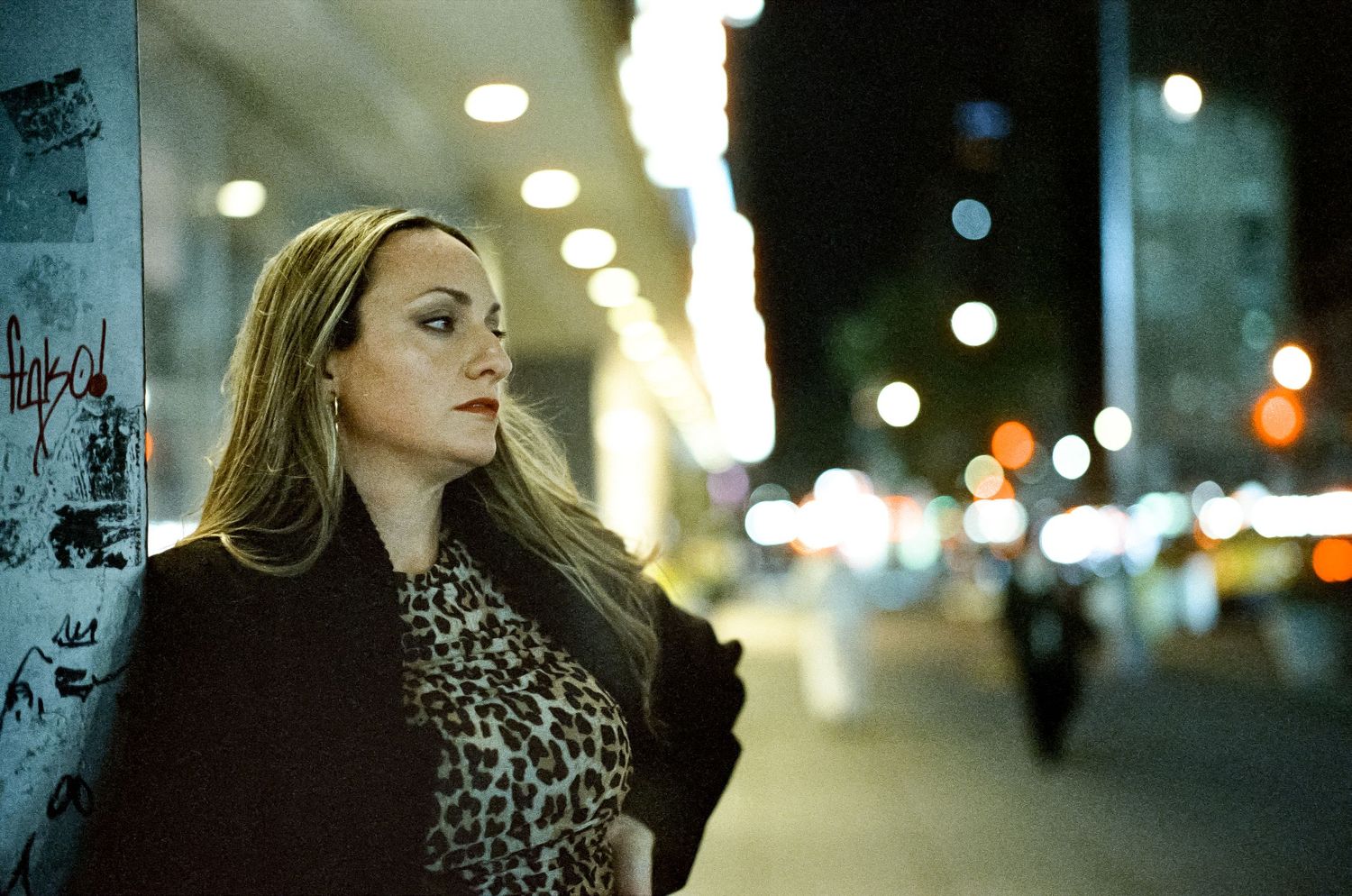
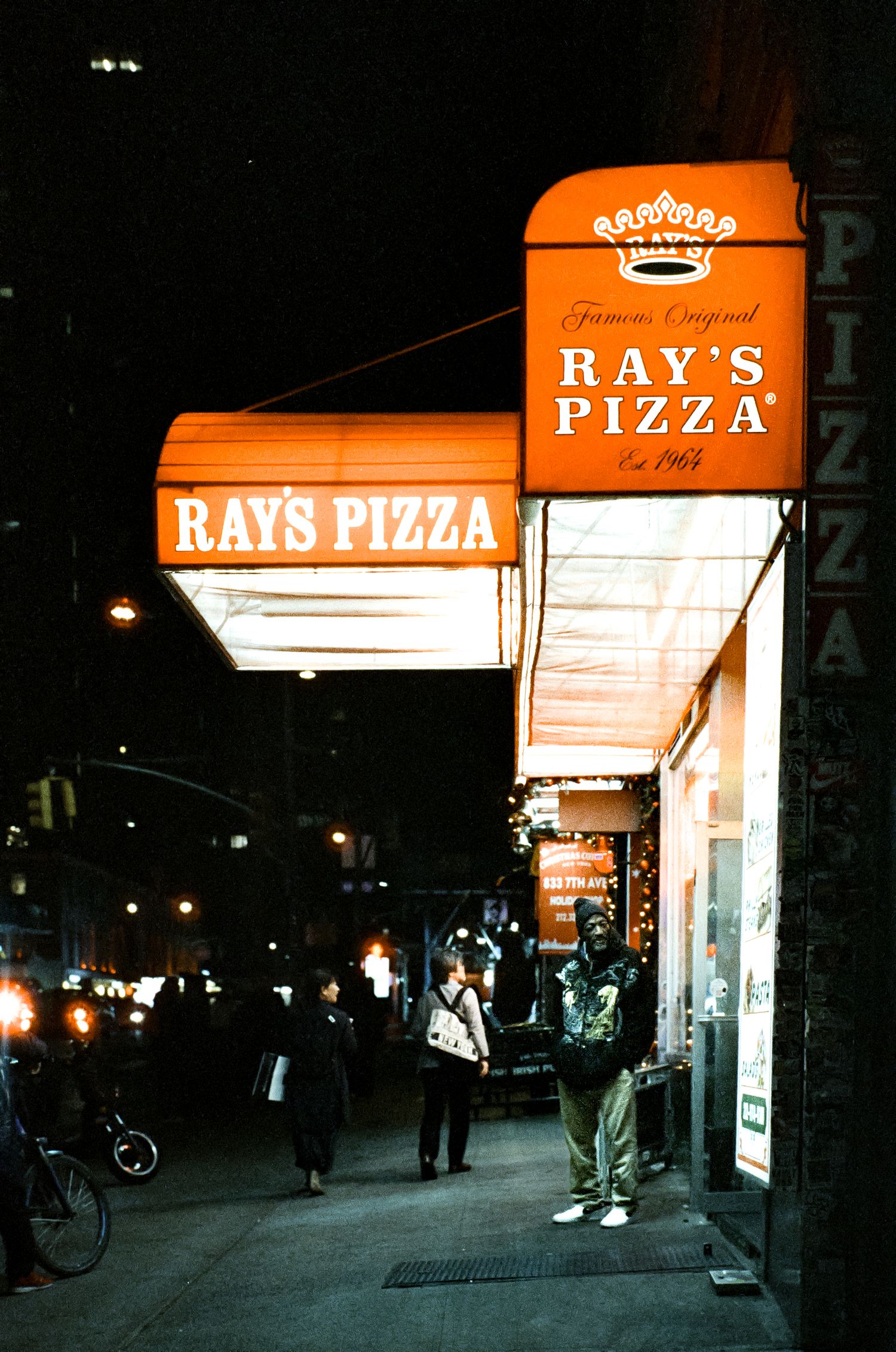
A crazy thing happened with me shortly after getting that Leicaflex SL. I stopped into Leica Store Miami to ask about an R lens and I had the Leicaflex SL with me. After a conversation with Adam about why I thought I wouldn't jive with a rangefinder, he brought out an M camera for me to try and I was floored. I immediately set about selling old comic books and collectibles and bought myself an M3 and a 50mm lens. I left for New York City later that week. I put ten rolls of film through that camera in five days and left my digital camera and even my Leicaflex SL in the hotel room. I pushed film, I shot slide, and bonded with this camera in a way that I had never done before. The M3 changed the way I think about photography. It made me a better photographer. And what's more, I didn't WANT to shoot anything else. I quickly bought a Leica Summitar 50mm lens for it and have not looked back.
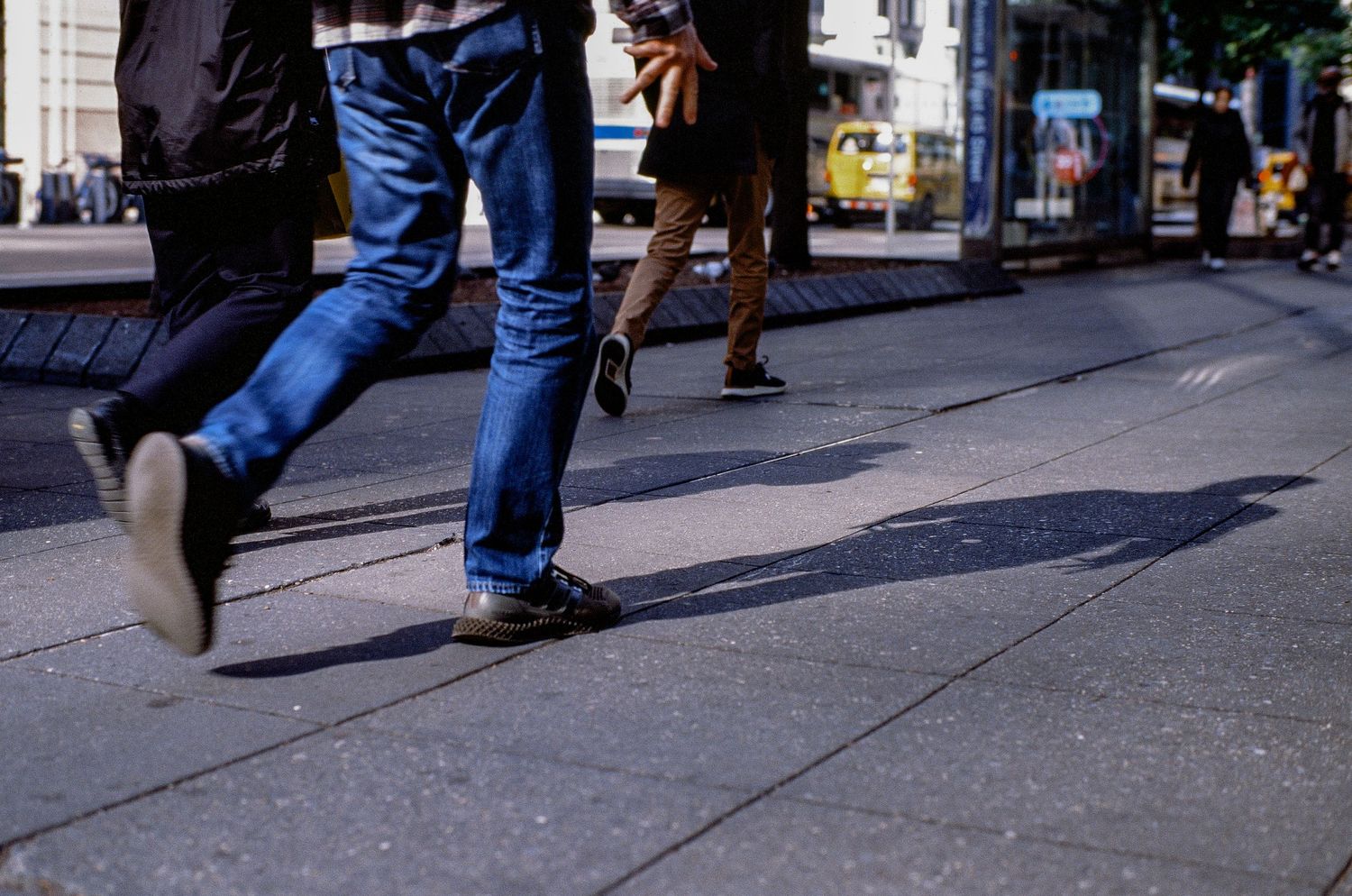
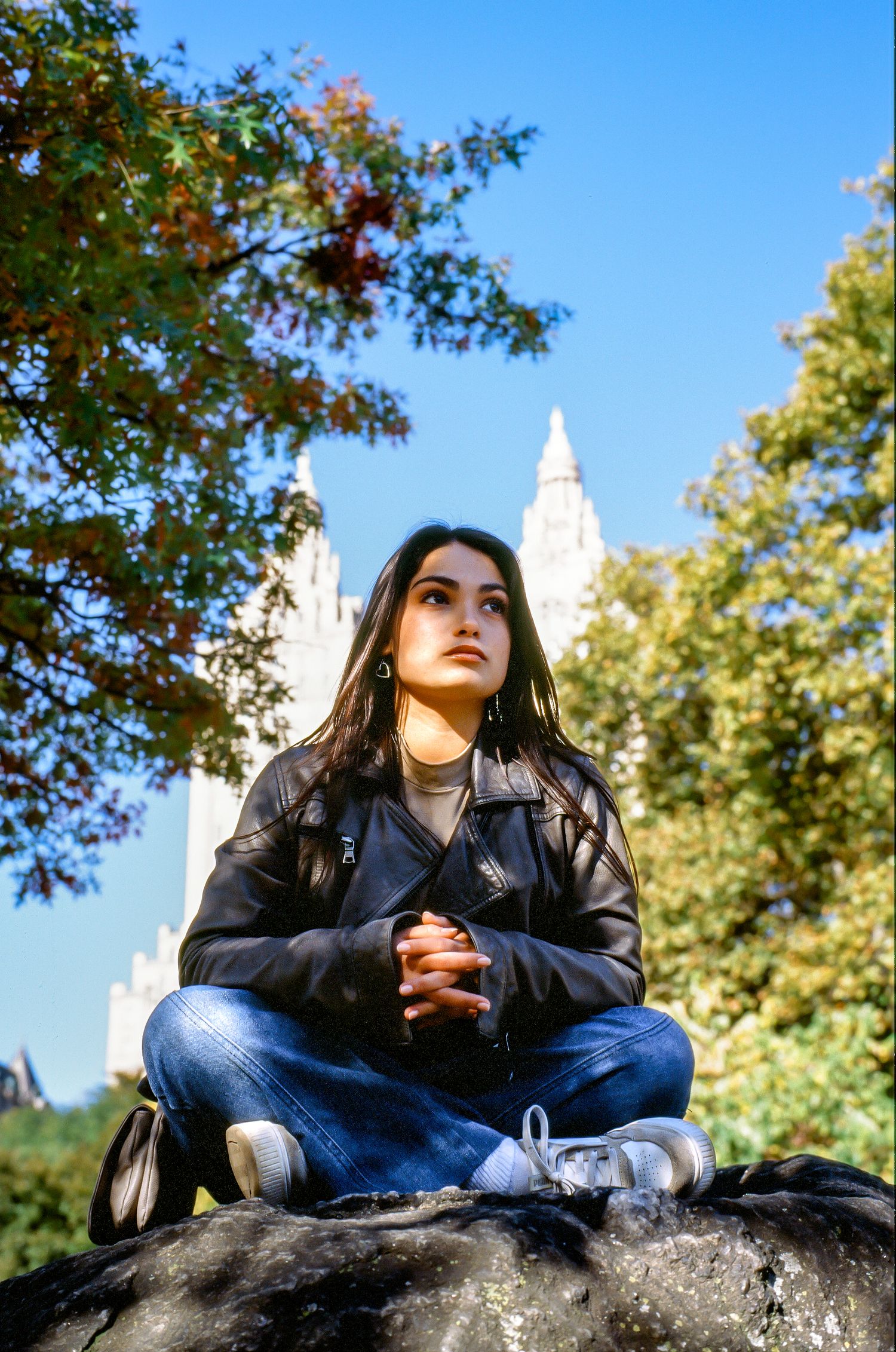
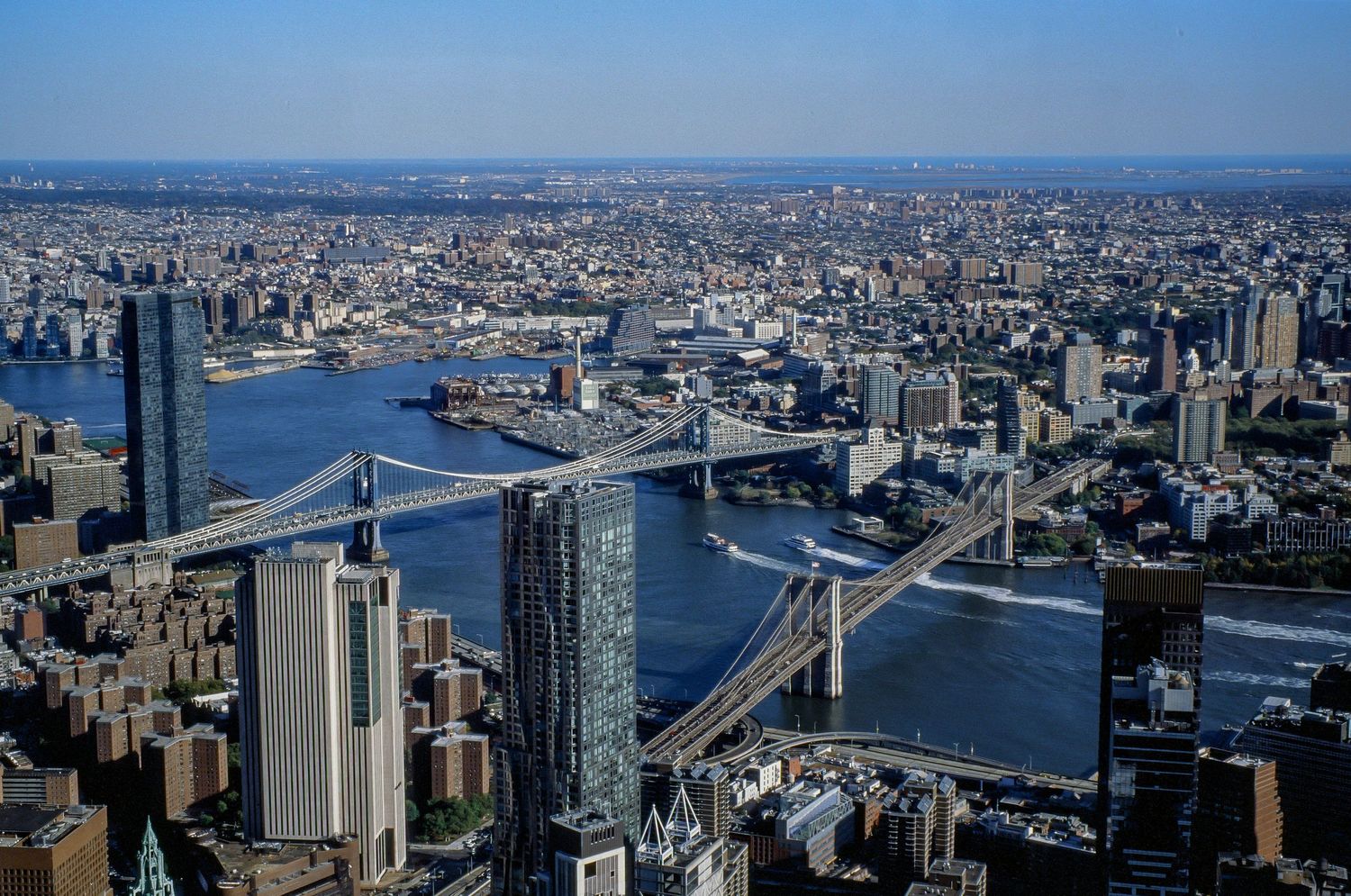
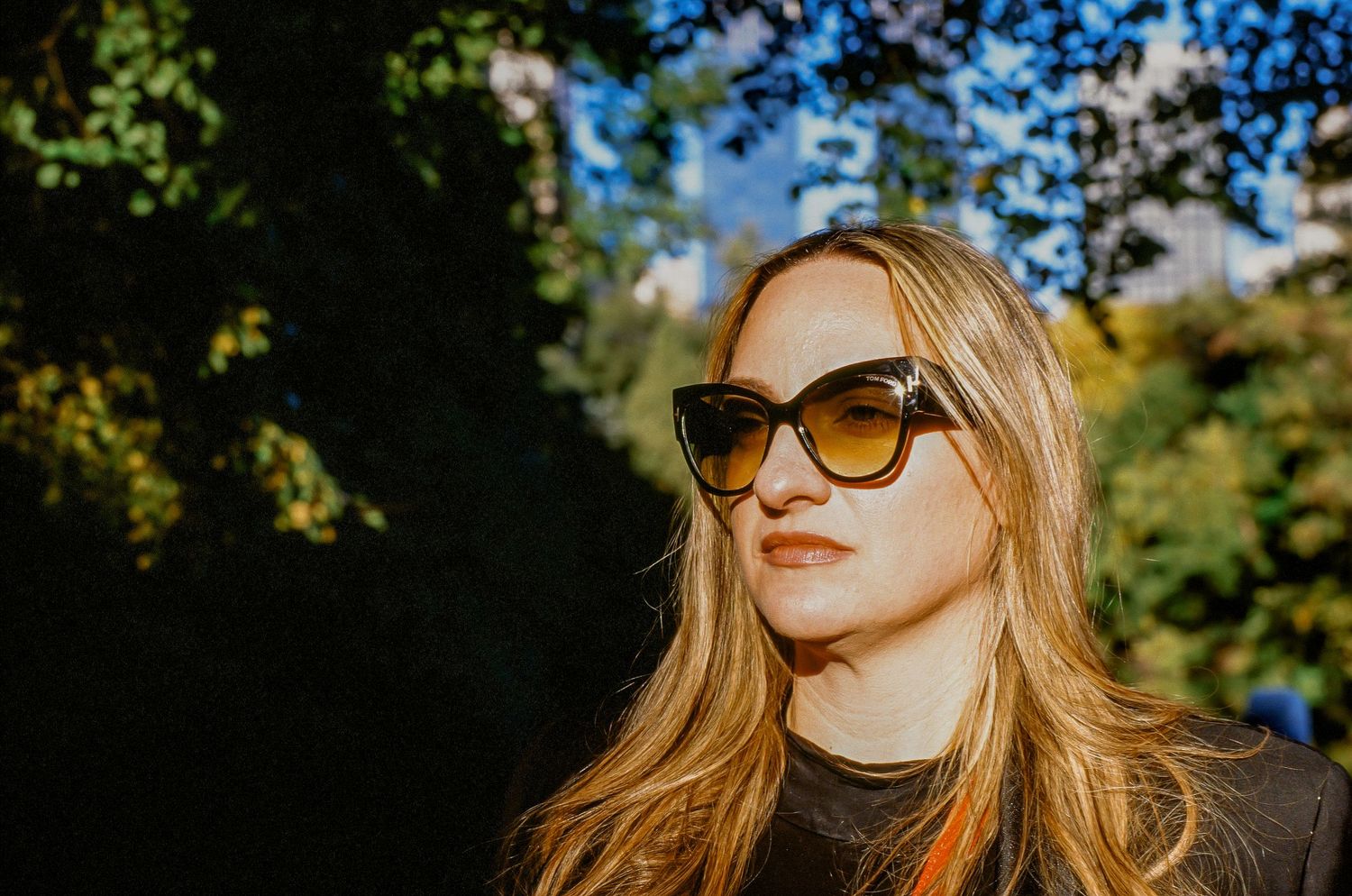
I became so comfortable with the M3 that I started traveling with only that camera. It had been the perfect storm. I was jumping on 50mm as a preferred focal length and its rangefinder was pretty much designed to be used with 50mm lenses. Focusing was so fast and easy. Even using the camera was an absolute pleasure. There was something magical about it. The first time I packed my camera bag with only the M3 was a trip back to Universal Studios. And shots that I previously missed with my SLRs were magically nailed with the M3. Sure, I was shooting more film and getting better at focussing manually, but my response time was getting better too. I was smitten.
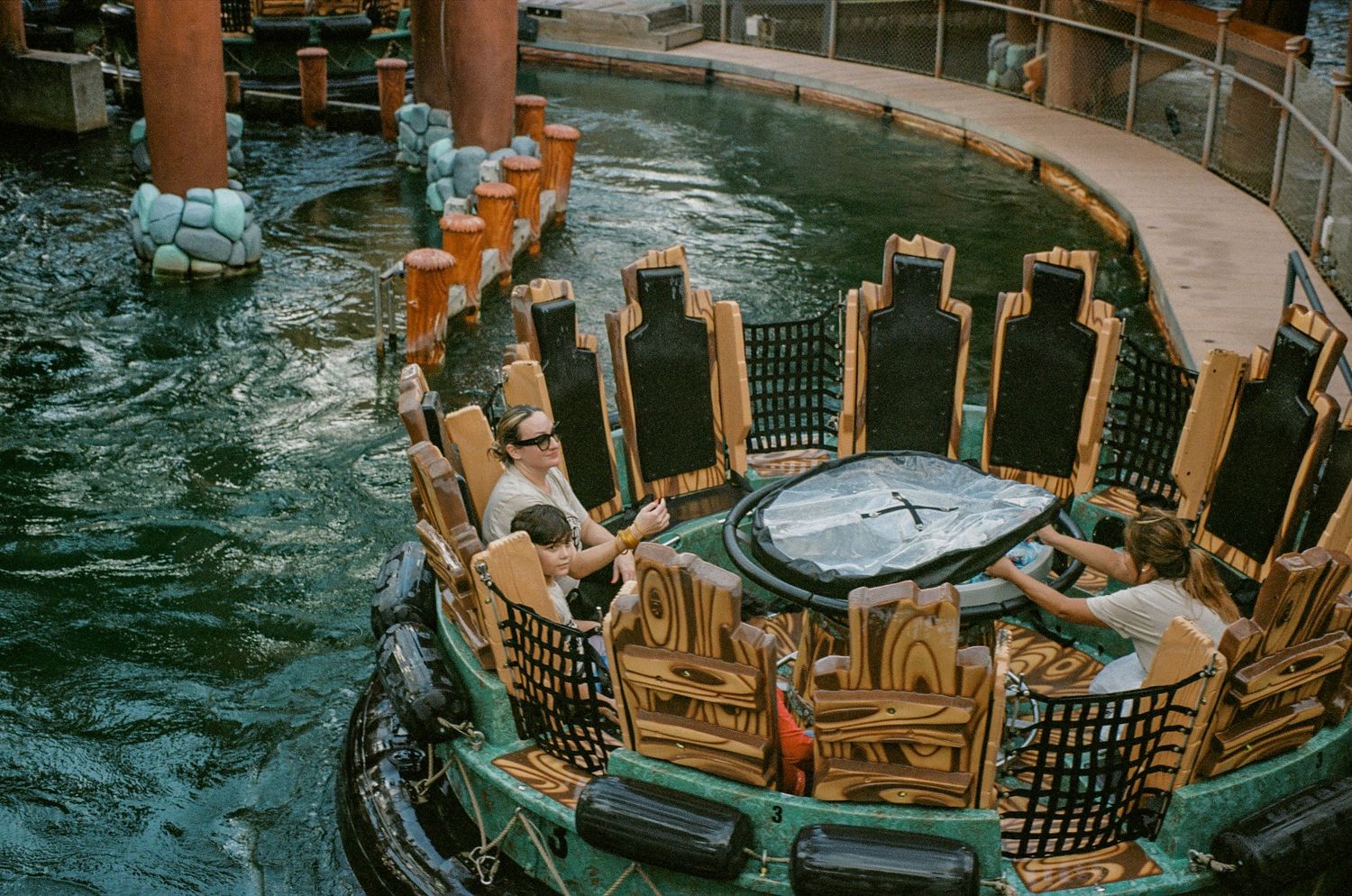
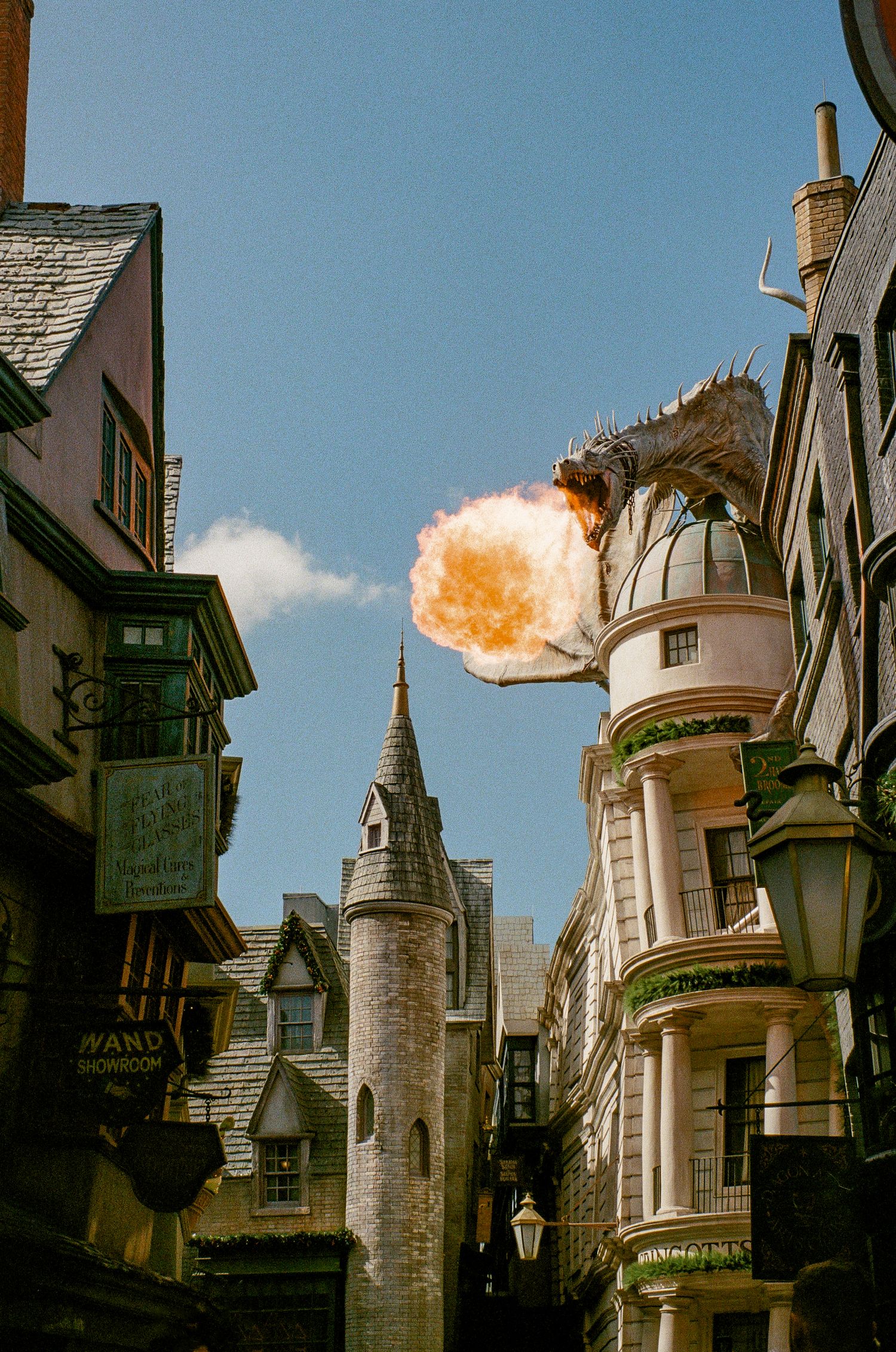
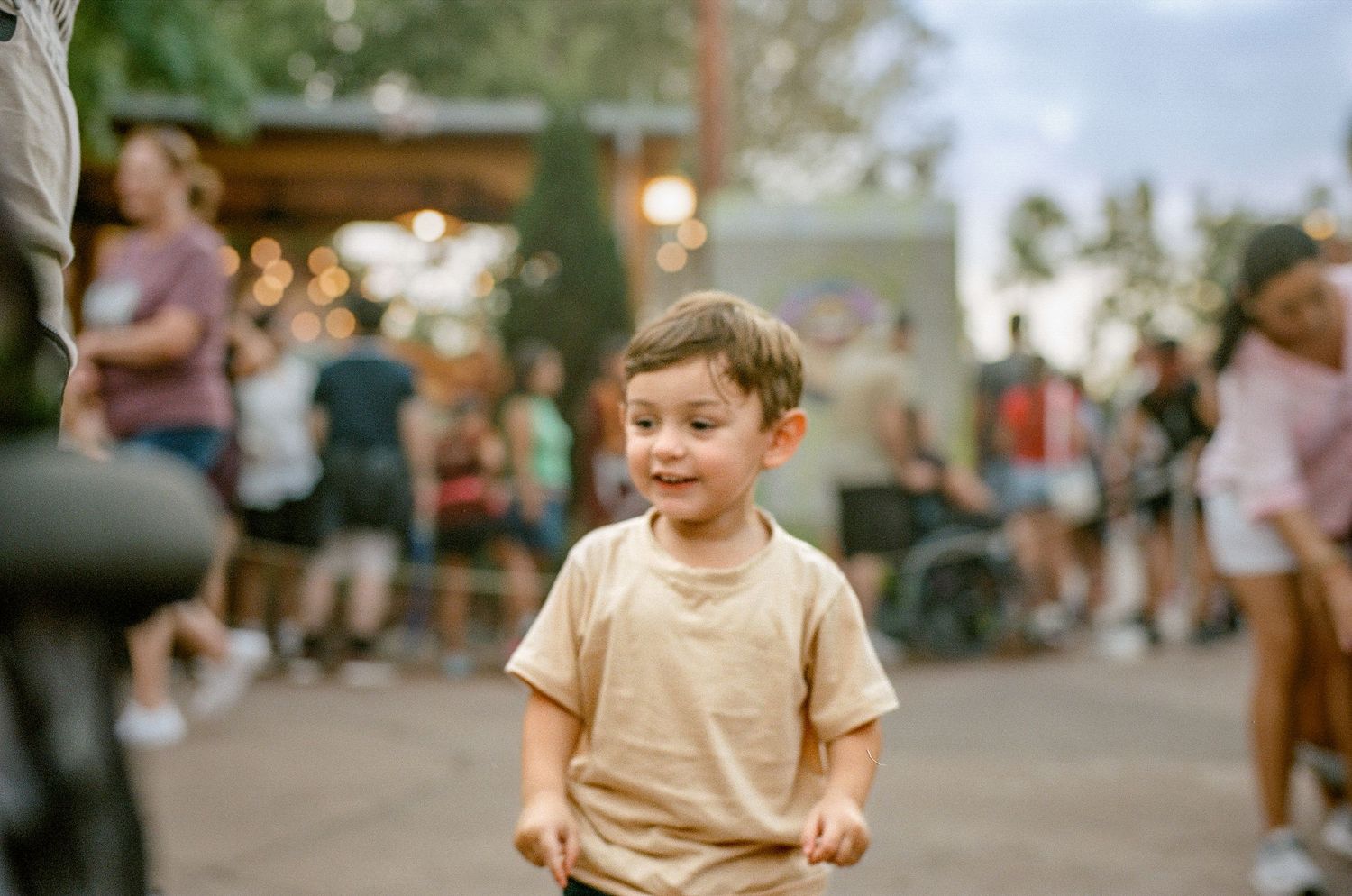
Winter of My Content - December, January, February
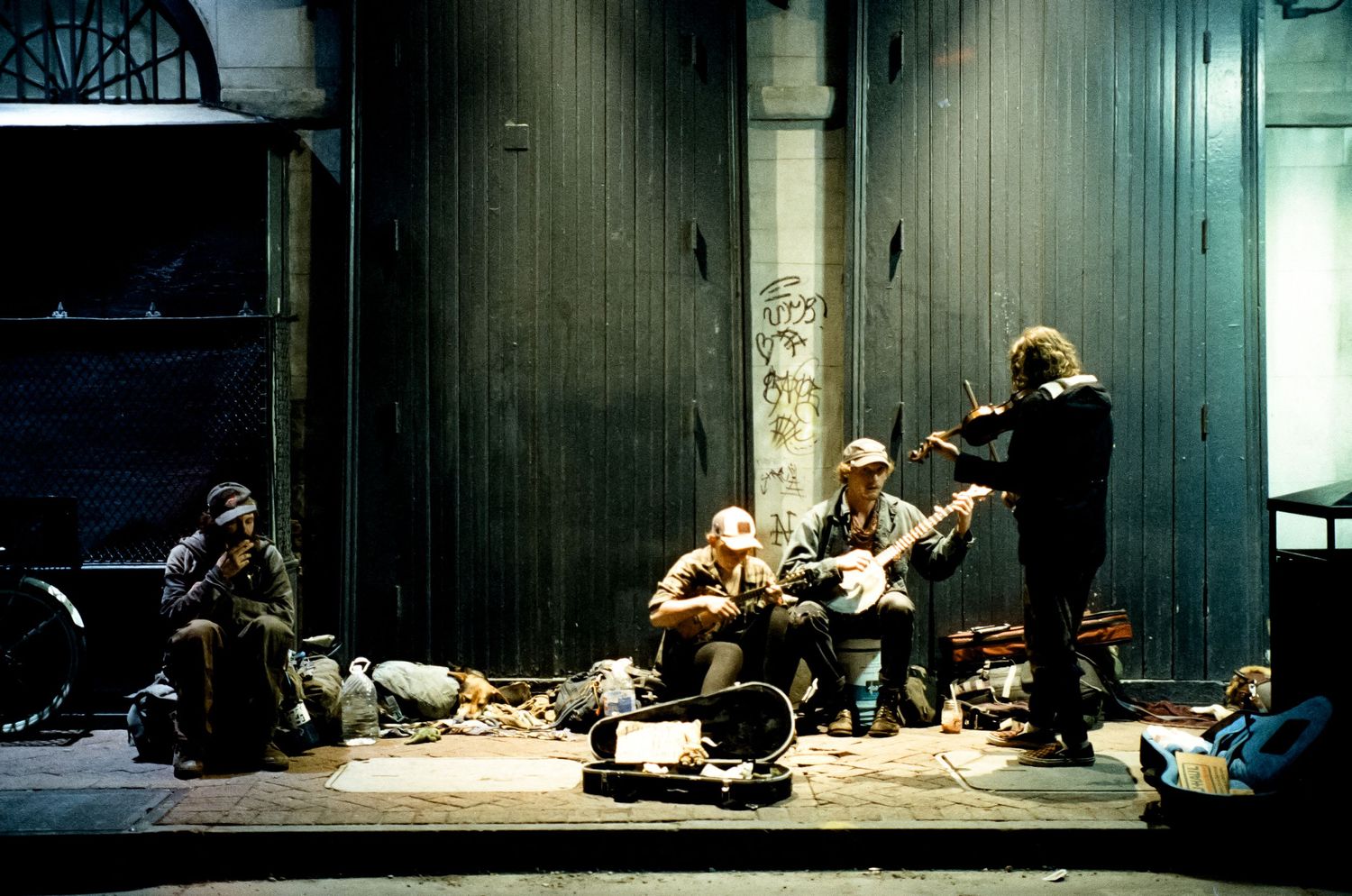
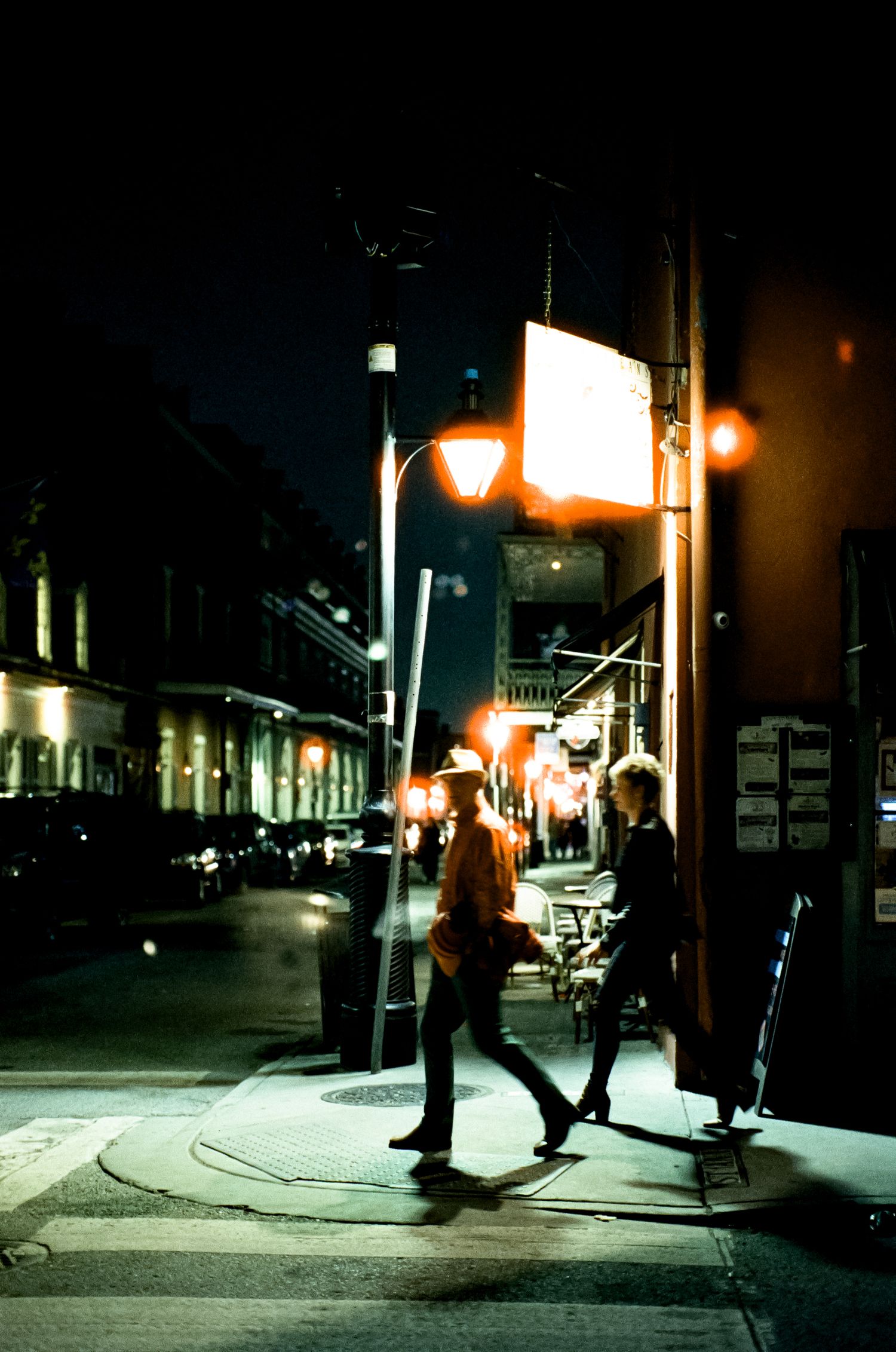
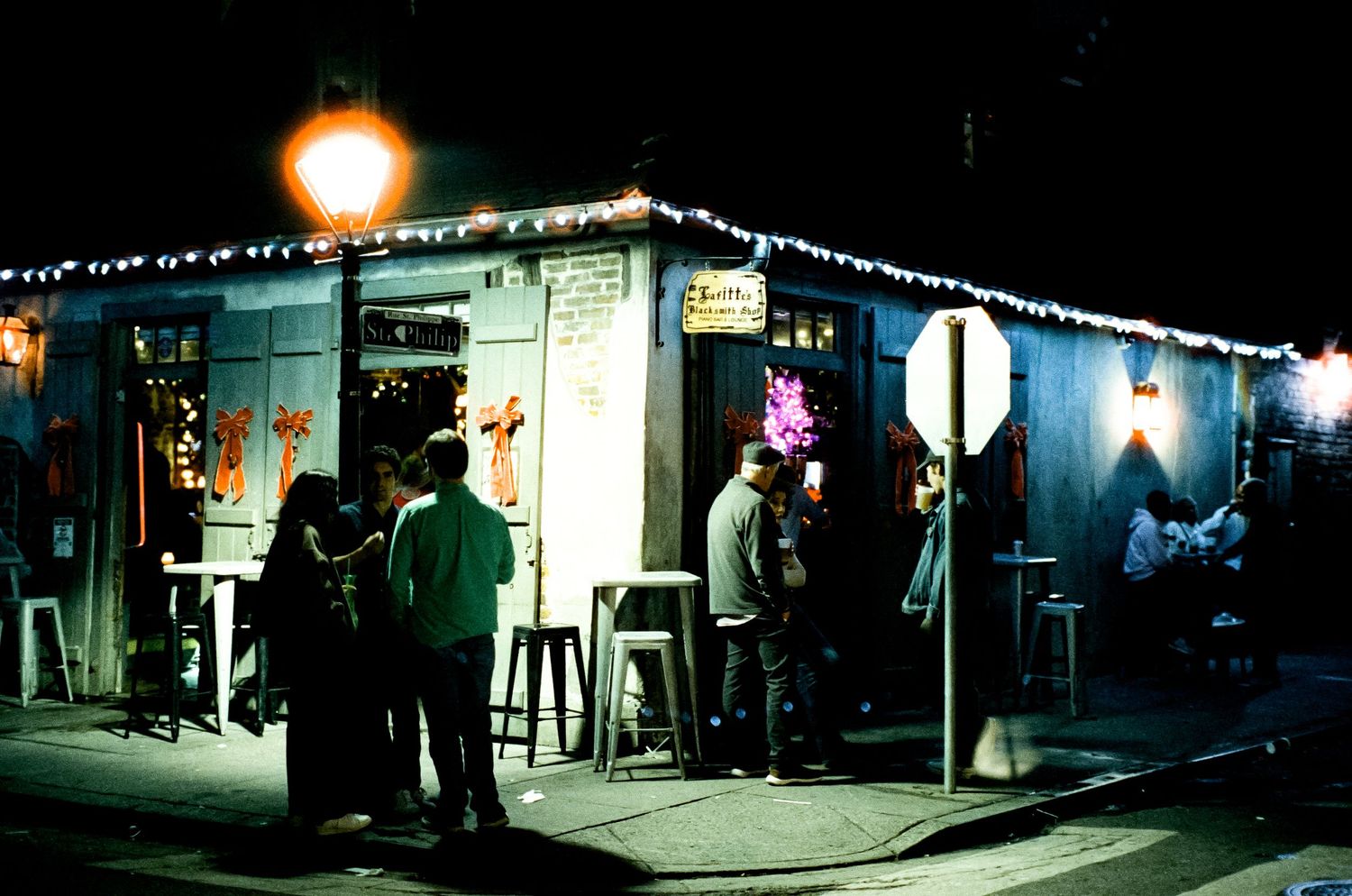
In December I took off for New Orleans. I had all the bravado I had gained from shooting film on the M3 in New York, but now had a totally different setting. I found that the streets of New Orleans photographed totally differently, but the idea to push CineStill 800T to 3200 was the way to go for nighttime. I also discovered that with 3200 speed film there was virtually no shutter speed that was unusable for me on the M3. Being a rangefinder, there is no camera shake upon releasing the shutter as there is with an SLR. Leaning into this, I was able to really learn how to shoot at night, with only street lights, here. I officially gave up on digital cameras for my own personal use with this trip. I again took just the one camera and one lens and found this to be both liberating and invigorating. I hadn't had this amount of fun since I first got back into photography in the COVID Lockdown days.
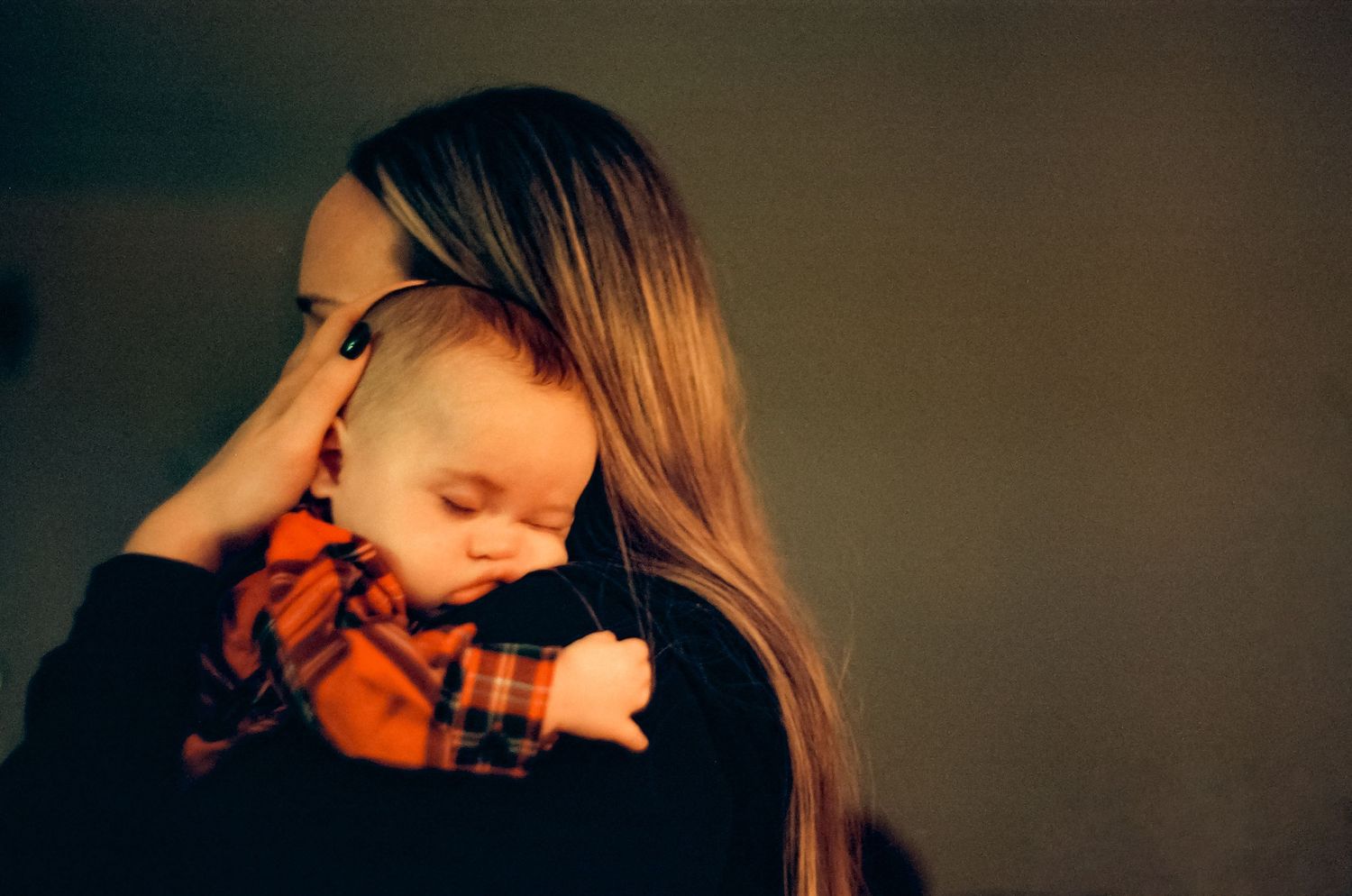
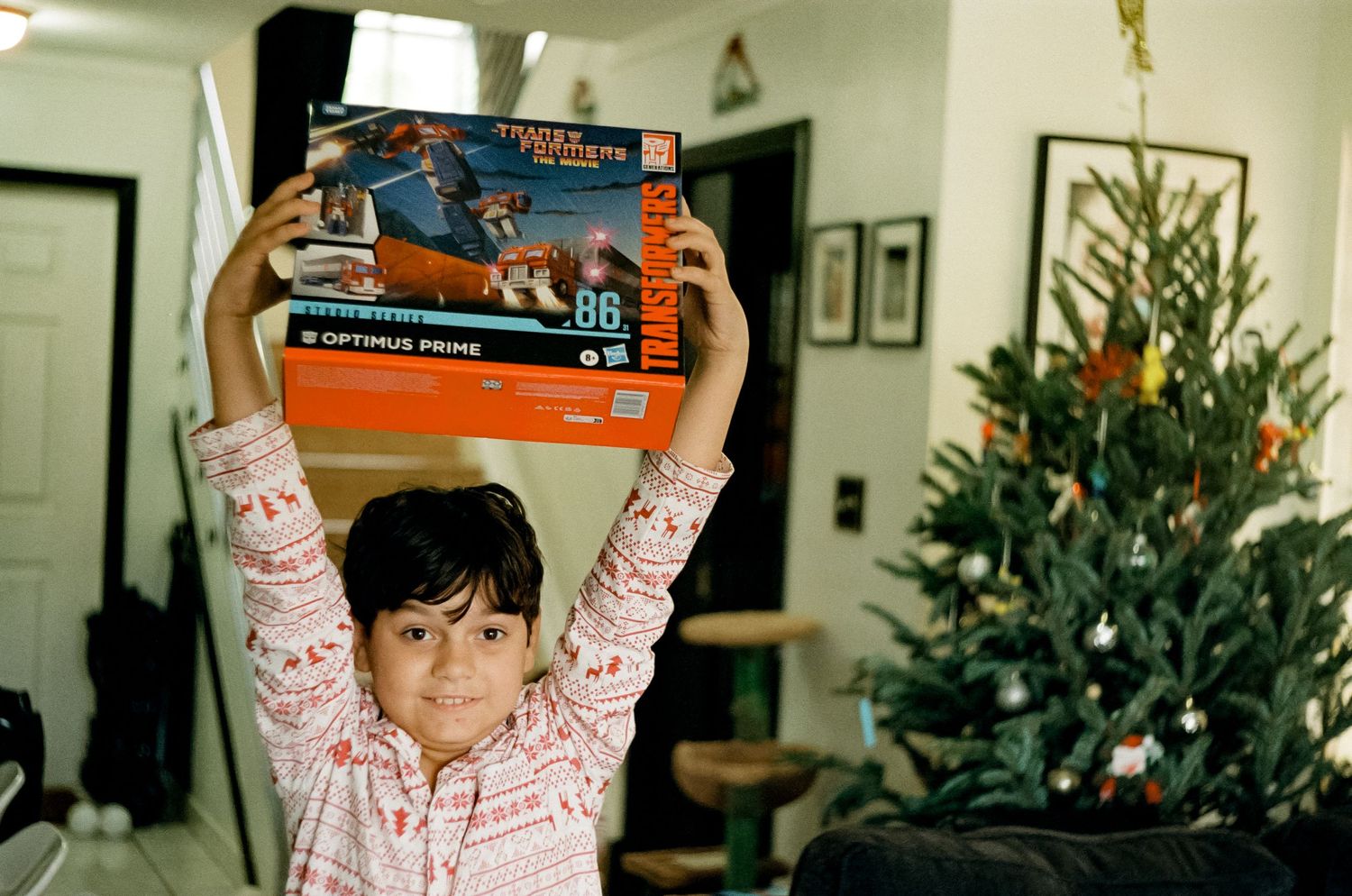
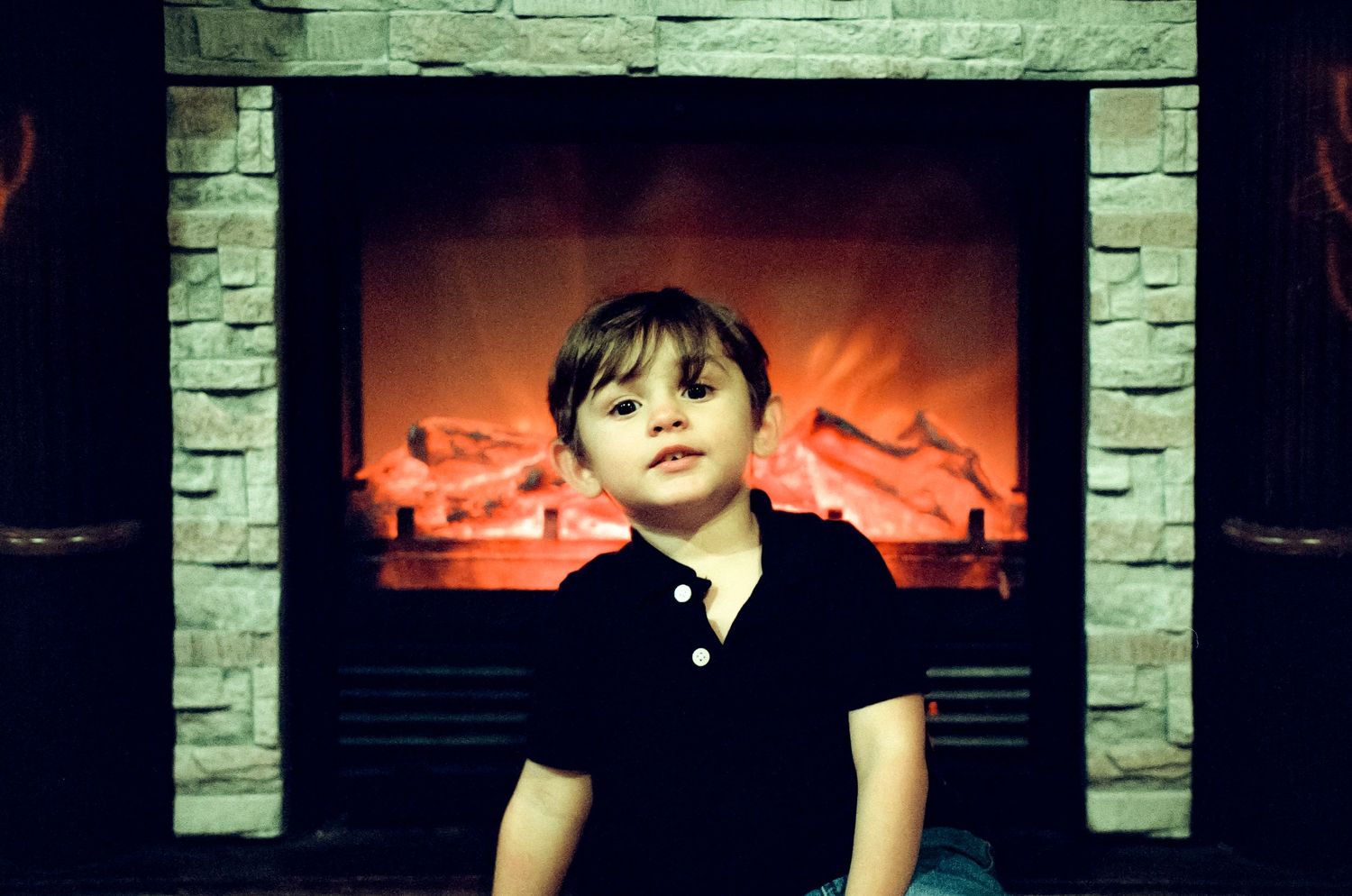
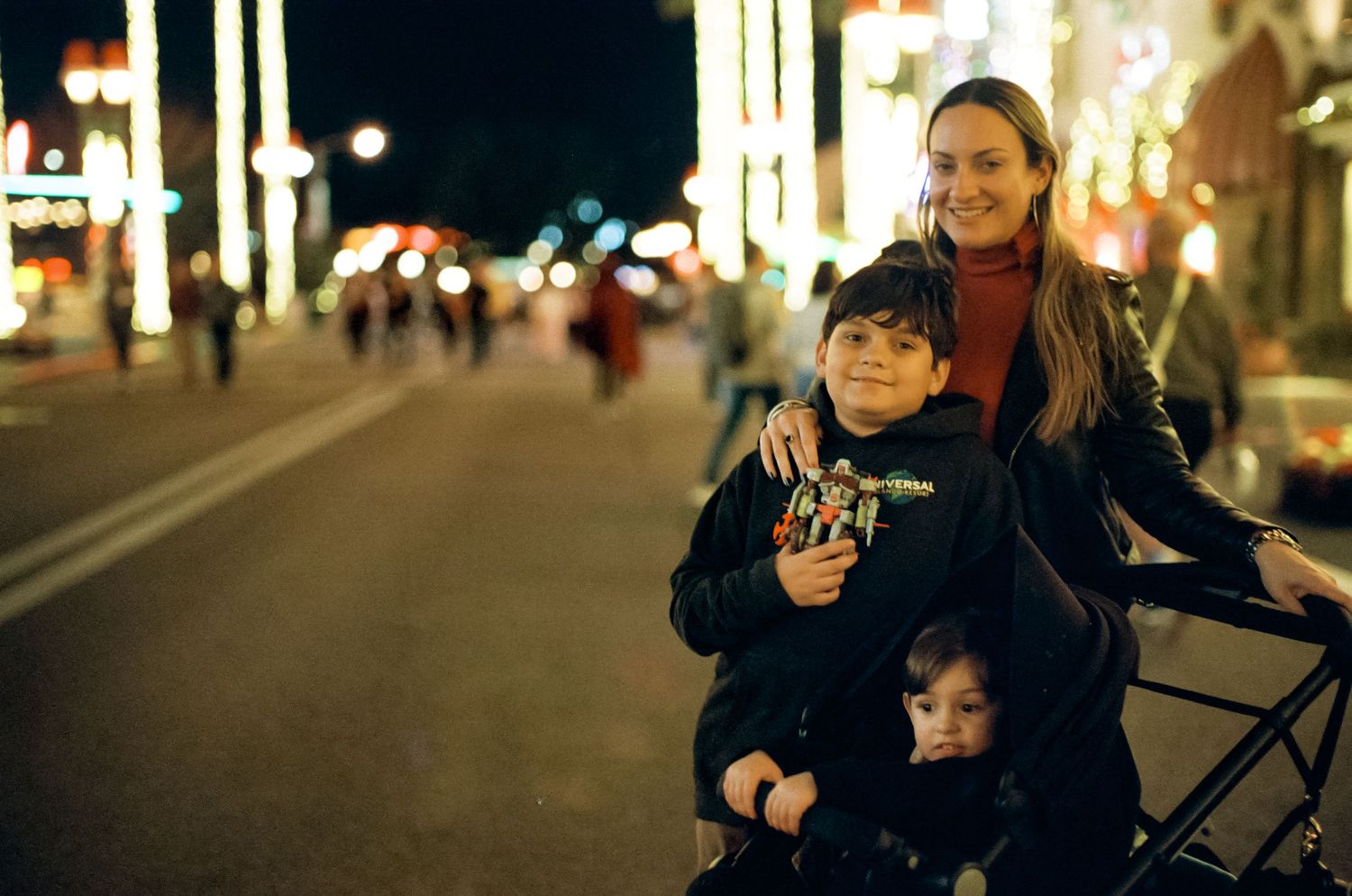
Christmas came around and I took this same philosophy with me. I utilized one camera and lens to document it all. My M3 and Summitar was with me through it all. I shot Portra 800, pushed it when necessary, and relied on Kodak UltraMax for my daytime shooting. I had settled into a groove that helped me nail a style. My daytime photos were starting to look like...my own? My nighttime photos were starting to like...my own as well! And for black and white, I had long ago decided that Tri-X was the way to go. Was the this the development of a person style?
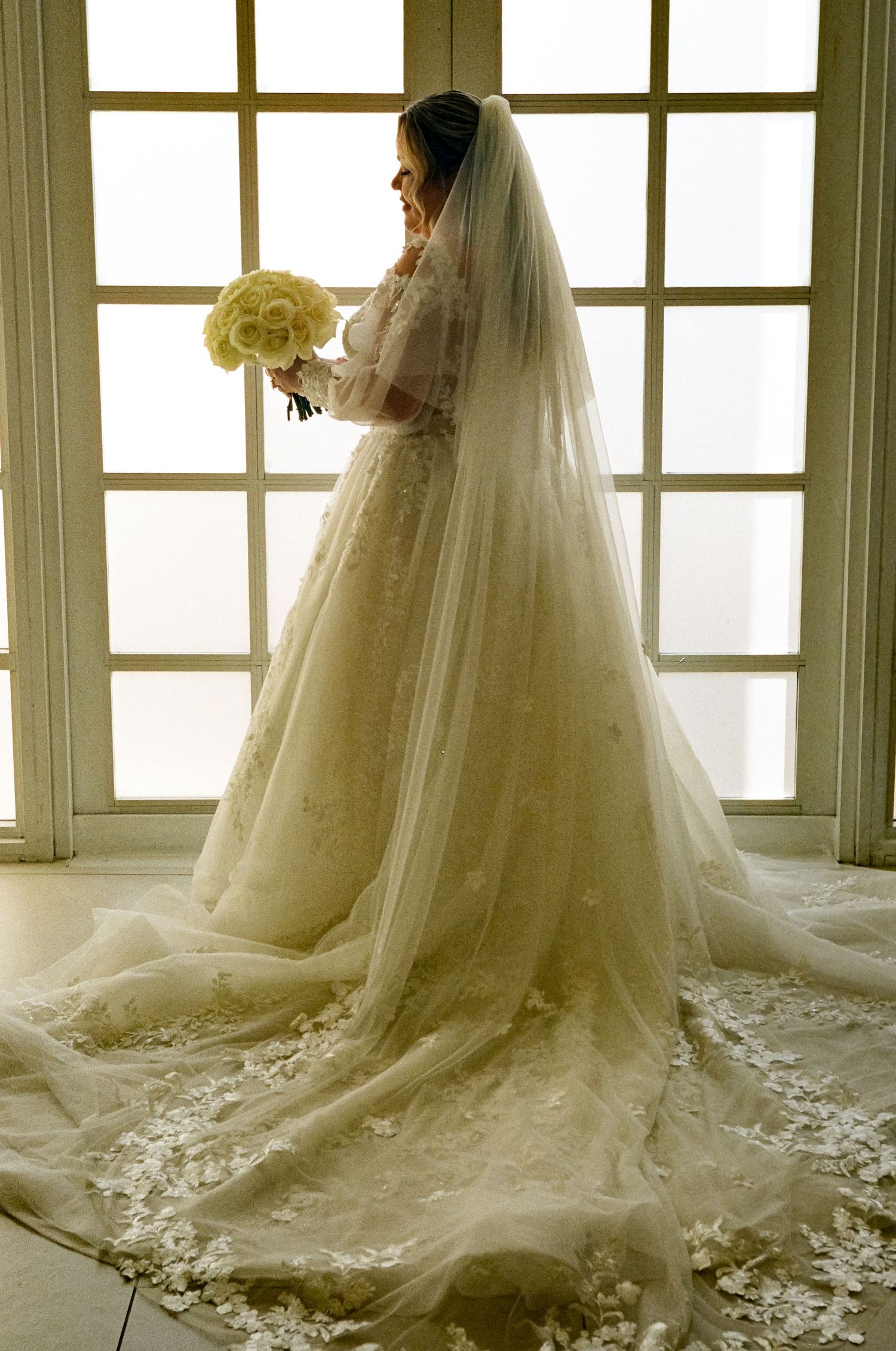
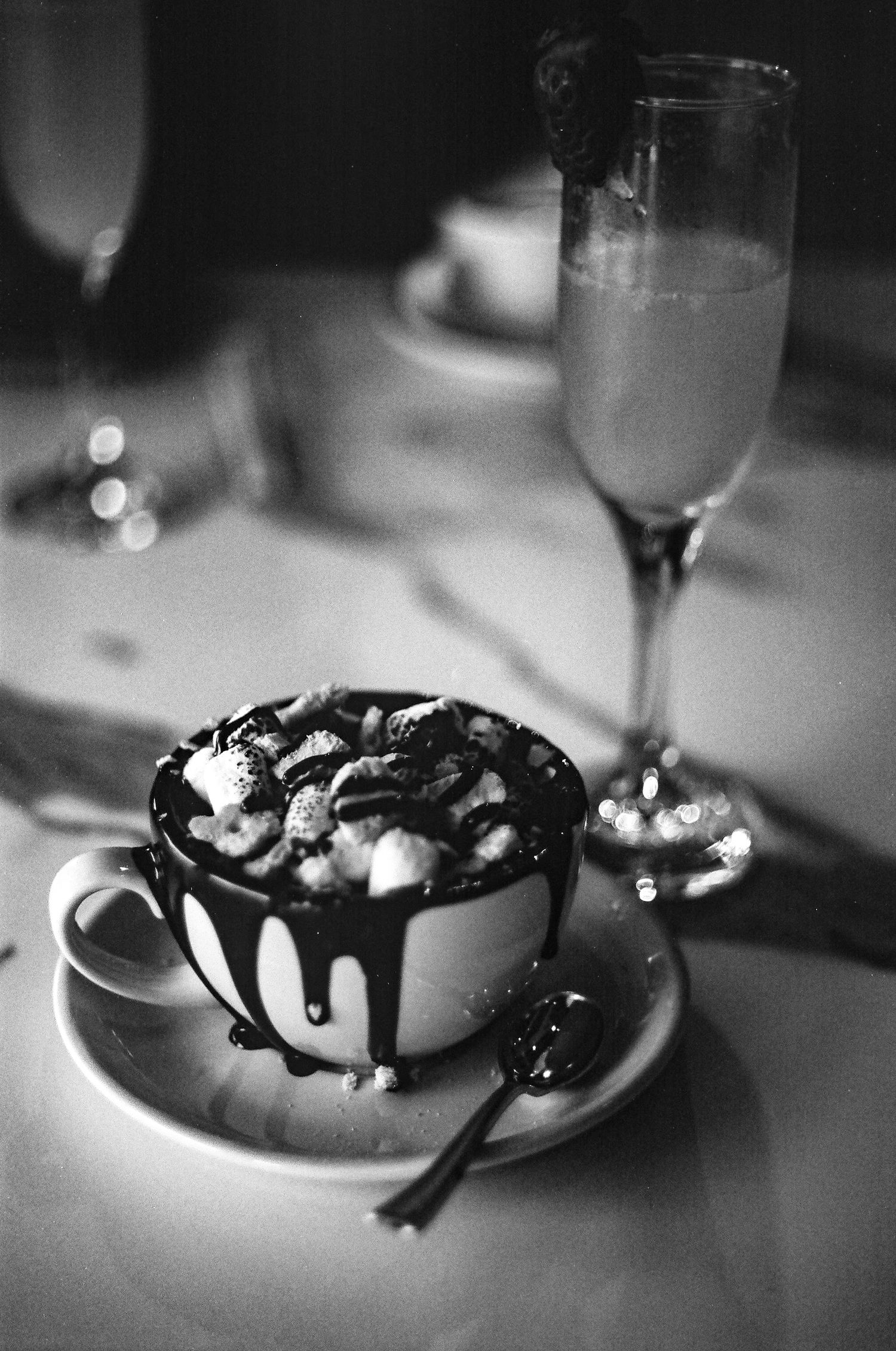
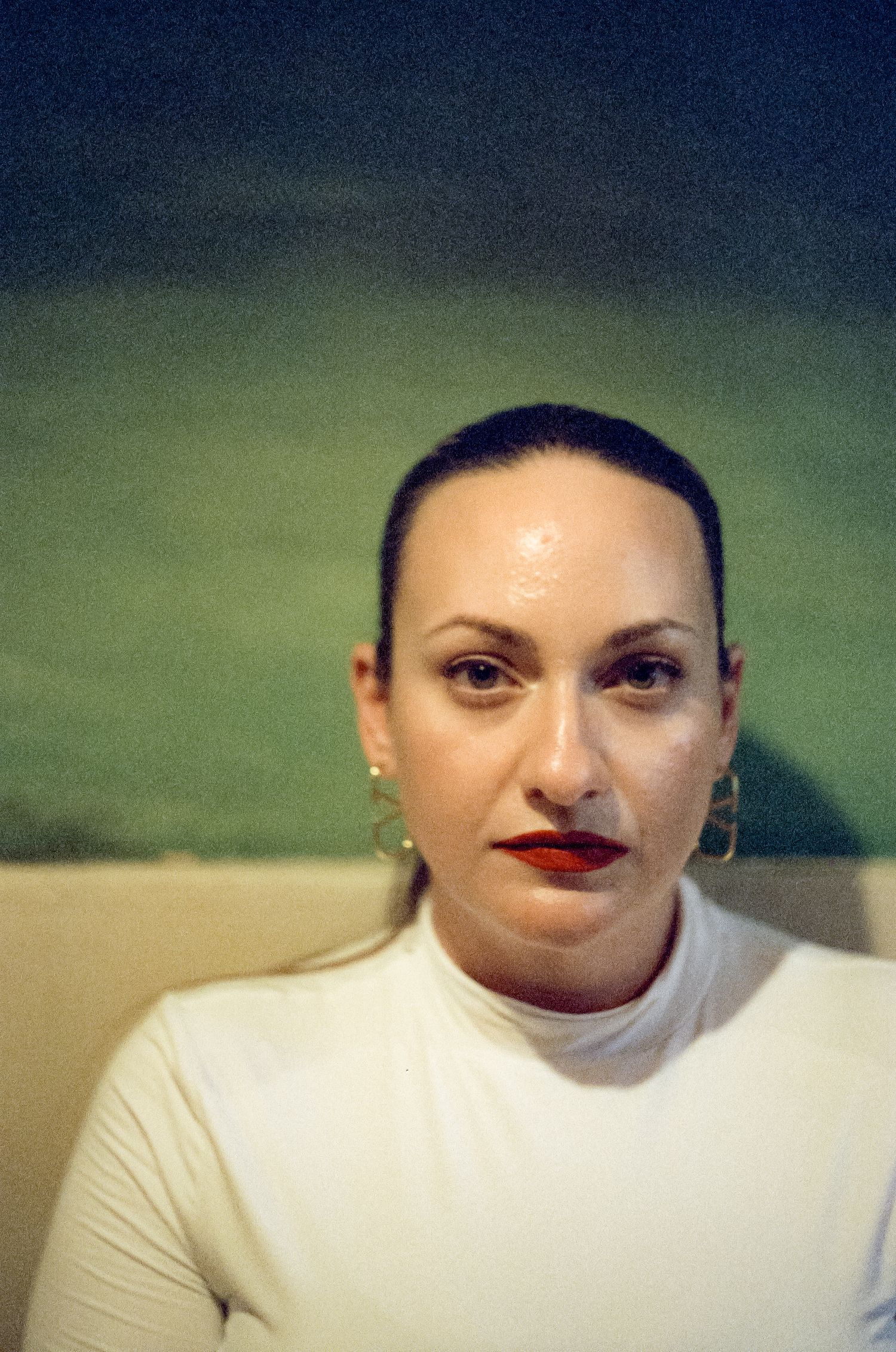
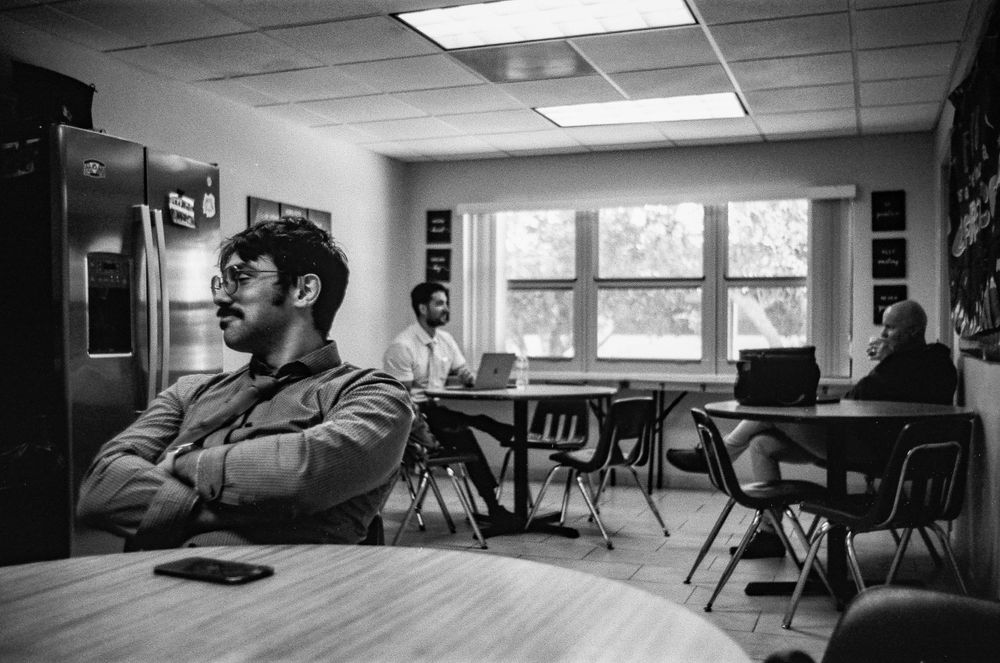
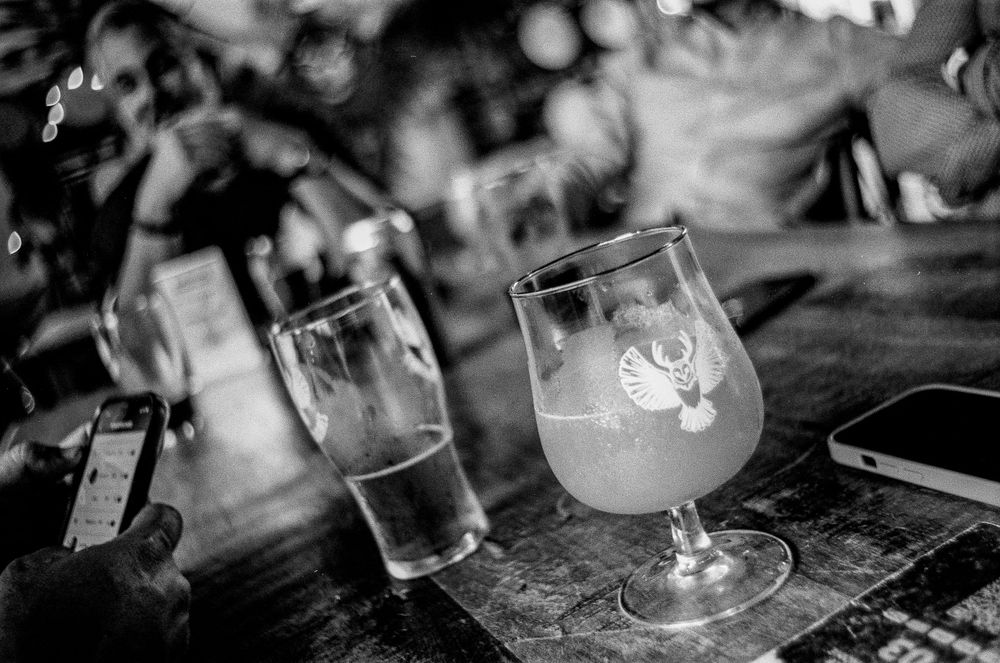
In January I officially launched David Ulloa Studio. I am focusing on weddings, something I love doing, and am bringing my love of film to that world. The first wedding I was able to use film for was Silvia and Danny's. While I bring everything I have learned about film with me to digital photos for weddings, making actual 35mm film photos for weddings is amazing. And my favorite shots of this wedding are the film ones. I've since shot another wedding that I was able to do entirely on film and have loved it! And while weddings have taken up a lot of my time lately, I am still making film photos in my daily life. In fact, I am using film almost exclusively in my personal life. From cups of coffee to photos of the family, you name it, its on film. And I don't really see myself coming back to digital as my primary medium in the foreseeable future. I'm really enjoying film and the emotional response I get from both making and seeing the the film photographs. For me, it's film or bust.
Epilogue - March 2025
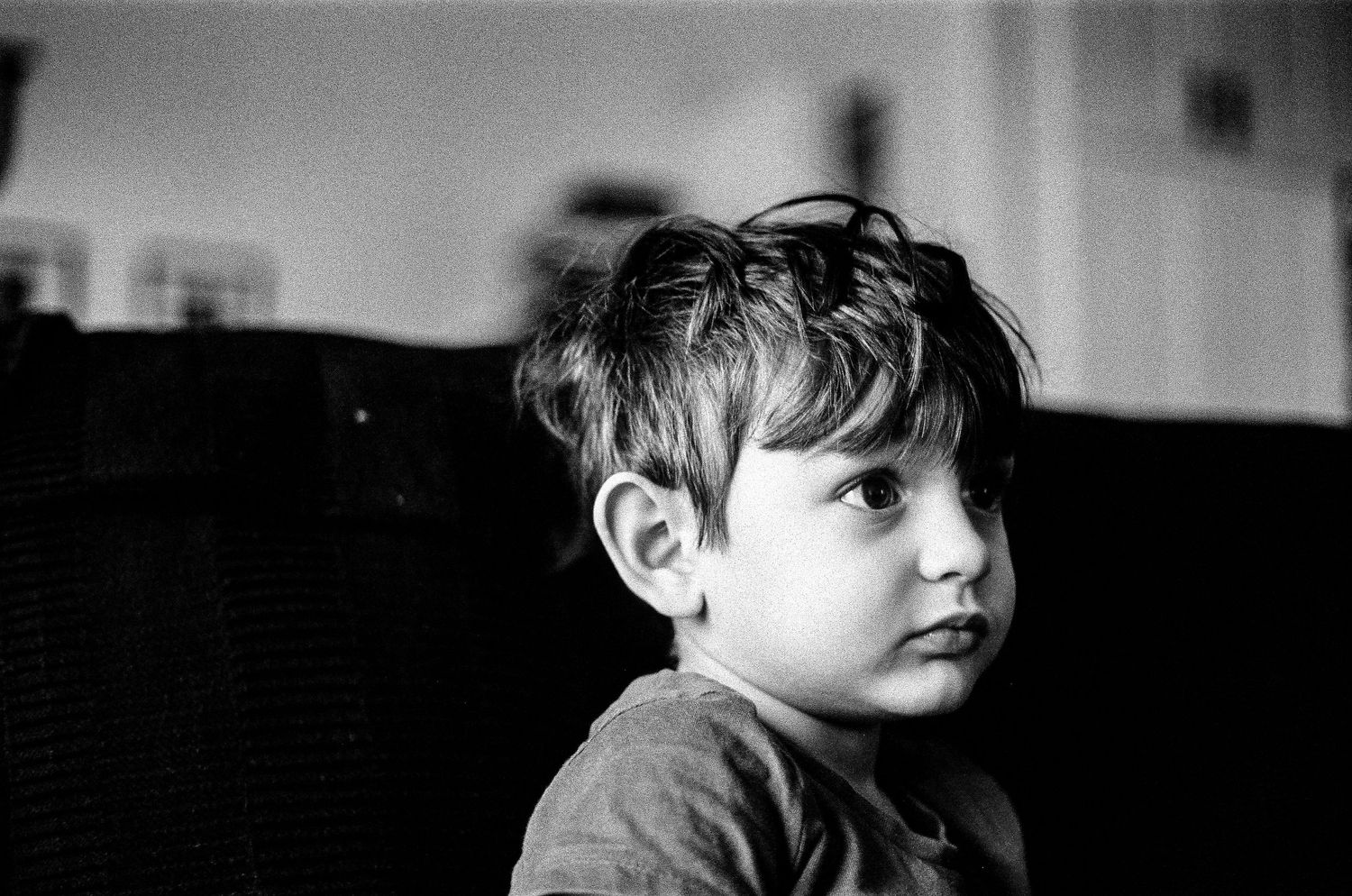
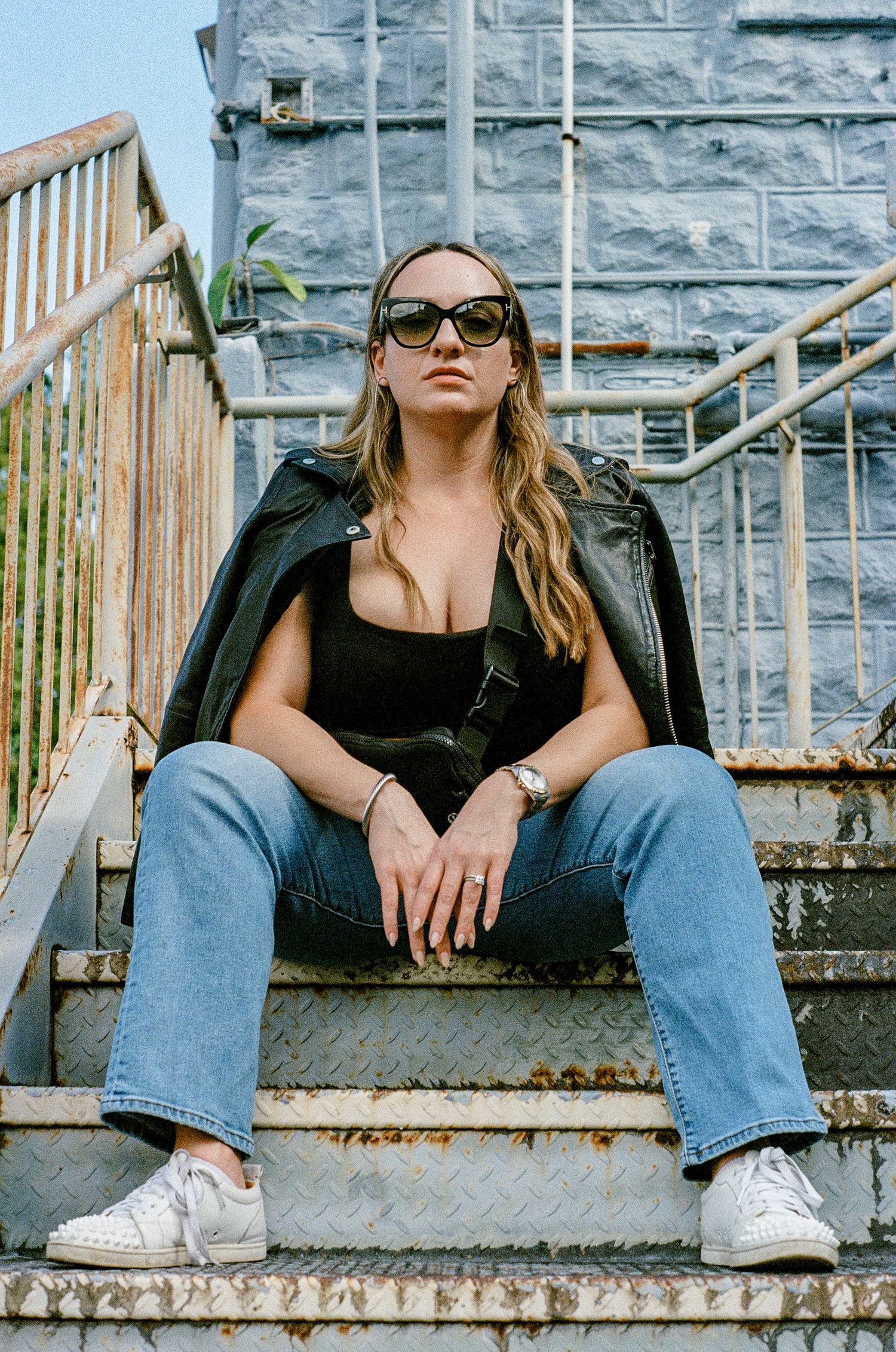
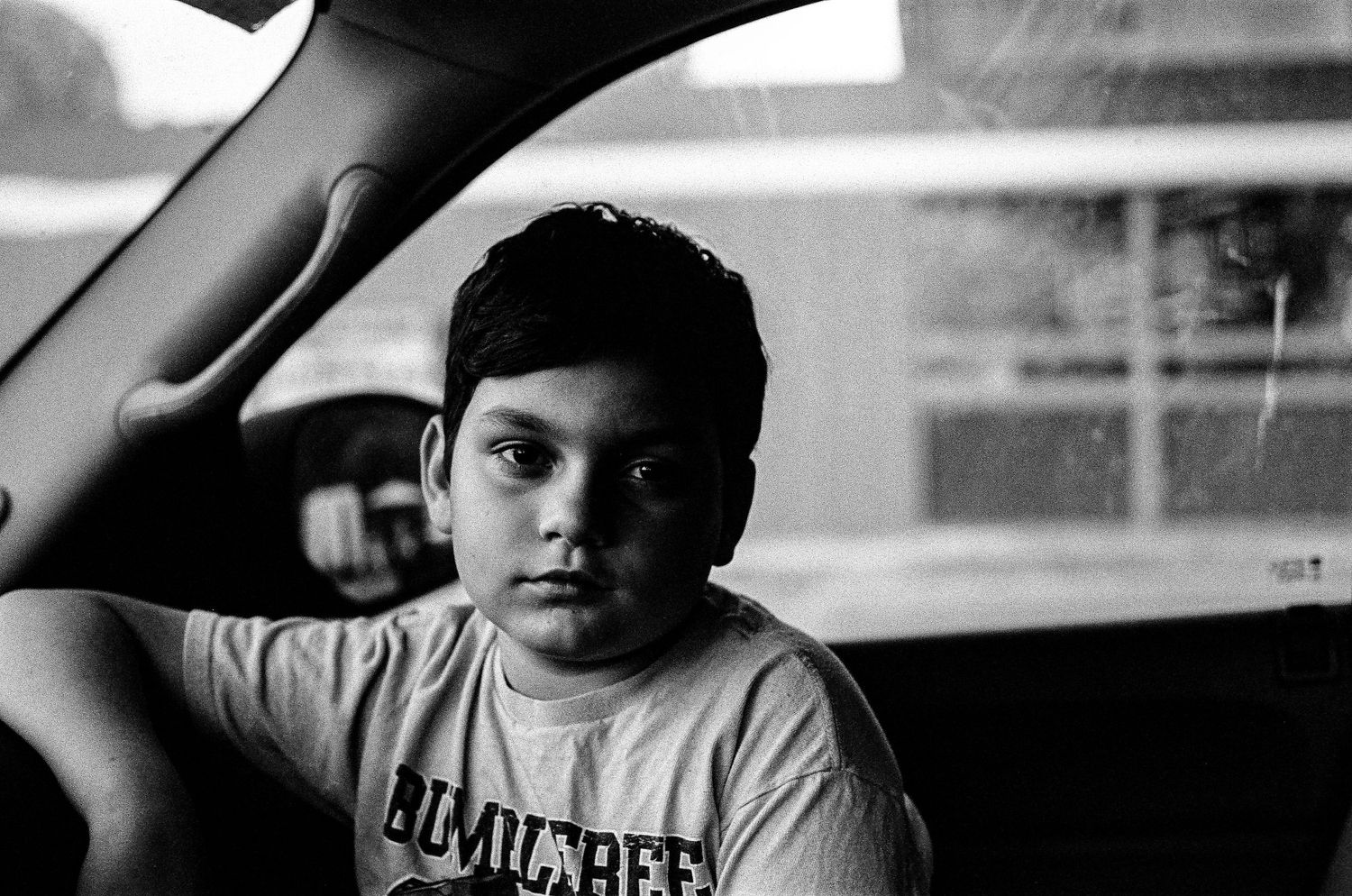
I had been using my M3 and Summitar 5cm as my primary camera for a few months, occasionally using my Leicaflex SL, usually with the Elmarit-R 35mm (I have really fallen in love with this lens), for wider scenes. But I found myself volunteering for a trip the Dominican Republic with my students this summer. We will be building irrigation systems and helping rural areas bring clean water into their towns. naturally I will want to document this with film, but won't be using either my M3 or Leicaflex SL as we will be in about 1,000% humidity and I don't want to risk unnecessary damage to rather expensive cameras and lenses. And even more than the cost of repair is the time spent repairing them. So I decided I wanted to finally get a camera I've been after for a while, the Pentax MX. So in a full circle moment, I have come back to Pentax and am totally enamored.
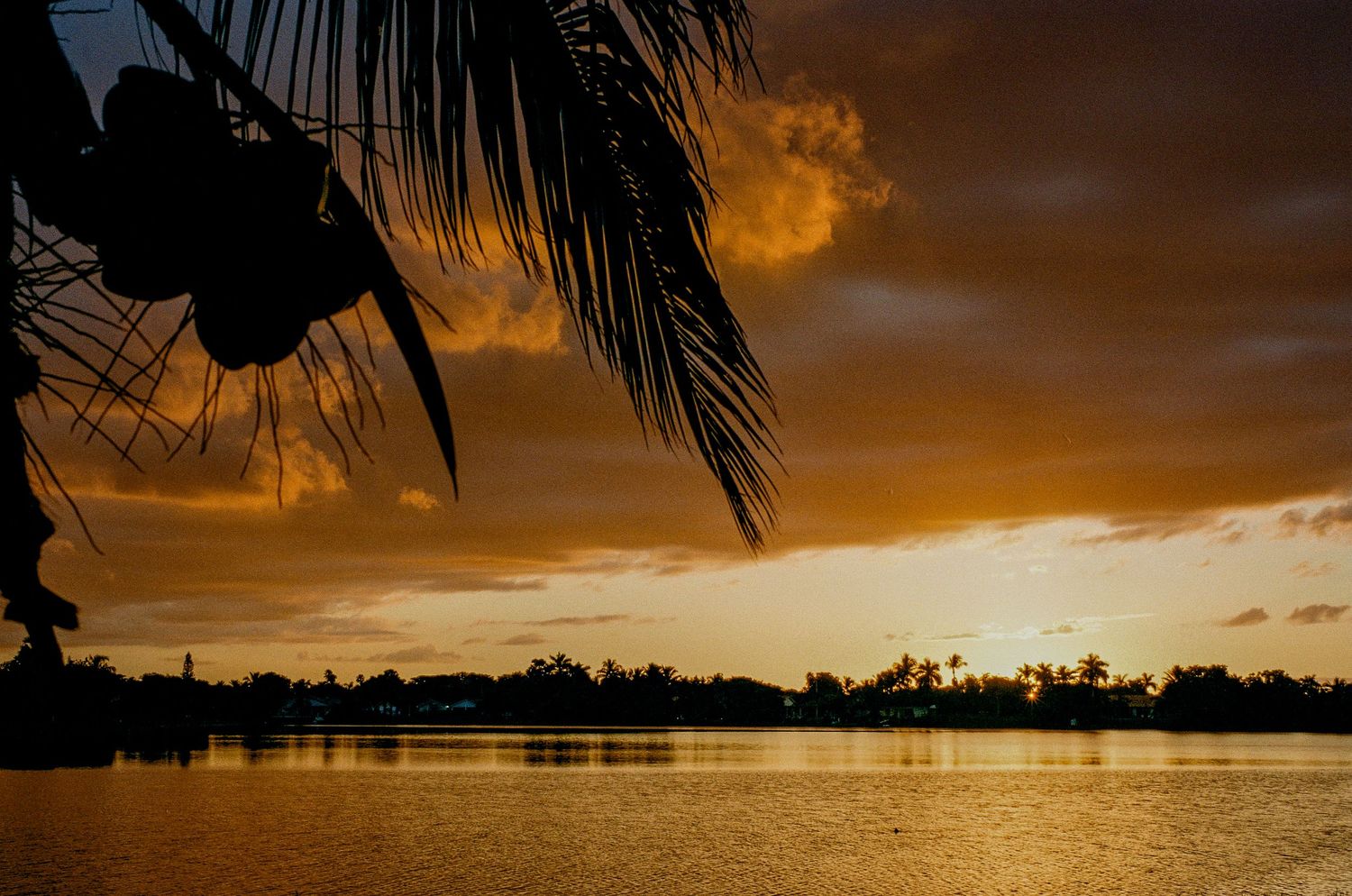
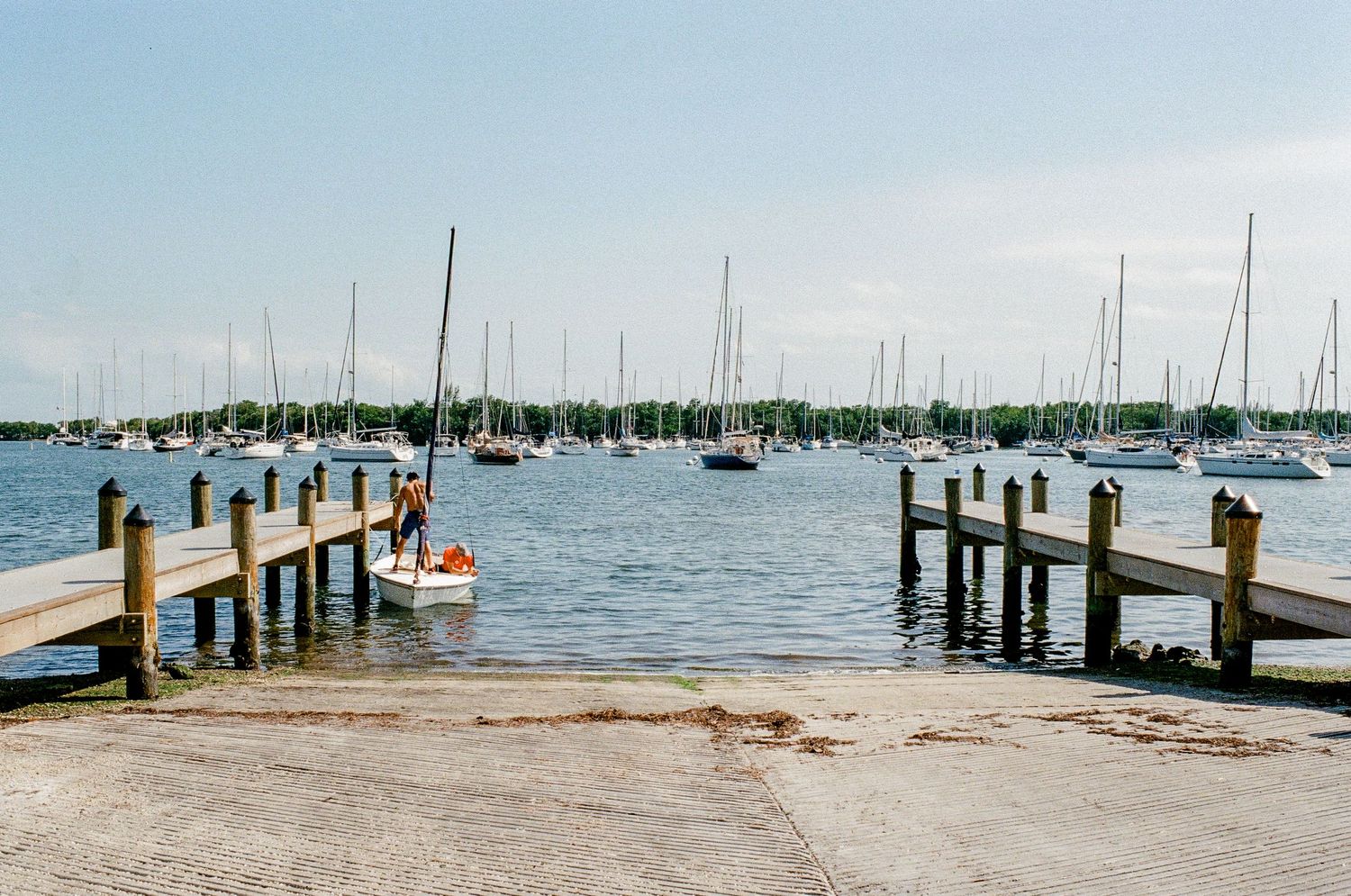
The Pentax MX is now used almost as much as the Leica M3, I have come to think of it as the SLR version of the M3. Will I ever set the M3 aside? No. That is MY camera. But for now, the MX has become my mistress, occasionally pulling me away from the M3 and helping me make amazing photos like these three above. The only thing I know for certain is that I am here for the film. These days I rely on Kodak UltraMax for daytime and either Kodak Portra 800 or CineStill 800T for nighttime. And when I want black and white it's always Kodak Tri-X as it pushes well at night too. I'll use these films with Pentax or Leica. And I know that I'll love the end results.
So here's to another year of shooting film!
More of my year shooting film
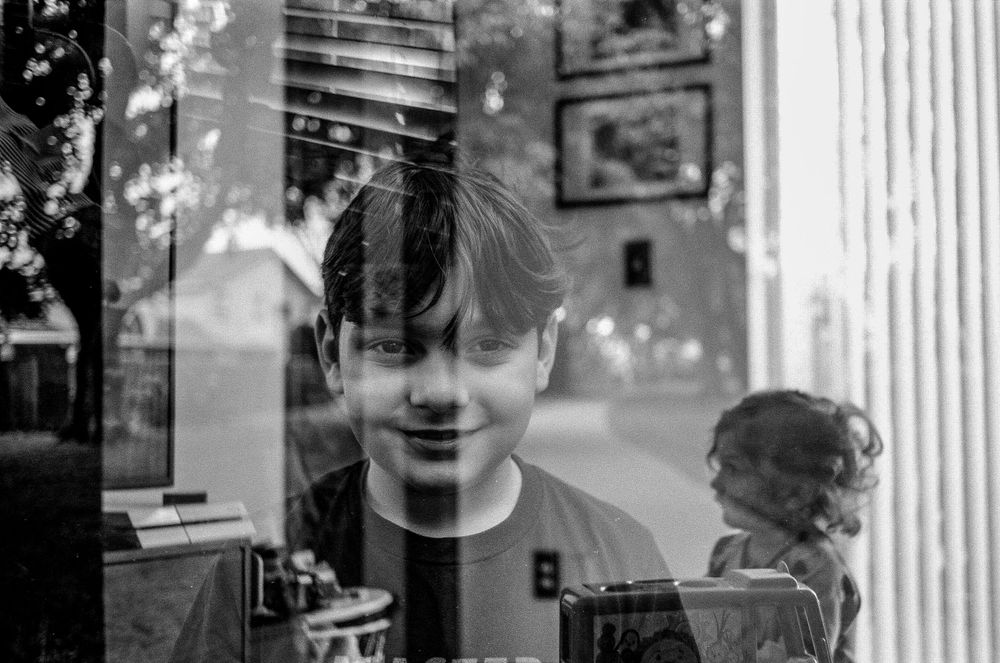
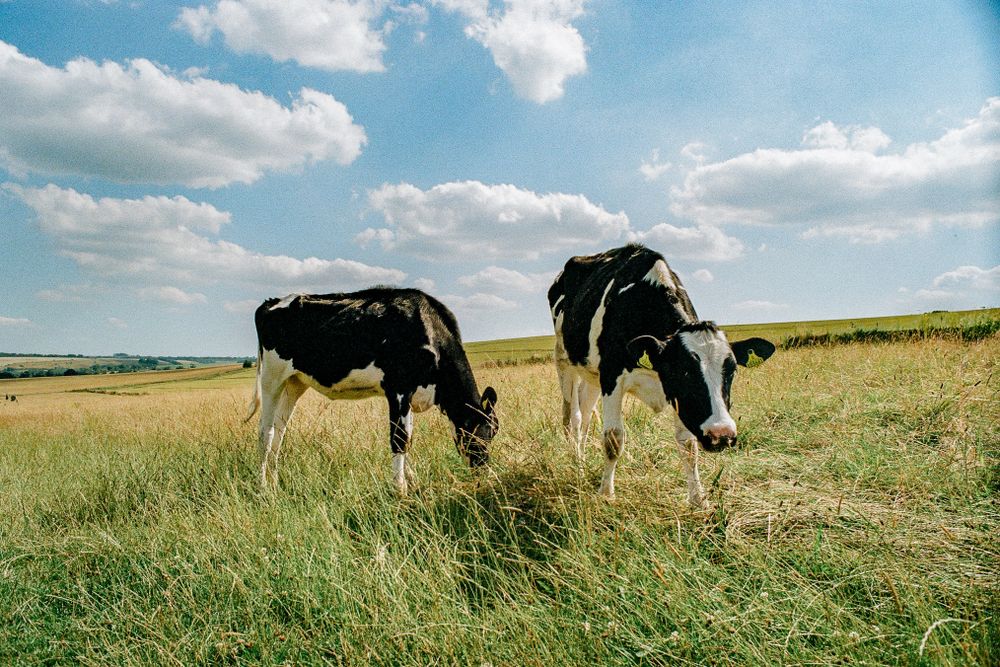
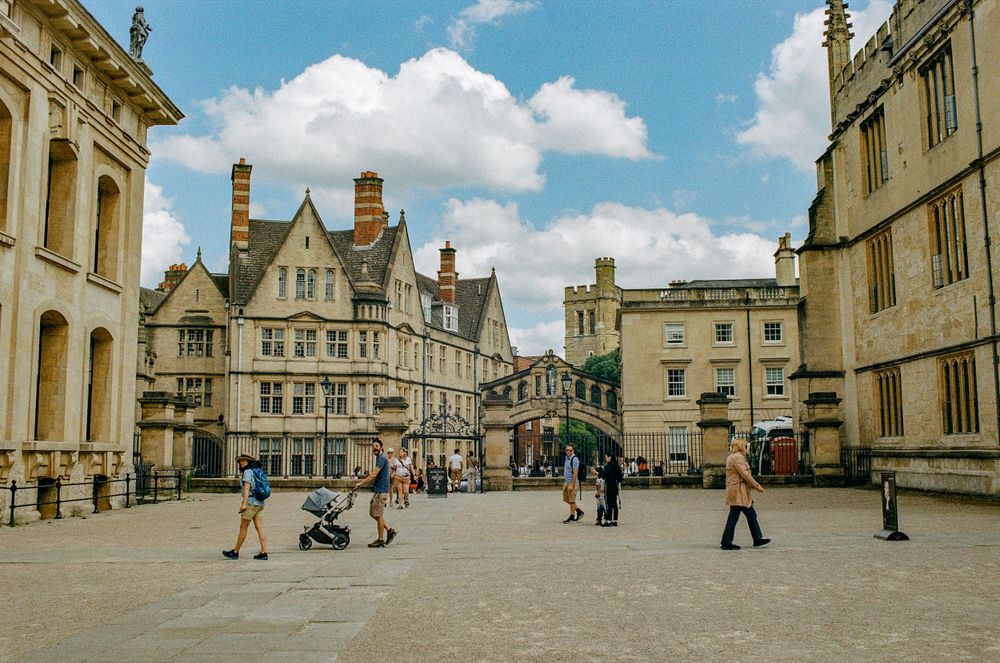
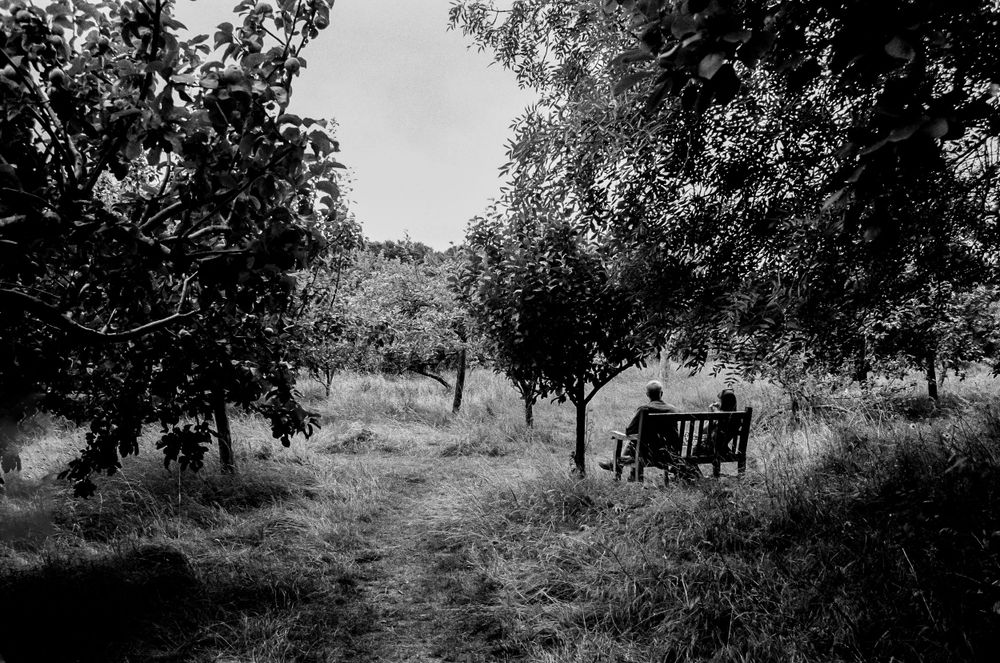
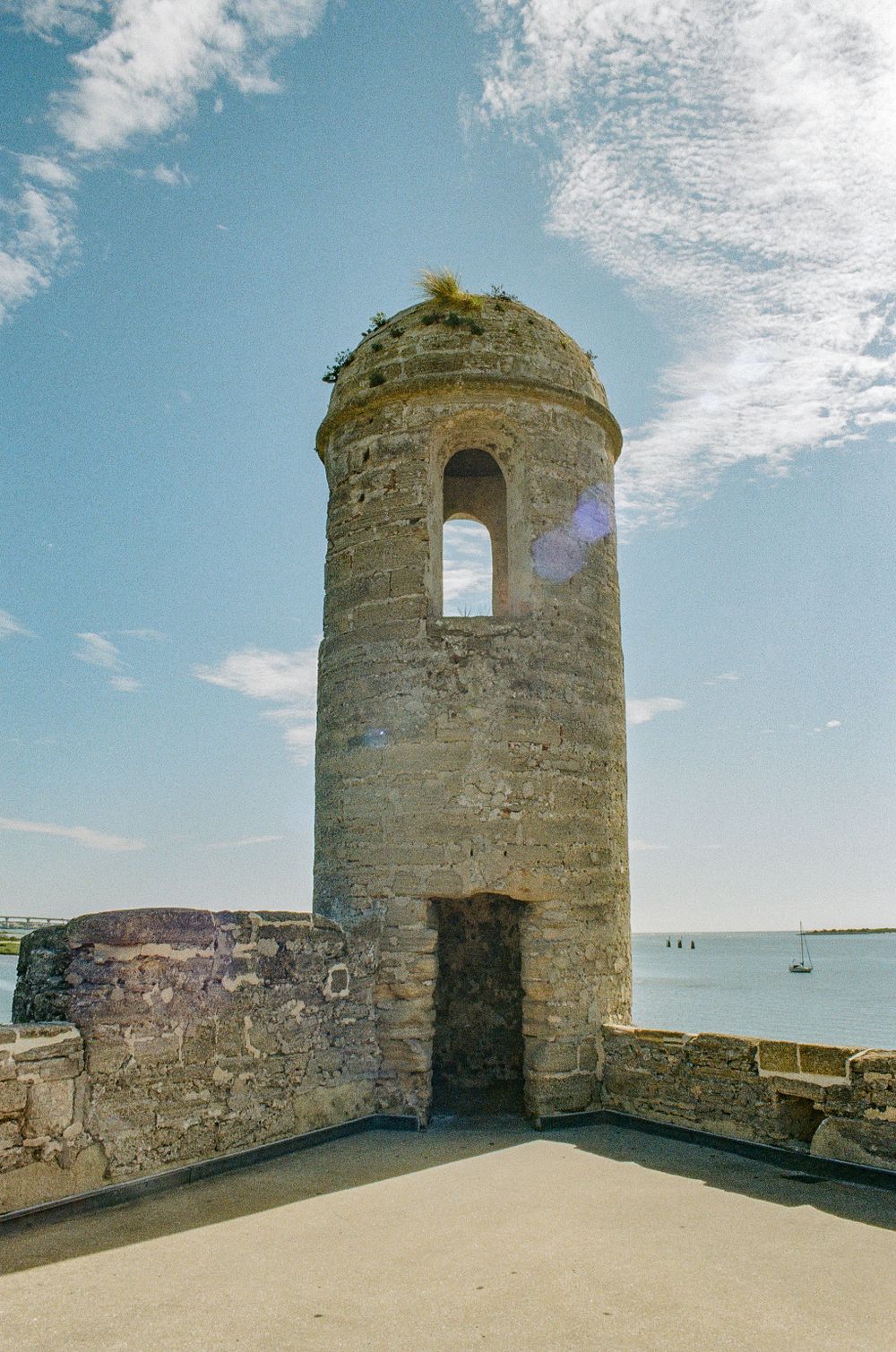
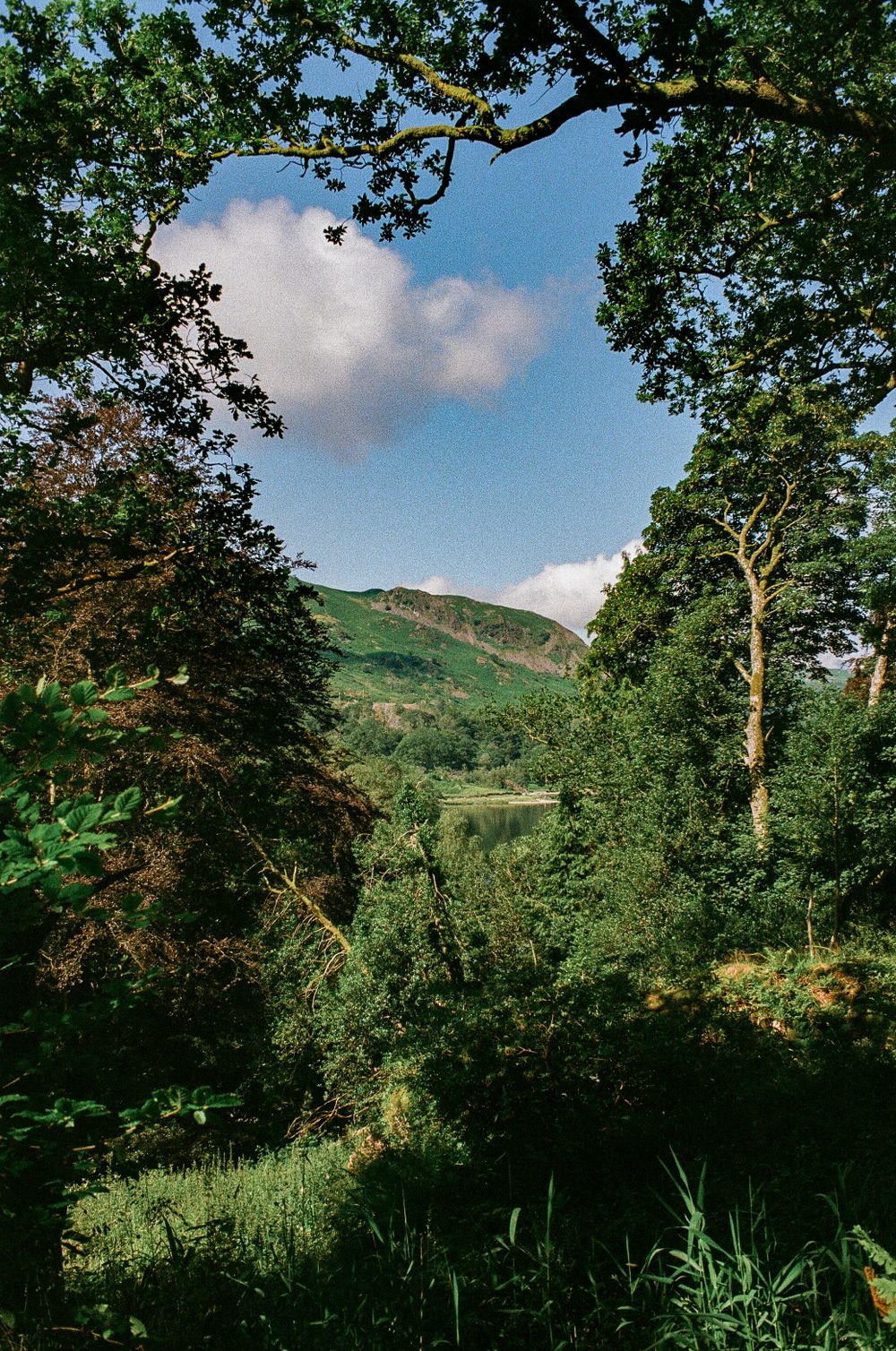
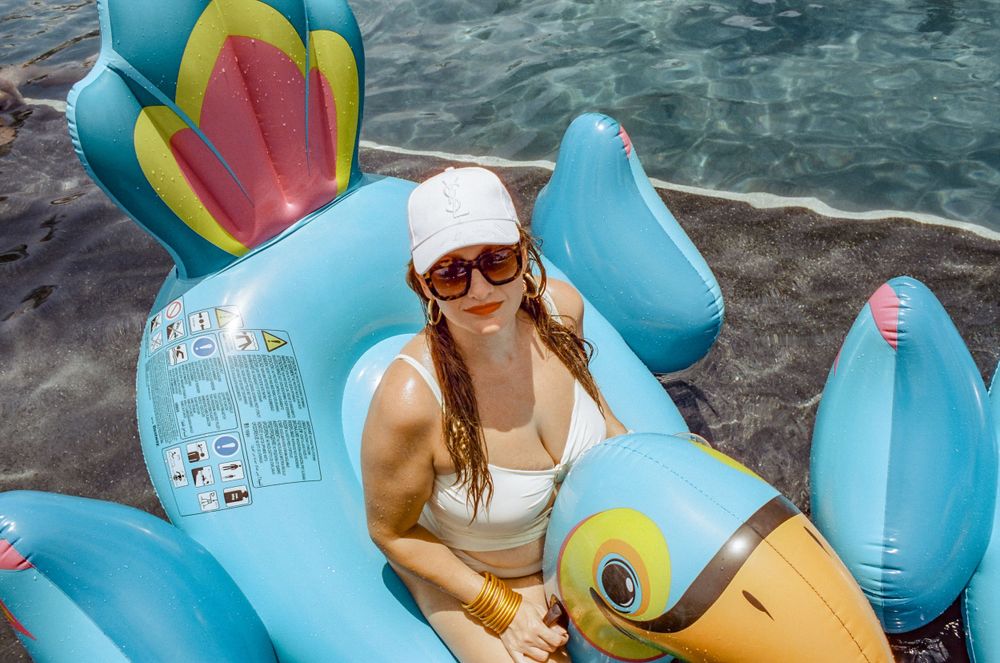
All images © 2020-2025 David Ulloa Studio. All rights reserved.