Serendipity
It was a serendipitous occurrence when Steph saw Kayla's Instagram story looking for a second shooter who knew their way around film. Without sounding like a total ass (I'm failing here) I'm an expert on film. After so many years of shooting film and learning from it, I can read light with my eye. So, I hurriedly contacted Kayla and told her I was interested in shooting with her. If you aren't following Gypsy Lemon and Kayla's work in photography and videography, what are you even doing? Anyway, after chatting back and forth and a nice phone call, Kayla's vision for Allie and Kevin, the couple who we'd be photographing, was very clear. We decided on an all Leica set up and I'd be shooting Kodak Portra 400 until light got low and then be switching over to Portra 800. I was terribly excited, but with all the mission critical work I'd ever done I'd leaned on my digital cameras. Sure, I used the same manual focuses lenses with adapters, but I had immediate feedback with the digital screens. I was a little more than a little nervous shooting a wedding exclusively on film. As I'd soon find out, I had nothing to worry about.
Metering
One of the first decisions I made was the overexpose my film. I started out the day with Portra 400, but I metered at ASA 200. Whenever I adjusted my aperture or shutter speed, I always erred on the side of caution and overexposed. Sometimes this meant I was a stop and a half overexposed. I was initially worried about this. I'd always metered spot on before. Sure I had pushed film before, but this was different. I was simply overexposing. But I remembered that highlights don't blow on film the way they do on digital sensors.
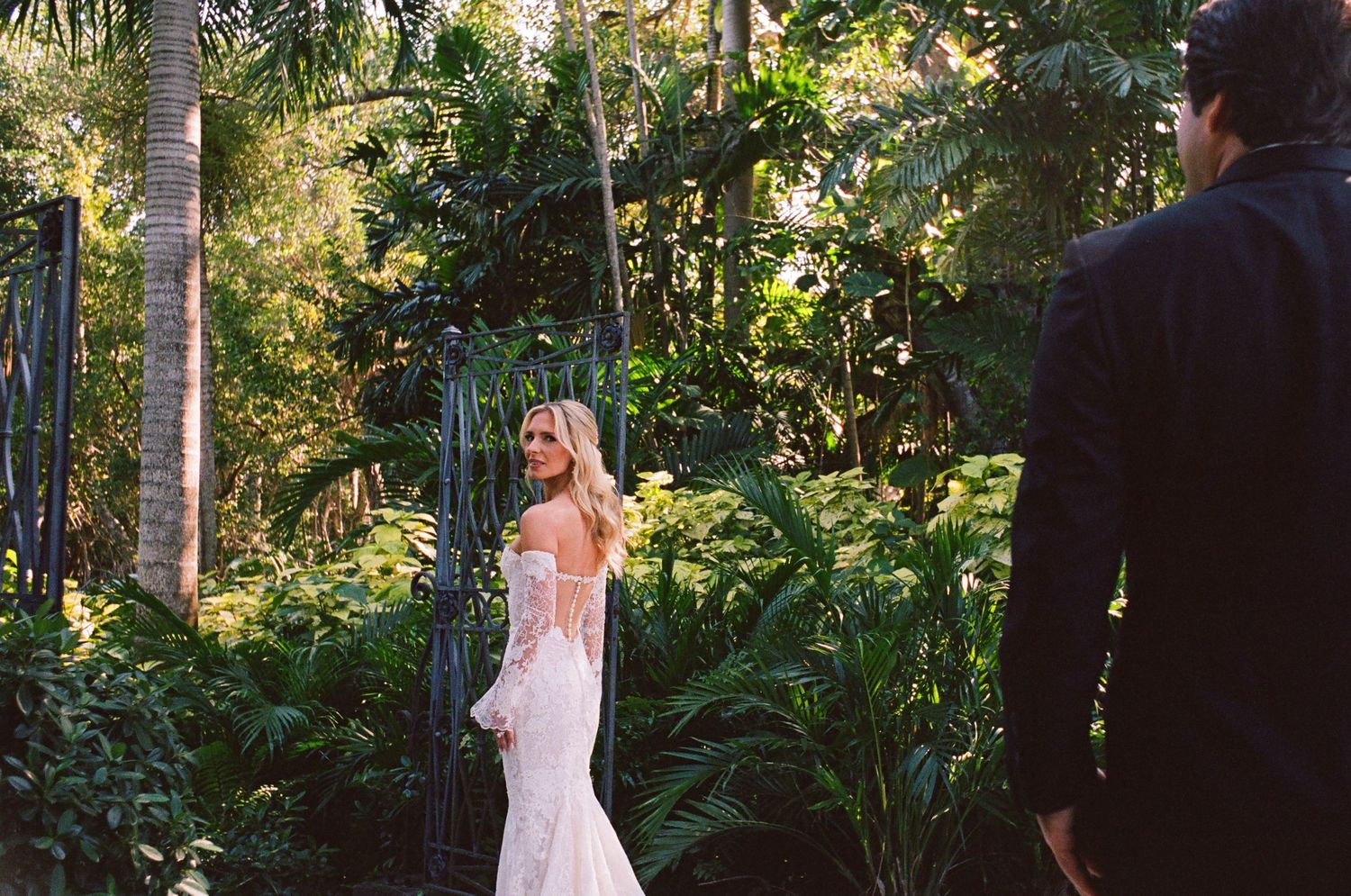
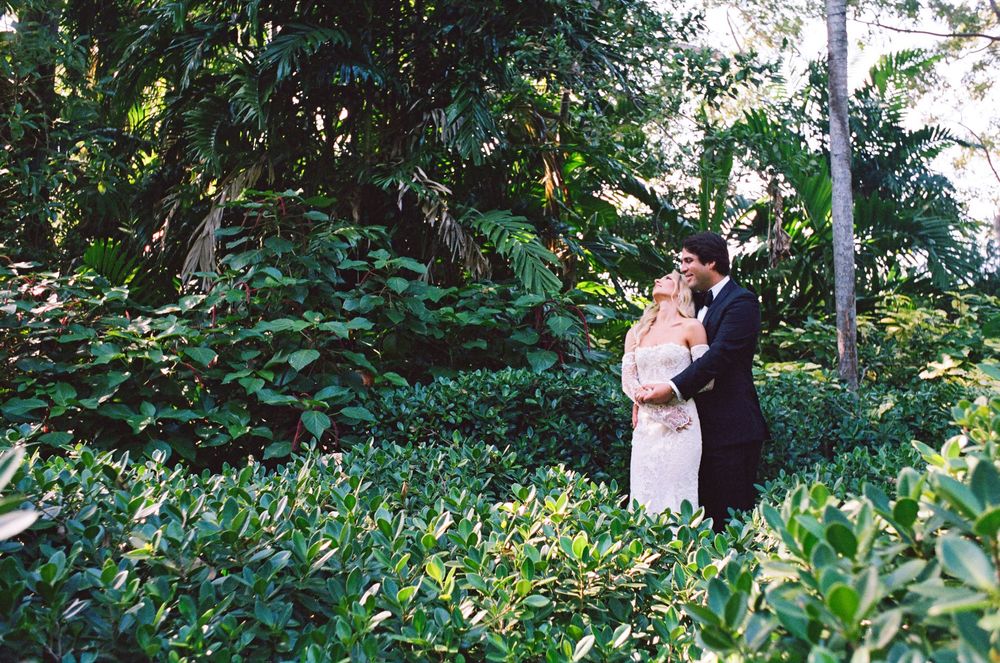
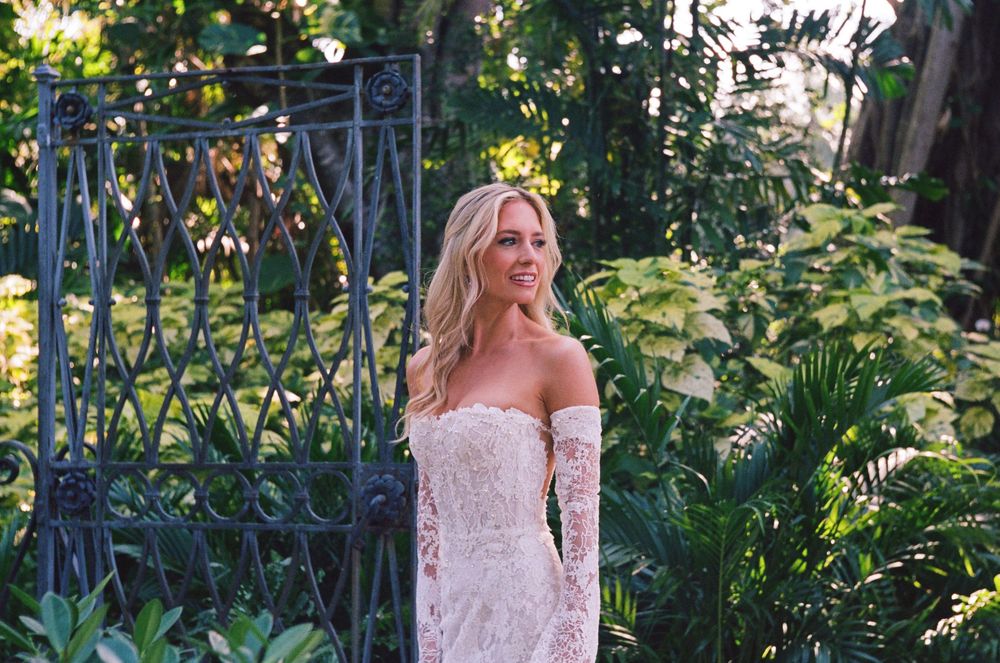
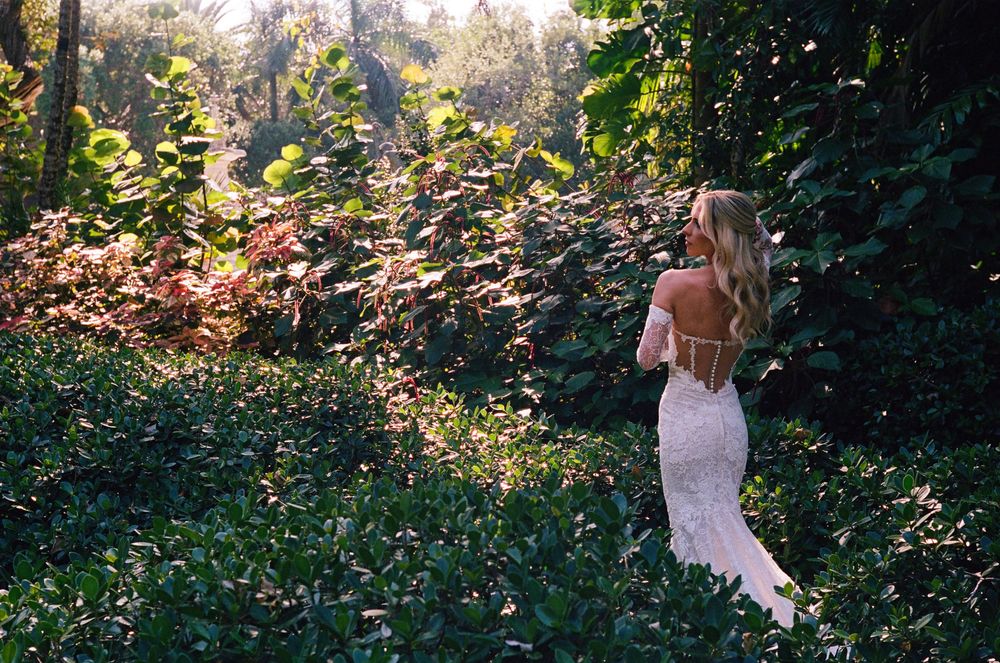
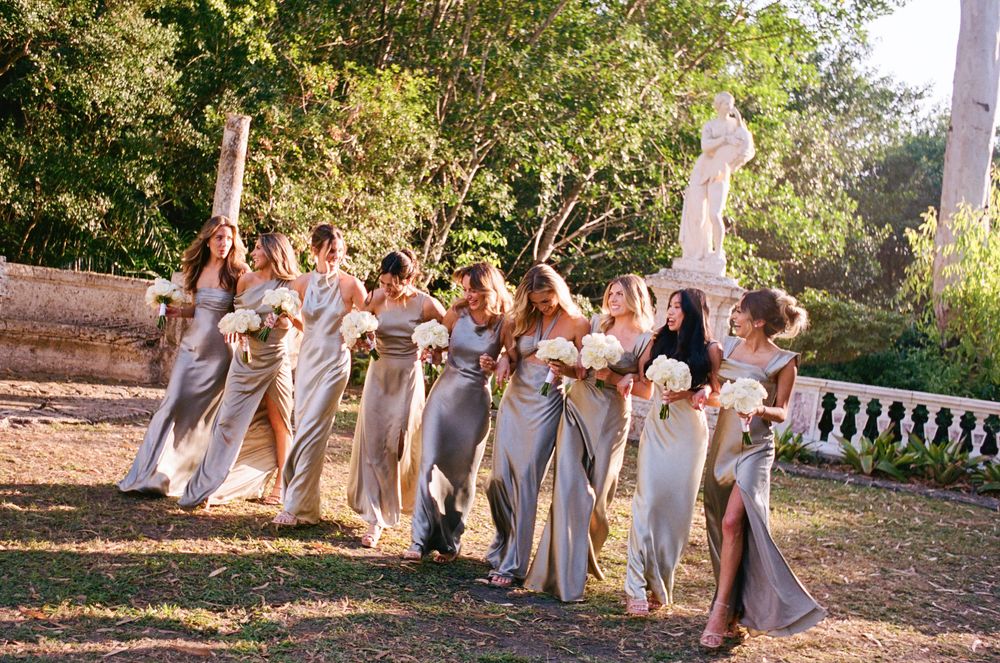
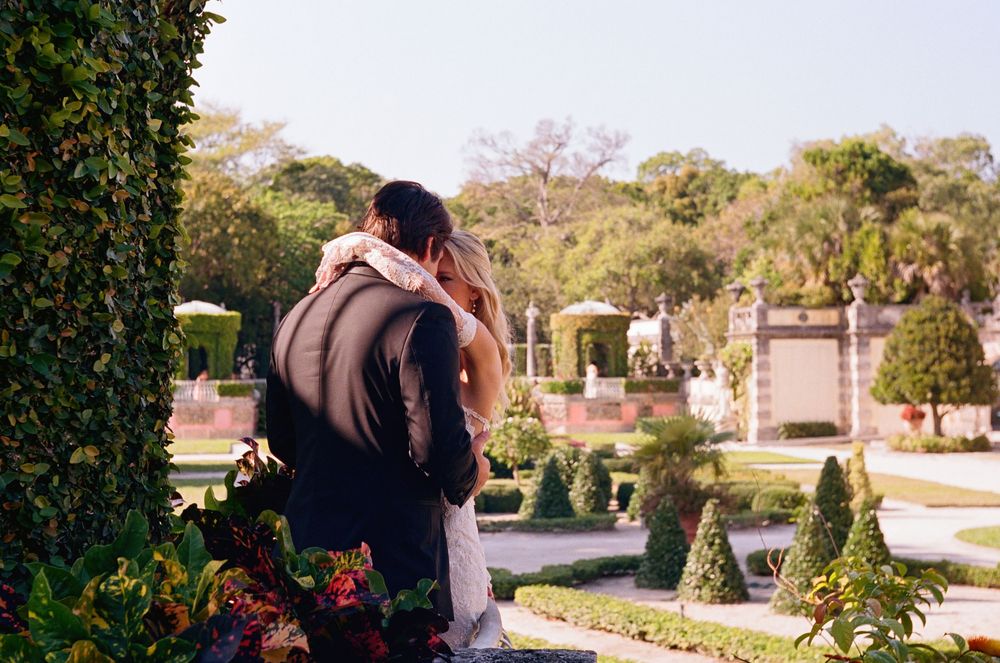
We didn't shoot any getting ready photos, starting instead, with the first look, and making the decision to overexpose from the start led to some of my favorite photos from day. Portra, of course, captures skin tones beautifully, but what isn't talked about enough is how great Portra is with greenery.
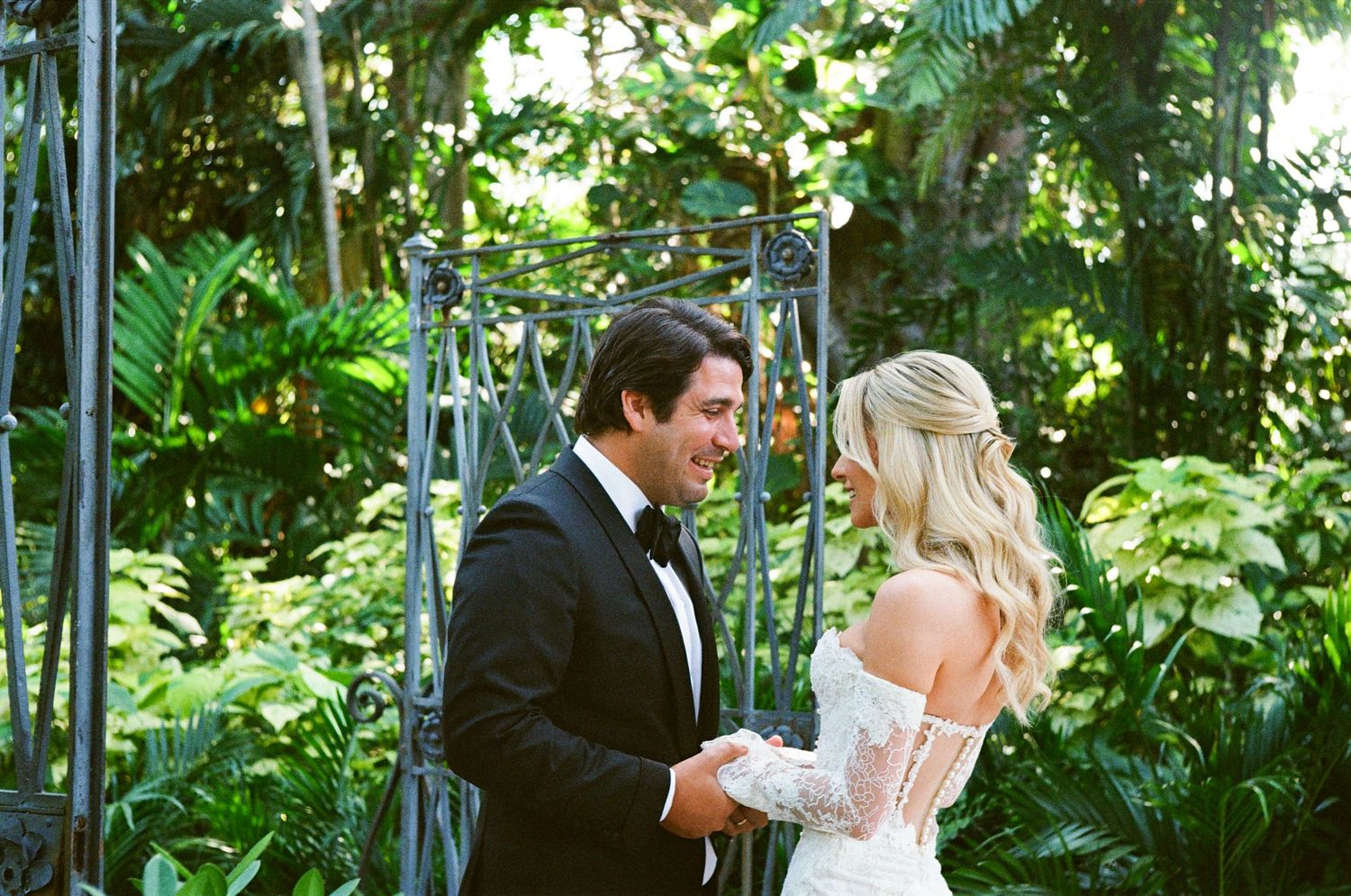
While I had previously had some great conversations with Kayla, this was the first time I was meeting Allie and Kevin. With how hectic a wedding day can be, we didn't get much time to talk and get to know each other, but they are a photographers dream. Whether it was Kayla, Lena (Kayla's videographer), or me, Allie and Kevin were always game for photos. Some people are afraid they will look silly or uncomfortable, but if these thoughts entered either of their minds I was never aware of it. They were naturals.
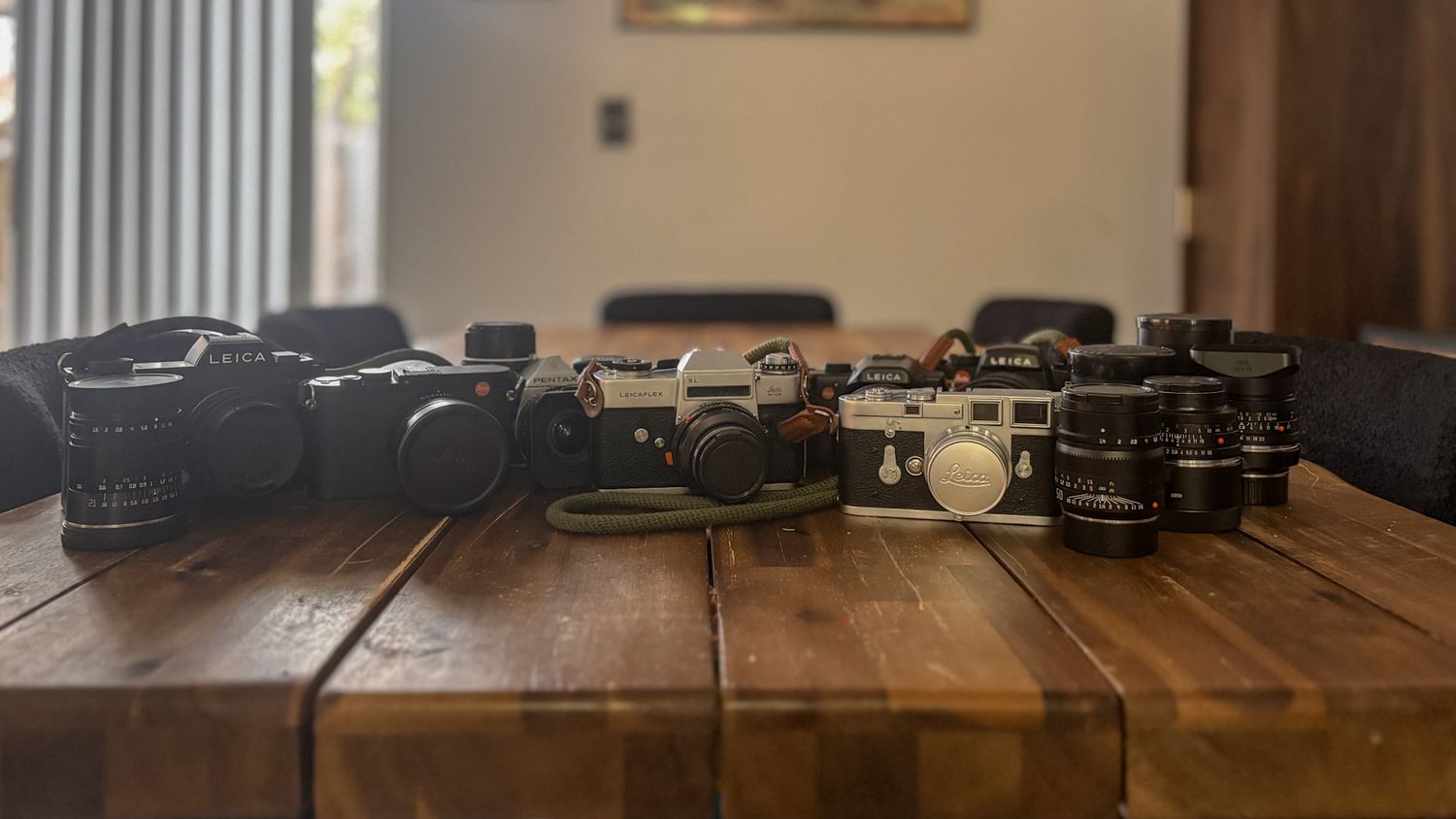
Getting back to metering, the great thing about shooting with the M3 and the Leicaflex SL is that they are entirely mechanical cameras that can be shot without meters. Hell, the M3 doesn't even have a light meter! So I usually made a call on the light and set my exposure on both cameras and ran with it.
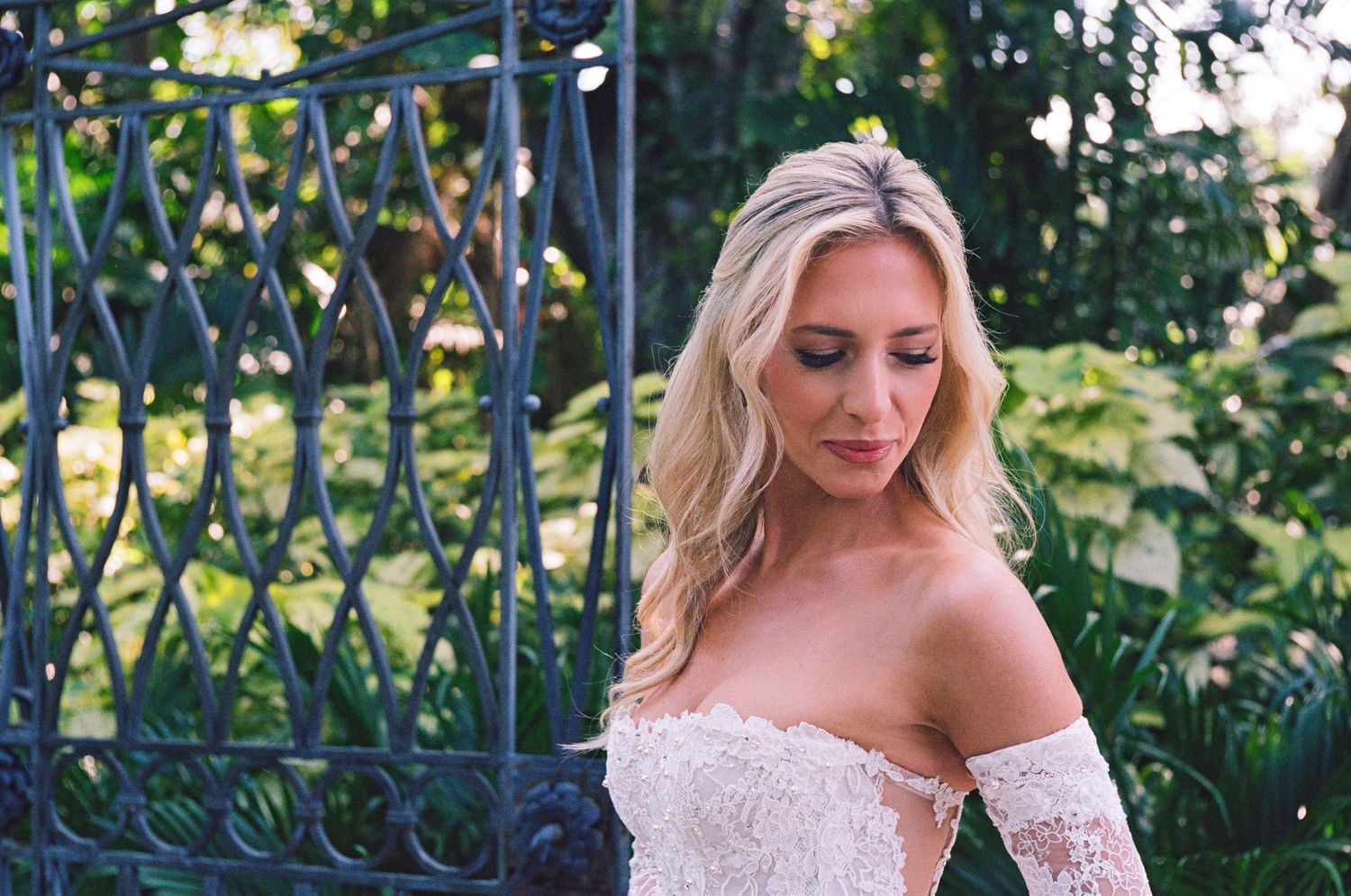
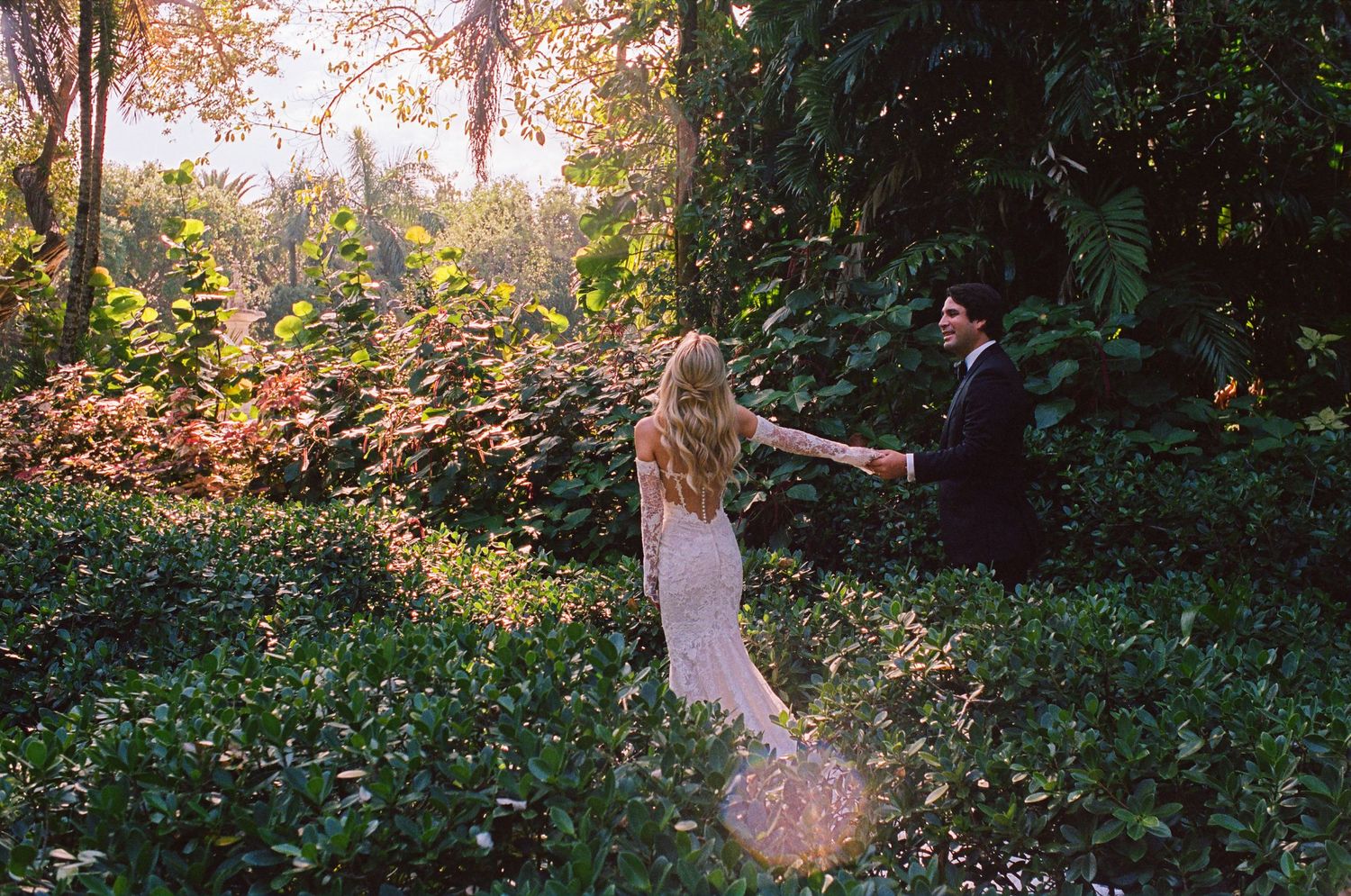
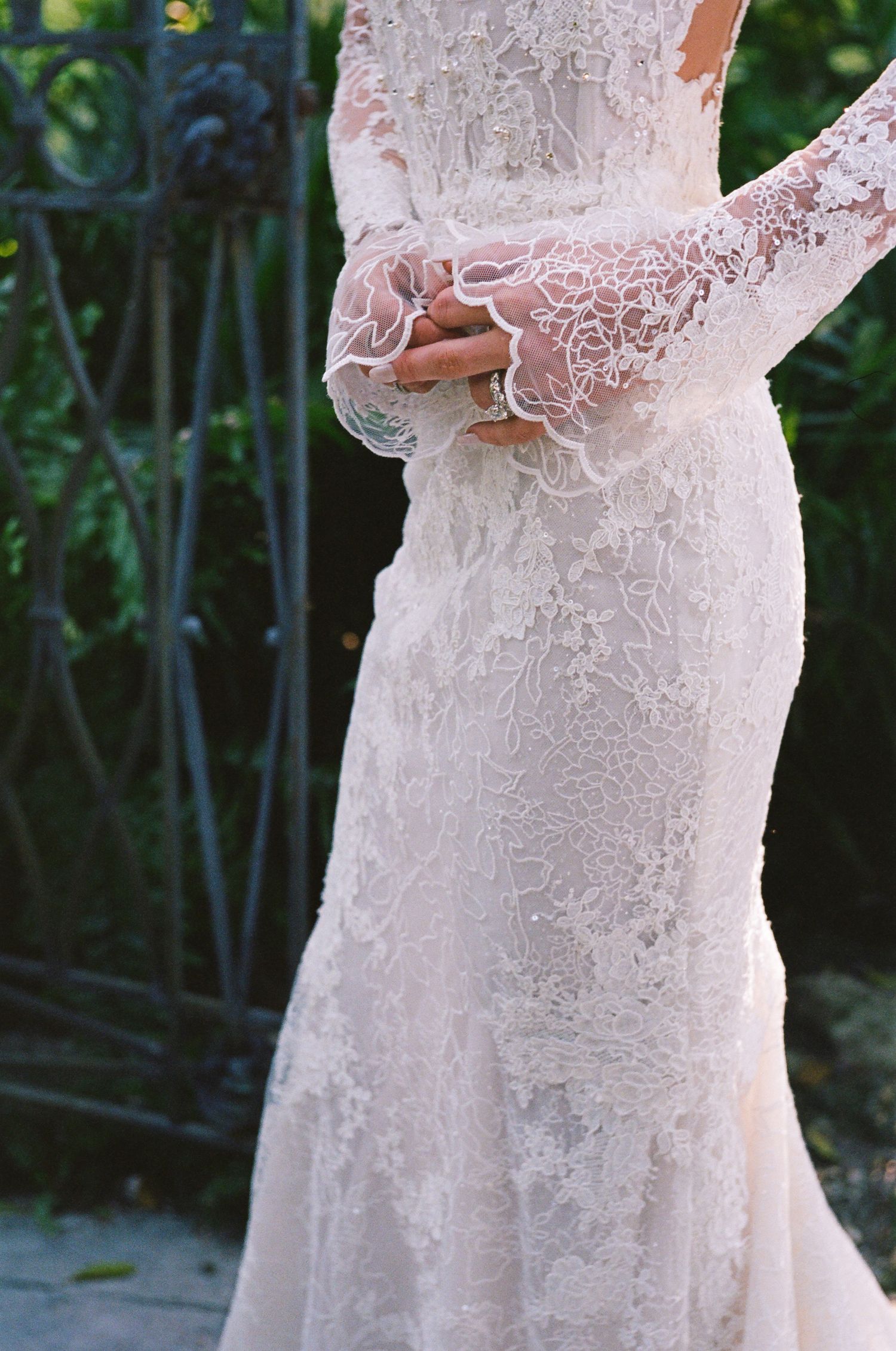
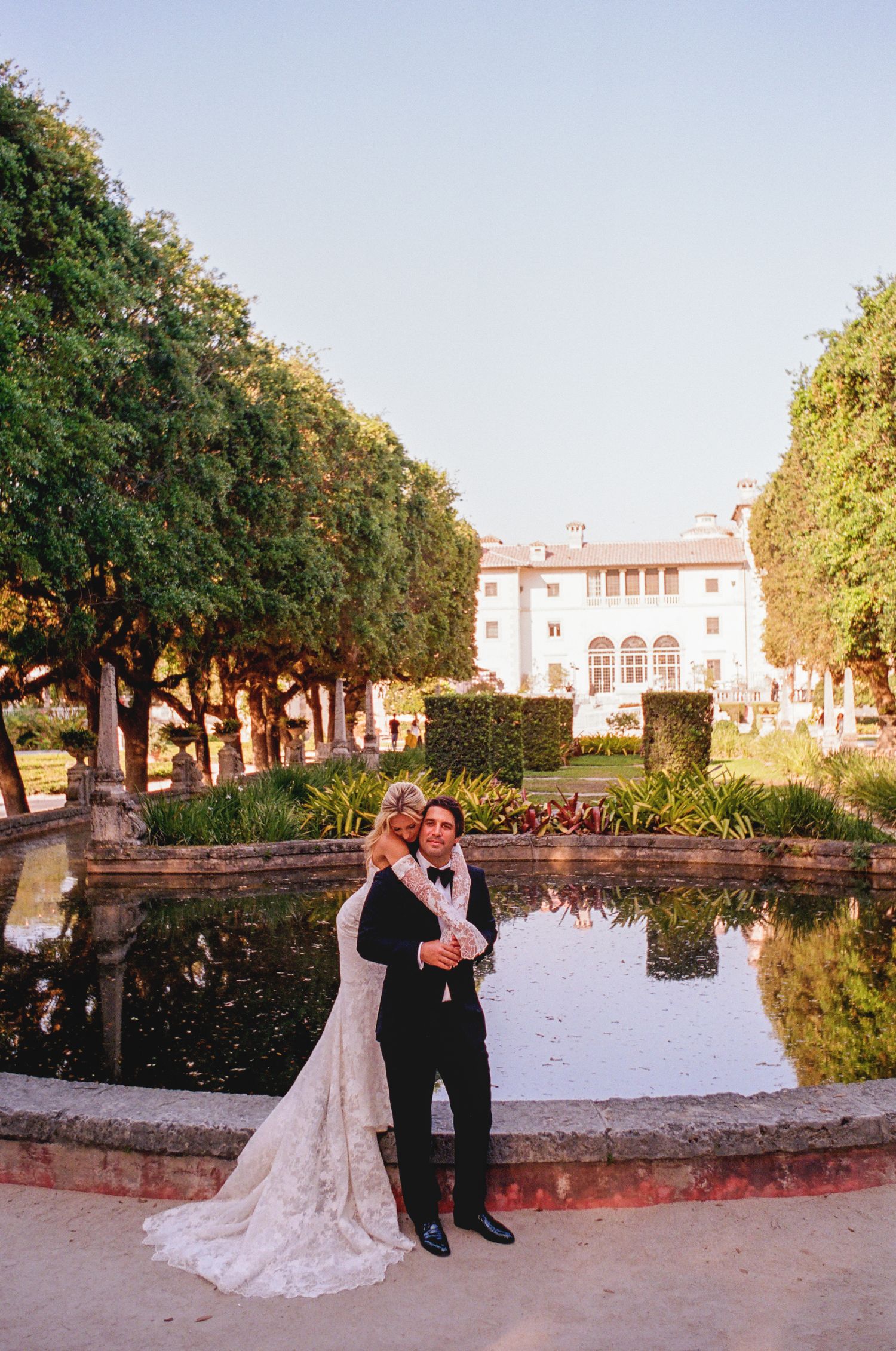
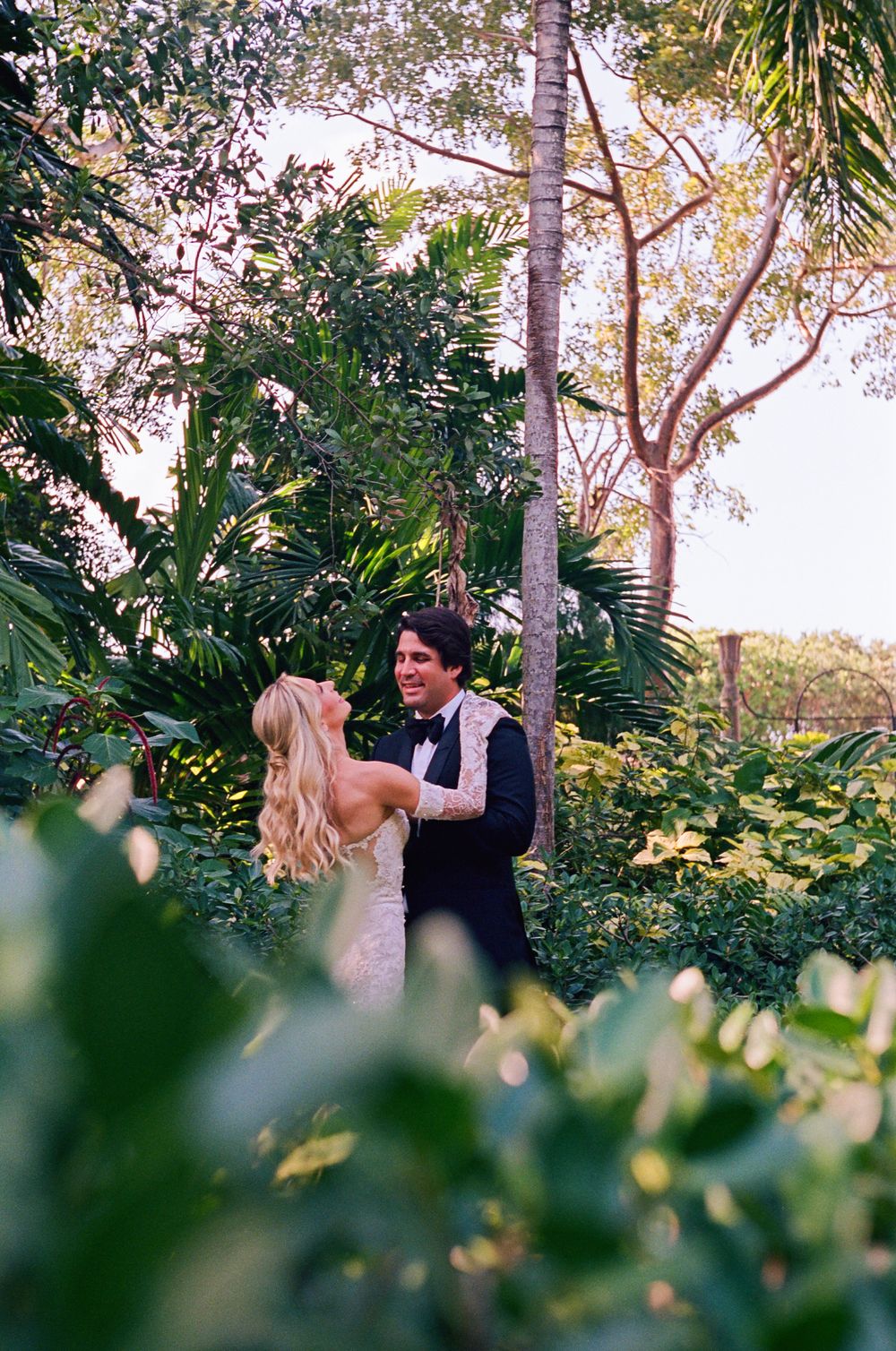
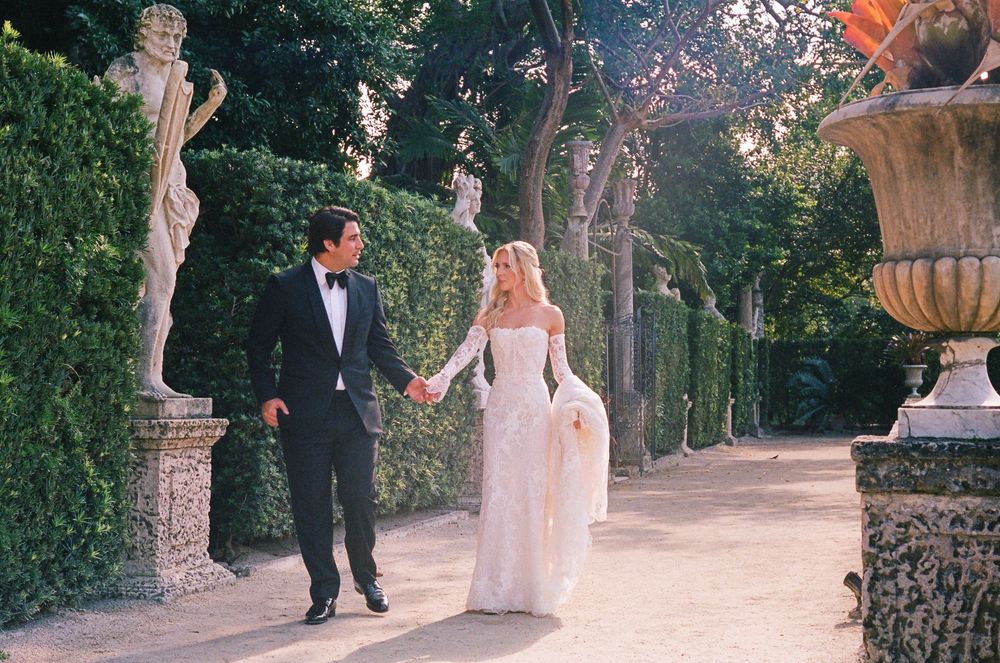
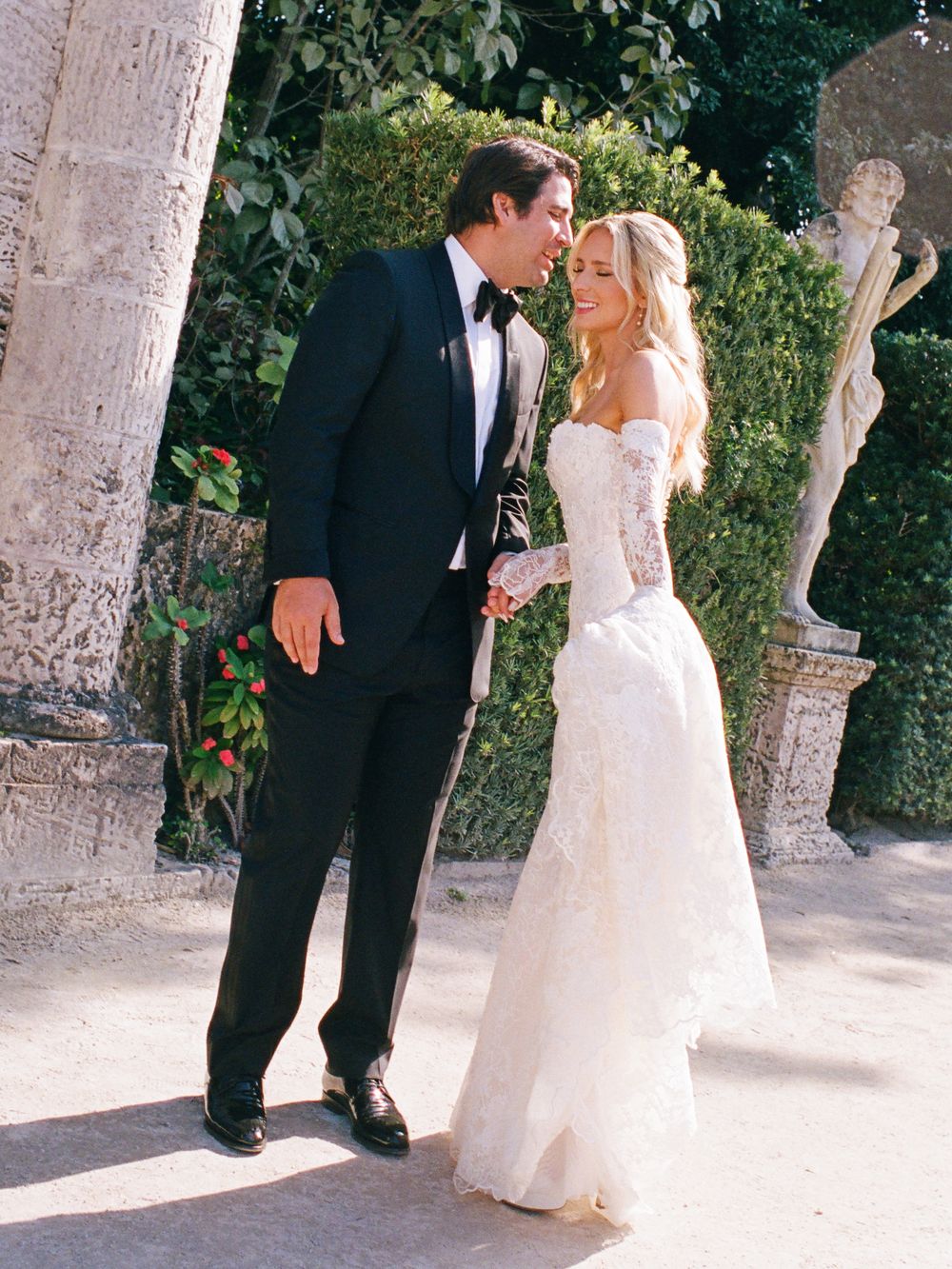
I can't say this enough, but scheduling the right shooting time is paramount to any shoot. We had a 04:00 start time which meant that the sun was starting its descent and was providing some nice lighting that wasn't too harsh. In the greenery of these gardens at Miami's legendary Vizcaya Museum and Gardens, this was like magic. I leaned on my M3 and Summitar 50mm for this part of the day. I knew that the lens' penchant for flaring and low contrast rendering would help render the scene nicely. And after checking out the scans, sure enough I prefer the Summitar shots to the Summicron 50mm shots I got with the SL in this scene. Always, however, metering appropriately and overexposing. Especially in these shadow-heavy scenes, this is necessary. In fact, in these shots immediately after the first look, in which contrast was high, I overexposed by about two stops (effectively metering one stop over for the shadows). The next few scenes, however, were very different.
Lenses
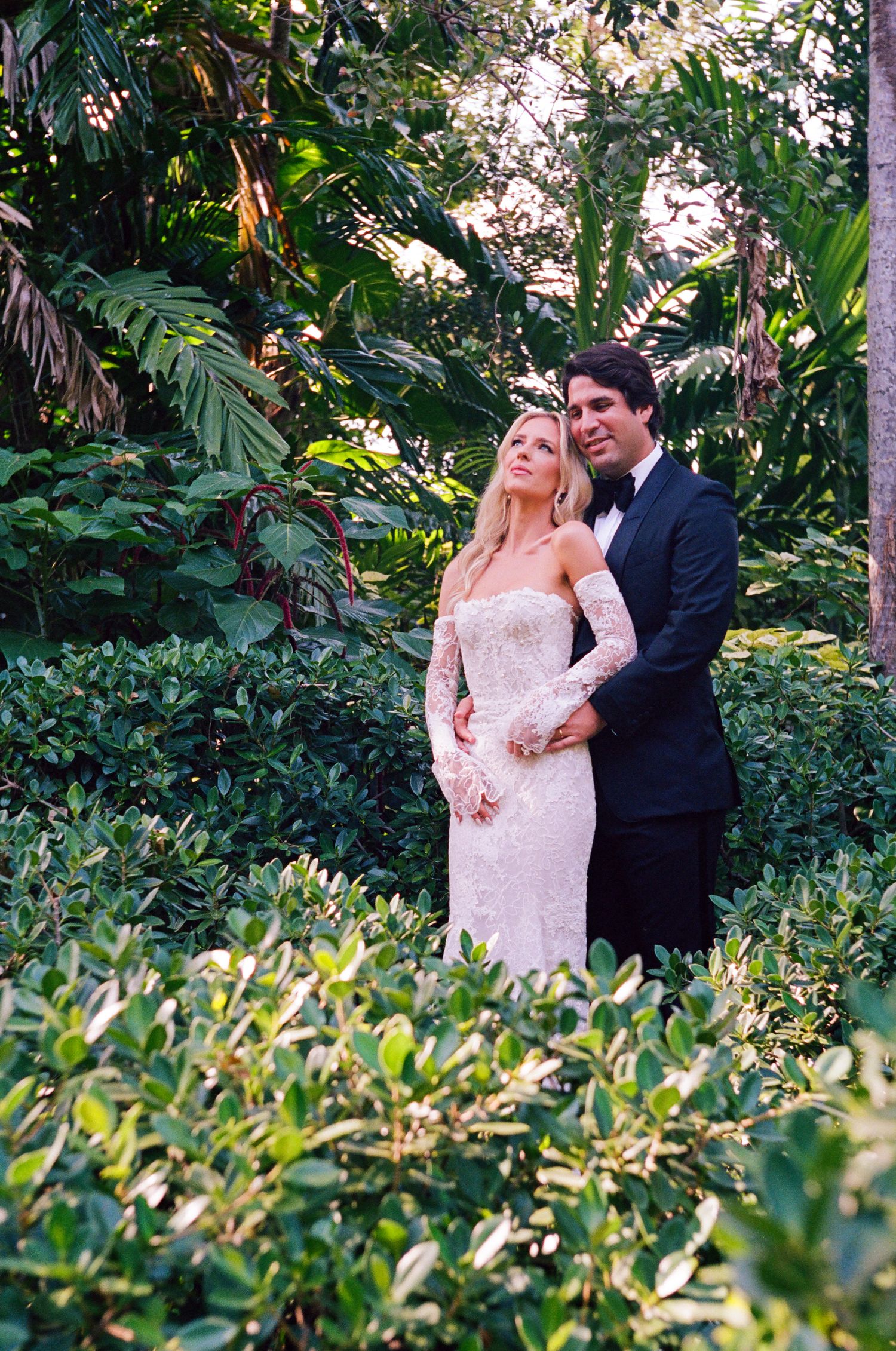
This was one of the places in which I defaulted to what Kayla thought was best. We had discussed my lens collection and she asked I lean on 35mm as my wide-angle focal length. 28mm is my go-to for wide-angle work, but I decided that for speedy focusing and composition, it would be better to go with the Elmarit-R 35mm for the Leicaflex SL instead of the Summaron 35mm for the M3. I'm glad I went this route. I'm also glad that Kayla suggested the 35mm. Since this wedding, I've been in love with this lens, which previously didn't get very much use.
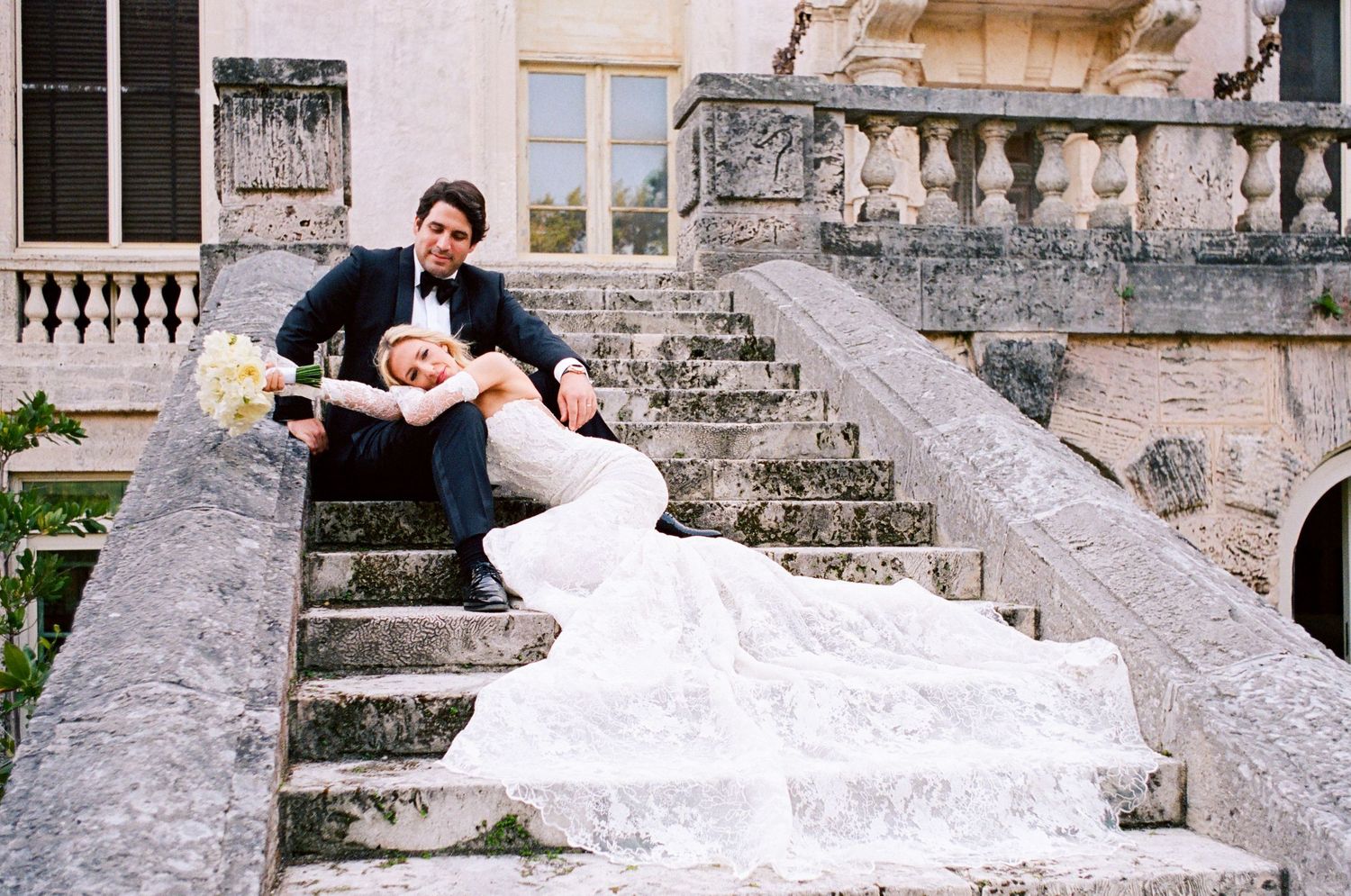
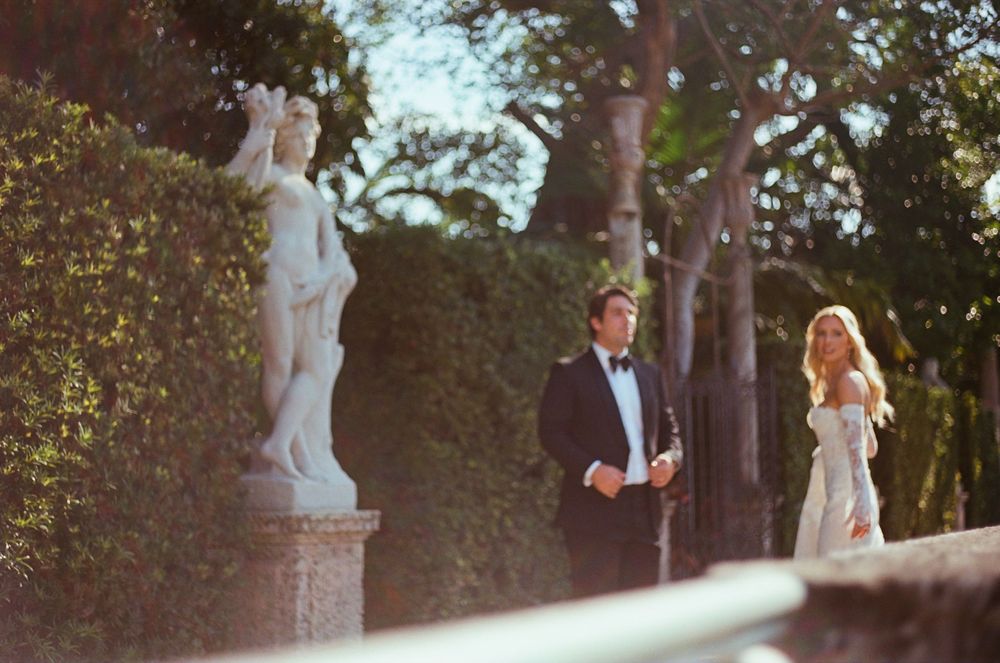
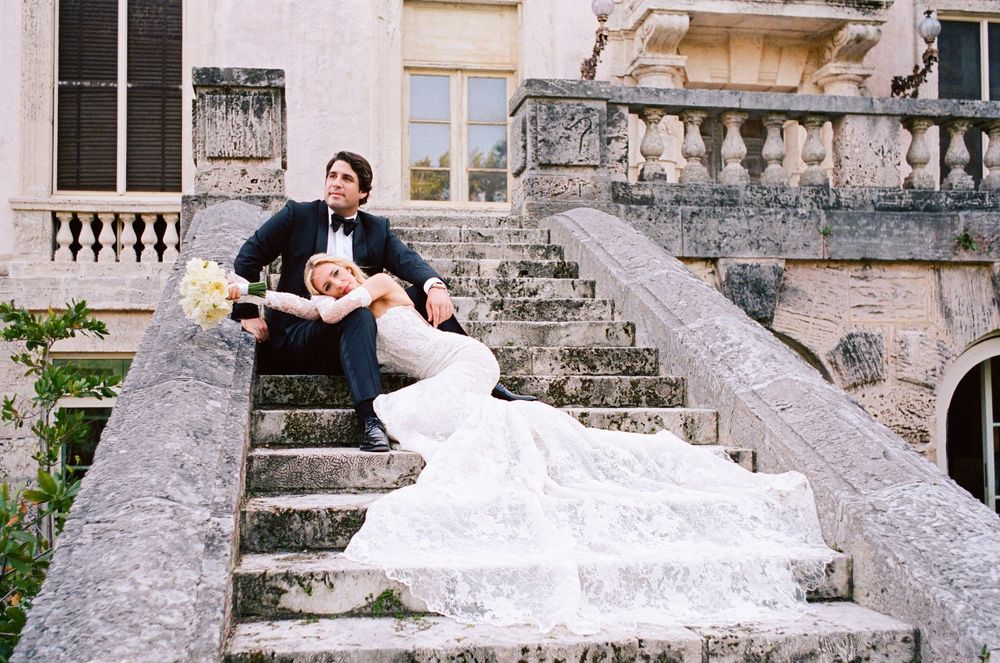
This angle of view is perfect to capture full-body portraits with context. That is how I utilized it. I often had the Summitar 50mm on my M3 and the Elmarit 35mm on my SL, switching on and off between them often to accomplish a variety of angles. This one of Allie and Kevin at an exterior staircase is one of my favorite examples of putting the 35mm to work.
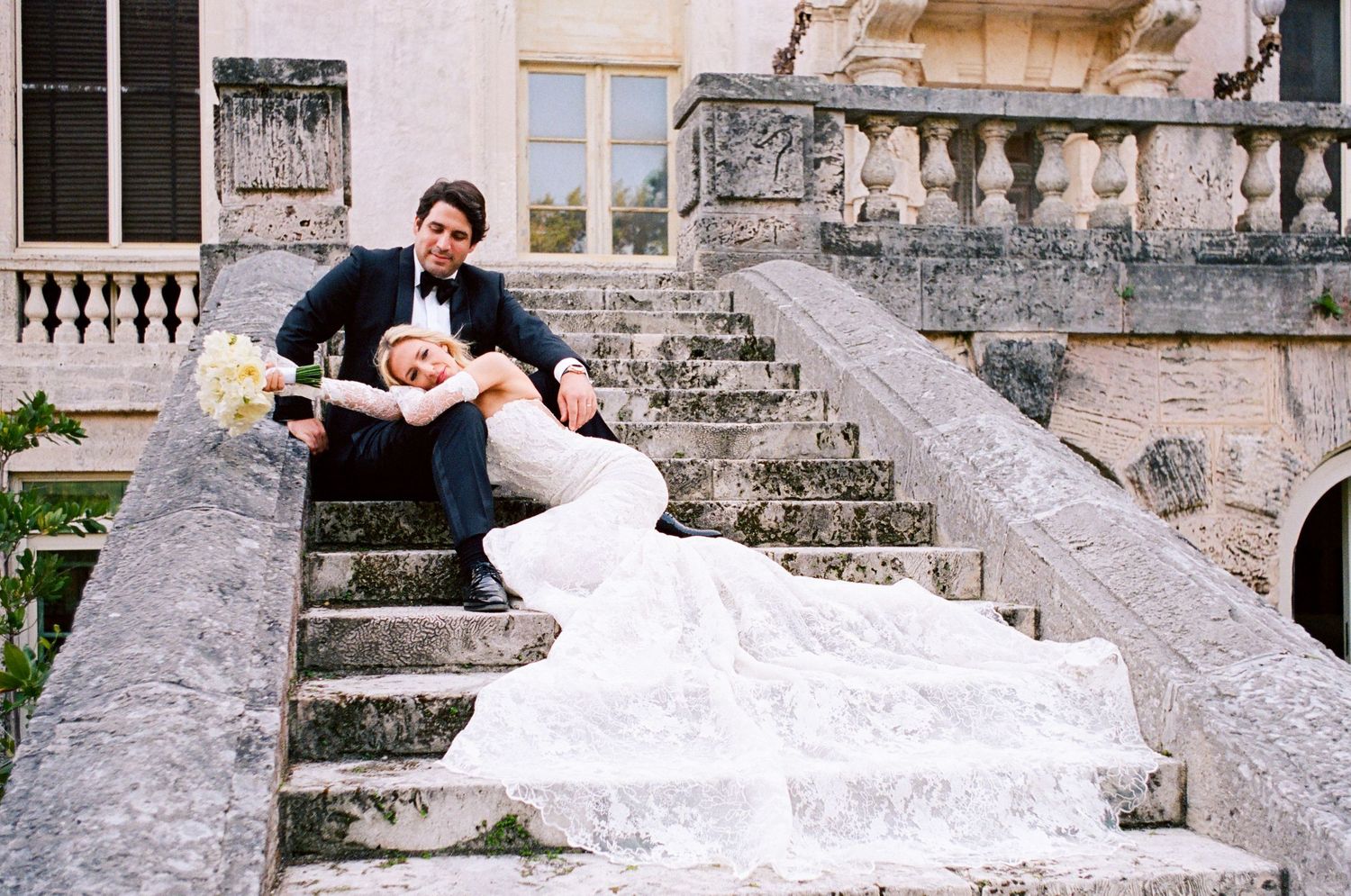
35mm and wider also works great for zone focusing. And something I've learned in my time shooting weddings is that motion is dynamic and cinematic. Posing is great, but I've actually found that the moments between the poses are often my favorites.
As second shooter, I made sure to find different vantage points to where Kayla was shooting from. What's the point of having the same shot from two different photographers, right? So I'd position myself with something in the foreground and get those shots in between the shots that I knew Kayla would be getting. 35mm was perfect for this. Kayla was on medium format and getting tighter shots usually, so I'd get as many of these as I could.
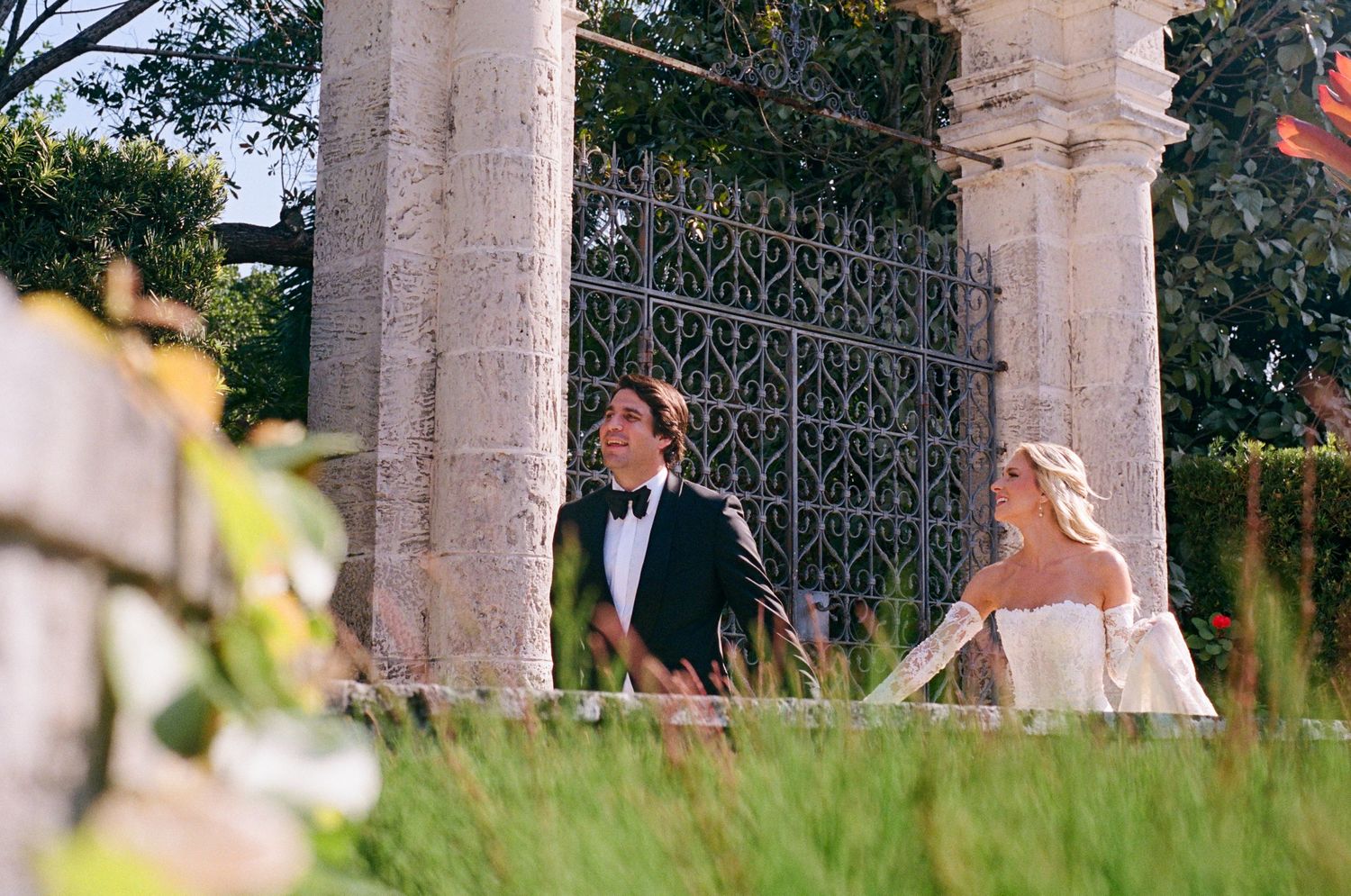
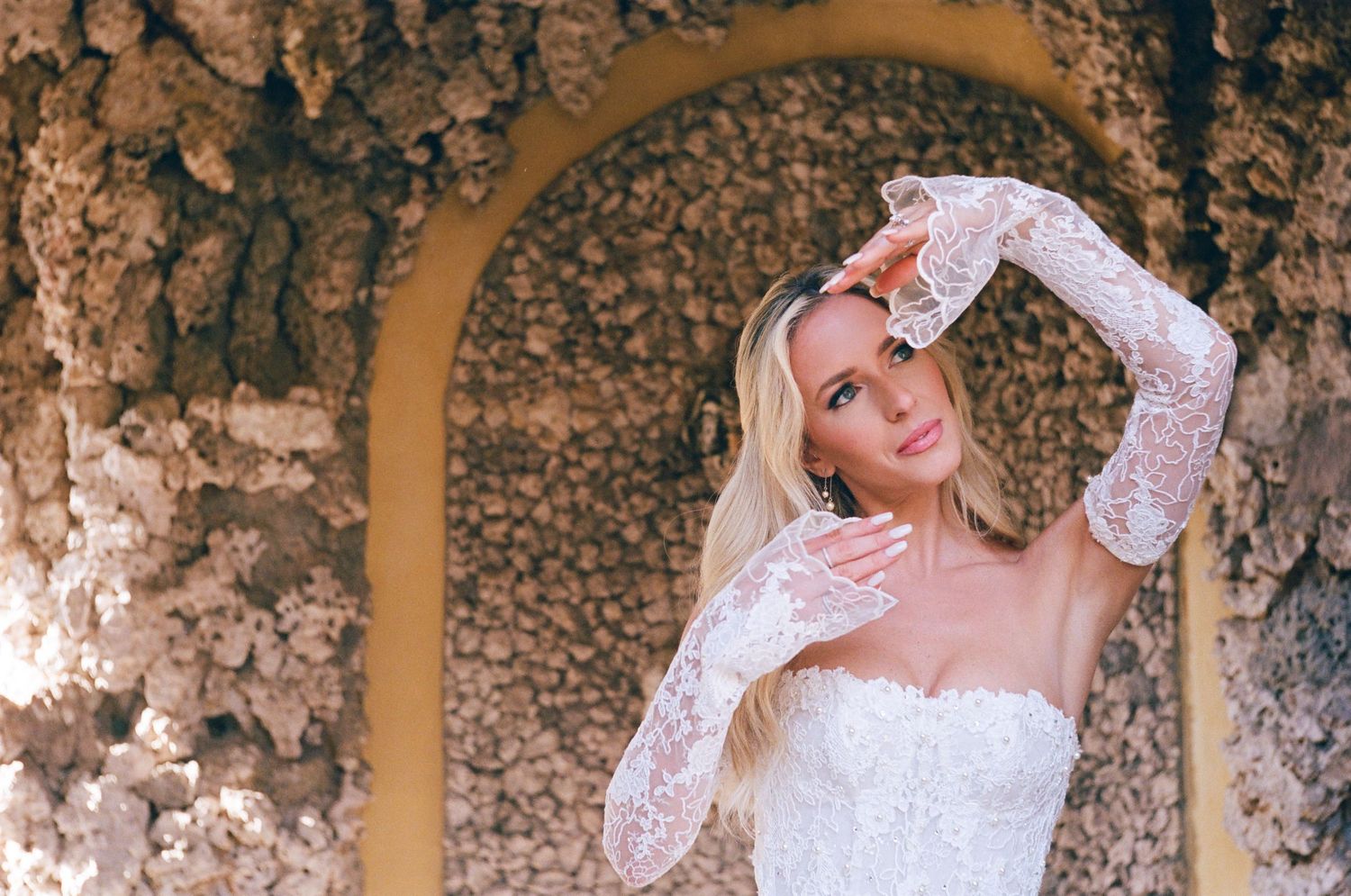
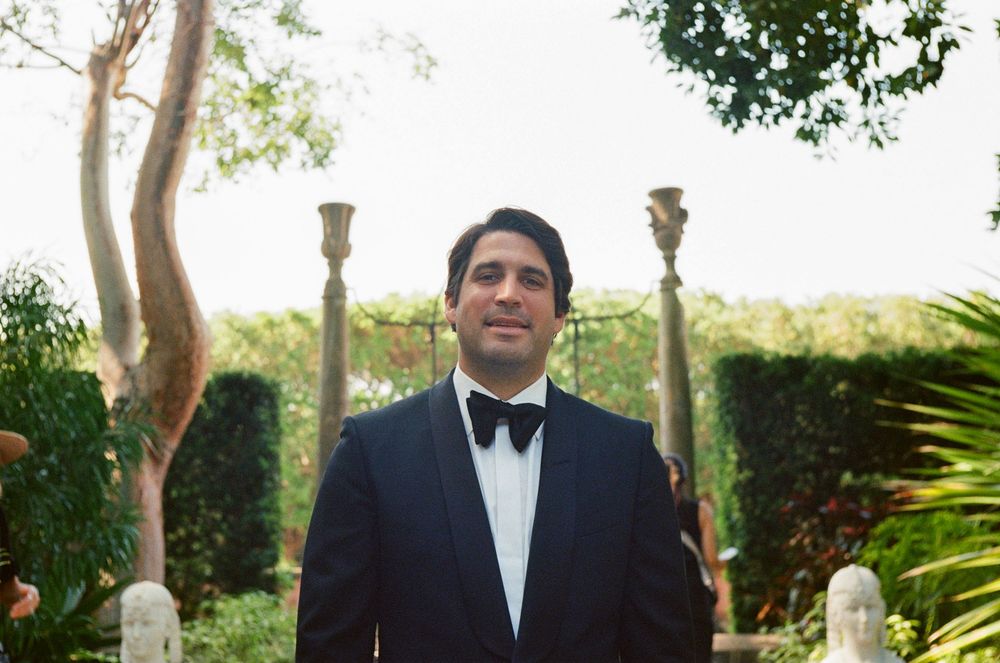
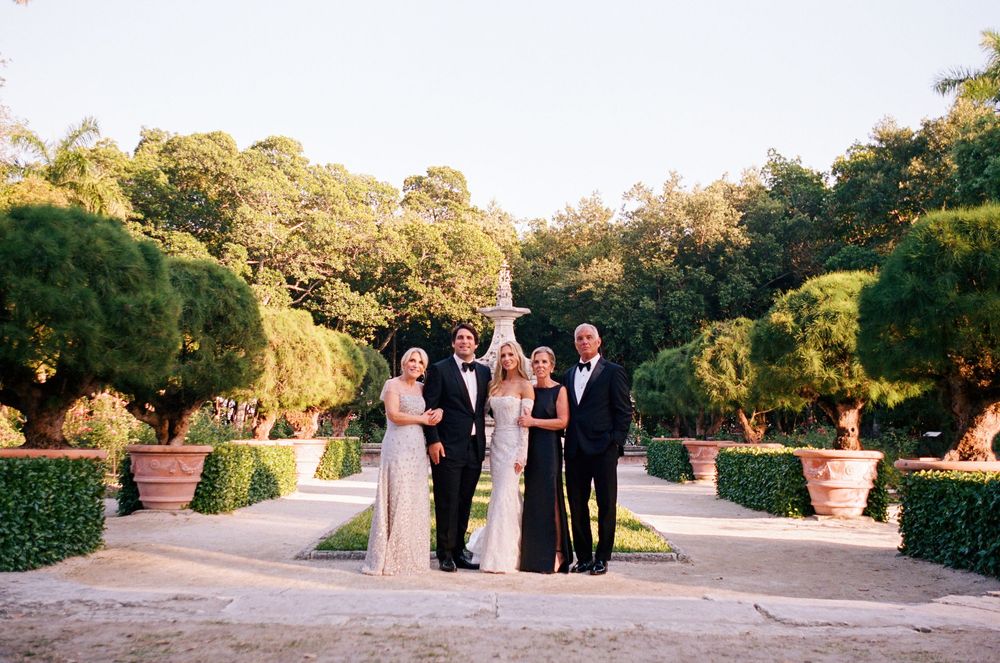
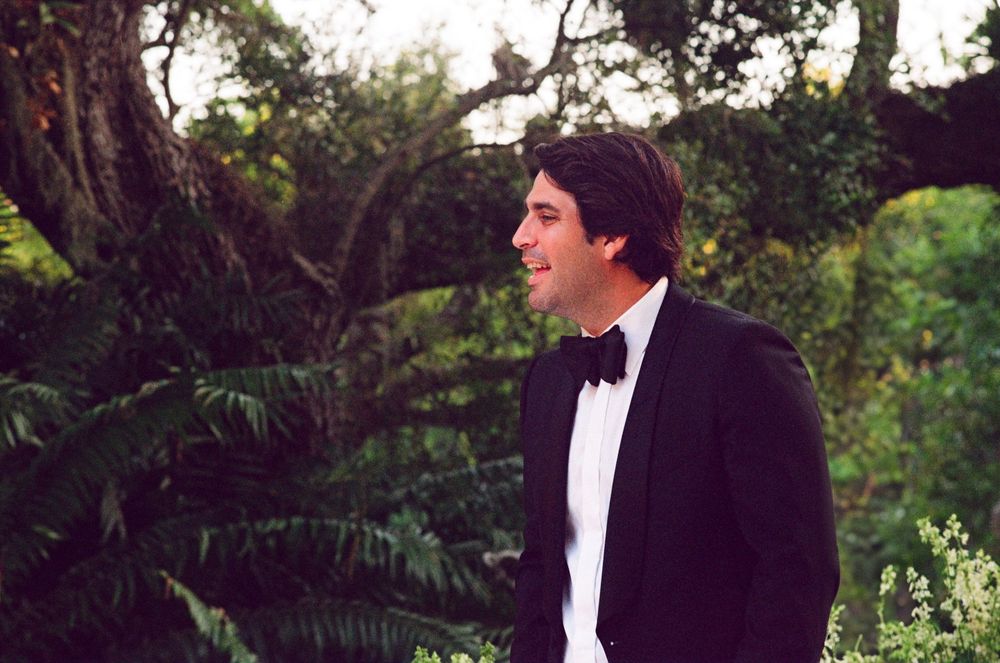
50mm was chosen as the normal lens, which shouldn't be surprising to anyone. It was the only focal length I brought for the M3. Those 50mm frame line make shooting that focal length a breeze. For anything that wasn't a full body portrait or a very tight shot, I opted for 50mm. It's a focal length that is extremely flattering for people. Proportions are captured true-to-life and without any sort of distortion. And over the course of the last year the 40-50mm focal range has become my favorite. It just feels so natural to me. And there were times in the day in which I had 50mm lenses on both bodies, but generally I kept to the M3 for 50mm. Rangefinder focusing is so quick and easy that I'd often come in for a quick posed shot that could be made in a matter of seconds as the rest of the team focused on another task. Whether Allie or Kevin, they were always down for whatever idea I suggested, like this one of Allie Vogue-ing a la Madonna.
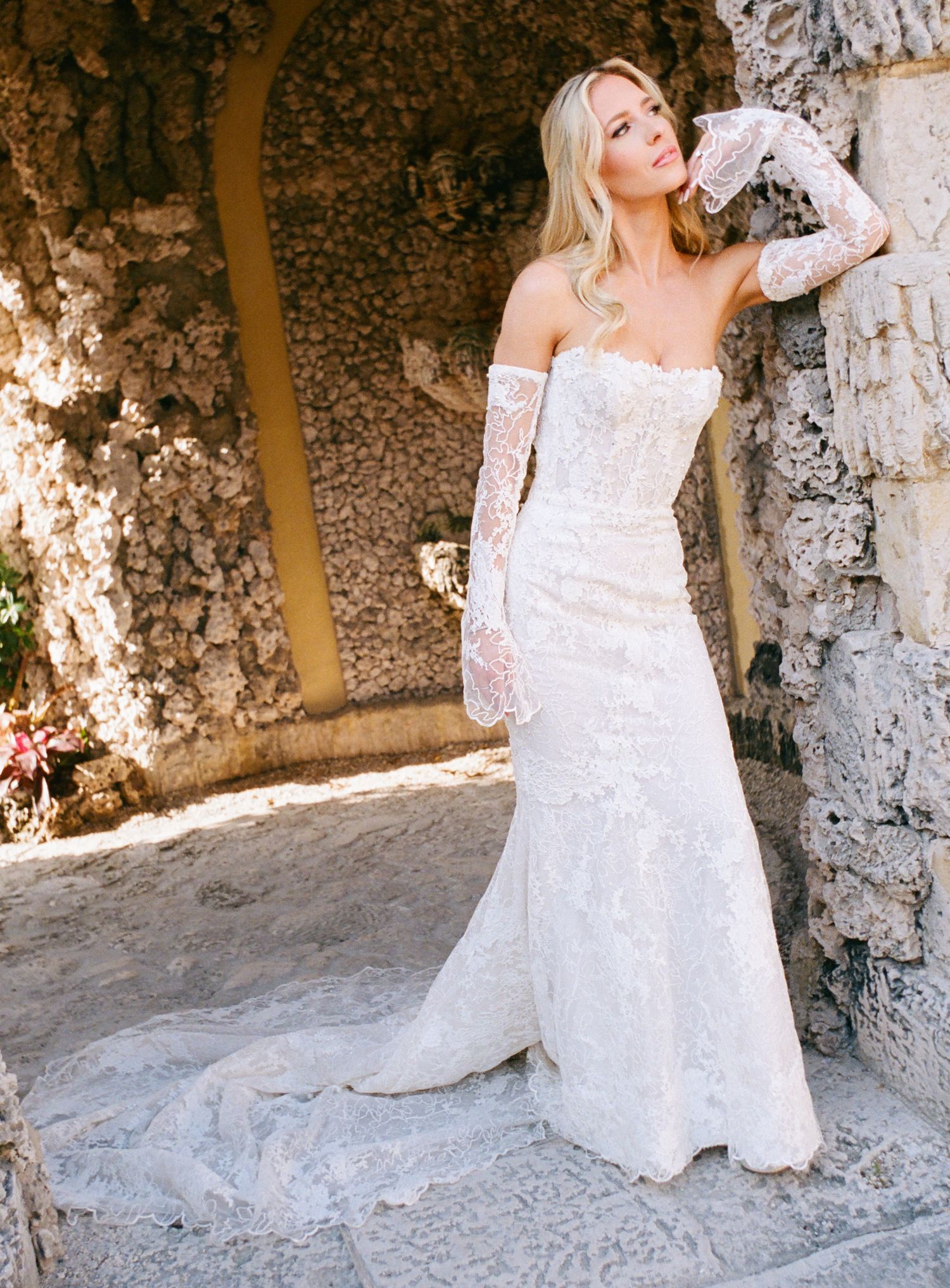
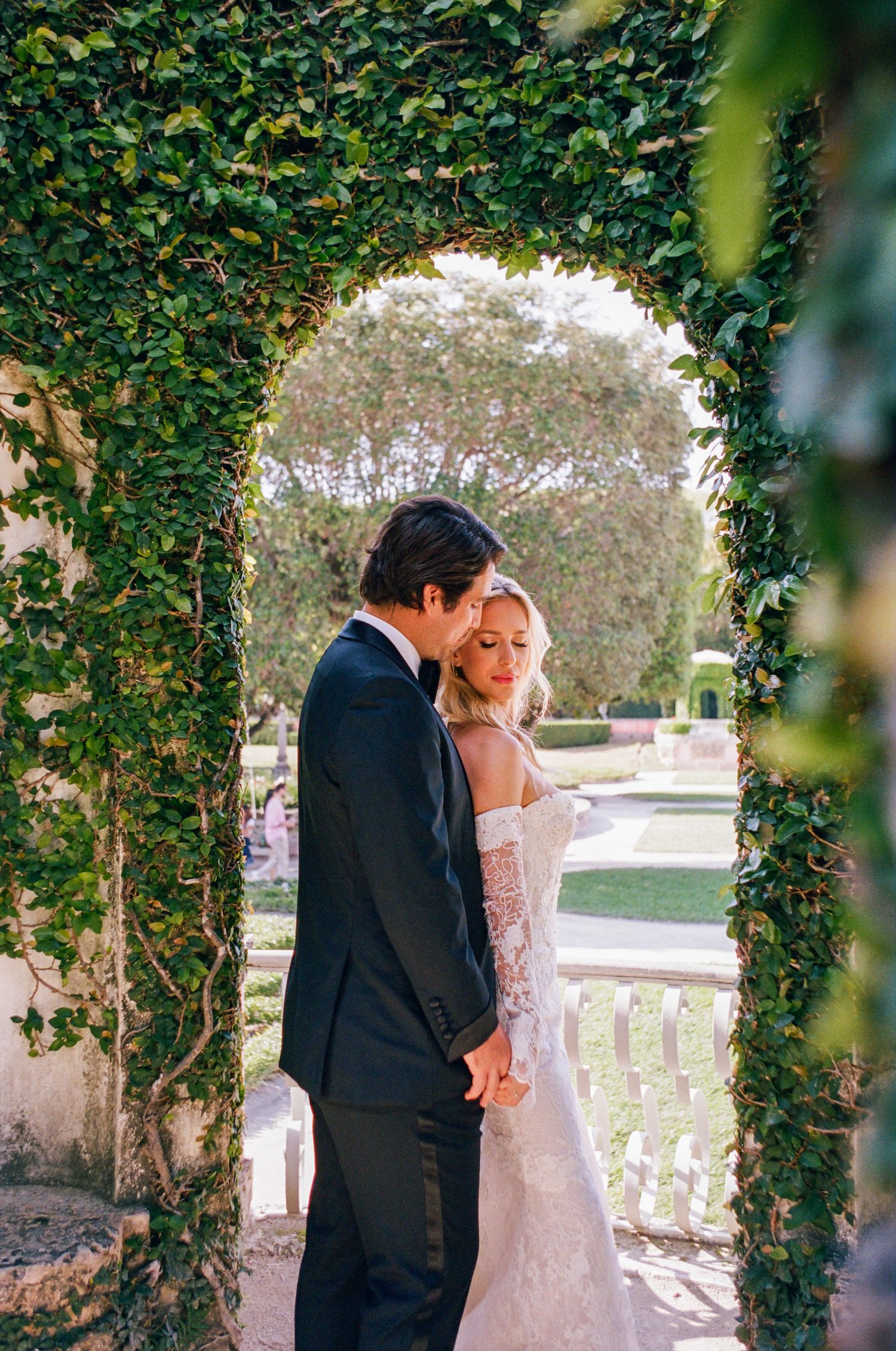
The other great thing about the 50mm focal length is that while there is a good amount of compression that happens with background, there is still enough context that your shots have lots of detail. Vizcaya was chosen because of its gorgeous setting. Did I really want to blow out the background in bokeh? I stuck to my Sunny 11 rule and stopped my lenses down quite a bit to have them in their sweet spot. Subjects are sharp and pop, while backgrounds retain detail and allow for some narrative storytelling.
This is not to say that I didn't use my longer lenses. I did, in fact, bust out the Elmarit-R 90mm just before the ceremony started. But generally speaking, I only use the longer lenses when I need the reach.
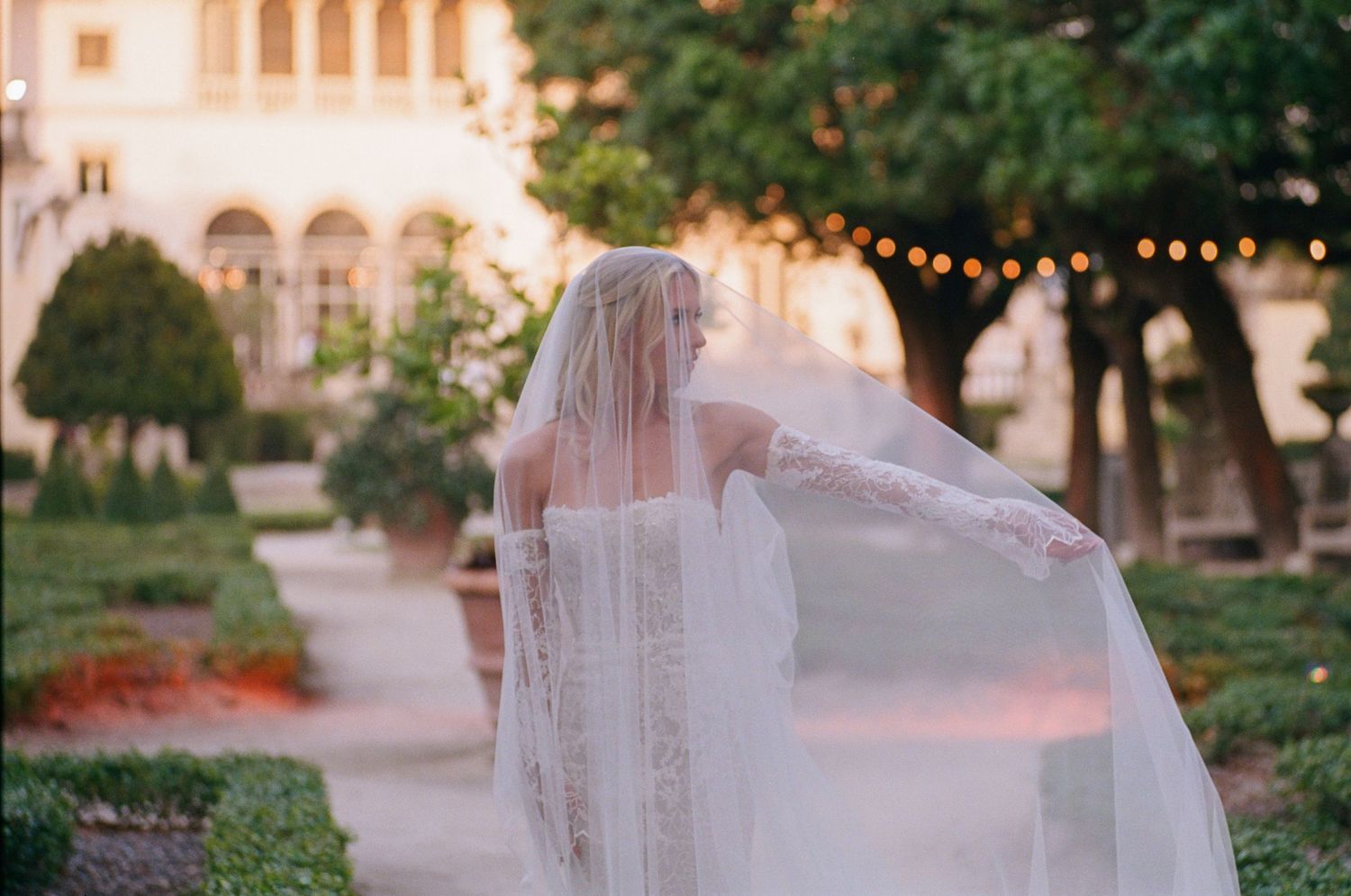
I got a chance to do some intimate portraits with Allie just before guests started arriving. The sun was getting low and the light was just beautiful. 90mm was certainly the right choice for these. It allowed Allie to pop like a 3-D cut out. With some careful composition, I was even able to have some background context come into frame and keep the narrative through-line present.
90mm would absolutely be necessary once the ceremony got started. And this was the only part of the wedding I was still concerned about.
Pushing Portra 800
It was late January when we had first spoken about this wedding. And that's important because I had just pushed some Portra 800 over Christmas vacation. So when Kayla told me that we'd be shooting the ceremony after nightfall I was confident that even if the light was REALLY low, there wouldn't be a problem. Well, that's what I said, anyway.
The truth is I had never shot in so much darkness. I finally consulted with a light meter I brought with me and found that pushing one stop would be enough, however, I wanted to overexpose if possible. So, I opted to meter at 3200 and push exposure two stops in development. I told Kayla this just before the ceremony started and she told me to go with my gut. It was amazing to work with someone who had so much trust in me.
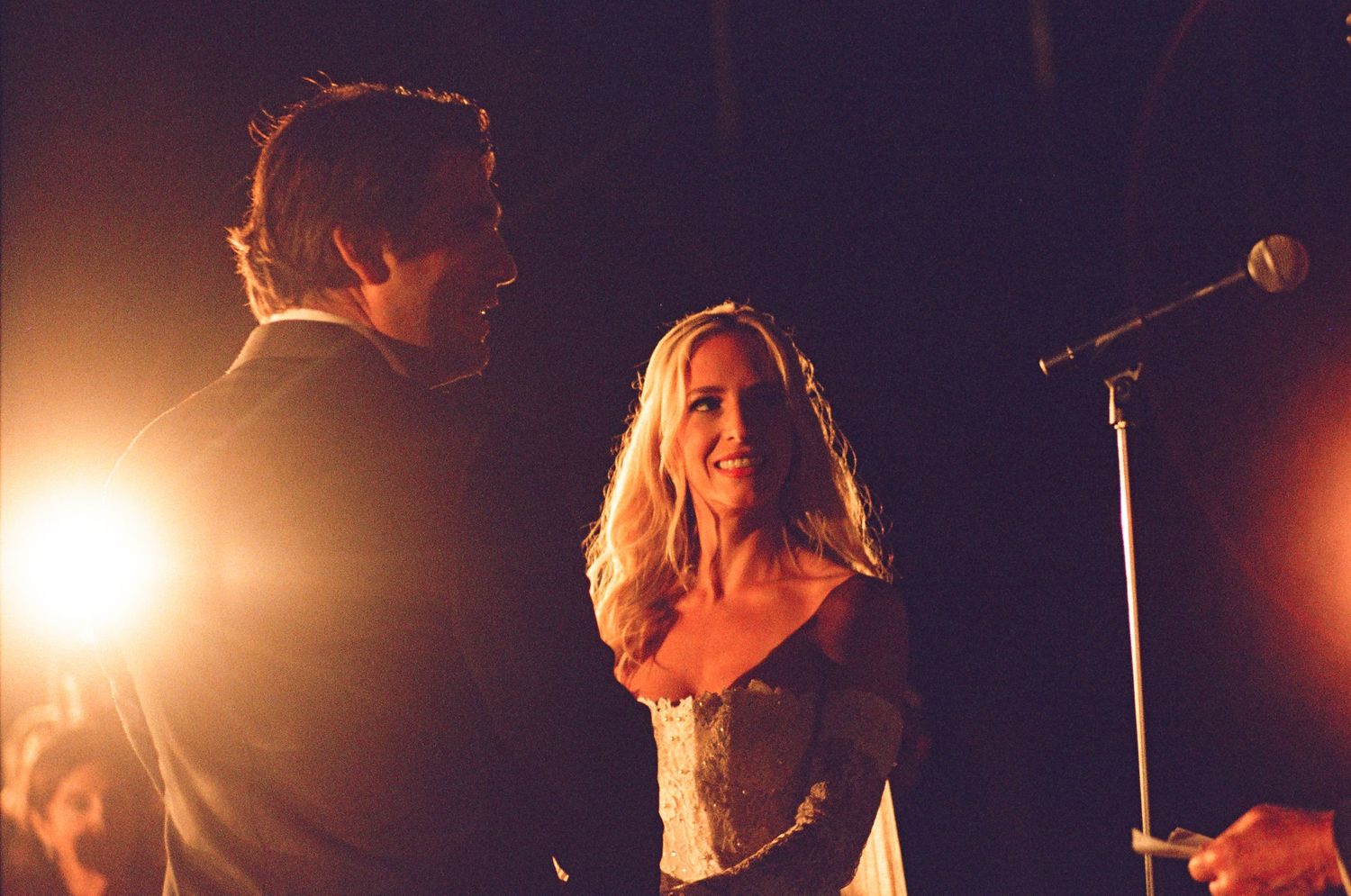
This was definitely the right choice. Another choice that I confidently believe was the right one, was the decision to not use my Elmarit-R 135mm. I essentially shot the ceremony with only the Leicaflex SL and 90mm for fear that camera shake would make many of the 135mm shots unusable. Something that must be considered on film, that isn't much an issue with modern mirrorless digital cameras with image stabilization, is that with longer focal lengths, faster shutter speeds must be used to compensate for micro-movements in the hands and camera. So, I moved around a lot and found vantage points to shoot from that allowed me to maximize the 90mm's reach and play to its strengths. I didn't shy away from bright light sources and leaned into the flares that I knew would occur with these 1960's era Leica lenses.
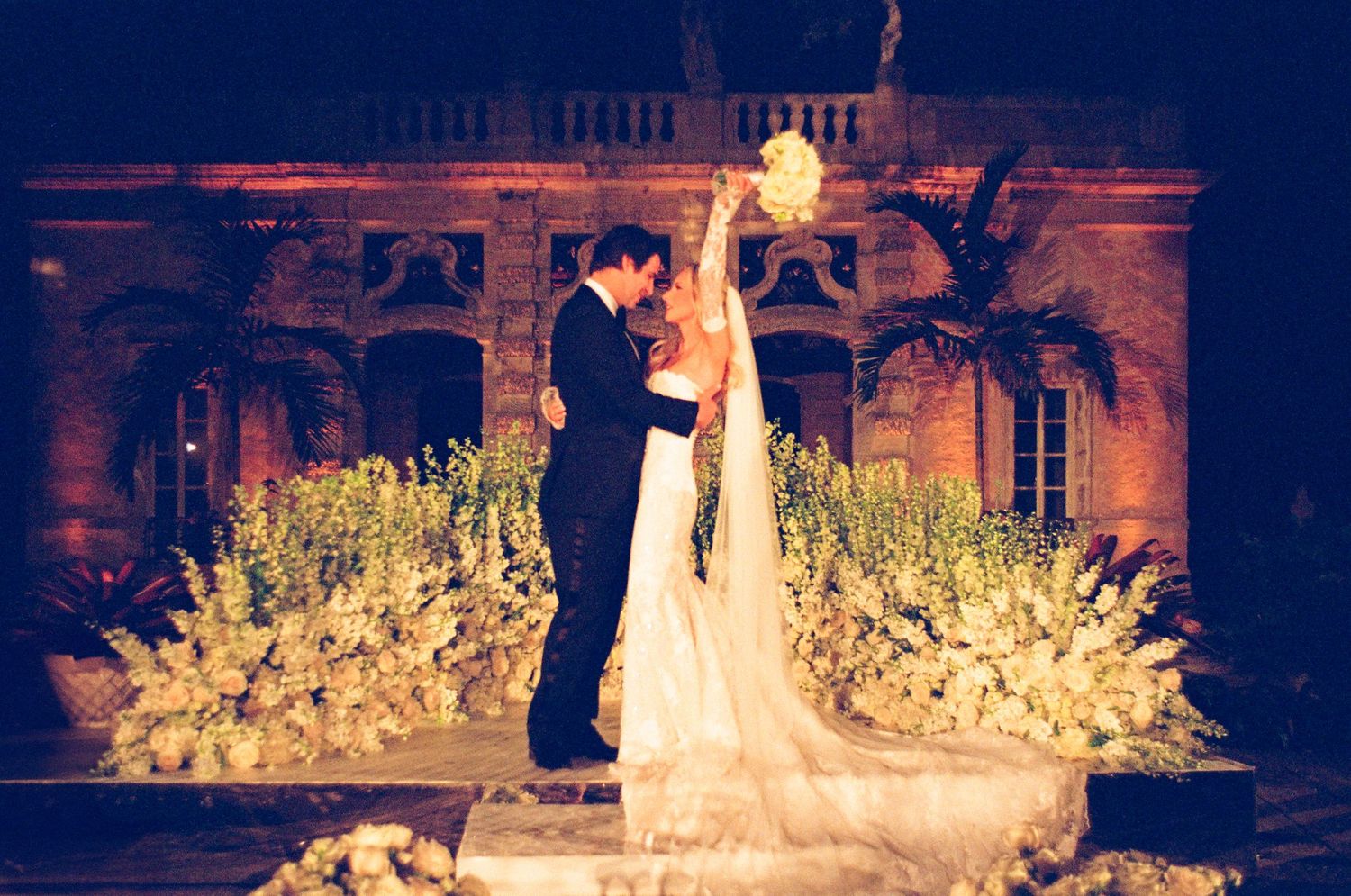
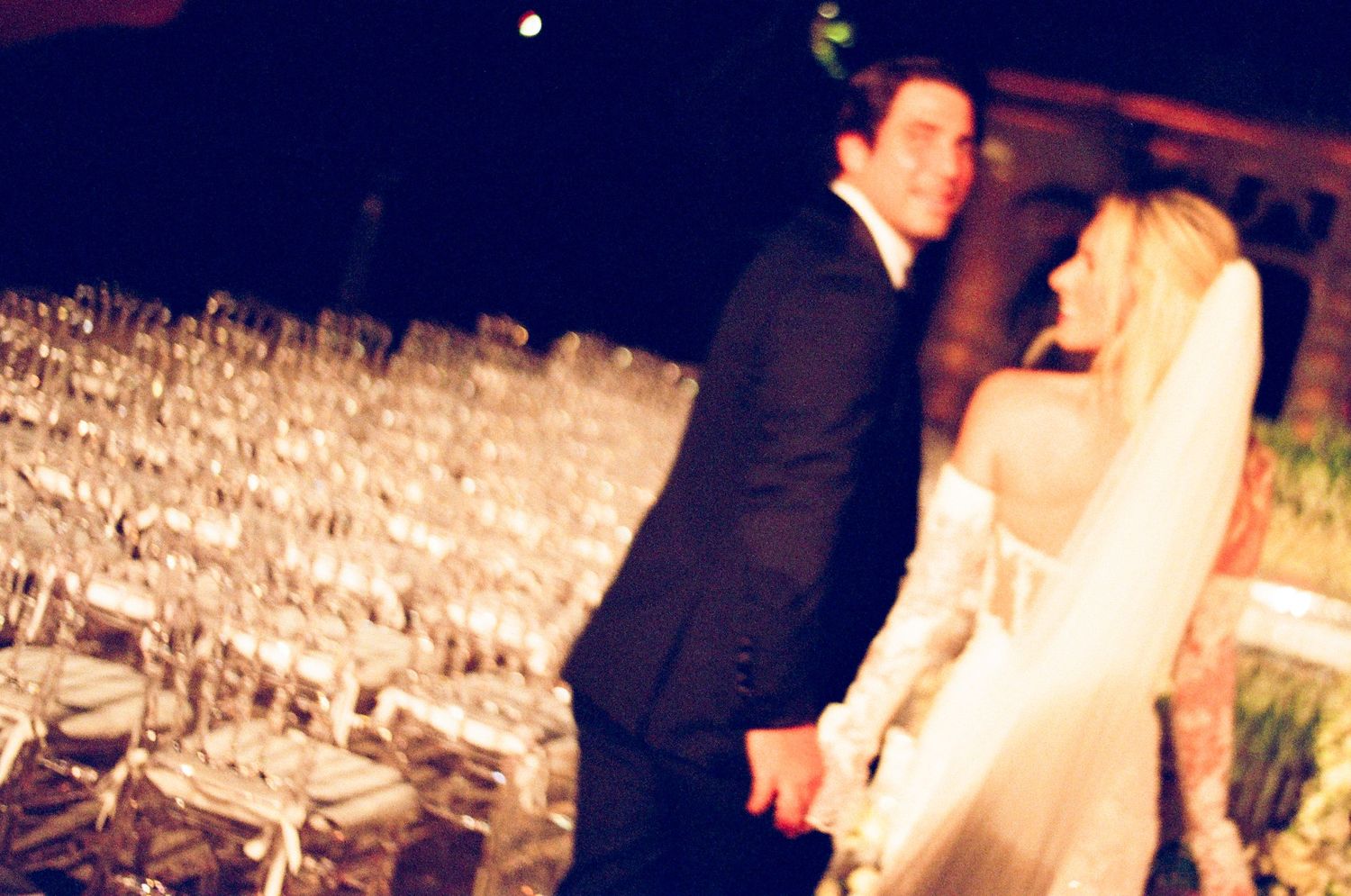
I am not the sort of photographer that believes photographs shouldn't be edited. I am a big believer in post-processing. The scans I got from Kayla were great, but especially for the night shots, I felt they were incomplete. I never touch colors when editing film, however, I will adjust some other qualities - chief among them being black point. I am a gigantic fan of dark and inky blacks. I've written about that many times on this blog. And with these photos, that is no different. Upon opening these up in Lightroom I immediately adjusted the light curve and dropped the black point. If we love film colors, why not appreciate film blacks too?
Details
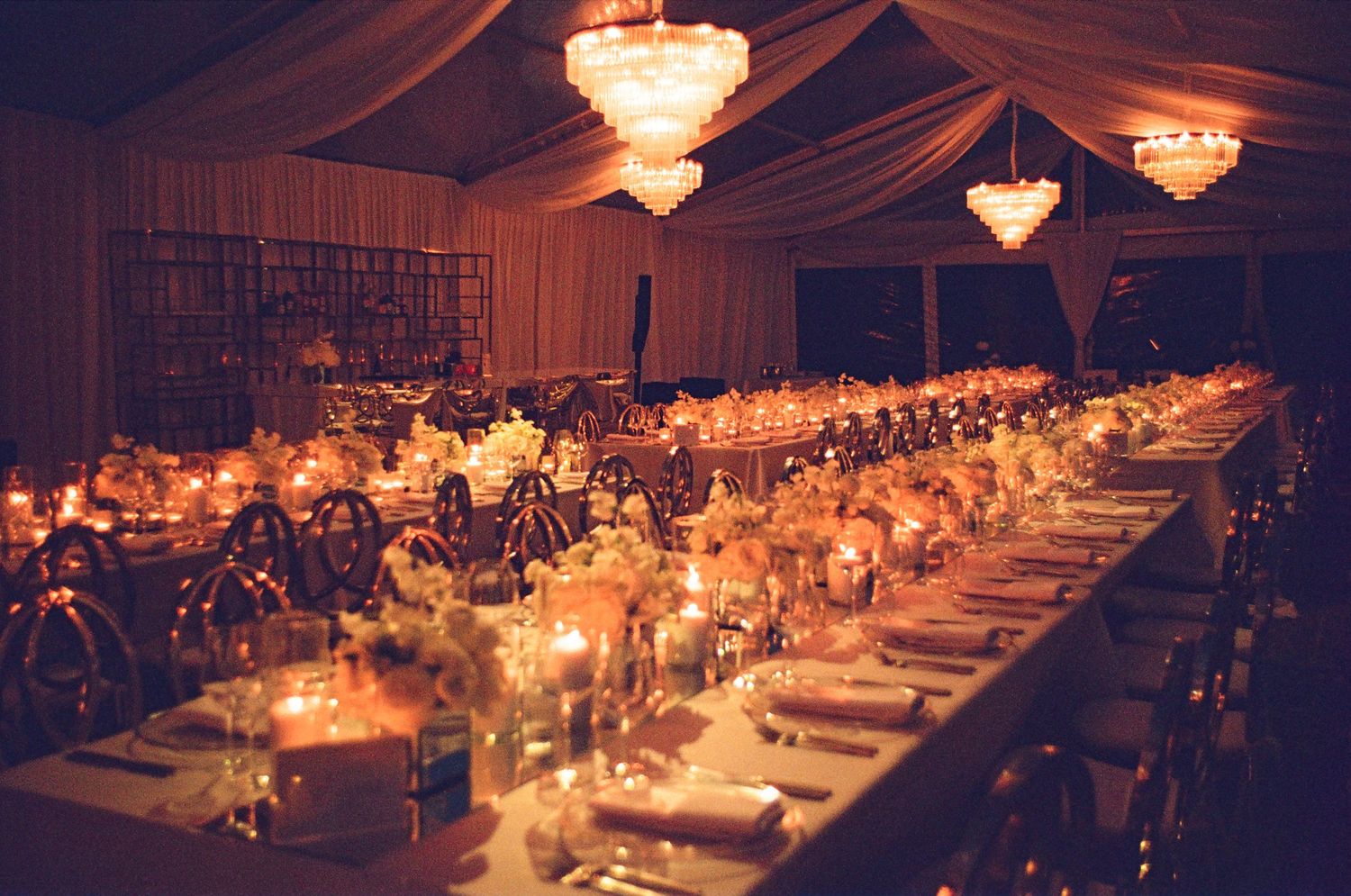
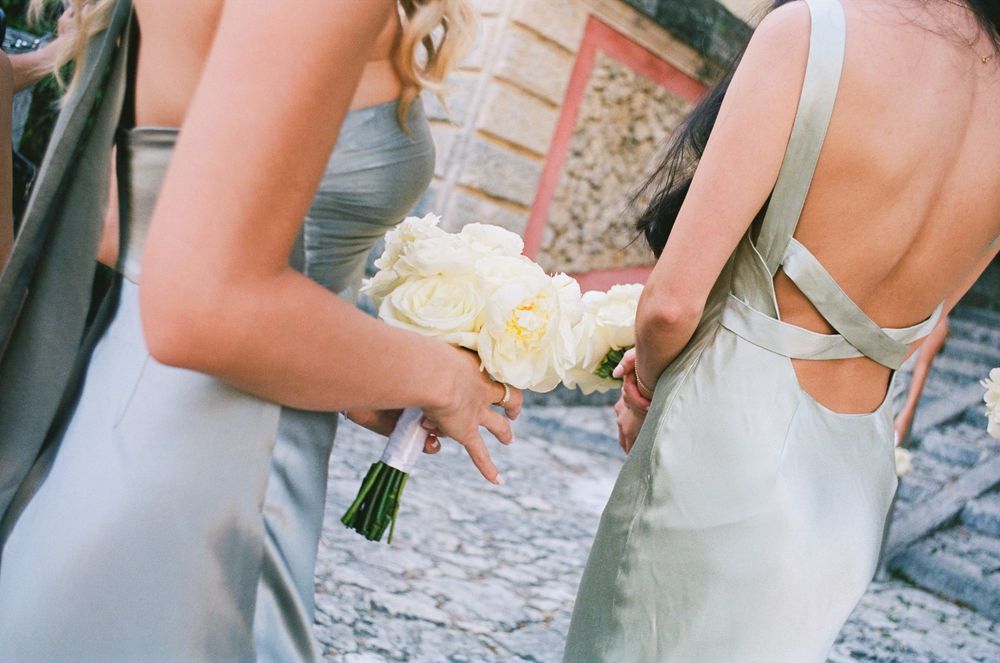
Something I did not expect was how much I'd enjoy details and environmental shots on film. I rather enjoy detail shots. Maybe it's because I'm married to a wedding planner, but I always make sure to get photos of the table design, lighting, florals, and other details. It shouldn't have come as a surprise, then, that people aren't the only subjects that look better on film.
I shoot details very much how I shoot people. I like to treat these shots like portraits. I'm not sure if that makes any sense, but things like glassware, flowers, and candles can be laid out in gorgeous ways that make them worthy of equally gorgeous photos.
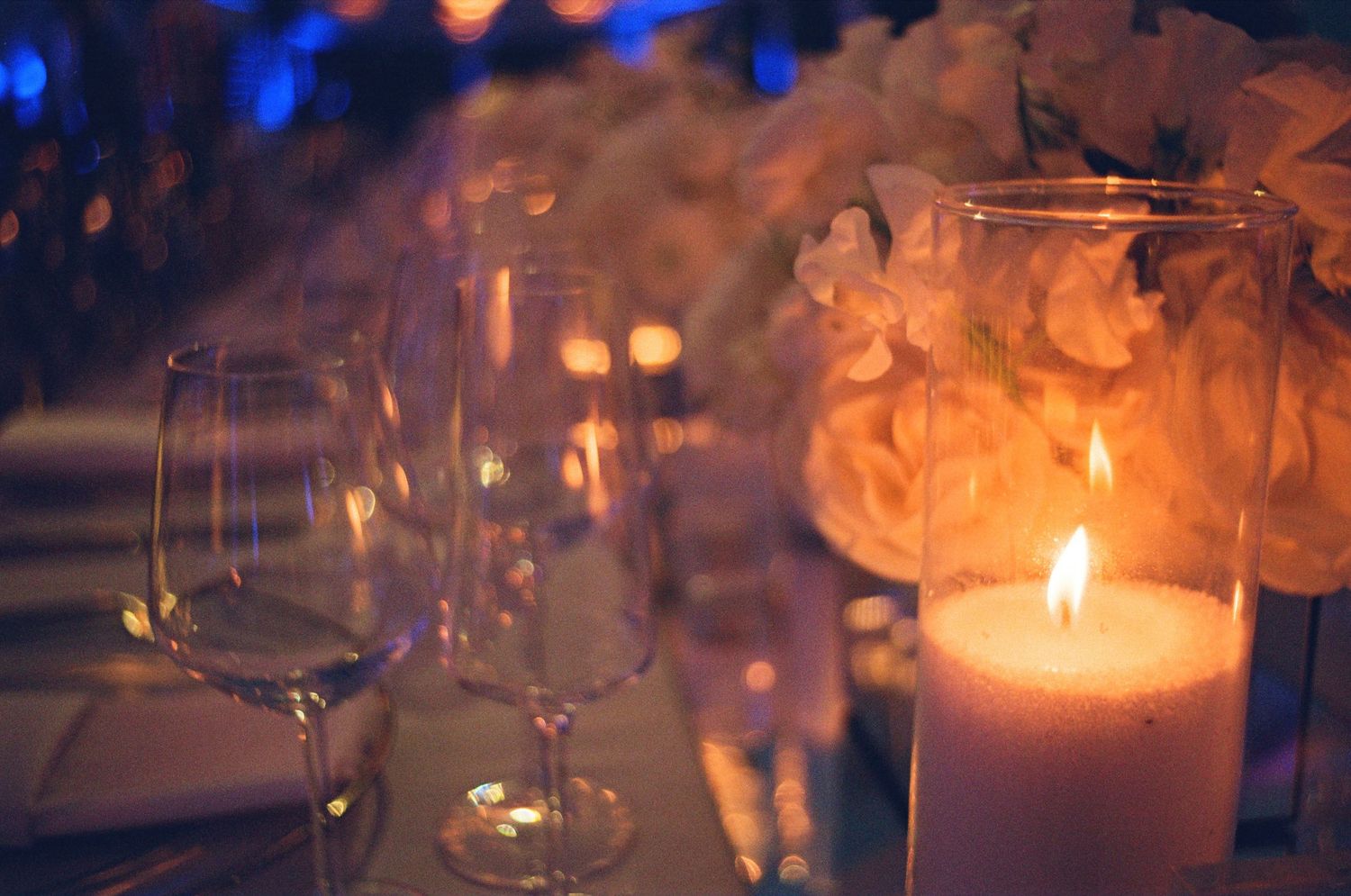
I like to follow leading lines in these kinds of photos, finding geometric shapes and patterns, and then pitting those against themselves. It's a fun way to shoot what can otherwise be uninteresting shots. Wide angle works best for this. I did wish I had packed my 28mm with me for these. But in truth, it wouldn't have made much of a difference. Regardless of focal length, these shots are only as fun and interesting as you make them. And with film, the way highlights are rendered, the way grain is displayed, the way colors are added makes for gorgeous details.
After these, I began adding details to my list of shots to get on film with my own clients and I've been glad I have!
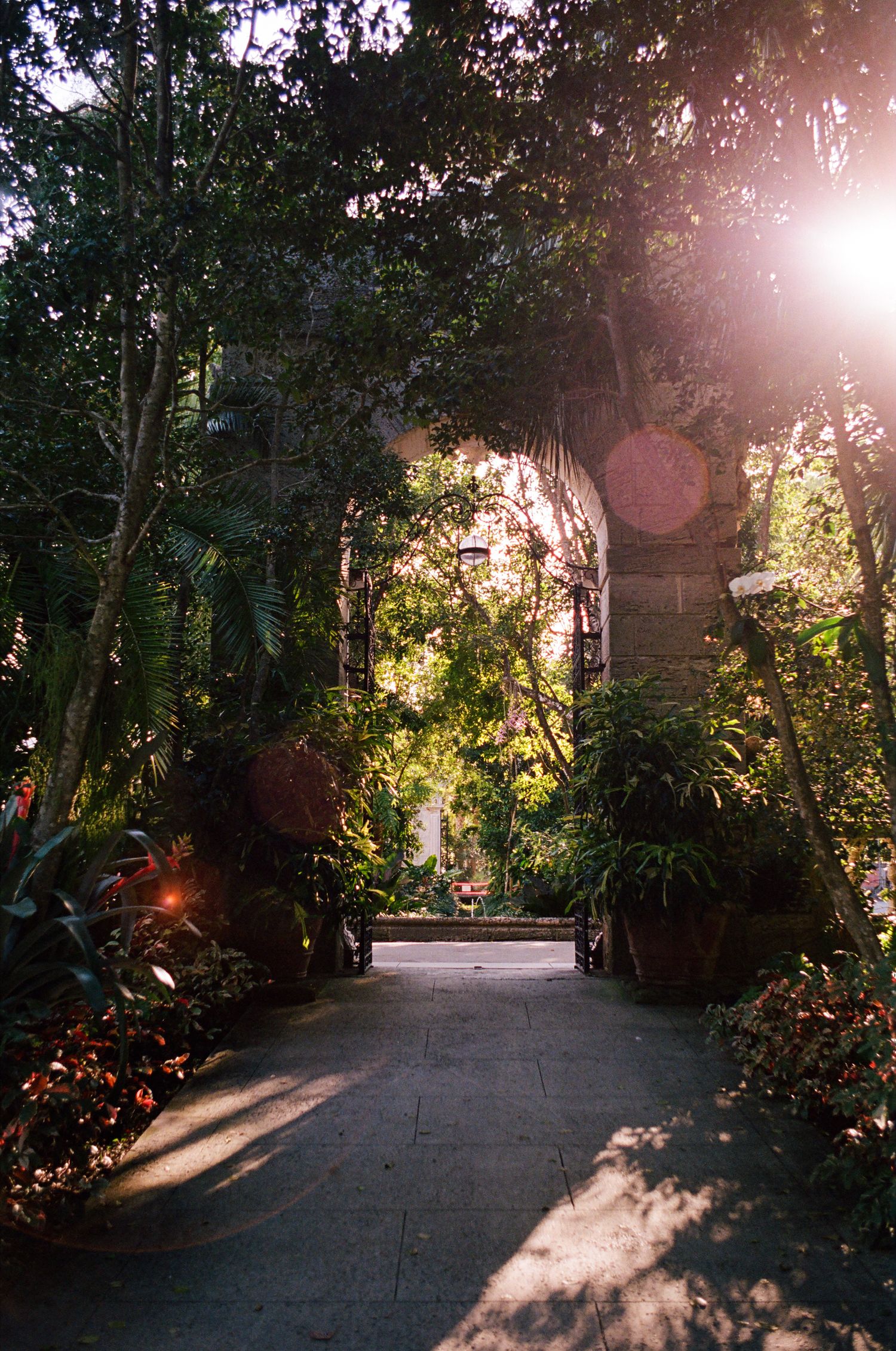
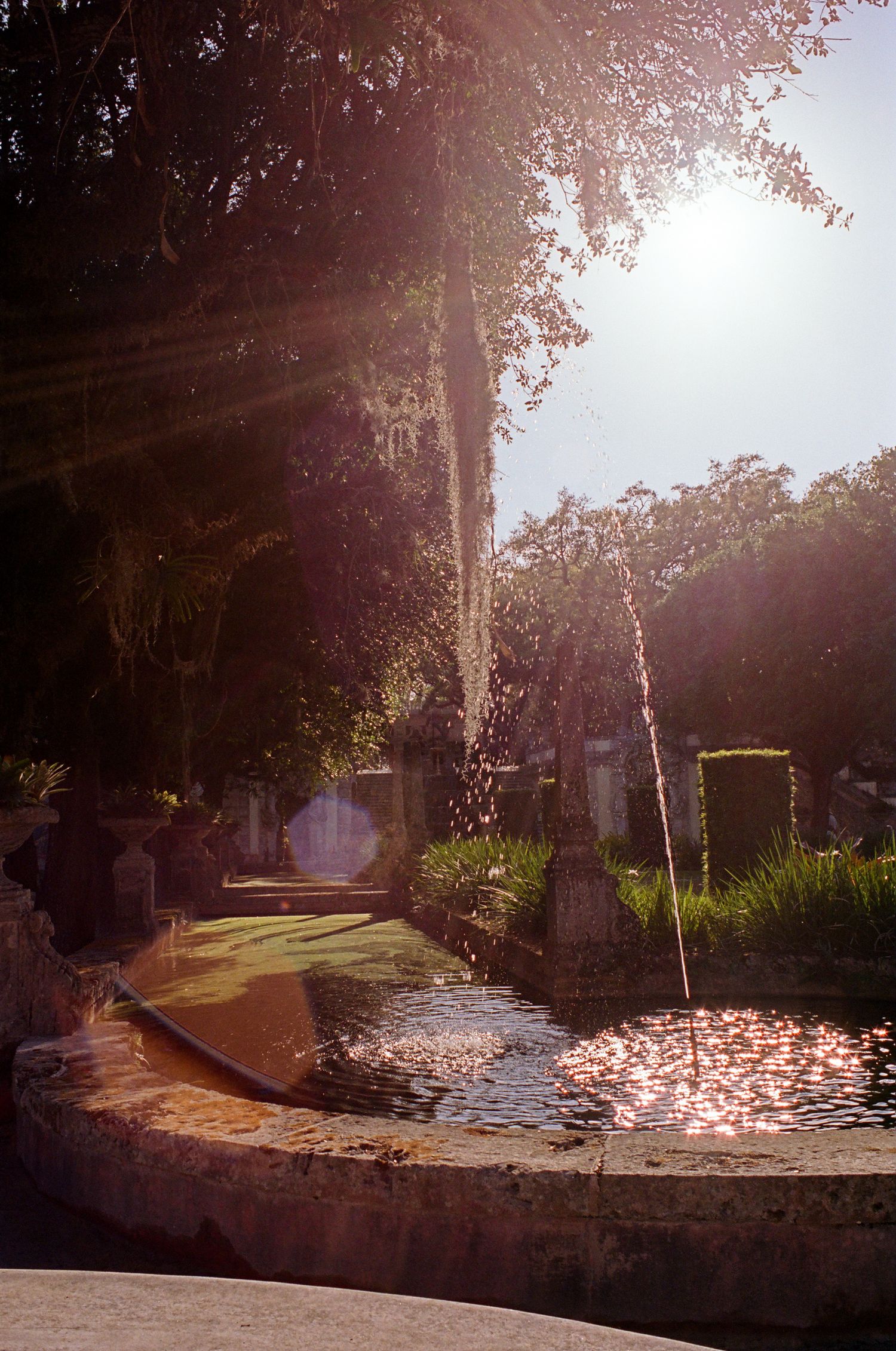
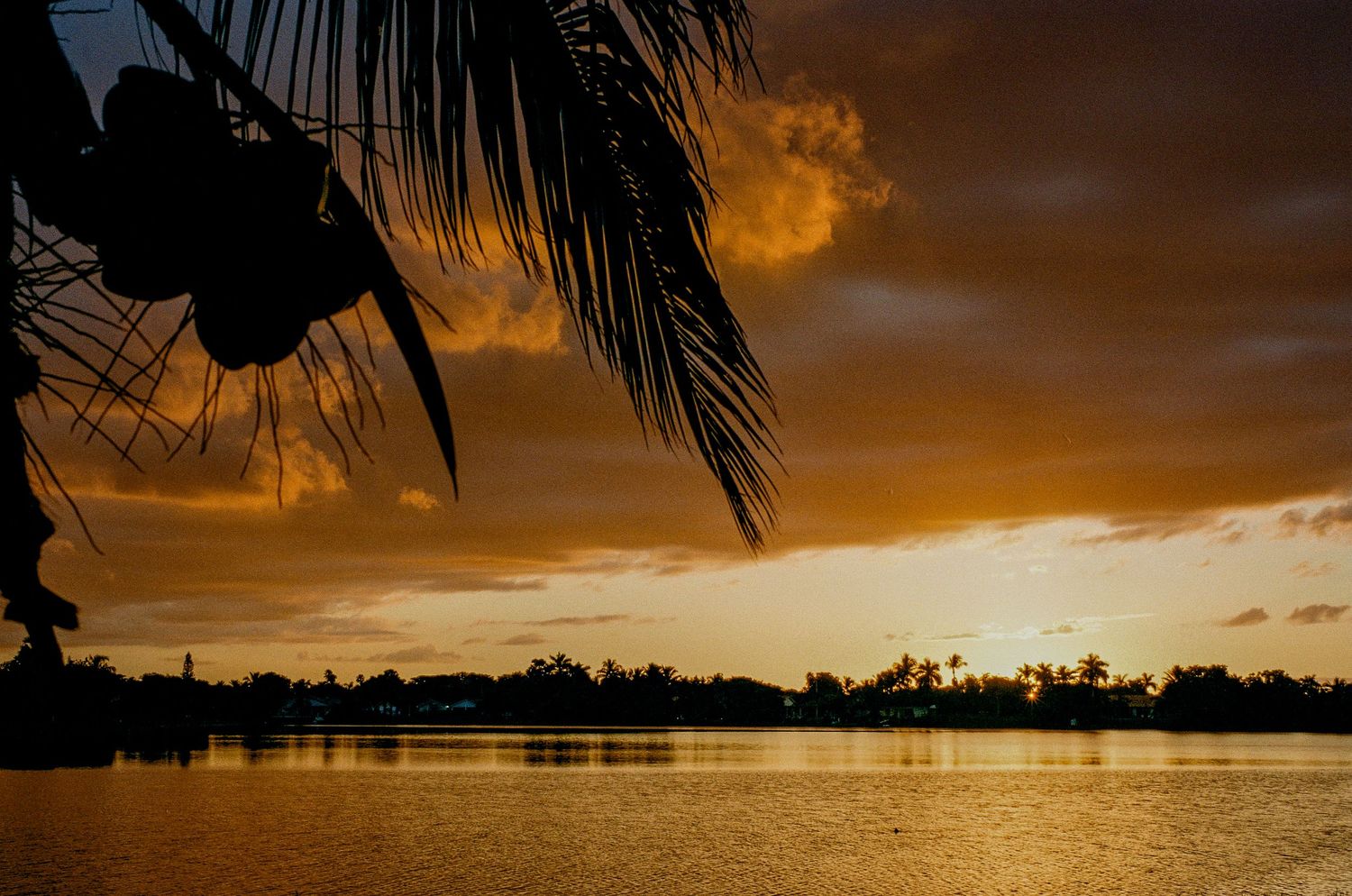
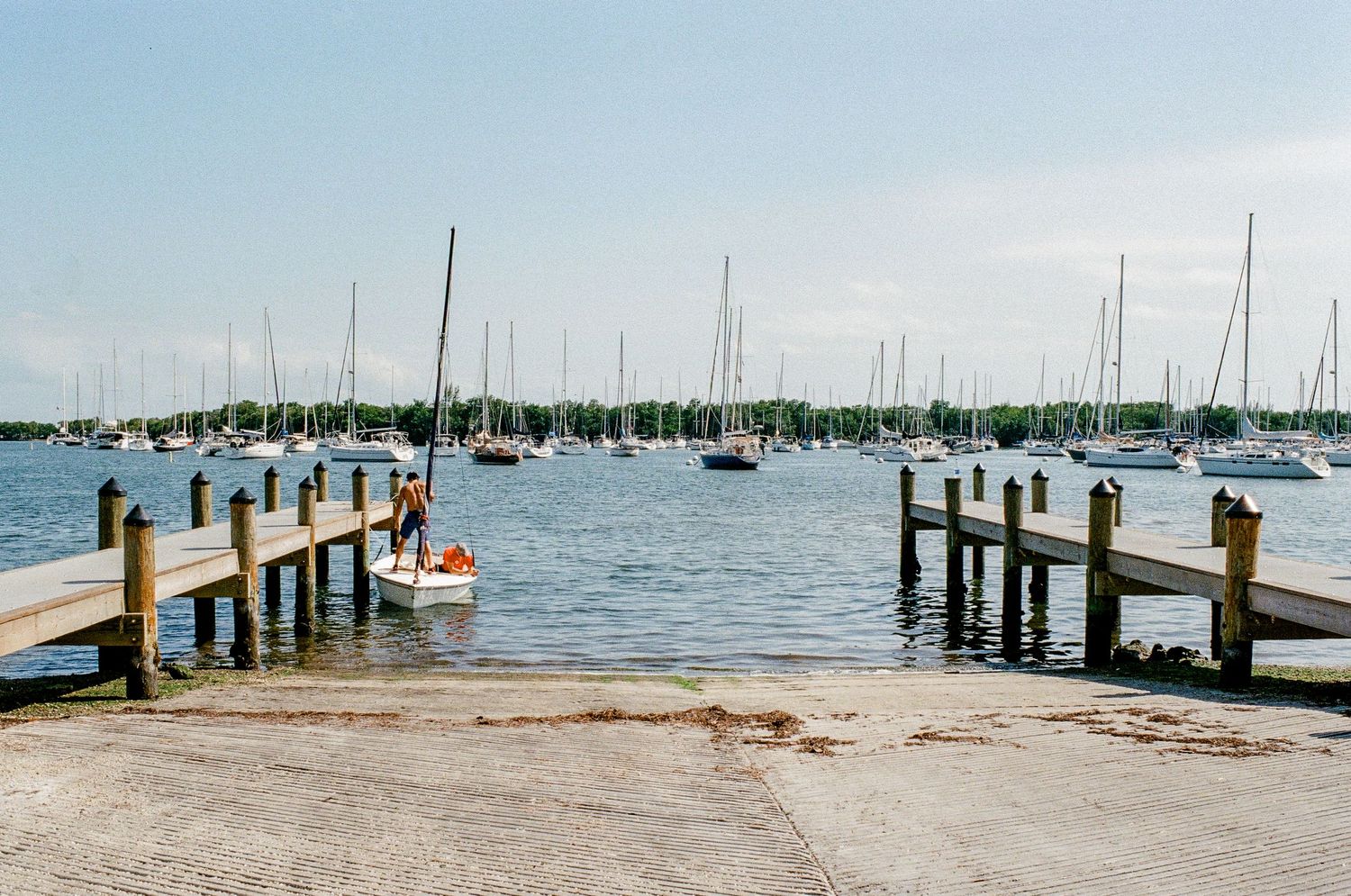
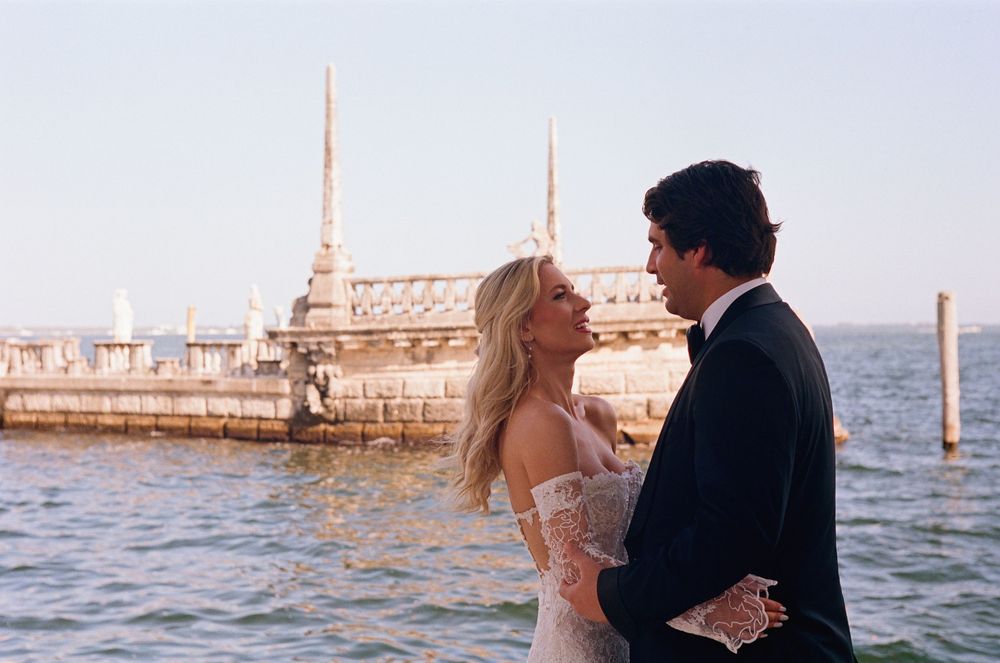
Another big part of the details is environmental shots. Call them wides, establishing shots, environmental shots, or "the ones with all the stuff," but the philosophy is the same: set the scenes. Sometimes they are landscape style photos of the environment. Lush greens, sunstars on reflecting water, these are the classic establishing shots that cinematographers make sure to shoot before their shots of human subjects.
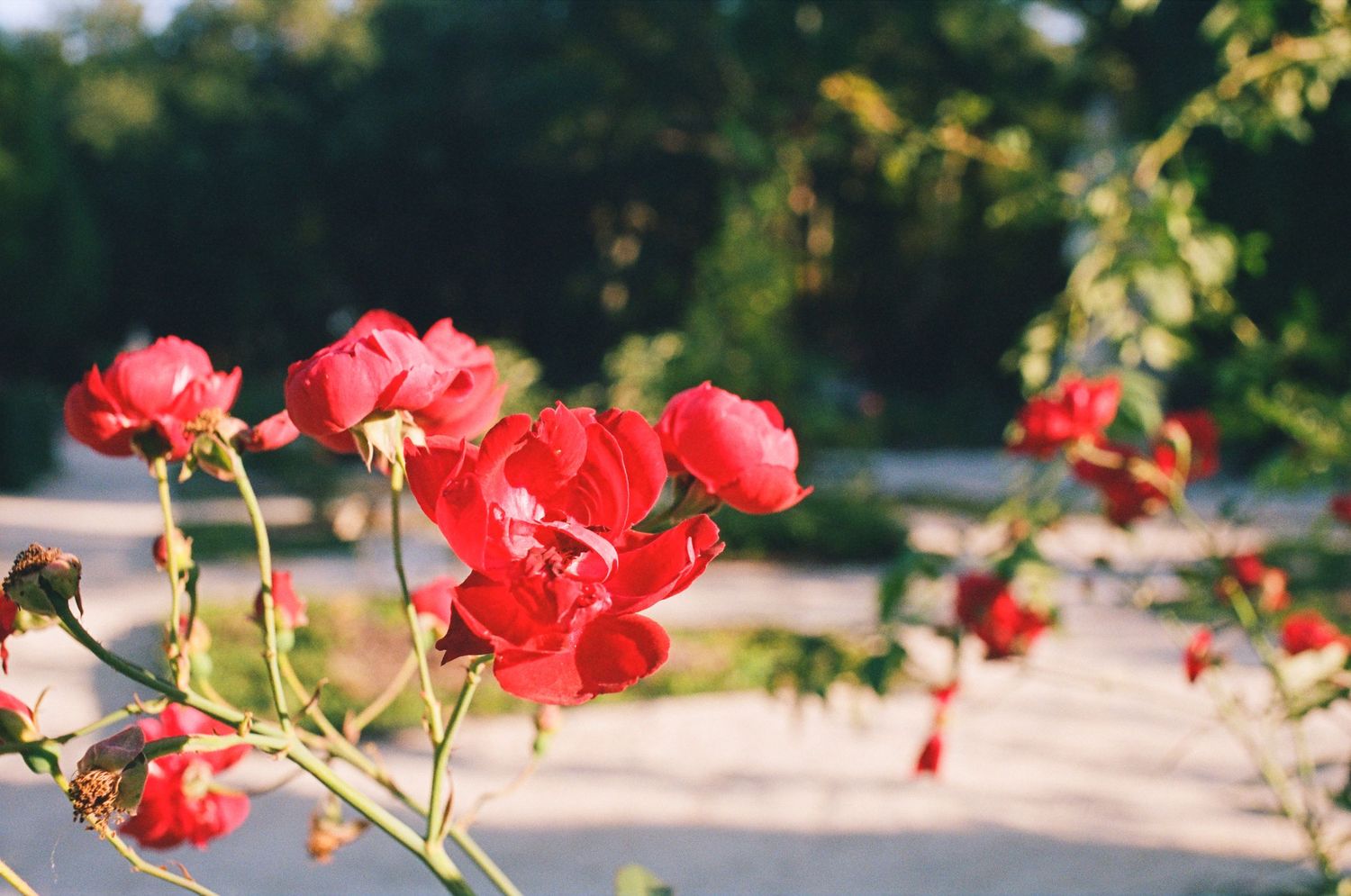
I also include here what I call natural details. At Vizcaya, this was largely flowers.
My thoughts on this are thus: our clients spend so much time and effort into every decision they make for their weddings. Everything from color palette to menu, playlist to venue is meticulously considered and decided upon. As a photographer my job is to document your day. In large part, this means photos of the clients. But I remember my own wedding day...not well. And that's because my own wedding photographer didn't bother to do much detail and environmental work. But you know what I would like to remember? Yep, that's right! All those little details.
Get the details!
Final Focus
This experience with the Gypsy Lemon team was an amazing one. Kayla and Lena were amazing to work with. I've managed to work for Gypsy Lemon since this wedding and have had nothing but amazing experiences. And because Kayla calls me when she needs film it allows me to do something I am passionate about: shooting film!
Its kind of crazy that within a few months of me opening David Ulloa Studio I was able to shoot at what I consider to be a white whale. Vizcaya is a legendary venue in South Florida. I still would like to come back to Vizcaya with David Ulloa Studio, but I'll be so much more comfortable with the setting now.
There is something even more important in all this for me personally, however. Today I am so much more confident in my abilities than I was before. I spent a few days sweating bullets wondering if I had somehow ruined Kayla's photos for Allie and Kevin. What if I suddenly forgot how to read light or how to focus a damn camera lens? Unlikely sure, but the chances of that happening have to be a non-zero number, right?
Kayla's trust in me was reassuring. And when I finally saw the scans, I was overwhelmed. I absolutely nailed it. A whole wedding on nothing but 35mm film! What a ride!
I'm looking forward to continuing the working relationship I have with Gypsy Lemon - Kayla, you ever need anything, just give me a call - and continuing to shoot film at weddings and more. I'm encouraging all the couples I speak with to consider adding film to their packages. I've even started shooting film for engagement photo sessions. It just looks better, and doesn't everyone deserve to look their best?
More Photos
All images © 2020-2025 David Ulloa Studio. All rights reserved.