Collapsible, you say?
When I bought my Leica M3, I bought a cheap TTArtisan 50mm f1.4 lens to test the waters. I have had nothing but great experiences with TTArtisan lenses, but I didn't want to commit lots and lots of money to a system that I didn't know would suit me. I had wandered into Leica Store Miami with my Leicaflex SL (SLRs for life!) and was grilled by one of their associates about my dislike for rangefinders. After I agreed to handle an M4, I was immediately convinced I needed an M and decided on the M3 because of its ease of use with 50mm lenses. And so it was that after three months of shooting with my M3 and TTArtisan lens, I sold that lens and got myself a Summitar 5cm (50mm in today's terms) f/2 lens. I wanted something more compact and easy to travel with as the M3 was becoming my perpetual travel companion. There were a couple reasons why I went with the Summitar over something infinitely more popular like the Summicron. Both are collapsible and 50mm, so what's the difference? Well, I can tell you, owning a Summicron-R 50mm and now a Summitar 5cm for a while...it's quite a bit different.
Sharp enough, and then some!
This is usually the first characteristic that folks are looking for in their lenses. For me? Well, I care about sharpness, sure. But I'm also not a fan of clinical sharpness. I like a touch of softness to my images. And this is one area in which I think the Summitar shines most. Line up the images in your rangefinder patch and even wide open at f/2, you're going to have a beautifully sharp image.
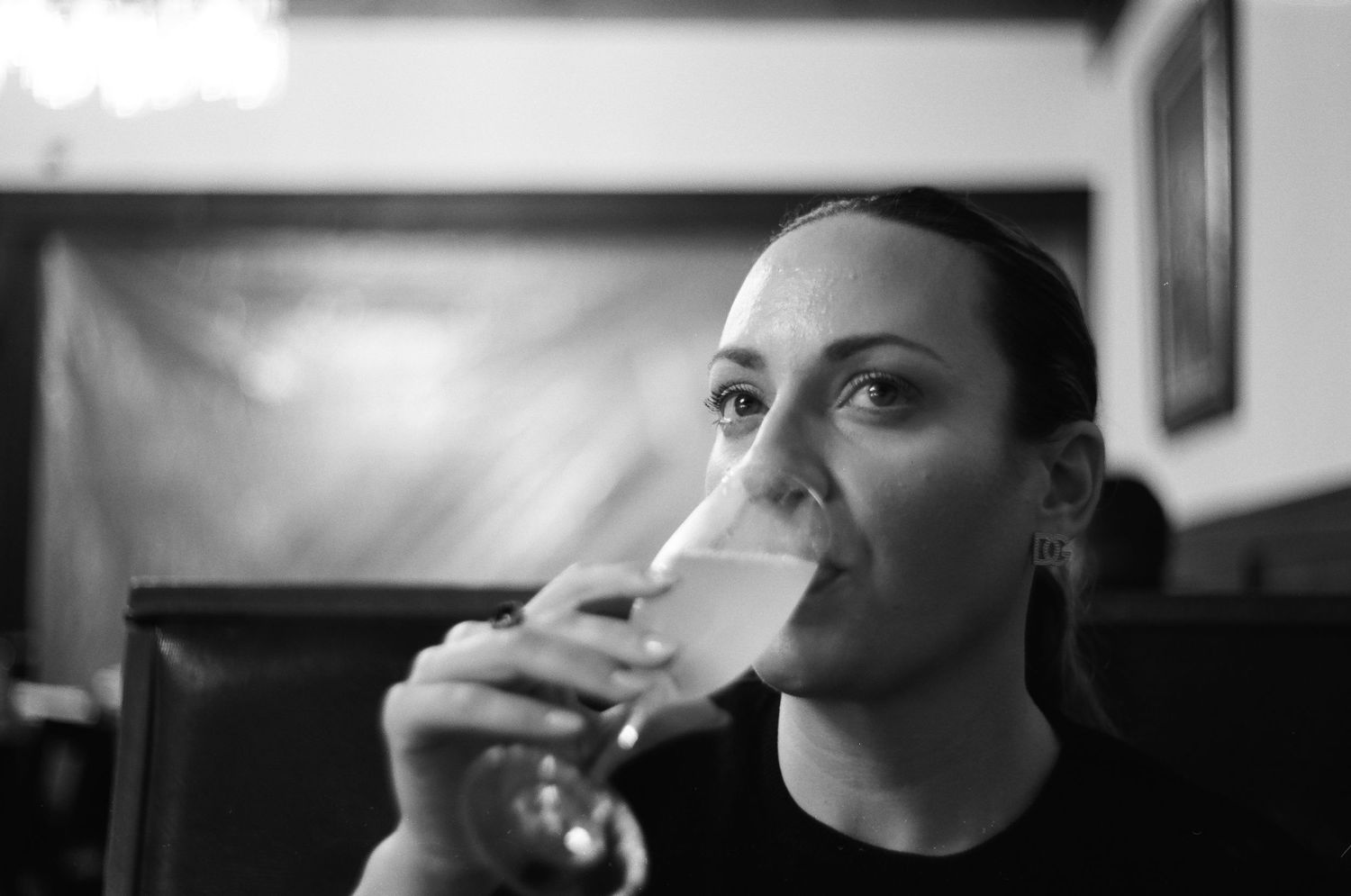
I think this photograph of Steph, enjoying a mimosa at brunch, is a perfect example of this. Her right eye is very, very sharp. Sharper than you could possibly ask for. And for everyone who thinks that film photos can't be sharp...eat your hearts out!
But this is exactly my point. We often associate film era lenses with lack of sharpness and this simple isn't true.
This is very easy to see when you stop the lens down. Stopped down to about f5.6 and on, the Summitar is very sharp across the frame. This one of Link struggling to keep his eyes open against the afternoon sun was probably made at about f11. And because he's pretty close to me, the background is still somewhat blurry. But we can see the sharpness is outstanding. Link pops right out of the background and becomes almost a 3-D cut out in this image.
Sharpness might be the least important aspect of a lens for me, but it is important. The Summitar manages to be sharp across the entire aperture range and in every situation. This is a perfect portrait lens because of this. Wide open the sharpness is flattering. Stopped down, it is sharp enough to cut through steel. Any more sharpness than this and you are getting into clinical territory and I certainly don't wish to voyage there.

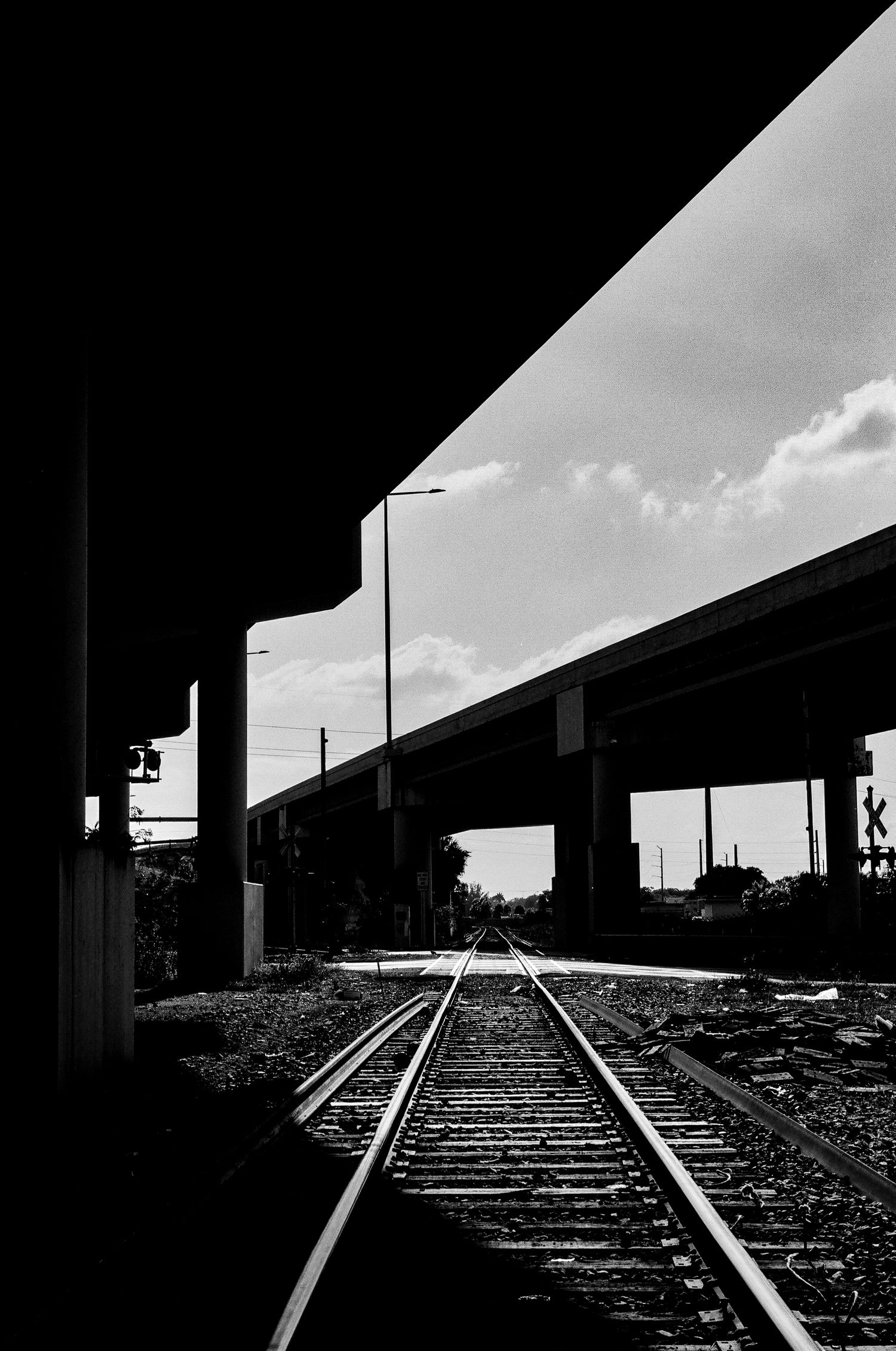
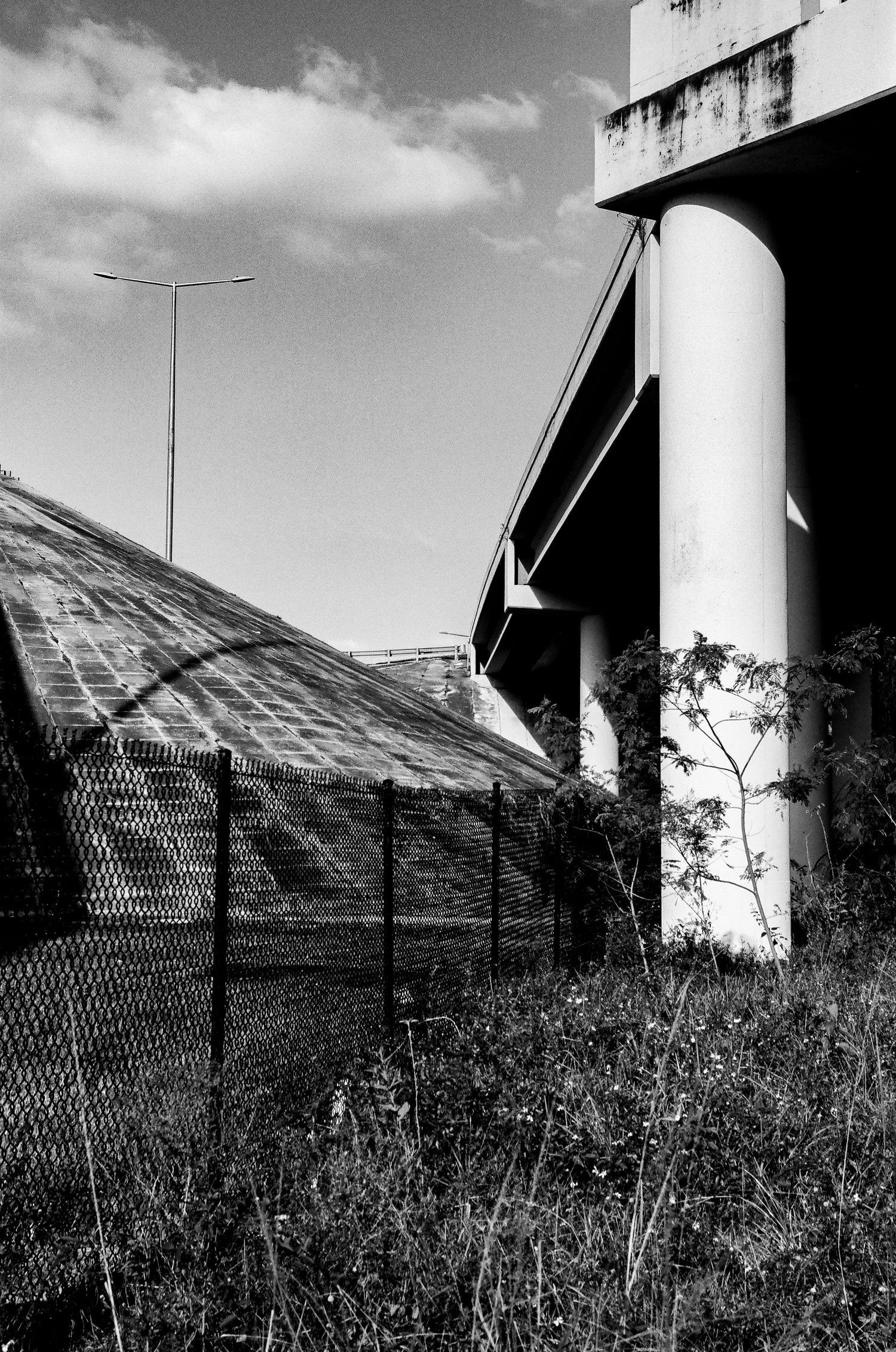
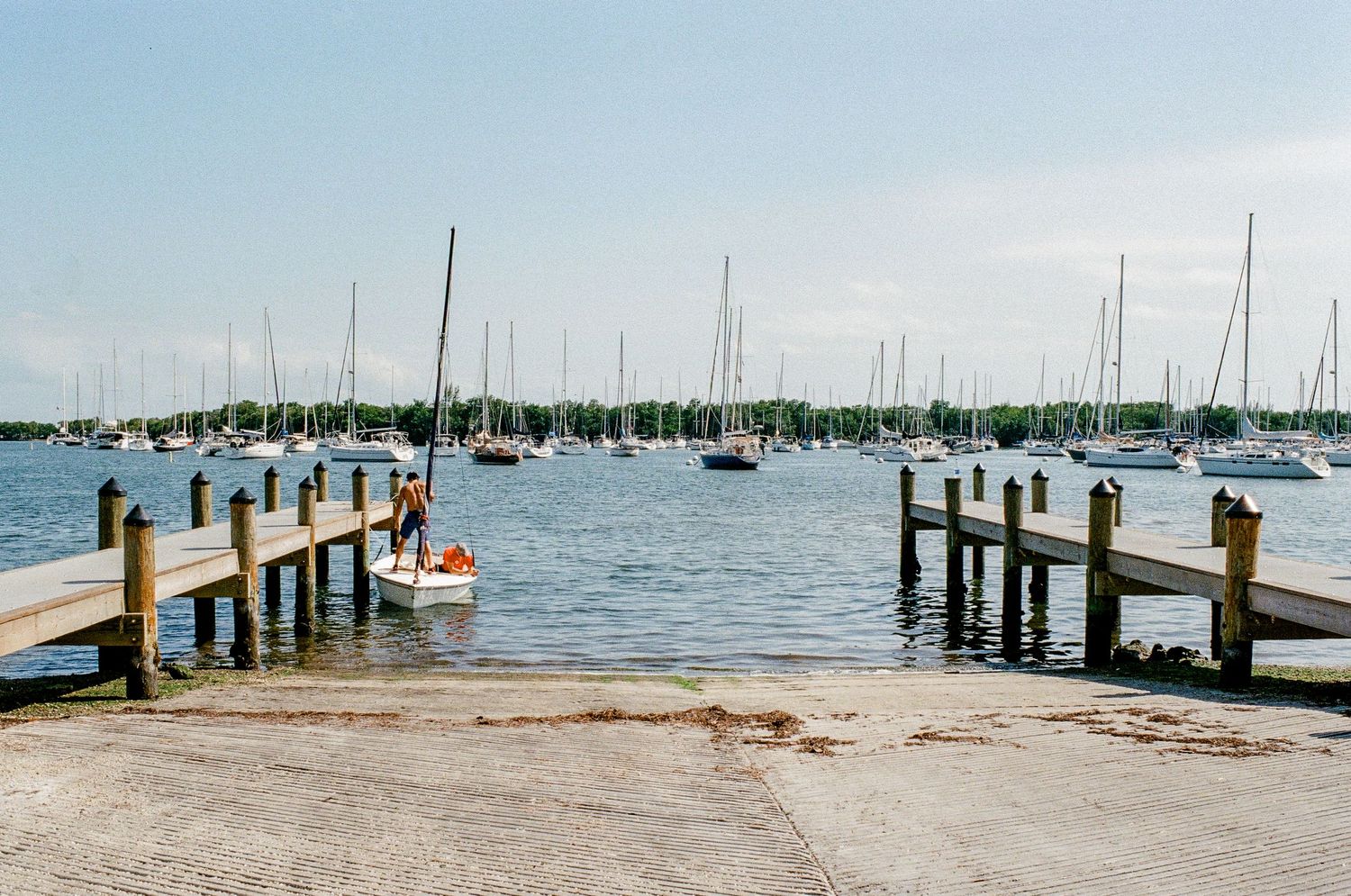
But it does so much more than portraits. For landscape, cityscape, street photography, and even architectural photography the Summitar is an absolute knockout. The incredibly deep depth of field that you can see in these two cityscape shots put that on display. Every blade of grass, every stone, every chain link resolves in gorgeous detail. This is, simply put, a lens that I would take with me on any assignment because I know that it can get the job done. And not just get by! Oh, no! This thing aces the exam and with loads of confidence.
Bokeh'd Out
Now here is where the lens really starts to outshine the other collapsible lenses. Because, yes, the Summicron is sharper. But what's the point in being sharper than what is already plenty sharp if the bokeh doesn't match? The Summitar's bokeh is, in a word, ourstanding. It's double gauss design is one of the most popular for normal focal length lenses. But the swirl? Now that's something that you won't get out of a Summicron.
This portrait of Link outside of Kaseya Center just before a Miami Heat game is a prime example of this. I had some Portra 800 with me and found this light right outside the arena. As we approached, I saw how nicely Link's face was illuminated and asked him to stop for a picture. With the lens wide open, the lights and energy of Downtown Miami behind Link swirled into this beautiful canvas of painterly impressionism. This, truthfully, is what initially sold me on the lens.

I am a big fan of the Helios 44-2 Soviet Zeiss Biotar clone. My own Helios gets used often both on film with my Pentax MX and digitally with my Leica SL. But as soon as I saw a way of getting that amazing swirly bokeh reminiscent of the Helios with my Leica M3, I was sold.
It is more than just the swirly bokeh, though. The swirl actually isn't something that happens all the time and requires specific conditions to happen. Generally, the bokeh is soft and dreamy. And that's where this lens shines: in the soft and dreamy. This photograph of Gatico (actually the last photo made of him before he passed), displays what I mean. Specular highlights are still oblong and slightly cat-eyed (pun intended). But the transitions in the out-of-focus areas are so smooth and gentle that one almost doesn't even notice that the image is getting softer and dreamier.
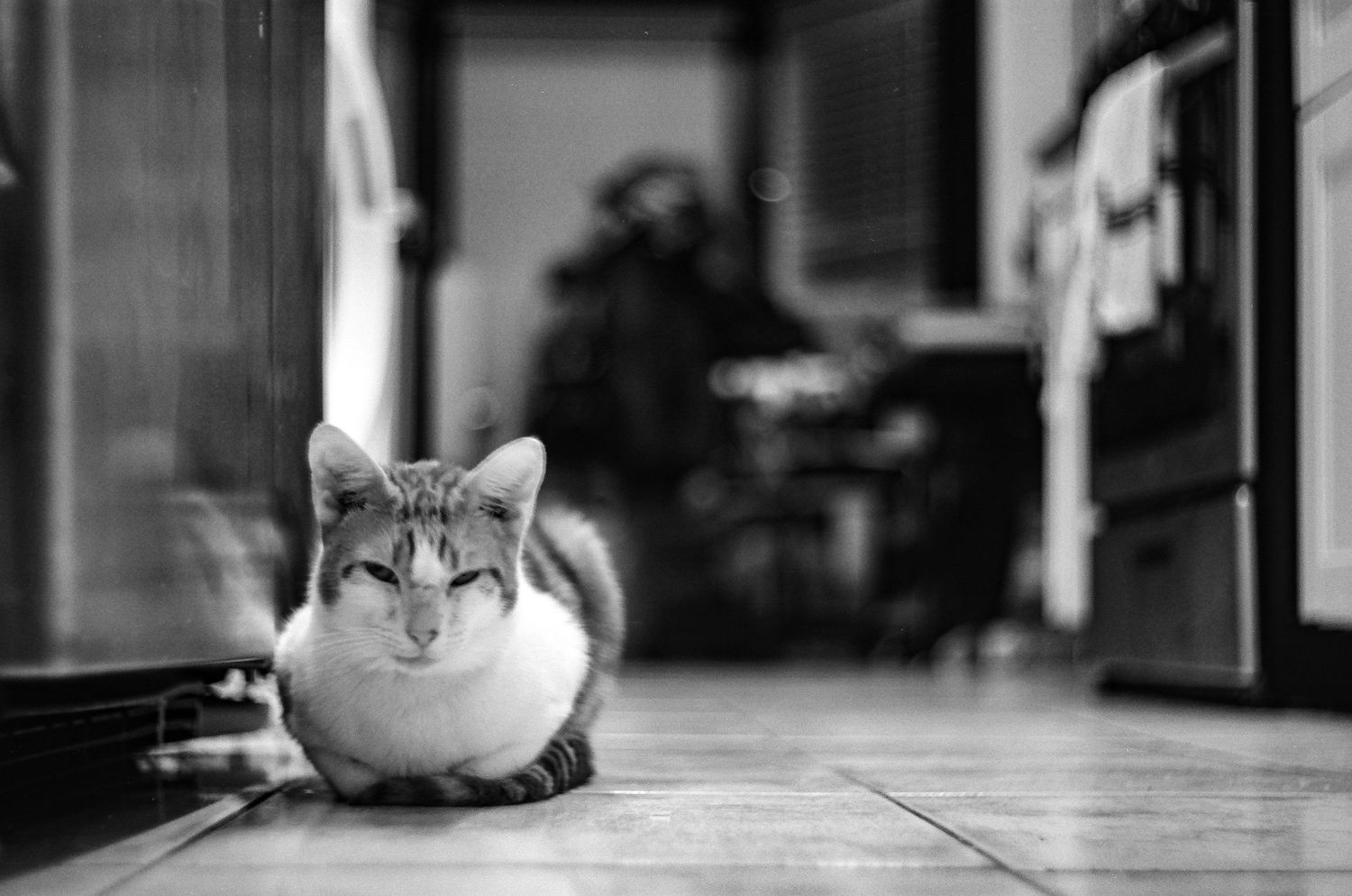
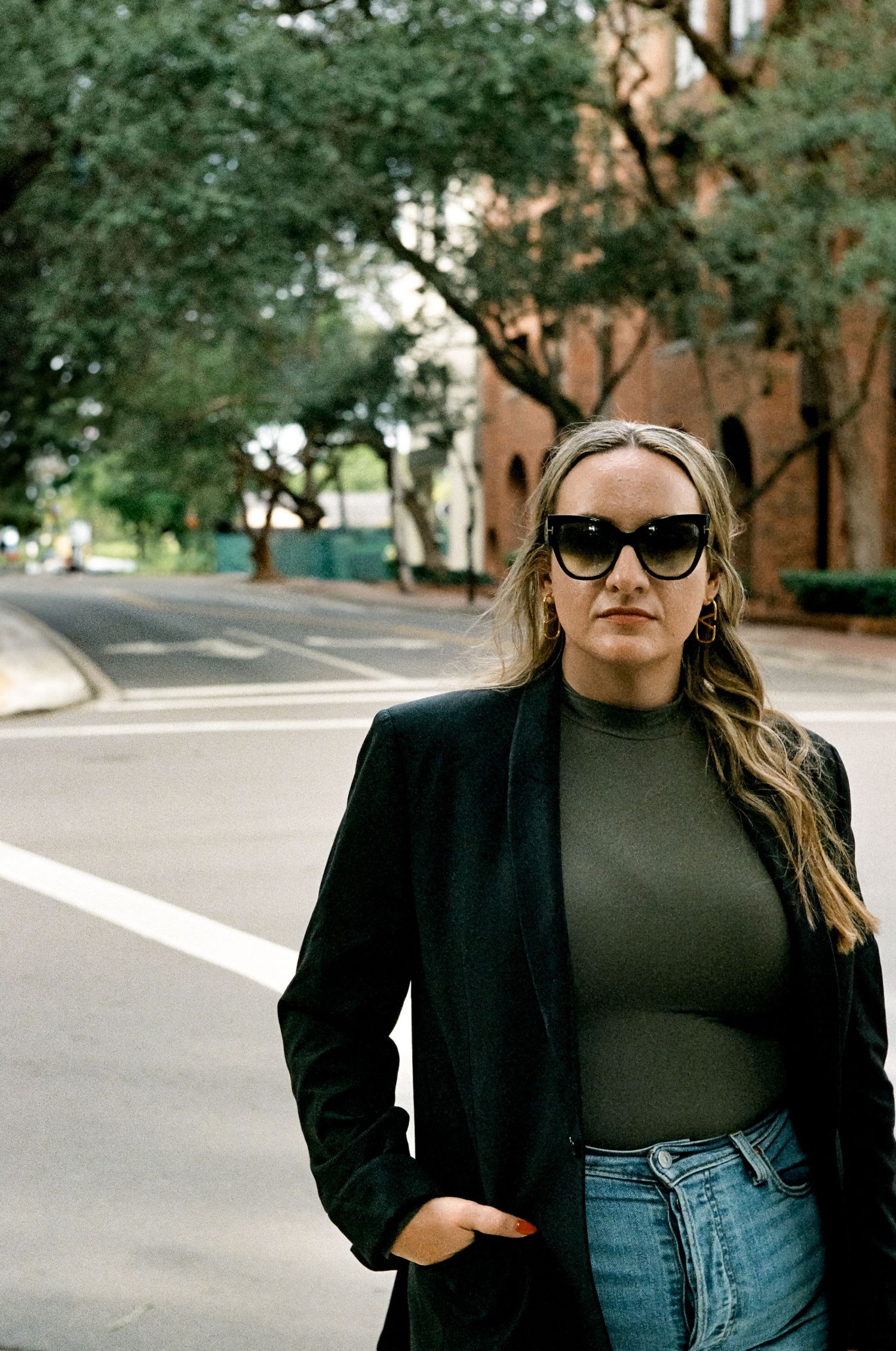

These two portraits show how amazing the bokeh can be regardless of where you set your aperture along the range. The portrait of Silva, the first bride I was able to shoot film with, was made wide open at f/2. As one would expect, there is an incredible separation between subject and background. The shallow depth of field is quite noticeable here, as only Silvia's face is in sharp focus. Even her shoulders, just a few centimeters off the focal plane, are already out of focus. The classic, dreamy, Leica glow that everyone raves about is on full display.
The portrait of Steph, on the other hand, was made at roughly f/5.6. Every part of her body and outfit is in sharp focus. But the area behind her, due to her close proximity to the lens, is bokeh'd out...but not to oblivion. For those familiar with Miami, it is easy to make out Coconut Grove behind her. And again we are treated to that famous 3-D pop that Leica is known for. The bokeh works to accentuate the in-focus subject. This is something that I don't think folks discuss enough: how do the in-focus and out-of-focus areas work together to make the best image? No matter wide open or stopped down, the Summitar always makes a gorgeous image and its bokeh only helps tell the story, instead of distracting from it. Come for the bokeh, stay for the photo...as it were.
That Leica Glow!
I couldn't tell you how many times I've read online someone asking how to achieve the classic "Leica glow." The unfortunate answer is that there is no substitute for vintage Leica glass...not even new Leica glass. New Leica lenses are so corrected that the classic Leica glow is no longer there. When you think "Leica glow," you're probably thinking of the Summitar and its contemporaries.
With the right conditions, it is very easy to get the Leica glow. You need a strong source of light in frame or just outside the frame. Then, just make sure you don't over or underexpose too much. The point is to accent the highlight roll-off.
This shot of the fire-breathing dragon at Universal Studios really exemplifies this sort of glow. The entire area touched by the highlights of the fire glow with a supernatural aura. The whole effect is entirely different than an earlier photo I made of this same scene with a different lens.
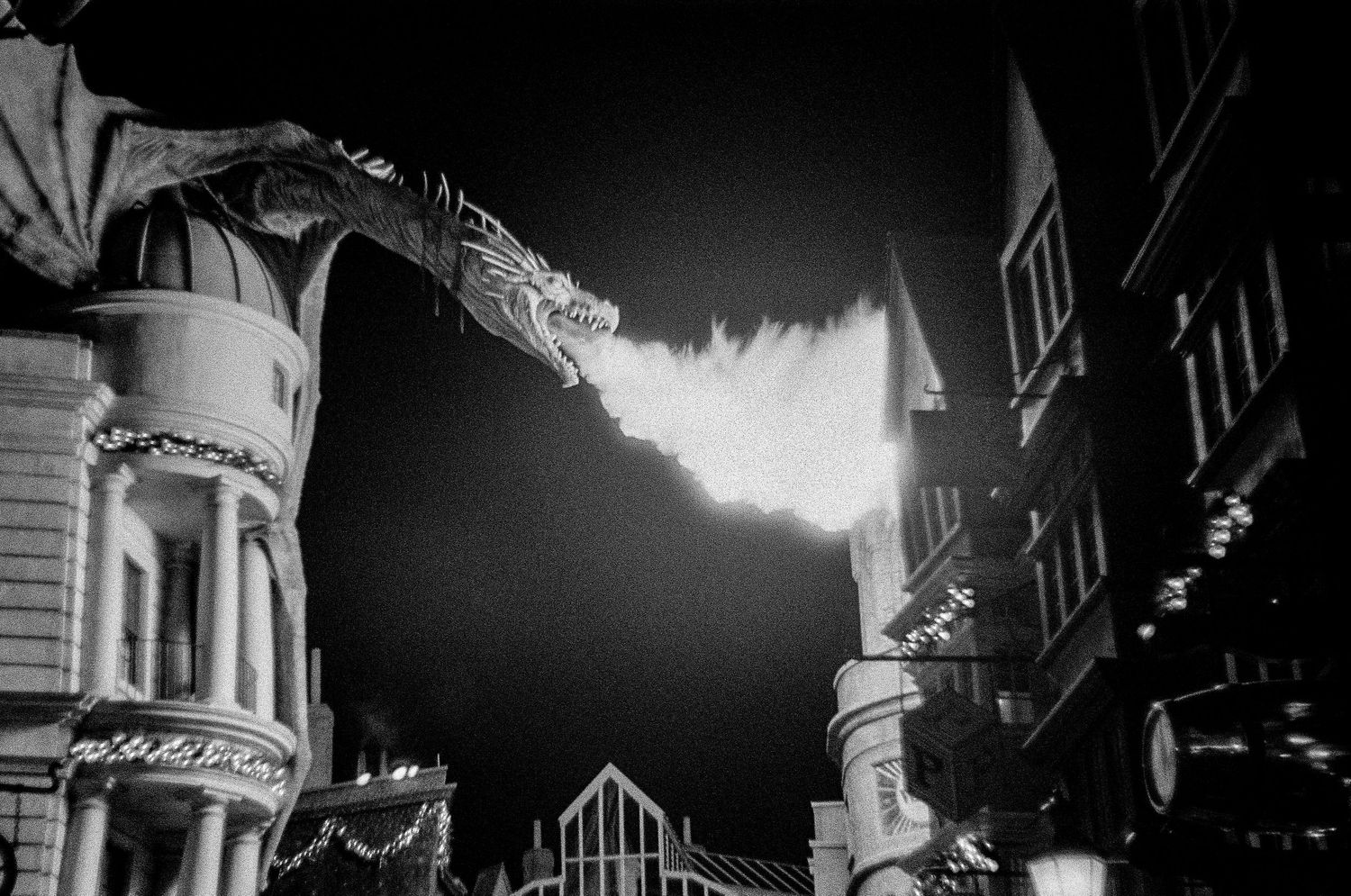
Even with emulsions that I am less than lukewarm on, the glow is evident. This is an exposure made with Ilford FP4 (yuck). Putting my longstanding feud with Ilford aside, the glow here is quite evident. And it is also a great example of how you don't need to shoot wide open to achieve the glow. You just need strong interactions between highlights and shadows.
The glow of the highlights as they reflect off surfaces like stone are softer than one might expect. Even with a film like FP4 with very little highlight retention, we can see how the light bounces off the surface of the stones. And for softer, more porous materials like leaves and grass, the glow is even gentler. Through the leaves and branches on the left, we can see the highlights bloom as they light slips through the openings in the leaves. What might be a fairly uninspiring scene otherwise, turns into a something out of a dream.
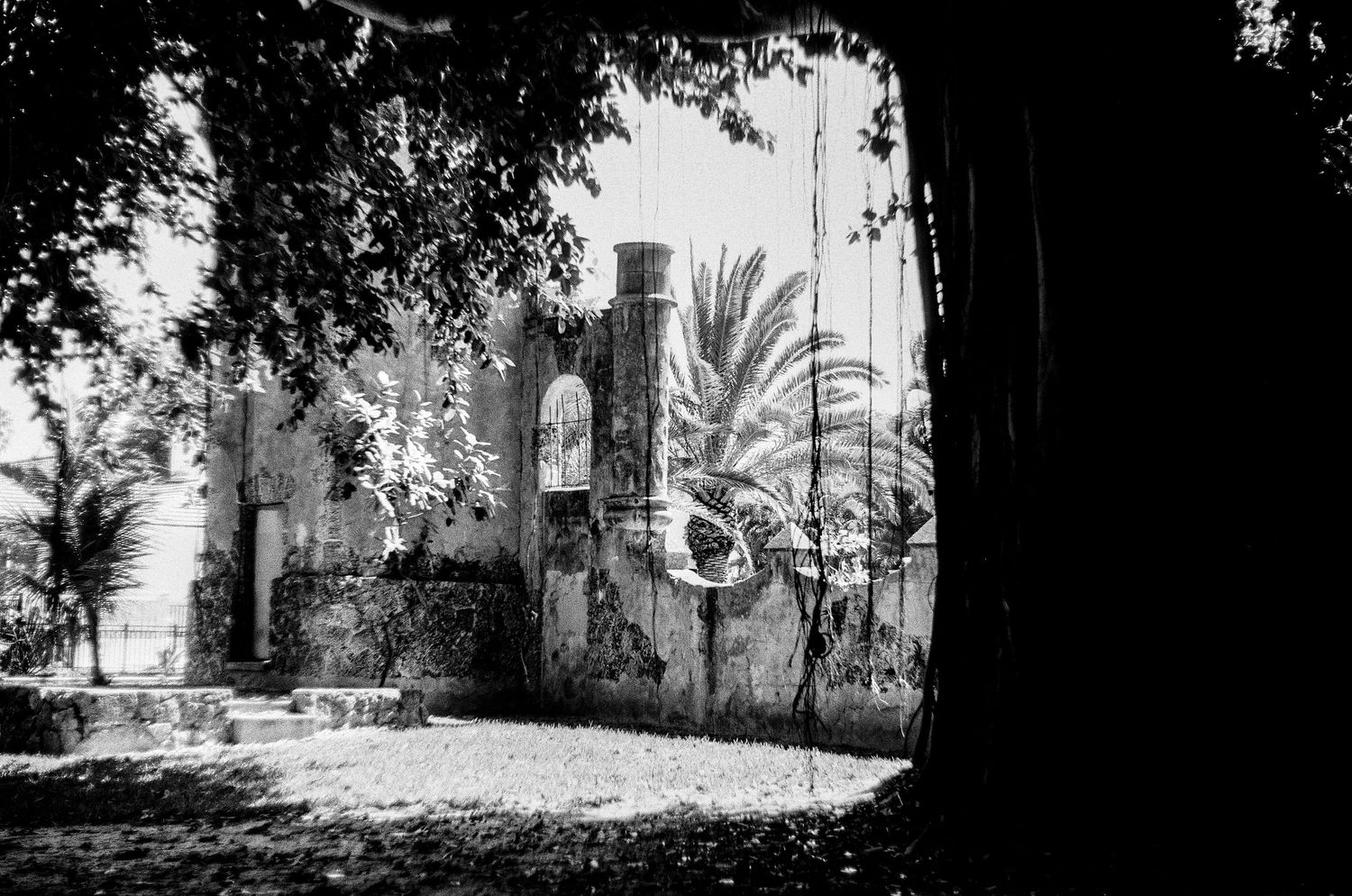
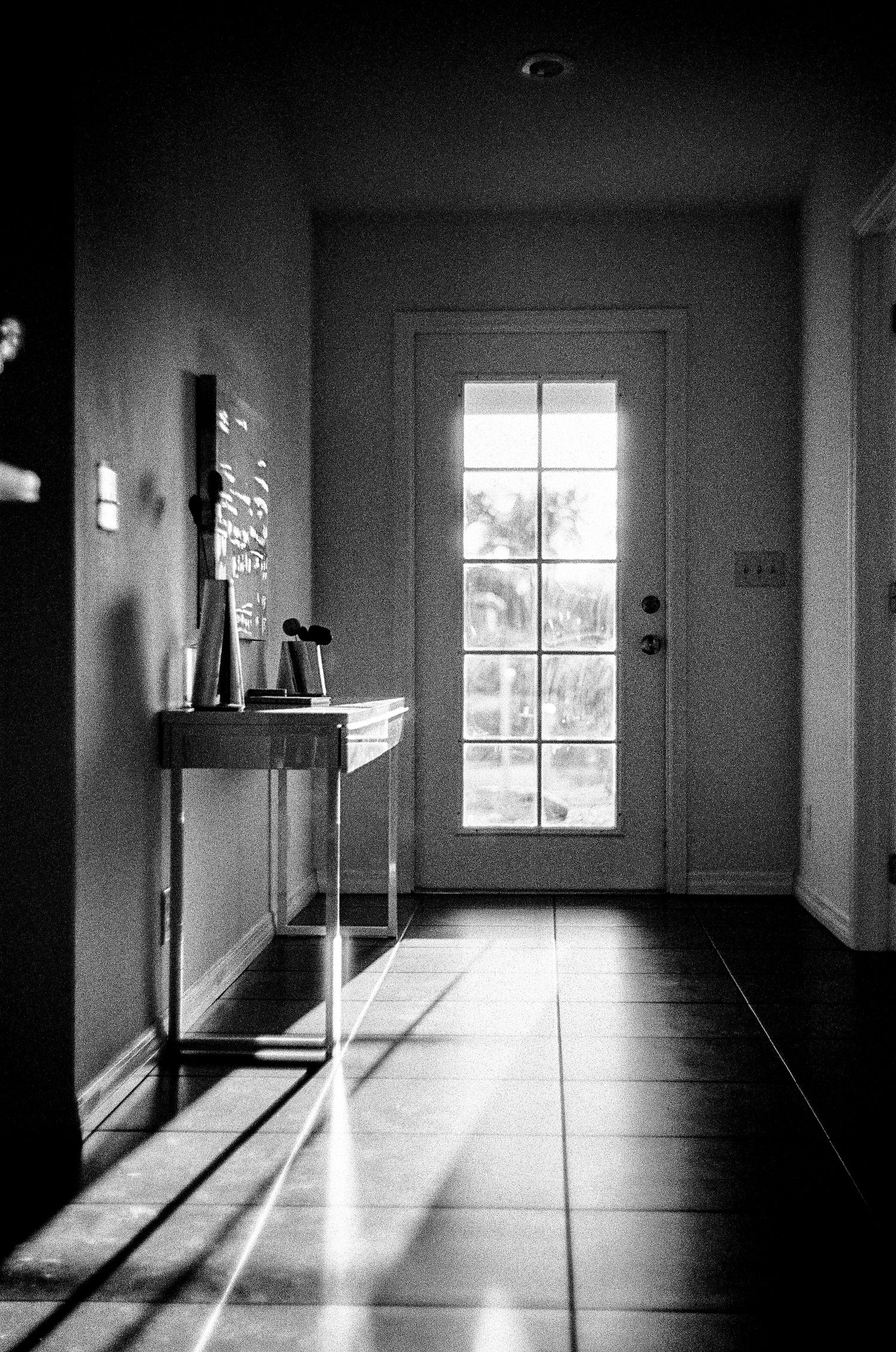

These two, made while on spring break vacation in Cape Coral a few months back, might be the best examples I have of how the Leica glow is not only a real thing, but also easily attainable if you shoot in the right conditions. I did use an orange filter for these - and important to note that the Summitar doesn't use a standard filter size, but keep reading for advice on that - but the glow would have been possible even without the increased contrast brought on by the orange filter. Reflective surfaces turn this lens into an absolute glow machine. It handles what otherwise would be an overpowering highlight with ease and creates images that are filled with heavenly light (if you believe in that sort of thing). Even for a sceptic like me, its hard to argue with heavenly light when images glow like these.
Portrait Maker
Few are the lenses that are as strong in all areas as this one is. I've read online that this is a specified lens or a character lens. Well, I think that's nonsense. I can't even call it a jack of all trades because it is just so damn good at everything. But what I like it most for is portraits.
50mm is kind of a perfect focal length because with a step or two closer you get a very intimate portrait, while a step or two away will get you a more contextual and environmental portrait. It is only slightly tighter than the Sigma 45mm f/2.8, which I dubbed a portrait monster in the first lens review I did on this blog here. I have discovered that 40-50mm is just about where I feel most comfortable. And paired with the M3's 50mm frame lines, making portraits with the Summitar feels natural and even instinctual.
My lens is from 1951, a transitional period in the manufacture of this lens. The Summitar started life as an uncoated lens with a ten-bladed aperture. It transitioned into a coated lens with eight-bladed aperture. Mine is both coated and features the earlier ten-bladed aperture, meaning it has improved contrast, but smoother out-of-focus areas and focus falloff. In truth, I've seen examples from all three (the early, transitional, and late) models and they all produce amazing portraits. The microcontrast found in a lens from the early 1950's is, frankly, surprising. My favorite set of lenses is my Pentax Limited set of lenses, from the late 90's. And I would say that this Summitar is easily on that level. In fact, as far as contrast and microcrontrast go, I notice no difference between this lens from the 50's and my Leica R lenses from the 60's and 70's, which employ semi-modern coatings meant to abate flaring and ghosting while improving contrast.
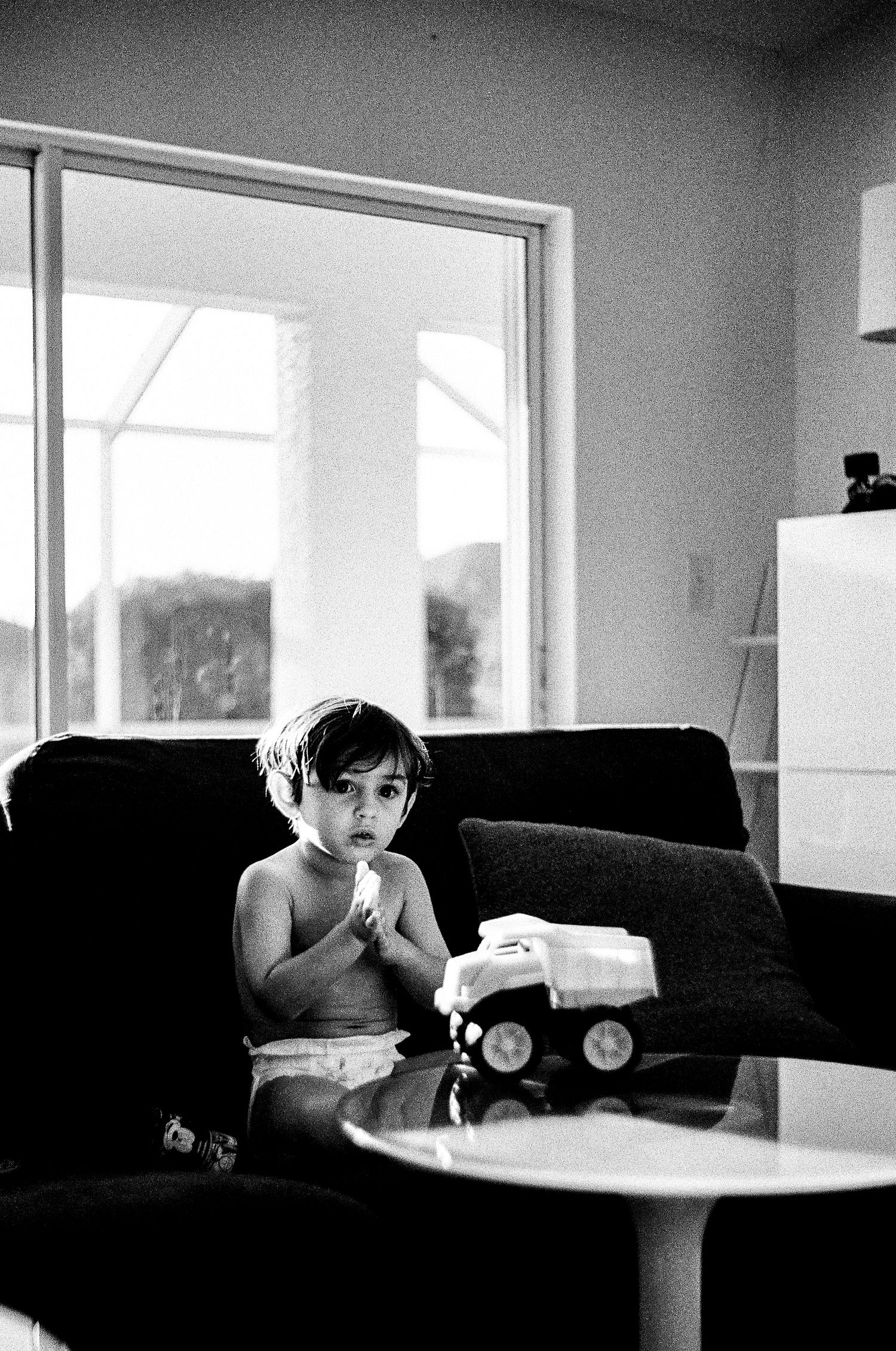
This portrait of Wes in the light of morning golden hour is a perfect example of this. Even backlit, his features are sharp, distinct, and pop with subtlety. This is not an optimal lighting condition for a portrait and yet the Summitar handled it deftly (in no small way helped by my favorite film, Kodak Tri-X).
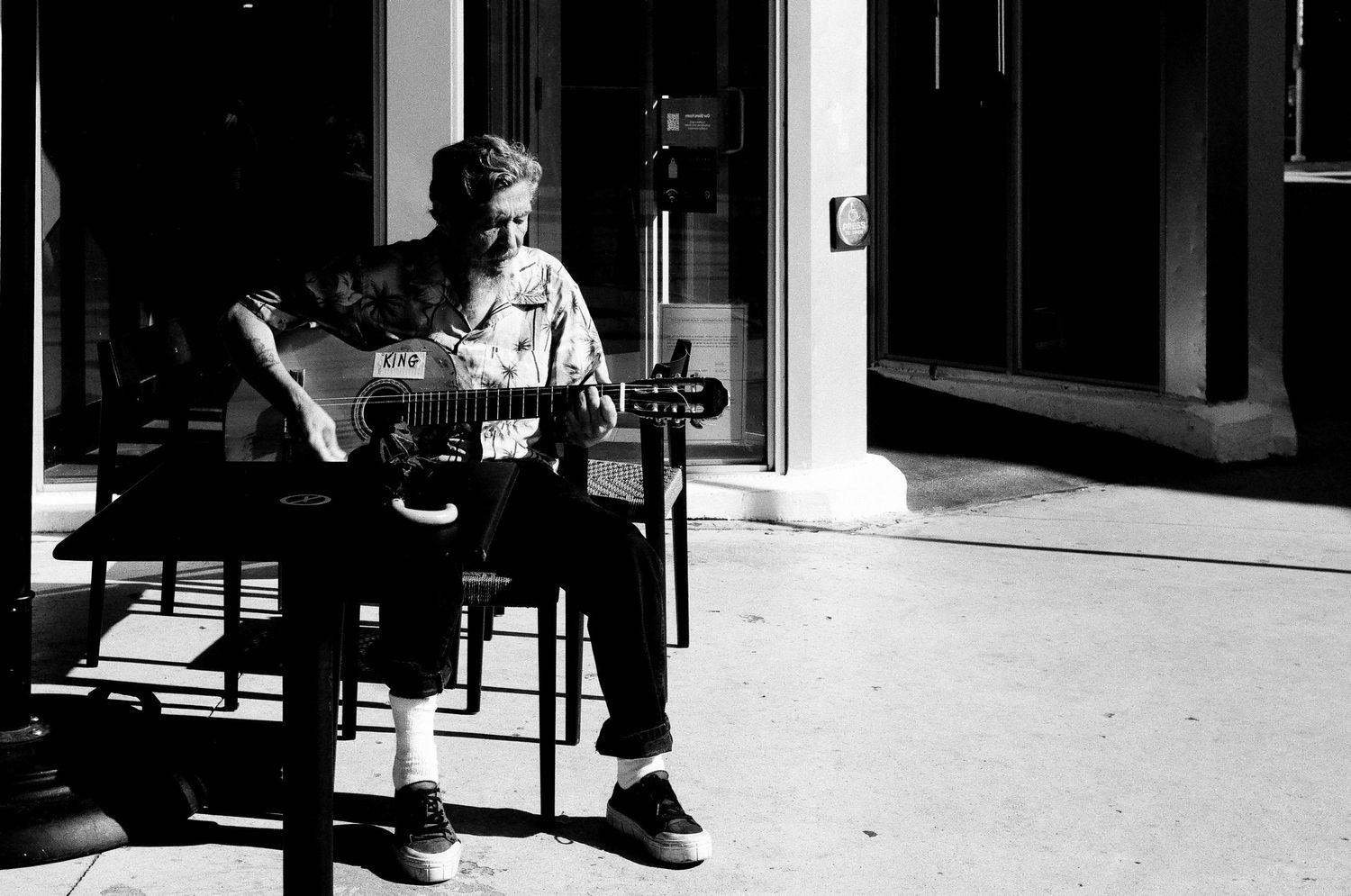
This second shot of a guitarist on South Beach is another fantastic example. Again, lit entirely by natural sunlight, this lens manages to make an amazing portrait. Of course, the light was also perfect, creating a bit of natural Rembrandt lighting for this guitarist. But this photo also exemplifies another way I love using it: street photography. Blending traditional street and portrait photography is not as challenging as one might think. At least it isn't when you have the Summitar.
While the first photo was made wide open at f/2, this one of the guitarist was made stopped down to f/11. I love stopping down a bit for portraits because it helps accentuate the lines on the face and bring out features. But thanks to this lens never getting clinical and sterile, the level of sharpness is always pleasing
This, however, is my favorite sort of portrait to make with the Summitar. This sort of half-body-environmental portrait is a lot of fun because it is more intimate than a full-body portrait, and still allows for context and story to be added to the portrait.
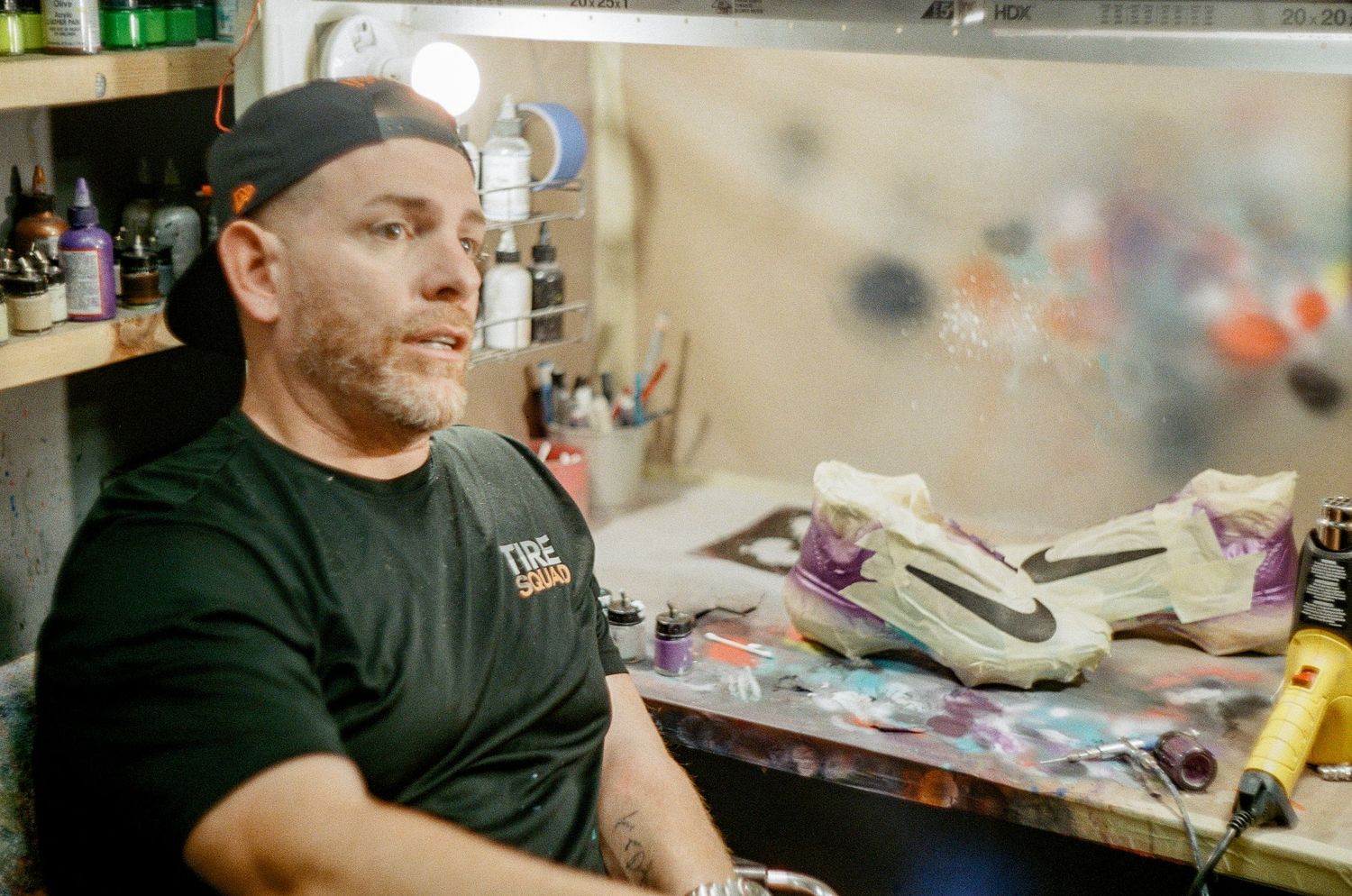
This one was made at the Soles by Sir workshop, where Marcus Rivero, the Sir in Soles by Sir, creates one of a kind shoes for professional athletes and more. Marcus was kind enough to let me and a team in to document his process. I also feel like this is a great time to discuss the colors the Summitar produces.
While the majority of these photographs have been in black and white, don't let that fool you into thinking this is a black and white lens. No, this lens produces gorgeous, true to life colors. My favorite color film to use with the Summitar is Kodak UltraMax, but that might be because it is my favorite color film...full stop. Regardless, everything from skin tones to bright and vibrant colors are recreated authentically.
But wait...there's more!
While all the examples up until now have been made with film, that's not to say that this doesn't work amazingly as a digital lens!
Where the f/2 aperture can become somewhat limiting on film unless you are comfortable pushing film (come to the dark side and push film!) it is never an issue with digital sensors. I don't often use this lens with my digital Leica SL 601, but I was feeling like doing just that recently and took this lens with me on a date night with Steph. As usual, it did not disappoint.
The colors are gorgeous, with no strange color casts as can sometimes be found with older lenses not designed with digital sensors in mind. It also allows for the lens to be shot wide open more often than it normally would on film, at least for me as I tend to rely on the Sunny 16 exposure rule and am typically stopped down.
With the SL's digital sensor, this lens again comes to life and finds new and interesting ways of rendering what might otherwise be a boring scene.
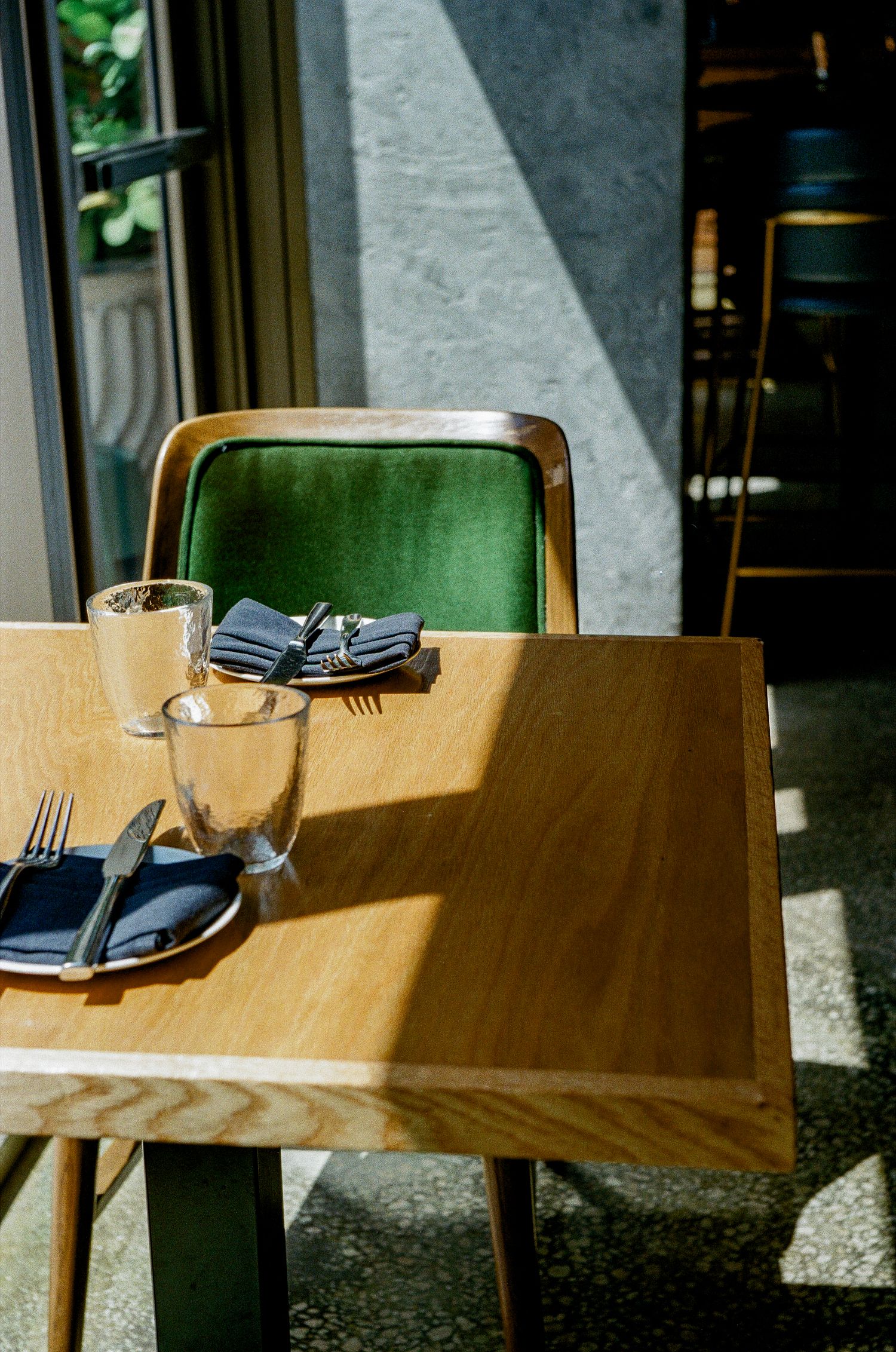
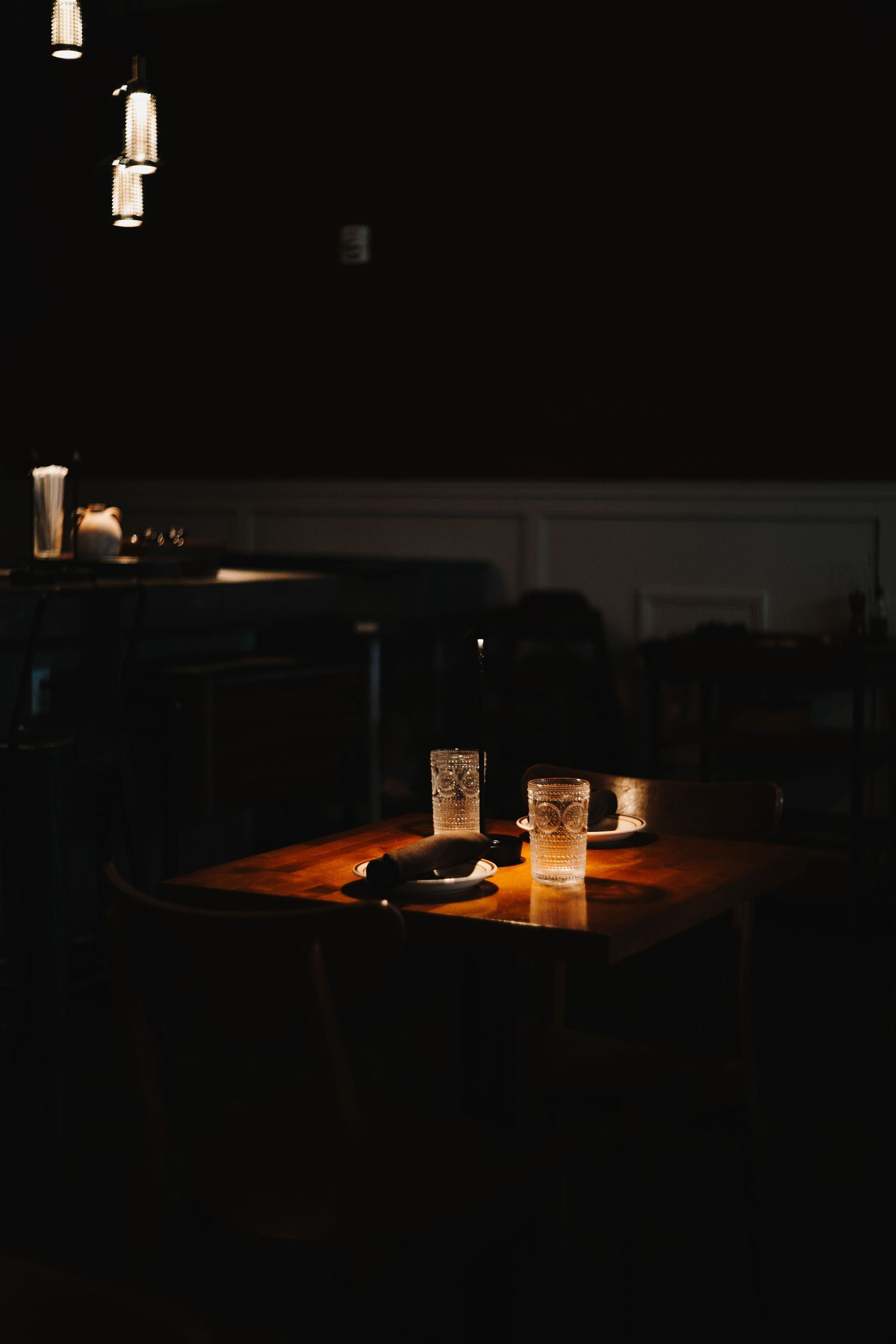
Take this photo of an empty table at Fratelli, in the Dadeland neighborhood of Miami. The lighting was gorgeous and I had an opportunity to photograph the simplicity of this well lit table setting. The gentle falloff of the highlights and the sharpness is beautiful. Sometimes it isn't just about the subject, but how that subject will be represented through the lens.
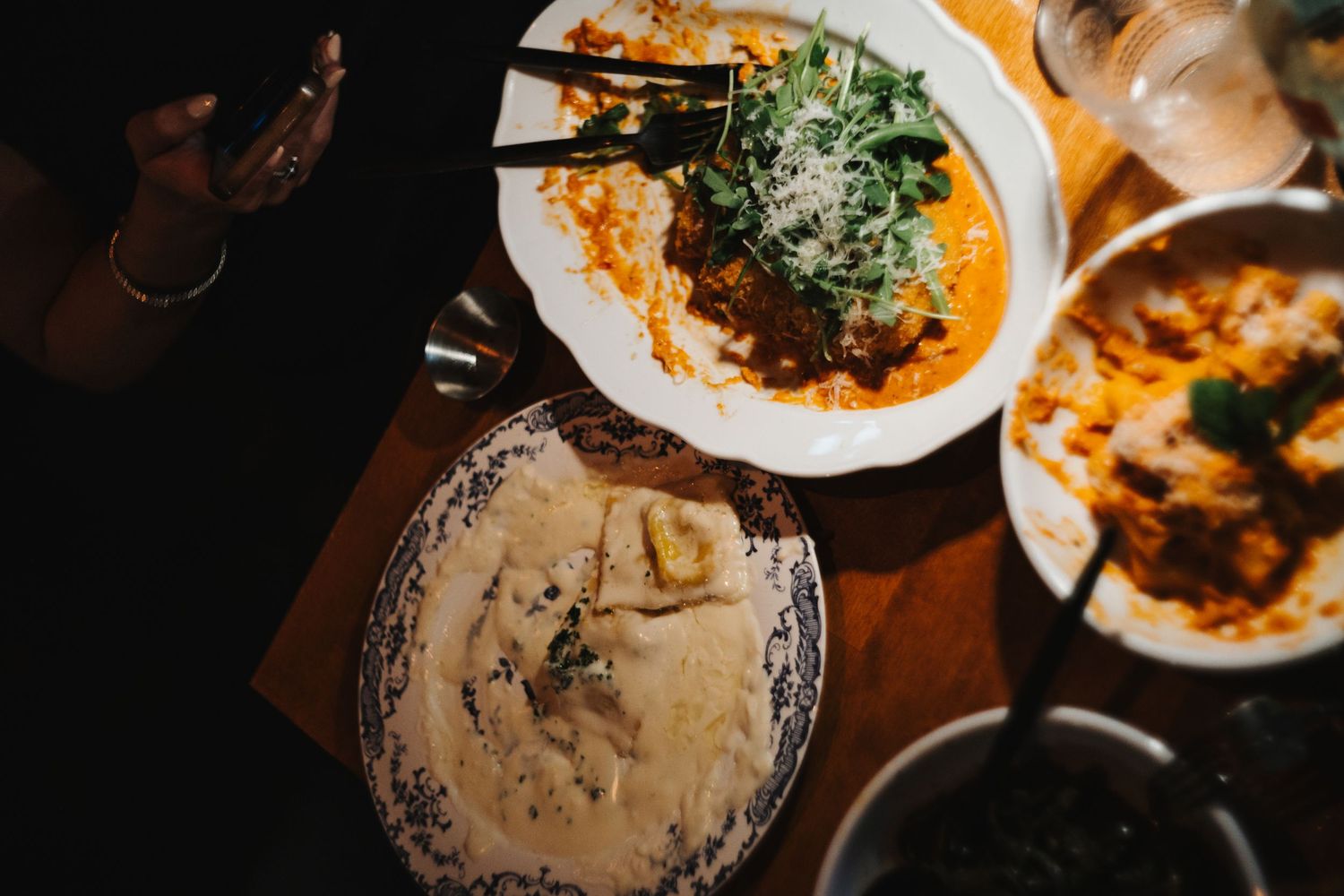
This one exemplifies one of the only drawbacks of using this lens with a digital camera. On the M3, because it is a rangefinder, the one-meter minimum focus distance is rarely an issue. But with digital cameras, we have gotten so used to closer minimum focus distances that the one-meter minimum may seem like a severe limitation.
I won't lie; I wish I could focus closer when adapting to a digital camera. And certainly the .5-meter minimum focus distance of my Summicron-R 50mm lens (those amazing Leica SLRs and their minimum focus distances!) is there for me when I want a Leica 50 and need to get closer. But sometimes it is worth it to work with and through those limitations. Because the end results are gorgeous, like this one that shows the aftermath of eating with our eyes.


Surprisingly difficult is getting this lens to flare. This optical formula and the magic coating Leica employed way back in 1951 makes it really resistant to flaring and ghosting. However, as a fan of this effect, I really love the way that this lens flares when it does happen. It is very hard to judge this with a rangefinder as you don't actually see through the lens. But adapting it to digital makes it possible to see flaring and work with it. I definitely saw that opportunity and took it as we walked into Fox's Lounge, one of Miami's most legendary dives. Amazingly, even with the flare, the color never shifts and what occurs is a beautiful white halo. And as expected, on digital sensors, this lens is an amazing portrait maker, as evidenced by this shot of a chef at Reco Veco in South Miami.
Final Focus
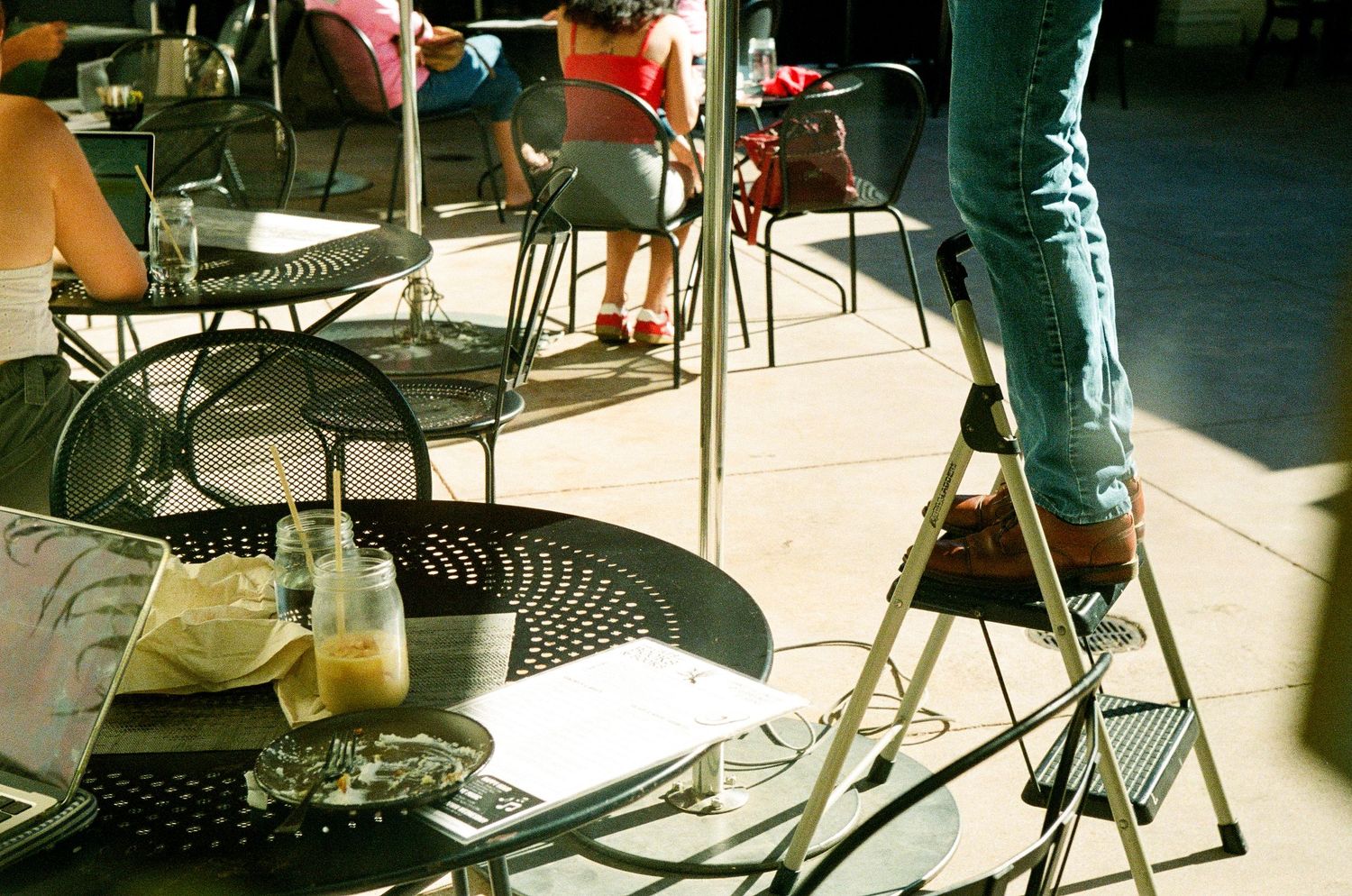
This may very well be my favorite 50mm lens. I've tried the Summicron and love it. I've got Pentax and Nikkor 50mm lenses. I've worked with budget friendly lenses like TTArtisan and Rokkinon, and with modern optics makers like Sigma and Tamron, and well there is something magical about the Summitar. It is fast and easy to use. Fast as in light gathering, yes, but also fast as in ease of focus. To date, I have made exactly three exposures without extending the collapsible lens. I laughed it off and loved looking at those photos after development and wondering "now, how the hell did I miss focus this badly?" before remembering what happened.
Its focus throw is short enough to nail focus quickly during street photography and long enough to accurately nail focus for portraits. It collapses into a teeny, tiny package that can turn an M3 into a pocketable camera (jeans back pocket, pow!).
Its rendering and ease of use with the M3 is a big reason why the M3 has become my all-time favorite camera. Whether I am shooting street photography for fun, family photos, or weddings, this will more often than not be mounted on my M3, which will be strapped around my neck.
Photography and picture making is, at the end of the day, art. And art is rarely about what is "best." It's vibe and feel. Well, I can tell you that what I feel when I've got my M3 and Summitar cannot be replicated with any of the other amazing camera and lens combinations I own. Not my Pentax MX and FA 43mm f/1.9. Not my Leicaflex SL and Summicron-R 50mm. Not my Leica SL 601 and Sigma 45mm f/2.8. This...this is endgame.

Bonus! Filters that work!
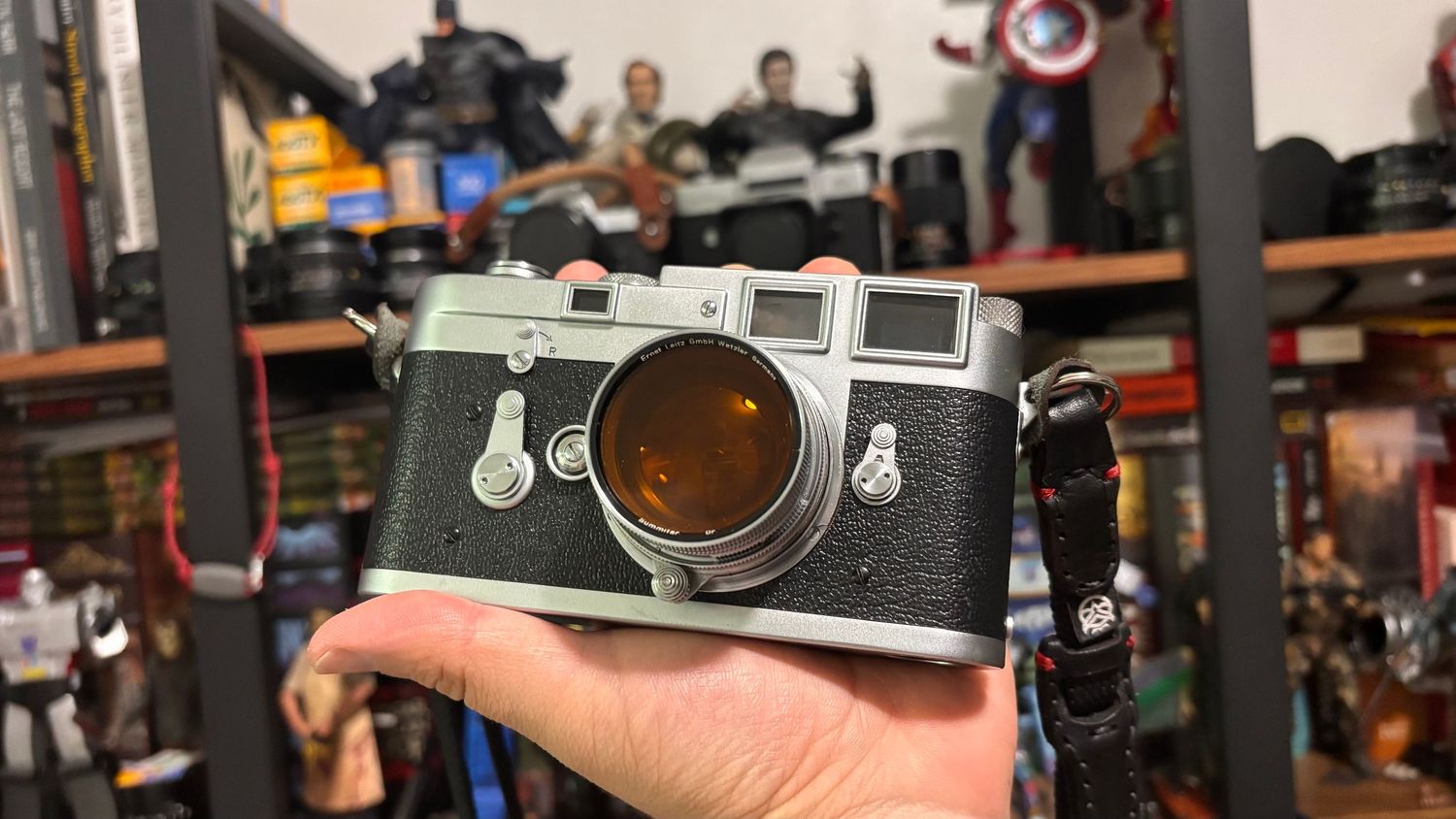
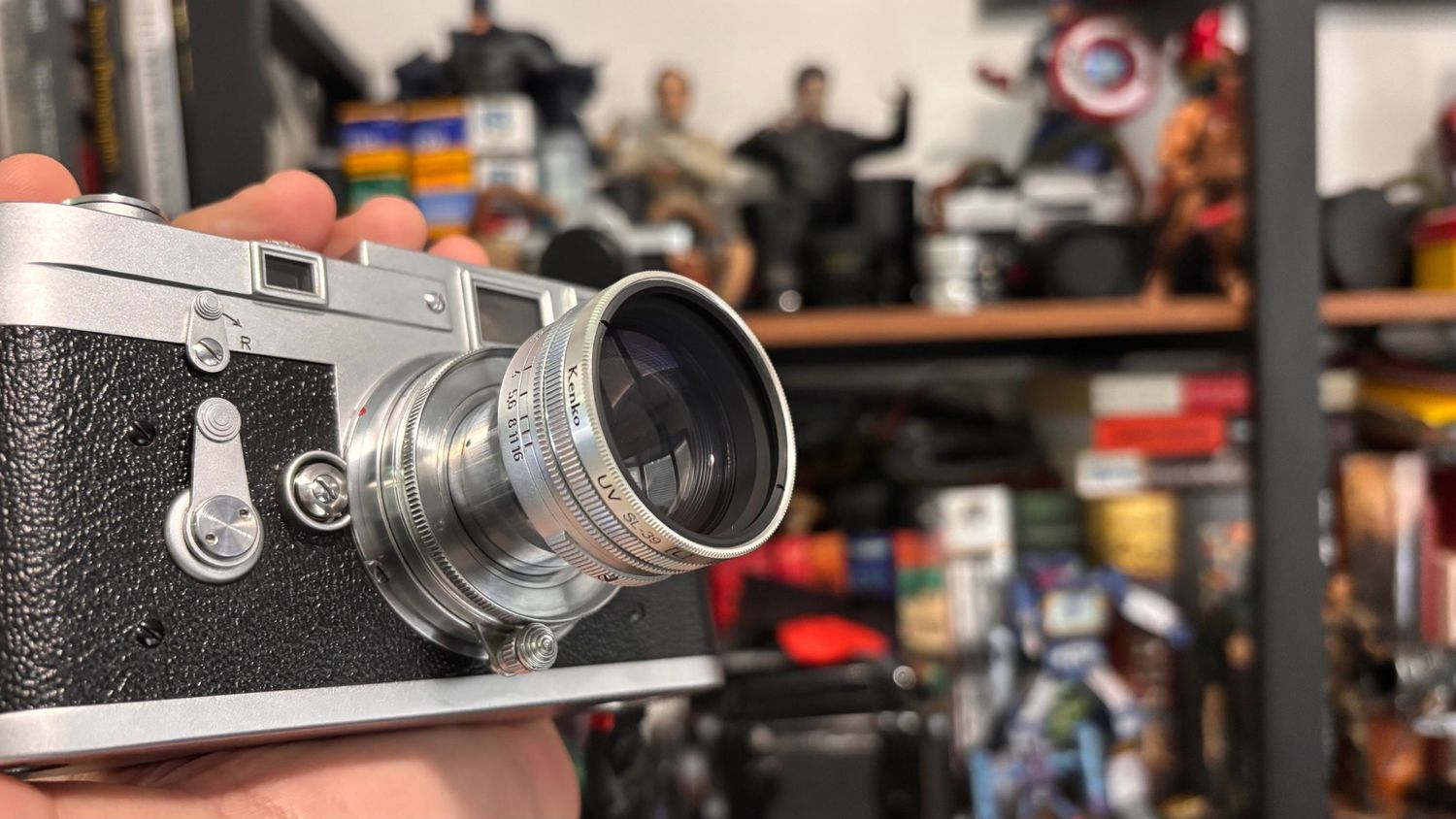
Earlier I mentioned a non-standard filter thread size for the Summitar. It uses a strange 36mm screw-in filter. The A36 clamp on filters that the Elmar 50mm and Summaron 35mm lenses use will not work here. That's because the outer dimensions of the lens are actually 39mm. Standard 36mm threaded filters will not fit as the pitch of the threads is different. Color filters are still plentiful and easy to find in great shape. I got my orange filter, an original 40's Leica Summitar Or filter, for about $30 on ebay. But clear UV filters in anything resembling decent condition are few and far between. And when they do pop up, they are almost as expensive as the lens itself. However, I discovered that Kenko makes modern UV filters threaded specifically for the Summitar! That's right! The Kenko model UV SL-39 [L] 36.5mm filter will screw directly into the threads and even improve the contrast as it is painted black on its interior (a benefit of the massive hood that was made for this lens, but I refuse to purchase because it becomes unwieldy). If, like me, you have a mint condition Summitar and wish to preserve that infamously soft glass, get yourself one or two of these Kenko filters stat!
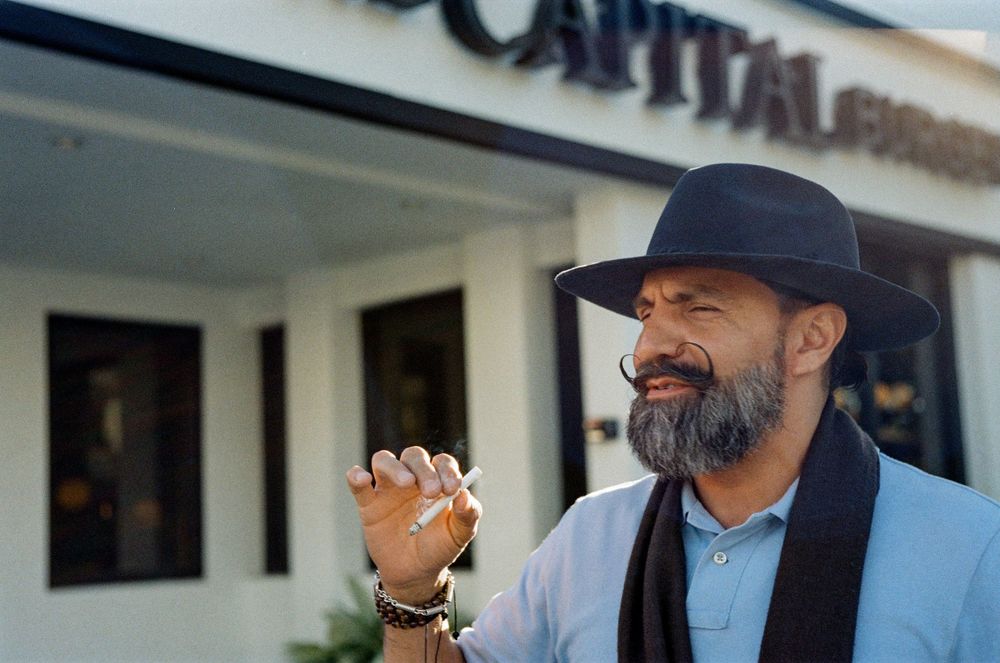
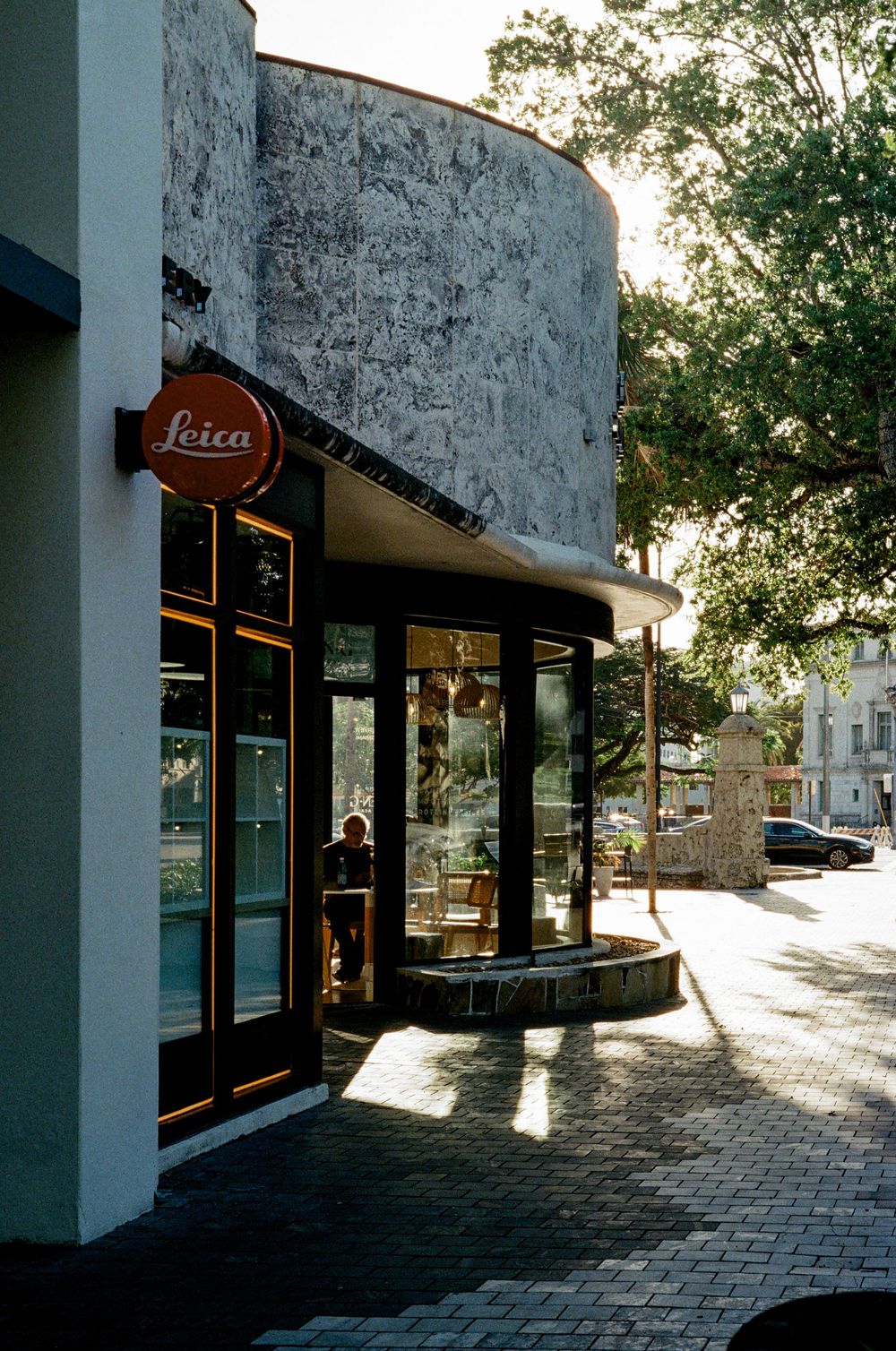
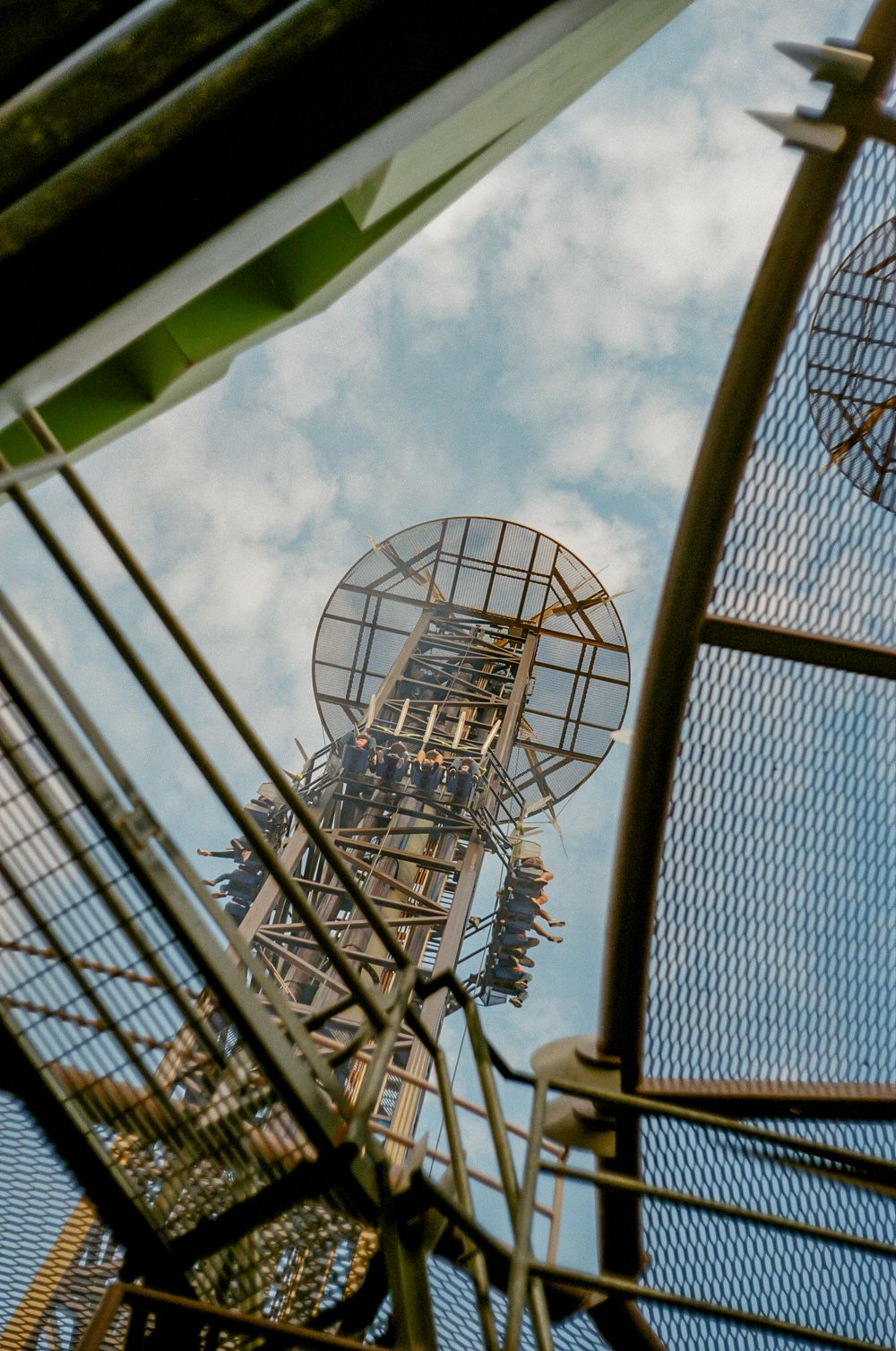
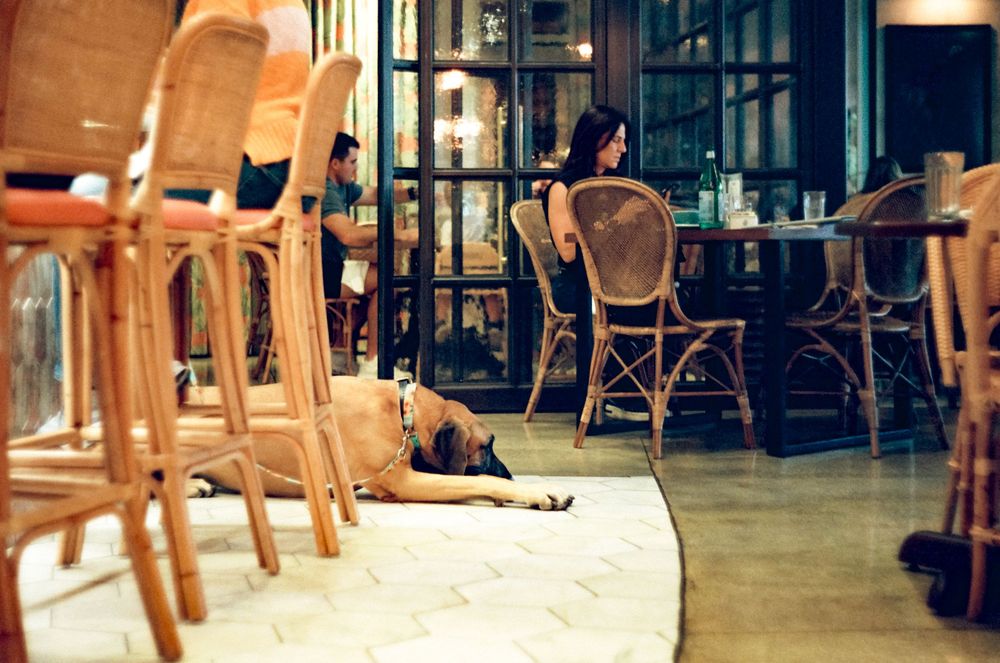
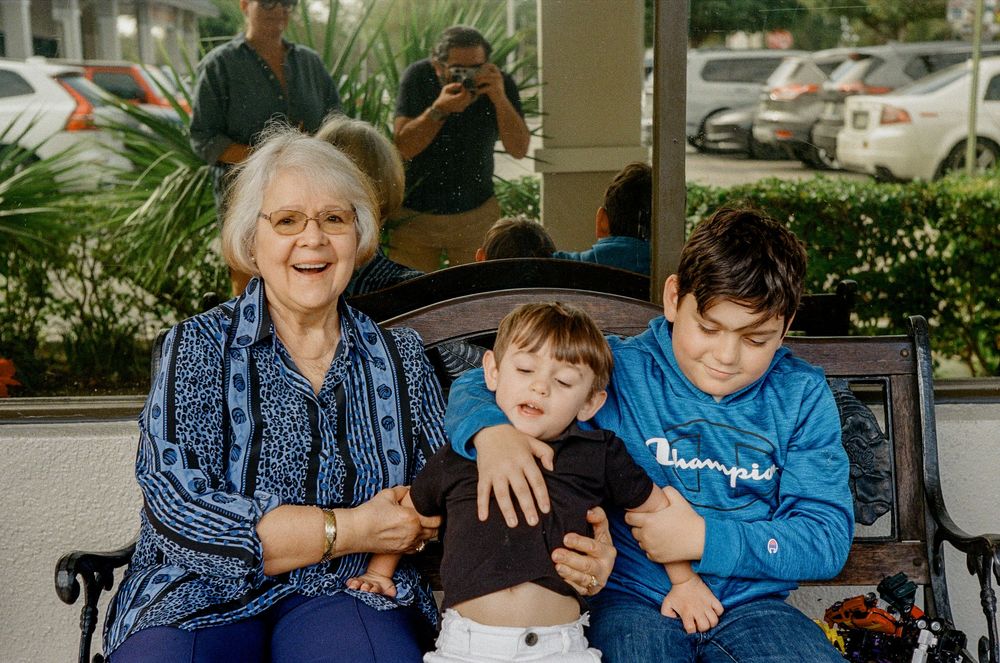
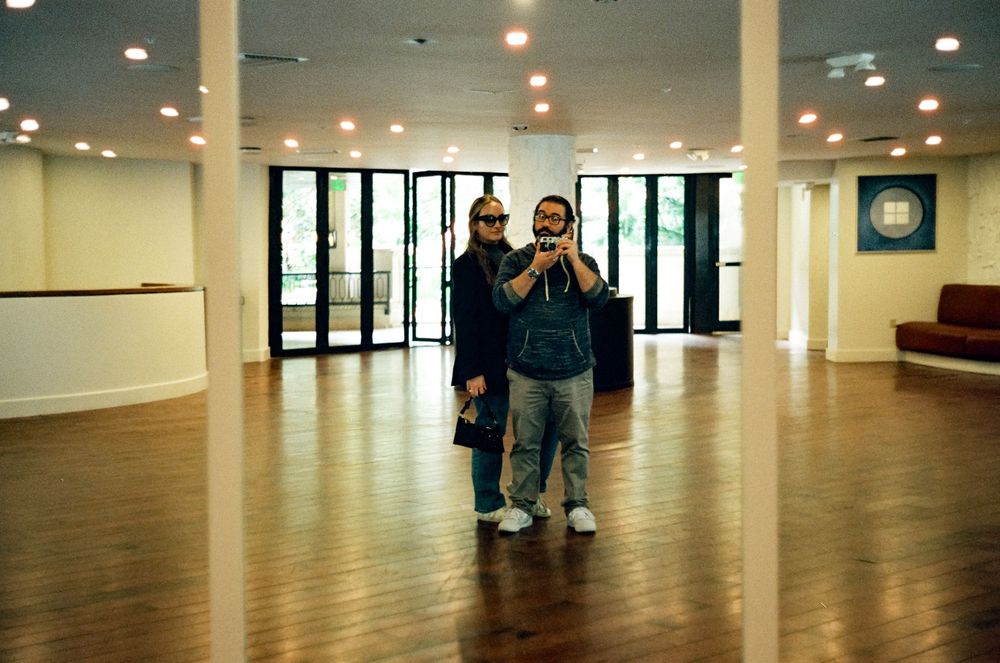
More Leica Summitar 5cm f/2 Photos

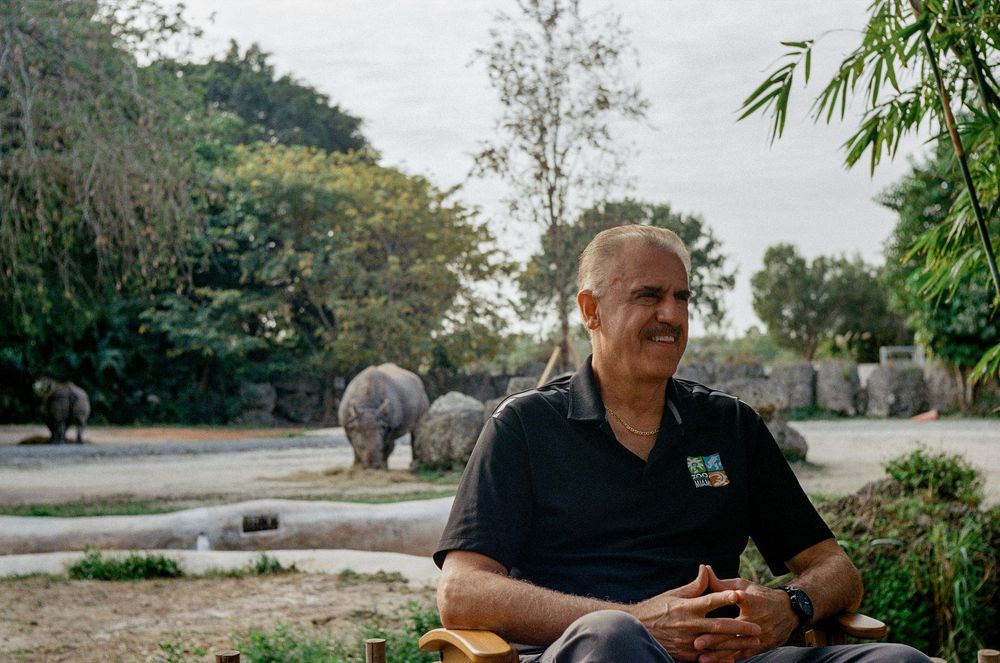

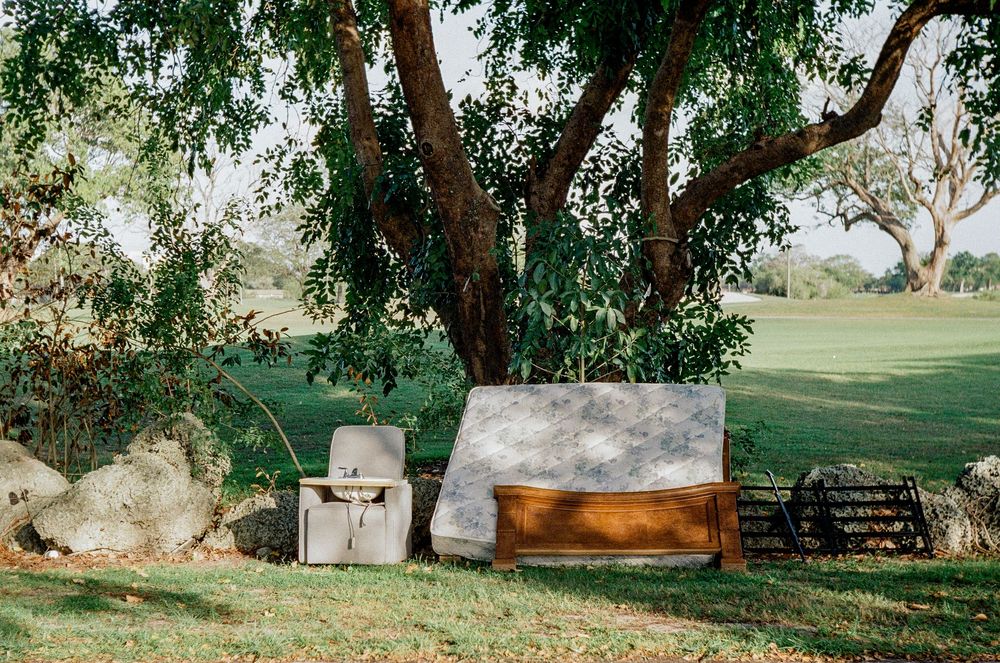

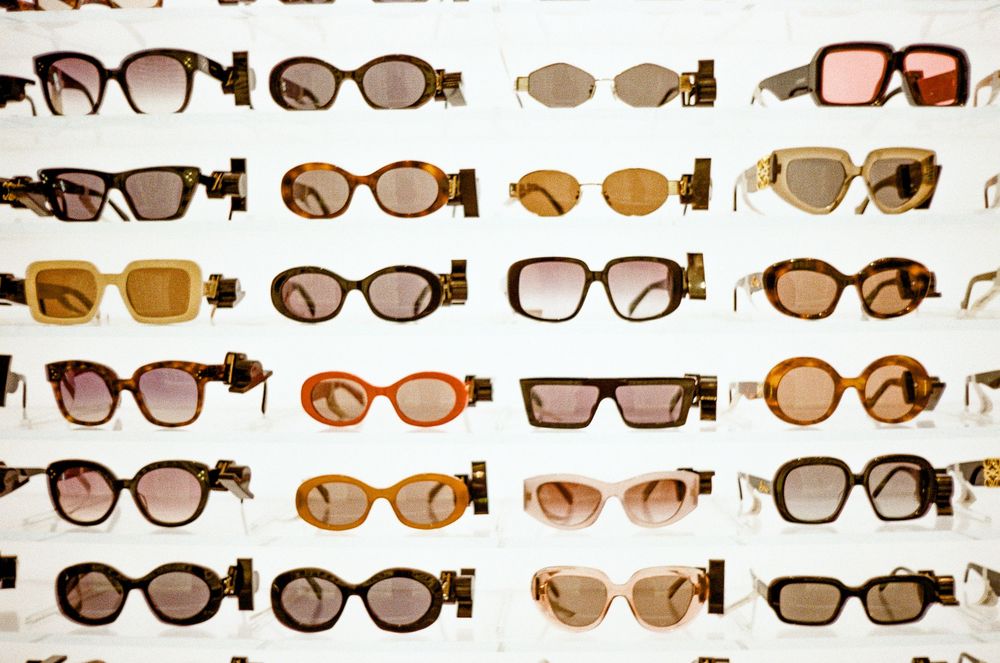

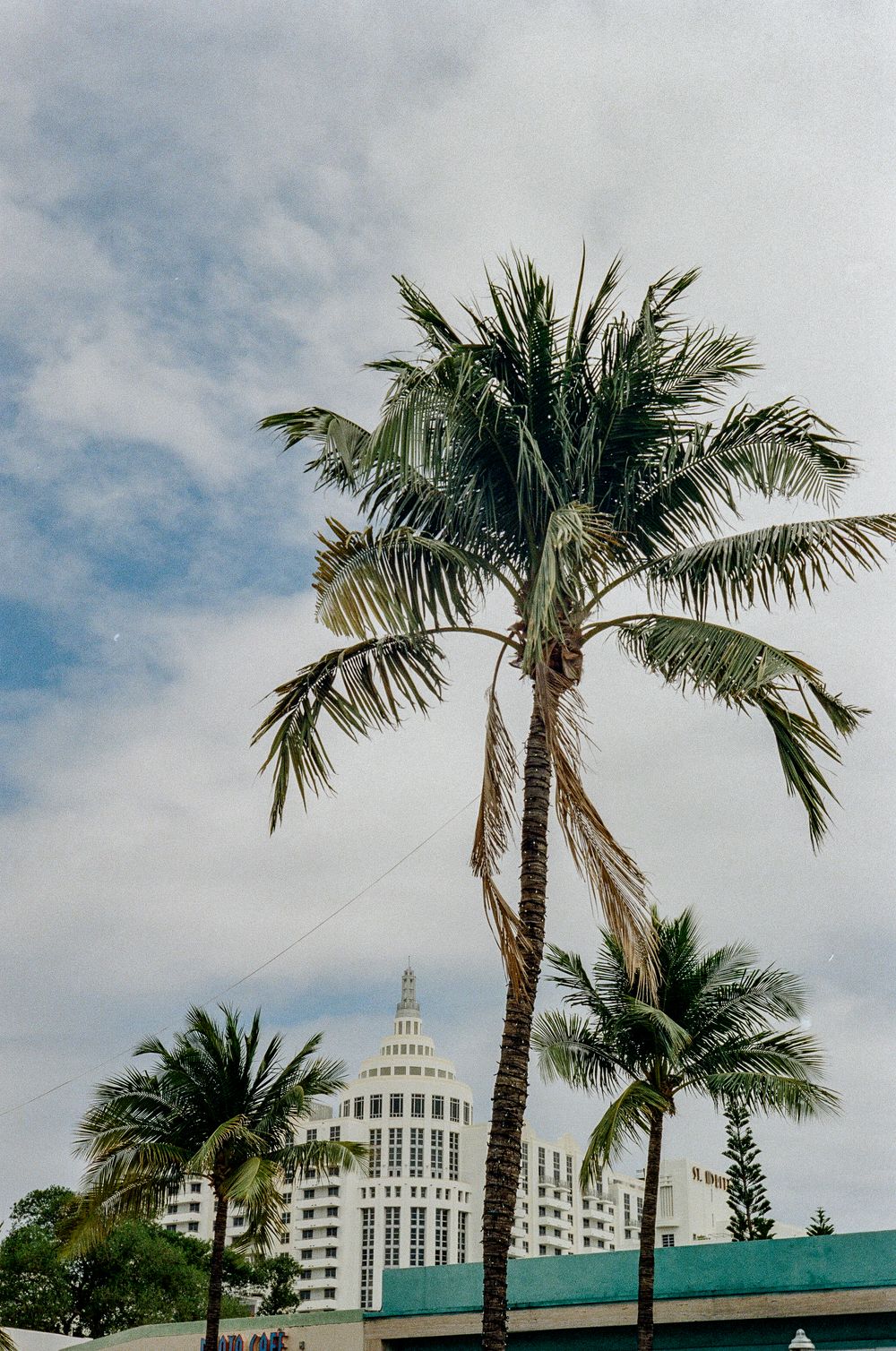
All images © 2020-2025 David Ulloa Studio. All rights reserved.