Budget Conscious
When I first got back into film photography it was after a long hiatus. And in truth, I had never given much thought to the exposure triangle. I loved Kodak disposable cameras as a kid and in my teen years often used my Dad's Nikon point and shoot. So, exposure was never something that I was really aware of. Only in so far as making sure the flash was always activated. So, when I decided to really learn how photography works, I knew I'd be messing it up quite a bit. Regardless of that fact, I found an old 60's Fujifilm rangefinder - the 35 Auto M that has become a beautiful paperweight in my office - and set out to make some photos amid the isolation of the COVID lockdowns.
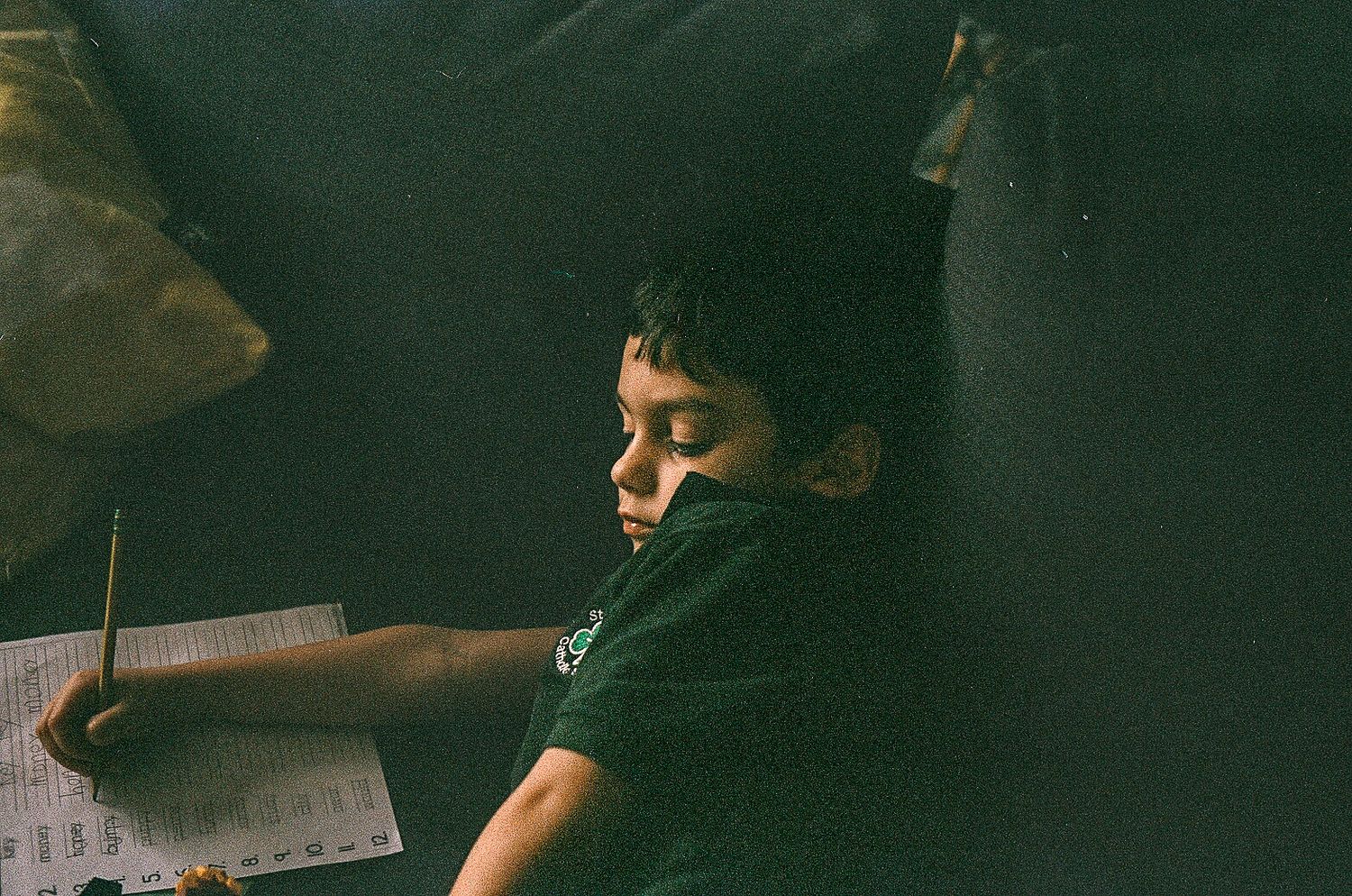
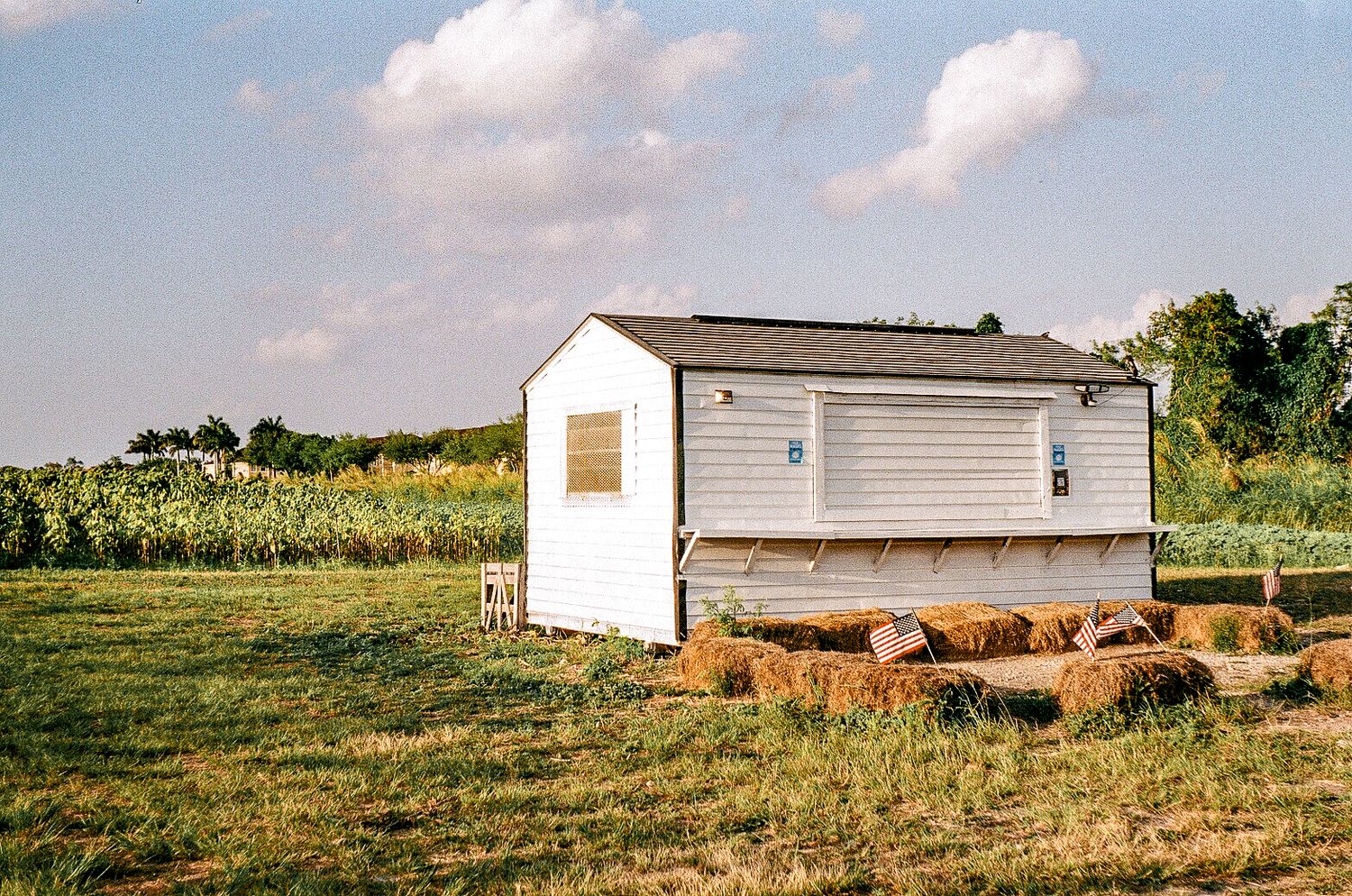

I put two rolls of FujiColor 200 through that Fujifilm camera before I decided I didn't enjoy shooting with it. But I loved the photographs that were made with that camera. They did exactly what I had hoped they'd do; they reminded me of the photos I remembered from my childhood. So, I decided rangefinders were not for my bespectacled eyes. I got a digital camera, time went by, and eventually I got a Leica R4s to give film another shot. The process was much more enjoyable. So I bought some more FujiColor 200 to keep it going. On Amazon, a three-pack of 36 exposure rolls sells for $22, which makes this the most affordable way I could think of to keep shooting film.
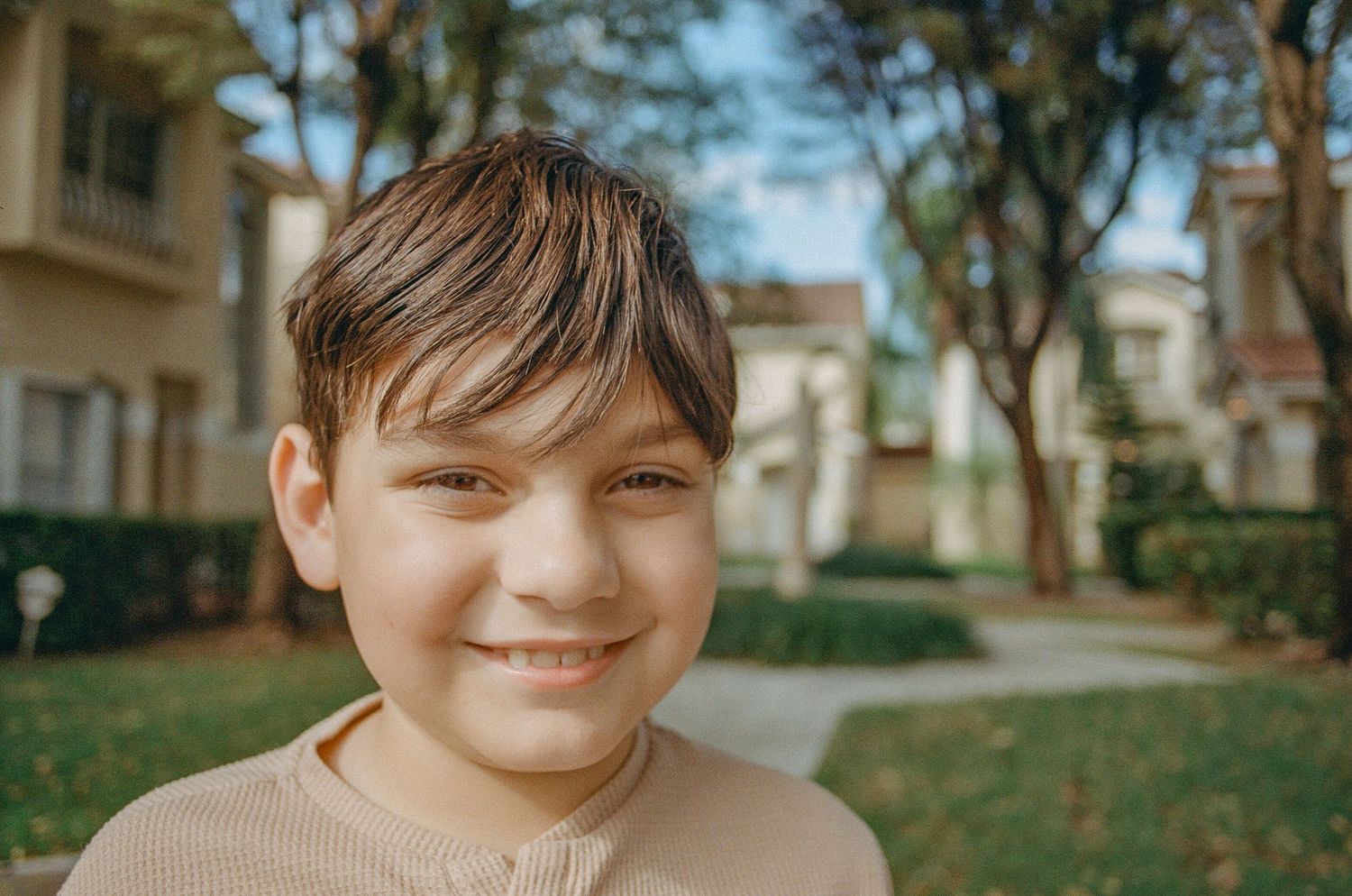
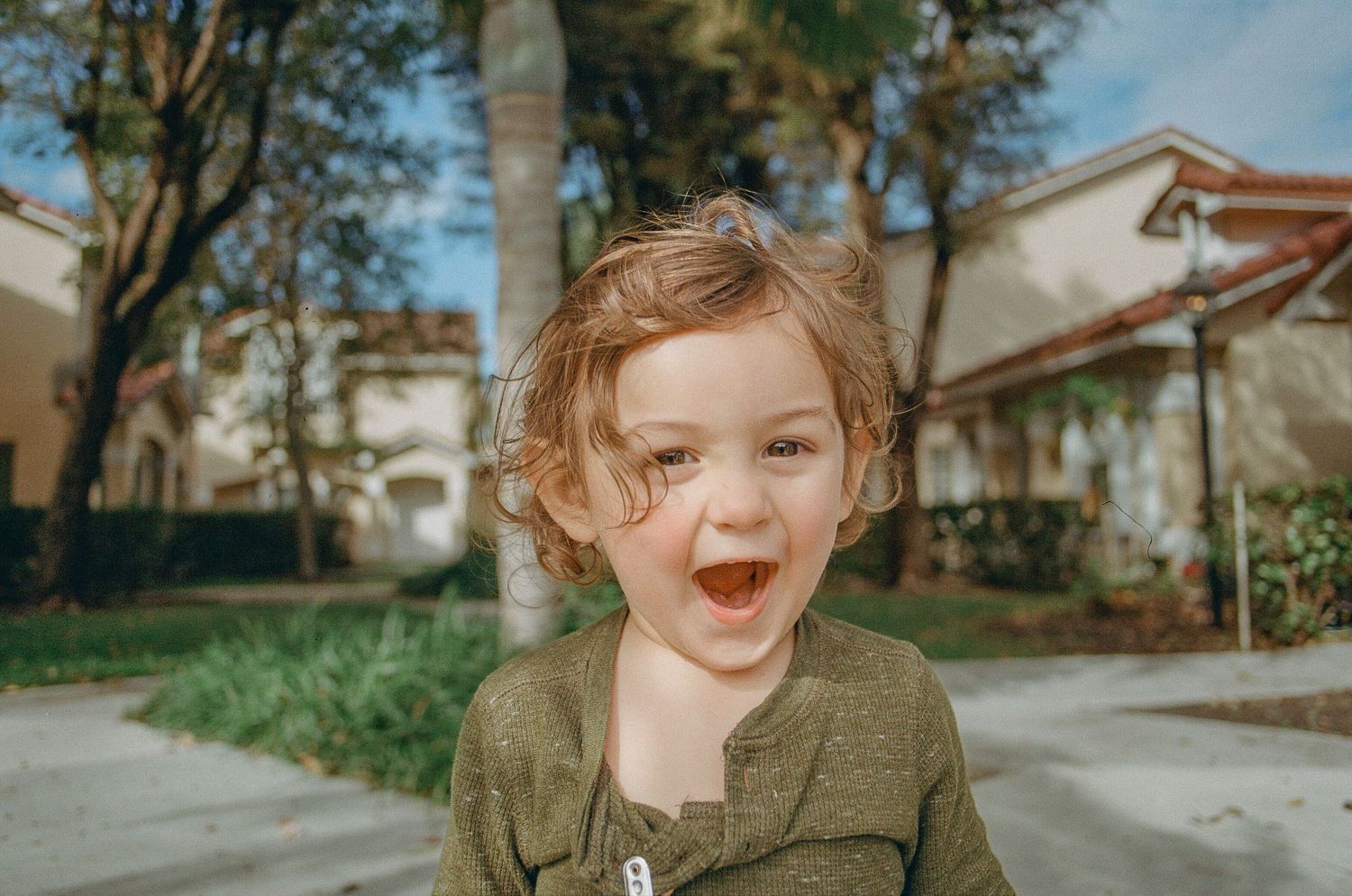
A few things happened in sequence that would leave me forever in love with FujiColor 200. The first, and most important of these, is that in the time that came between those first rolls of FujiColor and these latest ones, I had become a much better photographer. The second is that I invested in a series of great lenses (as an aside, I don't believe that a camera or lens makes a person a better photographer, but good optics are good optics). Last, and almost as important as the first point, is that I got lucky...really lucky.
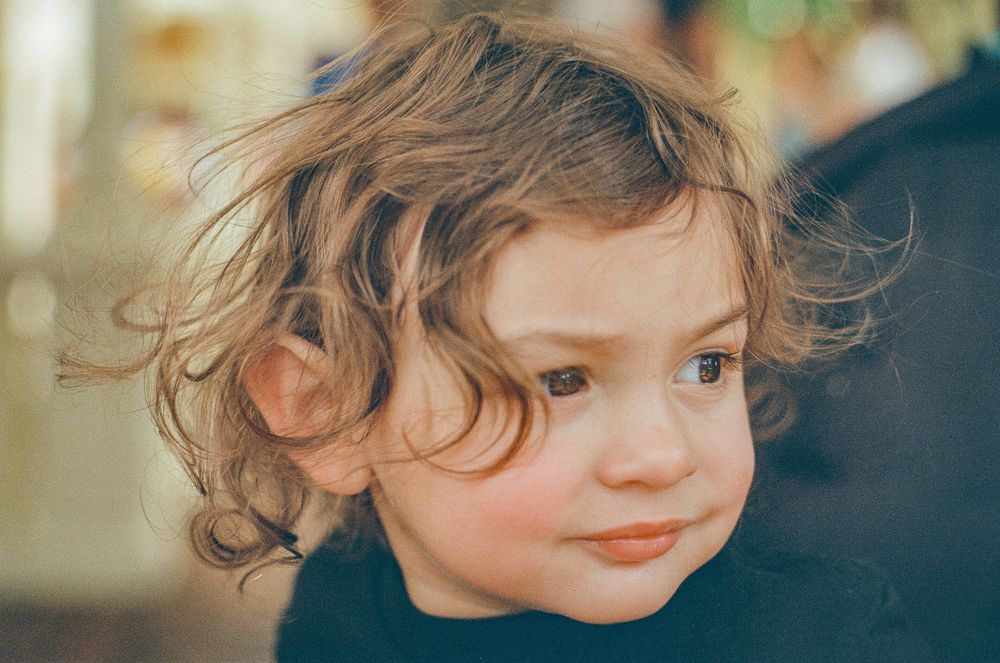
My two favorite portraits that I've ever made, and likely ever will make, were made with FujiColor 200. I had just purchased a new fast 28mm lens and was testing it out when these two portraits happened by accident. I've documented this many times, most recently in my blog about my LFI Leica Mastershots, so I won't spend any more time discussing the making of these portraits. But I will say that these two portraits, the look and color and grain, moved me to tears. That isn't an exaggeration. I had made many portraits of my kids and loved very many of them. But the emotional reaction I had to these FujiColor 200 photographs was so raw that I had to give in to it.
From Want to Need
At this point I was all in...mostly. There were two reasons I could not give up digital photography for myself: 1) confidence, or lack thereof, in myself as a photographer, and 2) instant gratification. Despite the fact that every roll was coming back with very few if any missed exposures, my confidence in myself as a photographer was not high enough to feel like I could go all in on film. And regardless of the fact that I was born and raised in the analog age, in which I made film photos and waited for them to be developed and printed, the dopamine hit from having instant results from a digital camera was a fight I was losing.
What this all meant was that I was usually traveling with both film and digital cameras and simply deciding to swap one for the other depending on which I wanted to prioritize at the moment. It may not have been effective, but it was a system that worked for me.
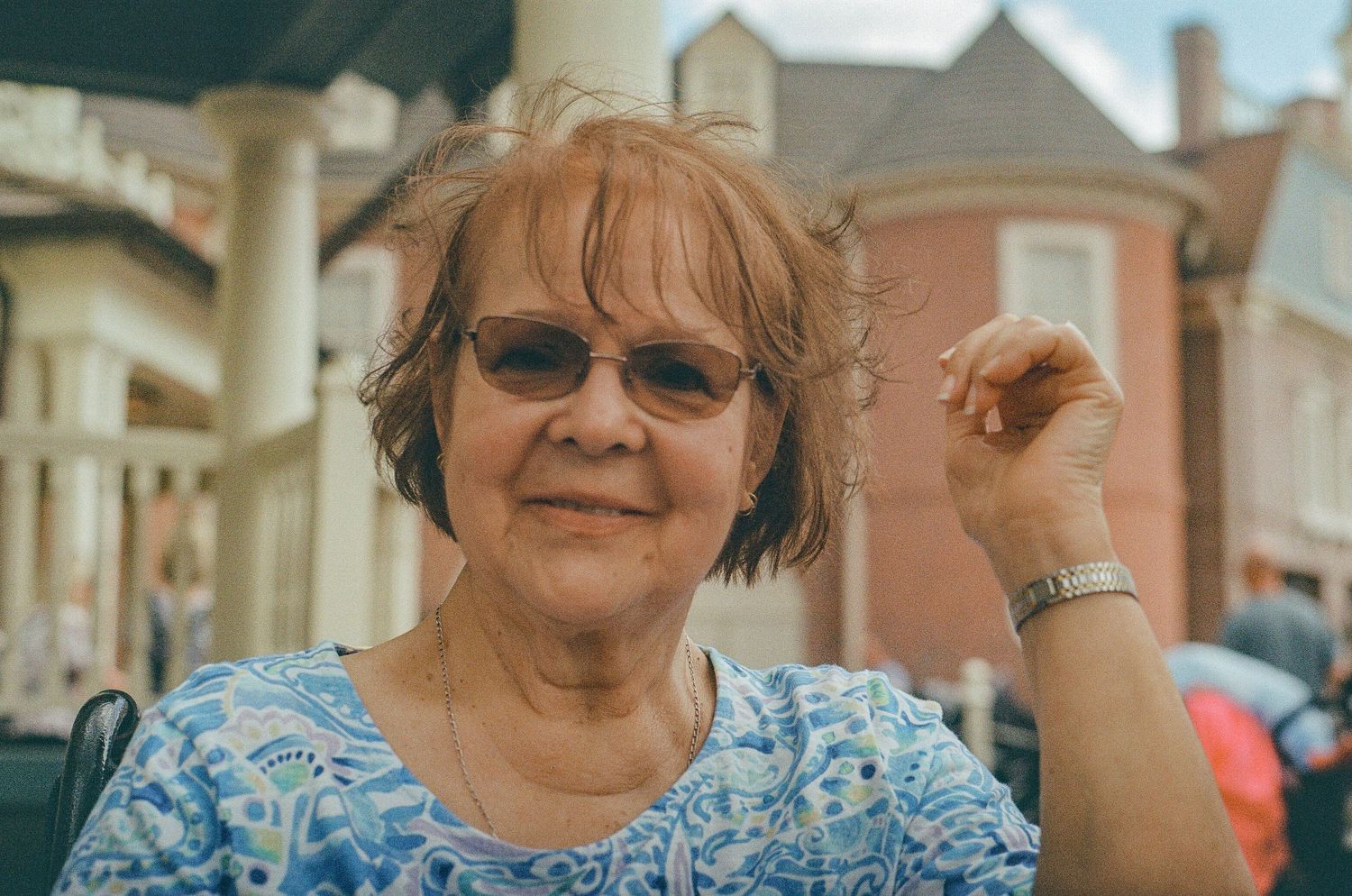
It was worth it though, because I got to keep making photographs with FujiColor 200. But using FujiColor 200 was having other effects on me as well. I began editing my digital photos to better match my film photos. I was also trying to approach my philosophy for making digital photographs in much the same way as when I was making photos with FujiColor 200. The intentionality and purpose with which I was shooting with FujiColor 200 was helping me focus on what was worth releasing the shutter for. And more importantly, what wasn't worth releasing the shutter for.
Color, Color, and More Color...
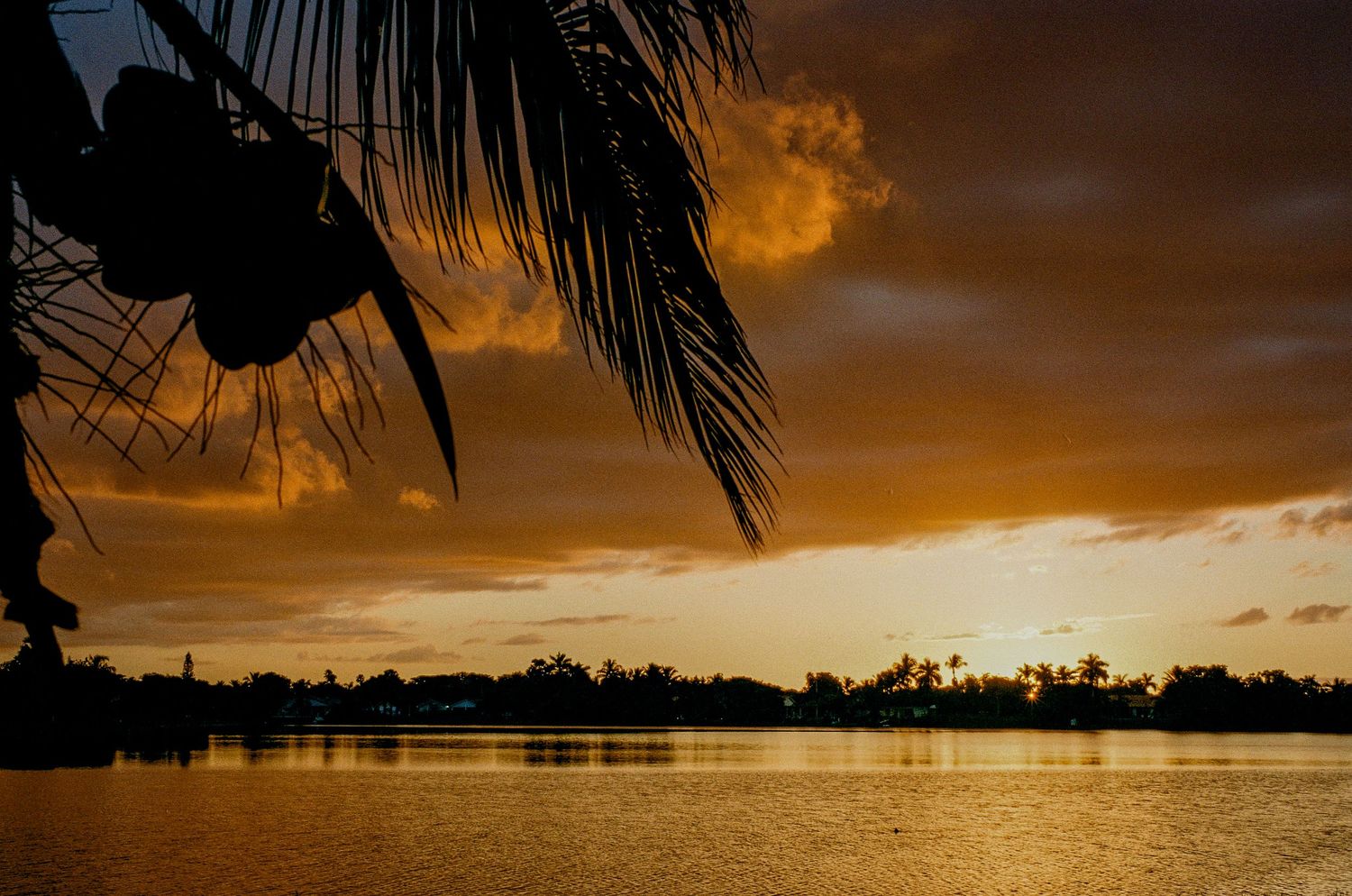
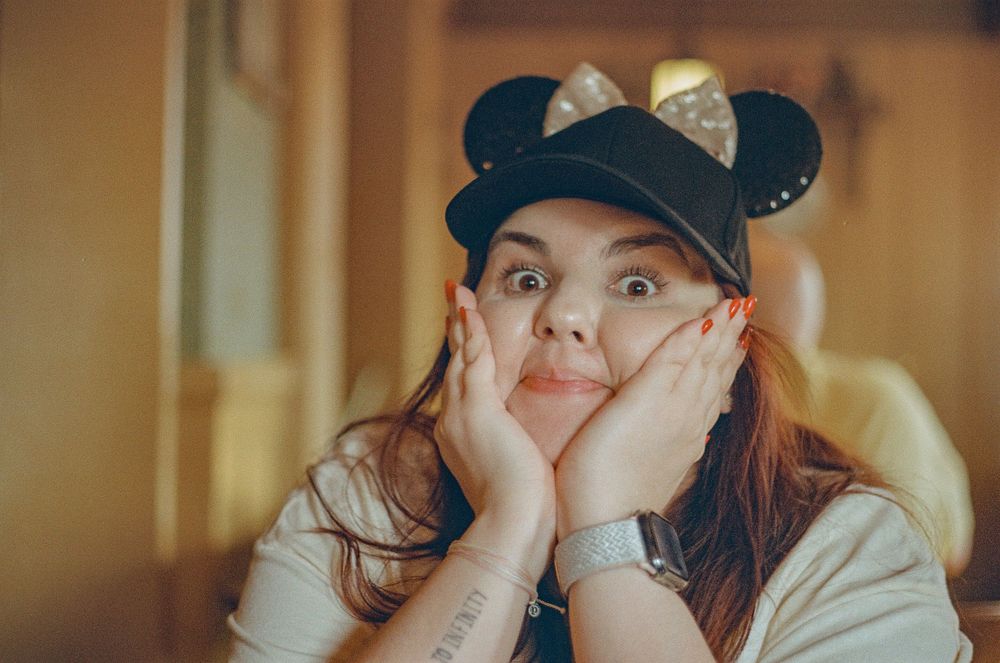
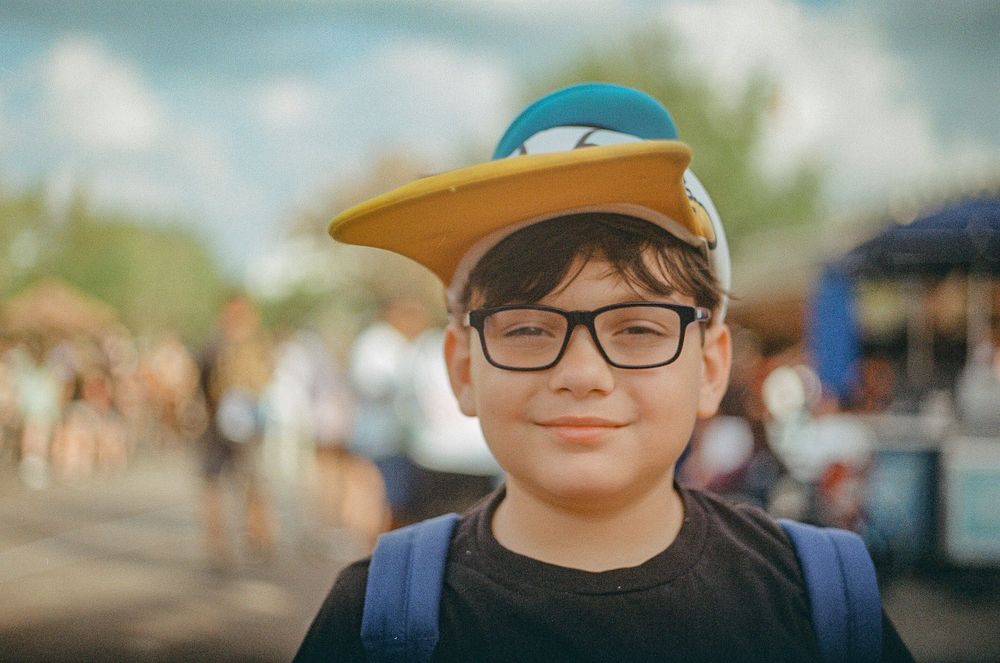
A big part of what was inspiring me to continue shooting more and more often was how my photographs looked after development. I can't say that FujiColor 200 records color realistically. But it does record color in a way that I find incredibly pleasing. The word is in its name, after all.
An interesting point, I think, is how much I now make color photos versus black and white. Before getting onto FujiColor 200 I shot primarily in monochrome. Be it digital or film, I was very much into the monochromatic look of black and white photographs. I'm sure, like many lovers of photography, that Henri Cartier-Bresson has something to do with that. But after one roll of FujiColor that was changing. Now, almost everything I shot was in stunning color, and almost always with FujiColor 200.
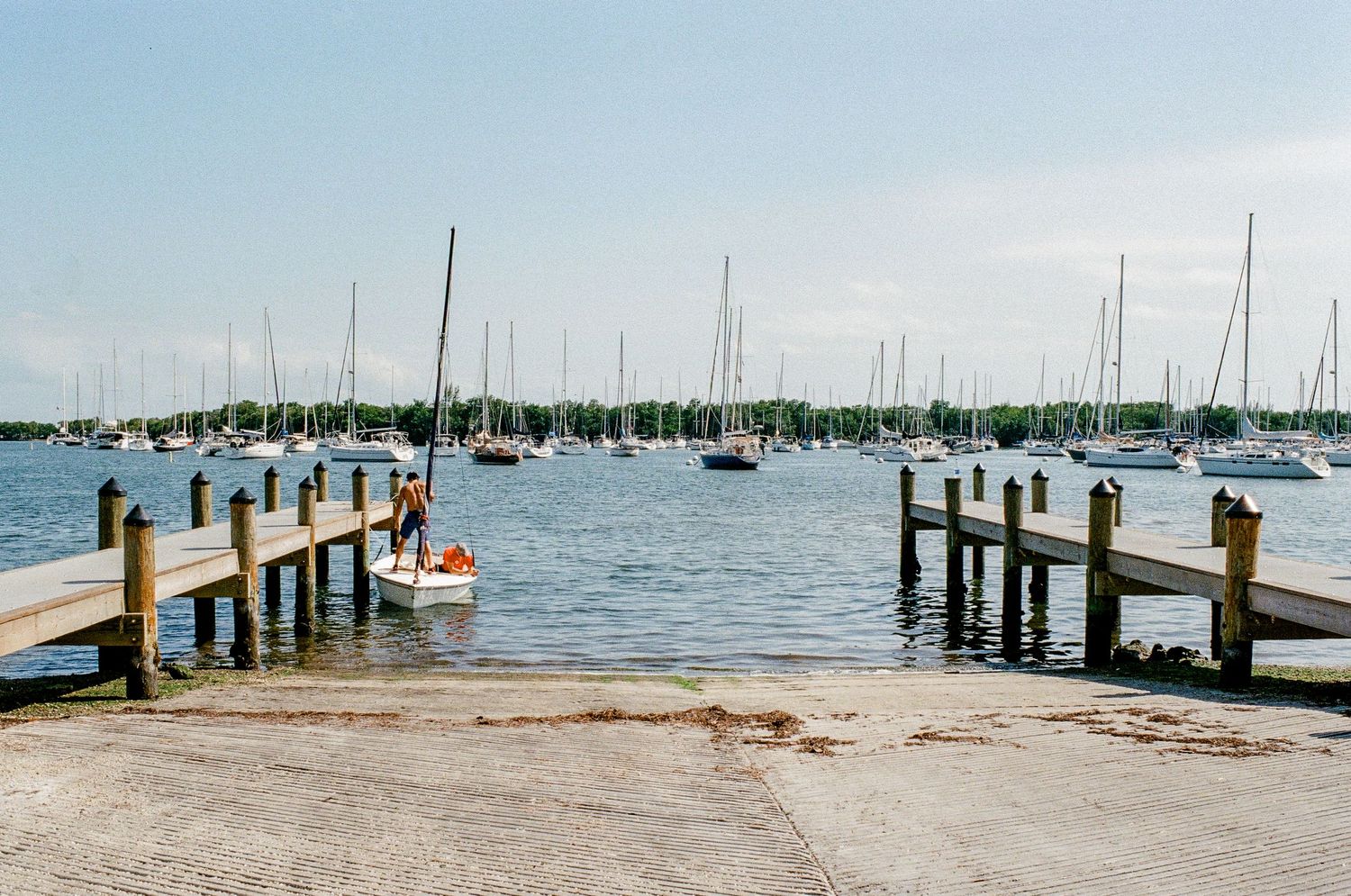
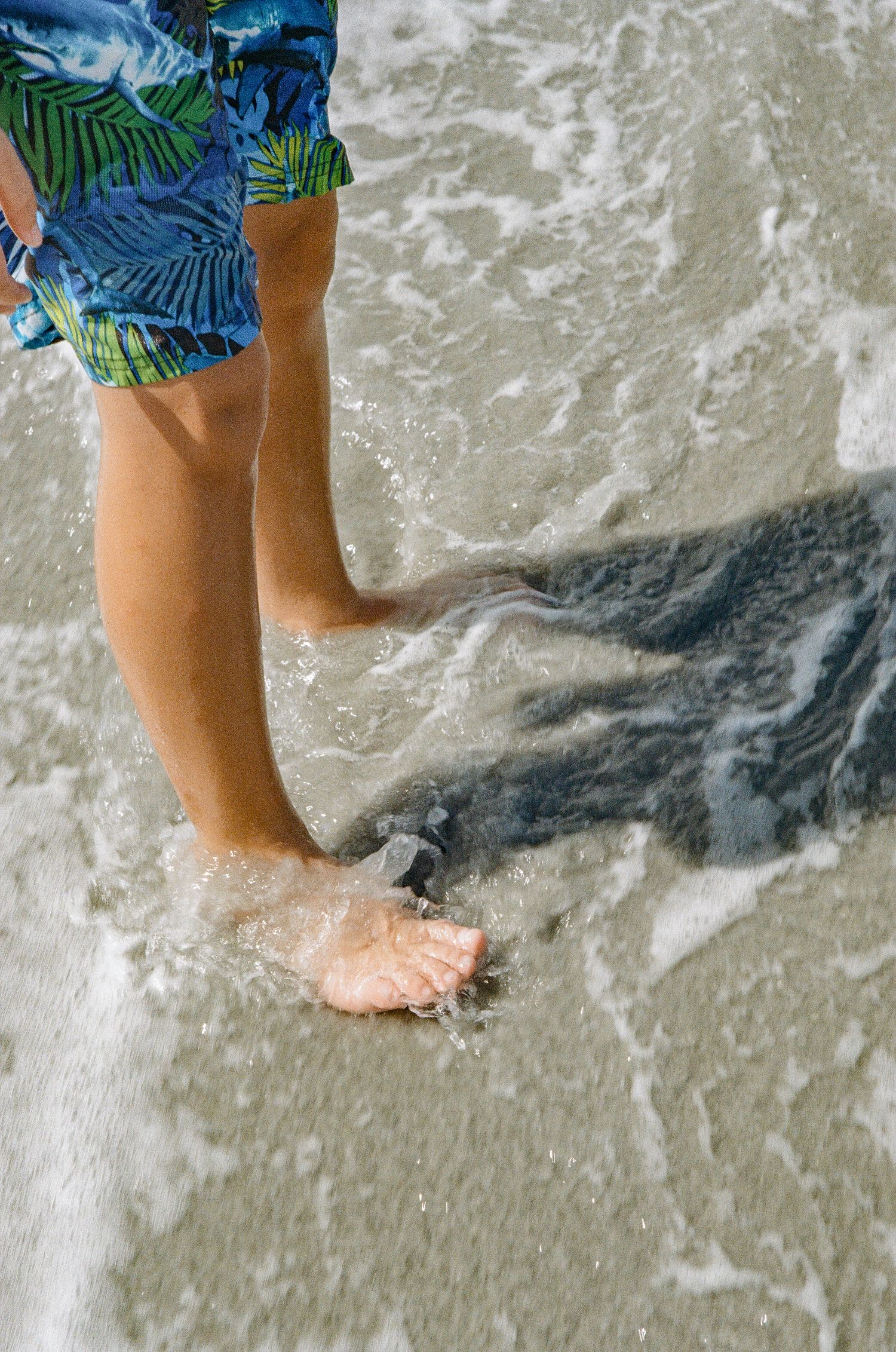
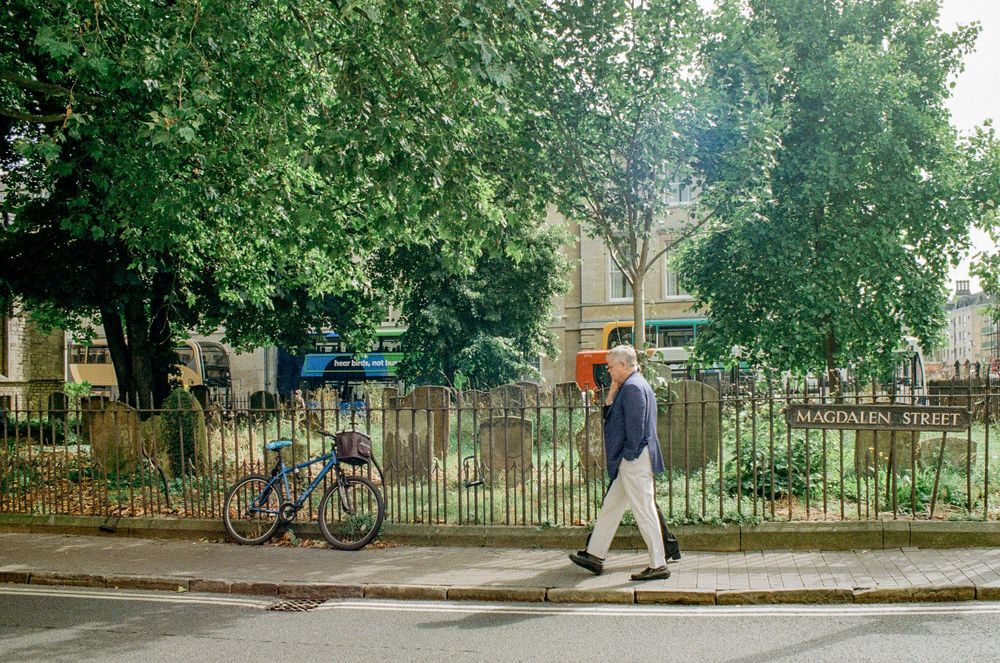
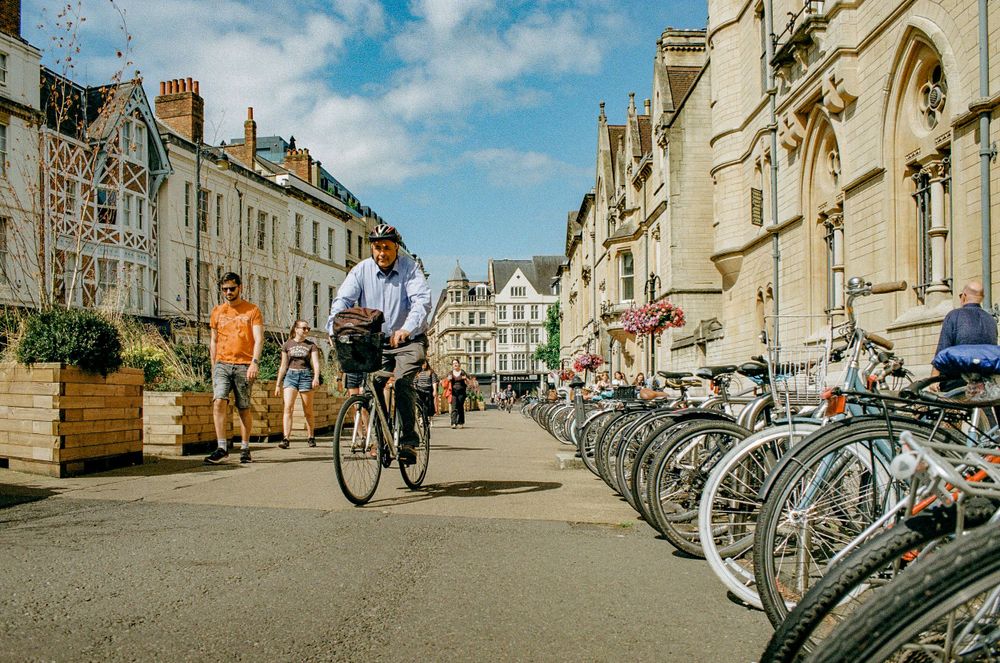
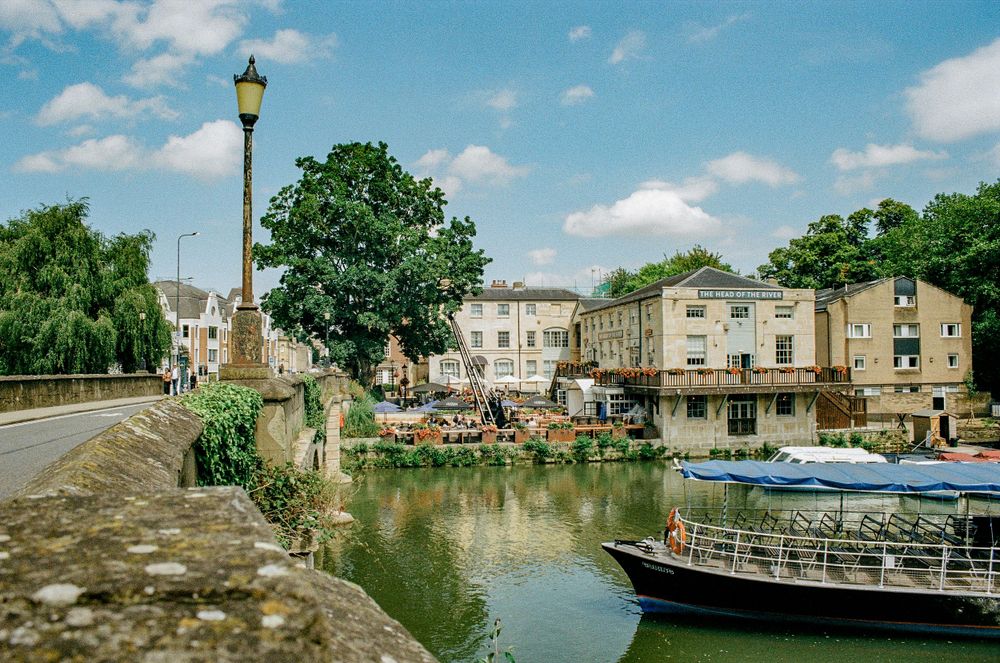
I always shoot it at box speed and still get these beautiful colors that are just pastel enough and with just enough saturation. There's no need to mess with anything like overexposing or pulling in development like is necessary with Kodak Portra. Every time I shoot FujiColor I get these results. I can't ask for more than that sort of consistency from any film, much less a "budget" film option.
Travel Ready
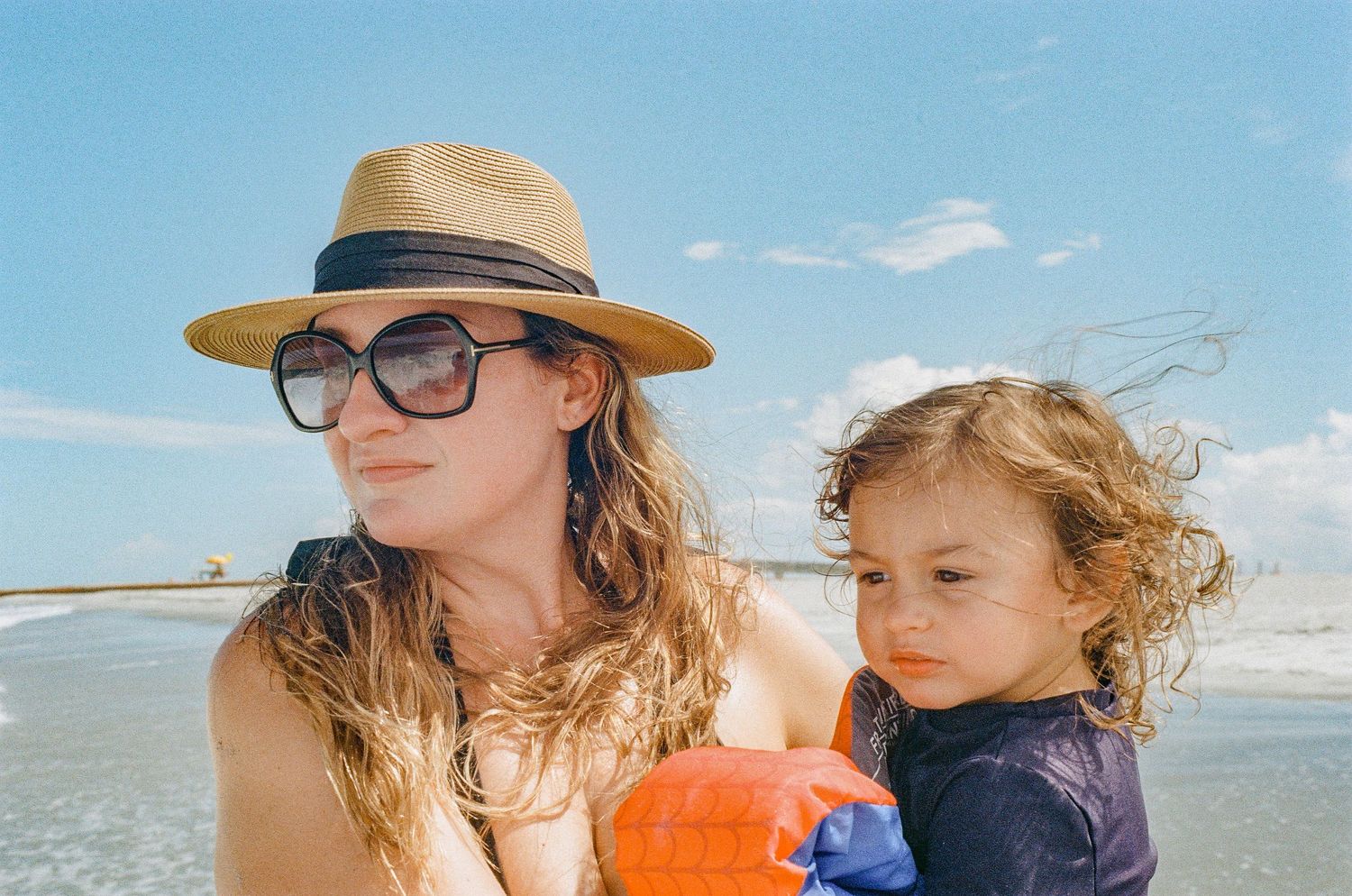
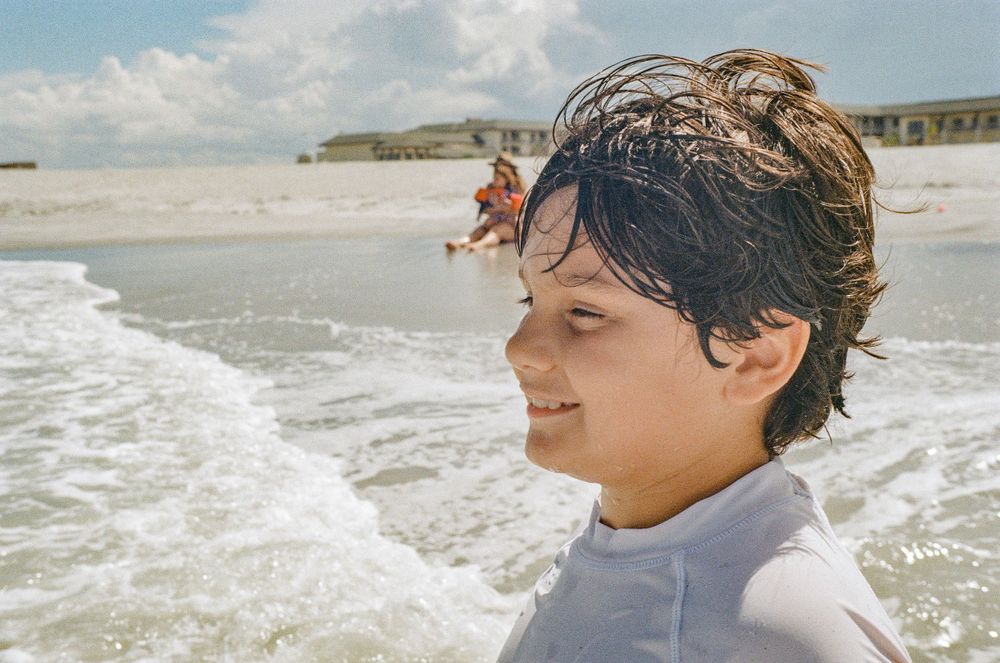
This past summer I decided I was going to prioritize film over digital. I still wasn't packing only film in my bag, but it was mostly film. The film I turned to was FujiColor 200. In fact it was the only film I packed for our family vacation to Saint Augustine and Orlando. I knew what I would get with every exposure and never once worried about if I "got the shot" or not. And sometimes, I knew the moment I released the shutter that I had made one I could be proud of; I didn't need to wait for the scans to know. Like this one of Steph and Wes at Saint Augustine Beach. I used a small flash unit as a fill light as they were partially backlit by the afternoon sun. FujiColor and flash get along so well. It allows for even the harshness of a flash to appear natural and pleasing.
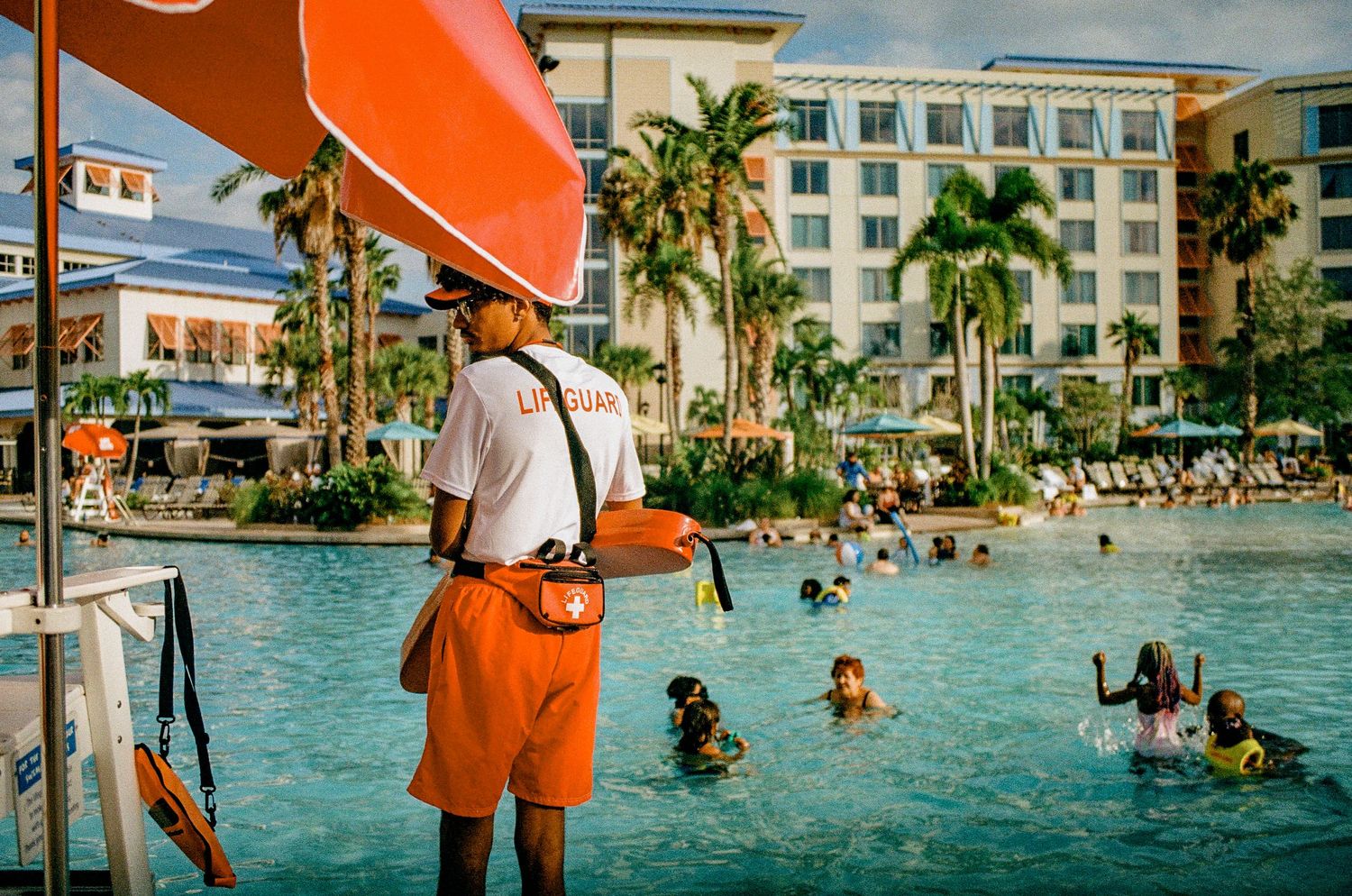
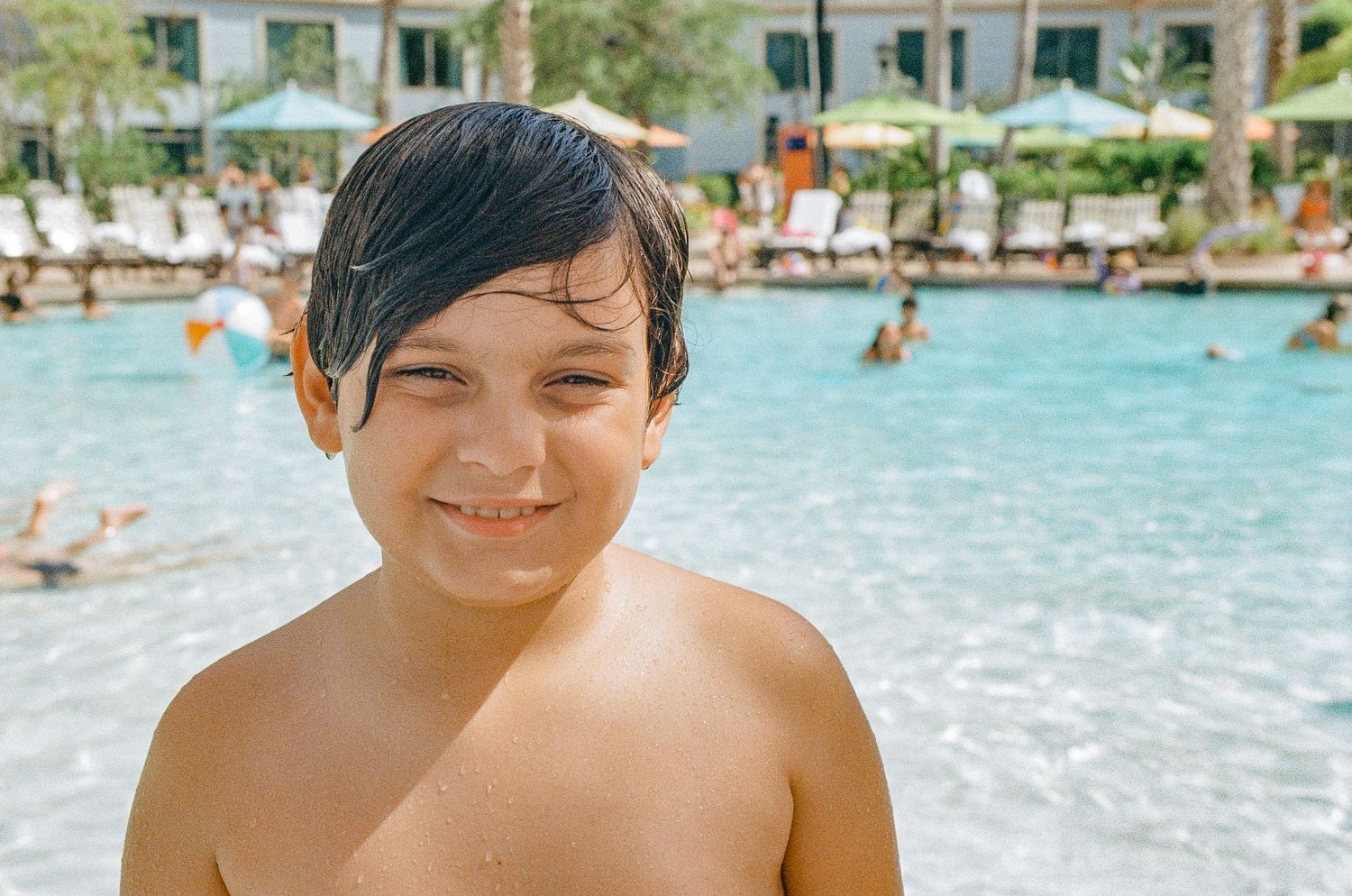
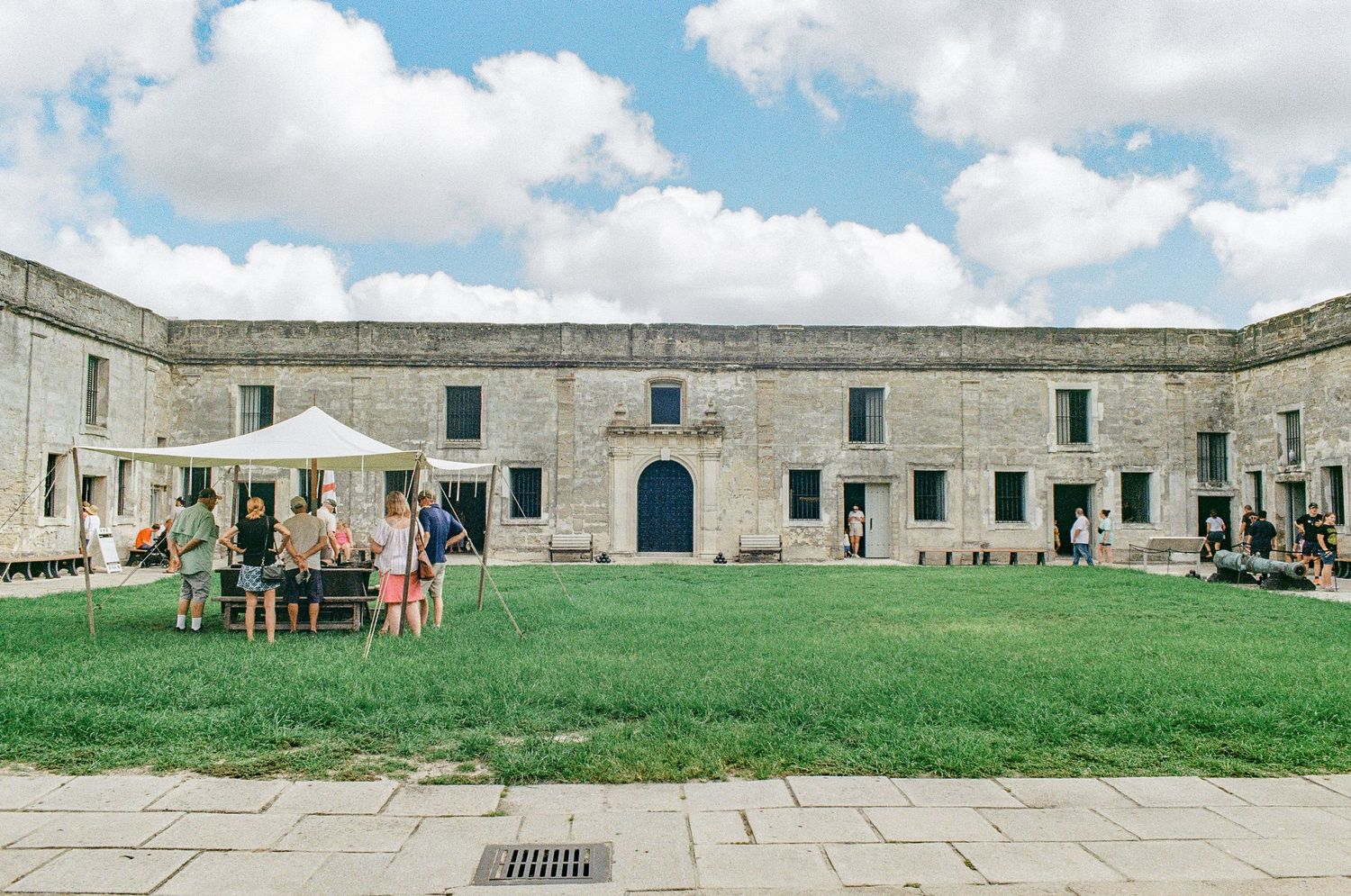
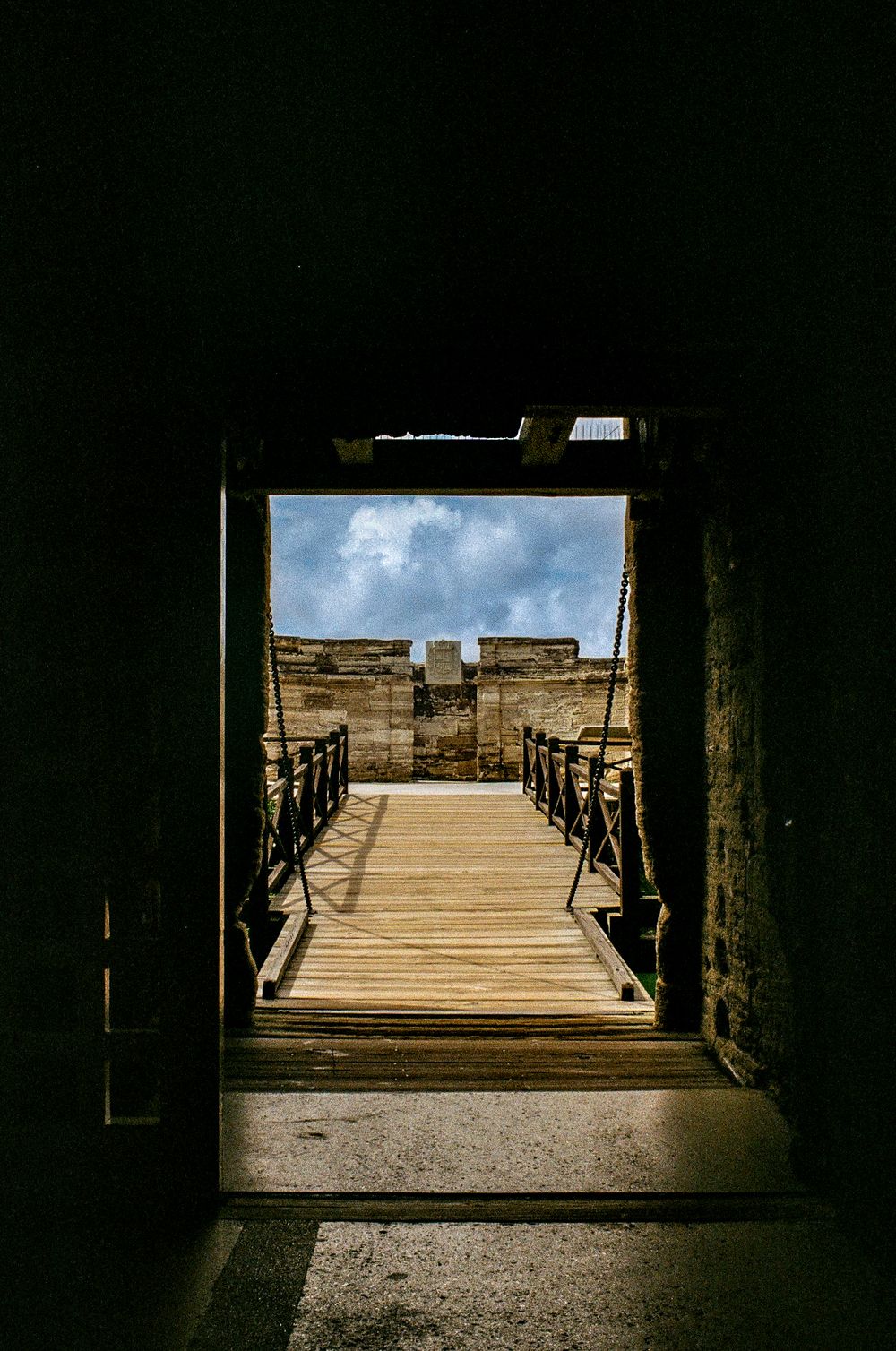
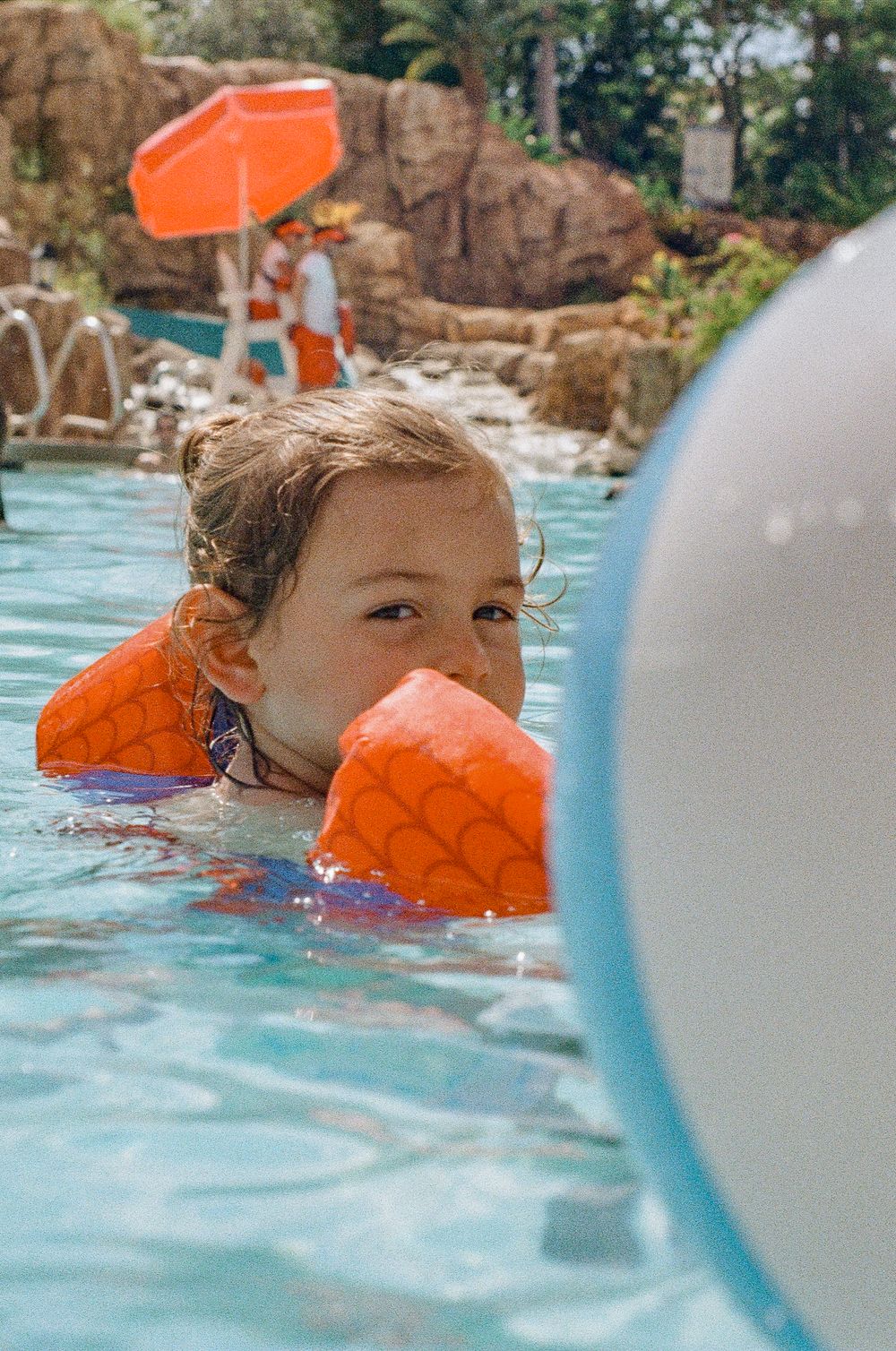
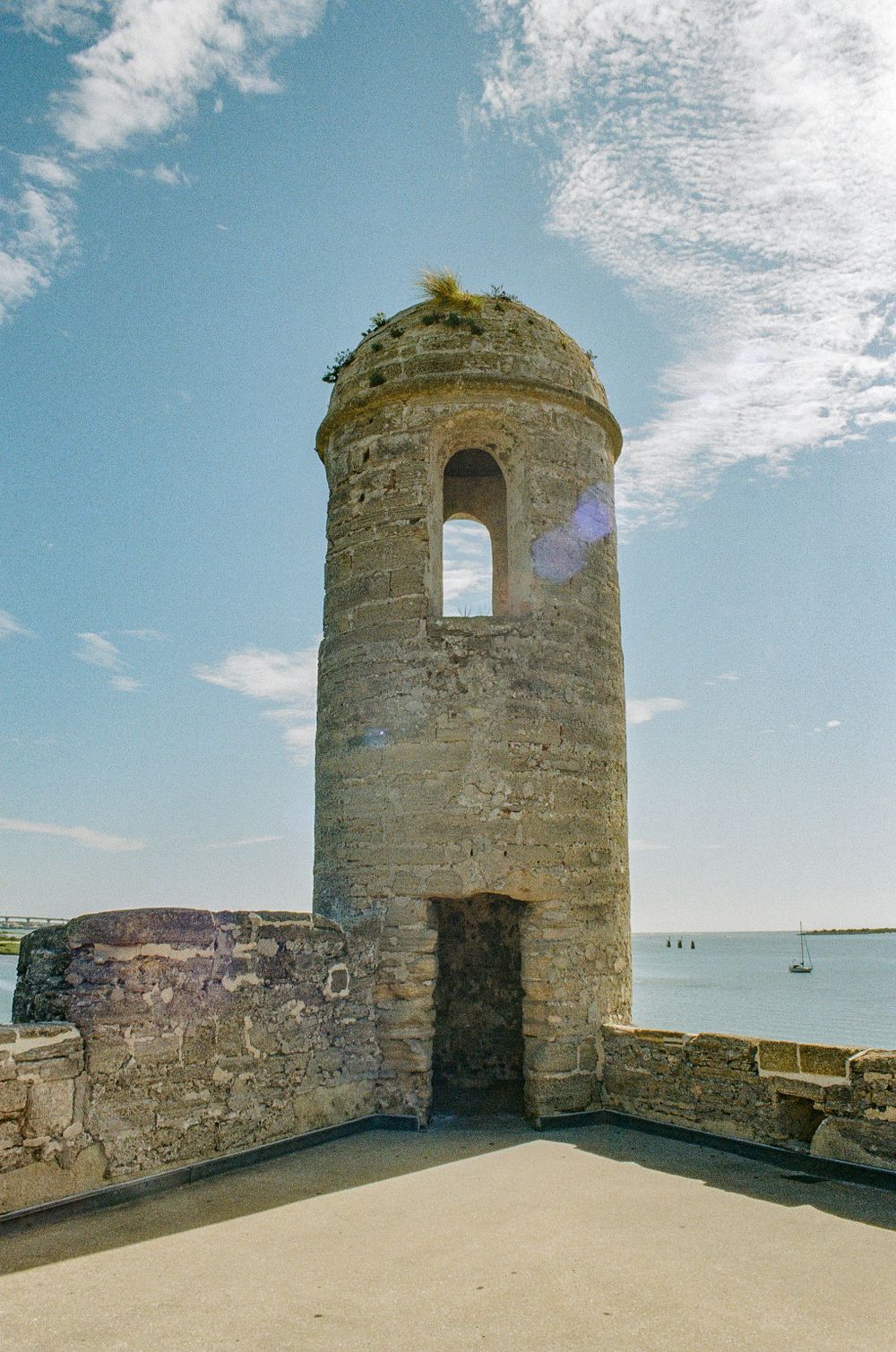
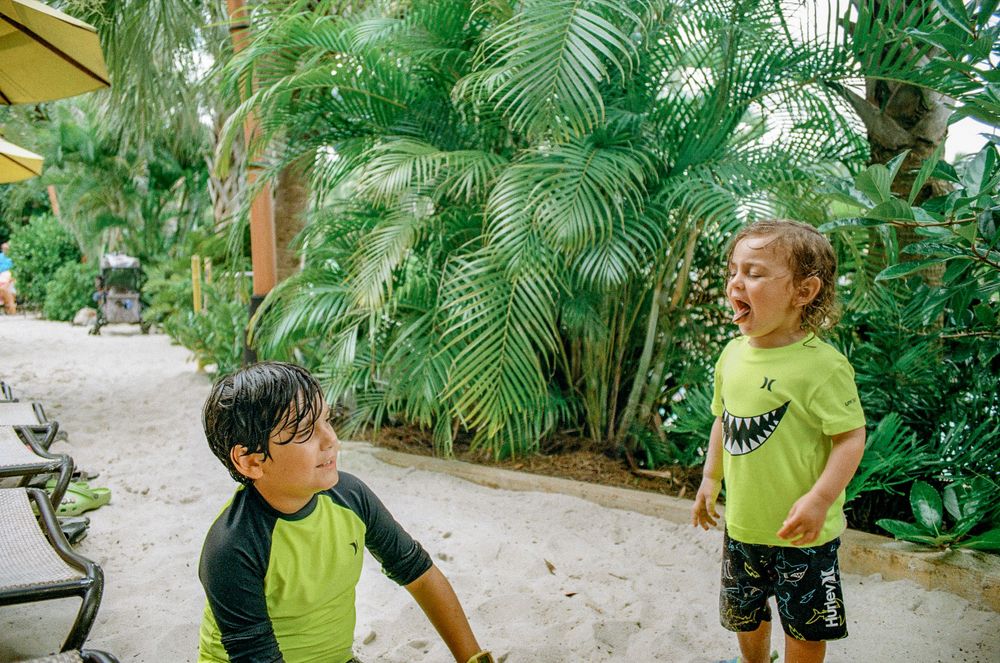
The shot of Link at the hotel pool at Universal Studios is another great example. I wanted the contrast of light and shadow on him, which allowed him to smile in a natural way, without the sun blinding him. Yet because of FujiColor 200's amazing exposure latitude all the information in the highlights and shadows is still present. When I'm traveling, the last thing I want to do is worry about if the scene I'm shooting is of too high a contrast. I want to point my lens and know I'm going to get an even exposure every time. FujiColor accomplishes this with ease. and when the light is nice and even, like with the wide angle frame made at Castillo de San Marcos? Well, the color is as great as it can be with any film. That's the sort of consistency I'd be willing to pay much more than $7 a roll for. But if Fujifilm is charging those prices, why go elsewhere?
Final Focus
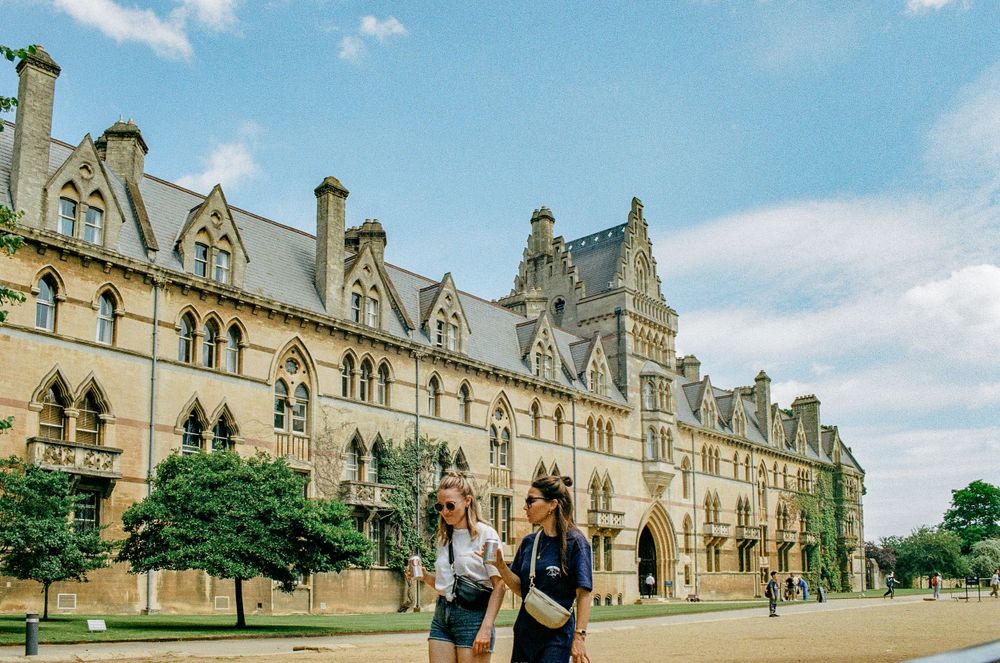
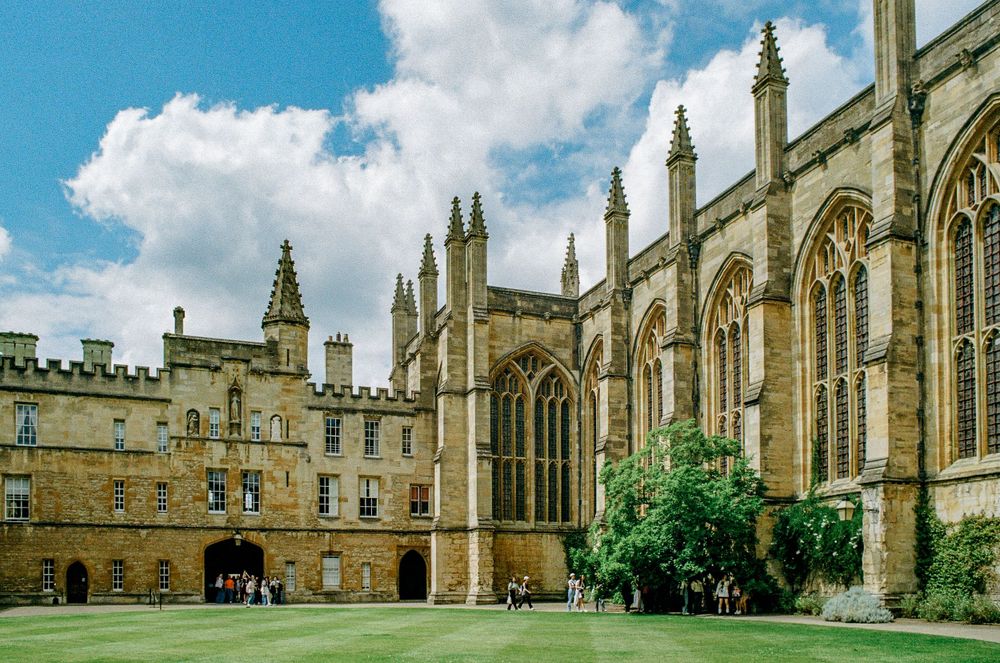
Is this the best film emulsion I have shot? Well, I'm not sure how to answer that question that I posed to myself...I should really be ready for these sorts of questions in these sorts of situations, shouldn't I? On the one hand, I've really been enjoying some other color films lately. I'm currently obsessed with CineStill 50D and Kodak Pro Image 100. But there's no denying that 200 speed film is more useable as an all-purpose film in sunny Miami. In fact, when I spent two weeks in England, I packed more Fuji Superia X-Tra 400 than FujiColor 200 because I assumed I'd need the extra stop of light. I didn't and wished I'd taken more 200.
While I have been enjoying those other color films, I have had the itch to shoot some more rolls of FujiColor 200. The sort of consistency with coloring and exposure latitude offered by FujiColor 200 is actually pretty insane when you consider that it is the most affordable film on the market, at least in my market.
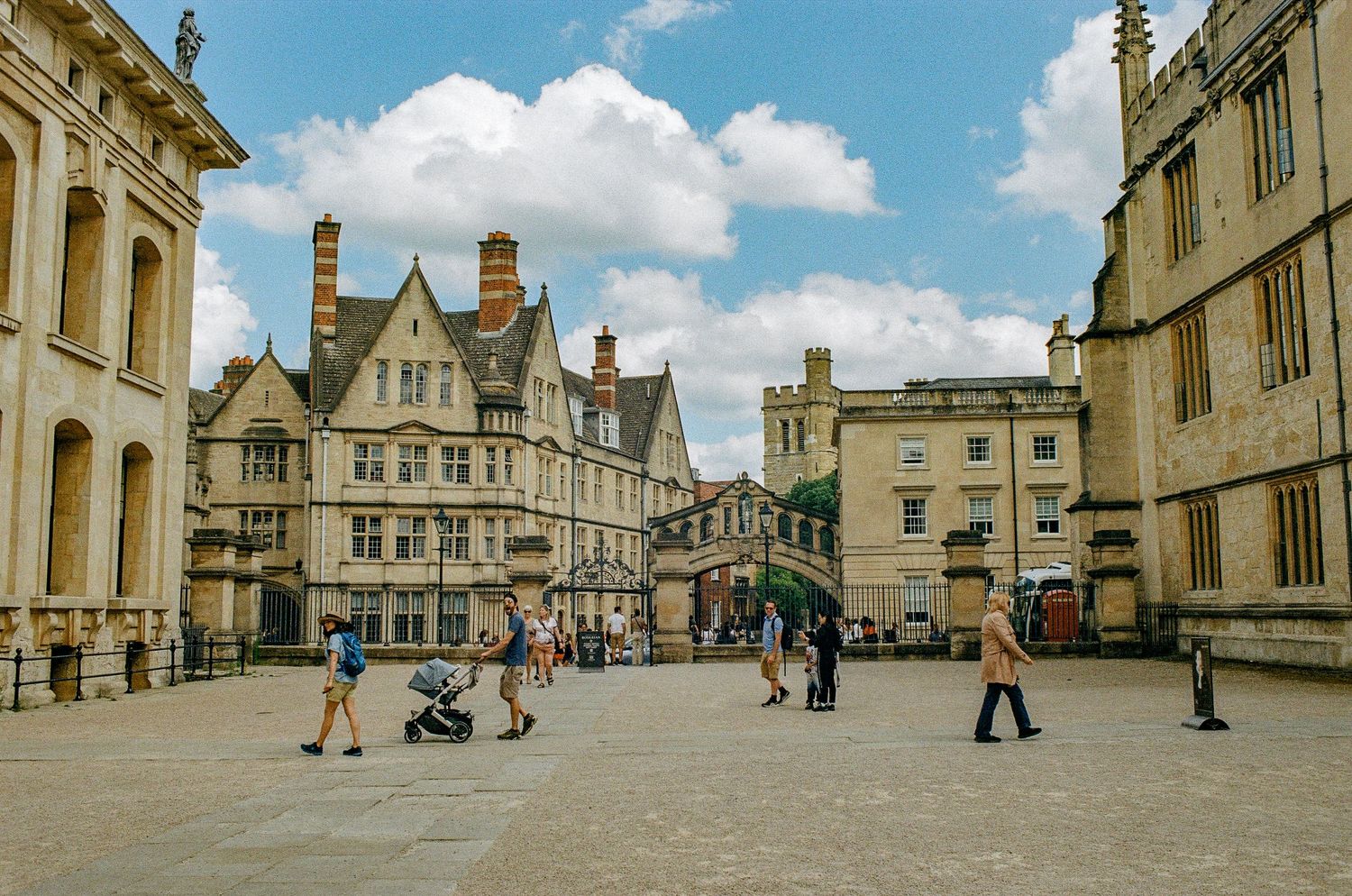
So, while I write a lot on this blog, I have never actually made a recommendation before. I think that photography, and film particularly, is so subjective that most recommendations are worthless. But I will say this now: I do not see a reason why a person in need for medium speed color film shouldn't shoot FujiColor 200.
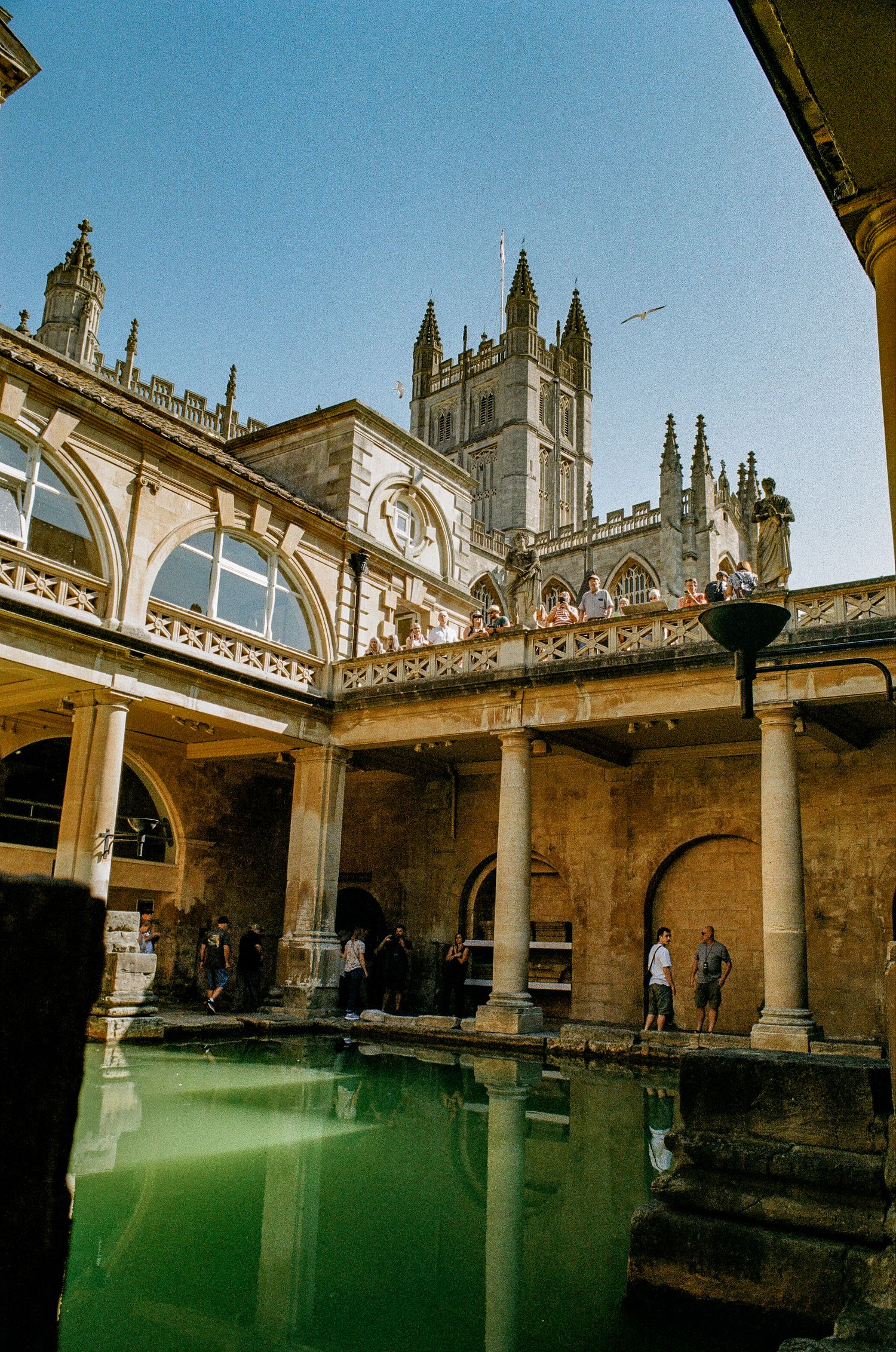
The sort of consistency and color palette with medium grain and wide exposure latitude to be found here is worth much more than what Fujifilm is charging in the American market. So while this may be a budget film, does that make it inferior? Well, I don't think so. I don't think so at all. I love FujiColor 200 and it will likely remain my workhorse film for a long time to come.
More FujiColor 200
All images © 2020-2024 David Ulloa Studio. All rights reserved.