A different kind of wedding photography...today
Just about everyone looking for wedding photography is expecting digital photos. This makes sense as digital photography has long been the standard in every field. But there was a time when digital was not the standard. A little over two decades ago, full frame digital cameras were first being pushed out to the market and very few professionals trusted them. And certainly, before the advent of the digital sensor, film photos were the only ones made at weddings. Today, just about every wedding photographer offers some sort of film package. From what my experience in the wedding industry has shown me, these are typically made with cheap point and shoot cameras and deliver exactly one look, the 90's disposable Kodak look. It's a great look, and as someone who grew up with these cameras, it's nostalgic as hell. But isn't that limiting? I have found that very few, and no one else that I know of personally in Miami, is doing weddings on film with proper SLR and rangefinder cameras. Which is a shame because what is possible with film is breathtaking.
Film-Era Lenses
Call me crazy, but a cheap, plastic camera, with a cheap lens is not going to yield great photos. To me, the greatest benefit of shooting film at weddings is using film-era lenses. In fact, I do this whether I'm shooting film or not, as I adapt vintage film lenses to my digital cameras.
I rely primarily on two different optics companies for my look: Leica and Pentax. The truth of the matter is that all the big camera companies produce fantastic lenses and cameras. Leica, Pentax, Nikon, Canon, Sony, there is good glass to be found. But I love Leica and Pentax.
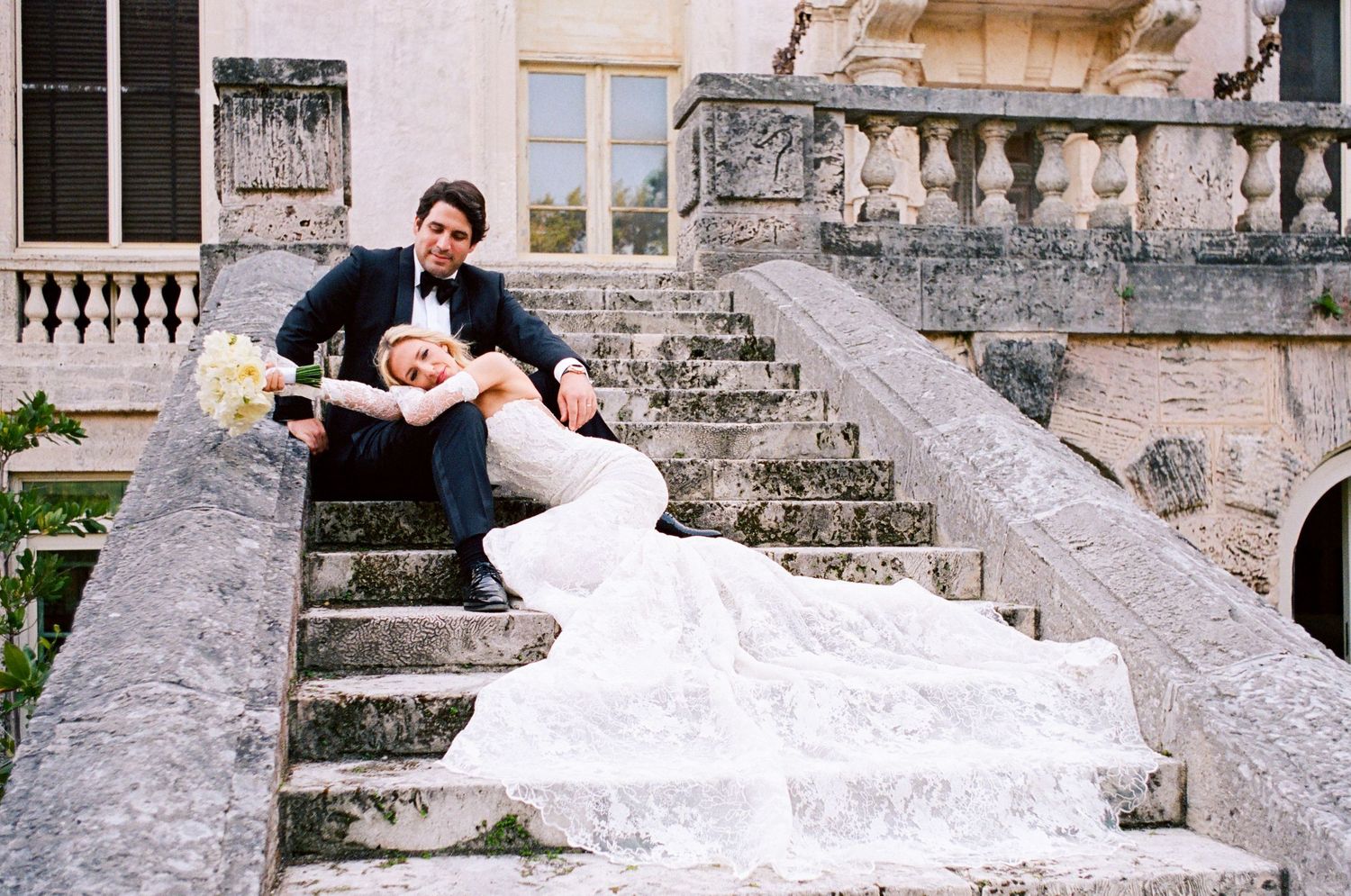
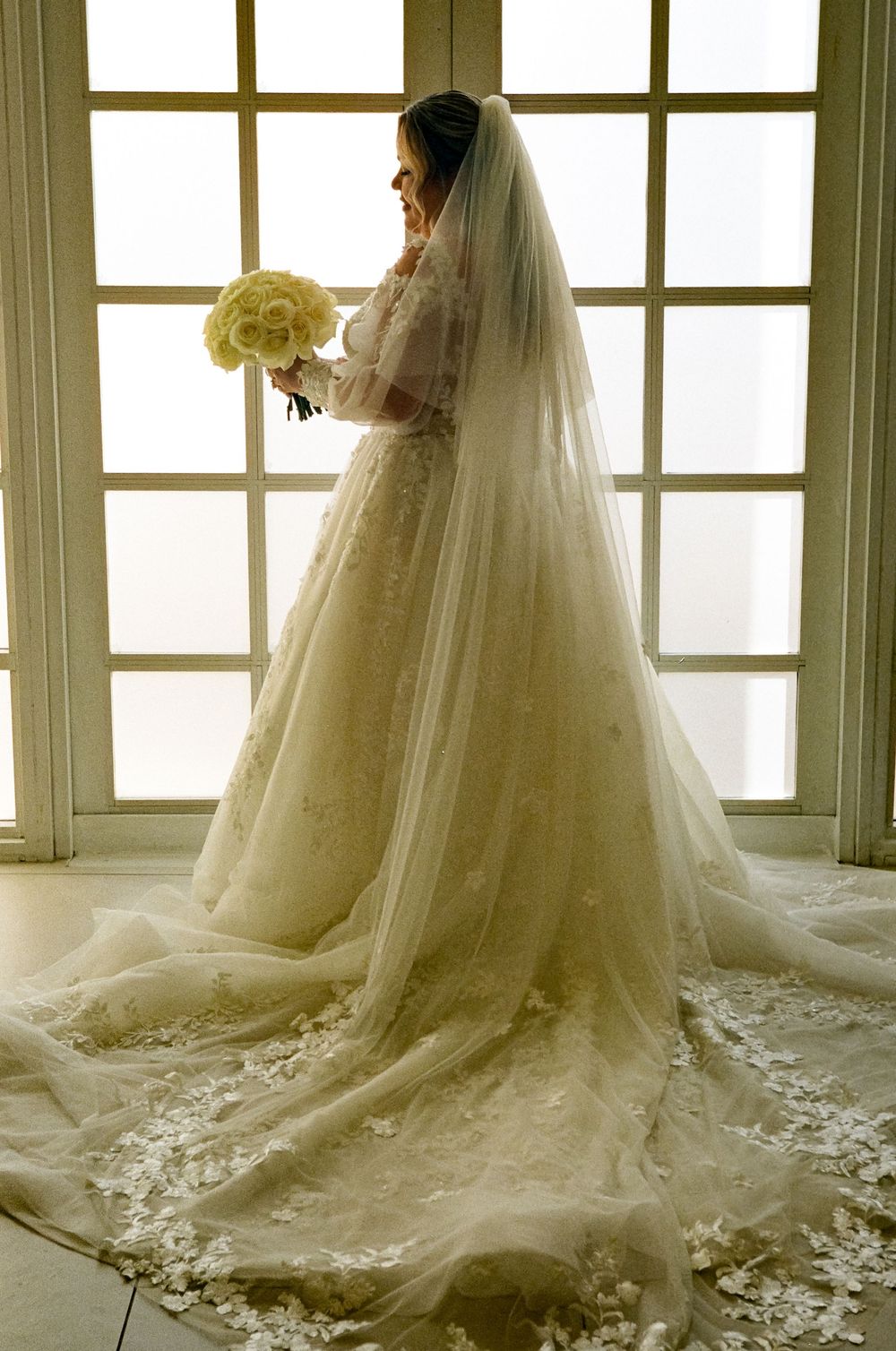
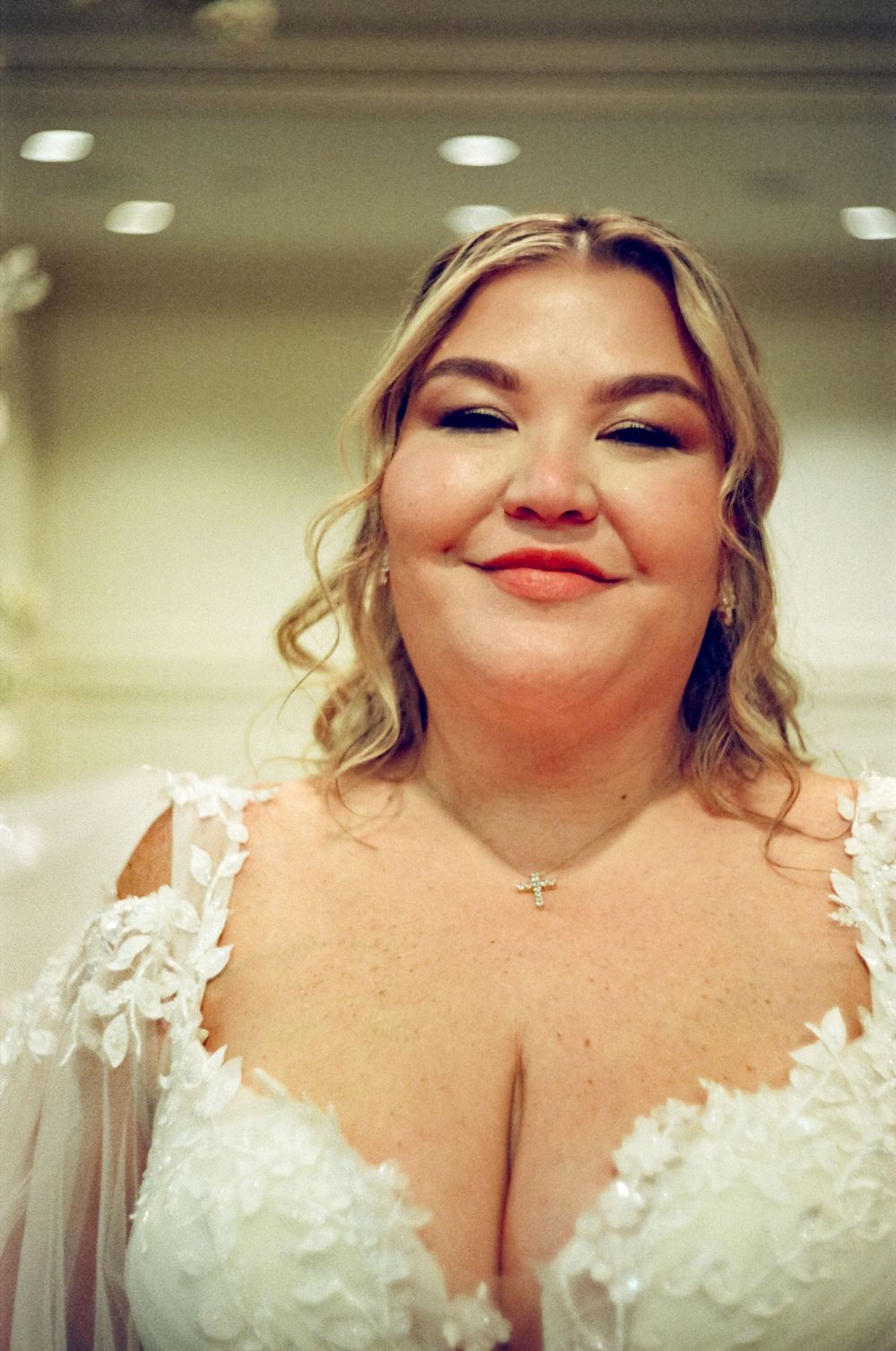
The glass in these old lenses is less sterile than the glass found in modern lenses. That isn't to say that film lenses aren't sharp. Quite the contrary, film lenses are very sharp, but feature a level or sharpness that is more pleasing to the eye. It works together with film grain to produce equal parts dreamy nostalgia and sharp memory.
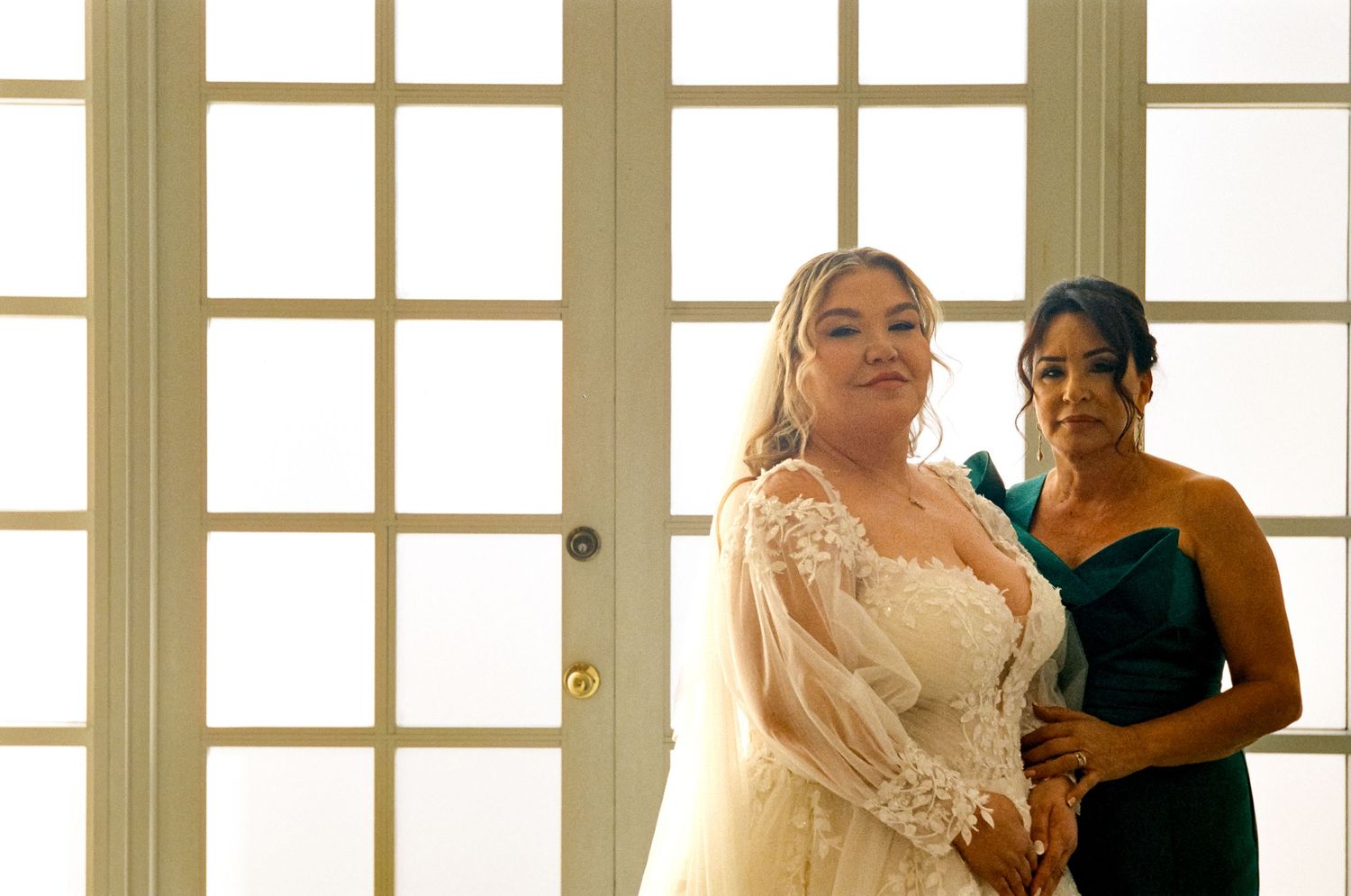
But lenses are more than just sharpness. Lenses render levels of contrast, and more importantly micro-contrast, differently. This plays a big part in how our eyes measure image quality. That classic 3-D pop that some of your favorite photographs feature? That's thanks to great micro-contrast.
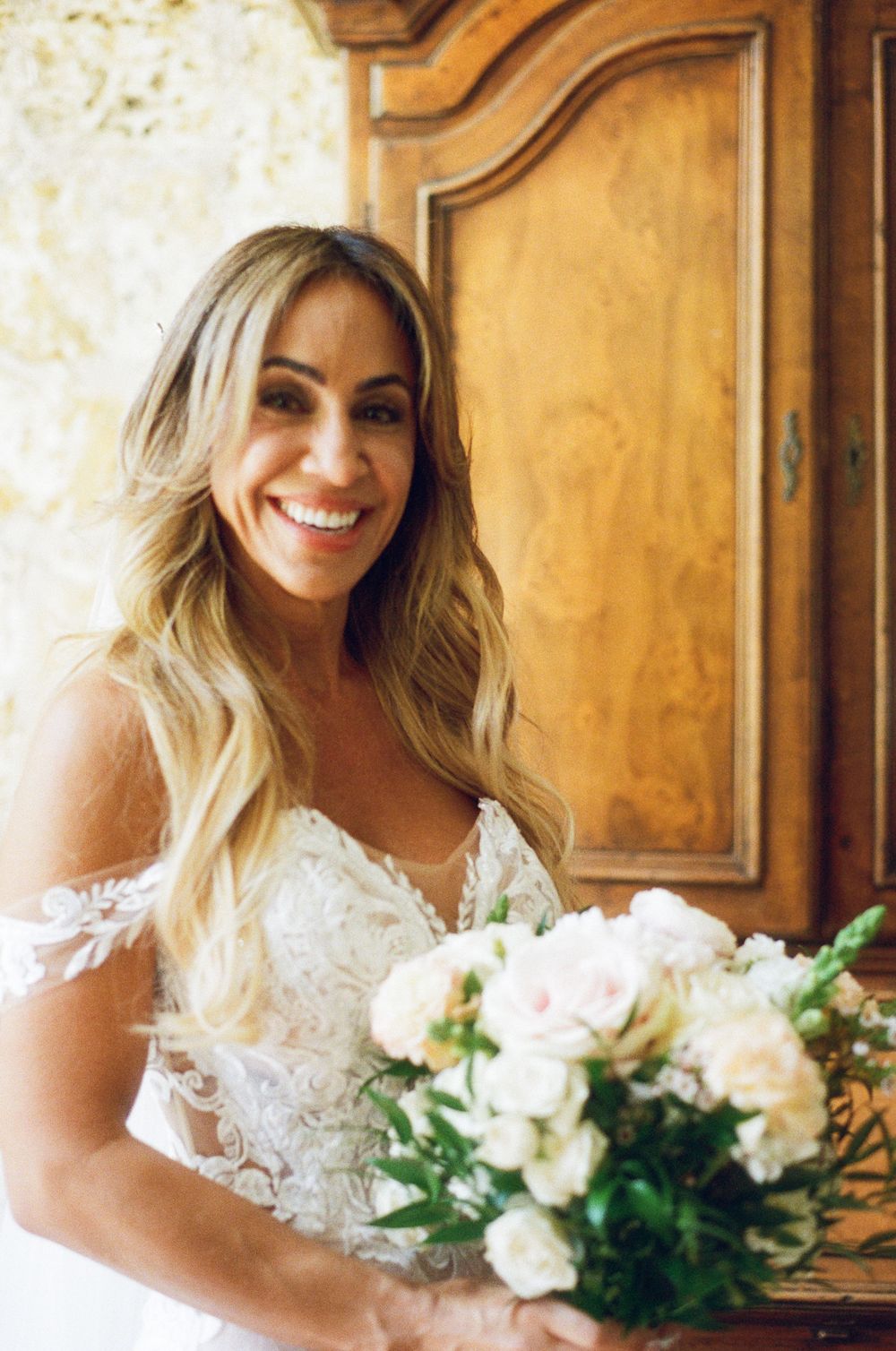
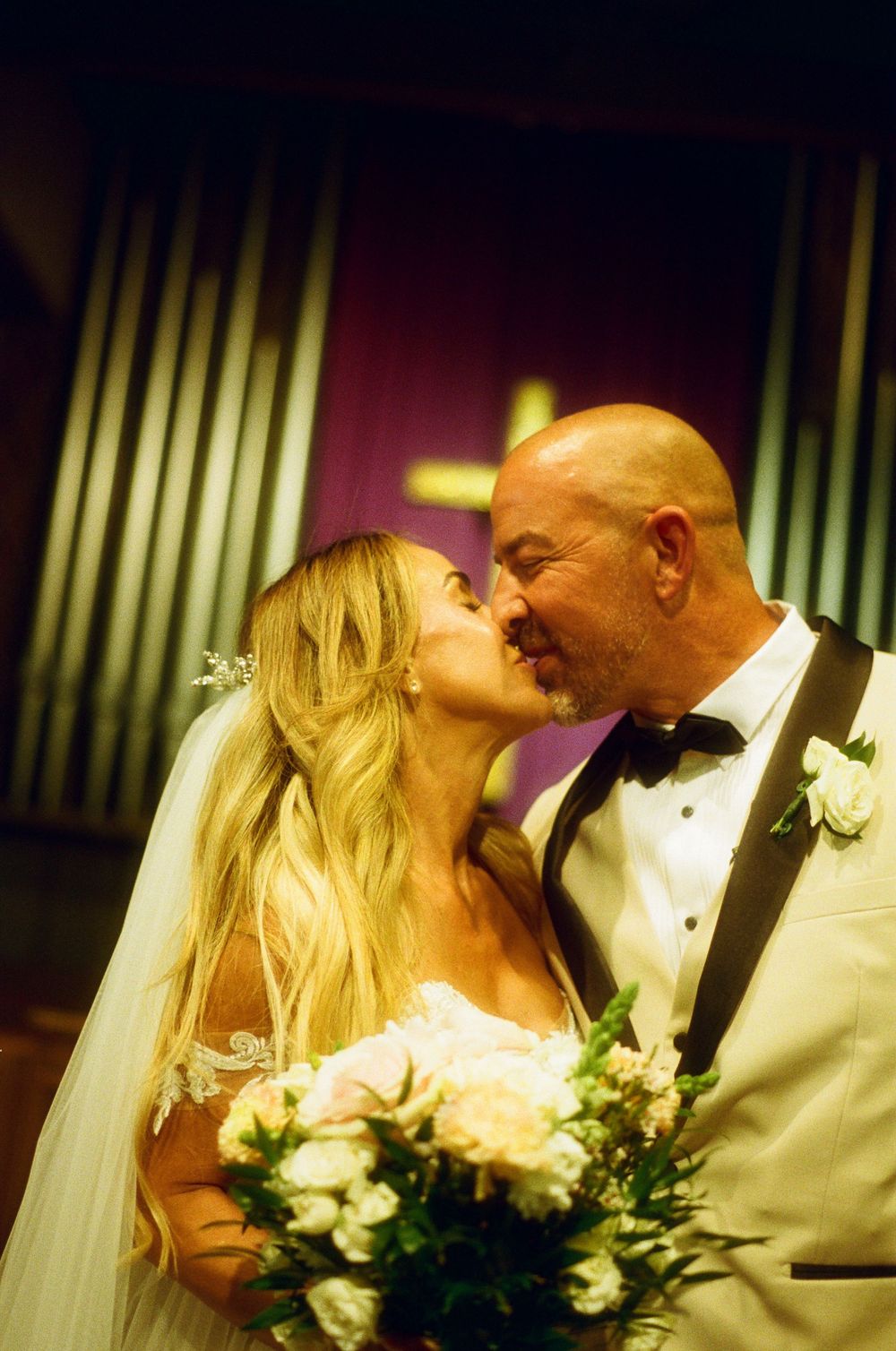
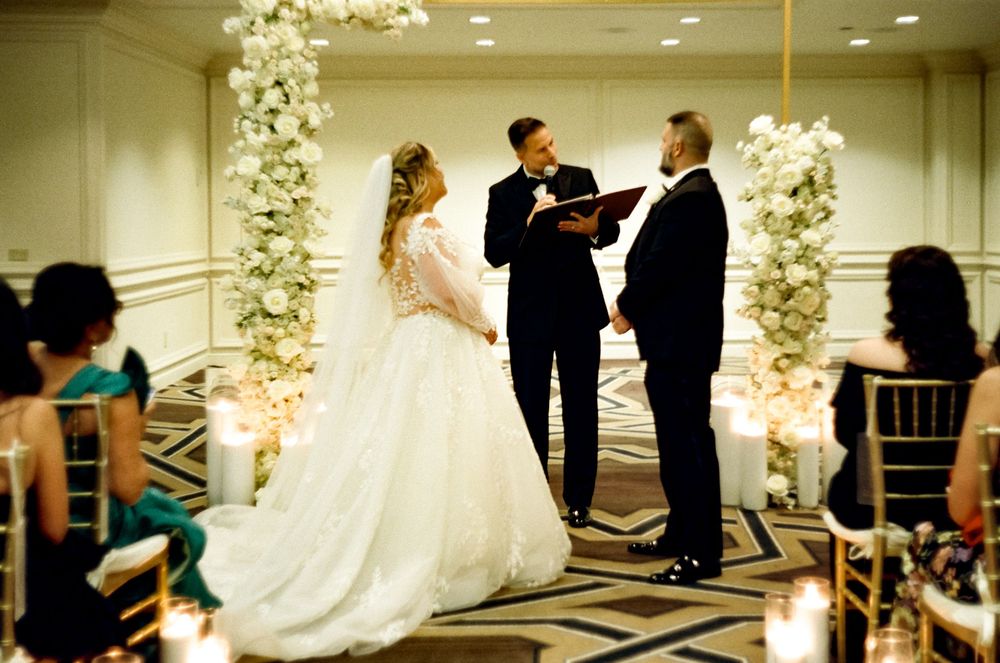
And then there is control over the depth of field and focus. Having the ability to draw the viewer's eyes to exactly what you want to focus on thanks to shallow depth of field is amazing. We see digital photos made with this shallow depth of field all the time. But film? Not so much for weddings.
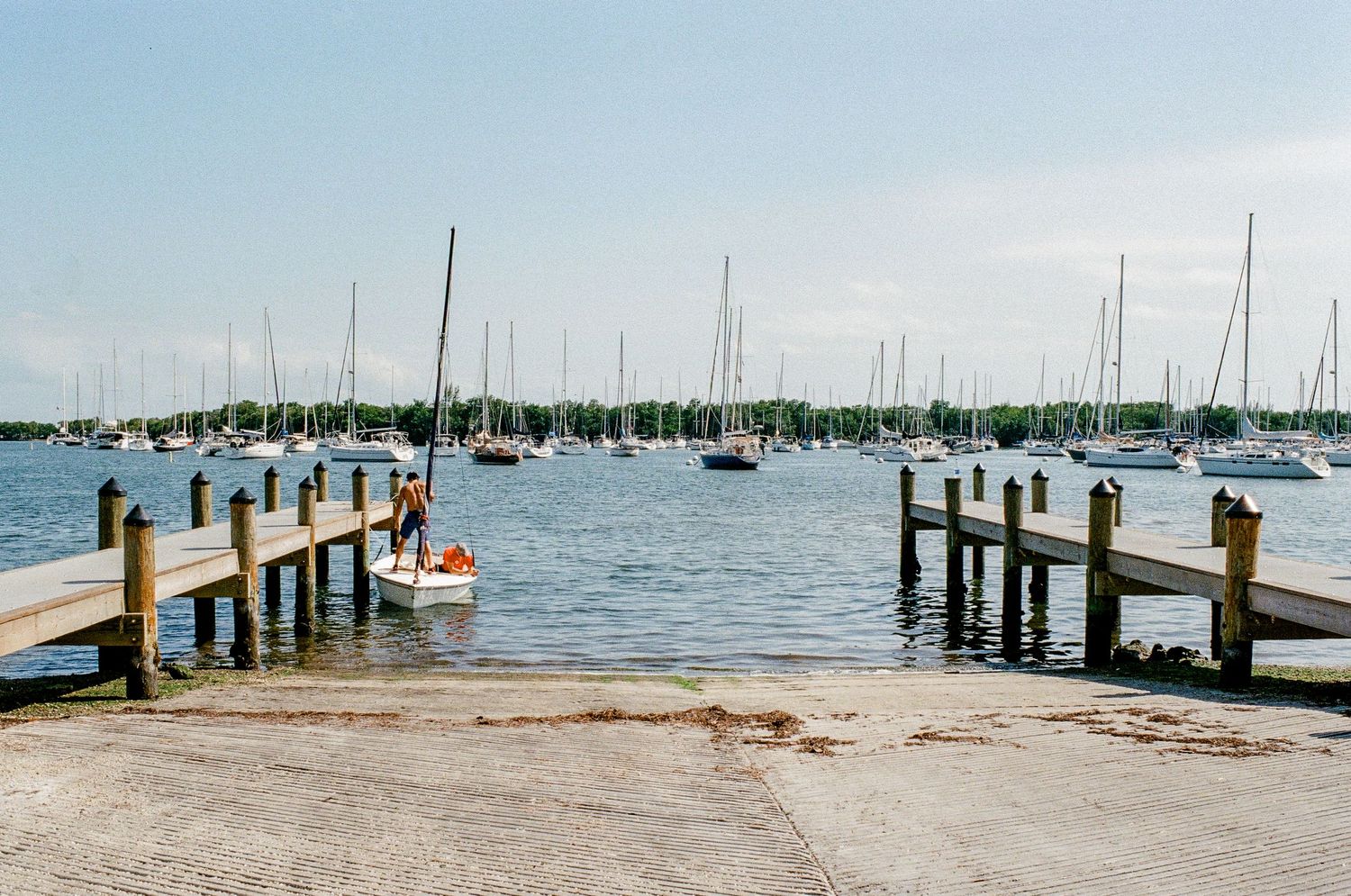
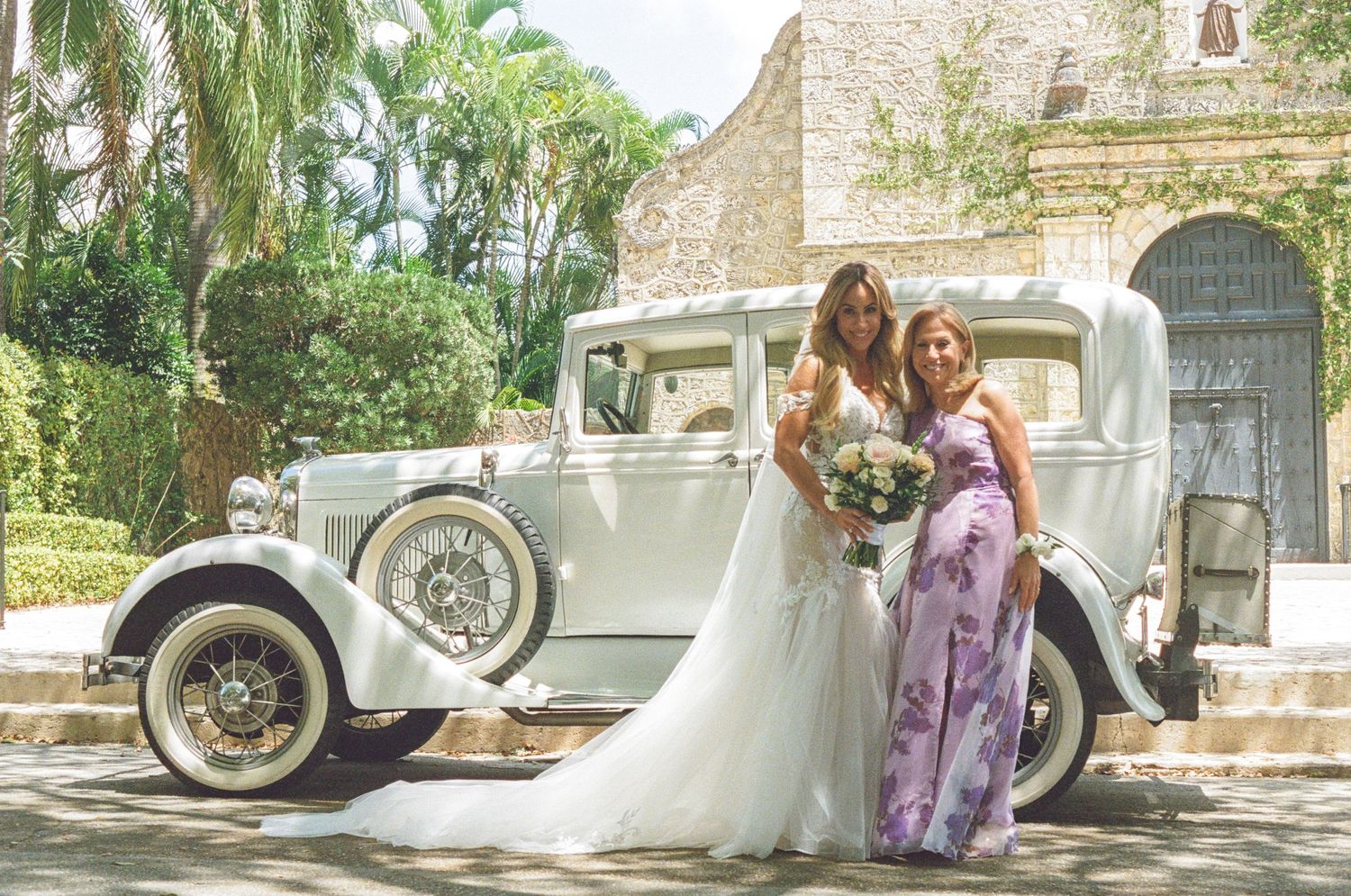
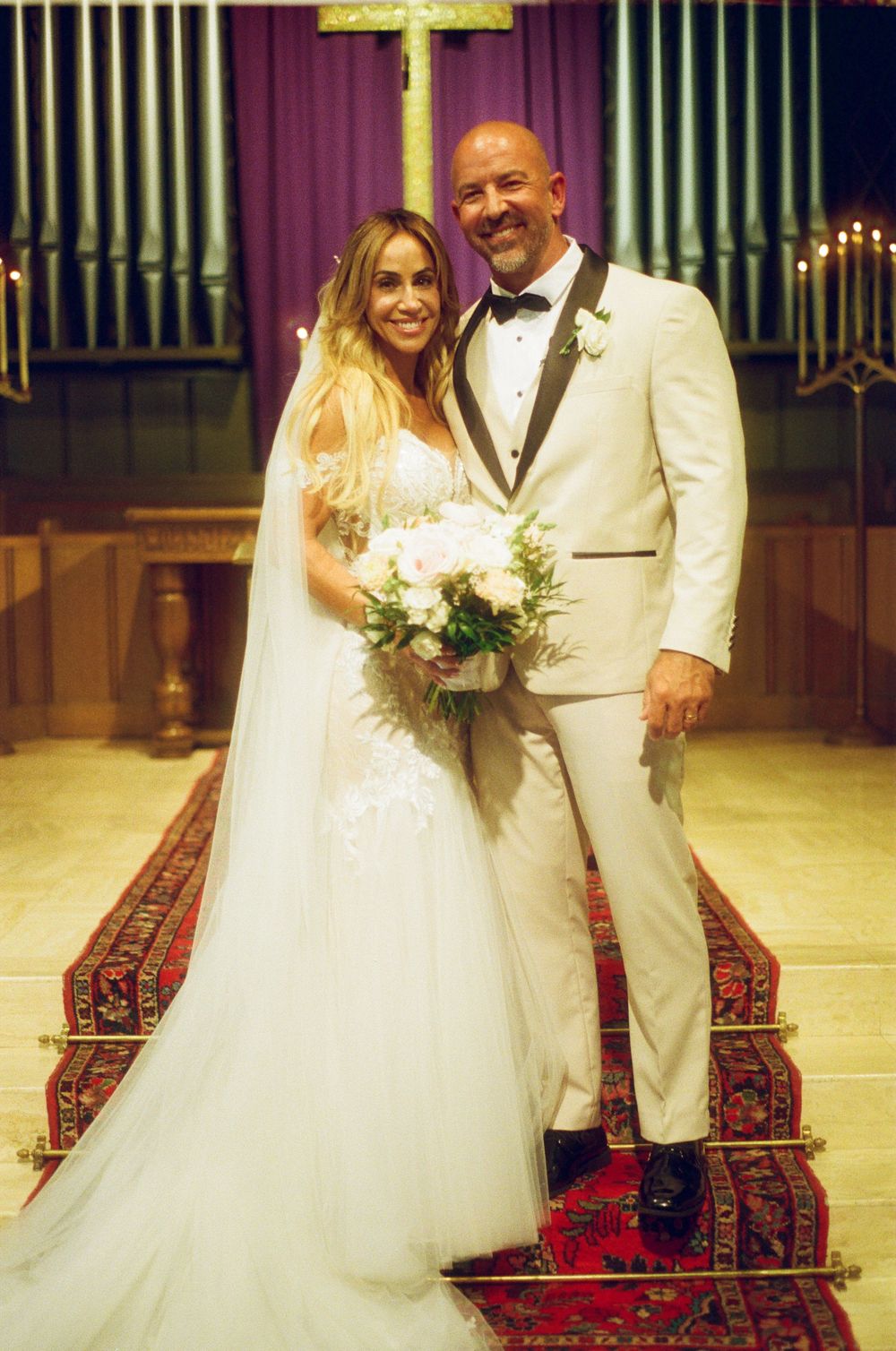
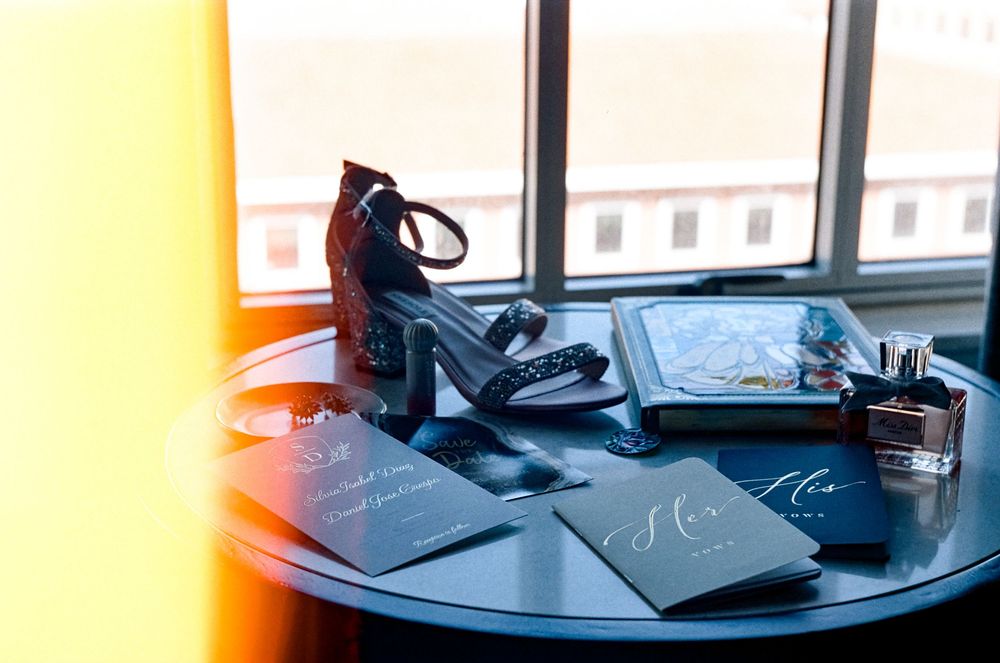
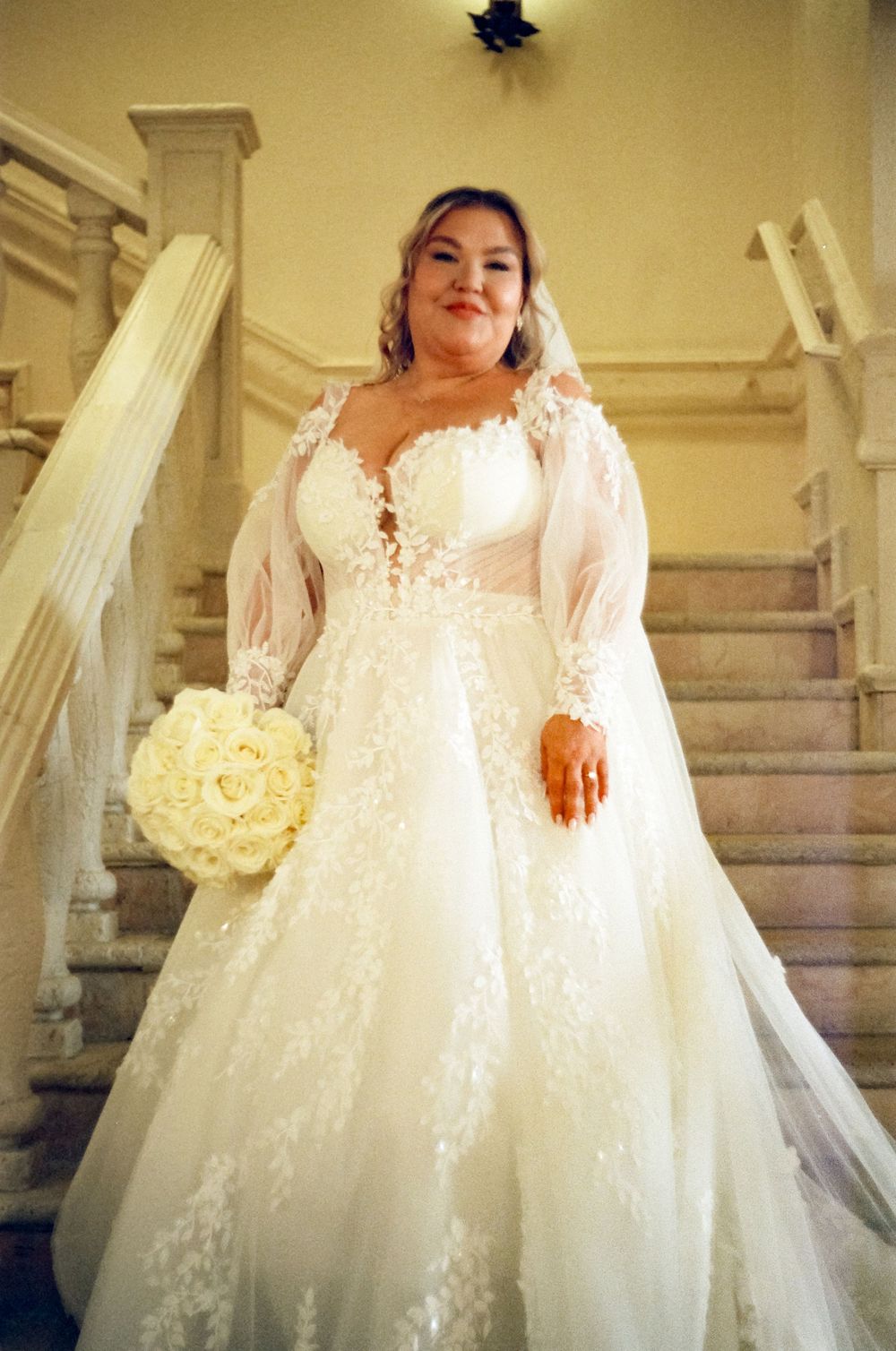
Likewise, making the decision to have everything dramatically in focus, like this shot, well that is also a creative decision. And unlike with a cheap point and shoot, detail is rendered beautifully, and everything resolves in the image we see.
Coloring
Color grading is subjective. What one person loves, another hates. When editing digital photos, the standard is to use what is called a RAW file, which captures a very solid base that allows for the photographer to color grade afterwards. I have created digital editing styles that mimic my favorite color and black and white films from Kodak. Why? Because Kodak has spent over a century tweaking contrast and color science. They are the masters at this.
This is why when we see a picture made with film, we respond a certain way. Kodak has done all the heavy lifting for us already! Who am I, or anyone for that matter, to argue with the undisputed masters of photography?
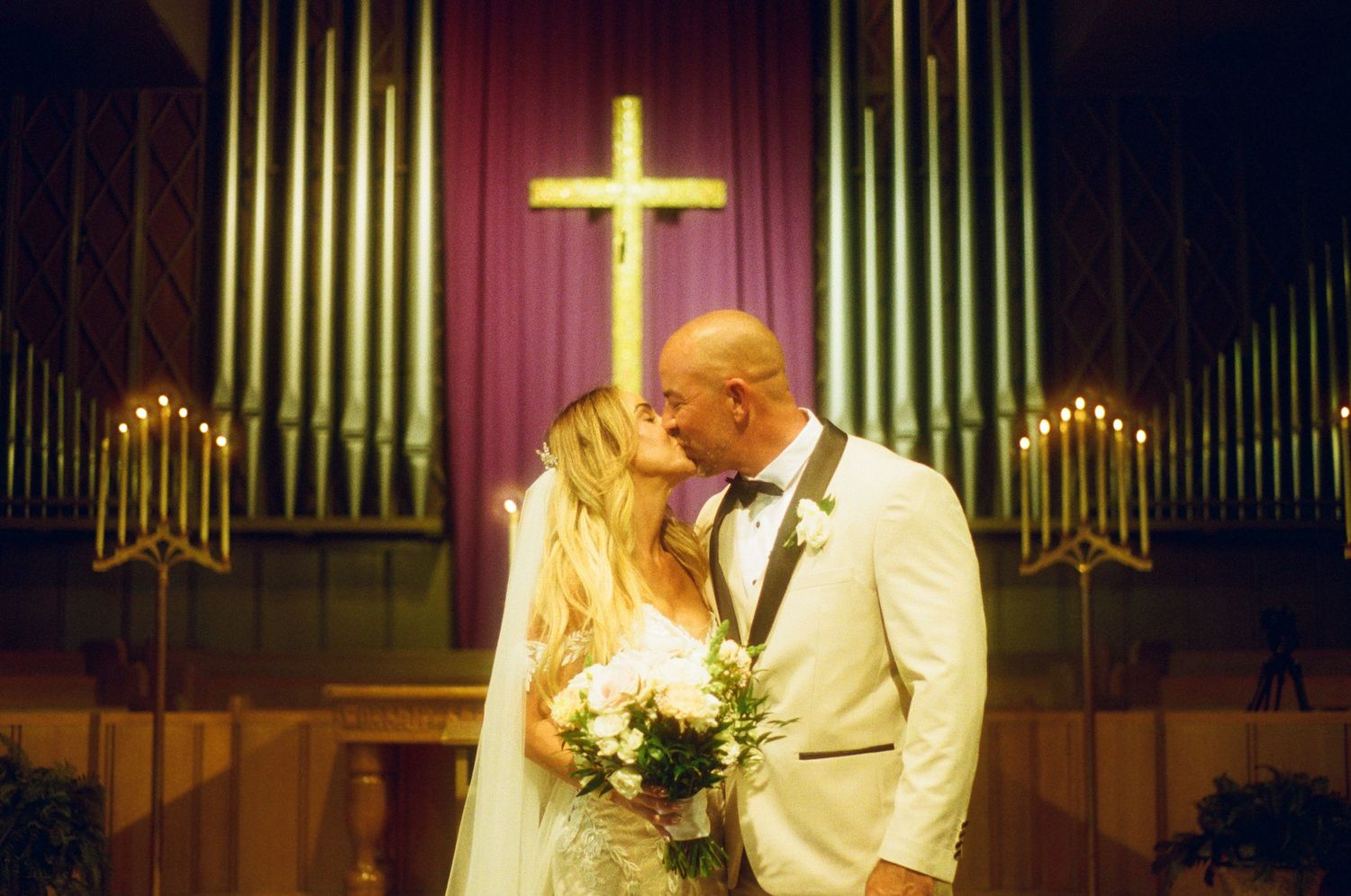
This isn't to say that no editing is required. But very little is required. And touching color is never something that is necessary with film. Only simple things like contrast or a minor exposure adjustment.
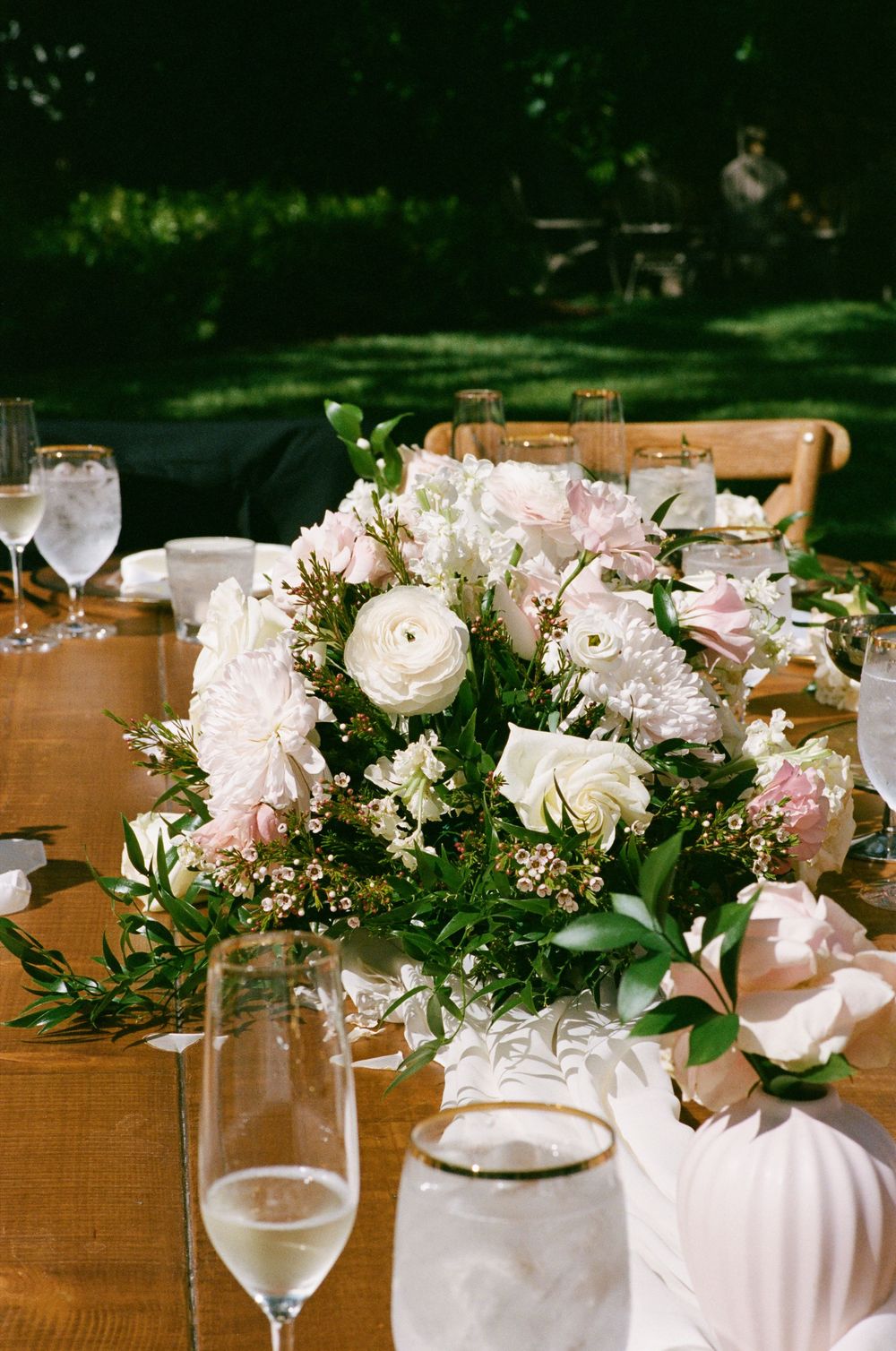
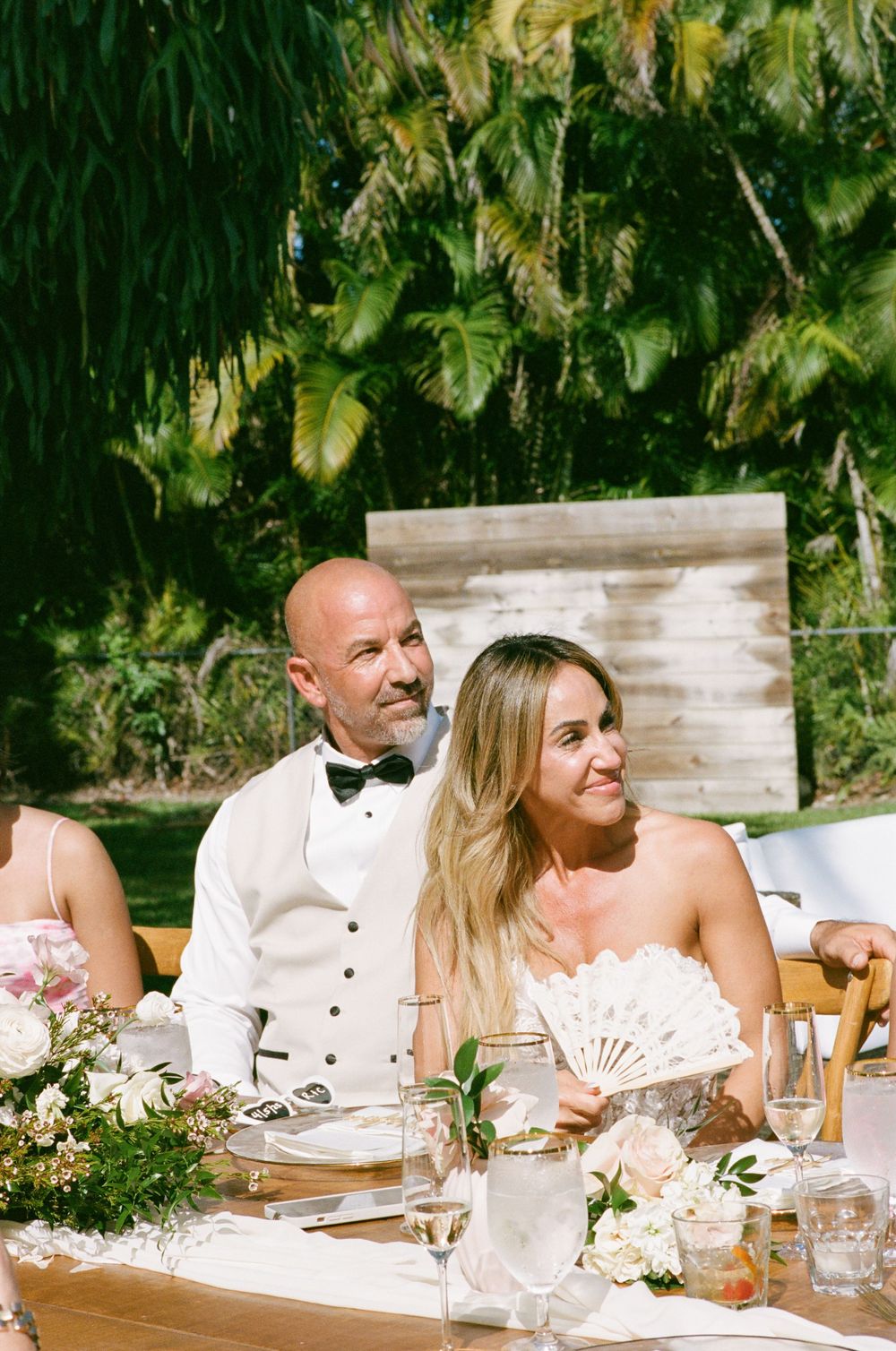
I rely on Kodak Portra films for weddings. With the different speed films available (160, 400, and 800) I can have very similar coloring regardless of the lighting conditions. And being knowledgeable in how to push and pull film, 160 will always be sufficient no matter if we are in the sunniest of environments and 800 will always be sufficient no matter if we are in the darkest of environments.
To date, no one has asked for black and white film, much to my chagrin. However, I know what film I'll be using in this situation as well. Again, I turn to Kodak for their Tri-X. This is the most classic black and white film, and I will hear no other argument from the Ilford crowd (hard line in the sand here!)
Nostalgia
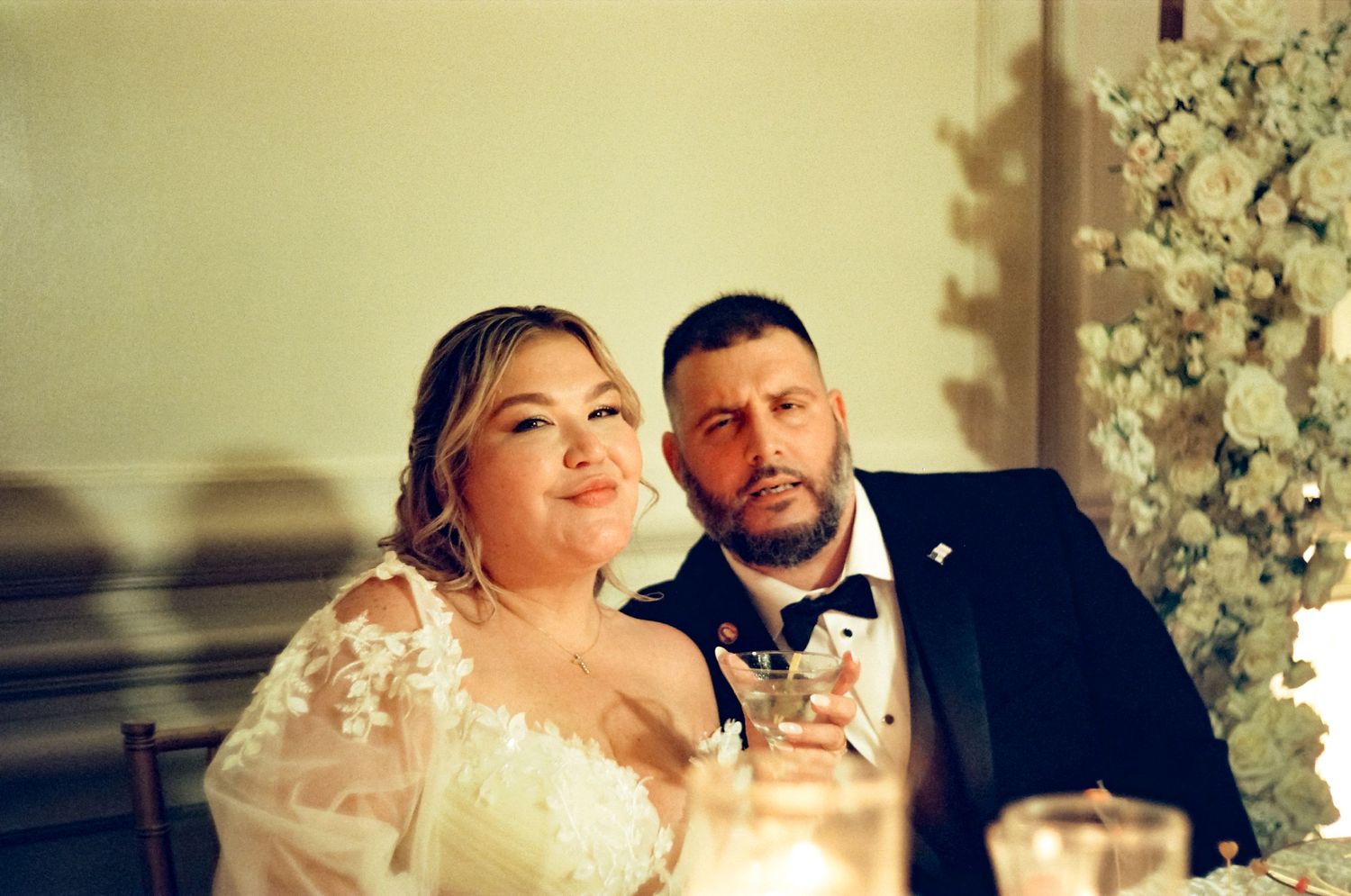
In my opinion, this is the best reason to consider film photography for a wedding. Those photo albums we all love looking through when we visit family members' homes? Film. Those memories we have of vacations and special events? Film.
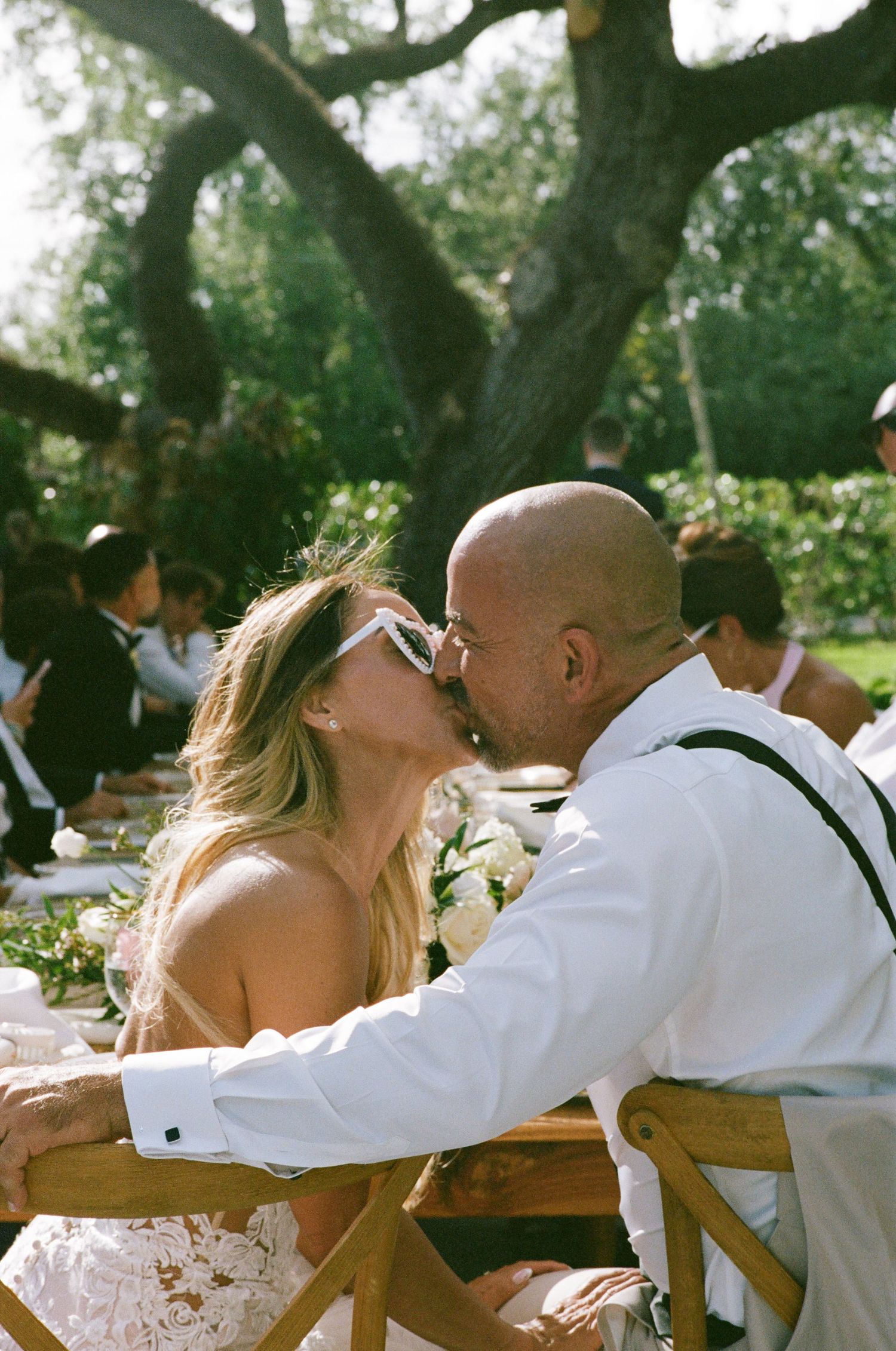
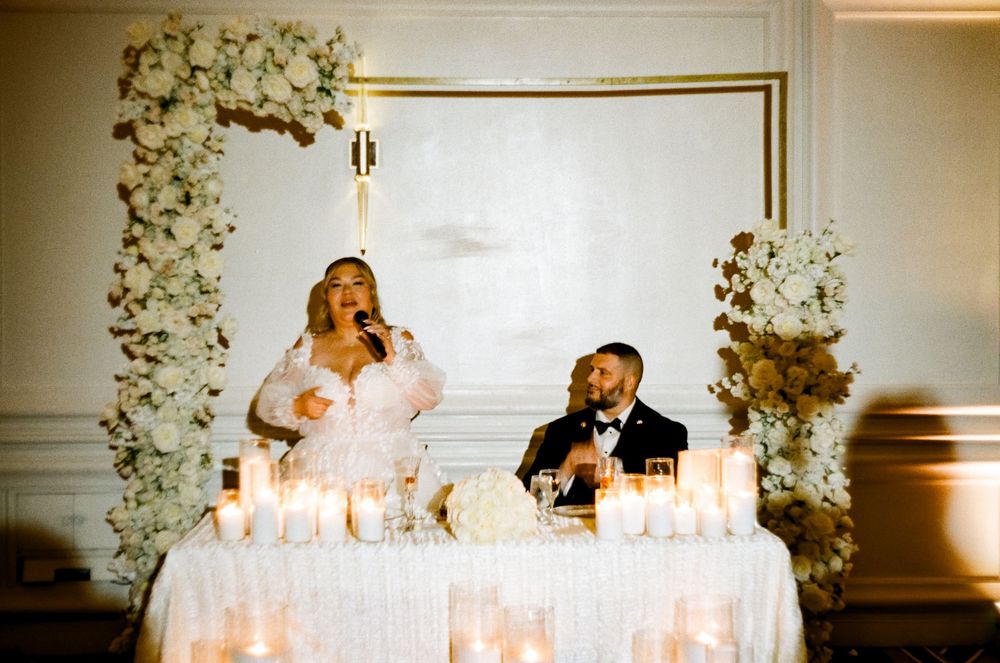
Film has a look that cannot be replicated with digital cameras. Oh, you can get close with lots and lots of time in PhotoShop, and that's per photo. But the highlight rendering, the grain structure, the coloring, the sharpness, the pop...it will never be there 100%.
My filmic edits done in LightRoom, the superior photo editing software, get very close. And for digital photos, boy I wouldn't do anything else. But there's something magical about film.
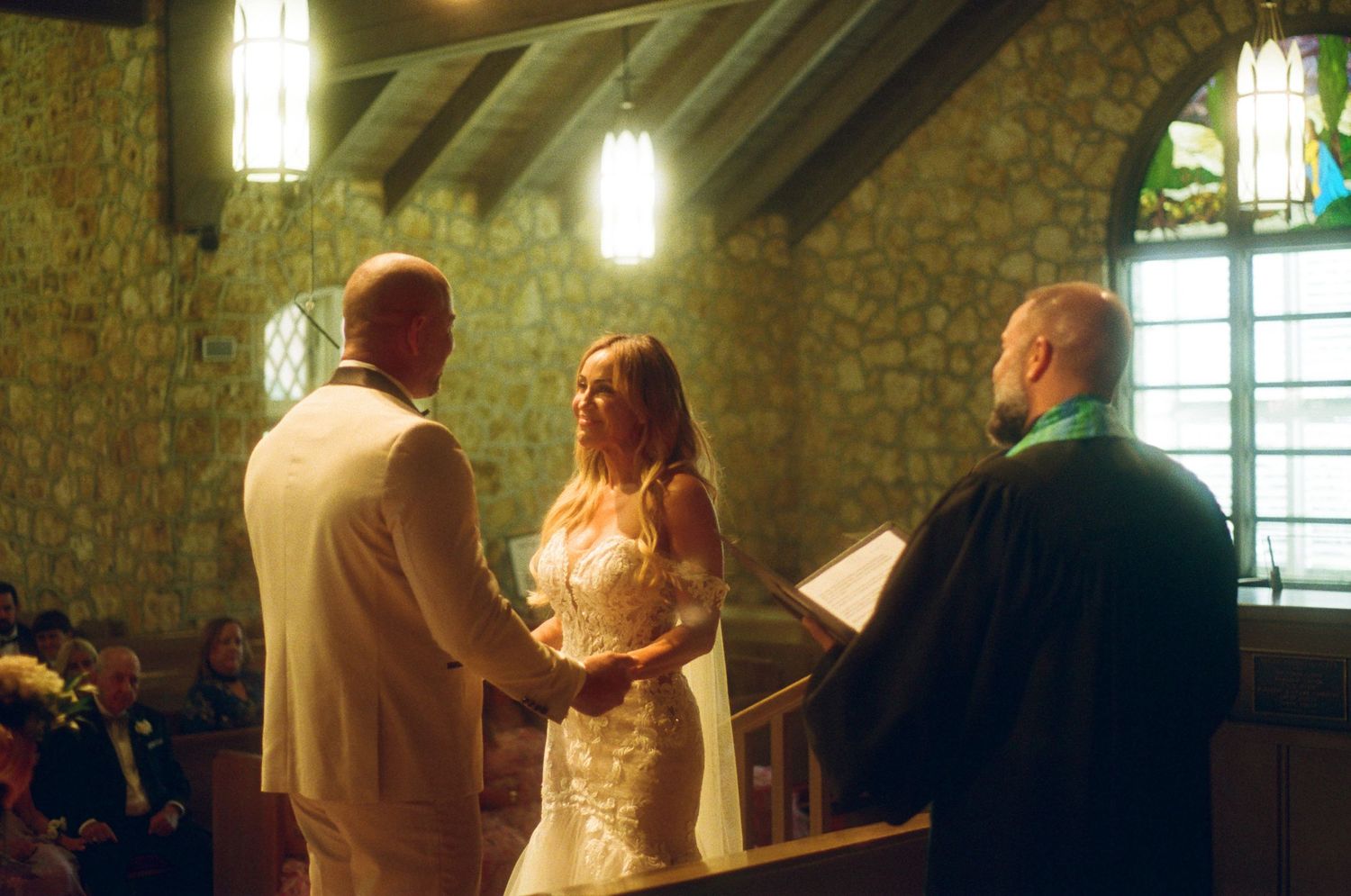
In the end, many of us think of film nostalgically. We look at these film pictures and immediately nostalgia hits. If you are a Millennial, Gen X and on, then these are the sort of photos that you think back on fondly. If you are Gen Z or Gen Alpha, then these sorts of photos have been so romanticized that a sort of second-hand nostalgia takes hold.
That magical, indefinable feeling that we call nostalgia is a powerful thing. It allows us to connect with things in an almost artistic, but no less pragmatic way. And isn't that the goal of photography? All photography, sure, but wedding photography in particular? These photos are supposed to be the reminders of one of our most special days. How better to capture a wedding then?
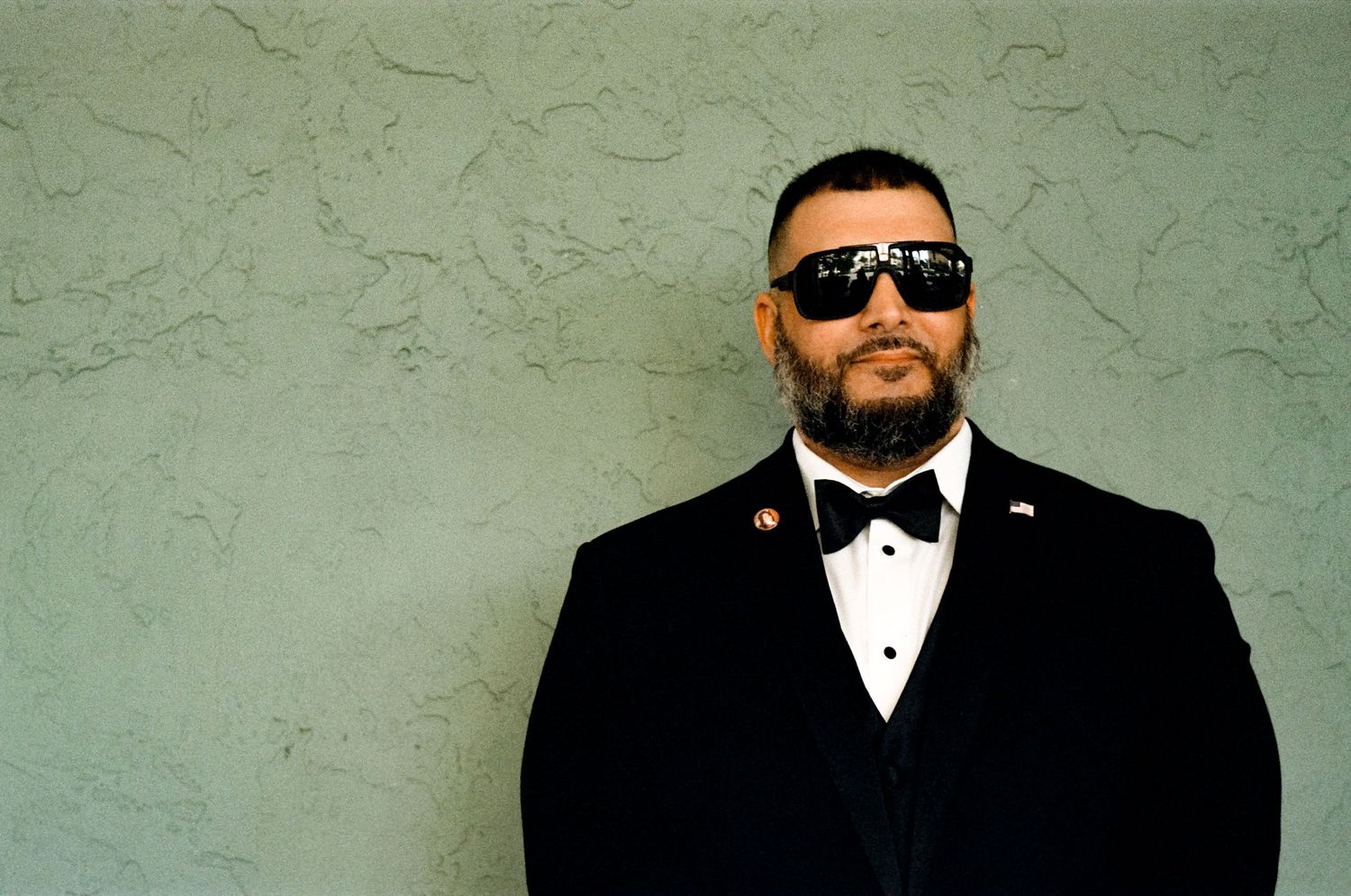
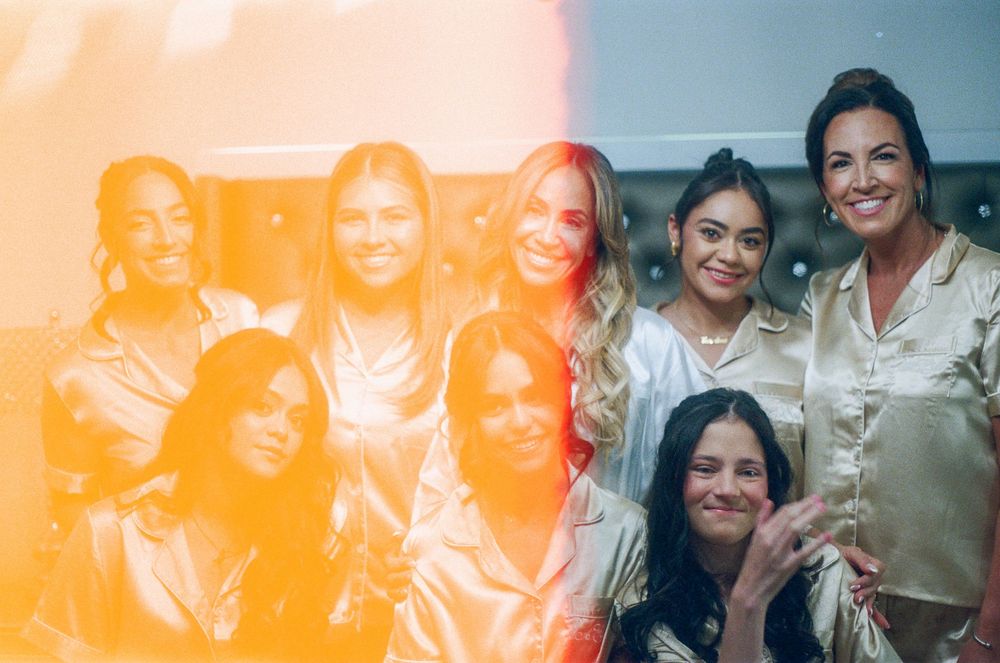
More Wedding Photos on Film

All images © 2020-2025 David Ulloa Studio. All rights reserved.