In the Past
Apply yourself to solitude. One who is given to solitude knows things as they really are.
The Buddha
I had been playing in a hard rock band for years. But between Link's birth and grad school I had decided I needed to take a step back. This all happened just as the world shut down in 2020. I needed another artistic outlet, though. I have never been the kind of person that finds contentment by sitting idle. I remembered then that throughout my childhood and even into my twenties, photography had been a hobby I always enjoyed. I'd always taken pictures with disposable Kodaks or my dad's Olympus point and shoot. I hadn't gotten a digital camera until I worked for Hewlett Packard's photo department and was given one of their little 6 megapixel point and shoots. So when I made the decision to get back into photography, digital never figured into the equation.
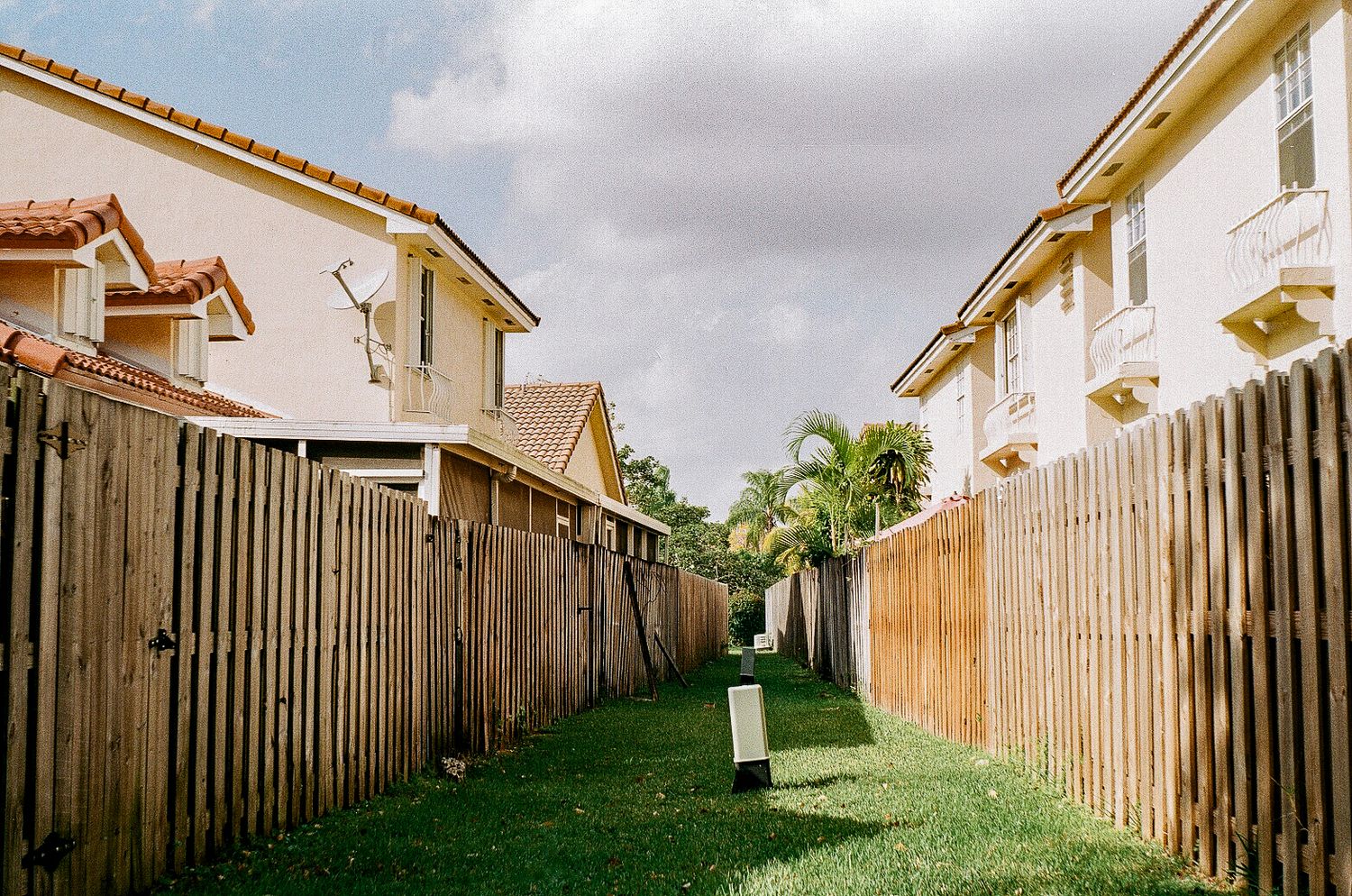
I picked up two cameras, a Pentax ME and Fujica 35 Auto-M. The Pentax had a jammed battery compartment cover, so I defaulted to the Fujica. It was a rangefinder, which I had always been fascinated by, but never actually used. It also had an inoperable light meter, so I used Sunny 16 to read light.
Going out by myself in April of 2020, as the world shut down and secluded into life-saving pods, it gave me renewed artistic purpose. I had no ambition of becoming a "real" photographer. I simply wanted to express myself. And I found inspiration everywhere. The photo of the alley between houses was the first exposure of the first roll I put through that Fujica. And I think it's more important than I could have possibly realized at the time.
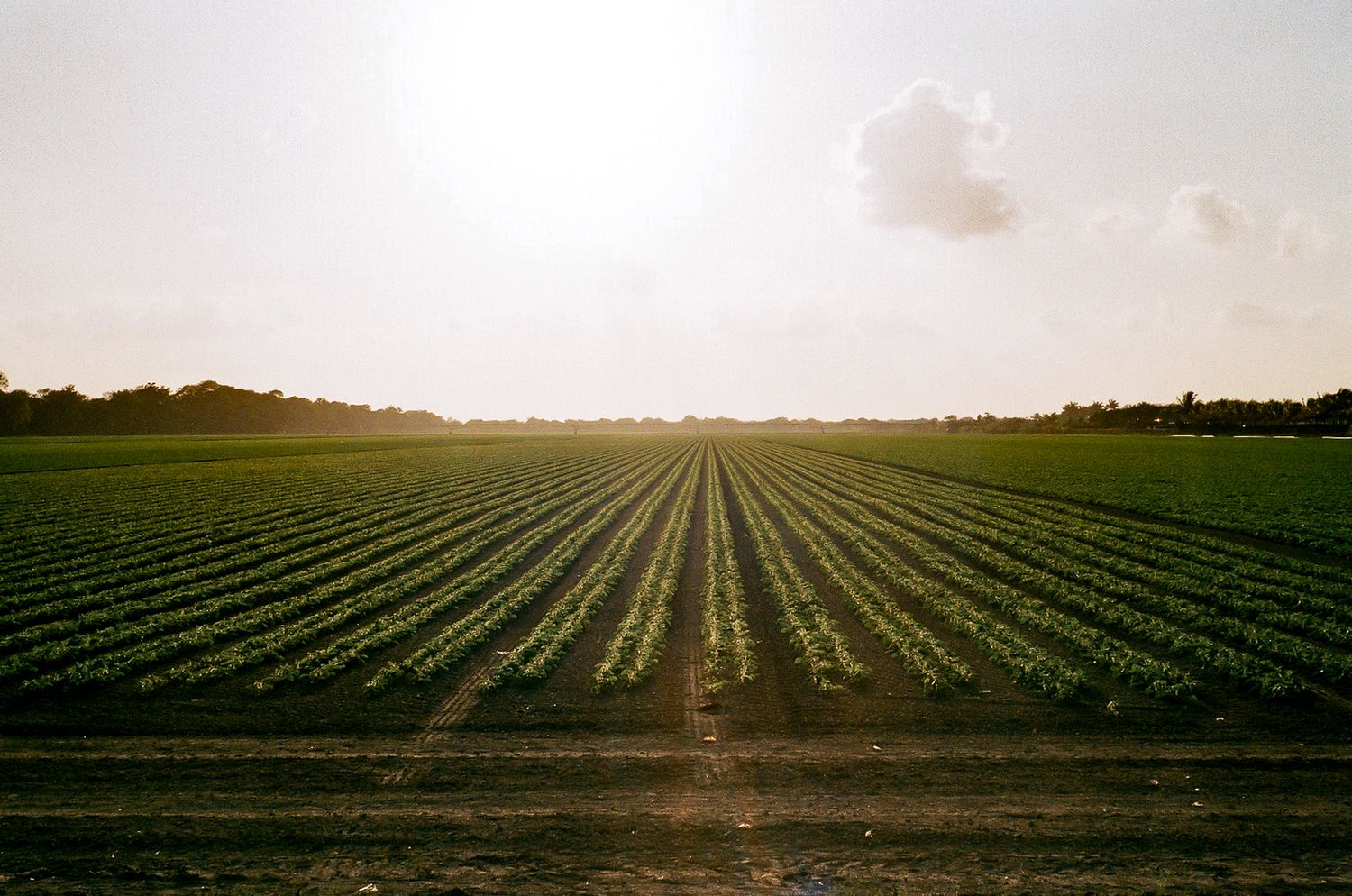
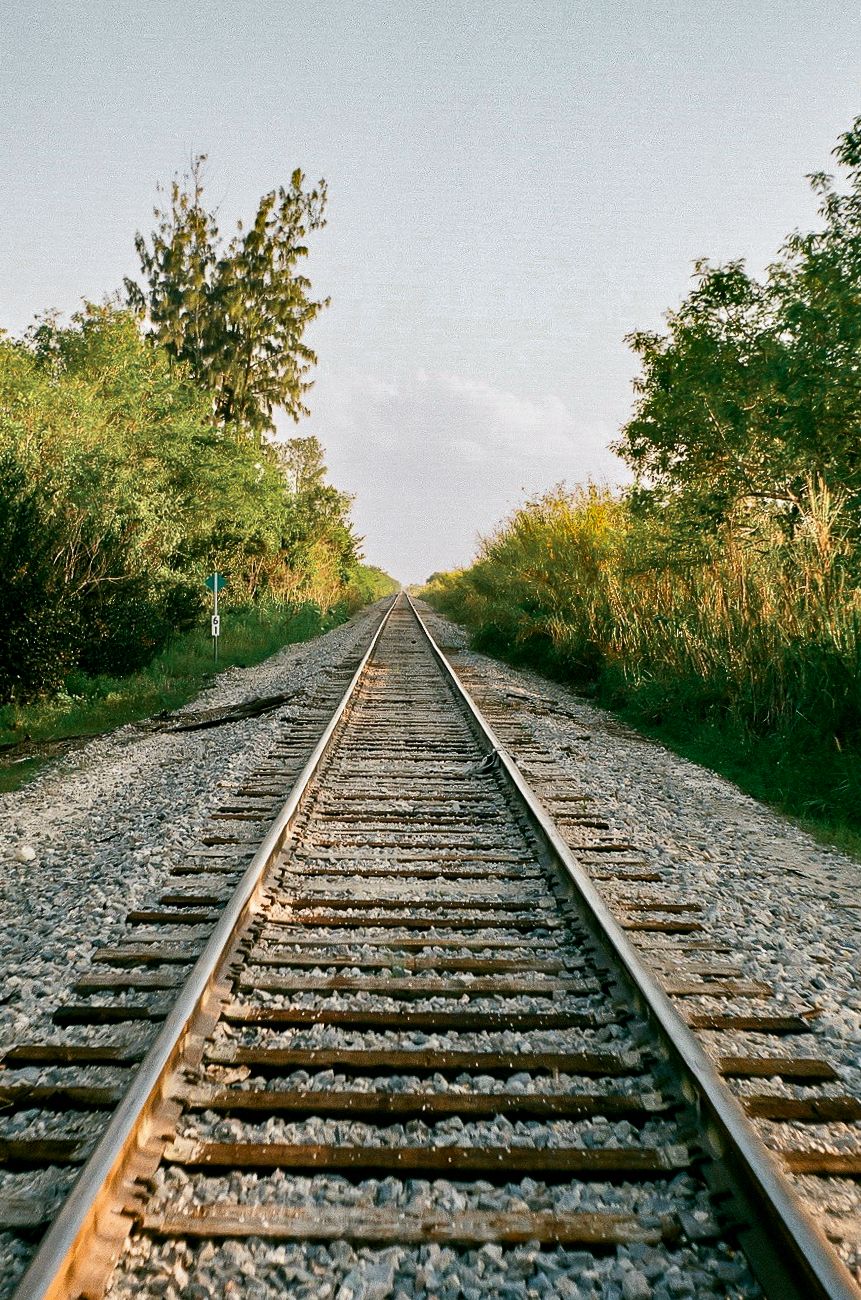
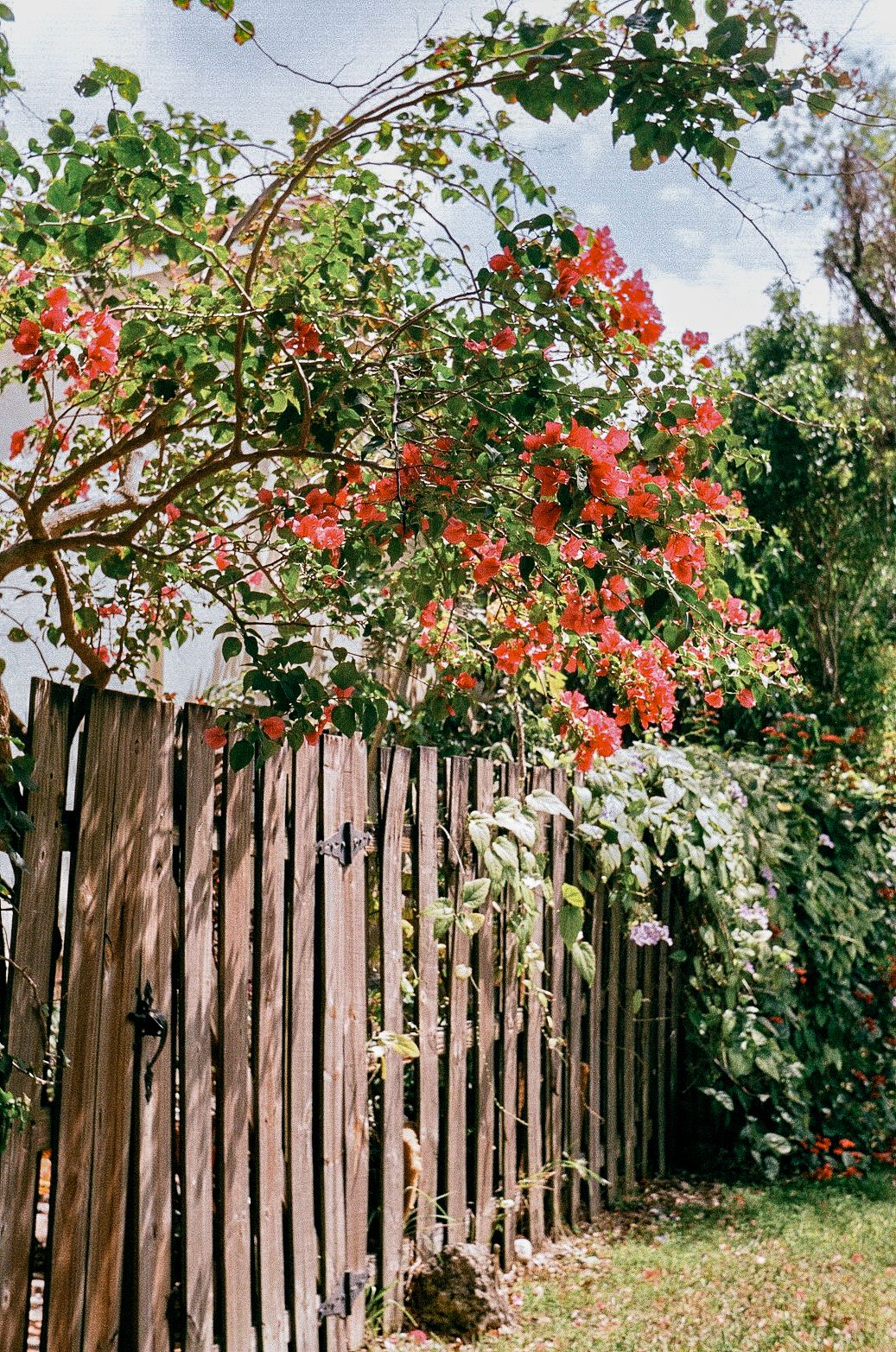
After those first few rolls I wouldn't get back to film for a while. Until I'd find Palm Film Lab a few years later, I was developing with Pitman and was not happy with the pricing. That's when I got myself my first digital camera (excluding that little HP of course). But those first rolls were monumental for me. They gave me an affinity for film, for mechanical cameras, and for photographing these scenes of transience. The human fingerprint had been left behind on the natural world, but without the human element the sense of loss was palpable.
During the COVID lockdowns this was inevitable. Everywhere I looked there was emptiness. I remember the immense sadness I felt looking at this empty world as I drove around in my car searching for interesting scenes to photograph.
So why mention any of this?
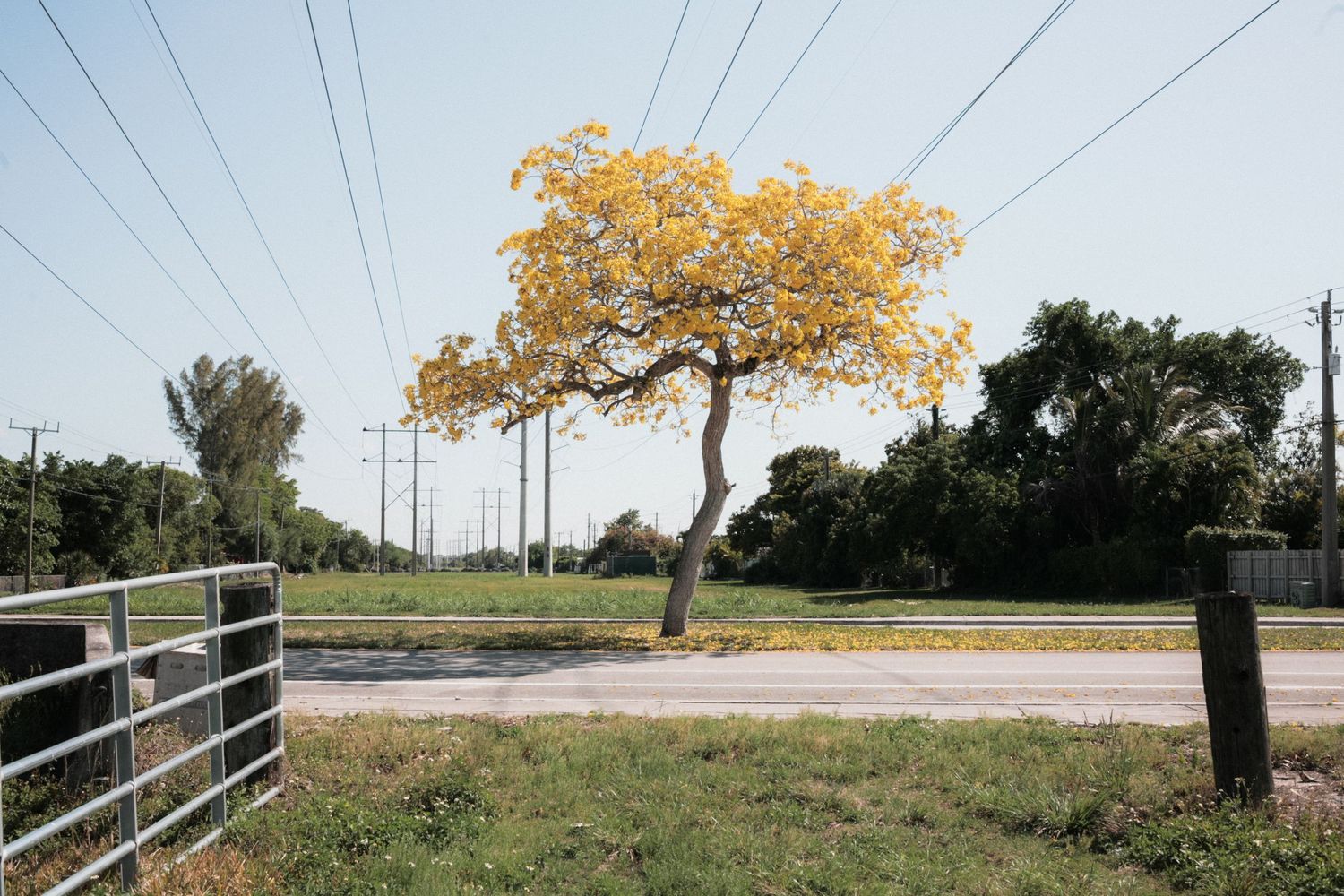
Well, at the beginning of this year I made a photograph that has stuck with me. I haven't been able to get it out of my head. I had spotted this silver trumpet tree in full bloom from many blocks away as I was driving home from work. I went up and down these streets trying to find the tree. And once I did, serendipitously, the gate in front of it was open and I was able to make this picture.
Since then I've revisited this spot multiple times. I've photographed this scene so many different ways that I know it almost as well as I know my own home. It helped birth this project, The In Between. But it wasn't until I started going through my old photos that I realized I'd been subconsciously working on this project since I first picked a camera back up in 2020.
Passing Through
It is not impermanence that makes us suffer. What makes us suffer is wanting things to be permanent, when they are not.
Thich Nhat Hanh
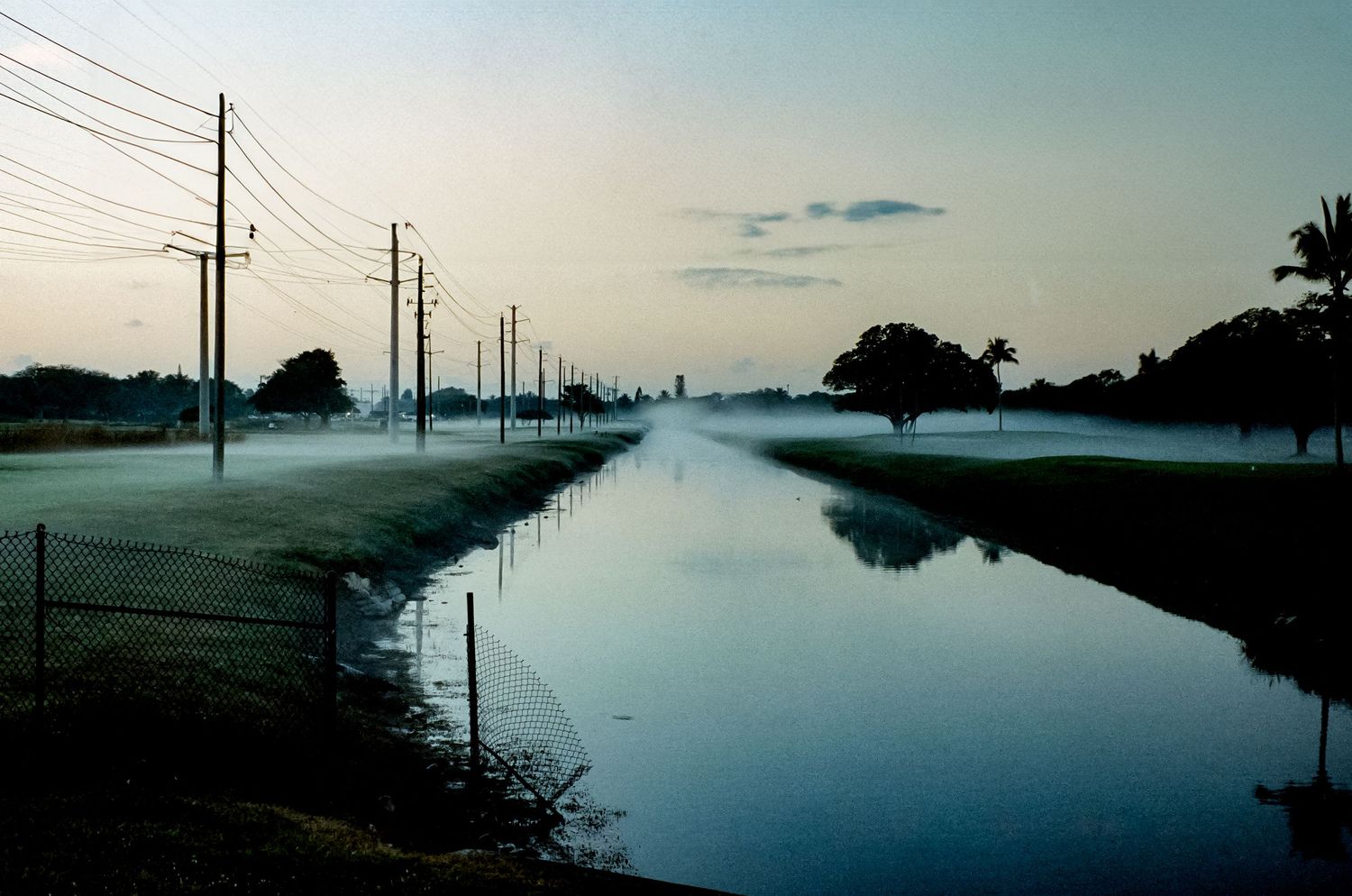
On the morning of February 7th 2025, I left for work early in the morning and made my usual commute. I grabbed my camera, which was loaded with film from a shoot with a rock band I'd had the night before. I was tired because of that late night, but was compelled to pull over onto the shoulder of the highway when I spotted this scene, which I'd seen countless times on my drive to work.
The sun was about to peak over the horizon and was giving the most gorgeous blue hour lighting as a fog rolled off of the grass and canal. But because I had my camera with me I decided it was time to stop looking at this scene and make an exposure of it. I lucked out with the camera, lens, and film that I had loaded. I was able to get exactly the kind of photograph I wanted, but it brought back an examination of solitude that I hadn't considered in some time.
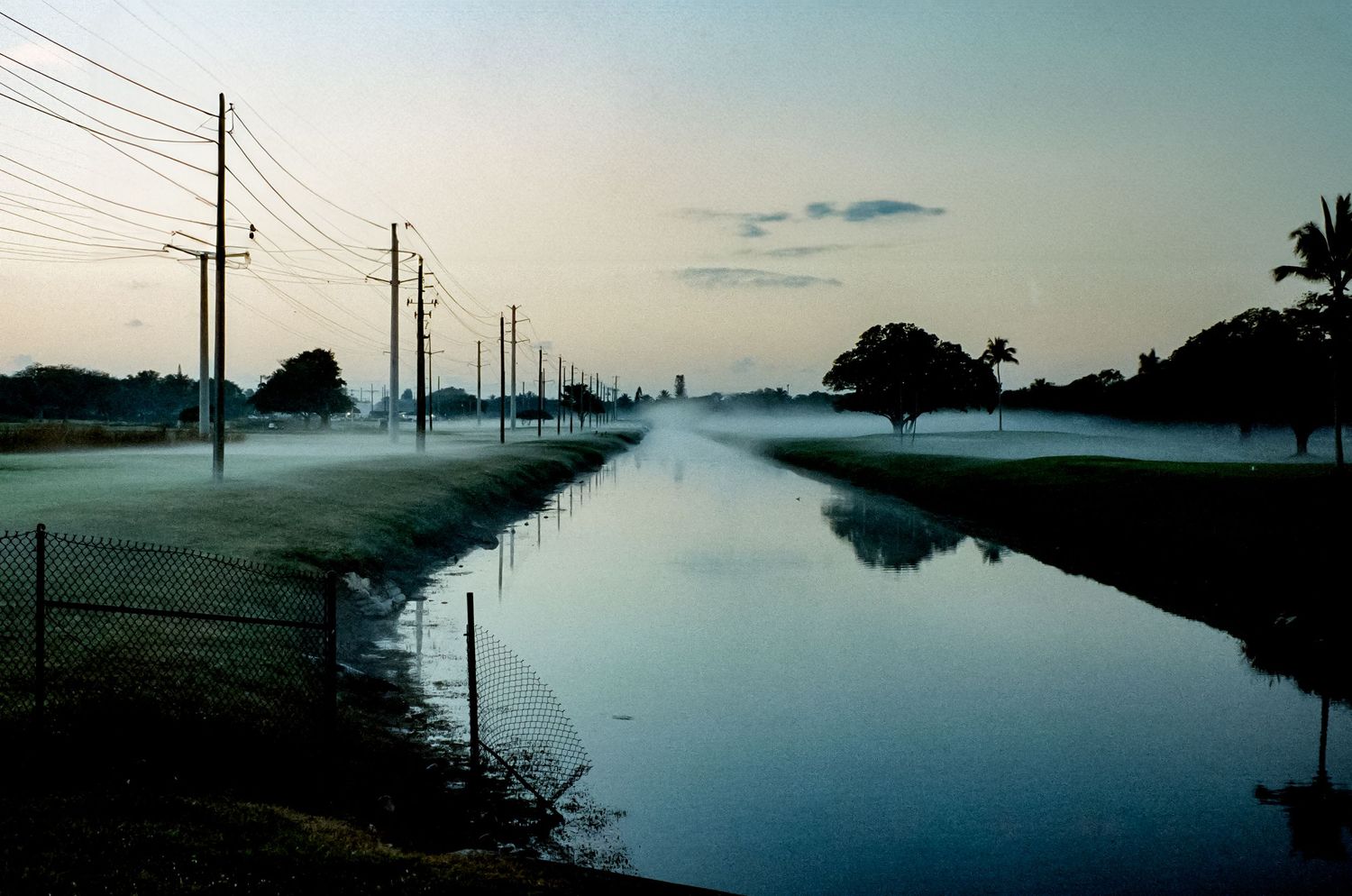
This photograph was published in LFI's Landscape gallery, and the recognition made me aware that there was something to this kind of photograph beyond the catharsis I found in making it. It connected with people. But what was it that was cathartic for me? I kept finding scenes like these and feeling compelled to make these kinds of photographs. Why?
It wasn't until recently that I even realized I was doing this intentionally. I had been at the beach all day with my family, sun and margaritas taking their toll on me physically. I suddenly looked from my kids over to the empty dunes behind me and wished I had a camera with me. Until a few weeks before, I had been shooting these scenes because I love to make photographs. But once I visualized the project it was impossible to see how it started, developed, and came to be.
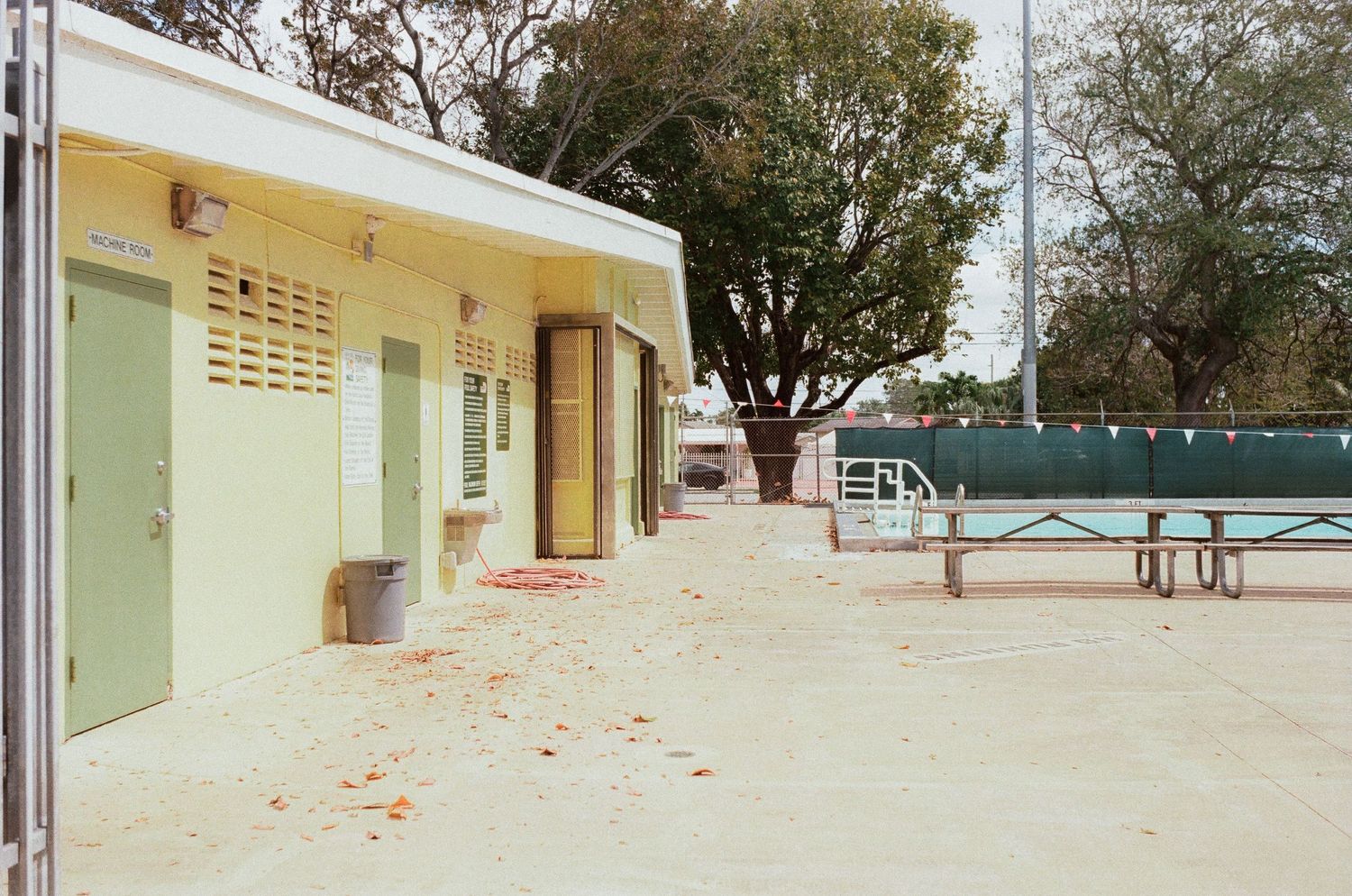
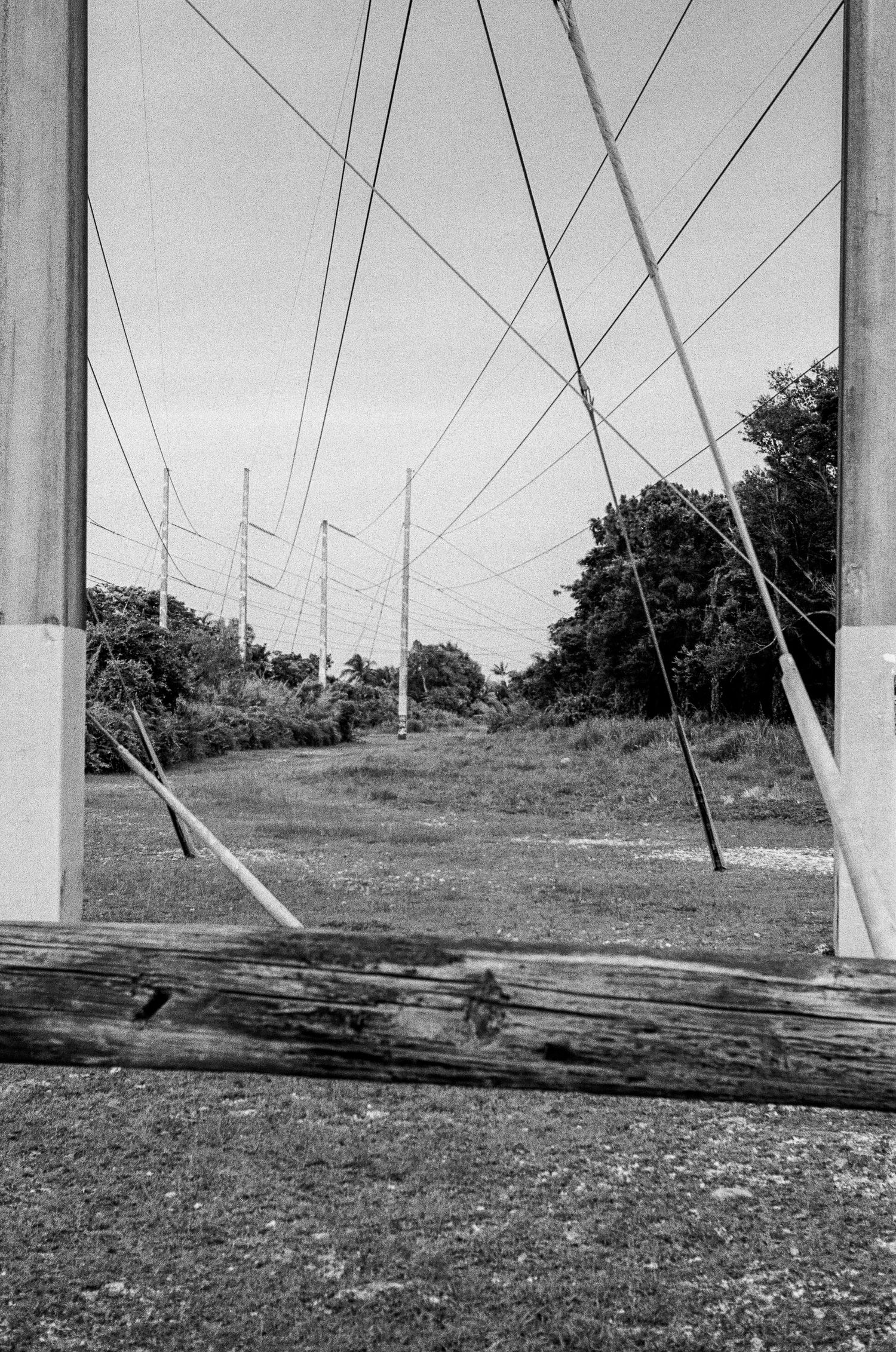
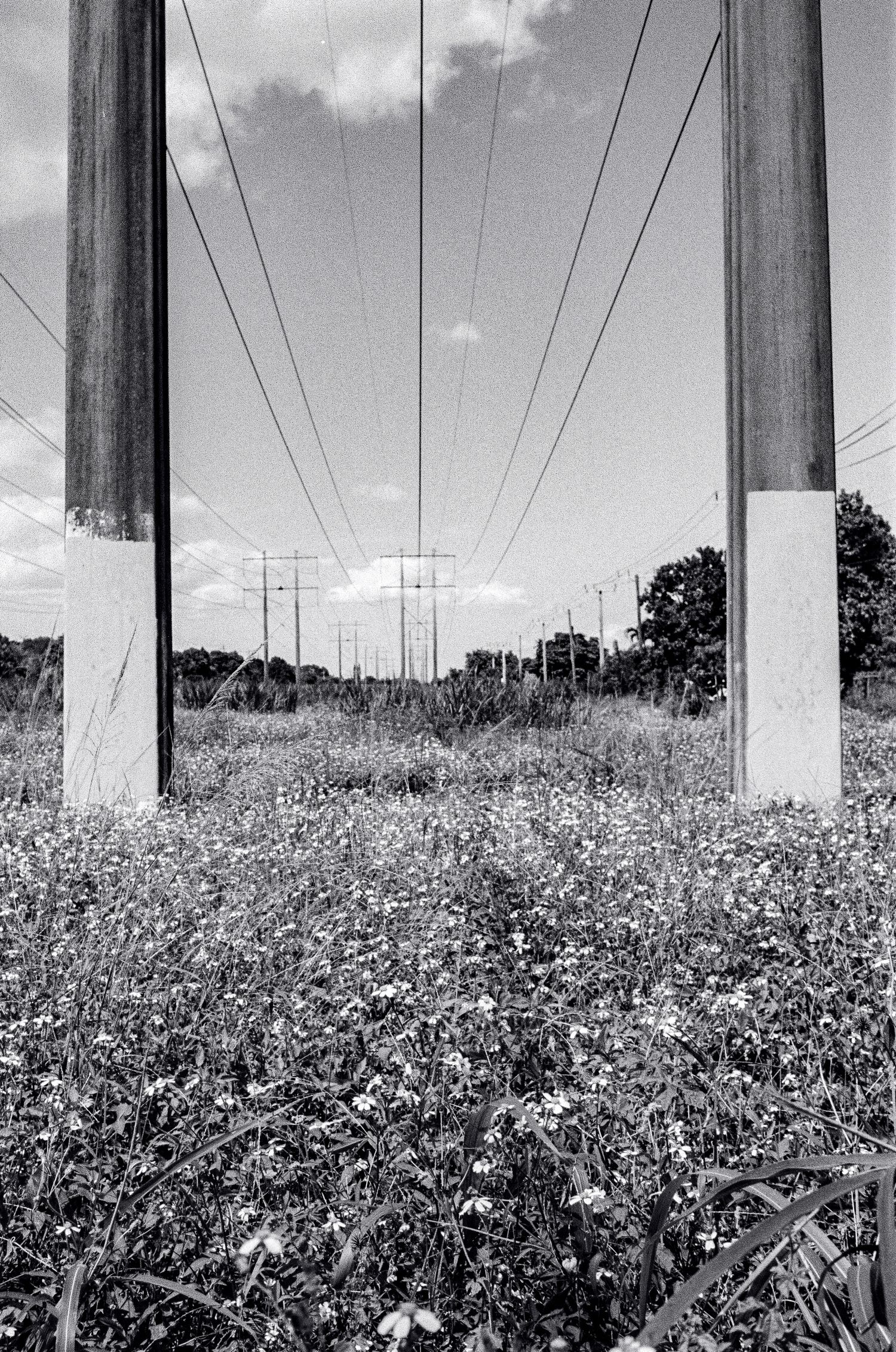
When I first conceived this project it was simpler, more accessible. It was about utility easements and how the industrial and natural worlds coexist. But that didn't feel right to me. I was interested in more than just that. The exploration of these large public utility alleys in western Miami-Dade County was a part of a more complex thematic examination.
It was equal parts exciting and frustrating figuring out why something that was so obviously about the manmade and natural worlds coming together was about anything more than that. But when it did finally hit me, it was an epiphany unlike nearly any I've ever had before.
What kept me coming back to these scenes was often the meeting of the natural and manmade, but that was only the result of why. This was an examination of loss.
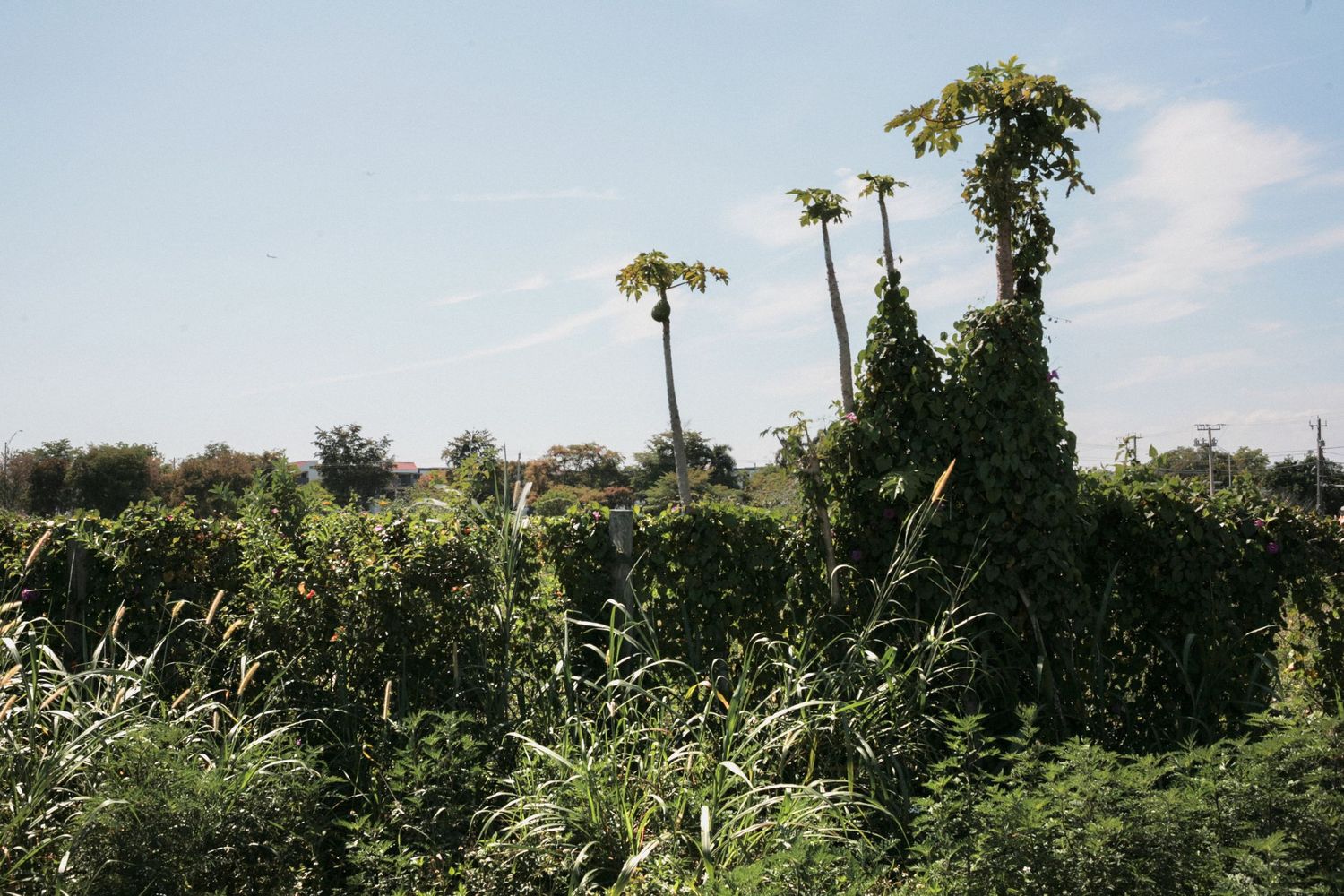
During my travels in Japan last year I became interested in Shintoism and Buddhism. Beyond that, I became interested in how these religions coexist. This was when I became aware of the Buddhist concept of impermanence.
Summed up succinctly from my Western grasp of a deep Eastern concept, impermanence is the belief that nothing lasts forever in the way that we often want it to. Holding on to that desire for things to remain unchanged is what causes us to suffer. Trying to understand this concept has caused me to examine the impermanence in my own life.
This is how the catharsis of making these kinds of photographs comes into play. I've come to realize that the emptiness I seek, the natural world overtaking the manmade and industrial one, it's all an examination of loss.
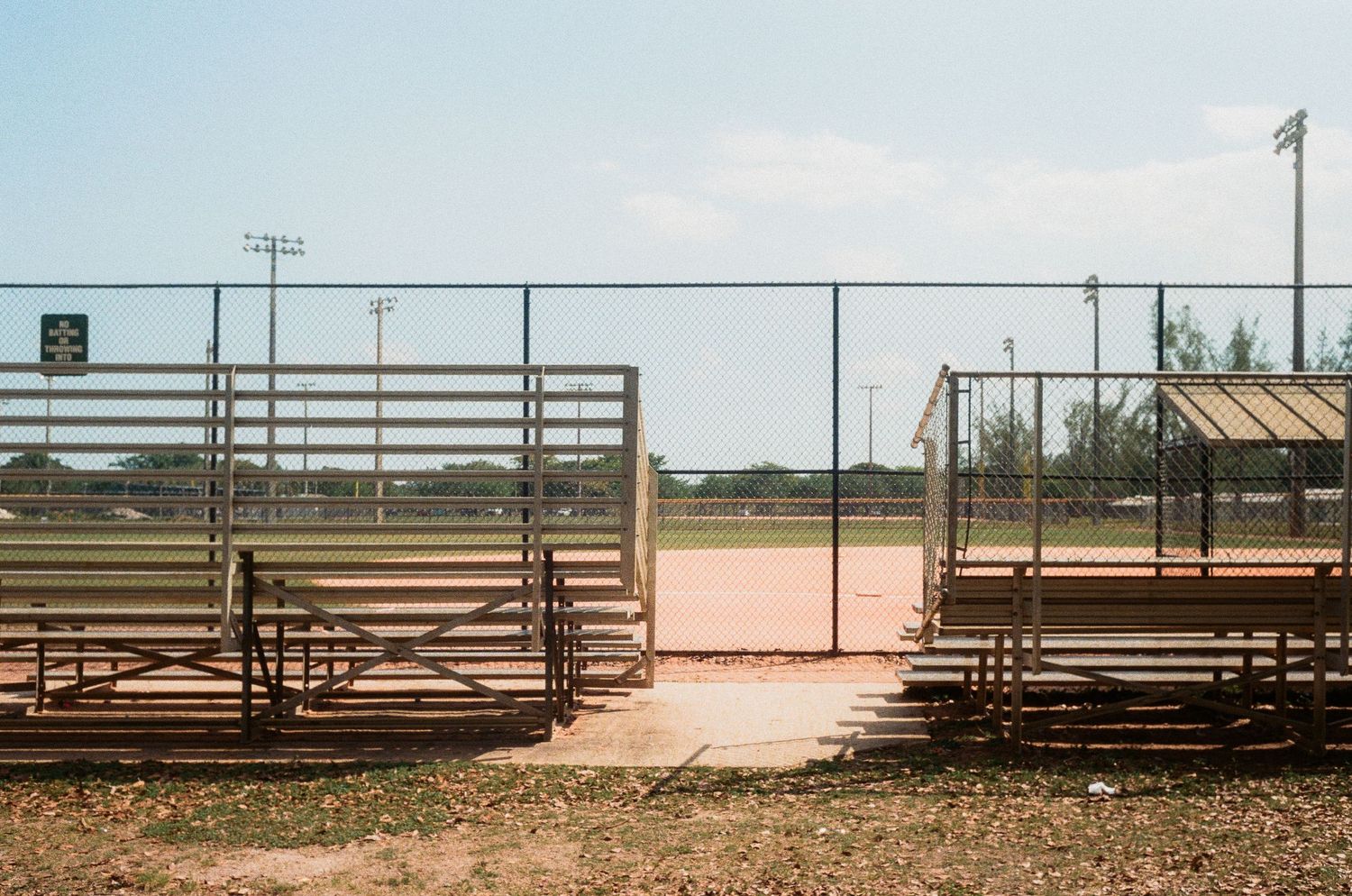
It began with pictures of a world devoid of the people that built it. This was inevitable due to COVID. But shortly after the world started going back to business-as-usual, many changes happened in my life. My paternal grandmother was diagnosed with terminal liver cancer. A week later my maternal grandfather died after a protracted battle with dementia. Another week later Wes was born. Four months later my grandmother succumbed to the cancer.
We ended up having a rough go of accepting all this change. Amidst the talk therapy that we all used to help us grieve, I subconsciously used photography to help me grieve as well. I had no knowledge of the concept of impermanence, but I was exploring it without knowing.
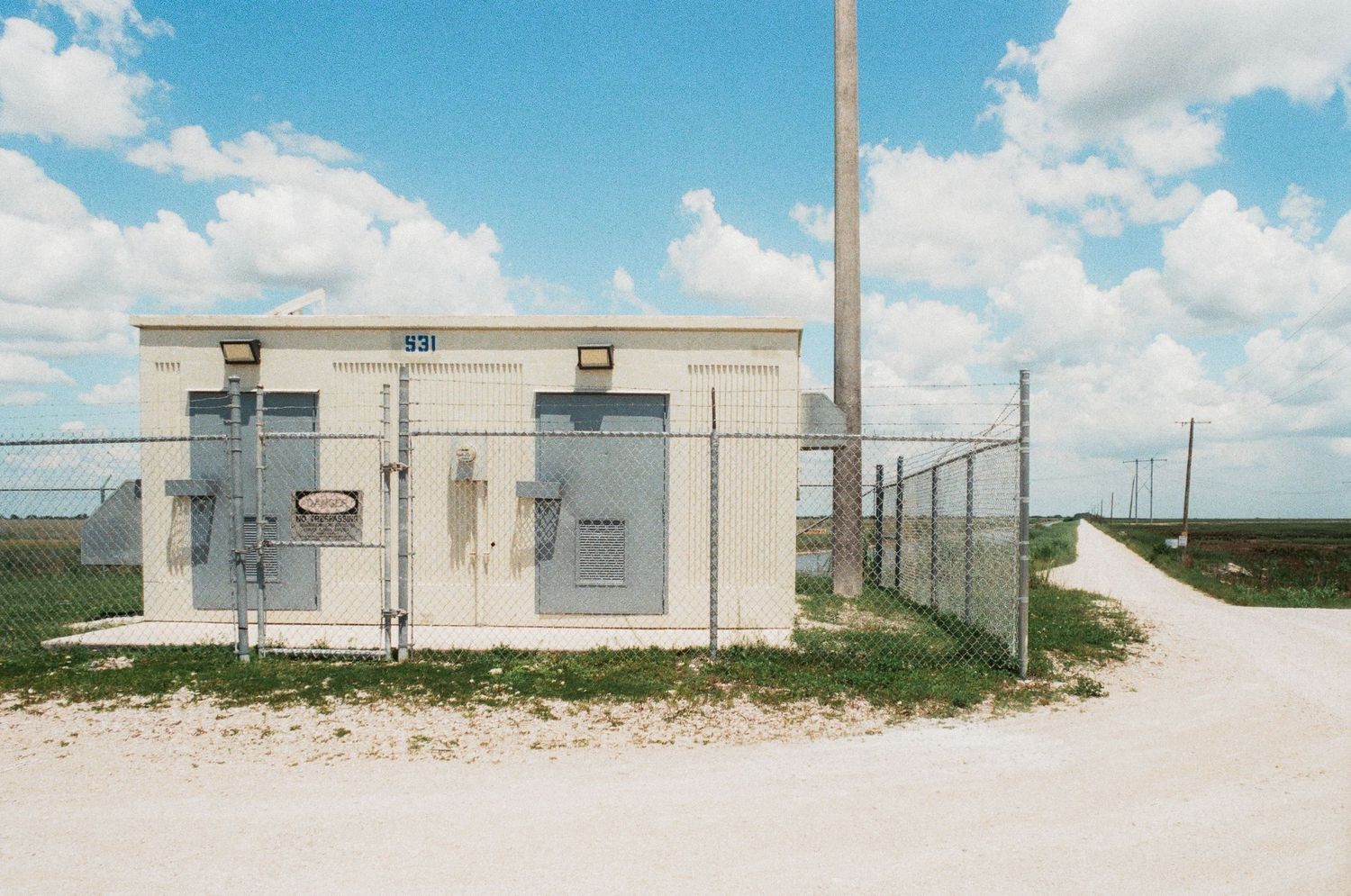
In each of these, regardless of setting or scene, I was gaining a deeper understanding of impermanence. Someone had chosen a landscape, built it up, left their mark on it, and when they'd gone that landscape had begun to reclaim it.
I have come to see this symbolically. Be they family, friends, or relative strangers, people come into our lives, influence and change it, and once they are gone we learn to live without them. The emotional structures they built in our hearts and minds don't suddenly crumble when they leave. They stand as resolutely as they were built. But our lives continue. Eventually the landscape overtakes the power lines, the fences, the manmade structures if left abandoned. Our lives and the remains of those people coexist in the same space too. Everything changes with or without our permission. Accepting that helps our suffering subside.
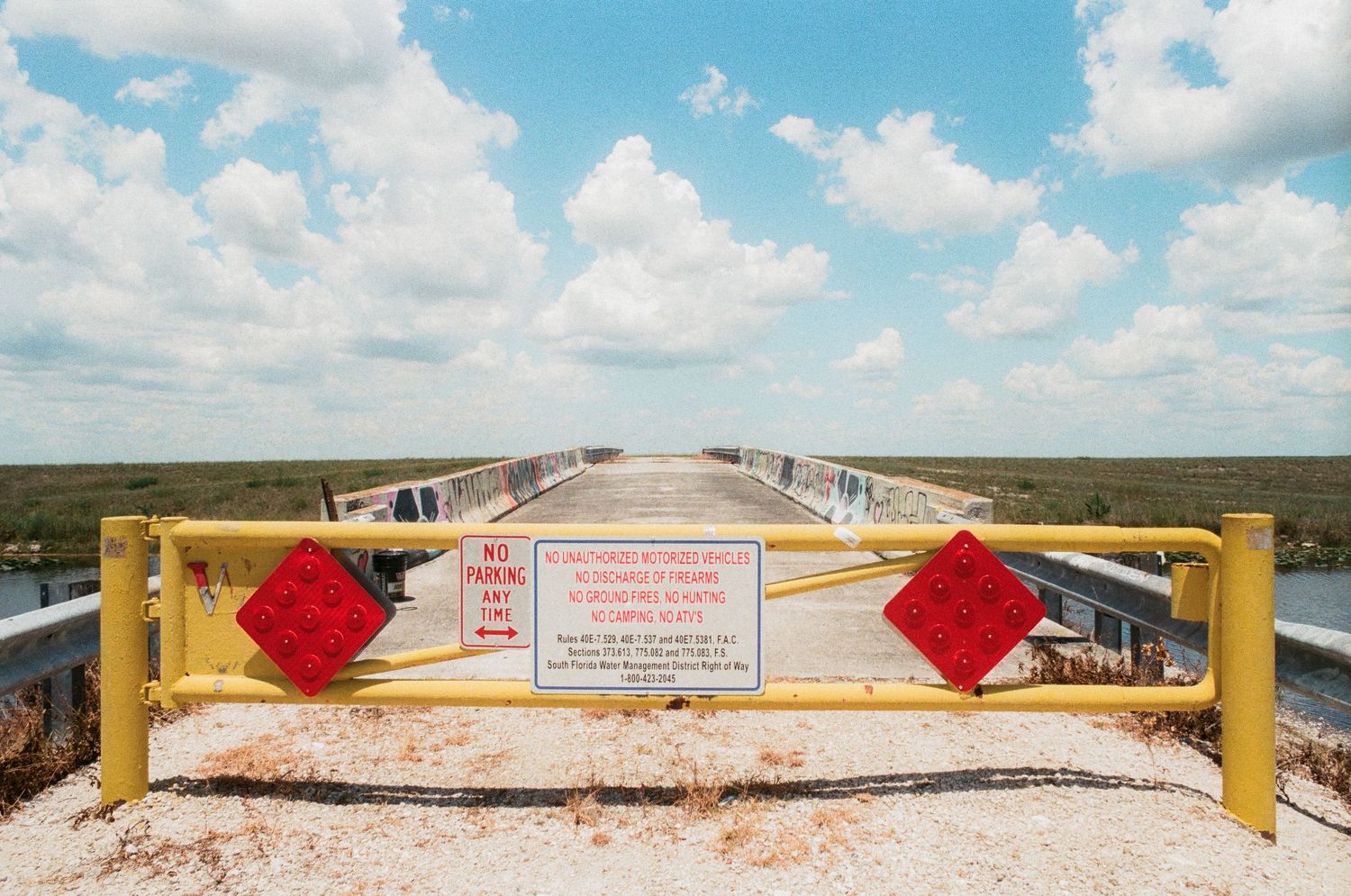
Moving Forward
There's no separation between self and other, and everything is interconnected. Once you are aware of that you are no longer caught in the idea that you are a separate entity.
Thich Nhat Hanh
I've asked a few questions of myself since deciding this was a project I wished to continue. But the most important is about how I continue using photography as catharsis, as a way of exploring impermanence. And again I find myself going back to Buddhism.
The writing of Thich Nhat Hanh keeps bouncing around like a pinball in my mind. Particularly, his words on interbeing have moved me and have given weight to the title of this unfinished work I've undertaken. The In Between started as a study of physical spaces (uninhabited) between spaces (inhabited), but I see now it's about the space between lives. The space between myself and my family, friends, and society during COVID; the space between myself and the loved ones that have passed; the space between joy and grief, and importantly between grief and joy; this is what The In Between is about. If I keep shooting to explore that, I'm on the right track.
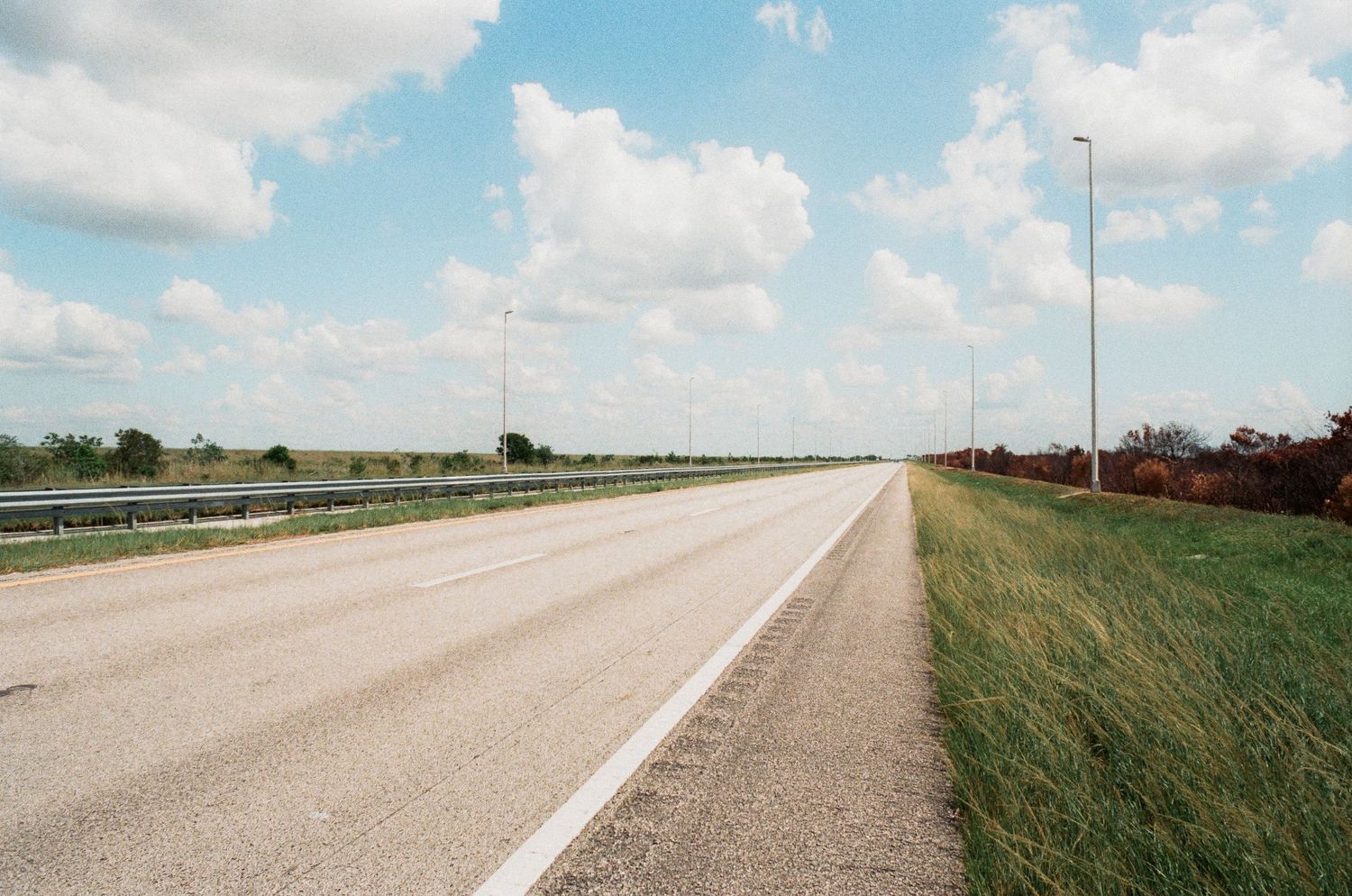
From a technical perspective, there's quite a bit I have decided on as well. This project must be in color. Grass, dirt, trees, and skies contrasting with human structures benefit from color. I love black and white photographs, but there's much more subtext to be found in these images in color. Black and white strips a picture down to its core, an incredible storytelling technique, but not for this story.
This means that many photographs made with Kodak Tri-X must be done again. For some images, like the overgrown flower field under the power lines, that requires waiting. I attempted to reshoot that last week, a handful of days after I'd made the original, and the field had been culled. I will have to intentionally shoot these images to represent my vision for The In Between.
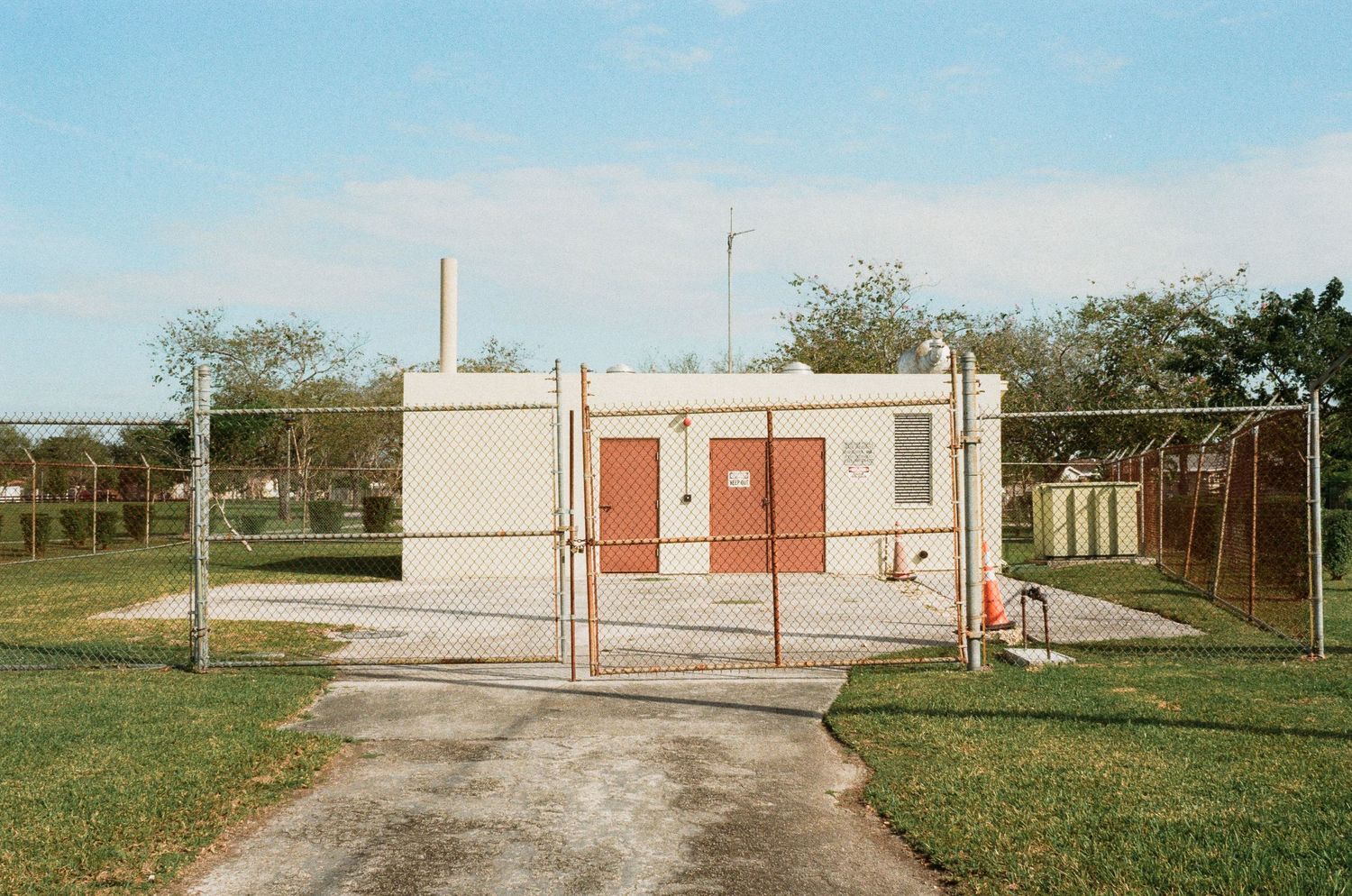
Rediscovering the foggy sunrise photograph has also caused me to consider how scenes with varied lighting might play a role as well. The idea of sunrise, sunset, nighttime, and daytime as settings for this work is intriguing, and something I need to explore further. It may be a way of marking shifts in the process of healing after loss.
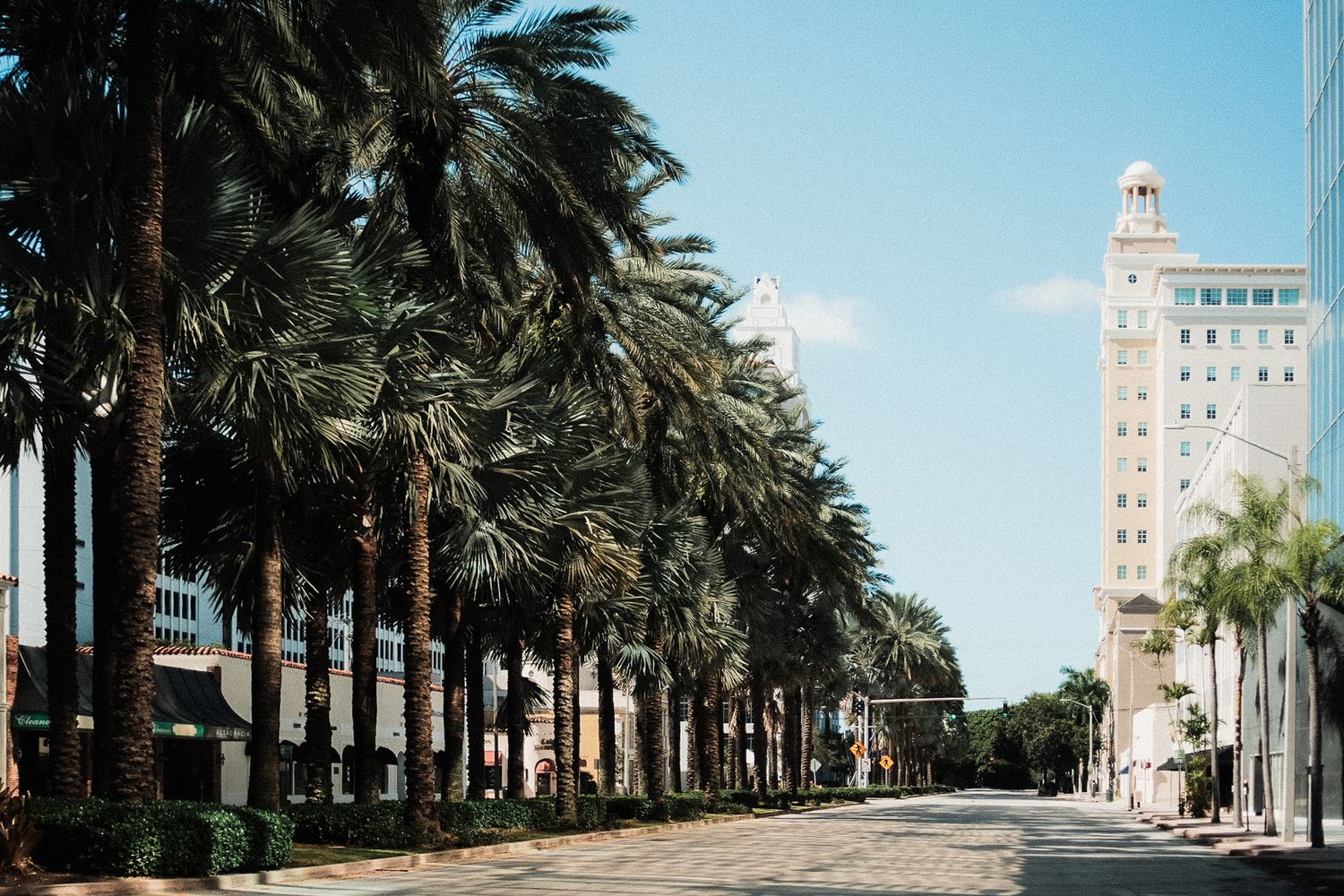
I've also decided this is a project I want to make a reality exclusively with film. Or at least from now on. I may not adhere to that fully, as some of these pictures, like the empty Coral Gables streets scene, were made with a digital camera and cannot be replicated without another pandemic. In the end I know that the end result matters more than the workflow for something like this. But I'd like to be intentional about using film from now on.
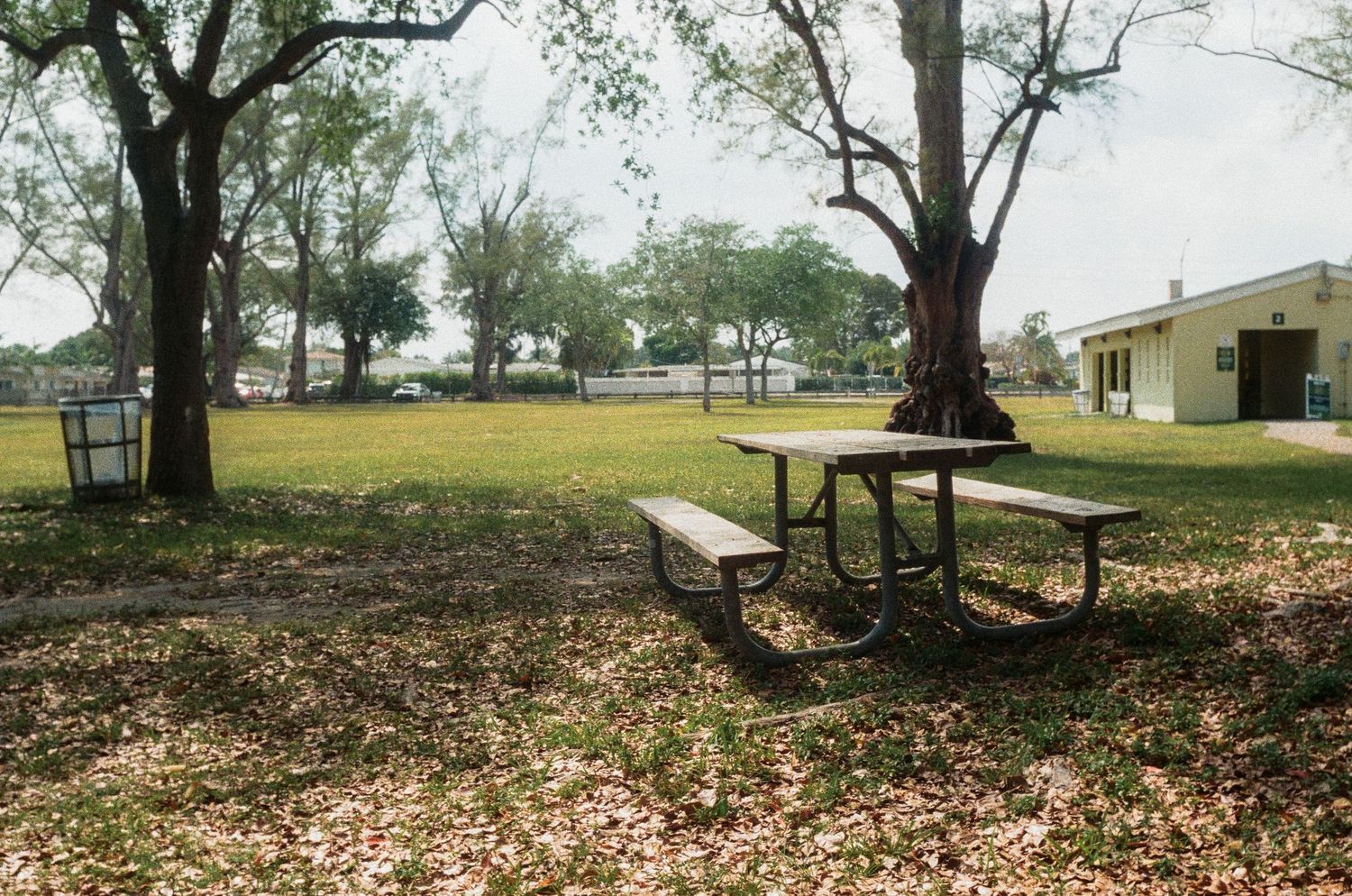
Importantly, I believe this needs to be done in Miami. I have made countless photos that fit this theme all over the world. Across North and South America, the Caribbean, Europe, and Asia I've unknowingly explored this subject. But I don't associate that sense of loss and healing with those places. That is exclusive to home. You won't find any of those travel photos here. No, here you'll find studies in impermanence and interbeing throughout South Florida. It's where I experienced love and loss, and am still learning to live with both.
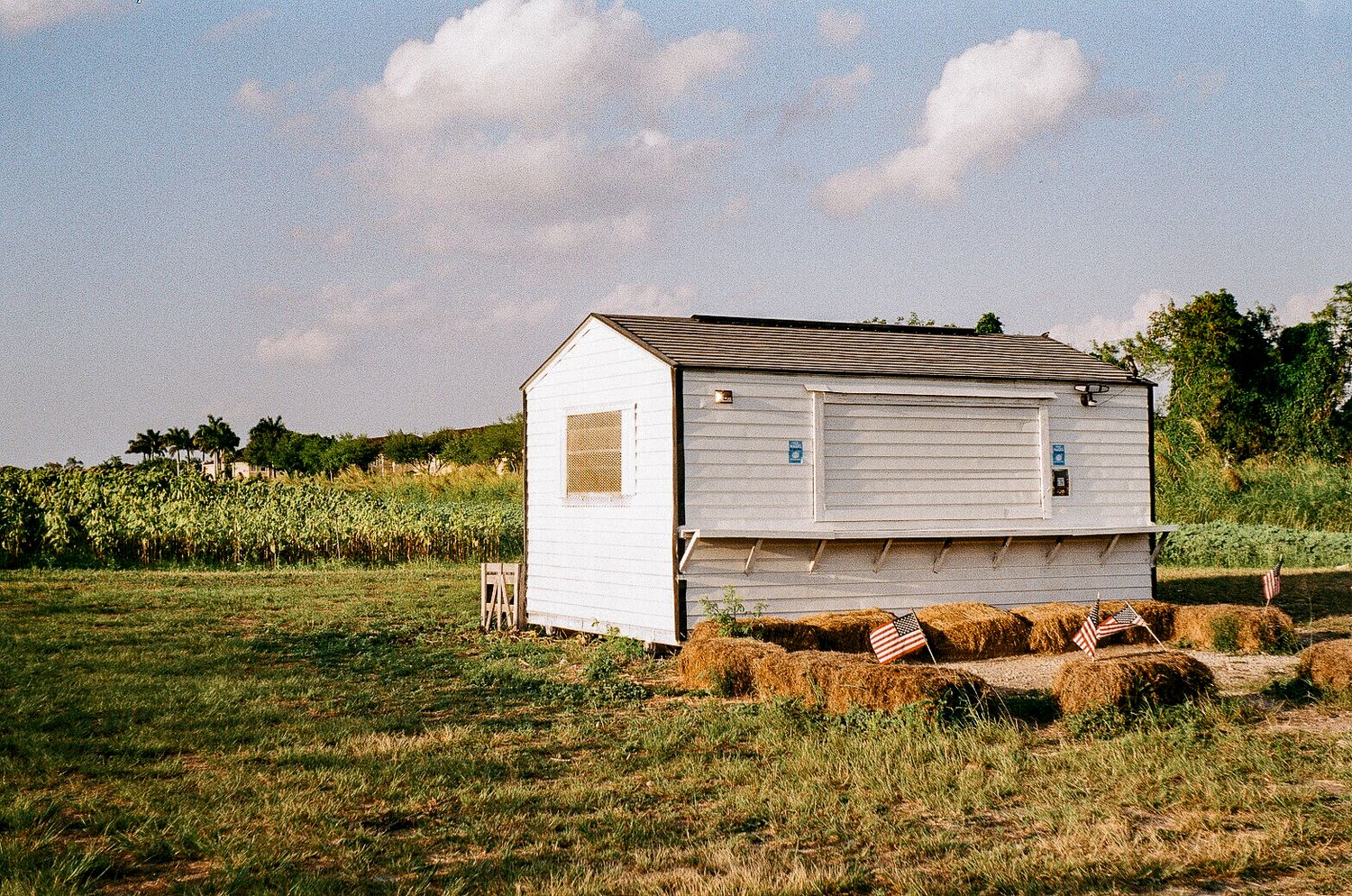
All images © 2020-2026 David Ulloa Studio. All rights reserved.