A Failing Mind
When my grandfather was diagnosed with dementia many years ago, I had very little time to consider how it would affect me. We had been as close as two people could ever be since as far back as I could remember. So, naturally, I first considered how I could make life most comfortable for him and for my grandmother. And it wasn't until after he passed, some ten years later that I started to think about how it all affected me. The science indicates, quite clearly, that I am more likely to have dementia because of family history. Couple this with the fact that I have been a diagnosed epileptic since I was five years old, occasionally having grand mal seizures the likes of which should have killed me, and from the Helios 44-2-esque swirl of bokeh comes into focus the picture of a mind that is already failing, only to worsen as time wraps its gaunt fingers around the grey matter.
So I decided to try something unconventional, wild even, belying the lucidity of its logic: why not practice making photographs so that I can better recall my memories?
It is my deepest, darkest fear that I forget. So terrified am I of my mind failing me and forgetting those nestled into the most central part of my heart that I find myself occasionally paralyzed with the fear. The reciprocal of my deepest and darkest fear, then, became my grandest desire. I want never to forget. Because, as a person who does not believe in an afterlife, I do hold the belief that my grandfather still lives...in a way. I believe he lives in my memories, in his influence, and in his enduring legacy. So long as I can remember, he lives.
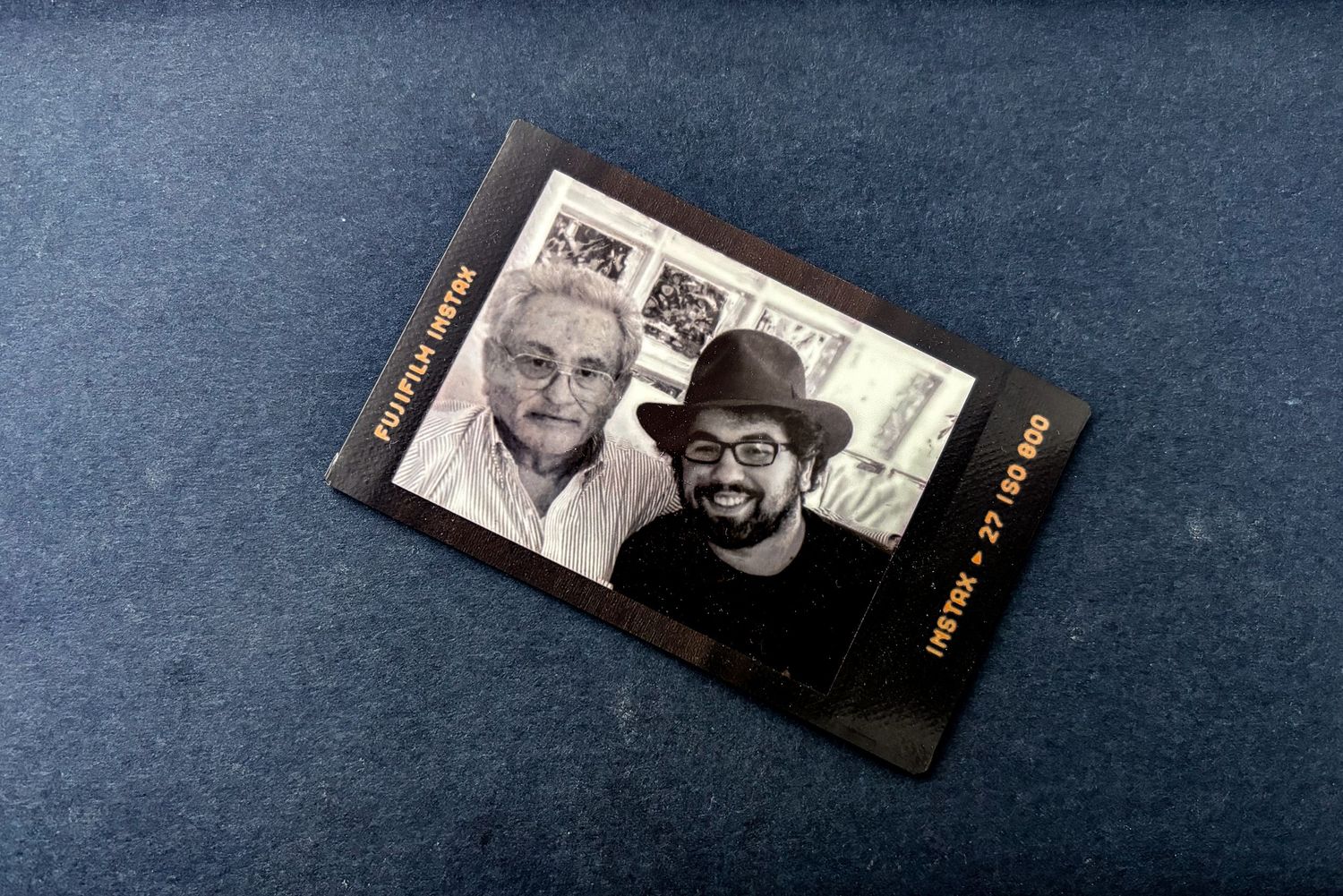
Drawing Connections
As a teacher and a perpetual student - I've gone back to school for more degrees way too many times - the research on notation and recall has always fascinated me. And I found this to be very much true for me personally as a student. The more care I took in annotating lectures, readings, and presentations, the easier it was for me to recall the information. And if necessary, I could go back to the note and rediscover it myself. Armed with this knowledge I decided to begin making photographs as way of annotating the moment.
I started this by finally getting myself a digital camera. I had slowly started to get back into photography, in a very casual way, via 35mm film SLRs and instant film cameras. I didn't want to invest a small fortune into a new camera with modern features. I just wanted to make photos to help me remember. So, I found a 15 year old Leica V-Lux 1 for a great price and started snapping away.
I very quickly started remembering events with more detail. Where I finally realized that this was working the way I had hoped it would was at a field trip I chaperoned in which Link's class visited the Miccosukee Indian Village, located in the Everglades swamp outside of Miami. I approached this the same way I would have with my Pentax ME, as the V-Lux 1 has a rear screen that is reversible, allowing the photographer to see only through the electronic viewfinder. And because it has no wifi or Bluetooth capability, I wasn't going to see these photos until I got them off the SD card at home.
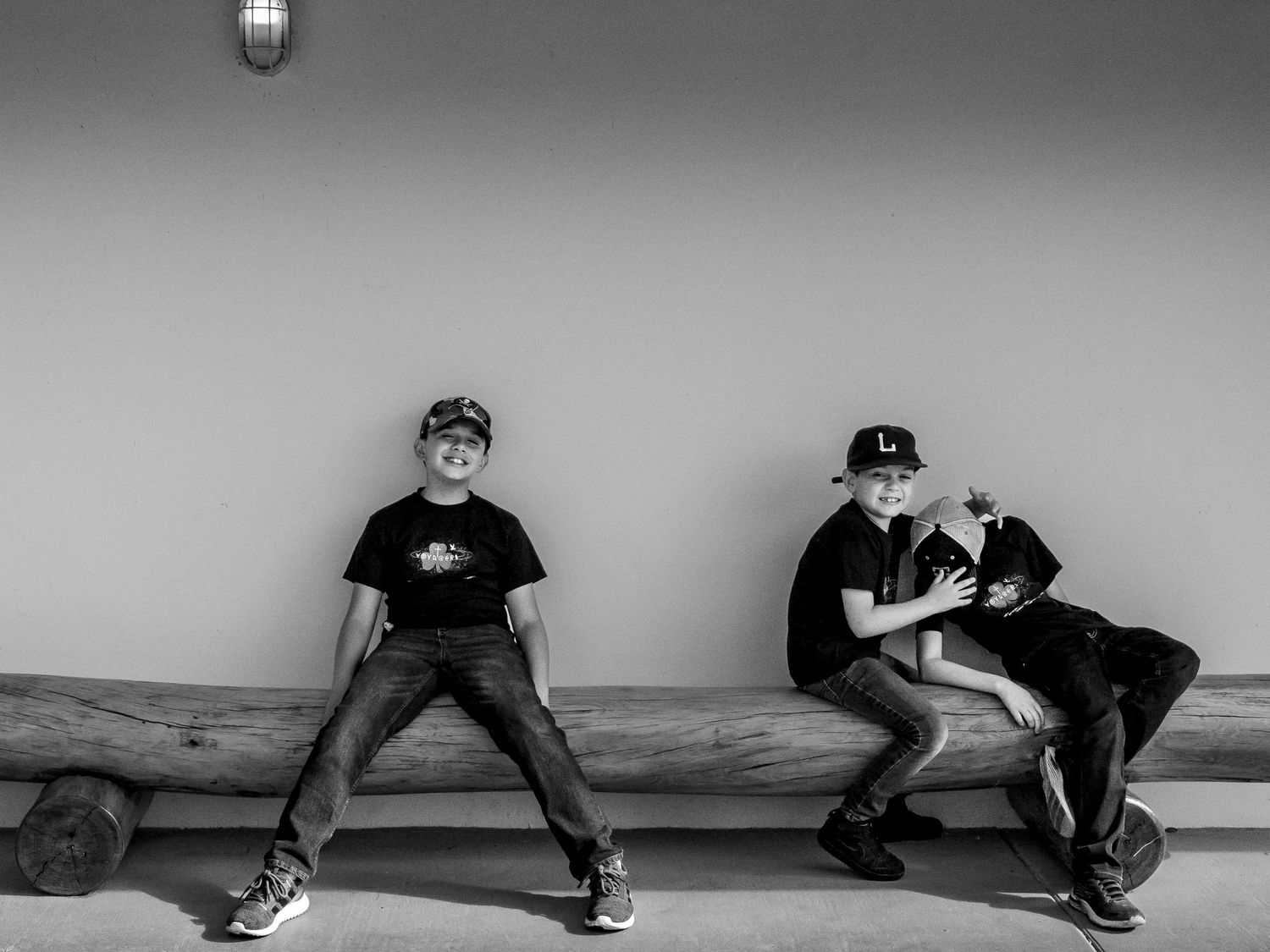
What I found was that the act of making the photograph allowed me to interact with the moment and created a stronger connection with my memory. The individual moments that make up the field trip, which usually would have been faded into the recesses of my mind, stand clear. Not all of them, of course. And as time has gone on, some have in fact faded. But now I have these photos to fire up the ol' way back machine and reignite the memory.
Regret and Recall
I now feel as though I've done myself a great disservice. It is very much like there was my life before making photographs to remember and my life since doing this. So much of my twenties are a blur. Yes, substances have a hand to play in all that - college was...fun - but more than that, it was a time in which I made very few photos. Nearly every photograph I made at this time was a snapshot taken on a phone that was saved to a camera roll, never to be seen again. I was in the moment, enjoying it, but what for? I wouldn't remember it. There are so many moments that are lost in the labyrinth of my mind. And making attempts to recall them leave me only with regret that I was not more intentional and deliberate with making memories. I wonder how much I've forgotten and am left with only sadness. How many more memories of my grandparents are locked in some untapped corner of my mind? I can never get those moments back and cannot make any more.
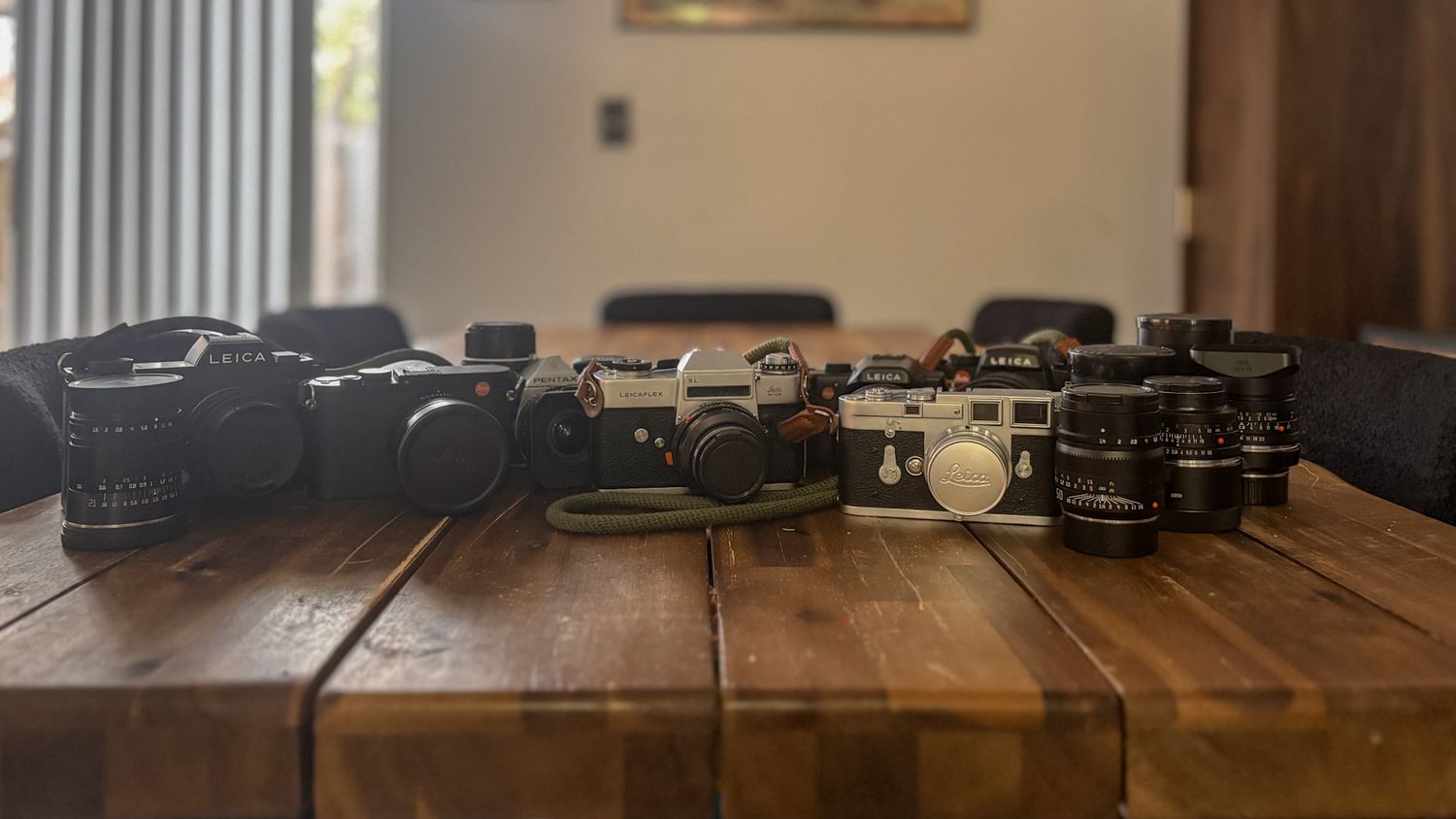
It was after I amassed a small collection of 60's and 70's era film lenses for the purpose of adapting them to a digital mirrorless camera that I began shooting film again. And the first time I gave this a real shot was on a trip to Walt Disney World that Steph and I planned for our family. Unlike the usual family vacation, this one involved us taking my grandmother. When my grandfather had passed the year before it had been a major blow to the family. They'd been married for over 60 years and in that time had given their family so many trips and opportunities to make memories. We wanted to begin to return the favor.
Many of my childhood memories are of my grandmother perpetually documenting our lives with a camera. I wanted to do the same for her. So, I bought an analog body for my film lenses and resolved to make film photographs on this trip. This portrait of my grandmother is, to date, one of my favorites. Despite the "I've been in the hot sun all day" look that all people exhibit in photos made at Magic Kingdom, she looks genuinely happy. The sadness that had so often hidden in her eyes the last year all but gone in the experience of a day where she could remember what it was like to be young.
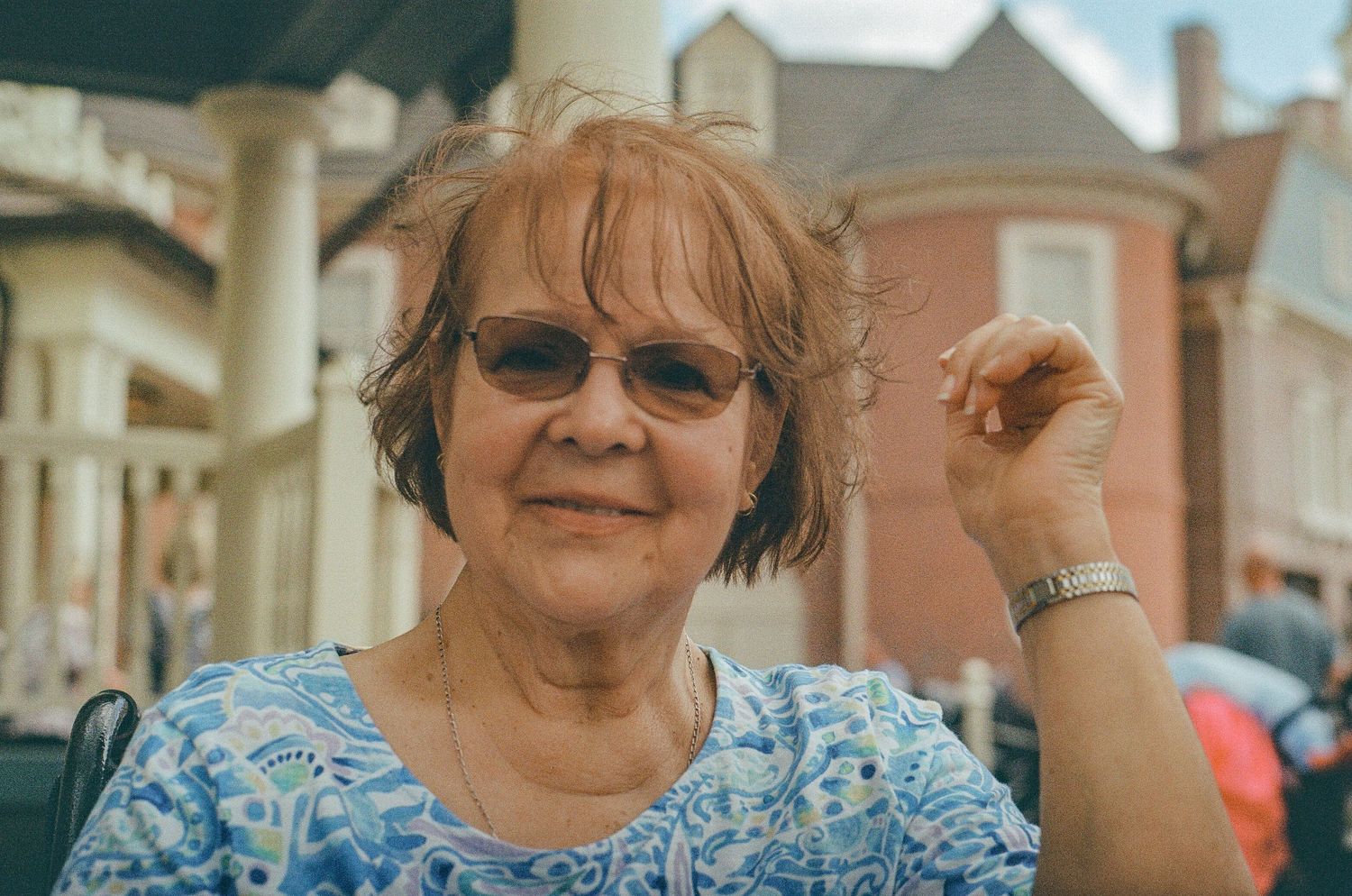
But something special happened when I had the photos developed. I found I had remembered the moments I made the film photographs with much more vibrancy than I had with the moments in which I had made the digital photographs. As I'm sure anyone who has made both film and digital photographs will admit, because of a definite end point to a roll - even if carrying many rolls of 36 exposure film - one is more intentional and careful when making film photographs. You better be sure you want THAT exposure and THAT composition when you press down on the shutter release button. More than ever, I was interacting with moments and making deep rooted memories. The more intentional the photograph, the more I thought about the moment, and subsequently the better my chances were of remembering that moment without a fog or haze surrounding it.
Light and the Soul
I don't have what most would consider traditional beliefs on the afterlife. Call it a soul or a spirit or anything at all, I don't believe that a part of us lives on in a heaven or a hell. But I do believe that we continue on in some way, it just isn't up to us how. See, I believe that when I die that it is final and I cease to be alive. But how I am remembered and the legacy that I leave behind will determine how I am remembered. That is as close to a soul as I can imagine. Our essences are in how we interact with and relate to one another.
We often describe death as the extinguishing of a flame or a light. When it happens at a young age we say things like "The star that shines the brightest burns our the fastest." Interestingly, this is a pretty universal idiom, beholden to no one region. Life and light are intimately tied to one another. And if we consider that the word photography has its roots in the ancient Greek for "light" and "drawing," we are treated to the realization that if we equate life with light, then photography is the capturing of one's soul in a moment in time.
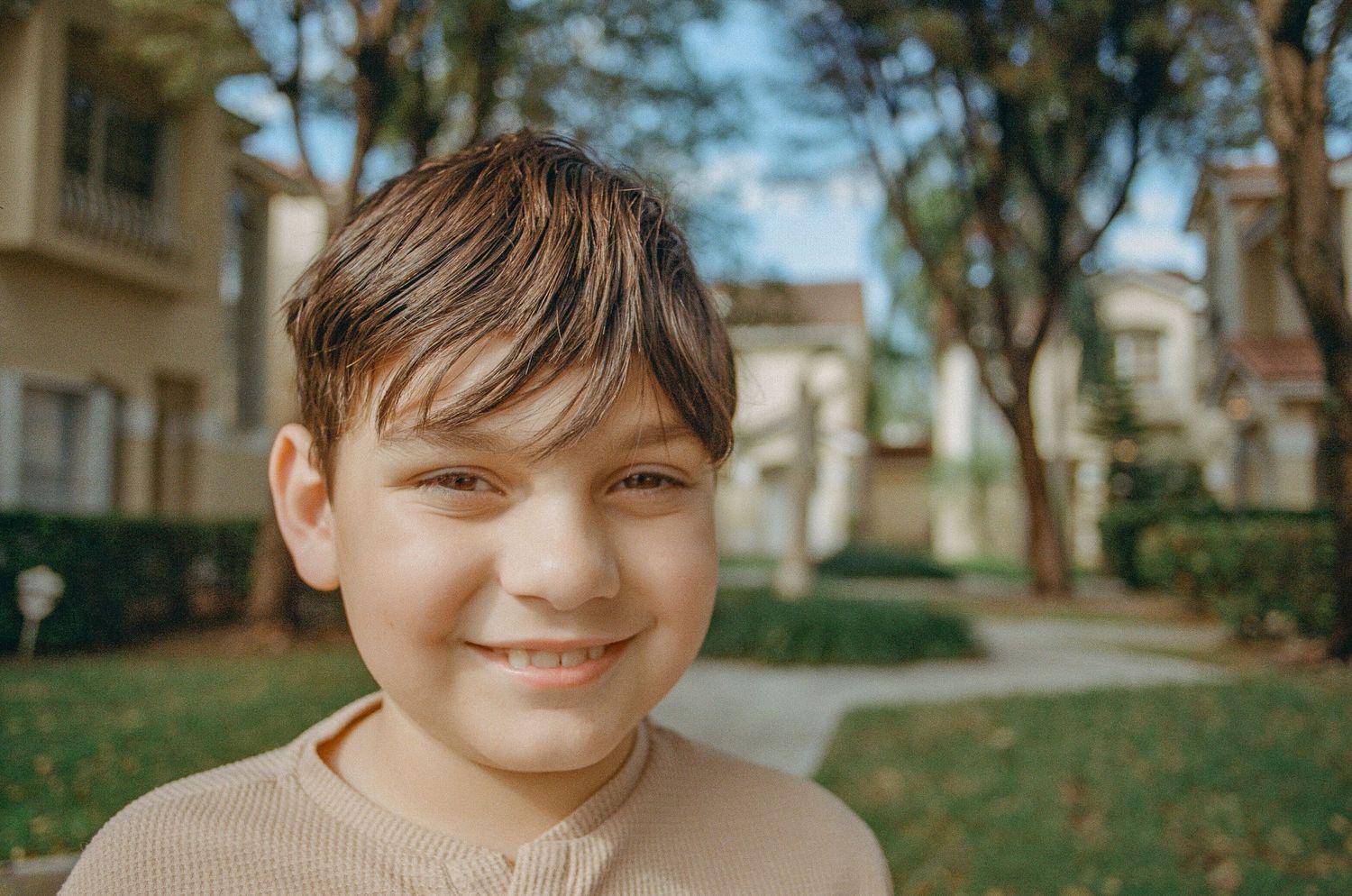
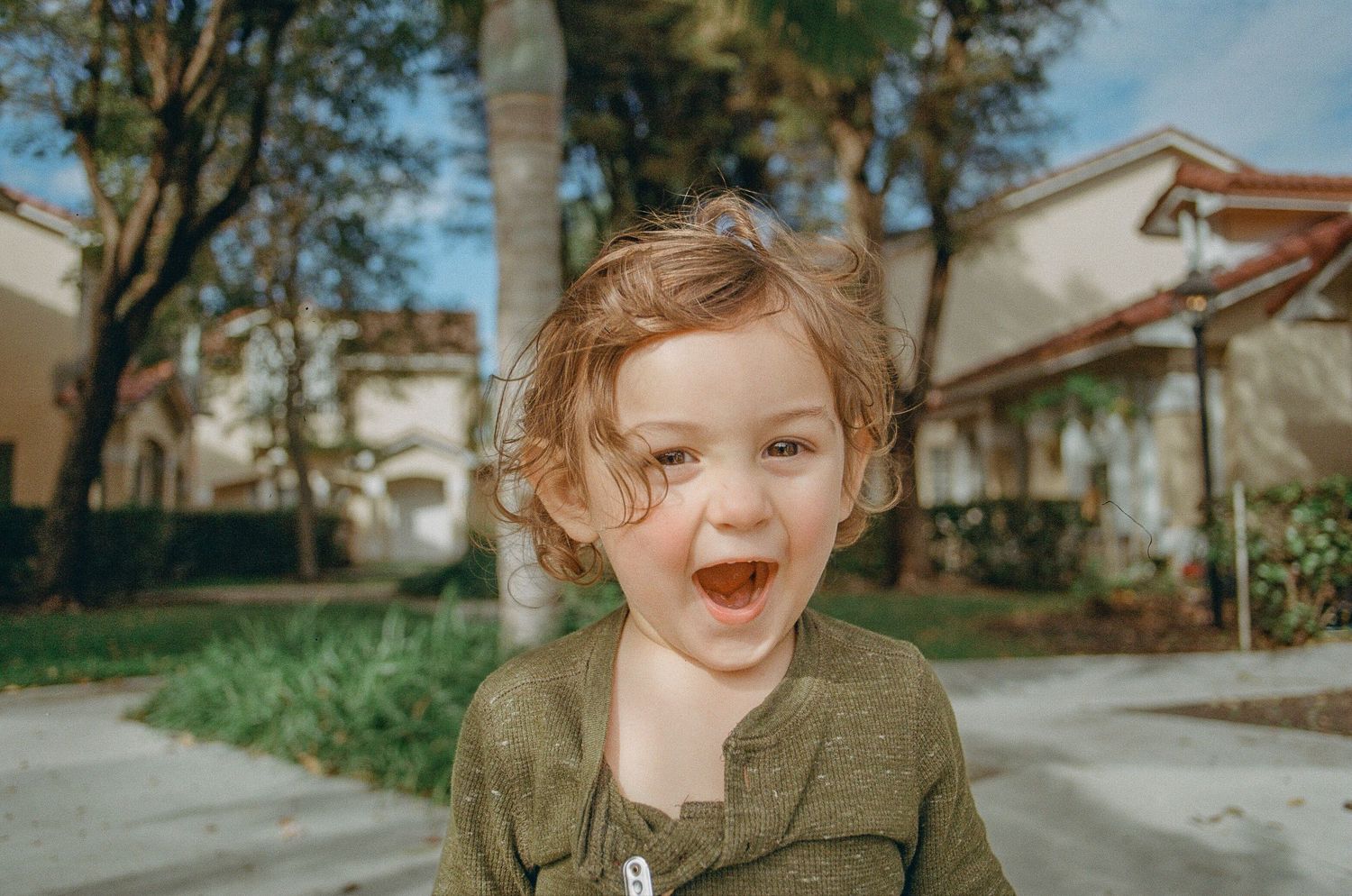
Moving past the intentionality of making a photograph to make memories, there is another quality that I have begun to consider. And while it is possible with digital photos, it is more meaningful with film photos. If film literally captures light to create its images, it is capturing the bit of soul that is present in that moment, emanating from the subject as the light we say is gone after death. This chemical process - exposure and development - begins to take on a deeper, more emotional, and indeed more memorable meaning. The subject, in this case subjects being Link and Wes, is allowing their soul to live perpetually on that 24x36mm frame. That negative, or slide, becomes a bit of magic that contains within it our souls for us to revisit and to remember.
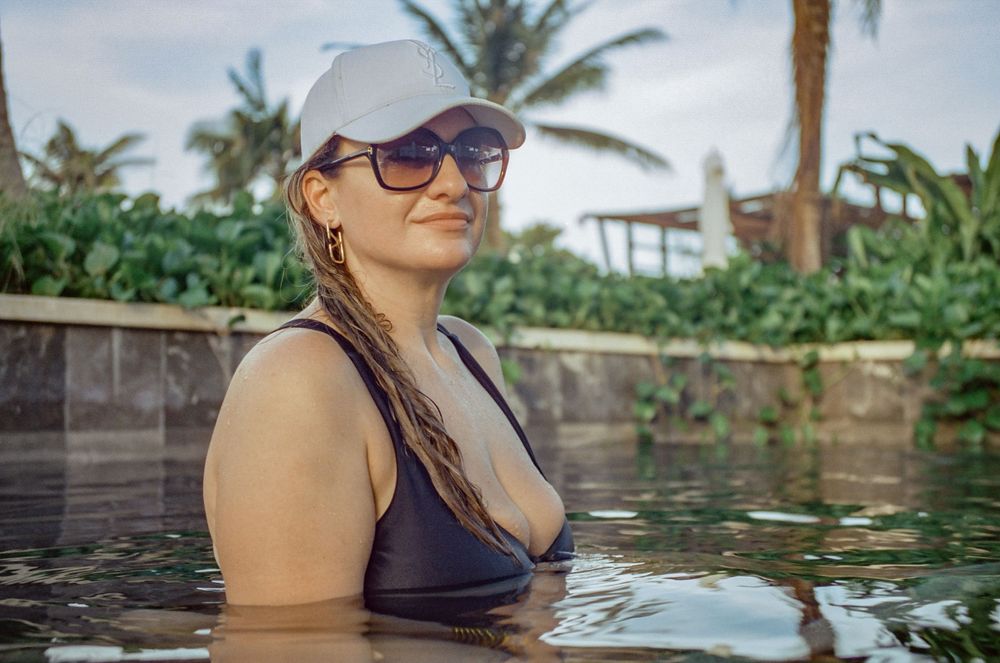
There may well come a time when I begin to forget again. I have tried to stymie this by creating routines, leaving notes, making photographs, even writing about important events in my life via photography since starting this blog a few months ago. It has worked, mostly. But it will eventually not be enough. One day I will begin to have seizures again. One day I might have a seizure so bad I can't remember anymore. If I'm lucky, I'll live free of the confines of my epilepsy and then fight only the odds of having dementia like my grandfather. Prognosis? Not good.
I want to remember. I'll do anything to remember. For now, making photographs helps.
All images © 2020-2024 David Ulloa Studio. All rights reserved.