Back to the Beginning
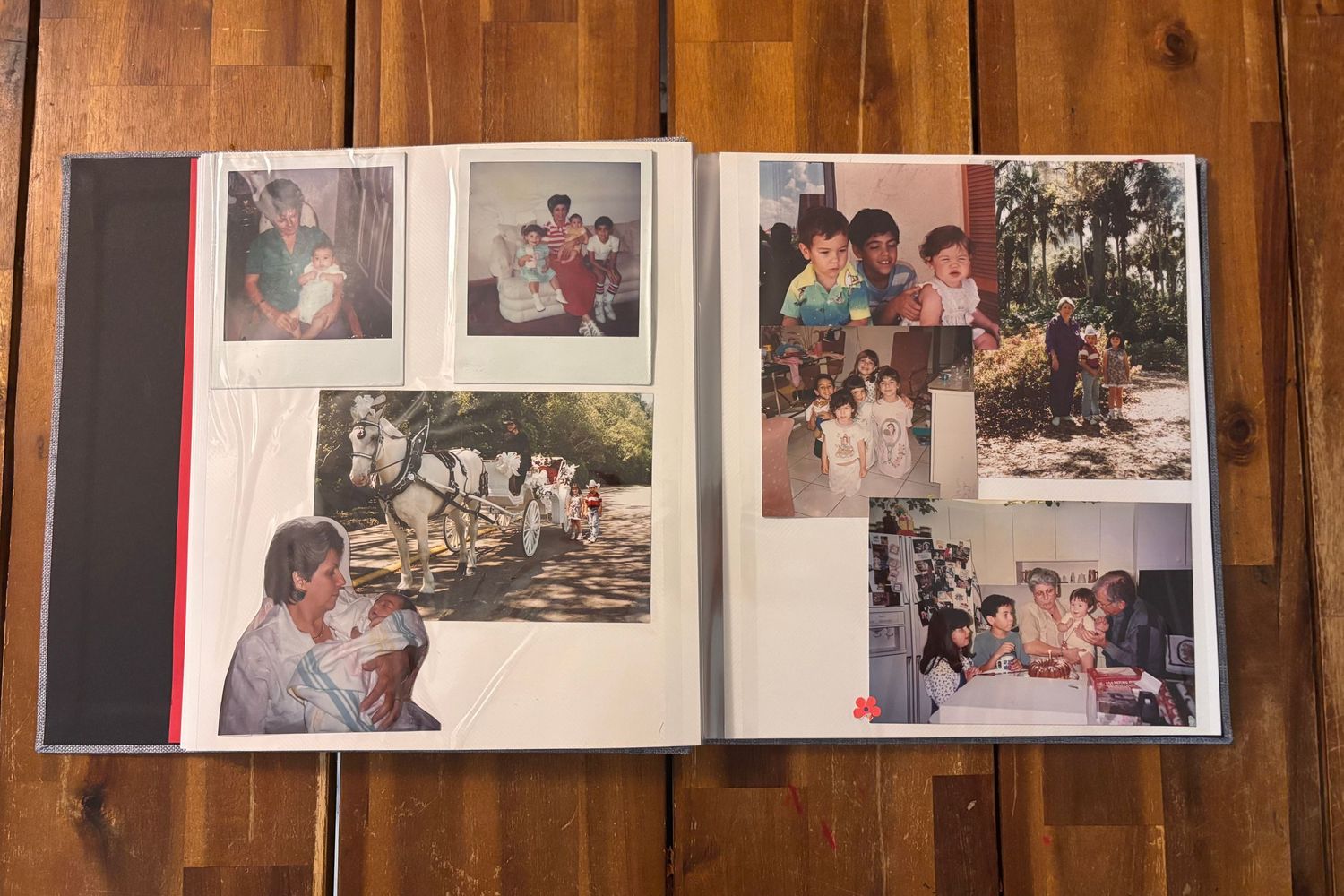
My grandmother had this tradition of creating large scrapbook style photo albums for her grandchildren and gifting them on said grandchild's 15th birthday. These were beautiful albums that documented the life of that person up until that point. Being the sentimental dude that I am, I kept the one that she made me. She died two years ago and I'm still grieving it. I think that's the sort of thing that you grieve for the rest of your life. But something beautiful happened a few months ago. I found that scrapbook and salvaged the photos contained therein. The scrapbook itself was in rough shape, but the photos were still in amazing condition. So, I meticulously removed the photos, which had been super glued into the book, and began the process of giving them a new, more protective home.
I bought proper photo album for the photos and began sorting them. But not by chronology. That wasn't how my grandmother had originally presented them. They were paired together in a beautifully discordant way. It took me a little bit of time to figure out what her thought process was in how she arranged these photos. But I landed on that she arranged these photographs as memories.
Memories don't work linearly, at least they don't for me. She wanted to convey an idea: these were her memories with me. So I tried to do the same in my own idiomatic way.
I found that I really enjoyed the process. It was cathartic, yes, and I found myself letting go of a lot of pain. But it was also the designing of this photo album and the arranging of photographs that sparked an interest in me.
I was reminded of the first three photography books I purchased back a few years ago. It was Ansel Adams' trilogy: The Camera, The Negative, and The Print. I had never given much thought to The Print, but this process got me to go back to that book and revisit it.
I also revisited some of the other prints I had at home. These were mostly in the way of Fuji Instax prints. See, when COVID hit and the world shut down, I rediscovered photography with 35mm film. But film was scarce and I found it impossible to develop and scan my negatives. So, I quickly shifted to instant cameras. I got a Fuji Instax Mini 90 and got to work making photos. Obviously an integral part of the instant camera is that you have a negative developed and photo printed in seconds. So, I had, years ago, started collecting these in an album.
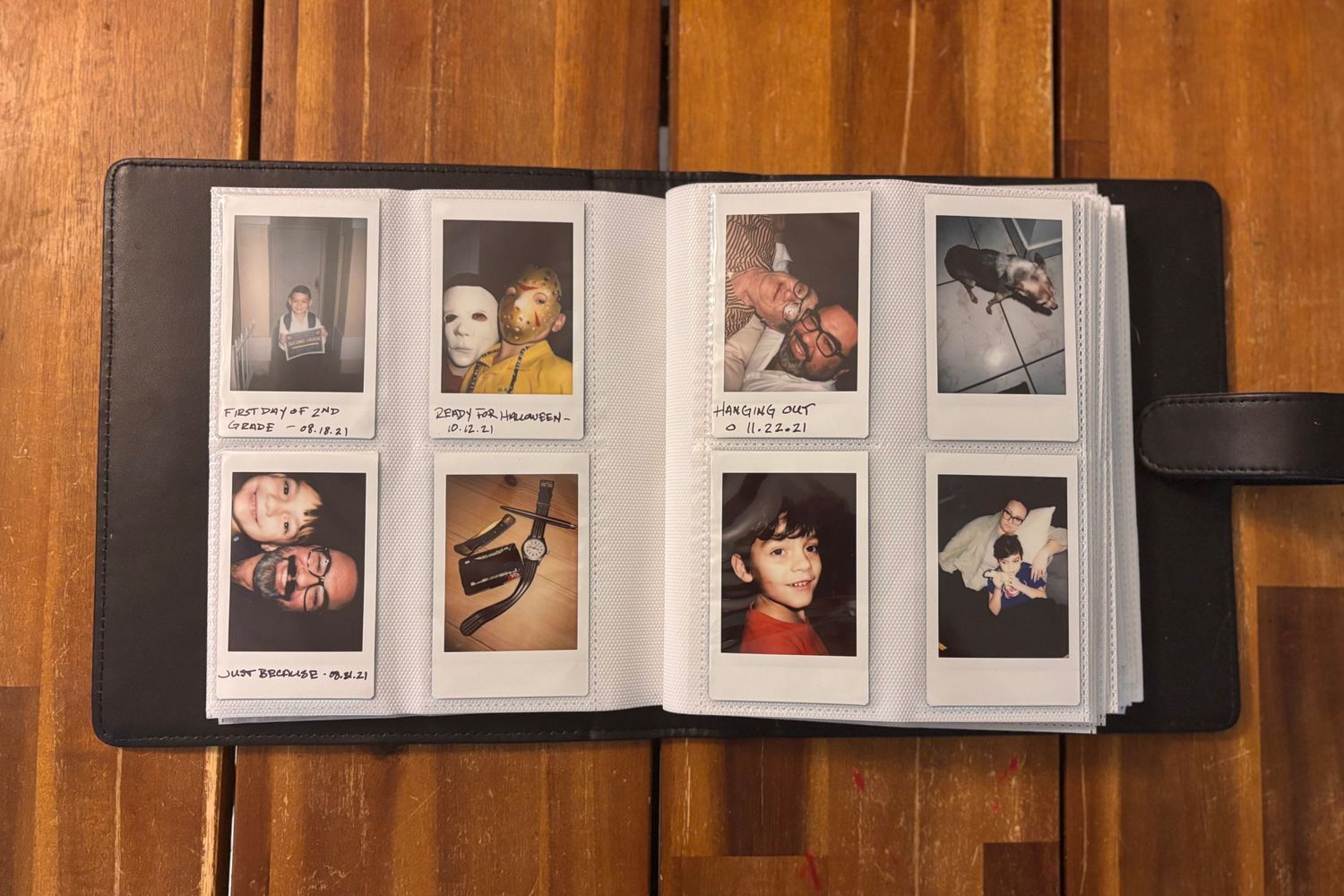
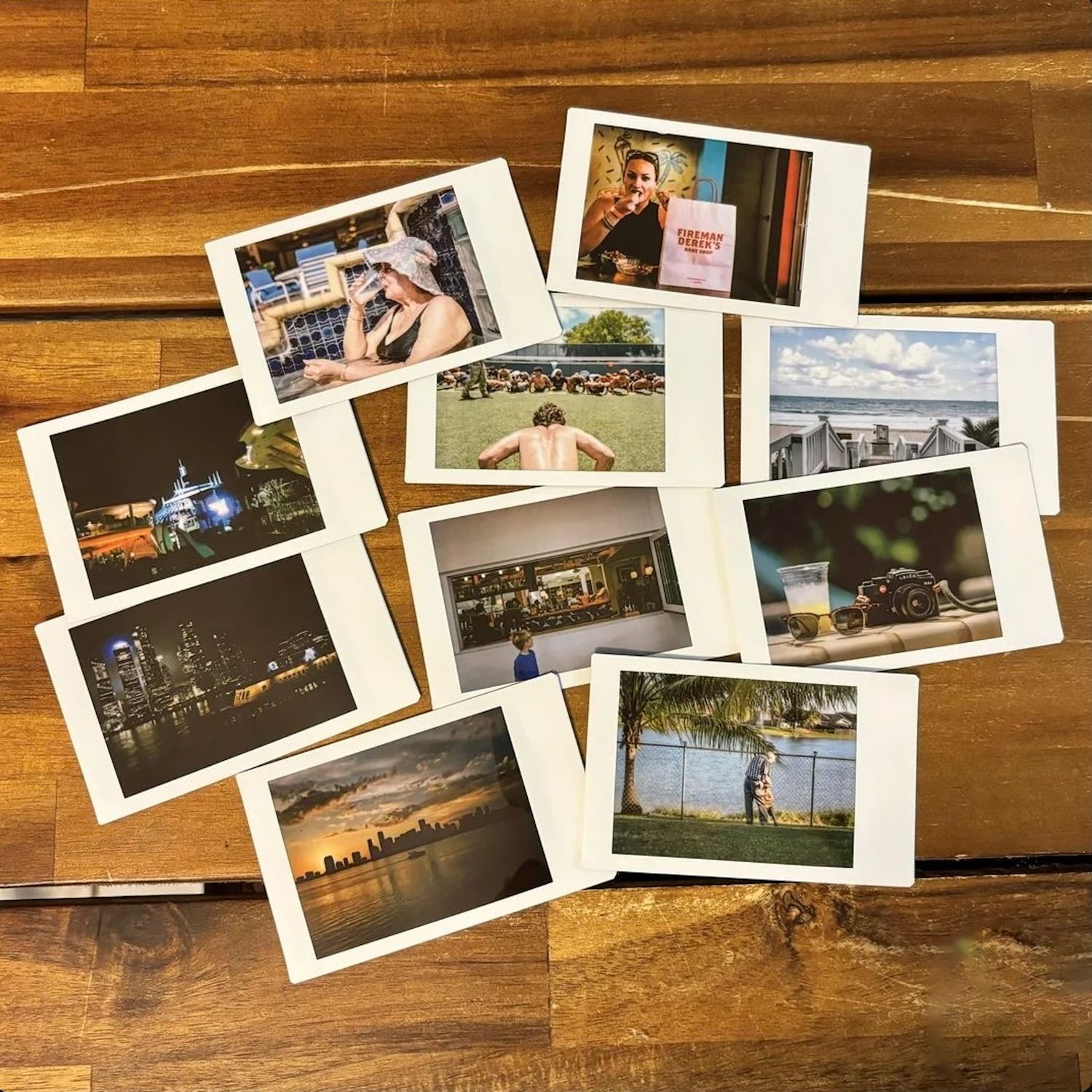
I found the instant camera limiting, and so I moved on to other cameras, but upon the release of the Fuji Instax Mini Evo, which functions as an instant camera and an instant photo printer, I began printing my other photographs with instant film. This was really the first time I started realizing that I could have some control over how I wanted my photographs to look. I was still thinking small, as I was limiting myself to the Instax Mini format, but I was started to get closer to what Adams wrote about.
It has been a few months since I made any Instax prints, but I think that is because the Instax prints of my photos made with other cameras reminded me of something that I understood as a child, something my grandmother definitely understood: There is power in the print.
To behold a physical photograph is to have a moment in time before you. And in the same way that film photography is indescribably more magical than digital photography, to falsely believe that a digital file on your phone is equal to a physical print is fallacy. I knew this as a child because I would make photos with a camera and look forward to the prints that came back from the lab. The anticipation was great, and that payoff was incredible. Holding the moment in time that I captured? As a kid, that was the peak of excitement.
But as I matured as a photographer, I needed something more than Instax Mini prints to satisfy.
Show and Tell
What I was seeking to sate that satisfaction was making larger prints. Once my eye for compositions and exposure improved, I became enamored with the idea of making larger prints. At least, larger than what I had been making with Instax Mini film. I started with 5x7 prints, like I used to get from the pharmacy photo lab when I was a kid. These are great for framing and hanging at home because while they aren't the largest, they are large enough to appreciate the photograph while allowing real estate on the walls for many to be displayed. However, I quickly realized that this was not large enough for my favorite photographs, those that were just a little bit more special for me than most.
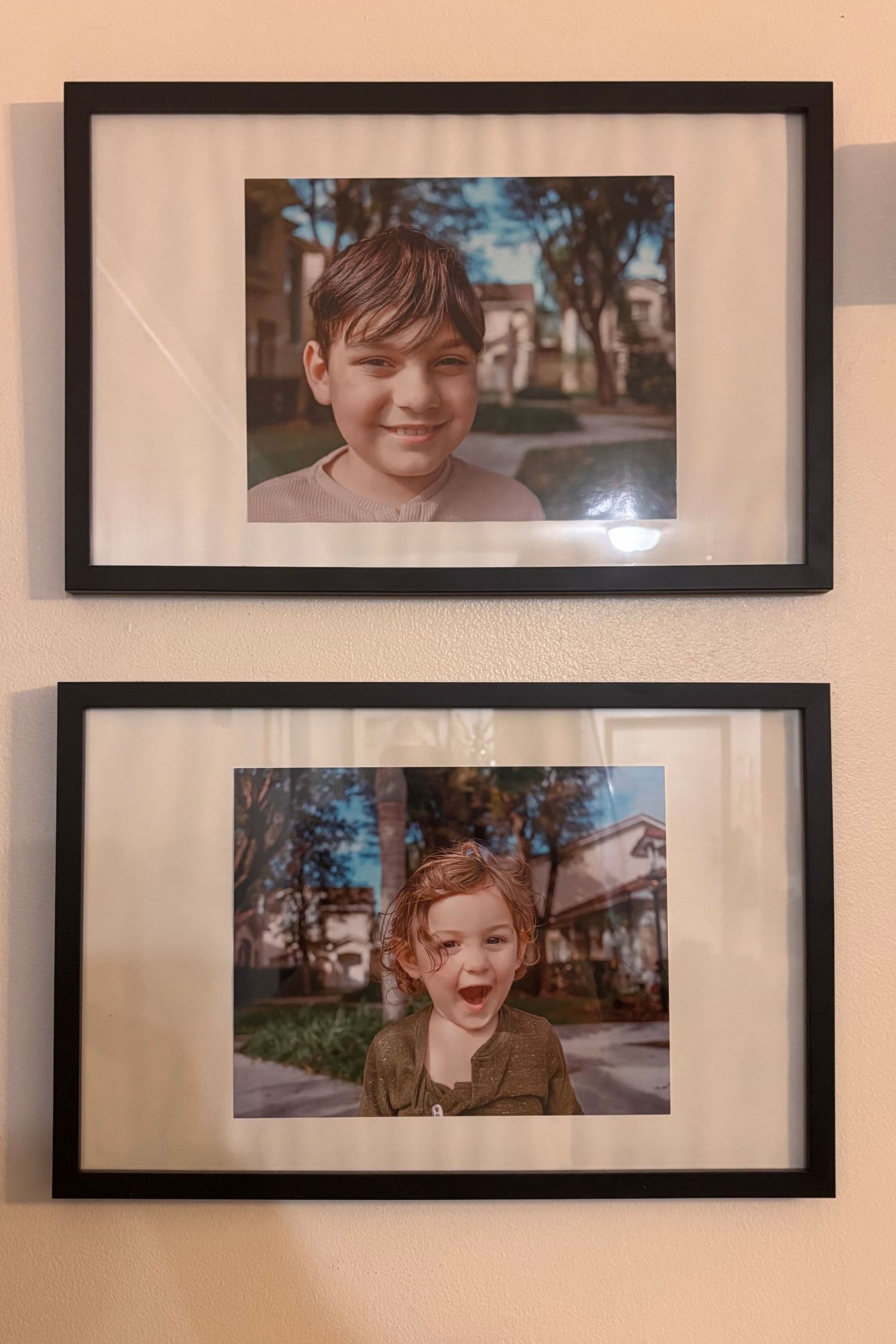
The first photos I printed larger were these two portraits of Link and Wes, made with FujiColor 200 color negative film and a 28mm Leica lens. I felt that I had captured a mundane moment in a special way with these as we were simply heading out for a walk around the neighborhood and some play time at a park. But those smiles! I'm biased, of course, as they are my children, but damn! Those smiles are beautiful. They needed to be printed larger than 5x7.
So, these were my first foray into printing 8x10 photographs. I have since been very selective with which photos get the 8x10 treatment. And I would still like to print larger. I have made some lovely family portraits with the use of remote shutter control with my digital cameras that are special as I am rarely in front of the camera. Something like a 24x36 would be fantastic for this, I think.
I've also made some street photos and cityscapes that I would love to print in a larger format like that as well. Larger than this, I just am not sure would work in our home. But what I would really love is to print from negatives. So far these have all been printed from scans, but as the majority of my photographs are made with film, blowing up negatives seems to be the ideal way to print.
But that works for single photos. What to do for collections? As we I have brought a camera with me on all our adventures in the last few years, I have photographs that really need to be appreciated together as a set.
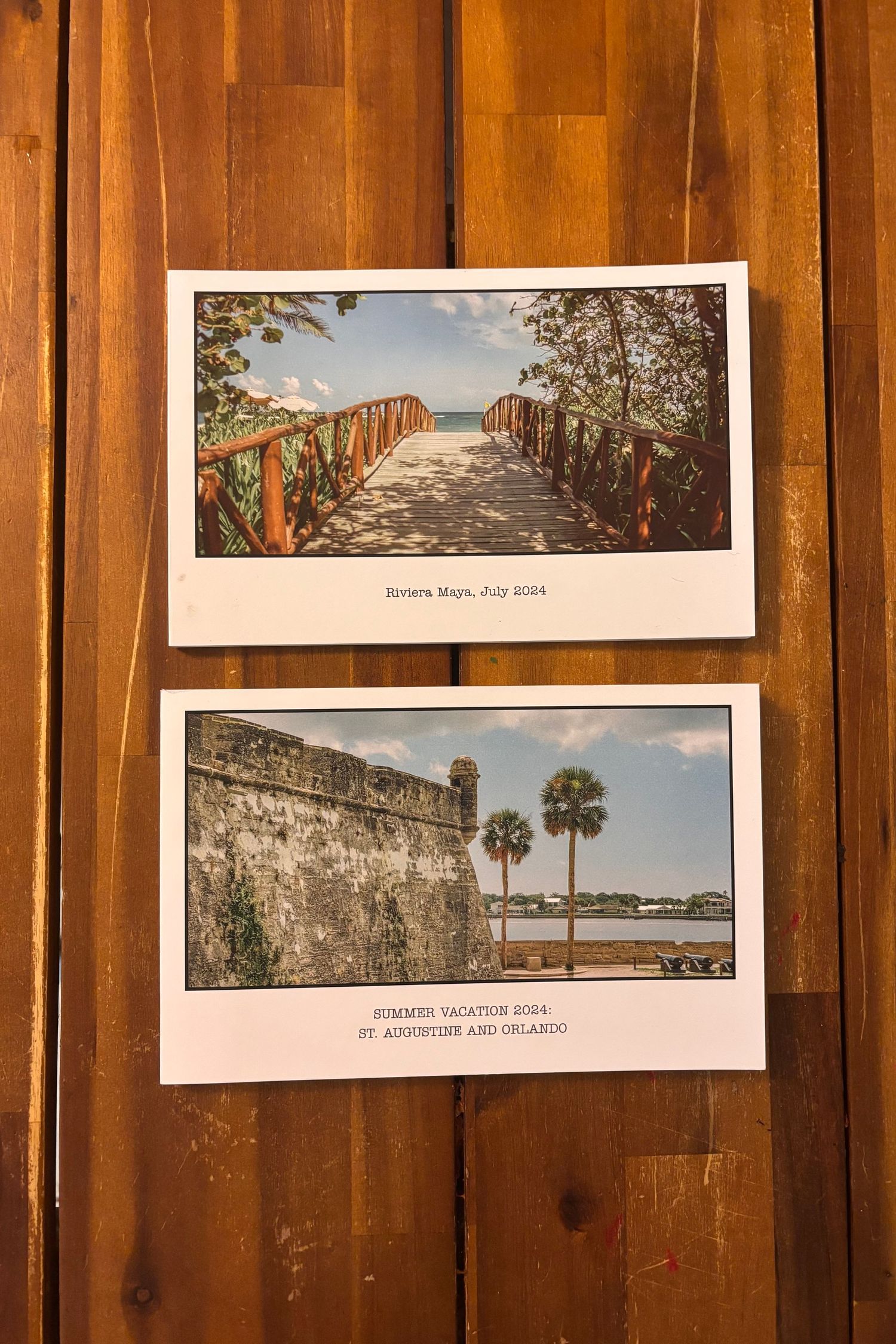
Well, this summer, I decided that I would collect these into a more artistic, at least in my estimation, version of a classic photo album. I started with our family summer vacation. We take an annual summer trip and try to vary where we go, to give our kids new experiences. This year we did a Florida trip. While living in Miami, we really don't vacation in Florida very much outside of Orlando. So we took the kids to St. Augustine and, because some things must stay consistent, Orlando.
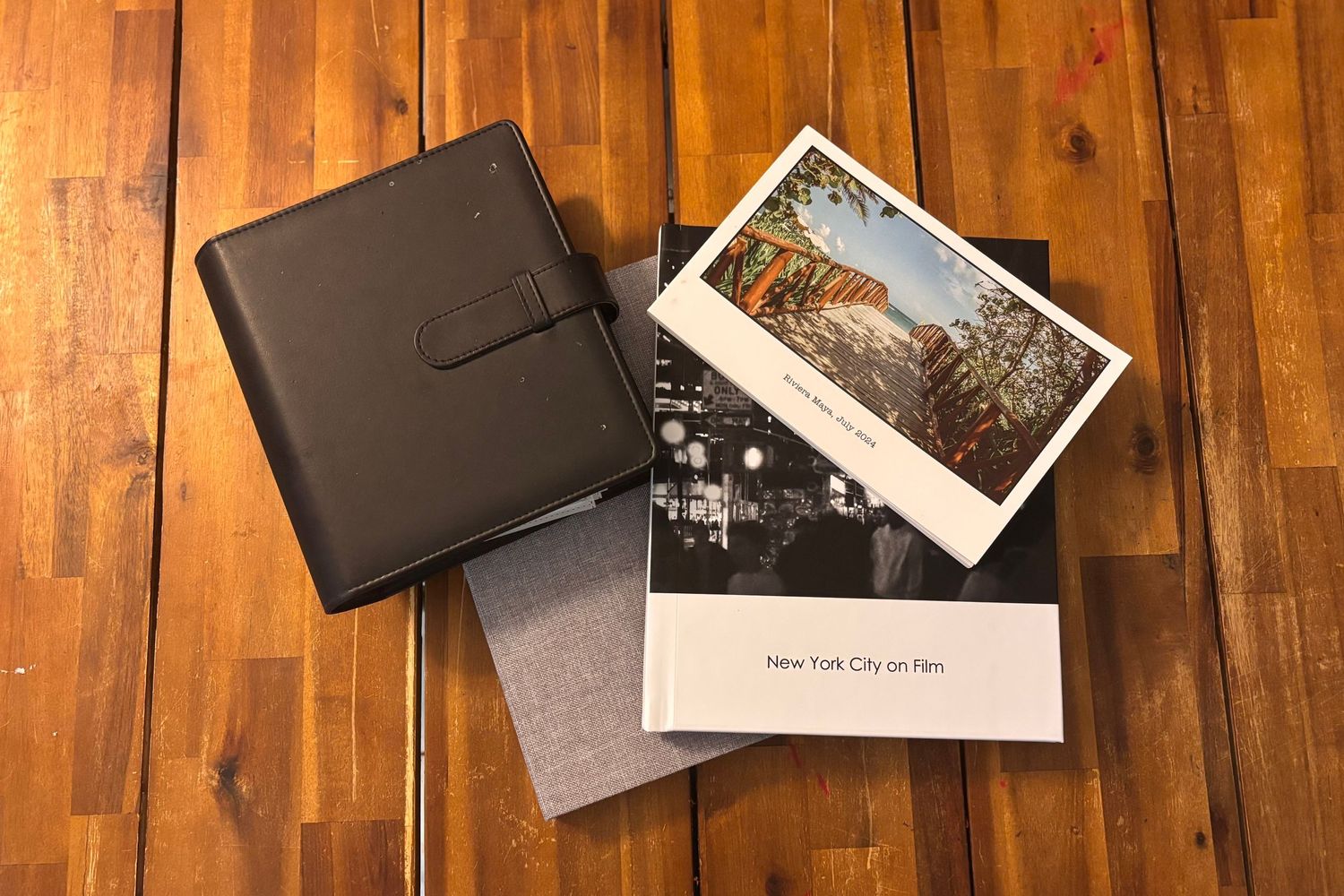
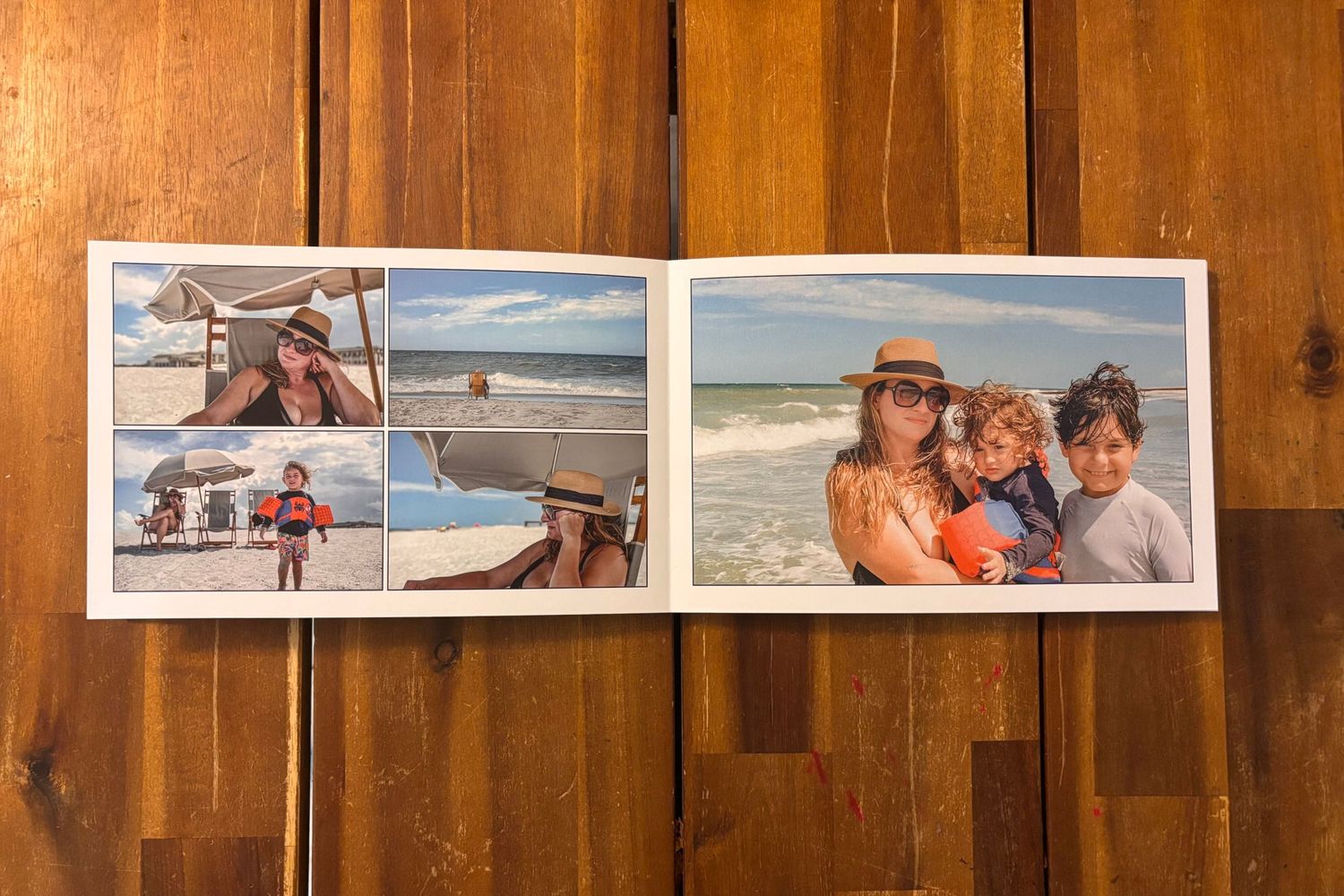
I collected these photos into a magazine style photo book that was really a joy to put together. I loved the process of designing the book, figuring out how to pair images together to both maximize space and convey ideas artistically. I tried to keep the photographs contained therein to the film photos I made on this trip as I was starting to really lean into film at this time, but found that with creative editing, I was able to really make the digital and analog photos work well together. In the end I considered the magazine photo book a success and decided that I would revisit this idea for our next trip.
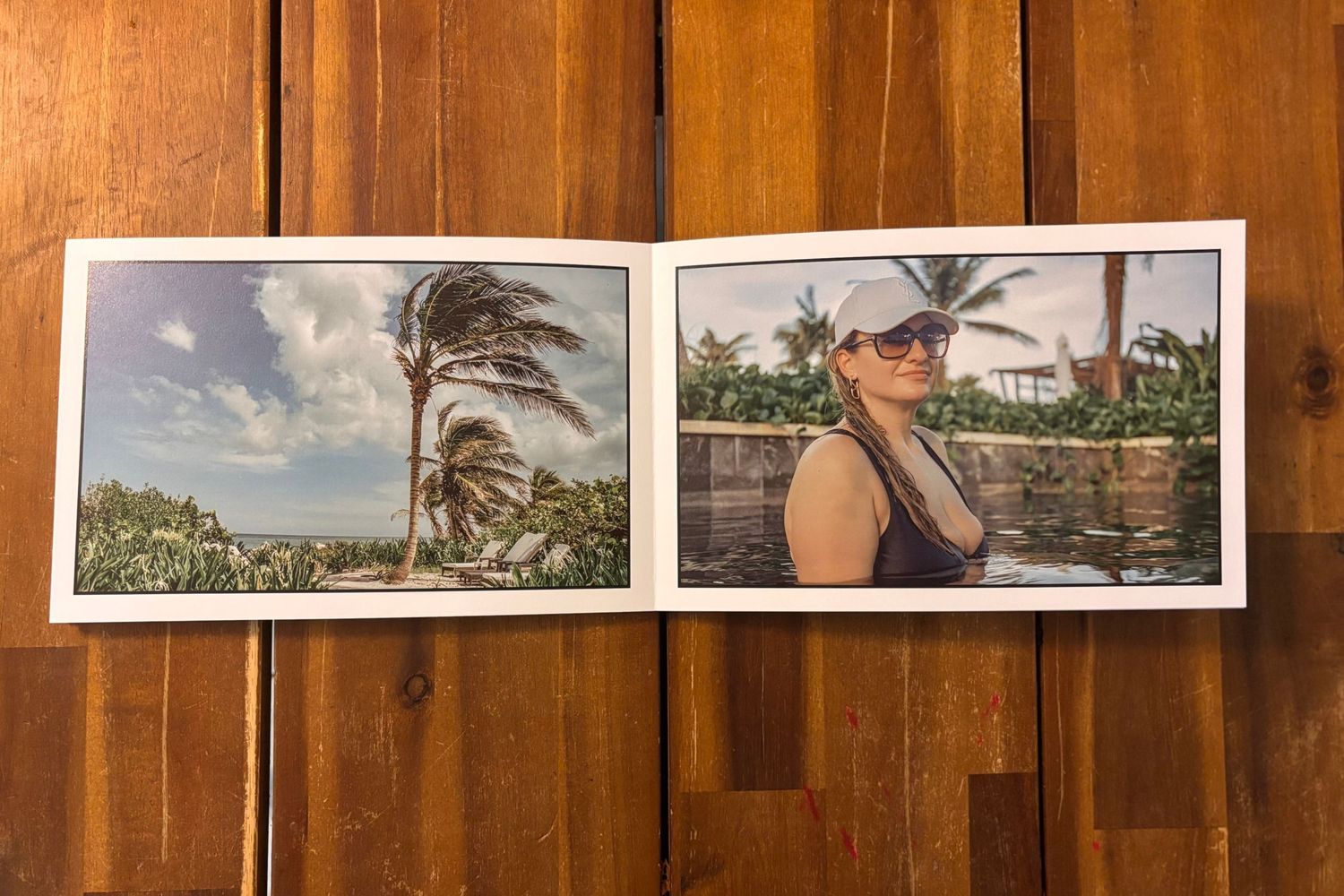
The summer of 2024 was a hectic one. After that family trip, I took a work trip to England that ate up most of July, followed by a trip Steph and I took to Mexico at the tail end of July. I hadn't really had a chance to go through all my England photos as it was a two-week long adventure and would require time and attention that I didn't have at the moment, but I very quickly got my Mexico photos developed and decided to arrange collect those into a magazine photo book as well.
The designing of that book felt more artistic somehow. It was a collection of landscapes and portraits that felt more like a cohesive artistic vision. I certainly didn't think about it this way when I was making these photographs, but this would advance me into the next phase of my photo printing.
Once I was back in the classroom in August, I lost my focus with photo printing, but in the back of my mind was this idea of a more artistic collection of prints. And I found the inspiration for this in, of all places, work!
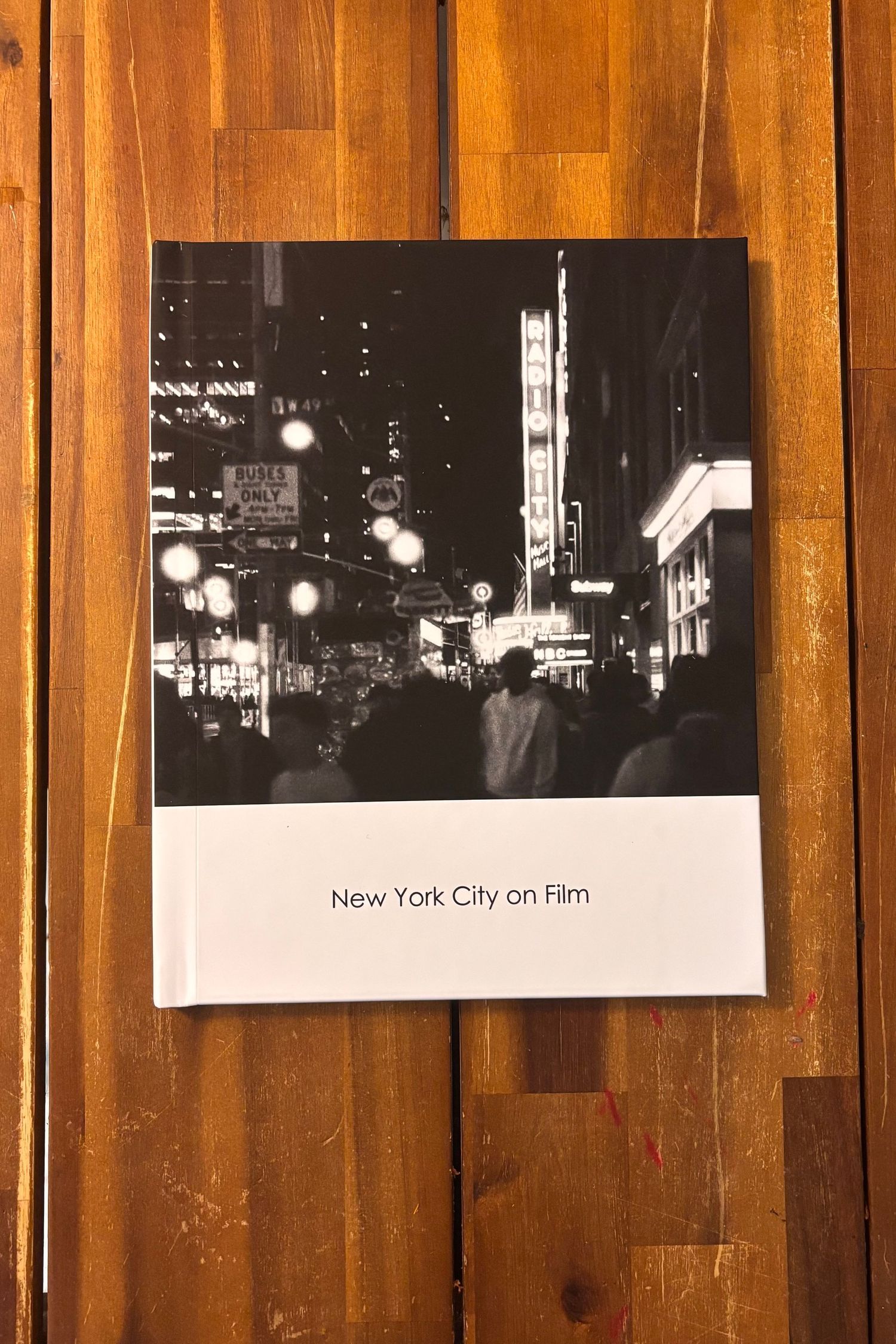
I am fortunate that my school supports our students and their clubs with travel opportunities. So, in October I traveled with the film club, which I moderate, to New York City for a film festival in which we had a few of our movies featured. I took ten rolls of film with me for the express purpose of making a proper attempt at street photography with 35mm film. Taking what I learned from designing the Mexico magazine photo book, I mixed street portraits in with the street photography and cityscapes and created a photo book that I am damn proud of.
I used a larger, 8x10 hardcover format to really allow the detail found in 35mm film to shine here. And collected in this book are a curated collection of film photos made with purpose.
I made a decision to present the photos not in chronological order, but by film. I started with the nighttime photos made with CineStill 800T, then moved to the slides made with Kodak Ektachrome 100, the color negative photos made with Kodak Pro Image 100, and finally the black and white photos made with Kodak Tri-X and Palm Panchromatic 400.
I have made photos all over the world, been paid for portrait, event, and wedding photography, and yet I have never felt more like a photographer than when I held this collection of photos in my hands. So fulfilled was I by this that I immediately got to work designing other photo books. I have designed and printed a photo book in the same format for the street photography I made in New Orleans last month and am in the process of designing other collections that I feel have the same level of cohesive artistic vision. For now, these photo books are just for myself, my family, and my friends. But I now understand why Ansel Adams finished his trilogy of books with The Print. This really is the finishing what is started with the release of the shutter.
All images © 2020-2025 David Ulloa Studio. All rights reserved.