From Mechanical to Automatic and Back Again
It started with a Nikon D700. I had bought all these incredible AF-D Nikkor lenses to shoot with the D700, but as is typical of me, I wanted to shoot them on film. So I got an F100...then an F80 and F4. I was loving the experience. But it was very new for me. I'd learned to shoot film with a Pentax SLR that's idea of high tech was having an accurate light meter. So I wanted something a little more mechanical; a little more me, if you will.
I could have gone with the F or F2. But they didn't seem to offer me anything that the F4 did except for the mechanical aspect. And really what I wanted was something like my beloved Pentax MX or Leica M3. Something small, yet powerful, that I could always have with me. So, I got a Nikon FM, the original. And because every mechanical camera deserves a manual nifty-fifty, I got an AI-S Nikkor 50mm f/1.8, the original long-nose version.
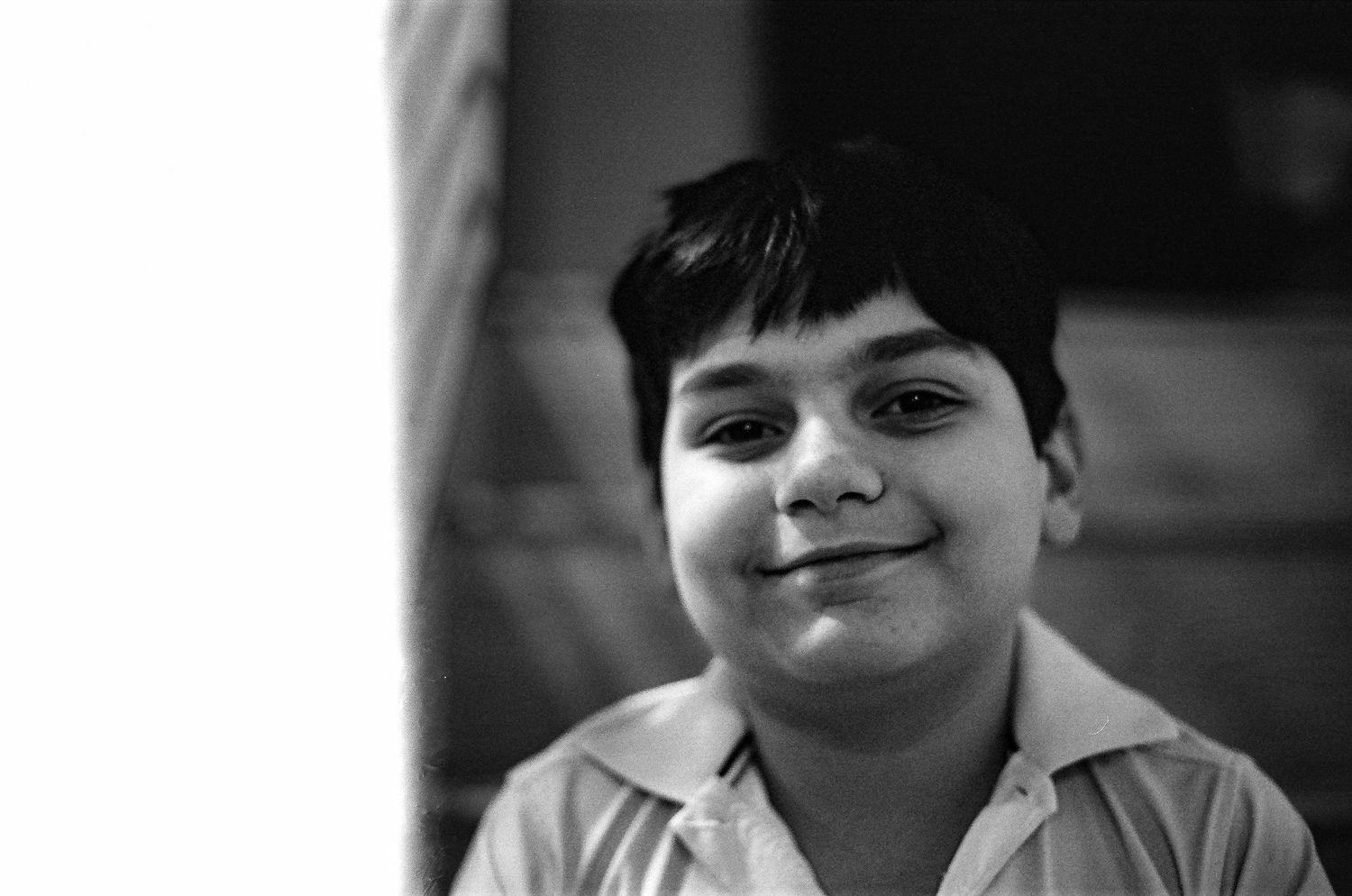
I loaded it up with some Tri-X and spent the roll shooting around the house and around campus. I was immediately smitten with the FM.
As a bit of background, my all-time favorite SLR is the Pentax MX. I love the Leicaflex SL, a beast of a camera, and I first really fell in love with film with the Leica R4. But the Pentax MX is the only SLR that had ever managed to pull me away from the M3's rangefinder. That is until now.
I expected the FM to feel something like a slightly bigger MX. And in many ways that's exactly what it was. But it was also so much more.
So after developing that first roll of Tri-X. I was convinced that this was the camera I wanted to take with me on a camping trip to Wekiwa Springs.

Hiking Wekiwa
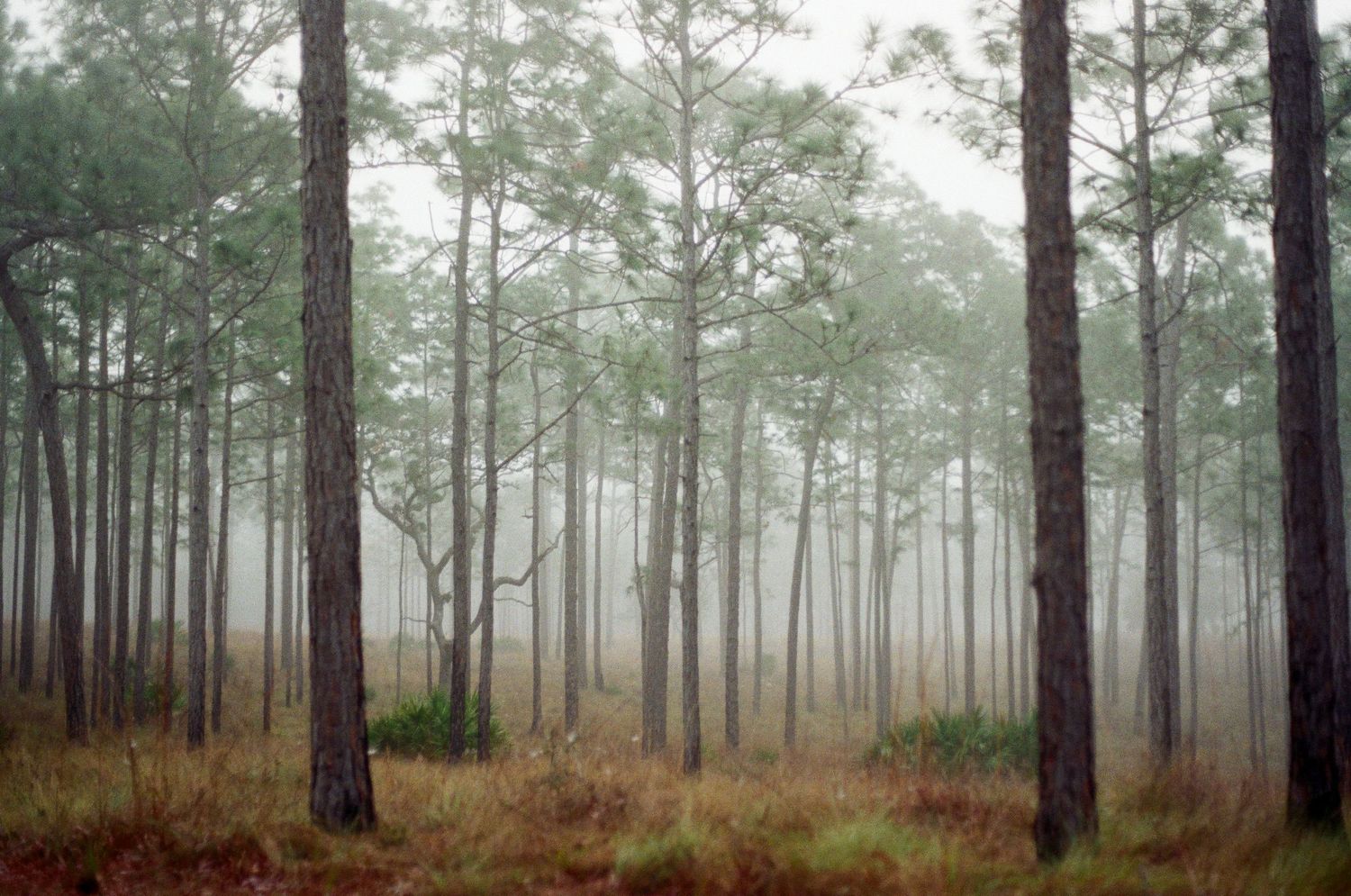
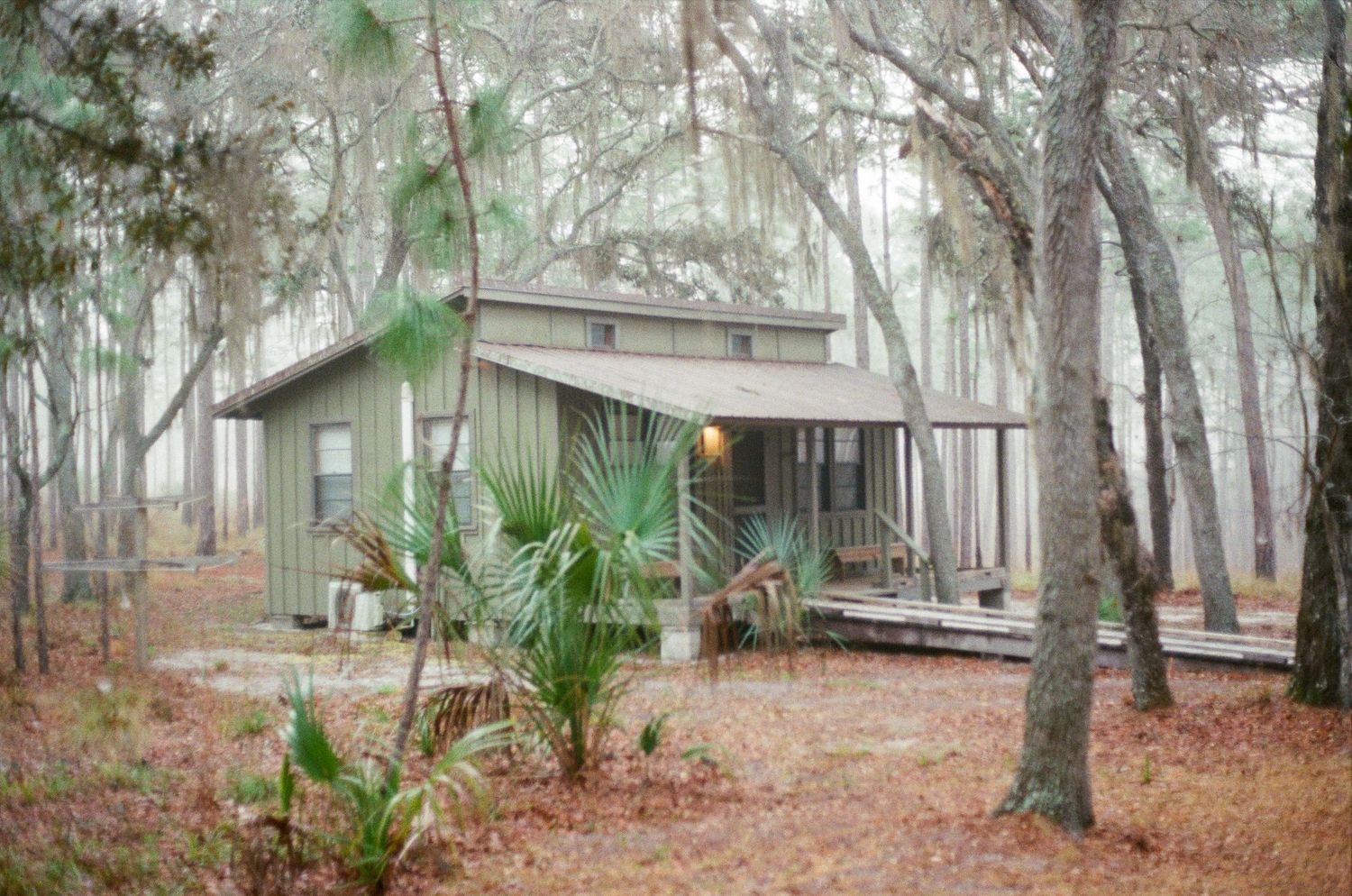
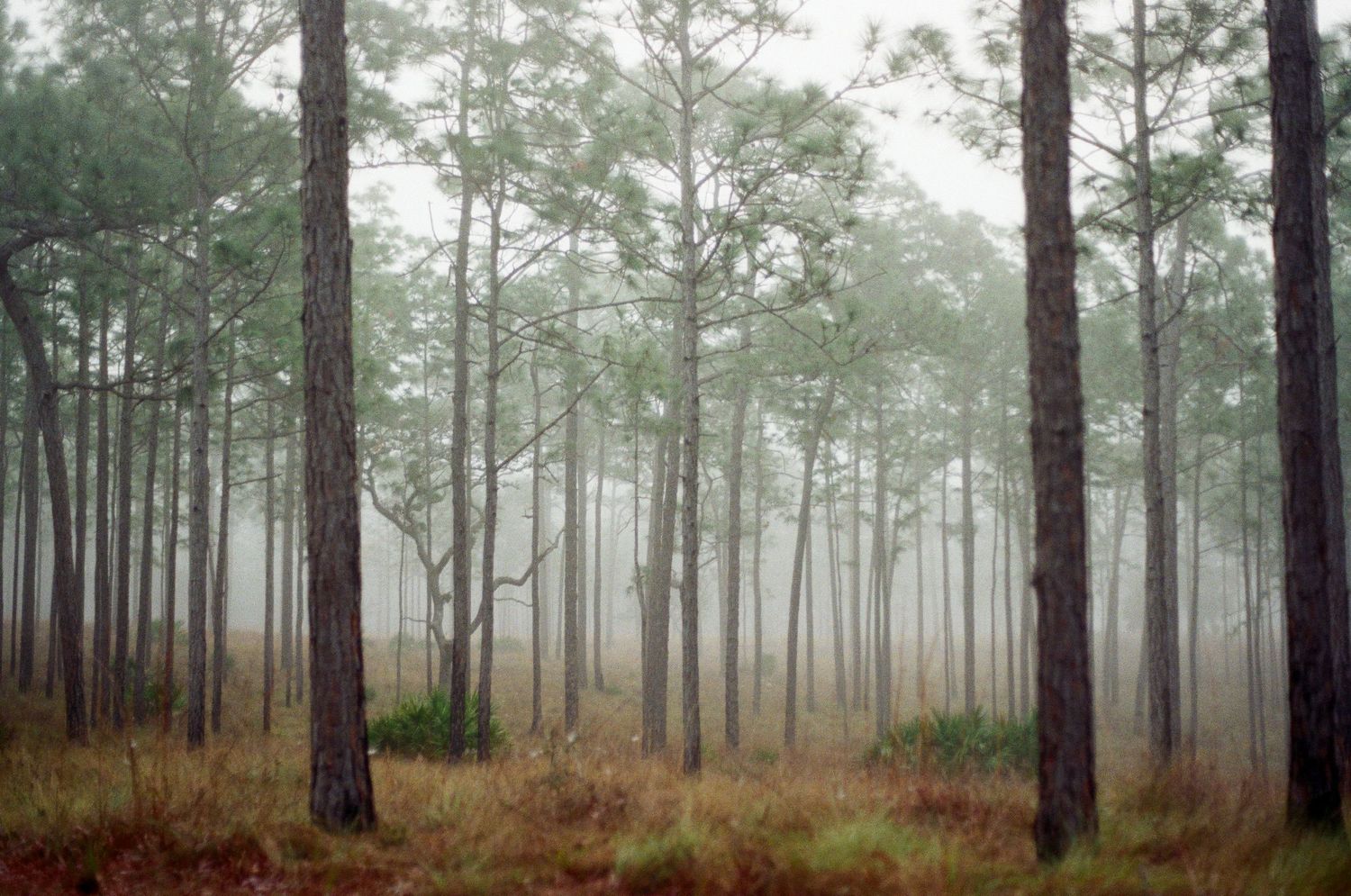
I brought three cameras with me in the end. But each one served a single purpose. I brought my Nikon D700 to take black and white digital photos that I could have immediately. The genesis of this trip was a few of us on faculty wanting to take as many of the senior class as were interested to commune with nature and each other one last time before graduation. So, I knew there would be a need for immediate photos. But I really wanted color film as the blues and greens found in Florida's natural land are gorgeous. And for this I relied on my go-to color film, Kodak UltraMax.
I also brought my Pentax MX with me. This served two purposes. The first was to have one camera dedicated to shooting Lomography Turquoise. This is an experimental film that I first learned of about a year ago. The other purpose was to really pit the FM and MX against each other. I used both basically back to back with nearly identical lenses. On the MX I used the SMC Pentax-M 50mm f/1.7, while on the FM I used the AI-S Nikkor 50mm f/1.8. Is there a difference in light gathering? Sure, but it's mostly academic. For all intents and purposes, this is as close to an identical set up as anyone can get. While I ended up preferring the Lomo Turquoise shots, the experience of using the FM was far superior. To the point that the only reason I plan to keep the MX at all is to continue shooting the Pentax lenses that I love so much. Because from this photographer's vantage point, there is no reason to ever shoot another mechanical SLR. Except, of course, if you absolutely love the lenses in its system.
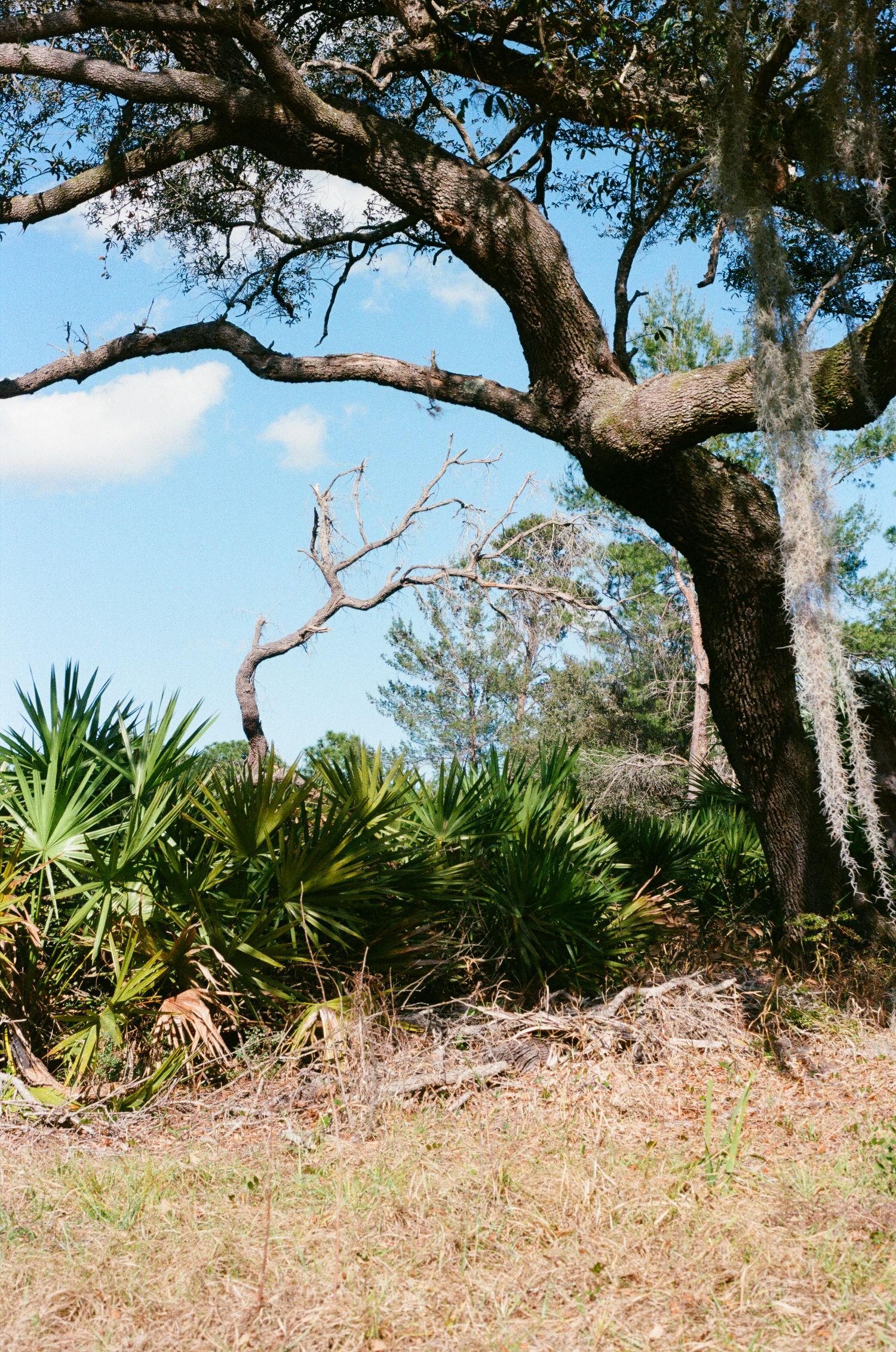
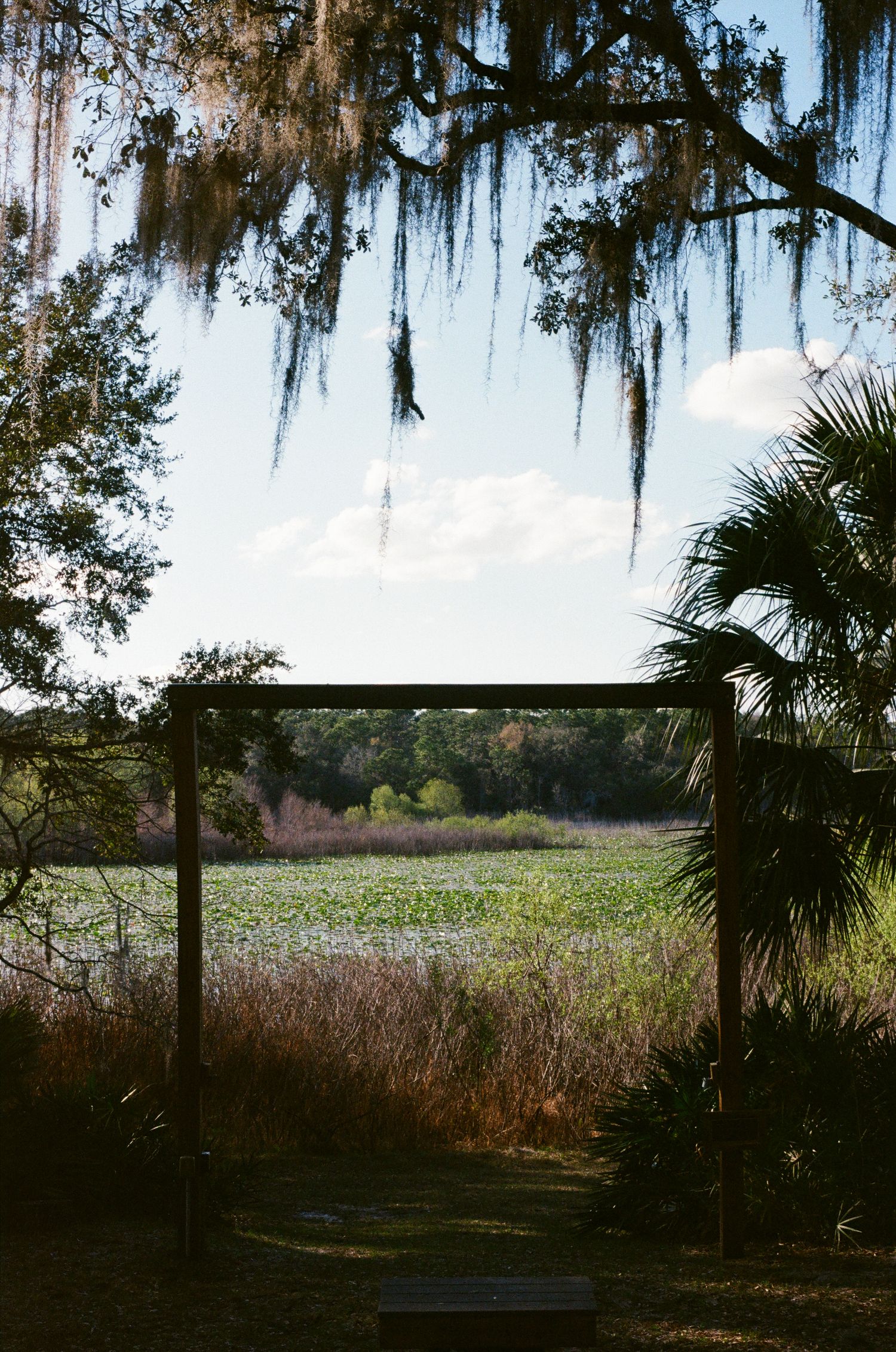
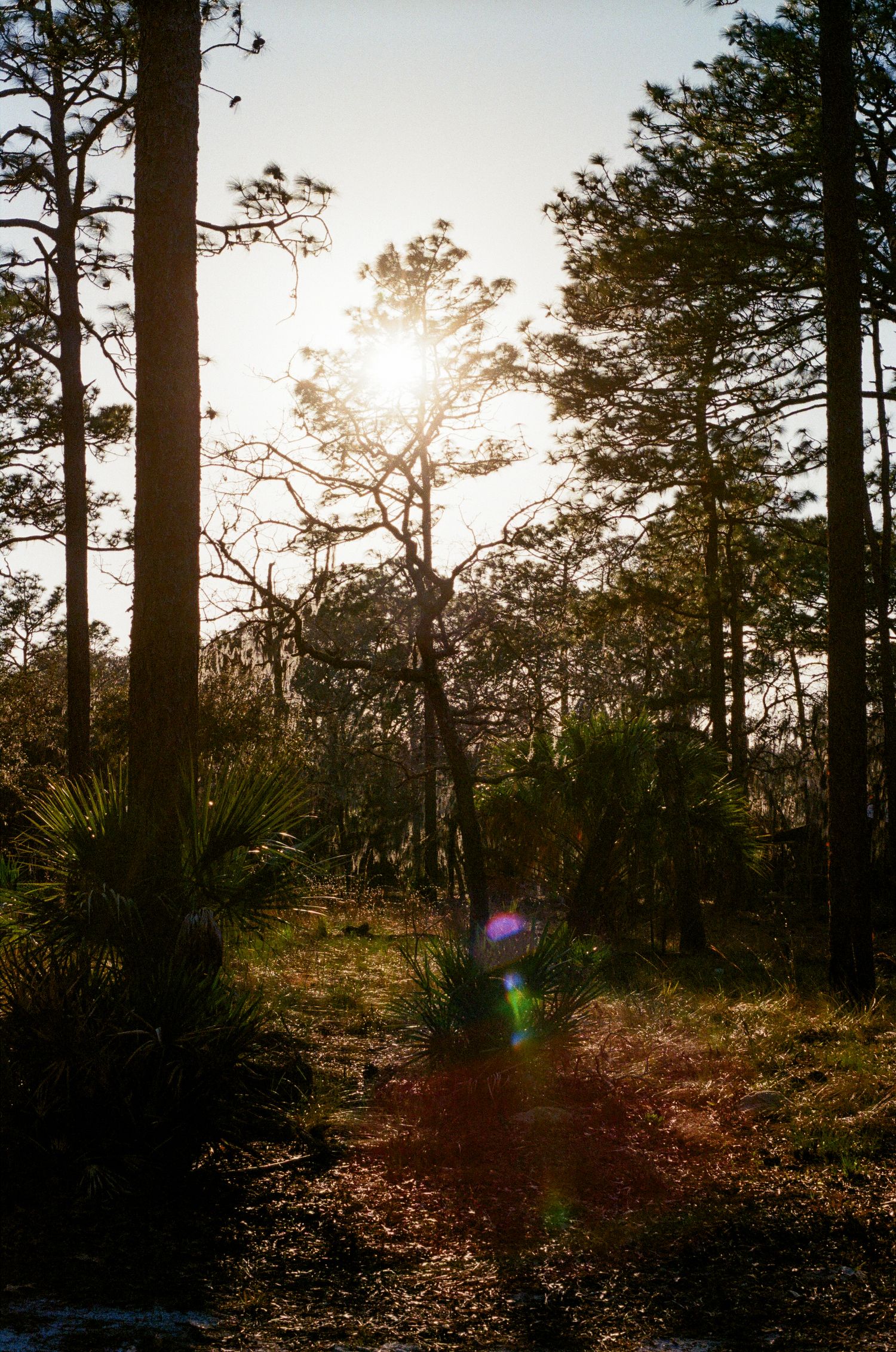
While I am very familiar with center-weighted meters, the MX having a rather accurate one, this is not my preferred way to meter on film. I prefer to use spot metering and then calculate myself how I want my scene to look given what my subject's light reading is.
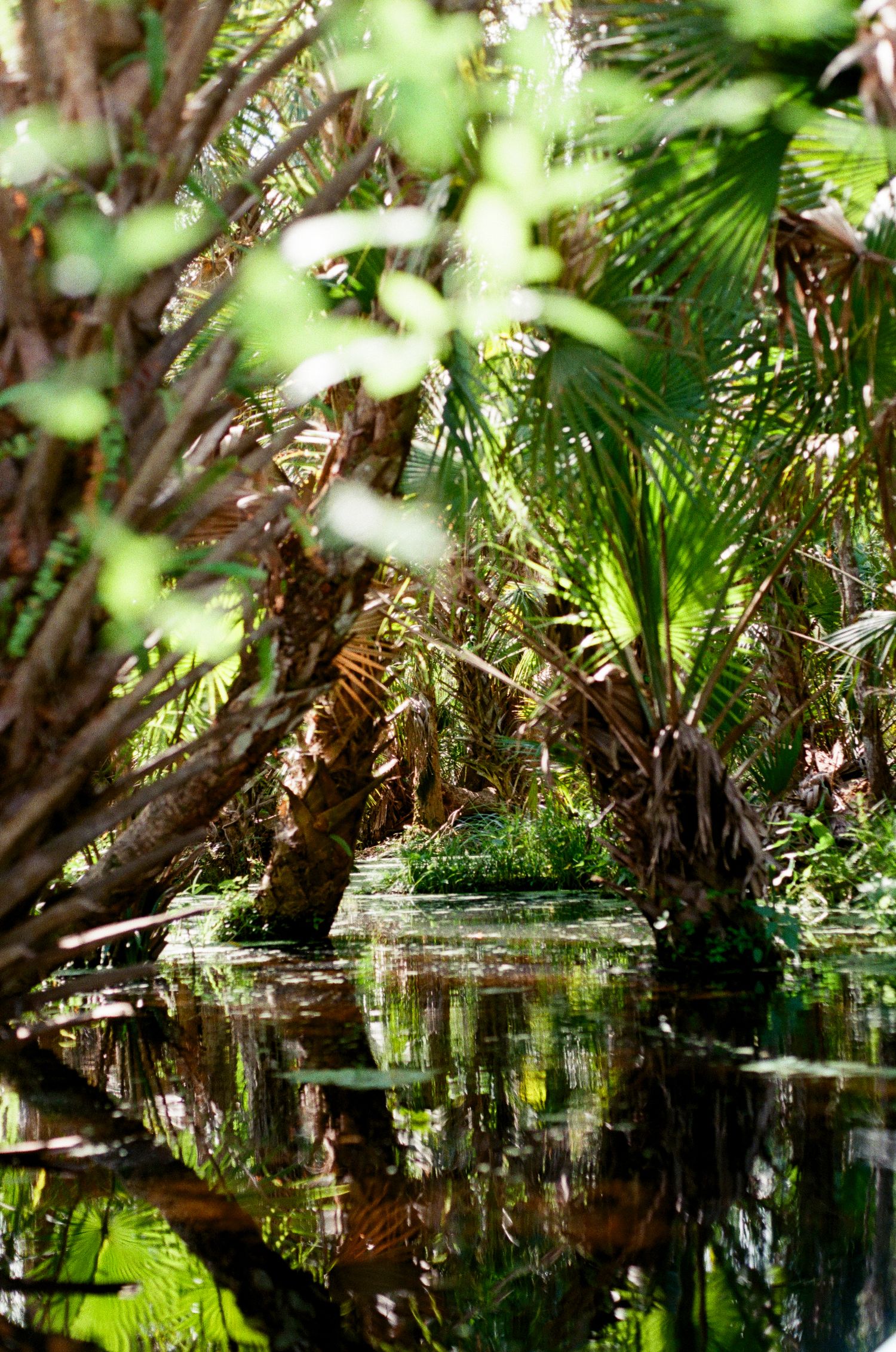
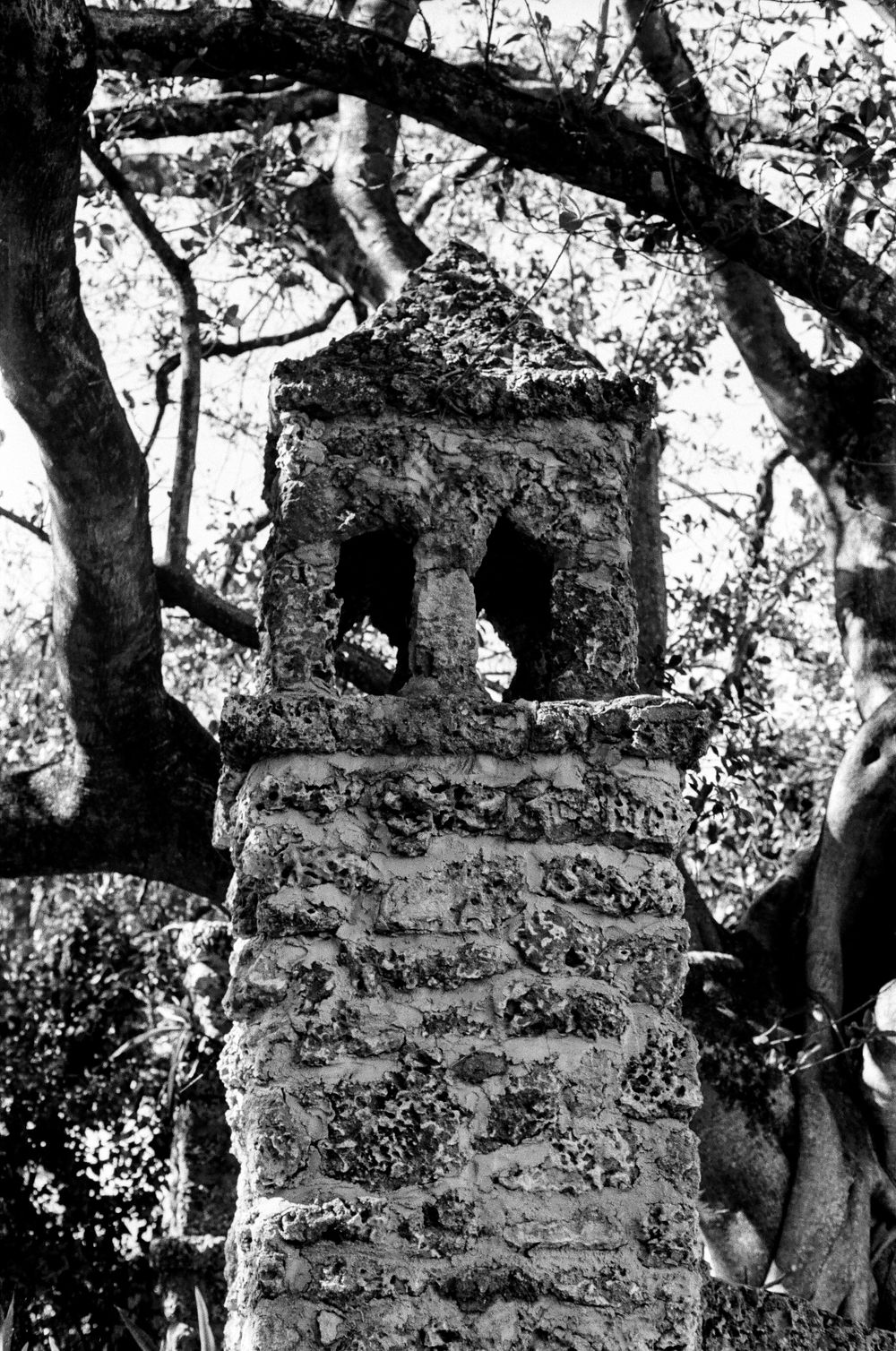
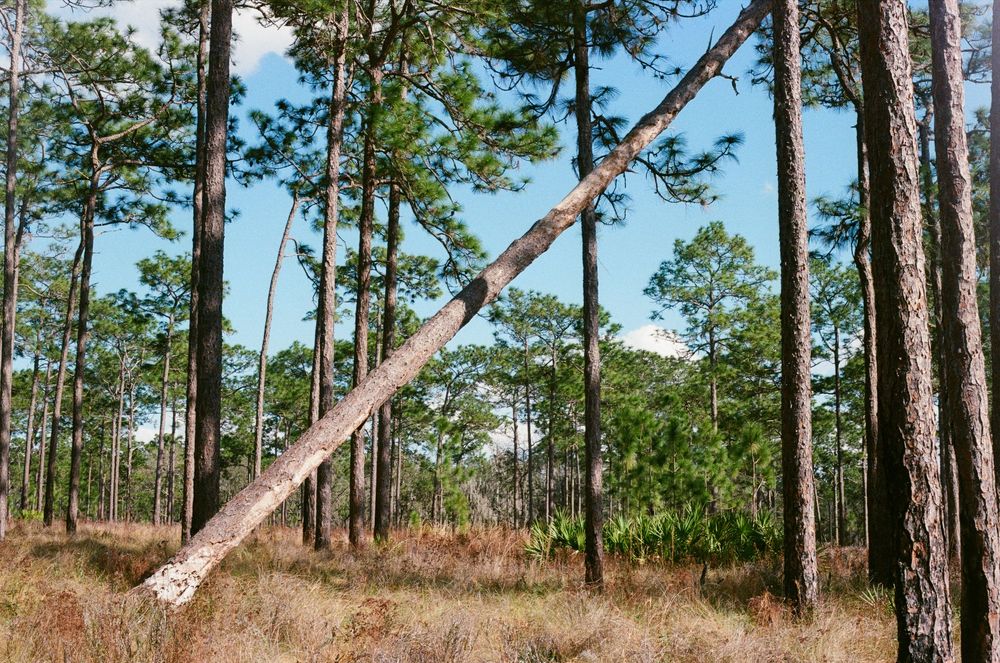
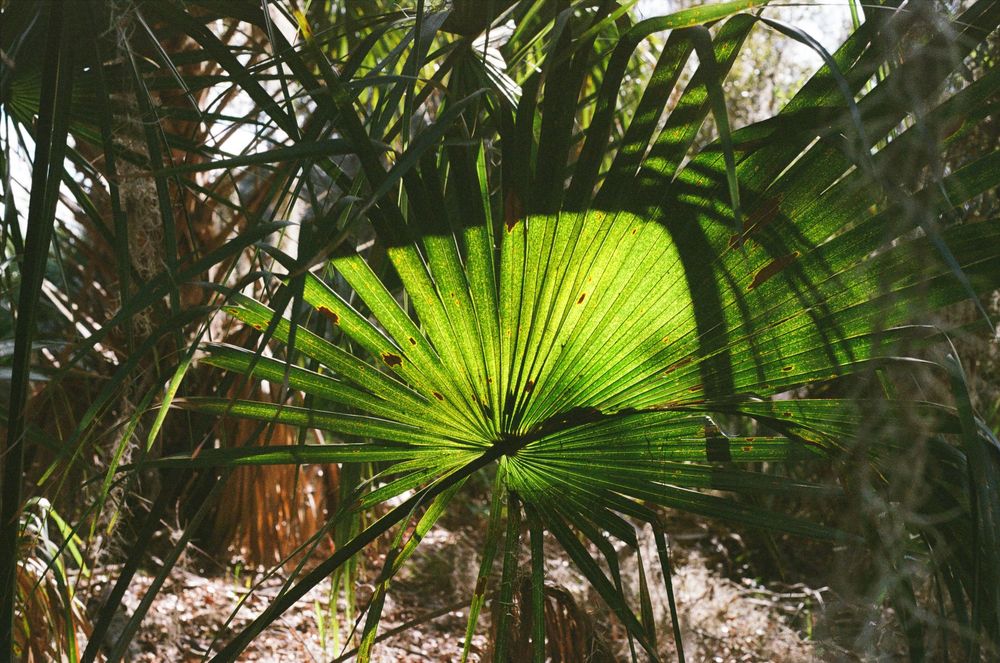
The FM has a center-weighted meter that calculates exposure slightly differently from the MX. The readings are often identical, but even when the readings are different, with negative film the exposures end up looking just about the same (hooray for wide exposure latitudes!). The FM, however, always gave me the reading I was seeing in my D700 as correct after chimping a bit. Even scenes with an insane amount of dynamic range, like this one with a closeup of the tree, yielded readings exactly like the ones I was dialing into my D700.
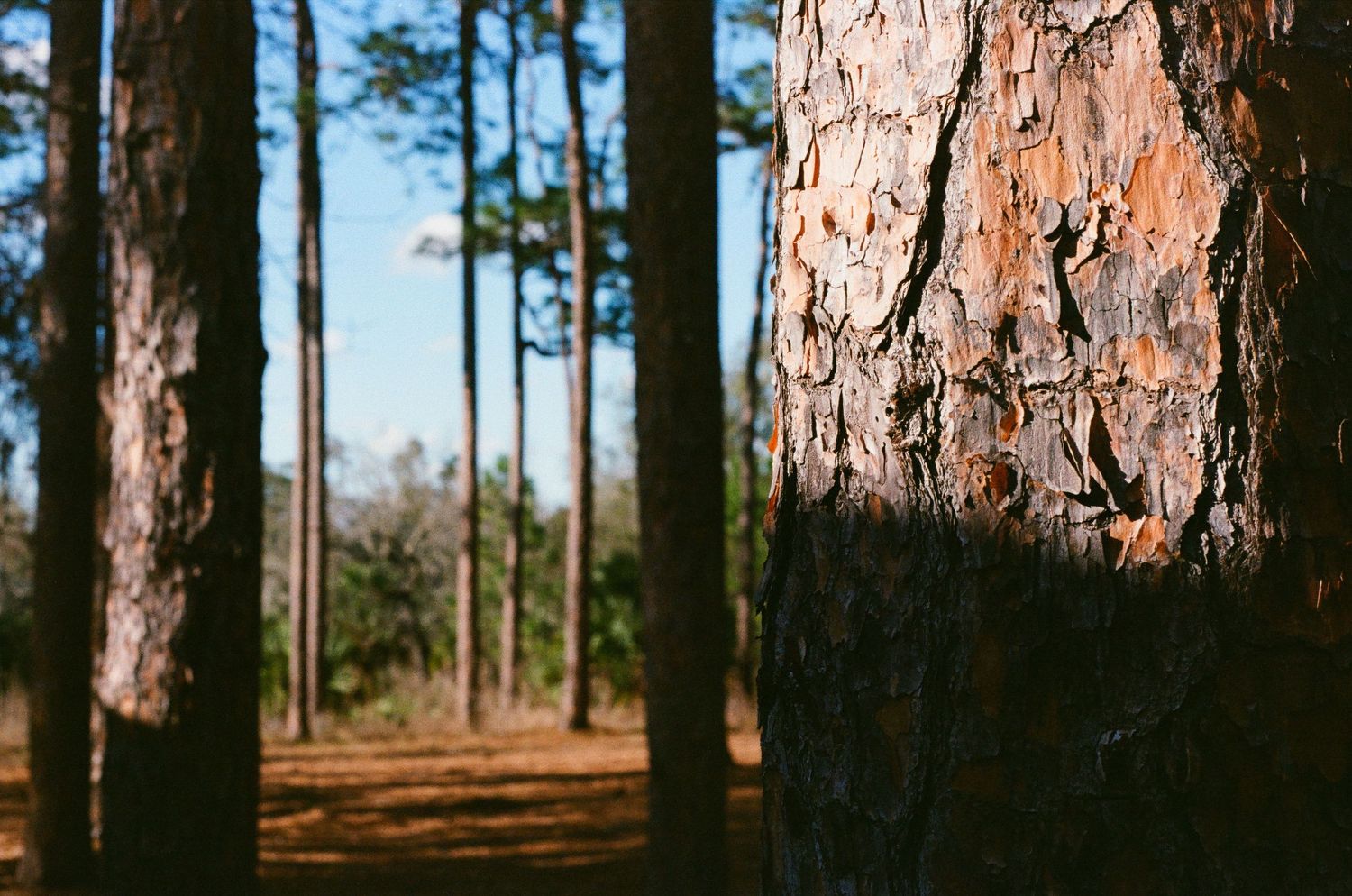
I also brought an army of vintage Nikon and Pentax DSLRs with me for the express purpose of showing my students how to make photos properly. So, the hiking was slow and the picture making deliberate as we made our way around a few miles of the Wekiwa Springs State Park. But something that stuck with me was how often I wanted to reach ONLY for the FM.
I forced myself to keep shooting with the D700 and with the MX. But in truth all I wanted to do was shoot with the FM.
The FM also forced me to change my shooting process. Typically, once I see a composition my process is 1) frame shot, 2) read light, 3) make exposure, and 4) advance film. However, because the light meter is turned on by leaving the film advance lever out, I moved advancing film to the front of the process. And I found that this made a difference. I don't know why, but it did.
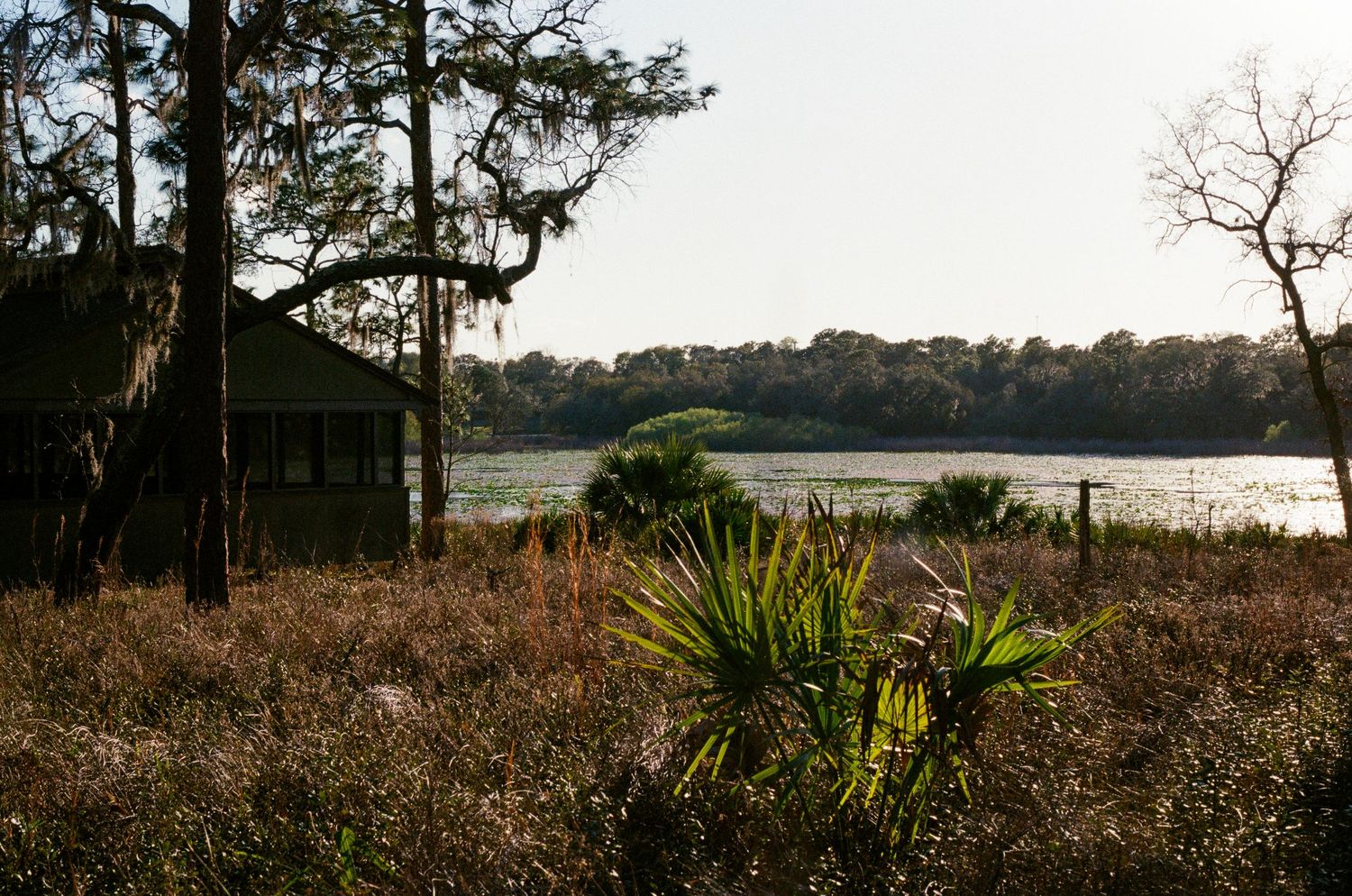
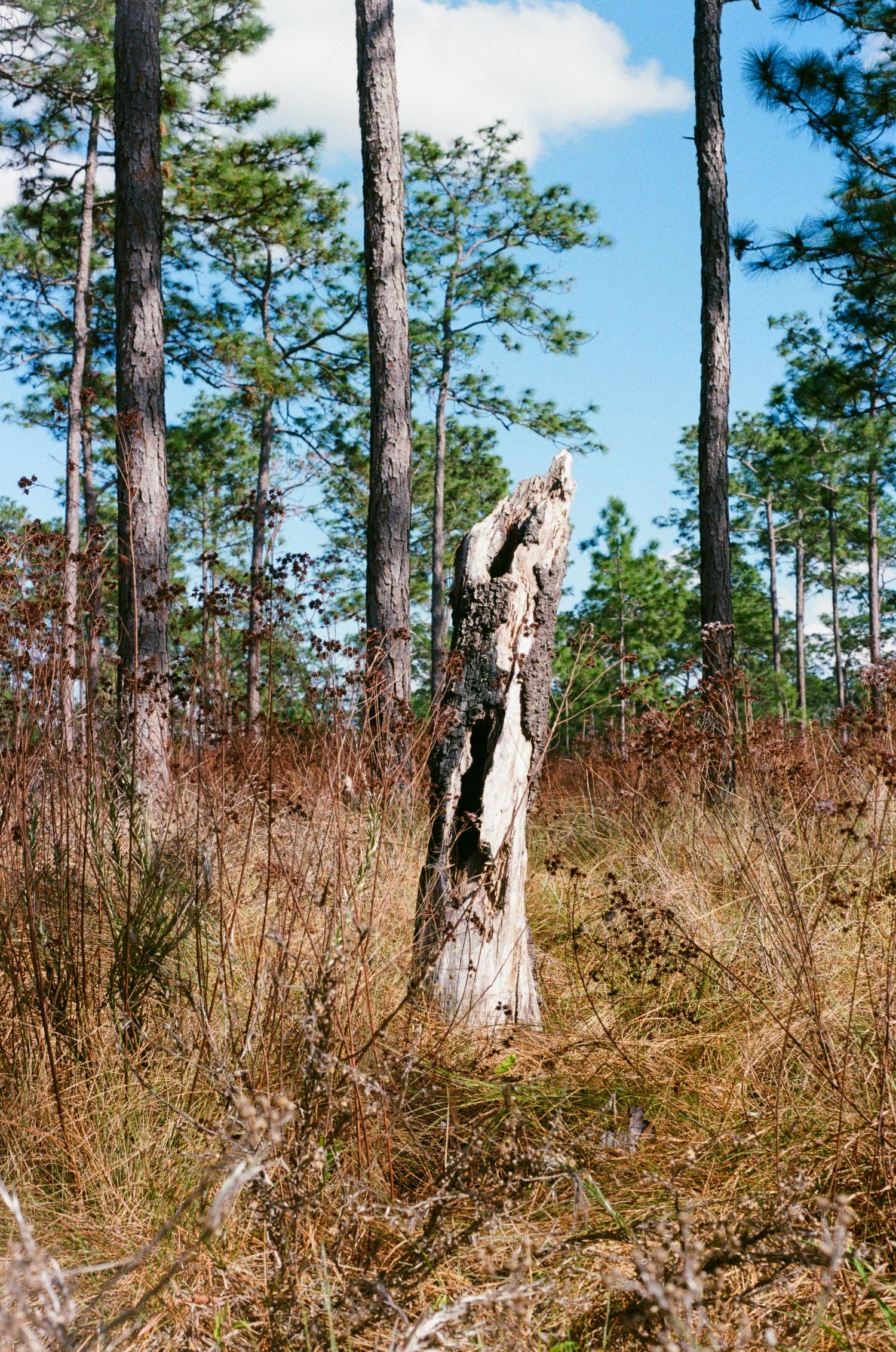
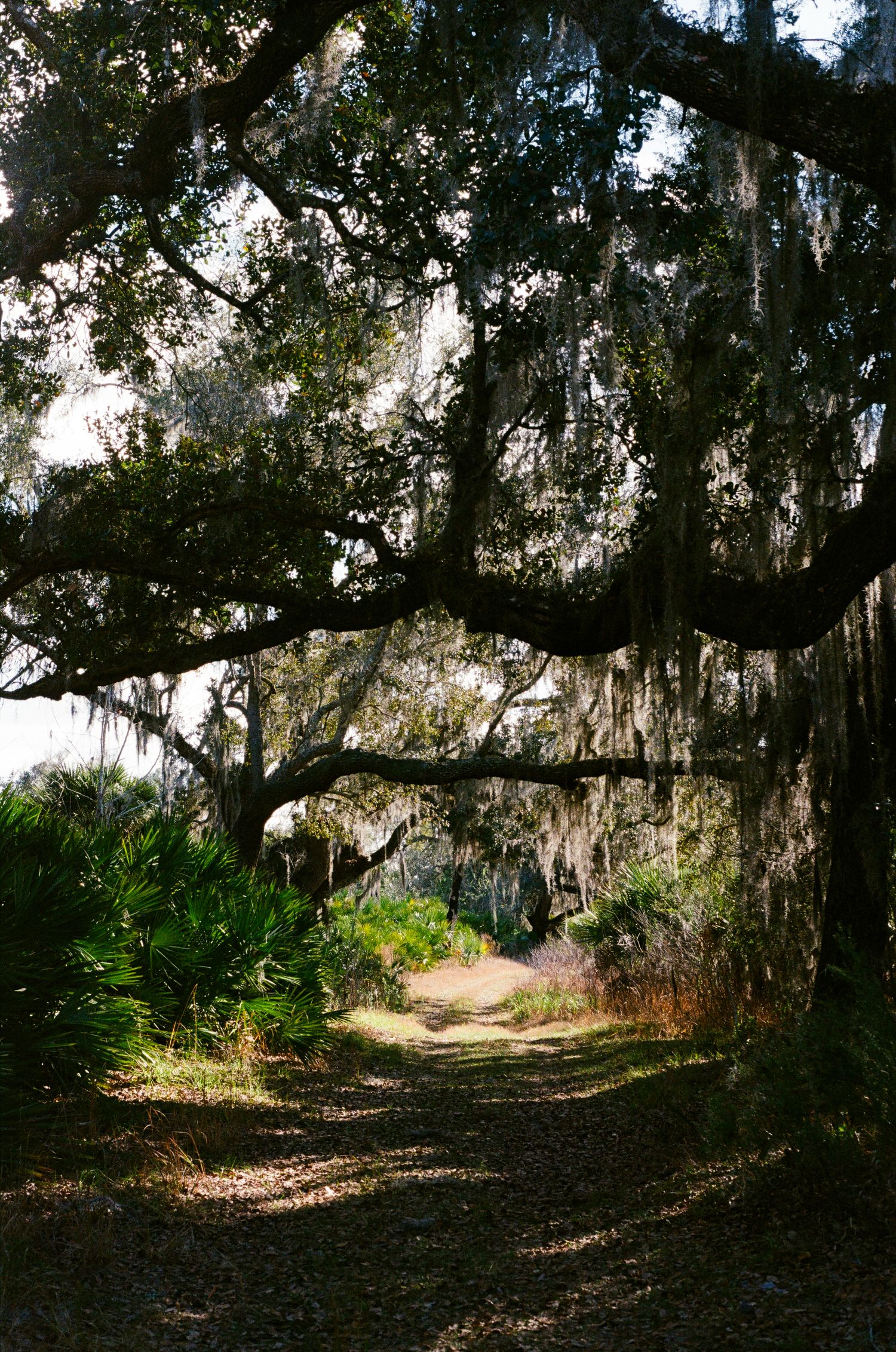
Kayaking Wekiva
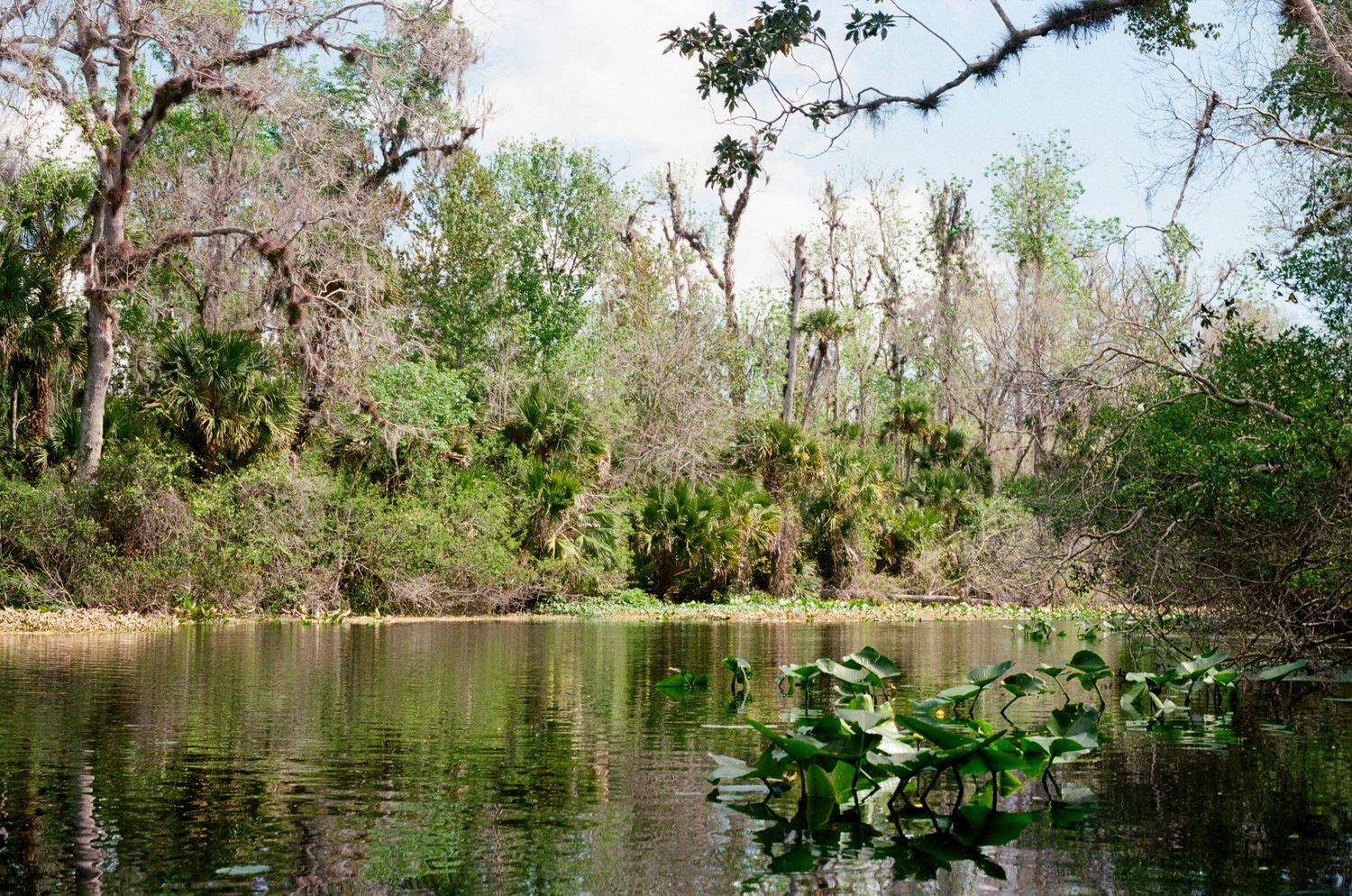
If you've been a reader of these blogs you'd know that this is exactly the sort of activity that I typically use my Nikonos for. However, I discovered a day or two before I left for this trip that my Nikonos was no longer functioning (this will have to be rectified soon). However, I did not want to waste the opportunity to make some photos while kayaking on the Wekiva River. And for this I chose the FM. I loaded up a fresh roll of UltraMax and placed the camera between my legs and started paddling.
I don't think I would have made better photos with the Nikonos. In fact, I'm sure there are photos I would not have been able to make with the Nikonos as you are limited to zone focusing. I may have been a little more daring with the Nikonos, however, as I wasn't swimming and was merely kayaking, these definitely ended up better for the decision.
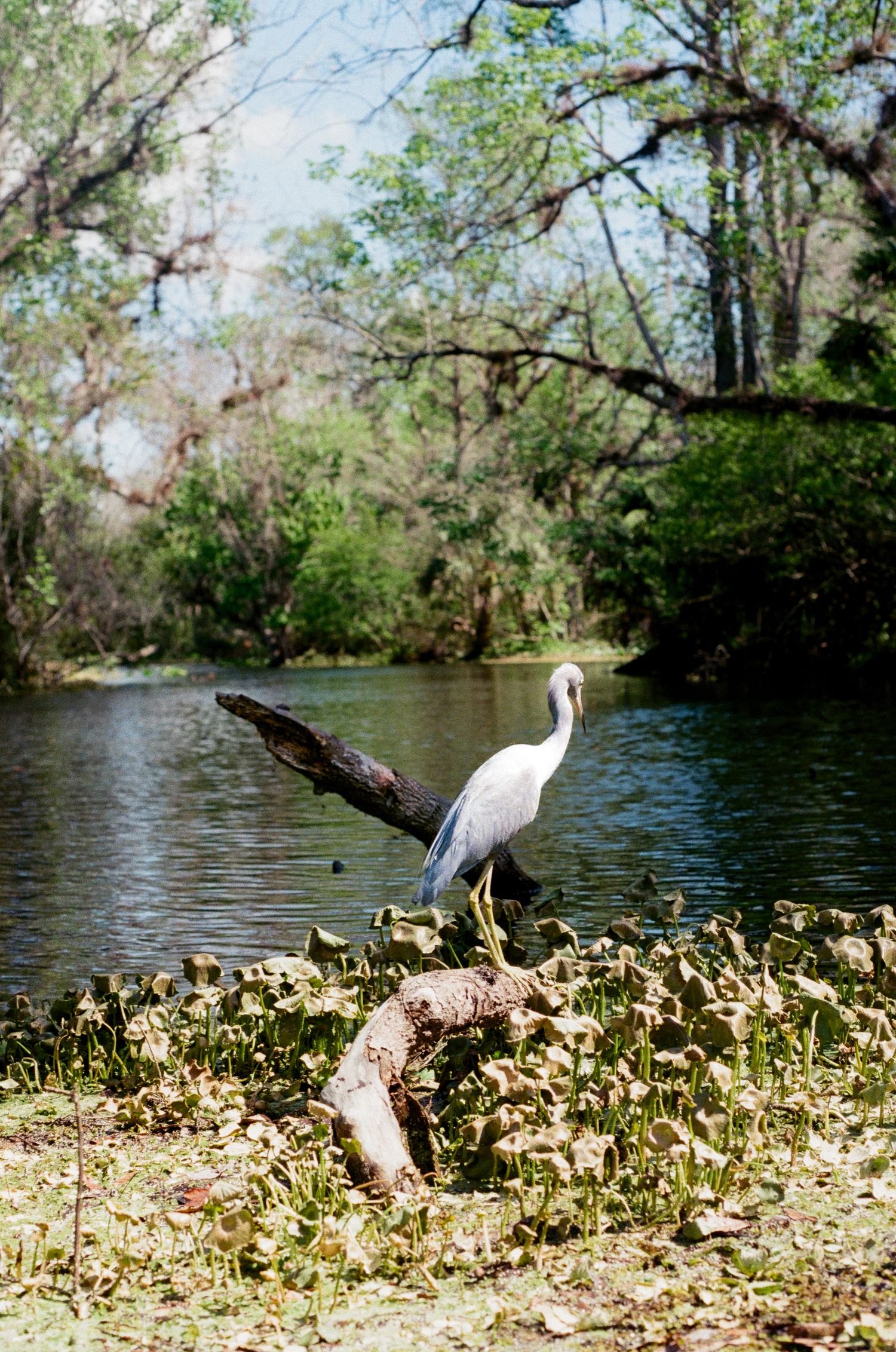
Because of my decision to take the FM with me, I was able to make more than just landscapes. Photos like the one above of a young Little Blue Heron were only possible because I took the FM with me. That focusing screen allowed me to nail focus even with the lens at a fairly small aperture like the one used here. I may have used f/2.8 there (I can't be sure exactly, but remember opening up as wide as I could given the light).
The other positive with the FM in these situations is precise framing, or close to it. With its 0.86x magnification and 93% coverage, the FM's viewfinder is a formidable thing. Technically this is one area in which the Pentax MX outpaces the FM, offering a 0.97x magnification and 95% coverage. To my eyes, however, the difference is not noticeable, and in fact I find the FM's viewfinder to be slightly brighter. In this area, I'd call it a wash in real world situations.
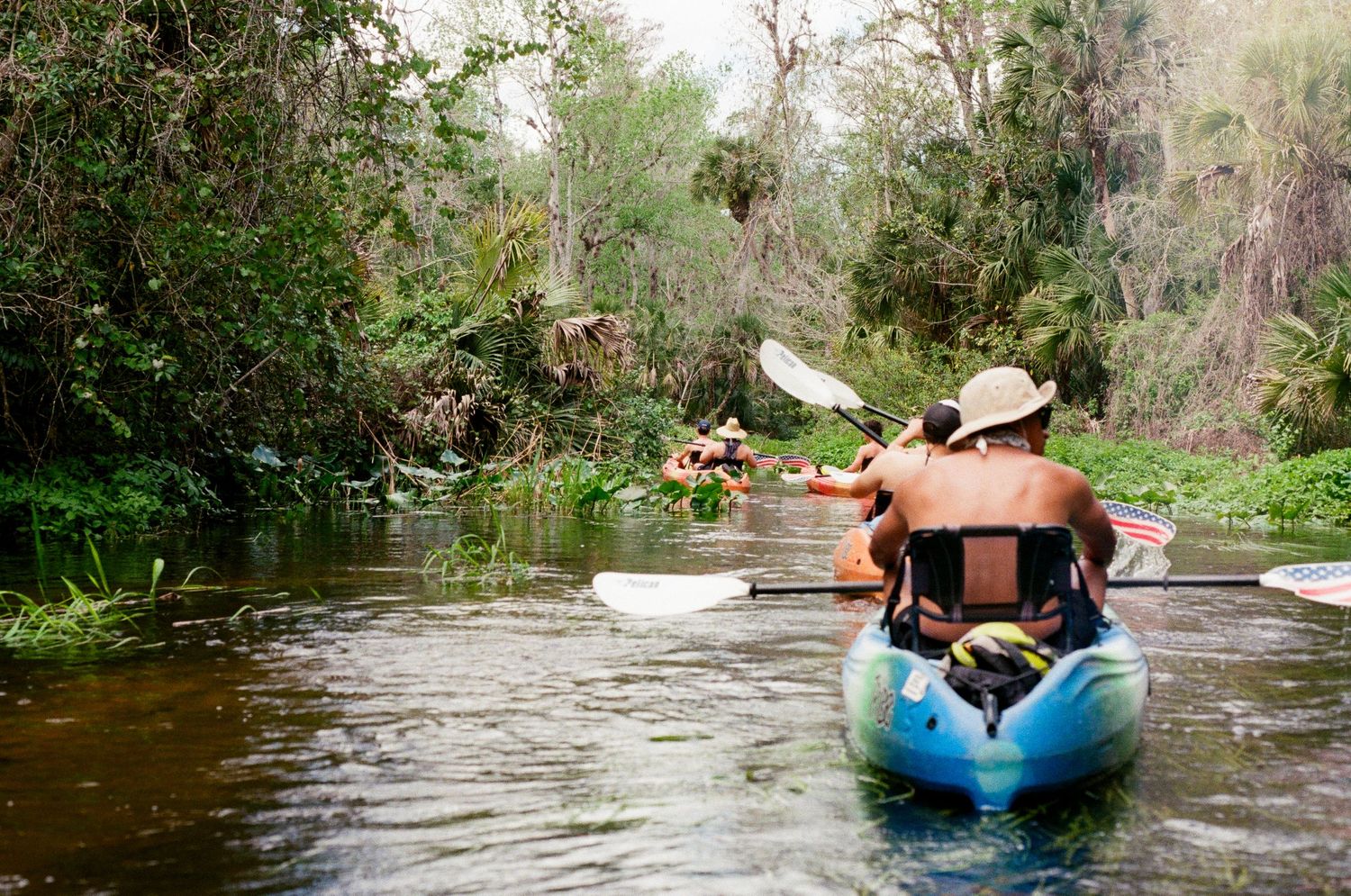
While I am an experienced kayaker, having kayaked since I was old enough to hold a paddle, occasional splashes of water still enter from time to time. The FM was never soaked, but it did experience its fair share of splashing and sloshing. Not once did I fear that the elements of the Wekiva River would be too much for the FM to handle. At one point it was so wet that I wiped it down with my shorts. But otherwise, it powered through and never once failed.
There is no substitute for what the Nikonos can do. And I do need to replace that body as soon as possible so that I can continue making true adventure photos. But until that replacement comes in, this FM will do swimmingly...just have to remember to not actually take it for a swim.
Final Focus
So far I've developed three rolls shot with the FM and I can already tell that it will become something of a perpetual companion for me. The only SLR that has ever come close to how I feel about this camera is the MX. And unfortunately for the MX, I have not wanted to pick it up since acquiring this FM. I have another roll of Tri-X in it now and have simply been carrying it with me everywhere.
Over the last few weeks that roll of Tri-X has slowly been exposed. Some days I chuck it in my bag and don't make any exposures. Some days it never makes it in the bag because it's in my hand and making exposures. I do know that with the MX, I very quickly went back to my beloved M3 almost right away and only intermittently switched to the MX when I craved SLR focusing. But this FM has kept me away from the M3 for a few weeks now. GASP!
What started as a way to occasionally shoot Nikon mechanically has turned into something more personal for me. I fell in love with that AI-S 50mm f/1.8, and truthfully see myself using that one lens more than any other. However, the collection has already grown. I've since added the AI-S 50mm f/1.2 (the fastest lens Nikon ever made) and the AI-S 24mm f/2.8 for wider scenes. I'm sure I'll add the fabled AI-S 105mm f/2.5 soon enough.
It is rare that I ever choose a larger camera over a smaller one if I'm happy with it. But the FM, while noticeably larger and heavier than the MX, has pushed me away from it. The king (of SLRs) is dead. Long live the king! Long live the mechanical monster.
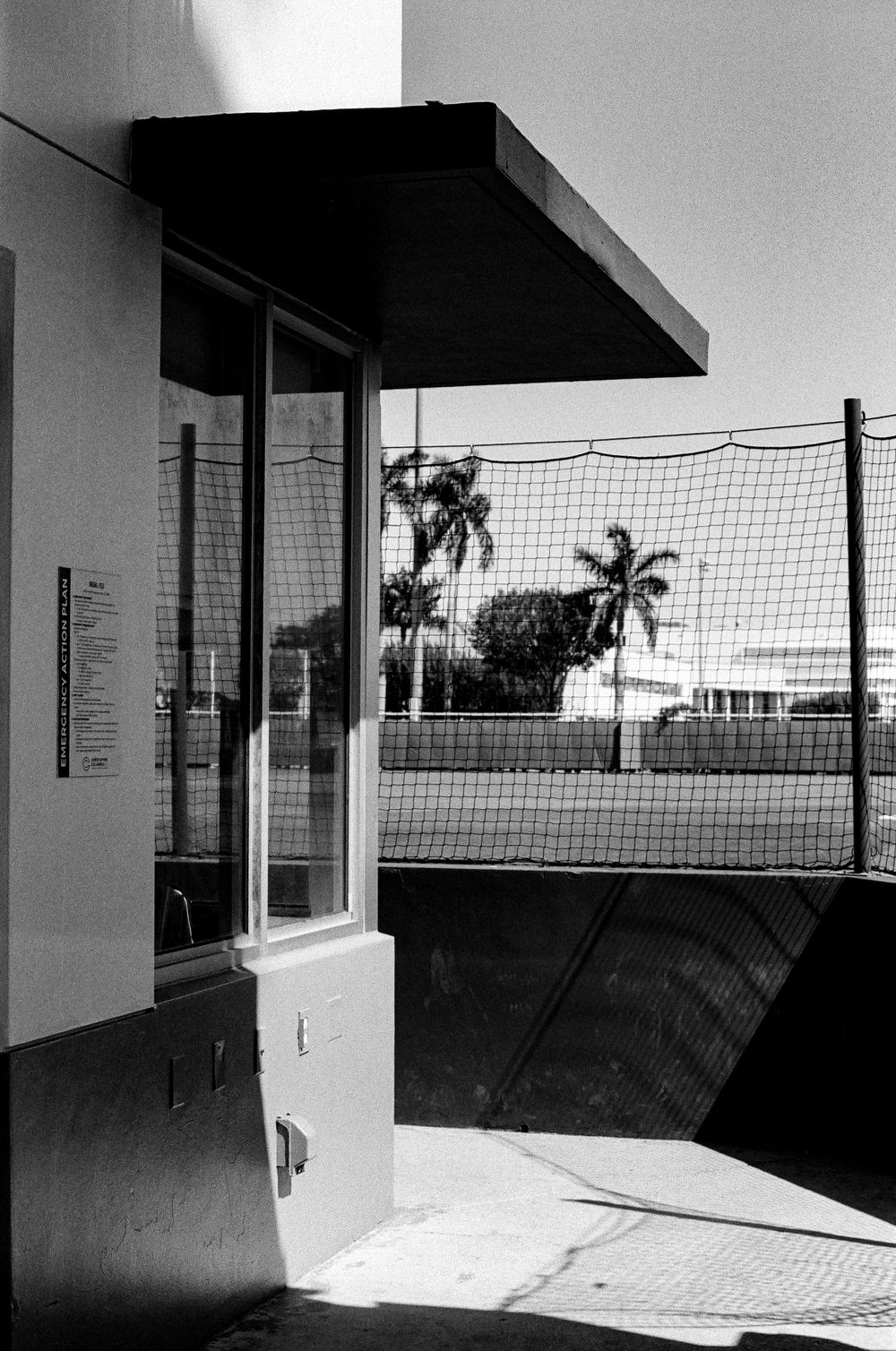
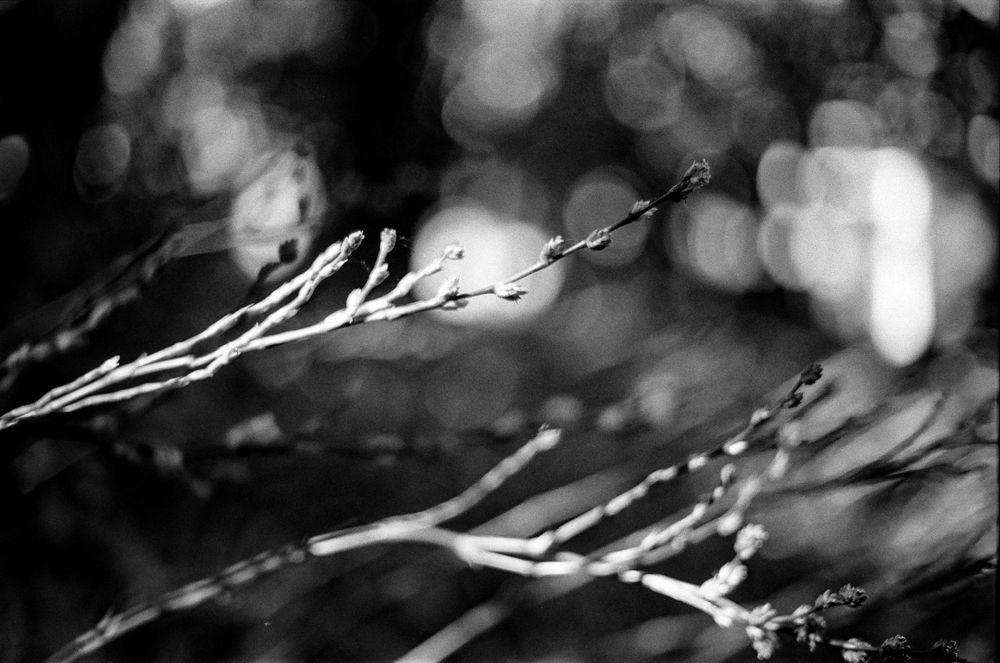
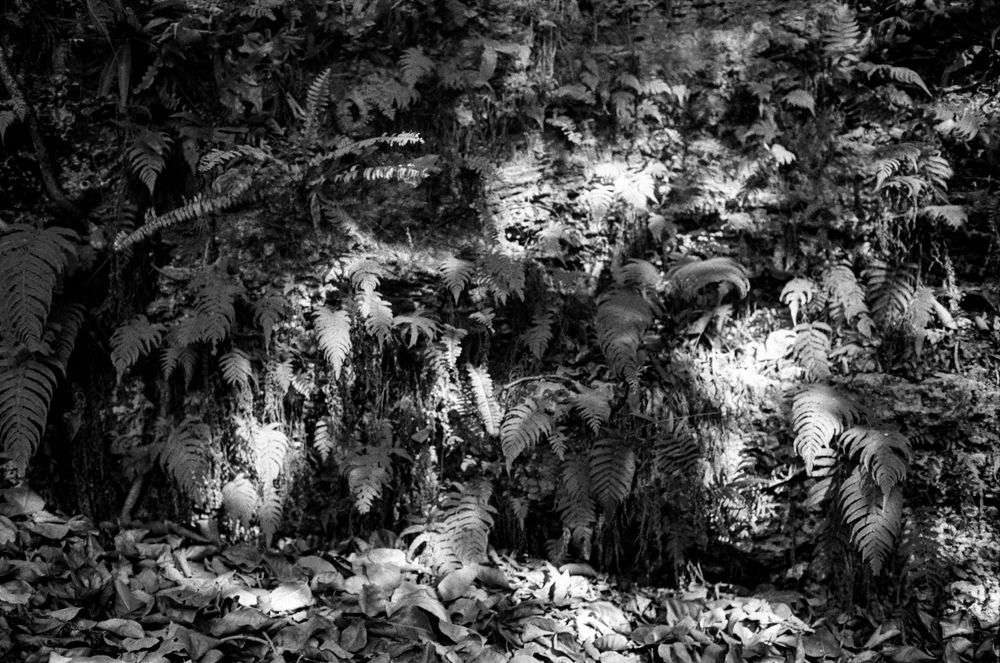
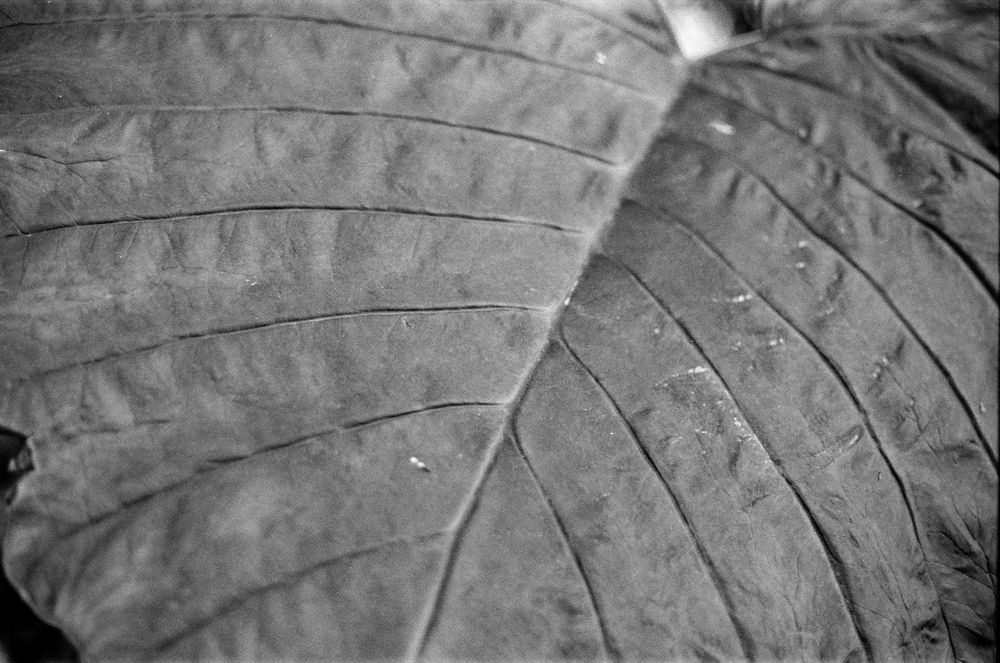
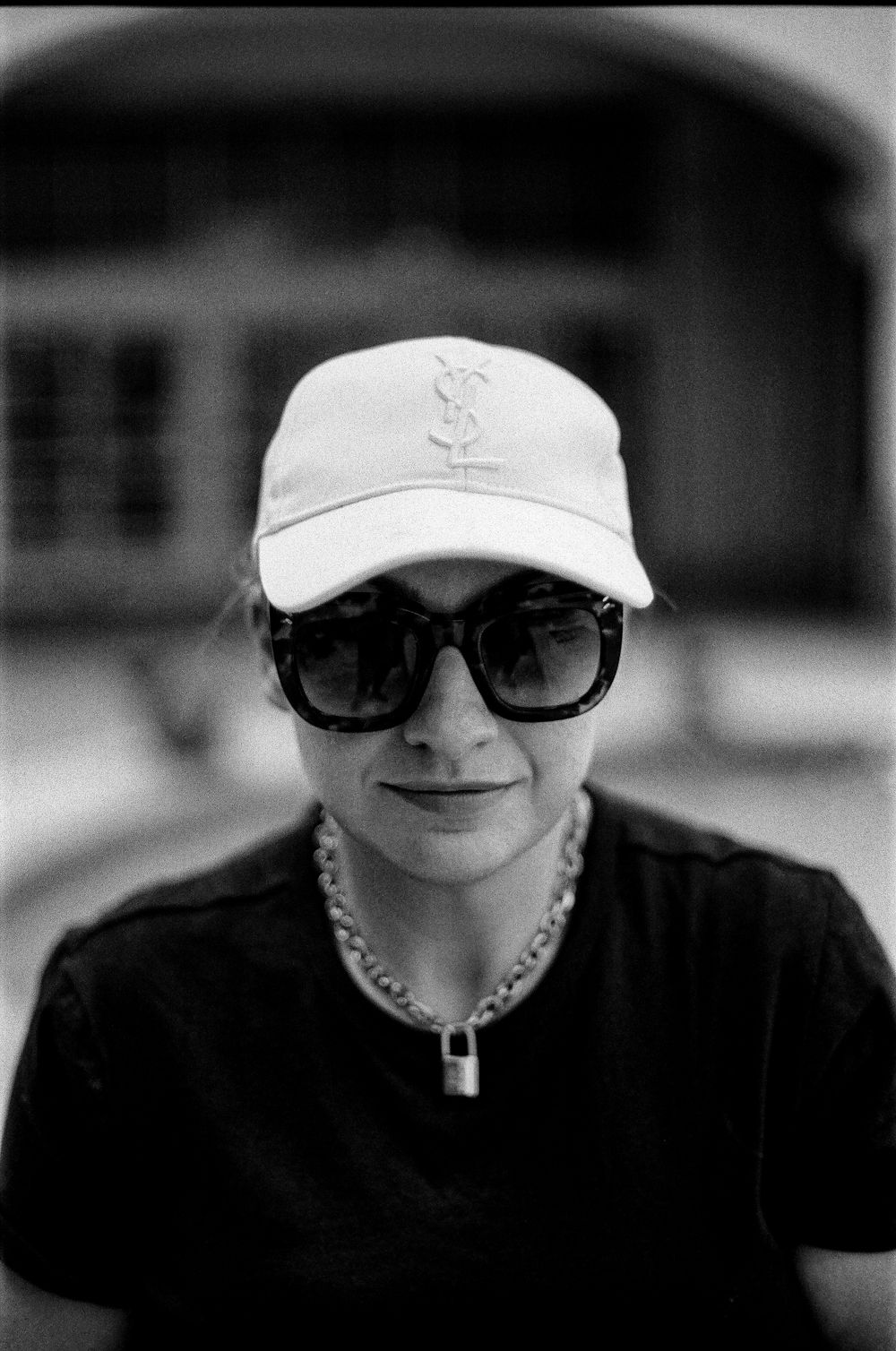
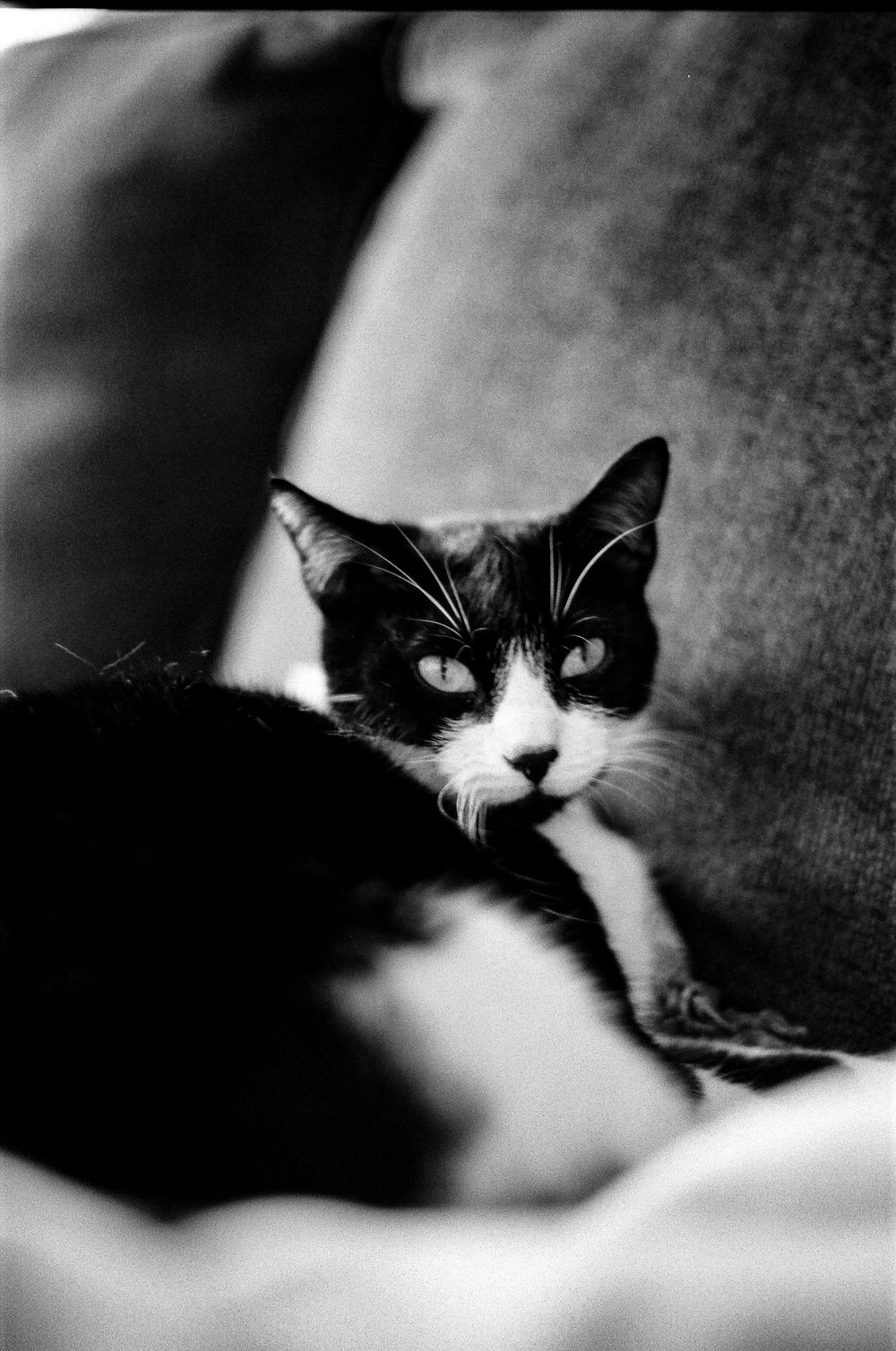
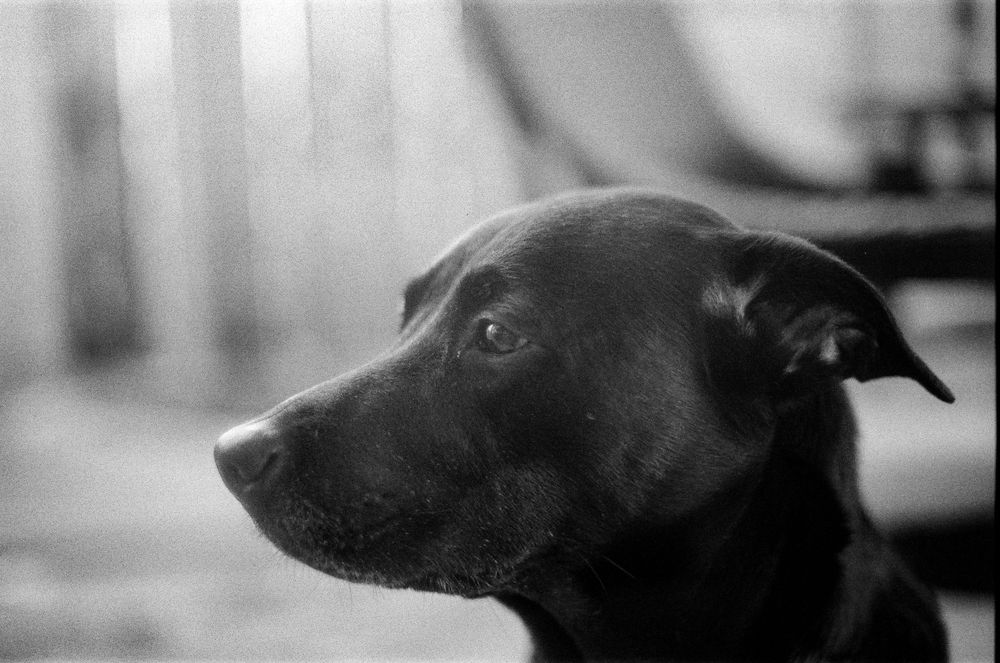
More Nikon FM Photos
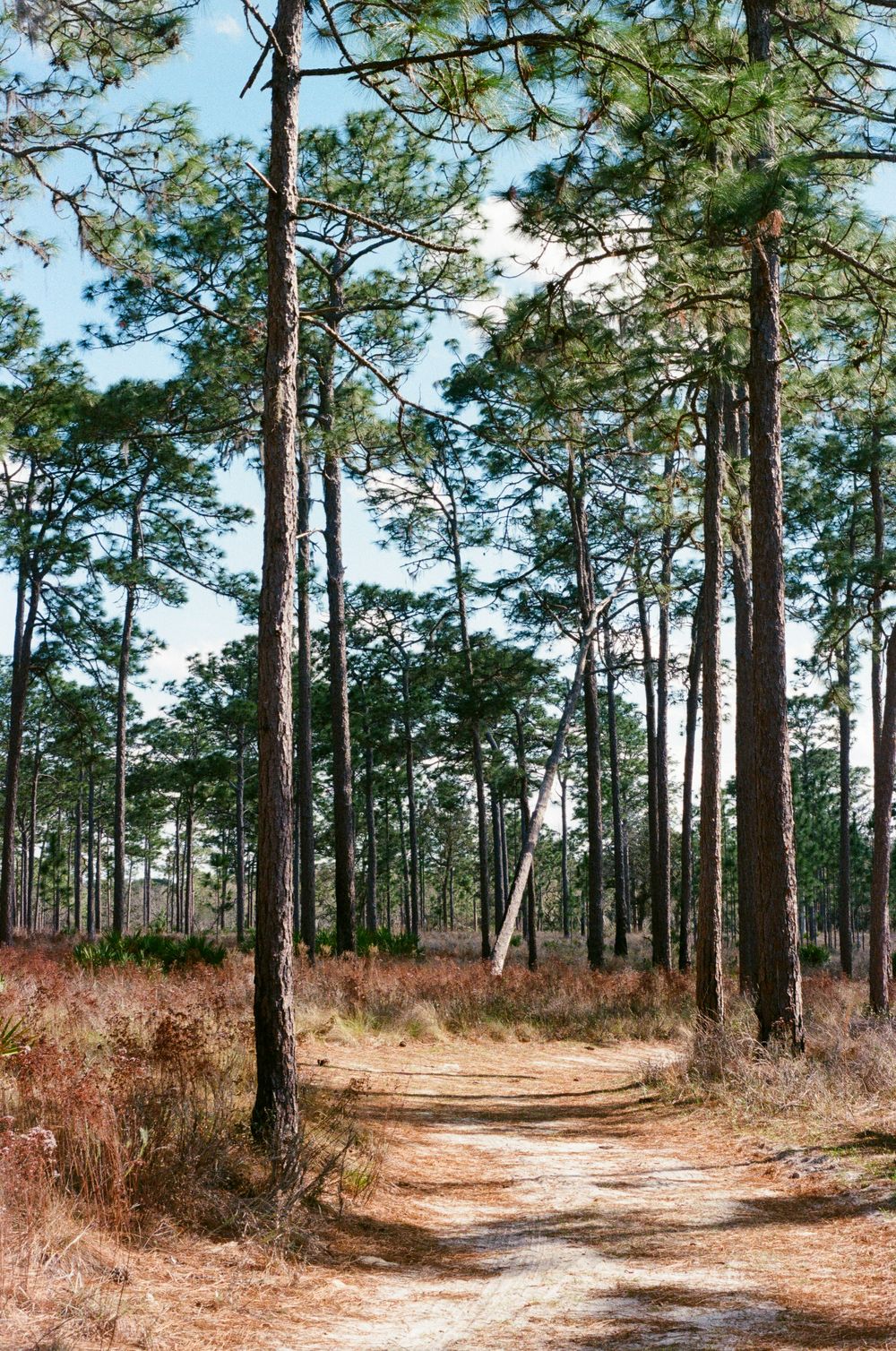
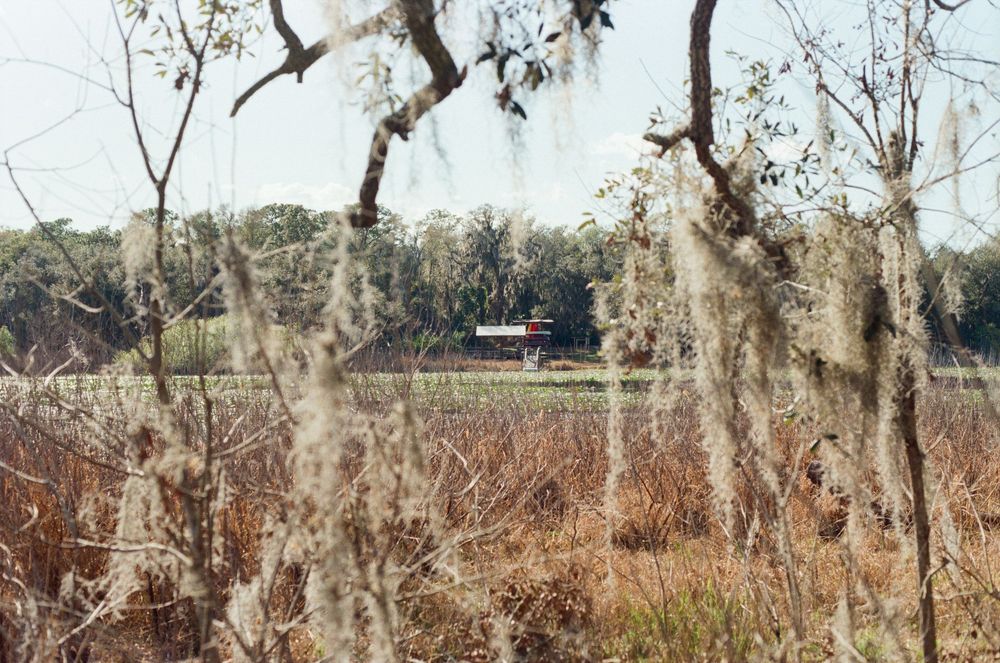
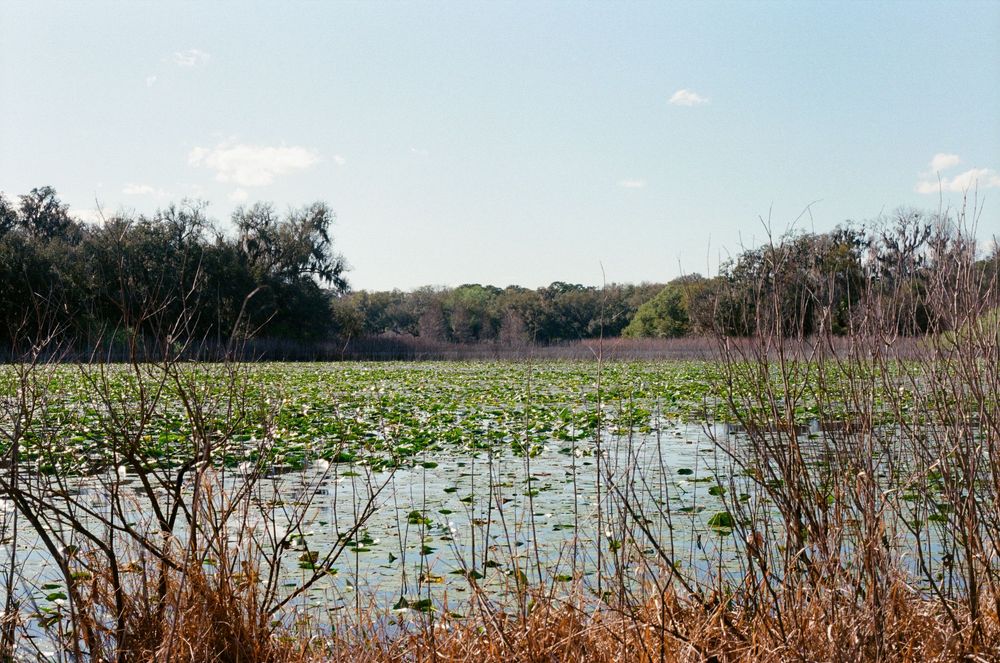
All images © 2020-2026 David Ulloa Studio. All rights reserved.