Step One: Admission
This was a blog I never thought I'd write. But I have to take it back to the beginning to contextualize that statement. See, way back in 2020, when I first started taking photography seriously, I got into Leica. This happened for many reasons, but I felt like I should go straight to the top if I wanted to really get into photography. Over time I acquired various film and digital Leicas and built something of a fleet of gear upon which I relied on when I launched my photography company.
Being a fan of all things analog, film era lenses and cameras always called to me and my favorite way to shoot digital mirrorless cameras was by adapting old lenses. Be they Leica, Nikon, Pentax, Fuji, or Soviet lenses, it was my bread and butter. So when I REALLY got into Nikon lenses, that led me to REALLY get into Nikon cameras. At first it was just the D700, then a bunch of different film cameras. And then I got the D3S. The acquisition of the D3S saw me attempting to drop mirrorless digital cameras entirely and move to DSLRs. I did a few weddings and shoots this way and while I loved the results, I knew that mirrorless was just too convenient.
The problem was that I had now worked with Nikon digital files and was no longer liking the Leica files I was working with. I had gotten a Panasonic Lumix S5 for video purposes and was finding that I liked those files more than my Leica Q or SL files and was ready to buy some more S5s and stay in the L mount, but then I learned about what was possible with Nikon's newest processor, the Expeed 7.
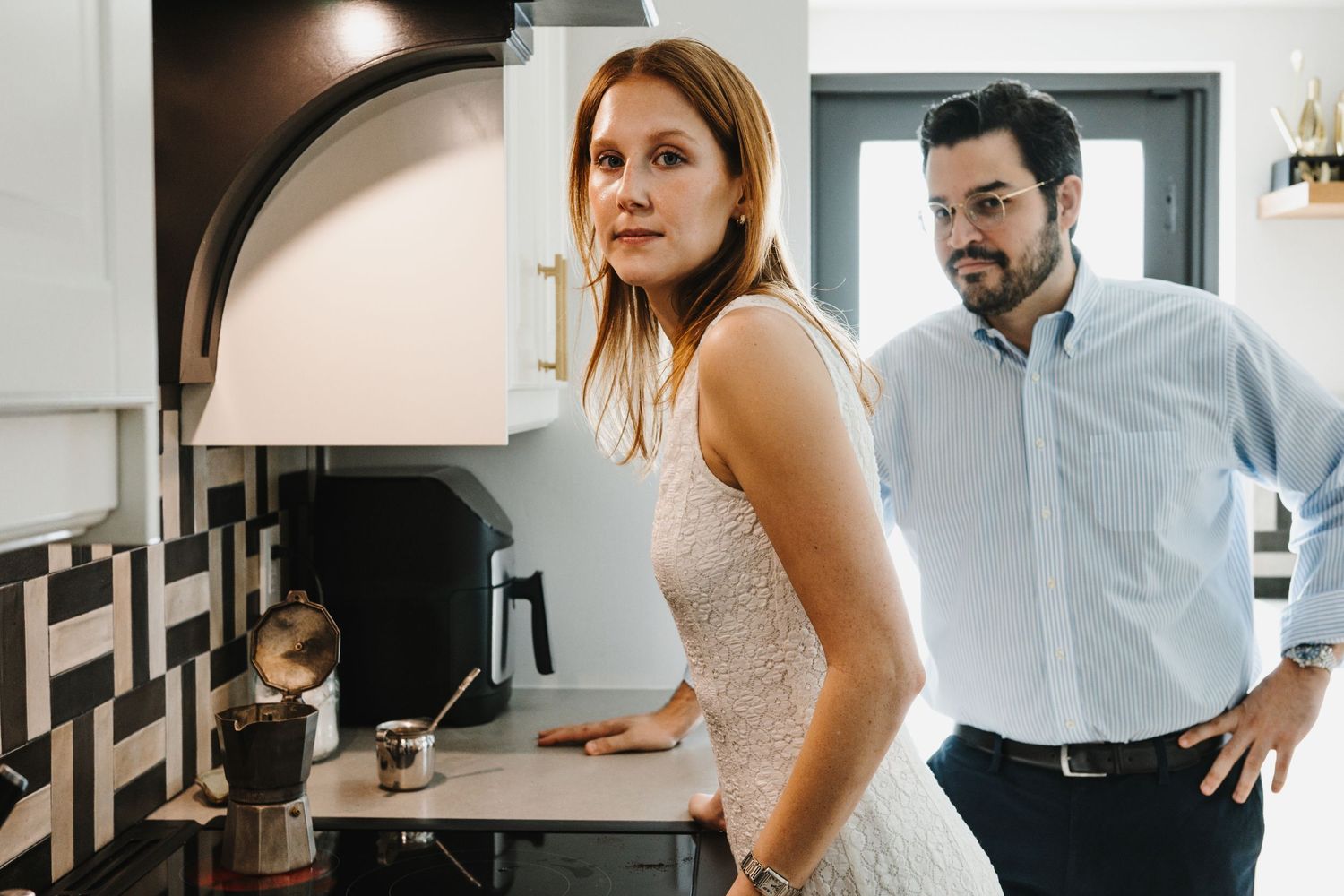
I bought a Zf and tested it out on an engagement shoot with one of my couples, Beth and Chris (can't wait for this wedding!). I had made all of about ten exposures with the camera - and the Z Nikkor 40mm f/2 that I got with it - but decided I'd take the Zf and F4, with only the D3S as a backup should I really not jive with the Zf. I won't bury the lede here, the D3S was totally unnecessary and the Zf rocked.
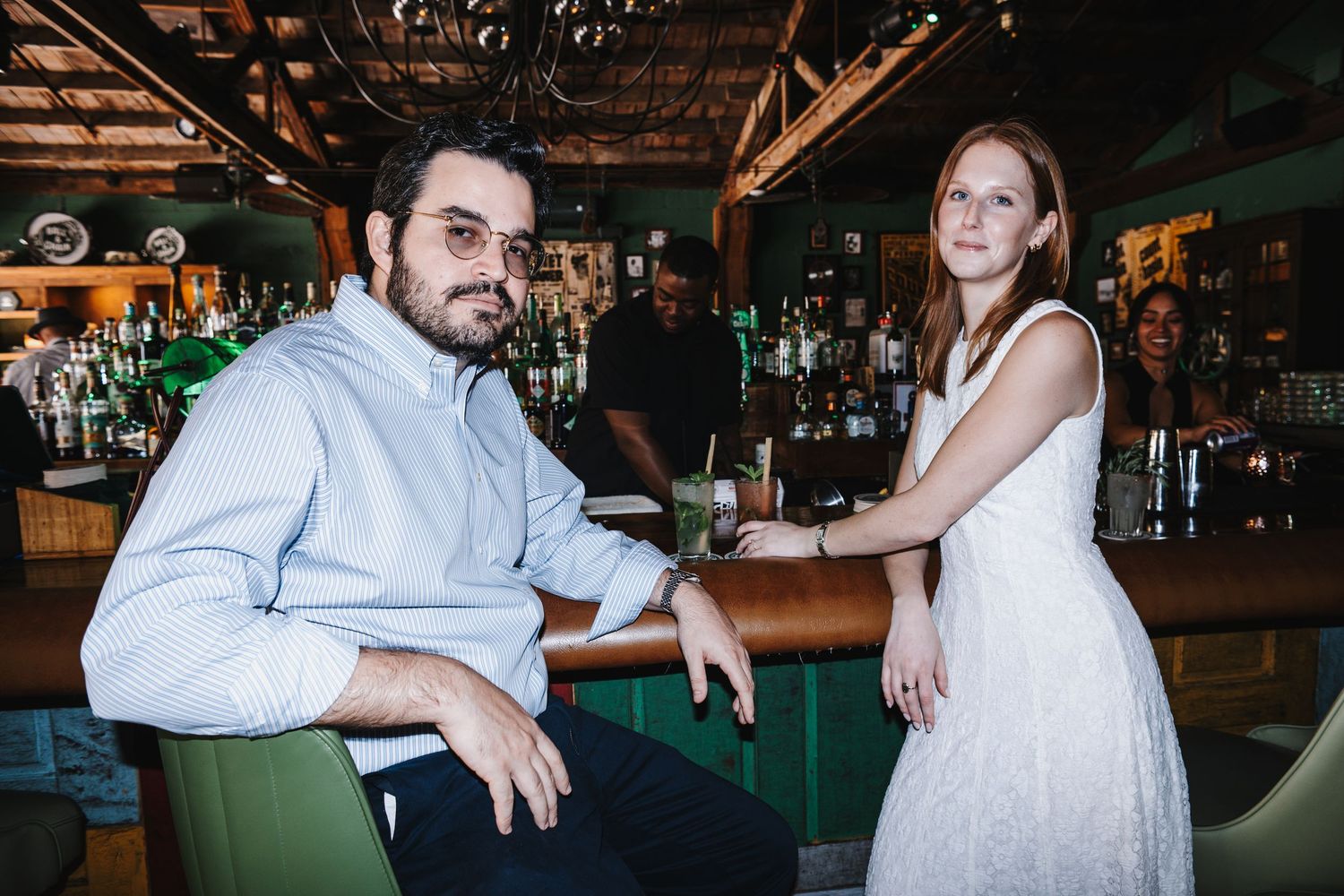
It gave me much of the experience that I loved about a lot of different cameras all in one. Obviously the dials that control ISO and shutter speed are reminiscent of film cameras. Even the design and layout of the Zf is a direct homage to the likes of Nikon's analog heavy hitters like the FM and F3. Some might think that a gimmick. I don't think so. For some of us, especially those that feel most at home with analog film cameras, this is a preference.
While I love shooting with Nikon's classic DSLRs, this feels more like home for me. And coming from the Leica SL as my primary camera, well, this feels worlds better. The SL was intuitive, yes, and it is a masterpiece of minimalist design, but it isn't fun. Tools don't need to be fun. But isn't it so much better when they are?
Ergonomics Shmergonomics
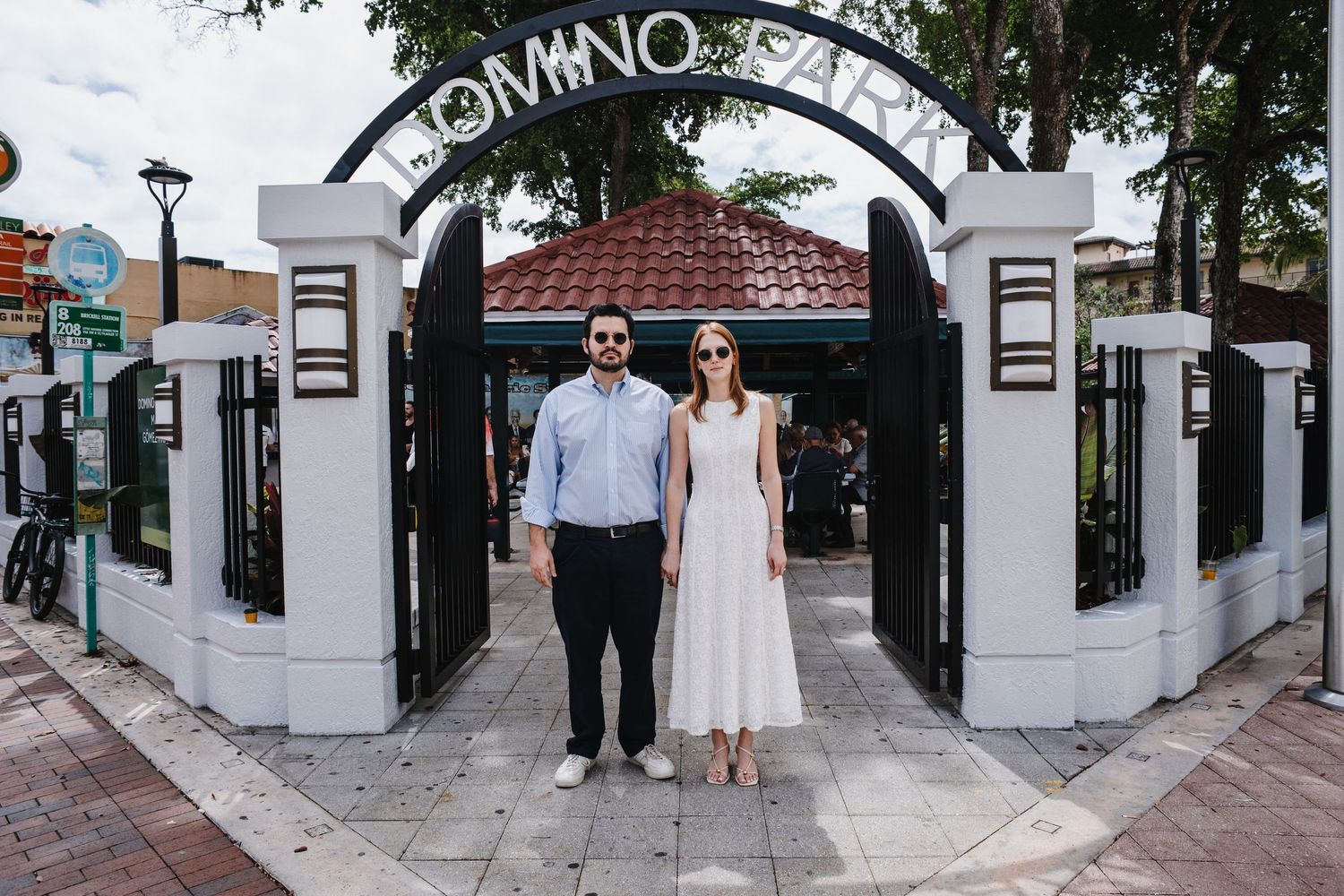
There's one thing that I've seen and heard repeatedly whenever the Zf is brought up and it's the ergonomics. And I have to be honest here, I'm at a loss. I think I'm a rational person and I'm obviously a human being with fairly normal hands just like everyone else. So why the hell are so many people complaining about the ergonomics of the Zf?
Everything I need is adjustable with one hand. The body is small compared to the SL that I was used to, but all that meant was it was lighter and more comfortable. And when I'm shooting for eight hours at a time, as I often do as this is my most frequently requested time frame for weddings, this is huge. The grip is not large, I'll admit that, but it is more than adequate for a whole day of shooting. I can attest to that as I have done it! That said, it is more comfortable with the addition of an accessory grip. I chose the Neewer grip as its design reminded me a lot of the F3 which I love so much. Before the weekend was over I had purchased a second Zf and the Z Nikkor 28mm f/2.8 to round out my usual shooting set up. I usually use a two camera set up with a harness, with a wide angle on the left side and a normal angle on the right. I will occasionally swap out the wide for and ultra-wide and the normal for a short-telephoto. However, the 28mm had not arrived in time for my next wedding. No big deal, I just adapted my AI-S Nikkor 24mm f/2.8 and used the Z 40mm on the other.
The ability to now switch between the same camera body on both sides was huge for me. I was previously switching between a Leica Q for wides and Leica SL for normal and telephoto. Now I was getting identical handling regardless of how I was shooting. And beyond that, the comfort level was off the charts. Not just because the cameras are comfy - they are - but because of the weight. These are solid and professional grade cameras, but they are so much smaller and lighter than Leica's professional cameras that I finished my day without any back pain.
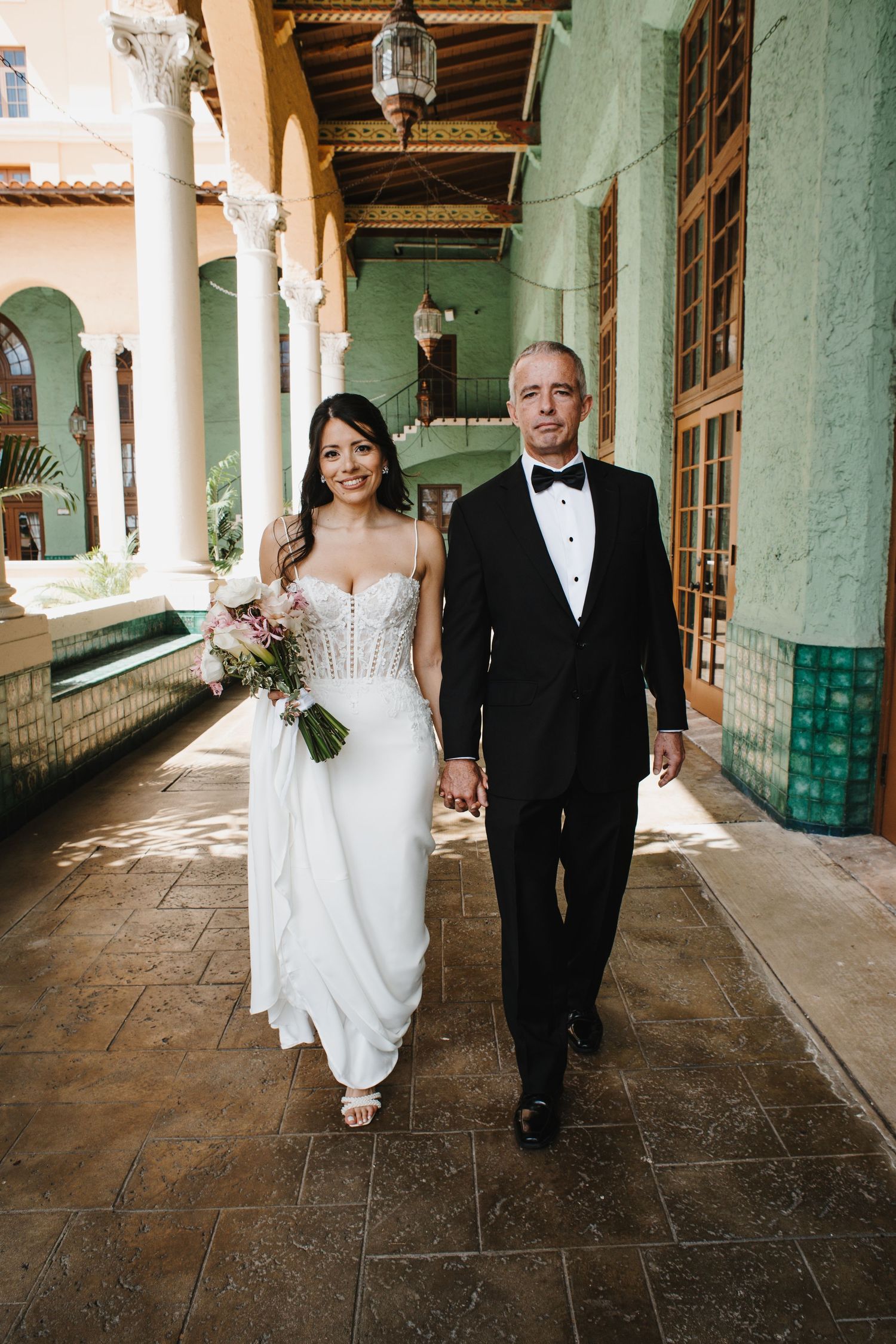
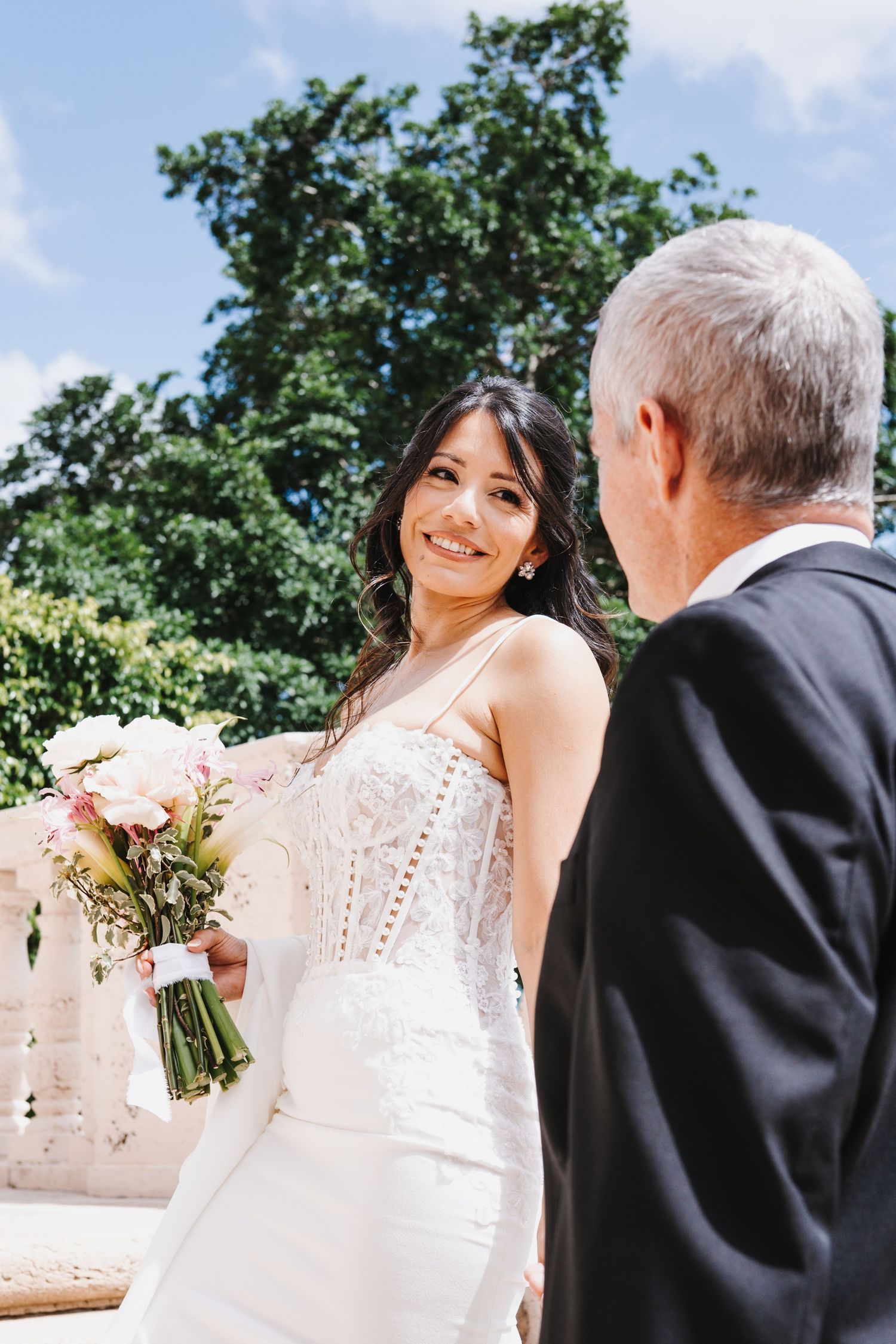
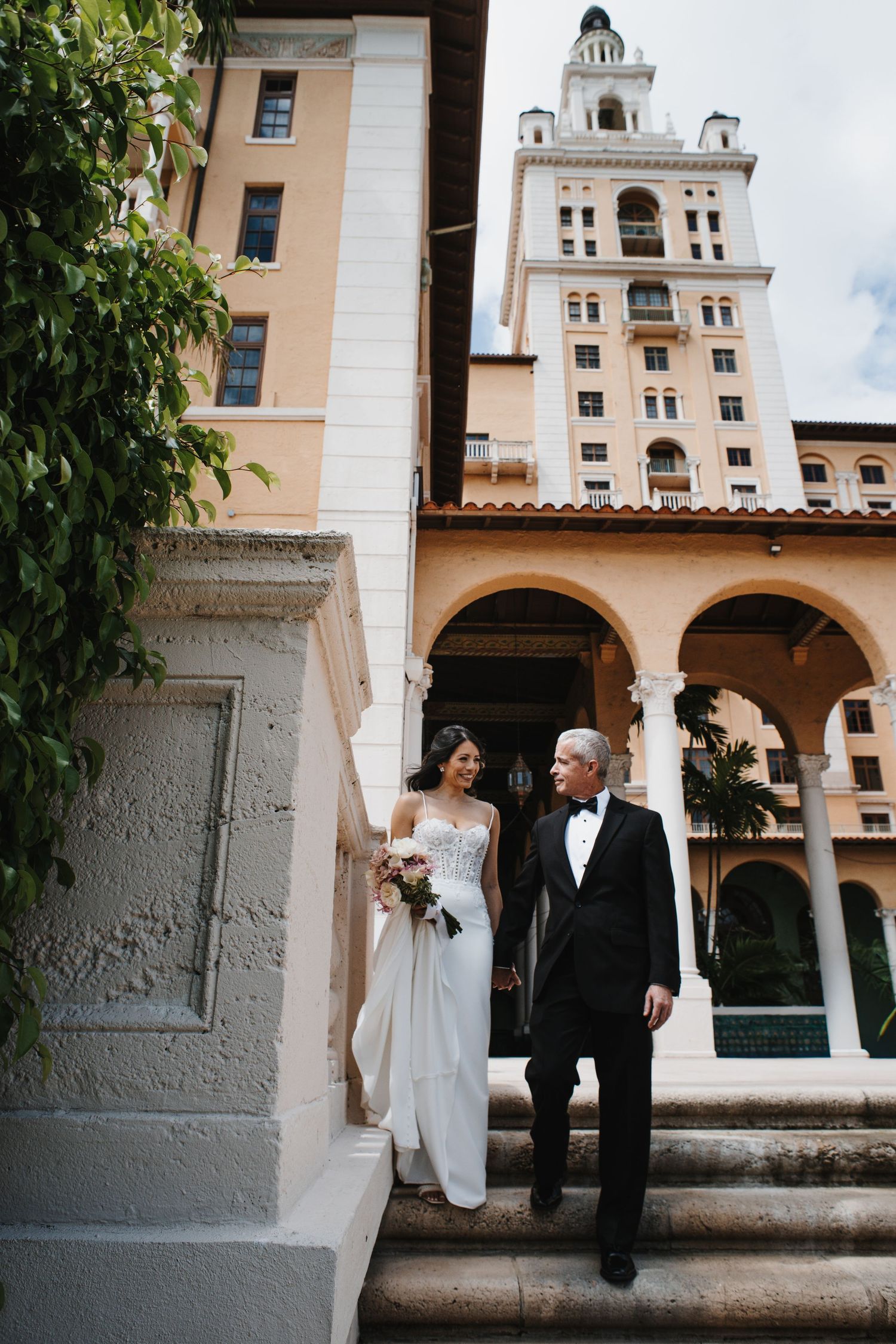
All things are subjective, of course, but for me and many like me, being able to treat a digital camera like a film camera provides a level of comfort and familiarity, but also enjoyment, that simply cannot be replicated by most modern digital cameras.
Many years ago I had a Fujifilm X-T2. It was a great camera that I enjoyed using a lot. But I never jived with its crop sensor and felt like any time I worked with its RAW files everything just fell apart. The Zf provides that same sort of shooting experience, which again is not something Fujifilm invented with their X cameras but something they recaptured with them certainly, but with a sensor and files that are an absolute joy to work with.
Flexible Color Picture Controls
Another reason I had decided I wanted a change in gear was that I had different gear for just about every situation. I had my Leica SL and Q that I used for work. Then I had my Nikon D3S and D700 that I was using for personal photos. And then there was still my film gear. I hadn't used my Leica R kit in forever, but was still holding on to it. In fact I hadn't used it since getting into Pentax SLRs about two years ago, and certainly had no intention of using it anymore after building my Nikon kit. I finally let go of practically all my Leica gear (except for the M3 and the M glass...come on, I'm not stupid) and leaned into Nikon.
The Zf affords me the ability to shoot JPEGs that need no processing. Now, for my professional wedding work, I always shoot in RAW and edit in Adobe Lightroom. But when I'm just making family or travel photos I don't want to spend my time editing. I wrote about this extensively in my D700 blog here. But the Zf's Expeed 7 processor, Nikon's newest processor, allows for more than just the standard picture controls that we've all come to know and love over the last two decades.
With Expeed 7 equipped cameras like the Z9, Z8, and Zf, you can now use what Nikon calls flxeible color picture controls. Think of this as Nikon's version of Fujifilm's film recipes. We now can adjust not only shifts to the S curve, but also shifts to colors. This gives an insane amount of flexibility in being able to custom tailor JPEGS to exactly what you want. For someone like me who 1) enjoys shooting Kodak film and likes digital shots to look as close to Kodak color science as possible, and 2) enjoys shooting without post-processing, well, this is monumental. This gives me the ability to have color photos that need zero retouching. Just download from the camera right onto my phone and have them ready to go.
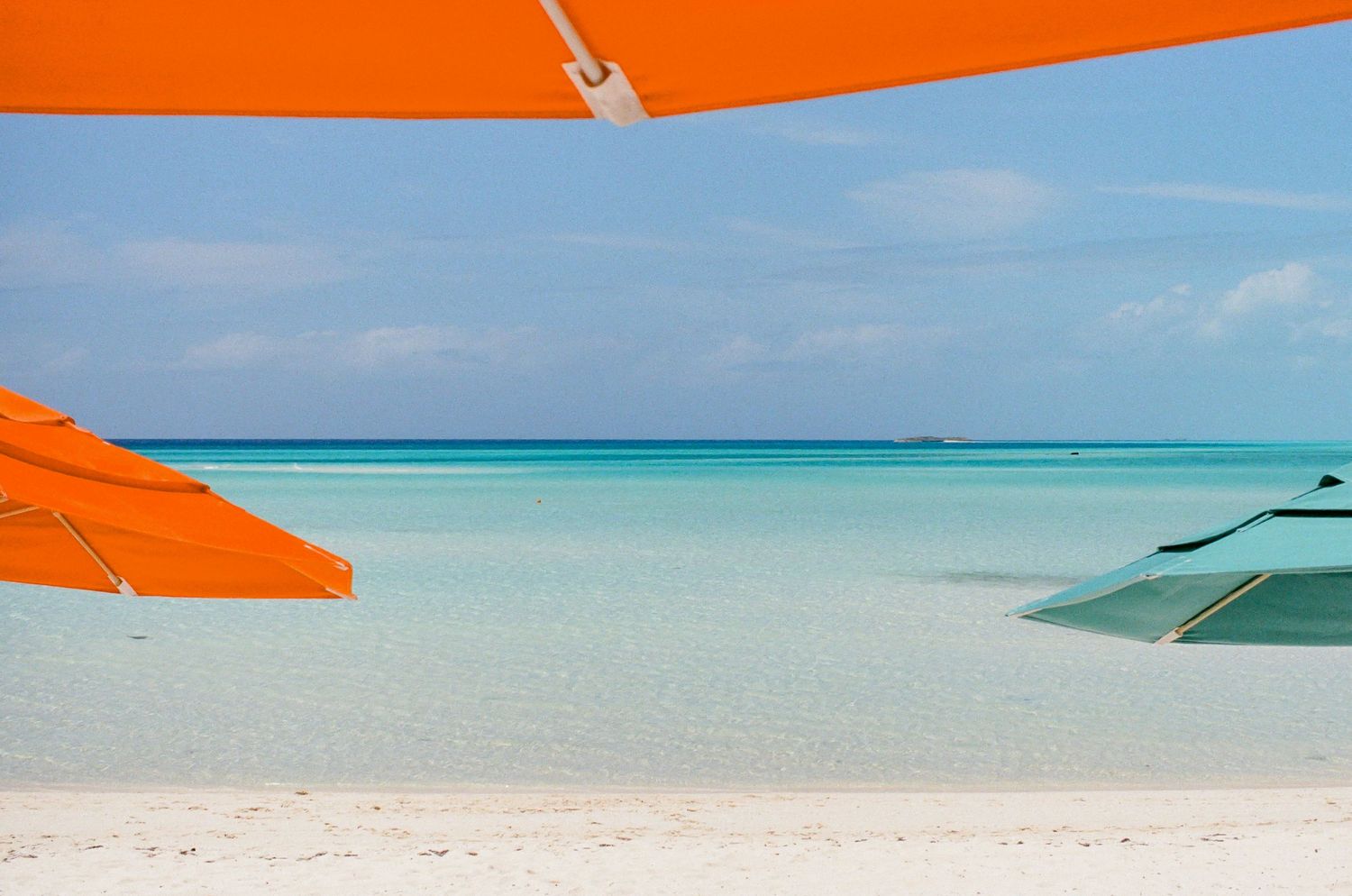
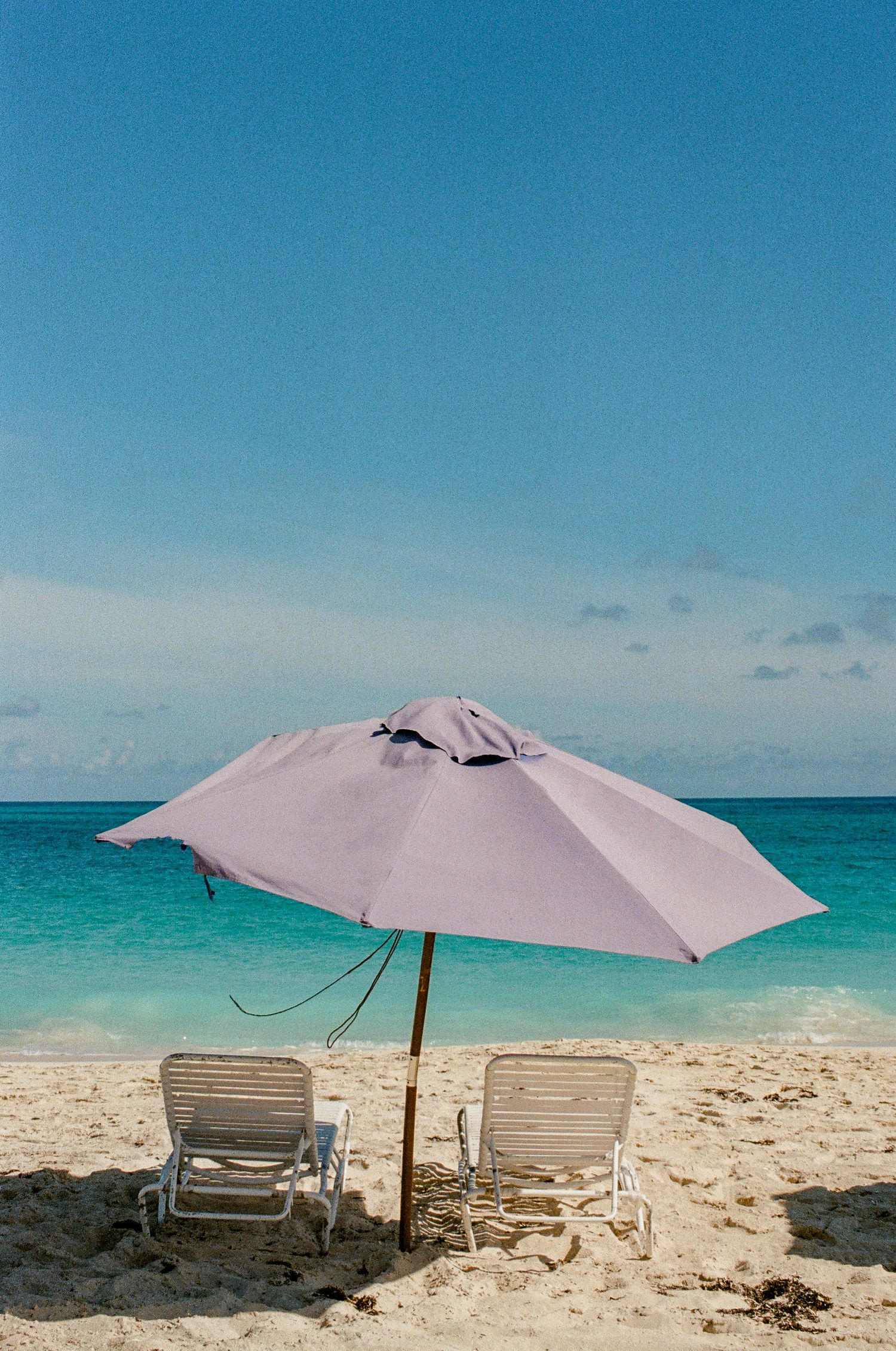
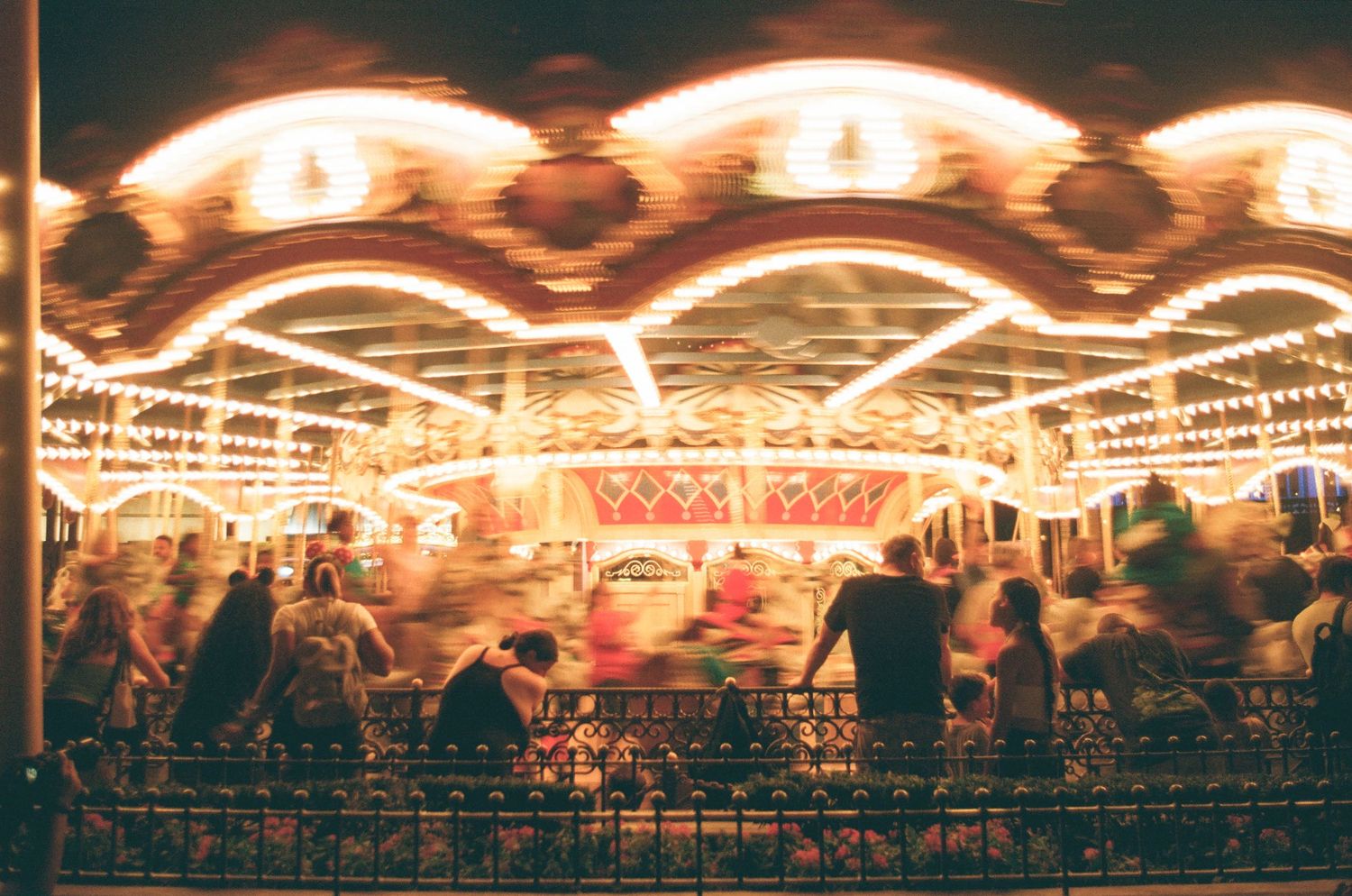
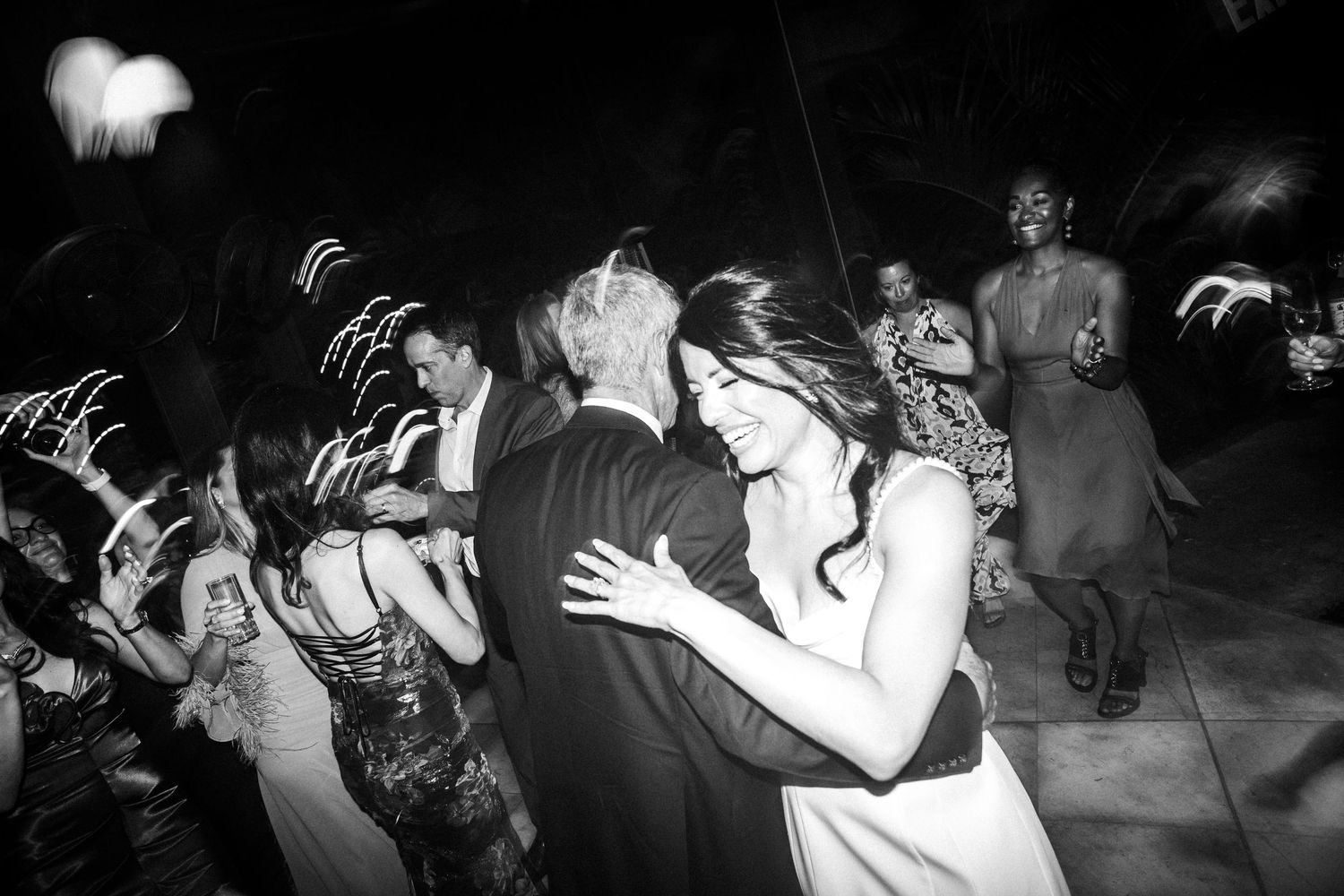
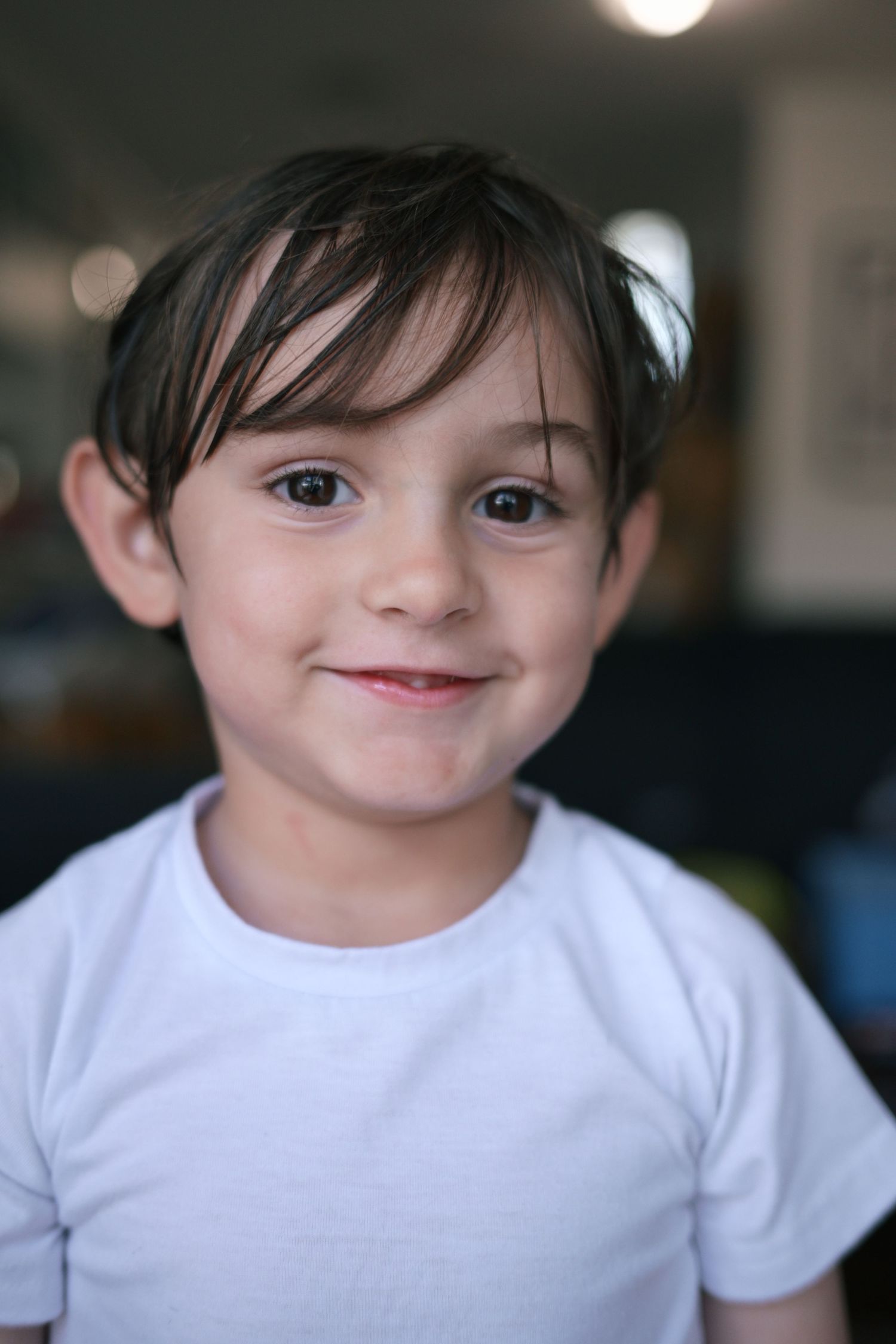
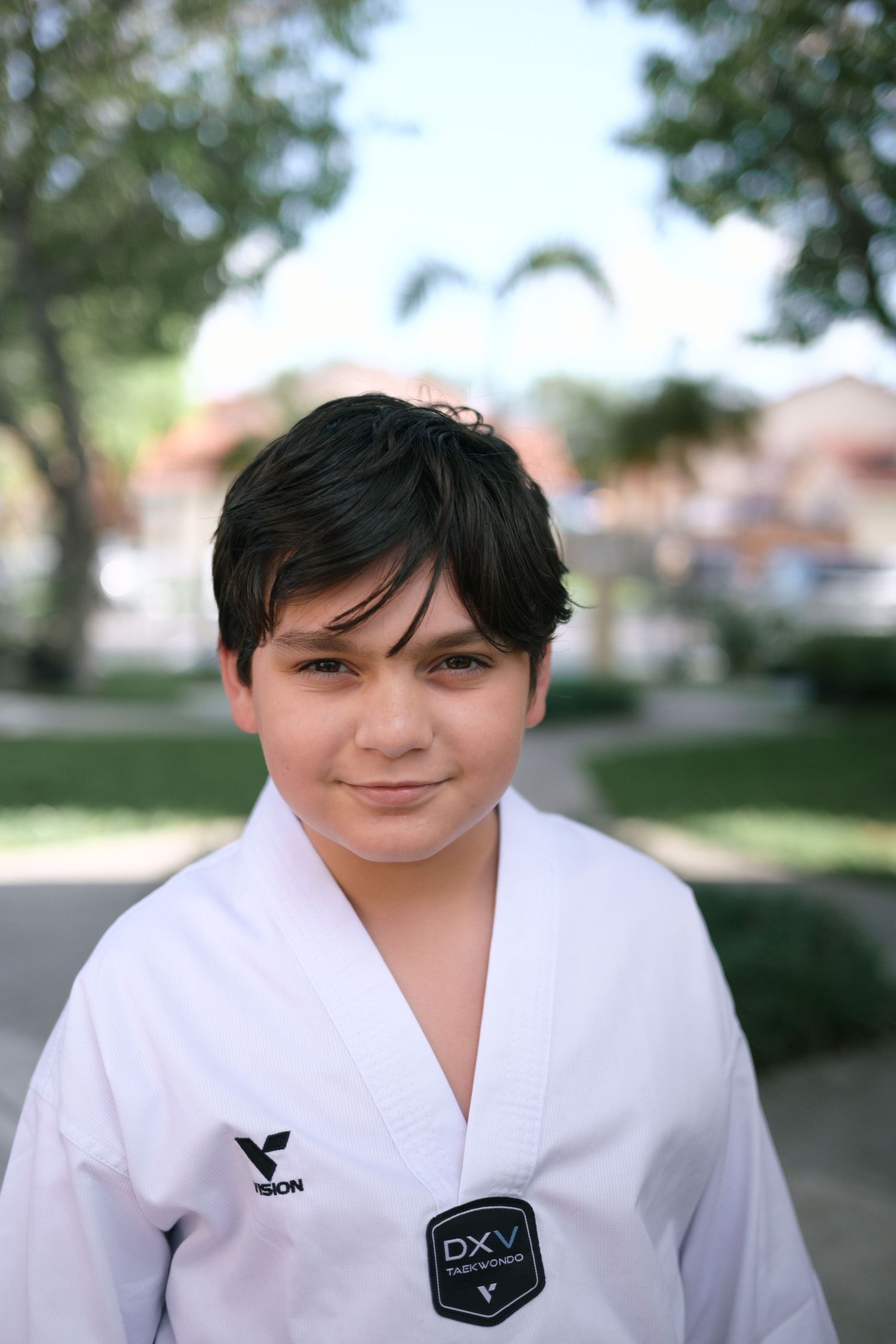
I tested this out just this weekend as my father needed an updated headshot. Of course, everyone got in on the headshot fun and I ended up doing headshots for everyone at my parents' house. The results, I think, speak for themselves. Can you tell the difference between these photos of my kids and the ones of the wedding above it? There's zero editing on the photos of my kids. Just straight out of camera JPEGs. For someone that takes as many family and travel photos as me, that's insane.
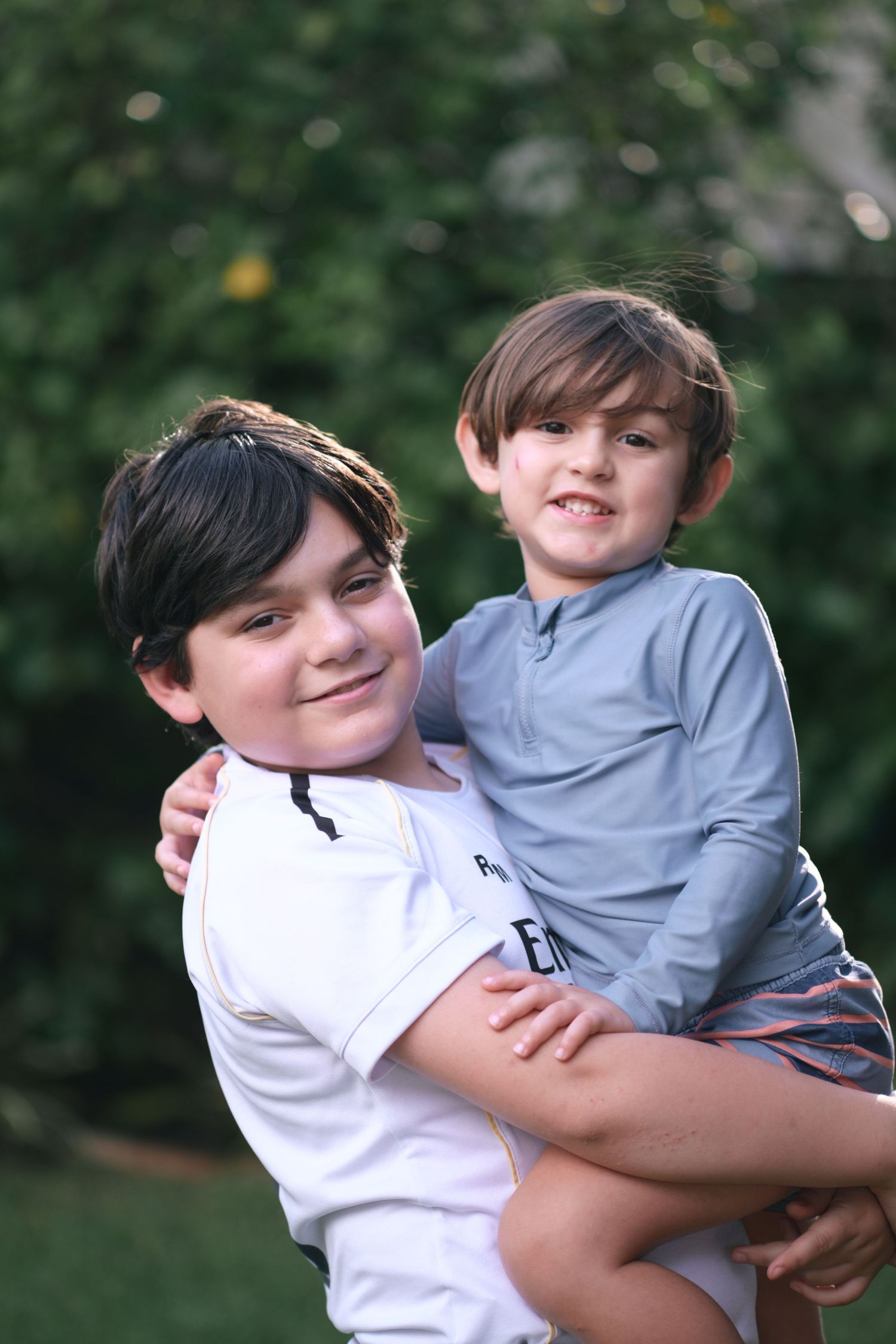
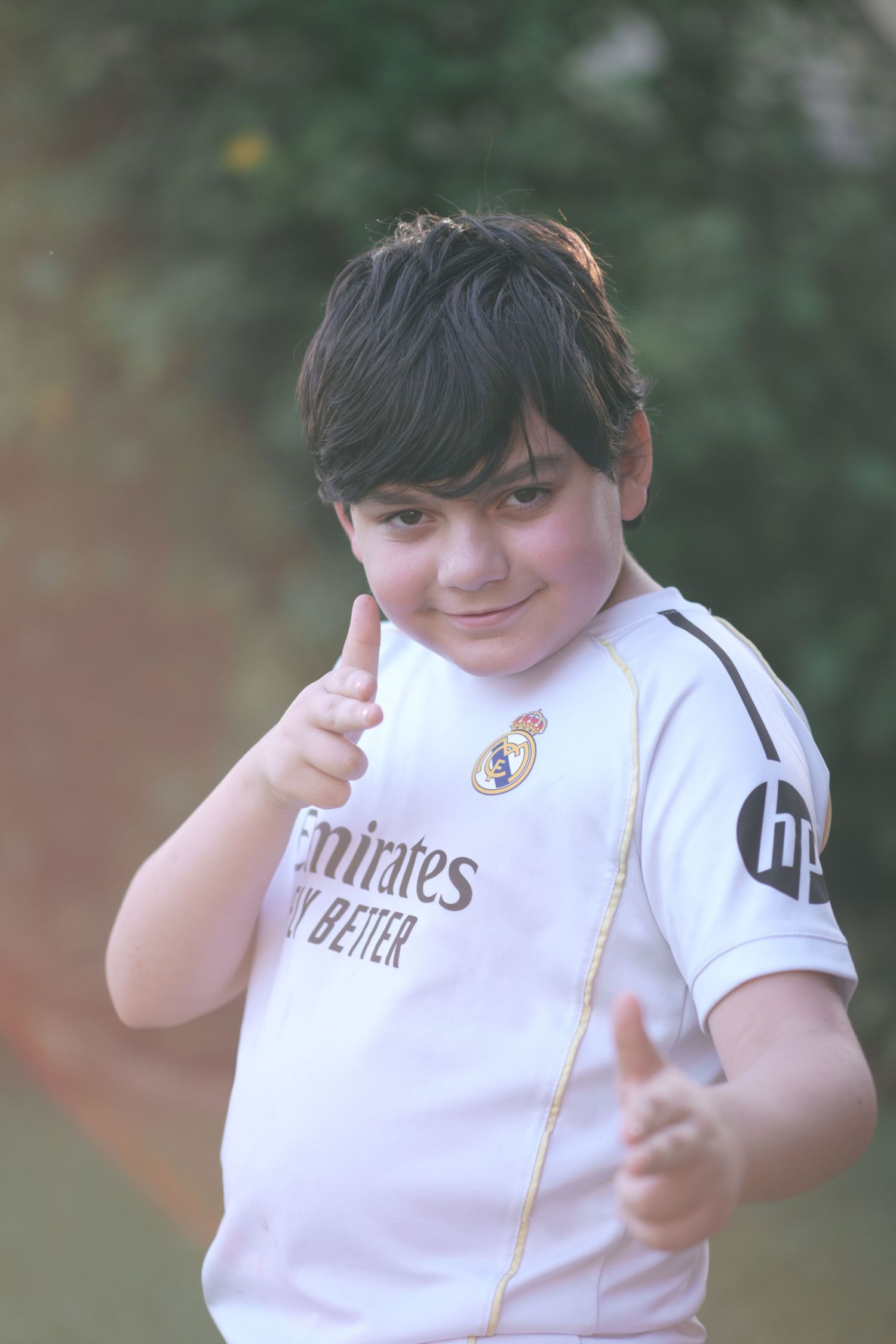
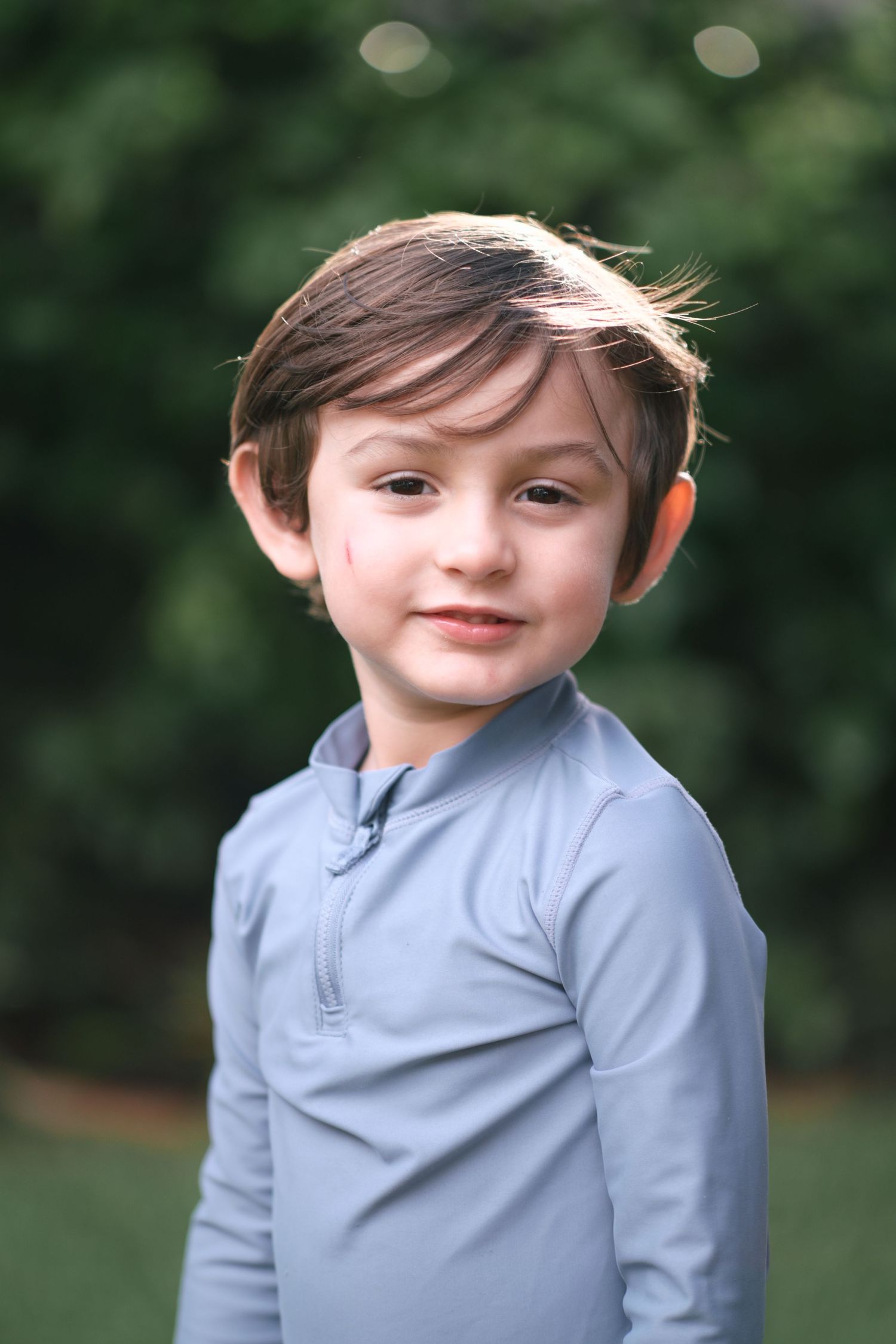
This isn't useful only for personal photos, though. Already I have found this to be a boon for my professional work.
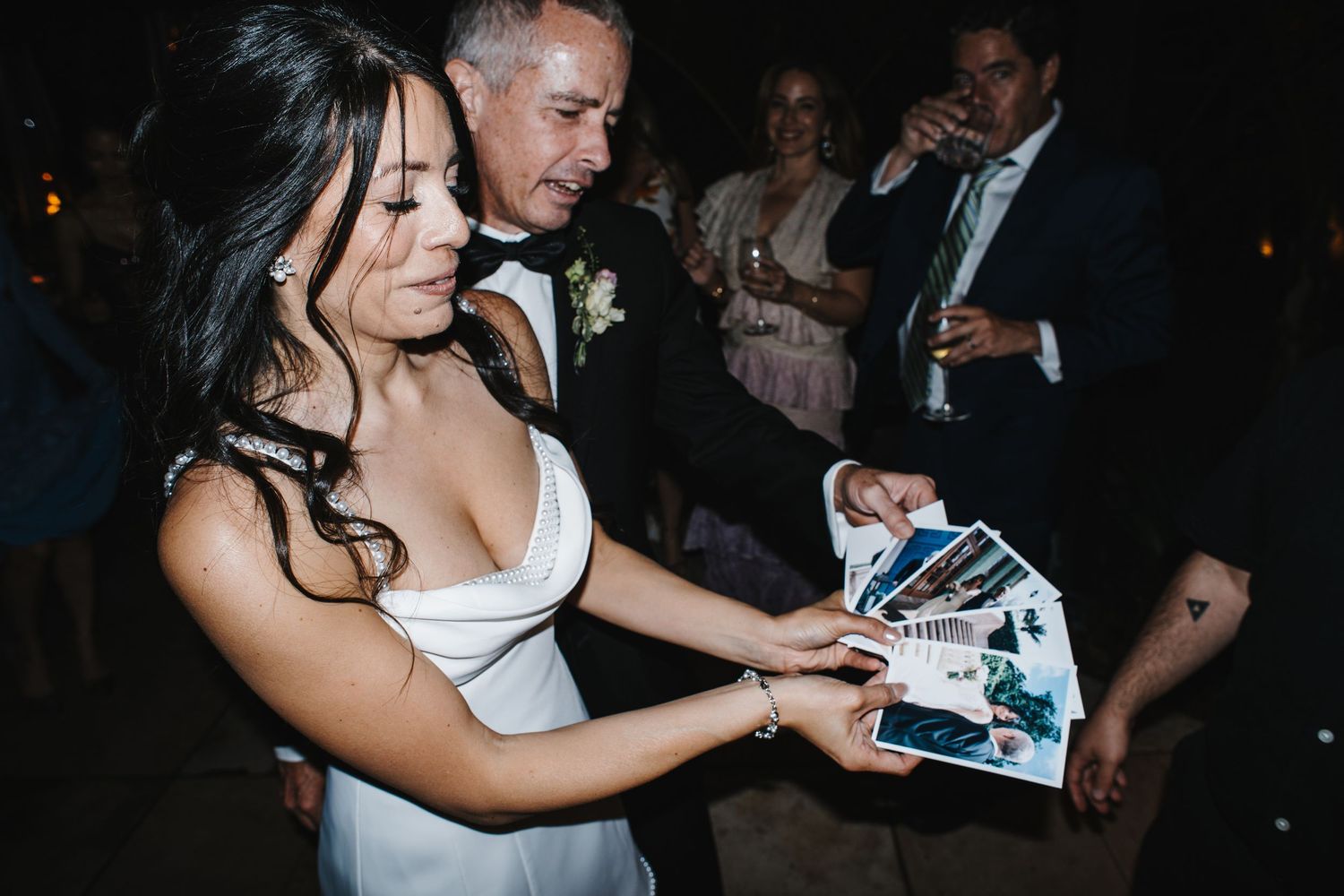
By shooting RAW + JPEG and having a custom tailored flexible color picture control, I can now print photos at weddings with much more ease. I was never happy with Leica's raw colors for printing. But I like leaving my couples with a memento of their day in the form of physical sneak peaks. I've found that just a handful of prints made on high quality photo paper goes a long way. But these all needed to be edited so that I could print them. This meant that while I was having dinner I'd be pulling double duty and editing while I eat. Now I can just select the ones I want, send them to print, and go about my dinner so I can get back to making some gorgeous wedding photos.
Subject Detect Manual Focus
This is, in my opinion, the single most innovative feature any camera maker has implemented since the introduction of the mirrorless camera. For many, this will be meaningless as obviously the standard today, as it has been for quite some time, is to simply use auto focus. However, there are many who still have and love to use vintage manual focuses lenses on modern mirrorless digital cameras. I am such a person. And with my collection of vintage Leica M, Pentax K, and Nikon F lenses, this now provides something that no other brand can offer.
Expeed 7 equipped cameras can use the same subject detection mode that all modern cameras have, but in manual focus mode. This means that even though I have a vintage manual focus lens mounted, the camera will still recognize subjects and allow me to confirm focus once I have it. How easy is this? Well, I have custom mapped the AE-L/AF-L button to be a 100% zoom button. So, when I have say an AF-D Nikkor 35mm f/2 mounted and press that button, the camera automatically zooms in on the subjects eye and will show me only that portion of the image as I gain focus. With a chipped lens, like Nikon's AF-D lenses and on, you even get a little green focus confirmation box when using the Nikon FTZ adapter.
I cannot overstate how useful this is for a photographer that relies heavily upon vintage lenses. This is a game changer. Suddenly, even Leica M lenses are easier to focus manually than even with their native M mount rangefinder cameras. And because this Zf is of a, you know, normal size, the ergnomics of using old lenses and especially M lenses suddenly becomes something akin to using a film camera on steroids.
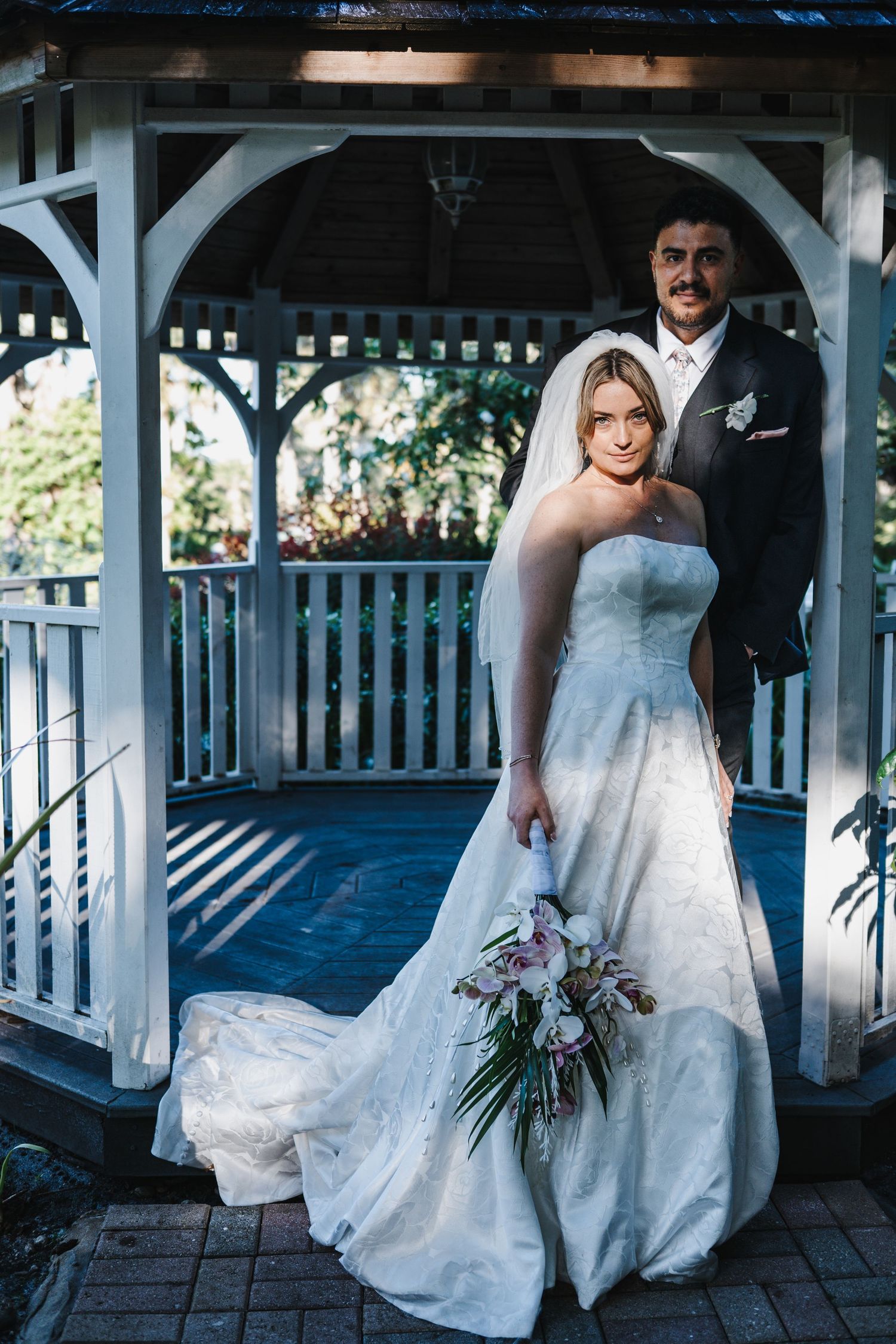
I started out in the wedding photography world by adapting vintage Leica R lenses to the Leica SL. It was a big part of what gave my photos their look. Vintage lenses render images in drastically different ways than modern lenses do. I don't like the clinical and sterile rendering that modern lenses tend to give. It's why I opted for the Z Nikkor 40mm and 28mm lenses in the system. I have zero desire for the overly-corrected S line of lenses that Nikon touts as their top of the line. The Z 40mm and 28mm draw similarly to how Nikon's lenses of yesteryear do, with loads of character without losing any sharpness.
Being able to keep that vintage and classic look, but making it easier to never miss the shot? That's like heaven for someone like me. It's suddenly possible to use vintage lenses for anything as I don't really need to rely on auto focus for anything. I can ensure I get the shot with subject detection with manual focus lenses.
I can't wait to get a dip kiss down the aisle with something like my AI-S Nikkor 50mm f/1.2. I would never have attempted that before. But now it is not only something I want to attempt, but know I'll get the shot. And with wider lenses like the gorgeous AI-S 24mm f/2.8, this is even easier.
And it doesn't work only with people. No, animals are fair game too. And not just one eye! You can go back and forth between all the eyes present on all subjects. Because of this I have my subject detection box set to a manageable size and move that box around as needed for my composition. So far it has not failed me and I don't know why it suddenly would. But it has given me renewed love for the kind of shooting I started doing with weddings before I started using auto focus Sigma lenses on my SL.
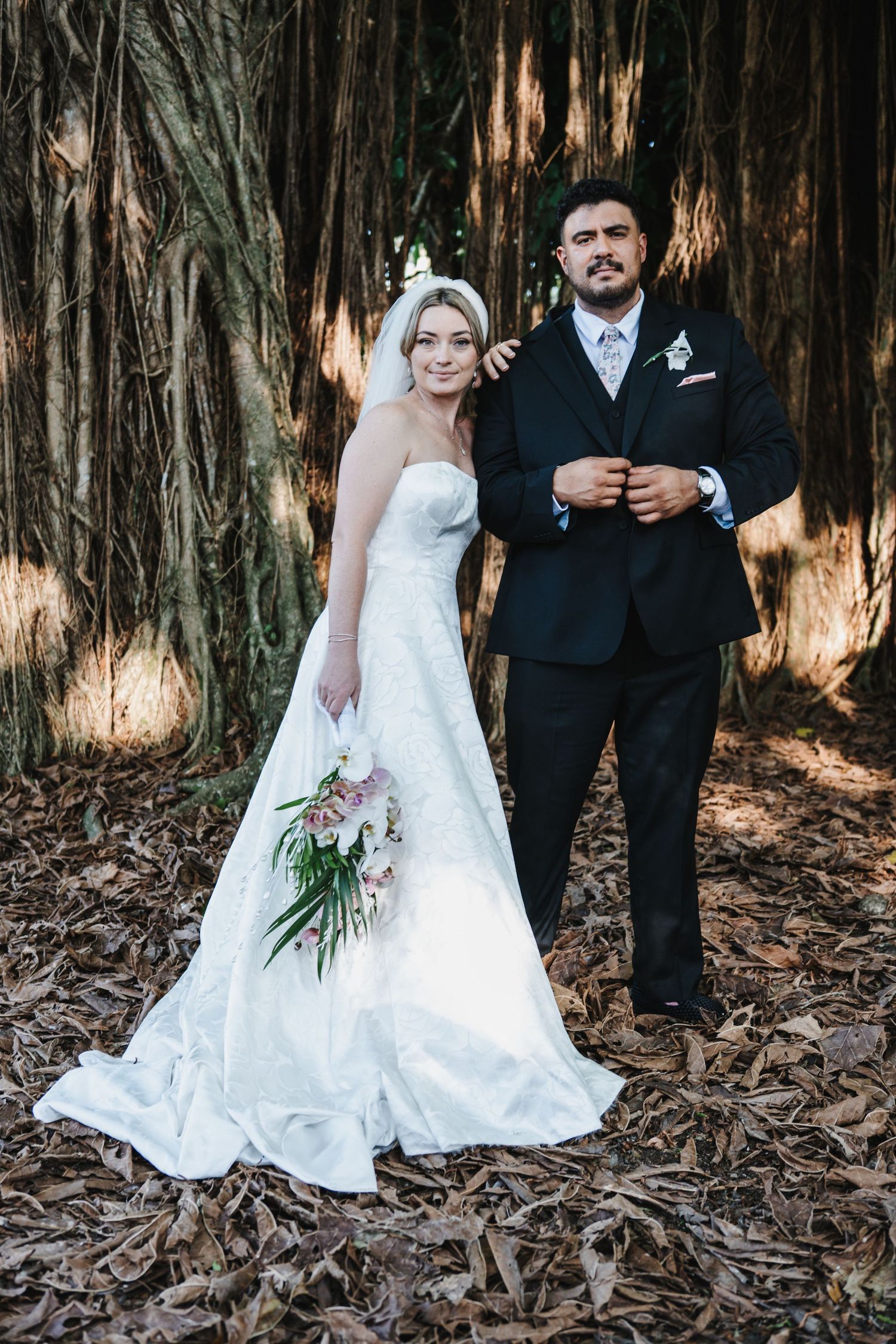
Those gorgeous RAW files
At the end of the day, however, what matters most to me in a digital camera is how the RAW files work for me. Because I rely primarily on film for my personal photos, and when I go digital for this I often end up using a DSLR (at least until recently) that has some fantastic straight out of camera JPEGs, my digital mirrorless cameras have always been "work" cameras for me. Now, that may change with these Zfs as I see myself taking one with me alongside a film camera for travel, but the primary purpose of these Zfs for me is for work. So the quality and workability of its RAW files are of supreme importance to me.
Part of what saw me falling out of love with my Leica digital cameras was the amount of work that went into editing the files. I don't see a difference in the final output, and a good photograph is a good photograph. But for the few months I used the D3S as my main work camera, the files, ancient as they may be compared to those Leicas, were so much easier and fun to work with. The colors responded so much more in line with how I wanted them to. The skin tones were nicer. The skies became the exact shade of blue I wanted, just as the greens did. It felt like I was finally getting close to having my digital photos look like my film photos look.
One of the things I'm particularly nerdy about is highlight roll-off. I really hate that very digital look of clipped highlights. This is something that I think the Panasonic S5 excels at, it's highlight rendering. The Zf also blooms highlights in a very similar way. It isn't exactly the same as film, because what is, but it's a damn lot closer than I was ever able to get with my Leicas.
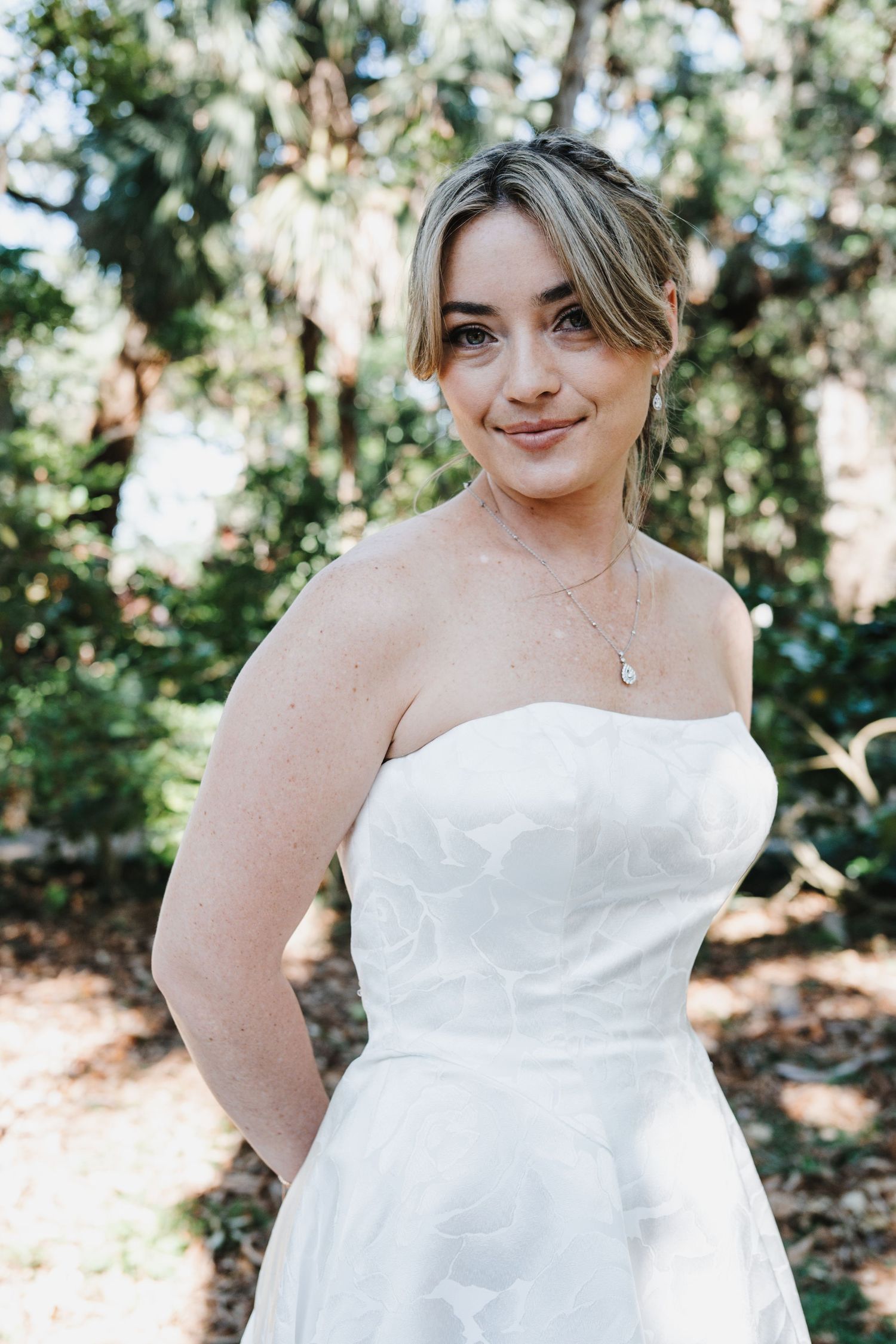
The amount of colors and dynamic range on tap is also out of hand.
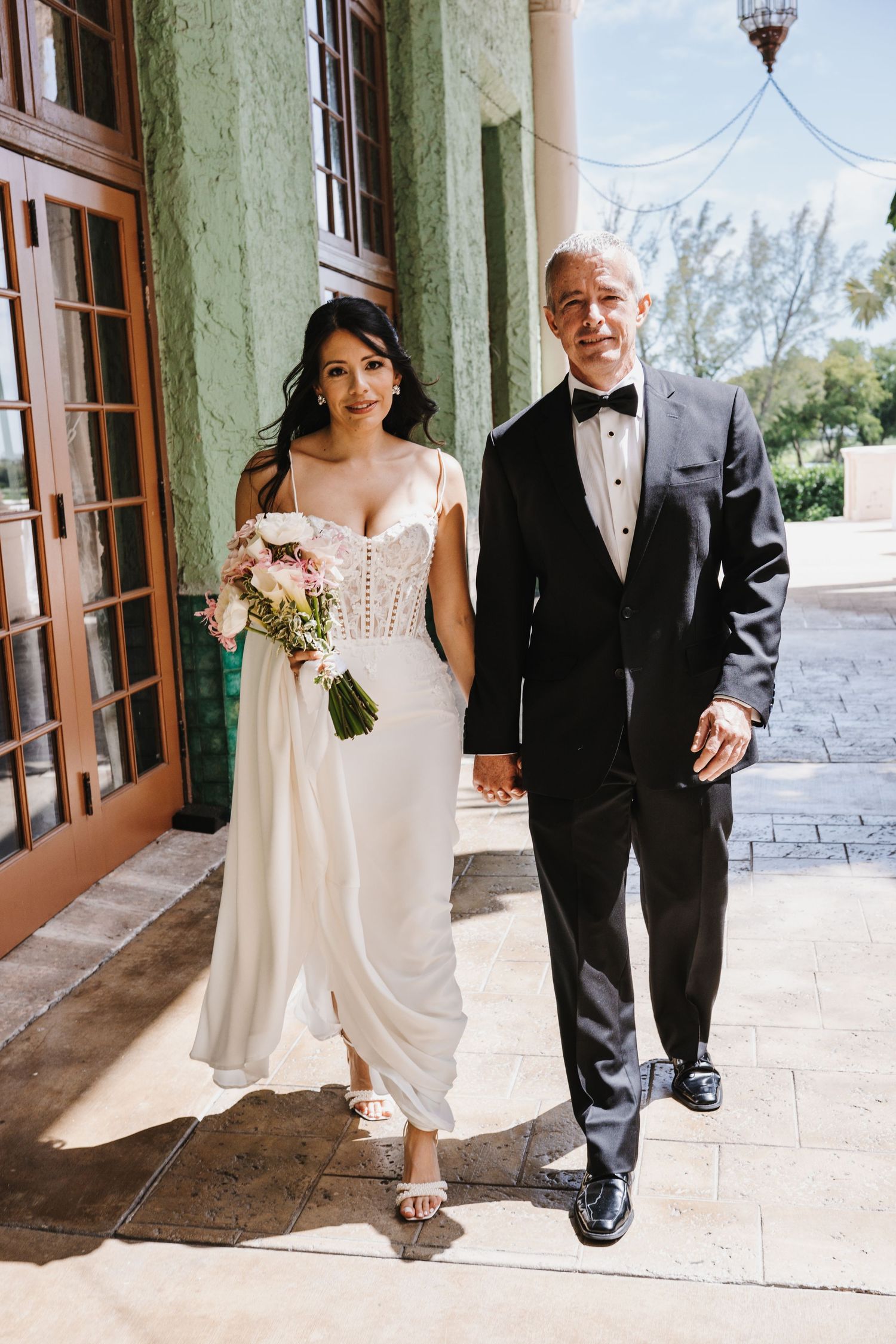
Granted, I'm coming from cameras that made their debuts in 2015 and 2016, but the ability to basically get the exposure I want in post regardless of the dynamic range present within the frame is mind boggling. This example here showcases that well.
Maria and Hugh are partially shaded, as is the green wall of the Biltmore hotel. In keeping with my style I slightly underexposed the couple, maybe by a half stop, so that I could essentially bracket within a single exposure. I was nearly certain, however, that I would not be able to salvage the background that was in direct sunlight. And I had written off the sky entirely. To my surprise, though, with minimal editing I was able to lift shadows and lower highlights enough that masking my subjects and background individually wasn't necessary. I still did, of course, to refine my exposure further. Either way, I was absolutely gobsmacked at the ability of the Zf's sensor to retain information in the shadows and highlights.
So often with my Leica cameras I found that attempting to do what I did here left me with color shifts that were not pleasant. I might have had to work extensively with a photo to get it to a place that I was happy with. Sometimes that even meant abandoning color all together and simply going black and white if it was a shot I really liked, but simply could not salvage in color (I'm giving away trade secrets here, but can promise that's not the only reason photographers go black and white). But the Zf handled the situation with such grace that I am beginning to wonder what amount of dynamic range would need to be present to finally make a shot unusable. I'm not sure it exists.
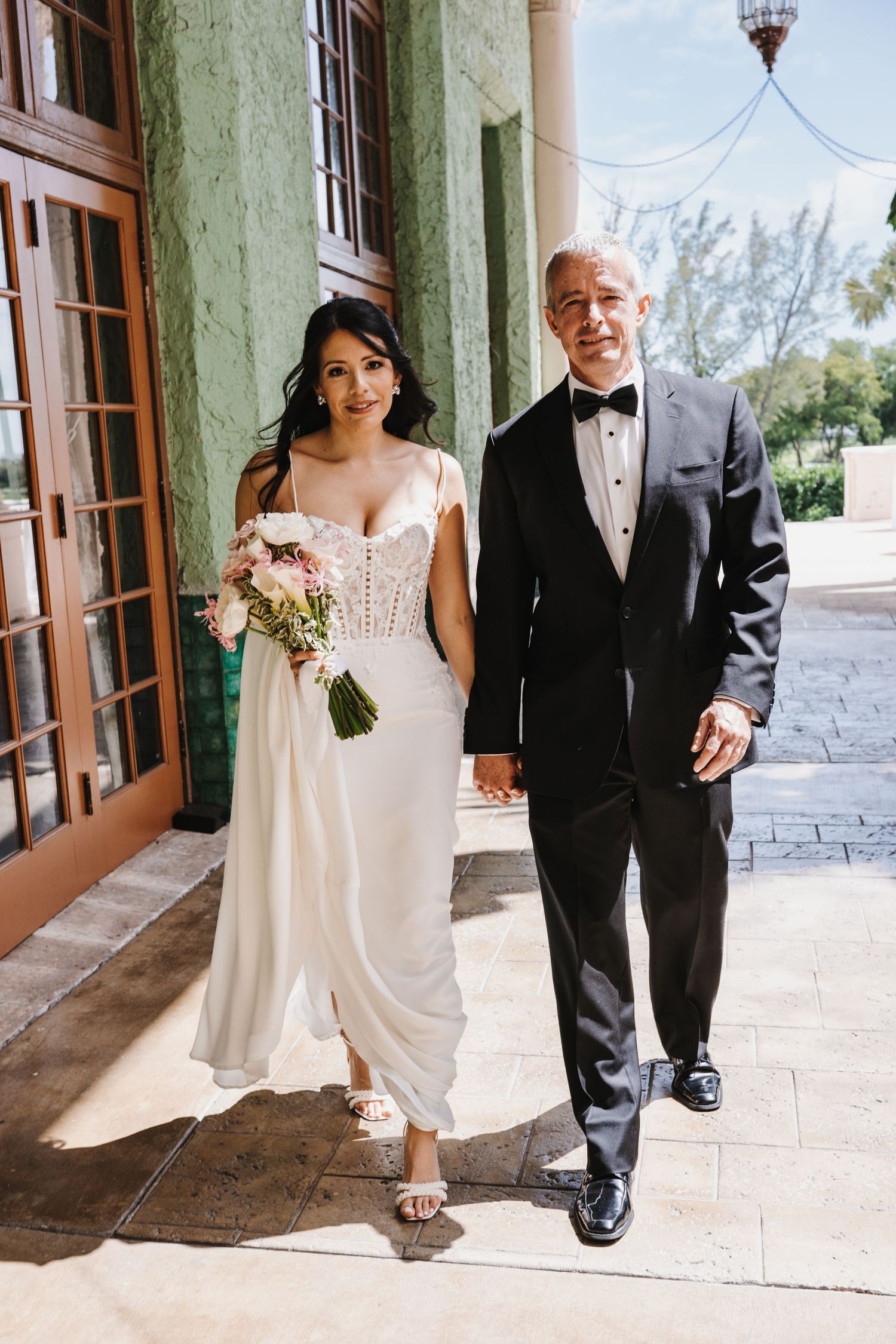
Side-by-side
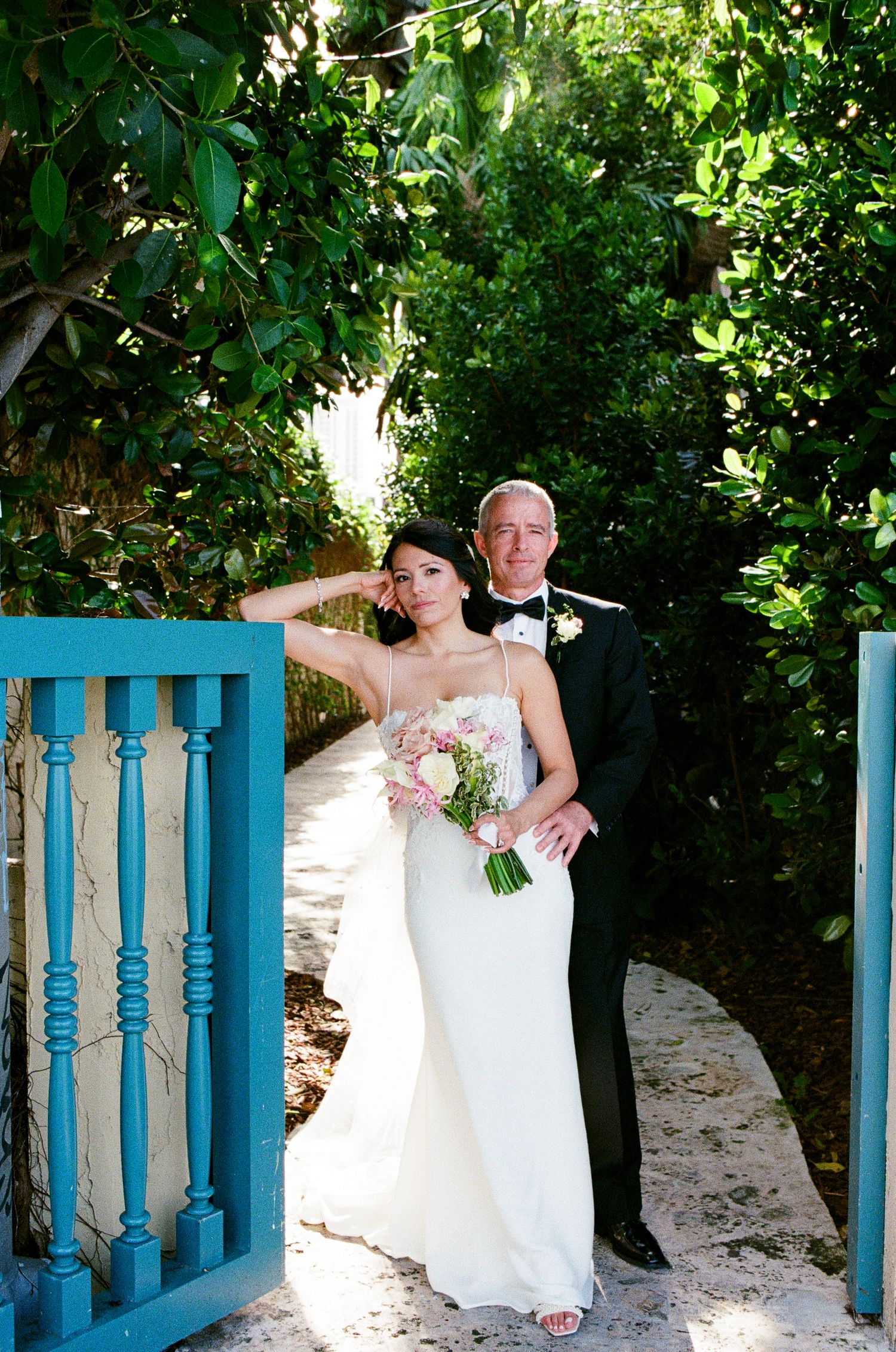
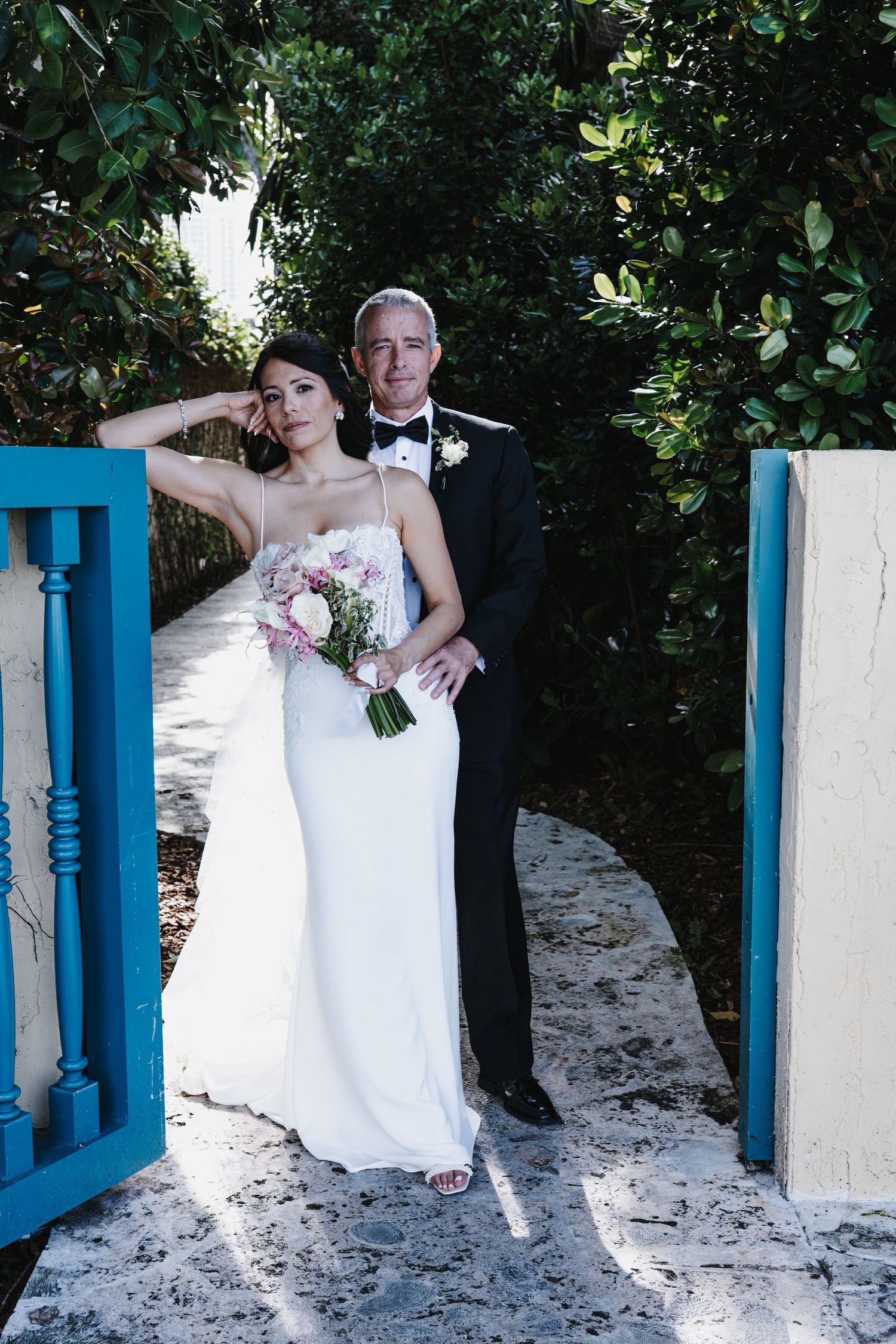
Something that cannot be overstated, is how film and digital integrate into a workflow. With the Zf, it makes shooting both film and digital side-by-side a breeze because there is zero recalibrating going on in my head. My go-to film camera for weddings is the Nikon F100. While I prefer the shooting experience of the F3 and FM, the F100 makes shooting film so much easier on a wedding day which can move at breakneck speed. But because everything is so tactile on the Zf and the F100, there is not much that needs to go through my mind to adjust exposure. Yes, it was seamless with DSLRs like the D3S, but this is pretty damn close. And I've noticed that I'm actually shooting more film now since switching to the Zf. These two shots, the first being made with film and the second with the Zf, are a perfect example of this. My digital edit doesn't lean quite as warm as the film does, being a little moodier than the film shot, but it does show how easy it is to switch on and off between the two.
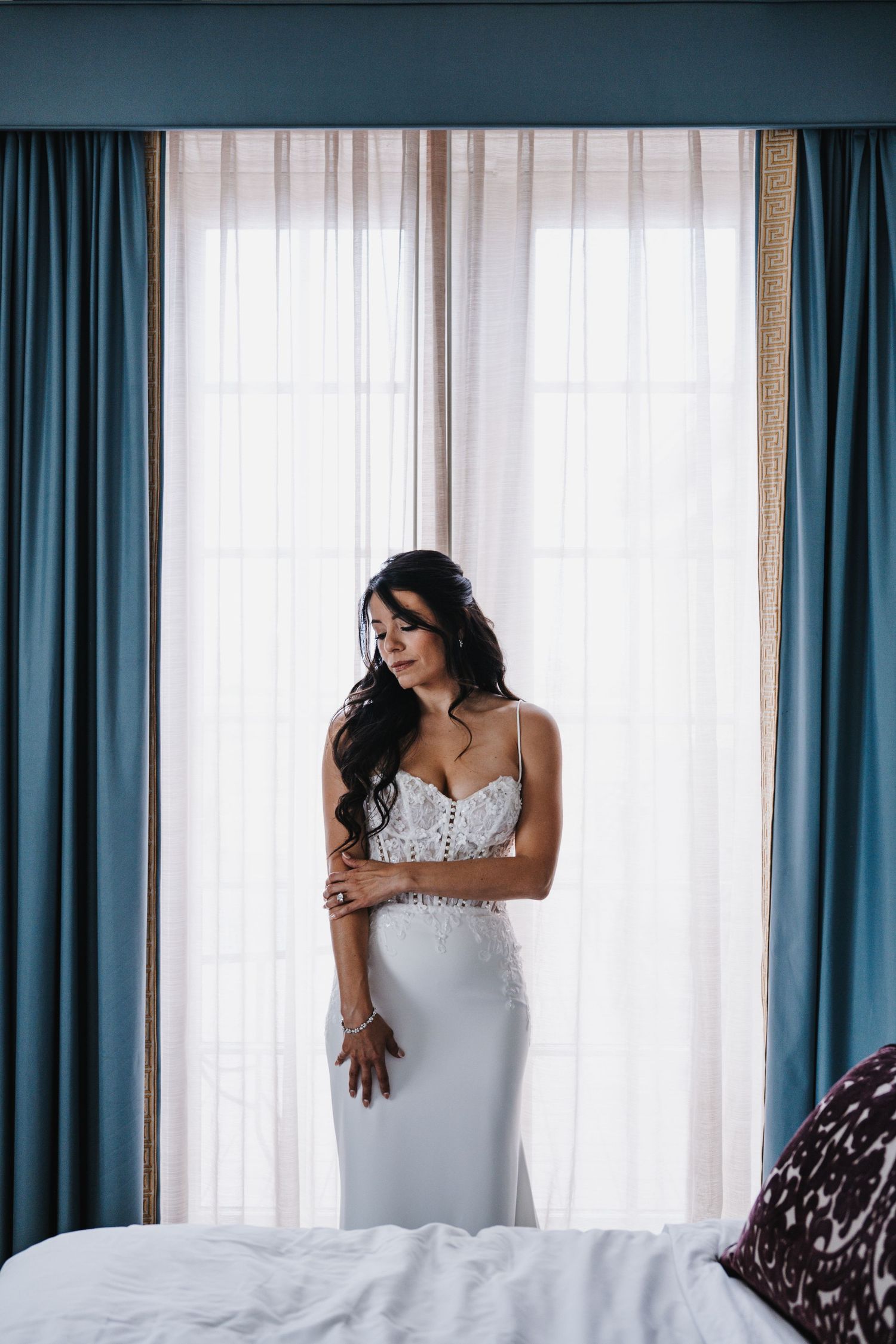
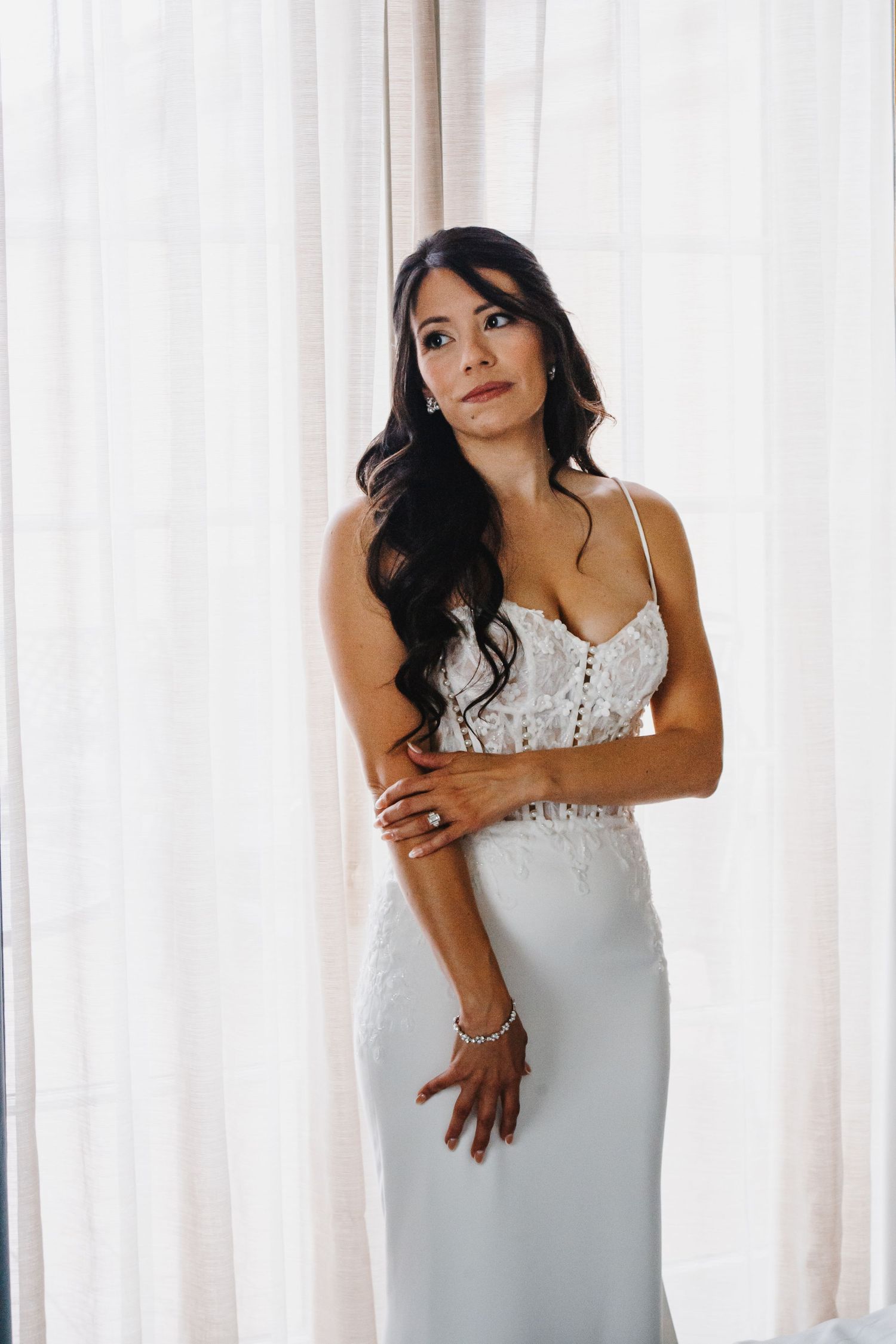
But it doesn't extend to only film and digital. It actually goes deeper than that. The ability to shoot Nikon DSLRs like the D3S and D700 side-by-side with the Zf is also a reality now. These two solo portraits of Maria were made at the same time. I was shooting the Zf and 40mm f/2 while my associate shooter was on my D3S and AF-D 50mm f/1.8. Applying my same color preset to both files yielded nearly identical colors. The D3S is slightly softer, a softness that I actually prefer and appreciate, but overall the look is just about seamless. I was able to mix the Zf and D3S shots in the same gallery and I don't expect anyone to be able to tell. In fact, the only reason I'm sure of which is which is because of the file name and the crop, knowing what focal lengths were used for each. That means that in the extremely remote possibility that BOTH Zfs go down, keeping a D3S or even a D700 in my bag as a backup means that I can switch without any noticeable difference to the final photograph. I'm interested in testing out how the D3X looks in this mix when I finally receive mine in a few weeks (hooray for me finally getting one after wanting it for so long!)
Final Focus
For the first time since I started shooting professionally I feel like I have a set up that I can take with me for any reason and any purpose and not only make beautiful photographs that I'd be happy to deliver to clients, but also enjoy the process of making said photographs. And the fact that I can use this kit for paid work as well as for personal pictures is honestly something that is amazing to me. Coming from having one digital kit for work, one digital kit for personal, one film kit for work, and one film kit for personal...this seems like the most streamlined I've ever been.
I still have my Pentax lenses and two of my Pentax bodies, the wonderful PZ-1 and the incredible MX, and I still have my Leica M3 and all my M lenses because it remains my favorite camera of all time. But having this amazing collection of Nikon lenses and bodies means that I can grab any camera and body off my shelf and be ready to shoot anything. I can go with how I feel and ensure that I'm enjoying the process as much as the final results.
Because that is, in the end, what it's all about, isn't it? I mean, I got into photography for a reason. I don't mean wedding photography. I mean photography as an art form. I needed a creative outlet when the COVID lockdowns made it impossible to keep playing and performing live music. Photography was a way for me to reconnect with my inner child as I was an avid photographer as a kid, but it was also a way to express myself, make some art, and have some fun.
The Zf allows me to do that in a way that my work kit never did before. And the strange thing is that while I learned an awful lot with those Leica cameras, I don't miss them at all. As a collector of quite a few things, I've bought and sold things for a long time. I sometimes end up regretting it and buying again. I feel nothing but sadness for the fact that I didn't start at Nikon. Maybe its because I skipped over the DSLR era of photography almost entirely. Or maybe its because I felt I needed the best - or what I felt was the best - to become a good photographer. But I do know that while my results are no better than they were before, I am feeling more connected to the tools and subsequently my subjects while using the Zf.
If I plan to continue doing this for a long time I'll eventually need to upgrade my gear at some point. Thankfully these cameras are as modern on the inside as one can get, so that's a far ways off. But I do hope that the Zf doesn't become a one-off model like the Df was for their DSLR era. I can't think of a single thing I'd want to change about the Zf, but I know that when it does come time to upgrade my gear many years down the road, I hope there's a newer version of the Zf that I can call upon. Until then, I'll enjoy my work photography more and keep integrating more of my own personal philosophy into my workflow.
All images © 2020-2026 David Ulloa Studio. All rights reserved.