Blended
The last two blogs I've written have all revolved around Nikon. First about the legendary D700 and then about shooting a wedding with AF-D Nikkor lenses. I can safely say that getting the D700 was a turning point for me. It made me fall in love with making digital photos all over again, but it also opened up a whole world of Nikon lenses that I had been sleeping on.
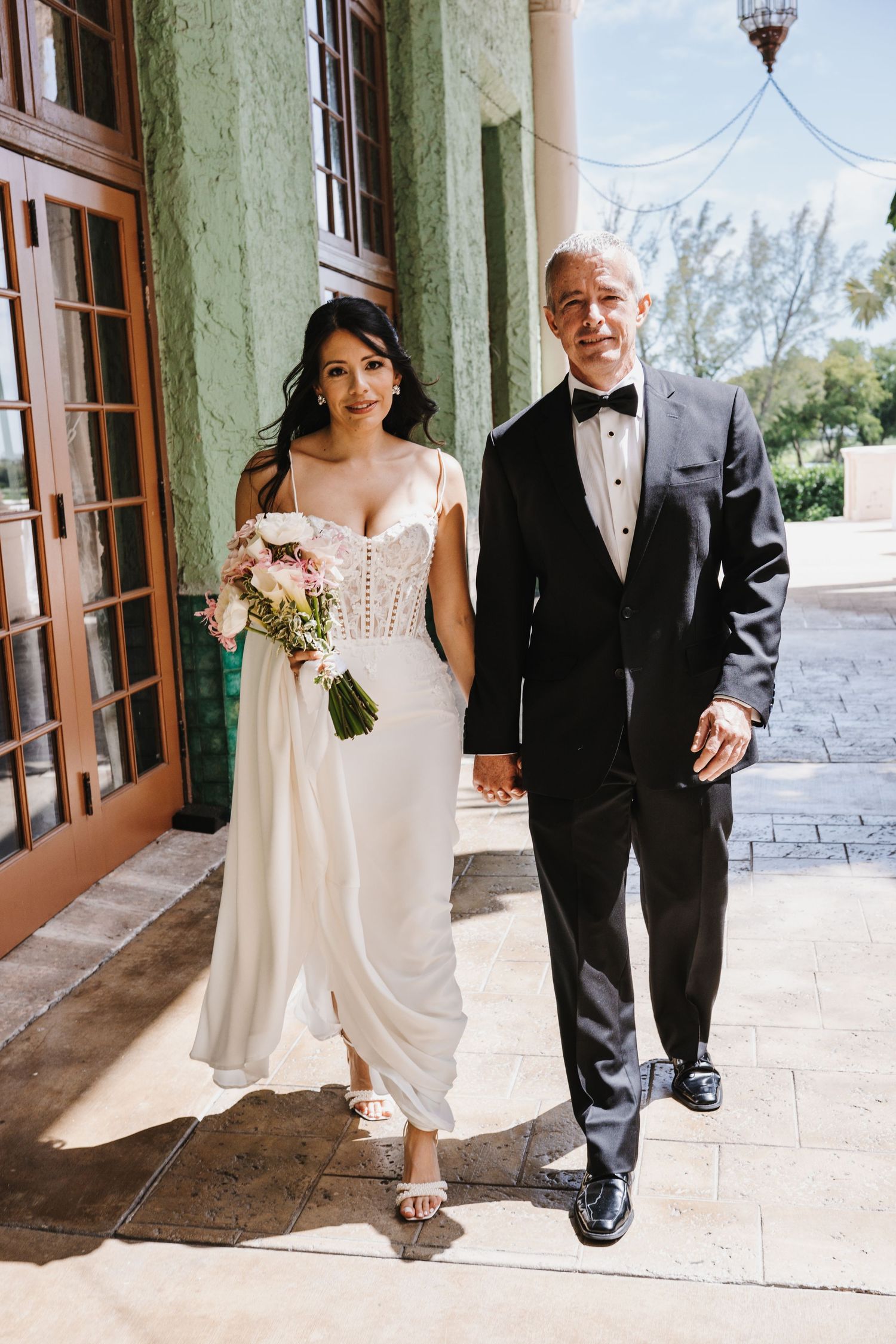
The issue then became that I had all these Nikon lenses - with the beauty of the F mount being that these lenses are as functional on a digital camera as they are with a film camera - and wasn't shooting them with film. As film is where my heart will always rest its head, I got myself an F100 for full compatibility with the AF-D lenses. I was immediately blown away; so much so that it has replaced the Leica M3 as my go-to wedding camera.
The F100 felt like the film version of the D700, which I had already fallen in love with. I actually scored that F100 for a great price and I'm sure I'll be writing a blog on that very soon. Because of how smitten I was with the F100 and these AF-D lenses, I began considering other film Nikons. I didn't have an interest in all-mechanical Nikons as I have Leica and Pentax for that (but how wrong I was, as I also got myself an FM and have rarely been so in love), so I was looking for something that felt more like a mechanical shooting experience, but with as much tech as possible.
I was torn between the F3, F4, and F5 but ultimately decided to give the F4 a shot as it seemed more in line with the philosophy I was going for in building my Nikon collection. I was not disappointed. The F4 has been reviewed to death, so instead of a true review I'll be writing about what my experience was like with it while shooting a test roll of KodaColor 200.
Metering
This was one of the big draws of the F4 for me. I wanted something with different metering modes to give me flexibility depending on the environment and what I'm shooting. My favorite way to meter is by eye. There is something magical about looking at a situation and trusting yourself. However, with my wedding work I like to be sure. And since I occasionally shoot film exclusively at weddings - although typically this is for the amazing Kayla at Gypsy Lemon - I wanted a camera that I could shoot in concert with the gorgeous F100, both by sharing lenses and metering. And while the F100 has a more complex matrix meter, the matrix metering in the F4's finder is astounding.
I frequently got exactly the exposure I wanted out of the matrix metering mode. This is particularly helpful as I like to shoot backlit subjects. When I meter by eye I often simply expose for my darkest shadows and then dial back highlights in post to get the exposure I want. The F4's matrix meter understood this and nailed it. But as I was testing its capabilities I tried all the metering modes.
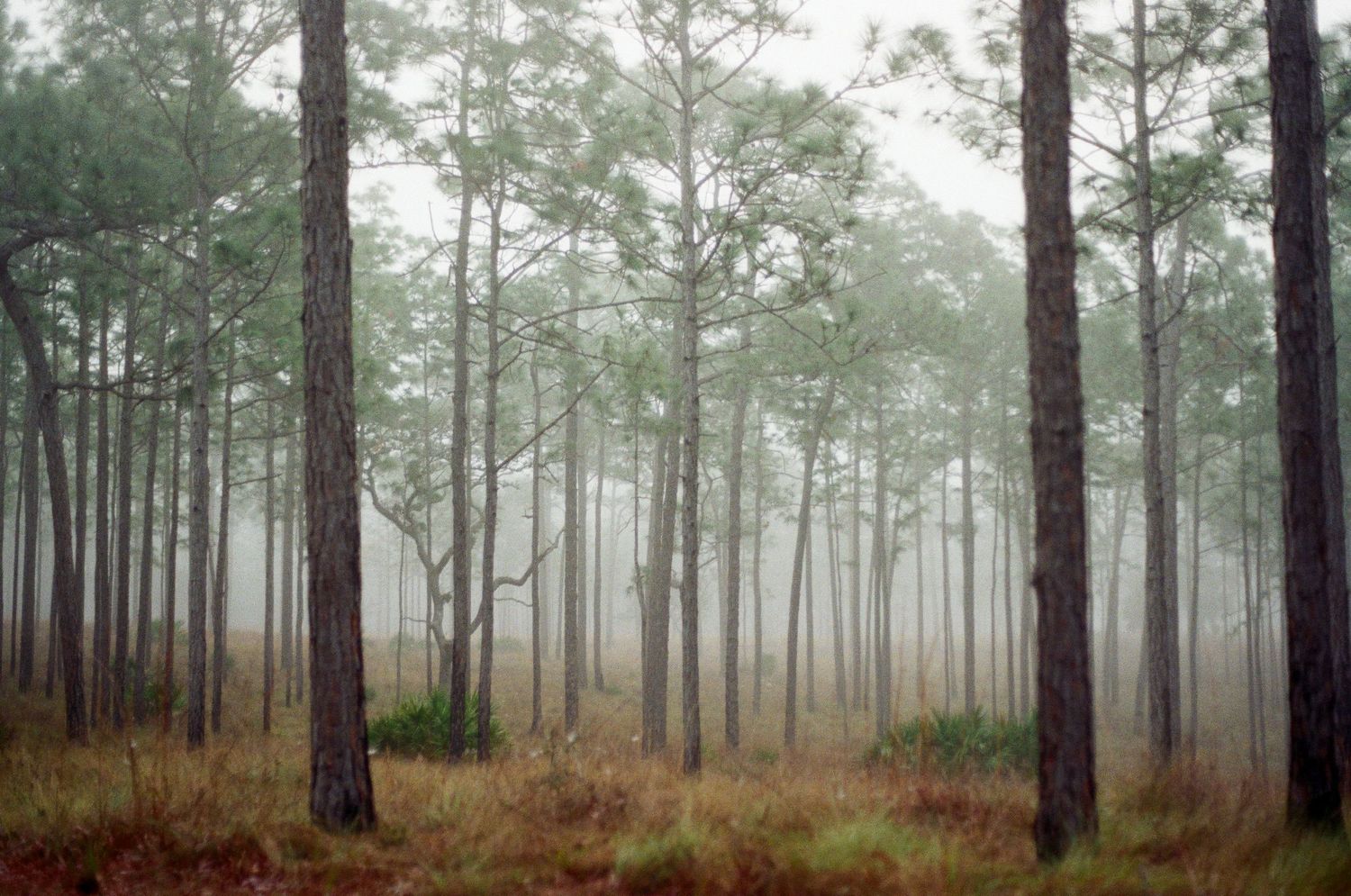
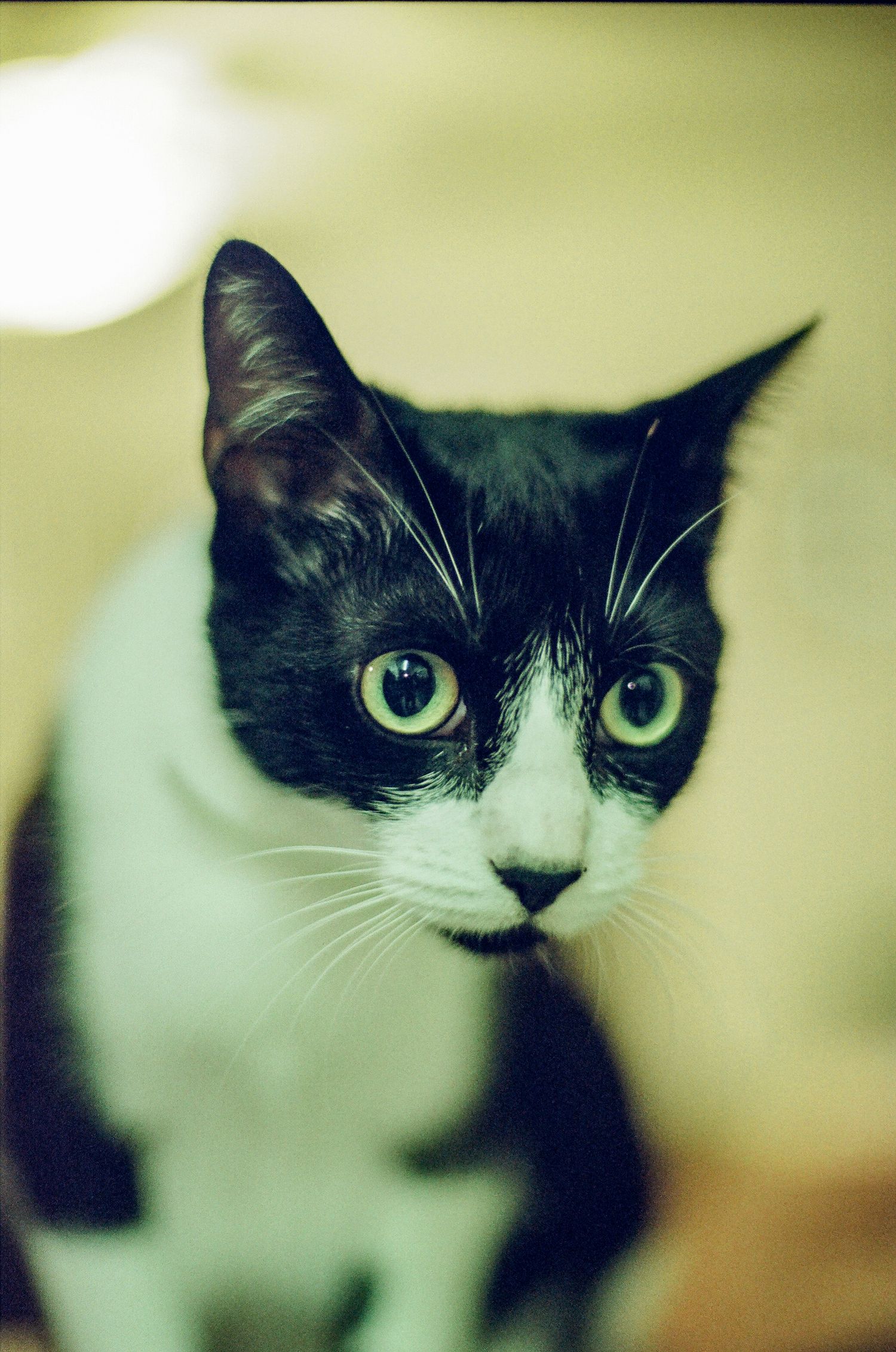
The spot meter was always spot on to what my eye was reading in the shadows. I tried the center weighted meter, but this is always my least favorite way to meter unless I am focusing and recomposing. In that case, however, I often just use spot metering. For certain kinds of shots, like this portrait of Selina, our cat, this is effective and no slower than matrix metering. However, I found the matrix meter to be so accurate that I don't see myself using any other kind of meter very often. And particularly for shots made zone focusing, the matrix meter is such an incredible thing.
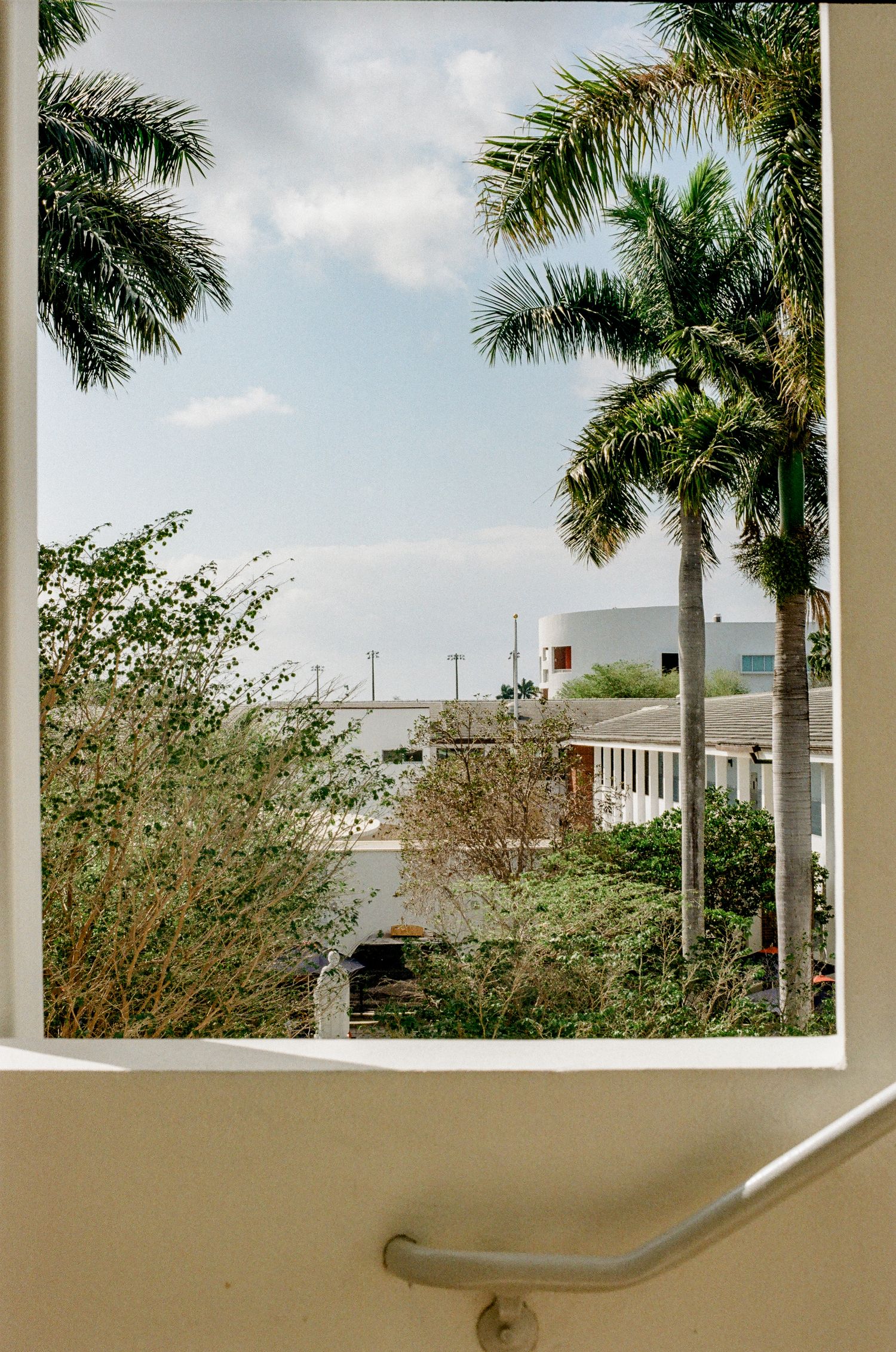
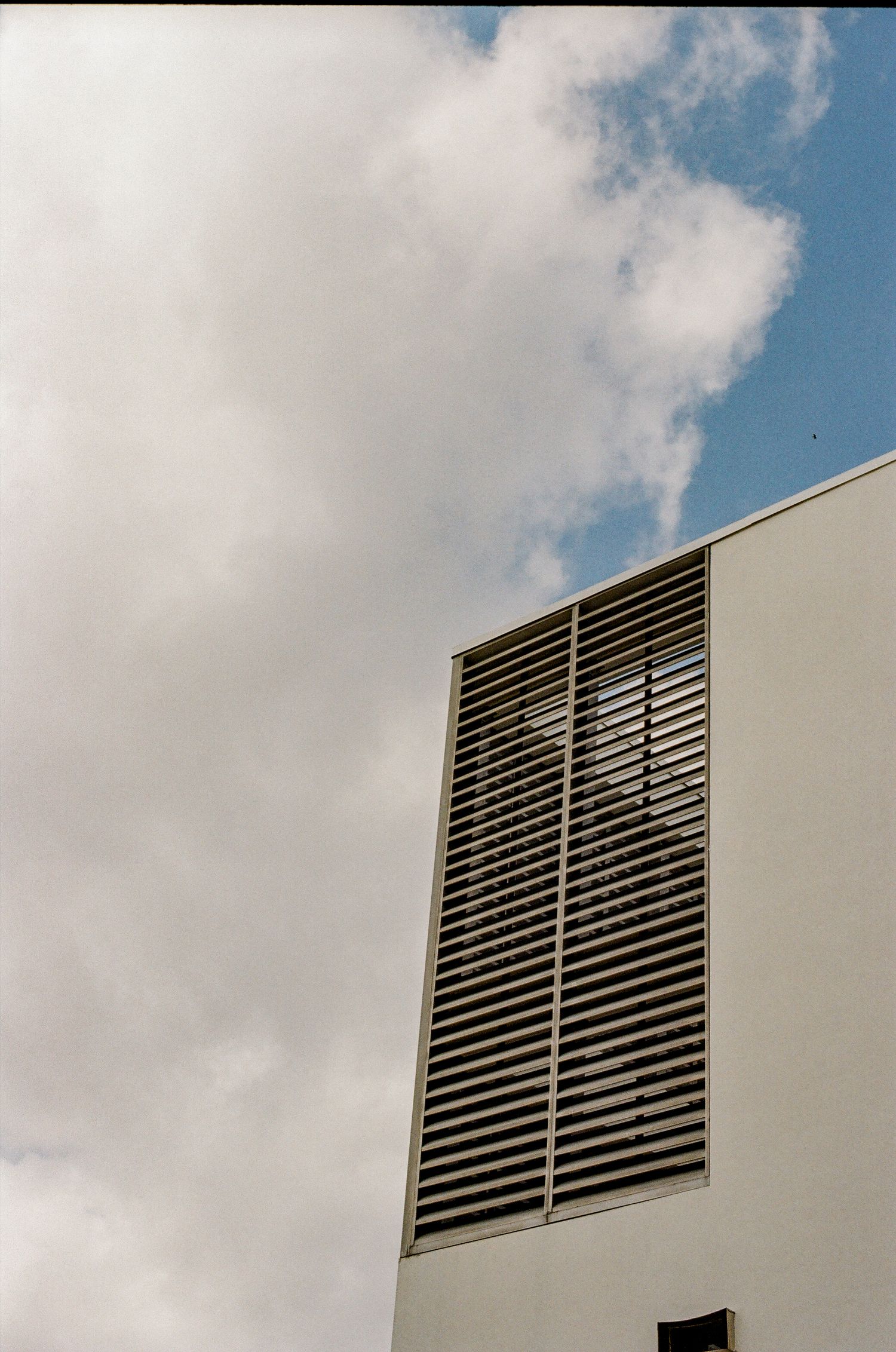
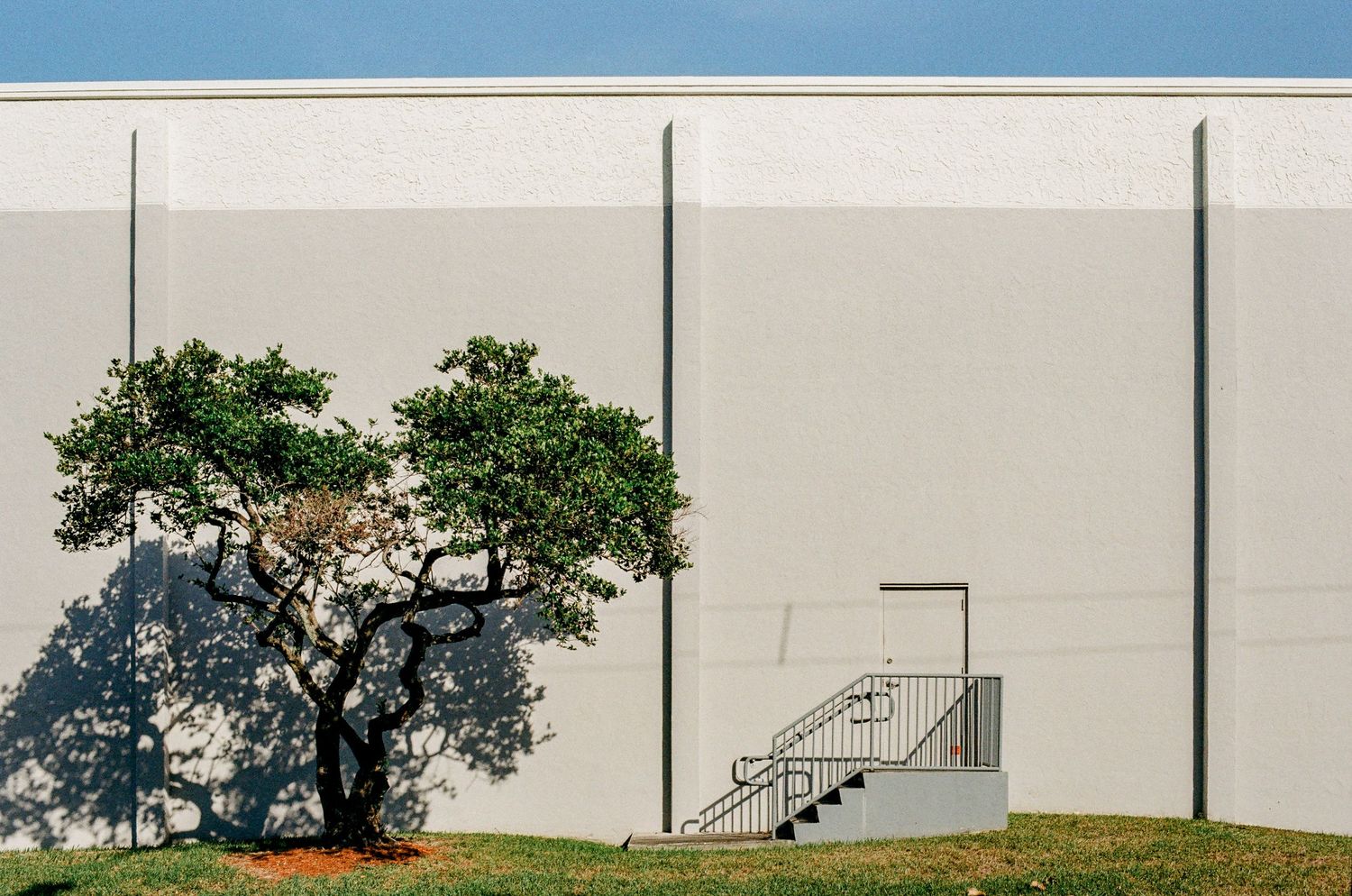
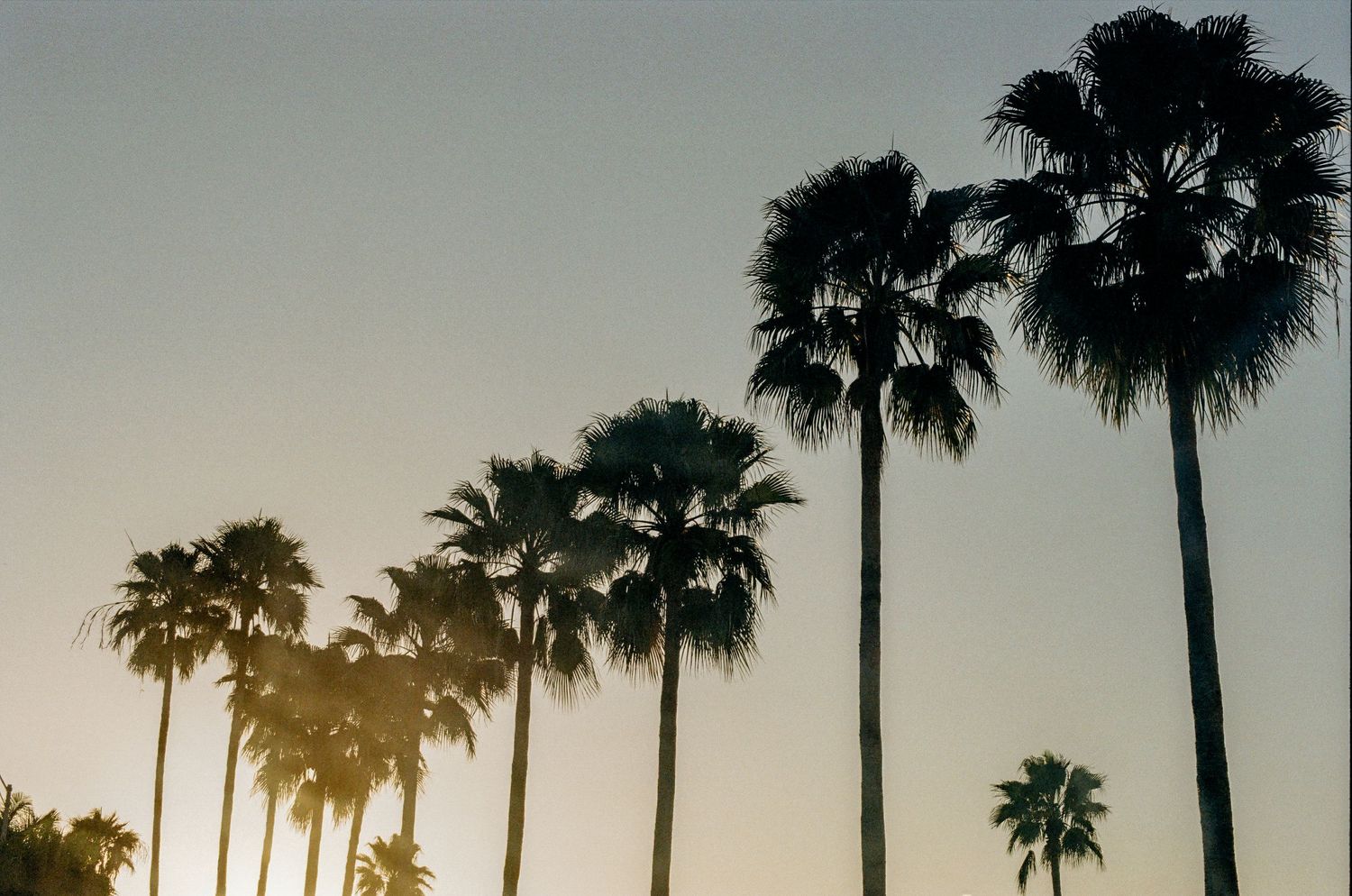
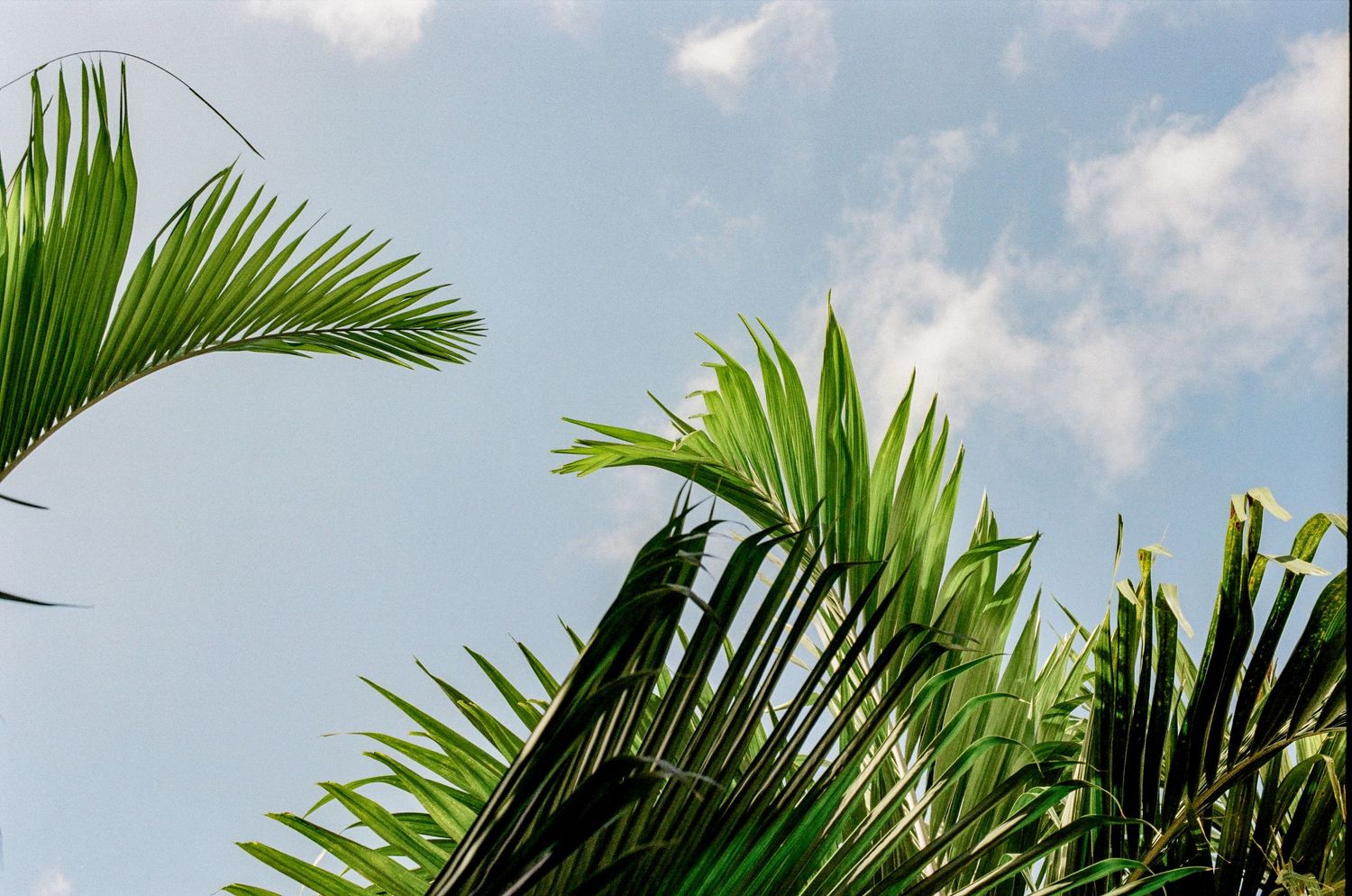
It didn't really matter how much dynamic range was in a scene either. The F4 was able to find an exposure that worked with the KodaColor's limited 200 ISO rating. Especially for outdoor shots, this is something that I find vitally important.
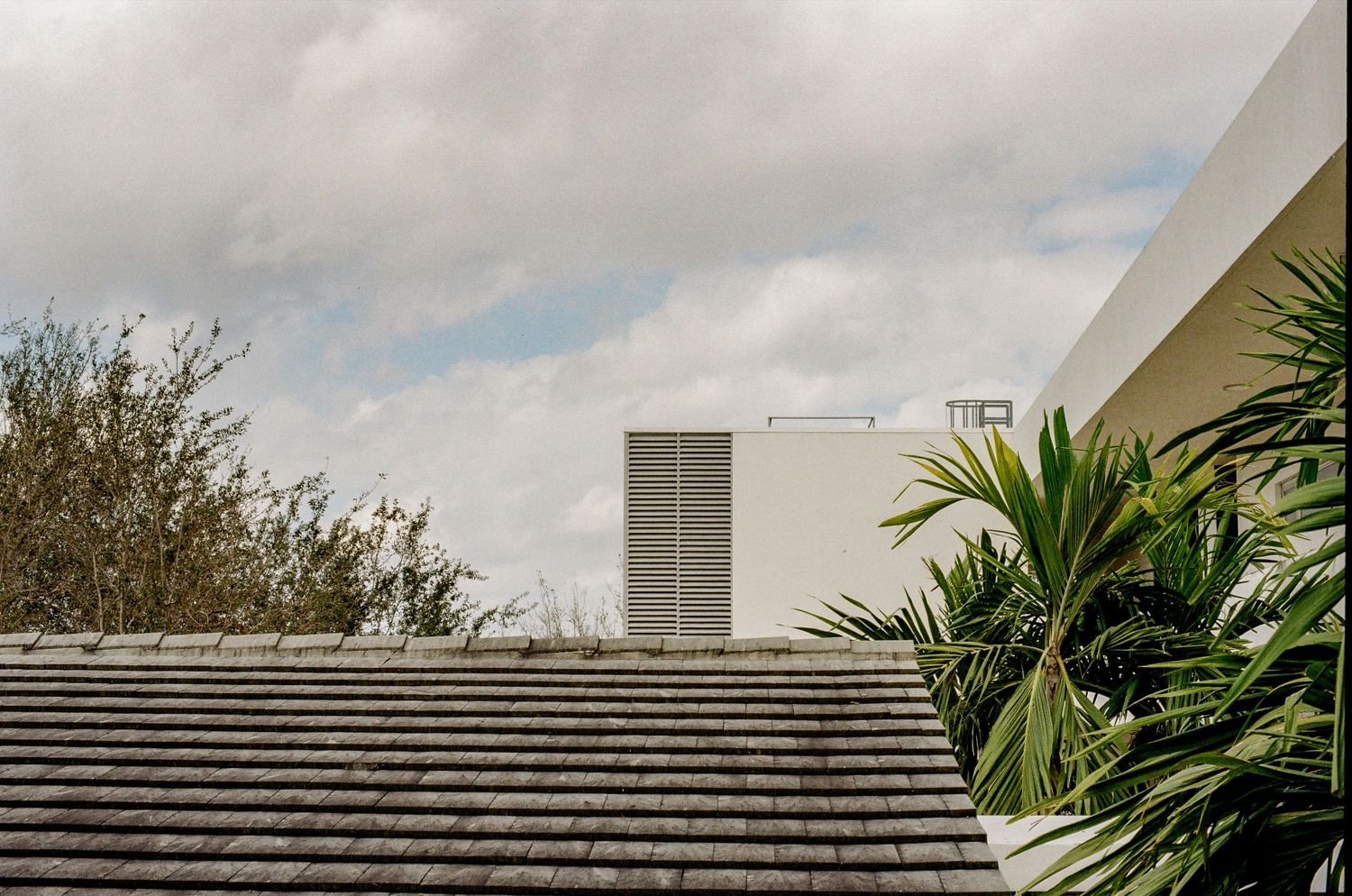
While this test roll was just that, a test roll with nothing mission critical on it, my intention was specifically to seek out situations in which I might find myself in mission critical work like a wedding. And one thing I love is exposing for subjects while keeping highlight and shadow detail usable. Particularly with skies and clouds, this is something I find important. And in each of these situations, the F4's matrix meter performed impeccably.
Dials and Rings
Possibly the most important reason why the F5 was knocked out of contention before the F3 was is due to its reliance on a more modern DSLR style control set. Like the F100 it uses front and rear command wheels to change aperture and shutter speed. The F3 and F4 rely on traditional aperture rings and shutter speed dials to change exposure settings. And ultimately the F4 felt to me like it integrated this mechanical experience with more modern technology in metering and shooting modes AND allowed for auto focus lenses to be utilized with full functionality.
For my style, this shooting experience was so much more enjoyable than the shooting experience with my F100. Sure the F100 is smaller, lighter, and faster, but the F4 feels like traditional film camera.

I brought the F4 with me while setting up a music video shoot and was reminded how much the tactile feel of turning actual analog rings and dials is an important part of the process for me. It connects me with the camera and by extension with the subject. You can go ahead and laugh about that. It may sound like so much hokum, but it does ring true for me.
So when I wanted to slow down my shutter just enough to add some motion blur to Valentina's hands and arms for her energetic dancing, it was an absolute joy to do. Feeling the clicks from the aperture ring found on the AF-D Nikkor 50mm f/1.4 and the shutter speed dial on the top plate of the F4 reassured me that I was on the right path. It also allows for changes to exposure being made without taking your eye out of the viewfinder and on the subject.

Viewfinder
I am fortunate enough to own some of the best film cameras ever made. There are lots of qualities that are considered when someone includes a camera on their "greatest of all time" style lists. But consistently the viewfinder is a big part of why a camera is so highly regarded and eventually takes on the status of a legend. And the viewfinder in the F4? Wow.
If you've read more than one of the blogs on this page there's a very good chance you've read me expound my love for the Leica M3's integrated rangefinder/viewfinder. It is my favorite viewfinder of all time. The F4, however, after exactly one roll is fast becoming my second favorite.
The DP-20 viewfinder, which was the standard viewfinder that Nikon sold for the F4's amazing interchangeable viewfinder system, is the brightest viewfinder I have ever used. There is no noticeable loss of light between what I see in the viewfinder and outside of it. It is truly remarkable.
In addition to its insanely bright image, the DP-20 also offers a 100% image coverage, meaning that what you see in the viewfinder is exactly what you will see on your negative. By comparison, the wildly popular Nikon FM offers 93% image coverage, which means there is about 7% of the image on all sides that will show up on your negative that you will not see in your viewfinder. For professional work, this is an amazing quality.
In addition to this, the image has a 0.7x magnification. I typically use cameras with a higher magnification. My beloved M3 has a 0.91x magnification. The aforementioned Nikon FM has a 0.86x magnification. This is essentially how large the image appears in the viewfinder. I have come to love the 0.91x magnification offered by the M3, but this is on the large side. Perfect for manually focusing fast lenses, but when many of the lenses I'll be using with the F4 are AF-D lenses, the smaller magnification means that with my glasses I can actually see the entire frame and never have to wiggle my eye around for precise framing.
But that isn't to say that using manual focus lenses, like AI and AI-S Nikkor lenses, isn't an absolute joy with the F4. And the beauty of AF-D Nikkor lenses is that they work just as well as manual focus lenses as they do auto focus lenses. With the brightness and clarity provided by the DP-20 viewfinder, manually focusing is a breeze.
Manually focusing is aided with the digital rangefinder readout in the top right of the viewfinder. The DP-20 provides a green dot flanked by red arrows. If an arrow lights up, it means you have to turn the focus ring in that direction to achieve sharp focus. The green dot means you've nailed focus. If your eyes are failing you and the bright and clear focusing screen is not bright or clear enough for you (I guess that can happen), you can always double check your focus by looking at the digital rangefinder.
The viewfinder also features an LED readout of your aperture, shutter speed, and light meter. It is all laid out in such an intuitive way that allows you to either confirm your exposure settings, or completely ignore them and shoot on instinct. And the whole thing is just beautifully designed, a joy to use.
The F4 also has a few other finders that can be mounted, like an action finder and waist level finders. However, I don't see myself going in for any of these. This finder is so amazing that it fits all my needs and more. And while I like the idea of a waist level finder, I don't think it would be as convenient as I'd like it to be. It would be smaller than I'd like without jamming my eye in there, which really defeats the purpose of a waist level finder. But maybe I'll try one out at some point as shooting without a finder all together and just using the focusing screen is pretty cool.
Handling and Build Quality
Yes, this is a large camera, but that isn't necessarily a bad thing. And with the standard MB-20 battery grip, it makes the F4 not much larger than the F100. If you added the larger battery pack, the MB-21, the size and weight would increase. There are benefits to the larger battery pack beyond a larger power reserve. For photographers that shoot in portrait orientation often, like I do, the MB-21 features a second shutter release button that makes the process a little more comfortable. However, I've always prioritized size in those instances.
With the MB-20 battery grip, like I have, this camera sits perfectly in my hands. And every button and dial is exactly where I want it to be. It makes handling the camera while looking in the viewfinder a simple and nearly automatic affair. It allows for me to just focus on composing beautiful shots as everything else just falls into place.

And while the phrase has been used to death, the only way I can think of to describe the F4 is as a tank. And I've already put it to the test, albeit accidentally.
On the day I shot this roll of KodaColor, I was walking up a flight of stairs holding a cup of coffee in one hand and the F4 in the other. I managed to trip and nearly wreck myself. I say nearly because I used the F4 to balance myself and stop the fall from being any worse by slamming it hard onto the step in front of me. It allowed me to stabilize myself and avoid further tumbling down the stairs.
The F4 landed with such a loud thud that it sounded like a gunshot reverberating in the stairwell. My coffee went everywhere, including bathing the F4. When I finally got myself and the F4 cleaned I was shocked to find not a scratch on it and that it kept firing all day long without an issue.
Like I said...a tank.
Final Focus
I could have lived my entire life without ever shooting an F4 and have been happy. But now that I've shot with one? I'd be devastated if I didn't have this in my photographic life. I don't think anyone NEEDS an F4. However, that isn't to say that the thing isn't one of the best cameras ever made. Full stop. It is an absolute monster of a camera that can take anything you can throw at it and still ask for more.
It's not my favorite Nikon camera that I've shot with so far. That title is held by the venerable FM. But I am biased towards mechanical, manual focus cameras. If I had to reach for a camera to take with me into a difficult situation I would 100% be reaching for this bad boy. Easy to use and beautiful to behold, it is the kind of camera that gets out of the way to allow for you to make the most beautiful photographs you can possibly make. In fact, I'd wager that you have to actively try to take bad pictures with the F4.
And it's insane compatibility makes it the most usable Nikon in the entire F mount catalog. With the push of a button, the F4 allows the AI aperture coupling to be moved out of the way to mount Pre-AI Nikkor lenses. I tried this out with a Pre-AI Nikkor-S 50mm f/1.4 that remains in my collection after all this time and it works wonderfully, although it will only meter accurately with stop-down metering. But because of it's screw drive auto focus motor, all AF Nikkor lenses, from the original 80's models through to the latest G series models, will function with the F4 (although the models without aperture rings will only function properly in shutter priority or full program mode.
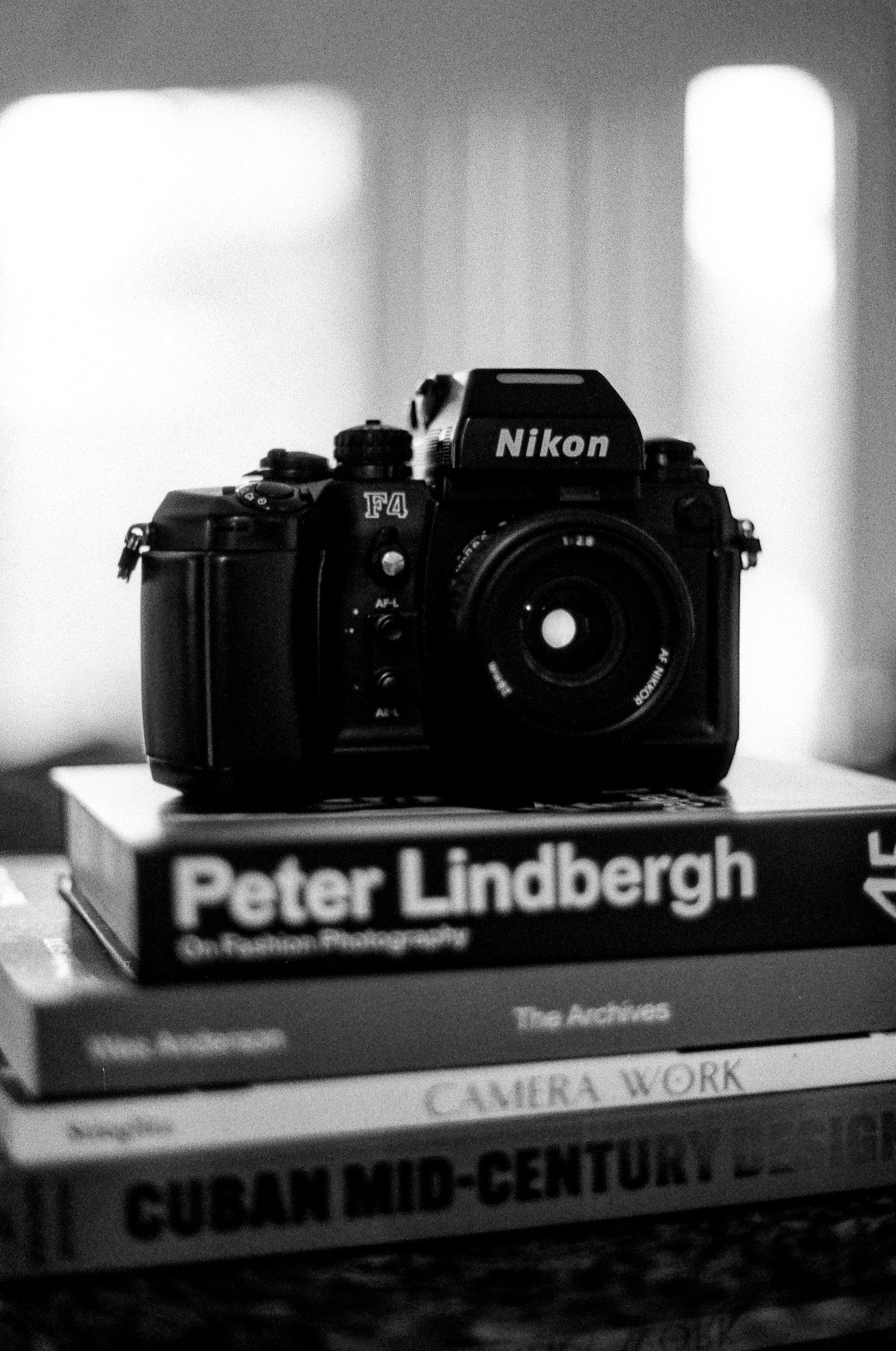
After shooting this test roll I am more excited than ever to integrate the F4 into my wedding work. I made this photo of the F4 with the F80 and AF-D Nikkor 50mm f/1.4 loaded with Kodak Tri-X. As can be seen, it is a very 80's looking design, but it is one I appreciate and even love. There's a lot to love here, actually. And I can't think of a single bad thing to write about this camera. In fact, the only negative is that eventually it must be put down. I don't want to put it down. I just want to keep shooting.
All images © 2020-2026 David Ulloa Studio. All rights reserved.