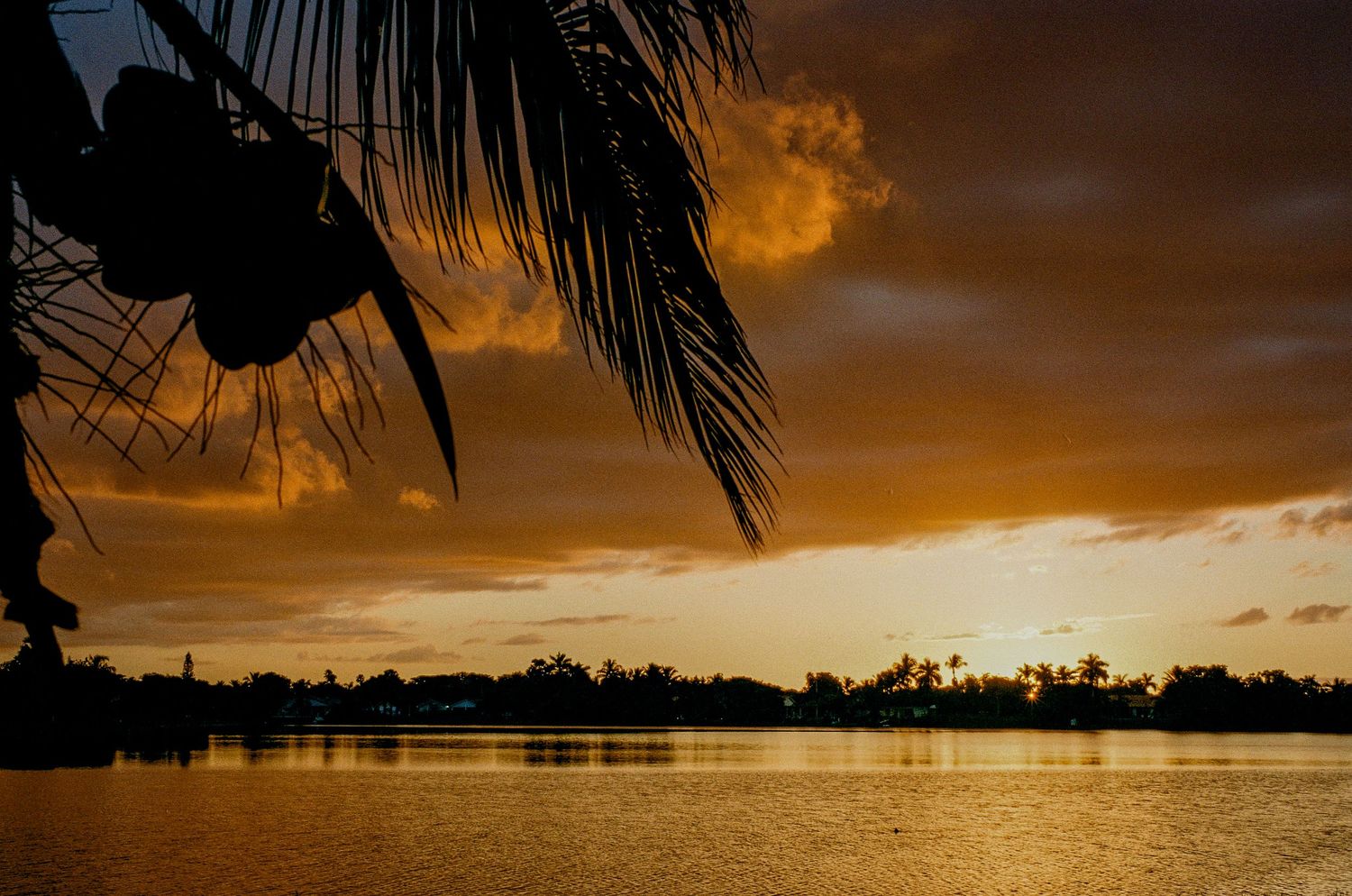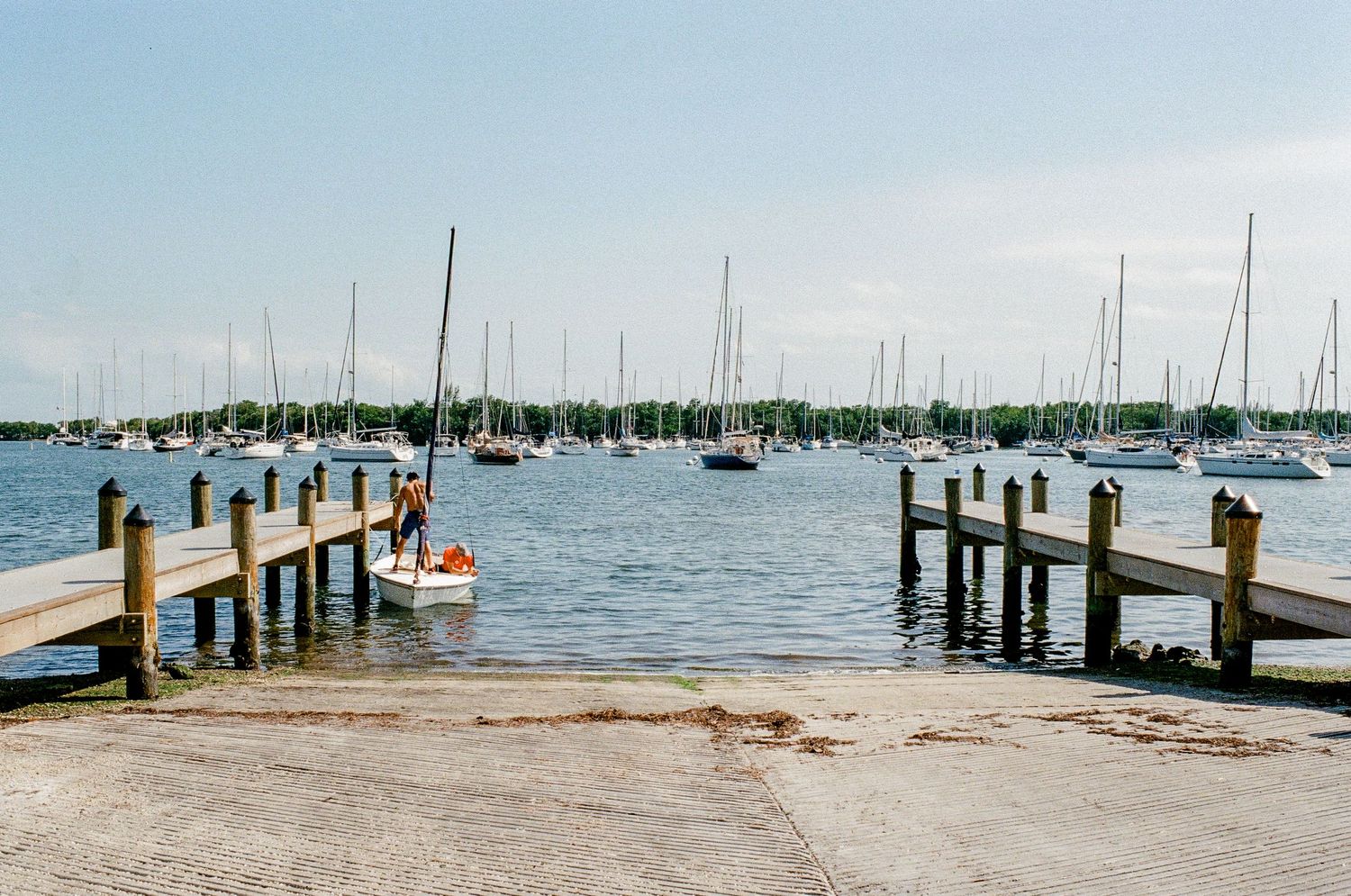
So, you're a wedding photographer...
...and you're asking the question, "why on earth would someone shoot a wedding with Leica?" I have done event photography for a little while now and the comments on my choice of camera equipment is always interesting. Generally speaking, most people don't care. They just want some nice photographs. But every now and then a guest at the event will comment on the fact that I'm using Leica. "That's how you know the photographer is great!" But generally, photographer's themselves are perplexed. "But how can you trust the autofocus or bursts?"
Because my wife owns and operates an event planning company here in Miami - a rather successful one too, check out Events by U - I have been to enough weddings to get to know and befriend a few wedding photographers in the South Florida area. Just about all shoot with either Sony or Canon. It is almost required equipment. So when I shot a few weddings with a very well established photography team at the beginning of the year, it was a departure from the norm for wedding photography in Miami.
What I've learned is that while auto focus does make shooting weddings easier, it isn't necessary. In fact, neither is high speed burst exposures.
All the photographs you'll see here were shot with manual focus lenses and camera drive set to single exposure.
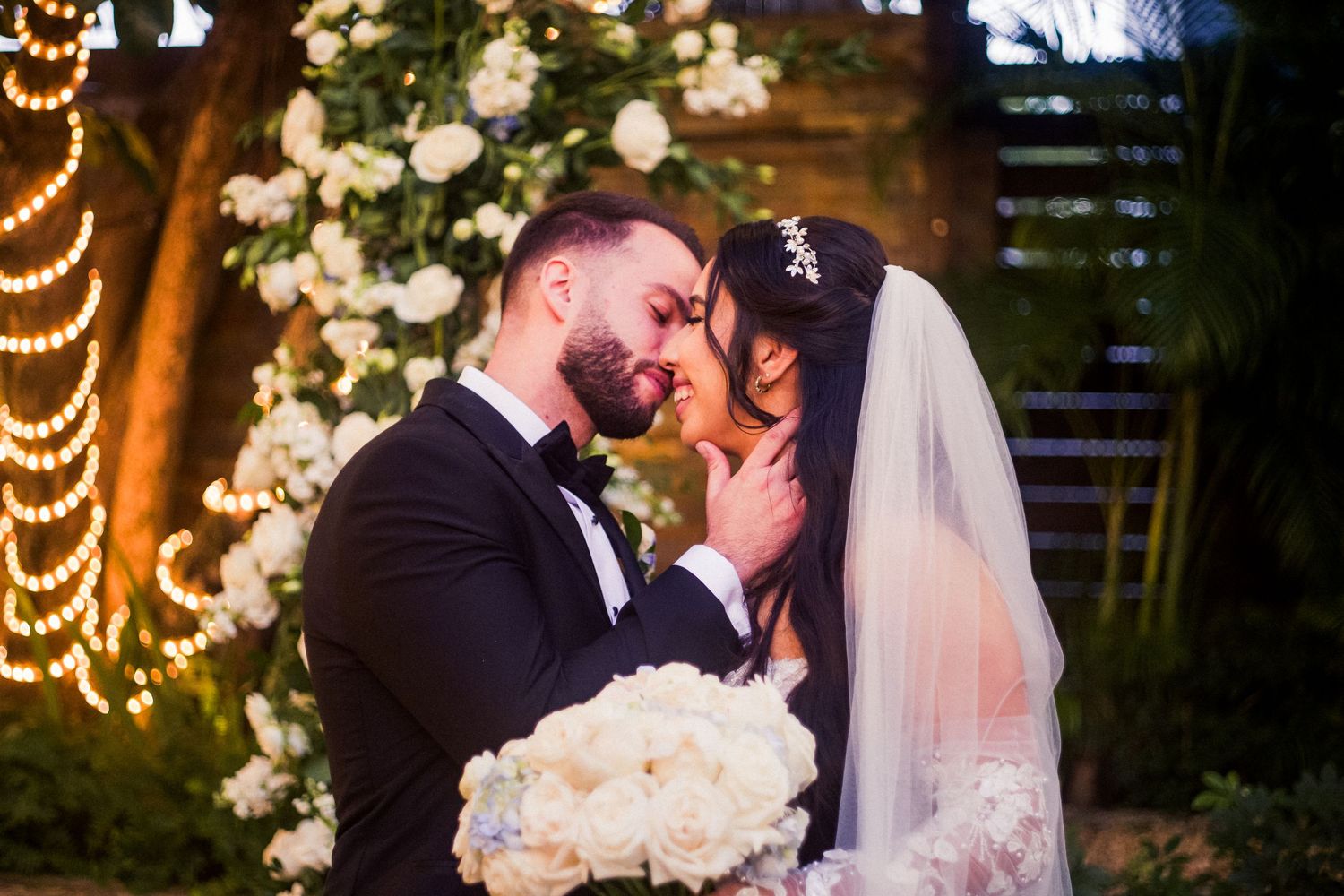
Manual Focusing on the Moment
There is no one right way to make photographs. That much is certain. This simply works for me. But I find it more enjoyable, and I think many would as well if they gave it a shot.
After falling in love with Leica R glass, I decided that this was how I wanted to shoot for paid work. Something I heard quite a lot from many working photographers was "I would love to shoot Leica for myself, but not for work." And I understand that sentiment, because if you rely on something for your pay, you need to make sure it just works. But with manual focusing, only you can let yourself down. In fact, there are fewer shots with missed focus.
I've come to rely on two cameras for this work: A Leica Q and Leica SL. Both of these are the original models. And while the Q does have auto focus, I always manual focus the lens. The SL, likewise, has autofocus for the lenses that enable it, but I choose to use Leica R lenses with an adapter.
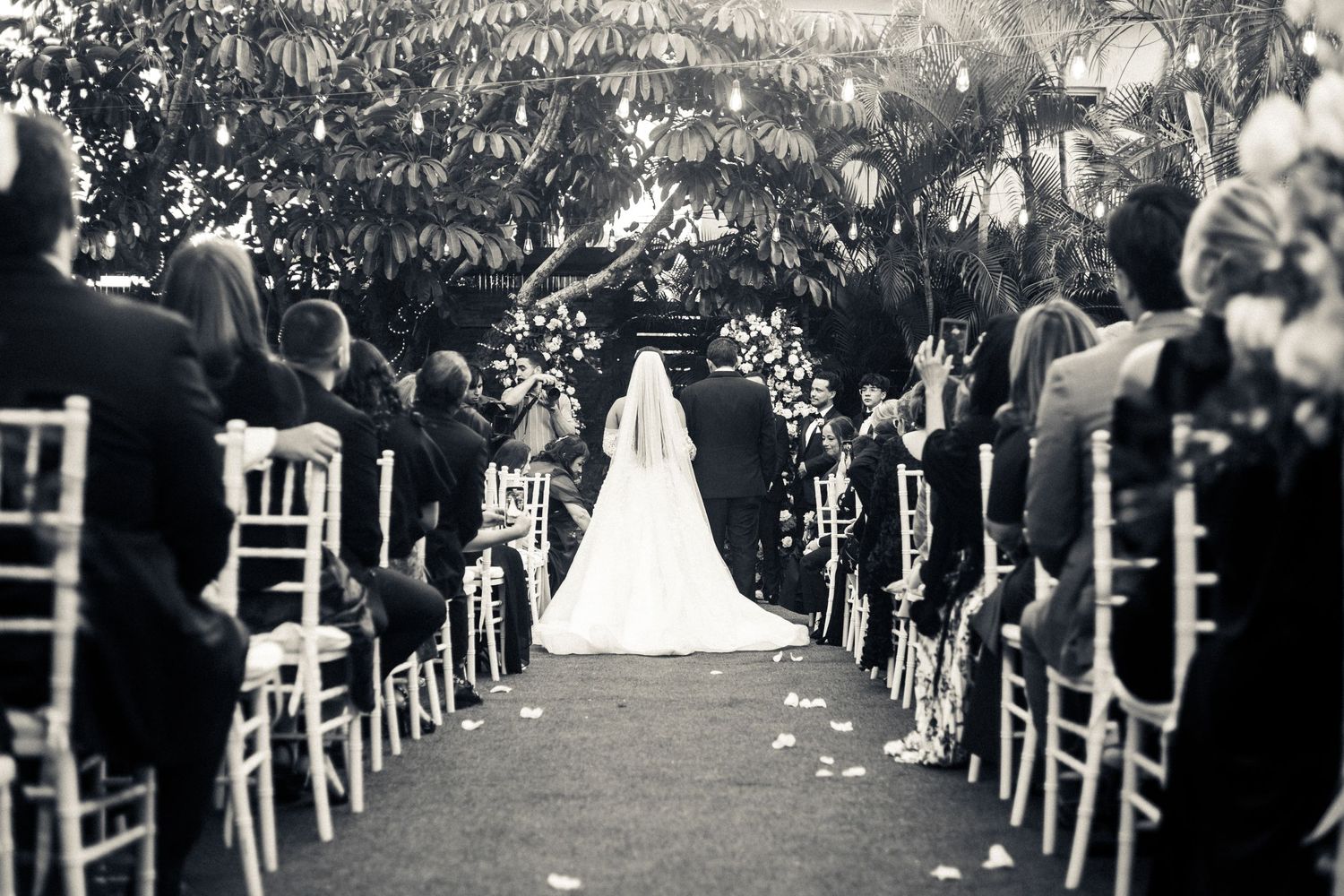
I utilize the Q's Summilux 28mm f1.7 lens for all the wide angle shots before the ceremony, during the ceremony, and during the reception. And the great thing with wide angle lenses is that if you stop down, zone focusing is a breeze.
For the tighter portrait shots I use either a Summircron-R 50mm f2 or Elmarit-R 90mm f2.8 lens adapted to the SL. Both of these lenses date back to the mid-1960's and are part of a set of lenses I collected over time for my Leica R cameras.
With these three lenses and two cameras, I accomplish everything that is necessary for wedding photography and more. And the thing is, that because of Leica's optical formula and the fact that these are really designed to be used with film, the end result is a photograph that doesn't look like any other wedding photography being done today. At least not in Miami.
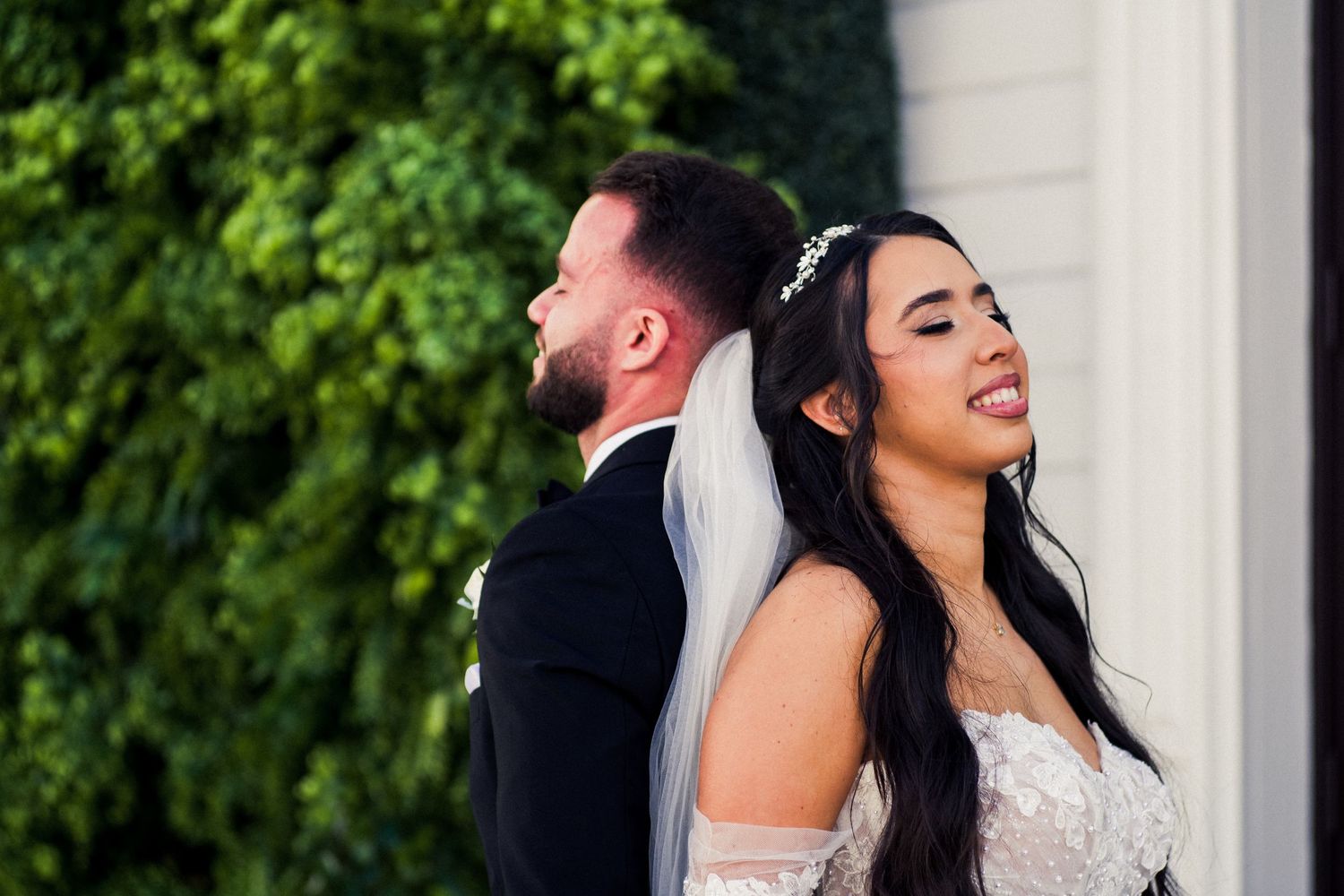
Modern digital mirrorless cameras allow for various focus assist technologies to aid in the process of making photographs. I rely on digital zoom with the use of a back button I have designated specifically for that purpose, combined with focus peaking. This makes it nearly impossible to miss focus. In fact, I can't see how auto focus would work better for me.
There is exactly one situation in any wedding in which autofocus is more helpful than manual focusing, and it is during the bridal party's procession to the ceremony. That said, I have used both the Q's autofocus and manual focus along with the manual focus R lenses and had nothing but success. I focus slightly in front of the subject and wait for them to walk into the prefocused zone and then release the shutter a few times. Lather, rinse, and repeat until they are at the altar. It's as simple as that.
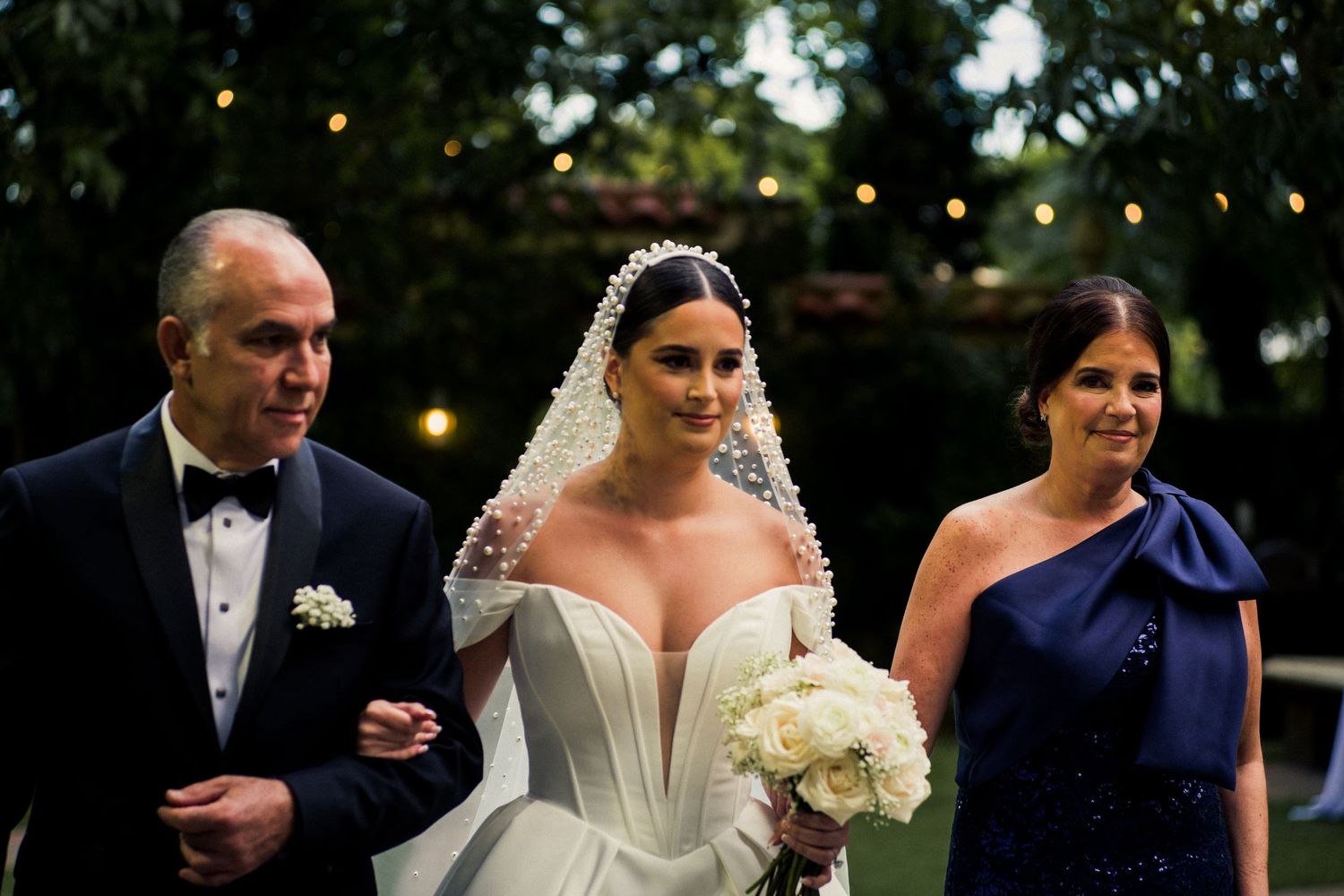
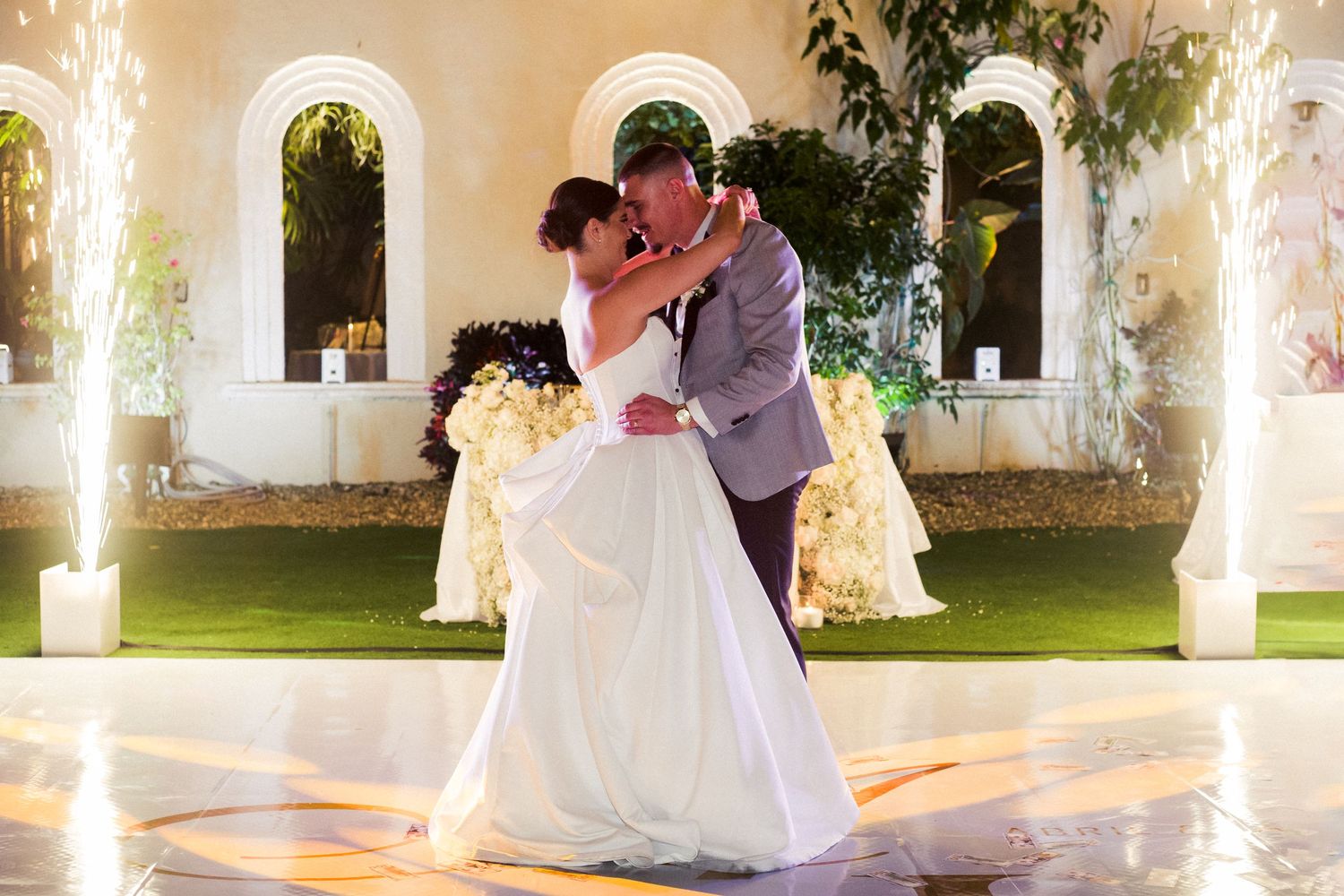
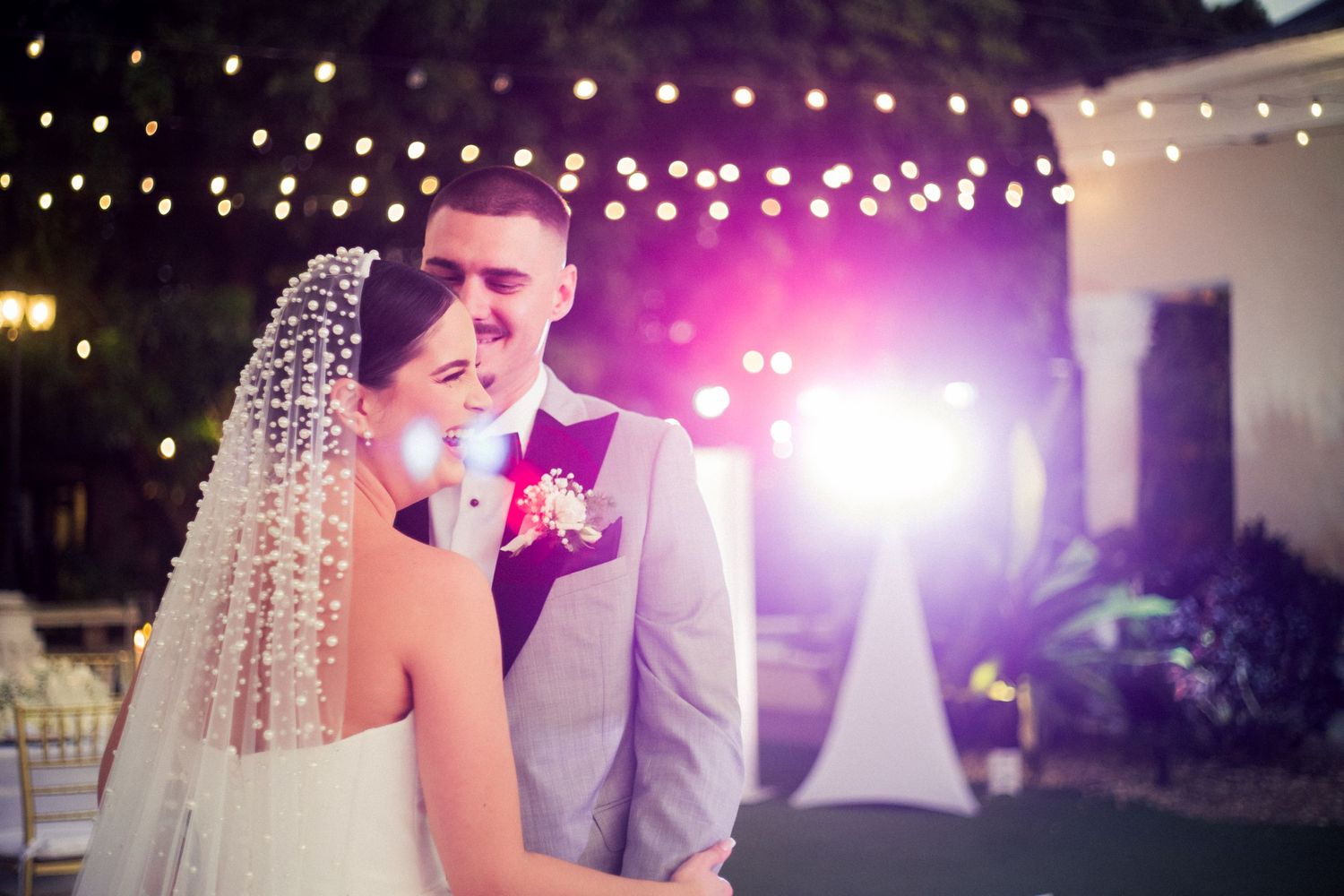
What I saw very often and have adopted myself, is a two-camera set up. I apprenticed with Tony Tarin, of Love Story Films Co., and he was one of a few photographers I came to know that utilized a two-camera set up. Tony uses a moderate wide angle lens on one camera, while the other has a short telephoto lens. With the Q, I have wide angle covered, and with the SL, I have standard and short telephoto covered. As much as I enjoy 50mm for my daily life, I find 90mm to be more useful for weddings. My 50mm mostly stays in my pocket for those occasions when I need to get physically closer to the story. I have also seen photographers opt for a one camera setup with a nice zoom range, something like a 24-70mm or even 24-105mm. For quite some time, zoom lenses have been perfected to the point that they are optically on par with prime lenses, so I am not the kind of photographer that believes one MUST have a prime lens for image quality. However, I believe that prime lenses make me a better photographer. And if I believe that to be true for my personal photography, then why not bring that philosophy with me into wedding photography?
Party Time
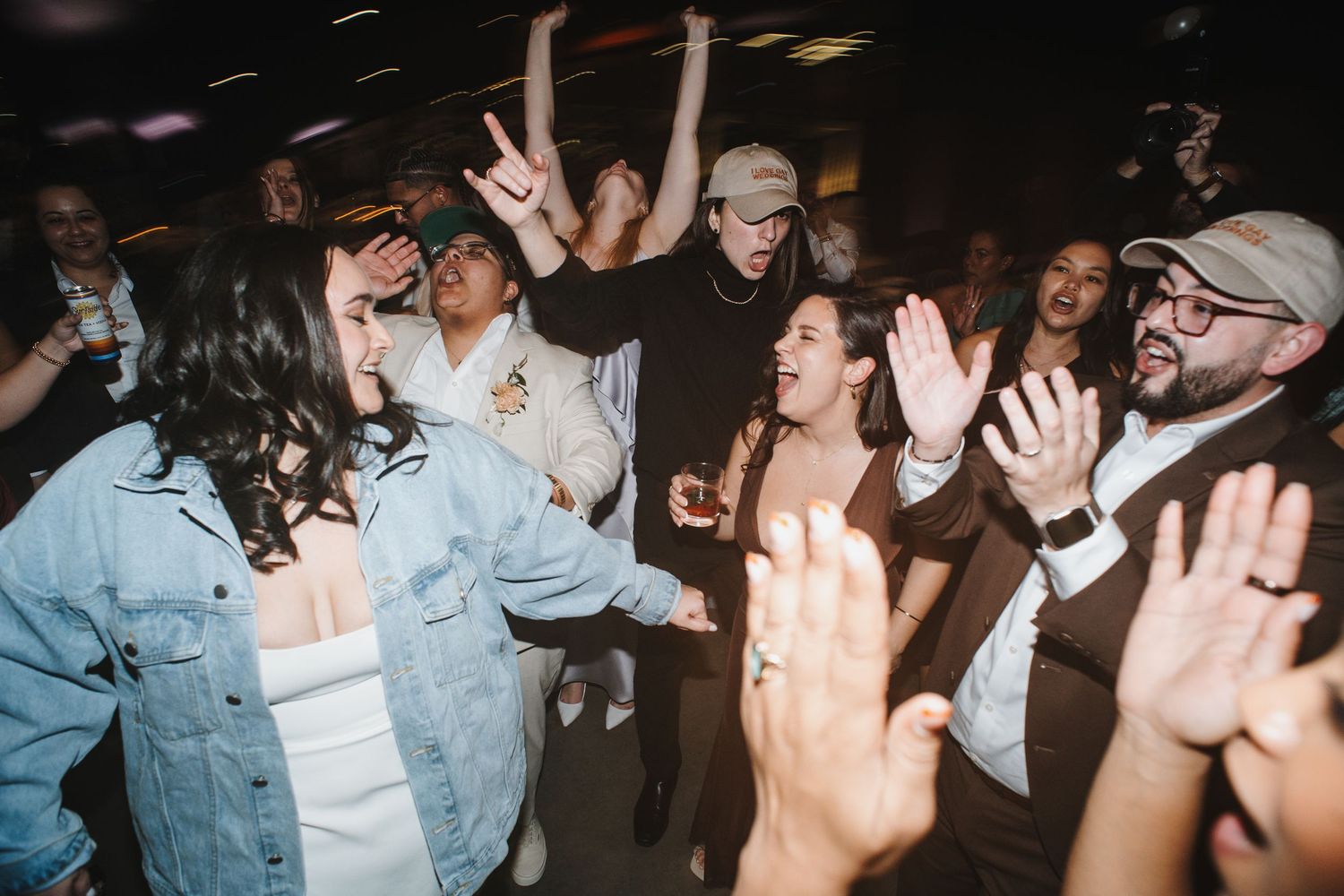
After the reception, my approach changes drastically. Off comes the harness that keeps my back from breaking all day long, and I trim down to a one camera set up. I mount a 21mm lens onto my Leica SL, stop down to f8, and use direct flash - again, manual flash as I do not trust TTL metering more than I trust myself - and get very close.
The combination of a stopped-down extreme wide angle lens, direct flash, and slow shutter speed allows me to party with the guests and make photographs as I see moments arise from within the moment. This leads to party photos that are filled with energy and life. In fact, my approach to this final portion of the wedding is nearly identical to my approach to street photography with wide angle lenses: stop down, zone focus, find action, point and shoot. I try to bring that same sort of Martin Parr eye for storytelling with a Slim Aarons aesthetic to create something unique for the newlyweds.
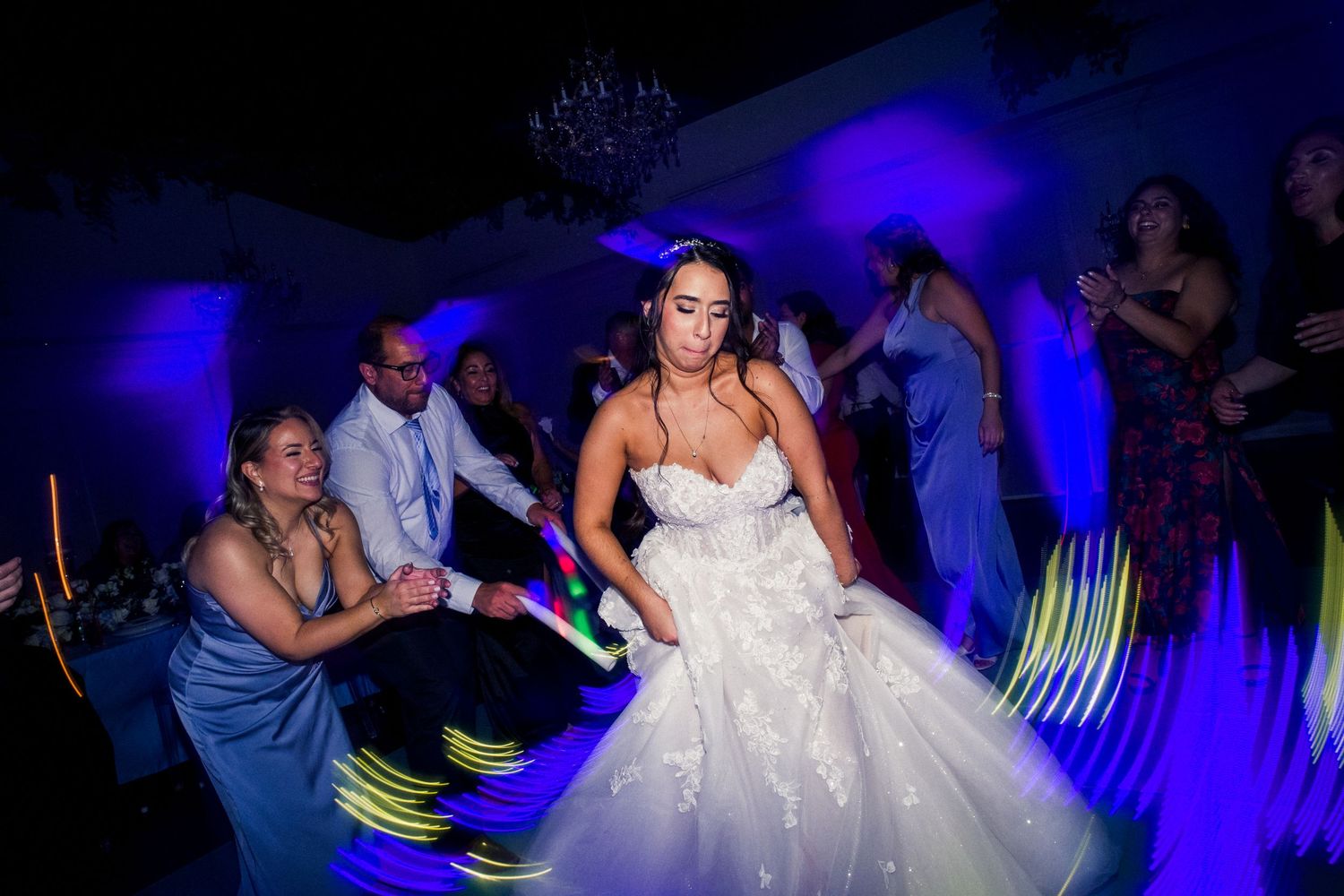
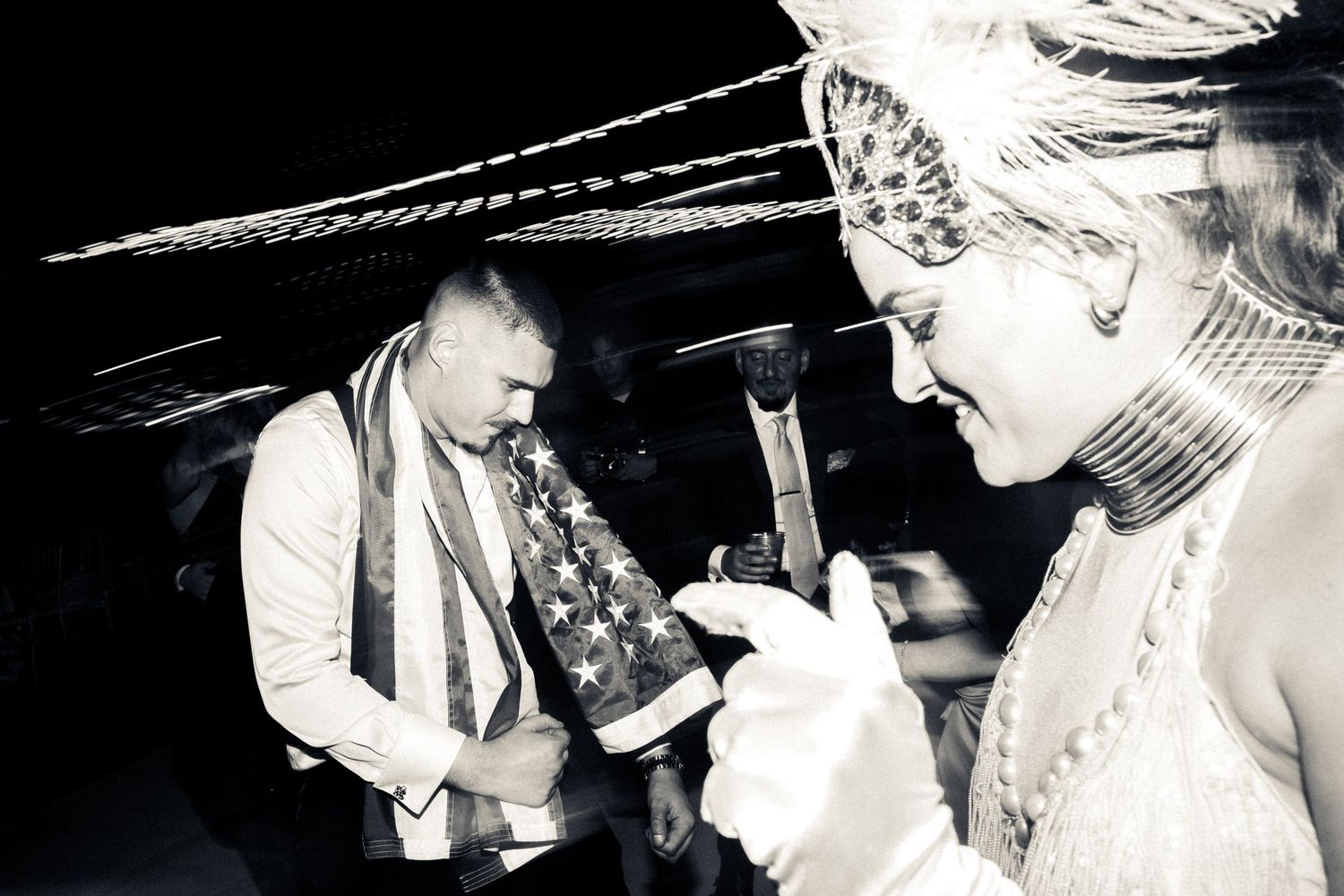
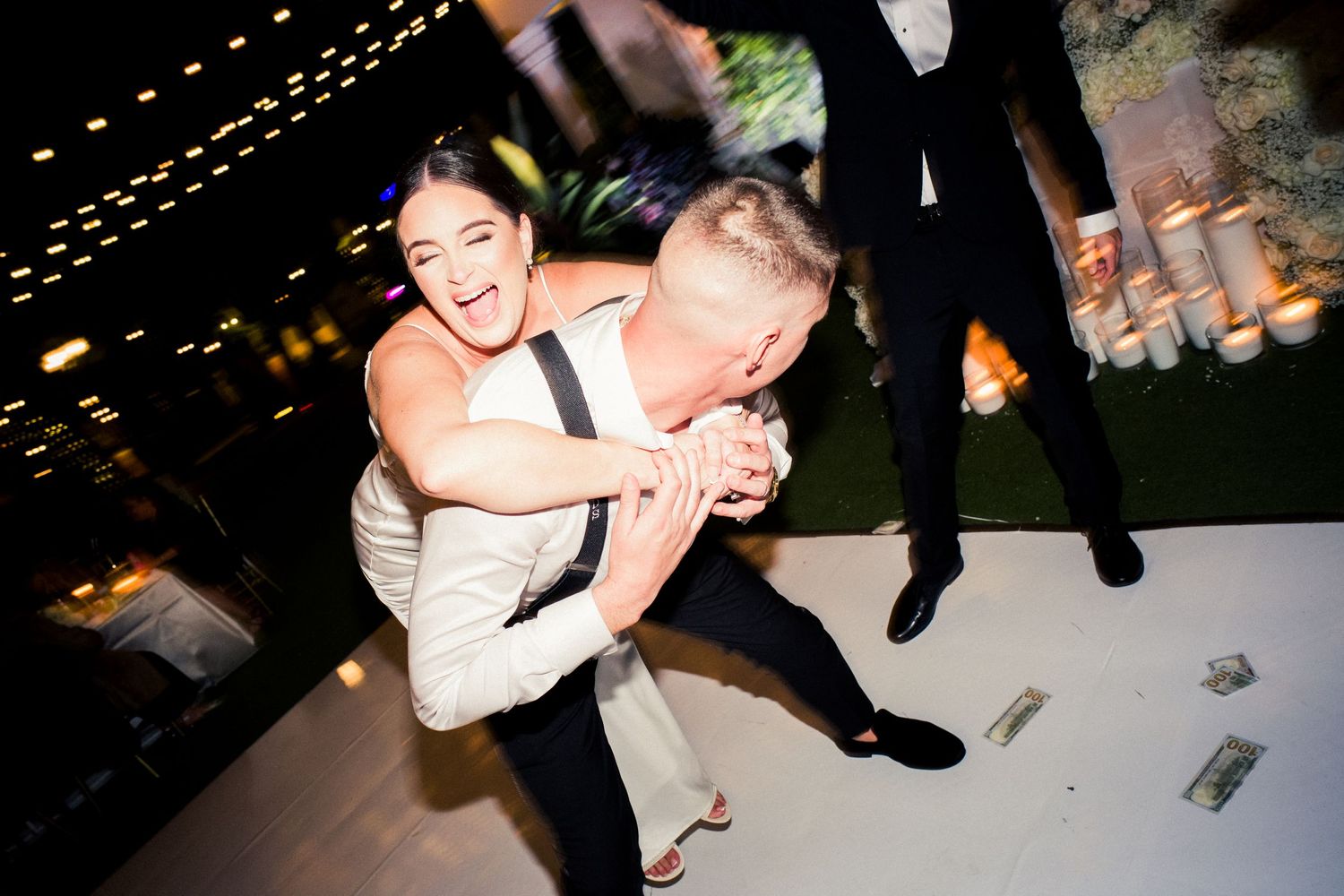
For the party scenes, this really does allow me to make photos that capture the feel of Polaroid style intimacy, but with a sense of style and quality that I am both happy and proud of. Whether I decide to include some intentional drag shutter motion blur, creating playful light trails, or some more classic party photos, this setup gives me freedom. Being aware of the environment and anticipating moments is important, and I believe that my years invested in street photography has helped prepare me for that. Observing the environment, surveying the subjects, and predicting movements is key to any sort of photography. Why would it be any different for weddings and parties? And maybe it is just me, but this is my favorite part of the night. Seeing people enjoy themselves while celebrating something beautiful is always fun.
I find the 21mm extreme wide angle lens to be crucial for the party scenes. I have attempted this with 28mm and I simply was not happy with the results. I kept feeling like my favorite parts of the compositions were just outside of the frames. Those viewing the photos would never know, of course. But I would. And I simply cannot do something unless I am happy with what it is that I am doing. So the 21mm stays perpetually in my camera bag and is used exclusively for the parties. Initially I planned on using it for the shots that would require the wide angle of view for pre-ceremony and ceremony. But I found 28mm to be much more pleasant here. I have it if I need it, but when I need it is during the party.
Filmic Look
My passion will always be in the realm of analog and film. I am looking into offering film packages as an add on to my standard photography package - and how cool would a Super 8 package be in conjunction with standard digital videography?! - But the truth is that most are looking for digital photos. However, I have noticed that many - and, in fact, I would say that most - love the colors that they associate with classic Kodak films. So, I have taken to giving filmic edits.
In my eyes, there are two films that have defined my view of how film color, tone and grain should look: Kodak Gold and Kodak Tri-X. So, over time I have developed two distinct filmic edits, one for each of the aforementioned films, which I have applied to the digital photographs I make at weddings. The results speak for themselves.
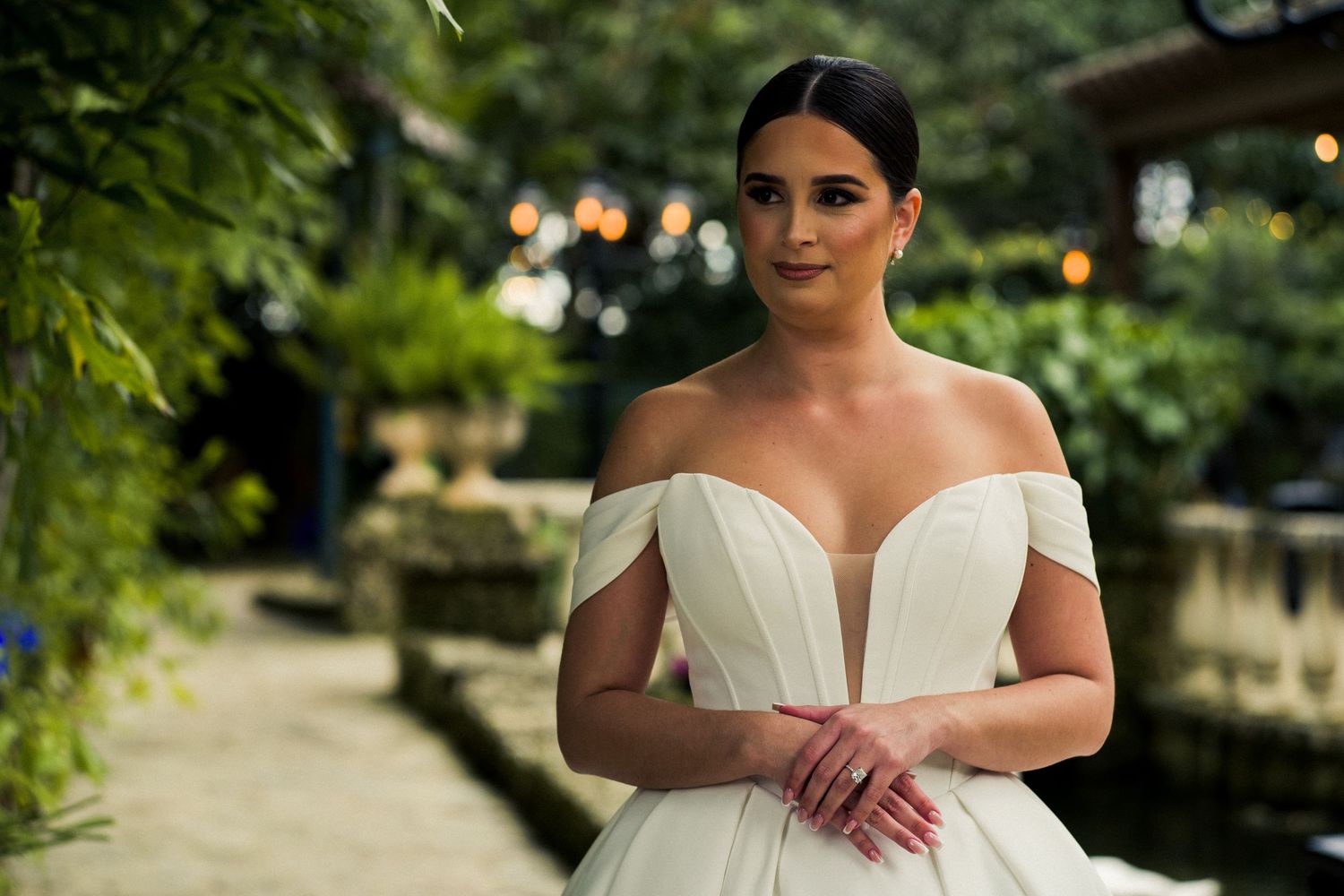
For color photos, I have created a look that I believe closely mimics the color, tone, and grain, of Kodak Gold. The really great part is that with a few adjustments, I can push this into Kodak Portra territory. But I believe Gold more accurately recreates true-to-life colors and complements the "Miami look." So, close are the photographs that I often find myself wondering if it is worth it for me to keep shooting film for myself...I'm just kidding, I'm obviously kidding.
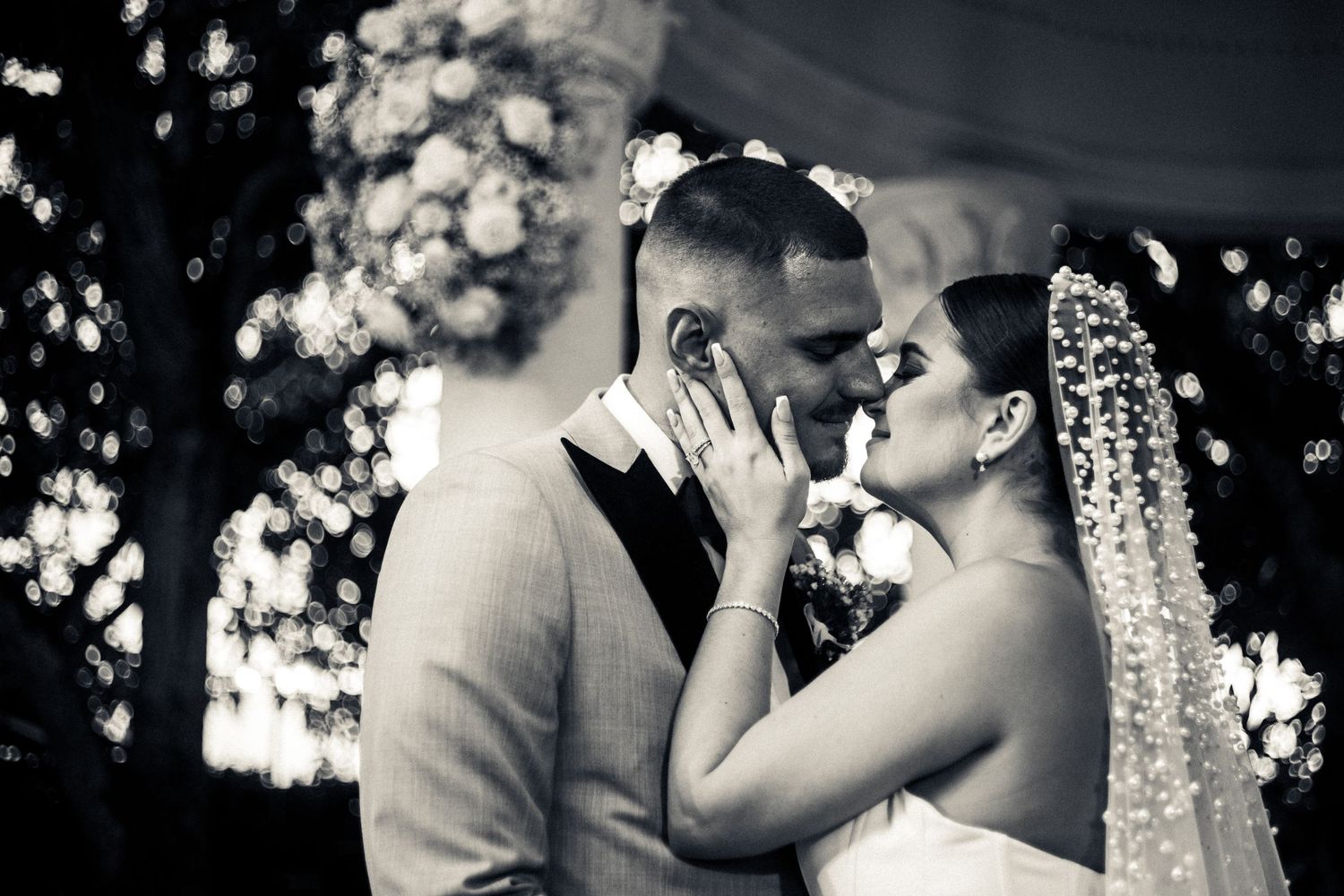
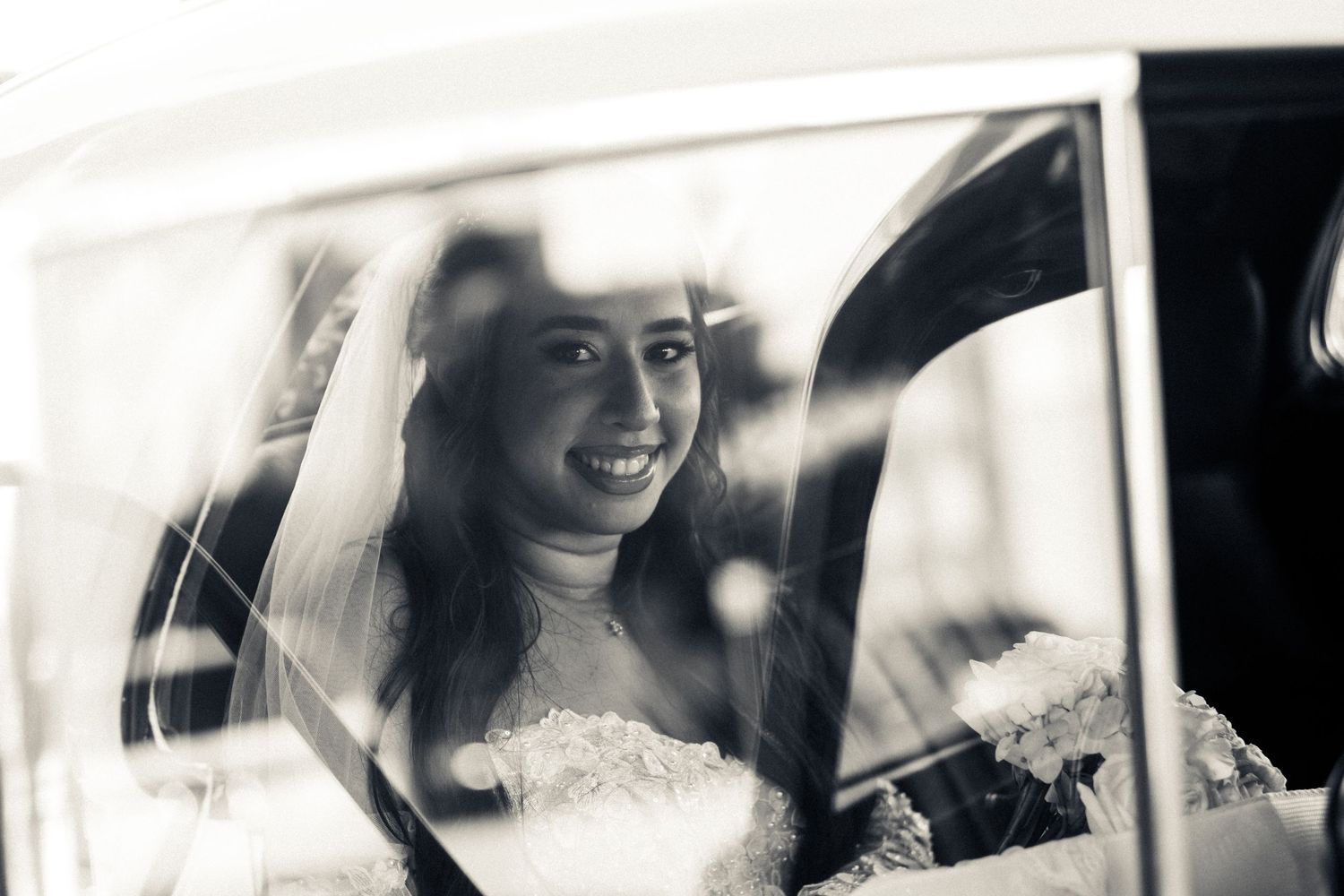
For black and white photos, I think I've gotten even closer to Kodak film I am mimicking. These digital black and white photos are truthfully so close to Kodak Tri-X that I have actually fooled photography lovers. Not only do these photos look like film, but they also don't look like the other wedding photos you find being made in Miami. This is not a knock on other wedding photographers, many of whom I know personally and make beautiful photographs, it is a statement of fact: this is not a look you find among the many talented wedding photographers in Miami.
All images © 2020-2025 David Ulloa Studio. All rights reserved.