Out of town, out of this world
Last July, while I was in the Dominican Republic documenting a Blue Missions humanitarian aid trip, I had a lovely FaceTime with Cecilie and Crystal about photographing their wedding. On that trip I took with me one camera, lens, and film stock (a Pentax MX, M 50mm f/1.7, and Kodak Tri-X). I told them all about this trip and what I was doing as I made the FaceTime in a tank top and beat-up Red Sox ball cap from an elementary school courtyard that was serving as our base of operations. Crystal was a budding film photographer herself. It was a match made in photog/client heaven.
So, when it finally came time to pack my camera bag for their wedding in Orlando, I kept it old school: AF-D Nikkor adapted to my Leica SL. I also brought with me my trusty Nikon D700 and used it to photograph their welcome party.
At that point I had not used my AF-D Nikkor lenses for an entire wedding. I'd shot wedding rehearsals, welcome parties, and lots and lots of my own personal photography with these lenses, but never a wedding. And I'm so glad that I played around with these lenses as much as I did BEFORE I committed to using this set for a wedding. The AF Nikkor 50mm f/1.8D is a dream on native F mount Nikons if you intend to use it exclusively with auto focus, but it is one of the worst manual focus lenses I have ever used. The manual focus ring is about as smooth as I was in high school...which is to say it isn't smooth at all. ZING!
Armed with that knowledge about the 50mm f/1.8, I sought out the AF Nikkor 50mm f/1.4D, which gave me the experience I was looking for and allowed me to finally feel confident enough to use these lenses adapted to my Leica SL for wedding work. So, I left for Orlando with my usual Leia Q and SL set up, but took with me only AF-D Nikkors in 20mm, 28mm, 50mm, and 85mm focal lengths. The results were, in my humble opinion, out of this world good.
Getting Started
After utilizing my D700 and a combination of 28mm and 50mm for the welcome party the night before, I felt like I knew what to expect the following morning when I arrived at Cecilie's suite at The Alfond Inn, just a hop and a skip away from the ceremony cite in beautiful Winter Park. Except what I very often forget is that I LOVE to manually focus lenses. There is a connection to the subject and its composition that just isn't there when you auto focus. It's something like intimacy, and I don't care how that sounds. So when I started by arranging a flat lay of Cecilie's personal effects and details, I instantly fell in love with the process of shooting with the AF-D 50mm f/1.4.
I had tested it out a bit when I first received it about a week prior, but I hadn't really put in much work with it outside of using it in auto focus mode on the D700. And I was blown away.
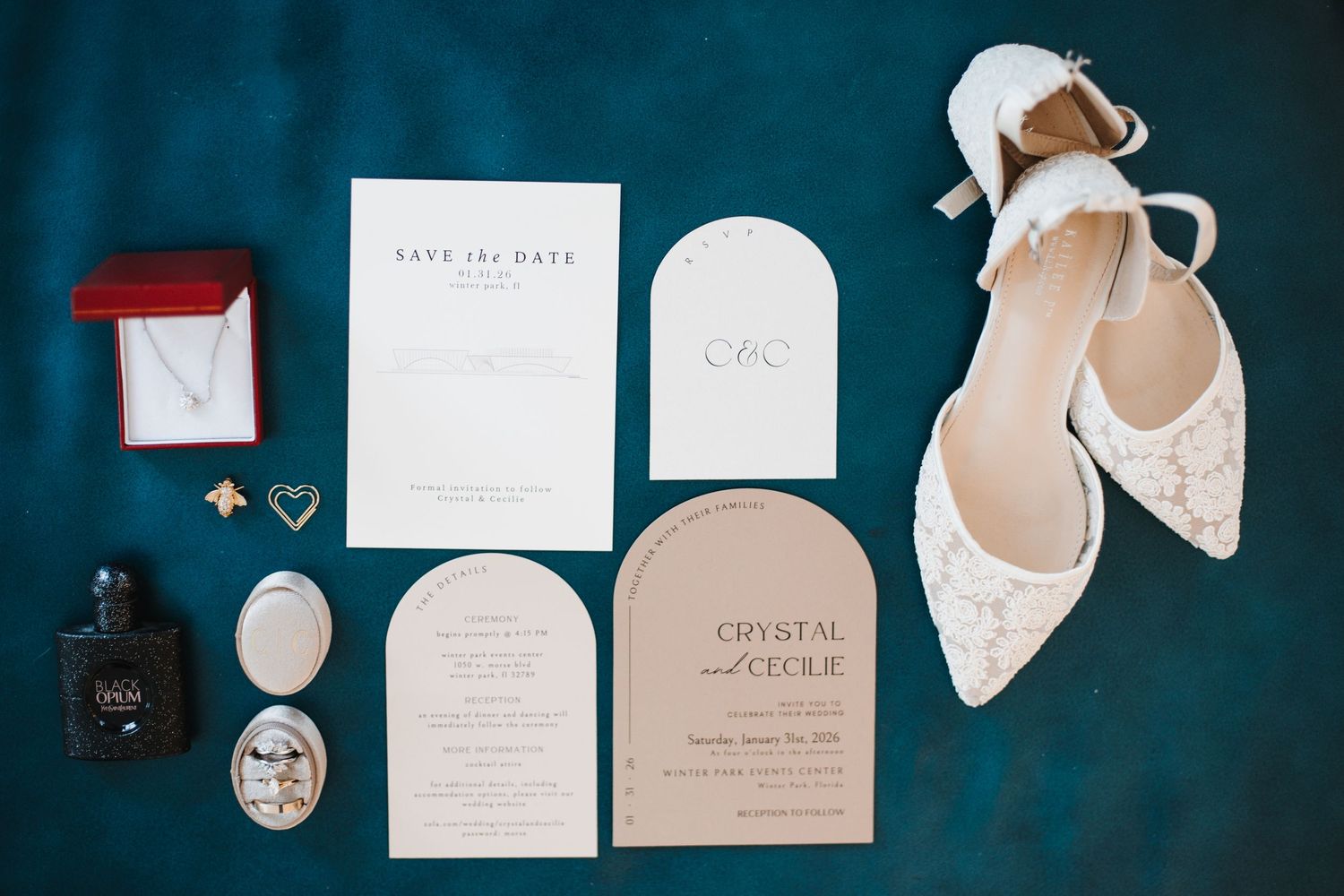
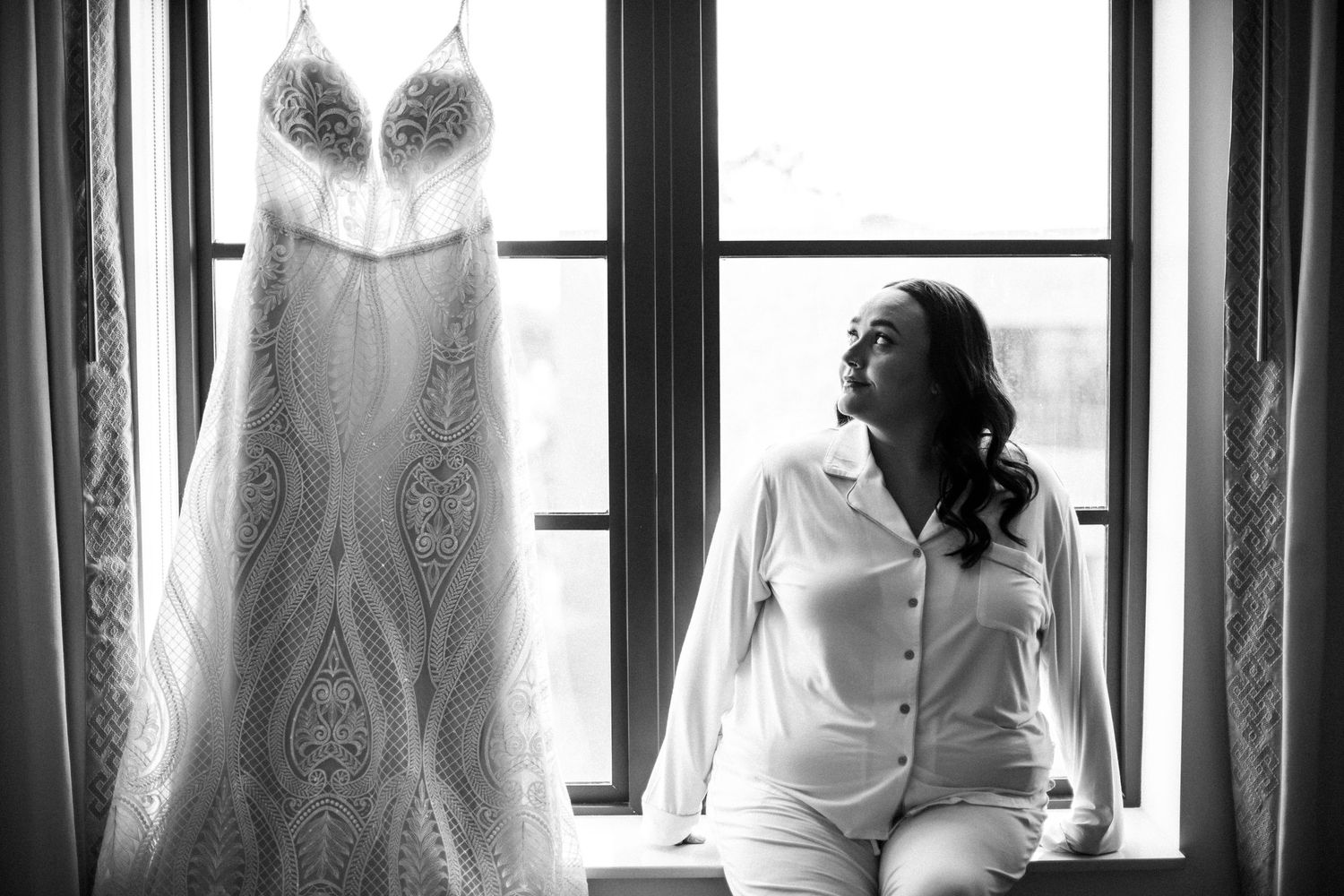
I was so into what was going on in front of and behind the camera, that I lost track of time. Why the hell do I spend so much money on these fancy Swiss watches if I don't check the time as often as I should? But I'm getting sidetracked...Tommy, one of my regular associate shooters and a phenomenal photographer himself, joined me soon enough after he wrapped with Crystal, but not before I got a little bit of time with the gorgeous Cecilie and her beautiful dress.
While I feel most at home in the 40mm realm, I love 50mm. And composing these sorts of shots with 50mm feels quite natural to me. In fact, my standard operation is to compose first with my tighter lens and then pull out my wider lens. The Q's 28mm fixed lens is my go-to for this and it complements 50mm very nicely. But finding that 50mm composition first is where it's at for me, and with the AF Nikkor 50mm f/1.4, that was easy peasy.
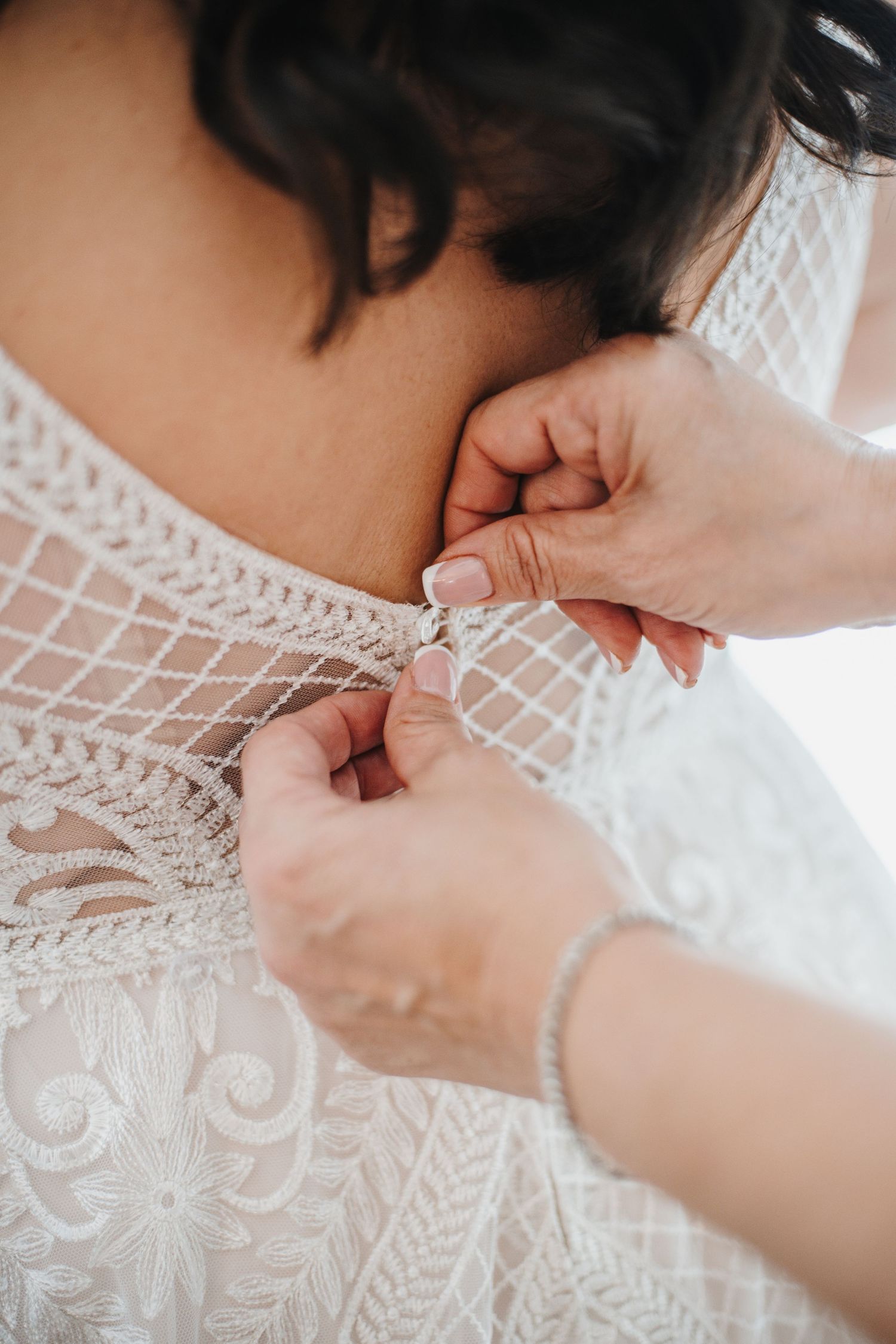
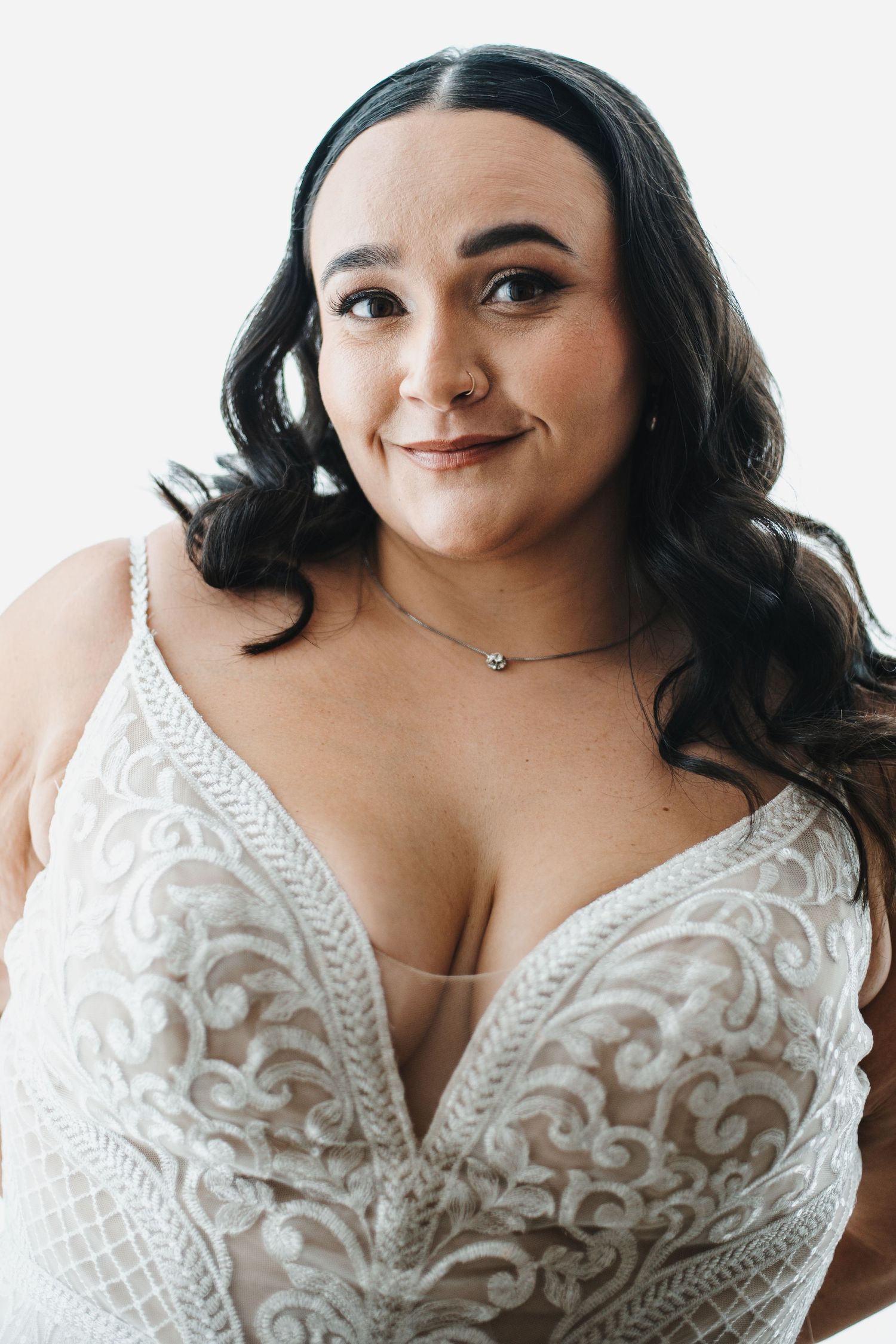
I have excluded the 28mm photos I made with the Q in this blog, which hurts as some of my favorites from this wedding were made with that lens. But this way there is a narrative feel in this write-up of exactly how insane these lenses are. I am a firm believer in much of what Ansel Adams preached, particularly that the photographer matters more than his or her gear ever will. However, I must acknowledge that a big part of my look and style is due to my fascination with film era lenses and their characterful renderings. I could be using the incredibly sharp, apochromatic Leica L lenses. Or I could move over to Sony's E mount and get what is likely the sharpest glass ever produced with their G Master series of lenses. But that isn't my look or style.
I relied heavily on the 50mm f/1.4 throughout the first part of the day. I very often choose my favorite standard lens in whichever lens system I use for this, so this isn't surprising. When I shoot Leica, I use the 50mm f/2. When I shoot Pentax, I use the 43mm f/1.9. When I shoot modern AF lenses like my Sigma I Series, I use the 45mm f/2.8.
There is something else that is very important to me about these AF-D Nikkor lenses: focus throw. I have used my Leica R lenses less and less as time has gone on due to their crazy long focus throws. This of course is a great thing for precise focus. But during a wedding, being able to move quickly through the focus range is important when focusing manually. And these Nikkor lenses allow that to happen while maintaining sharp focus. My hit rate, which is normally pretty good, was exceptional with these lenses.
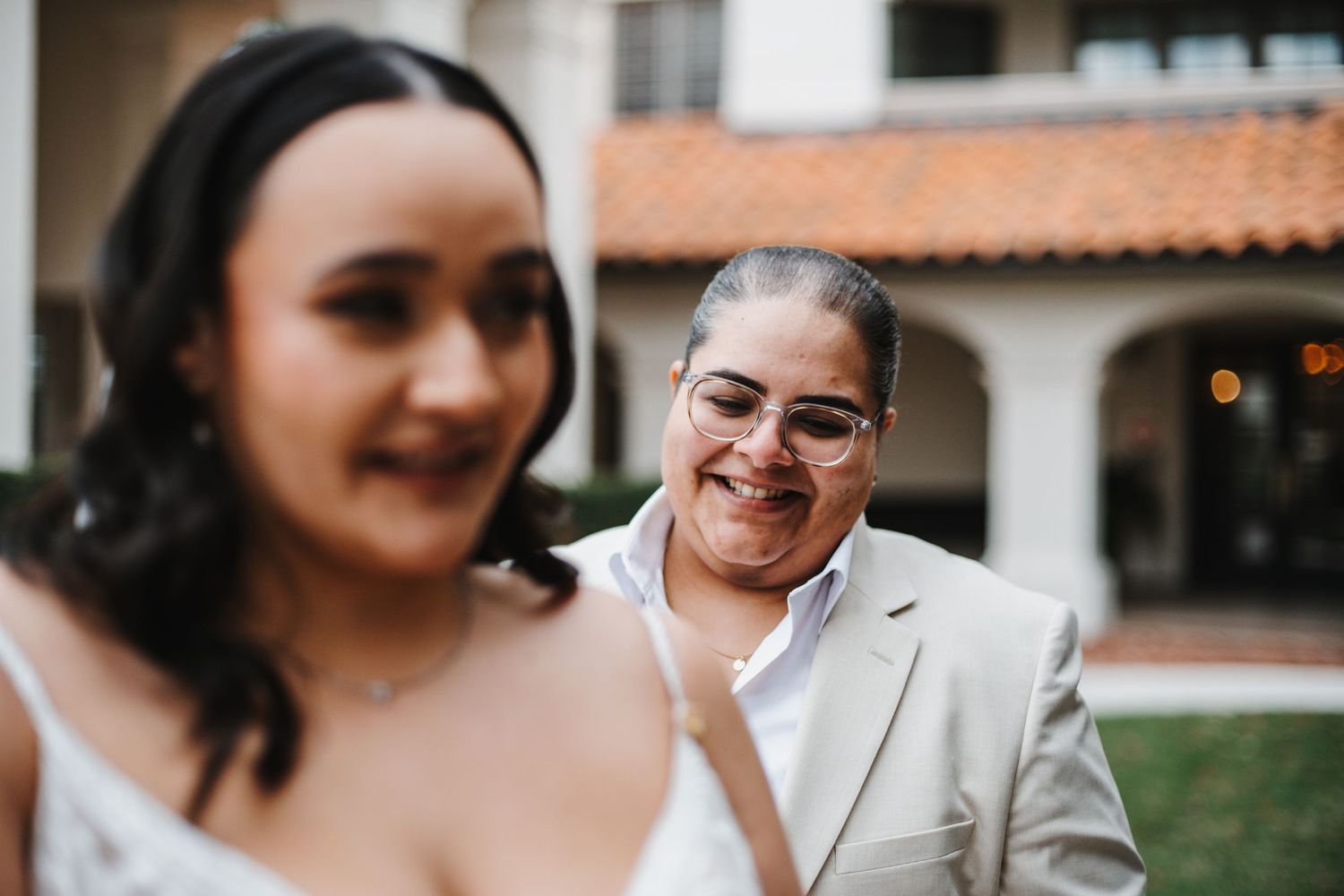
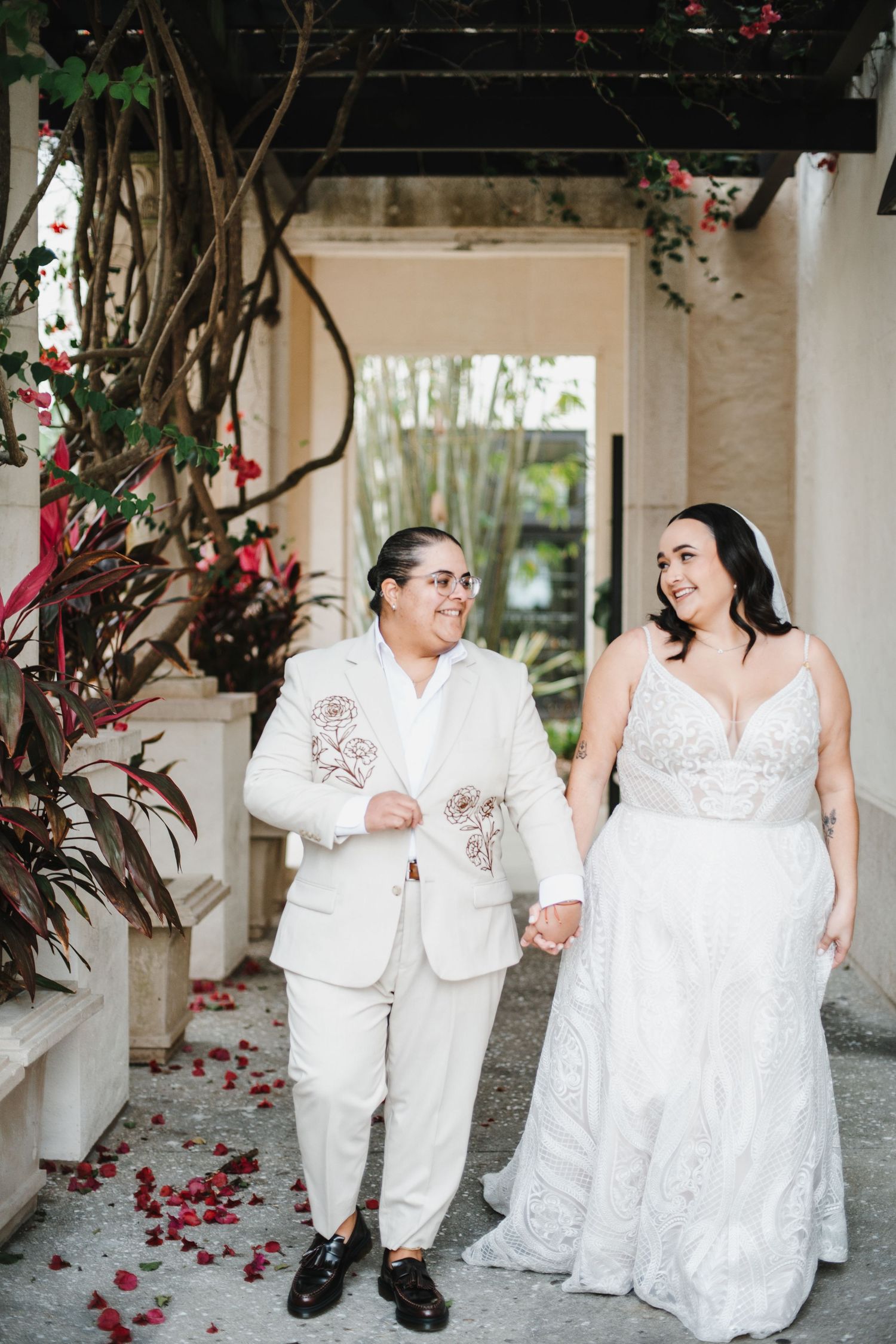
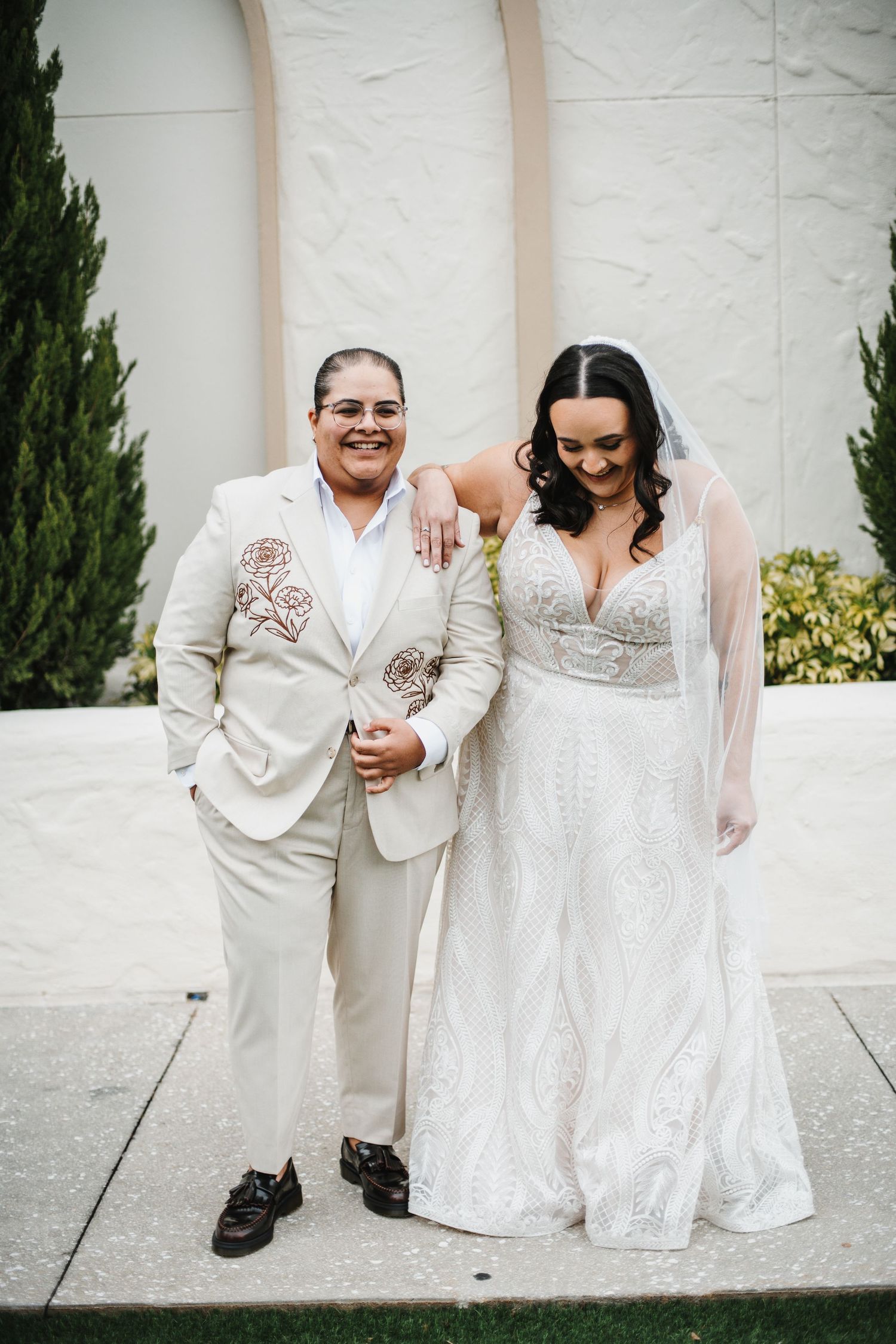
Ceremony
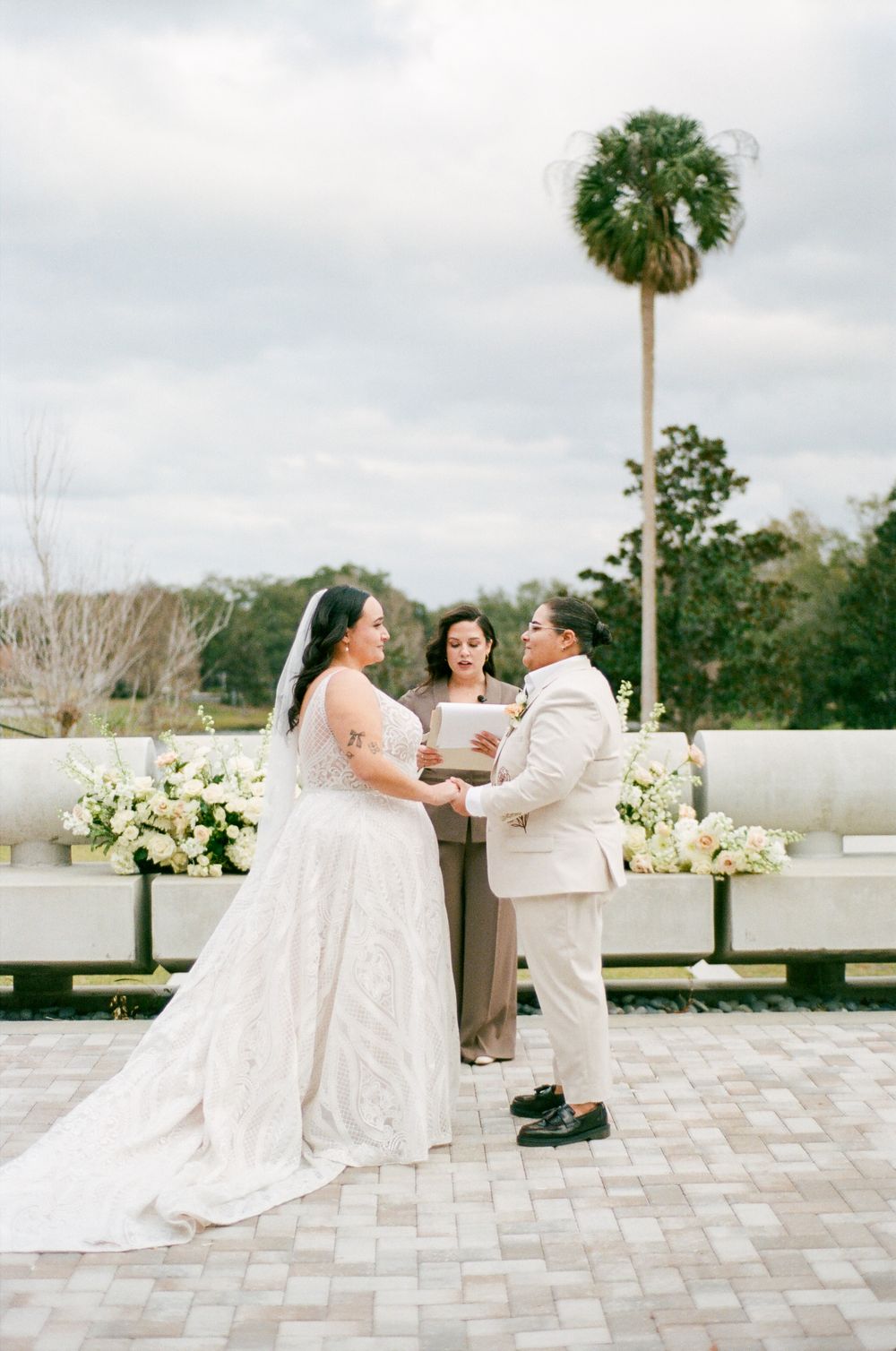
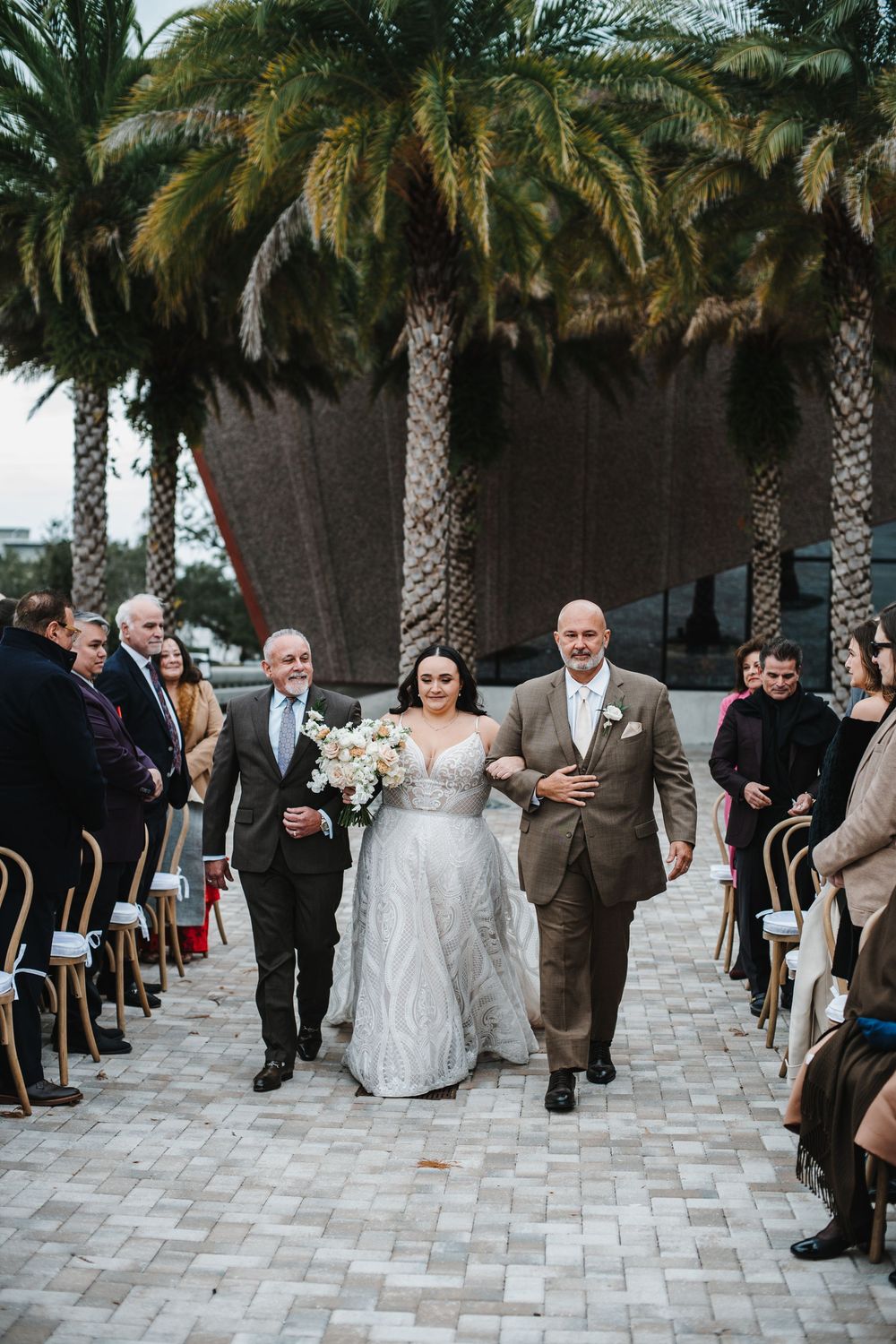
Once we got to the Winter Park Events Center, I swapped out the 50mm for the 85mm f/1.8 on my SL. There was a long walk down the aisle for everyone and I wanted to make sure I had enough reach for the walk. I stopped the 85mm down to f/2.8 to increase contrast a bit and help me see when I hit focus. I've gotten a pretty fantastic hit rate in the past for the procession with both the Leica 90mm f/2.8 and the Pentax 77mm f/1.8, but never anything like this. Of all the photos I made of the wedding party coming down the aisle, I may have missed focus on three.
Would I hit focus every time by switching to Sony or Canon and using using their made-a-deal-with-the-devil level accurate auto focus? Yes, yes I would. Would I enjoy the process or even the results? You know the answer to this.
Having been at the rehearsal the day before, This was the only part of the ceremony that worried me. It required me to shoot into the sun, with everyone strongly backlit. No matter the lens system I had brought, contrast would have been an issue and flaring would have occurred and not the artistic kind that I love either.
I had shot the rehearsal with an ancient Canon 5D Classic and a Leica Summicron 50mm f/2. I was able to make it work and was certain that with a more modern Leica SL and my Nikkor lenses, I would be ok. But I had nothing to worry about. The day was cloudy and overcast and provided exactly the sort of soft diffused sunlight that I had hoped for.
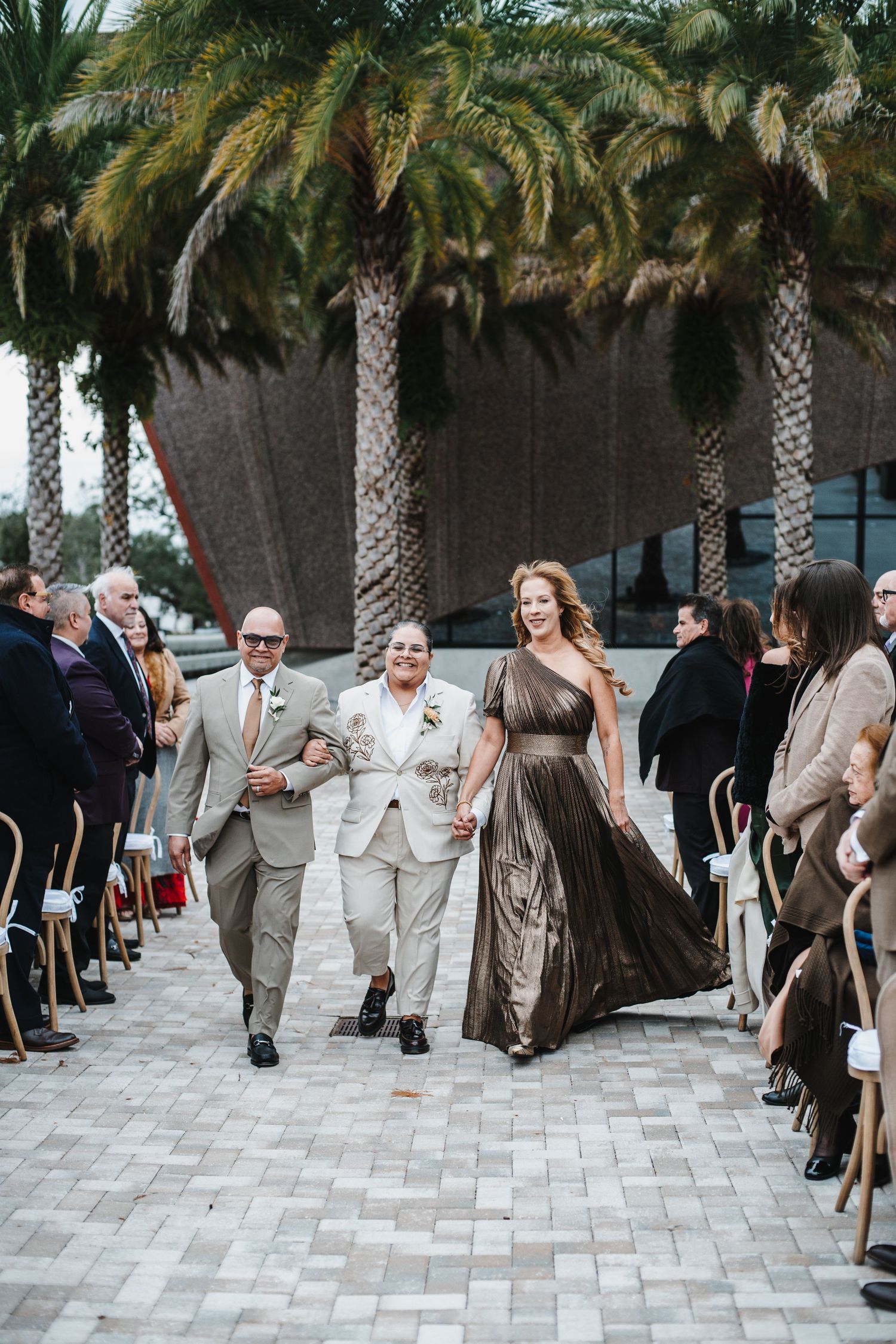
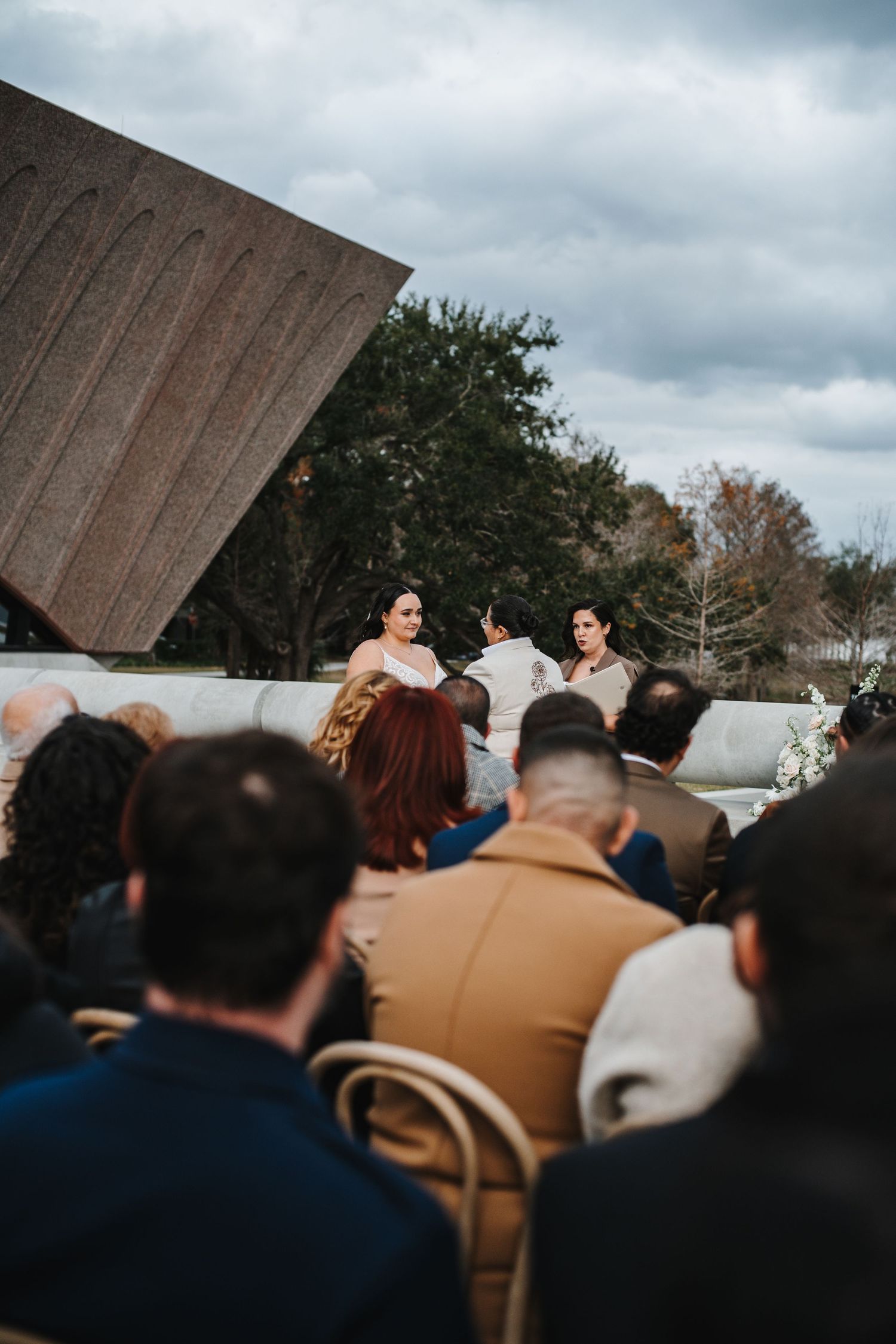

While church ceremonies are beautiful in their tradition and timelessness, I love civil ceremonies for how to-the-point they get. They allow the day to move quickly and let everyone get to the celebration much sooner. Of course, for our stars of the show, not before they've had a portrait session!
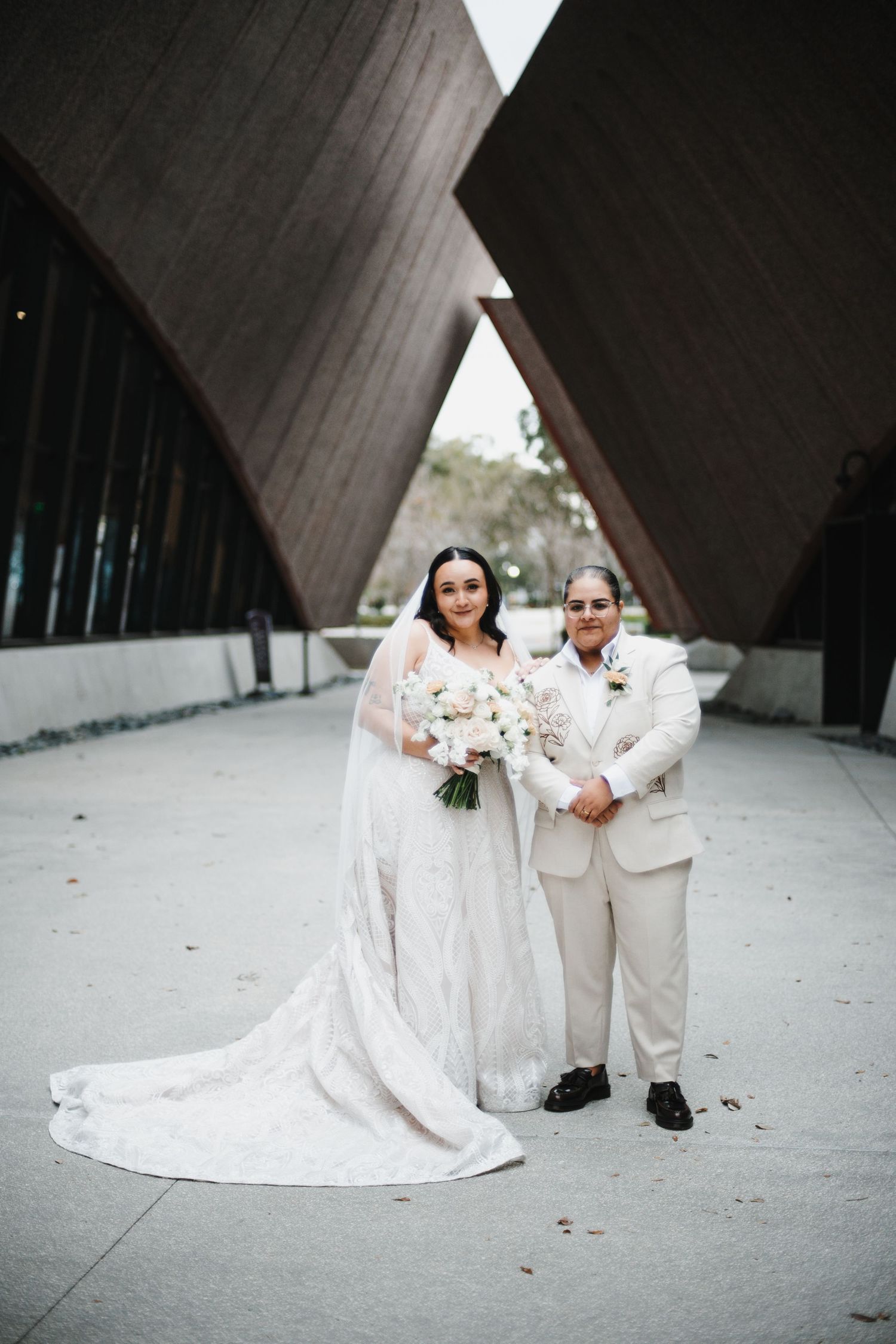
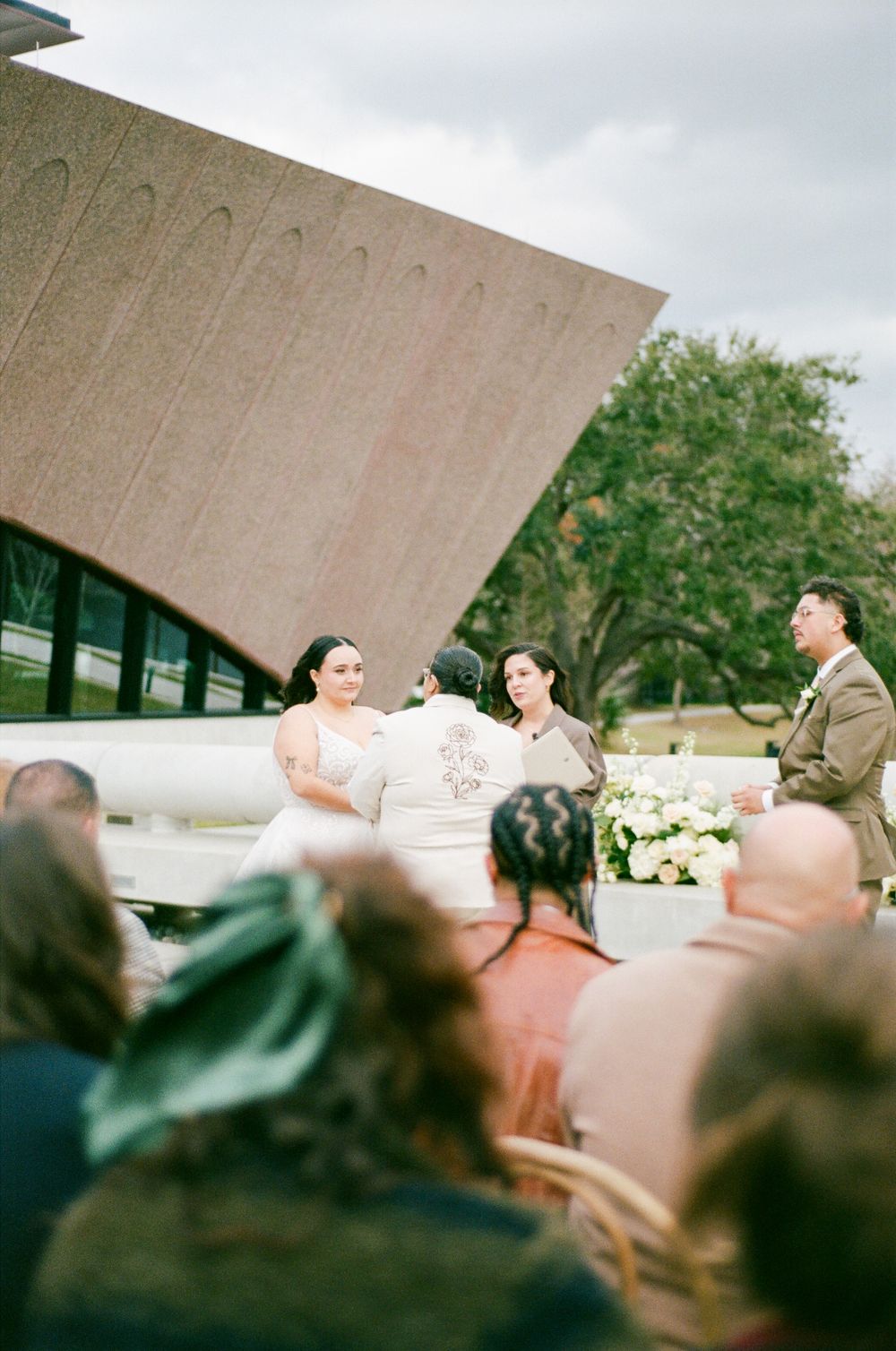
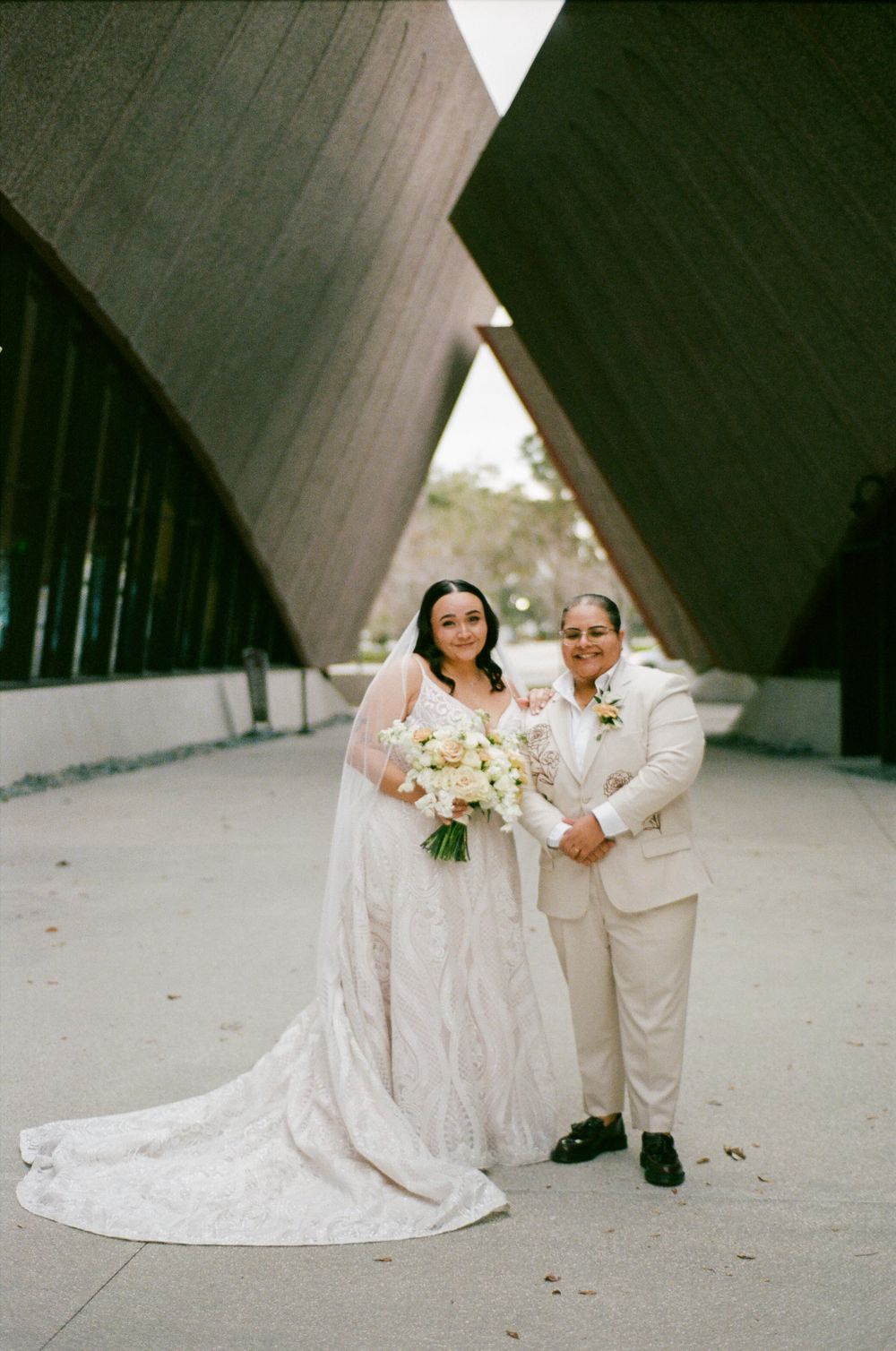
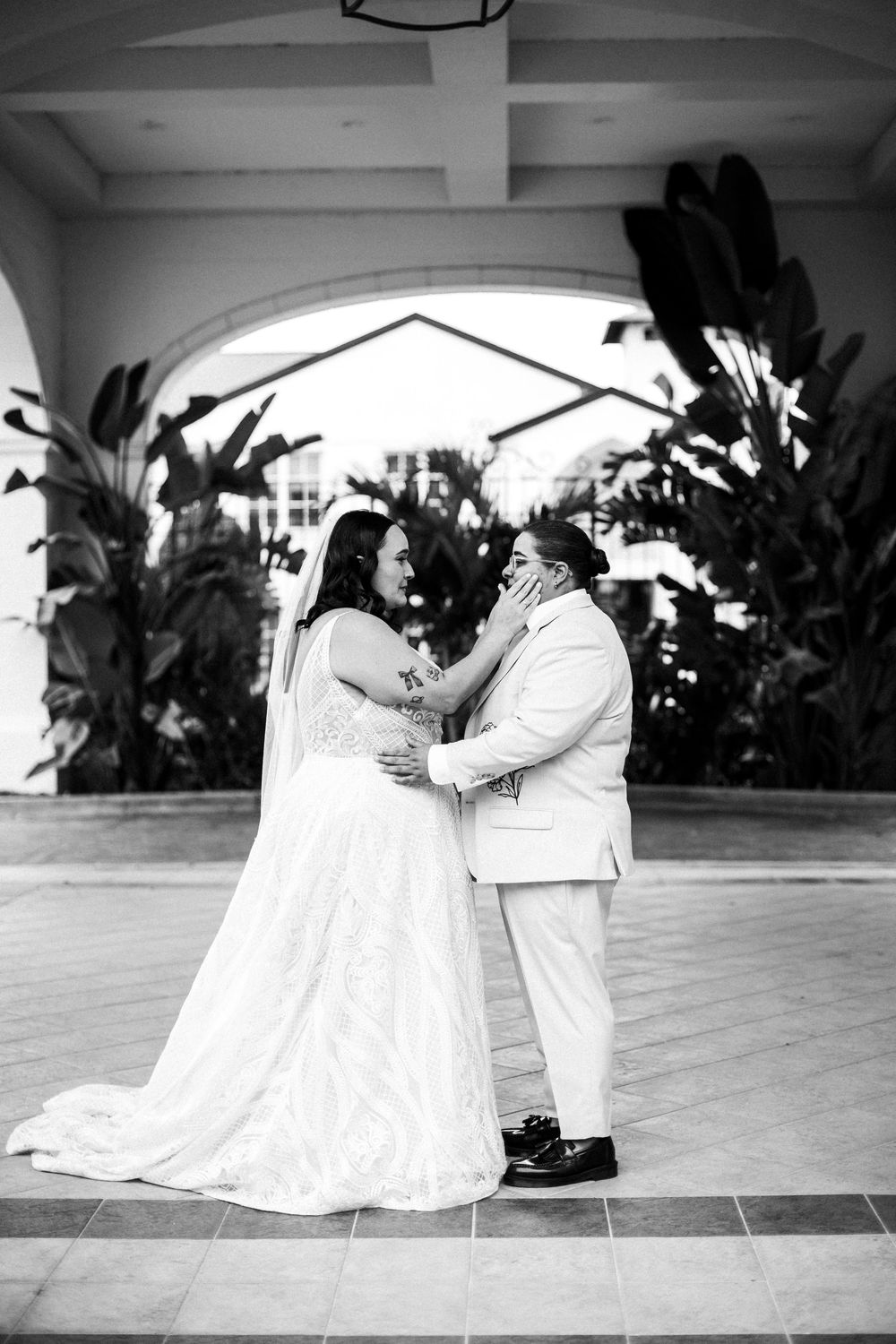
The architecture at the Winter Park Events Center was one of the biggest reasons I had decided to finally use my AF-D Nikkors for a wedding. All those straight lines and sharp angles, I needed them rendered perfectly while keeping focus on my subjects. And I was not disappointed. Not in the slightest.
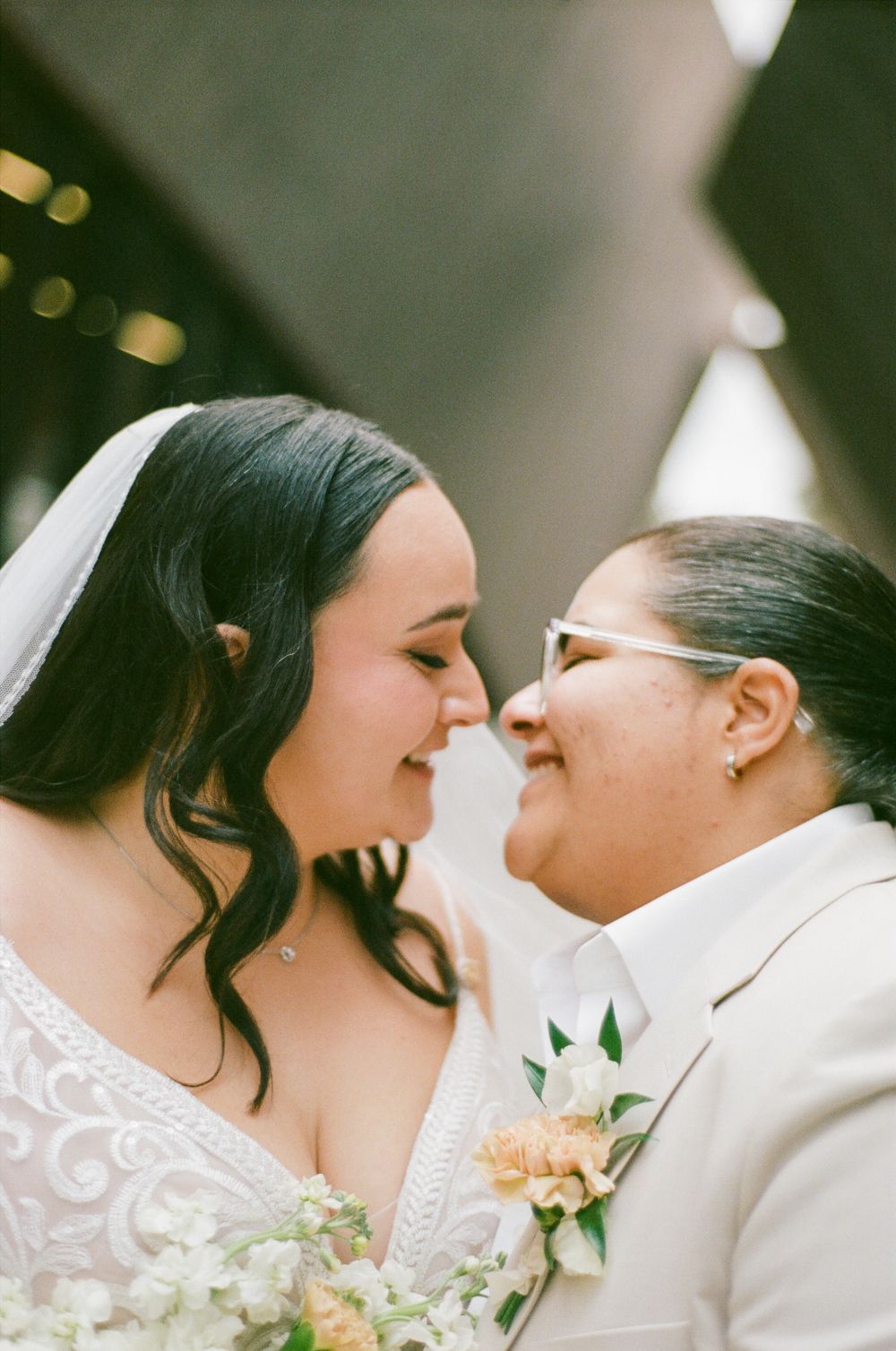
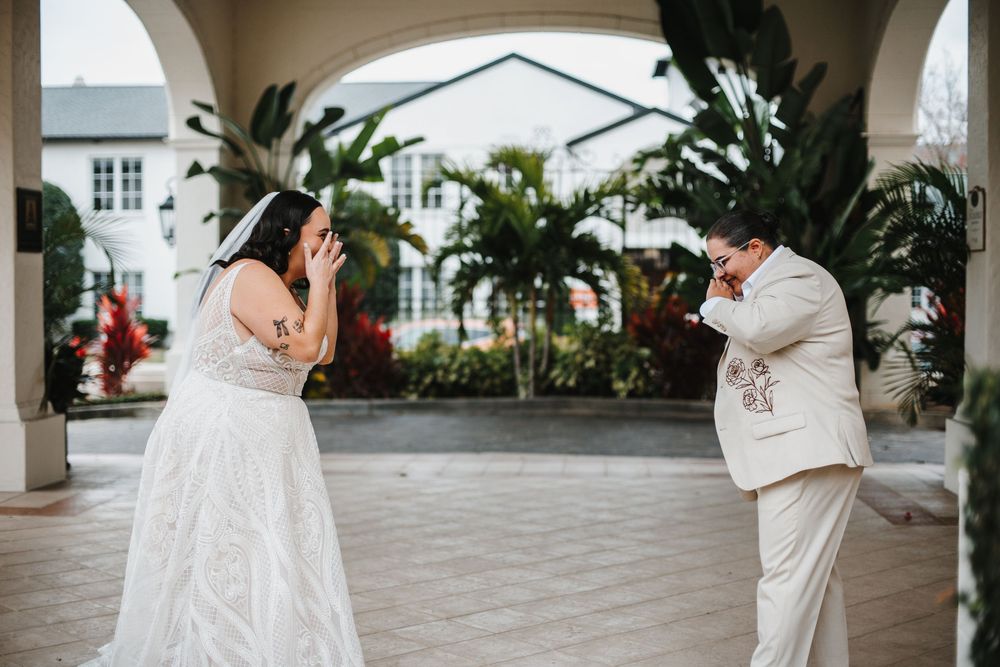
I went back to the AF Nikkor 50mm f/1.4D for the Portraits. I usually like my portraits to include enough of the environment that context is given to the photograph. As a storyteller, this is important. I would have had to stand much too far away to do this with the 85mm, so the 50 worked perfectly.
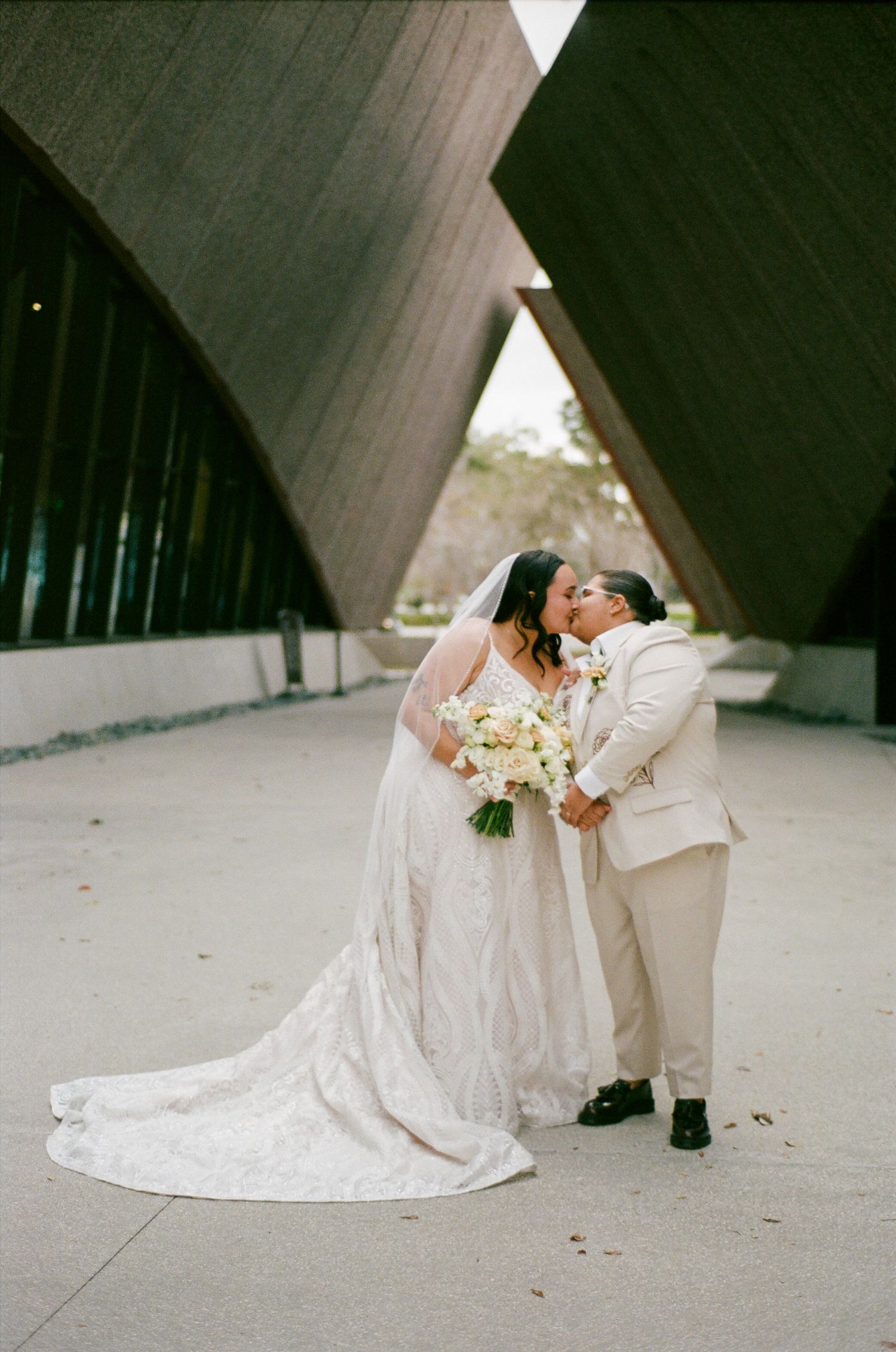
Of course, I had two 50mm Nikkors with me. The Nikon F100 has become my go-to film camera to shoot side-by-side with my digital cameras. It's ability to get out of the way and just let me make photos is something that was missing with my M3. I LOOOOOOOVE shooting with my M3, but its a slower and more deliberate process. Everything from film loading, to rewinding, to focusing, to metering is just slower. When I have the time and can afford the pace? I'll choose the M3 over any camera...always. But for a fast paced shoot like a wedding? The F100 is just better.
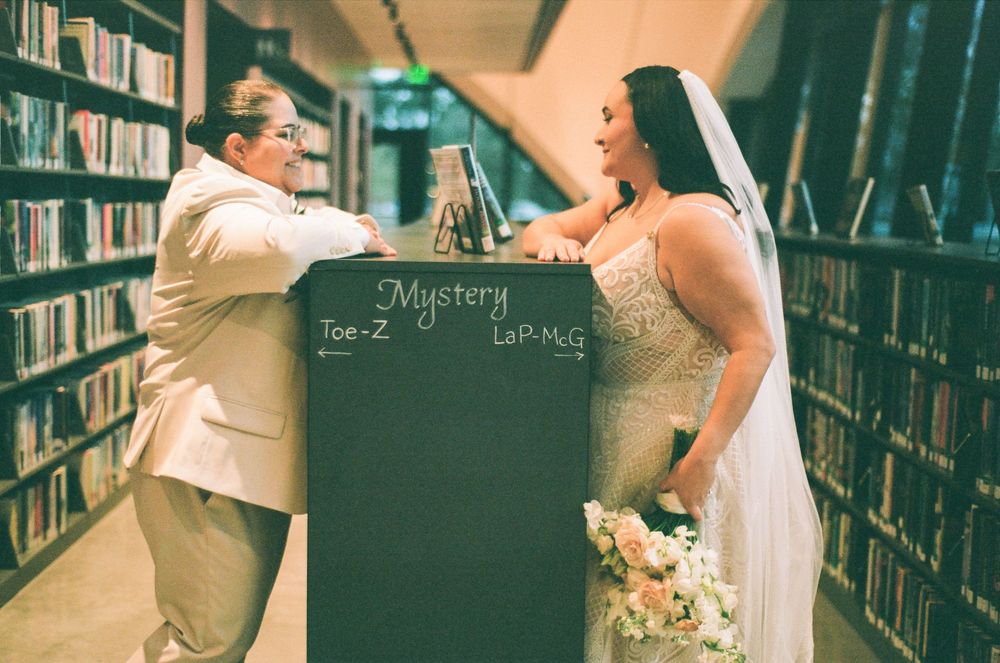
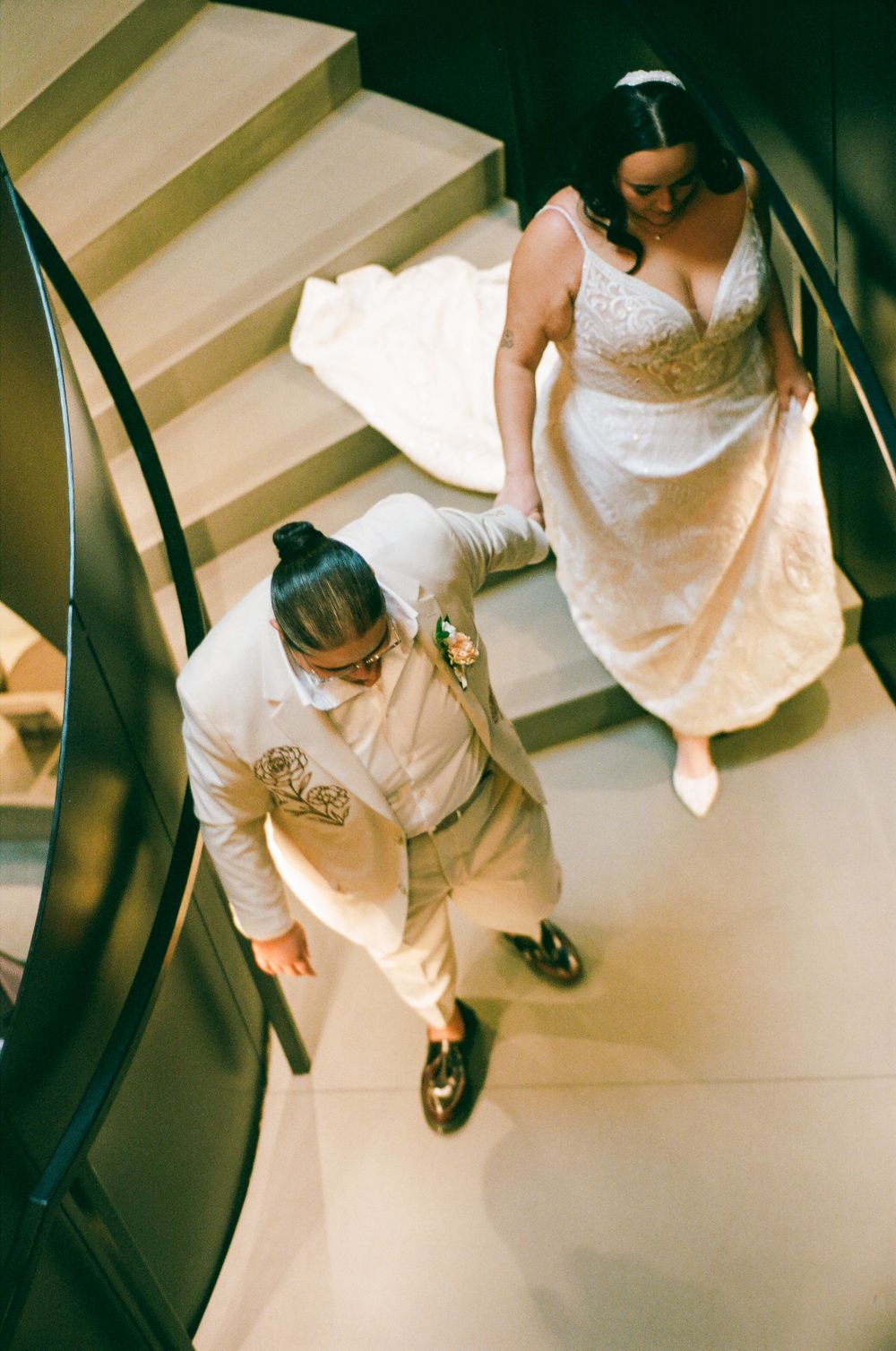
I had my AF Nikkor 50mm f/1.8D mounted on the F100, which has been my preferred set up for a few weddings now. It's plenty fast and the rendering is simply gorgeous. My usual wedding film, Kodak Portra 400, matches my digital photos nicely and always leaves me wishing I'd shot more film.
The most important thing here, however, is that the shared visual language between these AF-D Nikkors means that there is a consistent look across my digital and film photos. I've combined Nikkor for film with other glass for digital and never been disappointed. But this sort of stylistic through-line helps the visual narrative, in my opinion.
Party Time
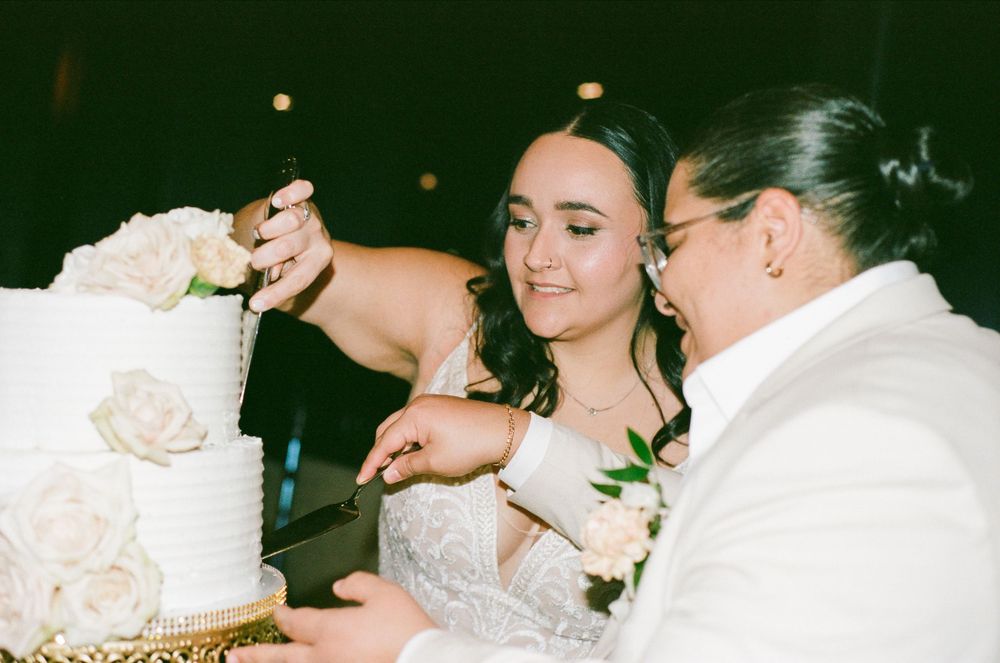
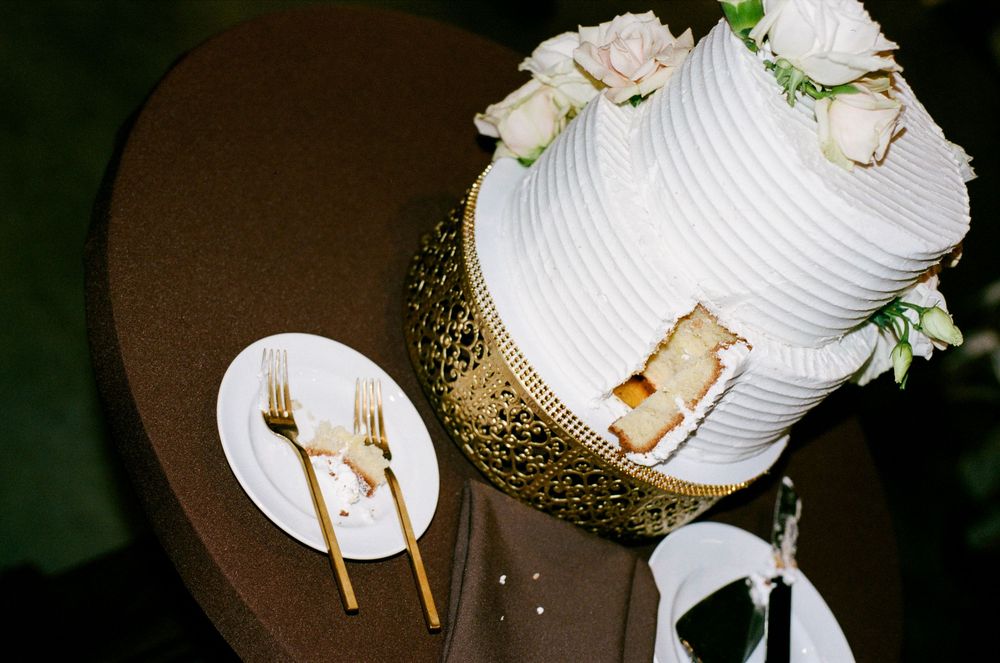
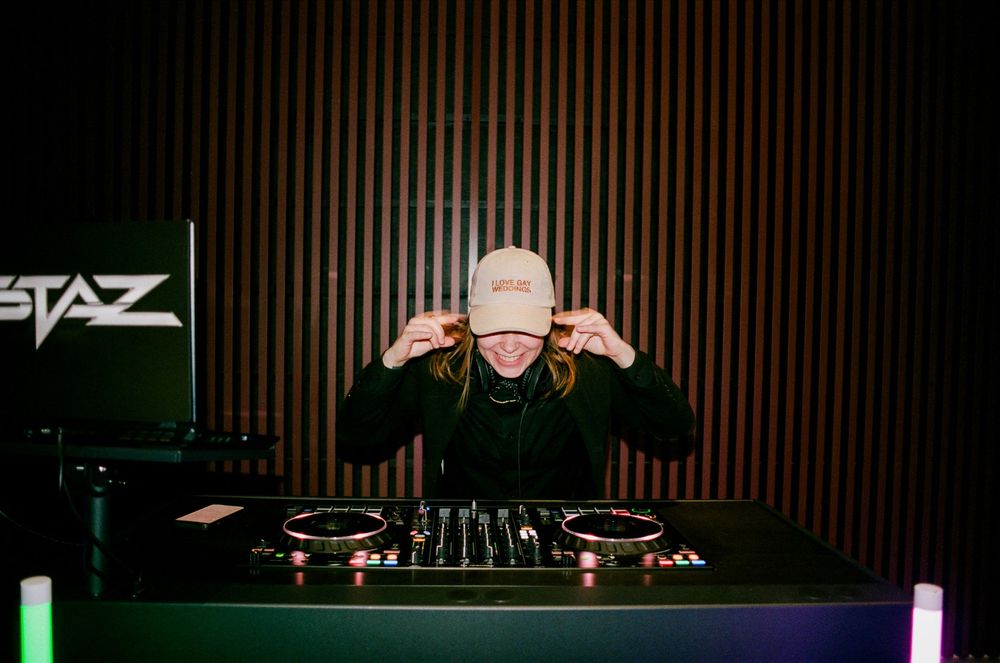
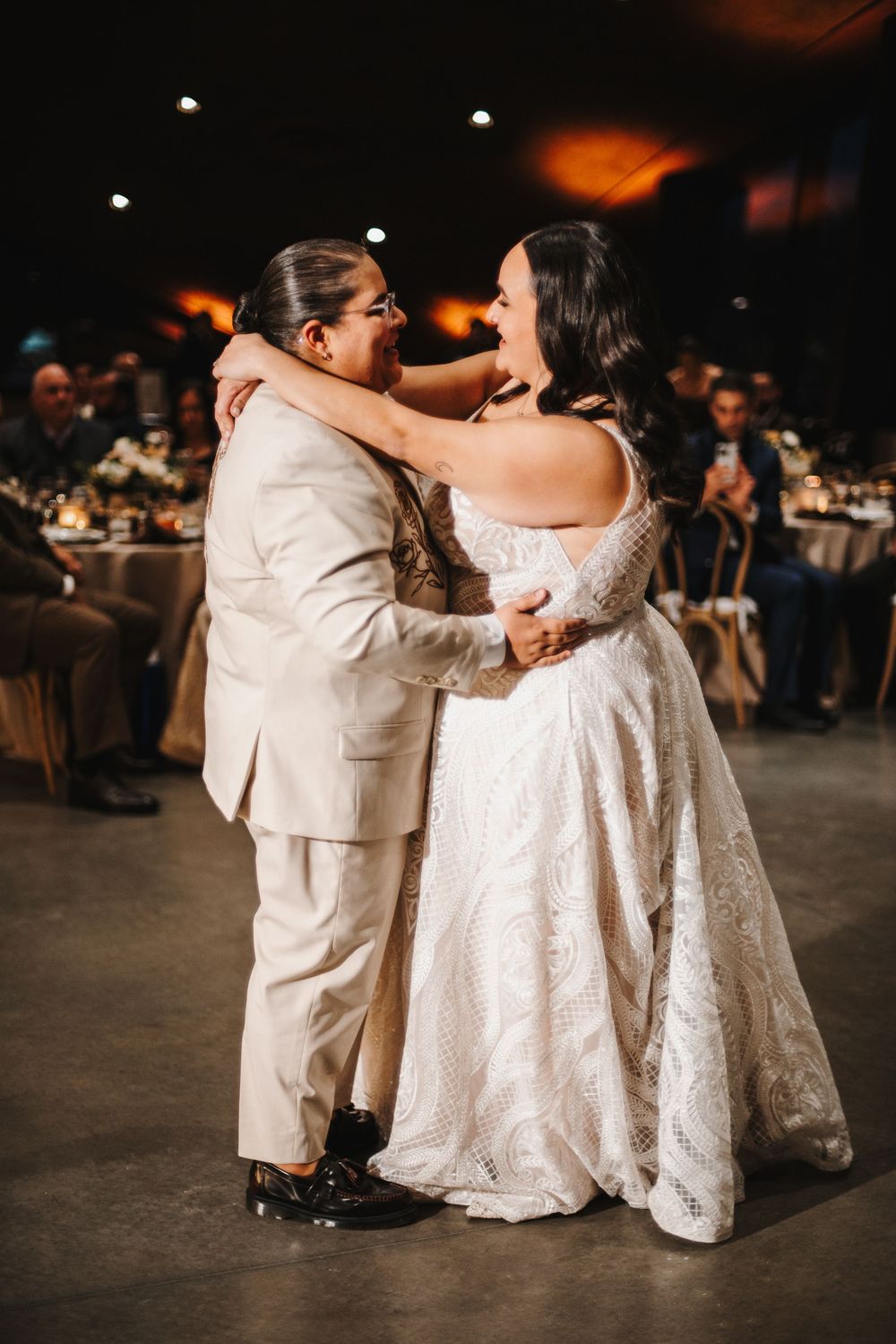
While reception activities like first dances, speeches, and cake cutting all come before the partying and dancing, I typically rely on 50mm for this as well, so I'll skip ahead to the party as this is where things go wide. Really wide.
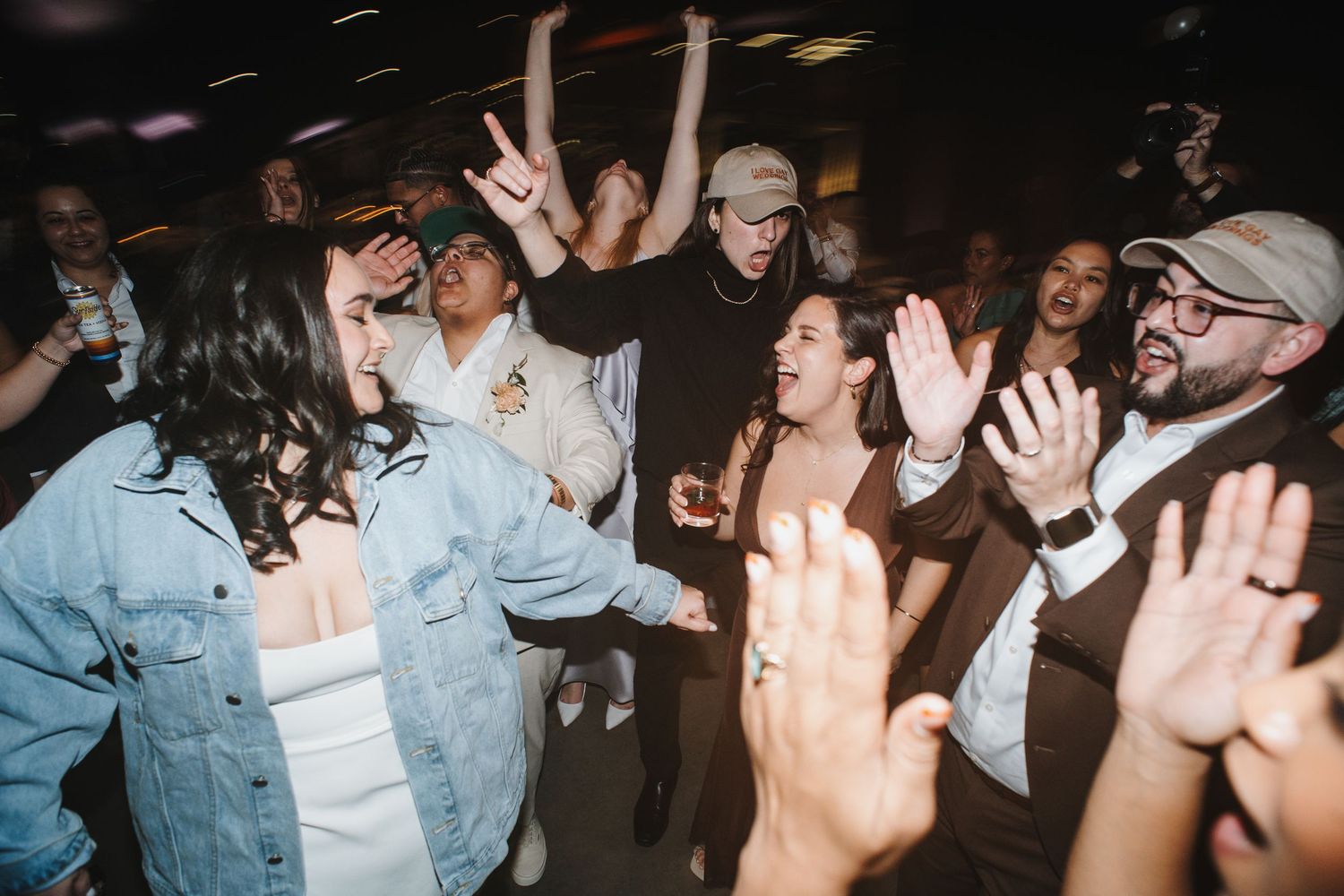
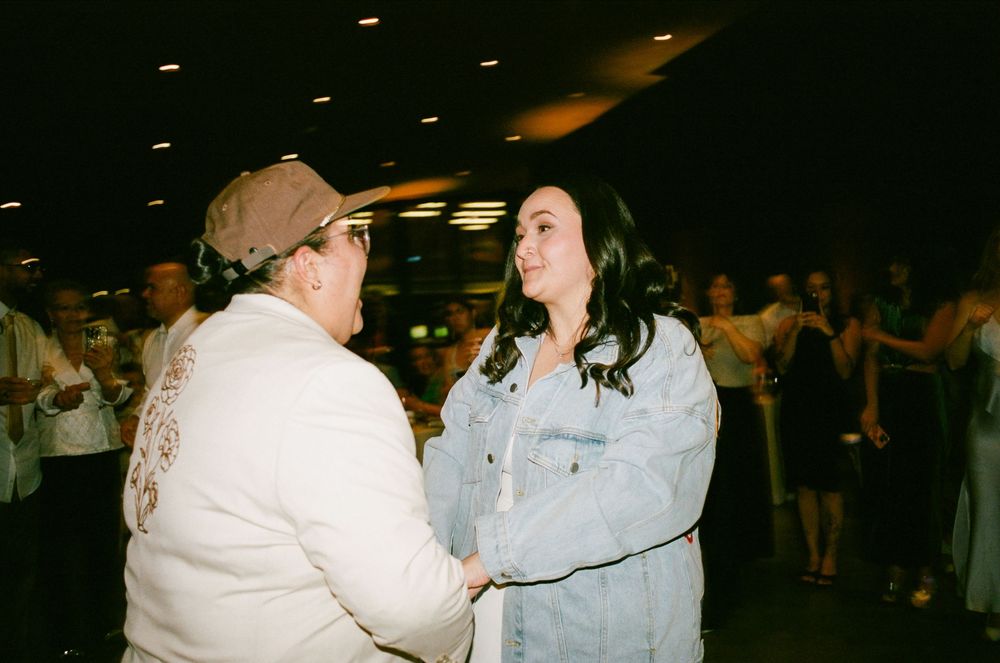
Unless I've been asked to prioritize film, I will use my preferred party focal length, 20mm, on my SL for party shots. That left me with my second widest lens, the AF Nikkor 28mm f/2.8, on my F100 and more Portra 400. Because I get on the dance floor and dance with the happy couple and their guests, having the lightest set up possible is really important for me. So, I ditch my large Godox flash and opt for a pair of smaller Godoxes on both my SL and F100.
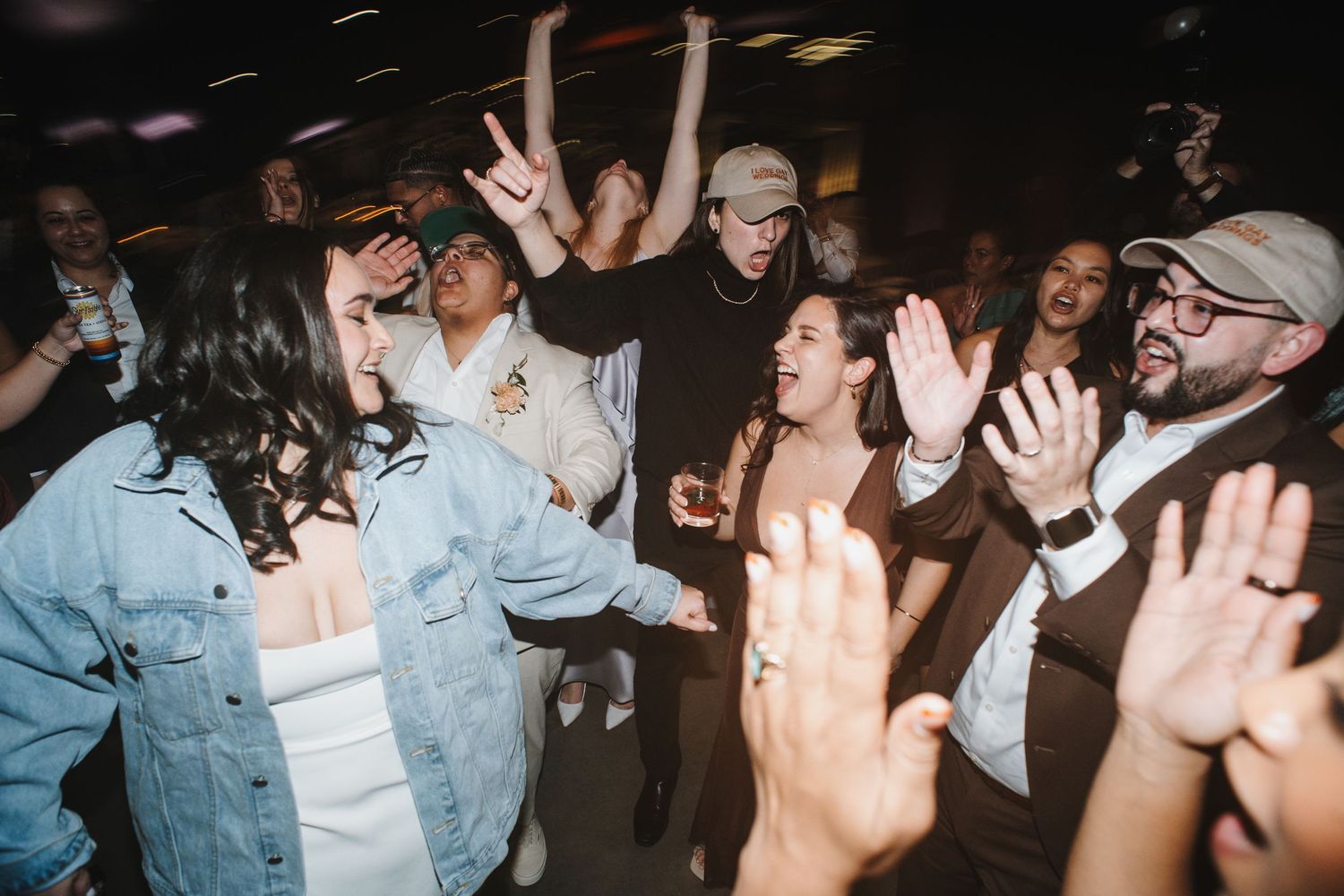
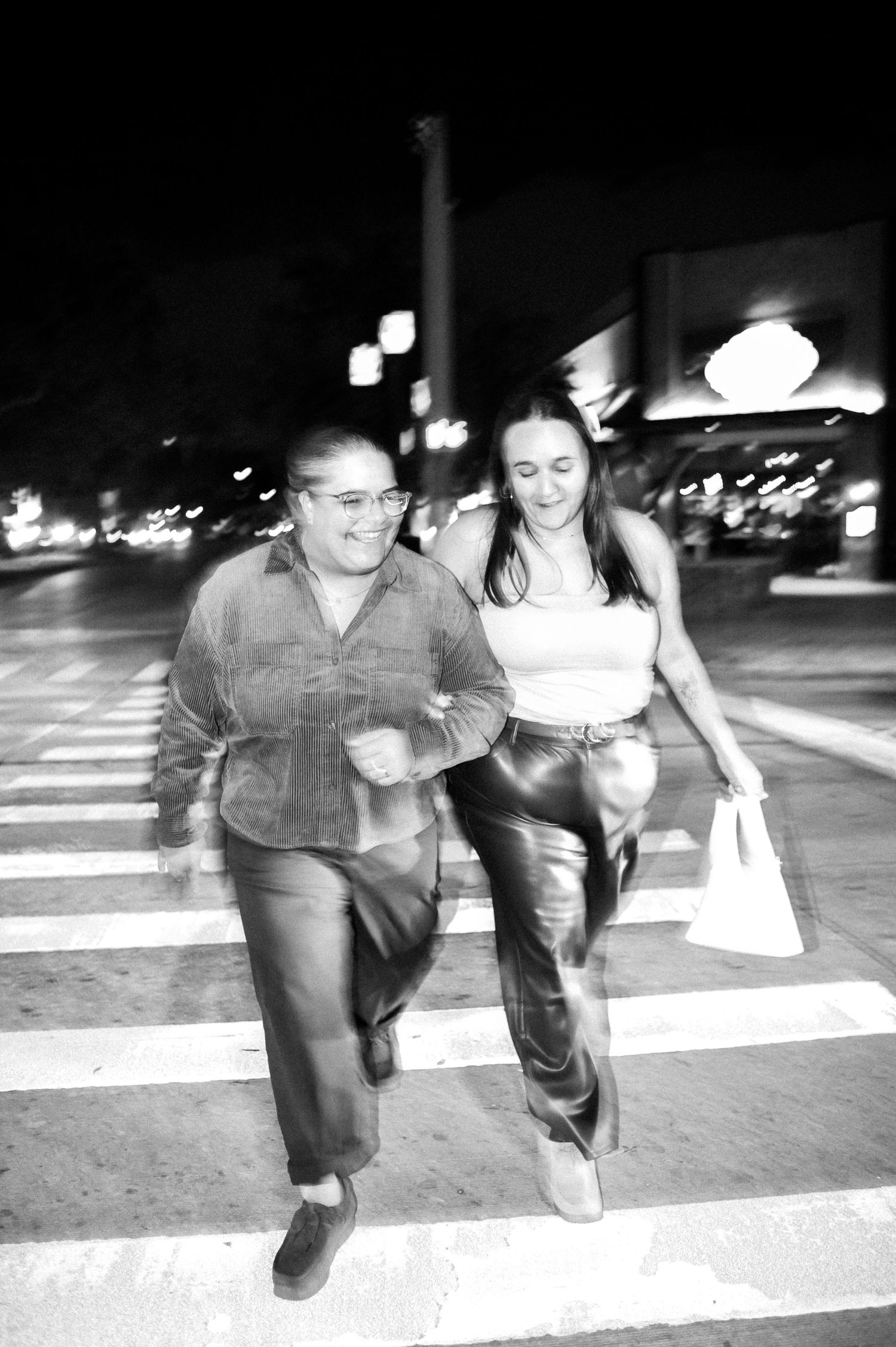
These are always my favorite photos. Be it on film or digital, these party photos are a blast to make and show the most real and raw emotion of the day. The happiness that comes through in these photos cannot be faked. I love to pose my couples for their portraits and make some gorgeous, editorial art for their galleries and prints to hang on their walls. But these party shots? These are the ones that give me the feeling that I've photographed something truly special.
Both the AF-D Nikkor 20mm and 28mm perform amazingly here. They are beautifully sharp and keep that sharpness throughout the whole frame. These were made stopped down to about f/5.6 to allow me to get close and still use direct flash and increase my depth of field.
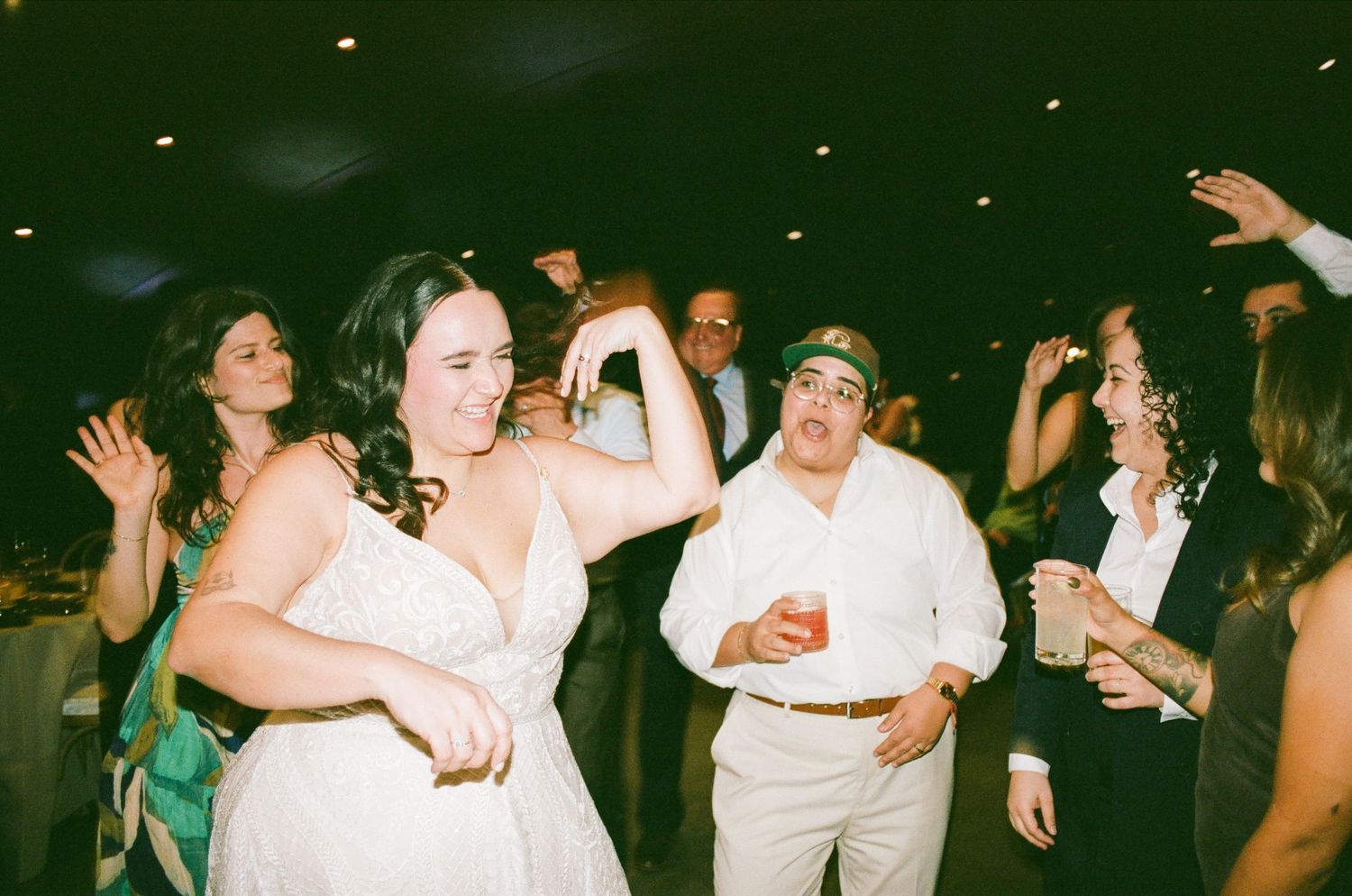
This brings me to one final point about these AF Nikkor lenses. Most of these in my collection are AF-D Nikkors. However, two of them in my collection, the 28mm and 35mm do not have the D designation. Nikon added the D when they began including a distance chip that helped with metering by adding a distance component to the reading. As I do everything manually, this has not affected my shooting.
I notice no difference in shooting the 20mm and 28mm despite the 28mm not sharing the D designation of the others. Optically, those AF Nikkors with and without the D are identical. Were I to use a Nikon TTL flash, I'm sure I might notice a slight improvement to the exposure. Would it matter? Even if I shot in Program mode, I doubt it. So if you're considering these lenses today, my advice is to go with whichever you find in best condition and within your budget as they are otherwise identical.
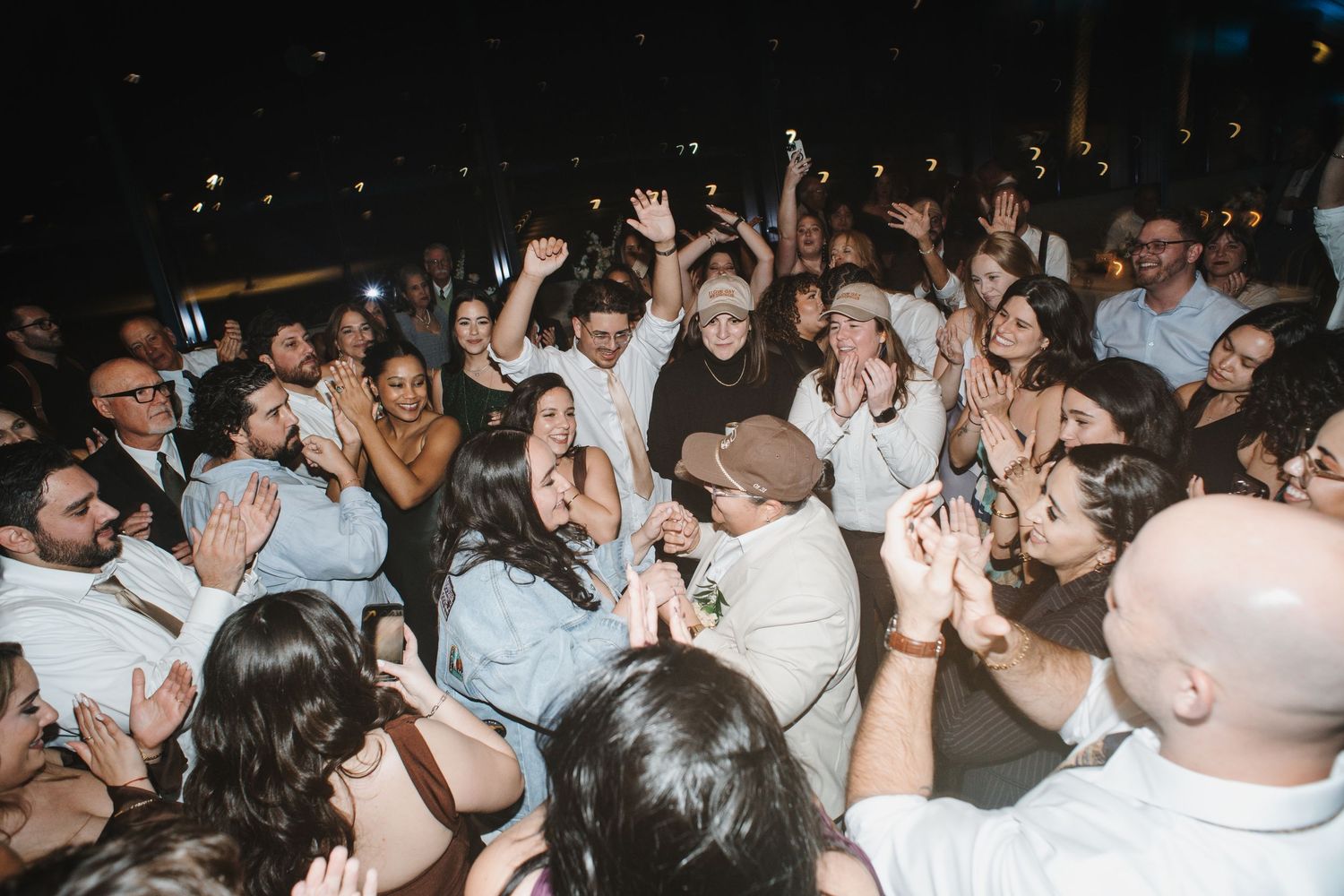
Final Focus
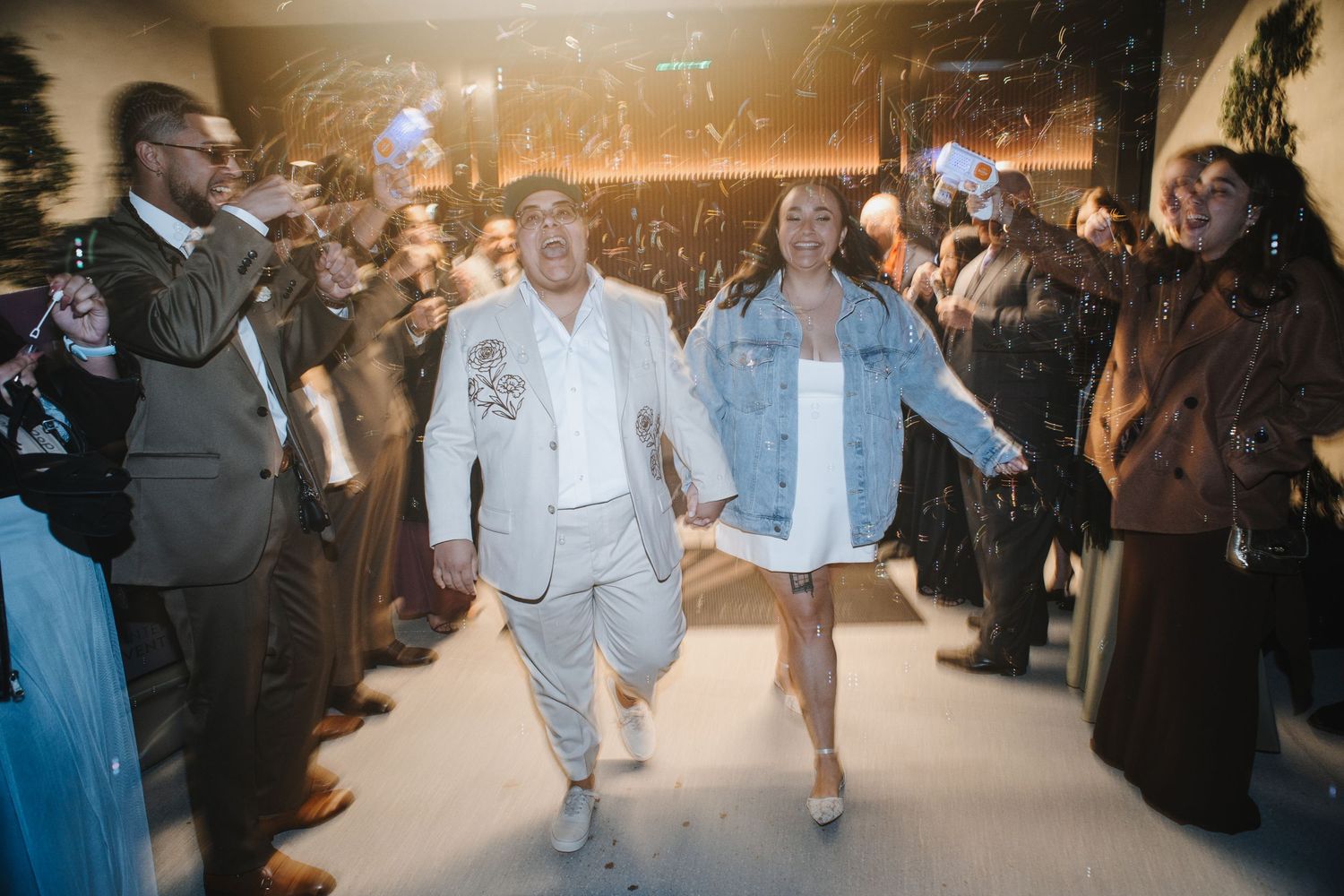
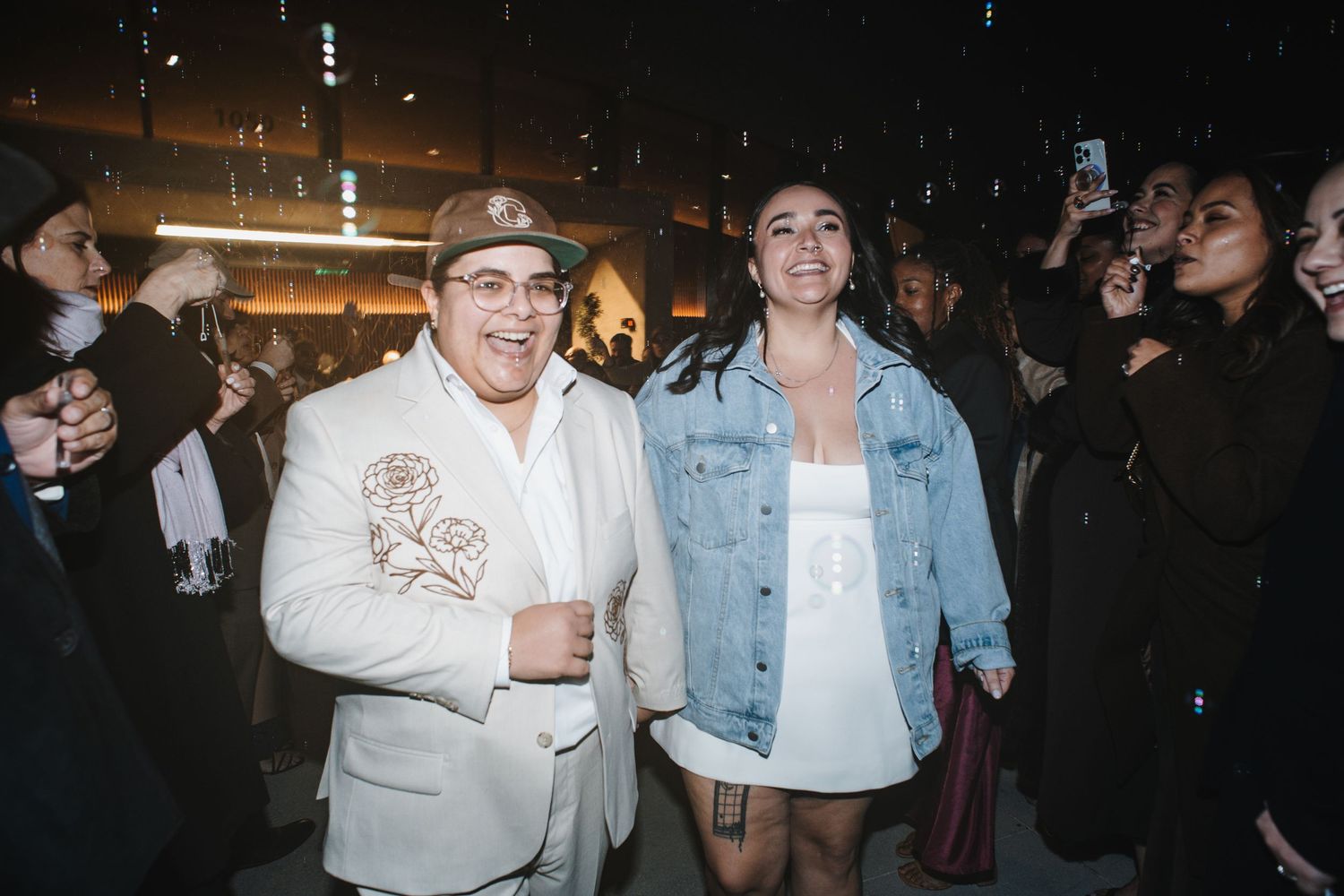
After one of the happiest and most energetic parties I've ever seen, as a photographer or otherwise, the night ended with a bubble exit. I again relied on the AF Nikkor 20mm f/2.8D to help capture the energy of the moment in all its wide angle glory. But that's the thing: no matter the situation, there's an AF-D Nikkor lens I can rely on to capture the moment just so.
My Leica glass may have better micro-contrast. My Pentax glass might have a dreamier glow. But there is something magical about these AF-D Nikkor lenses. And the fact that I can easily shoot this on film with a fully mechanical camera like an FM, or without even thinking about it on a super SLR like the F100, or digitally with the D700, or even adapted to a mirrorless camera like my Leica SL? Well, that's something that is just amazing.
Right now I'm honeymooning with these Nikkor lenses as hard as Cecilie and Crystal are. Since shooting their wedding I've shot two other events with only these lenses. And the more I use them, the more I love them. In fact, I've been thoroughly unmotivated to grab any other lenses in weeks.
Will I ever go back to Leica and Pentax glass? Of course I will. I still believe that each wedding and each event is best represented by one of their unique rendering characteristics. But each wedding is also just as best represented by how I see the moments. And with these AF-D Nikkor lenses, I am seeing better than ever.
More AF-D Nikkor Wedding Photos
All images © 2020-2026 David Ulloa Studio. All rights reserved.