But why?
I am pretty sure everyone reading this is thinking the same thing: why defend the iPhone camera?! Those that are into photography will usually scoff at the idea of a smartphone camera. The lenses are not interchangeable, the sensors are tiny, the image compression is crazy, and the use of AI to make balanced exposures is wild. So why use this at all when I have "real" cameras? The answer is simple - it's there.
The world we live in requires us to have our phones with us all the time. That means that everyone has a camera with them. So when I spent five days in New York City last week and decided I wanted to take only film cameras (I did end up taking my Leica Q, but decided to leave it behind most days) I knew I had my iPhone camera at my disposal.
It allowed me to focus on making film photos and not worry about having to use my digital camera. And because the photographs that come out of this machine are entirely useable, I can dump them into Lightroom and edit them exactly how I would any other photograph. Meaning I can use my same editing style to create a sense of unity with all my photographs
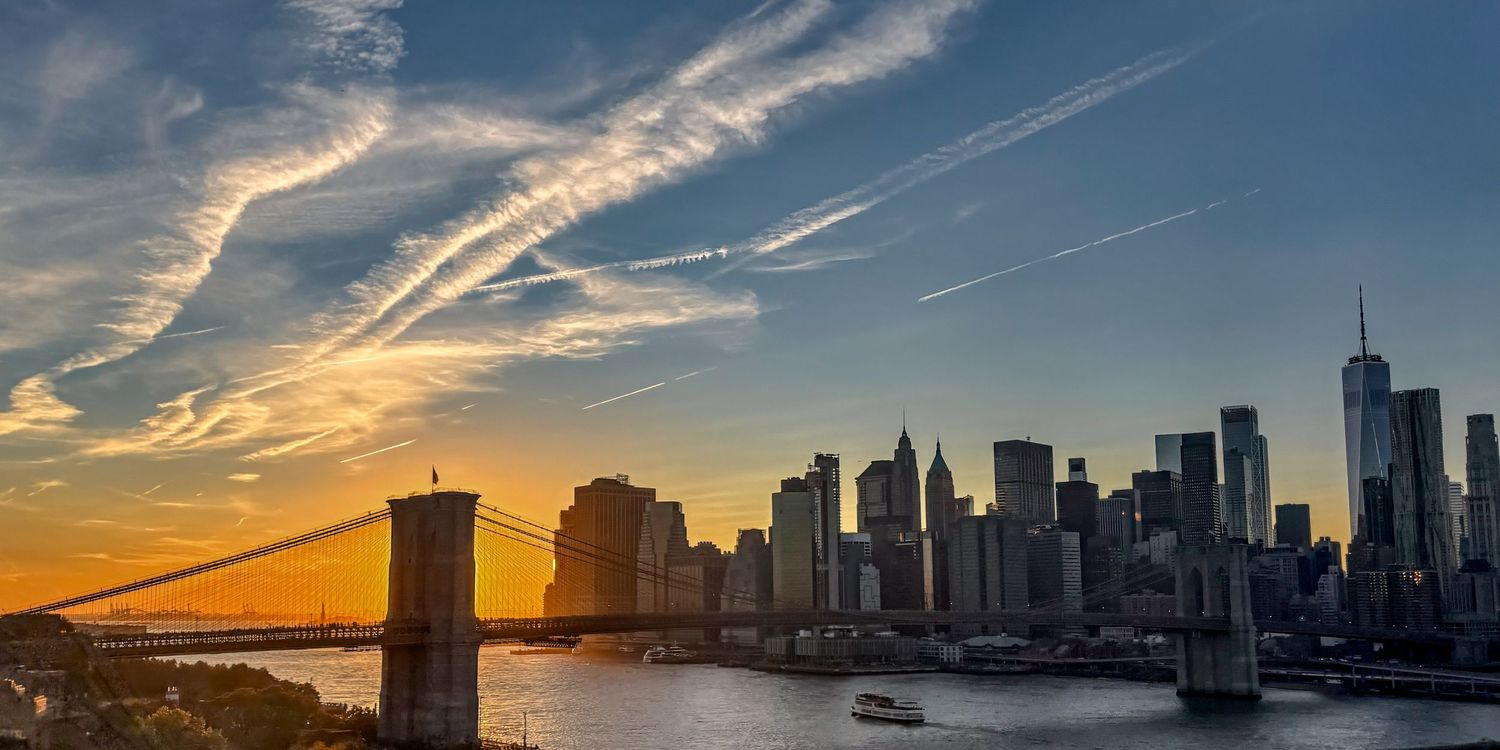
Take this one made on the Q train heading into Brooklyn from lower Manhattan. When I noticed the placement of the sun on the horizon, I knew that I would be able to get this shot. I just needed the timing of it to line up so that the sun was directly behind the Brooklyn Bridge and no support beams from the train track be visible in the shot. I tried this shot before and was not able to get it. But such a thing did happen now, and the ferry happened to be crossing underneath. SCORE!
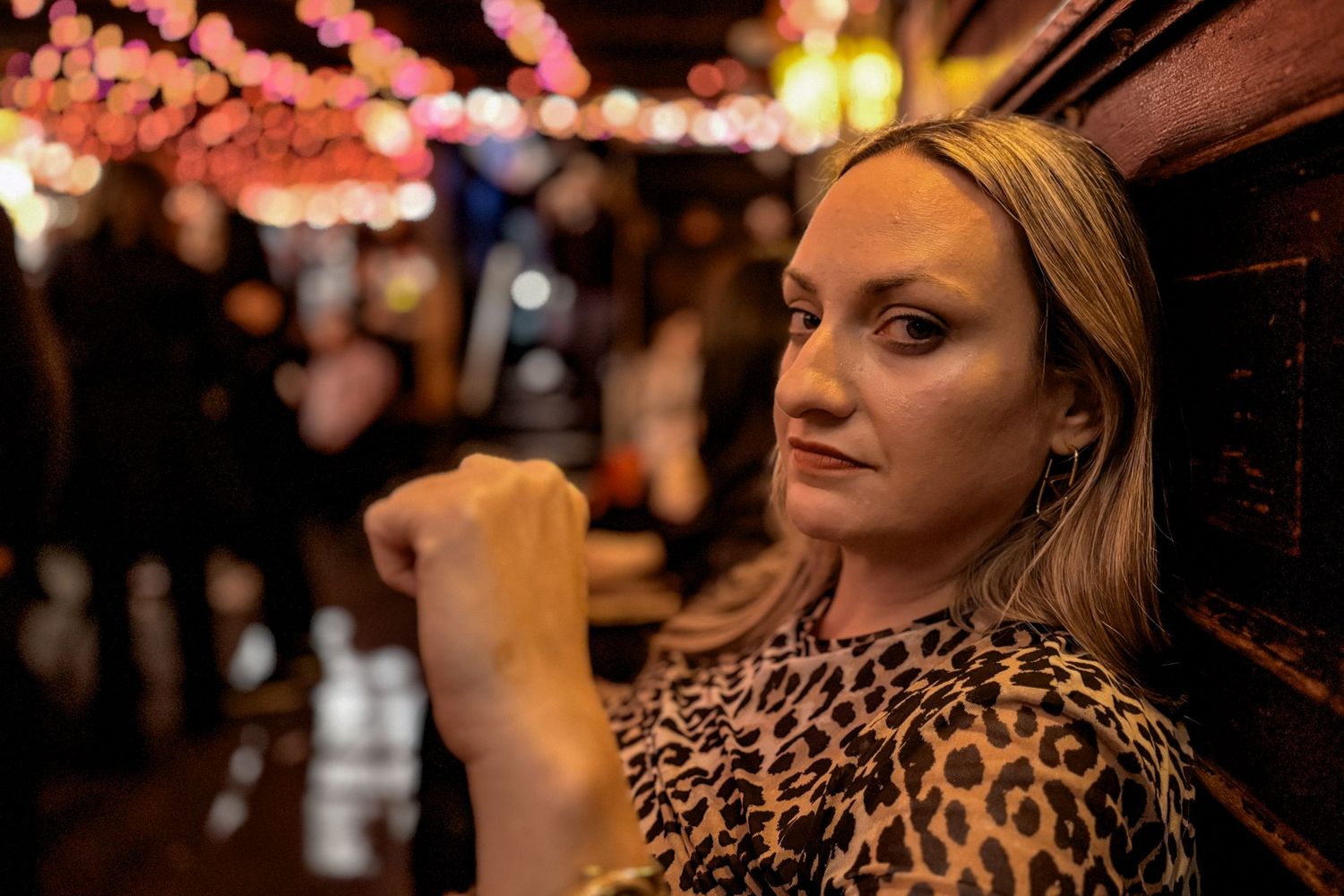
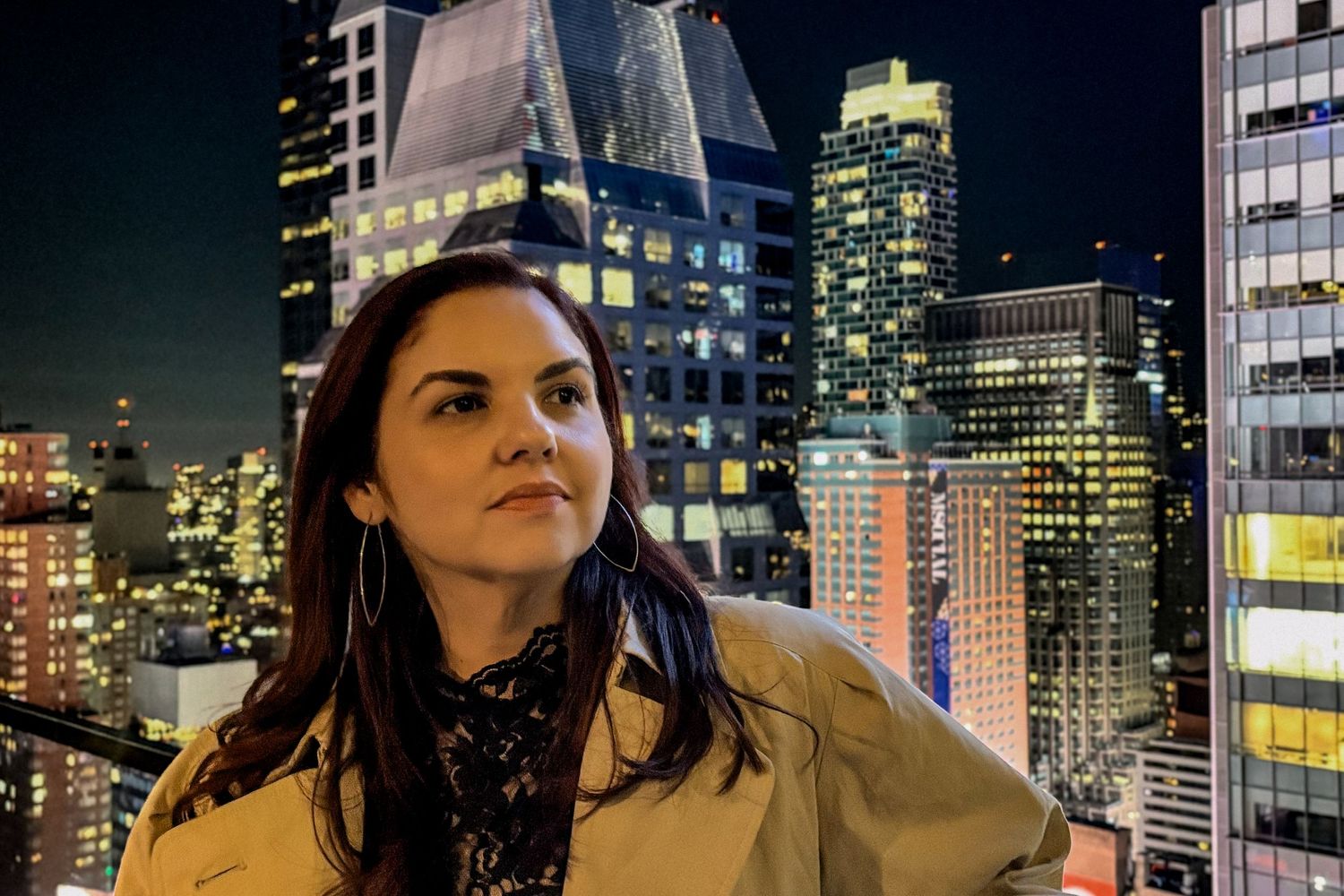
Photographs that I otherwise would not have been able to make were made possible by simply deciding to use my phone camera instead. The first of these three, of Steph at Marie's Crisis in the West Village, was only possible with my phone. I had some CineStill 800t in my camera pushed to 3200, so plenty of light at that speed, but they had a strict no photo policy except for selfies and the like. So I snapped that really quickly and treated it like a selfie. Likewise, the portrait of my sister, Lisa at the Hard Rock rooftop bar was made after I'd run out of film. So, snap! and the portrait was made.
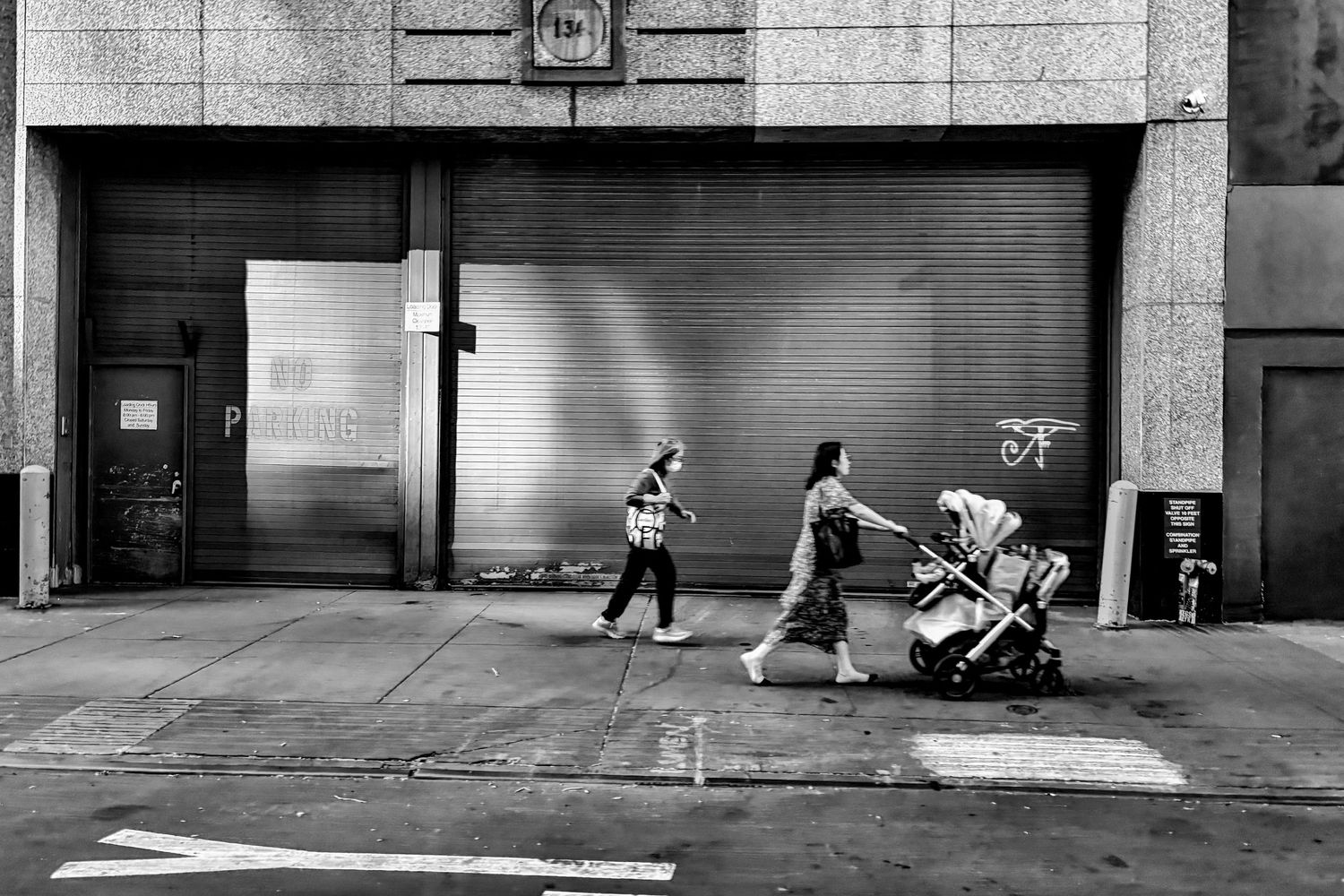
Less ideal for street photography as moving subjects tend to lose definition, I am still happy with this monochrome edit made in Midtown on a moving Sprinter van en route to La Guardia airport. I would not have had enough time to get my camera out as I had packed everything away for our return flight. But my phone was already in my hand. Given the choice between missing the shot entirely and making the photograph with my iPhone, you better believe I will always choose to make the photo.
Modern Point and Shoot
The concept of point and shoot cameras is simple and effective. They became so popular that everyone had a point and shoot at sometime. Be it the Instamatic in the 70's, the various Japanese options of the 80's, or the disposable cameras of the 90's, point and shoots have been exceedingly popular because they are easy to use and allow for anyone to make a photograph of a moment in time.
The new features on the iPhone camera, allowing for adjustment of aperture to control depth of field, artificial as it may be gives this point and shoot even more control of the final photograph. These days, my phone camera lives on Portrait mode for this reason. I can adjust my digital f-stop after the photo is taken and give myself the option to control my depth of field.
This one of Wes is a great example of this. I was picking him up from summer camp and did not have a camera with me, but I did have my phone. He was running around and being cute. I didn't want to pass up an opportunity to capture that cuteness.

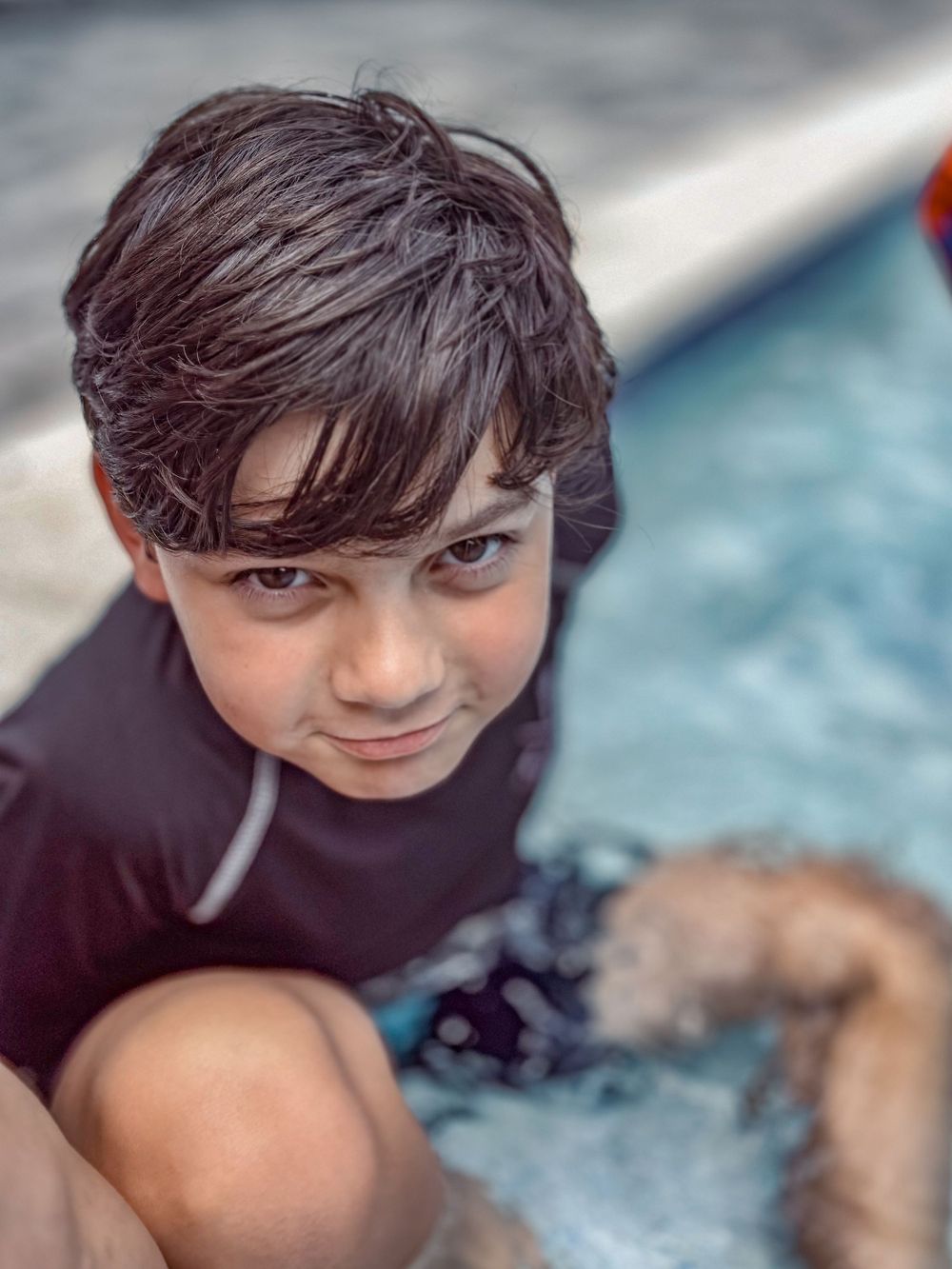
This portrait of Link is another great example. We were on vacation in Cape Coral, an annual pilgrimage to get away from the hustle and bustle of Miami for one week every summer. Fort Myers Beach and Sanibel Island are a short car ride away, and because we rent an AirBnB we can take Storm, the family Labrador, with us. So it is a great retreat from our daily lives and reconnection as a family unit.
We had just arrived - in fact I was still bringing bags down from the car, when Link changed into his bathing suit and jumped into the pool. We all followed suit and jumped right in, worrying about dinner plans later. My camera was still packed in my camera bag, and I had no desire to go digging for it amidst the mountain of bags that were piled in the center of the house. But I did have my iPhone ready to go. I liked this photograph so much I printed and framed it at home. Had I decided, "not worth it because I don't have my camera," this portrait would not exist.
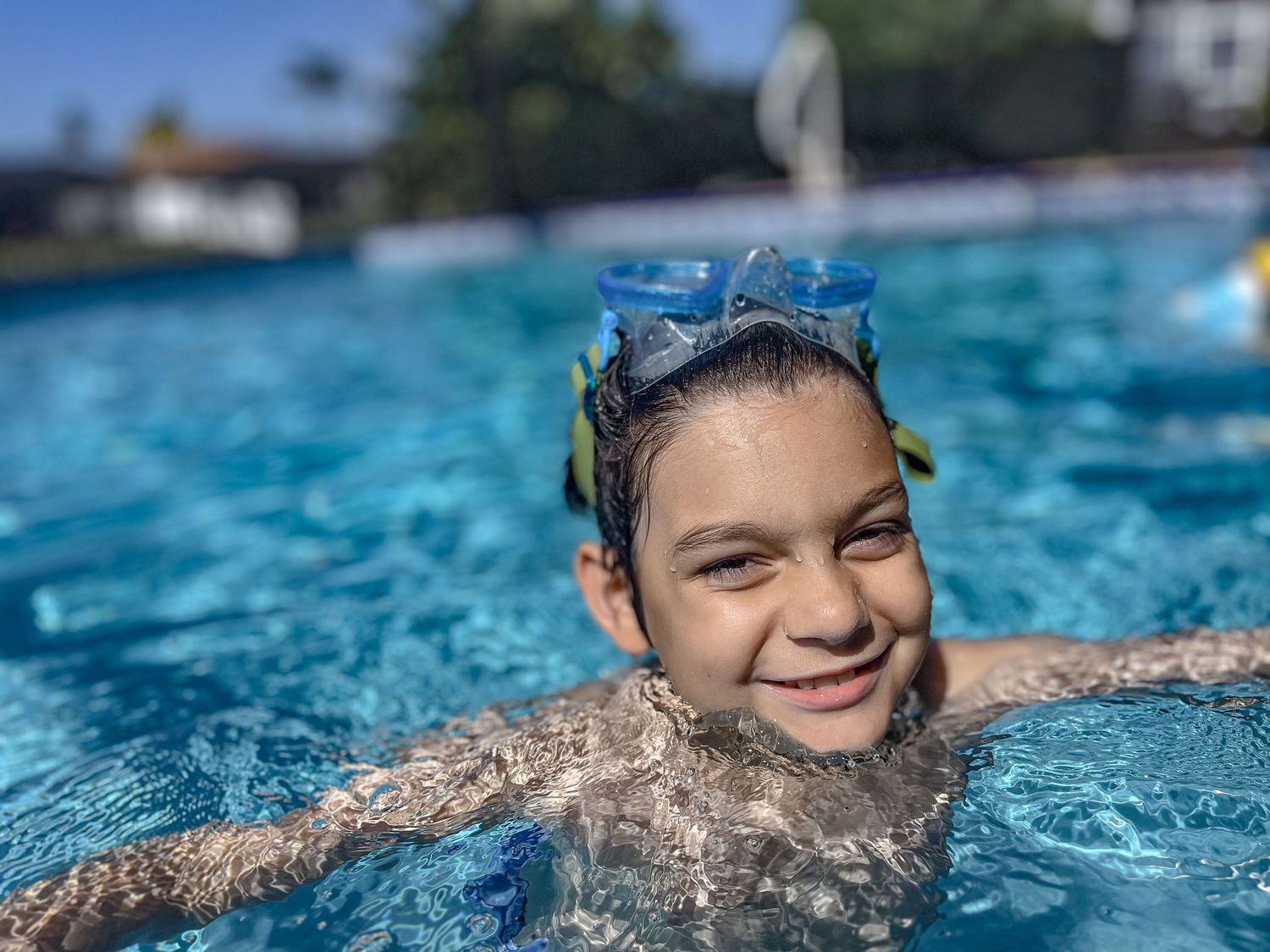
The fact of the matter is that sometimes even if you have a camera with you, some reason or another makes it so that you can't use it effectively or at all. And, as has been stated and restated multiple times, the best camera is the one that is in your hands.
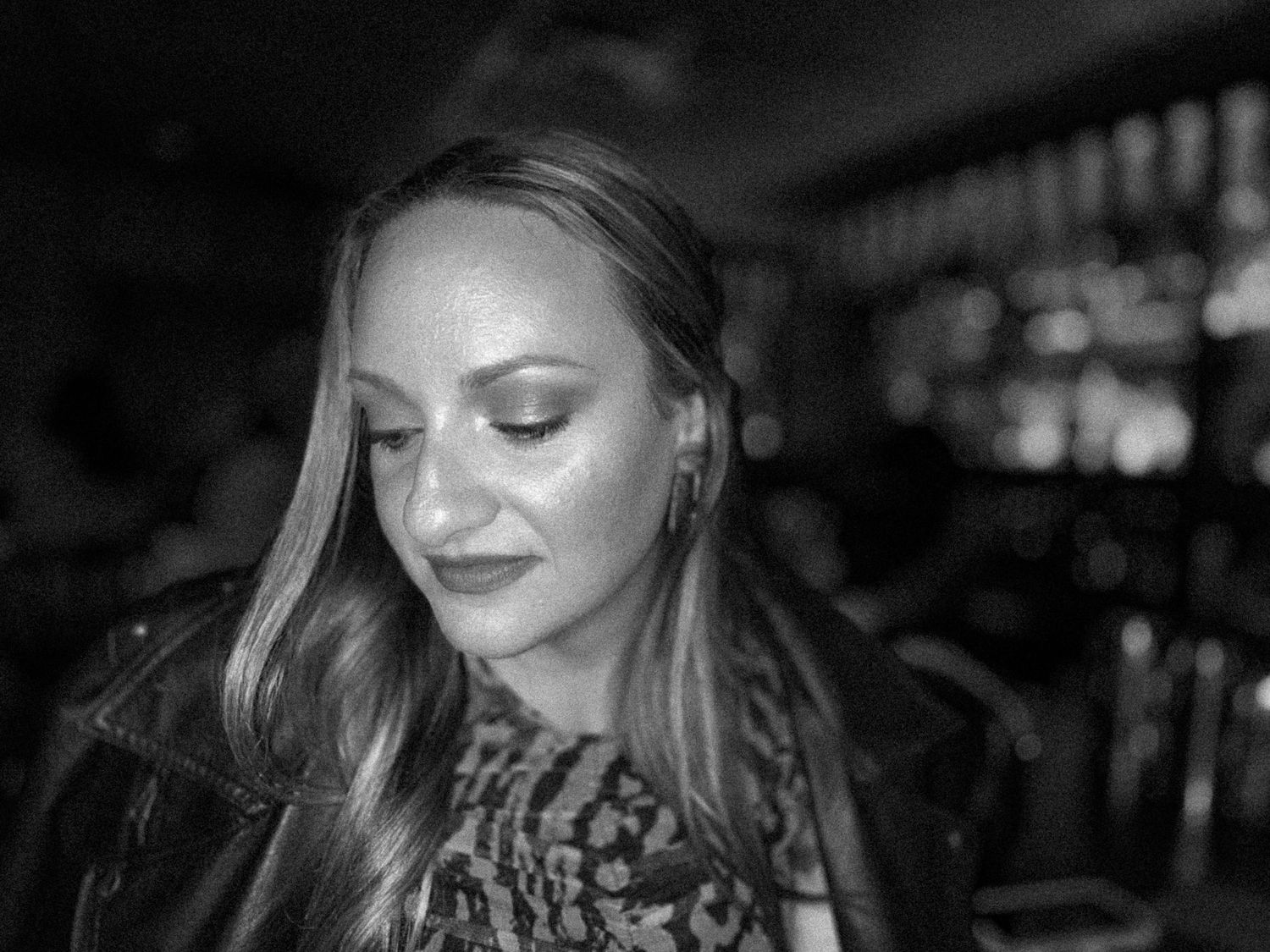
This one of Steph was made at Fox's Lounge, a long time Miami staple. I had my Leica Q with me. So, why take this on my phone? Well, I didn't want to kill the vibe. As a photographer who doesn't do photography for a living - at least not full time - I recognize that sometimes the last thing you should do is whip out your camera and make a photo. But this quick snapshot of Steph sitting at the bar of Fox's Lounge, looking as beautiful as ever, was possible without killing the vibe because I didn't keep posing her and directing her like we were in a photo shoot. It allowed us to be in the moment and allowed me to capture the moment all at the same time. Because as soon as a camera comes out, people change. But the phone is much less imposing and puts many much more at ease than the dedicated camera. Of course, I dropped this into Lightroom and edited it to mimic 400 speed Kodak black and white film pushed a few stops and think the effect is an effective one. But all that can be done later. Taking the picture in the moment, without getting in the way of the energy is crucial.
Strengths, Not Weaknesses
I am not sure if this is more important than what I wrote previously, but it is at least as important. Just because it is a phone camera, or you think of it as a point and shoot, doesn't mean that the rules of photography are thrown out the window. Treat every photograph, regardless of the camera or lens, as a tool to make the photograph.
Ansel Adams famously said that, “The single most important component of a camera is the twelve inches behind it.” I don't see how this can mean anything other than the photographer matters more than the camera. And that philosophy is a very freeing one. As a musician, I never felt that playing with a budget guitar or amplifier was holding me back. Is it nice to use the better gear? Sure! But, is that the point? Certainly not.
So often, both online and in conversation, I see an obsession with the gear itself instead of the photography being produced. But the truth is that we can make beautiful photographs with just about any camera. No one needs a better camera to make better photographs.
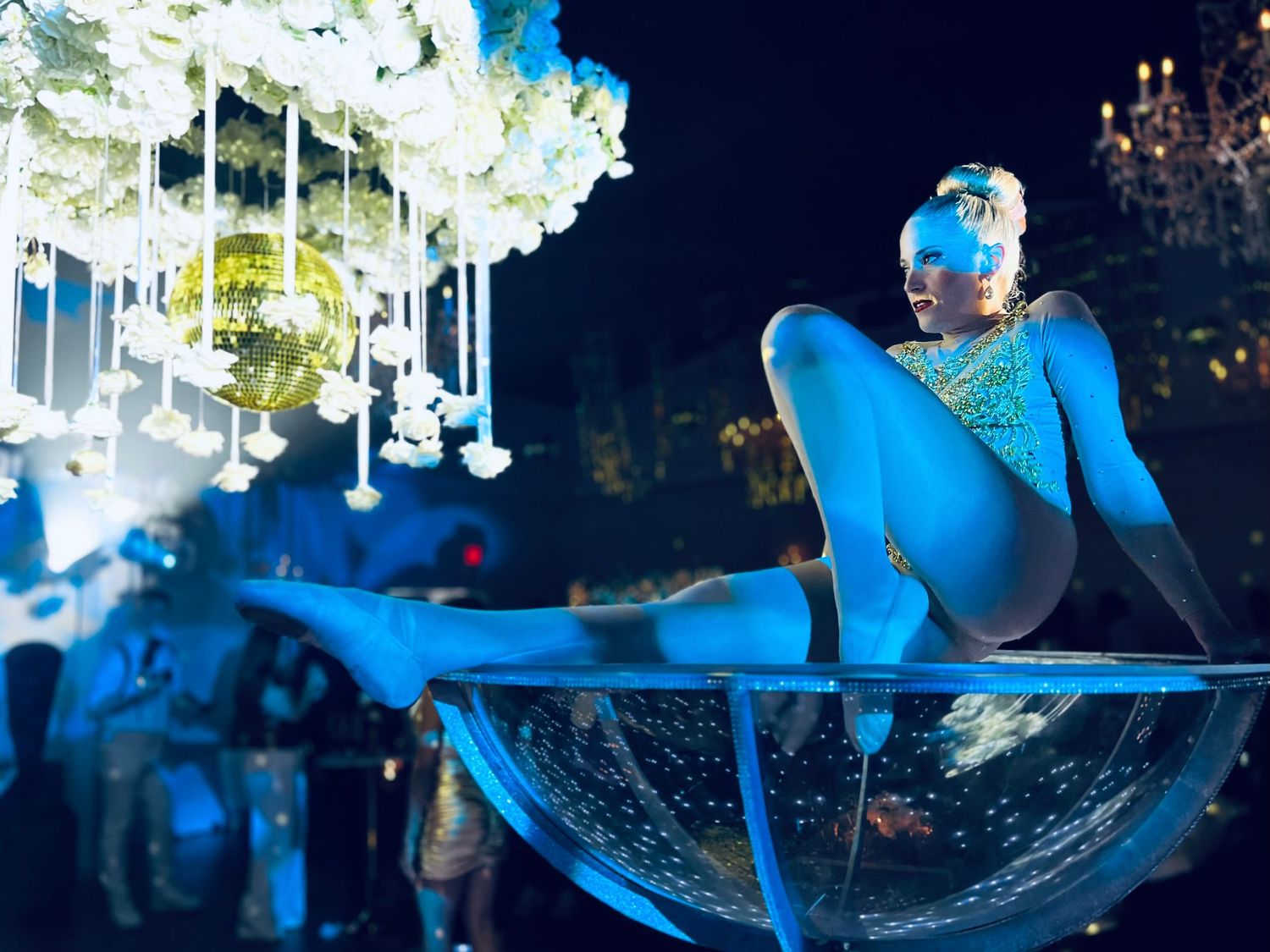
When I started treating the iPhone camera as a point and shoot and following the rules of composition, my iPhone photos became such as I was actually proud of many of them. The photo above, of the dancer in a giant champagne glass, was made at an event in which I would not have been allowed to take a camera. Professional event photographers can be finicky about other "professional" cameras being present at events they are hired for. And the last thing I want is a problem. Remember about not killing the vibe? So, when I saw that dancer, I whipped out my iPhone and composed the shot as if I had any of my cameras that were sitting on my shelf at home.
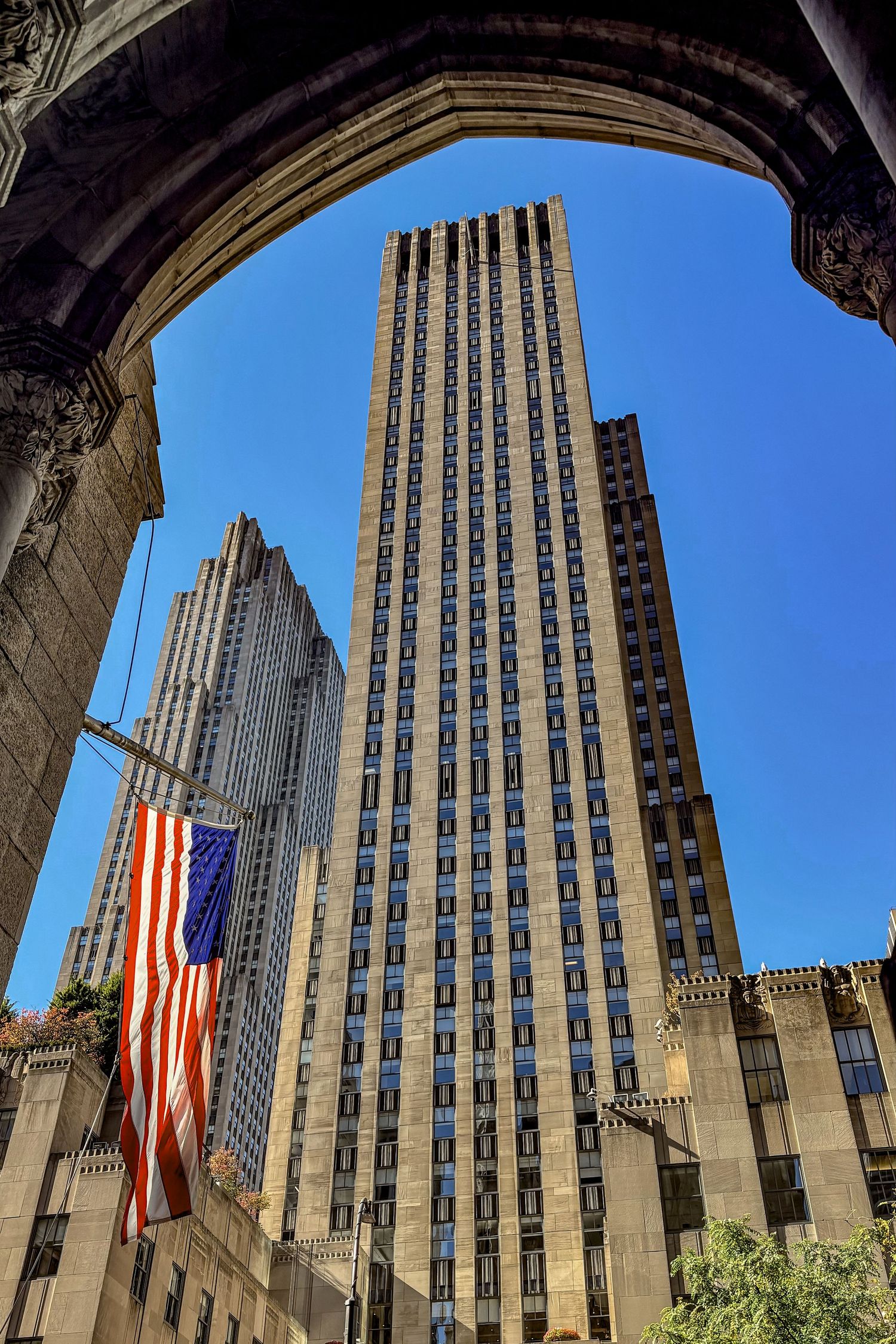
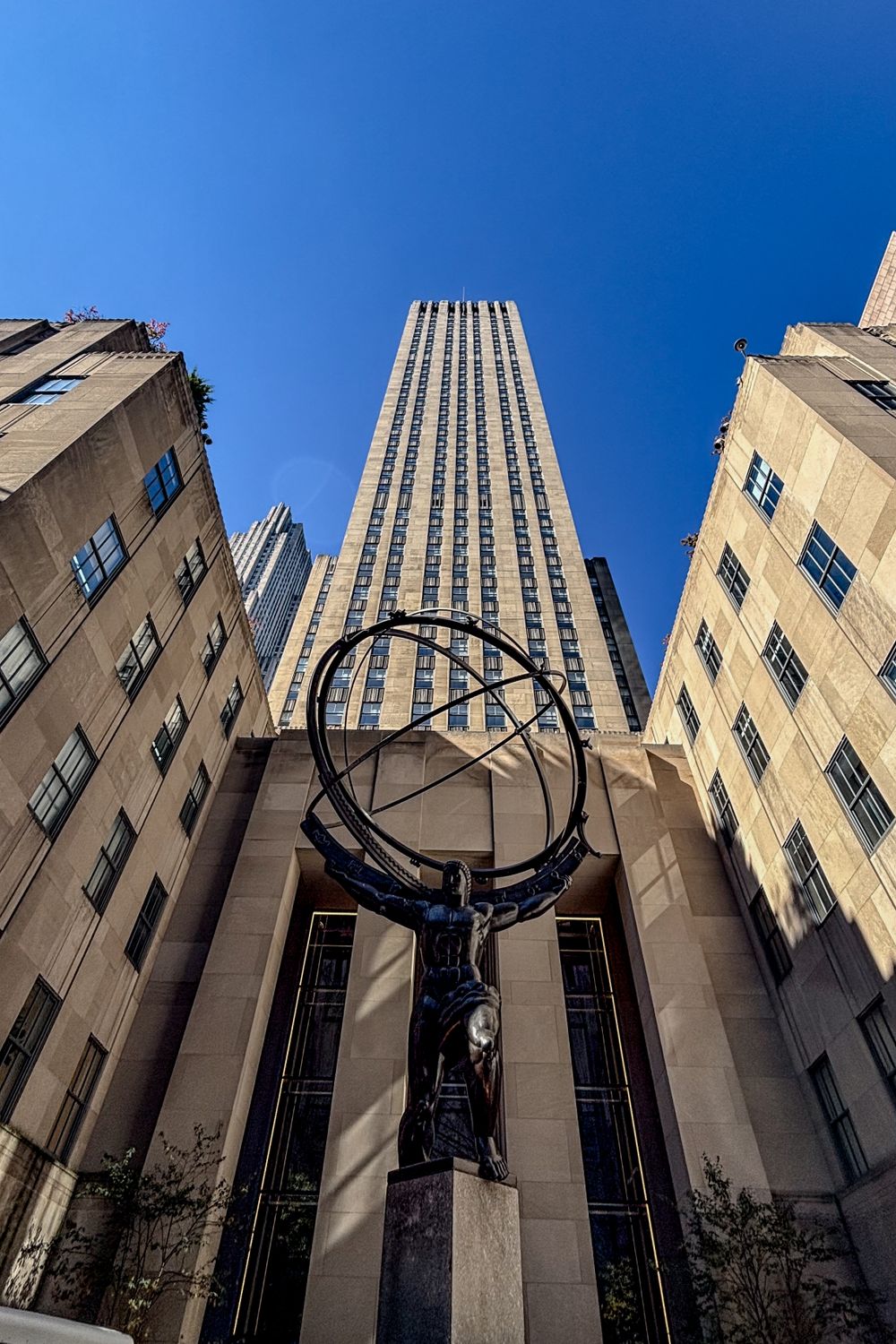
This photograph of Rockefeller Center, framed by an arch from St. Patrick's Cathedral in New York City is another great example. I love frames within frames. I spotted it, but knowing that the widest lens I had in my bag was 28mm, I knew that it was not wide enough to capture this sense of scale. So I pulled out my iPhone and activated the extreme wide angle lens on the phone, equivalent to 12mm on a full frame camera. This allowed me to make the photograph in the way I wanted.
To that point, following the rules, does not mean simply following rules of composition, but also of focal lengths. I would never try to use a 28mm lens as a telephoto lens for subject isolation. In the same way that I would never use a 135mm lens as a wide angle storyteller for street photography. Keeping in mind the strengths and weaknesses of varying focal lengths is important. The native 24mm on the iPhone is a great wide angle storyteller. The 12mm extreme wide angle lens gives a sense of scale that is impossible to capture with a standard wide angle or normal lens. Play into those strengths! Use the iPhone camera the way it is intended, as a wide angle point and shoot with the ability to give extreme wide angle fields of view.
And let's not forget one of this camera's greatest strengths: selfies. I am not necessarily a lover of the selfie. I think that there is a lot to dislike about selfies, but almost all of it has to do with implied societal and cultural contexts and not with the selfie itself.
Selfies are indicative of society's obsession with the self. It is often less a celebration of the self and more a culturally and historically tone-deaf example of narcissism. But the selfie can be used as a way to document a moment in time or an event that otherwise would be impossible if you want to include all members of the party.
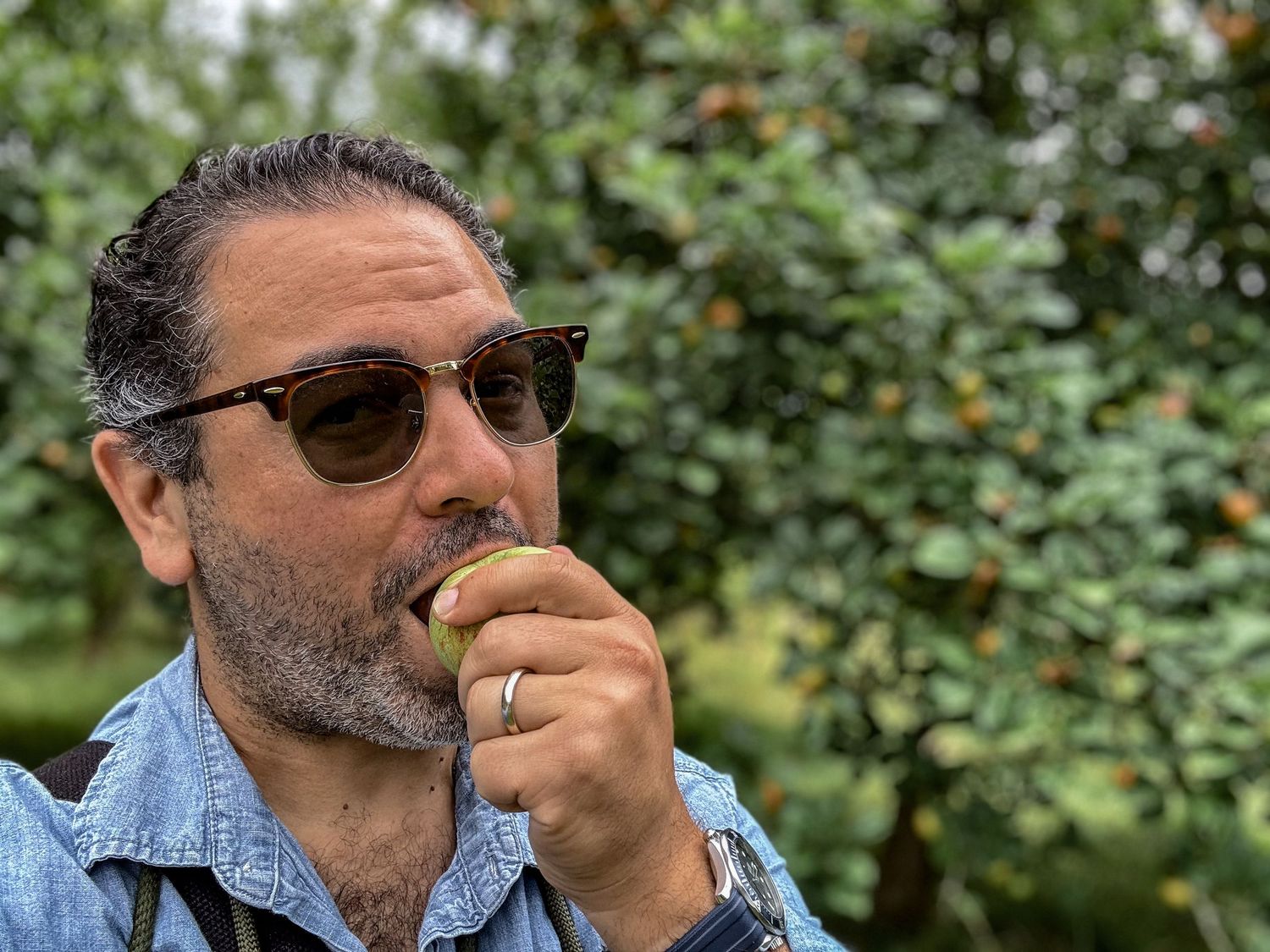
This selfie of me eating an apple from the orchard at Anne Hathaway's home in Stratford Upon Avon, England, is a perfect example of this. While I had organized a study abroad trip for my students, I happened to be by myself at this moment. And how often can I, and English teacher by trade, eat an apple from Anne Hathaway and William Shakespeare's orchard? The selfie was the only way to accomplish this.
Final Focus
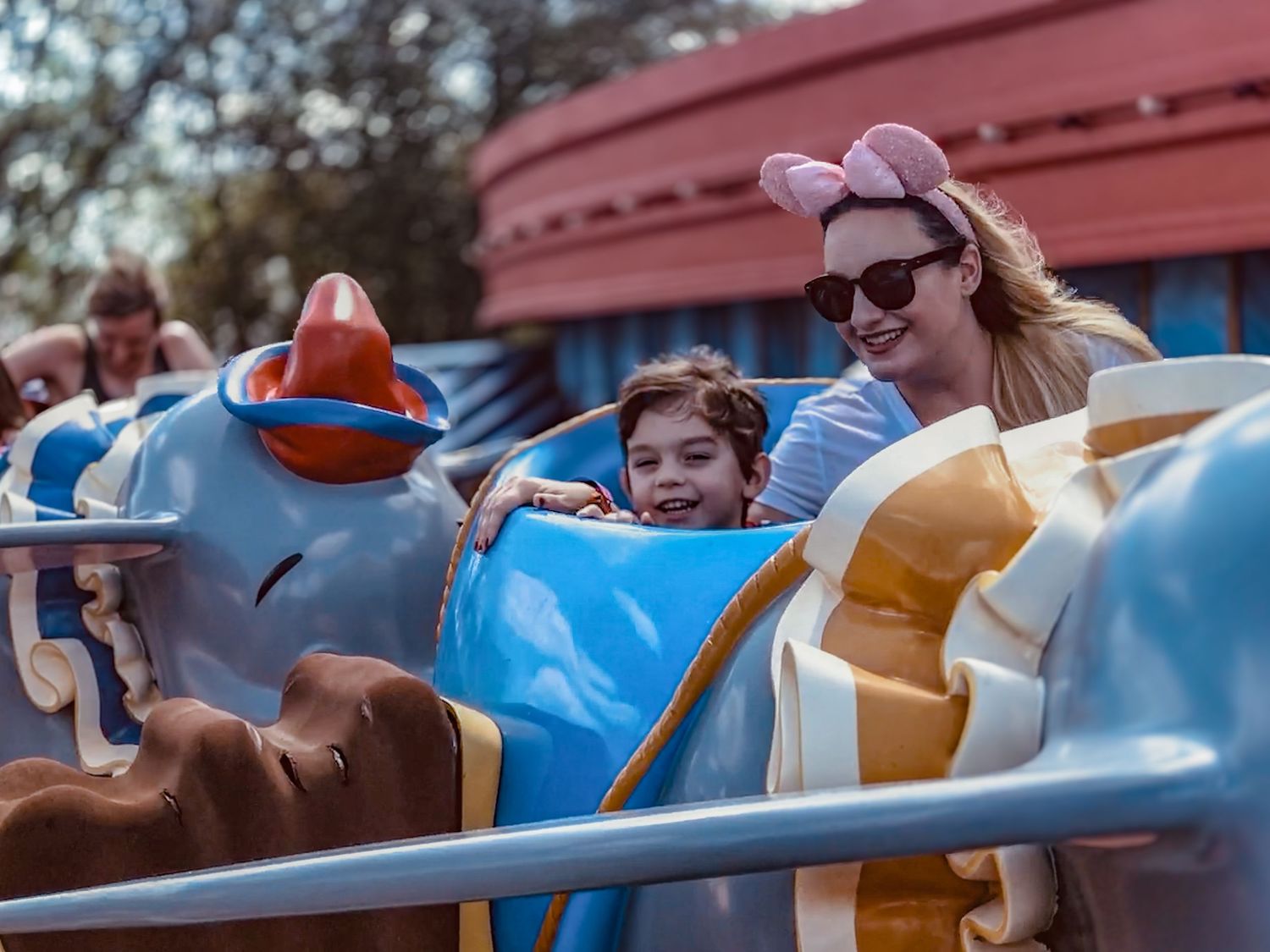
Will I ever go back to relying on an iPhone as my primary camera? No, I don't think so. The 2010's mark a unique period in time for me when the iPhone replaced a dedicated camera for me. I made some nice photos in that time. Very likely this photograph of Link and Steph riding Dumbo at Magic Kingdom reignited my love of photography. I remember studying this and wondering why it spoke to me so much. I landed on the fact that it was a throwback that reminded me of the kinds of photos my parents and grandparents made of me and my sister in the 80's and 90's.
While the iPhone likely won't ever become my main camera again, it is a capable tool if you consider it as one and are willing to play to its strengths. I'm glad I have it with me, and even see myself using it more often as I continue to commit to the world of film photography, opting more often than not to leave my digital cameras for paid shoots.
More iPhone Photos



All images © 2020-2024 David Ulloa Studio. All rights reserved.