Two Worlds
11 days, two cameras, 15 rolls of film, and countless bites of sushi and swigs of sake. I was determined to make my first time in Japan memorable. In the past, I've often packed just one camera and lens, usually my Leica M3 with a normal lens. However, as this was a trip filled with photographs I would not easily be able to replicate, I decided on a film and digital set up. It felt wrong to be in Japan without a Japanese camera and lens. So in addition to my beloved M3 and Summicron-C 40mm, I packed my newly acquired Fujifilm X-Pro1 and adapted my often used Pentax-FA 31mm f/1.8 Limited lens to create my perfect Japanese camera and lens combination as a lover of both Pentax and Fujifilm. I fell back on my favorite emulsions for my M3, utilizing Kodak UltraMax for daytime and CineStill 800T for nighttime.
Osaka After Midnight
We didn't spend much time in Osaka. In fact it was less than six hours total from the time we entered Osaka prefecture to departing on the shinkansen to Hiroshima. Thankfully, though, it was a night that really set the tone for the trip.
I belong to two professions, I'm a photographer, yes. But I'm also an educator - a lifelong educator, too - and likely always will be. And part of what I do at my school is international study abroad. This trip was a cultural immersion trip with fellow faculty friends and students. And while our students had a curfew, we faculty certainly didn't.
So we hit the streets of Osaka as soon as we called lights out and found a city bustling with activity.
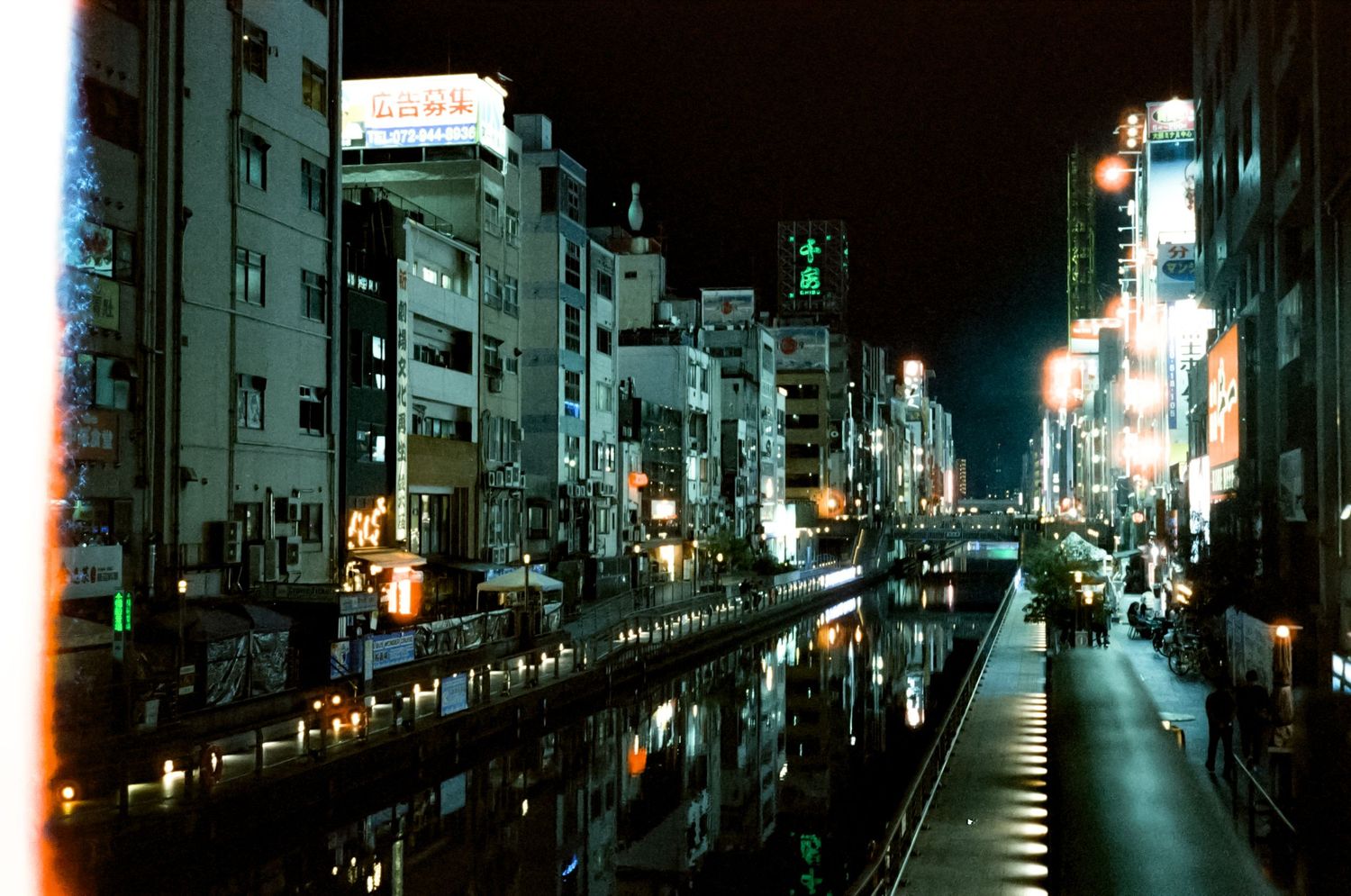
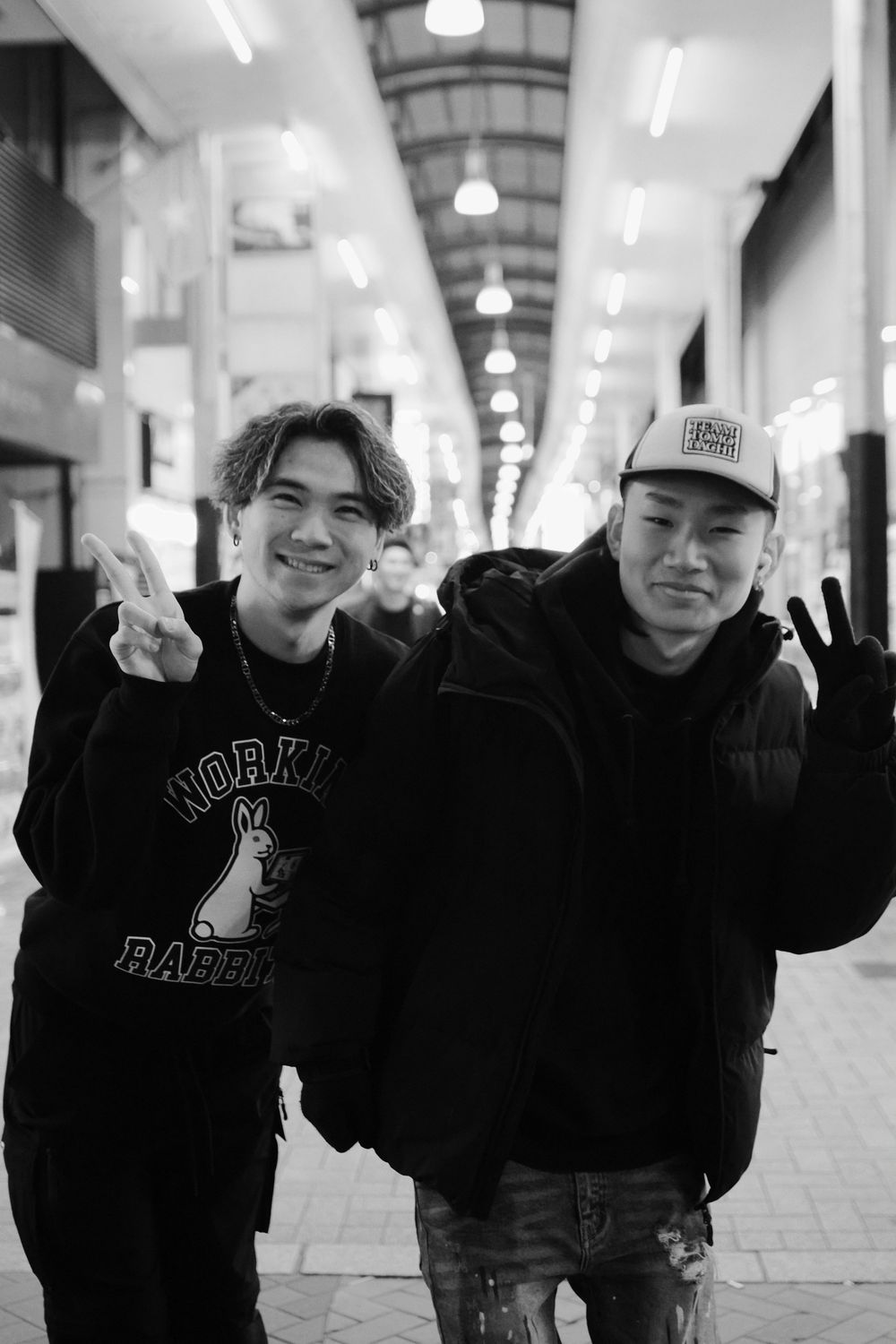
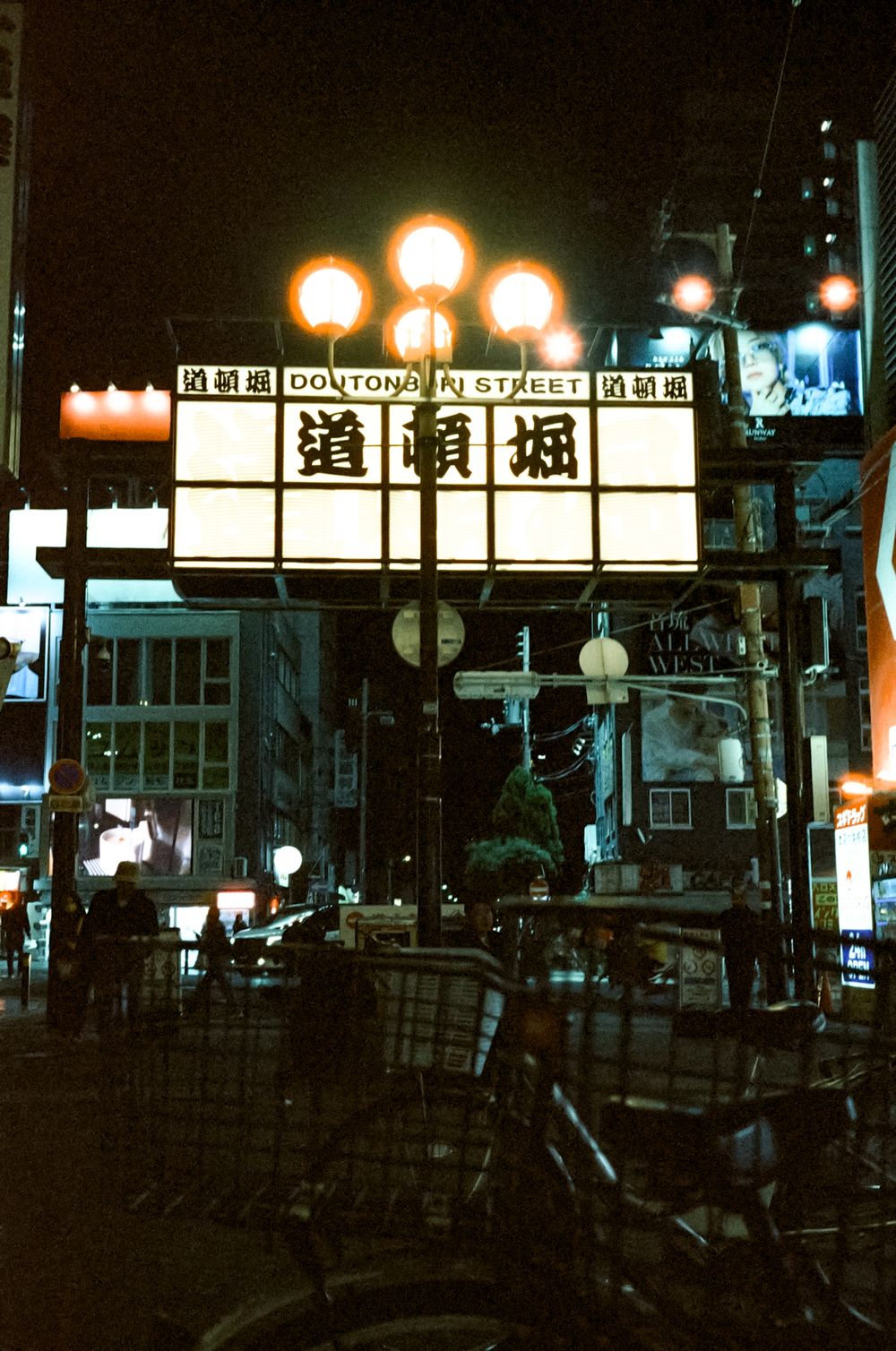
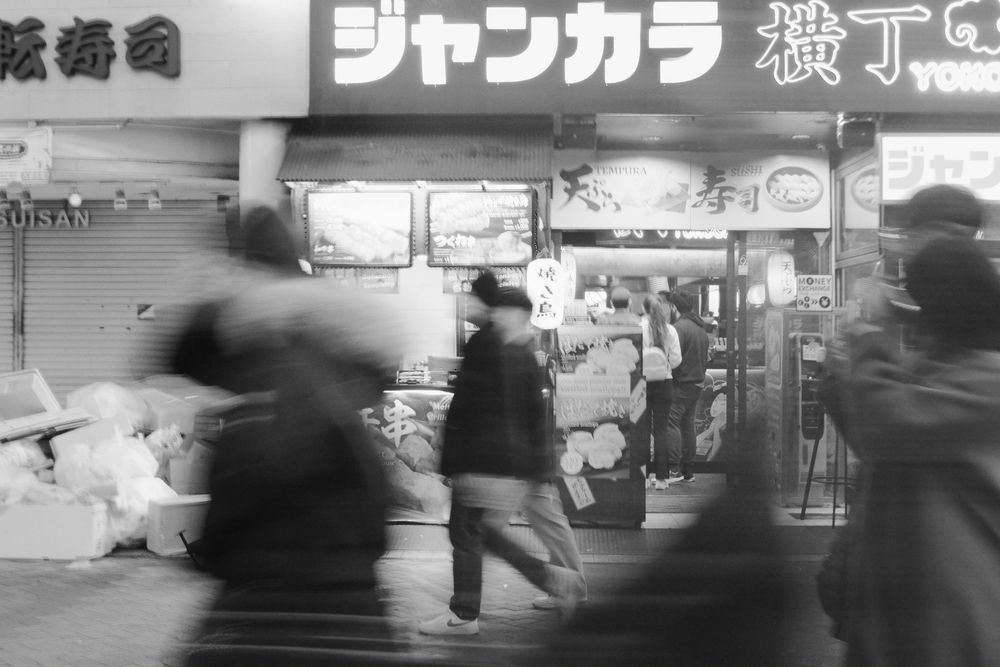
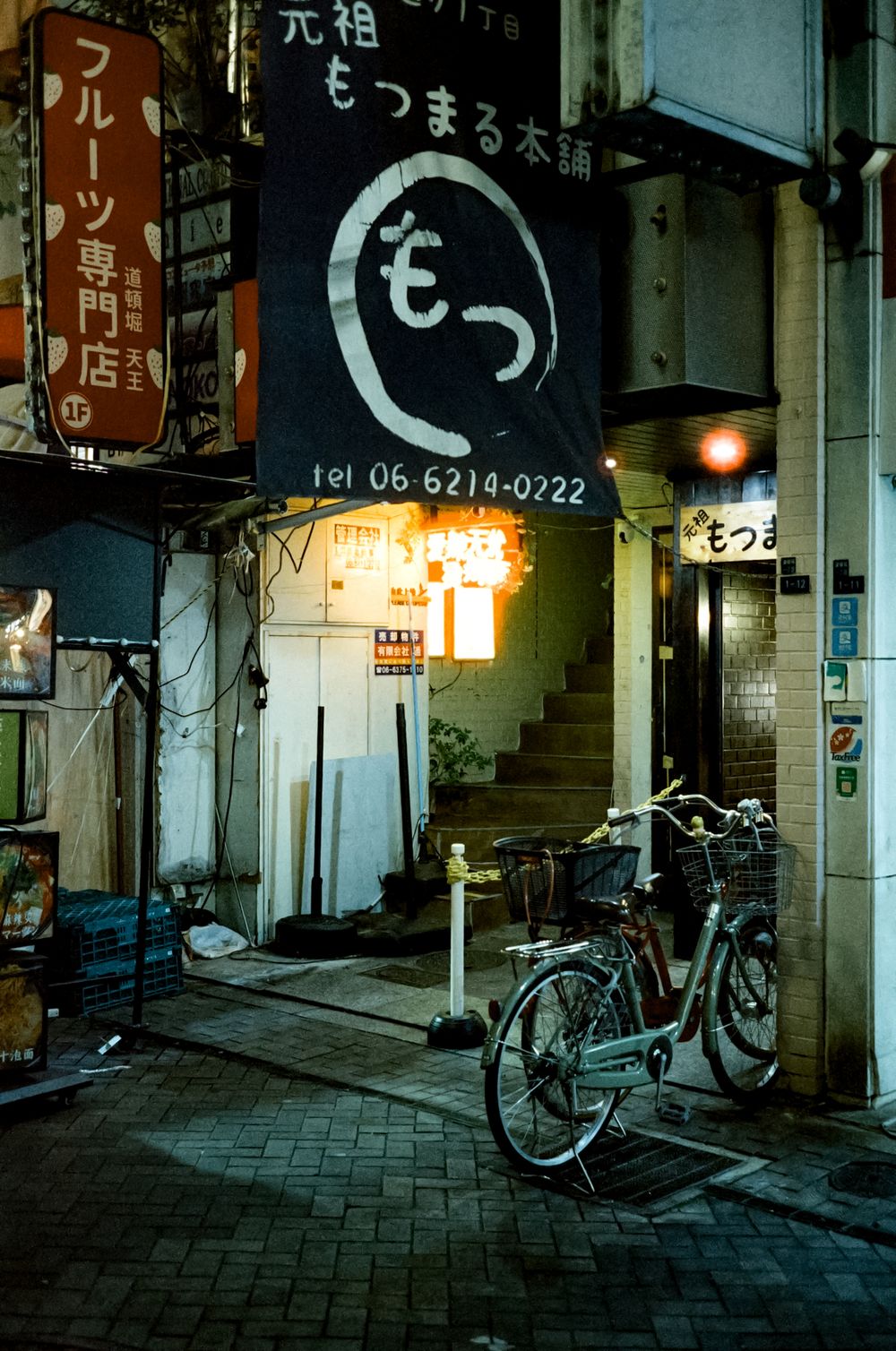
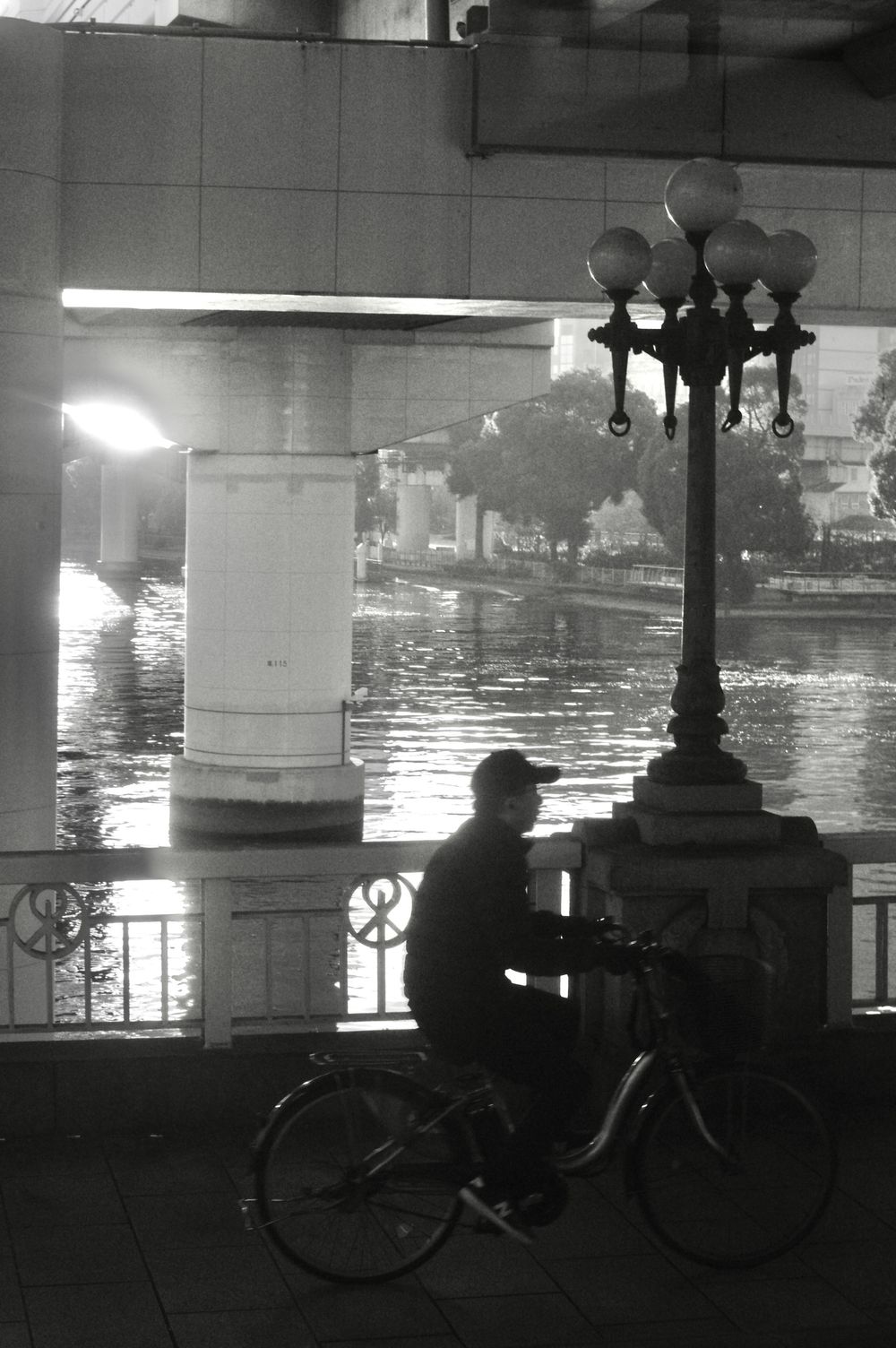
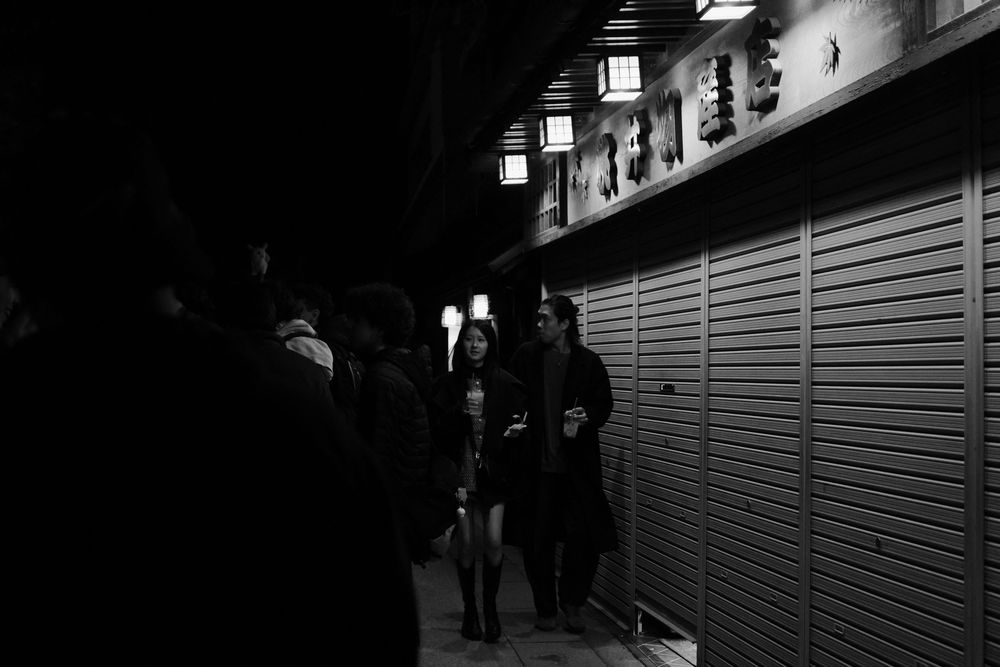
We found a city that was alive. "Electric" is how I'd describe Osaka's Dotonbori Street. Despite the late hour street food vendors were still open for business, and many bars and clubs were just getting started with their late-nite revue. We walked around for a while before we settled on a bar to favor with our custom, but we made lots of stops for skewers of juicy meats, cold sakes, and friendly conversation.
As we crossed the bridge over the Dotonbori River, these buskers were entertaining a large crowd and doing a fine job of it too. As a musician, myself, I always notice musicianship, good or bad. These guys weren't good, they were great. It was no wonder they commanded a crowd as such was present there that evening. Soon a freestyle rap session broke out over their instrumentation and breakdancing competition followed as well it should.
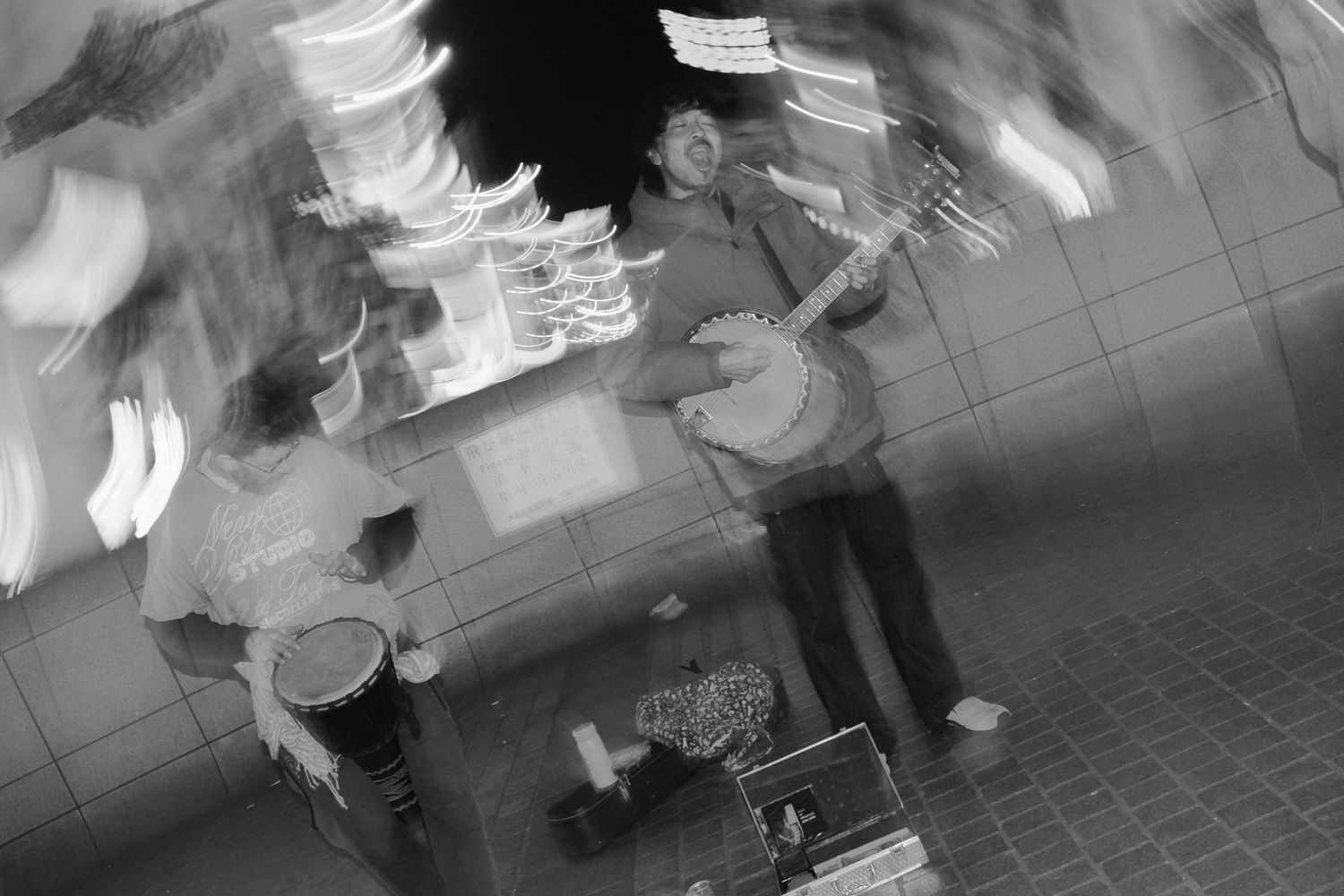
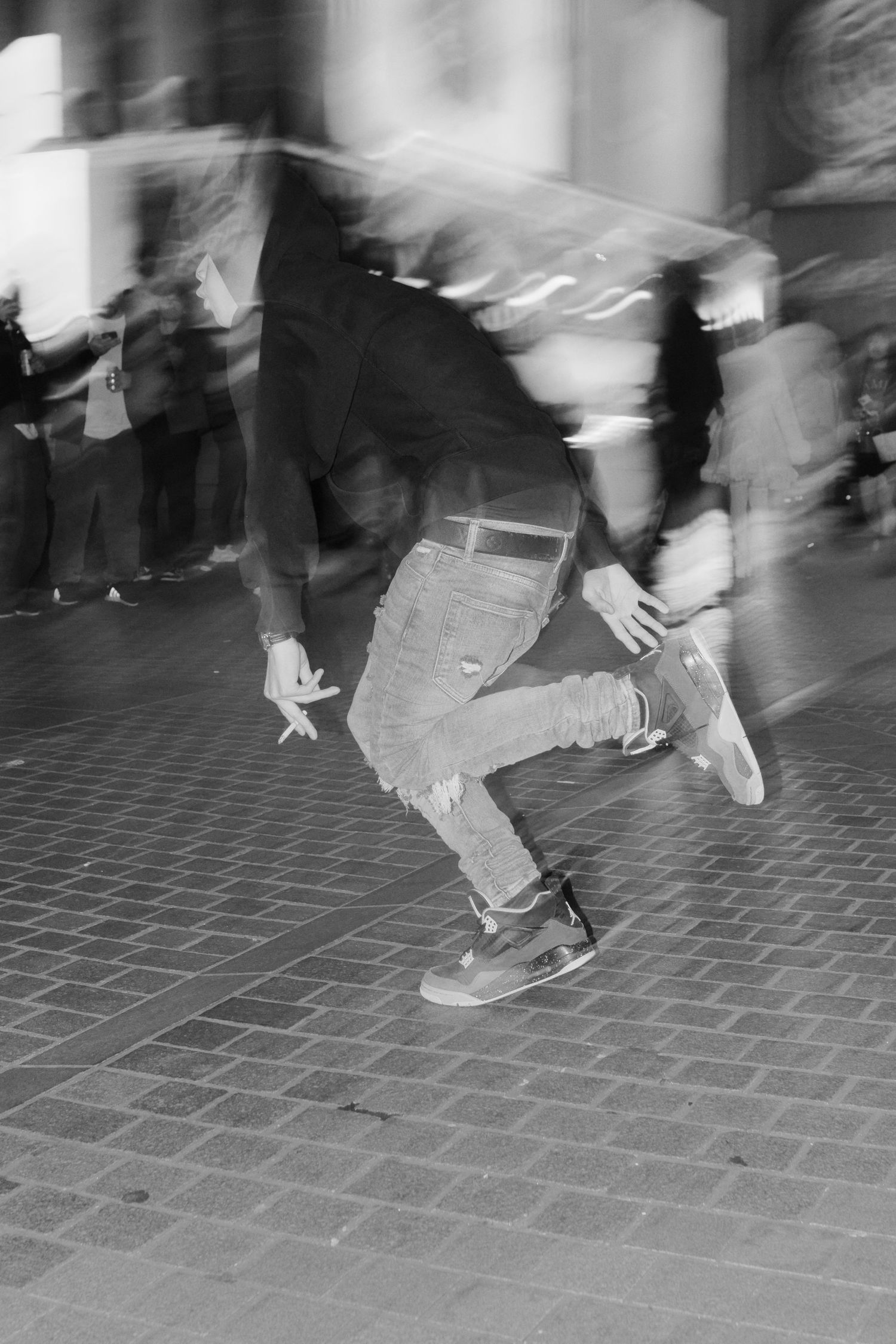
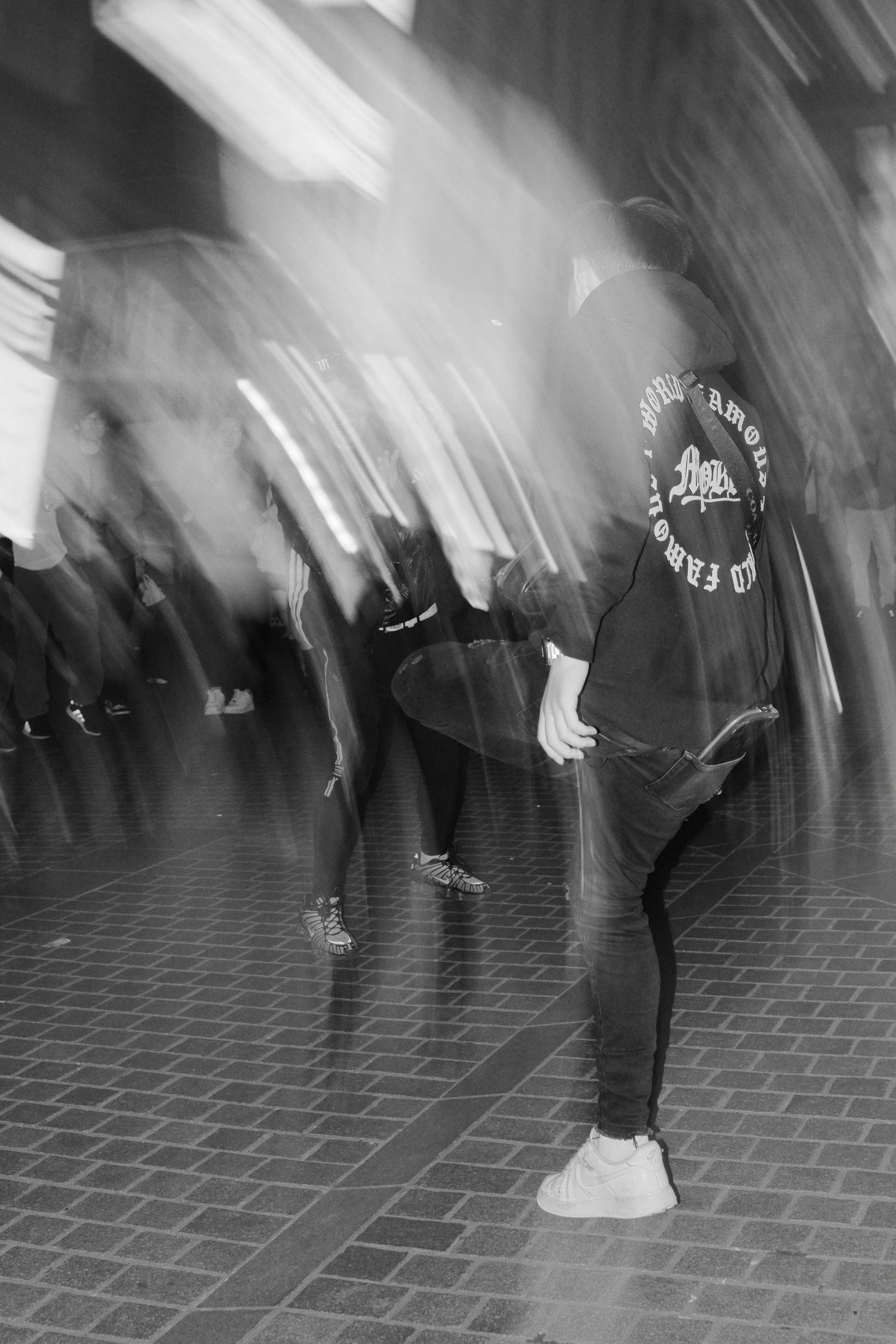
I thought shutter drag would be the only way to really capture the energy of Osaka's night scene in those moments. So I mounted a small Godox flash I'd brought with me, stopped down my aperture, and slowed my shutter down to about 1/8 second. Pro tip: always have a small flash on you and you'll never wish you had thought to pack a small flash. I'll never understand why more photographers don't do this. Where flash photography is concerned, less is more. You don't need a gigantic TTL metering flash unit with triggers for off camera lighting. Usually, on-camera direct flash is enough for most situations. And especially for streets. I don't make flash a regular part of my street photography, but for instances in which it feels unobtrusive, like these, why not?
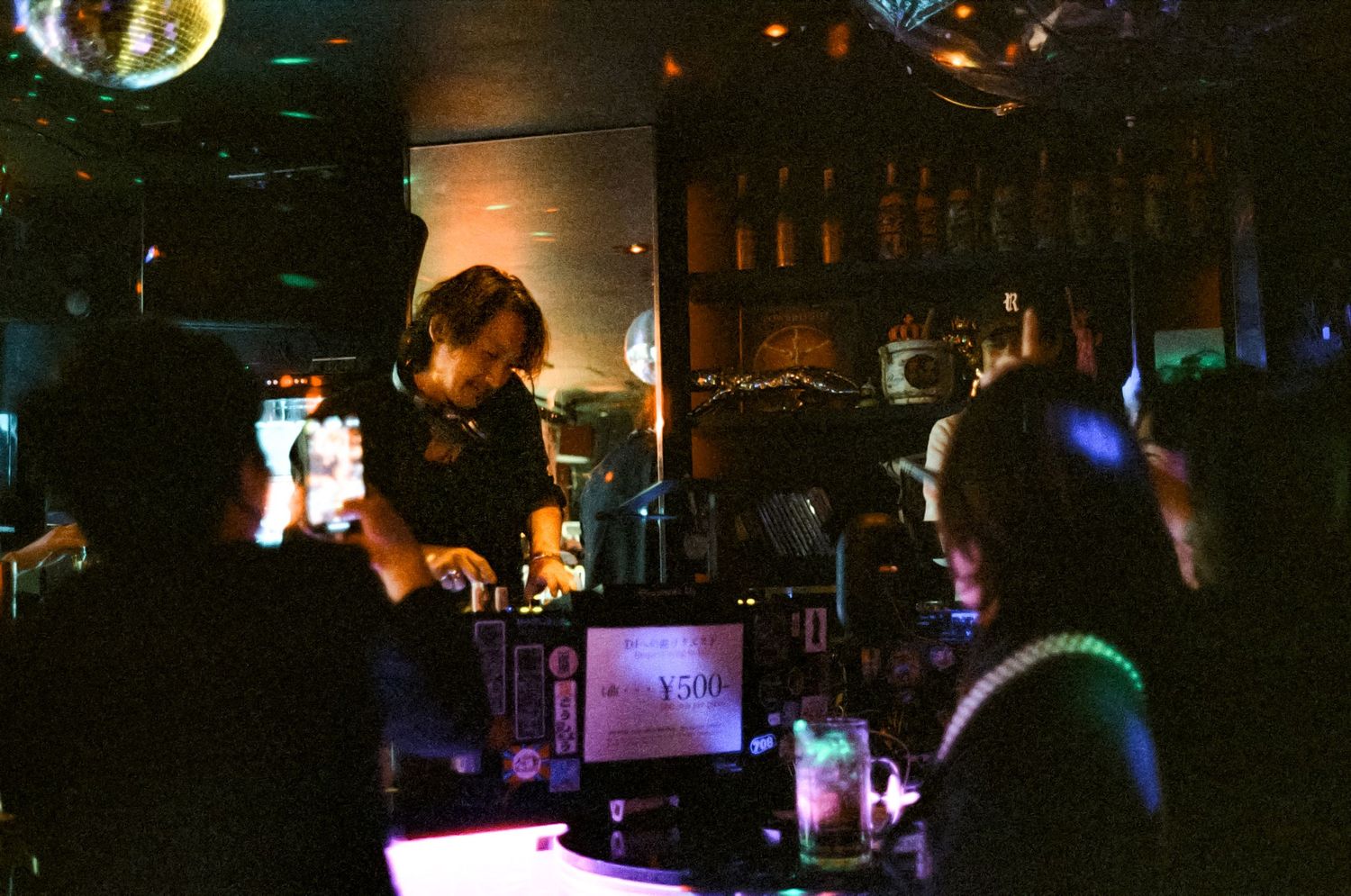
We enjoyed the outdoor party some more before deciding it was finally time to head into a bar. Inside I found one of the most talented DJs I'd ever danced to. His mix was straight fire, pumping out electronic dance remixes of classic songs I would never have expected to work in the EDM genre.
When the music is this good, you don't need much else. But the drinks were cheap - at least compared to Miami - and the company was great. So we danced and partied until we couldn't see straight any more. It had been 24 hours straight of traveling from Miami to Dallas, Dallas to Tokyo, and finally Tokyo to Osaka. We were tired and didn't care how tired we were...at that moment. We knew we'd be up early with our students to catch a shinkansen to Hiroshima. So we finally called it a night.
Hard Truths
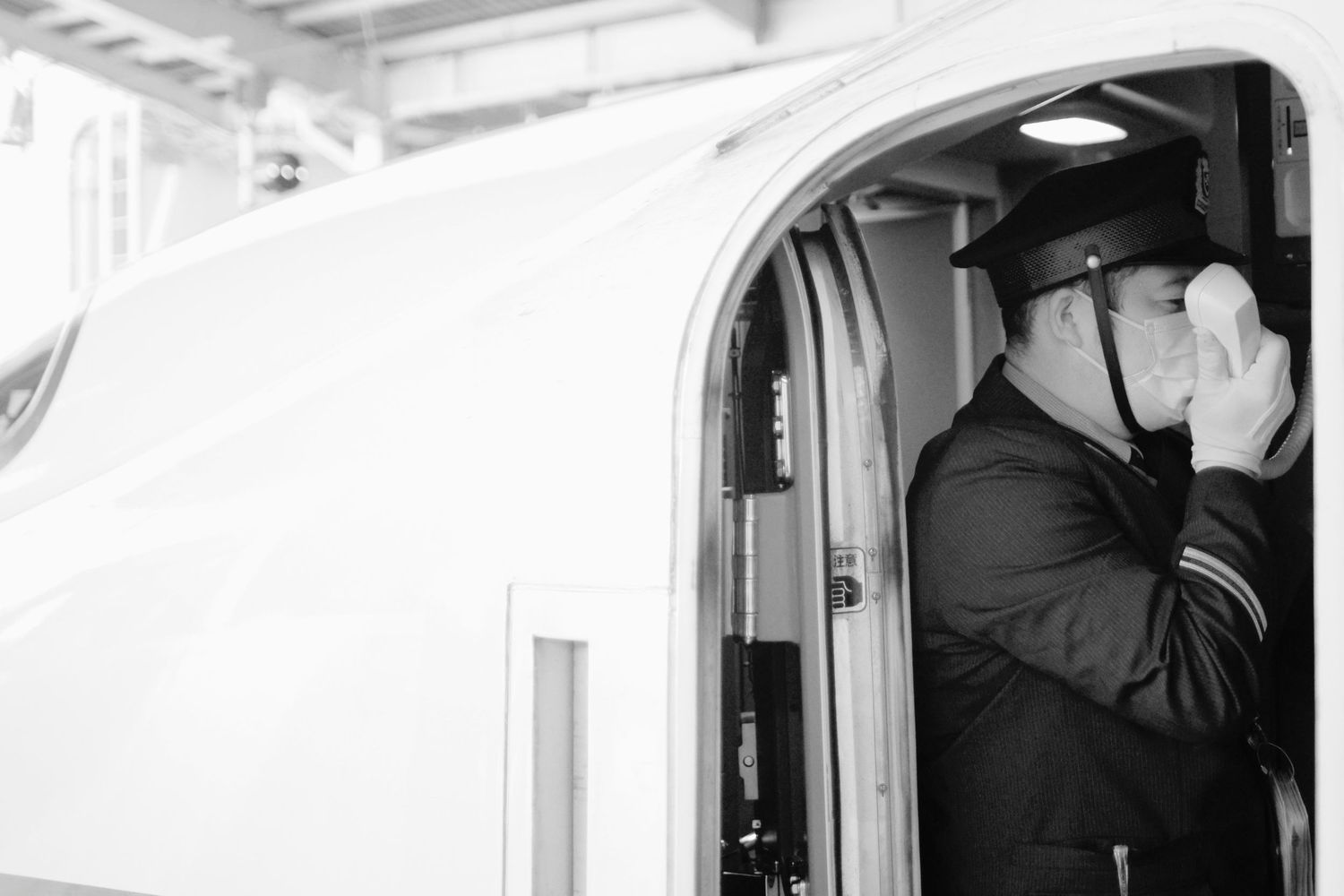
I awoke at 06:00 AM, having slept around three hours. I was tired, but I had all the energy and excitement of being in a new place bottled up. Not only that, but this new place was one I'd dreamed of visiting since as far back as I could remember. So I was practically shaking as we boarded the shinkansen to Hiroshima. The bullet train is arguably one of the most famous things about Japan and nothing really prepares you for riding it.
It was roughly thirty minutes at almost 300 miles per hour to Hiroshima. I'm not sure what I expected from Hiroshima. The stories and truths about a doomed city leave most Americans confused about what Hiroshima even looks like. So surprised is the only word I can think of to describe how I felt when I found a beautiful city built over the remains of the city that was.
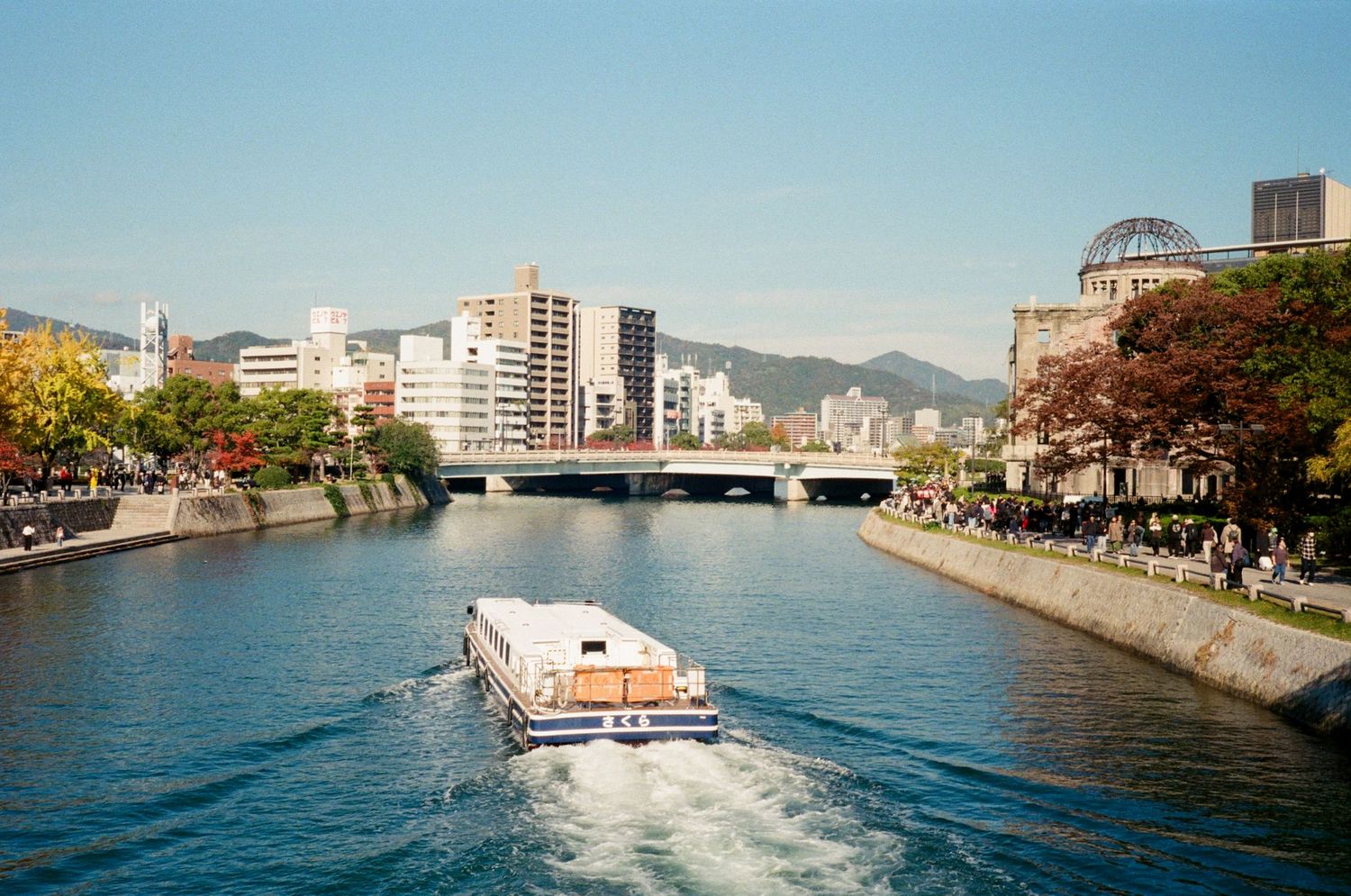
There was a peaceful calm that hung everywhere in Hiroshima. But from almost anywhere we went, we could see the Genbaku Dome, a UNESCO World Heritage Site that serves as a reminder of the real fallout of war.
Our students spent time speaking with survivors of the atomic bomb. It was a rather emotional experience that challenged much of what we as Americans learn as world history. But any fear of Anti-American sentiment, at the site of what many consider to be America's biggest wartime mistake, was assuaged as soon as we spoke with these kind people.
Their commitment to peace and understanding, while admitting the role Japan had to play in the dropping of the bomb, was beautiful.
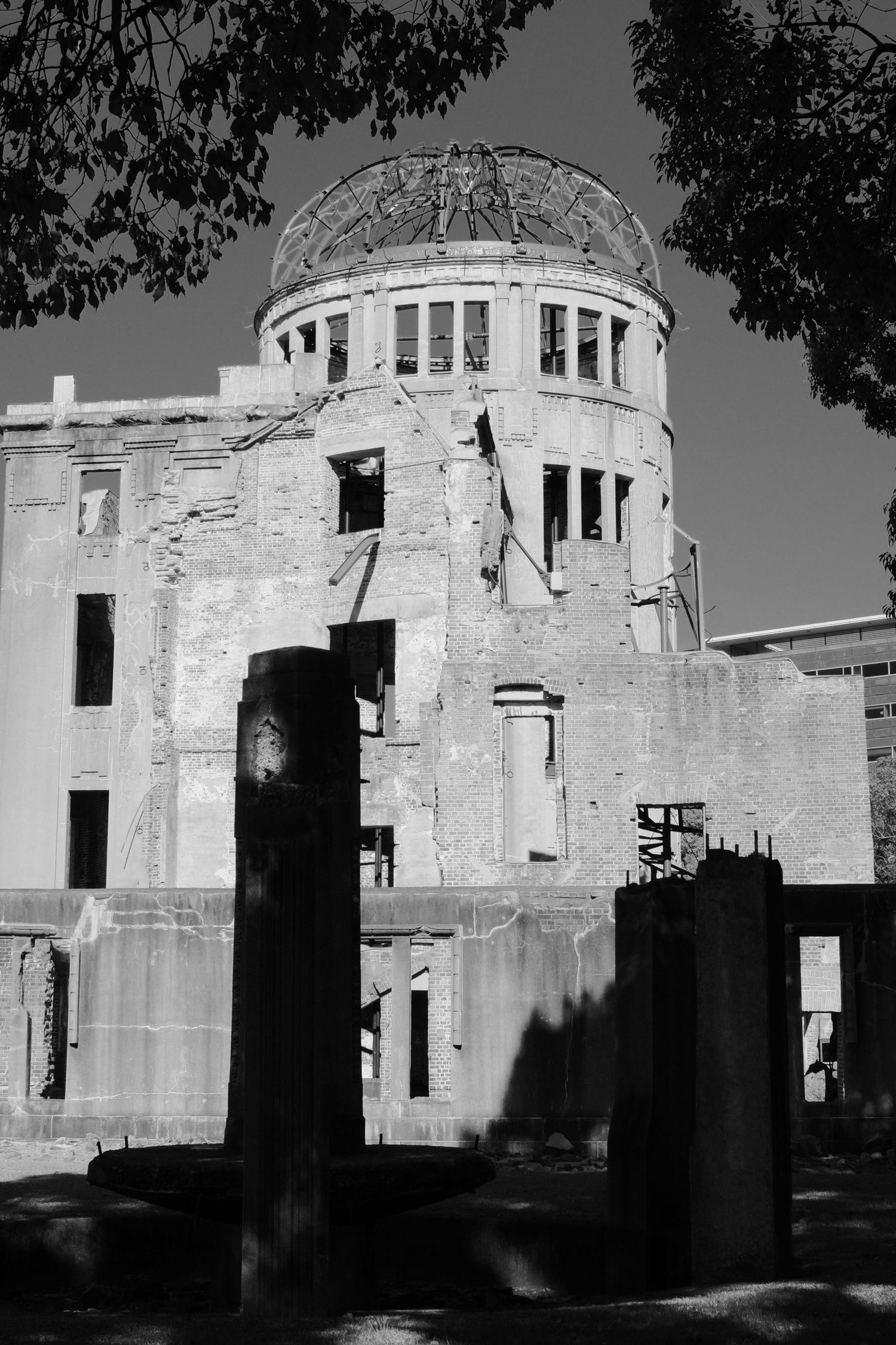
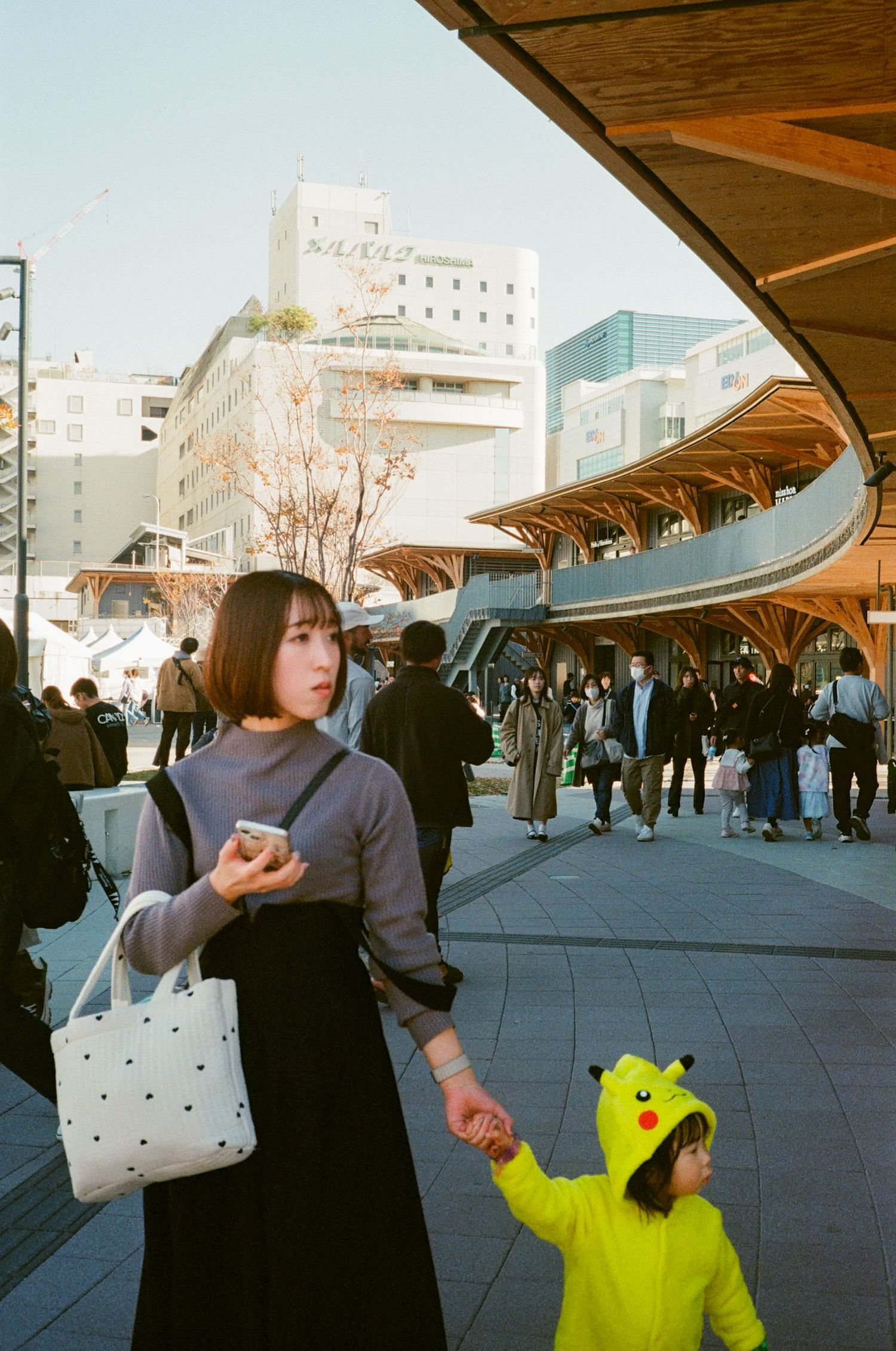
We spent a few hours in the heart of Hiroshima. Lunch was had at a food festival that was taking place, with a city square completely taken over by food vendors under tents near the Genbaku Dome. We had to take off soon enough for the ferry to Miyajima Island, where I was told the floating torii gate would not disappoint.
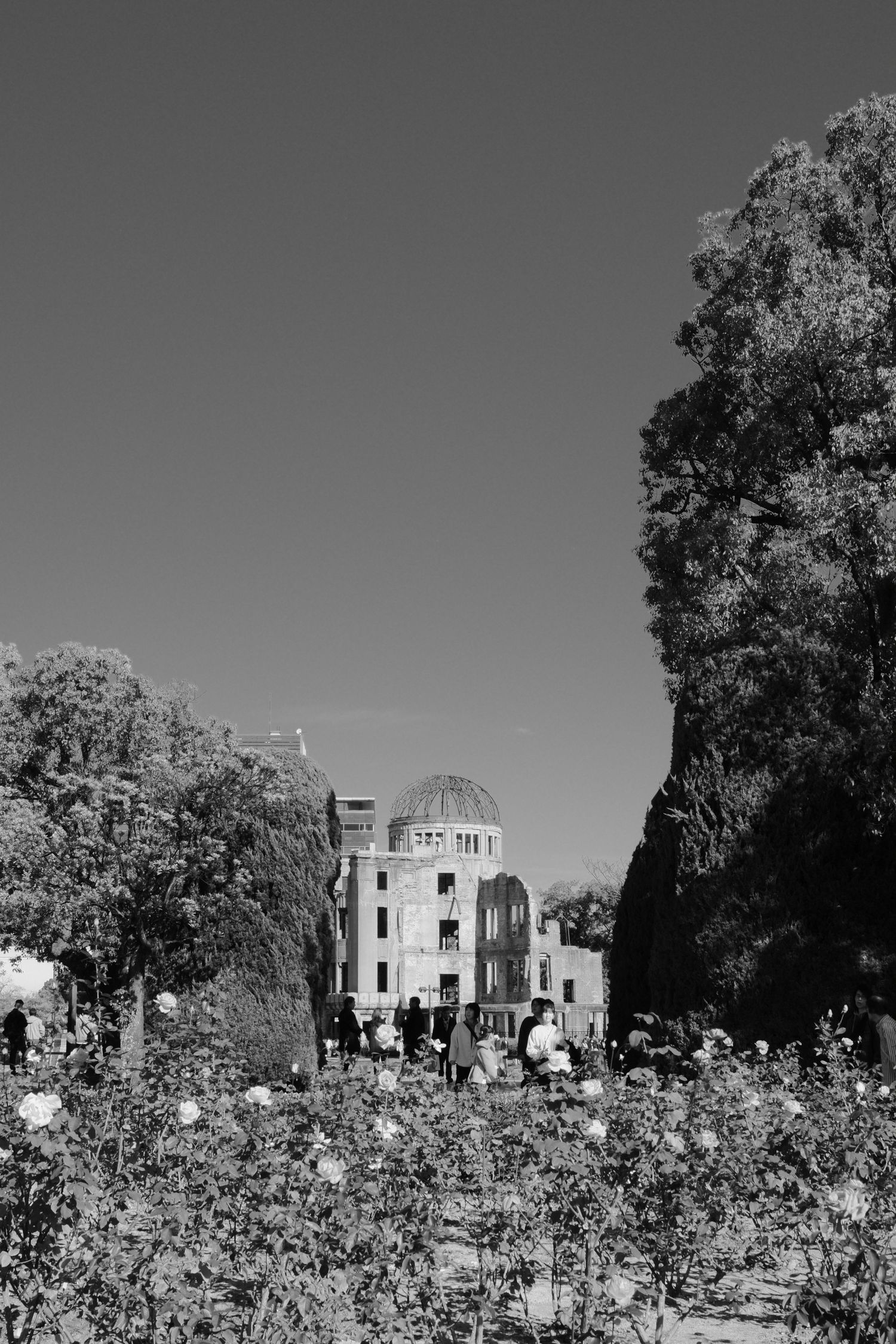
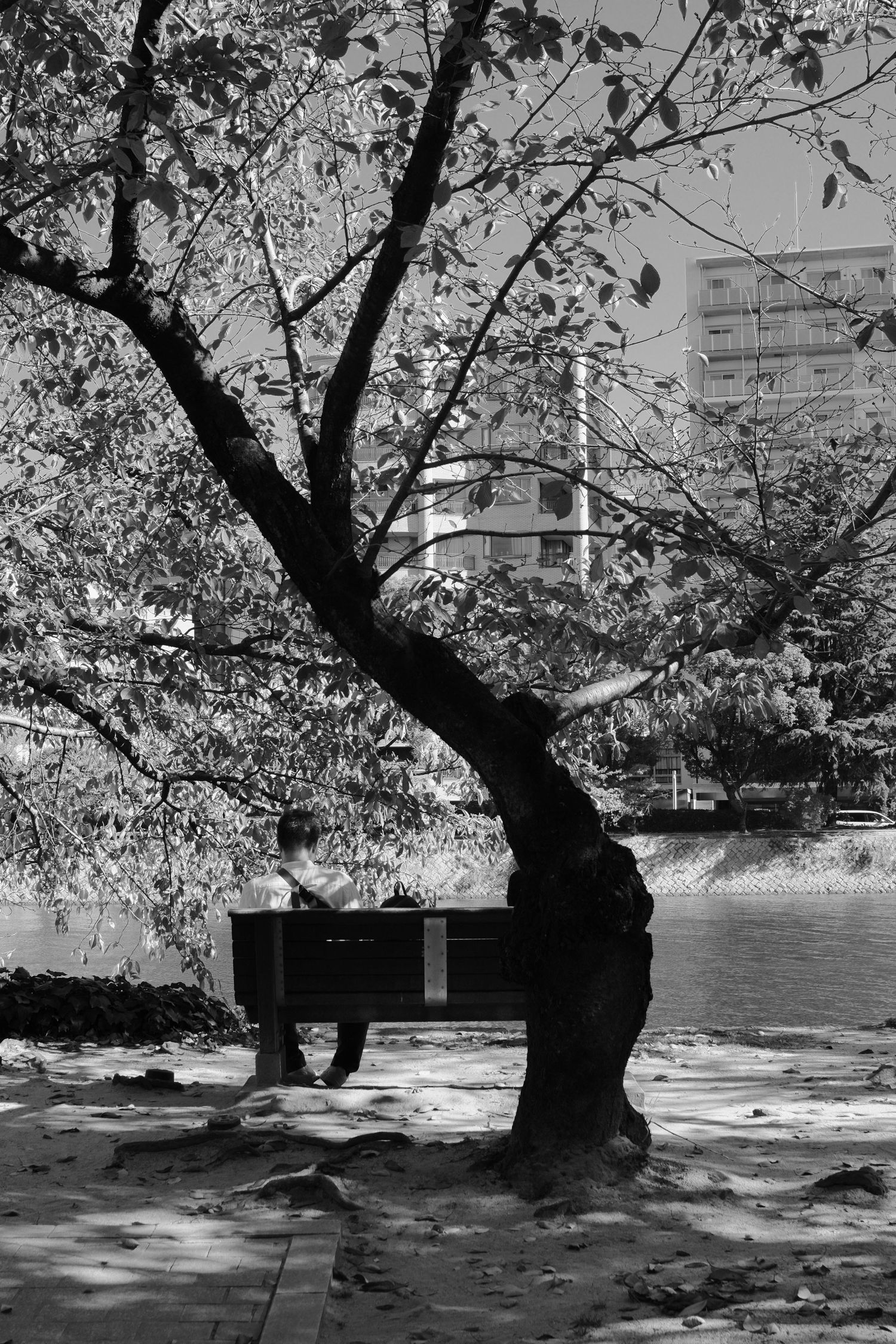
Kishikan, or something like it
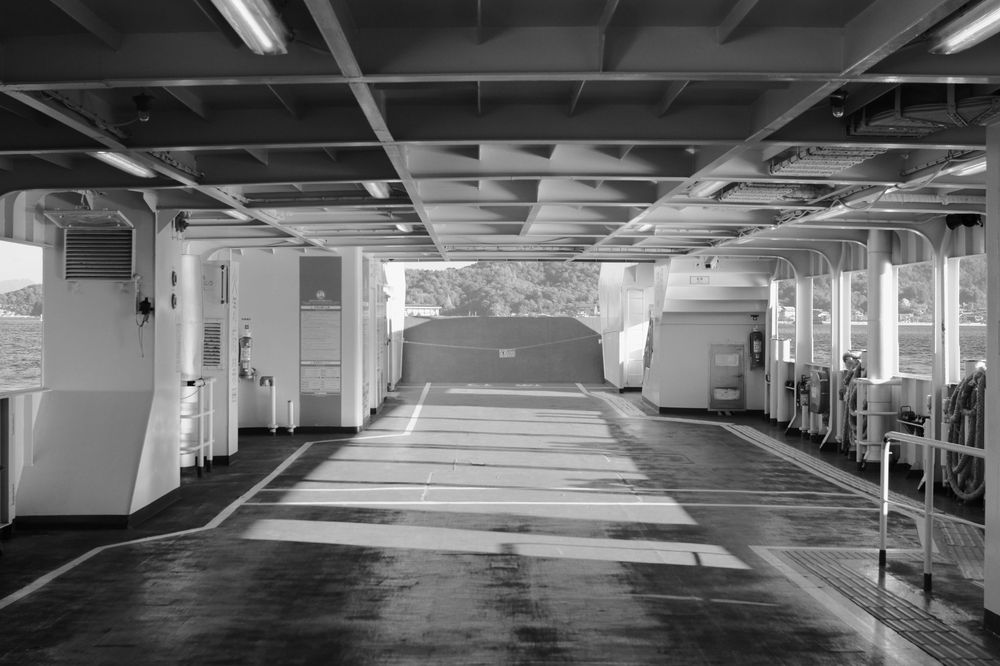
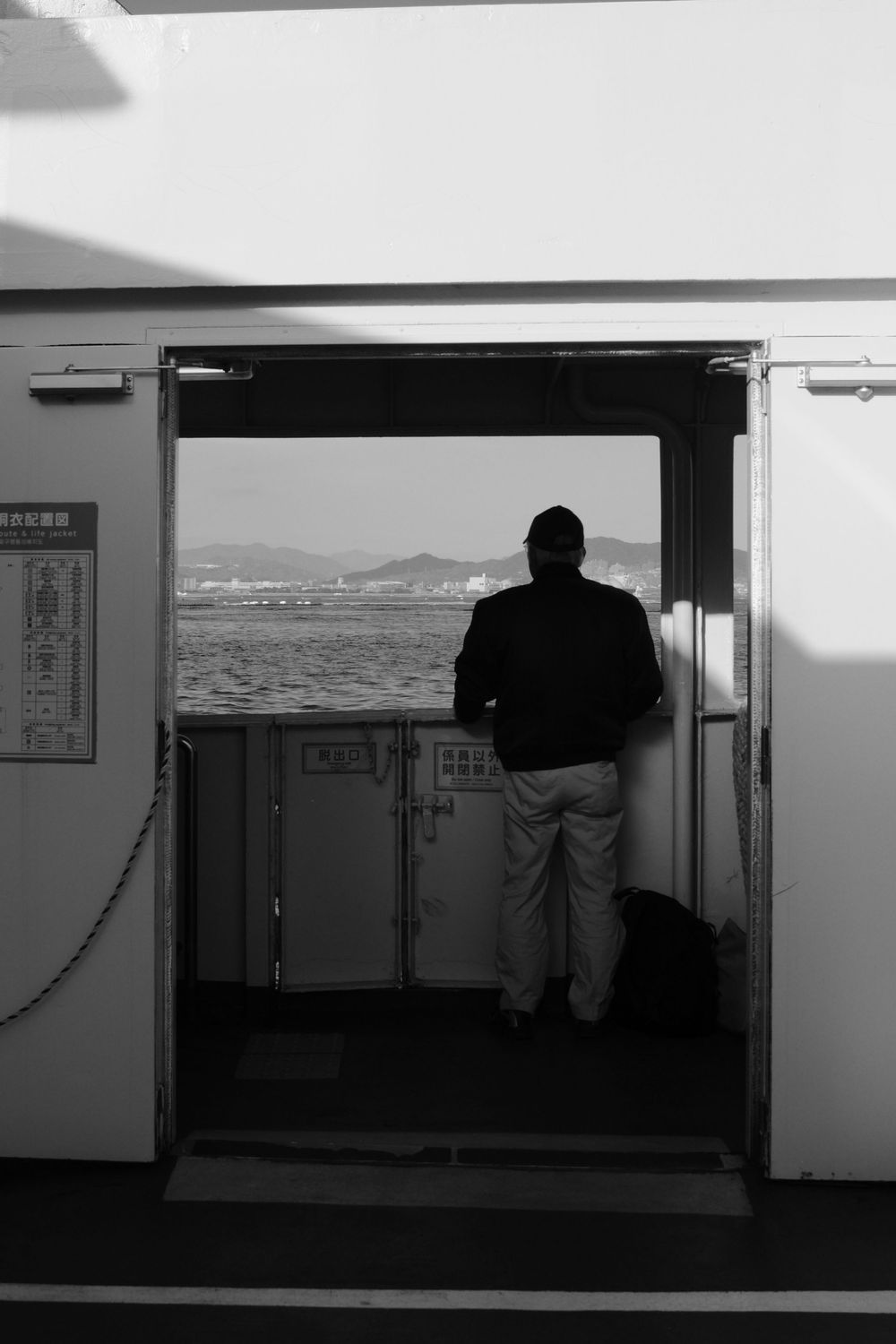
The ferry ride to Miyajima was short, but the anticipation was huge.
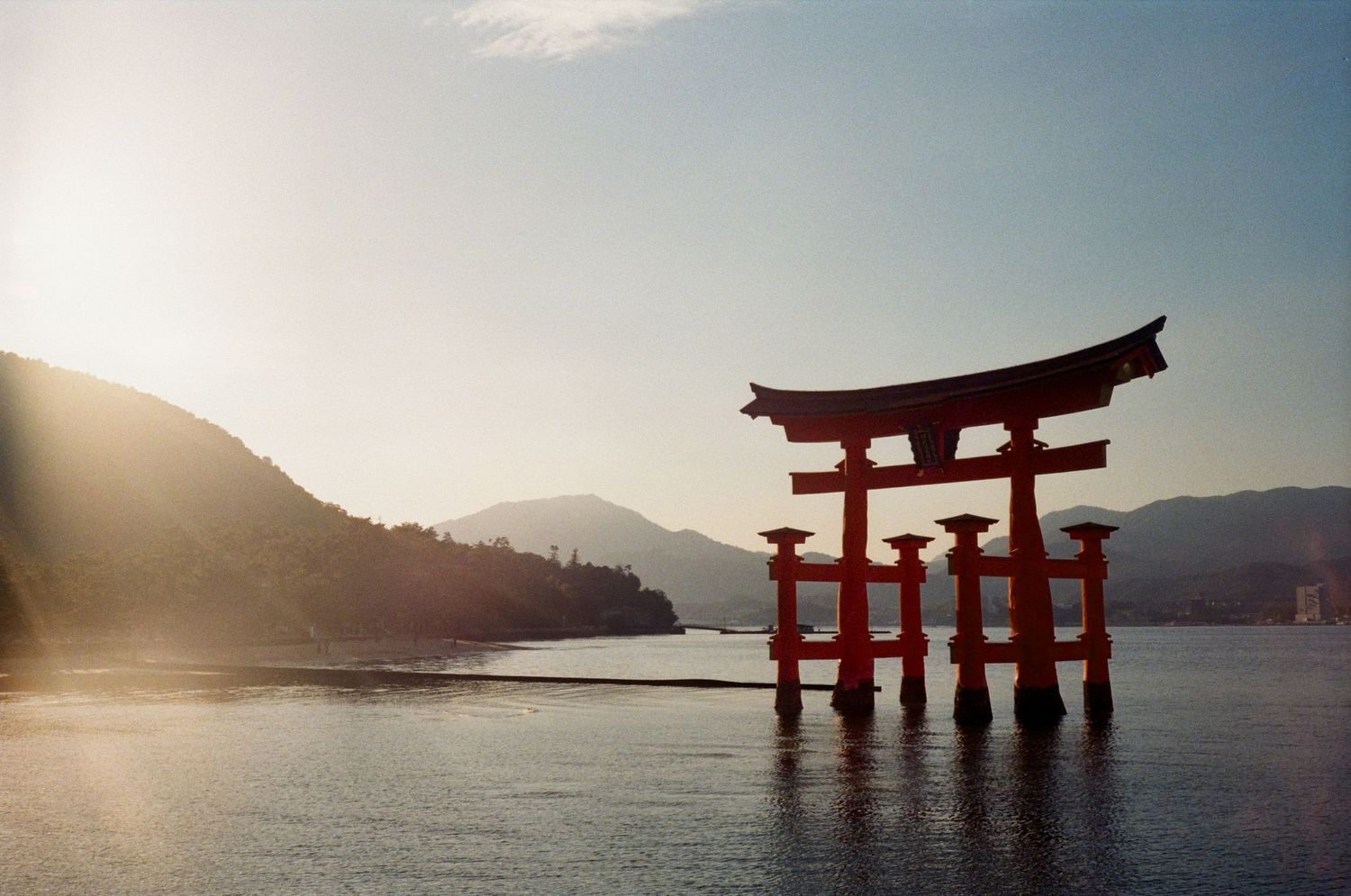
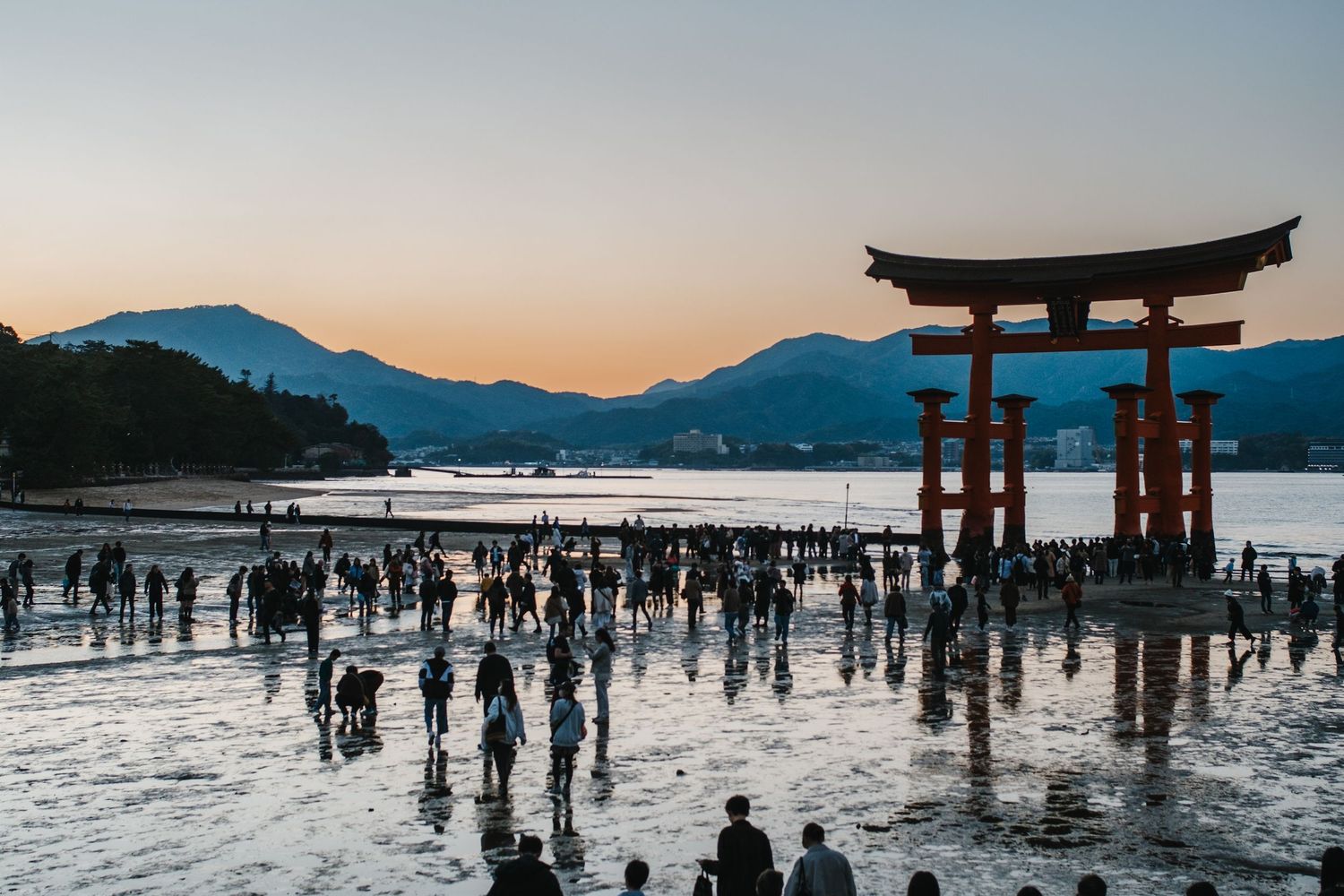
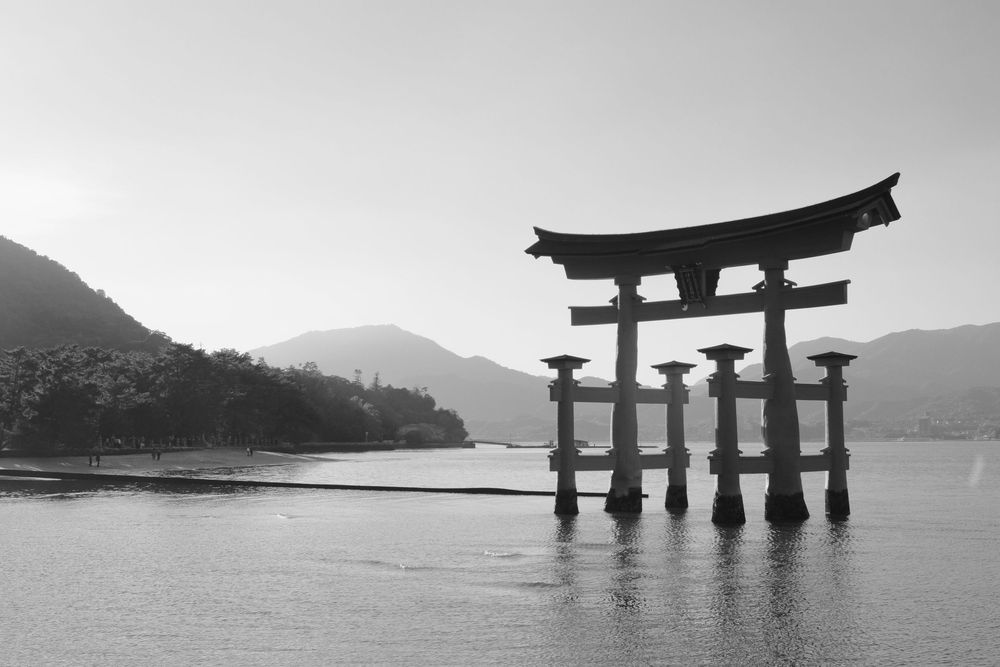
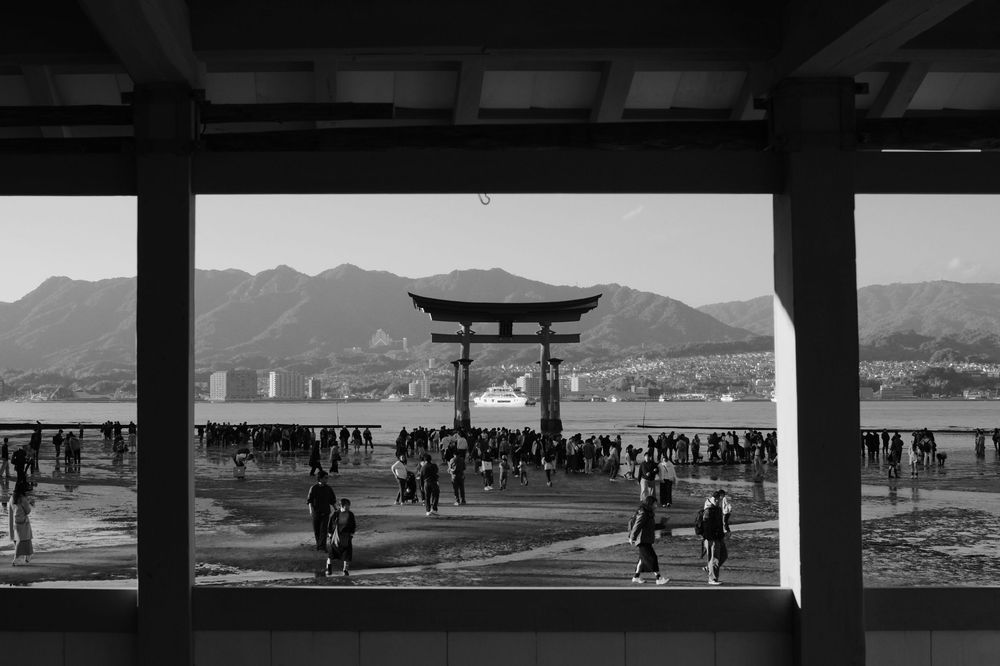
When I was young, my family would travel to Walt Disney World often. I practically grew up with that floating torii gate at the Japan pavillion. So when I finally saw the famous torii gate of Itsukushima Shrine, I found that I was overwhelmed with emotion. The real thing was so much more impressive than I had imagined.
I caught a glimpse of the gate and its shrine from the ferry. It seemed massive even from that distance.
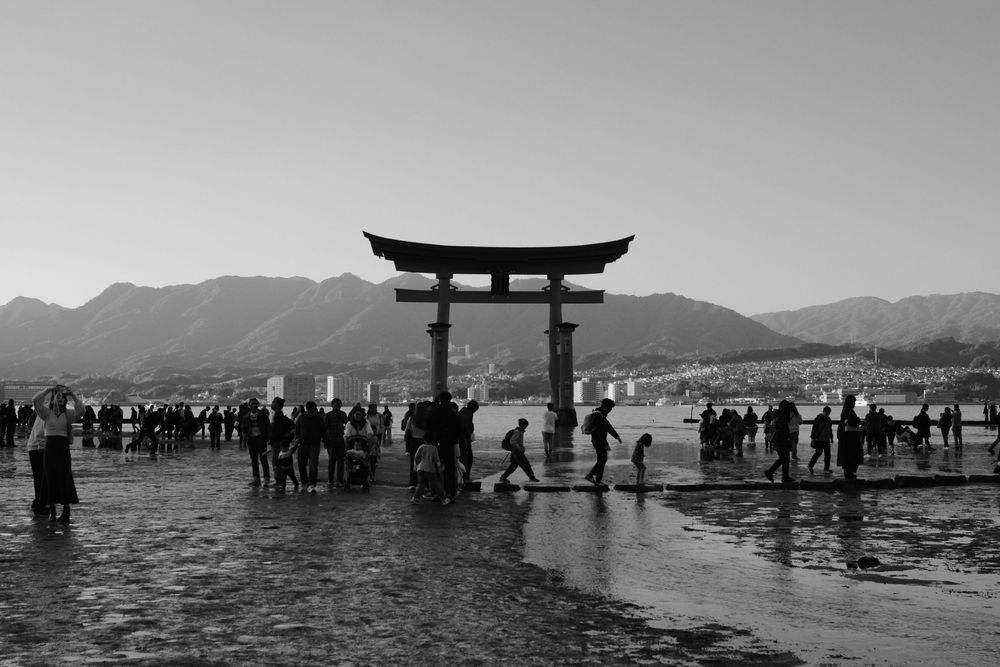
I had learned that at sunset, the tide went out far enough that you could walk right up to the torii gate and touch it. And, the sun was already hanging fairly low in the sky.
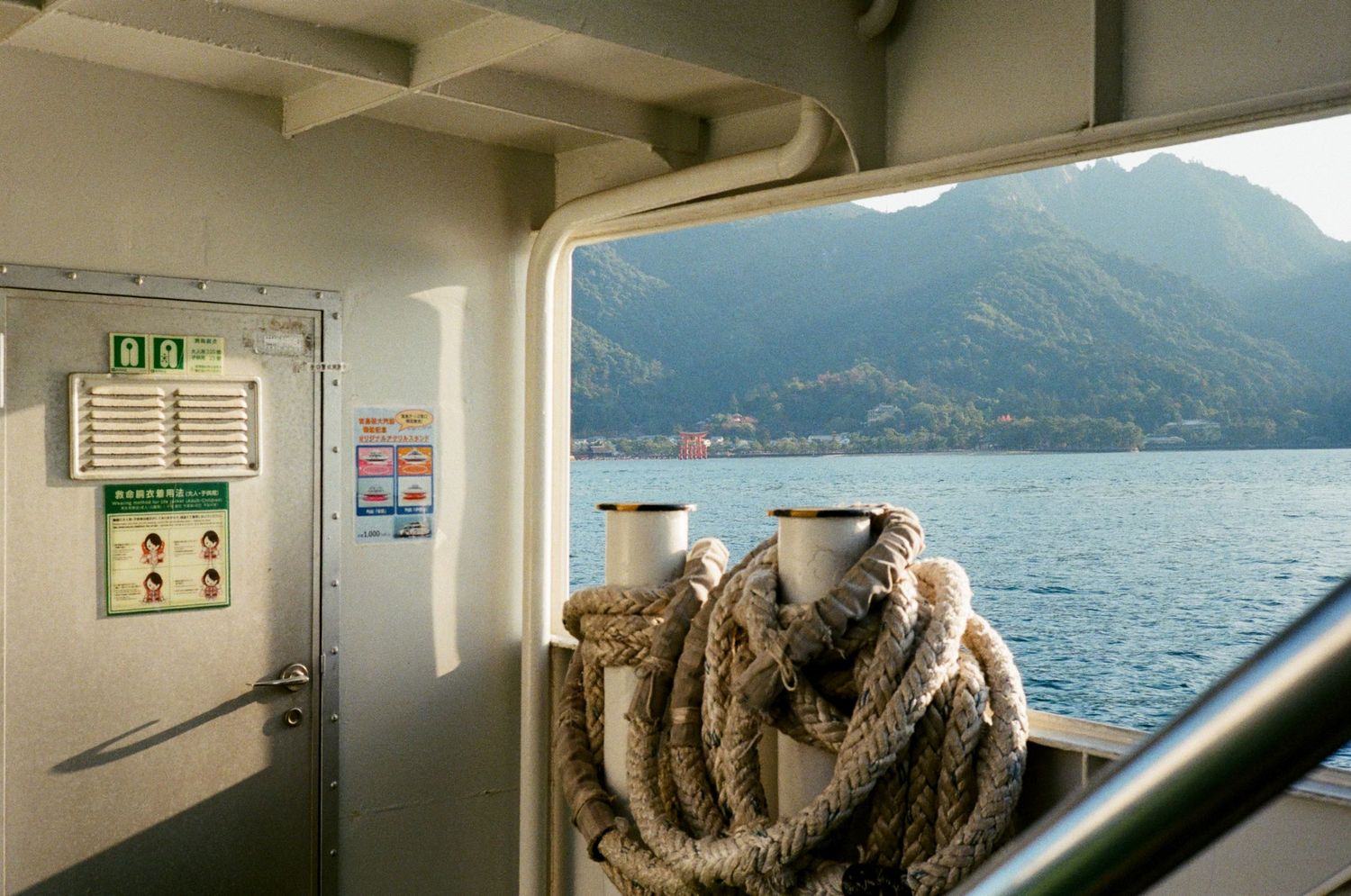
Before you reach the torii gate, you have to pass through the city of Hatsukaichi. This small city is home to a few vendors, one of which makes the most amazing matcha products. A walk through the cramped streets of Hatsukaichi lead to Itsukushima Shrine. Made up of many different buildings, most with altars for various offerings and prayers.
As a person wholly uninterested in religion, I found Shinto shrines to be fascinating places with which I made unexplainable connections. The Shinto beliefs on life and our connection to the natural world resonated with me in a big way. For the first time in my life, I felt a real connection with an religious institution.
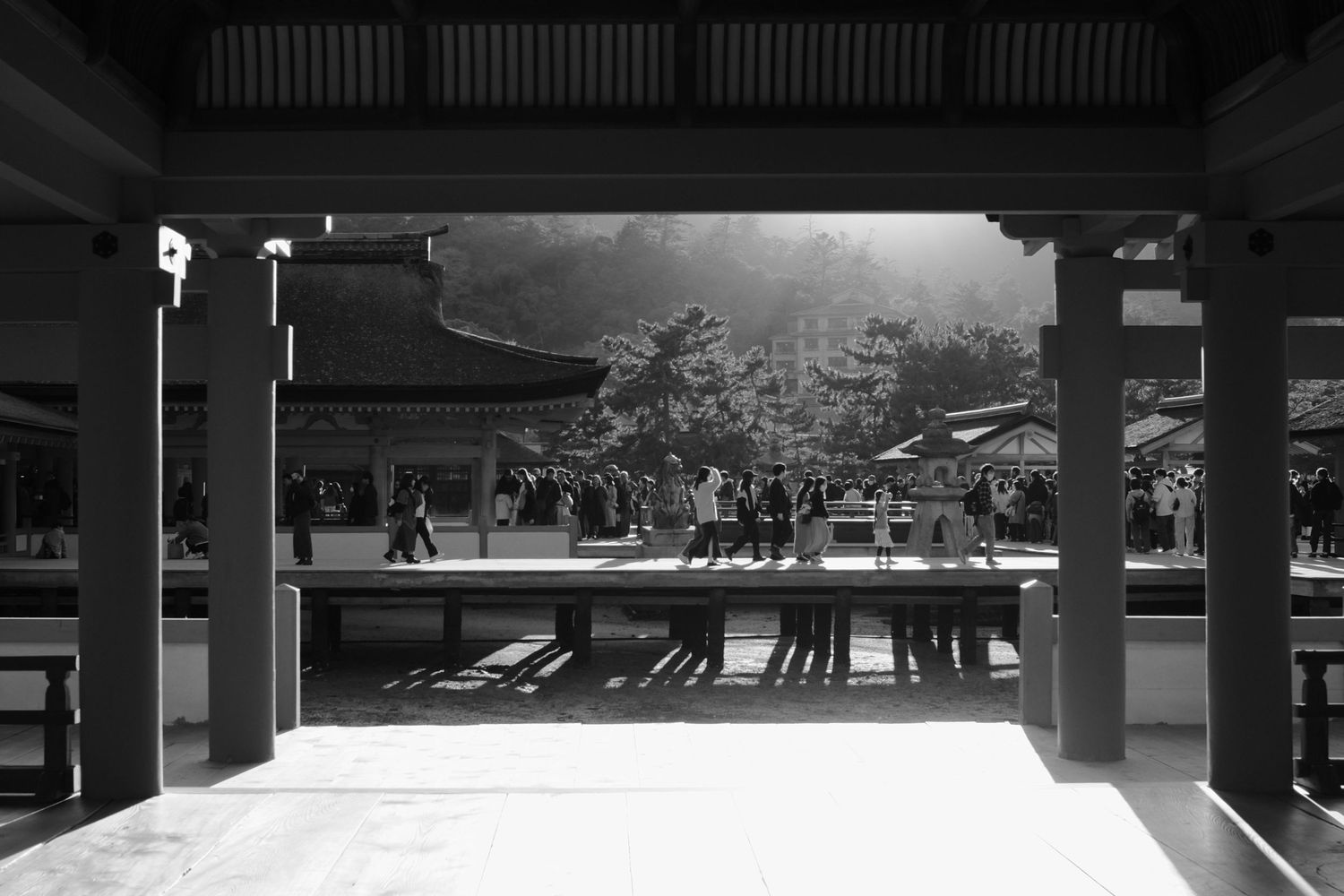
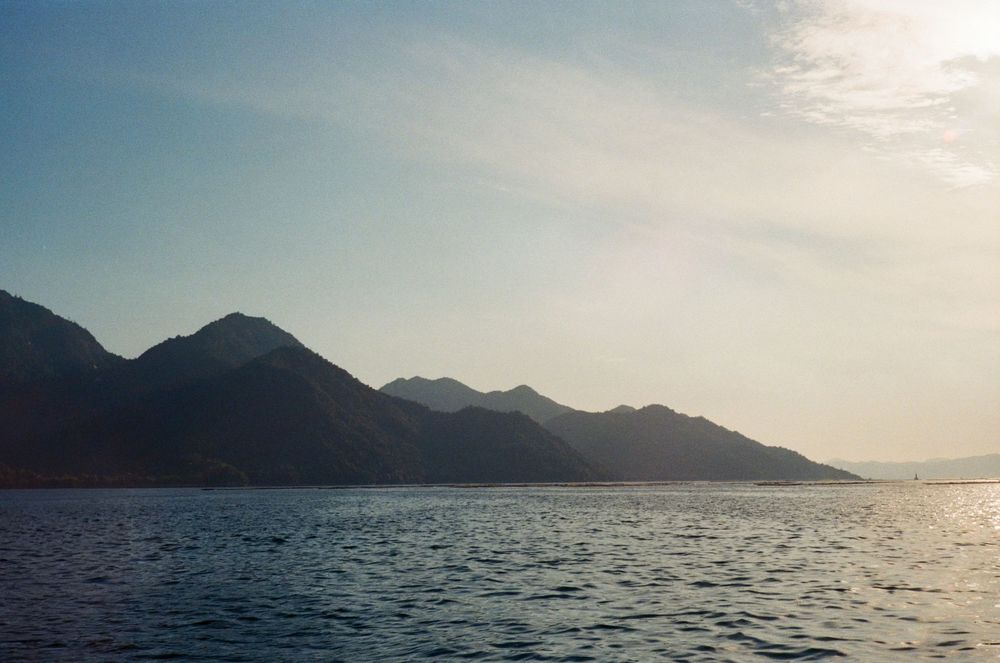
On and on, though the shrine I walked, the forest canopy visible from nearly every angle. And when forests couldn't be seen peeking over the shrine roofs, the pacific waters were there to connect me with the sea as well as the land.
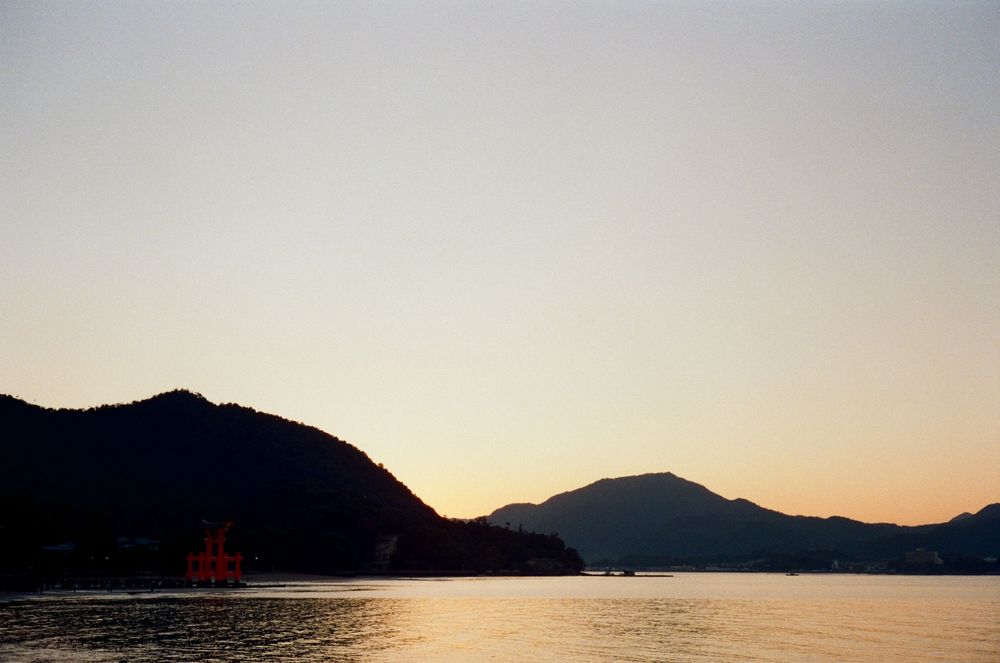
The sun had started to dip behind the mountain tops, so I knew I had to pick up the pace if I wanted to make some more photos of the torii gate. I had decided I would not rush through anything while in Japan. No matter how much I wanted to make a photograph, I would enjoy every moment. And I'm glad I did. Because this first experience at a Shinto shrine really allowed me to figure out how I was to interact with this beautiful country.
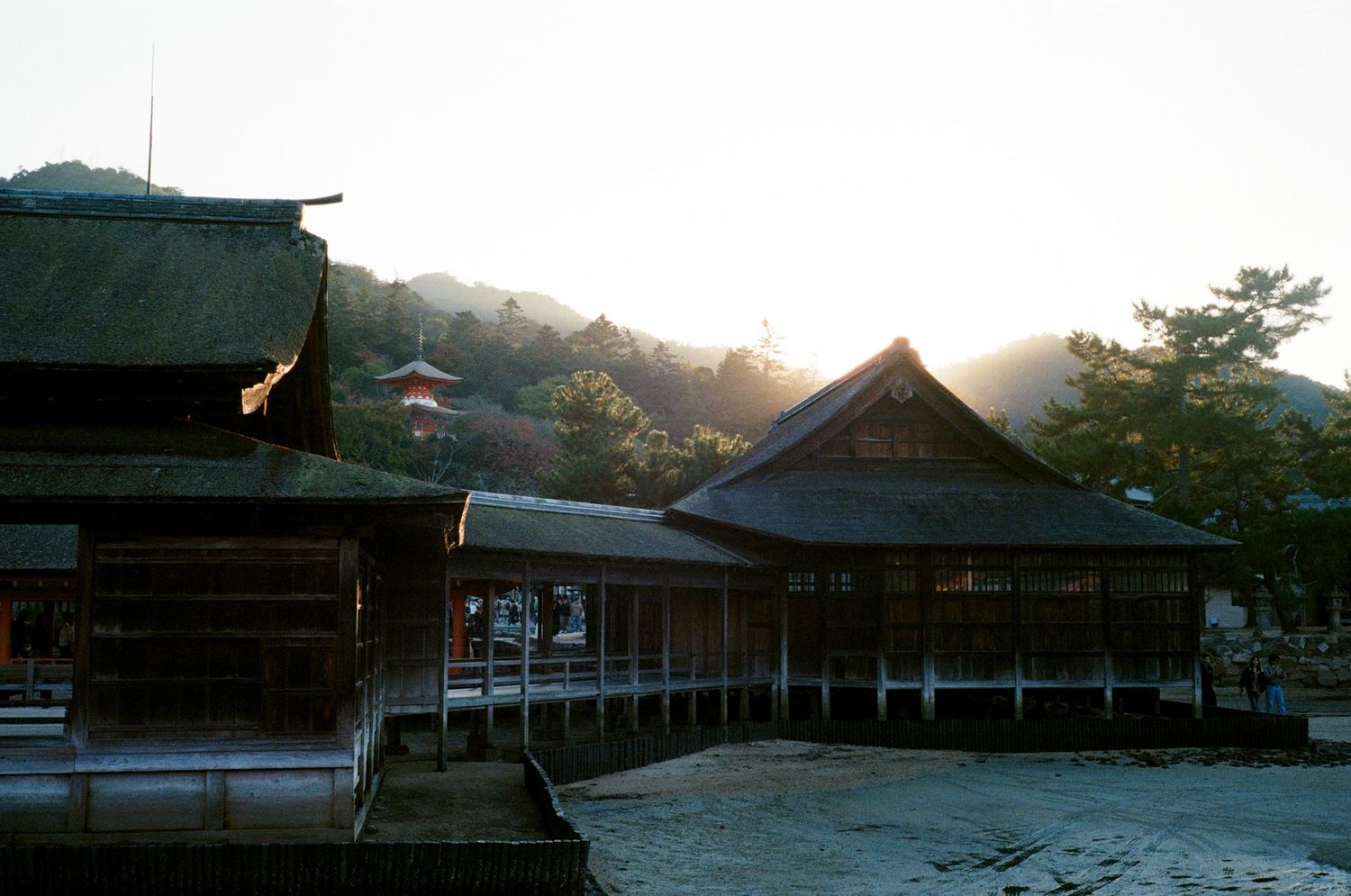
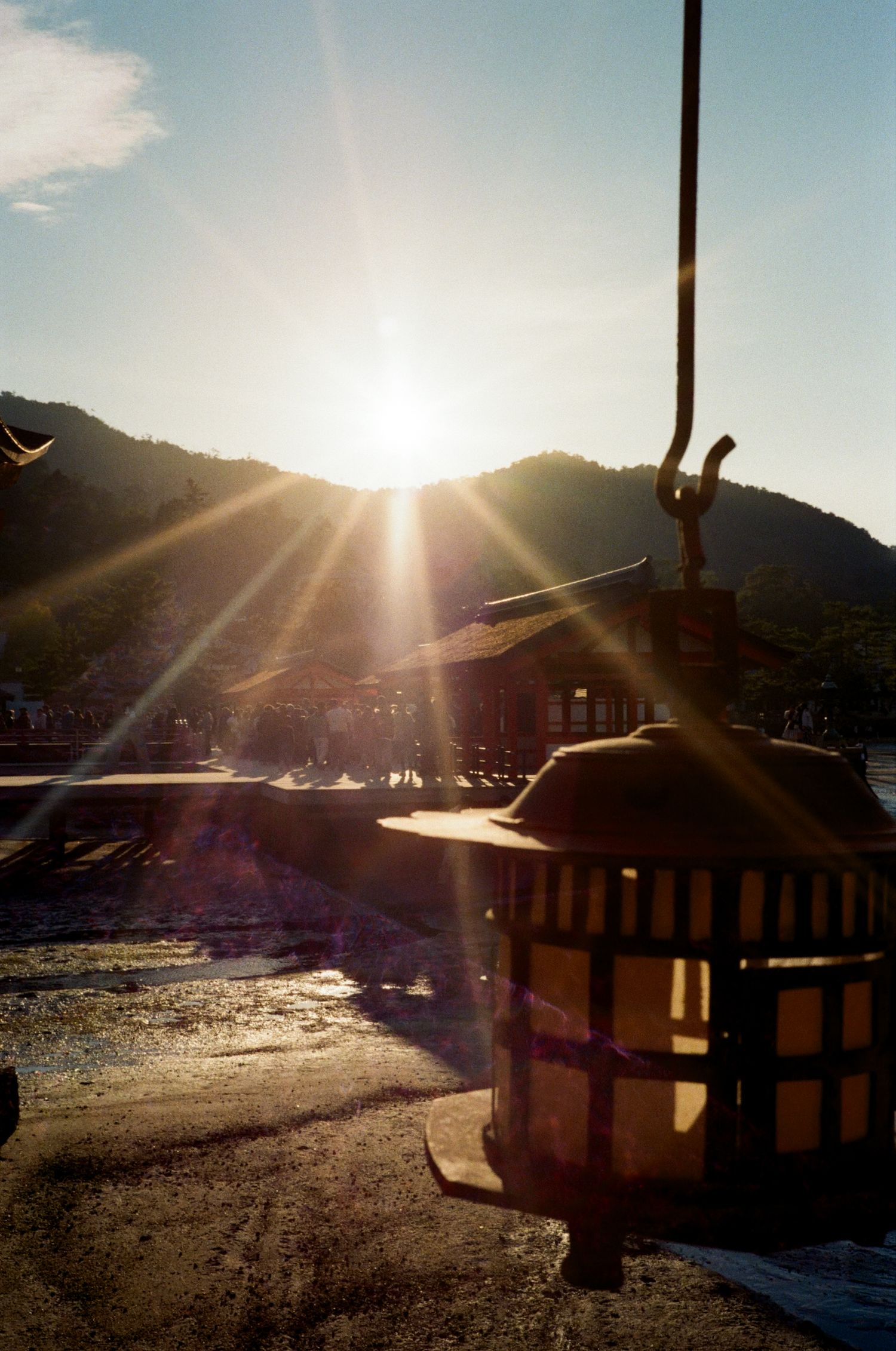
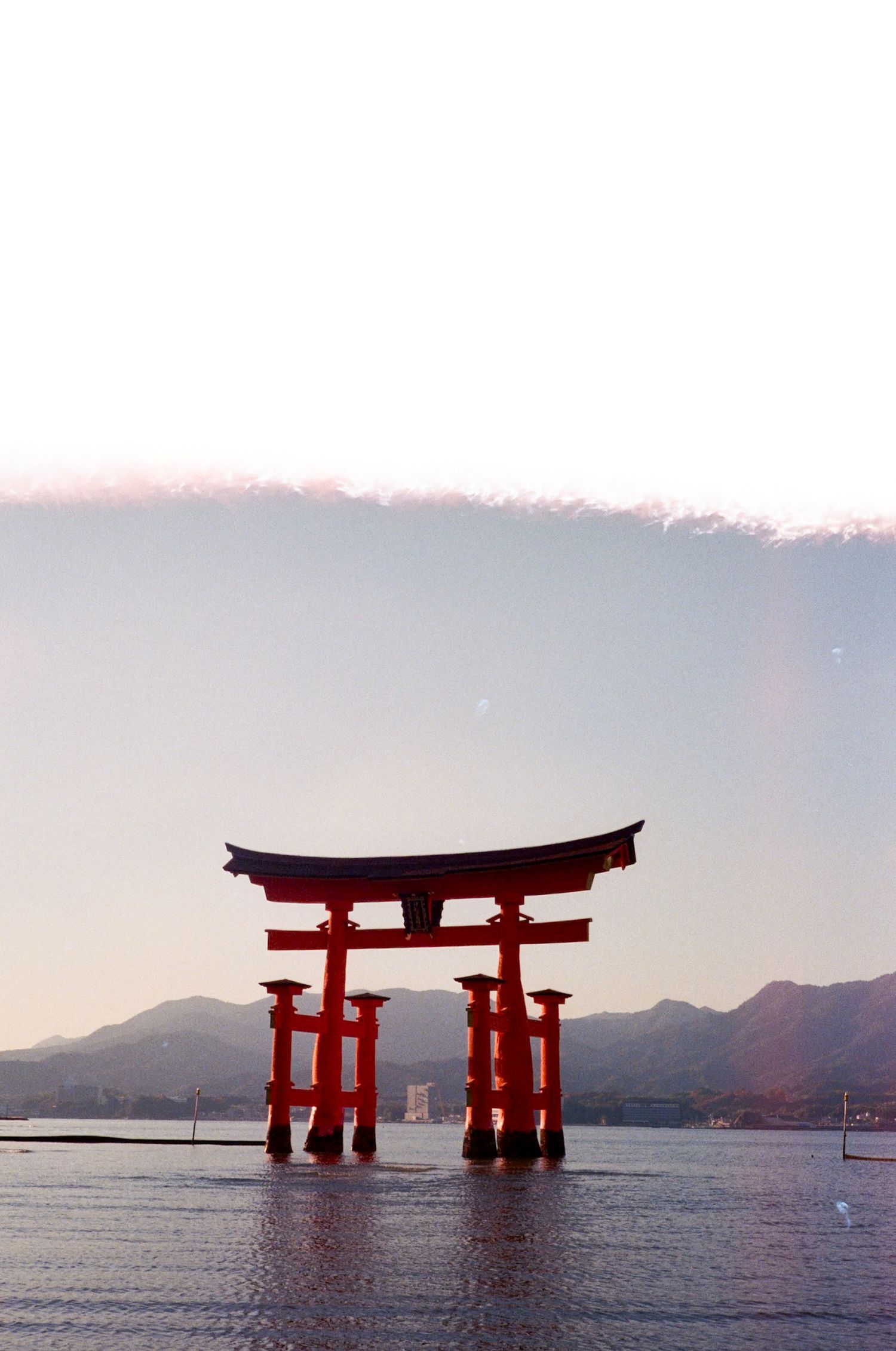
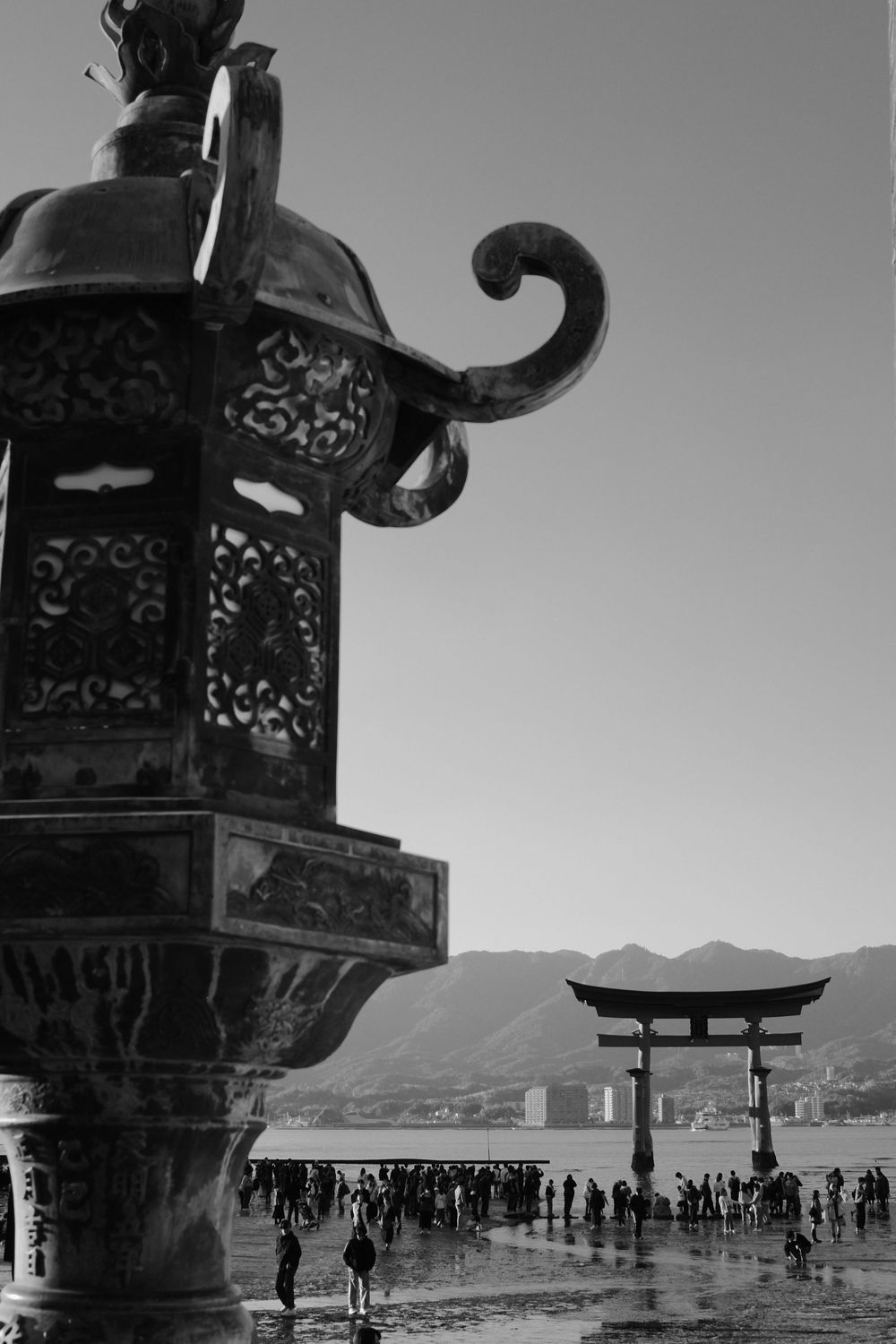
The sun eventually set on Miyajima and the tide was out with it. The people that had been waiting for the moment all walked out to the gate. It was rather amazing to see. Whether for likes on social media, for a prayer in need of answering, or for any myriad of reasons, these folks all found something in their lives ameliorated, or hopefully so, by walking out and touching this gate.
For myself, I felt unworthy of being so intimate with this shrine. As a gaijin, a foreigner, especially after the day I'd had in Hiroshima, I felt it important to respect the shrine and not think myself too familiar. But I was falling in love and fast. The first 24 hours in Japan had proven to be full of the sort of adventure I had hoped for. And the next day would bring more.
To be continued in Adventure in Japan, Part II.
More photos from Osaka, Hiroshima, and Miyajima
All images © 2020-2025 David Ulloa Studio. All rights reserved.