Oneness
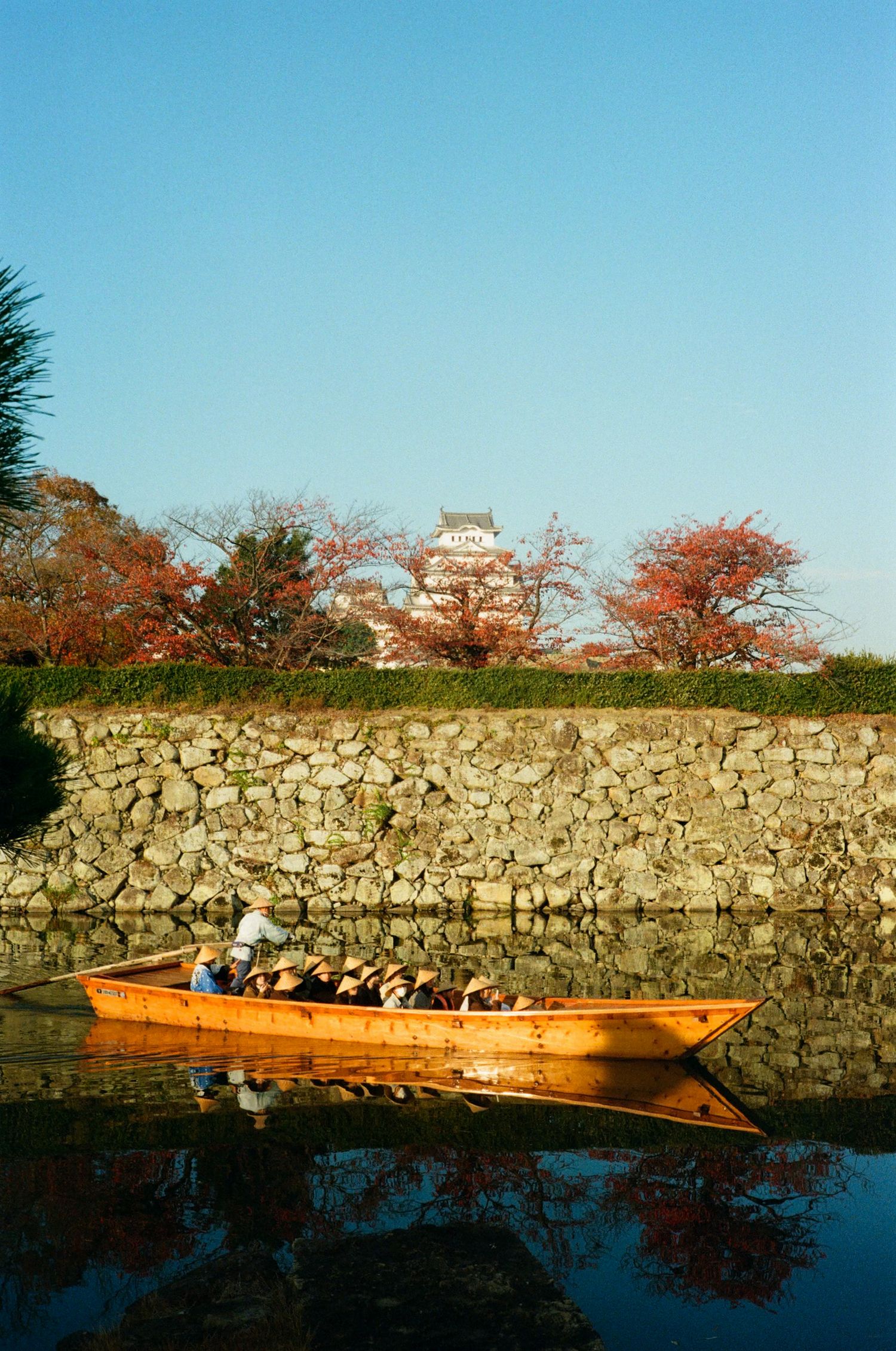
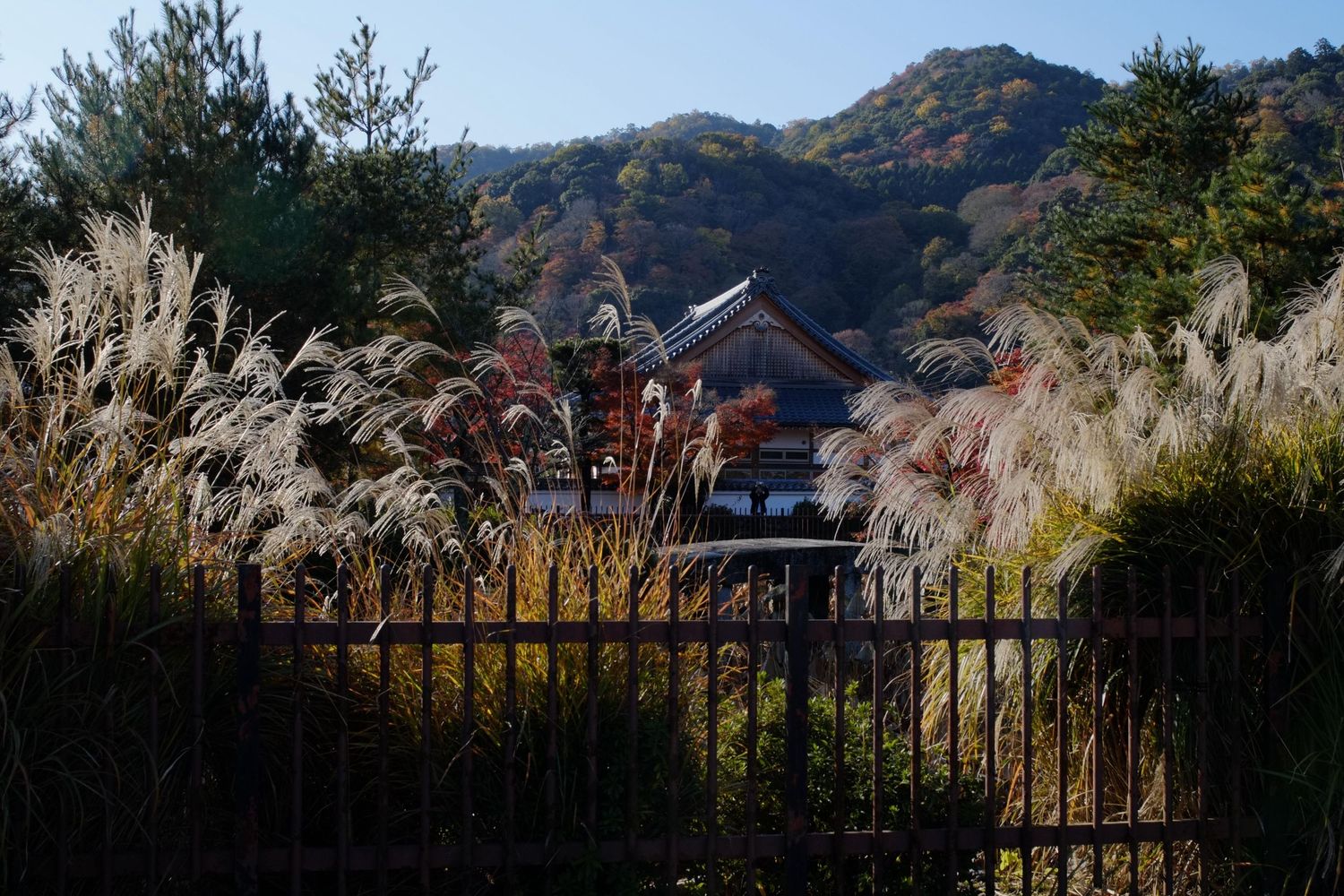
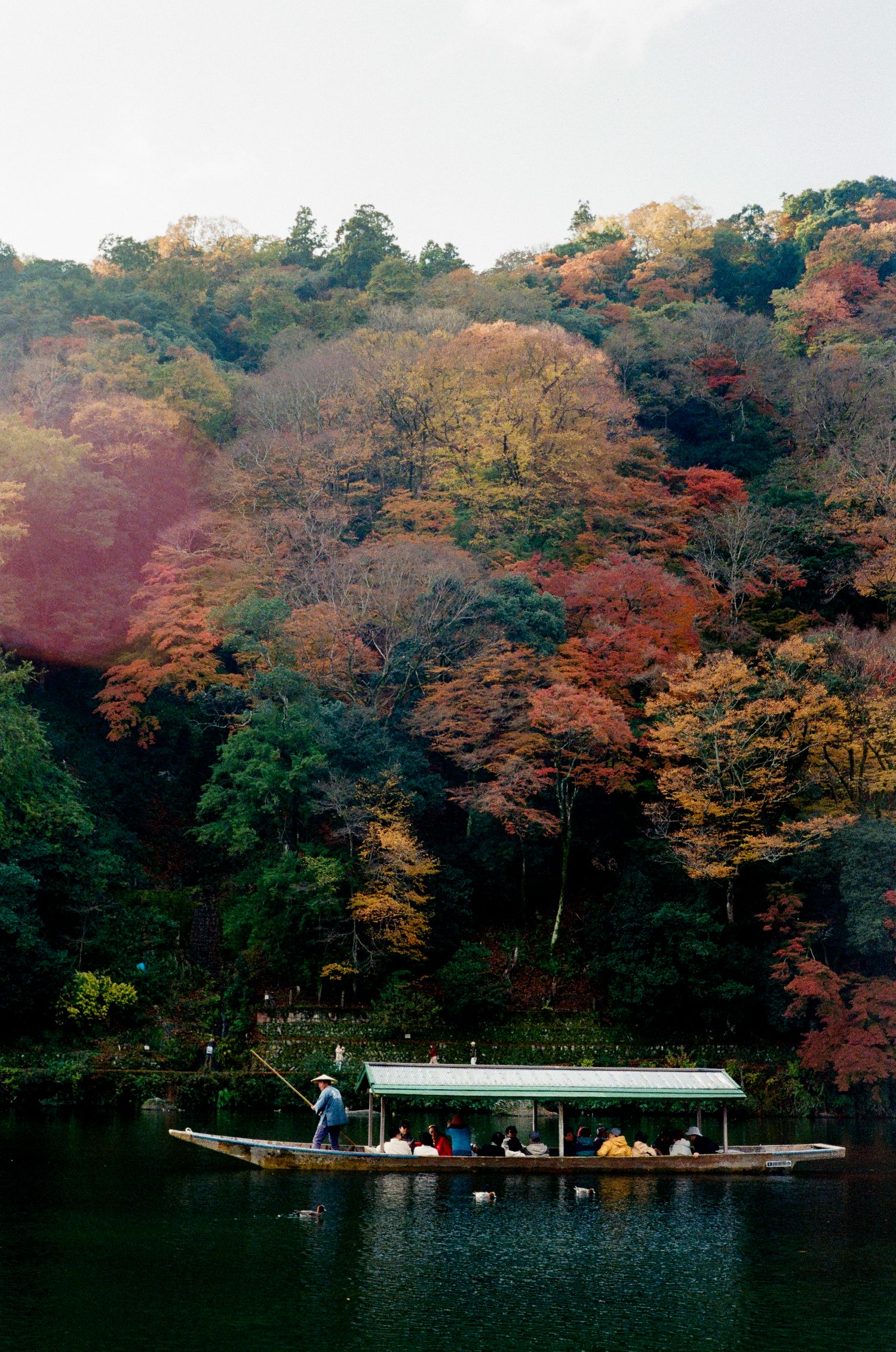
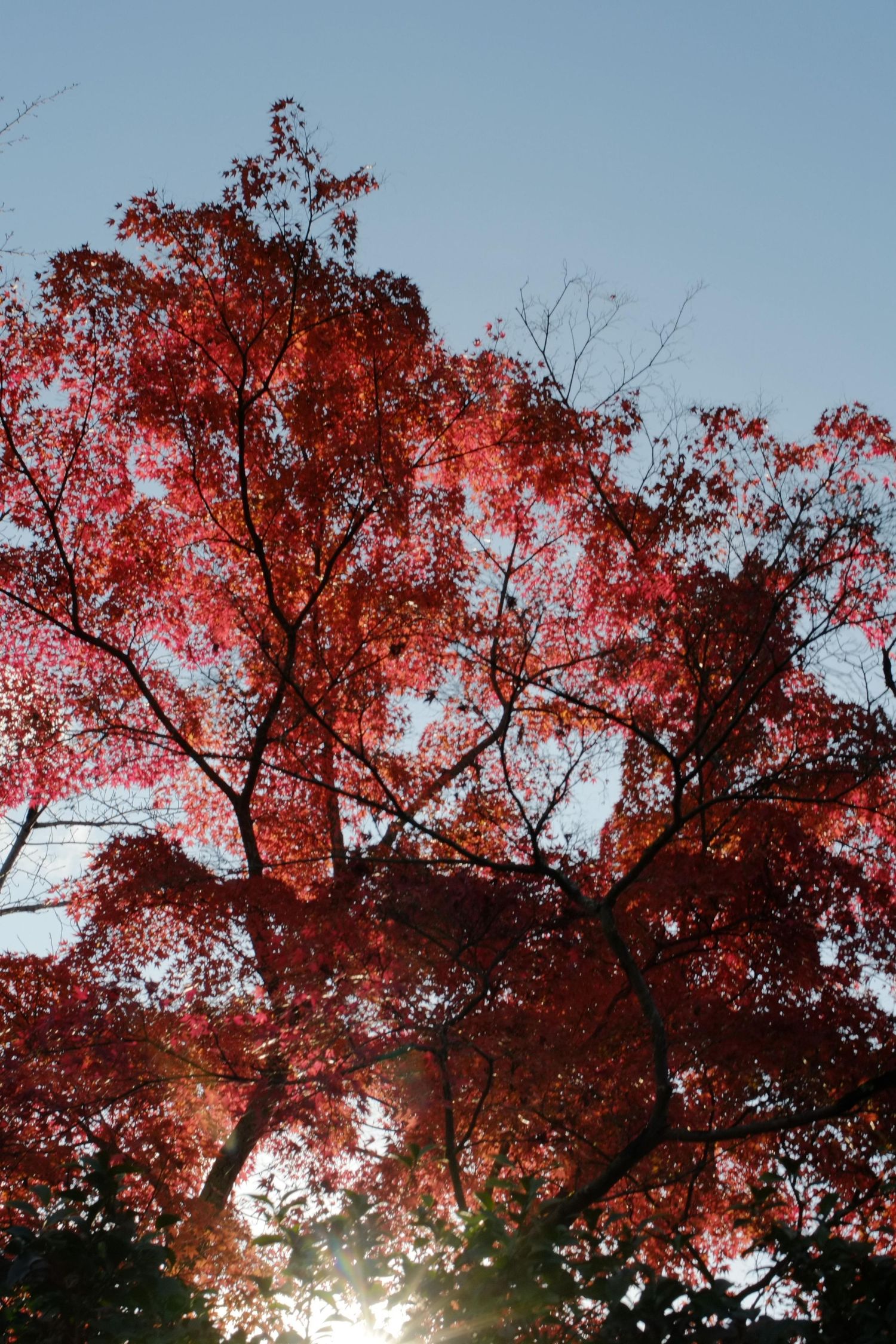
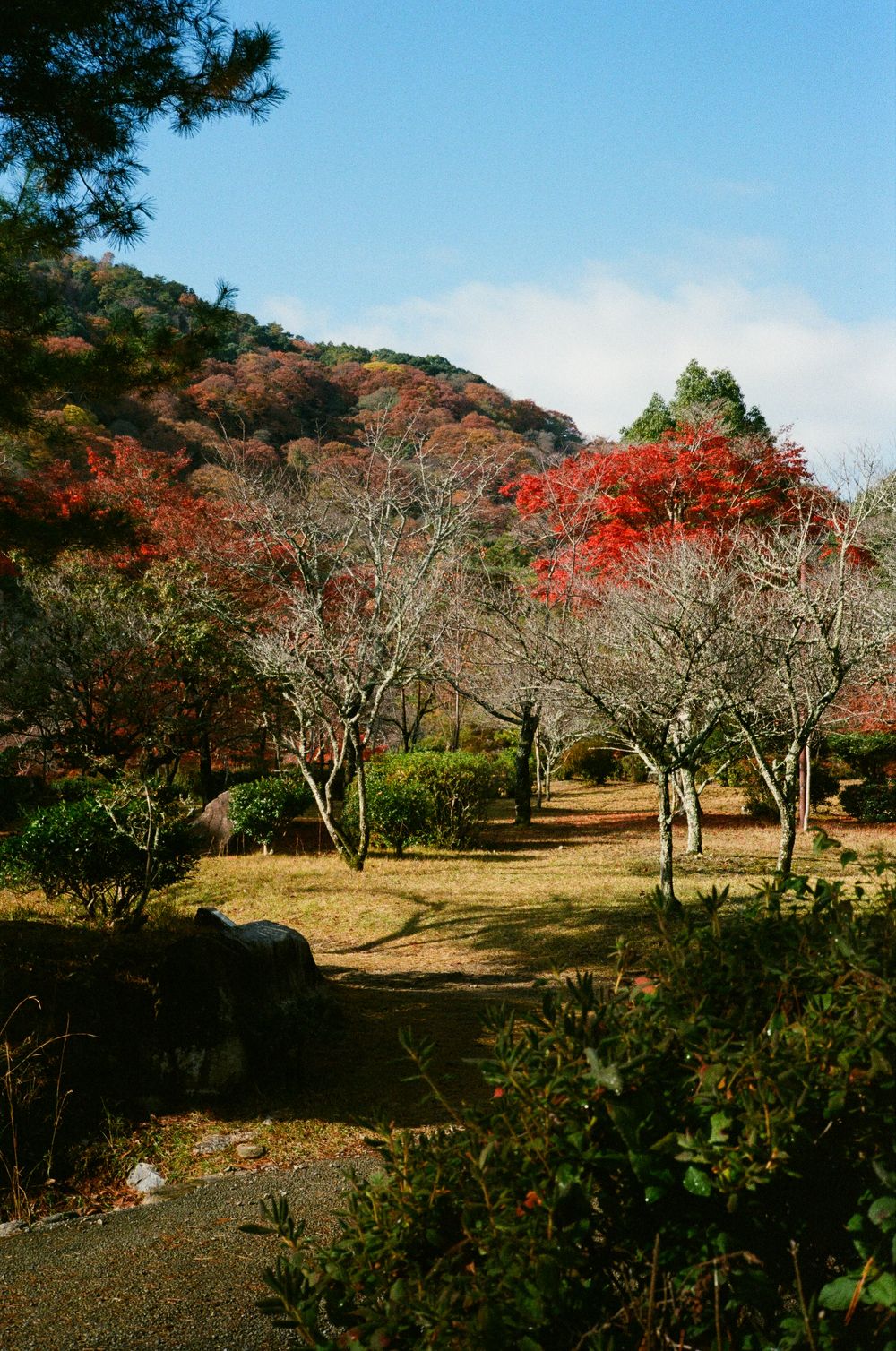
Kyoto prefecture is easily the area I was most excited to visit. I had heard and read so much about how amazing this part of Japan was and had been looking forward to our days in Kyoto as much as I was enjoying being in the moment. So I arose bright and early the next morning and saw the sun rise over the mountains before we went off to Sogenchi Garden. Put simply, this was the most peaceful I had been since I had done the Camino Santiago in Spain 20 years ago.
The way the people and land melded into one another was beautiful. There was never an attempt to control the land and bend it to the will of man. No, here the land was respected and revered. So I savored every moment of the hours we spent here, retreating into my heart and mind and reflecting on my life.
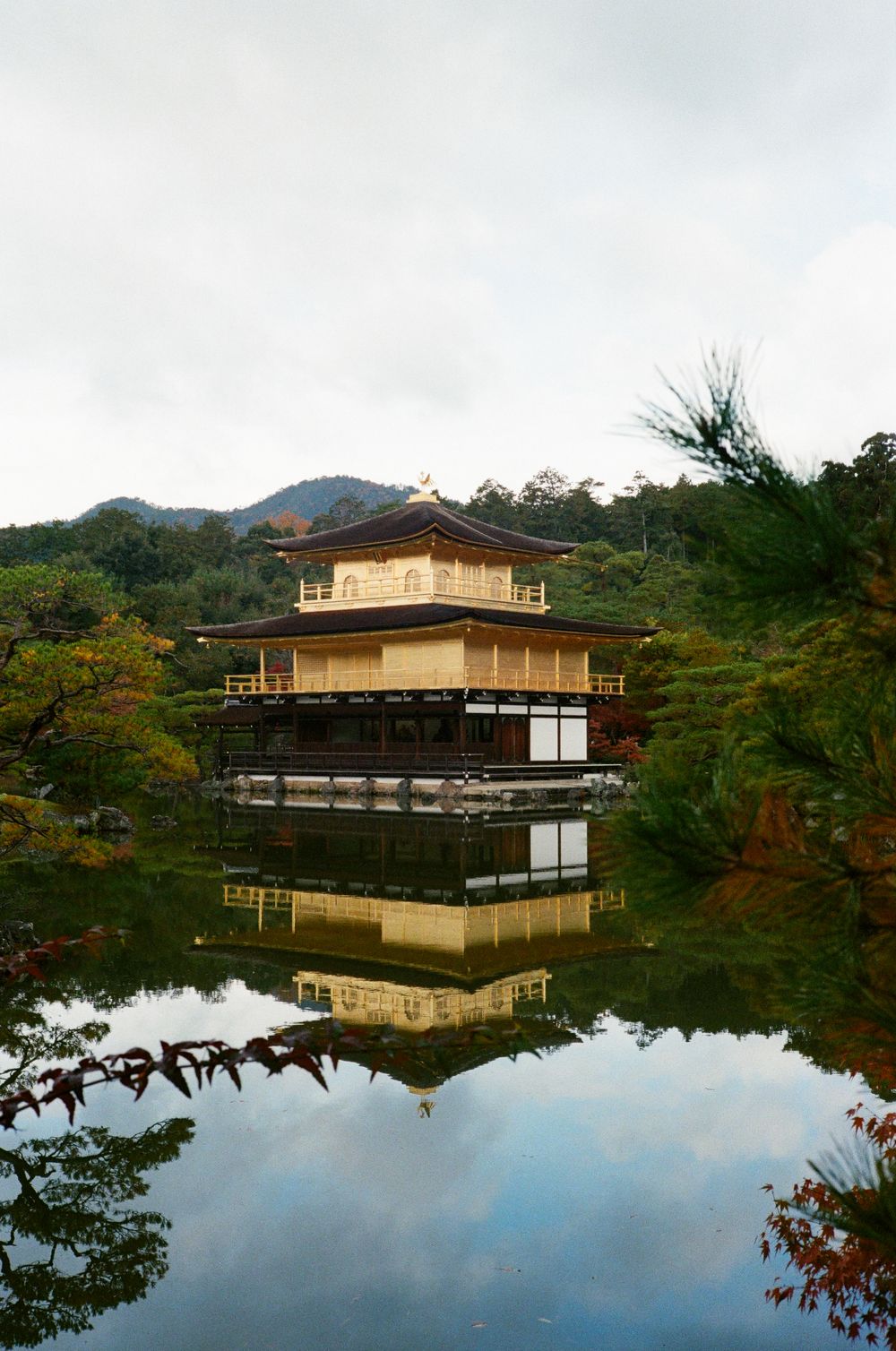
We were determined to make the most of our time in Kyoto and had packed as much sight seeing into our time here as possible. So it was a mad dash from Sogenchi to Kinkaku-Ji.
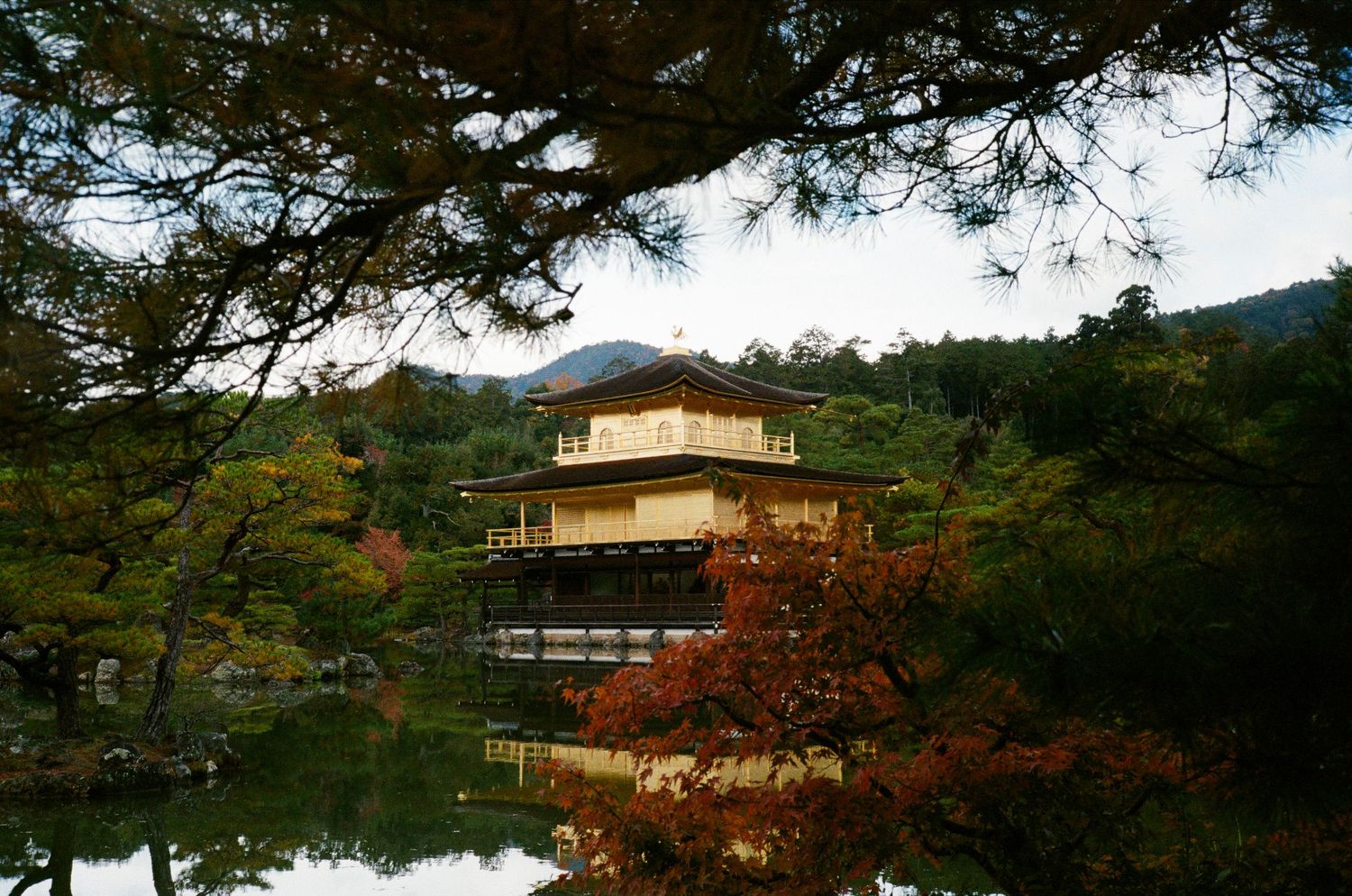
Kinkaku-Ji is famous for it's golden golden pavilion. Despite the many beautiful photos that have been made at Kinkaku-Ji, it is impossible to get a handle on how impressive the pavilion is before the eyes. The hammered gold leaf shimmered and nearly blinded anyone who would look directly upon it. The golden phoenix that sits atop the pavilion was like a beacon, with sunlight reflecting off its surface in myriad directions.
It had been an eventful day filled with amazing sights and time for reflection at these temples. But what I'd been looking forward to most was yet yo come.
Fushimi-Inari Calling
As far back as I can remember, I've wanted to ascend Mt. Inari and pass through it's countless torii gates. I can't explain why this site has held me in its grasp for so long, but it does not change the fact that I've felt the call of this shrine for my entire life. As a child my obsession with Japanese culture led me down many rabbit holes of reading and learning and there was always Fushimi-Inari.
[A brief aside that jumps both ahead in the story and outside it all at once. Up until this point in my Japan adventure journal I've featured photographs made with both my Leica M3 and the Fujifilm X-Pro1. However, a crazy thing happened at Fushimi Inari; upon my return from the shrine I found my SD card had been corrupted and all the digital photographs I'd made at Inari were gone. The loss I felt was real and palpable for those traveling with me. However, I trusted that I'd made my analog exposures correctly and believed the process would pay off...it did]
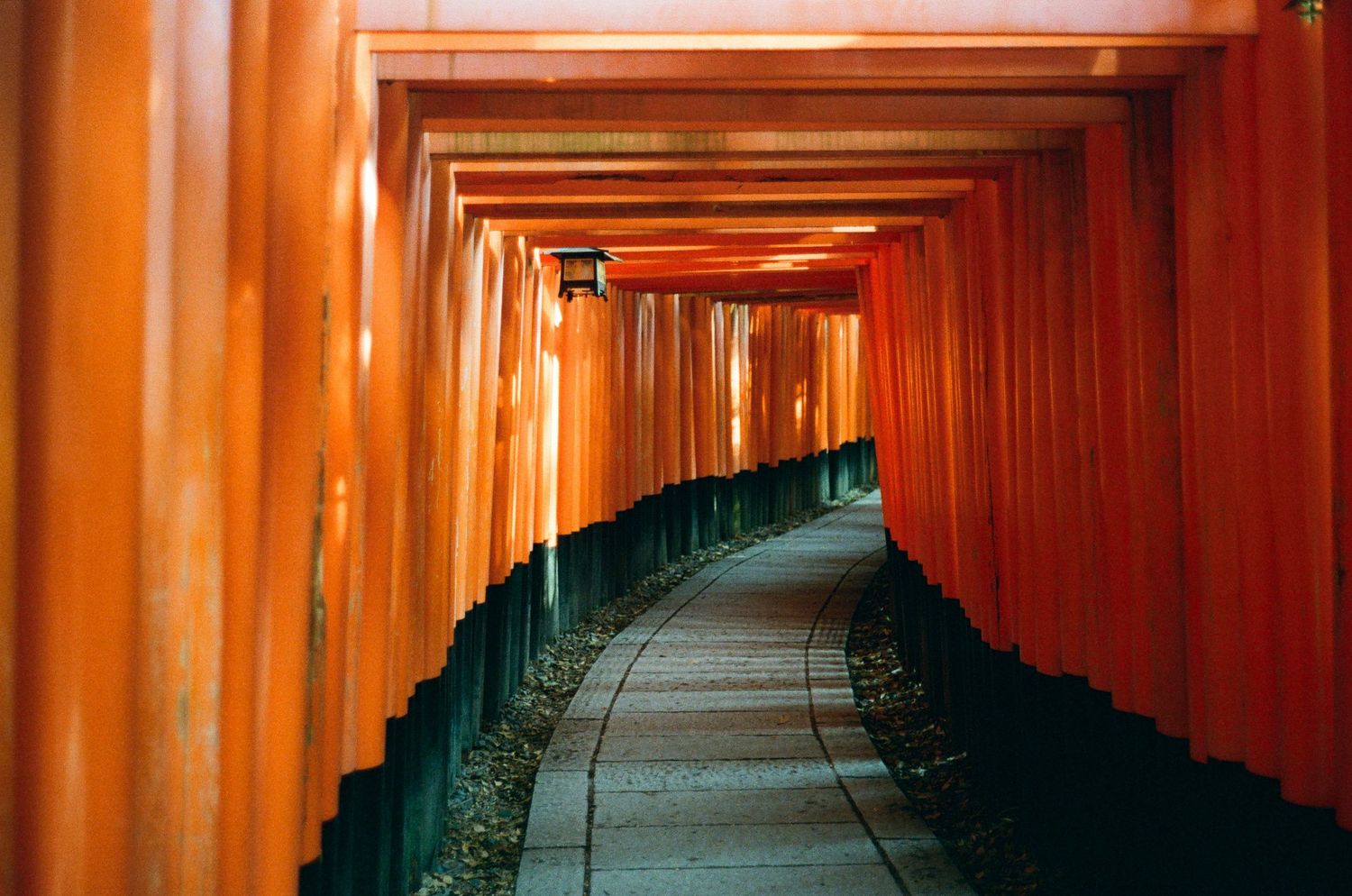
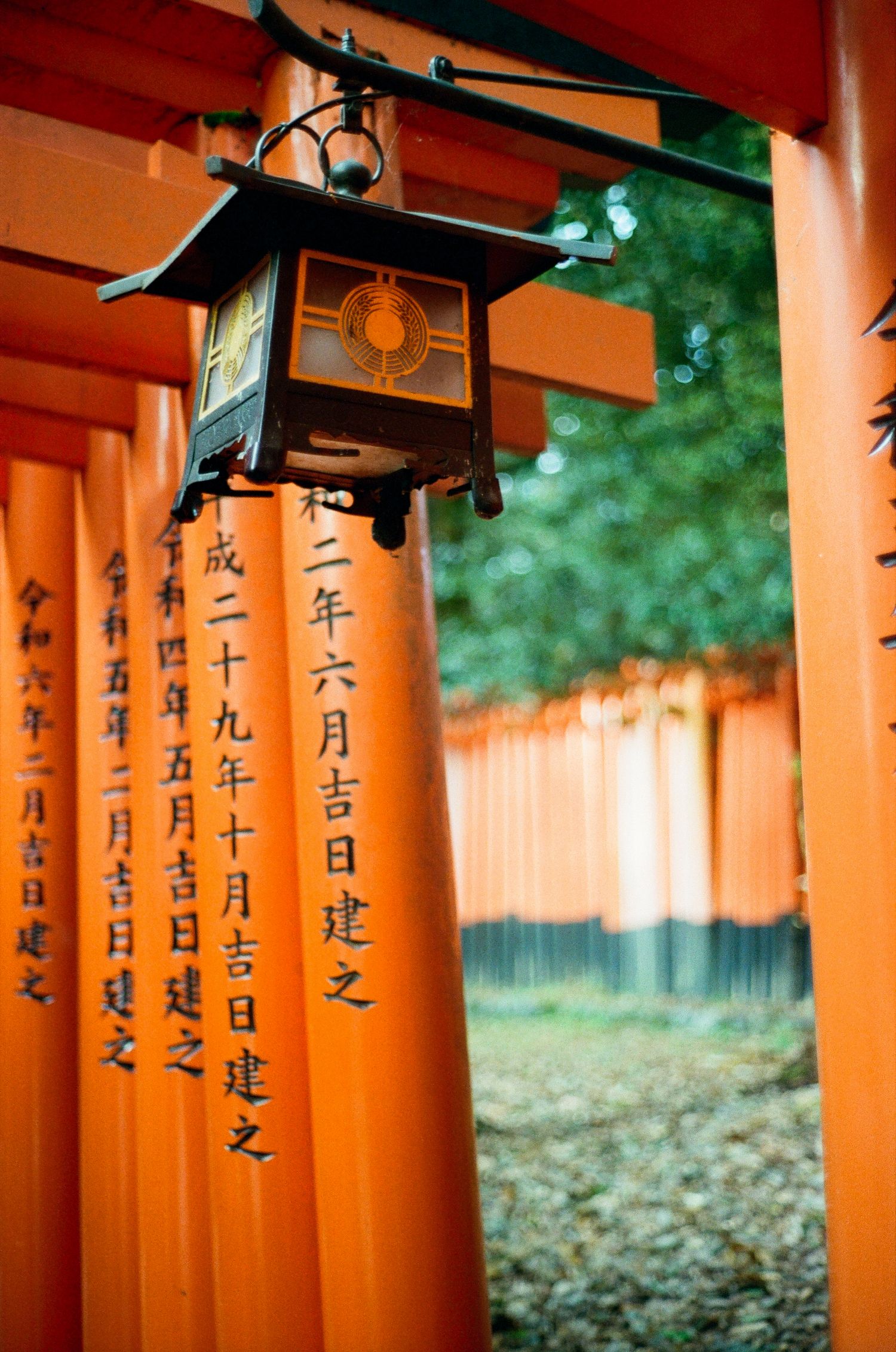
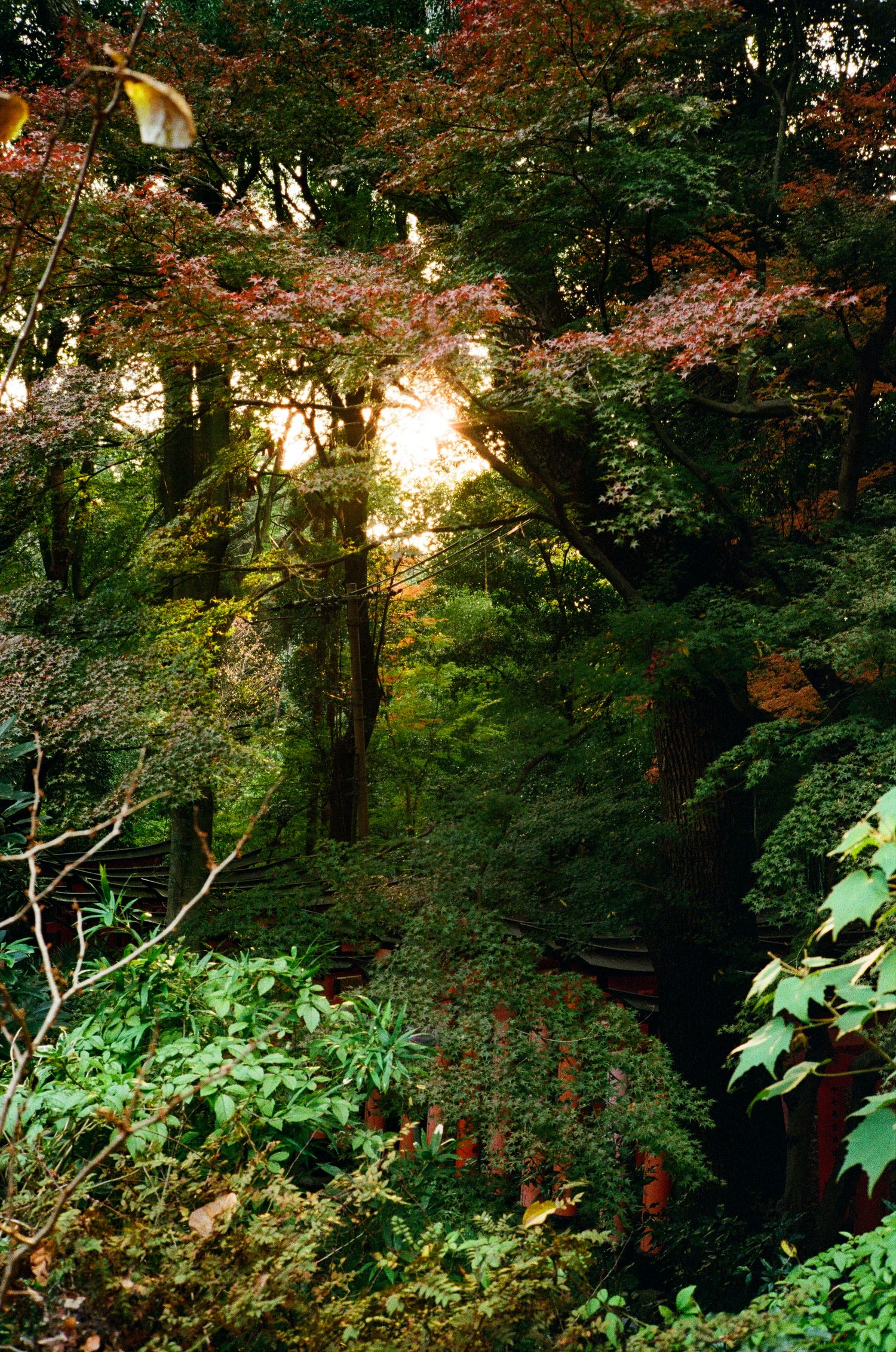
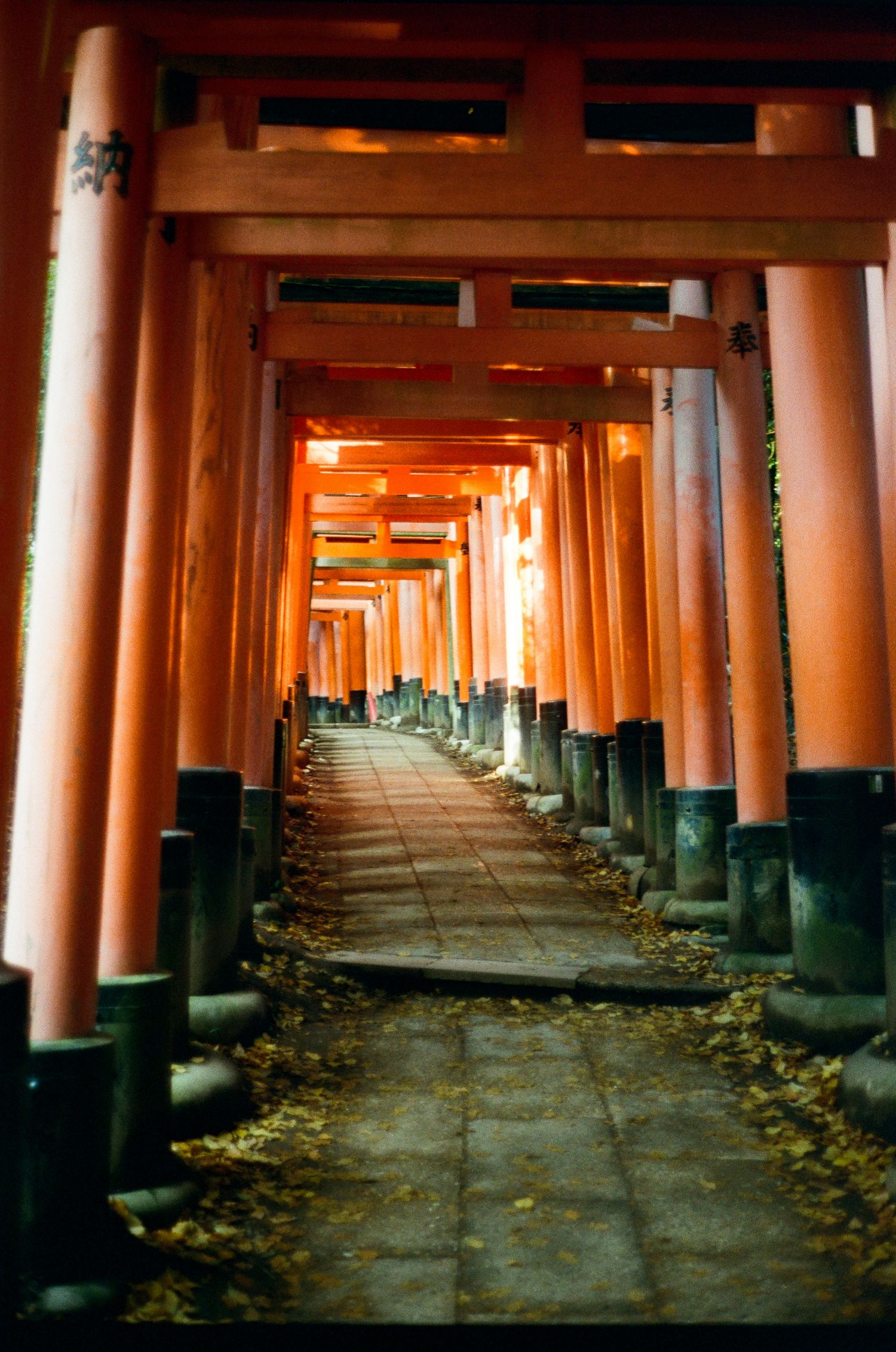
Upon our arrival at Fushimi Inari, I calculated that I had roughly an hour and a half before the sun would set. I wanted to time my ascent such as that when I reached the top of the mountain shrine I'd be able to photograph the sun low in the sky. So I took a brisk but deliberate pace. I stopped often to make exposures of the unbelievable vistas, often waiting for breaks in the throng of people that made their way through the shrine.
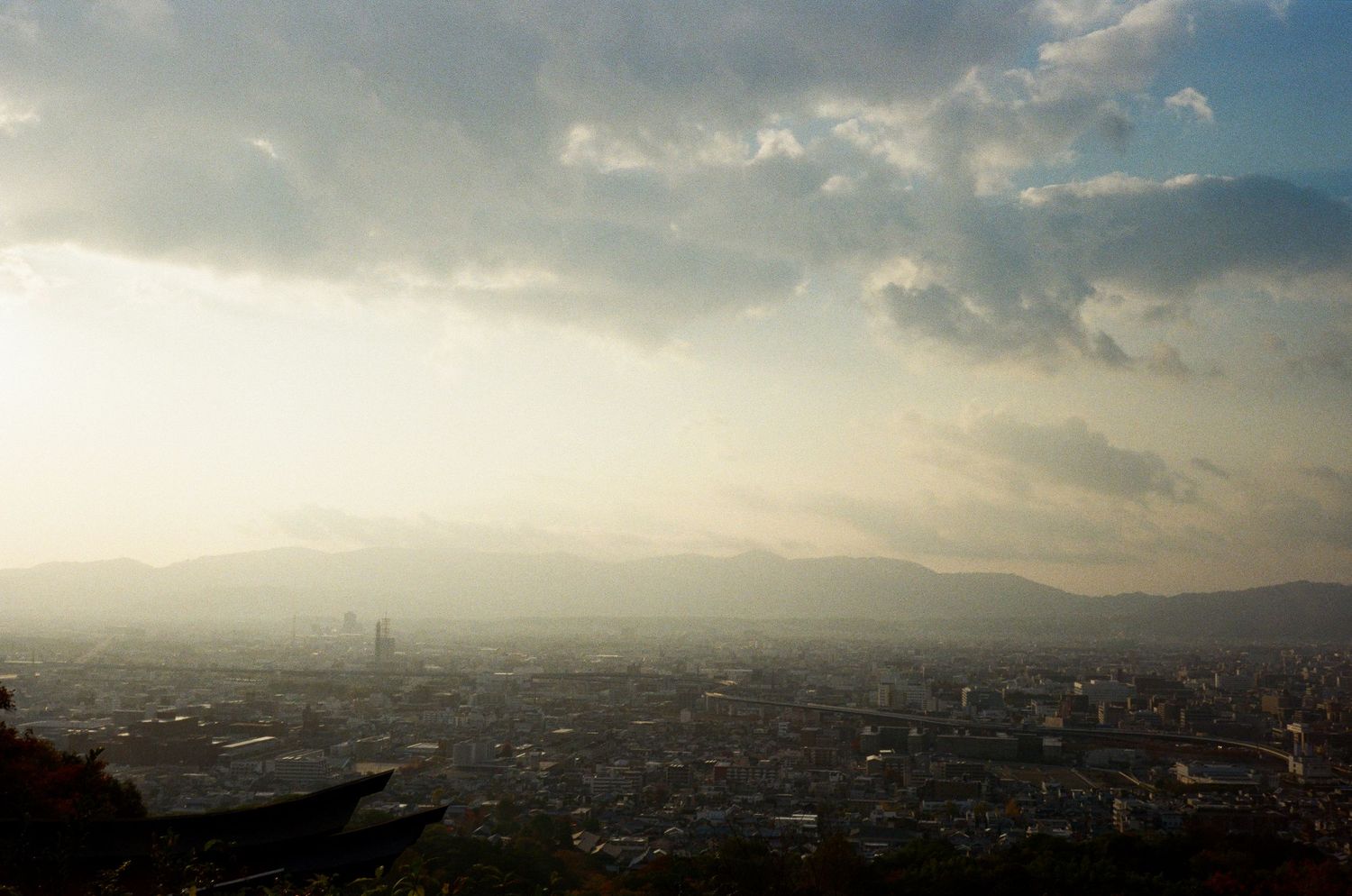
I used the time to reflect and contemplate as I had been doing often at the shrines and temples we were visiting. While I never truly lost track of time, I was none-the-less surprised when I finally made it to the top of Fushimi Inari. And I was greeted with the most incredible view of Kyoto. In all my years of interest in Japan, Kyoto, and Inari specifically I had never seen this view before and it took my breath away.
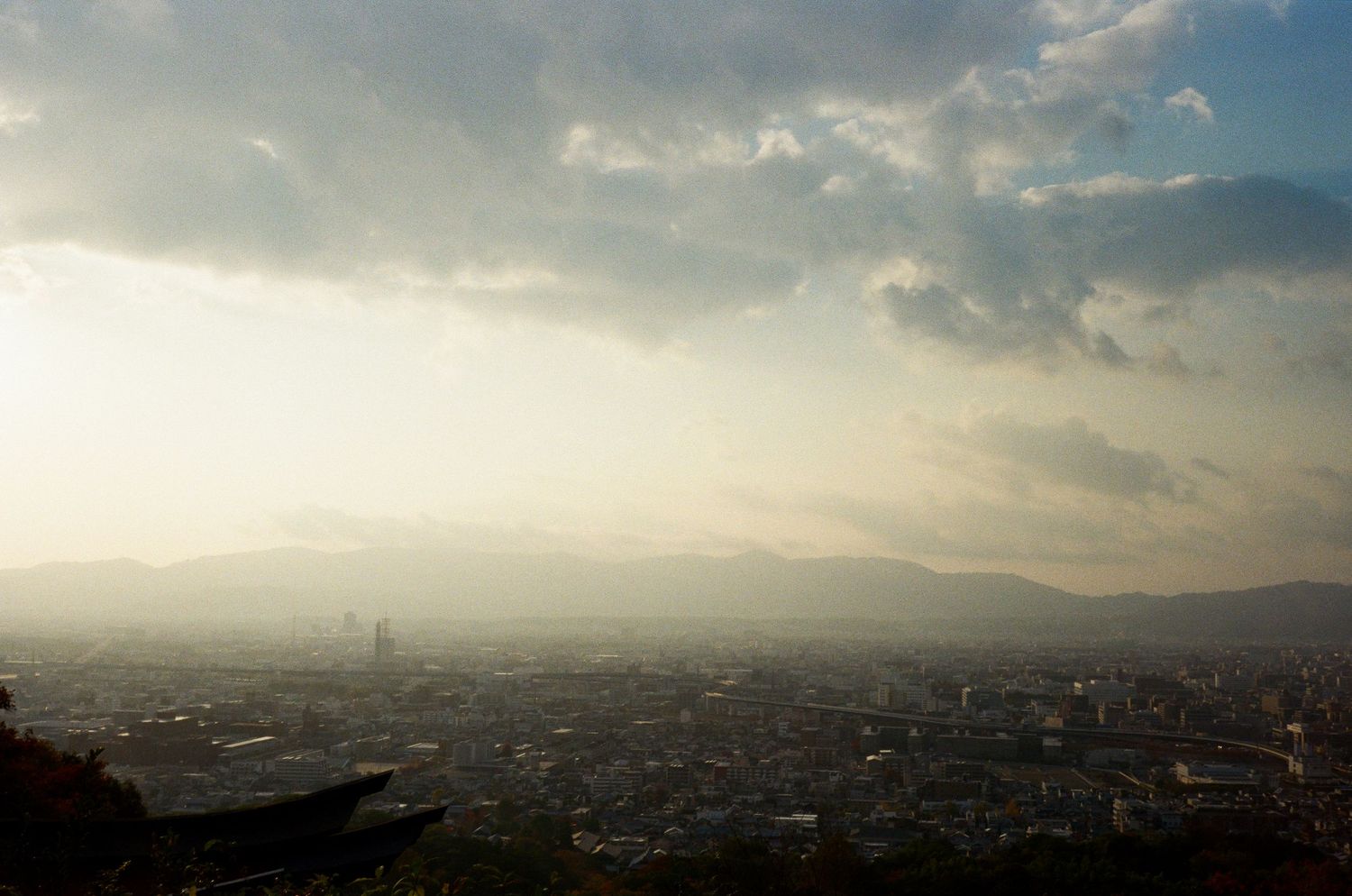
I remained at the very spot I made that landscape for many minutes. I did not want to leave from this beautiful place. There was a sense of oneness with the world that I had rarely felt. But I knew that if I didn't get a move on soon I'd be making the trek down the mountain in darkness.
I put a little more hustle in my step on the way down. I was losing light and fast. I'd stayed too long drinking in the air at the top of Inari. So I put a little more hustle still and finally made it to the entrance of the shrine just as the sun was setting.
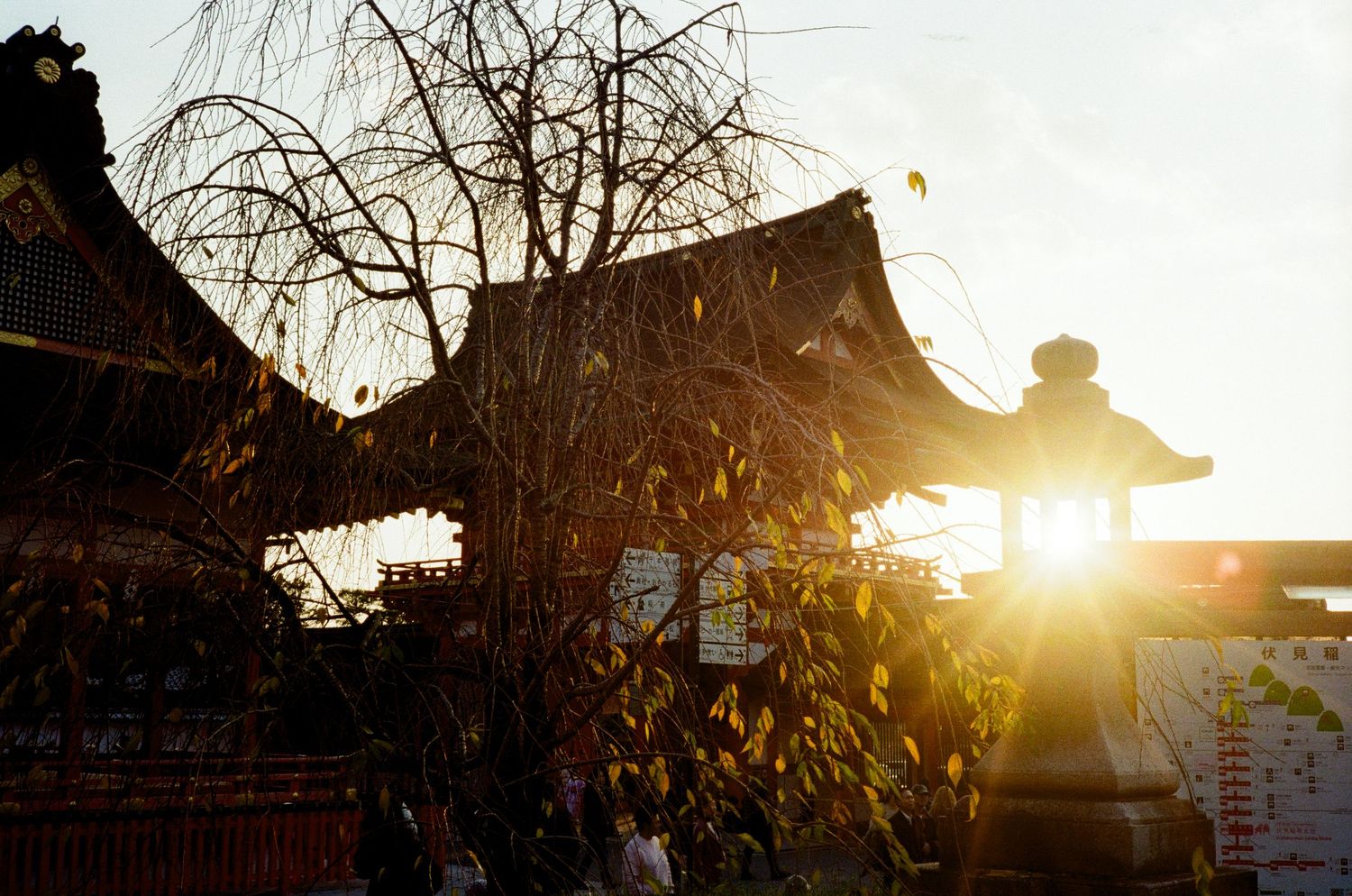
The timing could not have been better. As I approached our meeting spot, the setting sun found itself poised perfectly within a massive decorative lantern. Thanks to my astigmatism, I can see what sun stars look like before I make exposures. So I changed my camera settings to produce a pronounced sun star, framed my shot, and made the last exposure of the roll.
Fuji, you naughty girl!
That evening had been one of the few in which I did not go exploring the night life. I spend most of the night trying to recover the corrupted files from that Fujifilm SD card. I was gutted. Worse still, it would happen once more shortly after returning to Miami. I'd had enough and the camera went back to the seller.
Back in Japan, we took another shinkansen from Kyoto towards Mt. Fuji. We were headed to a town called Hakone, near the foot of Mt. Fuji.
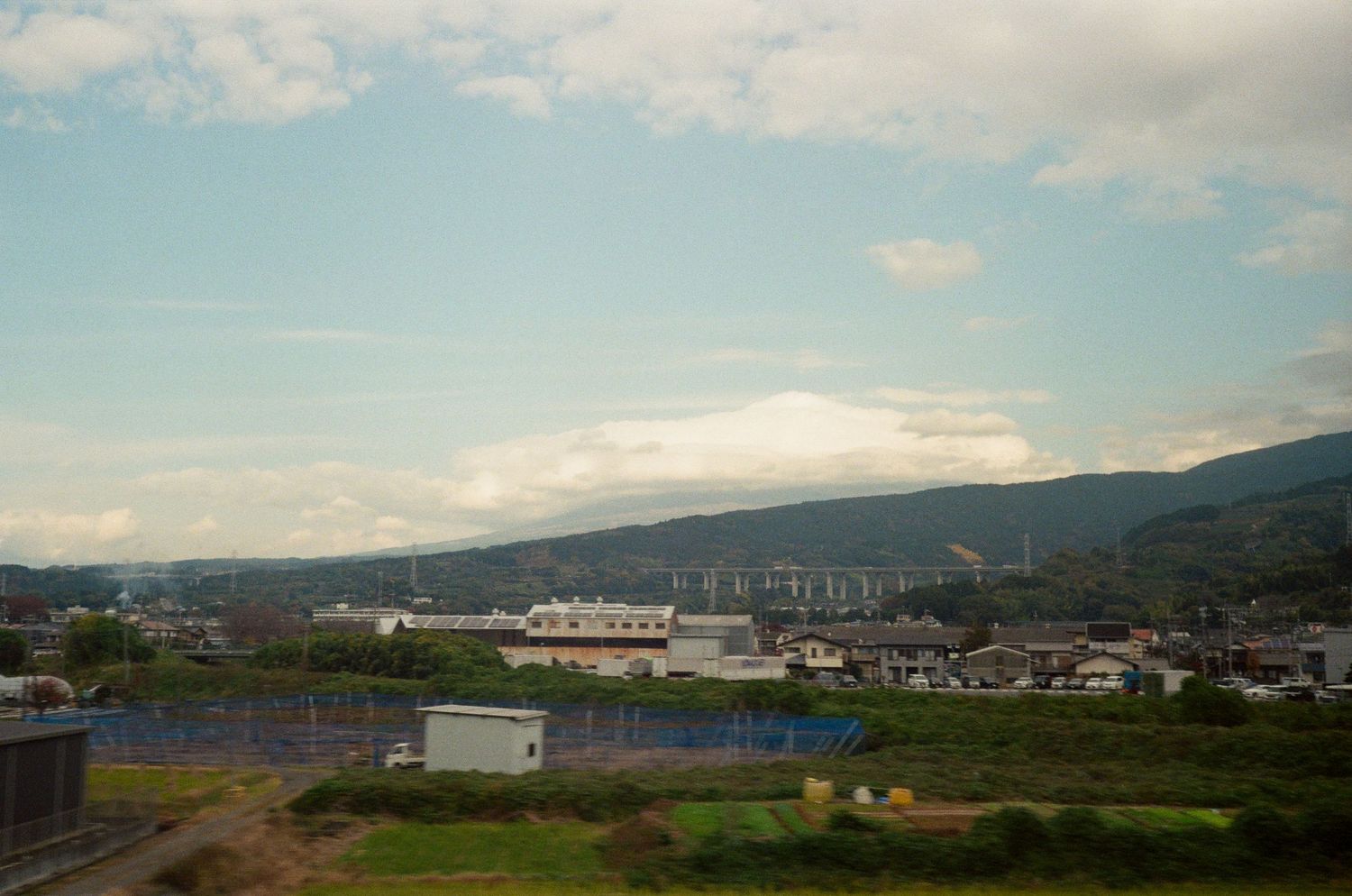
I had heard that Fuji was elusive, even temperamental, often hiding in clouds and fog. I managed to make one exposure of Mt. Fuji upon our approach. It felt disappointing, but with time and distance between the moment, I've come to really appreciate this frame as it reminds me of the kind of photos I made while traveling as a young man.
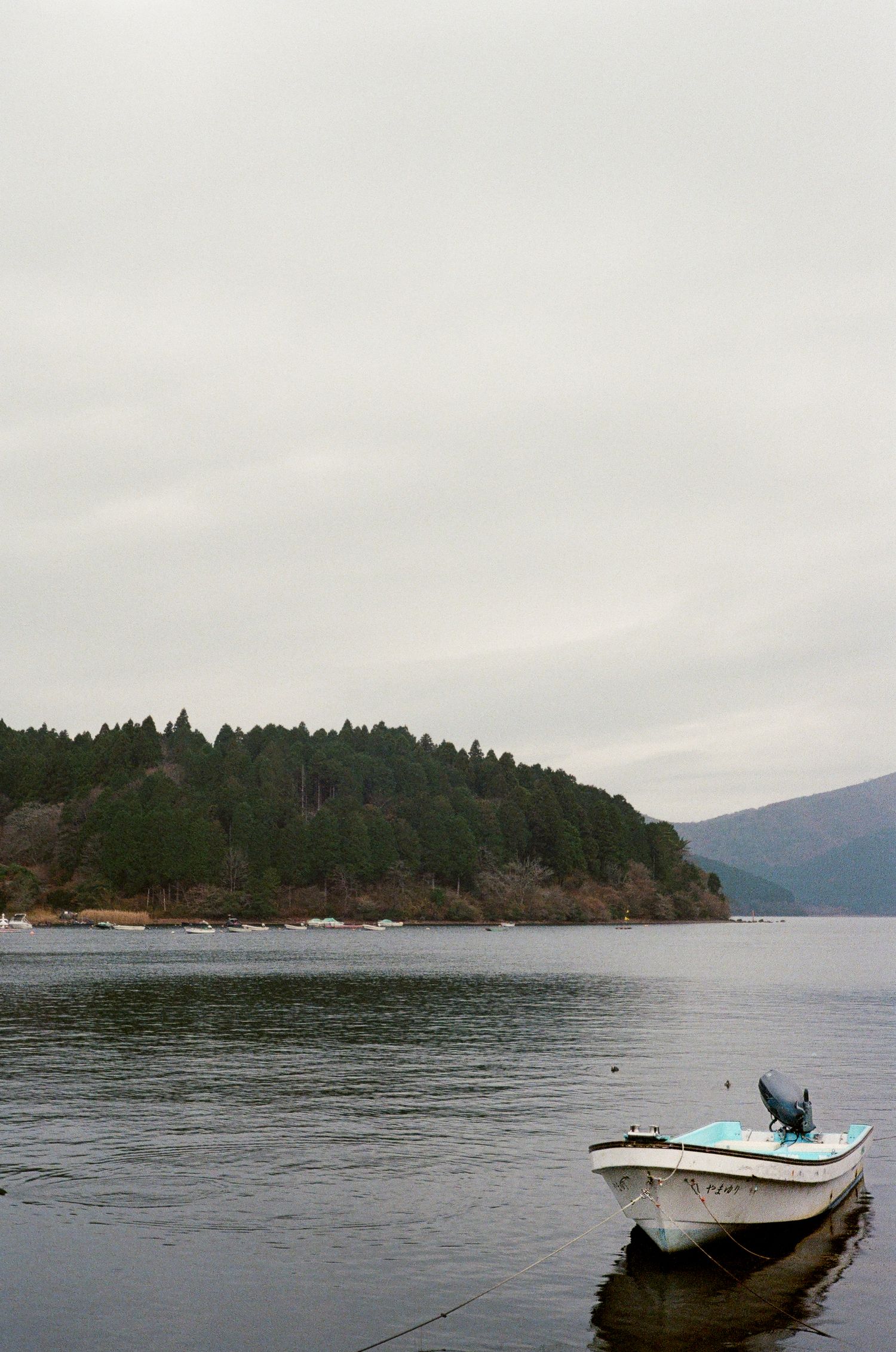
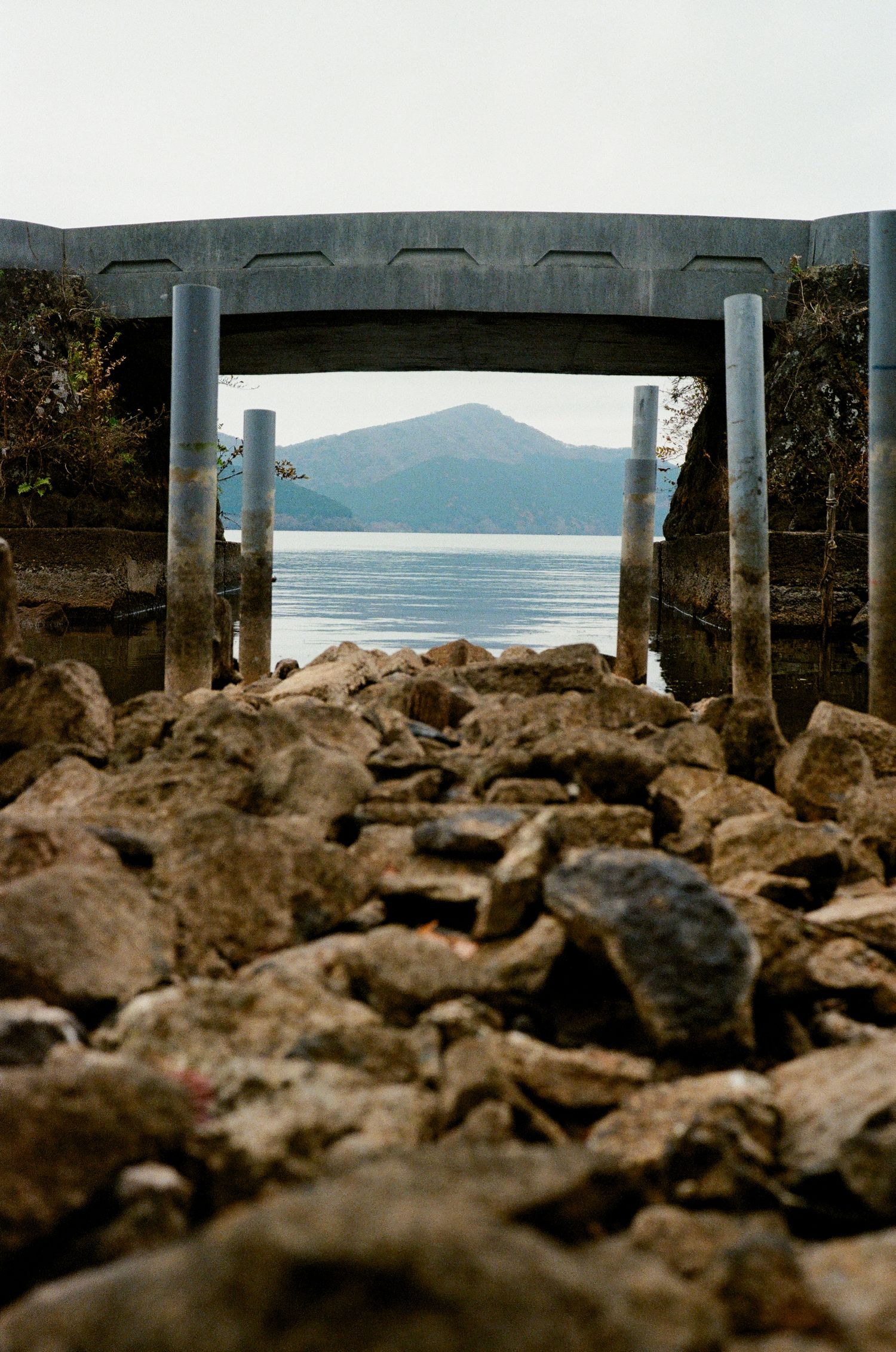
When we arrived, we were greeted by one of the most intense fogs I had ever seen. I was initially miffed. We had booked a cruise of the lake surrounding Mt. Fuji and visibility was, well, you can see how it is in these photos. But after a few minutes of waiting for our ship to arrive, I found that the mood and atmosphere created by this fog was really inspiring me. I walked around the dock and found inspiration everywhere.
While I didn't need any further convincing, having fallen in love with it almost immediately, these photos helped confirm my belief that my ultimate camera and lens combination is the M3 and Summicron 40. I was able to make precise and tight compositions without precise framelines in my viewfinder. My intuition with this combination is always spot on.
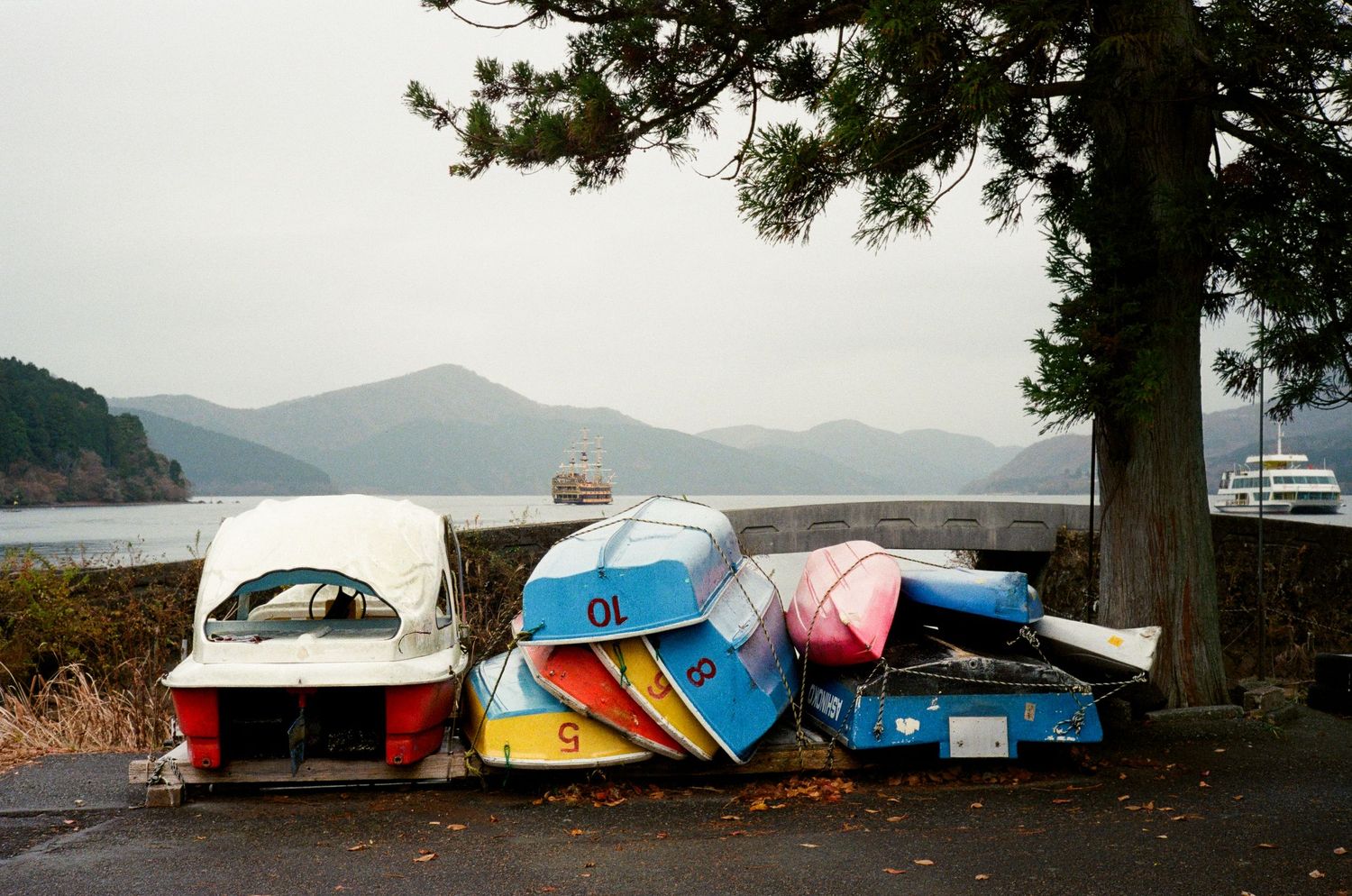
Aboard the ship, I positioned myself strategically to make photographs as we passed by this shoreline and that. I was grateful I'd worn my ancient A-2 bomber jacket. The pitter-patter of rain slipped right off the slick horsehide and left me dry and warm.
The fog increased as we made our way to the foot of Mt. Fuji, where a short cable ride brought us to some incredible sulfur deposits that steamed like some otherworldly landscape. We feasted on Owakudani eggs, boiled in natural hot spring water and sporting black shells affected by the minerals. These eggs, for the discerning eater, are quite literally the most delicious eggs I've ever eaten. After we'd supped on Owakudani eggs and breathed in enough sulfur to down an elephant, we made our way to our hotel.
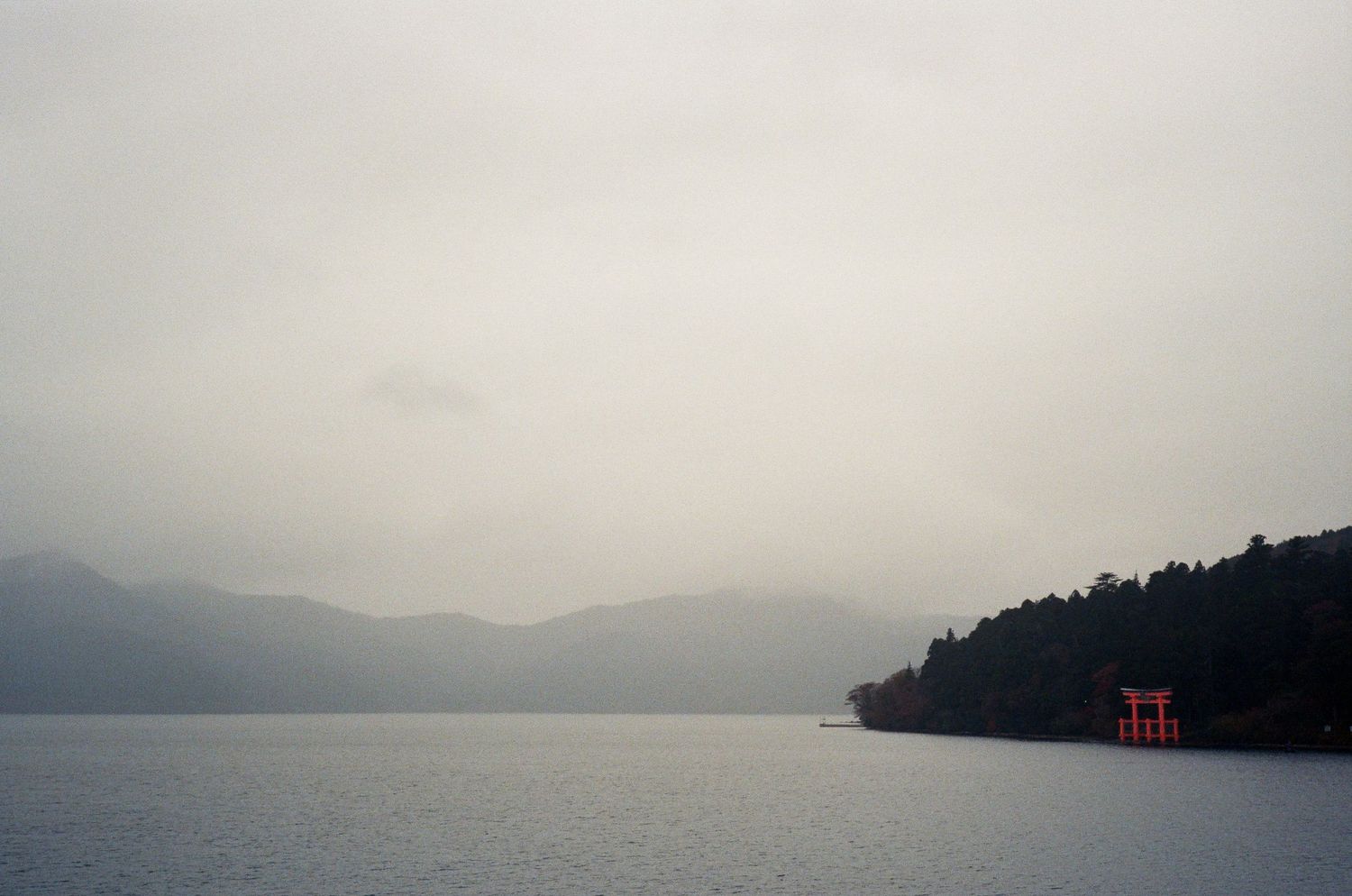
We were booked at a traditional hotel right by the water. It had the air of a hotel that was once the pinnacle of luxury, but was now out of date. It was however, well maintained. And it provided for us on the faculty one of the best and most memorable experiences throughout these two weeks.
The hotel piped hot spring water directly into the rooms and, most importantly, the rooftop onsen. I was concerned I'd be denied entry for the tattoos that appear on my chest and arms. It was, however, perfectly fine.
Gabe, Fernando, Rob, and I headed to the onsen after dinner, a veritable feast that more than made up for missing Thanksgiving dinner back home. From atop the roof and within the hot waters of the onsen, the four of us spent what seemed like all night talking, laughing, and enjoying each other's company. We were already friends, some of us good friends. But now we were brothers.
To be continued in Adventure in Japan, Part V.
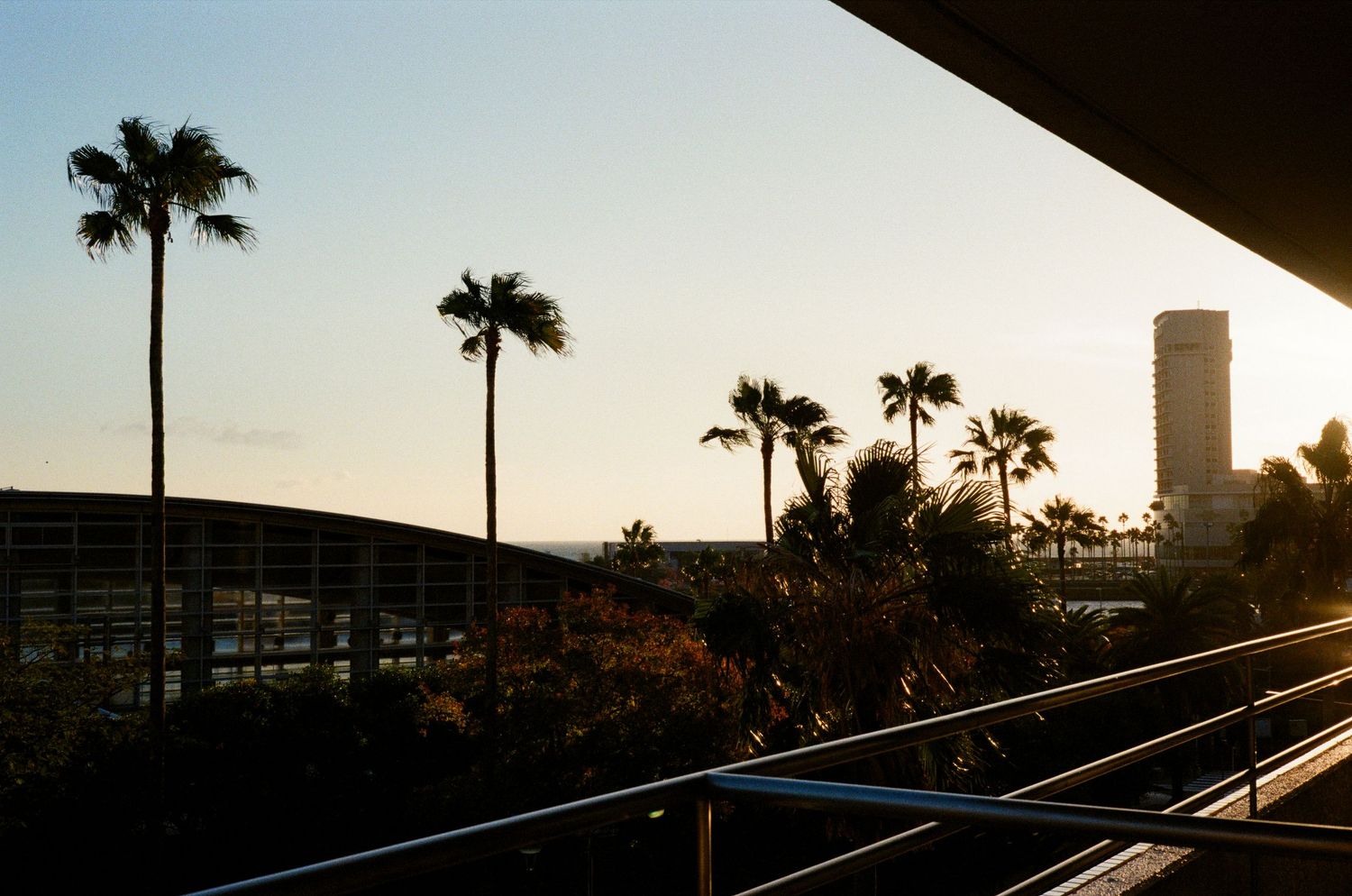
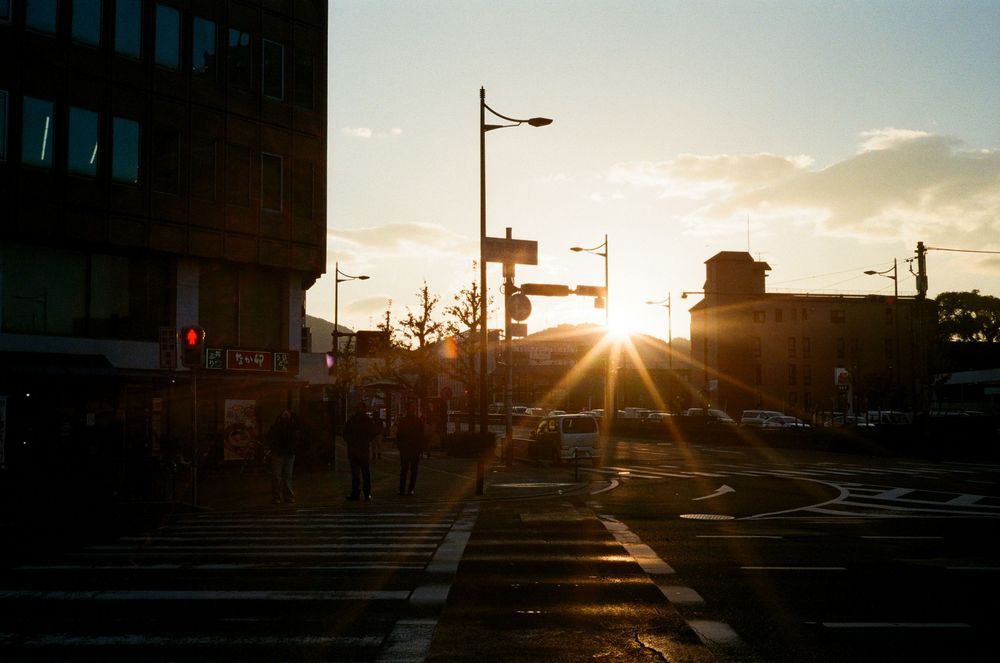
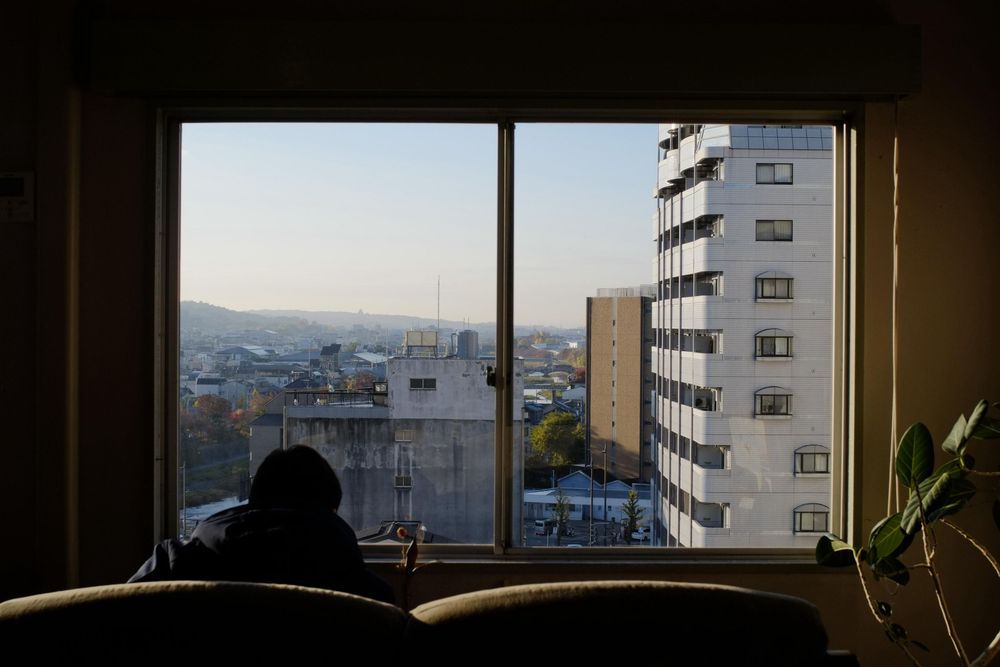
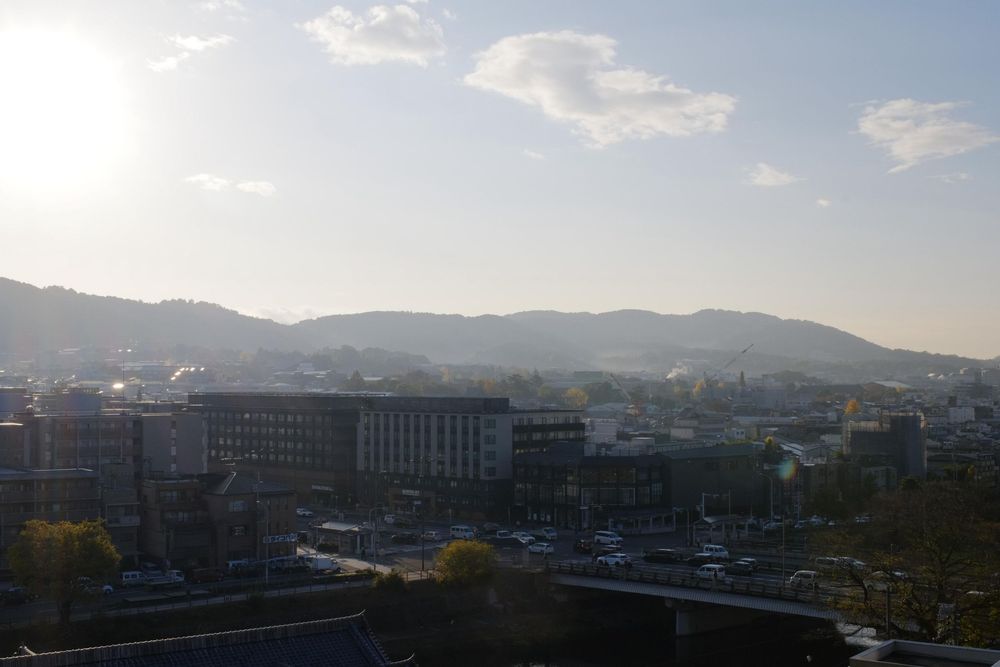
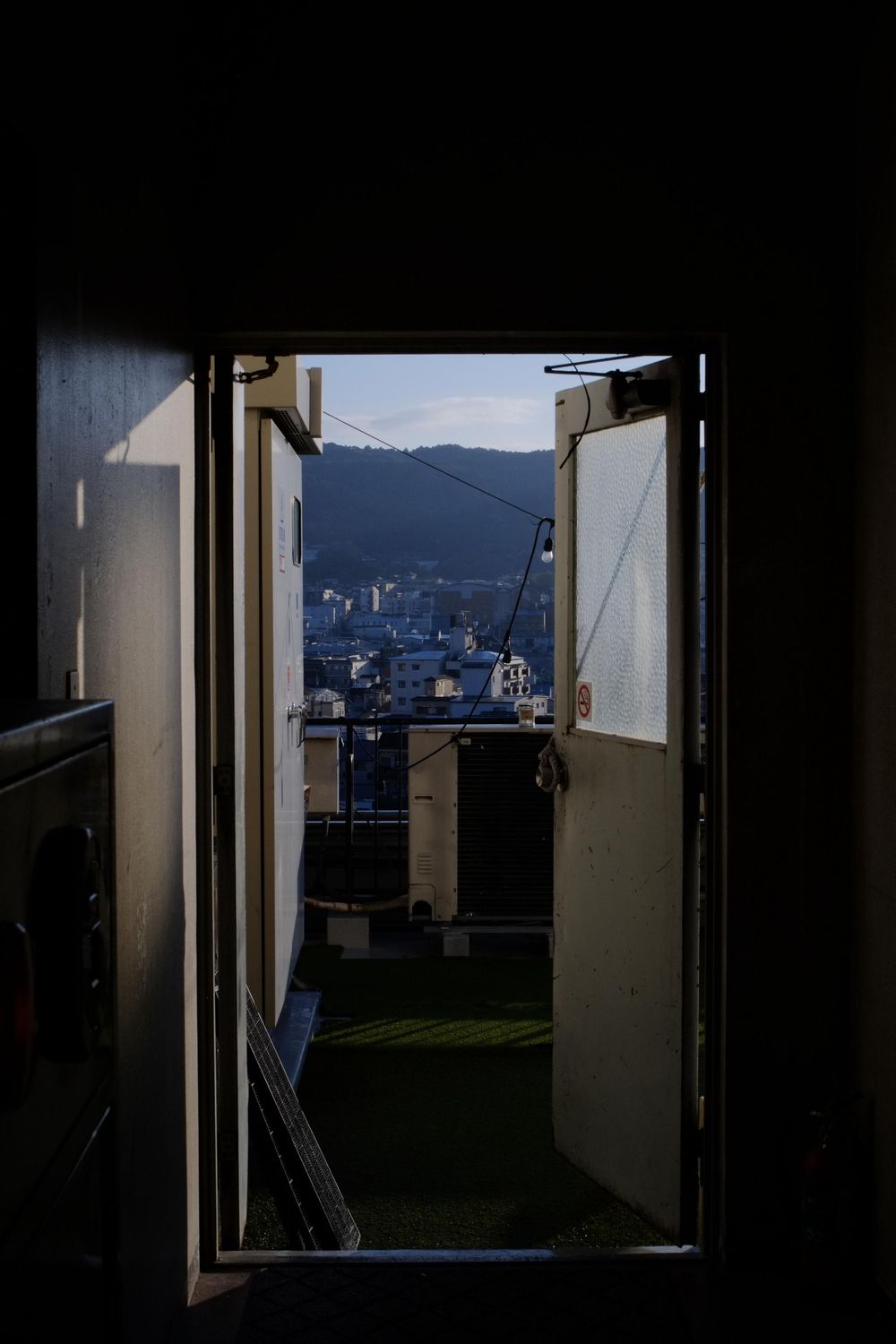
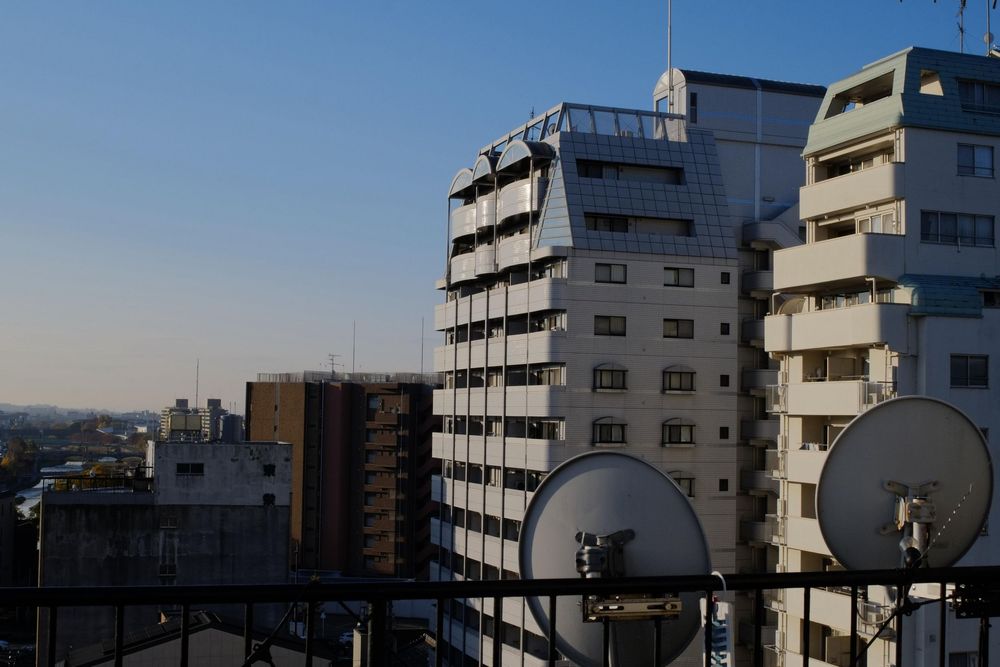
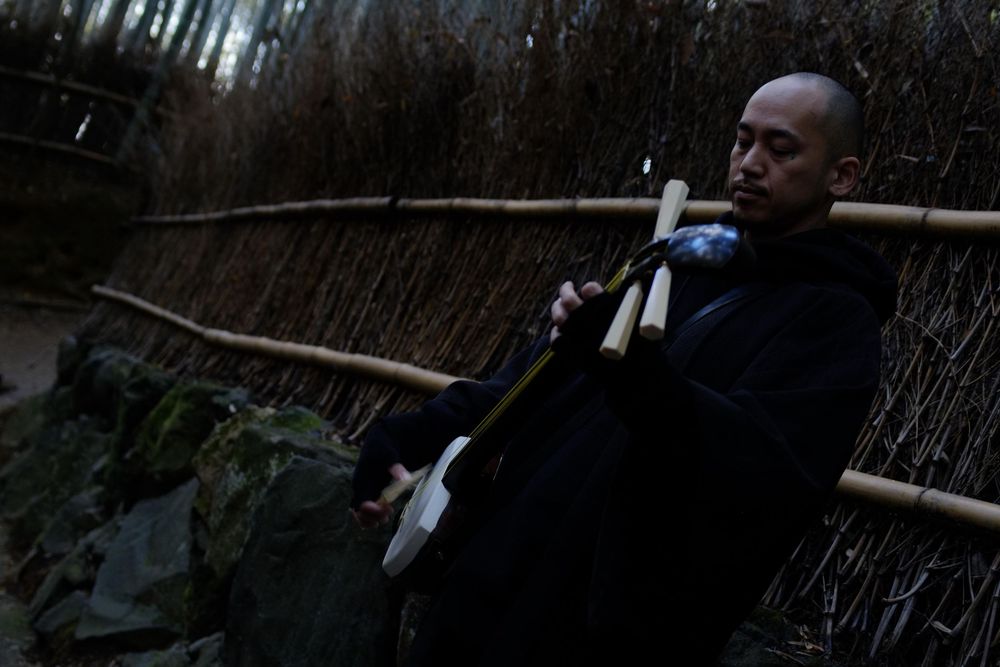
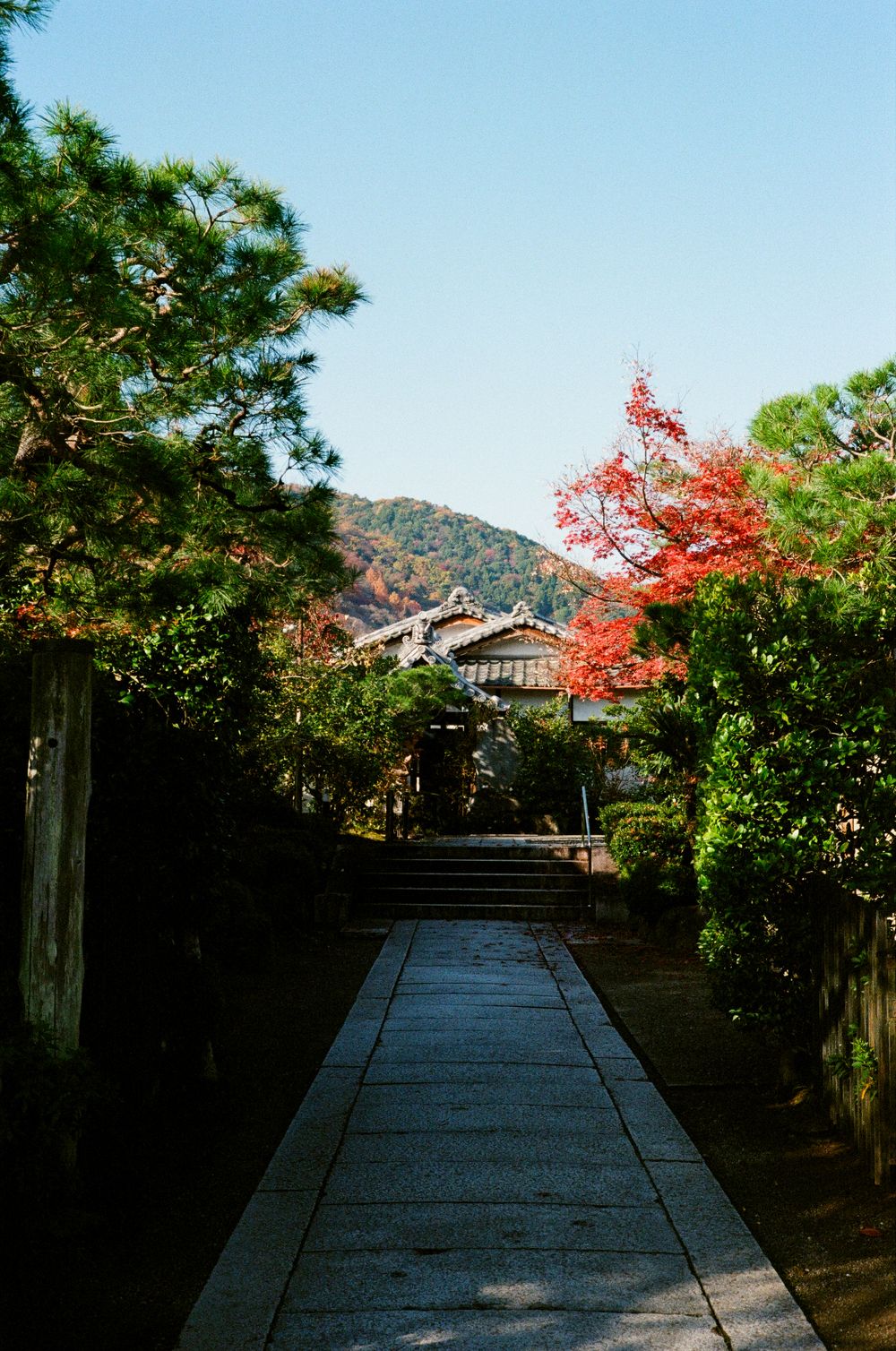
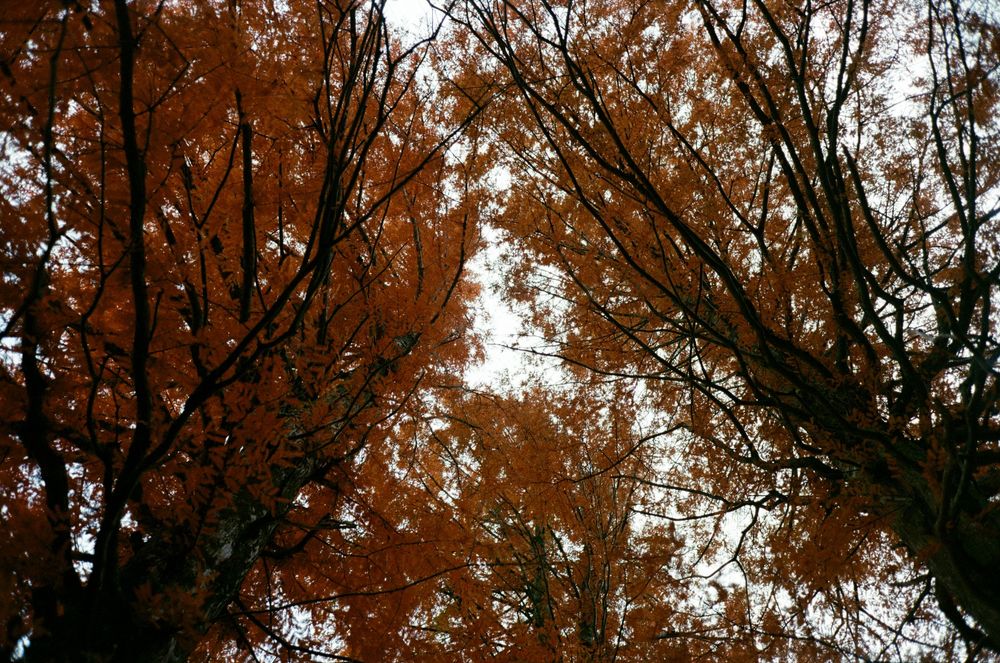
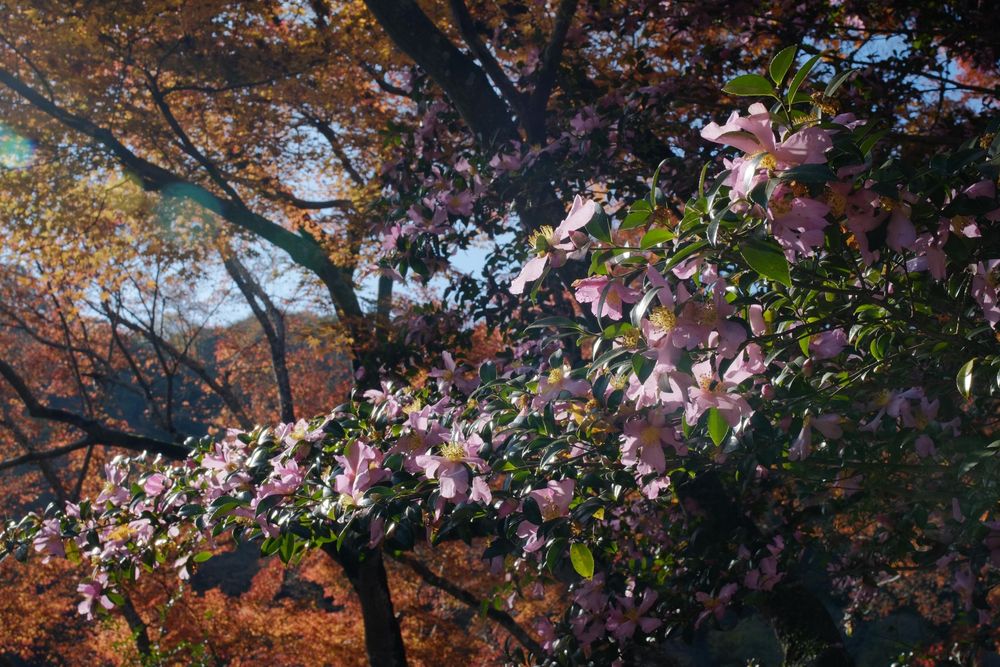
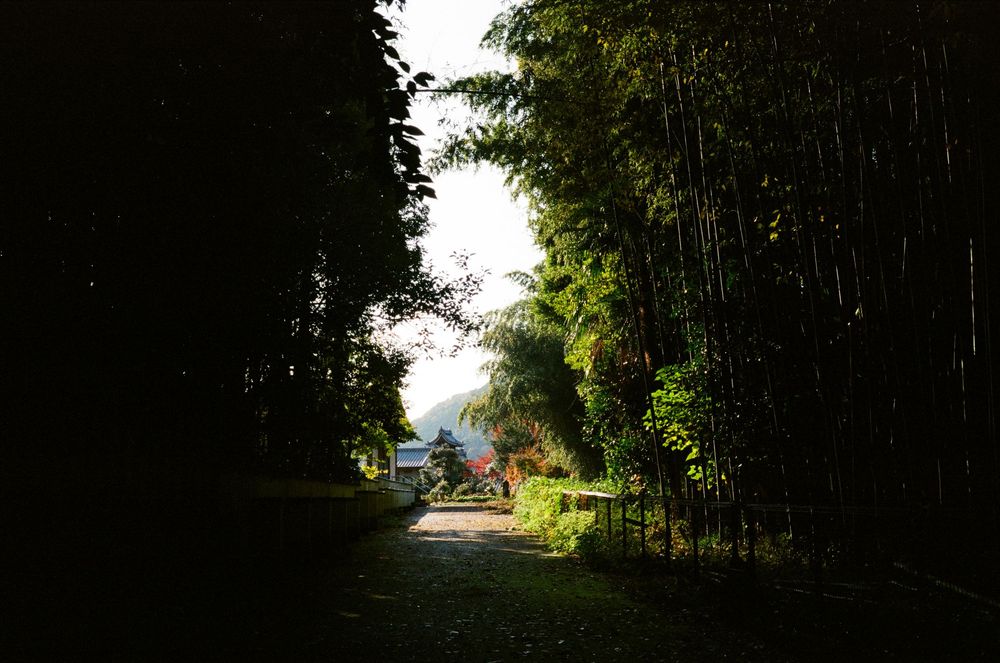
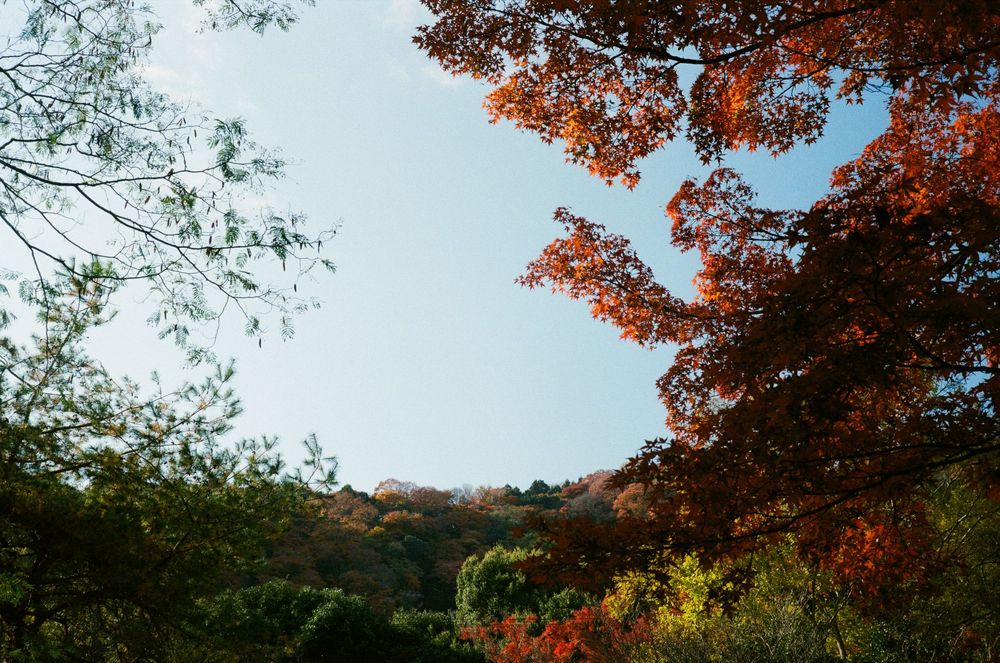
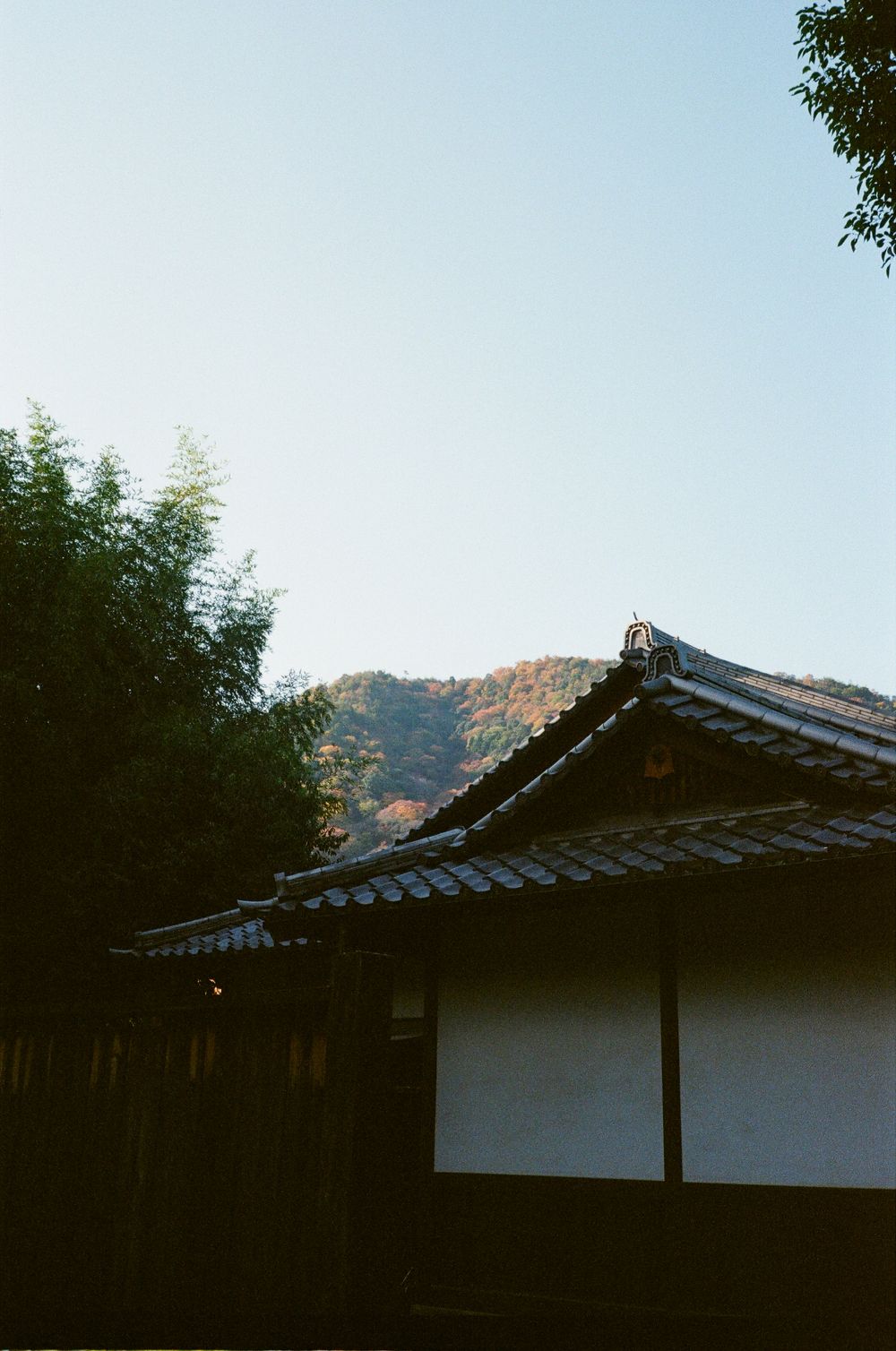
More photos from Kyoto and Hakone
All images © 2020-2025 David Ulloa Studio. All rights reserved.