New York in Ektachrome
Last summer I decided to finally give slide film a shot and packed a roll of Kodak Ektachrome 100 with all the negative film I took with me to England. Over the two weeks that I spent in England I wondered when would be best to use the color reversal film. I finally ended up loading it into my camera in London. While it was more than a little daunting shooting a film with such narrow exposure latitude in a city that I had not visited in two decades, it was ultimately a fun and rewarding experience, one that I wrote about in this blog. After the whole affair, I decided that I would take at least one roll of Ektachrome with me anytime I traveled. There is, for me, something romantic about the thought of making slides while traveling.
Day One, Roll One
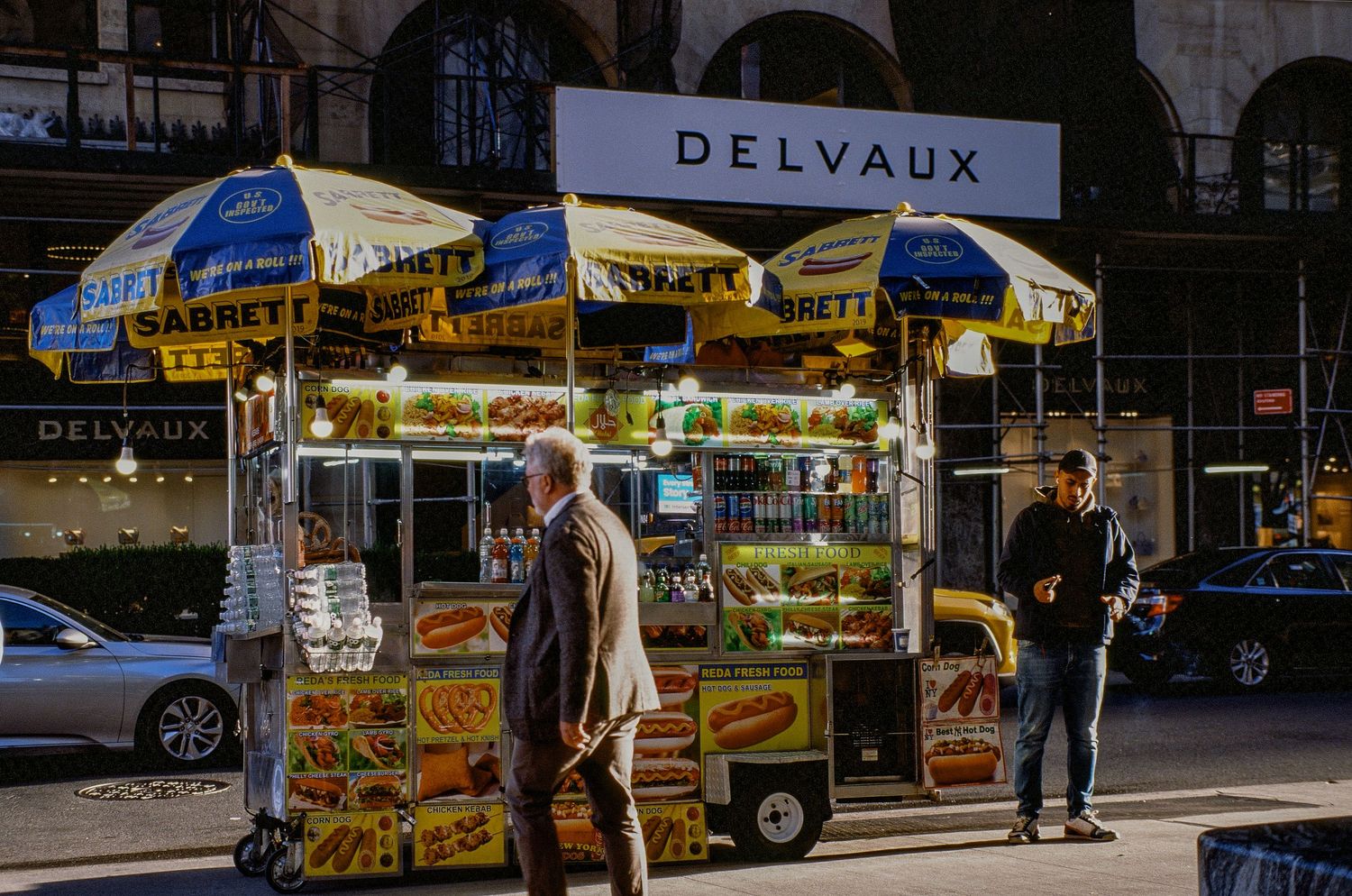
We arrived very late in the evening and Steph and I went out that night, so I had some CineStill 800t loaded up in my Leica M3. Shooting the rest of that roll the following morning was definitely a challenge, but once I finished that roll - just before we hit Central Park - I loaded up some Ektachrome and got funky.
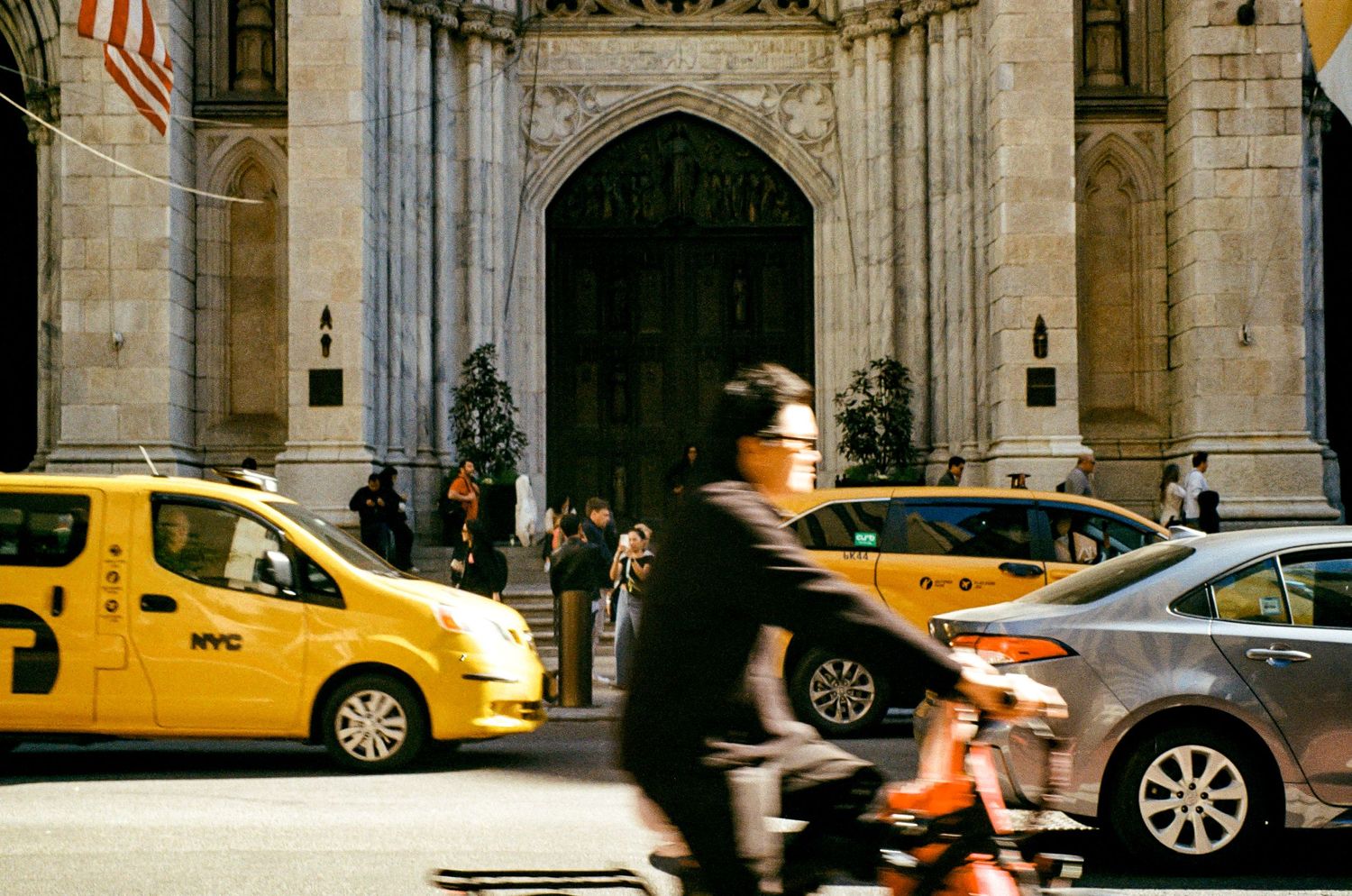
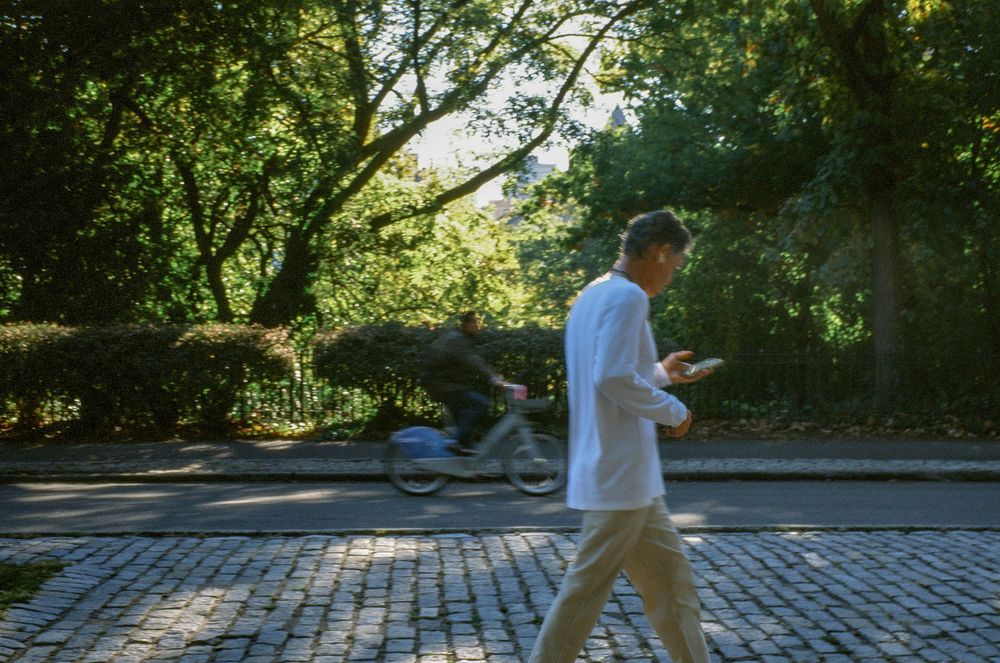
This first exposure of a gentleman looking for some breakfast reminds me of exactly why I love slide. The yellows, and obviously the blues, pop with a 3D like quality. Highlights are controlled beautifully too. Light is captured and represented exactly as it appears in the moment, but even more beautifully.
And having taken what I learned from the Ektachrome I shot in London, I leaned into the contrast of this scene. I metered for highlights and made sure the contrast on the subjects was not too great.
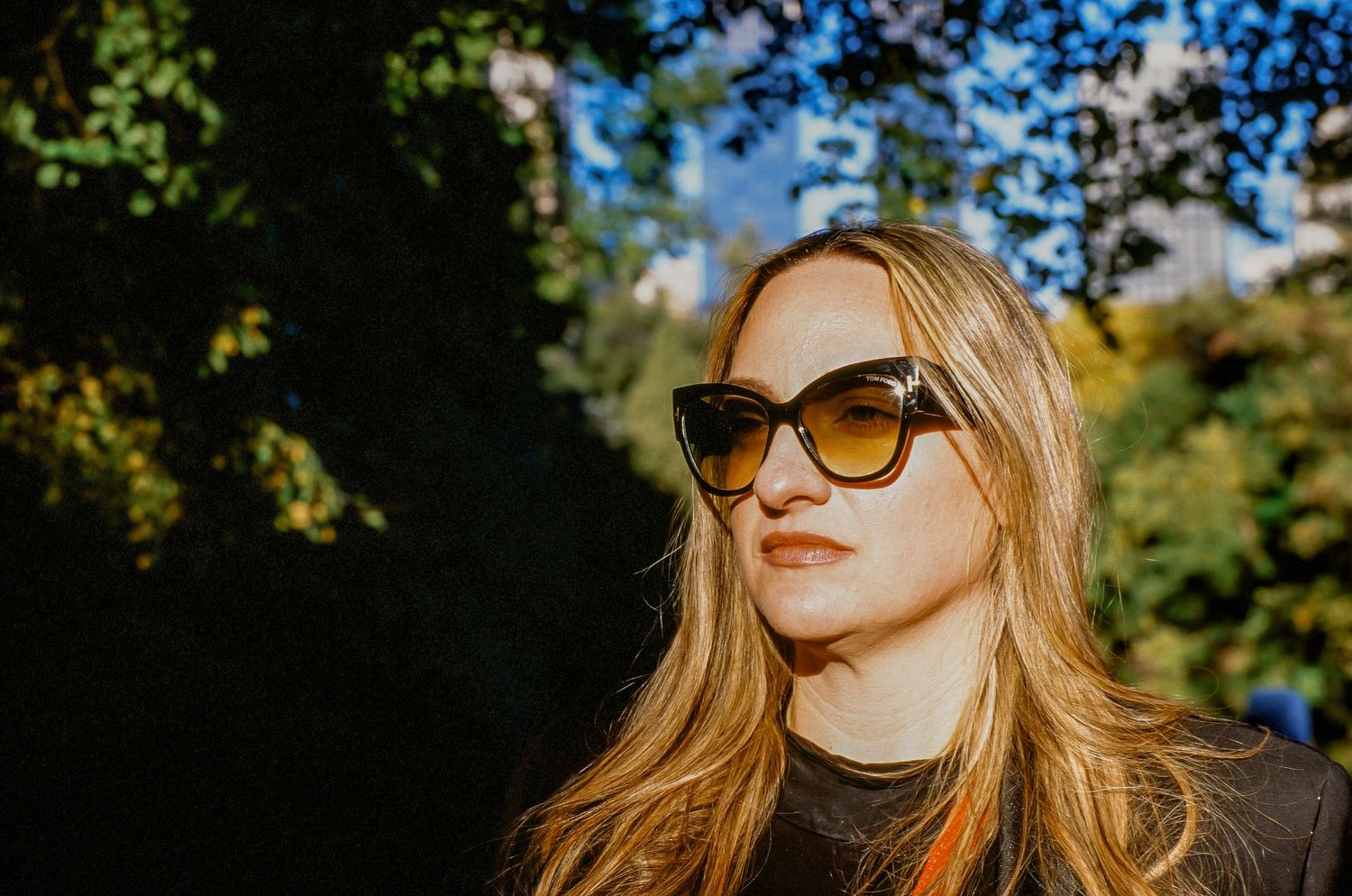
When we hit Central Park, we were coming in from the south. The sun had just started to peak over the trees. I noticed a ray of light falling very near the lake in a location we had stopped at. I asked Steph to take a step backwards and BAM! she was illuminated beautifully.
More than any other film I have used, Ektachrome rewards finding the light. And I was beginning to see this not so much as a challenge as a fun game of light hunting. Here's a potential spot, but if you take two steps to the left and I shift 45 degrees this way...it really was the sort of strategizing that I wasn't having to do with color negative film. And I think that is part of the equation. In part one of this Adventure in New York series I detailed how I approach black and white film differently than I do color film. But the same can be said of color reversal and color negative film.
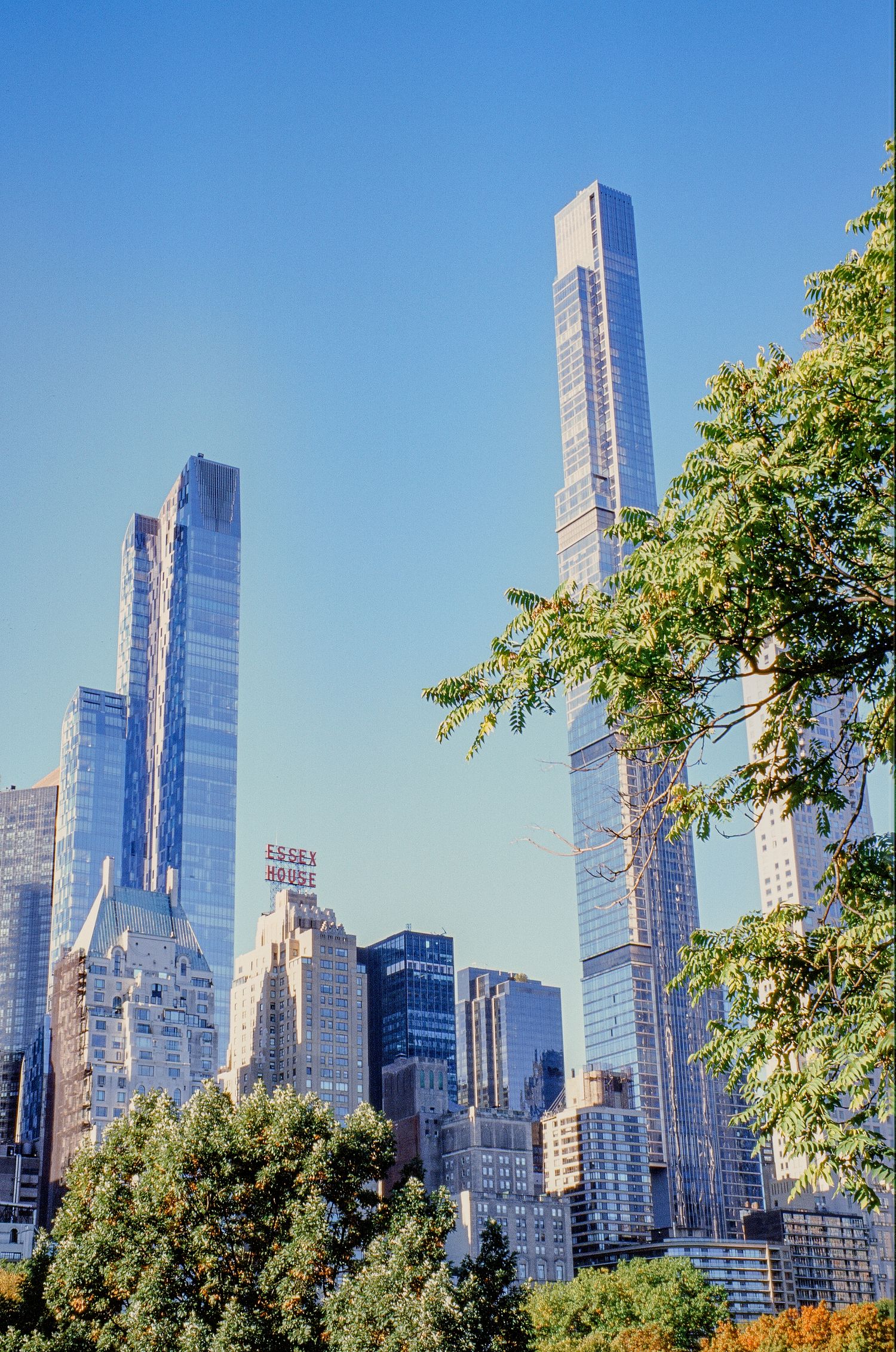
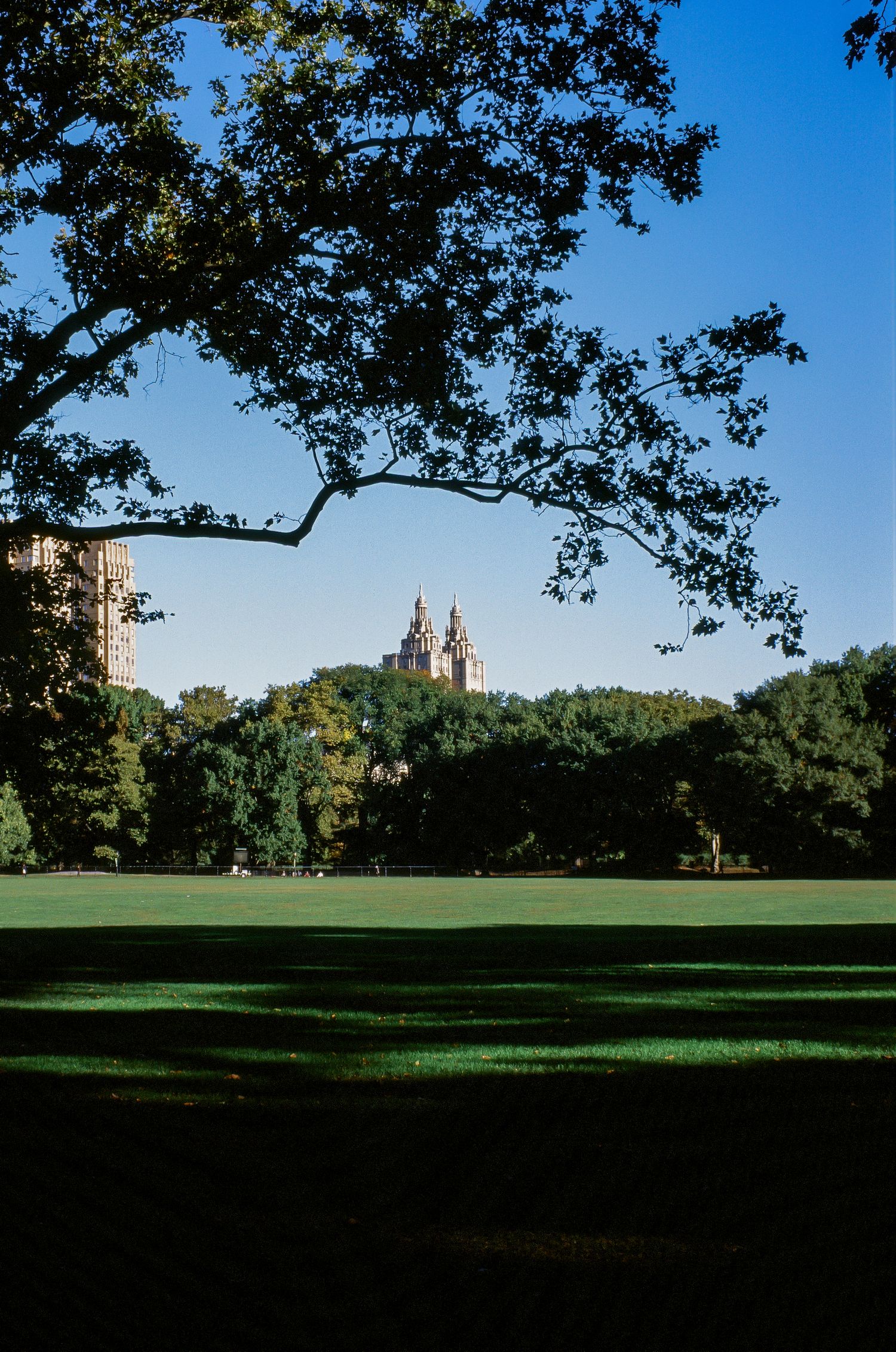
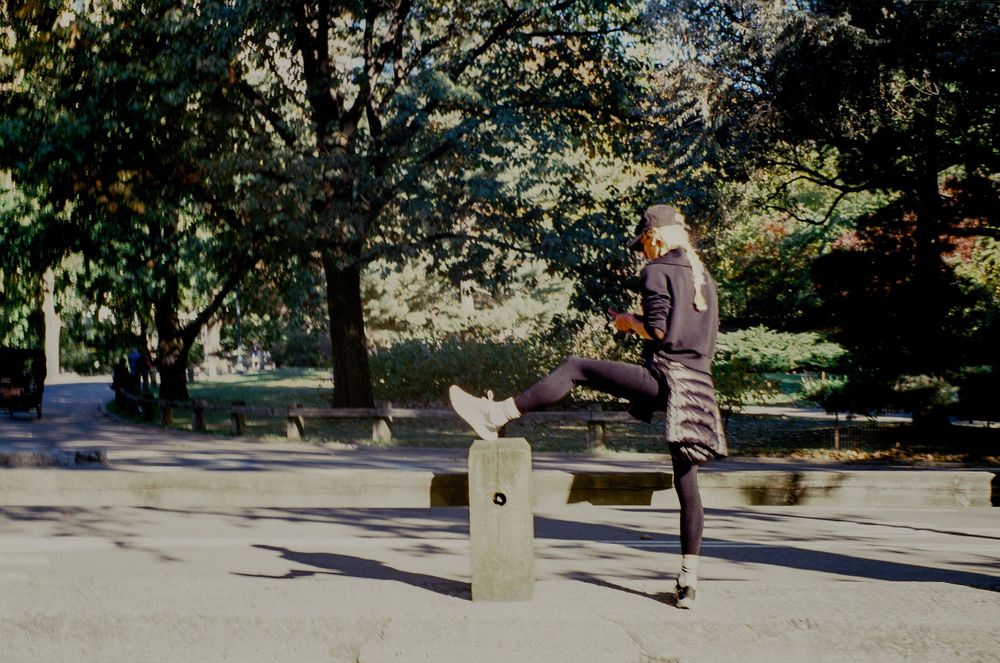
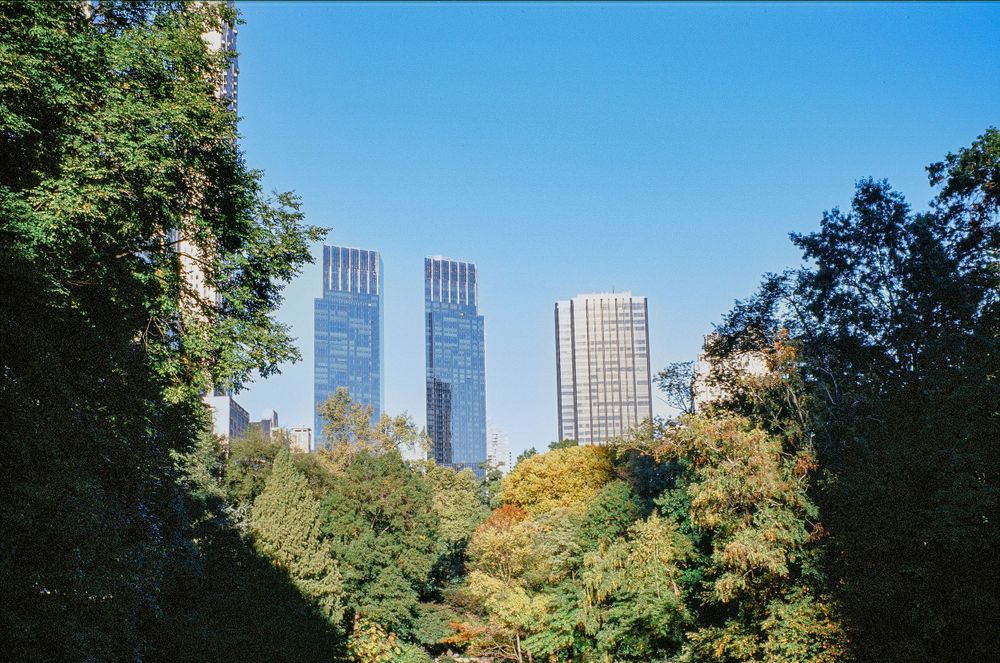
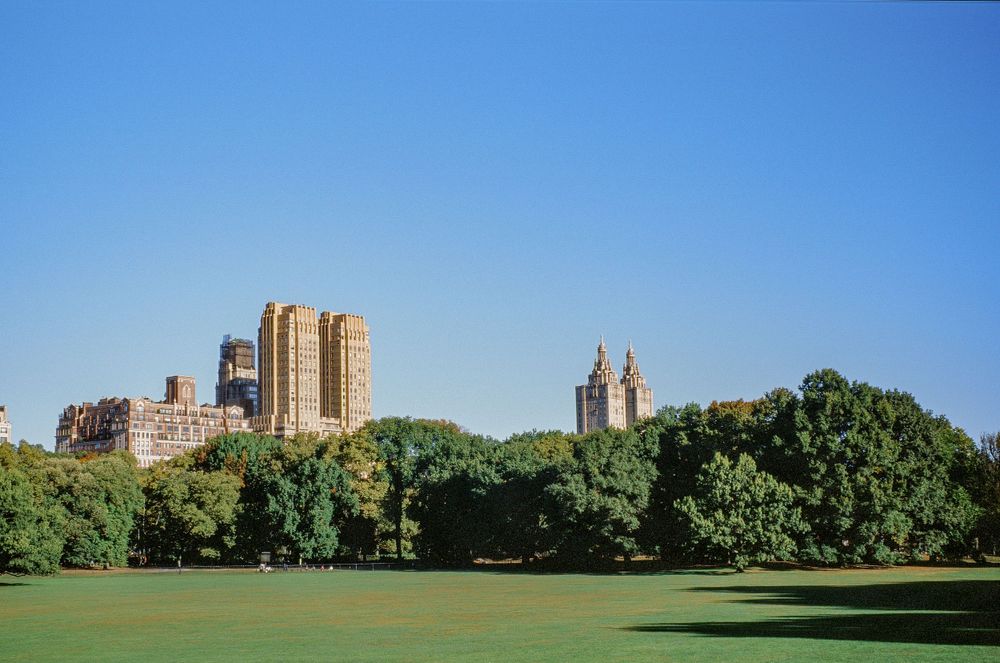
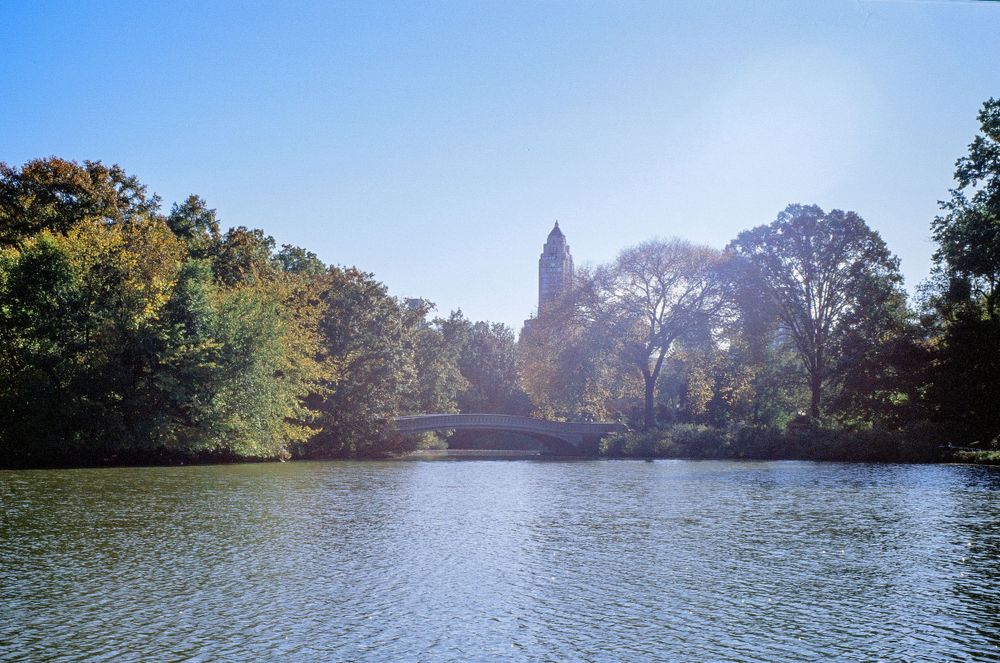
As we walked through the park I was finding that looking through the viewfinder of the M3 was giving me an experience I had never had before. Having shot SLRs for so long, even Leica SLRs, I was able to better see how light was playing with each setting in a way I hadn't seen before. In fact, I had two cameras strapped to myself, the M3 and my Leicaflex SL (mounted with a 28mm and loaded with some Kodak Pro Image 100) and while I love the viewfinder on the Leicaflex SL, I was enjoying chasing light significantly more with the M3. It was helping me find compositions that would work specifically with Ektachrome. Like the two above. The even lighting of the skyline and tree line, coupled with the way light was reflecting off the buildings and leaves was easier to see in the M3. It makes no sense. It shouldn't make a difference. But it's true. The same thing happened with the second of those photos. The contrast was easier to see. And thankfully the TTArtisan Light Meter II, my companion for the M3, meters exactly how I want it to every time.
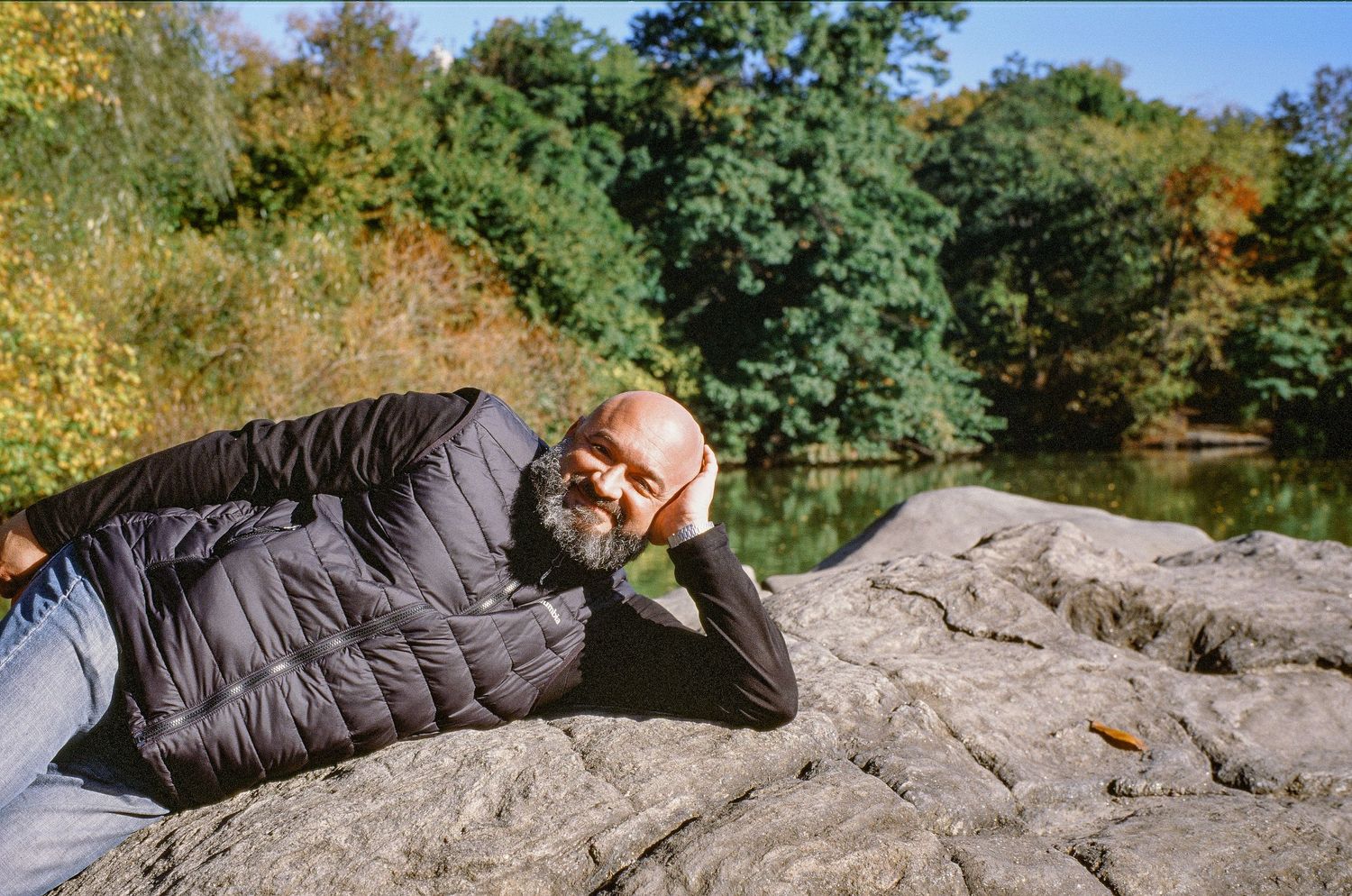
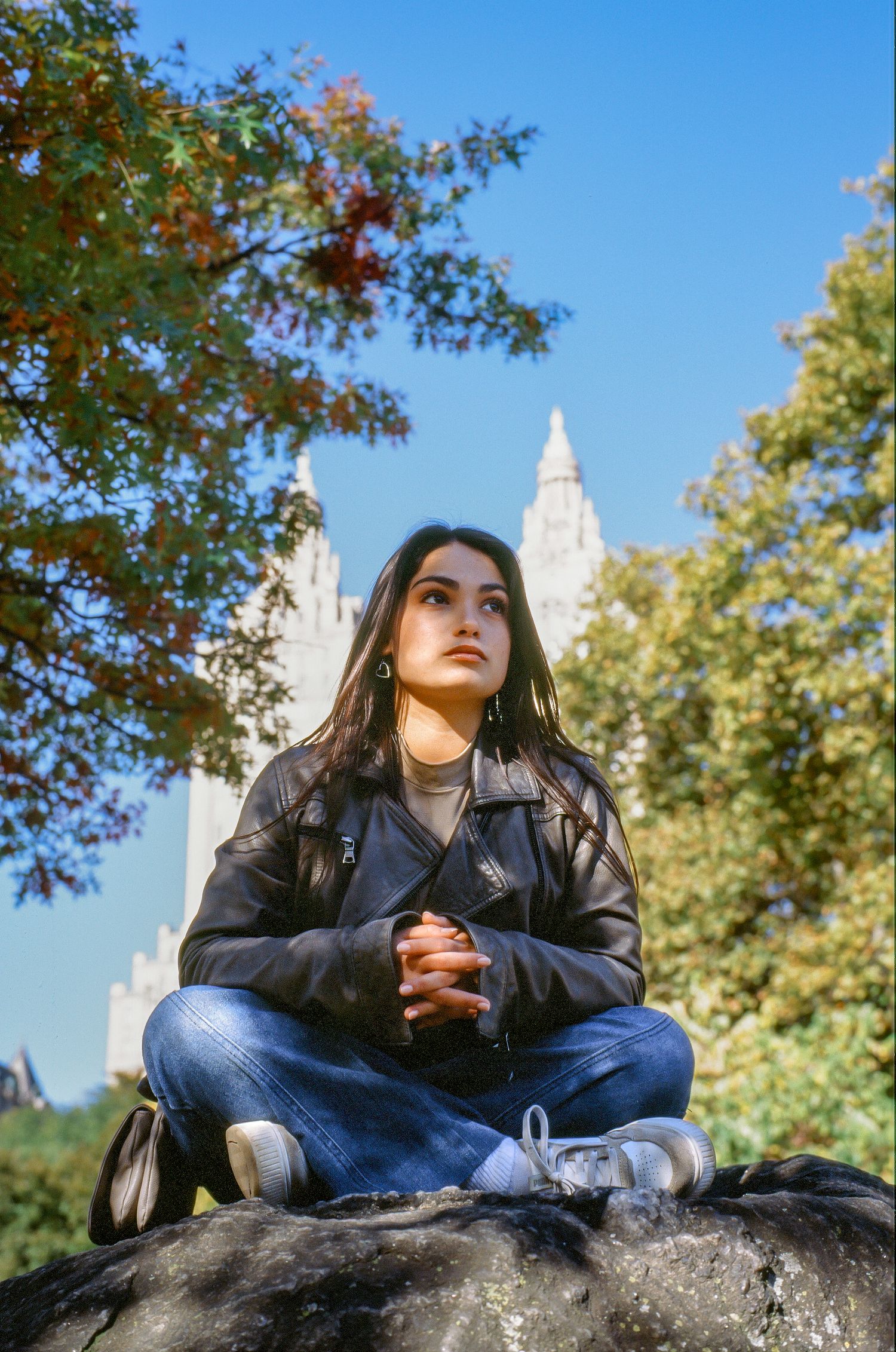
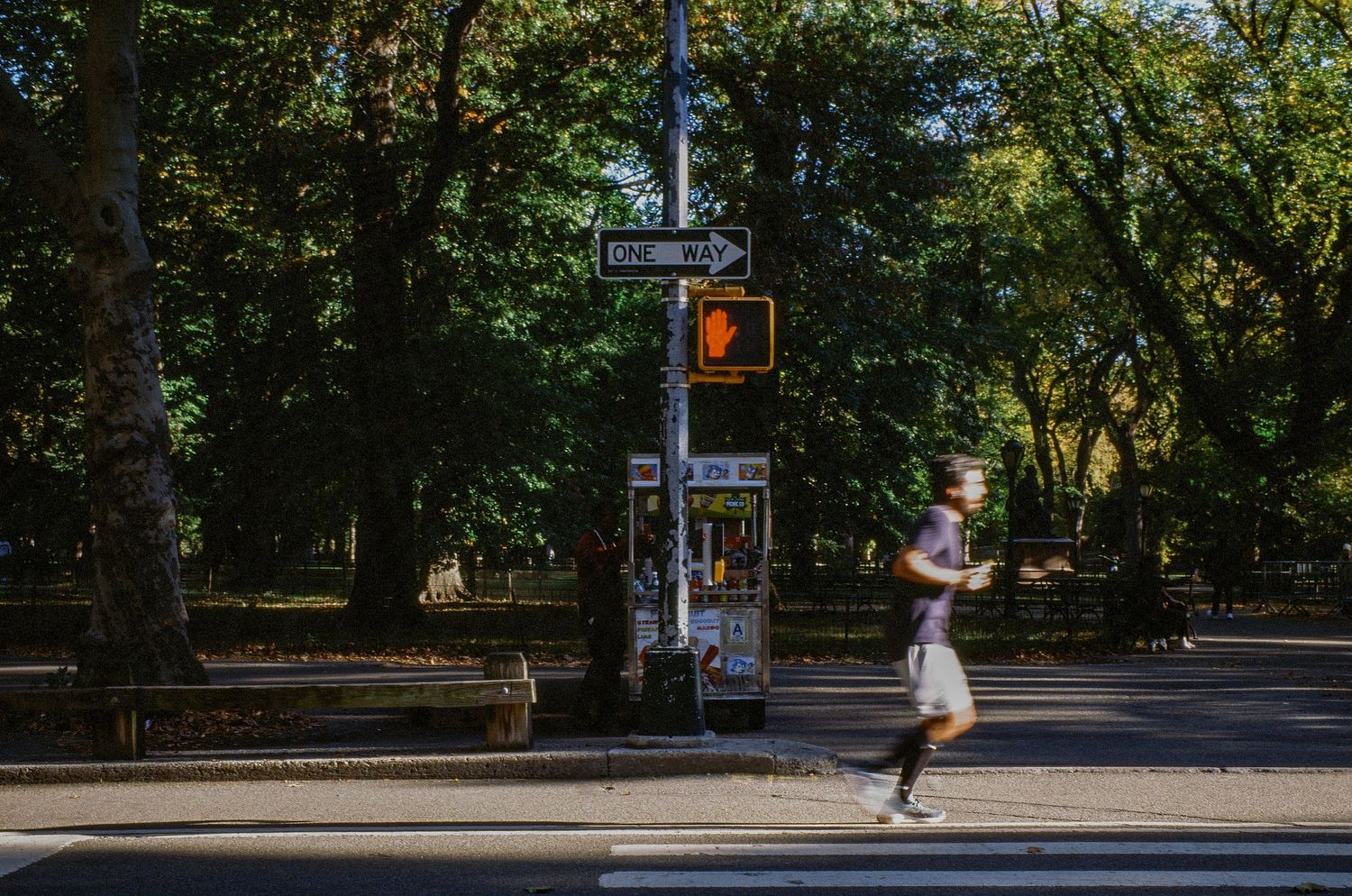
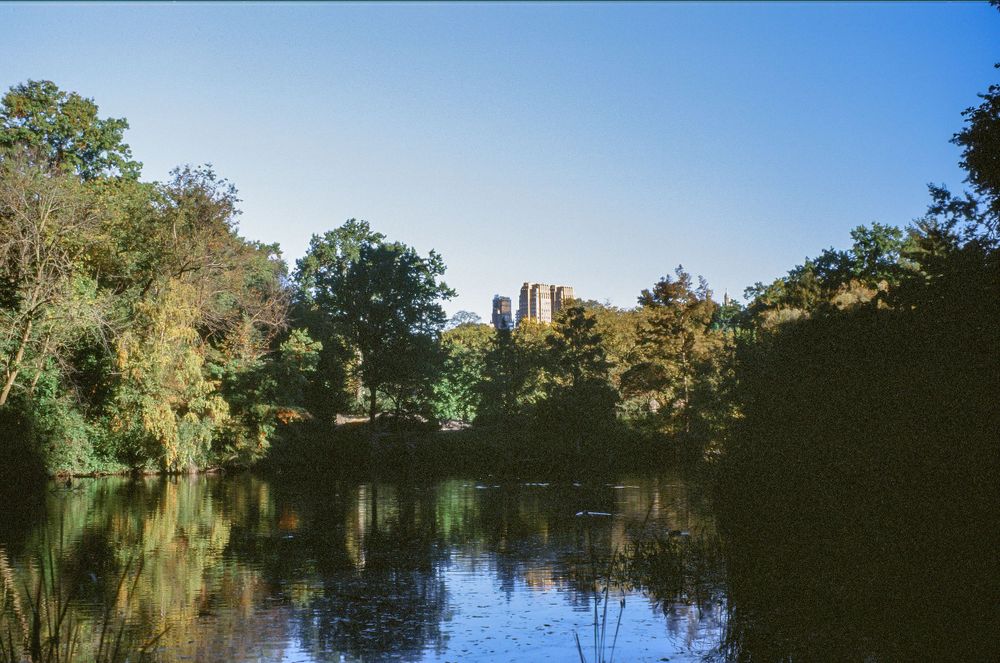
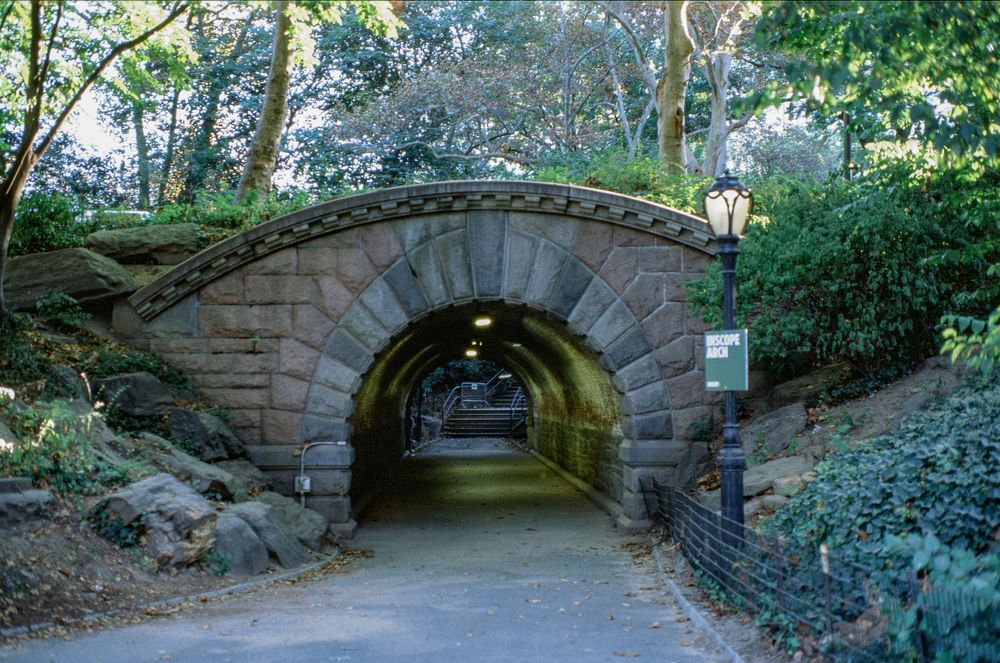
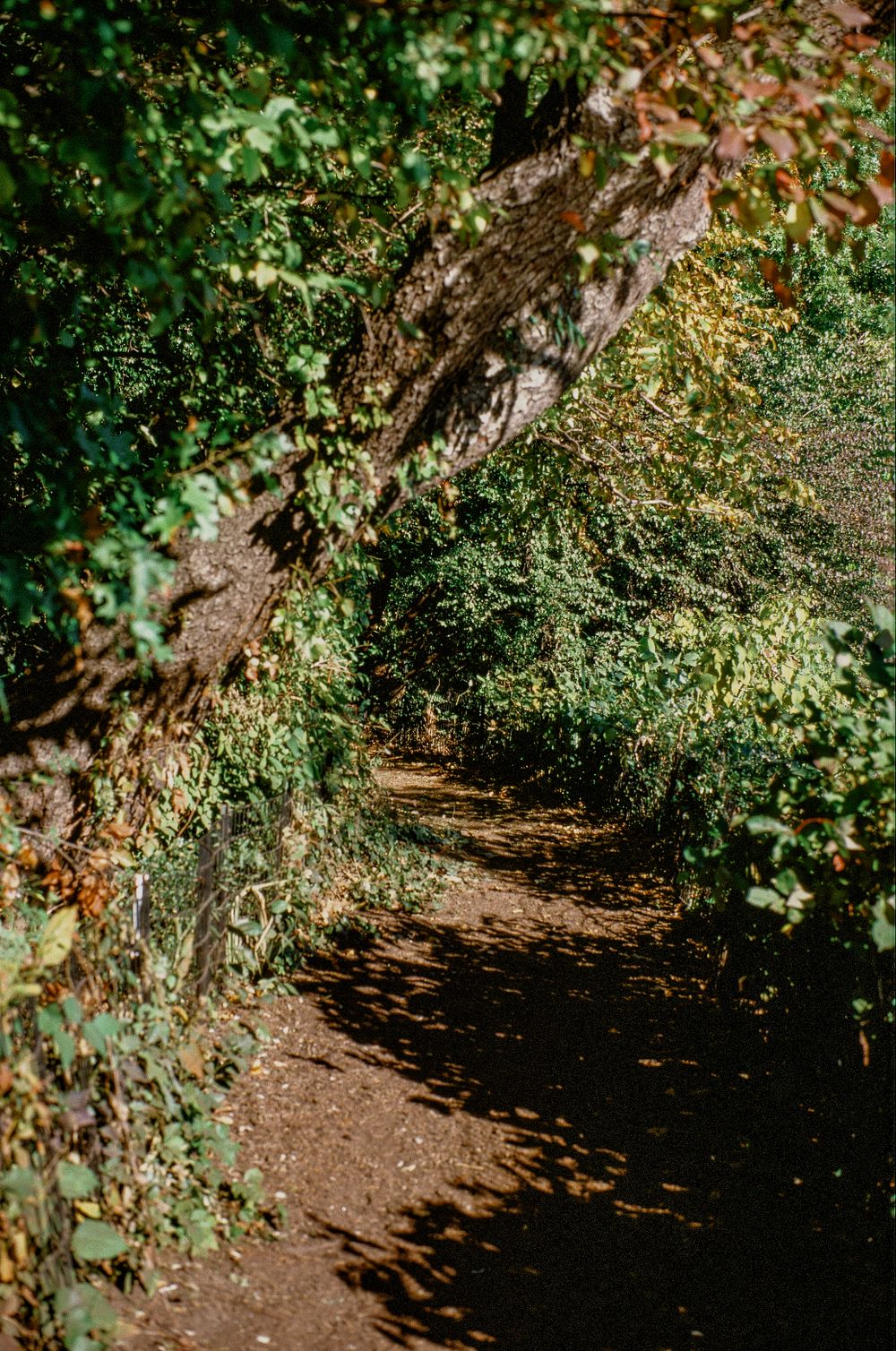
I got 39 exposures out of that first roll and I'm happy to say that I was able to nail exposure for each and every one. I worked through that roll all throughout Central Park and am so glad that I chose Ektachrome for this morning. The greens and blues pop so beautifully. Skin tones are recreated accurately and shine in the best way possible when under sunlight. I can't think of a better film to have used that morning.
Day Three, Roll Two
After finishing that first roll of Ektachrome I turned my attention to other films. But by the time the third day of the trip came around I was ready to shoot some more slide. This day had been very loosely planned as a sightseeing day. We would be going into Downtown and FiDi. I decided I would approach this roll with more of a street photography approach than the previous one.
I wondered if I was throwing away a pretty expensive roll of film by doing this. Street photography is all about taking chances, being in the moment, and experimenting. At least it is for me. And when every exposure is costing so much, that can be hard to stomach. But I committed to it. I wanted to see how Ektachrome held up for street photography.
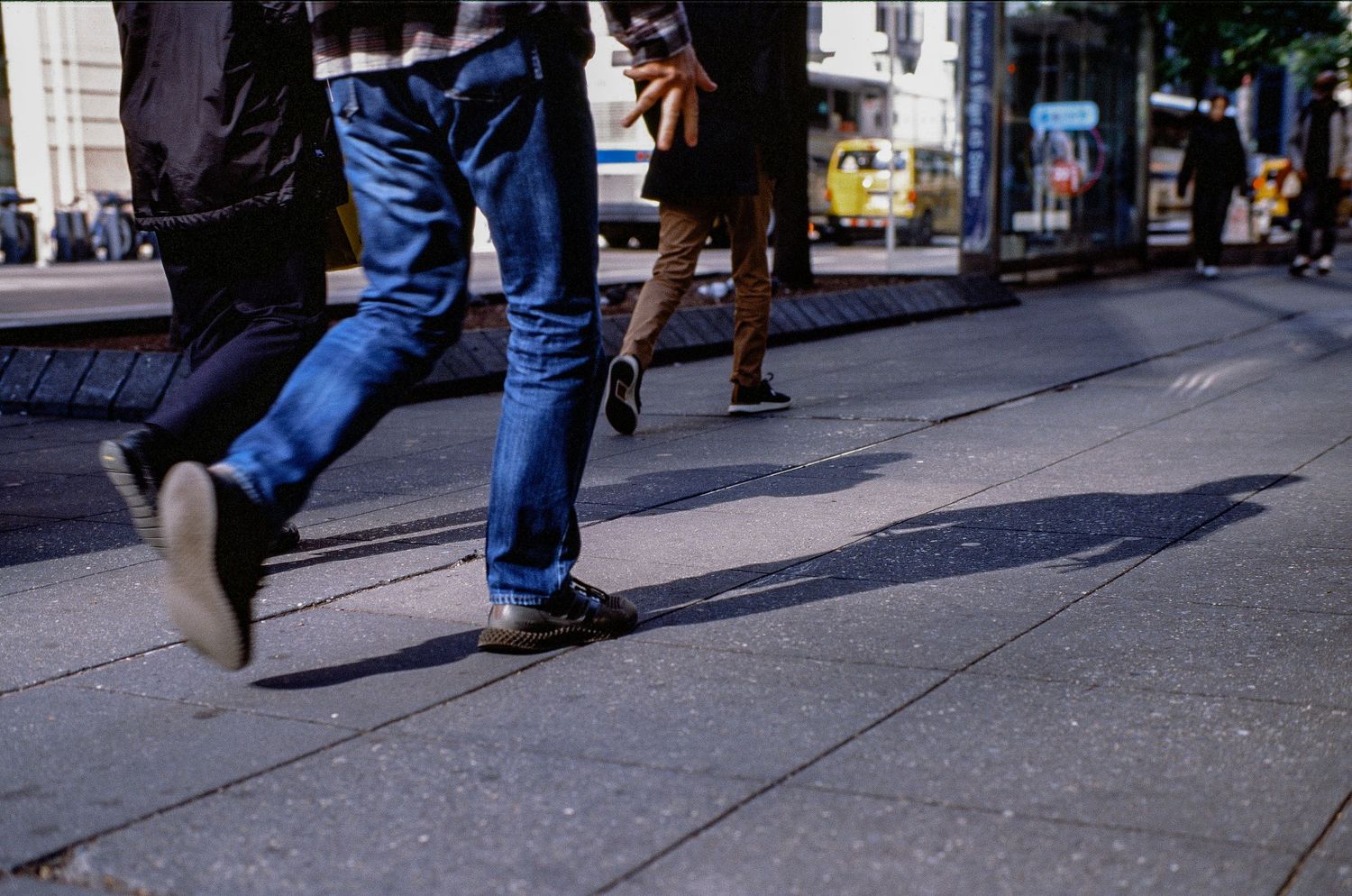
The results were surprising. I shouldn't have been surprised. I've loved this film for a long time. This first exposure was one I took a chance on. These folks were walking by quickly - it is New York City after all - and in my mind it would only work with precise composition. I had to get the foot stepping in focus and the entire shadow cast by the body to have the subject in frame. I wanted to add some motion to the image, so I needed to stay away from the fastest shutter speeds. And, of course, I needed to make sure that I nailed exposure. This may have been the most challenging photograph I made in my entire time in New York City and am incredibly happy with the results. Not just with the composition and exposure, but with the fact that Ektachrome managed to capture the colors and vibrancy of Manhattan in a way no other film could have.
There's another aspect to making street photographs with Ektachrome that must be addressed as well. Because of the classic coloring of slide film, photos end up taking on an almost timeless quality if the photographer is careful. This is a quality I try to bring out in much of my photography, and I imagine I'll be making more street photography with Ektachrome moving forward because of this.
This photo taken as an example, there is exactly one tip off to the time in which this photograph was made: the woman taking a selfie in the background. Sure, one could analyze the sliver of cars in the background and deduce their contemporary age, but that is very minor. In every way, this is a timeless image save for the selfie taker in the back. This timelessness is possible because of Ektachrome and is something I want to explore further.
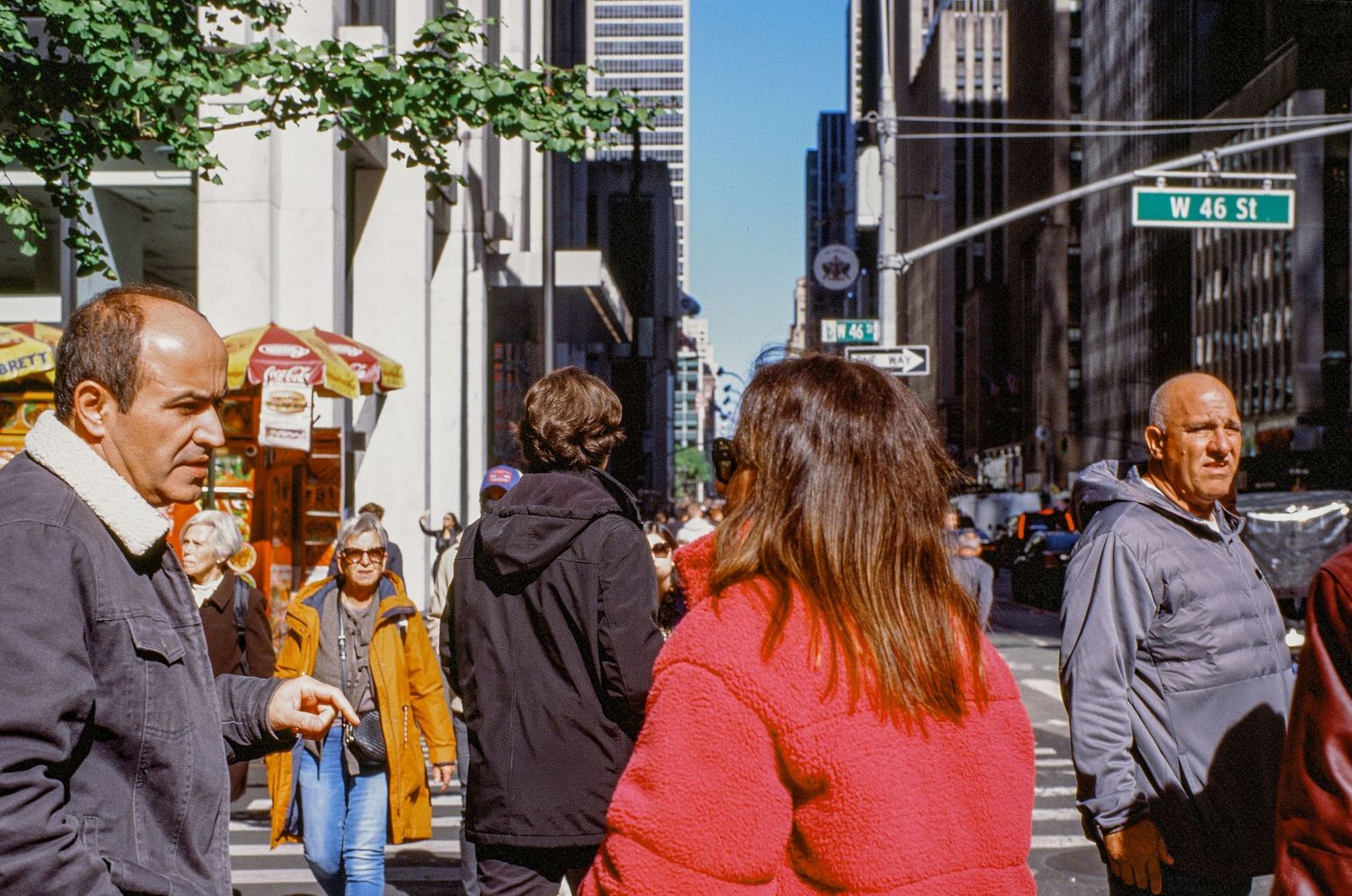
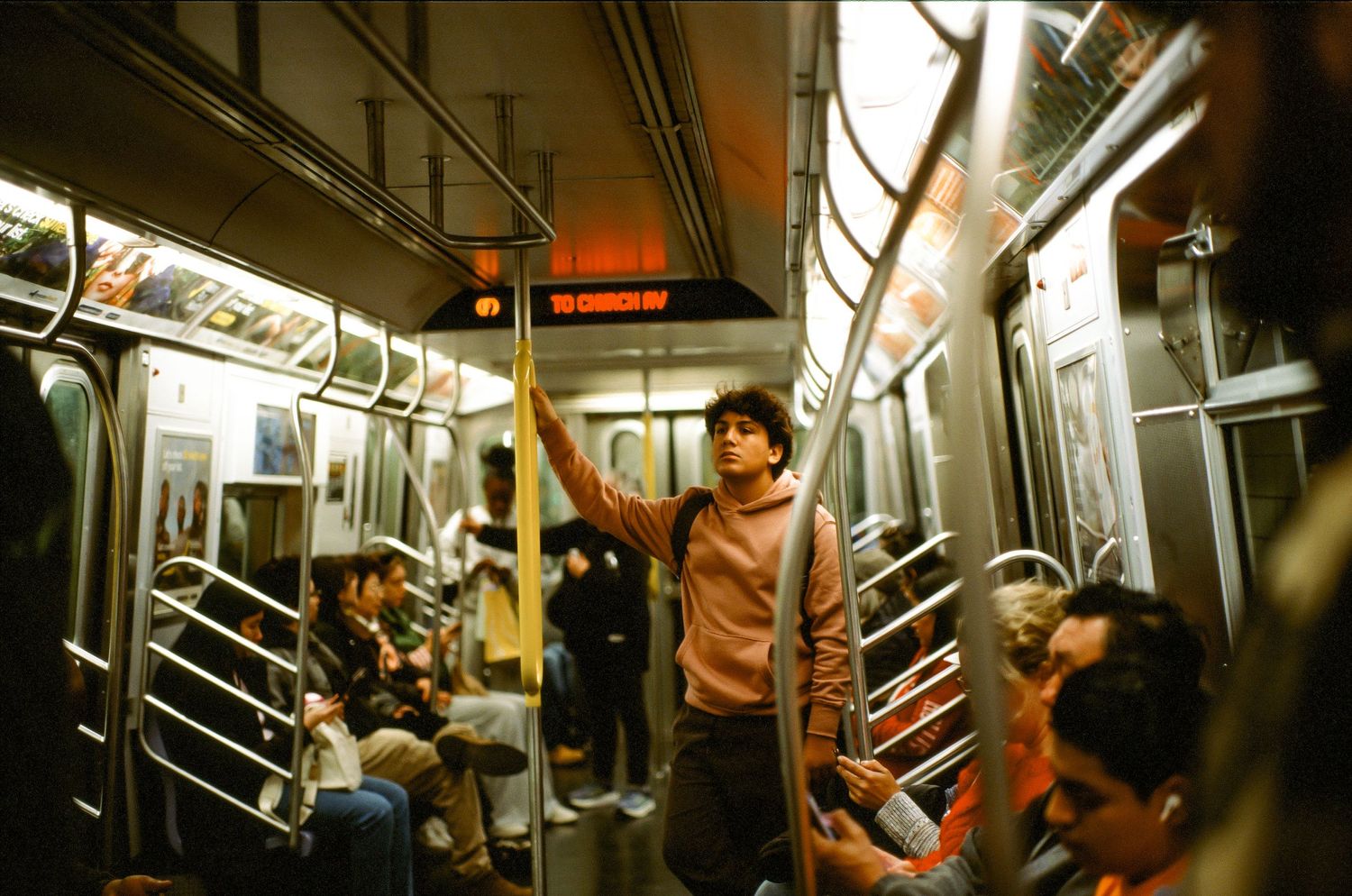
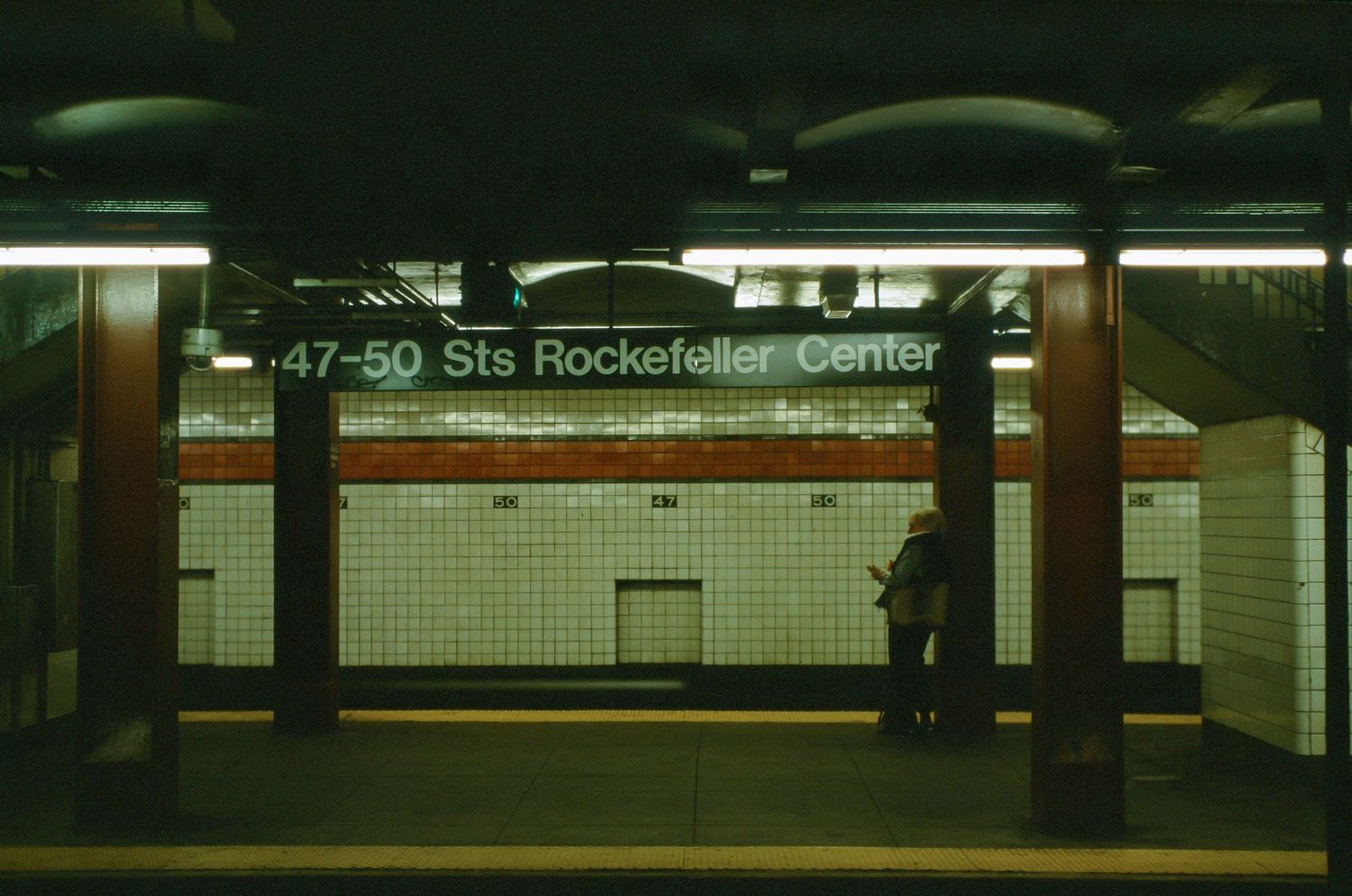
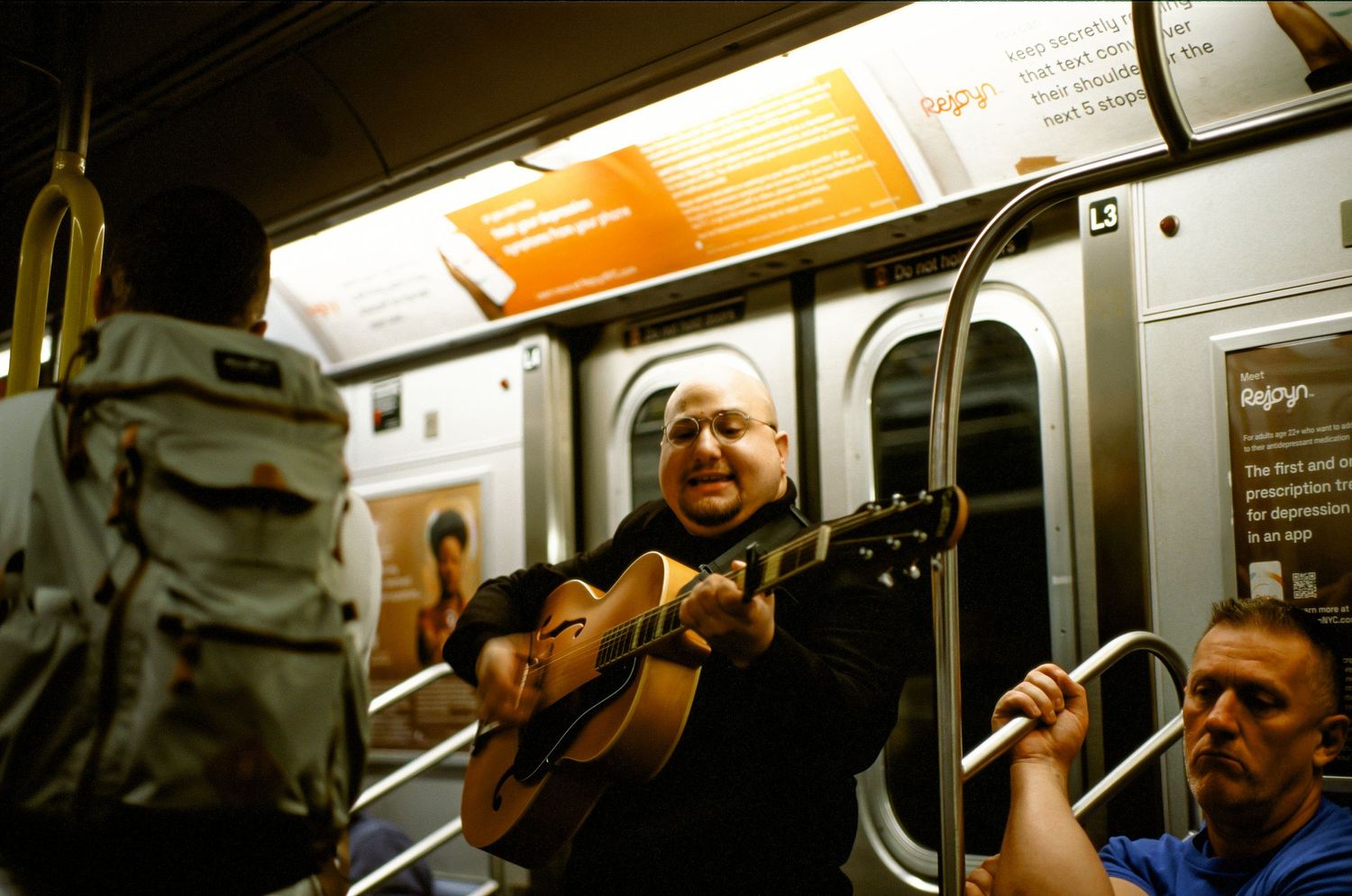
Possibly what was most surprising to me, and again this shouldn't have been - was how well Ektachrome worked with artificial light. Ektachrome is a daylight balanced film, meaning that it is meant to be shot in natural light. However, these shots from within subway stops and train cars show that Ektachrome handles artificial light as well as any tungsten balanced film does. I did do some white balance correcting in the second of these, with the Rockefeller Center stop, but otherwise these are untouched by white balance correction, only my usual editing. Without a tripod it can be difficult as these shutter speeds were pretty slow, but thankfully I have a steady hand. And this is another benefit of the M3 and all rangefinders over SLRs: the lack of a mirror slapping up into the prism assures minimal camera shake upon releasing the shutter.
Possibly due to how I metered or the amount of contrast in the compositions, or even with the lenses themselves, these photographs turned out more balanced in temperature than those I made in London. In fact, with few exceptions, I am simply not seeing the blue cast that I saw with my London slides. Maybe it has to do with the conditions themselves. There were so many clouds in the skies over London, but New York was uncharacteristically sunny and cloudless. The days could not have been any clearer, in fact.
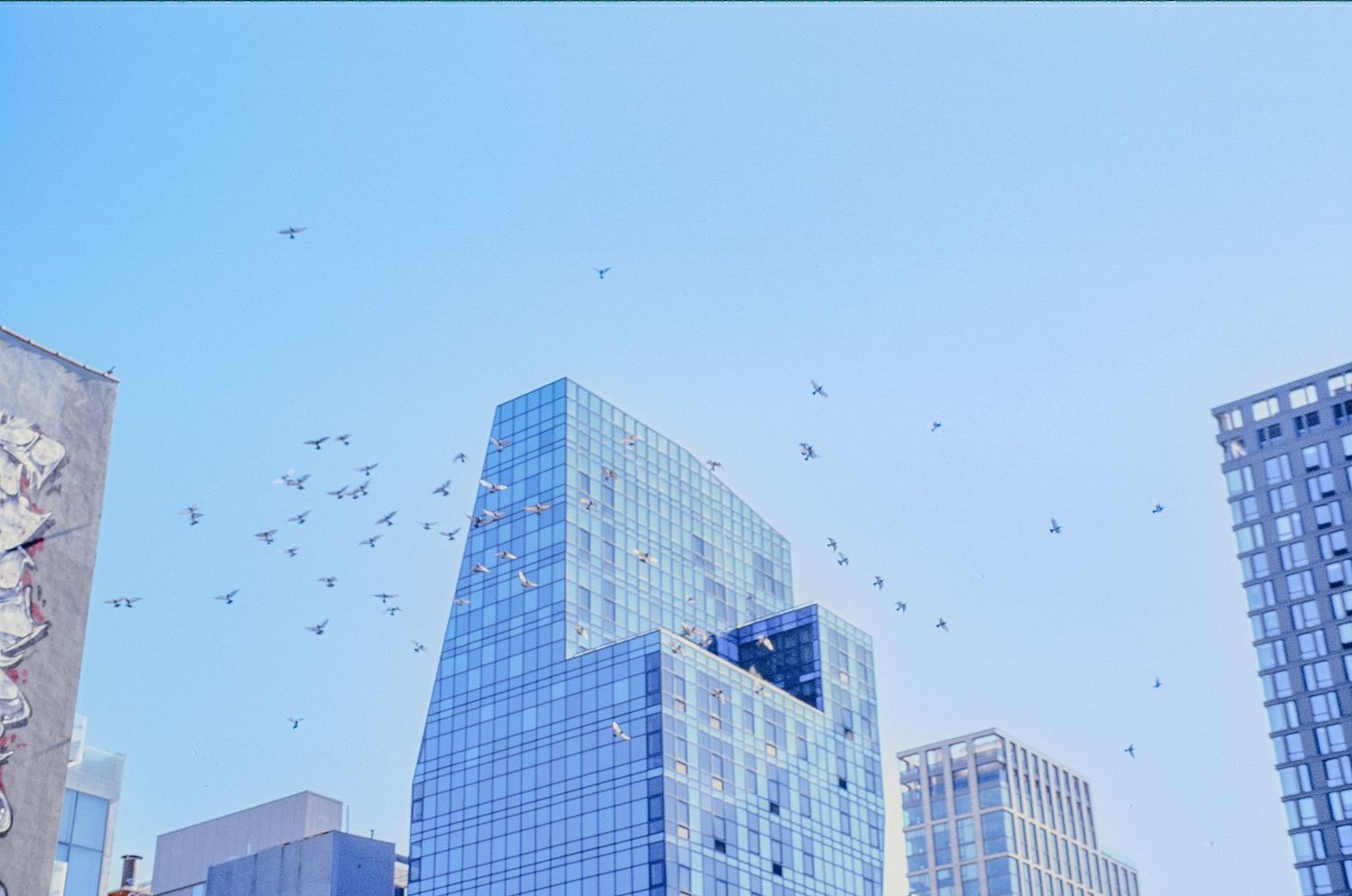
This one of pigeons taking flight from a busy intersection in FiDi is a perfect example. Yes, there is a lot of blue as the buildings are reflecting the very pale blue sky, but the other colors are not overly cool in temperature. It is, in fact, very balanced. I found that this made me fall deeper in love with Ektachrome for general purpose.
Final Focus
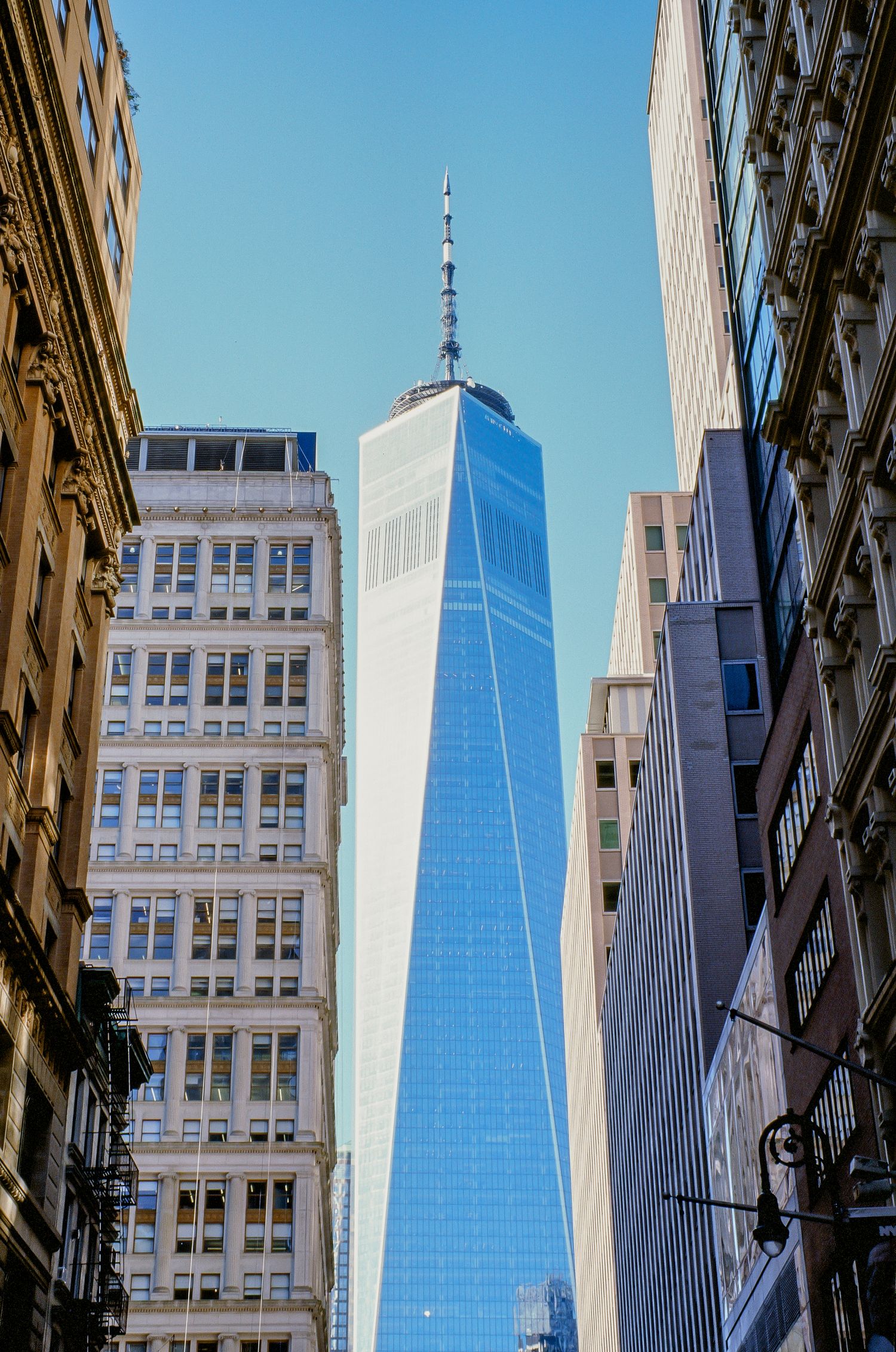
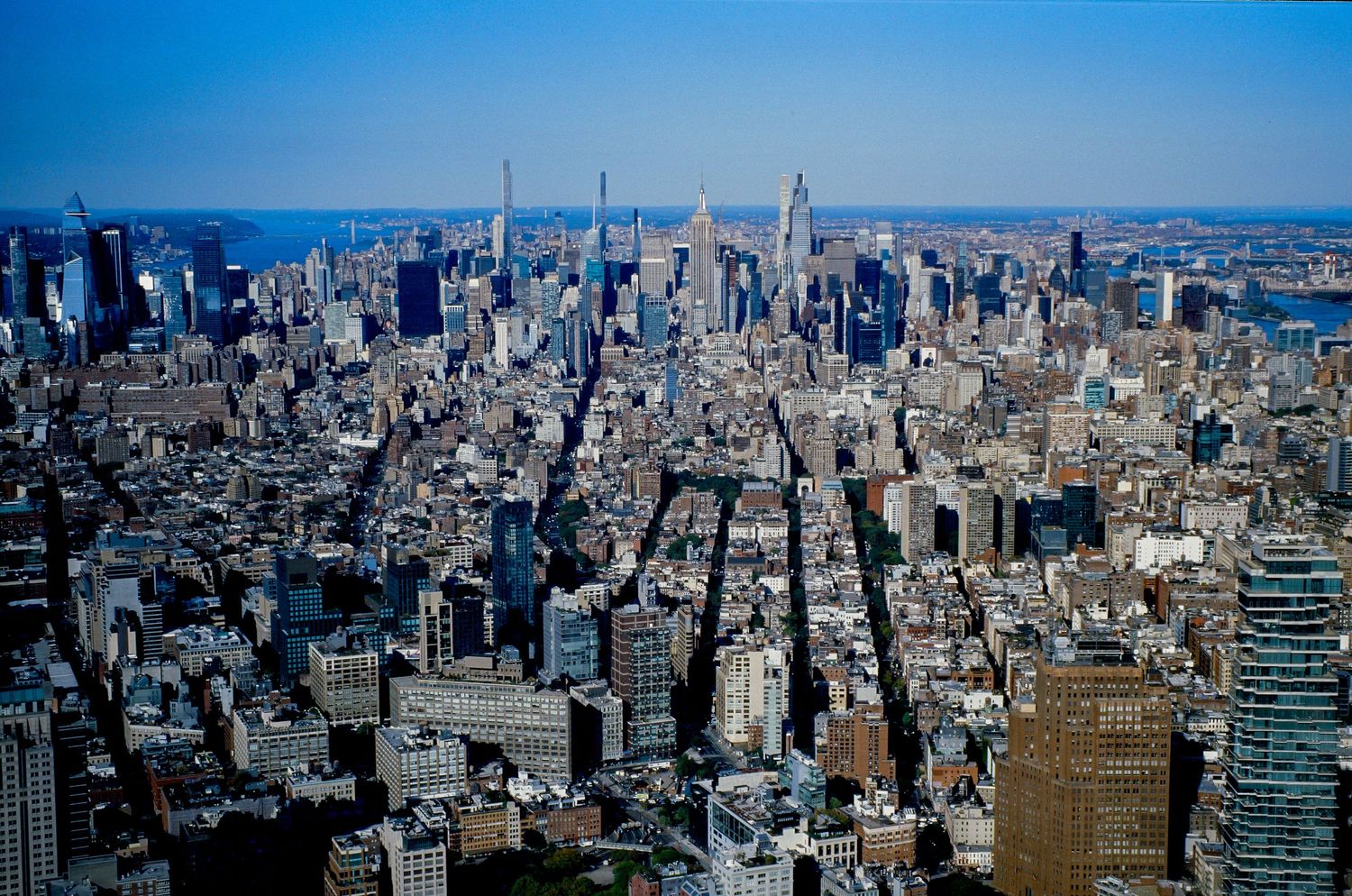
I finished this roll, quite fittingly, at the top of One World Trade Center. I had been in New York City many times since the completion of this amazing structure and had never made my way to the top. Maybe its the emotionality of it, the memories of what occurred there, but I hadn't been able to do it. My students, however, wanted to get to the top and see the city from this vantage point. Of course, I acquiesced. Once I got to the top I was amazed. I had years ago climbed to the top of the Empire State Building and seen the incredible view, but this was something else.
I'm grateful for having had a few exposures left in this roll because, as I've written before, there is something romantic about capturing New York on slide film. The stories playing out by the thousands beneath us were impossible to imagine. Was the city really this big? Was I really so small? Almost Lovecraftian are the thoughts that come about from this height.
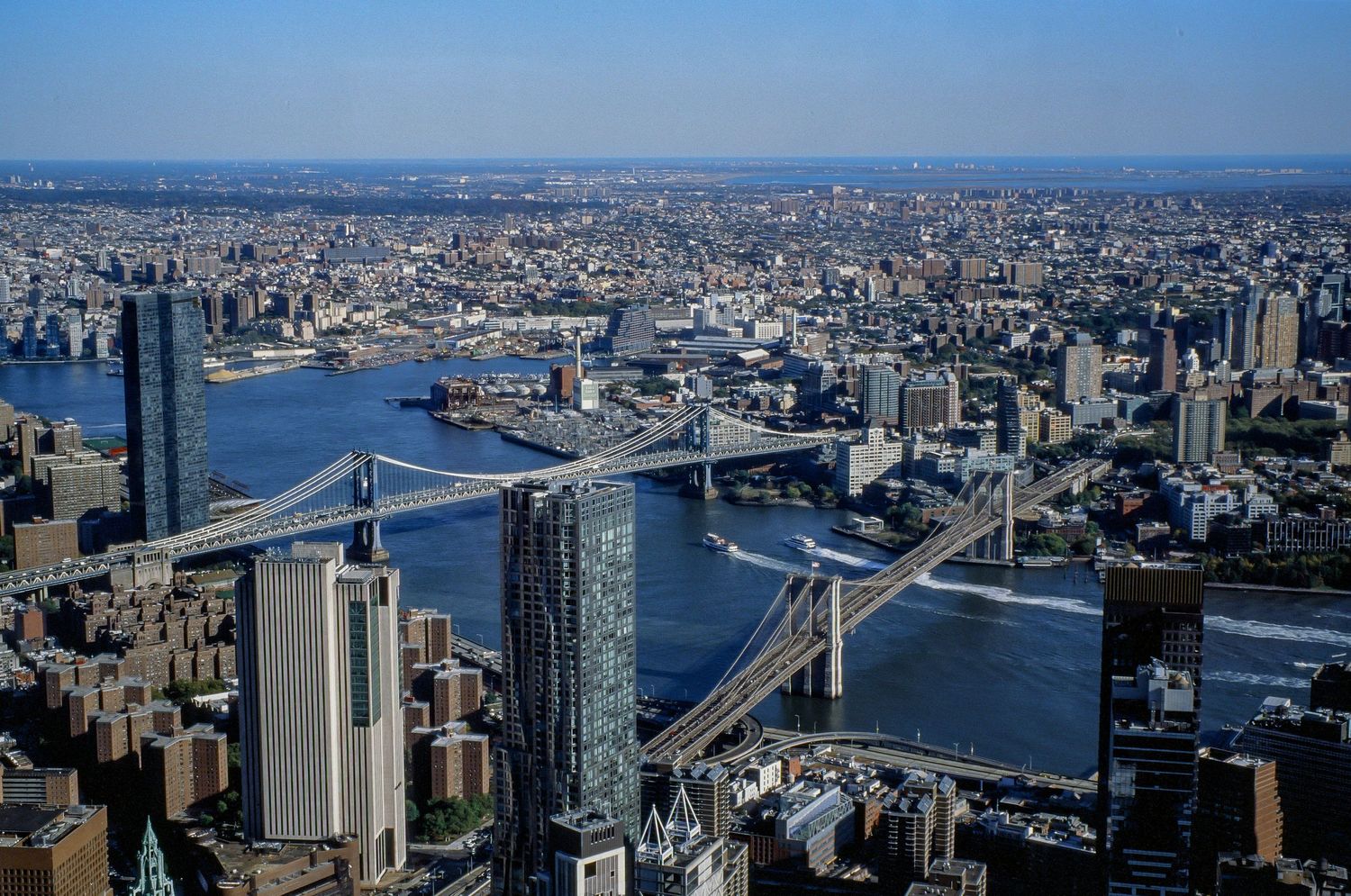
And all of it, the city, the people, captured on slide. Is it just romanticism? Possibly. But in photography, isn't subjectivity and emotionality everything? Especially when considering outdated and in many ways "inferior" mediums, like film photography, one must stop and think about why the art is crafted in particular and idiomatic ways.
I think Ektachrome provides a pretty unique experience for that idiomatic expression. It is almost insane to make photographs in this way. Especially travel photos! How insane must someone be to choose, with deliberate and intentional thought, the most challenging way to make photographs when digital mirrorless and iPhone cameras exist? This person must be truly insane.
Well, have me committed, because were it not for the cost, this would be the only way I'd make color photographs moving forward.
To be continued in Adventure in New York, Part III.
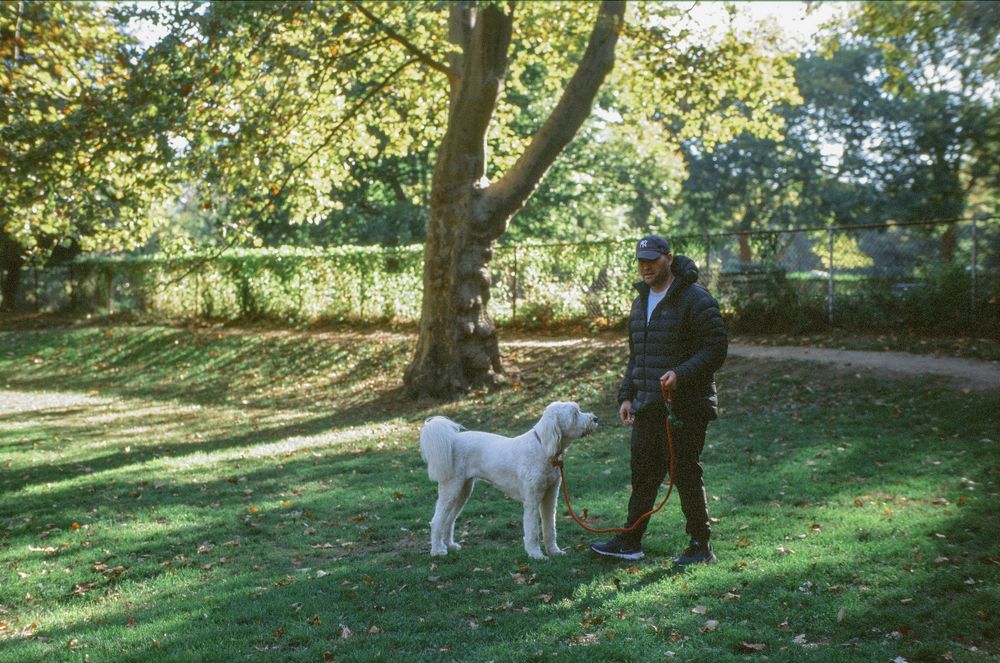
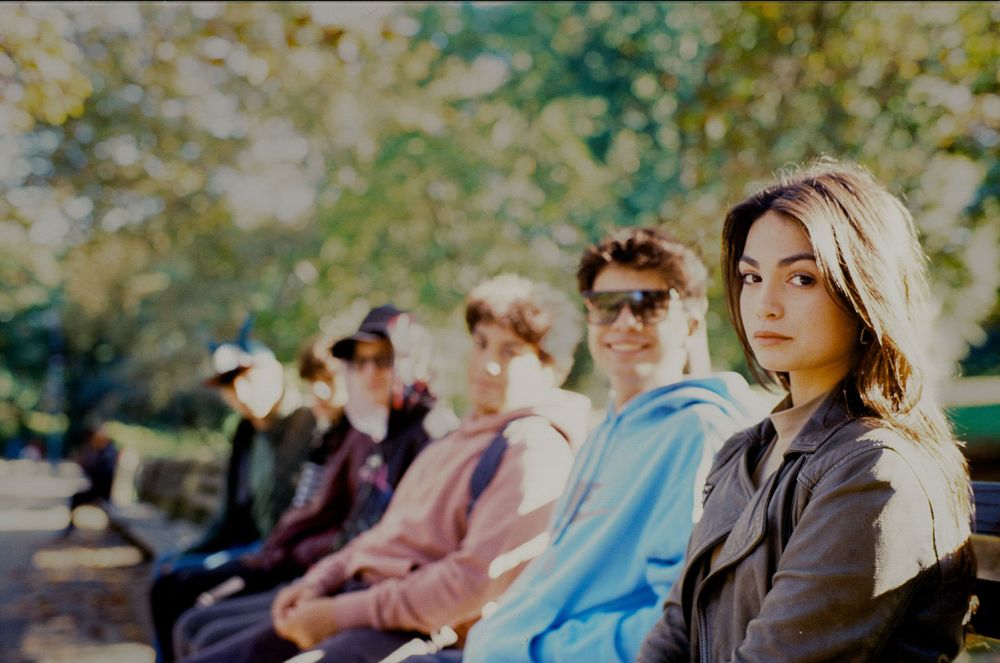
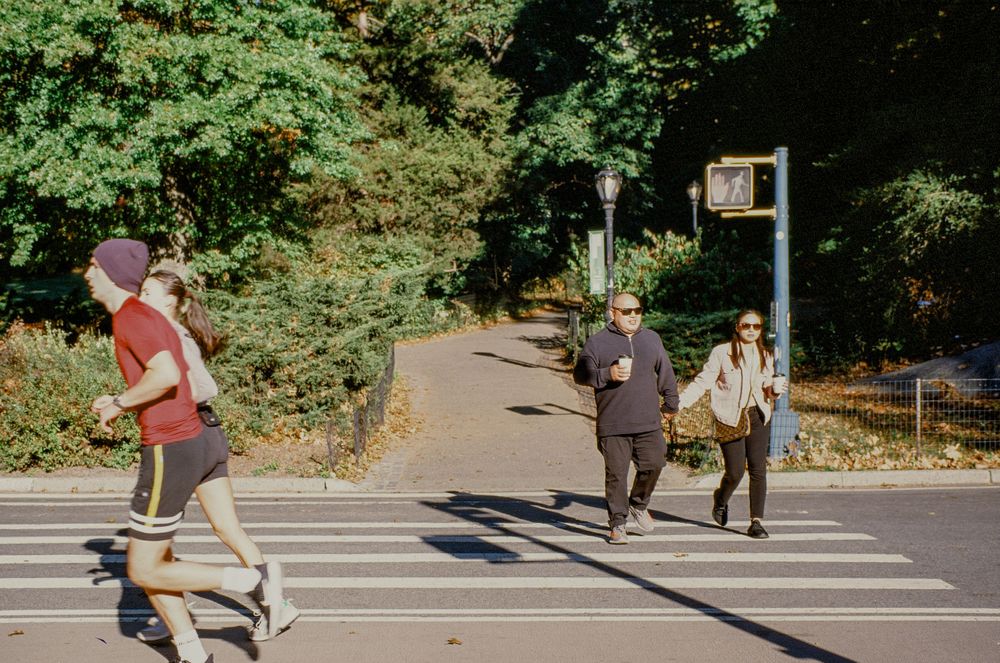
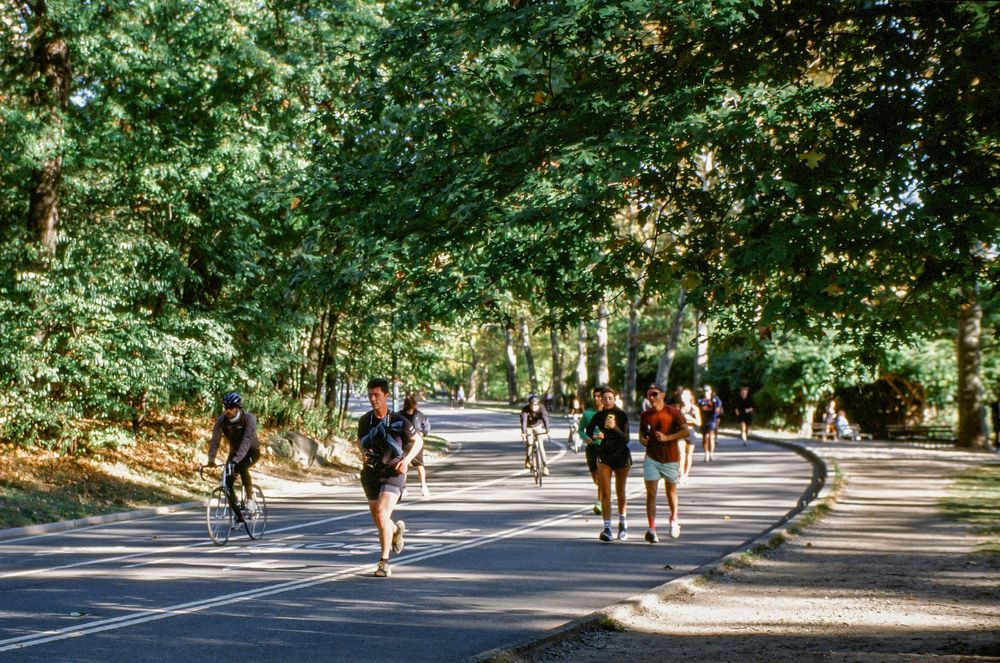
More New York City in Ektachrome
All images © 2020-2024 David Ulloa Studio. All rights reserved.